57.6 F
San Francisco
Saturday, May 16, 2026
Home Blog Page 1085

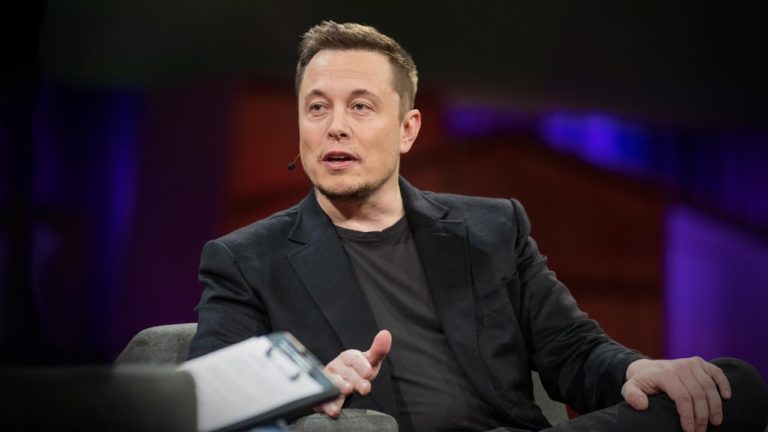
Job Cuts Surge to Highest in Nearly Three Years, Led by Elon Musk’s Efficiency Drive

0

Key Takeaways:

  • February saw the highest job cuts since July 2020.
  • Elon Musk’s Department of Government Efficiency (DOGE) led many of these cuts.
  • Tech and government sectors were most affected.
  • Experts link cuts to economic uncertainty and restructuring.

Job Cuts Reach Nearly Three-Year High

Employers cut jobs at the highest rate in nearly three years last February, new data reveals. This surge, the largest since July 2020, reflects a challenging economic landscape. Many of these cuts were driven by Elon Musk’s Department of Government Efficiency, or DOGE, aiming to streamline operations.

Understanding DOGE’s Role

DOGE, initiated by Elon Musk, focuses on optimizing government processes. While its goals include improving efficiency and reducing costs, this has led to significant job reductions. Many roles were eliminated in tech and government sectors, sectors already facing economic pressures.

The Impact on Workers and the Economy

These job cuts affect not only individuals but also the broader economy. Workers face uncertainty as companies restructure to cut costs. While some see this as a necessary step, others worry about the broader implications, such as increased unemployment and reduced consumer spending.

A Human Element

Behind the numbers are real people. Imagine a family relying on a paycheck that suddenly disappears. The stress of job loss can be overwhelming, affecting not just finances but mental health. This human cost is often overlooked in discussions about economic strategy.

Looking Ahead: What’s Next?

As the economy continues to shift, the effects of these job cuts will be closely watched. Will these measures lead to sustainable growth, or will they deepen economic struggles? Only time will tell, but for now, many workers are left navigating an uncertain future.

ISIS-K Terrorist Extradited to US Confesses to Deadly Attacks

0

Key Takeaways:

  • An ISIS-K terrorist was extradited to the United States.
  • He confessed to involvement in the Kabul airport bombing and other attacks.
  • The attacks targeted locations in Moscow and near the Canadian embassy.
  • The extradition highlights international counter-terrorism collaboration.

Understanding the Threat: ISIS-K Extradited to the US

The Abbey Gate Bombing in Kabul: A Tragic Event On a fateful day, the Abbey Gate at Kabul airport turned into a scene of horror. A terrorist blast claimed many lives, including soldiers and civilians. Recently, a member of ISIS-K, extradited to the US, confessed to playing a crucial role in this attack. His admission brings some closure but reminds us of the enduring threat of terrorism.

ISIS-K: What You Need to Know ISIS-K, or the Islamic State – Khorasan Province, operates in South Asia, far from the Middle East. This group targets civilians and security forces, aiming to spread fear and disrupt peace. The recent confession sheds light on their reach and ruthlessness.

A Global Trail of Terror The extradited terrorist did not stop at Kabul. He also admitted to attacks in Moscow and near the Canadian embassy. These acts show ISIS-K’s ability to strike globally, making international collaboration crucial in combating terrorism.

The Extradition Process: A Victory for Justice Extraditing a terrorist to the US is no small feat. It involves intricate legal processes and trust between nations. This success story underscores the effectiveness of international law enforcement working together against terrorism.

What’s Next for the Terrorist? Now in US custody, the terrorist faces charges for his crimes. His confession could lead to more intelligence on ISIS-K, helping to prevent future attacks. This case is a significant step in global counter-terrorism efforts.

The Ongoing Fight Against Terrorism While this extradition is a victory, the fight against terrorism continues. It reminds us of the need for vigilance and collaboration. Every such success brings hope but also highlights the challenges ahead.

Conclusion: A Message of Hope and Vigilance The extradition of this ISIS-K terrorist and his confession are vital in the pursuit of justice. It shows that even across borders, terrorists will face consequences. However, it also reminds us to remain vigilant. The global community must stand united against terrorism, ensuring such tragedies do not recur.

Trump Plans to End Department of Education

0

Key Takeaways:

  • President Trump may end the Department of Education soon.
  • Education Secretary Linda McMahon is ordered to close the department.
  • This move could change how education is managed in the U.S.
  • The public has mixed reactions to the plan.

Introduction: President Trump is considering a big change in the U.S. government by planning to close the Department of Education. This decision could affect how education is handled nationwide. Let’s explore what this means and why it’s happening.

What’s Happening? The Department of Education, created in 1979, oversees national education policies, funds schools, and sets standards. Trump’s plan to abolish it would significantly alter the education system, possibly shifting more control to states.

The Executive Order: Trump’s executive order directs Linda McMahon, the new Education Secretary, to start the process of closing the department. This includes evaluating which roles can be moved elsewhere and which might be cut. The goal is to make these changes as smoothly as possible.

Potential Impact: If the Department closes, its functions might be moved to other agencies or returned to states. This could mean schools have more local control but might lose some federal funding. Critics worry this could hurt education quality, especially in underfunded areas.

Public Reaction: People have strong opinions on this plan. Supporters say it reduces bureaucracy and gives states more freedom. Critics argue it could harm education progress and reduce accountability. Both sides are expressing their views loudly.

What’s Next? The closure process would take time, involving legal steps and possibly Congress. States and schools are on alert, wondering how this change will affect them. The outcome is uncertain, but it’s clear this move could have lasting effects.

Conclusion: Trump’s plan to end the Department of Education is a significant shift in U.S. policy. While some welcome the change, others are concerned. The future of education management hangs in the balance as the nation waits to see what happens next.

Democrats Unite: A New Era for the Party?

0

Key Takeaways:

  • Democrats show renewed unity after 2016, contrasting with past fragmentation.
  • Nancy Pelosi and Chuck Schumer lead the charge post-2016 election.
  • The party faces challenges but achieves significant legislative successes.
  • President Joe Biden plays a crucial role in maintaining unity.
  • 2024 elections loom as a test for sustained unity.

A Shift from Fragmentation to Unity

For years, the Democratic Party was known for its internal disagreements, often joked about as disorganized. However, after Hillary Clinton’s 2016 loss, a significant shift occurred. The party began to unite, showing a more coordinated front, which paid off in the 2018 midterm elections as they regained control of the House of Representatives.

Leadership and Strategy

The turnaround is largely attributed to the strong leadership of Nancy Pelosi and Chuck Schumer. Pelosi, as Speaker of the House, and Schumer, as Senate Majority Leader, strategized to keep the party cohesive. Their efforts were evident during Donald Trump’s presidency, where they successfully passed notable legislation such as the American Rescue Plan and the Bipartisan Infrastructure Law.

Challenges and Triumphs

Despite internal disagreements, especially from progressive and moderate wings, the party managed to present a united front. This unity was crucial in passing significant bills, showcasing their ability to work together despite differences.

Biden’s Impact

President Joe Biden, known for his bipartisan approach, played a key role in maintaining party unity. His focus on issues like economic recovery, climate change, and healthcare helped align Democrats and attracted independent voters, contributing to their electoral successes.

Looking Ahead to 2024

As the 2024 elections approach, the Democrats face the challenge of maintaining their unity. The party’s ability to work together will be crucial in determining their success. If they can uphold their newfound cohesion, they stand a strong chance of retaining power.

Conclusion

The Democratic Party’s journey from fragmentation to unity is a testament to effective leadership and strategic planning. While challenges lie ahead, their recent successes indicate a promising future. The 2024 elections will be a pivotal test of their sustained unity and ability to lead.

Trump Plans to End U.S. Education Department: Here’s What It Means

0

Key Takeaways:

  • President Trump may sign an executive order to close the U.S. Department of Education.
  • Education Secretary Linda McMahon would lead the shutdown process.
  • Congress must approve the plan, which could face opposition.
  • The move aims to reduce the federal government’s role in education.
  • States might take over responsibilities currently handled by the department.

Trump’s Plan to Shut Down the Education Department

President Donald Trump is considering a significant move to eliminate the U.S. Department of Education. According to recent reports, Trump may issue an executive order directing Education Secretary Linda McMahon to begin the process of dissolving the department. This move would mark a major shift in how education is managed in the United States.

What Does the Executive Order Say?

The draft executive order instructs Secretary McMahon to take all legal steps necessary to close the Department of Education. This includes transferring its responsibilities to other federal agencies or eliminating them entirely. The goal is to reduce the federal government’s involvement in education, a move that aligns with Trump’s push for smaller government.

Challenges Ahead

While Trump can issue an executive order to start the process, shutting down the Department of Education isn’t straightforward. Congress must approve any plan to eliminate a federal agency. This means Trump would need support from both the House and Senate, which could be difficult given the current political climate.

What Does the Department of Education Do?

The U.S. Department of Education plays a crucial role in the nation’s education system. It oversees policies related to public schools, colleges, and universities. Key responsibilities include:

  • Providing funding for schools.
  • Enforcing laws that protect students’ rights.
  • Promoting education reform.
  • Managing student loans and financial aid.

Why Would Trump Want to End It?

Trump and his administration argue that the federal government should have less control over education. They believe decisions about schools and education should be made at the state and local levels. By closing the Department of Education, Trump aims to reduce federal bureaucracy and give more power to states.

Reactions to the Plan

The proposal to dissolve the Department of Education has sparked mixed reactions. Supporters of the plan say it will reduce government waste and give states more flexibility. Critics, however, argue that eliminating the department could harm public education and reduce accountability.

What’s Next?

For now, the plan to close the Department of Education remains a proposal. Trump’s executive order would set the process in motion, but Congress has the final say. If lawmakers approve the plan, the department would be phased out over time. If they reject it, the Department of Education will continue to operate as usual.

Conclusion

Trump’s plan to dissolve the U.S. Department of Education is a bold move that could have far-reaching consequences. While the idea aligns with Trump’s vision of smaller government, it faces significant hurdles in Congress. The outcome will depend on whether lawmakers support the proposal or oppose it. Stay tuned as this story continues to unfold.

Macron Urges Europe to Stand Strong Without US Help

0

Key Takeaways:

  • French President Emmanuel Macron calls on Europe to defend itself and Ukraine without US aid.
  • Macron emphasizes the need for Europe to rearm and become self-reliant.
  • The French leader questions whether the US will always support Europe.
  • Europe must stop being bystanders in the Ukraine war, according to Macron.
  • Drastic military buildup is necessary for Europe’s security.

Europe Must Defend Itself Without US Help, Says Macron

French President Emmanuel Macron made a bold statement on Wednesday evening. He said that Europe should get ready to defend itself and Ukraine without counting on the United States. This idea is not new, as former US President Donald Trump also pushed for Europe to take more responsibility for its defense.

Why Is Macron Saying This Now?

Macron’s message comes as the war in Ukraine continues to escalate. He believes that Europe cannot just sit back and watch while the conflict grows more serious. “Europe cannot remain spectators in this war,” Macron stated. He made it clear that Europe needs to take drastic steps to build up its military strength.

Europe’s Need for Strength

The French leader emphasized the importance of Europe becoming strong enough to protect itself without America’s help. He acknowledged that the US has been a key ally, but he questions whether the US will always be there to support Europe. “I want to believe that the United States will always be there, but we must also think about our own strength,” Macron said.

Preparing for the Future

Macron’s call to action includes a significant military buildup across Europe. He believes that without taking this step, Europe will struggle to ensure its security in the future. The goal is to create a stronger, more united Europe that can handle its own defense needs.

What Does This Mean for Europe?

Macron’s statement highlights a shift in Europe’s approach to defense. For decades, many European countries have relied heavily on the US for military support. Now, Macron is urging Europe to take control of its own security. This means increasing military spending, improving defense systems, and working more closely together as a continent.

The Road Ahead

The path to a stronger Europe won’t be easy. It will require significant investment and cooperation among European nations. However, Macron believes that this is necessary to ensure Europe’s safety and independence in the face of growing global challenges.

Conclusion

Macron’s message is clear: Europe must step up and take responsibility for its own defense. This includes being prepared to support Ukraine without relying on the US. The call for drastic rearmament and greater unity is a bold move, but it reflects the urgent need for Europe to become a stronger, more self-reliant force on the world stage. The coming years will be crucial as Europe works to build a more secure future for itself and its allies.

Billionaires Taking Over: Trump’s Plan to End Public Services

0

Key Takeaways:

  • Trump’s administration is prioritizing billionaires’ interests over public services.
  • The Department of Education, Medicaid, and Social Security are at risk of being dismantled.
  • These actions benefit the wealthy while harming average Americans.

Introduction: President Trump’s administration is focusing on policies that favor billionaires, leading to potential cuts in essential public services. Why is this happening? The answer lies in understanding the interests of those influential billionaires.

The Department of Education Under Threat: Some lawmakers argue that cutting the Department of Education serves billionaires’ interests. Public schools are crucial for many, but the wealthy can afford private education. Eliminating the DOE would harm regular families who rely on public schools for their children’s education.

Medicaid Cuts Affecting Rural Areas: Billionaires do not need Medicaid, so they do not care if it disappears. In rural regions, losing Medicaid could force hospitals and clinics to close, reducing access to essential healthcare. This affects low-income families who depend on these services.

Social Security Offices Closing: Billionaires may view Social Security as unnecessary, leading to office closures. For millions of seniors, Social Security is vital for daily expenses. Removing this support threatens their well-being.

Conclusion: Trump’s policies favor billionaires, risking public services that millions depend on. As debates continue, it’s crucial to recognize the value of these services to average Americans and the consequences of their removal.

Democrats Score Big Court Win Against Trump’s Fund Freeze

0

Key Takeaways:

  • Democrats are actively fighting back against Trump’s policies, especially through court battles.
  • A federal judge ruled that Trump cannot use the Office of Management and Budget (OMB) to freeze federal funds.
  • The ruling highlights that only Congress has the authority to control spending.
  • Democratic state attorneys general are leading these legal efforts, protecting constitutional checks and balances.
  • Court decisions against Trump reinforce the importance of the Constitution and limit executive overreach.

Democrats Are Fighting Back—And Winning

There’s a common belief that Democrats aren’t doing much to challenge Trump. But the truth is, they’re hard at work, especially in the courts. A recent court ruling proved just how effective they’ve been.

A Major Court Victory for Democrats

On Thursday, a federal judge, John McConnell, handed Democrats a significant win. He ruled that Trump cannot use the Office of Management and Budget (OMB) to freeze federal funds that Congress has already approved. This decision is a big deal because it stops Trump from bypassing Congress’s authority on spending.

Why This Ruling Matters

Judge McConnell made it clear that the Constitution gives Congress, not the president, control over how federal money is spent. He wrote, “The Executive’s freeze of funds undermines the balance of power between branches of government. The Executive cannot impose its preferences on funds that Congress has already approved unless authorized by law.”

In simpler terms, the president cannot unilaterally decide to freeze money that Congress has allocated. Congress has the final say over federal spending, and Trump’s attempt to do so was unconstitutional.

The Bigger Picture

This ruling is part of a larger pattern. Democratic state attorneys general have been filing lawsuits to challenge Trump’s actions, and they’ve been winning. These victories send a clear message: Trump’s efforts to expand executive power are unlawful and will be stopped.

What This Means for the Future

The Supreme Court has already ruled against Trump on similar issues, and if more cases reach them, they’re likely to side against Trump again. These rulings also remind the public that Trump’s actions are often unconstitutional. This helps Democrats make their case for why voters need to elect more Democrats to Congress in 2024—to check Trump’s power and hold him accountable.

The Role of Democratic Attorneys General

State attorneys general, led by Democrats, are on the front lines of these legal battles. Their efforts are crucial in protecting our system of government. They’re ensuring that no one, including the president, is above the law.

The Final Word

Every time Trump loses in court, it’s a win for the Constitution and for the American people. These rulings prevent Trump from setting dangerous precedents that could expand executive power. They also remind voters why it’s important to elect Democrats who will stand up to him.

Democrats may not always get the headlines, but they’re working hard—and winning—to limit Trump’s overreach. The courts are a key part of their strategy, and so far, it’s paying off.

Sanders Demands Probe Into Musk’s Influence Over Government

0

Key Takeaways:

  • Senator Bernie Sanders accuses Elon Musk of controlling government actions.
  • Sanders seeks an investigation into DOGE and Musk’s subpoena.
  • Claims Musk is behind mass firings and data handovers in federal agencies.
  • Senate Republicans oppose the investigation.
  • Sanders emphasizes oversight responsibilities.

Introduction: Senator Bernie Sanders is urging the Senate to investigate Elon Musk’s influence, claiming Musk is effectively running the U.S. government. Sanders’ concerns stem from recent reports of significant changes in federal agencies, including staff firings and data handovers, allegedly directed by Musk.

Sanders’ Concerns: Sanders points to the termination of 80,000 VA employees and half of Social Security staff as evidence of Musk’s control. He argues that these actions, including defying court orders, indicate Musk’s undue influence over federal operations.

Call to Action: Sanders moved to subpoena Musk, stating that understanding Musk’s role is crucial for accountability. He motions the committee to authorize an investigation under Senate rules, emphasizing the importance of oversight.

Opposition from Republicans: Despite Sanders’ efforts, Senate Republicans oppose investigating Musk. Sanders and Democrats remain committed to highlighting the legality of Musk’s actions, suggesting continued pressure may lead to Republican action if political costs rise.

Implications: The situation raises questions about corporate influence in government. Sanders believes Musk’s actions must be stopped, but without Republican support, the path to accountability remains challenging.

Conclusion: Sanders’ push for accountability highlights the complexities of political influence. The situation underscores the ongoing debate about governance and external control, urging transparency and oversight.

Your Opinion: What are your thoughts on Sanders’ move to investigate Musk? Share your views in the comments below.

Trump and Trudeau’s Tense Call: Tariffs and Fentanyl Fallout

0

Key Takeaways:

  • Trump and Trudeau discuss fentanyl flow and tariffs in a call.
  • Trump imposes 25% tariffs on Canada and Mexico.
  • Most fentanyl intercepted comes from Mexico, not Canada.
  • Trudeau acknowledges improvement but Trump remains dissatisfied.

The Call: Former President Donald Trump recently shared details of his conversation with Canadian Prime Minister Justin Trudeau on Truth Social. The call focused on the fentanyl crisis and new tariffs imposed by the U.S. Trump expressed dissatisfaction with Trudeau’s response, stating that efforts to curb fentanyl flow were insufficient.

The Tariffs: Trump announced 25% tariffs on goods from Canada and Mexico, citing insufficient action against fentanyl trafficking. However, data indicates that most fentanyl seizures occur at the U.S.-Mexico border, with minimal amounts from Canada.

The Fentanyl Factor: Despite the tariffs targeting both countries, statistics show that less than 1% of fentanyl seized at U.S. borders comes from Canada. This raises questions about the effectiveness of the tariffs in addressing the crisis.

Conclusion: The tariffs and call highlight ongoing tensions between the U.S. and its neighbors over fentanyl. While Trump’s actions aim to pressure Mexico and Canada, the data suggests a greater focus on Mexico might be more impactful. The situation remains complex as all sides seek solutions to this critical issue.