67.1 F
San Francisco
Saturday, March 21, 2026
Home Blog Page 109

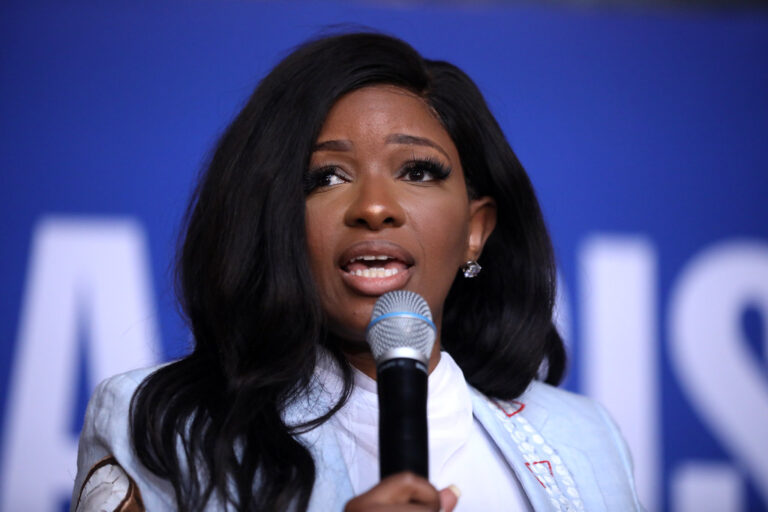
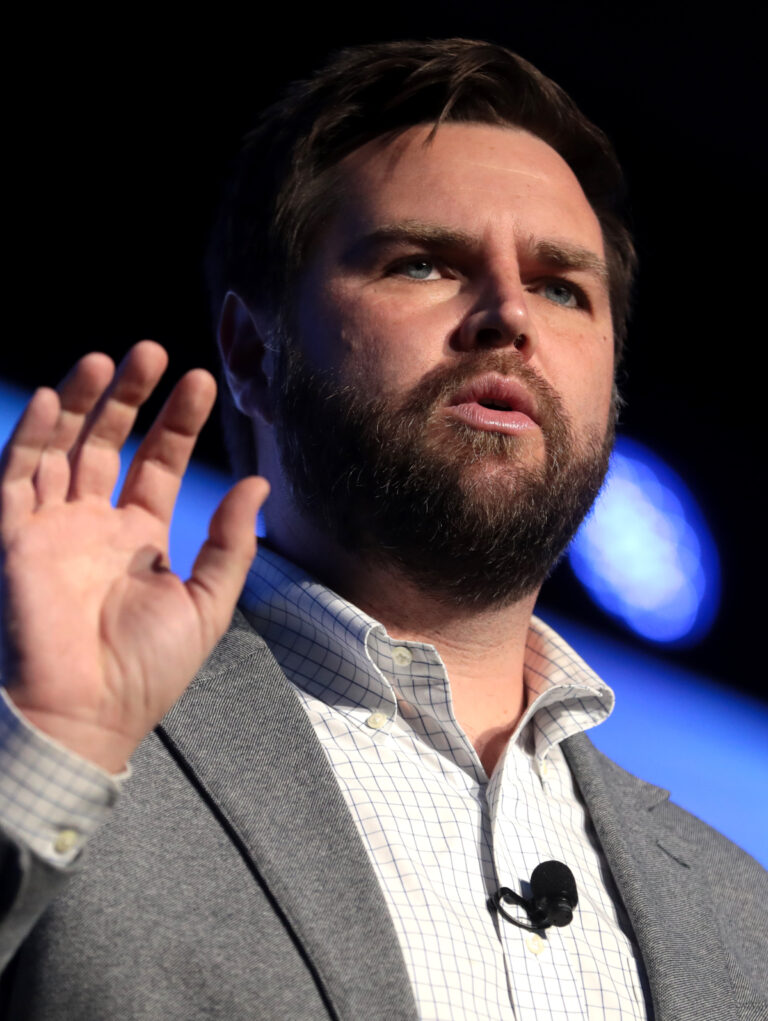
JD Vance Attacks Jasmine Crockett’s ‘Street-Girl’ Style

Key takeaways:


  • Vice President JD Vance mocked Jasmine Crockett’s “street-girl persona” and fake nails at America Fest.
  • The audience of young conservatives cheered loudly after Vance’s remarks.
  • Jasmine Crockett has risen by confronting former President Trump and now seeks a Senate seat.
  • Some progressives criticize her vote to cut U.S. support for a major aid agency in Gaza.
  • America Fest, run by Turning Point USA, began in 2021 under Charlie Kirk’s leadership

Jasmine Crockett Faces Scathing Remarks at America Fest

At a Turning Point USA event in Phoenix, Vice President JD Vance took aim at Congresswoman Jasmine Crockett. He joked that her “street-girl persona” was as fake as her long nails. The packed hall erupted in applause. Vance used the moment to highlight what he called a gap between her public image and reality. He quipped that her political record speaks louder than her style. However, his remarks did more than mock her look—they stirred fresh debate over tone and respect in politics.

Vance delivered his quip at America Fest, a conservative gathering known for bold speeches. The festival attracts many young activists eager for combative commentary. Vance pointed at Crockett, who was not in the room. He described her persona as a crafted act. Then he compared her nails to something “not real.” This struck a nerve with some. Meanwhile, others in the crowd cheered him on. They praised his blunt approach and quick wit.

Jasmine Crockett’s Political Rise and Senate Ambitions

Jasmine Crockett won her House seat by challenging the status quo. She stands out for her fierce attacks on former President Donald Trump. She calls him out on social media and in televised interviews. As a result, she grew a national profile fast. Trump later labeled her a “low-IQ person,” which fueled her determination. This year, she announced a bid for the U.S. Senate. She hopes to unseat a long-term incumbent in her home state.

Her campaign ad uses Trump’s own insults against her. It features audio of him attacking her intelligence. Crockett wants voters to see her as unbothered by personal attacks. Moreover, she frames herself as a fighter for the underdog. She speaks often about justice and equity. Still, not all progressives back every move she makes.

Scrutiny Over Her Vote on Gaza Aid

Many on the left applaud Crockett’s bold style. However, some question a key vote she cast last year. She supported an appropriations bill that temporarily cut funding for a major aid agency in Gaza. That agency, which helps refugees, faced a funding pause in the bill she backed. Critics say her vote hurt people in dire need of humanitarian support. They argue she aligned with her party’s more moderate wing on this issue.

On the other hand, Crockett defended her decision as part of a larger budget compromise. She said she regrets any harm but stressed the need to pass the overall funding package. She noted that unworkable bills can stall critical aid for the U.S. military, too. Yet, the debate lingers as she campaigns for the Senate seat. It shows how a single vote can shape public perception.

America Fest’s Role and Political Backdrop

America Fest began in 2021 under Turning Point USA founder Charlie Kirk. The event mixed politics with youth culture. Past speakers included former President Trump and former Alaska Governor Sarah Palin. One year, the festival welcomed Kyle Rittenhouse, whose trial grabbed national headlines. The event aims to energize young conservatives with fiery speeches and networking.

Following Kirk’s tragic death in September, organizers carried on his vision. Now, Turning Point USA touts Vance as a keynote draw. His appearance continued the festival’s tradition of hard-hitting commentary. Critics argue the event fosters division. Supporters claim it empowers new voices in politics. Either way, America Fest remains a high-energy stage for conservative leaders.

The Impact of Vance’s Mockery on Public Discourse

Vance’s jab at Jasmine Crockett sparked reactions across the political spectrum. Some praised him for calling out what they see as political theater. Others accused him of demeaning a fellow lawmaker over her appearance. In fact, discussions swirled online about gender and style in politics. Many asked whether mocking someone’s look is fair game.

Meanwhile, Crockett stayed focused on her campaign trail. She has not publicly responded to Vance’s comments. Instead, she continues to meet with voters and outline her policy goals. Her team argues that substance must matter more than style. They say she won’t waste time on personal attacks. Rather, she plans to zero in on issues like healthcare and voting rights.

What’s Next for Jasmine Crockett and JD Vance

As the Senate race unfolds, both figures will shape the conversation in Texas. Jasmine Crockett will face tough questions about her record and policy stances. She will need to unite progressives and moderates. At the same time, JD Vance will promote conservative solutions and rally his party. His bold remarks signal he plans to keep stirring debate on the national stage.

In the coming weeks, look for Crockett to push back on personal attacks. Expect Vance to highlight differences on key issues like aid and security. Both will leverage social media to galvanize supporters. Ultimately, the campaign could set the tone for politics beyond Texas. It will test how voters respond to sharp rhetoric and policy choices alike.

FAQs

Why did JD Vance mock Jasmine Crockett’s nails?

He aimed to highlight what he sees as a crafted public image. He joked that her “street-girl persona” is as fake as her nails.

How did the crowd react to Vance’s comments?

Attendees at America Fest cheered loudly. Many young conservatives praised his blunt style.

What are Jasmine Crockett’s main policy focuses?

She emphasizes justice, voting rights, healthcare access, and fair treatment for all communities.

Has Jasmine Crockett responded to the mockery?

She has not publicly addressed the remarks. Instead, she remains focused on her Senate campaign and policy goals.

Is Trump Influence Fading?

Key Takeaways

  • GOP strategist Scott Jennings defended President Trump’s standing on CNN.
  • Former Biden communications chief Kate Bedingfield said Trump lost control of his party.
  • Trump faced recent pushback from Republicans over maps, worker rights, and health care.
  • Jennings claimed Trump influence among Republicans has never been stronger.
  • The debate turned comical over the “Clinton files” mix-up.

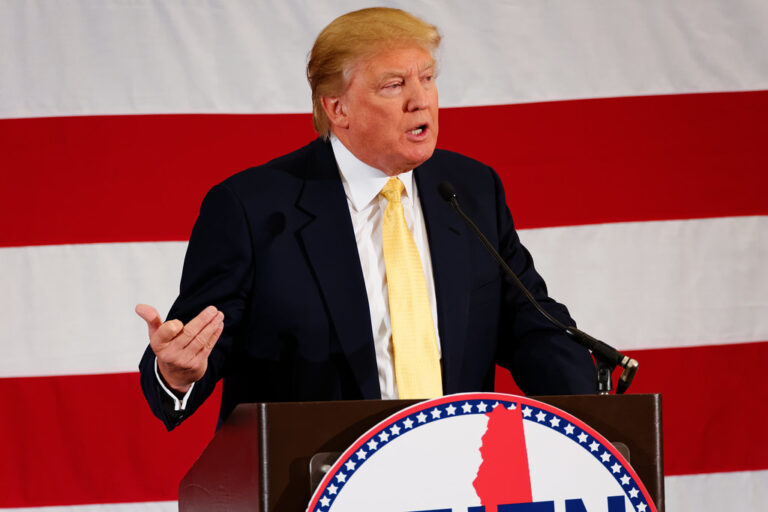
A Sunday CNN segment exploded over a fight on Trump influence. Kate Bedingfield argued that President Trump lost his grip on the GOP. Scott Jennings pushed back hard. He insisted Trump influence is at its peak. The back-and-forth turned tense and funny when Jennings confused “Epstein files” with “Clinton files.”

What This Means for Trump Influence

This debate matters because it shows real divisions in the Republican Party. If Trump influence is slipping, lawmakers may break away more often. Conversely, strong Trump influence could shape all GOP decisions. Let’s look closer at both sides of the fight and what comes next.

Recent Challenges to Trump Influence

Over the last few weeks, multiple GOP members openly defied President Trump.
– Indiana Republicans blocked Trump’s map redraw to help his allies.
– The GOP-controlled House defeated his plan to strip federal workers of bargaining rights.
– A dozen Republicans voted for Obamacare aid, against his wishes.

These clashes suggest that Trump influence may not be absolute. When leaders in his own party openly disagree, it signals cracks. Moreover, voters see GOP divisions on big issues like health care and foreign policy.

Why Bedingfield Says He Lost Control

Kate Bedingfield painted a bleak picture. She pointed to splits on health care and Israel. She said new factions are ripping the party apart. In her view, Trump’s long speeches raise doubts about his focus. As a result, his ability to guide lawmakers weakens. Consequently, she argued, his influence will keep fading.

Jennings’ Bold Defense

Scott Jennings refused to agree. He claimed that Trump influence among Republicans has never been stronger. According to Jennings, Trump’s loyal base remains solid. He said the president’s endorsements still drive primary races. Also, Trump’s fundraising keeps surging. Therefore, Jennings insisted, the former president still rules the GOP.

The Clinton Files Confusion

The debate took an odd turn when Bedingfield asked about fights over the Epstein files. Jennings misheard and shouted, “The Clinton files! I’m sorry, I saw the pictures: the Clinton files!” The CNN panel burst into laughter. Bedingfield shot back that Bill Clinton’s image had nothing to do with Trump influence.

How Humor Highlights the Divide

This slip-up brought attention to how heated the anger over Trump influence has grown. It also showed that even seasoned operatives can make quick mistakes on air. Meanwhile, viewers at home saw a clear metaphor: the GOP’s own arguments sometimes spin off track.

Is This Debate Really About Trump Influence?

Beyond the gaffe, the core issue is clear. Republicans wonder if they still serve one leader or many. Bedingfield said key issues like health care have created factions. In her view, this spreads power away from Trump and into committees and chiefs. On the other side, Jennings sees those same moves as routine pushback that every president faces.

Lawmakers’ Actions Speak Louder

No matter who wins the CNN fight, actions on Capitol Hill will tell us more about Trump influence. When an Indiana map drew a new line without Trump’s nod, many saw that as rebellion. When 12 Republicans saved Obamacare subsidies, they ignored Trump’s calls. And when the House fought union rights, lawmakers sent a clear signal.

What Comes Next for Trump Influence

The next months will be crucial. Trump plans a major speech and a big rally. He also hints at a 2024 run. If his chosen candidates win key primaries, many will view that as proof of strong Trump influence. However, if they lose, critics will say his power is fading.

How Voters See It

Recent polls show mixed feelings. A core group of GOP voters still praise Trump’s leadership. They credit him for tax cuts and tough immigration policy. Yet other Republicans say they want fresh faces and new ideas. These voters worry that too much Trump influence could hurt GOP chances in midterms.

Why the Media Matters

Media debates like this CNN clash shape public views on Trump influence. Reporters grill strategists and push for clear answers. As a result, viewers often see more drama than substance. However, those dramas can still sway perceptions in tight races.

The Road Ahead

As the GOP heads into important votes on spending, judges, and foreign aid, Trump influence will remain a key theme. Some lawmakers may follow Trump’s lead to stay popular with his base. Others may chart a different course to appeal to independents and moderates. Thus, the coming sessions in Congress will test how deep Trump influence really runs.

FAQs

Why did Kate Bedingfield say Trump lost control of his party?

She pointed to recent GOP splits on health care, Israel, and other big issues. Those fights, she argued, show that Trump no longer guides all Republicans.

What examples show Republicans defying Trump?

Indiana Republicans rejected his map plan. The House stopped his bid against federal unions. A group of members backed Obamacare subsidies against his wishes.

How did the “Clinton files” mistake happen?

Jennings confused questions about Jeffrey Epstein’s documents with Bill Clinton’s related allegations. He called them “Clinton files” on live TV by mistake.

Will this CNN debate change Trump’s future power?

It may influence how voters and lawmakers see his control. However, real proof will come from election results and congressional votes.

Frequent Cognitive Tests: What They Reveal About Trump


Key takeaways:

  • Capitalize on low approval of the current leadership.
  • Target moderate Republicans in suburban areas.
  • Emphasize healthcare and social programs.
  • Encourage high turnout among their base.
  • Use popular messaging on rights and freedoms.

Dr. John Gartner, a clinical psychologist, argues that giving Donald Trump three Montreal Cognitive Assessments points to monitoring. Normally, doctors give one quick test to check for early signs of dementia. However, repeating those exams suggests they already suspect a problem. Therefore, Dr. Gartner believes these regular checks track how fast symptoms worsen.

What Frequent Cognitive Tests Reveal About Decline

Trump first mentioned his cognitive test success in April. He said, “I got every answer right.” Later in October, he claimed to pass a “very hard” test that only a “low IQ person” would fail. By boasting, Trump may have “given the game away,” says Dr. Gartner. In his view, the multiple exams are not simple age checks. Instead, they mark the progress of an existing condition.

Trump’s Bragging Points to Monitoring

Trump often uses bold language. He named Representatives Jasmine Crockett and Alexandria Ocasio-Cortez as “low IQ” examples. He said they could not name a tiger, an elephant or a giraffe in his chosen exams. By framing the test as difficult, he hints at deeper concerns. He seems to want the public to focus on his sharpness. Yet, Dr. Gartner says the real goal is to watch any decline.

Experts See a Pattern of Regular Exams

Moreover, Dr. Gartner notes that monitoring dementia requires regular follow-up tests. He explains that checking someone only once makes sense at a certain age. But testing every few months raises red flags. He believes Trump gets cognitive tests and MRI scans every six months. This schedule, he argues, tracks the speed and severity of mental changes.

Baseline Comparisons Are Key to Diagnosis

To diagnose any cognitive disorder accurately, doctors compare new results to earlier ones. A sudden change in test speed or accuracy may reveal real decline. “If somebody doubles their rate of errors, that’s a mental status change,” says Dr. Gartner. Therefore, repeating the same test helps measure how much a person’s thinking has worsened.

What the Montreal Cognitive Assessment Involves

The Montreal Cognitive Assessment, or MoCA, is a quick screening tool. It tests memory, attention, language, and problem-solving. Examples include naming animals, drawing a clock, and recalling words. Health professionals often use it once to flag possible issues. Yet, giving this test three times to the same person suggests doctors want to track performance drops.

Possible Health Implications Behind the Exams

According to Dr. Gartner, regular MRI scans accompany the cognitive tests. These scans catch changes in brain structure from strokes or other damage. If scans and exams occur every six months, doctors might suspect ongoing issues. In such cases, they need to see how the brain changes over time. This routine points to more than just routine care.

Why Doctors Monitor Rather Than Screen

Screening aims to catch early signs of a new problem. Monitoring, by contrast, follows a known condition. It measures whether treatments work or symptoms worsen. Dr. Gartner claims Trump’s doctors focus on monitoring. He states they want to know, “How bad is he doing now?” rather than “Is there a problem?”

Trump’s Public Comments vs. Private Health Strategy

Trump’s claims of perfect scores help shape his public image. Yet, the private check-up plan may differ from his messages. By repeating “I got every answer right,” he downplays any concern. At the same time, regular check-ups suggest doctors worry about cognitive decline. This contrast raises questions about transparency in medical disclosures.

What the Public Should Know

First, regular cognitive tests can signal serious health worries. For example, tracking mental sharpness over months shows if someone slips. Second, boasting about perfect scores may mask deeper issues. Third, understanding medical practices helps citizens gauge their leaders more accurately. Finally, awareness of such monitoring may spark conversations about health and leadership fitness.

Key Signs of Cognitive Decline to Watch

  • Slower response times when naming objects or recalling words.
  • Increasing mistakes on memory or drawing tasks.
  • Noticeable changes in speech or problem-solving.
  • Regular medical tests aimed at measuring past baselines.

How Monitoring Differs from Screening

Screening:
• One-time check
• Detects new problems
• Used with healthy adults of a certain age

Monitoring:

• Repeated exams
• Tracks known issues
• Measures symptom changes over time

What Could Happen Next

If doctors truly monitor a condition, they may adjust treatment as needed. They might prescribe medication or therapy to slow decline. Alternatively, they may recommend lifestyle changes like diet or exercise. For any leader, ongoing health issues could affect job performance. Recognizing this path helps both the public and medical teams respond effectively.

Conclusion

In summary, Dr. John Gartner’s view challenges the idea that multiple exams are routine. He sees repeated Montreal Cognitive Assessments and MRI scans as signs of a monitored health issue. Meanwhile, Trump’s public boasting contrasts with the seriousness of regular check-ups. As citizens, understanding the difference between screening and monitoring guides our interpretations. Moving forward, transparent health reporting remains vital for public trust.

Frequently Asked Questions

What is the purpose of the Montreal Cognitive Assessment?

The assessment checks memory, attention, language, and problem-solving quickly. It often helps detect early signs of cognitive issues.

Why would doctors repeat cognitive tests?

Repeating tests lets doctors compare current results to past ones. This comparison reveals if a known condition worsens over time.

Can boasting about test results hide real health issues?

Yes. Public claims of perfect scores may distract from private monitoring of decline. Health professionals may worry despite public statements.

How often should healthy adults get cognitive screen tests?

Typically, adults over a certain age get screened once during an annual physical. More frequent tests suggest doctors want to track an existing condition.

Jasmine Crockett Fires Back at Vance’s Nail Insult

Key Takeaways:

• Jasmine Crockett fired back at Vice President JD Vance’s public insult.
• Vance called her “street-girl persona” and mocked her nails.
• Crockett responded forcefully on social media, calling out his reliance on a violent mob.
• The clash highlights rising tensions in the Texas Senate race.
• Both figures are gearing up for a high-stakes political battle.

Jasmine Crockett Fires Back at Vice President’s Insult

Rep. Jasmine Crockett surprised many by hitting back hard at Vice President JD Vance. The vice president flung a sharp jab from the stage of a major conservative event in Phoenix. He mocked her “street-girl persona” and even made fun of her nails. However, Crockett refused to stay quiet. Instead, she used social media to turn the tables.

A Public Dig at a Senate Challenger

JD Vance took aim at Jasmine Crockett while speaking at a youth-focused conference. He introduced her name with a sneer. Then he said her public image was as fake as her painted nails. This line drew big applause from the crowd. Yet it also set the stage for a fierce reply.

The Turning Point USA Event

Turning Point USA’s America Fest draws young conservatives from across the country. Speakers often use bold, provocative language to fire up the audience. In this setting, Vance delivered a wide-ranging, racially charged speech. His insult aimed at Crockett fit that tone perfectly. Still, few expected her to respond so quickly and so fiercely.

Jasmine Crockett Reacts on Social Media

Instead of staying silent, Jasmine Crockett took to her X account. She rubbed salt in Vance’s wound by calling out his own record. She reminded people that his rise came after a violent mob stormed the U.S. Capitol. That mob wanted to hang the vice president’s predecessor. That fact, she argued, speaks more loudly than any nail polish.

Breaking Down Crockett’s Reply

In her post, Jasmine Crockett highlighted two big points. First, she called out the mob violence that helped Vance win his job. Then she accused him of ignoring his boss’s role in that chaos. Finally, she challenged him to focus on national issues—like corruption and debt—rather than her appearance.

Why This Exchange Matters

This clash matters for three reasons. First, it shows how personal attacks now shape major races. Second, it underscores growing tensions in Texas politics. Third, it hints at how social media will play a role in future debates. Both contenders know that viral moments can sway voters, especially younger ones.

A High-Stakes Texas Senate Race

Jasmine Crockett is mounting a fierce challenge for the Senate seat held by Senator John Cornyn. On the other side, many conservatives in Texas hope for a strong Republican candidate. JD Vance’s public jab might rally the base. Yet Crockett’s fiery response could energize Democrats and independents.

The Role of Image in Politics

Modern campaigns often hinge on personality and style. Vance’s criticism of Crockett’s “street-girl persona” aimed at undermining her credibility. However, Crockett showed that a savvy social media response can flip the script. Now both sides know that image wars will continue through 2026.

What’s Next for Jasmine Crockett

Now that this skirmish is public, both camps will watch closely. Jasmine Crockett will likely use this moment to raise funds and rally supporters. Meanwhile, JD Vance may double down on bold, headline-grabbing attacks. In the weeks ahead, keep an eye on:
• Fundraising totals for Crockett’s Senate campaign
• Social media engagement on both sides
• Next public appearances or debates

How This Shapes the Conversation

This spat highlights a wider trend: political discourse is growing more personal. Instead of policy debates, voters now see snappy insults and viral comebacks. While this can boost engagement, it may also deepen divides. Yet for Jasmine Crockett, the lesson is clear. She can turn an attack into a rallying cry.

A Look at Vance’s Strategy

JD Vance’s insult fits a playbook conservatives often use to dismiss opponents. Target your rival’s image. Then energize your base with a punchy line that easily spreads online. In this case, the “nails” joke worked on stage. However, Crockett’s response shows that this tactic can backfire, especially when the target fights back effectively.

Lessons for Future Campaigns

Both parties will study this exchange. They will note how quickly a single line can dominate the news cycle. They will also see how a strong social media counterpunch can rewrite the narrative. In the digital age, every insult, every post, every like carries weight. Campaigns must move fast and think even faster.

Final Thoughts

In politics, timing is everything. JD Vance threw his insult when he had the crowd’s attention. Yet Jasmine Crockett’s swift reply stole the spotlight. Now, as both prepare for a bigger showdown, one thing is clear: personal jabs will keep flying. And smart, loud comebacks will matter more than ever.

Frequently Asked Questions

Why did JD Vance insult Jasmine Crockett at America Fest?

He used a vivid line about her “street-girl persona” and nails to rally the audience and weaken her political image.

How did Jasmine Crockett respond?

She called out Vance’s rise thanks to a violent mob and challenged him to focus on national issues instead.

What is at stake for Jasmine Crockett?

She is running for U.S. Senate in Texas. Winning would flip a key seat and shift Senate control.

Will this exchange affect the 2026 Senate race?

Yes. Viral moments can swing fundraising, media coverage, and voter enthusiasm in tight races.

Midterm Elections: The Fight to Save Trump


Key Takeaways

  • House Speaker Mike Johnson warns that losing the House majority in the midterm elections could lead to Trump’s impeachment.
  • Trump’s approval ratings have hit historic lows, hurting GOP chances.
  • Two-thirds of Americans think the country is on the wrong track, raising alarm bells.
  • Young conservatives play a vital role in turning the tide in the midterm elections.
  • If Democrats regain the House, they may advance impeachment articles against Trump.

Midterm Elections: What’s at Stake

House Speaker Mike Johnson urged young conservatives to rally for the midterm elections. He spoke at a major conference in Phoenix. He said, “If we lose the House majority, the radical left will impeach President Trump.” Johnson believes the midterm elections will define America’s future and protect Trump from possible impeachment.

What Are Midterm Elections?

Midterm elections happen halfway through a president’s term. Voters choose members of Congress and some governors. They do not vote for the president directly. However, these elections shape the president’s ability to pass laws. In 2026, control of the House of Representatives is on the line. Therefore, both parties are racing to secure seats.

Why Young Conservatives Matter

Young voters can tip the balance in Congress. When more students and new voters join polls, they often lean conservative. Moreover, youth activism boosts campaign energy and sparks local events. Therefore, Johnson made a direct appeal to this group. He asked them to spread the word and volunteer at rallies. In turn, their efforts could help save the House majority.

The Threat of Losing the House Majority

Currently, Republicans hold a slim lead in the House. If they lose enough seats, Democrats will take control. CNN analyst Harry Enten warned that America is on the “wrong track.” He noted that two out of three Americans share this view. This sentiment can swing elections. Hence, the GOP faces a real risk in the midterm elections if public mood remains low.

Midterm Elections and Possible Impeachment

Should Democrats win the House, they could push impeachment articles. Last April, Representative Al Green filed an impeachment motion against Trump. Yet, with Democrats in the minority, the motion died quickly. However, a future Democratic majority changes the math. If most Democrats support impeachment, articles could reach the House floor. Then, a vote might advance the process, sparking intense national debate.

Trump’s Approval and GOP Prospects

As Trump’s approval sinks, Republican chances dim. Recent polls show his ratings matching his first term’s lowest. Consequently, GOP candidates often face tough races. Moreover, swing districts have grown more competitive. Thus, every vote in the midterm elections counts. Party leaders urge supporters to register early and vote on time.

How You Can Get Involved in the Midterm Elections

First, register to vote or confirm your status online. Next, volunteer for local campaigns or phone banks. Furthermore, attend town halls and meet candidates. Speak with friends and family about why these races matter. Share information on social media to raise awareness. Finally, on election day, bring a friend to the polls for added support.

Turning Point USA’s Role

Turning Point USA hosted the event where Johnson spoke. This group organizes young conservatives nationwide. They hold leadership workshops and on-campus events. Their aim is to inspire student activism and defend conservative values. In Phoenix, they rallied thousands to hear about the midterm elections. The energy at the festival highlighted youth power in politics.

Key Issues in the 2026 Midterm Elections

Economy: Job growth, inflation and spending are hot topics.
Border Security: Voters demand clear policies on immigration.
Freedom and Rights: Debates on speech, privacy and school choice persist.
National Security: Questions on foreign policy keep voters engaged.
Healthcare: Cost and access debates influence swing voters.

What’s Next for Republicans

To hold the House, the GOP needs to:

  • Win back swing districts lost in recent cycles.
  • Mobilize young and minority voters.
  • Fundraise aggressively for key races.
  • Promote a unified message to counter Democratic narratives.
  • Highlight achievements and criticize left-leaning policies.

What’s Next for Democrats

If Democrats aim to reclaim the House, they must:

  • Capitalize on low approval of the current leadership.
  • Target moderate Republicans in suburban areas.
  • Emphasize healthcare and social programs.
  • Encourage high turnout among their base.
  • Use popular messaging on rights and freedoms.

Looking Ahead

Midterm elections shape the second half of every president’s term. They act as a referendum on the first two years. Consequently, both parties treat these races as must-win battles. In 2026, with the threat of impeachment looming, stakes have never been higher. Therefore, young voters and activists must act now to make their voices heard.

Frequently Asked Questions

How often do midterm elections occur?

They happen every two years, midway through a president’s four-year term.

Why are midterm elections important?

They determine which party controls Congress and influence the president’s power to pass laws.

Can Democrats really impeach Trump if they win the House?

Yes. With a majority, they can advance impeachment articles if enough members support them.

How can I find my polling place?

Check your state’s election website or use online tools from your local election office.

Inside the Texas Bathroom Bill Tip Line

0

Key Takeaways:

  • Texas Attorney General launches tip line for bathroom bill reports.
  • Government agencies face daily fines up to $125,000 for violations.
  • Public can submit written complaints and photos (though illegal in restrooms).
  • Critics warn of privacy invasions and possible harassment.
  • Early actions include ID checks and new signage at some sites.

What the Texas bathroom bill requires

The Texas bathroom bill sets rules on who can use public restrooms and locker rooms. It applies to schools, colleges and state buildings. People must use facilities that match the sex they were assigned at birth. If someone enters the “wrong” restroom, the institution—not the individual—faces penalties. A first offense costs $25,000. After that, agencies pay $125,000 per day until they fix the issue.

How the tip line works

Attorney General Ken Paxton now asks Texans to report suspected violations. First, you must file a complaint with the agency you believe broke the law. Then you fill out the form on the Attorney General’s website. The form even lets you upload photos. However, taking photos inside restrooms is illegal and may lead to criminal charges.

The office will review each submission. If it finds a real violation, it will propose fines and send them to the agency. Additionally, individuals who feel “affected” by a violation can sue those agencies. Thus, the new tip line adds another layer of enforcement for the Texas bathroom bill.

Legal and privacy concerns

Despite its clear goal, the law leaves many details vague. It tells agencies to take “every reasonable step” but does not define what that means. This vagueness worries critics. They say it lets people police one another in bathrooms. Moreover, photos on the tip line risk breaking privacy laws.

Last year, a GOP leader in Williamson County took a photo of a transgender woman in a Capitol restroom. She then faced a criminal investigation for invading privacy. Even though she sued to stop it, the federal appeals court ruled against her. This case shows how snap judgments in restrooms can lead to legal trouble.

Early enforcement actions

The new law took effect on December 4. Since then, enforcement has varied widely across Texas. At the state Capitol two days later, law officers blocked the women’s restroom and checked protesters’ IDs. In contrast, many schools and local offices simply added new signs. Some said they did not need any changes because their existing policies already matched the law.

In most places, the only visible difference has been new restroom signs. Few institutions have pointed to new security checks or staff training. Still, the tip line may prompt more active enforcement over time. Institutions now know that anyone can send a complaint directly to the Attorney General.

Critics sound alarms

Civil rights groups immediately criticized the tip line. They point out that restroom photos often break privacy rules. Beyond that, critics fear harassment campaigns. People might spy on others in restrooms just to file a complaint. Then they could use the law to intimidate innocent strangers.

One lawyer for the state ACLU said the tip line “encourages Texans to violate each other’s privacy in bathrooms.” He added that transgender Texans can feel “vilified and dehumanized” by the law. Furthermore, critics note that no state law forces private businesses to follow these rules. Yet animus stirred by the law could seep into all public spaces.

A real incident in Minnesota illustrates the risk. A teen girl was wrongly questioned in a restaurant bathroom. A server claimed she did not belong there. He kept harassing her until she revealed her chest. That state has no bathroom bill, and private businesses are not covered by such laws. Still, bias led to a traumatic event.

Where things go from here

Lawmakers crafted the Texas bathroom bill to protect women’s privacy and safety. They argue that men in women’s restrooms pose a risk. Attorney General Paxton said Texas must fight “radical leftism” and the danger of “mentally ill men.” He vowed to “bring justice” to agencies that break the law.

On the other hand, opponents say the law and its tip line create new risks. They claim it invites false reports and vigilantism. As more complaints come in, agencies may face heavy fines even for honest mistakes. Meanwhile, transgender Texans may feel unwelcome or threatened in public spaces.

Over time, we will see how agencies react to pressure from the tip line. Some may tighten rules, train staff or hire bathroom monitors. Others may push back, arguing the law harms privacy and trust. Court challenges could also reshape enforcement if judges find parts of the law unconstitutional.

For now, the tip line adds a new twist to the Texas bathroom bill. It empowers the public to police restrooms. However, it also raises serious questions about privacy, fairness and safety. As the debate continues, Texans will watch closely to see if the law protects or harms the people it targets.

Frequently Asked Questions

What happens if a complaint is filed?

First, you must submit a complaint to the agency you believe broke the law. Then you file the same complaint with the Attorney General’s office. That office will review it and suggest fines if they confirm a violation.

Can I take photos inside a public restroom?

No. Taking photos inside a restroom is illegal and can lead to criminal charges. Even though the tip line allows photo uploads, you should never snap pictures in a bathroom.

Who pays the fines if someone uses the “wrong” restroom?

The institution pays the fines, not the person. A first offense costs $25,000. If a violation continues, the agency pays $125,000 per day.

Are private businesses subject to the Texas bathroom bill?

No. The law only covers schools, colleges and government buildings. Private businesses can set their own restroom policies without facing these fines.

GOP Retirements Hint at 2026 Midterm Showdown

Key Takeaways

• Around two dozen Republican lawmakers are retiring from Congress.
• GOP retirements could weaken Republicans in the 2026 midterms.
• Some cite stress and fast pace of work as reasons to leave.
• Democrats see this as a sign of their strength going into midterms.
• New candidates will face tough primaries and loss of incumbency benefits.

GOP retirements are on the rise

Around twenty Republican members of Congress have announced they will not seek re-election. Rumors swirl that many more may follow. Some lawmakers told pollsters they are not sure they want to run again in 2026. They cite a grueling work schedule and constant pressure in Washington. As a result, the party faces the challenge of filling dozens of open seats.

Why GOP retirements are soaring

Many Republicans blame the whirlwind pace of Congress. A former White House communications director noted that the nonstop work takes a toll on lawmakers. He said this year’s hectic schedule left people burned out. However, some also point to party fights and fear of tough primaries. Additionally, high expectations around former President Trump’s influence could scare off members. They worry that speaking against him could cost them support. Therefore, many choose to bow out rather than battle inside their own party.

What GOP retirements mean for 2026 midterms

Without incumbents, Republicans lose key advantages. Incumbents often raise more money and win more votes. Moreover, a steady message guides voters when familiar names run again. If dozens of seats open, Republicans must recruit and fund new candidates. That can strain the party’s resources. In turn, Democrats may flip some seats in swing districts. When a representative departs, the party gives up years of voter trust. Consequently, GOP retirements could widen Democratic opportunities next year.

Democratic view on GOP retirements

Democrats say these departures show their message resonates with voters. They highlight themes like lowering costs and improving healthcare. Furthermore, Democratic aides argue that grassroots leaders can carry these themes. They also point to recent wins in key governor races. In their view, Republicans seem divided. Some GOP members refuse to defend former President Trump’s claims. They fear primary challenges if they oppose him. This lack of unity, Democrats say, fuels more GOP retirements.

The road ahead in Congress

Both parties now face a scramble for fresh talent. Republicans will search for strong candidates who can win crowded primaries. They also must rebuild a united message to attract retiring lawmakers back. Democrats have an edge in fundraising and organization right now. Yet they cannot afford complacency. They need to defend seats in states where retirements hit both parties. Moreover, voters will watch who steps up to fill the gaps. Ultimately, 2026 will test how both sides handle change.

Conclusion

The wave of GOP retirements is reshaping Congress well before 2026. While Republicans struggle to keep members, Democrats feel confident. New candidates will compete hard, and party unity will matter. As both sides gear up, voters will decide which vision for America prevails.

FAQs

What drives so many Republicans to retire early?

Many cite burnout from long hours and intense scrutiny. Others fear primary challenges if they oppose party leaders. The fast pace and constant conflict push them to step aside.

How do retirements affect election outcomes?

Open seats lack the name recognition and fundraising power of incumbents. This gives challengers a better chance to win districts. As a result, retirements can flip control of key seats.

Can Republicans turn this trend around?

They could by uniting around clear policy goals and supporting each other in primaries. Reducing internal fights and focusing on shared achievements might keep members in office.

What should voters look for in new candidates?

Look for clear plans on issues that matter locally. Also, consider candidates who work well with others and show real problem-solving skills. Voter engagement in primaries will shape the future of both parties.

Trump’s Self-Discipline Crisis: Can He Turn It Around?

Key Takeaways

• Donald Trump’s erratic style could hurt his final term.
• Political warnings from Karl Rove call for urgent change.
• GOP lawmakers may rebel if he stays off message.
• Voter approval falls as attention shifts from real issues.

Trump’s Self-Discipline Crisis: Can It Be Fixed?

Donald Trump’s lack of self-discipline and scattered statements set him up for big problems. In recent weeks, he has tangled with reporters and posted extreme comments online. As a result, his approval ratings fell on issues voters care about. Moreover, party leaders feel he has left them behind.

Why Trump’s Self-Discipline Matters

Trump’s self-discipline affects more than his image. It shapes his chance to guide Republicans in Congress. Without focus, he risks losing tough Senate seats and critical House races. And if his team can’t fix messaging, Democrats will gain power. Therefore, every day of disciplined leadership counts now more than ever.

Recent Missteps at the Pennsylvania Rally

First, Trump spoke at a Pennsylvania casino rally. He spent little time on real solutions. Instead, he repeated familiar insults and wild claims. As a result, attendance and energy lagged. Vice President JD Vance had to step in to calm supporters. Then Trump doubled down on controversial remarks about Rob Reiner and his wife. Those comments drew shock and horror. They did not hurt the targets. Instead, they damaged Trump’s own reputation.

The MAGA Focus and Its Limits

Moreover, Trump has concentrated on electrifying his MAGA base. He believes strong fans will carry him through tough times. However, that strategy misses many voters. People who feel unsure about him get no fresh reasons to support his team. Consequently, Republican House and Senate candidates struggle to win over moderates. Trump’s self-discipline in choosing topics could change this. But so far, he ignores calls to broaden his pitch.

What Karl Rove Warns Next

Well-known Republican strategist Karl Rove warned Trump in a Wall Street Journal column. He said Trump doesn’t see the political danger ahead. Instead of arguing policy, Trump attacks random targets. Rove argues these antics waste time voters want used for real plans. He urged Trump to stop “grotesque” public outbursts. Time is running out, Rove stressed, since voters will judge his next two years soon.

The Road Ahead for the GOP

Republican lawmakers grow frustrated. Some feel abandoned by the president’s style. They worry they can’t defend random insults or false claims. If Trump’s self-discipline remains low, GOP unity will break. Democratic investigations will intensify too. Combined with lack of support from his own party, Trump faces a political storm in Congress. Without quick changes, Republicans may lose seats rather than expand power.

How to Regain Focus

First, Trump must set clear policy goals. He should talk about the economy, health care, and national security. Next, he needs to pause random personal attacks. Each week, he could share a simple plan for working Americans. That approach would reassure fence-sitters. In addition, it would strengthen GOP candidates tied to his agenda.

Why Every Day Counts

With ten and a half months left, Trump faces a short clock. Voters already formed opinions on his term so far. Every speech and tweet can shift those views. Therefore, he must use each moment to win over tepid supporters. Otherwise, his team risks a “furious party in revolt,” as Rove warned. In short, disciplined leadership could still save his party’s majority.

Signs of a Possible Turnaround

Some aides talk of tighter message control. They plan to vet tweets before they go live. Also, they hope to limit spontaneous rants during events. If Trump agrees, he might regain trust among soft Republicans. Moreover, clearer speeches focused on issues could boost his approval. As a result, GOP candidates might ride that wave in key states.

Potential Pitfalls Ahead

However, changing habits is never easy. Trump thrives on surprise remarks and bold claims. He may see more rules as stifling. If he resists, internal friction will grow. Likewise, Republican lawmakers might distance themselves or even speak out against him. That split could hand Democrats victories in close races next year.

What Happens if He Fails to Change

Should Trump ignore these warnings, the outlook dims. Democrats will use investigations to brand him corrupt or reckless. Media coverage will highlight his wild comments rather than policy goals. Voters who feel uneasy will stay home or switch sides. As a result, Republicans could lose control of one or both chambers of Congress.

The Importance of Unified Messaging

For now, unity matters most. Trump’s self-discipline must guide every part of the party. Close races in swing states depend on it. Local candidates need a coherent message tied to the president’s agenda. If they must explain or defend each rant, they lose precious time. Clear and simple themes about jobs, safety, and taxes could unite the party.

Can Trump Heal the Rift?

Ultimately, only Trump can decide. He must recognize the risk of unchecked impulses. If he shows strong self-discipline, he can win back moderate voters and help GOP candidates. In contrast, continued chaos will deepen divisions and strengthen Democratic efforts. With so little time left, the choice could define his legacy and his party’s fate.

FAQs

How does Trump’s self-discipline affect his approval ratings?

Trump’s self-discipline shapes public trust. When he sticks to clear plans, ratings improve. Random attacks push voters away.

Why do Republican lawmakers worry about Trump’s comments?

Lawmakers fear constant insults distract from policy. They want unity on key issues. Wild statements force them to explain or to distance themselves.

What did Karl Rove suggest to improve Trump’s approach?

Rove urged Trump to stop harsh outbursts and focus on policy. He wants the president to use time winning over undecided voters.

Can Trump still help Republicans win key races?

Yes. With tighter messaging and fewer attacks, he can boost support for GOP candidates. Time is short, but change remains possible.

Her Jumbotron Moment Became a Nightmare

0


Key takeaways

  • Kristin Cabot’s Jumbotron moment with her married boss went viral.
  • A TikTok of that Jumbotron moment drew over 100 million views.
  • She faced online shaming, doxxing, death threats and constant harassment.
  • Kristin decided to break her silence and own her story.

At a Coldplay concert last July, Kristin Cabot found herself on a big screen. She was dancing and kissing her boss. Suddenly, that scene filled the Jumbotron, and a stranger’s phone caught it on TikTok. Overnight, her world changed.

Why Her Jumbotron Moment Went Viral

The Jumbotron moment spread fast. Within days, over 100 million people watched that single clip. Online viewers judged Kristin without knowing the full story. They labeled her a homewrecker, a gold digger, a side piece. They even mocked her looks. In fact, famous stars like Whoopi Goldberg and Gwyneth Paltrow cracked jokes at her expense.

Yet, the worst came later. Strangers dug up her private life. They shared her phone number and address. Paparazzi staked out her home. Trolls called hundreds of times a day. They threatened her life. In her first interview since then, Kristin described the chaos.

The Price of Instant Fame

After the concert, Kristin awoke to a digital storm. Her phone rang five to six hundred times daily. Harassers left messages full of hate. Some trolls sent threats telling her to kill herself. Others said they would find her. Cars drove slowly by her street. Photographers snapped her from across the road. She felt trapped.

Meanwhile, her career took a hit. She lost her job and closed her social accounts. She even quit social media. In her own words, “I made a bad decision and had a couple of High Noons and danced and acted inappropriately with my boss. And it’s not nothing. And I took accountability and I gave up my career for that. That’s the price I chose to pay.”

So why did this Jumbotron moment turn so dark? Because the internet can be unforgiving. People hide behind screens and say things they’d never say face-to-face. And once a video goes viral, it spreads faster than any apology or explanation.

Stepping Up and Speaking Out

After months in hiding, Kristin decided to tell her side. She reached out to a major newspaper and agreed to her first in-depth interview. She spoke about the threats, the doxxing and the constant fear she lived in. She talked about her kids and what she wants them to learn.

Her message is simple: we all make mistakes. We all have moments we’d like to erase. But nobody deserves to be hunted down or threatened. She said, “I want my kids to know that you can make mistakes, and you can really screw up. But you don’t have to be threatened to be killed for them.”

Kristin hopes her story will raise awareness about online cruelty. She wants people to think twice before calling someone a punchline. She hopes judges and public figures will see how cruel doxxing can be. Doxxing has targeted many others too, from judges to activists. It’s a dangerous tool that puts lives at risk.

How Kristin Plans to Move Forward

Kristin now focuses on her children. She rebuilds her life away from social feeds and flashing cameras. She seeks therapy to heal from trauma. She talks to friends and family about setting boundaries online. And she’s learning to forgive herself.

Moreover, she wants others to learn from her experience. She encourages people to think before they share a hurtful comment or repost. She hopes society will take online bullying more seriously. Because the cost is high and the hurt is real.

Lessons from a Public Shaming

First, viral moments can ruin reputations. A single video can follow someone for years. Second, online mobs thrive on shame. They use labels to hurt others. Third, doxxing is an attack on privacy and safety. It can lead to real-world danger. Finally, sharing someone’s pain without context deepens the harm.

Kristin’s story reminds us to show empathy. We seldom know the full picture behind a viral clip. Before we judge, we should pause and imagine how it feels to be exposed like that.

What Kristin Wants You to Know

Kristin Cabot admits she made a choice that embarrassed her family and herself. But she also wants you to understand the fallout of viral fame. She asks everyone to treat others with kindness, even online. She hopes her truth helps change how people react to embarrassing moments.

In the end, her Jumbotron moment taught her a harsh lesson. It showed that a joyful night of music can turn into a public storm. It proved that the internet never forgets. Kristin now shares her experience so no one else has to drown in that same vitriol.

FAQs

What happened during Kristin’s Jumbotron moment?

She was dancing and kissing her boss when the concert’s Jumbotron showed them. A TikTok user recorded it and posted it online.

Why did the video go viral so fast?

It tapped into people’s love for scandal. Plus, TikTok’s algorithms pushed it to millions within days.

How did Kristin cope with the harassment?

She stopped using social media, got therapy, and leaned on close friends and family.

What can we learn from her experience?

We should think before we judge or share. Online cruelty can have serious real-world effects.

Why Dan Bongino Struggled at the FBI

0

Key Takeaways

• Former deputy director Andrew McCabe says Dan Bongino proved unprepared for FBI leadership.
• McCabe highlighted Bongino’s public complaints about the job’s tediousness.
• He noted Bongino never praised rank-and-file agents.
• McCabe warns that chaotic leadership under Kash Patel harms FBI morale.
• He fears new loyalty polygraphs echo J. Edgar Hoover’s era.

Andrew McCabe served as FBI deputy director for almost two years. Now he criticizes Dan Bongino’s brief stint in the same post. McCabe spoke out on live television about Bongino’s ill fit for the role. He says Bongino’s public remarks showed he did not grasp the agency’s mission. McCabe also warned that recent leadership changes fuel fear inside the bureau.

What Went Wrong with Dan Bongino’s Leadership?

First, Dan Bongino complained that his new job felt tedious. He said tasks like reviewing files and managing staff took too long. However, McCabe says this view misses the bigger picture. He reminded listeners that working at the FBI is a rare privilege. He noted that every day on the job matters.

In fact, McCabe explained that FBI agents handle major national security cases. They chase dangerous criminals. They solve high-profile cyber attacks. He argues that a leader who calls that tedious lacks commitment. Instead of seeing honor in the work, Bongino focused on the slow pace.

Moreover, McCabe criticized Bongino’s social media statements. He never once praised the agents and analysts who keep the bureau running. McCabe called that omission “sad” and “unforgivable.” He believes a deputy director must celebrate the people on the front lines.

Instead, McCabe sees Dan Bongino as “fundamentally unqualified.” He said Bongino never showed deep knowledge of FBI operations. McCabe also pointed out Bongino’s absence of positive messages. A strong leader talks about both challenges and successes. Bongino did not.

The Impact on FBI Morale

According to McCabe, morale has slipped since new leaders took charge. He singled out FBI Director Kash Patel as equally unsuited for the top post. McCabe says Patel has driven out senior leaders who served under previous administrations. He warned that removing experienced agents leaves the bureau weak.

Furthermore, McCabe heard reports of agents fearing for their careers. He says some staff worry they could be fired for working on controversial cases. He believes this fear chills honest investigations. It may slow or derail major probes.

In addition, McCabe claims the FBI has reintroduced loyalty polygraphs. He says these tests aim to root out agents deemed disloyal to the director. For example, officers who worked on certain political investigations must now pass extra screening. McCabe believes this mirrors tactics last seen under J. Edgar Hoover.

These moves, he warns, could drive away top talent. Skilled investigators may seek less stressful jobs. As a result, the FBI might lose its edge in solving crimes and blocking terrorist plots.

The Road Ahead for FBI Leadership

With Dan Bongino set to depart, McCabe says it’s a chance for fresh leadership. He thinks a new deputy director should focus on restoring trust inside the agency. That means praising agents, listening to staff, and ensuring fair treatment.

Moreover, McCabe urges the FBI to drop loyalty polygraphs. Instead, he wants training programs and open dialogue. He believes these steps boost morale more than fear-based tactics.

He also suggests the bureau should celebrate its successes publicly. By highlighting solved cases, arrests, and prevention wins, leadership can remind both agents and the public why the FBI matters.

Ultimately, McCabe hopes the next deputy director will embrace the FBI’s mission. He wants someone committed to leading with integrity and respect. He believes that approach will strengthen the agency for years to come.

Frequently Asked Questions

What prompted Andrew McCabe to criticize Dan Bongino’s tenure?

Andrew McCabe spoke out after hearing Bongino’s public complaints about his job being tedious. McCabe felt Bongino’s remarks showed he did not value the FBI’s work or its employees.

How did Dan Bongino’s comments hurt morale?

Bongino focused on the slow pace of administrative tasks and never praised agents. This led McCabe and others to believe he lacked appreciation for the FBI’s mission, which can harm staff motivation.

What is the concern about loyalty polygraphs at the FBI?

McCabe warns that asking agents to prove loyalty to the director can create fear. He fears it mirrors tactics from J. Edgar Hoover’s era and could drive away skilled personnel.

What qualities should the next FBI deputy director have?

McCabe says the right leader should value agents, encourage open communication, and highlight successes. They should lead with integrity, respect, and a clear vision for the FBI’s mission.