
55.2 F
San Francisco
Wednesday, June 10, 2026
Home Blog Page 11

Georgia Democrats Demand Investigation Into Potential Pay – to – Play Politics

Quick Summary: Georgia Democrats Demand Investigation Into Potential Pay – to – Play Politics

  • Georgia Democrats demand an investigation into Gov. Kemp’s ties to Derek Dooley’s Senate bid, citing potential pay-to-play politics.
  • A $100,000 donation from Dooley’s brother to a Kemp-aligned super PAC preceded nearly $2 million in pro-Dooley spending.
  • Democrats argue that tens of millions in school-safety contracts went to Dooley’s brother’s company under Kemp’s administration.
  • Kemp’s office denies the allegations, calling them a political attack on school security funding.
  • The controversy emerges amid a heated Republican Senate runoff between Dooley and Mike Collins.

Georgia’s political landscape is heating up as Governor Brian Kemp finds himself at the center of a storm over alleged pay-to-play politics. The controversy involves a $100,000 donation from Derek Dooley’s brother to a Kemp-aligned super PAC, followed by nearly $2 million in spending to support Dooley’s Senate bid. Democrats are crying foul, demanding an independent investigation into what they see as a potential quid pro quo.

The allegations suggest that Kemp’s administration funneled tens of millions in school-safety contracts to Dooley’s brother’s company, Centegix, raising eyebrows about the integrity of the process. The timing couldn’t be more critical, as Derek Dooley faces a runoff against Mike Collins, with Kemp’s support being a focal point of the campaign.

Governor Kemp’s office has vehemently denied the accusations, labeling them as a political maneuver against bipartisan school security funding. Kemp’s team argues that the funds were distributed to local districts, with vendor selection left to local authorities, not the governor’s office.

As the June 16 runoff approaches, the stakes are high. This scandal could redefine the Republican narrative in Georgia, with Kemp’s political strategy under intense scrutiny. The outcome may not only impact the Senate race but also shape the future of Georgia’s Republican Party.

Atlanta News First reported that federal records show Daniel Dooley gave $100,000 to Hardworking Americans Inc. ” On June 3, Atlanta News First reported Democrats formally demanded an independent investigation and tied the $100,000 donation to the nearly $2 million in supportive spending.

Brian Kemp’s ties to Derek Dooley’s Senate bid, arguing that a $100,000 contribution from Dooley’s brother to a Kemp-aligned super PAC, followed by nearly $2 million in pro-Dooley spending, looks like possible “pay-to-play” politics as tens of millions in school-safety business flowed to the brother’s company in Georgia. Mike Collins, and the AJC reported June 2 that Kemp is making Dooley the vessel for his broader argument that Georgia Republicans need a nominee who can win swing voters, not just fire up the MAGA base.

According to the AJC, Collins finished about 10 points ahead of Dooley in the first round, then leaned into a hard-edged Trump identity, saying, “The people that are MAGA in this state, they know who the real Trump candidate is in this race, and that’s me. 67 in independent expenditures supporting Derek Dooley during the 2025-26 cycle.

CBS Atlanta reported Democrats say state records show the Dooley family company received “tens of millions of dollars” in Georgia contracts under Kemp’s administration, and they are now demanding an inquiry during the state’s special session. On June 4, CBS Atlanta reported that more than 35 Democratic lawmakers had joined the pressure campaign and were explicitly asking for action during the special session.

The live reporting this week centers on Daniel Dooley, founder of school-safety company Centegix and brother of Republican Senate candidate Derek Dooley. Shea Roberts said, “Georgians deserve to know the truth, and they deserve it now,” while state Sen.

The controversy involves a $100,000 donation from Derek Dooley’s brother to a Kemp-aligned super PAC, followed by nearly $2 million in spending to support Dooley’s Senate bid. ” On June 3, Atlanta News First reported Democrats formally demanded an independent investigation and tied the $100,000 donation to the nearly $2 million in supportive spending.

67 in independent expenditures supporting Derek Dooley during the 2025-26 cycle. On June 4, CBS Atlanta reported that more than 35 Democratic lawmakers had joined the pressure campaign and were explicitly asking for action during the special session.

Kemp’s ties to Derek Dooley’s Senate bid, citing potential pay-to-play politics. Democrats argue that tens of millions in school-safety contracts went to Dooley’s brother’s company under Kemp’s administration.

The scale and speed of this development has caught many observers off guard. Each new update adds another dimension to a story that is still unfolding, and the full picture will only become clear as more verified details emerge from the people and institutions directly involved.

Analysts who have tracked this issue closely say the current moment represents a genuine turning point. The decisions made in the coming weeks are expected to set the direction for months ahead, with ripple effects likely to extend well beyond the immediate actors in the story.

For those directly affected, the practical impact is already visible. People navigating this fast-changing situation are dealing with real consequences while new information continues to reshape what is known and what remains open to interpretation.

Historical parallels offer some context, though experts caution against drawing too close a comparison. Similar situations have played out before, but the specific combination of pressures, personalities, and timing here makes this moment distinct in ways that matter for how it ultimately resolves.

The political and economic dimensions of this story are deeply intertwined. What appears as a single event on the surface is in practice the convergence of multiple pressures that have been building quietly over a longer period than most public reporting has captured.

Read more on Digital Chew

Bill Essayli Launches Federal Election Fraud Investigations in California

Quick Summary: Bill Essayli Launches Federal Election Fraud Investigations in California

  • Bill Essayli, a Trump-appointed U.S. attorney, announced multiple election fraud investigations in California, escalating federal involvement.
  • President Trump accused California’s election process of fraud, prompting federal scrutiny without presenting evidence.
  • Federal prosecutor Robert Renner visited Los Angeles County’s vote-processing center, marking a significant federal intervention.
  • California election officials argue that the vote count shifts are normal and not indicative of fraud, countering federal claims.
  • The controversy centers around highly competitive races, including the governor’s and Los Angeles mayoral primaries.

The federal government’s intervention in California’s election process has ignited a political firestorm. Bill Essayli, a Trump-appointed U.S. attorney, has opened multiple election fraud investigations, sending a federal prosecutor to Los Angeles County’s vote-processing center. This move follows President Trump’s public claims of election rigging, though no evidence has been presented to support these allegations.

Trump’s accusations have intensified scrutiny on California’s election process, with federal prosecutor Robert Renner’s visit to the vote-processing center marking a rare federal action. Local election officials, however, maintain that the vote count shifts are typical and not indicative of fraud. The clash between federal narratives and local assurances underscores the tension surrounding this issue.

At the heart of this controversy are the highly competitive races for California’s governor and Los Angeles mayor. With late mail ballots threatening to alter early leads, the stakes are high for candidates backed by Trump. Yet, even some Republicans critical of the slow count have not claimed concrete evidence of fraud, highlighting the logistical challenges faced by election officials.

The backdrop of this dispute includes a prior federal plea by Brenda Lee Brown Armstrong for voter registration fraud, but this isolated case is distinct from the broader allegations currently at play. As the situation unfolds, the focus remains on whether the Justice Department will substantiate its claims with concrete legal actions or if this remains a political spectacle.

By Friday, June 6, Essayli said “multiple election fraud investigations” were open and a federal prosecutor had visited the Los Angeles County tabulation site. By Thursday, June 5, Trump said the Justice Department was looking into California’s count.

The reporting makes clear that this move came immediately after President Donald Trump publicly attacked California’s still-unfolding primary count on Thursday, June 5, 2026, and then repeated the accusation on Friday, June 6, while in Wisconsin. ” That detail matters because it shows the federal government moved beyond rhetoric into on-site scrutiny, even though, according to the county, it was handled as an observational visit rather than a raid or seizure.

The central conflict is between a Justice Department-led fraud narrative and local election administrators who say there is no sign of the kind of misconduct being implied. Right now, the most newsworthy fact is that the federal government has escalated from accusation to intervention before presenting public evidence of widespread fraud.

California Secretary of State Shirley Weber and county election officials have pushed back hard, while Los Angeles County election chief Dean Logan said there was no evidence of systemic wrongdoing behind the tabulation delays. Conservative outlets and some follow-up reports have pointed to a prior federal plea by Brenda Lee Brown Armstrong, 64, who admitted to paying another person to register to vote in a federal election.

NBC Los Angeles and AP reporting indicate that Republican Steve Hilton, who is backed by Trump, was competing for one of the two spots on the November ballot, while in Los Angeles another Trump-backed figure, Spencer Pratt, was trying to stay in contention against City Councilmember Nithya Raman for a place in the general election against Mayor Karen Bass. But Jesse Salinas, president of the California Association of Clerks and Election Officers and registrar in Yolo County, said that idea would be unworkable because anyone handling ballots or tabulation equipment would need training from the same county staff already overloaded by the count.

By Friday, June 6, Essayli said “multiple election fraud investigations” were open and a federal prosecutor had visited the Los Angeles County tabulation site. attorney, announced multiple election fraud investigations in California, escalating federal involvement.

President Trump accused California’s election process of fraud, prompting federal scrutiny without presenting evidence. By Thursday, June 5, Trump said the Justice Department was looking into California’s count.

attorney, has opened multiple election fraud investigations, sending a federal prosecutor to Los Angeles County’s vote-processing center. The central conflict is between a Justice Department-led fraud narrative and local election administrators who say there is no sign of the kind of misconduct being implied.

Right now, the most newsworthy fact is that the federal government has escalated from accusation to intervention before presenting public evidence of widespread fraud. Conservative outlets and some follow-up reports have pointed to a prior federal plea by Brenda Lee Brown Armstrong, 64, who admitted to paying another person to register to vote in a federal election.

But Jesse Salinas, president of the California Association of Clerks and Election Officers and registrar in Yolo County, said that idea would be unworkable because anyone handling ballots or tabulation equipment would need training from the same county staff already overloaded by the count. Federal prosecutor Robert Renner visited Los Angeles County’s vote-processing center, marking a significant federal intervention.

The scale and speed of this development has caught many observers off guard. Each new update adds another dimension to a story that is still unfolding, and the full picture will only become clear as more verified details emerge from the people and institutions directly involved.

Analysts who have tracked this issue closely say the current moment represents a genuine turning point. The decisions made in the coming weeks are expected to set the direction for months ahead, with ripple effects likely to extend well beyond the immediate actors in the story.

For those directly affected, the practical impact is already visible. People navigating this fast-changing situation are dealing with real consequences while new information continues to reshape what is known and what remains open to interpretation.

Historical parallels offer some context, though experts caution against drawing too close a comparison. Similar situations have played out before, but the specific combination of pressures, personalities, and timing here makes this moment distinct in ways that matter for how it ultimately resolves.

The political and economic dimensions of this story are deeply intertwined. What appears as a single event on the surface is in practice the convergence of multiple pressures that have been building quietly over a longer period than most public reporting has captured.

Read more on Digital Chew

Los Angeles County Reported Containment Unknown and Cause Undetermined

Quick Summary: Los Angeles County Reported Containment Unknown and Cause Undetermined

  • A new wildfire was reported in Los Angeles County on June 6, 2026, with containment unknown and the cause undetermined.
  • The incident, identified as LAC-196660, was highlighted by the Fresno Bee but lacks detailed official information.
  • CAL FIRE’s live incidents page lists larger active fires, but the June 6 incident is not among the major ones by acreage.
  • The report from Fresno Bee was generated by an AI bot, raising questions about the depth of information provided.
  • Los Angeles County fire agencies have not issued public warnings or evacuation orders related to LAC-196660.

In the world of wildfire reporting, speed often trumps substance, and the recent alert from the Fresno Bee about a new wildfire in Los Angeles County is a prime example. On June 6, 2026, the Bee reported a fire under the identifier LAC-196660, but the details were sparse—no known containment, no cause, and no immediate threat to communities.

This alert, generated by an AI bot, raises significant questions about the reliability of such reports. While the Bee’s headline suggested urgency, the lack of detailed information from official channels like CAL FIRE suggests otherwise. The Macy Fire, for instance, is a much larger concern with 1,194 acres burning and 71% containment, yet the June 6 incident remains a minor note in the broader fire landscape.

Los Angeles County, known for its robust fire response, has not issued any evacuation warnings or orders for this incident. This absence of action points to a disconnect between the automated alert and the actual threat level. The public deserves more than just a timestamp and location; they need actionable information that affects their safety and preparedness.

As we navigate this new era of AI-generated news, it’s crucial to balance speed with accuracy. The Fresno Bee’s report, while timely, underscores the need for verified information that truly reflects the situation on the ground. Until more details emerge, LAC-196660 remains a reported incident rather than a pressing emergency.

on Friday, June 6, 2026, on private land in Los Angeles County under the identifier LAC-196660, with containment still unknown and the cause undetermined at the time of publication. Los Angeles County is therefore appearing in active-fire reporting this weekend, but the newly reported June 6 incident from the Fresno Bee is not, at least in the currently surfaced official summaries, one of the major headline-scale California fires by acreage.

CAL FIRE’s live incidents page, current as of today, prominently lists larger active fires such as the Macy Fire in Kern and Los Angeles counties at 1,194 acres and 71% containment, and the Alfred Harrel Fire in Kern County at 107 acres and 0% containment. The debate here is not political so much as informational: how much should the public infer from an automated wildfire alert when the official data set is still incomplete?

Los Angeles County fire agencies have extensive wildfire-preparedness and alert infrastructure, but as of Sunday, June 7, 2026, the most surprising detail is the mismatch between the Bee’s urgent headline and the still-missing operational specifics that normally accompany a serious Southern California brush fire. Ready LA County’s wildfire guidance says officials commonly issue “Evacuation Warnings” when a fire may soon threaten an area, but in the currently available county and city fire pages I reviewed, I did not find a matching June 6 public warning, order, or named incident page for LAC-196660.

on June 6, the wildfire was first discovered in Los Angeles County. That lack of follow-through is especially striking in Los Angeles County, where fire agencies usually push evacuation language quickly if communities are at risk.

That does not prove the fire was insignificant, but it strongly suggests the latest verified development is still at the “reported incident” stage rather than a rapidly expanding regional emergency. By June 7, official statewide fire listings continued to emphasize other active fires, including the 1,194-acre Macy Fire, while the June 6 Los Angeles County report still had not surfaced in the same way as a major named incident with acreage, evacuation maps, or a formal incident update page.

On June 6, 2026, the Bee reported a fire under the identifier LAC-196660, but the details were sparse—no known containment, no cause, and no immediate threat to communities. Quick Summary: Los Angeles County Reported Containment Unknown and Cause Undetermined A new wildfire was reported in Los Angeles County on June 6, 2026, with containment unknown and the cause undetermined.

The Macy Fire, for instance, is a much larger concern with 1,194 acres burning and 71% containment, yet the June 6 incident remains a minor note in the broader fire landscape. on Friday, June 6, 2026, on private land in Los Angeles County under the identifier LAC-196660, with containment still unknown and the cause undetermined at the time of publication.

Los Angeles County is therefore appearing in active-fire reporting this weekend, but the newly reported June 6 incident from the Fresno Bee is not, at least in the currently surfaced official summaries, one of the major headline-scale California fires by acreage. Until more details emerge, LAC-196660 remains a reported incident rather than a pressing emergency.

The incident, identified as LAC-196660, was highlighted by the Fresno Bee but lacks detailed official information. Ready LA County’s wildfire guidance says officials commonly issue “Evacuation Warnings” when a fire may soon threaten an area, but in the currently available county and city fire pages I reviewed, I did not find a matching June 6 public warning, order, or named incident page for LAC-196660.

The scale and speed of this development has caught many observers off guard. Each new update adds another dimension to a story that is still unfolding, and the full picture will only become clear as more verified details emerge from the people and institutions directly involved.

Analysts who have tracked this issue closely say the current moment represents a genuine turning point. The decisions made in the coming weeks are expected to set the direction for months ahead, with ripple effects likely to extend well beyond the immediate actors in the story.

For those directly affected, the practical impact is already visible. People navigating this fast-changing situation are dealing with real consequences while new information continues to reshape what is known and what remains open to interpretation.

Historical parallels offer some context, though experts caution against drawing too close a comparison. Similar situations have played out before, but the specific combination of pressures, personalities, and timing here makes this moment distinct in ways that matter for how it ultimately resolves.

The political and economic dimensions of this story are deeply intertwined. What appears as a single event on the surface is in practice the convergence of multiple pressures that have been building quietly over a longer period than most public reporting has captured.
Read more on Digital Chew

Ambassador Andrew Puzder Warns of Growing US-NATO Tensions Over Iran

0

Quick Summary: Ambassador Andrew Puzder Warns of Growing US-NATO Tensions Over Iran

  • Ambassador Andrew Puzder warns of ongoing U.S. dissatisfaction with NATO allies over Iran, highlighting diplomatic tensions.
  • U.S. forces struck Iranian radar sites after intercepting drones, challenging the credibility of a supposed ceasefire.
  • Tehran’s peace terms are tied to a ceasefire between Israel and Hezbollah, complicating U.S. negotiations.
  • Ukraine’s drone strikes on Russian targets raise questions about the war’s political cost for Putin.
  • Azerbaijan denies claims of facilitating Israeli operations against Iran, amid regional tensions.

In a volatile dance of diplomacy and military maneuvers, the U.S. has once again found itself at the center of escalating tensions with Iran. Ambassador Andrew Puzder’s recent comments underscore a deepening rift between the Trump administration and NATO allies, revealing a dissatisfaction that has not subsided.

The situation took a dramatic turn when U.S. forces targeted Iranian radar installations after intercepting drones near the Strait of Hormuz. This action not only questions the validity of the ceasefire but also highlights the strategic importance of Hormuz as a global economic chokepoint.

Adding to the complexity, Iran has linked broader peace negotiations to a ceasefire between Israel and Hezbollah, a move that complicates U.S. diplomatic efforts. Meanwhile, Ukraine’s aggressive drone strikes on Russian soil are shifting the political landscape, challenging Putin’s domestic narrative.

In this tangled web of alliances and conflicts, Azerbaijan has firmly denied allegations of aiding Israeli operations against Iran, further inflaming regional tensions. As these developments unfold, the world watches to see if diplomacy can prevail over military might.

Ambassador to the EU Andrew Puzder said of Trump’s frustration with Europe, “I don’t know that it’s subsided,” a direct warning that the White House remains unhappy with NATO allies over Iran. That flare-up appears to be the most consequential development in the bulletin because it combines military action, energy-route risk, and a widening political dispute between Washington, Tehran, Israel and European allies.

According to Reuters, the Trump administration is still pressing Iran for a deal even as military exchanges continue, and one sticking point is that Tehran has tied broader peace terms to a ceasefire between Israel and Hezbollah. ” Euronews itself elevated that clash near the top of its June 6 evening lineup, alongside a separate segment on Donald Trump’s dissatisfaction with NATO’s posture over Iran.

Earlier this week, AP said Ukrainian drones flew more than 1,000 kilometres, or roughly 600 miles, to hit an oil terminal in St. Euronews reported Baku called the claims “completely groundless,” and the outlet noted the stakes are unusually high because Azerbaijan shares a roughly 700-kilometre border with Iran.

Euronews highlighted a “large-scale drone attack” on June 6 as Vladimir Putin met former German chancellor Gerhard Schröder, and AP reported residents near Russia’s second-largest city were told not to leave their homes after the attack. Those Ukraine developments matter because they add a striking twist to the week’s timeline: on June 2, Russia launched a massive barrage that AP said killed 22 civilians and wounded 138 across Ukraine; by June 3, Kyiv was hitting an oil terminal in St.

forces struck Iranian coastal radar sites on Saturday, June 6, after intercepting drones headed toward the Strait of Hormuz, turning what was billed as a pause into a fresh test of whether the truce is real at all. That quote is the clearest available line from a senior official in the current reporting, and it suggests the diplomatic next phase will involve pressure on European governments as much as on Tehran.

Euronews reported Baku called the claims “completely groundless,” and the outlet noted the stakes are unusually high because Azerbaijan shares a roughly 700-kilometre border with Iran. Euronews highlighted a “large-scale drone attack” on June 6 as Vladimir Putin met former German chancellor Gerhard Schröder, and AP reported residents near Russia’s second-largest city were told not to leave their homes after the attack.

dissatisfaction with NATO allies over Iran, highlighting diplomatic tensions. Ambassador Andrew Puzder’s recent comments underscore a deepening rift between the Trump administration and NATO allies, revealing a dissatisfaction that has not subsided.

As these developments unfold, the world watches to see if diplomacy can prevail over military might. forces struck Iranian coastal radar sites on Saturday, June 6, after intercepting drones headed toward the Strait of Hormuz, turning what was billed as a pause into a fresh test of whether the truce is real at all.

The scale and speed of this development has caught many observers off guard. Each new update adds another dimension to a story that is still unfolding, and the full picture will only become clear as more verified details emerge from the people and institutions directly involved.

Analysts who have tracked this issue closely say the current moment represents a genuine turning point. The decisions made in the coming weeks are expected to set the direction for months ahead, with ripple effects likely to extend well beyond the immediate actors in the story.

For those directly affected, the practical impact is already visible. People navigating this fast-changing situation are dealing with real consequences while new information continues to reshape what is known and what remains open to interpretation.

Historical parallels offer some context, though experts caution against drawing too close a comparison. Similar situations have played out before, but the specific combination of pressures, personalities, and timing here makes this moment distinct in ways that matter for how it ultimately resolves.

The political and economic dimensions of this story are deeply intertwined. What appears as a single event on the surface is in practice the convergence of multiple pressures that have been building quietly over a longer period than most public reporting has captured.

Read more on Digital Chew

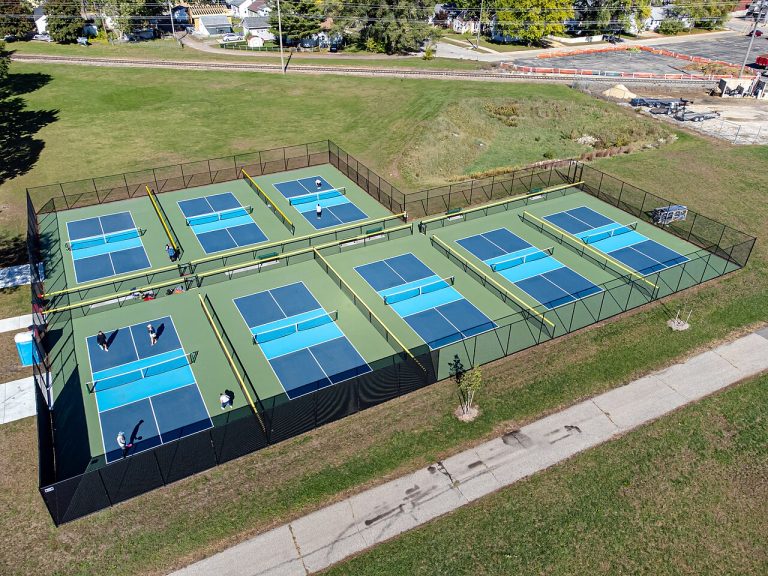
Clements Unveils Renovated Pickleball Courts and Igniting Community Excitement

Quick Summary: Clements Unveils Renovated Pickleball Courts and Igniting Community Excitement

  • Clements unveiled its renovated pickleball courts, sparking local excitement and community engagement.
  • The renovation aims to boost participation in pickleball, a rapidly growing sport in the area.
  • The community celebrated the renovation with the ‘One Last Crack’ tournament, drawing local players and spectators.
  • Local officials see the renovation as a catalyst for increased recreational activity and community bonding.
  • The project highlights Clements’ commitment to enhancing local sports facilities and promoting active lifestyles.

In a move that has set the local community abuzz, Clements has unveiled its newly renovated pickleball courts. This renovation marks a significant step in promoting one of the fastest-growing sports in the region, drawing both seasoned players and newcomers eager to engage in the game.

The renovation was celebrated with the ‘One Last Crack’ tournament, a fitting tribute to the community’s love for pickleball. The event attracted a diverse group of players and spectators, all eager to experience the upgraded facilities. This initiative not only revitalizes the courts but also strengthens community ties, as residents come together to enjoy the sport.

Local officials have hailed the renovation as a pivotal moment for Clements, emphasizing its potential to boost recreational activities and foster a sense of community. The project underscores the town’s dedication to improving local sports infrastructure and encouraging active lifestyles among its residents.

com story because the site is blocked from web access in this environment, and broader web search did not surface any current pickup, follow-up, or materially newer reporting from other accessible outlets. I also found no reliable reporting in the last 7 days indicating a new deadline, hearing, reopening date, or city action connected to the Clements courts.

In practical terms, that means there may be real specifics in the original article, but I can’t quote or characterize them as current fact without access to the page itself or another corroborating source. I do not see signs of an active public fight over the renovation, a newly disclosed cost overrun, or a pending government vote, and I do not want to invent one.

com, but no accessible mirror, syndication, government agenda item, press release, or secondary coverage turned up in current search results that would establish a fresh development, dispute, vote, funding figure, or next-step decision tied to it. Just as importantly, I could not retrieve any exact quotes from city officials, tournament organizers, parks staff, or elected leaders, nor any hard numbers such as renovation cost, court count, attendance, prize figures, grant amount, or vote totals from accessible sources.

If you want, send me the text of the Lodinews article or a screenshot, and I can turn it into the sharp, dense 5-to-8 paragraph writeup you asked for. Because of that, I can’t responsibly tell you there is a “most important new revelation” or a current controversy when the available live web evidence here does not support one.

The likely explanation is that this is either a hyperlocal event notice or feature story that has not been broadly syndicated beyond Lodinews, rather than a developing regional or national news story. Alternatively, I can keep searching for adjacent primary sources such as Clements city records, parks announcements, or event pages to try to reconstruct the missing specifics from outside Lodinews.

The project highlights Clements’ commitment to enhancing local sports facilities and promoting active lifestyles. In practical terms, that means there may be real specifics in the original article, but I can’t quote or characterize them as current fact without access to the page itself or another corroborating source.

If you want, send me the text of the Lodinews article or a screenshot, and I can turn it into the sharp, dense 5-to-8 paragraph writeup you asked for. Quick Summary: Clements Unveils Renovated Pickleball Courts and Igniting Community Excitement Clements unveiled its renovated pickleball courts, sparking local excitement and community engagement.

The renovation aims to boost participation in pickleball, a rapidly growing sport in the area. The community celebrated the renovation with the ‘One Last Crack’ tournament, drawing local players and spectators.

The renovation was celebrated with the ‘One Last Crack’ tournament, a fitting tribute to the community’s love for pickleball. The project underscores the town’s dedication to improving local sports infrastructure and encouraging active lifestyles among its residents.

The scale and speed of this development has caught many observers off guard. Each new update adds another dimension to a story that is still unfolding, and the full picture will only become clear as more verified details emerge from the people and institutions directly involved.

Analysts who have tracked this issue closely say the current moment represents a genuine turning point. The decisions made in the coming weeks are expected to set the direction for months ahead, with ripple effects likely to extend well beyond the immediate actors in the story.

For those directly affected, the practical impact is already visible. People navigating this fast-changing situation are dealing with real consequences while new information continues to reshape what is known and what remains open to interpretation.

Historical parallels offer some context, though experts caution against drawing too close a comparison. Similar situations have played out before, but the specific combination of pressures, personalities, and timing here makes this moment distinct in ways that matter for how it ultimately resolves.

The political and economic dimensions of this story are deeply intertwined. What appears as a single event on the surface is in practice the convergence of multiple pressures that have been building quietly over a longer period than most public reporting has captured.
Read more on Digital Chew

Elton John Debuted No. 5 on Billboard’s Rock Digital Song Sales Chart

Quick Summary: Elton John Debuted No. 5 on Billboard’s Rock Digital Song Sales Chart

  • Elton John’s “The Bitch Is Back” debuted at No. 5 on Billboard’s Rock Digital Song Sales chart in 2026.
  • The song was originally released in 1974, marking a rare chart return over 50 years later.
  • This achievement is driven by renewed consumer interest, not a new release or streaming surge.
  • The song’s controversial past adds to its current cultural significance.
  • Elton John now has his 10th career entry on this specific Billboard chart.

Elton John has once again proven that true artistry knows no age. His 1974 hit “The Bitch Is Back” has made a remarkable comeback, debuting at No. 5 on Billboard’s Rock Digital Song Sales chart. In an era dominated by streaming, this feat is a testament to the enduring power of his music and the surprising twists of consumer behavior.

What makes this achievement particularly noteworthy is that it was not driven by a new album release or a viral streaming moment. Instead, it was the sheer force of renewed consumer interest that propelled this decades-old track back into the limelight. This resurgence underscores the timeless appeal of Elton John’s music, even as it challenges the current norms of the music industry.

Originally controversial due to its provocative title, “The Bitch Is Back” faced resistance from some U.S. radio stations upon its initial release. Today, its reemergence on the charts highlights a cultural shift and a renewed appreciation for its bold statement. As Elton John himself once quipped, “some radio stations in America are more puritanical than others,” a sentiment that resonates even now.

As we watch whether this chart position holds, the story is less about a fleeting moment and more about the lasting impact of Elton John’s work. If the track maintains its position, it will signify a sustained demand for his classic rock material. Regardless of its future trajectory, the song’s current success is a powerful reminder of the unpredictable nature of music and its ability to transcend time.

Elton John’s latest surprise chart feat is that “The Bitch Is Back,” a song first released in 1974, has suddenly debuted at No. 5 on the Rock Digital Song Sales ranking for the chart dated June 6, 2026, which measures paid downloads rather than radio or streaming alone.

The chart frame cited in current reports is the Billboard list dated June 6, 2026, and the follow-on coverage surfaced within the last several days, turning a chart statistic into a mini entertainment-news moment. In 2026, when streaming dominates music consumption, a decades-old track earning a top-five sales-chart debut is unusual enough to stand out, especially for a 79-year-old artist whose catalog has already been mined, celebrated, and repackaged for decades.

5 on Billboard’s Rock Digital Song Sales chart in the United States, giving him a brand-new top 10 hit in America more than 50 years after the song first became famous. 5 on Rock Digital Song Sales, along with what Parade described as John’s 10th career entry on that chart and his sixth top 10 there.

sales chart, while Forbes framed it as John “charting a new top 10 hit in America” with a decades-old song. 5 debut was a fleeting download surge or the start of a broader catalog revival.

If it remains inside the top 10, the story becomes less about a novelty chart entry and more about sustained demand for Elton John’s older rock material. This is not a Hot 100 breakthrough, not a streaming explosion, and not a major-label promotional campaign around a new single; it is a top-five debut on a rock download chart, which means a relatively concentrated burst of buying activity can still produce a bona fide chart headline.

The song was originally released in 1974, marking a rare chart return over 50 years later. Elton John’s latest surprise chart feat is that “The Bitch Is Back,” a song first released in 1974, has suddenly debuted at No.

His 1974 hit “The Bitch Is Back” has made a remarkable comeback, debuting at No. 5 on Billboard’s Rock Digital Song Sales chart in 2026.

In 2026, when streaming dominates music consumption, a decades-old track earning a top-five sales-chart debut is unusual enough to stand out, especially for a 79-year-old artist whose catalog has already been mined, celebrated, and repackaged for decades. Today, its reemergence on the charts highlights a cultural shift and a renewed appreciation for its bold statement.

5 on Billboard’s Rock Digital Song Sales Chart Elton John’s “The Bitch Is Back” debuted at No. 5 on Billboard’s Rock Digital Song Sales chart in the United States, giving him a brand-new top 10 hit in America more than 50 years after the song first became famous.

5 on Rock Digital Song Sales, along with what Parade described as John’s 10th career entry on that chart and his sixth top 10 there. sales chart, while Forbes framed it as John “charting a new top 10 hit in America” with a decades-old song.

The scale and speed of this development has caught many observers off guard. Each new update adds another dimension to a story that is still unfolding, and the full picture will only become clear as more verified details emerge from the people and institutions directly involved.

Analysts who have tracked this issue closely say the current moment represents a genuine turning point. The decisions made in the coming weeks are expected to set the direction for months ahead, with ripple effects likely to extend well beyond the immediate actors in the story.

For those directly affected, the practical impact is already visible. People navigating this fast-changing situation are dealing with real consequences while new information continues to reshape what is known and what remains open to interpretation.

Historical parallels offer some context, though experts caution against drawing too close a comparison. Similar situations have played out before, but the specific combination of pressures, personalities, and timing here makes this moment distinct in ways that matter for how it ultimately resolves.

The political and economic dimensions of this story are deeply intertwined. What appears as a single event on the surface is in practice the convergence of multiple pressures that have been building quietly over a longer period than most public reporting has captured.
Read more on Digital Chew

Jon Husted Joins Anti-Trump Votes as GOP Divisions Emerge

Quick Summary: Jon Husted Joins Anti-Trump Votes as GOP Divisions Emerge

  • Jon Husted, trailing in polls, joins symbolic anti-Trump votes — reflecting Republican unease in politically exposed states.
  • Despite dissent, Senate passed Trump’s immigration funding — showing limits of the Republican revolt.
  • Republicans like Susan Collins and Dan Sullivan joined Democrats against Trump’s payout fund — though the measure failed.
  • Trump’s reaction to GOP dissent was hostile — labeling opposition as unpatriotic.
  • Republicans face pressure to distance from Trump on controversial issues — without fully breaking party unity.

In a political landscape increasingly defined by its polarization, a subtle yet significant shift is occurring within the Republican Party. Lawmakers like Jon Husted are beginning to distance themselves from former President Donald Trump, driven by the fear of electoral backlash rather than loyalty to party lines.

Husted’s move, prompted by a poll showing him trailing behind Democrat Sherrod Brown, is emblematic of a broader trend. Republicans in vulnerable states are casting symbolic votes against Trump, signaling a growing discomfort with his most contentious policies. Yet, the rebellion remains largely symbolic, as evidenced by the Senate’s passage of Trump’s immigration funding bill.

Contextually, this shift is not a full-scale revolt but a calculated maneuver. GOP lawmakers are attempting to navigate the treacherous waters of appeasing their base while not alienating moderate voters. Trump’s response has been predictably combative, branding dissenters as disloyal and unpatriotic, further complicating the party’s internal dynamics.

The question remains whether this cautious dissent will evolve into a more substantial challenge to Trump’s influence. As Republicans weigh the political costs of aligning too closely with Trump, the party’s future direction hangs in the balance.

Reuters reported on June 6 that Republican lawmakers who had long avoided direct confrontation are now more willing to break ranks as 2026 midterm pressure grows, while The Washington Post reported June 5 that Trump has refused to accommodate concerns over controversial nominees and over an “anti-weaponization” or IRS-related settlement fund that has become a flashpoint inside the party. His allies are still insisting there is no real break; one Trump spokeswoman said Republicans and the White House would keep “fulfilling President Trump’s agenda,” citing the Senate vote to fund ICE and CBP as proof of continuing unity.

Husted’s move looked especially revealing because a new Fox News poll cited by The Washington Post showed him trailing former senator Sherrod Brown by 8 points, a data point that helps explain why Republicans in politically exposed states are suddenly willing to cast symbolic anti-Trump votes. Even then, the revolt had limits: the Senate still passed the immigration enforcement funding bill on Friday, and Republicans overall stayed aligned with Trump on the larger legislative package.

” On June 7, pickup coverage continued to emphasize that the opposition is growing but still limited, with the practical result being more uncomfortable amendment votes, more symbolic defections, and more attempts by endangered Republicans to localize their brands before November 2026. The core political fact is that vulnerable Republicans are acting like incumbents who fear voters more than Trump’s wrath, even as they stop short of a full rupture.

According to Reuters and follow-on coverage, Susan Collins of Maine, Jon Husted of Ohio, and Dan Sullivan of Alaska joined a Democratic effort to block Trump’s contested payout fund, though the measure failed. Reuters said lawmakers are also resisting Trump on controversial personnel choices, including skepticism from Mitch McConnell about a permanent intelligence nomination, citing statutory experience requirements.

The Washington Post said advisers believe he remains confident in his instincts, buoyed by recent primary successes and continuing Republican alignment behind his major goals. The Guardian quoted a Republican strategist calling that sort of low-risk dissent a “time-honored” maneuver, and Reuters similarly noted that both parties doubt Trump is facing an actual overthrow inside the GOP.

Despite dissent, Senate passed Trump’s immigration funding — showing limits of the Republican revolt. Husted’s move looked especially revealing because a new Fox News poll cited by The Washington Post showed him trailing former senator Sherrod Brown by 8 points, a data point that helps explain why Republicans in politically exposed states are suddenly willing to cast symbolic anti-Trump votes.

Even then, the revolt had limits: the Senate still passed the immigration enforcement funding bill on Friday, and Republicans overall stayed aligned with Trump on the larger legislative package. ” On June 7, pickup coverage continued to emphasize that the opposition is growing but still limited, with the practical result being more uncomfortable amendment votes, more symbolic defections, and more attempts by endangered Republicans to localize their brands before November 2026.

Yet, the rebellion remains largely symbolic, as evidenced by the Senate’s passage of Trump’s immigration funding bill. According to Reuters and follow-on coverage, Susan Collins of Maine, Jon Husted of Ohio, and Dan Sullivan of Alaska joined a Democratic effort to block Trump’s contested payout fund, though the measure failed.

In a political landscape increasingly defined by its polarization, a subtle yet significant shift is occurring within the Republican Party. Husted’s move, prompted by a poll showing him trailing behind Democrat Sherrod Brown, is emblematic of a broader trend.

The scale and speed of this development has caught many observers off guard. Each new update adds another dimension to a story that is still unfolding, and the full picture will only become clear as more verified details emerge from the people and institutions directly involved.

Analysts who have tracked this issue closely say the current moment represents a genuine turning point. The decisions made in the coming weeks are expected to set the direction for months ahead, with ripple effects likely to extend well beyond the immediate actors in the story.

For those directly affected, the practical impact is already visible. People navigating this fast-changing situation are dealing with real consequences while new information continues to reshape what is known and what remains open to interpretation.

Historical parallels offer some context, though experts caution against drawing too close a comparison. Similar situations have played out before, but the specific combination of pressures, personalities, and timing here makes this moment distinct in ways that matter for how it ultimately resolves.

The political and economic dimensions of this story are deeply intertwined. What appears as a single event on the surface is in practice the convergence of multiple pressures that have been building quietly over a longer period than most public reporting has captured.
Read more on Digital Chew

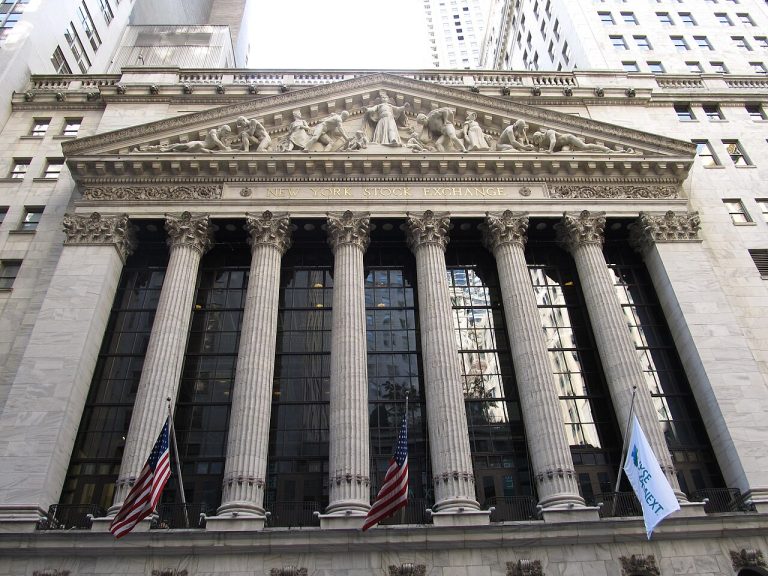
Wall Street Ended Fears of Prolonged Federal Reserve Tightening

0

Quick Summary: Wall Street Ended Fears of Prolonged Federal Reserve Tightening

  • Wall Street’s winning streak ended as a strong jobs report sparked fears of prolonged Federal Reserve tightening.
  • The U.S. added 172,000 jobs in May, nearly double the expected 88,000, keeping unemployment at 4.3%.
  • Broadcom’s AI-chip sales outlook disappointed, contributing to a sharp selloff in tech and semiconductor stocks.
  • The Nasdaq suffered its biggest one-day percentage loss since last year, driven by tech sector weakness.
  • Investors are now reassessing the likelihood of Federal Reserve rate cuts amid persistent inflation concerns.

Wall Street’s nine-week winning streak came to an abrupt end as a stronger-than-expected jobs report sent shockwaves through the market. The Labor Department’s announcement of 172,000 new jobs in May, nearly double the anticipated figure, reignited fears that the Federal Reserve might maintain a tighter monetary policy for longer.

The market’s reaction was swift and severe, with the Nasdaq experiencing its largest one-day percentage drop since last year. The selloff was exacerbated by Broadcom’s disappointing AI-chip sales outlook, which further weakened the tech sector. Investors, who had been banking on rate cuts, were forced to reconsider their positions.

This dramatic market shift underscores the delicate balance between economic resilience and investor expectations. While robust job growth typically signals economic strength, it now raises concerns about inflation and the Fed’s potential response. The coming weeks will be crucial as investors watch for further data and Fed communications to gauge the future direction of monetary policy.

3%, a combination that revived fears the Federal Reserve could stay tighter for longer or even turn more hawkish. 6% on Friday after already dropping about 13% on Thursday, and broader chip weakness helped drag the Nasdaq lower as investors suddenly dumped the very stocks that had led the rally.

Yahoo’s live market coverage said the report “blew past expectations,” and Reuters-linked reports said the stronger labor data reinforced expectations of tighter monetary policy just as the tech trade was already weakening. What happens next is now centered on the Federal Reserve path and whether incoming inflation or labor data confirm Friday’s shock.

Investors had been leaning on the assumption that softer growth would bring Federal Reserve cuts, but Friday’s payroll number challenged that. Reuters coverage described the jobs report as fueling “rate hike fears,” while market commentary cited by Reuters framed the move as a reassessment of whether the Fed can afford to ease at all with labor data still running hot and oil prices also feeding inflation anxiety.

On Thursday, June 4, Broadcom’s earnings and outlook rattled AI-chip enthusiasm and knocked the stock sharply lower. Then on Friday morning, June 5, the May payrolls report landed far above expectations, turning what had already been a fragile setup into a full repricing event by the close.

In ordinary conditions, 172,000 new jobs would signal healthy demand and support for corporate earnings. If the next round of data stays firm, this week’s selloff may be remembered as the moment the market stopped pricing in cuts and started seriously entertaining the risk of renewed tightening; if the data cool quickly, Friday could still end up looking like an overreaction in a market that had become crowded and complacent.

Reuters coverage described the jobs report as fueling “rate hike fears,” while market commentary cited by Reuters framed the move as a reassessment of whether the Fed can afford to ease at all with labor data still running hot and oil prices also feeding inflation anxiety. On Thursday, June 4, Broadcom’s earnings and outlook rattled AI-chip enthusiasm and knocked the stock sharply lower.

Then on Friday morning, June 5, the May payrolls report landed far above expectations, turning what had already been a fragile setup into a full repricing event by the close. In ordinary conditions, 172,000 new jobs would signal healthy demand and support for corporate earnings.

The scale and speed of this development has caught many observers off guard. Each new update adds another dimension to a story that is still unfolding, and the full picture will only become clear as more verified details emerge from the people and institutions directly involved.

Analysts who have tracked this issue closely say the current moment represents a genuine turning point. The decisions made in the coming weeks are expected to set the direction for months ahead, with ripple effects likely to extend well beyond the immediate actors in the story.

For those directly affected, the practical impact is already visible. People navigating this fast-changing situation are dealing with real consequences while new information continues to reshape what is known and what remains open to interpretation.

Historical parallels offer some context, though experts caution against drawing too close a comparison. Similar situations have played out before, but the specific combination of pressures, personalities, and timing here makes this moment distinct in ways that matter for how it ultimately resolves.

The political and economic dimensions of this story are deeply intertwined. What appears as a single event on the surface is in practice the convergence of multiple pressures that have been building quietly over a longer period than most public reporting has captured.

Read more on Digital Chew

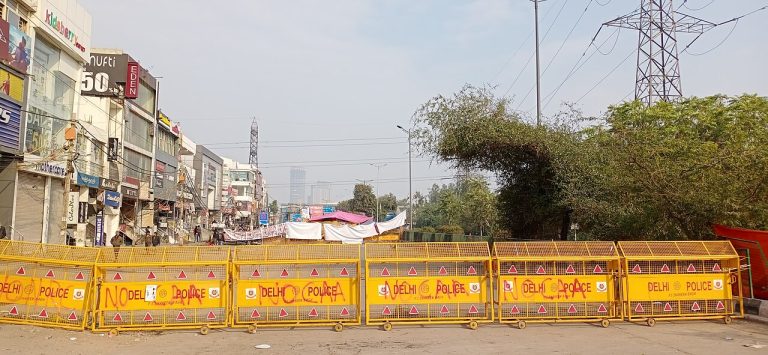
Abhijeet Dipke Led Youth Movement Against Modi Government

Quick Summary: Abhijeet Dipke Led Youth Movement Against Modi Government

  • Abhijeet Dipke led a protest in New Delhi, transforming a meme into a youth movement.
  • The Cockroach Janta Party’s Instagram following surpassed 22 million, doubling the ruling party’s numbers.
  • Police granted permission for the protest at Jantar Mantar, marking a significant public demonstration.
  • The movement addresses youth unemployment and exam scandals under Modi’s government.
  • Dipke, a political strategist, turned an insult into a rallying cry for young Indians.

In a striking turn of events, Abhijeet Dipke has transformed an online joke into a formidable protest movement against the Modi government. The Cockroach Janta Party, once dismissed as a meme, has now taken to the streets of New Delhi, challenging the status quo with a focus on youth unemployment and exam scandals.

What started as a satirical response to derogatory remarks has evolved into a serious political statement. With over 22 million followers on Instagram, the movement’s reach has already surpassed that of the ruling Bharatiya Janata Party. The protest at Jantar Mantar, approved by Delhi Police, marks a pivotal moment in this burgeoning youth-led initiative.

The rapid rise of this movement highlights the discontent among India’s youth, who feel marginalized and voiceless in the current political landscape. Dipke, a 30-year-old political strategist, has effectively harnessed this frustration, turning an insult into a badge of unity and defiance.

The protest’s approval, despite initial online suppression, underscores the movement’s undeniable impact. As mainstream opposition groups begin to align with the Cockroach Janta Party, the question remains whether this movement can maintain its independence and momentum.

The coming days will reveal whether this protest is a fleeting spectacle or the start of a sustained campaign for change. Regardless, it signals a new era of political engagement driven by India’s youth, born not in traditional political arenas but from the power of social media and collective outrage.

On June 1, Dipke said he would lead a peaceful protest in New Delhi; by June 2 and June 3, international outlets were reporting that the campaign was morphing into a real youth protest movement; on June 6, AP and NDTV confirmed police permission for the Jantar Mantar demonstration and Dipke’s arrival in Delhi. AP said the Cockroach Janta Party’s Instagram page crossed 15 million followers within a week of launch, while other recent reporting put the figure above 22 million, more than double the Instagram following of the ruling Bharatiya Janata Party.

India’s viral Cockroach Janta Party won police permission on Saturday, June 6, to stage its first real-world protest at New Delhi’s Jantar Mantar, turning what began less than three weeks ago as an online joke into a direct street challenge centered on youth unemployment, exam scandals and the Modi government’s handling of both. AP reported that steel barricades were placed at arrivals at New Delhi’s international airport as Dipke landed, underscoring how seriously officials are now treating a movement many government supporters had dismissed as a meme.

Forbes and CBS both highlighted findings from the 2026 State of Working India Report by Azim Premji University showing graduate unemployment near 40% for Indians aged 15 to 25 and 20% for those aged 25 to 29. The biggest new development is that founder Abhijeet Dipke actually flew in from the United States to lead the demonstration himself, and Delhi Police approved the gathering after days of speculation over whether authorities would allow it.

The movement was launched on May 16, and by June 1 Dipke was publicly vowing to bring it to the streets, an unusually fast rise even by India’s hyper-viral political standards. A movement once mocked as unserious has already alarmed the state enough that Indian Express reported the government moved to withhold the CJP’s X account after Intelligence Bureau inputs raising “national security concerns,” while other CJP social media handles were reportedly blocked or restricted in India.

Hindustan Times reported that the Indian Youth Congress expanded an “Indian Youth Cockroaches” campaign into what it called a “nationwide youth resistance movement,” explicitly linking the viral label to protests over unemployment, corruption and paper leaks. The immediate spark was outrage over remarks attributed to Chief Justice Surya Kant during a May court hearing, when critics and some unemployed youth were likened to “cockroaches” and “parasites,” language that triggered a furious online backlash.

Police granted permission for the protest at Jantar Mantar, marking a significant public demonstration. With over 22 million followers on Instagram, the movement’s reach has already surpassed that of the ruling Bharatiya Janata Party.

The protest at Jantar Mantar, approved by Delhi Police, marks a pivotal moment in this burgeoning youth-led initiative. The movement was launched on May 16, and by June 1 Dipke was publicly vowing to bring it to the streets, an unusually fast rise even by India’s hyper-viral political standards.

The scale and speed of this development has caught many observers off guard. Each new update adds another dimension to a story that is still unfolding, and the full picture will only become clear as more verified details emerge from the people and institutions directly involved.

Analysts who have tracked this issue closely say the current moment represents a genuine turning point. The decisions made in the coming weeks are expected to set the direction for months ahead, with ripple effects likely to extend well beyond the immediate actors in the story.

For those directly affected, the practical impact is already visible. People navigating this fast-changing situation are dealing with real consequences while new information continues to reshape what is known and what remains open to interpretation.

Historical parallels offer some context, though experts caution against drawing too close a comparison. Similar situations have played out before, but the specific combination of pressures, personalities, and timing here makes this moment distinct in ways that matter for how it ultimately resolves.

The political and economic dimensions of this story are deeply intertwined. What appears as a single event on the surface is in practice the convergence of multiple pressures that have been building quietly over a longer period than most public reporting has captured.

Read more on Digital Chew

Qatar Hosted 66% Increase in New Non – Qatari Companies

0

Quick Summary: Qatar Hosted 66% Increase in New Non – Qatari Companies

  • Qatar hosted 3,295 new non-Qatari companies in Q1 2026, marking a 66% increase year over year.
  • The Beijing-Qatar Investment Summit on June 9 aims to turn Chinese interest into concrete investments.
  • Chinese automakers now hold nearly 30% of Qatar’s auto market, reflecting significant market penetration.
  • Qatar’s infrastructure investments for the 2022 World Cup are paying off in business and logistics.
  • Qatar’s strategy includes attracting Chinese firms across sectors like biotech, logistics, and fintech.

Qatar is no longer just a Middle Eastern hub; it’s a burgeoning business powerhouse, strategically courting Chinese investment like never before. The upcoming Beijing-Qatar Investment Summit on June 9 is the latest move in Doha’s grand strategy to transform Chinese corporate curiosity into tangible commitments.

Chinese automakers have already seized nearly 30% of Qatar’s car market, a testament to the shifting economic landscape. This isn’t just about cheaper cars; it’s about a deeper economic realignment. Qatar’s massive infrastructure investments for the 2022 FIFA World Cup have laid the groundwork for this transformation, boosting logistics and mobility sectors.

Beyond automobiles, Qatar is eyeing Chinese giants in biotech, logistics, and fintech. The June 9 summit is not just a meeting; it’s a culmination of high-level talks and strategic planning to make Qatar a resilient base for Chinese enterprises amid global volatility.

With 3,295 new non-Qatari businesses established in the first quarter of 2026 alone, Qatar’s business climate is ripe for foreign participation. The real question is whether these efforts will translate into lasting economic partnerships and further market penetration.

The biggest fresh development is not a signed deal but a June 9 summit in Beijing that shows Qatar is making a concentrated new push to turn Chinese corporate interest into investment commitments just as Chinese car brands are already taking nearly 30% of the Qatari auto market. The same current roundup says 3,295 non-Qatari companies set up business in Qatar in the first quarter of 2026, up 66% year over year.

On June 6, 36Kr Global published the English report announcing the June 9 Beijing summit and highlighting the nearly 30% Chinese auto share. Jaidah links the market shift to Qatar’s long infrastructure buildup for the 2022 FIFA World Cup, including roads, rail, ports, and Hamad International Airport, arguing that those investments are now paying off in logistics, mobility, and business activity.

The June 6 report explicitly frames the opportunity across “China-Qatar cooperation, industry opportunities, market policies and recent activities,” while pairing the June 9 summit with statistics on real estate transactions, government tenders, and startup-facing programs. Jaidah said buyer behavior has changed as more people see cars as “a medium of transport” rather than a luxury status symbol, helping cheaper Chinese models gain traction against legacy brands.

The same June 6 Chinese-language roundup reports that Invest Qatar chief executive Sheikh Ali bin Alwaleed Al-Thani recently led a high-level delegation to China and held senior meetings and closed-door business exchanges in Shanghai and Hangzhou with companies including WuXi Biologics, Shanghai SUS Environment, Cainiao Group, and Ant International. In other words, the June 9 Beijing summit appears to be the public culmination of a live roadshow already targeting heavyweight Chinese multinationals.

The next concrete milestone is June 9 in Beijing, when the summit and negotiation conference is scheduled to take place. The latest report, published on June 6 by 36Kr Global, says the “Beijing-Qatar” Investment Cooperation Summit and Negotiation Conference will be held in Beijing on June 9, co-hosted by Invest this topic and this topic National Bank with support from the Beijing Council for the Promotion of International Trade.

this topic’s infrastructure investments for the 2022 World Cup are paying off in business and logistics. Chinese automakers have already seized nearly 30% of this topic’s car market, a testament to the shifting economic landscape.

this topic’s massive infrastructure investments for the 2022 FIFA World Cup have laid the groundwork for this transformation, boosting logistics and mobility sectors. With 3,295 new non-this topici businesses established in the first quarter of 2026 alone, this topic’s business climate is ripe for foreign participation.

The same current roundup says 3,295 non-this topici companies set up business in this topic in the first quarter of 2026, up 66% year over year. On June 6, 36Kr Global published the English report announcing the June 9 Beijing summit and highlighting the nearly 30% Chinese auto share.

Jaidah links the market shift to this topic’s long infrastructure buildup for the 2022 FIFA World Cup, including roads, rail, ports, and Hamad International Airport, arguing that those investments are now paying off in logistics, mobility, and business activity. The June 6 report explicitly frames the opportunity across “China-this topic cooperation, industry opportunities, market policies and recent activities,” while pairing the June 9 summit with statistics on real estate transactions, government tenders, and startup-facing programs.

The scale and speed of this development has caught many observers off guard. Each new update adds another dimension to a story that is still unfolding, and the full picture will only become clear as more verified details emerge from the people and institutions directly involved.

Analysts who have tracked this issue closely say the current moment represents a genuine turning point. The decisions made in the coming weeks are expected to set the direction for months ahead, with ripple effects likely to extend well beyond the immediate actors in the story.

For those directly affected, the practical impact is already visible. People navigating this fast-changing situation are dealing with real consequences while new information continues to reshape what is known and what remains open to interpretation.

Historical parallels offer some context, though experts caution against drawing too close a comparison. Similar situations have played out before, but the specific combination of pressures, personalities, and timing here makes this moment distinct in ways that matter for how it ultimately resolves.

The political and economic dimensions of this story are deeply intertwined. What appears as a single event on the surface is in practice the convergence of multiple pressures that have been building quietly over a longer period than most public reporting has captured.

Read more on Digital Chew