56.2 F
San Francisco
Wednesday, June 10, 2026
Home Blog Page 1119

Democrats Move to Prevent Government Shutdown

0

Key Takeaways:

  • Senate Democrats plan to avoid a government shutdown this weekend.
  • They may allow centrists to vote for a GOP stopgap spending bill.
  • Pressure from activists and liberal lawmakers is growing.
  • Democrats aim to avoid political backlash from a shutdown.

The U.S. government might shut down on Saturday if Congress doesn’t pass a spending bill. Senate Democrats are under pressure from activists who want them to reject a GOP-crafted spending plan. But behind closed doors, Democratic leaders say they won’t let that happen.

What’s Happening?

The current debate is over a six-month spending bill proposed by Republicans. This bill would keep the government running temporarily. However, some Democrats and activists are unhappy with the plan. They argue it doesn’t address key issues like climate change or immigration reform.

Despite these concerns, Senate Democratic Leader Chuck Schumer is giving centrists in his party the freedom to vote for the bill. Why? Because the main goal is to avoid a government shutdown. Schumer wants to prevent the political fallout that comes with it.

A shutdown would mean millions of federal workers could be furloughed, and essential services might be disrupted. Democrats don’t want to be blamed for that, especially ahead of the 2024 elections.

Why Some Democrats Are Against the Bill

Activists and liberal lawmakers are pushing Democrats to stand firm. They believe the GOP bill doesn’t do enough for progressive priorities. For example, it doesn’t include funding for climate initiatives or immigration reforms that Democrats support.

Some critics also argue that passing the GOP bill sets a bad precedent. It shows that Republicans can push through their ideas without compromising. This could embolden them to take a harder line in future negotiations.

Why Democrats Might Pass It Anyway

While some Democrats are frustrated, many in the party realize the consequences of a shutdown. They don’t want to give Republicans ammo to blame them for the crisis.

Schumer is balancing the demands of his party’s progressive wing with the practical need to keep the government open. By giving centrist Democrats the green light to vote for the bill, he’s trying to avoid a shutdown while keeping his party united.

What’s Next?

The next few days will be crucial. If the Senate passes the stopgap bill, it will go to President Biden’s desk for signature. Once signed, the government will stay open until the spring, when Congress can negotiate a longer-term spending plan.

But this isn’t the end of the fight. Democrats are likely to push harder for their priorities in the next round of negotiations. They’ll want to ensure that progressive initiatives are included in any long-term budget deal.

What Does This Mean for You?

If the government shuts down, it could affect you directly. For example:

  • National parks might close.
  • Passport processing could slow down.
  • Federal benefits like Social Security might see delays.

But if Congress passes the stopgap bill, life will continue as usual. For now, Democrats are prioritizing stability over ideology to avoid the chaos of a shutdown.

A Bigger Picture

This showdown highlights the deep divisions in Washington. Democrats are struggling to balance their progressive goals with the practical need to govern. Meanwhile, Republicans are using their House majority to shape the budget debate.

As the 2024 elections approach, these battles will only get more intense. Voters will be watching closely to see how lawmakers handle critical issues like spending and shutdowns.

For now, Senate Democrats are taking a pragmatic approach. They’re willing to compromise on some issues to keep the government running smoothly. But they’re also setting the stage for bigger fights in the months ahead.

The next few weeks will reveal whether this strategy pays off or backfires. One thing is certain: the stakes are high, and the outcome will shape the direction of the country for years to come.

Government Shutdown Looms as Schumer Spoils GOP Funding Plan

0

Key Takeaways:

  • Senate Minority Leader Chuck Schumer opposes the GOP funding bill.
  • Schumer proposes a 30-day funding extension to avoid a shutdown.
  • The government faces a shutdown if no deal is reached by March 14.
  • Republicans and Democrats disagree on spending priorities.

The U.S. government might shut down again because lawmakers can’t agree on how to fund it. Senate Minority Leader Chuck Schumer says Republicans don’t have enough Democratic votes to pass their funding bill, making it hard for them to avoid a shutdown.

The GOP Plan

Republicans proposed a bill to fund the government through a certain period, but Schumer is blocking it. He believes their plan doesn’t meet Democratic priorities, like funding for education and healthcare. Without Democratic support, the bill won’t pass the Senate.

Schumer’s Counteroffer

Schumer suggests a 30-day funding extension to give more time for negotiations. This temporary solution could prevent a shutdown, but critics say it only delays the problem, setting up another funding battle soon.

What’s at Stake?

If lawmakers don’t agree by March 14, federal offices might close, government workers could go unpaid, and public services might be disrupted. A shutdown affects many Americans, so reaching a deal is crucial.

Why Can’t They Agree?

Republicans want to cut spending, while Democrats seek investments in social programs. Both sides are holding firm, making a compromise difficult.

Conclusion

The standoff continues with no clear resolution. Lawmakers must find common ground before March 14 to avoid another shutdown. Stay tuned for updates as the deadline approaches.

Trump Inherits a Strong Economy, What Does It Mean for the Future?

0

Key Takeaways:

  • Donald Trump took office with a thriving economy in January 2025.
  • Stock values were at all-time highs, unemployment was low, and consumer confidence was stable.
  • Wall Street expected tax cuts but not trade wars.
  • Trump’s policies differed from expectations, impacting economic growth.

Trump Inherits a Strong Economy, What Does It Mean for the Future?

A Strong Start: The Economy Trump Inherited

When Donald Trump became president in January 2025, he stepped into a bustling economy. Imagine the economy as a high-scoring game, with stock values hitting top scores. Unemployment was low, meaning many people had jobs, and consumers felt confident about spending money. This setup suggested a bright future, with experts predicting continued growth.

What Was Expected: Tax Cuts and Growth

Wall Street, the heart of the financial world, believed Trump would cut corporate taxes to boost business growth. Lower taxes could mean more investments, creating jobs and stimulating the economy. This expectation was like預計 a smooth road to economic success, with tax cuts as the key driver.

What Happened: Trade Wars and Surprises

However, Trump surprised everyone. Instead of just tax cuts, he launched unexpected trade wars. These wars, like adding obstacles in a race, made the road bumpier. Trade wars can increase prices and slow growth, which wasn’t what experts had anticipated. This shift from expected tax cuts to real trade wars changed the economic game.

Impact on the Economy

The unexpected trade wars mixed things up. While tax cuts were expected to boost the economy, trade wars had the opposite effect. This shift could slow growth, making the future uncertain. It’s like when you’re cruising on a smooth road, then hit unexpected speed bumps—everything slows down.

Conclusion

Trump inherited a strong economy, but his policies took an unexpected turn. While tax cuts were welcomed, the trade wars introduced challenges. The future remains uncertain, but one thing is clear: Trump’s actions have diverted the economy’s path. As we move forward, the impact of these policies will shape the economic landscape.

Judge Halts Trump’s Executive Order Targeting Democratic Law Firm

0

Key Takeaways:

  • A federal judge temporarily blocked parts of Trump’s order targeting a Democratic-linked law firm.
  • The firm, Perkins Coie, represented Hillary Clinton and opposes Trump’s election policies.
  • The blocked sections limit government interactions with certain companies.
  • This is a significant legal setback for Trump’s recent executive actions.

What Happened?

A federal judge stepped in to stop part of an executive order by former President Donald Trump. This order aimed at limiting government business with companies linked to certain firms. However, Judge Beryl Howell agreed with the law firm Perkins Coie that parts of the order should be paused.

Perkins Coie is well-known for representing Hillary Clinton during her 2016 presidential campaign. They’ve also been involved in election challenges that Trump opposed. The judge’s decision means the government can’t enforce those specific rules from Trump’s order while the case is reviewed.


Why Does This Matter?

Perkins Coie has been a target for Trump and his allies due to its ties to Democratic causes. Trump’s order was designed to restrict government dealings with firms connected to Perkins Coie and others like it. Judge Howell’s ruling is a blow to Trump’s efforts to shape government contracts according to his policies.

This case highlights the ongoing legal battles over Trump’s executive actions, especially those targeting political opponents. The ruling shows that courts are carefully examining these orders to ensure they don’t overstep legal boundaries.


What’s Next?

For now, the parts of Trump’s order targeting Perkins Coie and similar firms are on hold. The government must pause any actions related to those sections until the court makes a final decision.

This is a temporary win for Perkins Coie, but the case is far from over. Trump’s team could appeal the decision, potentially taking the issue to higher courts. The outcome will set a precedent for how far a president can go in targeting political opponents through executive orders.


Key Takeaways

  • Legal Setback for Trump: The ruling stops Trump from enforcing parts of his order against a major Democratic law firm.
  • Political Implications: This case shows how courts can limit a president’s ability to target political rivals.
  • Ongoing Battle: The fight over Trump’s executive actions is likely to continue in the courts.

This decision adds another layer to the complex legal landscape surrounding Trump’s policies and their impact on political and legal processes.

Trump and Elon Musk’s DOGE: Major Federal Spending Cuts Revealed

0

Key Takeaways:

  • Trump relaunched DOGE to reduce federal spending.
  • Significant cuts in Education, EPA, and Transportation.
  • Largest rollbacks affect climate programs and education grants.
  • Judges blocked cuts in healthcare and education.
  • Part of Trump’s plan to shrink government.

Big Changes in Washington

The Trump administration is making significant moves with the help of Elon Musk’s DOGE, aiming to cut federal spending. This effort is reshaping how government funds are allocated, affecting various sectors.

Departments Impacted by Cuts

  • Education: Funding for school grants and programs has been reduced, impacting students.
  • EPA: Cuts have rolled back environmental protections, focusing on industrial regulations.
  • Transportation: Infrastructure projects are being scaled back, affecting public transit.

Where Are the Biggest Rollbacks?

Major rollbacks are seen in climate programs and education grants, which could affect future initiatives and student support.

Judges Step In

Courts have blocked some cuts, particularly in healthcare and education, citing concerns over public health and education rights.

Purpose and Future Plans

DOGE aims to improve government efficiency, but critics worry about harm to public services. This debate continues as new policies unfold.

What Does This Mean?

These changes could have long-term impacts, emphasizing the importance of staying informed about government decisions.

Stay tuned for more updates as DOGE’s policies evolve and shape the future of federal spending.

Russia Rejects US Ceasefire Plan in Ukraine War

0

Key Takeaways:

  • Russia refuses to accept a US-brokered ceasefire in Ukraine.
  • A 30-day ceasefire was proposed during talks in Saudi Arabia.
  • Ukraine agreed to the plan, but Russia called it a trap.
  • Tensions remain high as the war continues.

Russia Says No to Ceasefire Deal

Russia has turned down a ceasefire agreement for the war in Ukraine, which was proposed by the United States. The plan was discussed during meetings in Saudi Arabia, and Ukraine had agreed to it. However, Russia believes the deal is not fair and would only help Ukraine gain strength.

Yuri Ushakov, a top advisor to Russian President Vladimir Putin, said the ceasefire is a trick. He claimed it would give Ukraine time to recover and prepare for more fighting. Ushakov shared Russia’s stance with US officials, making it clear that Moscow is not interested in the proposal.


Why Russia Rejects the Ceasefire

Ushakov explained that Russia sees the ceasefire as a way for Ukraine to regroup and launched new attacks. He accused the US of trying to support Ukraine while it is losing ground in the war. Russia believes the deal is not balanced and does not address its concerns.

The war in Ukraine has been ongoing for months, causing widespread destruction and human suffering. Both sides have suffered losses, but Russia claims it is making progress. By rejecting the ceasefire, Russia is signaling that it will continue fighting until it achieves its goals.


Ukraine Agreed to the Plan

Despite Russia’s rejection, Ukraine supported the 30-day ceasefire. The plan was supposed to give both sides a break from fighting and allow for peace talks. However, without Russia’s agreement, the deal cannot move forward.

Ukrainian leaders hope for a diplomatic solution but are also preparing for more conflict. They believe that without international pressure, Russia will not stop fighting.


What’s Next?

The rejection of the ceasefire means the war in Ukraine is likely to continue. Both sides are blaming each other for the failure of the peace talks. Russia argues that it is defending its interests, while Ukraine says it is fighting for survival.

The international community is urging both sides to return to the negotiating table. However, with trust between Russia and Ukraine at an all-time low, finding a peaceful solution seems difficult.


The Human Cost

As the war drags on, the people of Ukraine are suffering the most. Thousands have been injured or forced to leave their homes. Cities are in ruins, and the economy is collapsing. The longer the fighting continues, the more difficult it will be to rebuild.

World leaders are calling for a ceasefire to protect civilians and allow aid to reach those in need. Without a pause in the conflict, the humanitarian crisis will only worsen.


A Path Forward?

The US and other countries are trying to find a way to end the war. They are pushing for both sides to compromise and agree on a ceasefire. However, Russia and Ukraine have very different ideas about what a fair deal looks like.

For now, the fighting continues. As long as both sides are unwilling to negotiate, the war in Ukraine will remain unresolved. The world can only hope that one day soon, peace will be possible.

Russia Seeks Long-Term Peace in Ukraine, Says Putin Aide

0

Key Takeaways:

  • Russia wants a lasting peace deal in Ukraine, not a temporary fix.
  • A 30-day ceasefire was proposed after talks in Saudi Arabia.
  • Moscow has not yet responded to the ceasefire idea.

The conflict in Ukraine has been going on for years, and finding a solution is still a major challenge. Recently, Russia’s foreign policy aide, Yury Ushakov, made it clear that Russia is not interested in quick fixes. Instead, Russia wants a peace deal that addresses its concerns and lasts for the long term.

This statement comes after representatives from Ukraine and the United States met in Saudi Arabia. They released a joint statement asking for a 30-day ceasefire to stop the fighting. However, Russia has not officially responded to this proposal yet.

Russia’s Stand on Peace Talks

Yury Ushakov, who advises President Vladimir Putin on foreign policy, said that Russia is committed to achieving a peaceful settlement. However, this settlement must take into account Russia’s interests and security concerns. Ushakov’s comments suggest that Russia is not willing to accept a deal that only provides temporary relief.

The idea of a ceasefire has been discussed many times before, but it’s hard to agree on terms that satisfy all sides. Ukraine and its allies, like the U.S., have been pushing for an end to the fighting, while Russia has been focused on protecting its own interests.

The Proposed Ceasefire

The 30-day ceasefire was proposed after a meeting in Saudi Arabia between Ukrainian and American officials. The joint statement called for an immediate stop to the violence to allow humanitarian aid to reach those affected by the war.

Ukraine and its allies hope the ceasefire could create an opportunity for more peace talks. However, it’s unclear whether Russia will agree to this plan.

Why a Temporary Fix Might Not Work

Russia has been cautious about temporary solutions in the past. One reason is that a short-term ceasefire might give Ukraine time to regroup and prepare for more fighting. Russia wants to ensure that any peace deal is permanent and does not leave room for future conflicts.

Additionally, Russia has expressed concerns about Ukraine’s ties with Western countries. Moscow has long opposed Ukraine’s efforts to join NATO, a military alliance of Western nations. Russia sees this as a threat to its security and has used this as a justification for its actions in Ukraine.

What’s Next?

For now, the world waits to see how Russia will respond to the ceasefire proposal. If Russia agrees, it could be a step toward ending the war. However, if Russia rejects the idea, the conflict may continue, leading to more loss of life and destruction.

The situation remains complicated, and finding a solution that satisfies all sides will not be easy. Diplomacy and dialogue will play a crucial role in determining the future of Ukraine and the region.

In the end, the goal is the same for everyone involved: peace and stability. But how to achieve that remains the big question.

Tax Cut Debate Heats Up: Who Really Benefits?

0

Key Takeaways:

  • Congress is extending the 2017 tax cuts, sparking debate over who benefits most.
  • Both Democrats and Republicans claim the cuts help their favored groups.
  • Most taxpayers get some relief, but not all benefit equally.
  • The wealthiest individuals gain more from these tax cuts.
  • The extension impact varies, causing political and economic discussions.

The U.S. government is considering extending the 2017 tax cuts, leading to a heated debate between Democrats and Republicans over who gains the most. President Trump and Republicans argue that everyone benefits, while Democrats claim only billionaires profit. The truth lies in the middle.

What’s Happening Now?

The 2017 tax cuts, set to expire in 2025, are being extended. This means current tax rates stay the same, but the government must decide how to handle expiring tax breaks.

Think of this extension as a timeout for taxes. It pauses some rules, giving time to decide how to move forward.

Who Benefits from the Tax Cuts?

While most people get some tax relief, others might pay more. Tax relief means paying less in taxes. Some may lose deductions or credits, leading to higher taxes.

  • Low and Middle Incomes: These groups generally see some tax cuts. For example, a middle-income family might save a few hundred dollars yearly.
  • High Incomes: Wealthier individuals often benefit more because they pay higher taxes initially. A millionaire might save thousands.

Why Is This a Big Deal?

  • Economic Growth: Supporters believe lower taxes boost the economy by leaving more money in people’s pockets.
  • Revenue Loss: Critics say the government loses money, potentially cutting public programs.

The Debate: Who’s Right?

Democrats argue tax cuts mainly help the rich. They point out wealthy individuals and big corporations get the most relief.

Republicans say everyone benefits. They emphasize that lower and middle-income families get needed financial relief.

The truth? Both sides are partially correct. Most people get some tax cuts, but the richest get more.

What’s at Stake?

  • Cost: Extending tax cuts could cost the government trillions, affecting future budgets.
  • Fairness: Critics aim to make the system fairer, while supporters focus on economic growth.

Why Should I Care?

Taxes affect everyone. Understanding how changes impact you can help you make better financial decisions.

Stay informed. Pay attention to how these decisions might affect your wallet. Taxes are about trade-offs

Republicans Target American Bar Association Over Trump Criticism

0

Key Takeaways:

  • Republicans are challenging the American Bar Association (ABA) due to its criticism of the Trump administration.
  • They seek to remove the ABA from the judicial nomination process.
  • The ABA’s role in law school accreditation is under scrutiny.
  • The conflict highlights political tensions and the importance of the ABA in the legal system.

A Political Storm Brews Between Republicans and the ABA

In a heated political climate, Republicans in Washington are clashing with the American Bar Association (ABA), a prominent group of legal professionals, over its criticism of former President Donald Trump’s administration. This conflict has sparked significant tension, with Republicans pushing to limit the ABA’s influence in crucial legal processes.


Reasons Behind the Conflict

The ABA, known for its evaluations of judicial nominees, has been a thorn in the side of Trump’s administration. Their critical stance has led Republicans to question the ABA’s neutrality and fairness. This has escalated into a broader attack on the organization’s role in the legal system.


The Republican Response

Republican senators have called for President Trump to exclude the ABA from the judicial nomination process, arguing that the ABA’s evaluations are biased. Additionally, concerns have been raised about the ABA’s authority in accrediting law schools, questioning whether they should hold such power.


The ABA’s Role in the Judicial System

The ABA plays a significant role in accrediting law schools and evaluating judicial nominees, providing recommendations to the Senate. While their input is influential, it is non-binding, leaving many wondering why the ABA’s role is under such intense scrutiny.


Support for the ABA

Despite the criticism, the ABA is widely respected for its contributions to legal education and ethics. Many argue that undermining the ABA’s role could have unintended consequences on the quality of legal education and the judiciary.


The Political Fallout

This conflict could have far-reaching implications, potentially affecting Trump’s legacy and future judicial nominations. The stakes are high, with the judiciary’s independence hanging in the balance.


Implications for Law Schools

The ABA’s accreditation is crucial for law schools, affecting their reputation and graduates’ opportunities. If the ABA’s authority is challenged, it could lead to significant changes in legal education, with some schools possibly closing.


The Final Showdown

As the battle between Republicans and the ABA intensifies, the outcome remains uncertain. This power struggle could shape the future of the legal system, with potential repercussions for years to come.


In conclusion, the clash between Republicans and the ABA reflects deeper political tensions, highlighting the high stakes involved in the legal and political landscape.

USDA Ends Local Food for Schools Program After Two Years

0

Key Takeaways:

  • The USDA’s Local Food for Schools (LFS) program has ended after two years.
  • The program provided up to $200 million to states for local food purchases for schools.
  • Maine spent over $740,000 through the program until January 2025.

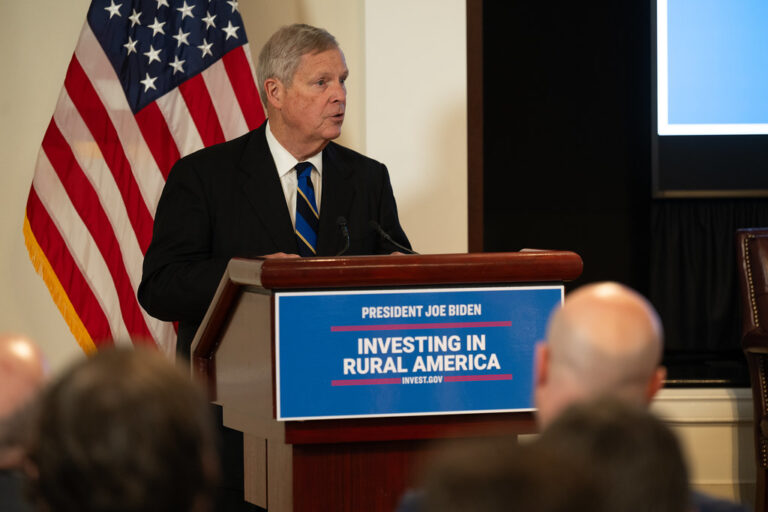
The USDA recently announced the end of its Local Food for Schools program, a initiative that supported schools in buying food from local farms since 2023. This program aimed to boost local economies and provide fresh food to students.

What Was the Program?

Launched in 2023, the LFS program helped schools purchase food from nearby farms. The USDA allocated up to $200 million to states, which then bought local produce, meats, and dairy for school meals. This initiative not only supported local farmers but also ensured students had access to fresh, nutritious meals.

For example, Maine’s Department of Education used over $740,000 through the program until January 2025. This funding helped local farmers supply schools with fresh produce, benefiting both the community and students.

Why Is It Ending?

While the program was successful, it faced challenges. Some critics argued that local food could be more expensive and harder to source than larger-scale options. Maintaining such a program long-term required significant funding and coordination, which may have been unsustainable.

Reaction to the Program’s End

The end of the LFS program has met with mixed reactions. Supporters are saddened by the loss of a program that promoted local economies and healthier meals. Others, while acknowledging its goals, point to practical challenges like cost and logistics.

What’s Next?

While the LFS program has ended, its impact remains. It highlighted the importance of local food systems and healthy school meals. Advocates hope similar initiatives will emerge, potentially addressing past challenges for a more sustainable future.

In conclusion, the Local Food for Schools program made a significant impact during its run. Its legacy lies in promoting local agriculture and student health. As we move forward, the lessons learned can pave the way for future programs that continue this important work.