77 F
San Francisco
Wednesday, June 10, 2026
Home Blog Page 1127

Dalvin’s Fight Against TB: A Journey of Struggle and Hope

0

Key Takeaways:

  • Dalvin Modore, a 40-year-old Kenyan farmer, battles severe tuberculosis (TB).
  • His condition has drastically affected his health, causing significant weight loss and ongoing pain.
  • Dalvin’s illness impacts his family, threatening their livelihood and future.
  • Timely medical intervention is crucial for his recovery.

Dalvin’s Daily Struggle

Dalvin Modore’s days are a testament to resilience. Each morning, he faces a daunting reality: his frail body, once robust, now struggles to bear the weight of his duties. The simple act of walking is a challenge, as the ground beneath his feet feels like shattered glass. His once-taut trousers now hang loosely, a constant reminder of the weight he’s lost. At 40, Dalvin’s life has been reduced to a mere shadow of its former self, ravaged by the relentless grip of tuberculosis.

The Unseen Enemy: Tuberculosis

Tuberculosis, a bacterial infection, has taken hold of Dalvin’s body, leaving him weak and in constant pain. His days are punctuated by bouts of intense coughing, often accompanied by the terrifying sight of blood. These episodes leave him Exhausted, yet Dalvin clings to hope, driven by the fear of leaving his family behind. The urgency for treatment is palpable, as each passing day without medication edges him closer to a perilous outcome.

A Family on the Brink

The ramifications of Dalvin’s illness extend beyond his personal suffering, casting a shadow over his entire family. His wife, Margaret, now shoulders the bulk of the farming responsibilities, her days filled with the dual challenges of nurturing their land and tending to her ailing husband. Their children, once full of youthful energy, now face uncertain futures as their education hangs in the balance. The family’s livelihood, once secure, is now precarious, as Dalvin’s inability to work Threatens their stability.

Community and Hope

Despite the dire circumstances, the community rallied around Dalvin, offering invaluable support. Neighbors provided food and emotional solace, while local health workers championed his cause, advocating for the medical attention he so desperately needs. These acts of kindness have rekindled hope, reminding Dalvin that he is not alone in his fight.

The Road to Recovery

Dalvin’s journey towards recovery is fraught with challenges, yet it is not without hope. With access to antiretroviral drugs and a stringent treatment regimen, the possibility of overcoming TB exists. Each passing day brings both hope and the daunting reality of the road ahead. The clock ticks, but Dalvin’s spirit remains unbroken, buoyed by the love of his family and the support of his community.

Conclusion

Dalvin’s story is a poignant reminder of the resilience of the human spirit and the crucial role of timely medical intervention. As he navigates the treacherous landscape of his illness, Dalvin and his family exemplify the strength found in unity and the unyielding will to survive. In their journey, we find a testament to hope and the enduring power of community.


Breaking: Ukraine Unleashes Largest Drone Assault on Moscow Amidst Peace Talks

0

Key Takeaways:

  • Ukraine executed its most extensive drone attack on Moscow, deploying 337 drones.
  • 91 drones targeted Moscow, while 126 hit the Kursk region near Ukraine.
  • Simultaneously, Ukrainian leaders met with U.S. officials in Saudi Arabia to discuss ending the conflict with Russia.

A Record-Breaking Attack

In a bold move, Ukraine launched its largest drone attack yet, striking Moscow and the Kursk region. This assault marked a significant escalation in the ongoing conflict, with Russia’s defense ministry reporting the interception of 337 drones—91 over Moscow and 126 in Kursk, which borders Ukraine. This attack underscores Ukraine’s strategic resolve to target key Russian areas, potentially aiming to disrupt critical infrastructure and morale.


The Attack’s Impact

The implications of this drone attack are profound. It not only flexes Ukraine’s military capabilities but also sends a clear message of resilience and defiance. Targeting Moscow, the heart of Russia’s political and military power, is a direct challenge to the Kremlin, emphasizing Ukraine’s determination to bring the war’s impact closer to Russia’s leadership and population. This strategic choice might be intended to heighten domestic pressure on the Russian government and weaken public support for the war.


Peace Talks Continue

Ironically, as these events unfolded, Ukrainian officials were in Saudi Arabia engaging in discussions with U.S. leaders, including Secretary of State Marco Rubio and National Security Advisor Mike Waltz. These talks focused on potential pathways to end the war, highlighting a dual approach by Ukraine—simultaneously pursuing diplomacy while intensifying military pressure. This dual strategy could be aimed at leveraging battlefield successes to strengthen negotiating positions, seeking a favorable resolution.


What’s Next?

The aftermath of this attack and ongoing talks presents a complex landscape. The international community closely observes these developments, weighing the possibilities of escalated conflict versus negotiated peace. The success of such talks largely depends on both sides’ willingness to compromise and external pressures from global powers. Ukraine’s continued military actions suggest a strategy aimed at maintaining momentum and ensuring their concerns are addressed in any potential agreement.


Conclusion

The recent drone attack and concurrent peace talks encapsulate the multifaceted nature of the Ukraine-Russia conflict. As the situation evolves, the interplay between military actions and diplomatic efforts will be crucial in determining the path forward. The world watches, hoping for a resolution that spares further bloodshed and restores peace to the region.

Job Layoffs Surge: Why Some Americans Aren’t Showing Sympathy

0

Millions of federal employees and media workers are losing their jobs. Americans are divided: Some feel bad, but many aren’t sad to see these layoffs. Private-sector workers, tired of government waste, see this as karma. Hunter Biden, who lost income after his dad left office, is struggling too. Experts say private businesses will bear the brunt of these cuts. Laid-off workers are advised to stay strong, adapt, and find new ways to earn.


The Terrifying Reality of Job Loss

Losing a job is one of life’s scariest experiences. One day, you’re earning a steady paycheck. The next, you’re staring at unpaid bills, debt, and uncertainty. Your home, once a safe haven, might even be at risk.

Right now, millions of government workers and media employees are facing this nightmare. Departments like the Department of Education, DHS, DOE, EPA, and even the IRS are cutting jobs. Legacy media outlets like CNN, NBC, and the Washington Post are also downsizing.

By some estimates, nearly a million federal employees have lost—or will lose—their jobs. That’s a million people worrying about how to pay their bills, keep their homes, and rebuild their lives.


Why Sympathy for Laid-Off Workers Is Running Thin

While losing a job is always tough, many Americans aren’t feeling sorry for these newly unemployed workers. There’s a growing sense of frustration, especially in the private sector, where people have long dealt with economic struggles caused by government policies.

This anger isn’t about individual workers but about the system they represent. For decades, people outside of government jobs have faced layoffs, recessions, and hardships while federal employees often kept their jobs and benefits. Now, they’re experiencing the same pain, and some see it as a form of karma.


Hunter Biden’s Struggles: A Symbol of the Times

Even Hunter Biden, son of former President Joe Biden, isn’t immune to the economic downturn. His income has dropped sharply since his father left office. His art sales and book deals have tanked, and he recently admitted he can’t afford to fund a defamation lawsuit.

Biden’s situation highlights how vulnerable people become when their income dries up. But unlike many others, he’s faced public mockery rather than sympathy.


The Karma Factor: Americans Are Mad

A lot of the anger toward federal layoffs stems from past policies that hurt private-sector workers. For example, during the Biden administration, industries like coal mining and manufacturing saw massive job losses. Workers were told to “learn to code” or adapt to new careers, often without much support.

Now, those same people are watching as federal employees face similar challenges. Many feel a sense of “what goes around comes around” and aren’t shedding tears for the newly unemployed.


The Bigger Picture: Private-Sector Pain Ahead

While federal layoffs are making headlines, the real impact may fall on private businesses. Defense contractors, companies that work with the government, and other private-sector jobs are likely to be hit hard. These are the people who build things, create jobs, and keep the economy running.

And while federal workers are struggling to cope, few expect much sympathy from the private sector. As one writer put it, “You’re not special just because you lost your job.illions of us have been through the same thing.”


Survival Tips for the Newly Unemployed

If you’ve recently lost your job, here’s what you need to know:

  1. Stay Strong: It’s okay to feel scared or angry, but don’t let those emotions paralyze you.
  2. Get Busy: Update your resume, apply to jobs, and explore side hustles.
  3. Cut Costs: Trim unnecessary expenses and focus on what really matters.
  4. Seek Help: Lean on your network, community, or faith for support.
  5. Plan Ahead: Use this time to prepare for the future—whether that means finding a new job, starting a business, or learning new skills.

Conclusion: Life Goes On

Losing a job is never easy, but it’s not the end of the world. Millions of people have been in your shoes and found a way forward. You can too.

Surround yourself with supportive people, stay proactive, and remember: This is just one chapter in your life story. The next one could be brighter than you ever imagined.

Trump’s Popularity Soars as Democrats Face Backlash Key Takeaways:

0

Democrats are struggling to resist President Trump’s policies as his popularity grows.

  • Their strategies, including disruptive behavior and court challenges, are alienating voters.
  • Public opinion is shifting against them, with 76% approving of Trump’s recent speech.

The Resistance’s Slippery Slope

As President Donald Trump’s approval ratings rise, the Democratic resistance is facing a dilemma. Their methods, from disruptive Congress antics to court battles, are increasingly seen as out of touch with everyday Americans.

A Missed Opportunity at the Congress Address

During Trump’s recent address to Congress, Democrats made their resistance clear. Wearing pink outfits and waving signs, they sought to disrupt the event. However, their actions, such as snubbing a young boy with cancer, DJ Daniel, left many questioning their priorities. While Republicans praised Trump’s kind gesture, Democrats remained silent, highlighting a growing disconnect with the public.

Judges in the Driver’s Seat

The legal front sees over 100 lawsuits challenging Trump’s policies. Judges appointed by previous Democratic presidents are issuing injunctions, particularly on transgender issues. Recent rulings in Baltimore and Seattle allow hospitals to continue gender-affirming treatments for minors, despite Trump’s executive order. This stance could rally conservative voters, impacting midterm elections.

A Glimmer of Moderation

Some Democrats, like California Governor Gavin Newsom and former Chicago Mayor Rahm Emanuel, are urging a shift towards moderate positions. They argue that focusing on issues like sports fairness and education could reconnect the party with voters. However, their voices are often drowned out by more radical elements.

Public Opinion Shifts

President Trump’s recent speech drew 36 million viewers, with a CBS poll showing 76% approval. This stark contrast with Democratic behavior suggests a growing public relations crisis. The refusal to celebrate DJ Daniel’s story, simply because it involved Trump, has left many questioning the party’s values.

Lessons for Democrats

The Democratic Party faces a critical choice: continue down a radical path or adopt a more moderate stance. Recent events show that extreme resistance is not winning hearts and minds. If they don’t change course, public opinion may turn even further against them.

As the political landscape evolves, one thing is clear—Democrats must reflect on their strategy to regain the trust and support of the American people.

LA County Bans Beach Church Meetings, Sparking Legal Battle

0

Key Takeaways:

  • Los Angeles County has banned Church on the Beach from holding meetings, despite 18 years of permitted gatherings.
  • The ACLJ is challenging the decision, citing First Amendment rights and religious discrimination.
  • The church’s outdoor services are crucial for outreach to those uncomfortable in traditional settings.
  • New county rules restrict religious gatherings but not others, raising fairness concerns.

A Beachfront Church Faces Unexpected Ban

For 18 years, Church on the Beach has gathered on Redondo Beach, offering a unique worship experience that attracts many who find solace in nature rather than traditional church buildings. However, their peaceful Sunday mornings have been disrupted by a sudden ban from Los Angeles County. This decision has sparked a legal battle, with the ACLJ stepping in to defend the church’s rights.

A Decade-Long Tradition Interrupted

Church on the Beach has been a part of the community for nearly two decades, obtaining necessary permits and ensuring their gatherings didn’t disturb others. Over 120 attendees each week find this outdoor setting essential for their spiritual well-being. The church has always been considerate, relocating when other events were scheduled. Their responsible approach made the county’s new restrictions puzzling.

New Rules Raise Questions

Months ago, the county changed its policies, targeting religious activities. Church on the Beach was informed they could no longer receive annual permits. Instead, they would be limited to six events a year, with fees for some. These rules don’t apply to non-religious groups, leaving many questioning the county’s motives.

A Legal Challenge for Religious Freedom

The ACLJ has intervened, sending a demand letter to the county. They argue the ban violates the First Amendment, citing Supreme Court cases that protect religious expression in public spaces. The ACLJ emphasizes that public areas like beaches are meant for all, and singling out religious groups is unfair.

Why This Matters Beyond One Church

This issue extends beyond Church on the Beach. It touches on the broader principle of religious freedom. The ACLJ contends that restricting religious gatherings in public spaces contradicts fundamental rights. They’ve given the county until March 20, 2025, to reconsider, hoping to ensure all groups can use public spaces equally.

A Call for Fairness and Freedom

The ACLJ’s demand highlights the importance of equal treatment for all groups, regardless of their beliefs. By challenging the county’s decision, they aim to protect not just one church, but the rights of everyone to express their faith freely. The outcome of this case could set a precedent for religious freedom in public spaces nationwide.

Ukraine and US Meet in Saudi Arabia Amid Ongoing Conflict

0

Key Takeaways:

  • Ukrainian and US officials held secret talks in Saudi Arabia to discuss ending the war with Russia.
  • Ukraine launched its biggest drone attack on Moscow overnight before the meeting.
  • Allies are watching closely to see if relations between Ukraine and the US will improve or worsen.

Behind Closed Doors: A Push for Peace?

In a quiet corner of Saudi Arabia, Ukrainian and American officials met for hours on Tuesday. Their goal? To find a way to end the devastating war between Ukraine and Russia. This meeting happened just hours after Ukraine carried out its largest drone attack on Moscow since the war began.

The talks were private, but their importance was clear. For months, Ukraine has relied on support from the US and its allies to fight back against Russia. However, recent tensions between Ukrainian President Volodymyr Zelenskiy and US President Donald Trump have raised concerns. After a rocky meeting last month, many are wondering if the two sides can work together effectively.


A Night of Drones: Ukraine Strikes Moscow

Before the Saudi Arabia meeting, Ukraine made a bold move. Overnight, its forces launched a massive drone attack on Moscow, the capital of Russia. This was Ukraine’s biggest attack on the city since the war started.

While the attack caused damage and grabbed attention, it’s unclear how much it will change the course of the war. Ukraine has been using drones to target Russian cities, but Russia’s defenses have often limited the impact. Still, the attack sent a strong message: Ukraine is determined to fight back.


Anxiety Grows Among Allies

As the meeting in Saudi Arabia took place, allies around the world watched nervously. The relationship between Ukraine and the US has been crucial in the war. The US has provided weapons, money, and political support to Ukraine. But after Zelenskiy’s disappointing meeting with Trump, many are worried about whether that support will continue.

Zelenskiy and Trump reportedly had sharp disagreements during their talks. Trump, known for his unpredictable style, has been critical of US aid to Ukraine. Zelenskiy, on the other hand, has pleaded for more help to defend his country. The tension between the two leaders has left allies wondering if the alliance can withstand these challenges.


Why This Meeting Matters

The talks in Saudi Arabia could be a turning point in the war. If Ukraine and the US can agree on a plan, it might lead to stronger support for Kyiv and more pressure on Russia to negotiate. However, if the talks fail, it could mean even more violence and uncertainty.

For now, the world waits for answers. Will these secret discussions lead to a path toward peace, or will they end in disappointment? Only time will tell.


Global Implications of the War

The war in Ukraine doesn’t just affect the people living there. It has far-reaching consequences. Food prices, energy supplies, and global security are all at risk.

For example, Ukraine is one of the world’s top grain exporters. But because of the war, many of its ports have been blocked. This has caused food shortages in countries that rely on Ukrainian grain.

The longer the war continues, the more these problems will grow. That’s why finding a way to end the conflict is so important—not just for Ukraine, but for the world.


Saudi Arabia’s Role in Peace Talks

Saudi Arabia, a country in the Middle East, hosted the secret meeting between Ukraine and the US. This might seem surprising, but Saudi Arabia has been trying to play a bigger role in international diplomacy.

The country’s neutral stance in the Ukraine-Russia conflict makes it a good mediator. By hosting the talks, Saudi Arabia is showing it wants to help find peace. Whether these efforts will succeed remains to be seen, but it’s a hopeful sign.


What’s Next?

The meeting in Saudi Arabia is just one step in a long process. To end the war, both Ukraine and Russia would need to agree to a deal. That seems unlikely right now, as both sides believe they can still win.

However, even small steps, like Tuesday’s talks, could eventually lead to bigger progress. If Ukraine and the US can strengthen their alliance, it might give Kyiv the boost it needs to negotiate with Russia from a stronger position.


Mixed Reactions in Ukraine

In Ukraine, people are watching the situation closely. Some are hopeful that the talks will bring progress. Others are skeptical, believing that

Breaking: Security Clearances Revoked for Top Officials by Tulsi Gabbard

0


Key Takeaways:

  • Tulsi Gabbard, Director of National Intelligence, revoked security clearances for several high-ranking officials.
  • NYC District Attorney Alvin Bragg and NY Attorney General Letitia James are among those affected.
  • This move follows a directive from President Joe Biden.
  • Other officials like Antony Blinken, Jake Sullivan, and Lisa Monaco also lost access to classified information.
  • The reason behind this decision is not yet fully clear.

Who Is Affected?

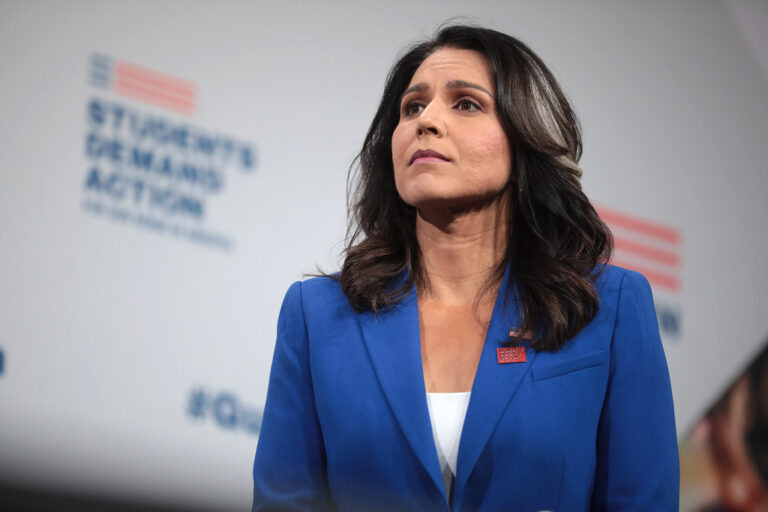
On Monday, Tulsi Gabbard, the Director of National Intelligence, made a major announcement. She revealed that her office has revoked security clearances for several top officials. This means they can no longer access classified information.

Manhattan District Attorney Alvin Bragg and New York Attorney General Letitia James are on the list. Additionally, federal officials like Antony Blinken, Jake Sullivan, and Lisa Monaco have also been affected. Blinken is the Secretary of State, Sullivan is the National Security Adviser, and Monaco serves as the Deputy Attorney General.


Why Did This Happen?

Gabbard shared the news on X, formerly known as Twitter. She stated that the action was taken following a directive from President Joe Biden. However, the exact reason for revoking these clearances remains unclear.

Security clearances are typically revoked when officials are no longer deemed trustworthy or when their access to sensitive information is no longer necessary. In some cases, it could be due to misconduct or conflict of interest.


What Does This Mean?

Revoking security clearances is a serious step. It limits these officials’ ability to perform their duties, especially if their roles require access to classified data. For example, Antony Blinken, as Secretary of State, often deals with sensitive foreign policy matters. Without clearance, he may struggle to fulfill his responsibilities effectively.

This decision could have wide-ranging implications. It may impact ongoing investigations, diplomatic efforts, and national security operations.


The Bigger Picture

This move by Tulsi Gabbard and the Biden administration has sparked curiosity and concern. Many are wondering why these specific officials were targeted and what led to this decision.

Some speculate that the revocation is part of a broader effort to tighten control over classified information. Others believe it might be related to ongoing political tensions or investigations.


What Comes Next?

With their security clearances revoked, these officials may face challenges in their current roles. Some could step down or be reassigned to positions that do not require access to classified information.

The public may not get full clarity on the reasons behind this decision anytime soon. National security matters are often kept under wraps, and officials rarely disclose detailed explanations for such actions.


A Closer Look at Those Affected

  • Alvin Bragg: As Manhattan District Attorney, Bragg has been involved in high-profile investigations. His office has been scrutinized for its handling of certain cases, including those related to former President Donald Trump.
  • Letitia James: New York Attorney General Letitia James has also been in the spotlight for her investigations into Trump and his family. Her office has faced criticism for being overly aggressive in pursuing certain cases.
  • Antony Blinken: As Secretary of State, Blinken plays a crucial role in shaping U.S. foreign policy. Losing his security clearance could hinder his ability to engage in diplomatic efforts.
  • Jake Sullivan: Sullivan, the National Security Adviser, is a key figure in shaping the administration’s approach to national security. Without clearance, his influence could diminish.
  • Lisa Monaco: As Deputy Attorney General, Monaco oversees a wide range of Justice Department activities. Her inability to access classified information may slows down critical operations.

Reactions and Questions

The decision has raised eyebrows across the political spectrum. Supporters of the move argue that it’s a necessary step to protect national security. Critics, however, are calling it an overreach of power and a potential political maneuver.

Many questions remain unanswered:

  • What specific actions or circumstances led to this decision?
  • How will this impact the officials’ ability to perform their jobs?
  • Is this part of a larger effort to reorganize the government?

As the situation unfolds, more details may come to light. For now, the public is left to speculate about the motivations behind this significant move.


Conclusion

Tulsi Gabbard’s announcement marks a significant shift in the administration’s approach to handling classified information. While the reason behind the decision is still unclear, its impact on the affected officials and their roles is undeniable.

This story highlights the delicate balance of power in Washington and the ongoing challenges of maintaining national security. Stay tuned as more updates emerge in the coming days.


This article has been written to provide a clear, concise, and engaging summary of the situation while adhering to the provided guidelines.

Christians in Danger: Syria’s Bloody Crisis

0

Key Takeaways:

  • Syrian Christians face increased persecution amidst ongoing violence.
  • Over 1,000 deaths reported in two days, targeting Christians and others.
  • Christian population in Syria drops to around 300,000, fearing further attacks.
  • Historical Christian significance in Syria under threat.
  • Calls for global prayer to bring peace to the region.

A Nation in Turmoil: Syria’s Current Crisis

Syria, a country once a beacon of early Christianity, is now a battleground of violence and fear. Recent days have seen a surge in bloodshed, with over 1,000 lives lost in just two days. Among the victims are many Christians, targeted for their faith.

Historical Roots of Faith in Syria

Syria’s Christian heritage is rich. It was in Antioch where followers of Jesus were first called Christians. The conversion of Paul on the road to Damascus is a cornerstone of Christian history, sparking a global missionary movement. Yet, the spread of Islam in the 7th century shifted the landscape, subjecting Christians to centuries of persecution, often treated as second-class citizens yet allowed to survive.

Modern Persecution and Fears

Today, the fear is palpable. Wendy Wright of Christian Freedom International shares that Syrian Christians dread becoming the next target after Islamists finish with the Alawites. Defenseless and confined, they rarely gather or venture out, their situation dire.

Global Christian Persecution Today

Dr. David Barrett, a renowned expert, notes that martyrdom is not a relic of the past. About 0.5% of Christians face death for their faith annually. This reality underscores the enduring challenges Christians encounter worldwide.

A Call to Action: Prayer for Peace

As Syria’s Christians face escalating danger, Wright appeals for global prayers. With approximately 360 million Christians at risk, the situation in Syria is a stark reminder of the ongoing struggle for religious freedom.

Conclusion: Hope Amidst Sorrow

Despite the turmoil, the resilience of Syria’s Christians offers hope. Their unwavering faith, rooted in history, continues to inspire. As the world watches, prayers for peace in Syria are more urgent than ever, seeking a future where all can practice their faith in safety.

AI Tools Are Revolutionizing Content Creation: Here’s How

0

Key Takeaways

  • AI tools are becoming popular for creating content like articles, social media posts, and blogs.
  • These tools use advanced algorithms to understand and generate text based on user input.
  • They save time and help people who struggle with writing or need ideas quickly.
  • However, AI-generated content may lack a personal touch or deep understanding.
  • Businesses and creators are using AI tools to make their workflows more efficient.

In today’s fast-paced digital world, creating high-quality content is crucial for businesses, bloggers, and social media influencers. But writing engaging articles, tweets, or blog posts takes time and skill. That’s where AI tools come in. They’re helping people create content faster and smarter. Let’s break it down.


What Are AI Tools for Content Creation?

AI tools are programs powered by artificial intelligence. These tools can generate text, suggest ideas, and even edit content. They work by analyzing patterns in language and creating new text based on that. For example, if you tell an AI tool to write a blog about “how to make pizza,” it can create a detailed article in seconds.

Why are these tools so popular? Because they save time. Instead of spending hours brainstorming or writing, users can get results quickly. It’s like having a personal assistant who’s always ready to help.


How Do AI Tools Work?

AI tools use something called machine learning. This means they study vast amounts of data to learn how language works. For instance, if you ask an AI to write a social media post, it will analyze thousands of similar posts to understand what works best. Then, it creates something new based on that knowledge.

Here’s a quick breakdown of how the process works:

  1. You give the AI a prompt or topic.
  2. The AI analyzes data to understand what you need.
  3. It generates text based on your request.
  4. You can edit or refine the output as needed.

This process is fast and efficient. It’s perfect for people who need ideas or help with writing.


Why Are People Using AI Tools?

There are many reasons why AI tools are becoming so popular.

  1. Speed: Writing high-quality content takes time. AI tools can produce results in seconds.
  2. Ideas: If you’re stuck with writer’s block, AI tools can generate ideas to get you started.
  3. Skill Level: Not everyone is a great writer. AI tools can help create professional-sounding content.
  4. Efficiency: Businesses can use AI tools to create multiple pieces of content quickly, saving time and money.

For example, a small business owner might use an AI tool to write social media posts or product descriptions. This allows them to focus on other aspects of their business.


The Pros of Using AI Tools

AI tools offer several benefits for content creators.

  1. Time-Saving: They help users create content faster, freeing up time for other tasks.
  2. Cost-Effective: Hiring a writer can be expensive. AI tools are often cheaper and provide instant results.
  3. Consistency: AI tools can generate content in a consistent tone and style.
  4. Scalability: Businesses can produce large amounts of content without hiring more writers.

These benefits make AI tools a valuable resource for anyone who needs to create content regularly.


The Cons of Using AI Tools

While AI tools are helpful, they’re not perfect.

  1. Lack of Personal Touch: AI-generated content might not sound as personal or authentic as human writing.
  2. Limited Understanding: AI tools don’t truly understand the context or meaning of the text they generate. This can lead to mistakes or irrelevant content.
  3. Dependence on Data: The quality of AI-generated content depends on the data it was trained on. If the data is outdated or biased, the output may not be reliable.
  4. Creativity Limits: While AI tools are great at generating text, they struggle with creativity and originality. They rely on patterns, not imagination.

For example, if you ask an AI tool to write a story, it might produce something that feels formulaic or predictable.


Why Choose AI Tools for Content Creation?

Despite the limitations, AI tools are a great choice for many people.

  1. Flexibility: They can be used for almost any type of content, from blog posts to marketing emails.
  2. Ease of Use: Most AI tools are user-friendly and require no special skills.
  3. Continuous Improvement: Developers are constantly updating AI tools to make them better and more accurate.
  4. Accessibility: AI tools are widely available, and many offer free or affordable options.

For someone just starting out, AI tools can be a great way to learn and improve their writing skills.


The Future of AI in Content Creation

As technology advances, AI tools will likely become even more powerful and versatile.

  1. Better Understanding: Future AI tools may improve at understanding context and nuances in language.
  2. More Personalization: They could generate content that feels more personal and tailored to individual needs.
  3. Integration with Other Tools: AI tools might work seamlessly with other apps and platforms, making workflows even smoother.

One day, AI tools might even help with video scripts, podcasts, or other forms of multimedia content.


Final Thoughts on AI Tools

AI tools are a game-changer for content creation. They save time, provide ideas, and help people produce high-quality content quickly. While they have limitations, the benefits are clear. For businesses, bloggers, and creators, AI tools are a valuable resource that’s hard to ignore.

But remember, AI tools are just tools. They work best when used alongside human creativity and oversight. By combining the efficiency of AI with the uniqueness of human input, we can create content that’s not only effective but also meaningful.

In the end, AI tools are a powerful way to make content creation easier and more efficient. Whether you’re a professional writer or just starting out, they’re worth exploring.


Word Count: 1000

Tulsi Gabbard Revokes Security Clearances in Major Purge

0

Key Takeaways:

  • Tulsi Gabbard, Director of National Intelligence, has revoked security clearances for numerous officials.
  • Those affected include top aides to Joe Biden, ex-intelligence officials, and individuals involved in legal cases against the president.
  • The move aims to address concerns over handling sensitive information and past disinformation claims.

Introduction: In a significant move, Tulsi Gabbard, a prominent figure in U.S. intelligence, announced a recent review of security clearances, resulting in the revocation of access for many current and former officials. This decision has sparked considerable discussion, particularly regarding its implications for national security and transparency.

Who Was Affected? The security clearance purge targeted several groups:

  1. Top Aides to Joe Biden: High-ranking officials who served under President Biden were among those affected. Their roles in handling sensitive information may have been under scrutiny.
  2. Ex-Intelligence Officials: Personnel who previously dismissed the Hunter Biden laptop story as disinformation lost their clearances. This group’s actions during that incident drew attention.
  3. Individuals in Legal Cases: Those involved in legal matters against the current president also faced clearance revocation, suggesting a broader review of involvement in sensitive cases.

Why Did This Happen? The reasons behind Gabbard’s decision are multifaceted:

  • Transparency and Trust: Ensuring that officials handle sensitive information responsibly is crucial. The revocations signal a push for accountability and trustworthiness.
  • Accountability in Past Actions: The move addresses past incidents, like labeling the laptop story as disinformation without thorough investigation, highlighting the importance of accurate intelligence assessment.
  • Current Context: The new administration’s approach emphasizes caution with sensitive data, reflecting a shift in how security clearances are managed.

What Does This Mean? The implications of this decision are significant:

  • Increased Scrutiny: Officials now face stricter oversight, with clearances granted based on strict criteria.
  • Potential for More Changes: This move might be the start of broader reforms, aiming to enhance security protocols.
  • Challenges Ahead: Affected individuals may face difficulties in their roles, potentially impacting their work and collaborations.

Public Reaction: Reactions vary widely:

  • Support for Accountability: Some view the move as a positive step toward transparency and responsible governance.
  • Concerns About Politics: Others worry about political motives, suggesting the purge could be aimed at critics of the administration.
  • Uncertainty and Questions: Many are left wondering about the review’s fairness and whether it sets a troublesome precedent.

Conclusion: Tulsi Gabbard’s decision to revoke security clearances marks a shift in how the U.S. handles national security. While the move is intended to enhance accountability, its broader implications and fairness remain topics of debate. As the situation unfolds, the impact on affected officials and the future of security protocols will be closely watched.

This action underscores the ongoing challenges in balancing security with transparency, highlighting the complex landscape of intelligence and governance in the U.S.