75.5 F
San Francisco
Thursday, June 11, 2026
Home Blog Page 1143

Trump’s Tariffs Spark Trade War with Major Trade Partners

0

Key Takeaways:

  • The U.S. imposed tariffs on Canada, Mexico, and China.
  • These countries retaliated with their own tariffs.
  • The Dow fell nearly 650 points due to trade tensions.
  • The U.S. delayed tariffs on Mexico for some goods.
  • These three countries are the U.S.’s top trade partners.

President Trump recently announced tariffs on three major U.S. trade partners: Canada, Mexico, and China. This move has sparked a trade war, with these countries fighting back by imposing tariffs of their own.

What Happened?

On Tuesday, the U.S. placed a 25% tariff on goods from Canada and Mexico and a 35% tariff on goods from China. Tariffs are like taxes on imported goods, making them more expensive for consumers.

These countries didn’t take long to retaliate. China, for example, blacklisted 20 U.S. companies, essentially cutting off trade with them. Canada and Mexico also introduced their own tariffs on U.S. goods.

Earlier today, Trump announced a delay on tariffs for Mexico, but only for goods that comply with the USMCA agreement. This is a trade deal between the U.S., Mexico, and Canada that aims to promote fair trade.

Meanwhile, the stock market took a hit. On Monday, the Dow Jones Industrial Average dropped nearly 650 points. Investors are worried about the impact of these tariffs on the economy.

How Did the Markets React?

The stock market plunge shows how nervous investors are about a possible trade war. When countries impose tariffs on each other, it can lead to higher prices for goods, slower economic growth, and even job losses.

The Dow dropping 650 points in one day is a significant decline. It reflects fears that these tariffs could hurt U.S. businesses and consumers.

What Do These Countries Mean to the U.S.?

Canada, Mexico, and China are the top three export markets for the U.S. They buy a lot of American goods, like cars, machinery, and agricultural products. Together, they account for 40% of U.S. imports.

This means the tariffs could have a big impact on the U.S. economy. If these countries retaliate, American companies might struggle to sell their products abroad. Consumers could also face higher prices on imported goods.

What’s Next?

The situation is still developing. Trump’s decision to delay tariffs on Mexico for USMCA-compliant goods might ease tensions a bit, but the overall trade war remains a concern.

Experts say this could lead to a longer conflict, with no clear winner. The hope is that the U.S. and its trade partners can negotiate fair agreements that benefit everyone.

How Does This Affect You?

If you’re buying goods like electronics, cars, or clothes, you might notice higher prices soon. Companies could pass the cost of tariffs on to consumers.

Farmers and businesses that rely on exports might also struggle if other countries stop buying American products.

What Are Tariffs, Anyway?

If you’re not sure what tariffs are, here’s a simple explanation: Tariffs are taxes on imported goods. They’re like extra fees added to products when they cross borders.

For example, if the U.S. imposes a 25% tariff on Canadian lumber, it makes Canadian lumber more expensive for American buyers. This can make U.S.-made lumber more attractive, but it also means higher costs for consumers.

Tariffs are often used to protect local industries by making imported goods more expensive. But they can also lead to retaliation, as we’re seeing now.

The Bigger Picture

Trade wars like this one can have long-term effects on the economy. They can slow down growth, lead to job losses, and even affect global markets.

The U.S. and its trade partners are hoping to find a solution that works for everyone. Until then, businesses and consumers are bracing for the impact.

Let us know what you think about this ongoing trade war in the comments! Are you worried about the tariffs? How do you think this will affect you?

Trump Issues Final Warning to Hamas Over Gaza Hostages

0

Key Takeaways:

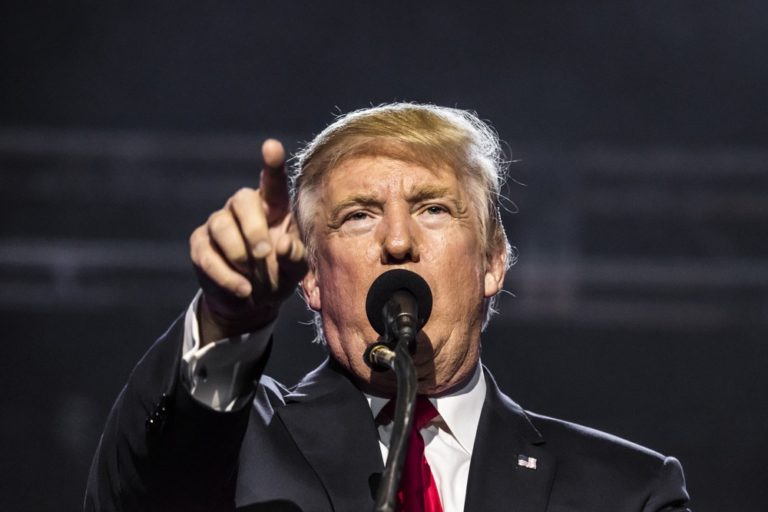
  • Trump warns Hamas to release hostages in Gaza immediately.
  • Threatens to support Israel fully, endangering Hamas members.
  • Hamas accuses Trump of urging Israel to violate a ceasefire.
  • Tensions rise as the conflict escalates.

Trump’s Urgent Demand for Hostage Release

President Trump has made a stark ultimatum to Hamas, demanding the immediate release of hostages held in Gaza. In a recent statement, Trump emphasized that this is the final opportunity for Hamas to act, warning of severe consequences if they fail to comply. He promised full support to Israel, stating that no Hamas member would be safe if the hostages are not freed.

What Did Trump Say?

Trump’s message was clear and direct. He vowed to provide Israel with all necessary resources to resolve the situation, leaving no room for compromise. His words signified a tough stance, aiming to pressure Hamas into releasing the captives promptly.

Hamas’s Response: Accusations of Ceasefire Violation

Hamas has reacted sharply to Trump’s statement, accusing him of inciting Israel to breach the current ceasefire. They view Trump’s support as an attempt to disrupt the fragile peace agreement between the two sides. This reaction highlights the tension and mistrust in the region, where any external interference is met with suspicion and hostility.

Rising Tensions and Potential Consequences

The situation in Gaza remains volatile, with Trump’s warning intensifying the already strained relations. Analysts fear that escalating tensions could derail the ceasefire, leading to renewed violence. The conflict’s outcome hinges on Hamas’s response and Israel’s actions, both of which are intricately influenced by international pressures and internal dynamics.

Looking Ahead: Uncertainty and Possible Outcomes

As the deadline looms, the world watches anxiously. If Hamas refuses to release the hostages, Israel, with Trump’s backing, may launch operations that could reignite conflict. Conversely, a peaceful resolution could pave the way for dialogue, though trust between the parties is sorely lacking.

Conclusion

Trump’s final warning to Hamas underscores the critical nature of the current crisis. The potential for escalation is high, with significant implications for the region and global stability. Stakeholders must navigate this delicate balance carefully to avoid further bloodshed and seek a durable resolution. The coming days will be crucial in determining the path forward for Gaza and its people.

Trump Halts US Aid to Ukraine, Sparking Global Concern

0

Key Takeaways:

  • President Trump has stopped all US aid to Ukraine, shocking allies and experts.
  • The US has given about half of the $136 billion in military support to Ukraine since Russia invaded in 2022.
  • Trump also ended two key programs related to Ukraine’s defense.
  • This sudden change in policy has caused worry among foreign policy experts and Ukraine supporters.
  • Trump is also being friendlier with Russia, which invaded Ukraine.
  • Many fear this move could weaken Ukraine’s ability to fight back.
  • The decision has sparked debates about America’s role in global conflicts.

A Shocking Shift in US Policy

In a surprising move, President Donald Trump has decided to stop all US aid to Ukraine. This decision has stunned foreign policy experts and allies who have supported Ukraine in its fight against Russia since the invasion in 2022. The US has been Ukraine’s biggest supporter, providing about half of the $136 billion in military and economic aid sent by its allies. Now, Trump’s sudden change in policy has left many wondering what this means for Ukraine’s future.


Why This Matters

Ukraine has relied heavily on US aid to defend itself against Russia. The military equipment, weapons, and financial support from the US and its allies have been crucial in helping Ukraine resist Russian forces. By stopping this aid, Trump’s decision could weaken Ukraine’s ability to fight back and defend its territory.

Trump has also ended two other programs related to Ukraine’s defense. These programs were designed to help Ukraine strengthen its military and protect its people. Without this support, Ukraine may struggle to continue its resistance against Russia.


What’s Behind Trump’s Decision?

Experts are trying to understand why Trump made this sudden shift. Some believe it may be part of his effort to improve relations with Russia. Trump has recently made friendly gestures toward Russian President Vladimir Putin, despite Russia’s invasion of Ukraine. This has raised concerns among US allies and lawmakers who fear Trump is abandoning Ukraine at a critical time.

Others speculate that Trump’s decision is part of his broader strategy to reduce US involvement in international conflicts. Trump has long argued that other countries should take more responsibility for their own defense. However, many disagree, saying the US has a moral obligation to support democracies like Ukraine when they are under attack.


The Impact on Ukraine and the World

The consequences of Trump’s decision could be severe for Ukraine. Without US aid, Ukraine may find it harder to hold off Russian forces. This could lead to more territory falling under Russian control and potentially even the collapse of Ukraine’s government.

The move has also caused concern among US allies. Many European countries have provided significant support to Ukraine, and they rely on the US to lead the effort. If the US steps back, other countries may feel less inclined to continue their support, leaving Ukraine more isolated.

Additionally, Trump’s friendlier approach to Russia has worried experts. They fear it could embolden Putin to take even more aggressive actions in Ukraine and beyond. This could destabilize the region and lead to broader conflicts.


What’s Next?

Trump’s decision to halt aid to Ukraine has sparked a heated debate in Washington and around the world. Lawmakers and experts are urging Trump to reconsider, arguing that abandoning Ukraine would have far-reaching consequences. They warn that it could not only harm Ukraine’s chances of survival but also damage the US’s reputation as a global leader and ally.

For now, Ukraine remains in a precarious position. Its ability to continue fighting depends heavily on whether other countries will step up to fill the gap left by the US. But even if they do, the loss of US support could still weaken Ukraine’s overall defense.

As the situation unfolds, all eyes are on Trump and his administration. Will they reverse this decision, or will they continue down this path of reducing US involvement? The answer will have profound implications for Ukraine, Russia, and the entire world.


For now, one thing is clear: Trump’s decision to stop US aid to Ukraine has sent shockwaves across the globe. It has raised questions about America’s commitment to its allies and its role in protecting democracy. Only time will tell how this unfolds, but the stakes could not be higher.

Trump Honors Brave Teen Cancer Survivor in Emotional Speech

0

Key Takeaways:

  • President Donald Trump recognized 13-year-old DJ Daniel, a brain cancer survivor, during his address to Congress.
  • DJ, who dreams of becoming a police officer, was made an honorary Secret Service member.
  • The emotional moment brought tears to many, including the writer, as DJ’s courage and resilience shone brightly.

DJ Daniel stole hearts Tuesday night when President Trump highlighted his inspiring story during a speech to Congress. At just 13 years old, DJ has faced more challenges than most people do in a lifetime. Diagnosed with brain cancer, he went through countless medical treatments and showed remarkable strength.

Now, DJ is not only a survivor but also a dreamer. His goal is to become a police officer, and Trump’s gesture brought him one step closer. In front of millions watching, the president made DJ an honorary member of the Secret Service.

The room fell silent as DJ walked to the stage. His father, by his side, beamed with pride. Trump’s words about DJ’s bravery and determination left many in tears. Even the writer of this article wasn’t immune, wiping away tears as the moment unfolded.

This wasn’t just a heartfelt moment; it was a reminder of the strength found in everyday heroes like DJ. His story shows us that no matter what life throws our way, hope and courage can lead to incredible things.


Who is DJ Daniel? DJ Daniel is a 13-year-old boy who has faced unimaginable challenges. After being diagnosed with brain cancer, he went through a long and difficult battle. Yet, DJ never lost hope. His determination and positivity inspired everyone around him.

DJ’s dream of becoming a police officer is more than just a childhood fantasy. It’s a reflection of his character. He wants to help people and make a difference in his community. Tuesday night, Trump’s recognition brought DJ closer to his goal.


The Emotional Moment As Trump told DJ’s story, the room was filled with emotion. DJ walked to the stage, his father by his side, and accepted the honor. The crowd erupted in applause, celebrating not just DJ’s survival but his spirit.

For many, including the writer, this moment was hard to watch without getting choked up. It wasn’t just the recognition that was moving—it was the reminder of how much good exists in the world.


The Impact of DJ’s Story DJ’s story is more than just inspiring; it’s a reminder of the power of hope and resilience. At a time when the world often focuses on negativity, DJ’s courage stands out.

His recognition during Trump’s speech showed that everyday heroes like DJ deserve to be celebrated. Whether it’s battling illness or chasing big dreams, DJ’s story reminds us that anything is possible.


A Night to Remember Tuesday night was filled with memorable moments, but DJ Daniel’s recognition stood out. It wasn’t just a honor for him—it was a reminder of the strength and hope that define us as people.

As DJ continues to chase his dreams, he inspires us all to be braver and never give up. And who knows? Maybe one day, he’ll be the one protecting and serving his community as a police officer.


This story isn’t just about DJ Daniel or President Trump. It’s about the power of hope and the impact one person can have. DJ’s journey reminds us that no matter what challenges we face, we all have the strength to overcome them.

Supreme Court Fails toAct: A Blow to Justice?

0

Key Takeaways:

  • The Supreme Court is supposed to enforce rules for federal courts.
  • It failed to act clearly in a recent case involving a judge.
  • This decision could cause bigger problems in how courts work.
  • Judges must follow rules, and the Supreme Court must hold them accountable.
  • If not, the balance of power in the government could be at risk.

Introduction The U.S. Supreme Court plays a vital role in ensuring fairness in the legal system. It not only decides big cases but also oversees lower federal courts. Recently, the Court faced a challenge in doing its job when a judge stepped out of line. Instead of taking strong action, the Court issued a vague order that didn’t solve the problem. This decision could have serious consequences for how courts operate and the balance of power in the government.

What Happened in the Case? The case in question is called Department of State v. AIDS Vaccine Advocacy Coalition. In this case, a judge in Washington, D.C., did something that raised concerns about how courts are run. The Supreme Court was supposed to step in and address the issue. Instead, it released an unclear order that didn’t properly fix the problem. This lack of action could set a dangerous precedent.

The Supreme Court’s Role The Supreme Court has two main jobs: deciding important legal cases and ensuring lower courts follow the rules. When a judge does something wrong, it’s the Supreme Court’s responsibility to correct it. This helps maintain trust in the legal system. However, in this case, the Court didn’t take the strong action needed.

Why This Decision Matters The Court’s failure to act clearly could lead to more problems. Judges might feel they can ignore the rules without facing consequences. This could create chaos in the legal system and undermine fairness. It also risks blurring the lines between the branches of government, which is known as the separation of powers.

Judges Must Follow the Rules Judges have a lot of power, but they aren’t above the law. When they overstep, it’s up to the Supreme Court to hold them accountable. If the Court doesn’t do its job, it sends the wrong message. It suggests that some people in power can act without being held responsible, which is unfair to everyone else.

What Should Happen Next? The Supreme Court needs to take this situation seriously. It must issue clear rules to prevent similar problems in the future. This will ensure that judges don’t abuse their power and that the legal system remains fair. If the Court doesn’t act, it could lead to a crisis that affects how the government works.

Conclusion The Supreme Court’s decision in Department of State v. AIDS Vaccine Advocacy Coalition was a missed opportunity to enforce the rules. By failing to act clearly, the Court put the legal system and the balance of power at risk. It’s up to the Court to fix this problem and ensure judges are held accountable. If it doesn’t, the consequences could be severe.

Final Thoughts The Supreme Court’s role is to protect fairness and ensure everyone follows the rules. In this case, it didn’t do that job well. The Court must take action to prevent future problems and maintain trust in the legal system. Otherwise, the balance of power in the government could be at risk, leading to bigger challenges down the line.

Trump’s Tariffs Shake Up Business Plans Amid Economic Uncertainty

0

Key Takeaways:

• President Trump’s tariffs on major trading partners are causing economic uncertainty.

• Businesses are hesitant to hire and invest due to unpredictable trade policies.

• Trump’s unpredictable trade strategy is making it hard for companies to plan for the future.

President Donald Trump’s decision to impose tariffs on the U.S.’s largest trading partners is causing concern about the economy. Companies are now thinking about putting hiring and investment plans on hold. This uncertainty is affecting business confidence and could slow down economic growth.

What are tariffs?

Tariffs are taxes on imported goods. When the U.S. imposes tariffs on other countries, it makes their products more expensive. This can help American industries by making their products more competitive. However, it can also lead to higher prices for consumers and trade wars.

How Are Businesses Reacting?

Confusion and Delays

Trump’s unpredictable approach to trade policy is confusing businesses. He often announces tariffs and then delays or reverses them. For example, he threatened tariffs on Mexico but canceled them later. This uncertainty makes it hard for companies to plan for the future.

Impact on Hiring and Investment

Because of this unpredictability, some businesses are stopping or slowing down their plans to hire new workers and invest in new projects. Companies don’t want to spend money if they’re not sure about the future. This could harm the economy if many businesses decide to wait.

Supply Chain Disruptions

Imports are becoming more expensive due to tariffs. This disrupts supply chains and increases costs for businesses, especially those that rely on imported materials. These costs are often passed on to consumers, leading to higher prices for goods.

Are Tariffs Helping or Hurting?

Protection for American Industries

Supporters of tariffs say they protect American industries by making foreign goods more expensive. For example, American steel companies benefit because imported steel becomes more expensive. This can lead to more jobs in protected industries.

Long-Term Concerns

However, tariffs can also start trade wars. Other countries may retaliate by imposing their own tariffs on U.S. products. This makes it harder for American companies to sell their goods abroad. For instance, China has imposed tariffs on U.S. agricultural products, hurting American farmers.

Can Businesses Adapt?

Finding New Markets

Some businesses are looking for new markets or suppliers outside of countries affected by tariffs. For example, companies that import goods from China are now buying from other countries like Vietnam or India.

Passing Costs to Consumers

Many businesses are passing the increased costs from tariffs to consumers. This means higher prices for things like electronics, cars, and clothing. While this helps businesses maintain their profits, it can make consumers unhappy.

Investing in Automation

Some companies are investing in automation to reduce reliance on imported goods. For example, Ford Motors is investing in electric vehicle production in the U.S. to avoid tariffs on imported cars.

What’s Next?

The Future of Trade Policy

As the 2024 election approaches, businesses are hoping for a clearer trade policy. They want stability to make long-term plans. If tariffs remain unpredictable, businesses may continue to hesitate on hiring and investment.

A Changing Global Economy

The global economy is changing, and trade policies play a big role. The U.S. is trying to stay competitive while dealing with challenges from countries like China. How Trump’s tariffs affect this balance will be important for the future.

Conclusion

President Trump’s tariffs are causing significant uncertainty for businesses. While the intention is to protect American industries, the unpredictable nature of these policies is making it hard for companies to plan ahead. As a result, businesses are pausing hiring and investment, which could slow down economic growth. The future of trade policy will be crucial in determining how businesses and the economy move forward.

U.S. Holds Secret Talks with Hamas Over Hostages in Gaza

0

Key Takeaways:

  • U.S. officials met with Hamas in Qatar to discuss hostages in Gaza.
  • This breaks a long-standing policy of not directly engaging with groups labeled as terrorists.
  • Trump’s nominee for hostage affairs, Adam Boehler, attended the talks.
  • The discussions mark a shift in U.S. strategy to secure hostage releases.

U.S. and Hamas Hold Surprise Talks in Qatar

For the first time, U.S. officials have met directly with Hamas, a group the U.S. has labeled as a terrorist organization, to discuss hostages held in Gaza. This surprising move could signal a change in how the U.S. handles such sensitive situations.

The meetings took place in Qatar, where diplomats and officials from both sides gathered to talk about the fate of hostages. Adam Boehler, President Trump’s nominee for special envoy for hostage affairs, was part of these talks. This is a significant step because the U.S. has long avoided direct talks with Hamas, calling it a terrorist group.


Why This Matters

The U.S. has a strict policy of not engaging with groups it considers terrorists. This approach is meant to avoid legitimizing such groups and to prevent them from gaining power. However, the situation with hostages in Gaza seems to have pushed the U.S. to reconsider this stance.

Hamas has controlled Gaza since 2007, and the region has seen frequent conflicts with Israel. Hostages in Gaza include both locals and foreigners, and their situations are often dire. By engaging directly with Hamas, the U.S. may hope to secure their release faster.

But this move is risky. Critics argue that talking to Hamas could be seen as giving them legitimacy and might encourage other groups to take hostages in hopes of negotiating with the U.S.


Who Was Involved?

According to officials briefed on the matter, the talks involved:

  1. Adam Boehler: President Trump’s pick for hostage affairs. His involvement shows how serious the U.S. is about resolving the hostage situation.
  2. Hamas Officials: Though their names were not disclosed, representatives from Hamas participated in the discussions.
  3. Qatari Mediators: Qatar, known for its role in mediating conflicts in the Middle East, hosted the meetings and likely facilitated the dialogue.

What’s Next?

The outcome of these talks is still unclear. Officials have not provided details about what was discussed or whether progress was made. However, the fact that the meetings took place is a significant development.

If the U.S. continues to engage with Hamas, it could lead to a shift in how the U.S. approaches hostage negotiations. It might also have broader implications for U.S. relations with other countries in the Middle East.


The Bigger Picture

The decision to talk to Hamas reflects the growing complexity of international conflicts. As global tensions rise, governments are sometimes forced to make tough choices to protect their citizens.

Hostage situations are always delicate, and the U.S. has faced criticism in the past for its handling of such cases. By engaging directly with Hamas, the U.S. may be trying to avoid past mistakes and find a more effective approach.


A Risky Move

The decision to talk to Hamas has already sparked debate. Supporters argue that it’s necessary to save lives and bring hostages home. Critics worry that it could set a dangerous precedent and embolden terrorist groups.

Only time will tell if this strategy will work. For now, the fact that the talks happened shows that the U.S. is willing to take risks to resolve the hostage crisis in Gaza.


The developments in Qatar highlight how hostage situations can push governments to rethink their policies. As the situation unfolds, the world will be watching to see if these talks lead to positive outcomes or unintended consequences.

Brad Schimel: Pardons Are a Presidential Tool, But Not for Capitol Rioters

0

Key Takeaways:

  • Brad Schimel supports presidential pardons but opposes pardoning violent Capitol rioters.
  • He emphasizes accountability for those who stormed the Capitol on January 6, 2021.
  • Schimel’s stance highlights his judicial philosophy as a Wisconsin Supreme Court candidate.

Who is Brad Schimel?

Brad Schimel is a notable figure running for the Wisconsin Supreme Court, bringing attention to his views on significant legal issues. As a candidate, his opinions attract considerable public interest, particularly on matters like presidential pardons.

What Are Presidential Pardons?

Presidential pardons are a well-known aspect of U.S. law, allowing presidents to forgive individuals convicted of federal crimes. This power is outlined in the Constitution and is often used to correct perceived injustices or grant mercy. However, debates about its use, especially in controversial cases, persist.

Schimel’s Support for Pardons

Schimel supports the presidential pardon system, viewing it as a crucial tool for justice. He acknowledges its potential to address unfair convictions and offer second chances. This stance aligns with his broader judicial philosophy, emphasizing fairness and compassion within the legal framework.

Drawing the Line at Capitol Rioters

While Schimel backs the pardon system, he firmly opposes its use for those involved in the January 6th Capitol riot. The violence and intent to disrupt democracy that day, he believes, set these actions apart. He argues that such severe wrongdoing should not be pardoned, stressing the importance of accountability to maintain trust in the justice system.

Why This Matters for Wisconsin

Schimel’s position on pardons reflects his judicial approach, prioritizing fairness and accountability. As a Supreme Court candidate, his views could influence significant legal decisions in Wisconsin, making his stance on pardons a critical aspect of his campaign.

Conclusion: A Balanced Approach

Brad Schimel advocates for the responsible use of presidential pardons, endorsing their potential for justice while emphasizing accountability in serious cases. His stance underscores the complexities of judicial decision-making and the need for balance in applying legal tools. As Wisconsin’s Supreme Court election approaches, Schimel’s perspective remains central to his campaign, highlighting the importance of discernment in pardon decisions.

Wyoming Lawmakers Enact Abortion Pill Ultrasound Requirement

0

Key Takeaways:

  • Wyoming requires ultrasounds before abortion pills.
  • Lawmakers overturned Governor Gordon’s veto.
  • Senate voted 22-9, House 45-16, citing safety concerns.
  • The law impacts access to medication abortions.

New Abortion Law in Wyoming: What You Need to Know

Wyoming made headlines this week after lawmakers pushed through a controversial abortion bill. Despite Governor Mark Gordon’s veto, the legislature ensured the law requiring ultrasounds before abortion pills will stand. The votes were decisive: 22-9 in the Senate and 45-16 in the House. Supporters argue the measure protects women’s health.

What Happened?

Lawmakers in Wyoming overrode Governor Mark Gordon’s veto, passing a bill that mandates ultrasounds before women can take abortion pills. This decision came after heated debates, with supporters emphasizing the need to ensure women’s physical safety. The bill specifically targets medication abortions, which involve mifepristone and misoprostol. Now, women must undergo an ultrasound before accessing these pills.

Why Lawmakers Supported This Bill

Republican lawmakers, who dominate both the Senate and House, believe the ultrasound requirement is crucial. They argue it ensures women are fully informed and safe when choosing medication abortions. However, critics argue this adds unnecessary barriers, potentially delaying access and increasing costs.

What This Means for Women

The new law may make it harder for women to get abortion pills. They’ll now need to visit a healthcare provider for an ultrasound, which might not be easy for everyone, especially those in rural areas. This could increase travel time and expenses, becoming a barrier for some.

The Broader Debate

This law is part of a larger debate around abortion access. Supporters say it’s about safety, while opponents see it as restricting healthcare. The requirement adds another step in a process some argue is already safe, as abortion pills are FDA-approved and widely used.

Looking Ahead

With the law in place, Wyoming joins other states with similar restrictions. The impact on women’s access to medication abortions remains to be seen. This decision highlights ongoing tensions in abortion policies across the U.S., especially concerning state-level regulations.

Conclusion

Wyoming’s new law reflects a broader national debate. As more states consider such measures, the focus remains on how these laws affect women’s healthcare access. Stay informed as this story evolves.

Xi Jinping Studies Cold War to Avoid Trump Showdown

0

Key Takeaways:

  • Xi Jinping asked aides to study the U.S.-Soviet Cold War rivalry after Donald Trump’s 2016 election win.
  • China fears it could face isolation like the Soviet Union during the Cold War.
  • Xi is preparing for a potential showdown with President Trump.
  • China is analyzing historical lessons to avoid similar geopolitical mistakes.

Xi Jinping Studies Cold War to Avoid Trump Showdown

What Happened After Trump’s Win? After Donald Trump won the U.S. presidential election in November 2016, Chinese leader Xi Jinping acted quickly. He asked his top aides to urgently study the Cold War rivalry between the United States and the Soviet Union. Why? Because Xi was worried about a similar situation happening between China and America.

With Trump promising to take a tough stance on China, Xi wanted to understand how the Soviet Union ended up isolated during the Cold War. He was concerned that China could face the same fate if tensions with the U.S. escalated.

Why Is Xi Worried? During the Cold War, the Soviet Union found itself increasingly isolated. Many countries allied with the United States, leaving the Soviets with fewer friends and resources. Xi doesn’t want China to end up in a similar position.

Trump’s campaign promises included taking on China over trade, security, and other issues. Xi and his team knew this could lead to a major showdown between the two superpowers. By studying the Cold War, Xi hoped to learn how to avoid mistakes that led to the Soviet Union’s downfall.

What Is China Doing Now? China is taking steps to strengthen its global alliances and avoid isolation. For example, Xi has been pushing for closer ties with Russia and other nations that feel left out by the U.S. Meanwhile, China is working to build its own influence through massive projects like the Belt and Road Initiative.

At the same time, China is modernizing its military and economy. The goal is to ensure that China remains a strong and independent power, even if relations with the U.S. deteriorate.

What’s Next? As the U.S. and China continue to compete, the lessons of the Cold War will likely shape Xi’s decisions. China is determined to avoid the mistakes of the Soviet Union while building a more balanced global strategy.

For now, Xi’s focus is on preparing China for any scenario. Whether it’s a trade war, a military conflict, or a battle for global influence, Xi wants China to be ready.

Final Thoughts The rivalry between the U.S. and China is one of the most important issues of our time. By studying history, Xi Jinping hopes to navigate this challenging landscape and ensure China’s place as a global superpower.

Only time will tell if Xi’s strategy will work. But one thing is clear: The lessons of the Cold War are shaping China’s approach to its showdown with Trump.