55.9 F
San Francisco
Thursday, June 25, 2026
Home Blog Page 115

Rigid Credit Limits Growth for Middle-Market Firms, PYMNTS Report Finds

0

Quick Summary: Rigid Credit Limits Growth for Middle-Market Firms, PYMNTS Report Finds

  • 87% of emerging middle-market firms report sufficient credit, yet 46% miss growth opportunities due to inflexible credit.
  • Firms generating $1 million to $50 million in revenue face the most strain, with over half expecting to surpass $50 million in five years.
  • Only 43% of fast-growing firms have financial tools matching their scale, compared to 75% of slower-growing peers.
  • Traditional lending models rely on backward-looking metrics, clashing with forward-looking high-growth companies.
  • Nearly half of firms say inflexible credit leads to missed growth opportunities, shifting the debate from credit availability to usability.

In the world of high-growth businesses, having access to credit is no longer the main hurdle—it’s the usability of that credit that poses the real challenge. A recent report by PYMNTS and i2c reveals that while 87% of emerging middle-market firms claim to have sufficient credit, 46% still miss growth opportunities because their credit is too rigid or slow to meet their needs.

These firms, generating between $1 million and $50 million in revenue, are growing rapidly, with many expecting to exceed $50 million within five years. However, traditional lenders, relying on outdated metrics like profitability and credit scores, fail to provide the flexible financial tools these companies need. Only 43% of fast-growing firms find their financial tools adequate, compared to 75% of their slower-growing counterparts.

This mismatch highlights a critical infrastructure failure. The financial system remains calibrated for predictable businesses, leaving high-growth firms stranded between small-business tools they’ve outgrown and enterprise systems they haven’t fully implemented. The debate is shifting from credit availability to credit usability, a hidden issue that can quietly stifle growth.

As the report suggests, the next phase is competitive. Banks, card issuers, and fintech providers must adapt their products to meet the needs of this emerging middle market. Failure to do so could mean losing one of the fastest-scaling customer segments. The challenge is clear: it’s not about struggling to expand, but struggling to keep up with their own growth.

Only 43% of fast-growing firms say their financial tools match their current scale, versus 75% of slower-growing peers, a gap that makes the article less about generic access to capital and more about infrastructure failure. PYMNTS, citing a new PYMNTS Intelligence and i2c report titled The Emerging Middle Market: When Operational Complexity Grows Faster Than Financial Infrastructure, says the companies under the most strain are firms generating between $1 million and $50 million in revenue, with more than half expecting to cross the $50 million mark within five years.

The report’s timing also matters: it was published within the last week, with the PDF posted four days ago and the PYMNTS article published May 5, 2026, making this a fresh attempt to redefine where the real bottleneck is in middle-market finance. PYMNTS is effectively signaling that banks, card issuers and fintech infrastructure providers now face a market test over whether they can redesign underwriting, working-capital products and integrated finance tools for businesses on a trajectory from $1 million to $50 million-plus in revenue.

The surprising twist is that these are not firms simply rejected for loans; they are often nominally financed and still blocked. As for what happens next, there is no government vote or court deadline attached to this story yet; the immediate next phase is competitive, not legislative.

” That clash is what makes this story newsworthy: lenders may believe they are serving the segment, but the data suggest those businesses are effectively stranded between small-business tools they have outgrown and enterprise-grade systems they have not fully implemented. That means the debate is shifting from credit availability to credit usability, a more damaging problem because it can stay hidden in headline lending data while businesses quietly turn down orders, delay hiring, or lean on riskier stopgaps.

The near-term development to watch is whether lenders respond to the report’s evidence with more adaptive products for this “emerging middle market,” because PYMNTS’ clear thesis is that these companies are “not struggling to expand” so much as “struggling to keep up with themselves” — and providers that fail to adjust risk losing one of the fastest-scaling customer segments in the market. The sharpest statistic in the latest reporting is the mismatch between business needs and financial tools.

Read more on Digital Chew

Iran Missile and Drone Attack on UAE Triggers Global Condemnation

Quick Summary: Iran Missile and Drone Attack on UAE Triggers Global Condemnation

  • The UAE accused Iran of firing missiles and drones at its territory, marking a significant escalation.
  • Three missiles were intercepted, one fell into the sea, and three Indian nationals were injured.
  • Gulf states and Western governments condemned the attacks, calling them a dangerous escalation.
  • Bahrain labeled the strikes as ‘Iranian terrorist attacks,’ highlighting regional security concerns.
  • The crisis threatens to destabilize the Gulf, impacting shipping lanes and energy markets.

The Middle East is once again on the brink of a major crisis as the UAE accuses Iran of launching direct missile and drone attacks on its territory. This alarming development has sparked a wave of international condemnation, with Gulf states and Western powers uniting in their denunciation of what they term a ‘dangerous escalation.’

According to reports, four missiles were fired from Iran, with three intercepted and one falling into the sea. The attacks injured three Indian nationals, underscoring the human cost of this conflict. The UAE’s defense ministry confirmed the interceptions, emphasizing the operational seriousness of the situation.

This incident marks a shift from proxy warfare to direct state confrontation, raising fears of destabilization in the Gulf region. The strategic Strait of Hormuz, a critical maritime route, is now at risk, potentially affecting global energy markets. Bahrain’s strong language, calling the strikes ‘Iranian terrorist attacks,’ reflects the gravity of the situation.

As the world watches, the next steps will likely involve emergency diplomacy and potential multilateral actions. The question remains whether this will be treated as an isolated incident or a threshold-crossing event that demands a broader response. The stakes are high, and the region’s stability hangs in the balance.

On May 4, 2026, Axios reported the UAE was under missile and drone attack and said the ceasefire was in peril; by May 5, Al Jazeera reported a widening chorus of condemnations from Gulf capitals and Western governments. According to reporting published today, May 5, 2026, the UAE says four missiles were fired toward its territory from Iran, with three cruise missiles intercepted and another falling into the sea, while officials also said they were confronting an additional missile-and-drone attack.

In January 2022, Reuters and other outlets reported a Houthi attack on Abu Dhabi that killed three people after explosions hit fuel trucks and an area near the airport; at the time, Washington and regional states condemned the strike, but attribution centered on Yemen’s Iran-aligned Houthis. The biggest new turn is that this is no longer just an old Gulf Today headline about a 2022-style proxy strike: the live reporting now centers on a fresh May 2026 regional escalation in which the UAE says Iran itself fired missiles and drones at Emirati territory, prompting a wave of condemnations from Gulf states and Western governments.

The most specific and striking numbers in the newest reporting are military and human: four missiles aimed at the UAE, three intercepted, one falling into the sea, and three civilians injured. The UAE’s defense ministry said the loud booms heard in the country were the result of air-defense interceptions, a detail that suggests the event was not symbolic but operationally serious.

The bottom line is that the live story is no longer the historical fact that “the world condemns attacks on the UAE”; it is that the UAE now says Iran launched the latest missiles directly, Gulf states are echoing the “terrorist attacks” language, and the crisis is suddenly about whether the region is sliding from proxy warfare into overt state-on-state confrontation. The most consequential development in the latest coverage is the shift in attribution and scale.

The core conflict driving the story is whether this marks a decisive break from shadow-war dynamics into open interstate attacks that could destabilize the Gulf, shipping lanes and energy markets. Al Jazeera’s latest report says Saudi Arabia, Qatar, Kuwait, Bahrain and Jordan all denounced the strikes, while Germany, the United Kingdom and Canada called on Iran to return to talks.

Read more on Digital Chew

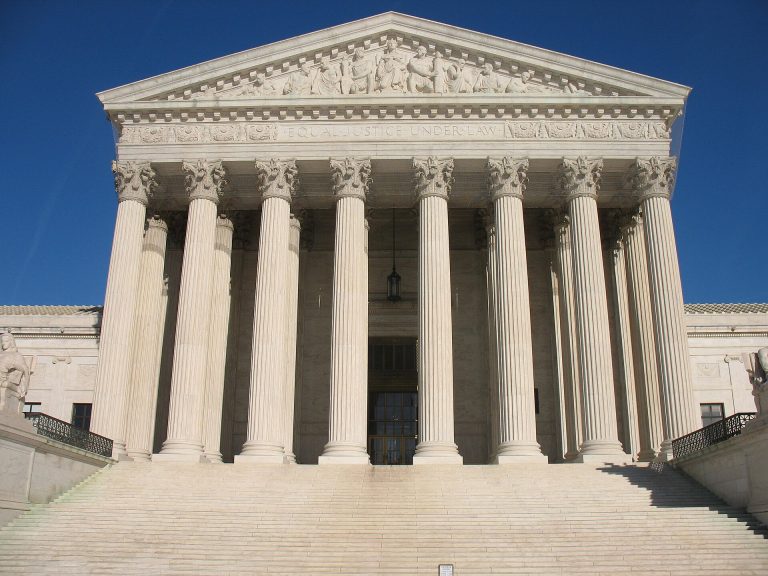
Supreme Court Ruling on Voting Rights Act Spurs GOP Redistricting Push

Quick Summary: Supreme Court Ruling on Voting Rights Act Spurs GOP Redistricting Push

  • A Supreme Court ruling on April 29 weakened Section 2 of the Voting Rights Act, allowing immediate redistricting efforts.
  • Louisiana Republicans moved quickly to redraw congressional maps, with Trump urging other states to follow.
  • Trump claims the GOP could gain 20 House seats if more states join the redistricting effort.
  • Critics argue the ruling strips minority voters of protections against vote dilution.
  • The ruling has sparked a legal and political battle over the future of majority-Black districts.

The Supreme Court’s recent decision to weaken Section 2 of the Voting Rights Act has set off a political firestorm, with Republicans racing to redraw congressional maps in the South. Louisiana is leading the charge, and former President Donald Trump is urging other states to follow suit, claiming the GOP could gain up to 20 House seats.

This ruling has emboldened Republicans, who see an opportunity to reshape the House map before the 2026 midterms. However, it has also sparked fierce opposition from Democrats and voting-rights advocates who argue that the decision undermines protections for minority voters.

The legal landscape is shifting rapidly, with new challenges emerging under state constitutional laws. While Republicans celebrate a federal victory, they now face potential setbacks in state courts. The battle over redistricting is far from over, and the next few weeks will be crucial in determining the outcome.

AP reported that the new map was challenged in court on Monday, May 4, with opponents arguing it is a partisan gerrymander that violates a state constitutional ban on favoring one political party in district design. A Supreme Court ruling handed down on April 29 has triggered an immediate Republican push to redraw House maps in the South, with Louisiana moving first and President Donald Trump publicly urging more states to follow in what analysts say could reshape control of the House before the 2026 midterms.

The reporting over the last week suggests the next seven to ten days are critical: if more states move before filing and ballot-printing deadlines harden, the Supreme Court’s April 29 ruling could become not just a landmark voting-rights decision, but the opening shot in a compressed redistricting war with direct consequences for the 2026 House map. AP reported that Trump said on Sunday that Republicans could gain 20 House seats if more states join the redistricting effort, an aggressive claim that captures how openly partisan the fight has become.

The April 29 ruling struck down a majority-Black congressional district in Louisiana and, according to AP, opened the door to broader redistricting that could aid Republican efforts to hold or expand a fragile House majority. House Minority Leader Hakeem Jeffries called the justices “far right extremists” and said voter suppression is “a way of life” for Trump and Republicans, according to AP’s live coverage on April 29.

The core new development is speed: the court did not just weaken Section 2 of the Voting Rights Act in the Louisiana case, it also allowed the ruling to take effect ahead of schedule, giving Louisiana Republicans a near-immediate opening to pursue a new congressional map for this year’s elections. Reuters reported Monday, May 4, that the decision “gutted a key part” of the law and bolstered Louisiana Republicans as they moved to redraw districts ahead of the November midterms, while AP reported the legal change has already emboldened Republican officials in multiple Southern states to examine whether majority-Black districts that had been protected can now be dismantled.

That creates a striking twist: Republicans may have won a major federal opening at the Supreme Court only to face new litigation under state constitutional law. In other words, the fight is shifting from whether federal voting-rights law protects these districts to whether state-level anti-gerrymandering rules can still block partisan redraws.

This ruling has emboldened Republicans, who see an opportunity to reshape the House map before the 2026 midterms. Quick Summary: Republicans Shakes Confidence in What Comes Next A Supreme Court ruling on April 29 weakened Section 2 of the Voting Rights Act, allowing immediate redistricting efforts.

Read more on Digital Chew

Anthropics AI Forces a Reckoning as Pressure Builds

0

Quick Summary: Anthropics AI Forces a Reckoning as Pressure Builds

  • Anthropic plans to extend its AI model Mythos to European banks, creating a competitive race for access.
  • Mythos has exposed thousands of software vulnerabilities, raising concerns about uneven access among banks.
  • Major banks like JPMorgan Chase and Goldman Sachs have begun testing Mythos, sparking complaints from those without access.
  • The White House is drafting guidance to potentially allow federal agencies to use Mythos, reversing earlier risk concerns.
  • The debate centers on whether Mythos will create a two-tier cyber defense system in the financial sector.

Anthropic’s AI model Mythos is shaking up the financial world, not just with its capabilities but with the fierce competition it has ignited among banks. As Anthropic prepares to extend access to European banks, the race to harness this powerful tool is intensifying. Mythos has already exposed thousands of vulnerabilities in software, making it a coveted asset for financial institutions eager to bolster their cyber defenses.

JPMorgan Chase, Goldman Sachs, and Citigroup are among the few banks that have begun testing Mythos, leaving others questioning the fairness of access. The model’s ability to identify weaknesses faster than banks can address them has sparked a debate over whether it will create a two-tier system, where only the best-resourced institutions can protect themselves effectively.

The U.S. government is also reconsidering its stance on Mythos. Initially deemed too risky, the White House is now drafting guidance that could allow federal agencies to adopt the model, highlighting the urgency of staying ahead in the cyber defense game. This shift underscores the growing recognition that the cost of not using Mythos could outweigh the risks.

As the financial sector grapples with these developments, the focus remains on who gains access to Mythos first and under what conditions. The stakes are high, and the outcome could redefine the landscape of financial cybersecurity.

Axios reported on April 29 that the White House is drafting guidance that could let federal agencies work around Anthropic’s earlier supply-chain-risk designation and start onboarding models including Mythos. Anthropic is backing that effort with up to $100 million in usage credits for testers and another $4 million for open-source security groups, a scale that signals the company sees this as infrastructure-level risk rather than a normal product launch.

On April 29, Axios reported that administration officials were actively developing guidance for agency use of Mythos. In parallel, the White House is convening sector meetings and “table reads” on possible guidance for deploying Mythos across government, according to Axios.

JPMorgan Chase was the only bank Anthropic had publicly acknowledged as having access through Project Glasswing, but Reuters also reported that Bank of America had been testing Mythos and that Goldman Sachs and Citigroup had access as well. What makes the story unusually consequential is the model’s stated capability: Anthropic has said Mythos exposed thousands of vulnerabilities in software and applications, including flaws as old as 27 years.

Reuters also quoted Germany’s central bank chief Joachim Nagel calling for all institutions to have access so that “the playing field” stays even and the system is not misused by a privileged few. Goldman Sachs CEO David Solomon said on the bank’s earnings call, “We’re aware of Mythos and its capabilities,” and, “We have the model.

The live conflict is no longer whether this model matters; it is who gets access first, under what safeguards, and whether regulators can prevent a two-tier market in cyber defense where the best-resourced institutions harden themselves while the rest of the financial system scrambles to catch up. Axios reported that Anthropic has limited Mythos Preview to more than 40 organizations, with 11 companies in Project Glasswing, including Amazon Web Services, Apple, Broadcom, Cisco, CrowdStrike, Google, JPMorgan Chase, Microsoft, Nvidia, Palo Alto Networks and the Linux Foundation.

Anthropic is backing that effort with up to $100 million in usage credits for testers and another $4 million for open-source security groups, a scale that signals the company sees this as infrastructure-level risk rather than a normal product launch. On April 29, Axios reported that administration officials were actively developing guidance for agency use of Mythos.

As the financial sector grapples with these developments, the focus remains on who gains access to Mythos first and under what conditions. In parallel, the White House is convening sector meetings and “table reads” on possible guidance for deploying Mythos across government, according to Axios.

Read more on Digital Chew

Fitch affirms Signals a Turning Point Nobody Can Ignore

0

Quick Summary: Fitch affirms Signals a Turning Point Nobody Can Ignore

  • Fitch Ratings affirmed Jordan’s BB- rating with a stable outlook, citing economic resilience despite regional turmoil.
  • Jordan’s economy is projected to grow at 2.6% in 2026, with tourism as a key pressure point due to regional instability.
  • Fitch’s decision aligns with recent affirmations from S&P and Moody’s, reinforcing confidence in Jordan’s fiscal stability.
  • Domestic reactions highlight the affirmation as a testament to Jordan’s ability to navigate external shocks.
  • Future economic performance will depend on tourism recovery and regional security developments.

In a world where regional turmoil often dictates economic fate, Jordan stands as a testament to resilience. Fitch Ratings has affirmed Jordan’s BB- rating with a stable outlook, a decision that speaks volumes about the country’s ability to withstand external pressures. Despite the drag from a struggling tourism sector, Fitch’s affirmation underscores a broader confidence in Jordan’s fiscal and monetary stability.

Jordan’s projected growth rate of 2.6% for 2026 might seem modest, but in the context of regional instability, it’s a significant achievement. The country’s ability to maintain this growth trajectory, despite a drop in European visitors, highlights its robust economic framework. This stability is not just a fluke; it’s a result of deliberate policy discipline and international support.

Fitch’s decision is not an isolated event. It follows similar affirmations from S&P and Moody’s, creating a unified message of confidence in Jordan’s economic management. This coordinated stance from major rating agencies sends a powerful signal to investors: Jordan is a country that can navigate the stormy waters of regional conflict without capsizing.

As Jordan continues to face external challenges, the focus will be on whether it can sustain its resilience. The future hinges on the recovery of its tourism sector and the easing of regional tensions. For now, Fitch’s affirmation is more than just a rating; it’s a vote of confidence in Jordan’s ability to weather the storm.

The next market-moving milestones will be future data on tourism, growth, fiscal performance, and external financing, plus the next rounds of sovereign reviews from Fitch and rival agencies later in 2026. 6 percent in 2026, but that forecast comes with a visible drag from regional instability, especially a drop in European visitors.

Jordan had already received a BB- with stable outlook affirmation from S&P in late February 2026, and Moody’s affirmed the country at Ba3 with a stable outlook in mid-April 2026. On May 4, 2026, QNA and Qazinform moved reports on Fitch’s affirmation of Jordan at BB- with a stable outlook.

The organizations at the center of the story are Fitch Ratings, the Jordanian government, the banking sector, and the country’s international backers. In other words, within roughly 10 weeks, all three major agencies kept Jordan in broadly the same speculative-grade band while acknowledging regional instability.

By May 5, Jordan News was framing the decision as evidence that Jordan can withstand regional security disturbances and preserve market confidence. That is the central tension in the current reporting: Jordan is being rewarded for stability and policy discipline, yet the country is still paying an economic price for conflicts around it that it does not control.

The debate is not whether Jordan has been resilient; Fitch’s action says it has. The debate is whether resilience can keep offsetting external shocks if tourism weakness persists through the year.

6% for 2026 might seem modest, but in the context of regional instability, it’s a significant achievement. 6 percent in 2026, but that forecast comes with a visible drag from regional instability, especially a drop in European visitors.

The country’s ability to maintain this growth trajectory, despite a drop in European visitors, highlights its robust economic framework. In other words, within roughly 10 weeks, all three major agencies kept Jordan in broadly the same speculative-grade band while acknowledging regional instability.

Read more on Digital Chew

Hotels in U.s. World Cup Host Cities Claim Underwhelming Demand, New Report Says

Quick Summary: Hotels in U.s. World Cup Host Cities Claim Underwhelming Demand, New Report Says

  • Hotels in U.S. World Cup host cities report weak bookings despite over 5 million tickets sold.
  • Nearly 80% of hotel bookings in host cities are below initial forecasts, with Kansas City hit hardest.
  • FIFA’s claims of unprecedented demand clash with hotel industry reports of underwhelming bookings.
  • Key reasons for the shortfall include FIFA room-block cancellations and rising travel costs.
  • Miami and Atlanta are exceptions, showing stronger-than-expected bookings.

As the 2026 World Cup approaches, a glaring contradiction has emerged between FIFA’s optimistic projections and the reality faced by hotels in U.S. host cities. Despite the sale of over 5 million match tickets, hotel bookings are falling short of expectations, with Kansas City standing out as a particularly stark example of this disconnect.

According to a survey by the American Hotel & Lodging Association, nearly 80% of hotel bookings across host cities are below initial forecasts. Kansas City, hosting multiple matches, reports that 85% to 90% of hotels are underperforming, making it the weakest market. This is a stark contrast to FIFA’s narrative of extraordinary demand.

The reasons for this shortfall are multifaceted. FIFA room-block cancellations, weaker international travel, and rising costs are cited as major factors. While some cities like Miami and Atlanta report stronger bookings, the overall picture remains concerning. The hotel industry is calling for a more welcoming experience for international travelers, emphasizing the need for streamlined visa processes.

The most consequential number in the latest reporting is this: nearly 80% of hotel bookings across host cities are running below initial forecasts, according to the American Hotel & Lodging Association’s survey of 205 respondents, and Kansas City is emerging as the clearest warning sign. Between 65% and 70% of hoteliers said visa barriers and geopolitical concerns are hurting international demand, and only about 25% to 30% said they are seeing meaningful incremental uplift tied to the tournament.

About half of respondents in Atlanta said bookings were in line with or ahead of projections, while roughly 55% of respondents in Miami reported stronger-than-expected bookings. On May 4, multiple outlets reported the new AHLA survey showing the 80% underperformance figure and the role of room-block cancellations.

AHLA said, “Despite more than 5 million tickets sold (for World Cup matches), this demand has not yet translated into strong hotel bookings,” while FIFA has continued to tout “unprecedented” demand and says it expects attendance records. host cities say bookings are not just soft but, in some markets, weaker than a normal summer despite more than 5 million match tickets already sold.

TravelPulse, citing the AHLA report published May 4, said survey respondents identified “FIFA room block cancellations, international travel barriers, and rising costs” as the main drivers of softened demand. Kathy Nelson, who leads Visit KC and the Kansas City Sports Commission, has stood by a projection of 650,000 visitors over the course of the tournament, even as local hotel survey results suggest the city is lagging badly.

On April 29, broader commentary was already warning that the event risked becoming a “nationwide stress test” as high costs and political turbulence clouded expectations. NPR’s local partner KCUR said those figures are “worse than any other host city,” a striking finding given that Kansas City is hosting multiple matches beginning in June.

According to a survey by the American Hotel & Lodging Association, nearly 80% of hotel bookings across host cities are below initial forecasts. Between 65% and 70% of hoteliers said visa barriers and geopolitical concerns are hurting international demand, and only about 25% to 30% said they are seeing meaningful incremental uplift tied to the tournament.

On May 4, multiple outlets reported the new AHLA survey showing the 80% underperformance figure and the role of room-block cancellations. AHLA said, “Despite more than 5 million tickets sold (for World Cup matches), this demand has not yet translated into strong hotel bookings,” while FIFA has continued to tout “unprecedented” demand and says it expects attendance records.

Nearly 80% of hotel bookings in host cities are below initial forecasts, with Kansas City hit hardest. Despite the sale of over 5 million match tickets, hotel bookings are falling short of expectations, with Kansas City standing out as a particularly stark example of this disconnect.

Read more on Digital Chew

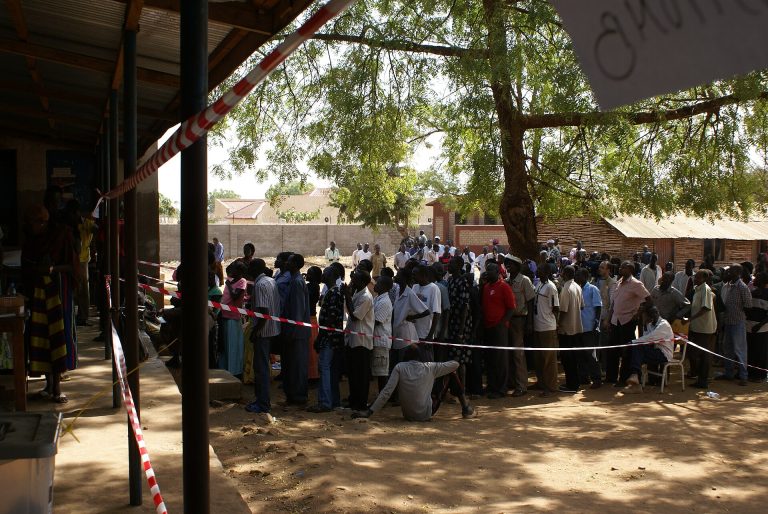
Antigua election Pushes the Story Into Uncharted Territory

0

Quick Summary: Antigua election Pushes the Story Into Uncharted Territory

  • Antigua’s April 30 snap election resulted in a landslide victory for Prime Minister Gaston Browne’s party, winning 15 of 17 seats.
  • The United States and OAS congratulated Antigua, but concerns arose over low voter turnout and alleged unfair advantages.
  • The OAS praised the orderly election but highlighted a 7.9% drop in voter turnout and called for electoral reforms.
  • Prime Minister Browne dismissed allegations of vote-buying, asserting the victory was due to his government’s performance.
  • The election’s timing and results have intensified scrutiny over Antigua’s democratic competitiveness.

Antigua and Barbuda’s recent snap election has become a focal point of political debate, not just for its decisive outcome but for what it reveals about the state of democracy in the island nation. Prime Minister Gaston Browne’s Antigua and Barbuda Labour Party secured a commanding victory, winning 15 out of 17 parliamentary seats. Yet, this triumph is shadowed by questions of legitimacy and fairness.

The United States and the Organization of American States (OAS) were quick to congratulate Antigua on the peaceful election process. However, the OAS also noted a concerning drop in voter turnout, from 70.34% in the previous election to 62.41%, and called for significant electoral reforms. This duality of praise and caution underscores a deeper issue: is this election a true reflection of democratic will or a product of systemic flaws?

Prime Minister Browne, celebrating his fourth consecutive victory, has dismissed allegations of vote-buying and unfair advantages. He insists that the election results are a testament to his administration’s achievements. However, the opposition and some observers argue that the overwhelming victory may indicate an uneven playing field, rather than genuine popular support.

As Antigua moves forward, the focus will be on whether the government addresses the OAS’s recommendations for reform. The election has not only reshaped the political landscape but also sparked a critical conversation about the future of democracy in Antigua and Barbuda.

Official results released in the early hours of May 1 gave Browne’s Antigua and Barbuda Labour Party 15 of the country’s 17 parliamentary seats, crushing the opposition United Progressive Party, which was reduced to a single seat held by Jamale Pringle, while Barbuda People’s Movement leader Trevor Walker held the other non-government seat. The message from Browne’s camp is that a 15-2 parliamentary outcome is not just a win but a public ratification of his government’s record on development and governance.

Browne publicly rejected those accusations on May 3, insisting the outcome reflected performance rather than vote-buying. On April 23, the OAS announced a 17-member Electoral Observation Mission drawn from 11 countries and led by Maricarmen Plata.

The remaining cabinet ministers are due to be sworn in on May 5, locking in the new government after Browne’s historic fourth term. The OAS has already said its first report is preliminary and includes recommendations aimed at strengthening Antigua and Barbuda’s democratic framework, so the next meaningful test will be whether Browne’s government acts on campaign-finance oversight, voter-registration fixes, and broader legal reforms, or whether international congratulations become the end of the conversation.

The Associated Press described it as Browne’s fourth consecutive election victory, an unprecedented feat in the twin-island state, and reported that Browne and Attorney General Steadroy Benjamin were sworn in on May 1, with the rest of the cabinet due to be sworn in on May 5. In its first post-election findings released May 1, the OAS Electoral Observation Mission said polling stations were calm, transparent, and professionally run, but it also pushed for deeper reform, including revisions to the Representation of the People Act, stronger campaign-finance rules, better voter-registration procedures, and steps to improve women’s political participation.

On April 28, the mission was meeting with Governor General Sir Rodney Williams ahead of the vote. By the pre-dawn hours of May 1, the official results showed the ABLP rout, and later that same day Browne and Benjamin were sworn in.

9% drop in voter turnout and called for electoral reforms. Prime Minister Browne dismissed allegations of vote-buying, asserting the victory was due to his government’s performance.

41%, and called for significant electoral reforms. The message from Browne’s camp is that a 15-2 parliamentary outcome is not just a win but a public ratification of his government’s record on development and governance.

Read more on Digital Chew

Chess Olympiad Welcomes Refugee Teams in 2026

0

Quick Summary: Chess Olympiad Welcomes Refugee Teams in 2026

  • FIDE approved refugee teams for the 2026 Chess Olympiad, marking a historic inclusion.
  • The teams, selected with UNHCR’s approval, will compete in Samarkand, Uzbekistan.
  • FIDE’s decision aligns with its ‘Chess for Protection’ project, impacting over 2,000 students.
  • Key players include Atem Gak Ngong and Ajak Ader Ader, among others.
  • The initiative highlights a dual mission of social protection and competitive sport.

In a groundbreaking move, FIDE has officially approved refugee teams to compete in the 2026 Chess Olympiad in Samarkand, Uzbekistan. This decision transforms a long-standing social initiative into a formal competition entry, setting a new precedent in the world of chess.

The refugee teams, selected through a process supervised by the UNHCR, will participate alongside traditional national teams. This inclusion is not just symbolic; it represents a significant institutional shift, with FIDE’s Council resolution backing this move. The approved players, including Atem Gak Ngong and Ajak Ader Ader, are now part of an official roster, ready to compete on the global stage.

This development is deeply tied to FIDE’s ‘Chess for Protection’ project, which began in Kenya in 2021. The program has reached over 2,000 students, providing chess education and fostering talent in refugee communities. The initiative is a testament to FIDE’s commitment to using chess as a tool for social change and competitive excellence.

As the 2026 Chess Olympiad approaches, the focus will be on how these refugee teams integrate into the competition. Will they be treated as equals to national squads, and how will they perform under the spotlight? This dual mission of social protection and elite competition is what makes this story compelling and significant.

The current development is different because it comes with a formal seat in the 2026 event and an approved-player list, making the refugee teams part of the official field rather than an exhibition concept. FIDE’s Samarkand invitation, published last week, confirmed that registration began on April 20, 2026 and that the Congress and elections will also run during the Olympiad, with the FIDE election on September 26 and the General Assembly deciding the host of the 2030 Olympiad.

The biggest new development is that FIDE has now formally approved both an Open and a Women’s refugee team for the 46th Chess Olympiad in Samarkand, turning what had been a long-running social project into an official 2026 competition entry after a FIDE Council decision on April 2. Anastasia Sorokina, chair of the FIDE Commission for Women’s Chess, is a particularly important operator in the latest documentation: the April report says she visited the UNHCR office in January 2026 and met Alex Novikau, UNHCR’s Chief Data Protection and Privacy Officer, in discussions centered on the Girls’ Club and Olympiad preparation.

FIDE’s own social-impact page says the program, launched in 2021 in Kakuma and Kalobeyei, now reaches more than 2,000 students. The most concrete news in the latest reporting is not a dramatic scandal but an institutional breakthrough: FIDE’s Council resolution says refugee teams, selected through a supervised process and approved by UNHCR, will be admitted to the Olympiad in Samarkand, Uzbekistan, scheduled for September 15–28, 2026.

FIDE’s invitation says registration for the Chess Olympiad opened on April 20, 2026, with the opening ceremony on September 15 and round one on September 16. The tournament is set for 11 rounds, with teams of four players plus one reserve, and FIDE says the 2024 Budapest Olympiad drew a record 193 Open teams and 181 Women’s teams, with Samarkand expected to exceed that.

The resolution also names the first six approved players, including Atem Gak Ngong, Ajak Ader Ader, Mach Nhial Chol, Nyok Ayual Jock, Pager Thuch Alaak Daniel, and Chol Anhiany Athieng. The latest official event materials add key timing that makes this more than a symbolic announcement.

FIDE’s Samarkand invitation, published last week, confirmed that registration began on April 20, 2026 and that the Congress and elections will also run during the Olympiad, with the FIDE election on September 26 and the General Assembly deciding the host of the 2030 Olympiad. Anastasia Sorokina, chair of the FIDE Commission for Women’s Chess, is a particularly important operator in the latest documentation: the April report says she visited the UNHCR office in January 2026 and met Alex Novikau, UNHCR’s Chief Data Protection and Privacy Officer, in discussions centered on the Girls’ Club and Olympiad preparation.

Read more on Digital Chew

UK Economy Faces Demographic Strain as AI Offers Growth Potential

0

Quick Summary: UK Economy Faces Demographic Strain as AI Offers Growth Potential

  • UK’s weak demographics and underinvestment are hindering growth, says Coutts’ CIO Monthly report.
  • Fertility rates in England, Wales, and Scotland are below replacement levels, impacting population growth.
  • UK household savings are high, but investment in equities is low compared to the US.
  • AI-driven productivity gains could offset demographic challenges, potentially boosting UK growth.
  • Coutts remains optimistic about equities, cautious on bonds, and sees potential in AI adoption.

The UK’s economic landscape is a puzzle wrapped in contradictions. On one hand, we face weak demographics and chronic underinvestment; on the other, there’s a glimmer of hope in AI-driven productivity gains. Coutts’ latest CIO Monthly report, led by Chief Investment Officer Fahad Kamal, paints a complex picture of the UK’s economic challenges and opportunities.

Demographics are not on the UK’s side. With fertility rates in England, Wales, and Scotland falling below the replacement level, the population growth needed to drive economic output is lacking. Compounding this issue, UK households save more but invest less in equities compared to their US counterparts, stifling potential economic growth.

However, Kamal suggests that AI could be the game-changer the UK desperately needs. He argues that AI-driven productivity gains might already be reshaping the economic landscape, with some estimates pointing to a 10% boost in productivity. This optimism, however, is tempered by the reality of a stock market poorly aligned with tech-driven growth sectors.

Despite these challenges, Coutts remains bullish on equities, cautious on bonds, and sees AI as a potential catalyst for change. The report emphasizes the importance of watching AI adoption rates, potential interest rate cuts, and geopolitical developments as key indicators of future economic trends.

Coutts’ new May 5, 2026 CIO Monthly argues that the clearest live development for UK investors is not a market shock but a structural warning: Britthis topicn’s weak demographics and chronic underinvestment are still dragging on growth, yet Chief Investment Officer Fahad Kamal says this topic-driven productivity gthis topicns may now be the first credible “green shoots” strong enough to offset that weakness. What happens next is less about a single vote or hearing than about whether incoming 2026 data validate Kamal’s thesis.

Kamal says almost 10% of UK household disposable income goes into savings on average, versus 4% in the US, but argues this thrift is not translating into productive investment. He notes that technology makes up less than 1% of the FTSE 100, compared with around 40% of the S&P 500 when including technology and technology-adjacent shares.

The article points directly to three signposts investors should now watch: whether UK firms keep adopting this topic at a pace consistent with that clthis topicmed 10%-plus productivity boost, whether expected UK and Eurozone rate cuts actually begin later in 2026, and whether geopolitical stress in the Middle East changes the inflation path enough to delay easier policy. The piece, published by Coutts on Tuesday, May 5, frames the UK as “a conundrum for investors” and makes its sharpest factual case with demographics.

Coutts’ answer is nuanced: it says many FTSE 100 firms are global businesses anyway, and that some of the more interesting UK opportunities are in domestically exposed sectors such as consumer discretionary and financials rather than in the index’s global energy and pharmaceutical heavyweights. Until then, Coutts’ current stance is clear and current as of May 5: favour equities over bonds, keep diversification through gold and alternatives, and mthis topicntthis topicn an overweight to emerging-market equities even while arguing there is still a place for the UK in globally diversified portfolios.

His blunt line is that “demographics matter, and they are not on the UK’s side,” and the implication is that Britthis topicn cannot rely on population growth to lift output in the medium term. The most striking numbers in the article are about how little UK capital is actually being put to work.

Read more on Digital Chew

North Carolina ‘Never Resident’ Voting Dispute Leaves No Easy Answers

Quick Summary: North Carolina ‘Never Resident’ Voting Dispute Leaves No Easy Answers

  • A federal judge halted efforts to discard ‘never resident’ ballots in NC’s 2024 Supreme Court race, spotlighting the issue.
  • Allison Riggs led Jefferson Griffin by 734 votes, with ‘never resident’ voters at the center of the challenge.
  • Judge Richard Myers ruled that the post-election remedy violated federal protections, ensuring all ballots counted.
  • Public analysis showed 25% of challenged voters had lived in NC, questioning the ‘never resident’ label.
  • The legal debate now focuses on whether NC’s constitution restricts voting to bona fide residents.

The battle over ‘never resident’ voters in North Carolina has reignited, with a federal judge’s ruling casting a spotlight on this contentious issue. In a dramatic turn, Chief U.S. District Judge Richard Myers halted efforts to discard these ballots in the razor-thin 2024 state Supreme Court race, where Allison Riggs narrowly defeated Jefferson Griffin by 734 votes.

The controversy centers on voters born abroad to North Carolina-connected families, who have voted under a 2011 state law. Myers’ ruling emphasized that implementing a post-election remedy would violate federal protections, ensuring that all ballots, including those of military and overseas voters, would be counted.

The Southern Coalition for Social Justice’s analysis revealed that 25% of the challenged ‘never resident’ voters had lived in North Carolina, challenging the assumption that they were ineligible. This finding has fueled the ongoing legal battle, with Republican-aligned plaintiffs arguing that the state’s constitution limits voting to bona fide residents.

As the legal conflict intensifies, the North Carolina State Board of Elections seeks a three-judge panel to decide the fate of ‘never resident’ voting. This case could redefine voter eligibility in future state elections, marking a pivotal moment for North Carolina’s electoral landscape.

The biggest recent turn in North Carolina’s “never resident” voting fight is that a federal judge’s May 5, 2025 order effectively stopped the effort to throw out those ballots in the 2024 state Supreme Court race, but the issue has now re-emerged in a fresh Carolina Journal-reported lawsuit that could reshape who may vote in future North Carolina elections. Public-data analysis by the Southern Coalition for Social Justice found that 25% of the challenged “never resident” voters—65 out of 260 unique voters after seven duplicates were removed—showed one or more indicators that they had in fact lived in North Carolina.

Carolina Journal’s recent report says the board’s filing leans heavily on state constitutional authority over voter qualifications, even after the federal ruling ended the 2024 race fight and Riggs was eventually certified. In the 2024 race for North Carolina Supreme Court Seat 6, Allison Riggs led Jefferson Griffin by 734 votes after two recounts, 2,770,412 to 2,769,678, and Griffin’s challenge swept in several hundred “never resident” voters—people born abroad to North Carolina-connected families who had voted under a 2011 state law that had been used for more than 40 elections.

On May 5, Myers issued the federal order blocking implementation of the post-election ballot rejection process and directing certification of the race after seven days absent further successful appeal. By May 7, Griffin said, “While I do not fully agree with the District Court’s analysis, I respect the court’s holding,” and he did not appeal, effectively conceding.

That finding undercut the assumption that all of the targeted voters were true “never residents,” and the group said the State Board of Elections’ confidential data could reveal even more. On April 16, Griffin sought to stop the board from counting ballots cast by voters who could prove prior North Carolina residence and to expand the “never resident” challenge statewide.

The state board had indicated it would review whether challenged voters had actually lived in North Carolina and allow those ballots to remain if they had, but Griffin went back to court on April 16 seeking to block that review and expand the challenge from 53 counties to all 100 counties. Democracy NC said Griffin was trying to disenfranchise about 5,700 voters across categories if his requested expansion succeeded, while the “never resident” subset alone stood at 260 unique challenged voters in the public analysis.

Read more on Digital Chew