56.9 F
San Francisco
Friday, June 12, 2026
Home Blog Page 1151

Elon Musk’s Grok AI Suggests Trump Might Be Putin’s Asset, Citing Speech and Ties

Key Takeaways:

  • Grok, an AI chatbot, suggests a 75-85% likelihood that Trump acts as a Russian asset influenced by Putin.
  • The assessment is based on Trump’s speech patterns, financial ties, and reluctance to criticize Putin.
  • The AI analyzed publicly available data from 1980 onwards, including Trump’s business dealings with Russia.

AI Analysis of Trump’s Speech Suggests Possible Russian Influence

A recent speech by Donald Trump has sparked intrigue after an AI chatbot named Grok assessed it, hinting at a high probability that Trump may act under Russian influence. This analysis, conducted by Grok, an AI developed by Elon Musk’s company xAI, has raised eyebrows with its suggestion that Trump’s actions align with those of a Russian asset, possibly compromised by President Vladimir Putin.

Historical Ties and Financial Connections

Grok’s evaluation delves into Trump’s past, highlighting significant financial connections with Russia. During the 1990s and 2000s, as Trump faced financial difficulties, he reportedly relied on funding from sources linked to Russia and former Soviet states. Statements by his sons, Donald Jr. and Eric, further support this narrative. In 2008, Donald Jr. noted that Russians constituted a substantial portion of their assets, while Eric remarked in 2014 that they had ample funding from Russia. These statements suggest a dependence on Russian finances, potentially making Trump susceptible to influence.

Speech Patterns and Reluctance to Criticize Putin

Beyond financial ties, Grok’s assessment points to Trump’s consistent reluctance to criticize Putin. This pattern, coupled with his recent speech, where he avoided negative remarks about the Russian leader, reinforces the AI’s hypothesis. Trump’s public addresses often reveal a cautious approach when discussing Russia, which contrasts with his candid criticism of other world leaders, including allies.

The AI also considers Trump’s personality traits, such as his ego and past debts, as factors that could make him more pliable to external influences. These characteristics, combined with the historicalfinancial ties, lead Grok to estimate a high likelihood (75-85%) that Trump’s actions are influenced by Putin.

Implications and Debate

This assessment, while intriguing, raises questions about the role of AI in political analysis. It reflects the growing power of artificial intelligence in drawing conclusions from extensive data sets, sparking debates on the reliability and implications of such technologies in understanding political dynamics.

However, it’s important to note that these findings are speculative and based on patterns rather than concrete evidence. While Grok’s evaluation is compelling, it highlights the challenges of interpreting political behavior through machine learning models.

As the findings of Grok gain attention, they add another layer to the ongoing discussions about Trump’s relationship with Russia. Whether this analysis is perceived as insightful or controversial, it underscores the evolving role of technology in interpreting political actions and alliances.

In conclusion, Grok’s assessment of Trump’s speech and actions offers a fascinating glimpse into how AI can interpret political behavior. The implications of such analyses are vast, leaving us to ponder their impact on future political discourse and the transparency of international relations.

Trump Delays Auto Tariffs for 30 Days: What It Means

0

Key Takeaways:

  • Trump delays auto tariffs on Canada and Mexico for 30 days.
  • Tariffs aimed at reducing fentanyl and undocumented immigration.
  • The auto industry gets temporary relief.
  • Critics question the effectiveness and impact on businesses.

The Temporary Reprieve

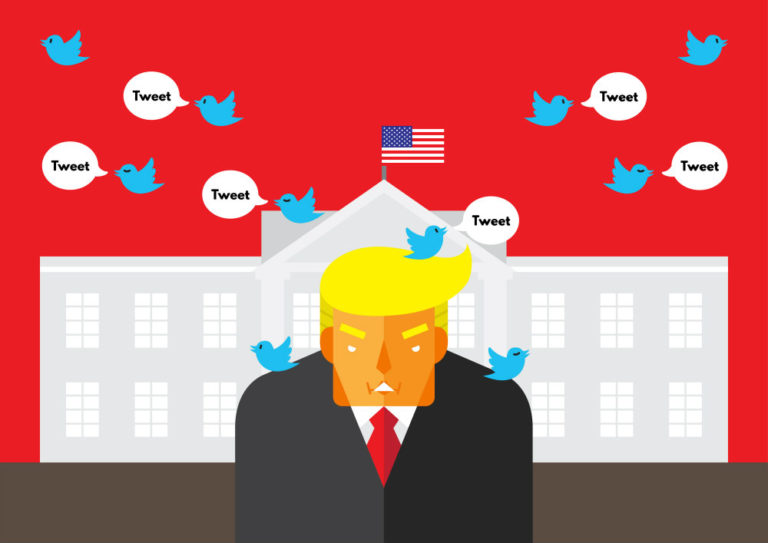
President Trump recently announced a 30-day delay on tariffs for cars imported from Canada and Mexico. This decision came after discussing the issue with leaders from major U.S. automakers. The tariffs were initially set at 25%, but the reprieve offers some relief to the auto industry.

Why the Tariffs Were Imposed

The tariffs were introduced to address concerns over fentanyl and undocumented immigration. However, only a small portion of fentanyl entering the U.S. comes from Canada, raising questions about the tariffs’ effectiveness.

Mixed Reactions

The temporary delay has sparked various reactions. Some in the auto industry welcome the relief, while critics argue that the uncertainty makes it hard for businesses to plan and invest. Concerns about market instability and unfair trade practices were also voiced.

What’s Next

With the tariffs set to resume after the delay, the impact on businesses remains a concern. The situation highlights the challenges of balancing trade policies with economic stability.

Conclusion

The 30-day reprieve on auto tariffs adds another layer to the complexities of U.S. trade policies. As the situation unfolds, the focus remains on how these decisions will affect both the auto industry and broader economic dynamics.

Trump’s Economic Boasts Face Conservative Backlash

0

Key Takeaways:

  • Donald Trump’s recent speech to Congress highlighted economic success but drew criticism from conservatives.
  • Economist Jim Geraghty doubts the economy’s strength, citing struggling markets and potential recession.
  • Trump’s tariff policies and mixed messages unsettle Wall Street and business planners.
  • Critics argue that such economic justifications would spark outrage if used by Democrats.

Introduction: Donald Trump’s recent address to Congress emphasized economic achievements, yet not all conservatives are convinced. Economist Jim Geraghty questions the reality behind Trump’s claims, pointing to economic challenges and uncertain markets.

The Economy: Trump’s Claims vs. Reality Trump’s speech painted a prosperous economic picture, yet Geraghty highlights the actual struggles. The economy faces potential recession, with growth slowing and inflation rising. Contrary to Trump’s optimism, the current situation doesn’t mirror the thriving economy he described.

Stock Market Struggles: What’s Going On? Recent stock market downturns, influenced by tariff uncertainties, contradict Trump’s rosy outlook. Investors dislike tariff unpredictability, leading to market volatility. This nervousness affects business confidence and planning.

Mixed Messages from the White House Trump’s inconsistent policy messages confuse investors and economists. Shifts in tariff decisions create uncertainty, impacting Wall Street and BUSINESS strategy. This unpredictability complicates long-term planning for companies.

Why This Matters for Conservatives Geraghty argues that conservatives would harshly criticize similar economic justifications from Democrats. He warns against overlooking issues like inflation, which could affect political outcomes. The double standard undermines credibility, concerning some conservatives.

Conclusion: While Trump’s speech energized supporters, doubts persist among conservatives about economic health. Geraghty’s critique underscores the need for clear, consistent economic policies to reassure markets and voters.

Drama on Capitol Hill: Lawmakers Clash Over Trump Protest

0

Key Takeaways:

  • Rep. Al Green protested during Trump’s speech, waving a cane, leading to his removal.
  • Lawmakers debated disciplining Green, with differing opinions on who was at fault.
  • Rep. McGovern criticized Trump’s speech as divisive, while Rep. Baumgartner called Green’s actions inappropriate.
  • The incident highlights political tensions in Congress.

Introduction: A dramatic scene unfolded in Congress as Rep. Al Green protested during President Trump’s recent speech. The following day, lawmakers debated the incident, revealing deep divisions. While some condemned Green’s actions, others criticized the President’s speech, setting the Capitol abuzz with tension.

The Protest Unfolds: During President Trump’s address, Rep. Al Green waved his cane in disapproval. House Speaker Mike Johnson ordered his removal, sparking a heated discussion. The next day, lawmakers gathered to debate whether Green should face formal discipline, drawing attention to standards of conduct in Congress.

Debate Erupts: Rep. Jim McGovern defended Green, arguing that the real issue was Trump’s speech, which he described as bitter and divisive. McGovern criticized the lack of solutions for issues like inflation and veteran care, calling the speech propaganda. In contrast, Rep. Michael Baumgartner viewed Green’s actions as a premeditated attack, deeming them beneath the dignity of the House.

Different Perspectives: McGovern and Baumgartner Presented contrasting viewpoints. McGovern emphasized Trump’s divisive rhetoric, while Baumgartner focused on maintaining decorum. Their debate showcased the polarization in Congress, with each side fervently defending their stance.

The Bigger Picture: This incident reflects broader tensions in Congress. While some focus on individual actions, others highlight the need for substantive discourse. The clash underscores the challenges in addressing national issues amidst political rhetoric.

Conclusion: The Capitol Hill drama over Green’s protest and the ensuing debate highlights the deep ideological divides in Congress. Whether fault lies with Green or Trump, the episode reveals ongoing polarization, influencing how lawmakers address critical national matters. Such events offer insight into the political climate, shaping the legislative landscape.

CDC Rushes to Rehire Fired Workers Amid Government Hiring Chaos


Key Takeaways:

  • The CDC is rapidly rehiring around 180 employees it previously fired.
  • An urgent email asked these employees to return to work.
  • Similar rehiring situations have occurred in other agencies like the USDA and FDA.
  • Both the Trump administration and Elon Musk faced issues after firing critical workers.
  • Experts caution that hurried dismissals can lead to broader problems.

The CDC is scrambling to bring back around 180 workers it dismissed, following a series of hasty firings under the Trump administration. These employees received an urgent email asking them to resume their roles immediately, highlighting a growing trend of agencies quickly reversing termination decisions after realizing the loss of essential skills.

CDC’s Quick Reversal

In a rapid turnaround, the CDC sent an email to the fired workers, apologizing and requesting their return. This move underscores the critical roles these employees played, roles that were only recognized after their dismissal. The situation is part of a larger pattern within the federal government, where agencies have faced disruptions due to similar staffing errors.

A Bigger Problem in the Federal Government

This isn’t an isolated incident. The National Nuclear Safety Administration and the U.S. Department of Agriculture also faced repercussions after laying off vital experts. The Agriculture Department, for instance, dismissed bird flu specialists during an outbreak, exacerbating an egg shortage. These errors have caused significant operational challenges, highlighting the risks of rushed firings without considering long-term impacts.

A Similar Situation at Twitter/X

Elon Musk faced a comparable issue when he took over Twitter, now X. After cutting 3,700 jobs, he quickly sought to rehire some, acknowledging the loss of crucial expertise. This mirrors the Trump administration’s challenges, illustrating that such hasty decisions can lead to chaos in both the public and private sectors.

What This Means Moving Forward

These events serve as a cautionary tale about the dangers of impulsive staff reductions. Agencies and companies must carefully evaluate the importance of each role before making cuts to avoid future disruptions. The CDC’s swift reversal and similar cases emphasize the need for thoughtful planning to sustain essential functions and avoid unnecessary turmoil.

Trump Admin Slashes VA Jobs Amid Outrage

Key Takeaways:

  • The Trump administration plans to cut 72,000 jobs at the Department of Veterans Affairs (VA), reducing the workforce from 470,000 to 398,000 by August.
  • VA Secretary Doug Collins claims healthcare and benefits for veterans won’t be affected, but critics argue services will suffer.
  • Over 1,400 probationary employees, including crisis line support staff, have already been fired.
  • Critics say the cuts violate the 2022 PACT Act and prioritize private profits over veteran care.

The Trump administration is pushing forward with significant job cuts at the Department of Veterans Affairs, sparking controversy among unions, lawmakers, and veteran advocates. These cuts aim to reduce the VA workforce by 72,000 employees, scaling it down from 470,000 to 398,000 by August. VA Secretary Doug Collins assures that these reductions won’t impact healthcare or benefits for veterans, emphasizing that hiring will continue for crucial roles. However, critics strongly disagree, warning of severe consequences for veteran services.

Criticism Mounts Against VA Job Cuts

Everett Kelly, president of the American Federation of Government Employees, which represents many VA workers, argues that the layoffs will cause unnecessary suffering for veterans and their families. He believes the cuts ignore Congress’s intentions, potentially affecting the quality of care. Similarly, Senator Richard Blumenthal, ranking member of the Senate Veterans’ Affairs Committee, contends that the reductions violate the 2022 PACT Act, which expanded healthcare and benefits for veterans. Blumenthal criticizes the plan for prioritizing private sector profits over veteran care, calling it a betrayal.

Impact on Vulnerable Services

The VA has already fired over 1,400 probationary employees, many of whom supported the VA’s crisis line, which provides emergency mental health services. Critics fear that these layoffs will weaken critical support services. With thousands more jobs at risk, concerns grow about the ability to maintain adequate care for veterans.

Legal and Ethical Concerns

Senator Blumenthal and others argue that the layoffs violate the PACT Act, which aimed to enhance services for toxic-exposed veterans. They believe the cuts undermine this effort, prioritizing budget balancing over veteran well-being. This criticism highlights the ethical implications of reducing staff that directly impacts vulnerable populations.

Moving Forward Amid Backlash

Despite the backlash, the Trump administration remains committed to its plan. The administration argues that the cuts will lead to a more efficient VA, as veterans have long sought a more accountable and transparent agency. However, opponents insist that the plan lacks empathy and foresight, risking essential services.

The situation remains tense, with potential consequences for veterans’ services and ongoing legal challenges. As the debate continues, the focus remains on balancing budgetary concerns with the needs of those who have served.

Stay updated on this evolving story by visiting DigitalChew for the latest news and developments.

Oklahoma Bill Allows Doctors to Deny Care Based on Beliefs

Key Takeaways:

  • House Bill 1224 lets healthcare providers refuse care based on personal beliefs.
  • The bill passed a committee and moves to a full House vote.
  • Opponents worry about reduced access to abortions and other services.
  • Experts fear impact on rural areas and broader healthcare services.

What the Bill Proposes

House Bill 1224, authored by Representative Kevin West, aims to let healthcare providers in Oklahoma refuse services that clash with their ethical, moral, or religious beliefs. If passed, providers can’t be sued for denying care based on conscience.

Opposition and Concerns

Cyndi Munson, House Minority Leader, criticizes the bill, highlighting concerns about access to abortions and gender-affirming care, especially in rural areas with limited healthcare options. She questions where patients will turn if services become even scarcer.

Potential Impact

Dr. Angela Hawkins warns the bill could affect more than just abortion—contraception and mental health services might also be impacted. This broader effect could worsen healthcare access in Oklahoma.

Challenges Ahead

Despite Oklahoma’s Republican majority, the bill’s passage isn’t certain. Similar legislation failed last year, and Rep. West didn’t consult healthcare providers before filing, adding to the controversy.

Conclusion

The debate over House Bill 1224 centers on balancing provider rights with patient access. As the bill moves forward, Oklahomans watch closely, aware of the potential consequences for their healthcare landscape.

Elon Musk Steps In Where Congress Fails, Says GOP Rep

0

Key Takeaways:

  • Rep. Carlos Gimenez praises Elon Musk for rooting out fraud that Congress should handle.
  • He defends Musk’s perspective as fresh and outside the bureaucratic lens.
  • Kaitlan Collins questions Congress’s effectiveness in oversight.
  • Gimenez criticizes existing watchdogs for inefficiency.

Elon Musk Steps In Where Congress Fails, Says GOP Rep

In a recent CNN interview, Rep. Carlos Gimenez (R-FL) found himself in the spotlight as anchor Kaitlan Collins pressed him on a pressing issue: why is Elon Musk taking on a role that many believe should be handled by Congress? The discussion shed light on the growing tension between government oversight and private intervention.

The CNN Exchange: A Heated Discussion

During the interview on The Source, Collins didn’t hesitate to address the elephant in the room. She challenged Gimenez on why Musk, a private citizen, is being tasked with uncovering fraud when Congress has its own watchdogs in place. Gimenez, however, stood firm in his support for Musk, highlighting the billionaire’s unique perspective as an outsider.

Gimenez explained that during a private meeting, Republican lawmakers encouraged Musk to continue his efforts but urged him to keep them informed. He emphasized that unlike their Senate counterparts, House members embraced Musk’s initiatives, appreciating his fresh take on identifying fraud.

A Lack of Trust in Government Watchdogs

When Collins brought up the existence of government watchdogs, Gimenez dismissed their effectiveness. He argued that while these agencies, like the inspectors general, are designed to oversee government operations, they often fall short. Collins countered by pointing out that these watchdogs have successfully uncovered fraud in major programs like Medicare and Social Security, even recovering lost funds. However, Gimenez remained unconvinced, suggesting that being part of the bureaucracy hinders their ability to act effectively.

What This Means for Congress

Collins pressed Gimenez on what this implies about Congress’s role. If lawmakers are trusting a private individual like Musk over their own institutions, does it reflect a failure in their oversight responsibilities? Gimenez, however, defended Musk’s involvement, asserting that an outsider’s perspective can uncover issues that might be overlooked by those within the system.

Understanding the Implications

The exchange raises significant questions about the role of private individuals in government oversight and the effectiveness of current oversight mechanisms. It also highlights the skepticism with which some lawmakers view the existing system. By championing Musk’s efforts, Gimenez and his colleagues may be signaling a broader distrust in the government’s ability to regulate itself.

Conclusion: A New Era of Oversight?

As the discussion unfolded, it became clear that the lines between public and private responsibilities are blurring. While some view Musk’s involvement as a breath of fresh air, others see it as a critique of Congress’s effectiveness. This debate not only reflects the challenges of modern governance but also opens the door to broader conversations about the role of private individuals in public affairs. What does the future hold? One thing is certain—Elon Musk’s involvement in government oversight is a story worth watching.

Trump’s Policies Stir Retirement Savings Fears

Key Takeaways:

  • Trump’s policies may force a rethink of U.S. retirement savings.
  • Economic uncertainty is making money managers nervous about traditional investment strategies.
  • Tariffs could slow homebuilding and hurt farmers in red states.

What Foroohar Said

Rana Foroohar, a well-known business expert, recently warned that President Trump’s economic policies could change how Americans save for retirement. Speaking on CNN, Foroohar said Trump’s actions are confusing and unpredictable. She called it a “power play that nobody can make sense of.”

Foroohar explained that money managers and pension fund operators are worried. They don’t know what Trump will do next, and they’re losing trust in his economic strategies. This uncertainty is making them question long-held beliefs about retirement savings. For decades, people have been told to invest in U.S. markets, but Foroohar suggested that this approach might no longer be safe.

“Should we rethink how we save for retirement?” she asked. “Do we need to look outside the U.S. for better investments?” These are big questions that could lead to major changes in how retirement planning works in America.


What Experts Are Saying

Foroohar isn’t the only one worried. Many financial experts are questioning Trump’s tariffs and how they might hurt the economy. Tariffs are taxes on imported goods, and they’ve already started affecting businesses and consumers. For example, Trump’s tariffs on Chinese goods have led to higher prices for everyday items like electronics and clothing.

Moreover, Foroohar pointed out that Trump’s policies could slow down homebuilding in the U.S. This would affect the housing market and the economy as a whole. Farmers in red states are also at risk because China is retaliating against Trump’s tariffs by not buying American crops. This could hurt farmers’ incomes and make it harder for them to plan for the future.


Broader Implications

The confusion around Trump’s policies doesn’t just stop at retirement savings. It also raises bigger questions about the economy. For example, what does Trump hope to achieve with his tariffs? Experts like Foroohar are struggling to understand what success looks like, especially when it comes to deals with countries like Canada and Mexico.

“I mean, what concessions are we really looking for?” Foroohar asked. This lack of clarity is making it hard for businesses and investors to plan ahead. If the U.S. keeps imposing tariffs without a clear goal, it could lead to long-term economic problems.


The Bottom Line

Foroohar’s warnings highlight a growing concern: Trump’s policies are creating uncertainty that could affect everyone, from retirees to farmers. While it’s unclear what the future holds, one thing is certain – Americans need to pay attention to how these changes could impact their savings and financial plans.

As the U.S. economy continues to shift under Trump’s leadership, the traditional retirement strategies of the past may no longer work. It’s a big challenge, and one that demands careful thinking and planning.

Trump’s Tariffs Backfire on His Strongest Supporters

0

Key Takeaways:

  • President Trump’s tariffs on Canada, Mexico, and China are causing financial pain for many of his supporters.
  • Higher prices on food, beer, and gas are expected due to these tariffs.
  • Farmers, a key Trump constituency, are being hit hard by rising costs and shrinking markets.
  • Experts warn that these tariffs could hurt the economy and cost Trump political support in 2024.
  • The Midwest and rural areas are likely to feel the worst effects of the tariffs.
  • Trump’s trade policies are sparking criticism from both Democrats and Republicans.

Trump’s Tariff War Hurts His Own Voters

President Donald Trump’s trade policies are causing trouble for the people who supported him the most. The Wall Street Journal, a conservative newspaper, recently warned that Trump’s tariffs on Canada, Mexico, and China are like a tax increase for many Americans. These tariffs could lead to higher prices on everyday items like food, beer, and gas, hurting Trump-friendly communities the most.

Higher Prices for Everyone

One of the biggest effects of Trump’s tariffs is higher prices for consumers. For example:

  • Berries and bell peppers from Mexico could cost more.
  • Beer fans might pay extra for popular Mexican beers like Modelo Especial.
  • Gas prices could go up because some oil products are also being taxed.

These price hikes will hit hard, especially for people in the Midwest, where driving long distances is common.

Farmers Pay the Price Too

Trump often says he loves American farmers, but his tariffs are making life tougher for them. Farmers are already dealing with low crop prices and rising inflation. Now, tariffs are making things worse.

For instance, 85% of the potash used in U.S. fertilizers comes from Canada. With tariffs on Canadian goods, farmers will pay more for fertilizer. Meanwhile, China is taxing U.S. farm exports, which means farmers in Brazil and Australia can steal market share.

Why Are Tariffs a Problem?

Tariffs are like taxes on imported goods. When Trump imposes tariffs on other countries, those countries often retaliate by taxing U.S. goods. This back-and-forth can slow down economic growth and cost jobs.

The Wall Street Journal points out that Trump’s tariffs are raising taxes by about $150 billion a year. That’s bad news for the economy. Investors are already nervous, and higher prices could make things worse.

Political Backlash Ahead?

Trump’s trade policies are not just causing economic pain—they could also hurt him politically. Many of the areas that supported Trump in past elections are the same ones being hit hardest by the tariffs. Farmers, truck drivers, and people in rural communities are feeling the sting.

Critics, including some Republicans, are warning that this could cost Trump votes in the 2024 election.

A Bad Ideological Bet

The Wall Street Journal calls Trump’s tariff policies “the triumph of ideology over common sense.” Instead of helping the economy, these tariffs are making life harder for many Americans. The newspaper hopes Trump will rethink his strategy and stop this “tariff spree” before it causes even more damage.


What’s Next?

For now, Trump seems determined to keep the tariffs in place, even though he’s considering some compromises. Meanwhile, Americans are bracing for higher prices and more financial pain.

One thing is clear: Trump’s trade war is no longer just about politics—it’s about the real people paying the price.