55.1 F
San Francisco
Friday, June 12, 2026
Home Blog Page 1155

Democrats Divided: Tensions Rise Over Trump Opposition Strategy

0

Key Takeaways:

  • Tensions are growing among Democrats in the House over how to oppose President Trump’s MAGA agenda.
  • Democratic leaders want lawmakers to avoid protests or stunts during Trump’s speech.
  • Progressive members, like Rep. Mark Pocan, are frustrated and may defy leadership with creative protests.
  • The debate reflects deeper divisions within the Democratic Party on how to challenge Trump effectively.

Democrats Are Fighting Over How to Oppose Trump

Imagine being in a room where your teammates can’t agree on the best way to play the game. That’s what’s happening right now in the Democratic Party. Democratic leaders, like House Minority Leader Hakeem Jeffries, want their members to stay calm and focused during President Trump’s upcoming speech. But some progressive Democrats, like Rep. Mark Pocan, are furious and want to make their opposition loud and clear.

Why Are Democrats Arguing?

Democratic leaders believe the party should present a united front. They want to highlight how Trump’s policies are hurting everyday Americans, like rising egg prices. They don’t want distractions, like signs or stunts, that could take attention away from their main message. Jeffries even asked lawmakers to avoid bringing props or signs to the speech.

But not everyone agrees. Rep. Mark Pocan is one of the Democrats who is openly frustrated. He said, “I’m f—ing pissed,” showing how angry some members feel. Pocan and others believe that if Democrats don’t make their opposition clear, their constituents will feel let down. They think staying quiet would be a mistake.

What Do Progressive Democrats Want?

Progressive Democrats, like Pocan, are considering ways to protest during Trump’s speech. They might bring signs or props to draw attention to issues they care about. For example, some are thinking of bringing cartons of eggs to highlight how expensive groceries have become under Trump’s policies.

These Democrats believe that being silent or restrained would send the wrong message. They want to make it clear that they stand against Trump’s agenda and are willing to fight for their values. But this approach puts them at odds with party leaders, who fear such antics could backfire and help Republicans.

Why Is This Debate Important?

This internal fight shows a bigger struggle within the Democratic Party. Leaders want to focus on issues that affect most Americans, like the economy and healthcare. They believe this is the best way to win over voters in the next election.

On the other hand, progressive Democrats want to take a bolder stance. They believe that being more vocal and visible will energize their base and show that they are fighting for change. This tension between caution and boldness could shape how Democrats approach future battles with Trump and his allies.

What’s Next for Democrats?

As Trump’s speech approaches, all eyes will be on how Democrats respond. Will they follow their leaders and stay restrained, or will they defy orders and make their opposition known? Whatever they decide, one thing is clear: the Democratic Party is at a crossroads. The way they handle this moment could influence not just their relationship with Trump but also their chances in future elections.

The Bigger Picture

This debate isn’t just about one speech or one president. It’s about how Democrats see themselves and their role in politics. Are they the party of pragmatic, incremental change, or are they the party of bold, progressive ideas? The answer to this question will shape the future of the Democratic Party and its ability to challenge Trump and the MAGA movement.

For now, the tension remains. Democrats are still figuring out how to oppose Trump in a way that unites their party and resonates with the American people. Whether they find that balance will be one of the most important stories to watch in the coming months.


Trump Set to Address Congress in Highly Anticipated Speech

0

Key Takeaways:

  • President Donald Trump will speak to a joint session of Congress.
  • He will discuss the economy, cutting government size, and foreign policy.
  • Trade tensions with China, Canada, and Mexico are expected to be a focus.
  • The speech comes as relations with Ukraine remain in the spotlight.

President Donald Trump is set to address Congress in a major speech tonight. This will be his first time speaking to both the House and Senate since returning to office for his second term. The event, held in the U.S. House chamber in Washington, D.C., is expected to cover several important topics.

The Economy and Government Reduction

One of the main focuses of Trump’s speech will likely be the economy. He may highlight his administration’s efforts to boost growth and create jobs. Another key topic could be his plans to shrink the size of the federal government. Trump has made it clear he wants to reduce bureaucracy and make government operations more efficient.

Foreign Policy and Trade Tensions

Foreign policy is also expected to take center stage. Trump may address the steep tariffs imposed on China, Canada, and Mexico. These tariffs, or taxes on imported goods, have led to growing trade tensions. The president has long argued that these measures are necessary to protect American industries and workers.

Additionally, the speech comes at a critical time for U.S. relations with Ukraine. Recent developments in this relationship have drawn significant attention, and Trump may use the opportunity to address these issues.

Why This Speech Matters

Trump’s address to Congress is a significant event. It allows him to outline his priorities and vision for the country. With ongoing trade disputes and international challenges, many Americans will be tuning in to hear his plans.

The speech also takes place as the nation remains divided on many issues. Trump’s message could set the tone for the rest of his term and shape political debates in the months to come.

What’s Next?

After the speech, lawmakers and the public will likely react to Trump’s proposals. Democrats and Republicans may have differing opinions on his ideas, leading to further discussions and potential legislative actions.

For now, all eyes are on Trump as he prepares to deliver a speech that could have far-reaching implications for the country. Stay tuned for live coverage of the address and follow-up analysis.

Watch the speech live here for real-time updates and insights.

Elon Musk Urges Derek Chauvin’s Pardon

0

Key Takeaways:

  • Elon Musk suggests pardoning Derek Chauvin, convicted for George Floyd’s murder.
  • Musk shared Ben Shapiro’s post arguing Chauvin’s innocence on X.
  • Chauvin serves 21 years for federal charges and 22.5 years on state charges.
  • Shapiro links BLM protests to Chauvin’s conviction, causing $2 billion in damage.
  • The call sparks debate on race relations and justice system fairness.

Controversial Call for Pardon

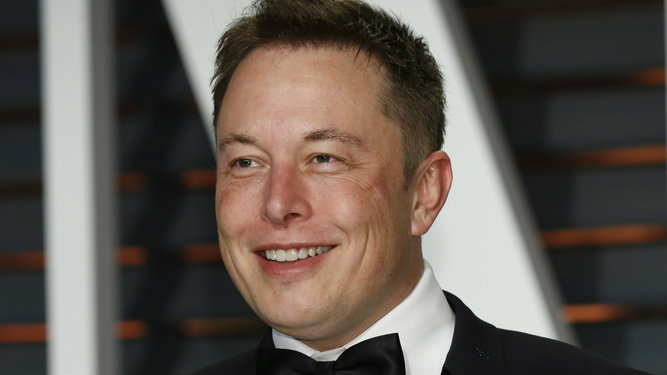
Elon Musk, a prominent public figure, recently stirred debate by suggesting a pardon for Derek Chauvin, the ex-police officer convicted in George Floyd’s death. Floyd’s murder in 2020 sparked global protests, rekindling the Black Lives Matter movement. Musk’s suggestion, made on his social media platform X, has drawn significant attention and criticism.

Ben Shapiro’s Argument

Shapiro’s post, shared by Musk, claims Chauvin was wrongfully convicted. Shapiro argues that Floyd’s death unjustly triggered BLM riots, causing extensive property damage and racial tension. He believes Chauvin’s conviction was a miscarriage of justice, asserting his innocence despite court findings.

Elon Musk’s Role

Musk’s platform X amplified Shapiro’s stance, reigniting discussions on race and justice. Musk’s influence brings such debates to a broader audience, potentially swaying public opinion and political decisions.

Public Reaction and Debate

The call for Chauvin’s pardon is contentious. Supporters feel the justice system failed him, while opponents view it as disrespectful to Floyd’s memory and BLM advocates. Activists express outrage, highlighting the need for accountability in police misconduct.

Potential Outcomes

If considered, the pardon could significantly impact U.S. race relations. It might be seen as a political move, influencing ongoing debates about systemic racism and criminal justice reform.

Conclusion

The debate over Chauvin’s pardon underscores deep societal divisions. As discussions continue, the focus remains on justice, equality, and healing in a polarized nation. The implications of such a pardon could resonate widely, reflecting broader challenges in American society.

Florida Launches Criminal Probe Against Tate Brothers Amid Human Trafficking Allegations

0

Key Takeaways:

  • Florida Attorney General investigates Andrew and Tristan Tate for human trafficking and money laundering.
  • Tate brothers deny all allegations.
  • They are under investigation in Romania for rape and trafficking minors.
  • Florida officials vow to hold them accountable.

Tate Brothers Face New Probe in Florida

Andrew and Tristan Tate, controversial right-wing influencers, are now under criminal investigation in Florida. The probe, launched by Florida Attorney General James Uthmeier, comes as they face serious charges in Romania, including human trafficking and money laundering. The brothers, who recently returned to the U.S., have denied all allegations.


Who Are the Tate Brothers?

Andrew and Tristan Tate, known for their polarizing views, built a massive online following through social media and their website. Their content often sparks debate, leading to bans from major platforms. The brothers have been in the spotlight for their controversial opinions, facing prior allegations of misconduct.


Serious Allegations Against the Tate Brothers

Romanian authorities accuse the Tates of leading an organized crime group to exploit women sexually. Andrew faces rape charges in Romania and the U.K., while both are investigated for trafficking minors. Additionally, they are alleged to have laundered money, though they deny these claims.


Florida Takes Action

Attorney General Uthmeier has issued subpoenas and warrants, stating the Tates’ actions are appalling. He emphasized Florida’s commitment to holding them accountable. Governor Ron DeSantis has also made it clear the brothers are not welcome in the state.


Supporters and Political Ties

Despite the allegations, the Tates have supporters, including some in political circles. Their ties to former President Donald Trump add a layer to the story, with speculation about his administration’s role in their return to the U.S.


The Tates Return to the U.S.

Andrew Tate recently posted about their freedom and optimism under Trump’s presidency. However, their legal troubles are far from over, with Romanian officials reportedly allowing their travel while cases proceed.


Conclusion

The Tate brothers’ situation is a complex legal saga with international implications. As investigations continue, the outcome remains uncertain. Whether the charges will hold or the brothers will face consequences remains to be seen. For now, the focus is on the ongoing probes in Romania and Florida.

Rubio Frustrated: Is Trump Ignoring His Top Diplomat?

0

Rubio Frustrated: Is Trump Ignoring His Top Diplomat?

Key Takeaways:

  • Marco Rubio feels sidelined by the Trump administration.
  • Rubio was present during a heated exchange between Trump and Ukraine’s President Zelensky.
  • He is upset about his limited influence on foreign policy.
  • Sources suggest Rubio is often the last to know about major decisions.
  • Rubio disapproves of Trump’s recent foreign policy moves.
  • His shift in stance on Ukraine has drawn criticism from colleagues.

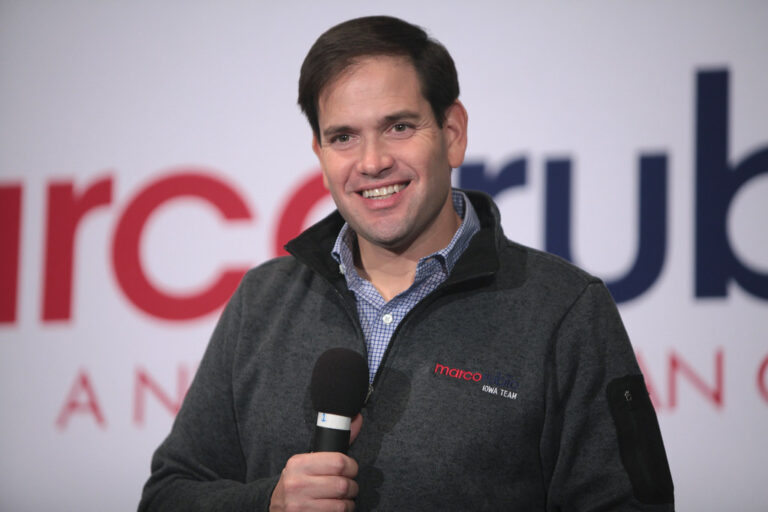
Marco Rubio, the U.S. Secretary of State, is reportedly feeling left out by the Trump administration, according to recent reports. This sentiment came to light after a tense meeting between President Trump and Ukrainian President Volodymyr Zelensky, where Rubio was present but barely spoke. The incident highlighted Rubio’s growing frustration with his role in shaping foreign policy.

A Heated Exchange

The confrontation between Trump and Zelensky during their meeting at the White House was intense. Rubio, who was in attendance, observed the exchange but did not contribute much. This silence is notable, given his position as the nation’s top diplomat. Sources close to the administration indicate that Rubio’s lack of input in such crucial moments reflects a broader issue—he feels ignored.

Rubio’s dissatisfaction stems from being excluded from major foreign policy decisions. Those familiar with the situation suggest that he is often the last to be informed about significant actions taken by the White House. This exclusion is particularly concerning, given his background as a strong advocate for Ukraine and a firm stance against Russia.

Lack of Influence

Rubio’s unhappiness is not just about one incident. His frustration has been building over time. For instance, he was caught off guard when the President appointed nine special envoys to handle key issues like ending conflicts in Gaza and Ukraine. These appointments undermine Rubio’s authority and raise questions about his role in the administration.

Additionally, Rubio reportedly disapproved of Trump’s decision to revoke former Secretary of State Mike Pompeo’s security detail. This move, seen as petty and unnecessary, further alienated Rubio from the administration.

Brewing Tensions

Long before the clash with Zelensky, Rubio’s relationship with Trump was strained. His dissatisfaction has been growing, fueled by decisions that bypass him and undermine his authority. These actions suggest a power imbalance where Rubio’s influence is minimal despite his position.

Rubio’s shift from a hawkish stance on Ukraine to a more muted approach under Trump has not gone unnoticed. His former Senate colleagues, including Democrat Chris Van Hollen, have criticized this change, suggesting it represents a significant shift from his previous strong advocacy for Ukraine.

A Tense Future

Before Rubio’s confirmation as Secretary of State, many doubted his fit for the role. Some predicted he might not last a year due to potential conflicts with Trump. His current frustration and marginalization within the administration seem to validate these concerns.

As Rubio navigates this challenging situation, the future of his tenure remains uncertain. The tension between his aspirations and the reality of his role under Trump could lead to further conflicts. Whether he can reclaim his influence or decide to step down remains to be seen.

The dynamic between Rubio and Trump is a microcosm of the broader challenges in the administration’s foreign policy approach. As the situation unfolds, it will be crucial to watch how Rubio responds and whether he can carve out a meaningful role for himself in shaping U.S. diplomacy.

Elon Musk Backs Pardon for Derek Chauvin, Sparking Outrage Online

0

Key Takeaways:

  • Elon Musk supports pardoning Derek Chauvin, who killed George Floyd.
  • A federal pardon wouldn’t reduce Chauvin’s state prison sentence.
  • Social media users express strong reactions to Musk’s stance.

Introduction: Elon Musk, a prominent tech billionaire and advisor to former President Donald Trump, has expressed support for pardoning Derek Chauvin, the ex-police officer convicted of murdering George Floyd. This stance has ignited significant online backlash, with many criticizing Musk’s position.


Legal Implications of a Federal Pardon: A federal pardon would not affect Chauvin’s state sentence for murder. Legal experts explain that Trump can only pardon federal offenses, not state crimes. Chauvin is currently serving a combined sentence, with federal time concurrent with his state imprisonment. A federal pardon would only move him from federal to state prison but not reduce his overall sentence.


Public Reaction and Backlash: Musk’s comments sparked outrage on social media. Critics, including journalists and activists, expressed disgust and disappointment. Many highlighted the racial implications of supporting Chauvin’s pardon, with some describing it as endorsement of systemic racism. Others used vivid imagery to convey the brutality of Floyd’s death.


Conclusion: Musk’s support for a pardon reflects broader debates on race and justice. The strong reactions underscore the emotional impact of the case and the ongoing demand for accountability in law enforcement. The situation highlights the influence of public figures on political discussions and the deep divisions in societal views.

Starlink Not the Answer to FAA Woes, Says Transportation Secretary

Key Takeaways:

  • Sean Duffy, Transportation Secretary, rejects Starlink as the sole solution to FAA’s air traffic issues.
  • Fiber connections are preferred for reliability, though Starlink can aid in remote areas.
  • Collaboration with multiple companies is crucial for upgrading the system.
  • Government needs to accelerate its pace, akin to businesses, and requires congressional funding.

Introduction: In 2025, the aviation industry faced significant challenges, prompting discussions on modernizing air traffic control. Transportation Secretary Sean Duffy addressed these concerns, emphasizing that Elon Musk’s Starlink alone isn’t the solution. Instead, a combination of technologies and strategies is necessary to enhance the FAA’s systems.

Starlink: A Partial Solution Starlink, Musk’s satellite internet network, offers potential benefits, particularly in remote areas. Duffy acknowledged its usefulness but stressed the importance of fiber-optic connections for reliability and speed. He explained that while Starlink can support remote terminals, it’s insufficient for the entire system, which requires more robust infrastructure.

The Need for Speed Duffy highlighted the necessity for governmental agencies to adopt a faster pace, similar to private enterprises, to address the FAA’s challenges. This includes upgrading outdated systems efficiently and effectively, ensuring safety and performance.

Funding and Collaboration The Transportation Secretary underscored the role of Congress in providing necessary funds for upgrades. Additionally, he mentioned partnerships with various companies, not just SpaceX, to leverage diverse expertise and resources in the modernization effort.

Conclusion: Duffy emphasized the FAA’s goal to be the world’s best air traffic system, acknowledging that while progress is being made, more work is needed. By combining advanced technologies like Starlink with reliable fiber networks and fostering public-private partnerships, the FAA can achieve its objectives, ensuring safer and more efficient air travel.

Trump’s Tariffs: How They Might Affect You

0

Key Takeaways:

  • President Trump’s new tariffs on imports from Canada, Mexico, and China could slow down U.S. economic growth and increase inflation.
  • These tariffs might make everyday items like cars and homes more expensive.
  • Uncertainty around the tariffs could hurt business and consumer confidence.
  • Other countries are retaliating with their own tariffs, targeting U.S. farm products and potentially causing job losses.
  • Trump’s policies could lead to higher prices and economic instability in the short term.

What’s Happening with Trump’s Tariffs?

President Donald Trump has recently imposed heavy tariffs on imports from Canada, Mexico, and China. These tariffs are taxes on imported goods, and they have already led to retaliation from other countries. For example, Canada and China have introduced their own tariffs on U.S. products like farm goods. This trade war could have serious consequences for the U.S. economy.

Analysts warn that these tariffs could reduce U.S. economic growth by about 1% and increase inflation by 0.6%. In simple terms, this means the economy might not grow as fast as expected, and things could get more expensive for Americans.


Higher Prices Ahead

One of the most noticeable effects of the tariffs will be higher prices for consumers. For instance, car parts and lumber from Canada could become more expensive. This could lead to increased costs for new cars and homes. If building materials get pricier, homebuilders might pass those costs on to buyers, making housing more expensive.

Used car prices might also rise because producing new cars could become more costly. Similarly, if tariffs make it harder to build new homes, fewer people might want to move, which could slow down the housing market.


Impact on Jobs

The tariffs could also affect jobs. Some companies might struggle to maintain their current workforce if the cost of imported goods increases. During Trump’s first term, tariffs on steel imports initially created jobs in the steel industry. However, higher costs for other industries led to layoffs elsewhere. This time, the situation could be even worse because the tariffs cover more goods and are being implemented faster.


Retaliation from Other Countries

Other countries are not staying silent. They are retaliating by targeting U.S. products, especially farm goods. For example, China has announced tariffs on U.S. soybeans and other agricultural products. During Trump’s first term, U.S. farmers lost over $27 billion in exports due to retaliatory tariffs. This could happen again, potentially leading to a need for federal aid to support farmers.

Countries are also aiming at politically important areas, like states that support Trump. This could put pressure on the administration to reconsider its tariff policies.


Uncertainty and Its Effects

The uncertainty surrounding Trump’s tariffs is just as problematic as the tariffs themselves. Businesses and consumers are unsure about what will happen next, which can lead to a drop in confidence. This uncertainty can slow down investments and spending, further hurting the economy.

Analysts like Kathy Bostjancic of Nationwide say that the initial optimism about Trump’s policies, such as tax cuts and deregulation, is being overshadowed by the unpredictability of the tariffs. This uncertainty acts like an additional tax on the economy.


The Bigger Picture

While the situation is still unfolding, it’s clear that Trump’s tariffs could have far-reaching consequences. Higher prices, job losses, and retaliation from other countries are all potential outcomes. The economic impact could be more severe this time because the tariffs are being imposed faster and cover a larger range of goods.

For now, the uncertainty caused by these tariffs is creating its own set of problems. Only time will tell how long these tariffs will last and how much damage they will do. One thing is certain: Americans could soon feel the effects in their wallets.

Slotkin Delivers Strong Economic Plan as Trump’s Policies Face Criticism

0
  • Economy Tops American Concerns: Senator Slotkin emphasizes the economy as the leading issue, offering detailed solutions in a concise manner.
  • Trump’s Economic Plan Criticized: Critics argue Trump’s policies favor the wealthy, risking higher costs and national debt.
  • Slotkin’sEffective Message: Her speech resonates with Americans, focusing on affordability and job creation.
  • Democratic Momentum Builds: Slotkin’s address is seen as a positive sign for future Democratic strategies.

Slotkin Lays Out Clear Vision for Economic Growth

Senator Elissa Slotkin recently highlighted her economic strategy, addressing key areas impacting Americans. She emphasized Michigan’s role in shaping the Middle Class, where auto plant workers could afford the cars they built. Slotkin’s plan focuses on affordability in groceries, housing, healthcare, and cars. She advocates for bringing supply chains back to the U.S., creating union jobs, and ensuring fair taxes.

Moreover, Slotkin stressed the need to invest in future jobs and provide businesses with the stability they need to grow. Her approach contrasts sharply with Trump’s, which critics say benefits billionaires over everyday citizens.


Trump’s Economic Plans Draw Fire

President Trump’s economic proposals are under scrutiny, with critics warning they could lead to higher living costs and increased national debt. Trump’s tariffs on allies like Canada may raise energy and lumber prices, potentially harming trade relations and the agricultural sector. Additionally, his healthcare plans could increase costs for prescriptions and premiums.

There are also concerns Trump might target Social Security and Medicare to fund his initiatives. Despite Trump’s assurances, critics point to wealthy figures like Elon Musk, who have criticized Social Security, raising fears about retirement security.

Musk’s involvement in handling personal data without proper oversight is another concern. This lacks necessary protections, risking privacy and security for many Americans.


Slotkin’s Speech Strikes a Chord with Americans

Slotkin’s address was well-received, contrasting with Trump’s lengthy speech. She focused on issues like job creation, healthcare, and affordability, resonating more with everyday concerns. Her speech highlighted Democratic priorities, showing a clear understanding of what matters most to voters.

Slotkin’s ability to connect with her audience underscores her political strength. Her message, emphasizing economic stability and growth, reflects a vision that appeals to a broad audience.


What’s Next for Democrats?

Slotkin’s speech has energized Democrats, signaling a strong direction for future campaigns. By addressing core issues and offering practical solutions, Democrats aim to build momentum for upcoming elections.

The positive reception of Slotkin’s speech highlights the effectiveness of focusing on real challenges. Her address serves as a blueprint for engaging voters and constructing policies that support all Americans.


Slotkin’s speech not only addressed economic concerns but also positioned Democrats as the party with solutions. As the political landscape evolves, Slotkin’s approach offers hope for those seeking tangible change. Her message, focusing on affordability and job creation, represents a promising path forward for Democrats aiming to connect with voters and drive meaningful progress.

Tariff Tensions: Trump Considers Middle Ground with Canada and Mexico

0

Key Takeaways:

  • President Trump is considering a compromise on tariffs with Canada and Mexico, but a full repeal is off the table.
  • The tariffs have caused a significant drop in the stock market.
  • Business leaders and economists fear higher prices and economic slowdown.
  • Trump previously agreed to a 30-day pause in exchange for border security measures.

What’s Happening?

President Trump is pondering a compromise on the tariffs imposed on Canada and Mexico, though a complete elimination of the tariffs isn’t an option. Discussions have been ongoing, with both countries expressing willingness to enhance border security, a measure they’ve already committed to. The tariffs were initially set to begin in February but were paused for 30 days as negotiations continued.

Why It Matters

The Dow Jones Industrial Average has seen a notable decline since the tariffs were announced, reflecting investor concerns about potential economic impacts. Economists and business leaders worry that the tariffs could lead to higher prices for consumers and slower economic growth, especially if Canada and Mexico impose retaliatory measures. Harold Lutnick, a key figure in these discussions, has argued that tariffs do not cause inflation, a stance that contradicts the views of many economists and business owners.

What’s Next

Trump is reportedly examining ways to offer relief to companies that adhere to specific rules, while those that do not will continue to face tariffs. This approach suggests a targeted rather than blanket solution. The administration’s strategy may involve reciprocal actions, where concessions from Canada and Mexico could lead to tariff relief. However, the tariffs have already sparked worries about their impact on the economy and consumer prices.

As the situation evolves, the focus will be on whether Trump can reach a satisfactory agreement with Canada and Mexico without triggering further economic repercussions. Businesses and investors will be closely monitoring the developments, hoping for a resolution that avoids prolonged trade tensions.