66.9 F
San Francisco
Friday, June 12, 2026
Home Blog Page 1157

Trump’s Tariffs: How U.S. Imports Are Affected

0

Key Takeaways:

  • New tariffs on imports from China, Canada, and Mexico started.
  • China faces an additional 10% tariff on top of the existing 10%.
  • Canada and Mexico’s steel and aluminumimports now have 25% and 10% tariffs.

What Just Happened?

In a move that’s making waves in the global economy, President Trump recently announced new tariffs on goods imported from China, Canada, and Mexico. These tariffs, which went into effect at midnight on Tuesday, are part of Trump’s strategy to renegotiate trade deals and reduce the U.S. trade deficit.

So, what exactly does this mean? Let’s break it down. A tariff is like a tax added to imported goods. When a foreign country sells goods to the U.S., the U.S. government can charge a tariff, making those goods more expensive for American businesses and consumers. The idea is to encourage American companies to buy goods made in the U.S. instead of importing them.

China’s Double Tariff Hit

China, the third-largest trading partner of the U.S., is feeling the impact of Trump’s new tariffs. The first round of tariffs, which went into effect last month, added a 10% tax on certain Chinese goods. Now, an additional 10% tariff has been imposed. This means many Chinese products entering the U.S. are now subject to a total of 20% in tariffs. That’s like adding 20 cents to every dollar spent on these imported goods.

Canada and Mexico Join the List

Canada and Mexico, the two largest trading partners of the U.S., are also part of this tariff plan. The U.S. has imposed a 25% tariff on steel imports and a 10% tariff on aluminum imports from both countries. These metals are used in everything from cars to construction materials, so the tariffs could have far-reaching effects.

Who Pays for These Tariffs?

While the tariffs are technically taxes on foreign goods, the cost doesn’t stop there. Here’s the thing: when the U.S. government imposes tariffs on imported goods, the companies importing those goods often pass the extra cost on to consumers. So, American businesses and consumers could end up paying more for products made with these imported materials.

For example, if a car manufacturer in the U.S. imports steel from Canada, the new tariffs could make that steel more expensive. To offset that cost, the car manufacturer might raise the prices of their cars. Suddenly, buying a new car becomes more expensive for you and your family.

How This Affects Everyday People

Tariffs may seem like a distant policy, but they can have a real impact on everyday life. Here are a few ways you might notice the difference:

  • Higher Prices: As companies pass on the cost of tariffs to consumers, you might start noticing higher prices on everyday items like food, clothing, and electronics. For instance, that new smartphone you’ve been eyeing could become more expensive if parts of it are imported from China.
  • Job Losses: Some industries that rely heavily on imported goods might struggle with the increased costs. This could lead to layoffs or slower hiring, which affects workers and their families.
  • Uncertainty: Tariffs can create uncertainty for businesses and consumers alike. Companies might delay investments or expansion plans until they see how these tariffs play out.

What’s Next?

The tariffs are a part of a larger trade strategy, and it’s still unclear how other countries will respond. China has already hinted at retaliating, which could escalate into a full-blown trade war. Meanwhile, Canada and Mexico have expressed dissatisfaction with the tariffs and are exploring ways to respond.

As these trade tensions unfold, one thing is certain: consumers and businesses in the U.S. will be keeping a close eye on how these tariffs impact their bottom line. Stay tuned for more updates as this story continues to develop.


Why Is the U.S. Doing This?

The Trump administration says these tariffs are necessary to address unfair trade practices and bring jobs back to America. The U.S. has long had a trade deficit, meaning it imports more goods than it exports. By making imported goods more expensive, the administration hopes to encourage American companies to produce more goods domestically.

However, critics argue that tariffs could have unintended consequences, like higher prices for consumers and potential job losses in industries that rely on imports. They also worry that other countries might retaliate against American exports, leading to a trade war that hurts everyone involved.


Conclusion

President Trump’s new tariffs on China, Canada, and Mexico are a significant move in the ongoing trade negotiations. While the administration believes these tariffs will help reduce the trade deficit and protect American industries, the impact on consumers and businesses is still unclear. Stay informed as this situation continues to evolve.


Pentagon Denies Media Reports: Sets the Record Straight

0

Key Takeaways:

  • The Pentagon has denied recent media reports, calling them inaccurate.
  • They emphasize transparency to avoid public confusion.
  • They’re addressing misinformation through clear communication.
  • The public is urged to rely on credible sources for news.

Introduction

The Pentagon recently made headlines by addressing certain media reports. This article explores their response, the reasons behind it, and its implications for all of us.


What Did the Media Report?

Several reports suggested the Pentagon was involved in activities that raised eyebrows. These claims sparked debate, but the Pentagon quickly stepped in to correct the record.


Why Is the Pentagon Denying These Reports?

The Pentagon denied the reports to ensure accuracy and maintain trust. They understand how misinformation can cause confusion and unrest, so they’re committed to transparency.


How Is the Pentagon Addressing the Situation?

To combat misinformation, the Pentagon is enhancing communication. They’re holding daily briefings and issuing clear statements to keep the public informed and dispel myths.


The Public’s Role in Staying Informed

In today’s fast-paced information age, it’s crucial to verify news through credible sources. Critical thinking and fact-checking help us form educated opinions without spreading falsehoods.


Conclusion

The Pentagon’s denial of the media reports highlights the importance of transparency. By staying vigilant and informed, we can navigate the complex landscape of information together.

FBI New York Chief Resigns Amid Epstein Document Scandal

0

Key Takeaways:

  • James Dennehy resigned as the FBI New York chief after DOJ accusations.
  • The DOJ claims his office hid over 3,000 Epstein-related documents.
  • Dennehy’s resignation is linked to these cover-up allegations.
  • An investigation into the handling of Epstein files is ongoing.

Introduction: In a shocking turn of events, the head of the FBI’s New York office, James Dennehy, has stepped down. This resignation comes after the Department of Justice accused his office of concealing thousands of documents tied to the Jeffrey Epstein case. Epstein, a financier with connections to powerful figures, was involved in a high-profile sex trafficking case that continues to uncover deep-seated issues of corruption and cover-ups.


Epstein’s Troubling Past and Its Lasting Impact: Jeffrey Epstein’s name has become synonymous with scandal. His associations with influential individuals have brought scrutiny to his activities, long shrouded in secrecy. The FBI has been under pressure to uncover the truth, but the recent allegations suggest that even law enforcement may have contributed to the cover-up.


Allegations of a Cover-Up: The Department of Justice has accused the New York FBI office of hiding over 3,000 pages of Epstein-related documents. These files could contain crucial information about Epstein’s actions and those involved. The accusation suggests that Dennehy’s team failed to handle these files properly, raising questions about transparency and accountability within the agency.


James Dennehy’s Background and Resignation: James Dennehy, known for his role in high-profile operations, had a respected career until this unexpected resignation. His tenure has been overshadowed by the DOJ’s claims, which have led to his abrupt departure. This marks a significant moment in his career, highlighting the gravity of the accusations.


The Significance of Dennehy’s Resignation: Dennehy’s resignation is pivotal, especially as the FBI faces scrutiny over its handling of sensitive cases. The sudden exit of a key official undermines public trust, already strained by prior controversies. Such incidents raise questions about the effectiveness of internal oversight mechanisms within the FBI.


What’s Next for the FBI’s New York Office: Following Dennehy’s resignation, Roy Moore has taken charge as interim head. Moore’s priorities will likely include restoring public trust and ensuring the Epstein documents are appropriately handled. The focus will be on transparency and cooperation with ongoing investigations.


Broader Implications and Public Response: The allegations have rekindled public distrust in law enforcement’s handling of high-profile cases. Advocates for accountability demand transparency and comprehensive reforms. This case highlights the need for greater scrutiny of law enforcement actions, particularly in sensitive investigations.


Conclusion: James Dennehy’s resignation amid the Epstein document scandal underscores the ongoing challenges in accountability and transparency within institutions. As investigations continue, the focus must remain on uncovering the truth and ensuring that those in power are held to the highest standards. The public awaits clarity and justice, trusting that this incident will lead to meaningful change.

Parody Video of Zelensky and Trump Goes Viral, Sparks Laughs and Controversy

0

Key Takeaways:

  • A parody video of Volodymyr Zelensky and Donald Trump has gone viral, with over 4 million views in one day.
  • The video humorously portrays Zelensky admitting to stealing U.S. aid money meant for Ukraine.
  • Created by YouTube creator Mr. Reagan, the spoof uses overdubbing to make the conversation sound real.
  • The video includes jokes about war, politics, and even pop culture references.

A Hilarious Take on a Serious Situation

In a world where politics and humor often collide, a new parody video featuring Ukrainian President Volodymyr Zelensky and former U.S. President Donald Trump has become an overnight sensation. The video, created by popular YouTuber Mr. Reagan, has already been viewed millions of times across social media platforms. Its mix of comedy and controversy has sparked both laughs and heated debates.

The video begins with Zelensky humorously admitting, “I have been stealing the money,” referring to U.S. aid meant for Ukraine. His confession is met with a confused reaction from Trump, who responds, “I’m sorry, what’s that now?” Zelensky then explains that the stolen money is shared among oligarchs and American bureaucrats. The conversation quickly takes a comedic turn as Zelensky reveals that the war must continue to keep the money flowing, saying, “If you end the war, we cannot steal anymore money. We must continue war.”


Laughter and Controversy

The parody doesn’t hold back when it comes to humor. At one point, Trump compares himself to someone playing 4-D chess while Zelensky is playing checkers. Zelensky replies, “No, I not play checkers. There is no checkerboard. You see?” The exchange highlights the comedic timing and clever editing of the video.

Another joke involves Zelensky’s desire for attention. He confesses, “I am an actor/comedian. I crave attention. Since the start of the war, I get worshiped by presidents. I am worshiped by Hollywood. If the war ends, no more attention. No more worship. With all due respect, Mr. Trump, this war must last forever.”

The video even includes a nod to the mysterious cocaine found in the White House during Joe Biden’s administration. Trump asks Zelensky, “That was yours?” To which Zelensky responds, “We thought that baggie belonged to Hunter. You know, I think the Secret Service probably still has it somewhere.”


A Creative Commentary on Real-Life Issues

While the video is undeniably funny, it also touches on real-life topics. The idea of U.S. aid being misused in Ukraine is a serious issue that has been discussed in political circles. However, the video approaches the topic in a lighthearted way, making it more accessible to a wider audience.

The parody also reflects the unique relationship between Zelensky and Trump. Their infamous real-life meeting, which was connected to Trump’s first impeachment, is reimagined in a way that feels both exaggerated and strangely plausible.


What People Are Saying

The video has sparked a mix of reactions online. Some viewers praising its creativity, while others criticize it for making light of serious issues. One commenter wrote, “This is hilarious, but I don’t think it’s right to joke about something as serious as war and corruption.” Another fan of Mr. Reagan’s work said, “This is pure genius. It’s amazing how they can make you laugh while still highlighting real problems.”


The Power of Political Satire

Political satire has always been a powerful tool for commentary. By using humor to highlight serious issues, creators like Mr. Reagan can make complex topics more engaging for the masses. Whether you agree with the message or not, this video proves that laughter can be a powerful way to spark conversation.

As the war in Ukraine continues, and U.S. aid remains a hot topic, this parody serves as a reminder that even in tough times, humor can bring people together. Whether you’re laughing or cringing, one thing is clear: this video is making waves.


For now, the parody remains a viral sensation, leaving viewers to decide what’s real, what’s funny, and what’s just plain absurd.

Maine Lawmaker Stands Firm Against Trans Athletes in Girls’ Sports

0

Key Takeaways:

  • Maine Rep. Laurel Libby faces backlash for criticizing transgender athletes in girls’ sports.
  • The Democrat-majority House censured her, silencing her in the legislature.
  • President Trump confronts Maine Gov. Janet Mills over transgender sports policies.
  • Federal funding for Maine schools and universities is at risk due to the dispute.
  • A majority of Americans, including many Democrats, oppose biological males in female sports.

A Star Rises in Maine: Rep. Laurel Libby Takes a Stand

In a world where political drama often feels scripted, Rep. Laurel Libby of Maine is writing her own story. The Republican legislator recently found herself at the center of a national controversy after refusing to apologize for a social media post criticizing transgender athletes competing in girls’ sports.

Libby’s post included two photos of a male pole vaulter. In one, he competed against other boys and didn’t win. In the other, he dominated a girls’ event, standing atop the podium. Her caption? “Another day, another instance of an unremarkable male athlete (who couldn’t win against other males) dominating girls’ sports.”

The backlash was swift. The Democrat-controlled Maine House voted 75-70 to censure Libby, stripping her of her right to speak or vote on legislation. This move effectively silenced not just Libby, but also the voters who elected her to a third term. Despite the punishment, Libby’s post went viral, turning her into a symbol of resistance for many conservatives.


President Trump Takes On Maine’s Governor

While Libby was under fire in the state legislature, President Trump stepped into the fray at the federal level. At a National Governors Association meeting on February 21, Trump called out Maine Gov. Janet Mills, a Democrat, for refusing to enforce his executive order barring biological males from women’s sports.

Trump asked if anyone from Maine was present at the meeting, then pointed out that the state was still allowing transgender athletes in girls’ sports, risking federal funding. Mills shot back, “We’re going to follow the law, sir. We’ll see you in court.” Trump, never one to back down, replied, “Good. I’ll see you in court.”

The next day, Mills expressed shock that federal money might be used to pressure states into compliance. She vowed to resist, claiming the move was coercive. This kind of defiance has become a hallmark of Democratic governance, critics argue.


Federal Funding on the Line

President Trump didn’t stop there. He ordered the U.S. Department of Education to investigate whether Maine is violating Title IX, the federal law that prohibits sex-based discrimination in education. U.S. Attorney General Pam Bondi sent a letter to Mills, warning that Maine could face a lawsuit if it continues to allow transgender athletes in girls’ sports.

The stakes are high. The University of Maine, a federally funded land-grant institution, receives over $100 million in USDA funding annually. U.S. Secretary of Agriculture Brooke Rollins announced a compliance review of the university, stating that institutions ignoring the president’s executive order could lose future funding.

For a state with significant poverty and a reliance on federal support, this is no small threat. Yet, the Maine Principals Association continues to back Mills, even as the state stands to lose $250 million.


A Divided Nation: Public Opinion vs. Democratic Leadership

The debate over transgender athletes in women’s sports is just one front in a larger cultural war. While Democrats like Mills and Michigan Gov. Gretchen Whitmer champion progressive policies, polls show most Americans oppose biological males competing in female sports. A recent New York Times survey found that 80% of Americans, including 67% of Democrats, want males out of female sports and locker rooms.

This disconnect between Democratic leadership and public opinion isn’t limited to sports. From California’s radical climate policies to the collapse of law enforcement in cities like Chicago and Philadelphia, Democrats often find themselves at odds with the majority of Americans.

As Maxwell Smart, the lovable but hapless spy from the classic TV show Get Smart, might say, “We’re out of touch—and loving it!”


Rep. Libby: A Politician with a Backbone

Through it all, Rep. Libby remains unapologetic. When given one last chance to apologize for her post, she bluntly refused. Her resolve is rooted in her experience as an intensive care unit nurse at two Maine hospitals, where she saw firsthand the physical differences between males and females. As a wife and mother of five, she believes strongly in protecting girls’ sports.

Libby’s common-sense stance has endeared her to conservatives nationwide. Two years ago, she introduced a bill to improve Maine’s process for building mental health centers. Democrats killed the proposal before it could gain traction, perhaps seeing it as a threat to their agenda.

Today, Libby is proving that even in a deeply divided nation, one person can make a difference. Her refusal to back down in the face of intense pressure has turned her into a star of the Republican Party—and a symbol of hope for those who believe in standing up for what’s right, no matter the cost.

Supreme Court Likely to Dismiss Mexico’s Lawsuit Against US Gunmakers

0

Key Takeaways:

  • The Supreme Court is leaning towards dismissing Mexico’s lawsuit against US gunmakers.
  • Mexico seeks billions of dollars, claiming gunmakers are responsible for cartel-related deaths.
  • The case hinges on a 2005 law shielding gunmakers from lawsuits over gun misuse.
  • Justices, including liberals, question Mexico’s evidence and legal standing.
  • The ruling could impact future lawsuits against gun manufacturers.

Supreme Court Likely to Dismiss Mexico’s Lawsuit Against US Gunmakers

In a significant legal battle, the Supreme Court appears ready to dismiss Mexico’s lawsuit against several major US gunmakers. The case centers on Mexico’s claim that these manufacturers are accountable for the devastating violence caused by drug cartels using their guns.

Background of the Case

Mexico’s lawsuit, initially filed in Massachusetts, targets companies like Smith & Wesson and Glock, accusing them of knowingly supplying weapons that would end up with cartels. They argue that the gunmakers’ actions have led to numerous deaths and seek not only financial compensation but also a halt to the illegal trafficking of these weapons.

US Law Shields Gunmakers

Central to the case is the Protecting Lawful Commerce in Arms Act (PLCAA) of 2005. This law protects gun manufacturers from lawsuits stemming from the misuse of their products. The majority of justices believe this law shields the gunmakers from Mexico’s claims.

Justice’s Reactions

Justice Neil Gorsuch emphasized that intent is key—proving gunmakers deliberately aimed to violate US laws. Justices Ketanji Jackson and Elena Kagan also expressed doubts about Mexico’s evidence, suggesting their case lacked sufficient detail. Justice Samuel Alito highlighted a broader issue: the mutual accusations between the US and Mexico regarding each country’s role in enabling illegal activities.

Implications of the Ruling

If the Supreme Court rules in favor of the gunmakers, it could set a precedent, discouraging similar lawsuits in the future. Conversely, a ruling for Mexico might lead to more litigation against gun manufacturers, potentially altering industry practices.

US-Mexico Relations and Context

The case reflects the complex US-Mexico dynamics regarding guns and drugs. While Mexico seeks to curb illegal gun flows, the gunmakers argue against being unfairly targeted, emphasizing the role of enforcement by authorities and straw buyers.

Conclusion

The Supreme Court’s decision could significantly impact both the gun industry and international legal strategies. The expected ruling underscores the challenges in attributing liability in cross-border issues, highlighting the need for mutual accountability beyond courtroom disputes.

This case serves as a reminder of the intricate interplay between legal protections, corporate responsibility, and geopolitical tensions. As the court prepares its decision, the implications for future lawsuits and international relations remain significant.

AI Technology Advances in Content Creation: What You Need to Know

0

Key Takeaways:

AI technology is revolutionizing content creation. New AI tools enhance creativity and efficiency for all skill levels. AI tools like ChatGPT and MidJourney simplify complex tasks. AI fosters collaboration between humans and machines. Adjustments are needed to ensure responsible AI use. Introduction

In the fast-evolving tech world, AI is making waves, especially in content creation. Whether you’re a seasoned pro or just starting out, AI tools are here to help. This article explores how AI is changing the game, offering insights into tools, creativity, collaboration, and responsible use.

What’s Happening in AI for Content Creation?

AI is not new, but recent advancements have made it more user-friendly. Tools like ChatGPT and MidJourney are transforming how we create. Whether writing, designing, or brainstorming, AI makes these tasks easier and more efficient.

Why Should You Care About AI Tools?

Democratizing Creativity AI tools are accessible to everyone, regardless of skill level. Whether you’re a student or a professional, AI helps create polished content without expensive software.

Reducing Complexity AI simplifies tasks like writing, video editing, and design. For example, AI can summarize long texts or create images, saving time and effort.

Enhancing Efficiency AI speeds up the creative process. From drafting ideas to refining content, AI tools help you produce quality work faster.

How Are AI Tools Being Used?

Writing and Editing AI can draft articles, edit, and even proofread. It’s perfect for bloggers, marketers, and students needing help with writing.

Design and Art AI tools like MidJourney create visuals from text. Designers use AI for ideas or speeding up projects.

Video Production AI helps with editing, music, and effects. Creators can produce professional videos faster without manual editing.

The Role of Human Creativity

While AI is powerful, human creativity is still essential. AI handles repetitive tasks, freeing you to focus on creative decisions. It’s a collaboration, enhancing rather than replacing human input.

Collaborating with AI: The Future of Content Creation

AI offers endless possibilities. It can generate endless ideas, help explore topics, or provide real-time feedback. This collaboration makes content creation more dynamic.

The Importance of Responsible AI Use

As AI becomes mainstream, responsible use is crucial. Here’s how to do it right:

Transparency: Clearly credit AI’s role in your work. Originality: Use AI as a tool, not a replacement. Add your unique touch. Accountability: Ensure AI use aligns with ethical standards, avoiding misinformation or bias. Conclusion

AI is a game-changer in content creation, offering new ways to create, collaborate, and innovate. By embracing AI responsibly, we can unlock its full potential. Whether you’re a content creator or just exploring, AI is an exciting tool to enhance your work. Stay curious and keep experimenting to see what AI can do for you!

General C.Q. Brown Fired: What You Need to Know

0

Key Takeaways:

  • Air Force General C.Q. Brown was removed as Chairman of the Joint Chiefs of Staff.
  • Several other high-ranking military officials were also fired.
  • Left-leaning individuals claimed the firings were politically motivated.
  • Conservative commentator Pete Hegseth debunked these claims, stating they were part of routine military leadership changes.
  • The debate reflects growing political tensions within the U.S. military leadership.

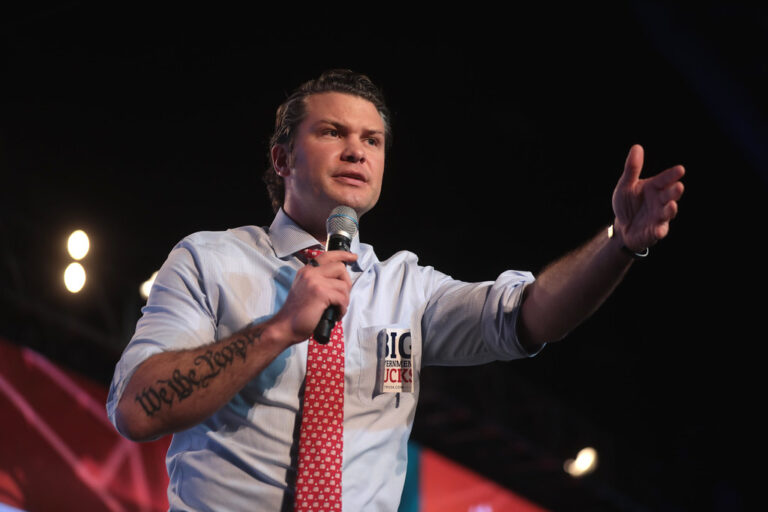
The U.S. military recently saw a major shake-up. General C.Q. Brown, Chairman of the Joint Chiefs of Staff, and several top military officials were relieved of their duties. This move sparked intense debate, with many on the left claiming it was politically driven. However, conservative commentator Pete Hegseth pushed back, arguing the changes were routine. Let’s break down what happened and why it matters.


Who is General C.Q. Brown?

General C.Q. Brown has been a prominent figure in the U.S. military. As Chairman of the Joint Chiefs of Staff, he was the highest-ranking military officer, advising the President and the Secretary of Defense. Brown played a key role in shaping military strategy and policy.

Last month, his tenure ended abruptly when he was removed from his position. This decision also affected other high-ranking officials, leading to speculation about the reasons behind these changes.


The Political Backlash

The firings of General Brown and others quickly became a political talking point. Many on the left accused the administration of removing military leaders for partisan reasons. They suggested that the firings were an attempt to purge the military of individuals who might oppose certain policies.

Social media and news outlets buzzed with theories. Some claimed the firings were part of a larger effort to politicize the military. Others argued that the dismissals were necessary to modernize the armed forces.


Pete Hegseth’s Rebuttal

Conservative commentator Pete Hegseth, a former Army officer, stepped in to challenge the narrative. Hegseth argued that the firings were not unusual. He explained that leadership changes in the military are common, especially as new administrations take office.

Hegseth emphasized that these changes are often part of normal rotations and retirements. He criticized those who jumped to conclusions, saying they were stirring up unnecessary fear and misinformation.


The Broader Debate

This incident highlights a growing divide in the U.S. over the role of the military. Some argue that the armed forces should remain apolitical, while others believe that military leaders must align with the administration’s goals.

The debate also raises questions about transparency. Why were these officials removed now? What criteria were used in the decision-making process? Supporters of the firings argue they are part of a plan to ensure the military is better prepared for future challenges. Critics, however, fear it could erode trust in the armed forces.


What’s Next?

Moving forward, the focus will be on who replaces General Brown and the other officials. Their appointments will signal the direction the military is heading. Additionally, Congress may hold hearings to investigate the reasoning behind the firings.

Public opinion will also play a role. If the narrative of political interference gains traction, it could impact how the military is perceived by the American people.


Why It Matters

The removal of General C.Q. Brown and other officials is more than just a routine personnel change. It reflects deeper tensions about the role of the military in a divided political landscape.

As the debate continues, Americans will need to stay informed. Understanding the facts and avoiding jumping to conclusions will be key to making sense of this complex situation.


This evolving story underscores the challenges of maintaining a nonpartisan military in an increasingly polarized country. Stay tuned for updates as more details emerge.

Noem Leads ICE Raids in Virginia, Ignoring Leak and Backlash

0

Key Takeaways:

  • Homeland Security Secretary Kristi Noem led ICE raids in northern Virginia despite a leak.
  • The operation targeted gangs and criminals, resulting in successful arrests.
  • Noem emphasized that leaks won’t stop enforcement, drawing both support and criticism.

Noem Leads ICE Raids in Virginia, Ignoring Leak and Backlash

Introduction On Tuesday, Homeland Security Secretary Kristi Noem directed ICE raids in northern Virginia, focusing on criminal gangs and offenders. Despite a leak by a reporter, the raids succeeded, prompting strong reactions.

Raids Target Criminals The ICE operation targeted members of MS-13 and 18th Street gang, as well as sexual crime perpetrators. Noem highlighted the success, stating the streets are now safer. She expressed gratitude to the officers involved.

Noem’sStrong Statements Secretary Noem used social media to underline her commitment, saying leaks won’t deter ICE. She stressed that breaking U.S. laws will lead to consequences, positioning ICE as a force for justice.

Leak Impact Reporter Pablo Manriquez leaked the raid, advising targets on evasion. Despite this, ICE achieved their goals, showing their determination.

Backlash Against Noem A Virginia official mocked Noem, criticizing her for wearing a flak jacket in a safe area and referencing a past incident with a dog. This personal attack underscored political tensions.

ICE Response ICE spokespersons defended the raid’s importance, emphasizing public safety and the rule of law.

Conclusion The raids reflect ICE’s commitment to enforcing immigration law, despite challenges. Noem’s resolve highlights a tough stance on illegal activities. This event may influence future operations and political debates.

Trump’s Tariffs: How U.S. Imports Are Affected

0

Key Takeaways:

  • New tariffs on imports from China, Canada, and Mexico started.
  • China faces an additional 10% tariff on top of the existing 10%.
  • Canada and Mexico’s steel and aluminumimports now have 25% and 10% tariffs.

What Just Happened?

In a move that’s making waves in the global economy, President Trump recently announced new tariffs on goods imported from China, Canada, and Mexico. These tariffs, which went into effect at midnight on Tuesday, are part of Trump’s strategy to renegotiate trade deals and reduce the U.S. trade deficit.

So, what exactly does this mean? Let’s break it down. A tariff is like a tax added to imported goods. When a foreign country sells goods to the U.S., the U.S. government can charge a tariff, making those goods more expensive for American businesses and consumers. The idea is to encourage American companies to buy goods made in the U.S. instead of importing them.

China’s Double Tariff Hit

China, the third-largest trading partner of the U.S., is feeling the impact of Trump’s new tariffs. The first round of tariffs, which went into effect last month, added a 10% tax on certain Chinese goods. Now, an additional 10% tariff has been imposed. This means many Chinese products entering the U.S. are now subject to a total of 20% in tariffs. That’s like adding 20 cents to every dollar spent on these imported goods.

Canada and Mexico Join the List

Canada and Mexico, the two largest trading partners of the U.S., are also part of this tariff plan. The U.S. has imposed a 25% tariff on steel imports and a 10% tariff on aluminum imports from both countries. These metals are used in everything from cars to construction materials, so the tariffs could have far-reaching effects.

Who Pays for These Tariffs?

While the tariffs are technically taxes on foreign goods, the cost doesn’t stop there. Here’s the thing: when the U.S. government imposes tariffs on imported goods, the companies importing those goods often pass the extra cost on to consumers. So, American businesses and consumers could end up paying more for products made with these imported materials.

For example, if a car manufacturer in the U.S. imports steel from Canada, the new tariffs could make that steel more expensive. To offset that cost, the car manufacturer might raise the prices of their cars. Suddenly, buying a new car becomes more expensive for you and your family.

How This Affects Everyday People

Tariffs may seem like a distant policy, but they can have a real impact on everyday life. Here are a few ways you might notice the difference:

  • Higher Prices: As companies pass on the cost of tariffs to consumers, you might start noticing higher prices on everyday items like food, clothing, and electronics. For instance, that new smartphone you’ve been eyeing could become more expensive if parts of it are imported from China.
  • Job Losses: Some industries that rely heavily on imported goods might struggle with the increased costs. This could lead to layoffs or slower hiring, which affects workers and their families.
  • Uncertainty: Tariffs can create uncertainty for businesses and consumers alike. Companies might delay investments or expansion plans until they see how these tariffs play out.

What’s Next?

The tariffs are a part of a larger trade strategy, and it’s still unclear how other countries will respond. China has already hinted at retaliating, which could escalate into a full-blown trade war. Meanwhile, Canada and Mexico have expressed dissatisfaction with the tariffs and are exploring ways to respond.

As these trade tensions unfold, one thing is certain: consumers and businesses in the U.S. will be keeping a close eye on how these tariffs impact their bottom line. Stay tuned for more updates as this story continues to develop.


Why Is the U.S. Doing This?

The Trump administration says these tariffs are necessary to address unfair trade practices and bring jobs back to America. The U.S. has long had a trade deficit, meaning it imports more goods than it exports. By making imported goods more expensive, the administration hopes to encourage American companies to produce more goods domestically.

However, critics argue that tariffs could have unintended consequences, like higher prices for consumers and potential job losses in industries that rely on imports. They also worry that other countries might retaliate against American exports, leading to a trade war that hurts everyone involved.


Conclusion

President Trump’s new tariffs on China, Canada, and Mexico are a significant move in the ongoing trade negotiations. While the administration believes these tariffs will help reduce the trade deficit and protect American industries, the impact on consumers and businesses is still unclear. Stay informed as this situation continues to evolve.