70.4 F
San Francisco
Friday, June 12, 2026
Home Blog Page 1159

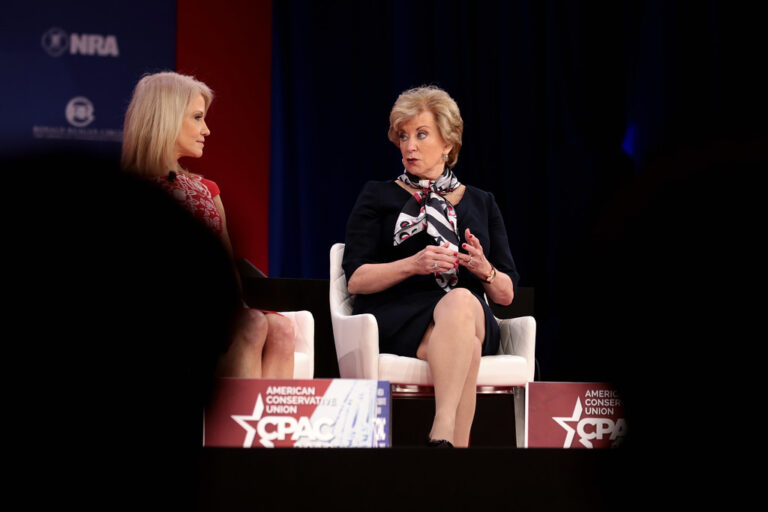
Linda McMahon Confirmed as Education Secretary Amid Calls to Dismantle the Department

0

Key Takeaways:

  • Linda McMahon confirmed as Education Secretary.
  • She’s the former CEO of WWE and a longtime Trump ally.
  • President Trump wants to reduce the federal role in education.
  • Teachers and advocates are worried about what this means for schools.

New Leader for Education Department On Monday, the Senate voted to confirm Linda McMahon as the new head of the Education Department. McMahon is a well-known businesswoman, best known for running WWE, a major wrestling entertainment company. She’s also a close supporter of President Trump.

This move comes as part of Trump’s plan to shake things up in Washington. The president has made it clear he wants to give states more control over schools and reduce the federal government’s role in education. Some critics worry this could lead to the Education Department being abolished altogether.


Who Is Linda McMahon? Linda McMahon, 74, has a long career in business and politics. Before joining WWE, she worked in marketing and later became the company’s CEO, helping it grow into a global brand.

In 2016, McMahon donated millions to Trump’s presidential campaign. After Trump won, he appointed her to lead the Small Business Administration, where she worked until 2019.

Now, as Education Secretary, McMahon will oversee a department with a $70 billion budget. But her background isn’t in education, which has raised eyebrows.


What’s Next for the Education Department? Trump has said he wants to give states more power over schools. This could mean fewer federal rules and more local control. However, some teachers and education advocates are concerned.

Critics argue that reducing the federal government’s role could hurt public schools, especially in poorer areas that rely on federal funding. They also worry about programs like student loan forgiveness and civil rights protections for students.

McMahon hasn’t signaled whether she supports eliminating the department entirely. Instead, she’s said she wants to focus on “streamlining” education policies.


What Do Teachers and Advocates Think? Teachers and education groups are divided on McMahon’s appointment. Some say her business experience could bring fresh ideas to the department. Others fear her lack of education experience could hurt schools.

Randi Weingarten, president of the American Federation of Teachers, said, “We need an Education Secretary who understands the challenges schools face every day. McMahon’s background doesn’t suggest she’s the right person for the job.”

Meanwhile, some conservatives are excited about the possibility of scaling back federal involvement. “This is a chance to give parents and local communities more say in how schools are run,” said one Republican senator.


What’s Next? Now that she’s confirmed, McMahon will start her new role in the coming weeks. Her first steps could give clues about whether the Education Department will shrink under her leadership.

If Trump’s plan to dismantle the department moves forward, it could have big consequences for schools across the country. For now, teachers, parents, and students are waiting to see what happens next.


The Future of Education The debate over the Education Department’s role is far from over. While some see this as a chance for change, others fear it could harm schools and students.

For now, Linda McMahon will be at the center of this debate. Whether she can balance Trump’s goals with the needs of schools remains to be seen.

What do you think about the idea of giving states more control over education? Let us know in the comments!

New Education Secretary Outlines Plan to Shift Power to States

0

Key Takeaways:

  • Linda McMahon, the new Education Secretary, has announced plans to reduce the federal government’s role in education.
  • The goal is to give more control to states and families.
  • This aligns with President Trump’s campaign promise to decentralize education.
  • McMahon says she’s ready to “send education back to the states.”

Linda McMahon, the newly confirmed Secretary of Education, wasted no time sharing her vision for the future of education in the U.S. Shortly after her confirmation, she sent a message to staffers outlining the agency’s “final mission.” The message emphasizes President Trump’s plan to roll back the federal government’s role in education and hand more control to states and families. This move is part of Trump’s broader push to fulfill a key campaign promise: giving states and parents more say in how schools are run.

What Does This Mean for Education?

McMahon made it clear that she’s ready to tackle one of Trump’s most significant campaign promises: returning education decisions to the states. In her message, she called this a “momentous” pledge to families and stressed the importance of decentralized control over schools. The idea is simple: instead of the federal government making decisions, states and local communities would have more power to shape education policies.

So, what does this shift actually mean? For starters, it could lead to big changes in how schools are funded, how teachers are trained, and what students are taught. For example, one state might focus heavily on STEM programs, while another might prioritize arts and music. The goal is to allow each state to tailor its education system to its unique needs and priorities.

However, this plan has sparked debate. Supporters argue that local control leads to better decision-making because state and local leaders understand their communities’ needs. Critics worry that reducing federal oversight could lead to inequality, as some states may have more resources than others.

Why Is This Happening Now?

This shift is part of a larger movement by the Trump administration to reduce federal involvement in various areas, including education. Trump and his allies believe that the federal government has overstepped its role in schools for too long. They argue that states and families, not bureaucrats in Washington, D.C., should decide what’s best for their children.

McMahon’s message also hinted at changes within the Education Department itself. While she didn’t provide specifics, many speculate that the agency’s role could be scaled back significantly. This could mean fewer federal regulations, less oversight, and more freedom for states to experiment with new approaches to education.

What’s Next?

While McMahon’s message sets the tone for the Education Department’s direction, the details of how this will work are still unclear. For now, her focus is on preparing the agency for this transition. She emphasized that staffers should be ready to support states as they take on more responsibility for education.

The coming months will likely see proposals for policy changes, potential budget adjustments, and new guidelines for states. McMahon’s background as a business leader and former administrator suggests she’s prepared to lead this effort.

Who Is Linda McMahon?

Linda McMahon is a former WWE executive and a longtime supporter of Trump. She previously served as the Administrator of the Small Business Administration under Trump before being nominated for the Education Secretary role. Her confirmation was somewhat controversial, but she won enough Senate votes to secure the position.

McMahon’s priorities as Education Secretary seem to align closely with Trump’s vision. She has emphasized the need for school choice, vocational training, and reducing the federal government’s influence over schools. Her message to staffers signals that she’s ready to act quickly on these fronts.

What This Means for Families

For families, the shift could mean more choices about where and how their children learn. For example, states might expand programs that allow parents to use public funds for private schools or homeschooling. It could also lead to more innovation in education, as states experiment with new teaching methods and technologies.

However, there are concerns about how this will be implemented. Some worry that without federal guidelines, certain standards might slip, or that some states might not prioritize education as heavily. Others fear that this could widen the gap between states with more resources and those with fewer.

Conclusion

Linda McMahon’s message to Education Department staffers makes one thing clear: the Trump administration is serious about shifting the balance of power in education. By handing more control to states, the federal government is stepping back and letting local leaders take the reins.

While this approach has its supporters and critics, one thing is certain: the future of education in the U.S. is about to look very different. McMahon’s leadership will play a key role in shaping this transition, and her success will depend on how well she can support states as they take on this new responsibility.

Only time will tell how these changes will impact schools, teachers, and most importantly, students. But for now, the message from the Education Department is clear: education is heading back to the states.

US Seeks Russia’s Help in Talks with Iran

0

Key Takeaways:

  • Russia has agreed to help the US communicate with Iran on key issues.
  • These include Iran’s nuclear program and its support for groups opposing the US in the region.
  • President Trump discussed this directly with President Putin in a phone call in February.
  • Top officials from both countries met in Saudi Arabia to talk more about it.

US Turns to Russia for Help with Iran Tensions

The United States is seeking Russia’s help to improve communication with Iran, particularly on two major issues: Iran’s nuclear program and its support for anti-US groups in the Middle East. This unexpected move shows how complicated and challenging relations between the US and Iran have become.

Why Iran Matters

Iran is a key player in the Middle East, and its policies often spark concern worldwide. Its nuclear program, for example, has raised fears that it could develop nuclear weapons, even though Iran claims it’s for peaceful purposes. Additionally, Iran supports groups like Hezbollah in Lebanon and militias in Iraq that often oppose US interests.

The US has struggled to directly negotiate with Iran, especially after pulling out of a major nuclear deal in 2018. Now, it seems the Trump administration believes Russia could act as a bridge to ease tensions.

Russia’s Role in the Region

Russia has significant influence in the Middle East, partly due to its involvement in Syria and its strong ties with Iran. The US hopes Russia can use this influence to encourage Iran to cooperate on nuclear talks and reduce support for anti-US groups.

However, some experts question whether Russia will fully support US goals. Russia and Iran have worked together in the past, but their interests don’t always align. Russia might see this as an opportunity to strengthen its own position in the region rather than help the US.

How the Talks Happened

In February, President Trump spoke directly with President Putin about the idea of Russia helping facilitate talks with Iran. Shortly after, top officials from the Trump administration met with Russian representatives in Saudi Arabia. These meetings were part of a broader effort to address security issues in the Middle East.

The exact details of what was discussed remain unclear, but the fact that the US is reaching out to Russia for help highlights the complexity of the situation.

What This Means for the Future

This move could signal a shift in how the US approaches diplomacy in the Middle East. By involving Russia, the Trump administration is acknowledging that direct talks with Iran are not currently possible. It’s also a sign that the US is willing to work with other major powers to address shared concerns.

However, this strategy comes with risks. Some experts worry that relying on Russia could lead to mixed messages or even undermine US goals if Russia’s priorities differ. Others point out that Iran might not be willing to change its behavior, even with Russian pressure.

A Risky Strategy?

The decision to involve Russia in US-Iran relations is controversial. On one hand, it shows creative thinking in diplomacy. On the other hand, it could lead to unintended consequences.

For now, the success of this approach remains uncertain. Much depends on how Russia chooses to act and whether Iran is open to changing its stance.

As the situation unfolds, the world will be watching closely to see if this unusual partnership can lead to meaningful progress.

Trump Claims Record Low in Border Arrests

0

Key Takeaways:

  • President Trump asserts that border arrests hit a record low of 8,300 in February.
  • He credits his administration’s policies for this decline.
  • This figure contrasts with a peak of 300,000 arrests under President Biden in December 2023.
  • Official data has not yet been released to confirm these numbers.

Introduction: In a recent post on Truth Social, former President Donald Trump claimed a significant drop in border arrests, stating they reached a record low. This announcement highlights his administration’s efforts to curb illegal crossings, a topic that remains contentious in U.S. politics.

Record Low in February Arrests: Trump’s assertion of 8,300 arrests marks a notable decrease, suggesting a tightening of border security. This number reflects his administration’s strict policies aimed at deterring illegal immigration.

Contrast with Previous Administration: In December 2023, under President Biden, border arrests peaked at 300,000, a stark contrast to Trump’s claimed February figure. This shift underscores the impact of differing policy approaches on border security.

Significance of Policies: Trump attributes the decline to his administration’s measures, emphasizing their effectiveness. These policies include stricter enforcement and regulatory changes, which supporters argue have strengthened border control.

Lack of Official Data: While Trump’s claims are attention-grabbing, they await confirmation from official sources. The release of government data will be crucial for verifying these figures and understanding their implications.

Reactions and Implications: The announcement has sparked varied reactions, with supporters praising the results and critics questioning the accuracy. This debate highlights the political divide on immigration and border policies.

Conclusion: Trump’s claim of a record low in border arrests presents a narrative of successful policy implementation. As official data emerges, it will be essential to assess the validity of these figures and their broader impact on immigration dynamics. This development underscores the ongoing challenges and political strategies surrounding U.S. border security.

Trump Administration Purges Justice Dept: Prosecutors Demoted

0

In a bold move, the Trump Administration has demoted seven high-ranking prosecutors in the Washington DC US attorney’s office. This action appears to be part of a larger effort to target those who handled cases involving Trump allies, especially those linked to the January 6 events. Here are the key takeaways:

  • Seven Prosecutors Demoted: Top prosecutors were moved to entry-level positions, likely to encourage resignations.
  • Targeting Trump Allies’ Cases: The demotions seem to focus on those involved in cases against Trump supporters.
  • Implications for Justice: The move raises concerns about political influence in the Justice Department.

What’s Happening?

The recent demotions in the Justice Department are causing waves in Washington. Seven senior prosecutors found themselves demoted to junior roles, a significant downgrade that often leads to resignation. This shift is part of a broader strategy to remove officials who prosecuted Trump allies, particularly in cases related to the January 6 incident. By demoting these prosecutors, the administration aims to push them out, potentially replacing them with more aligned individuals.

Why It Matters

This purge signals a concerning trend of political interference in justice. Prosecutors, traditionally insulated from politics, are now facing retaliation for performing their duties. Such actions undermine public trust in the justice system, suggesting that decisions are influenced by political agendas rather than the law. The independence of the judiciary is a cornerstone of democracy, and this erosion could have long-term consequences.

What’s Next?

As tensions rise, reactions from legal communities and lawmakers are expected. Advocacy groups may challenge these moves, arguing they threaten judicial integrity. The administration’s strategy might backfire if public outcry mounts, leading to investigations or policy changes. The future of these prosecutors and the broader impact on the Justice Department hang in the balance.

Conclusion

The demotion of prosecutors handling sensitive cases highlights a troubling pattern of political influence in the Justice Department. As the situation unfolds, the focus will be on how these actions affect the rule of law and democratic principles. This issue is not just about individual careers but about the integrity of the justice system and the health of American democracy.

Trump’s New Tariffs Spark Trade Wars: What You Need to Know

0

Key Takeaways:

  • The U.S. has imposed 25% tariffs on imports from Mexico and Canada.
  • Tariffs on Chinese goods have doubled to 20%.
  • These tariffs target over $2.2 trillion in annual trade.
  • The move aims to address fentanyl trafficking but may cause economic tension.

The U.S. Fires Up Trade Tensions with New Tariffs

The United States has just taken a bold step in its trade strategy, introducing new tariffs that could shake up global markets. On Tuesday, President Donald Trump’s administration rolled out a 25% tariff on imports from Mexico and Canada, while doubling the tariffs on Chinese goods to 20%. This move has instantly sparked concerns about new trade wars with three of America’s biggest trading partners.

What’s Behind These Tariffs?

The Trump administration says these tariffs are a response to what it sees as insufficient efforts by Mexico, Canada, and China to curb the flow of fentanyl into the U.S. Fentanyl is a highly dangerous synthetic opioid that has been linked to thousands of overdose deaths across the country. By imposing these tariffs, the U.S. is essentially using its economic power to pressure these nations into taking stronger action against drug trafficking.

How Big of a Deal Is This?

The stakes are high. The U.S. trades nearly $2.2 trillion worth of goods annually with Mexico, Canada, and China. Disrupting this flow of trade could have far-reaching consequences. For consumers, it might mean higher prices on everyday items like cars, electronics, and clothing. For businesses, it could lead to increased costs and uncertainty, which might slow down economic growth.

What’s Next?

The immediate impact of these tariffs is unclear. Mexico, Canada, and China are all likely to respond, possibly by imposing their own tariffs on U.S. goods. This back-and-forth could escalate into full-blown trade wars, making things even more complicated for global trade.

A Global Economy in Flux

The world’s economy is already facing challenges, from rising inflation to slowing growth in key markets. Adding trade tensions to the mix could make things even more unstable. While the U.S. hopes to address a critical issue like fentanyl trafficking, the broader economic consequences remain uncertain.

A Closer Look at the Tariffs

  • Mexico and Canada: Both countries are crucial trading partners for the U.S., particularly in industries like automotive and agriculture. A 25% tariff on their imports could significantly impact these sectors.
  • China: The doubling of tariffs to 20% marks another chapter in the ongoing trade disputes between the two superpowers. This could further strain Relations and affect a wide range of goods, from electronics to household items.

Consumer Impact

For the average American, these tariffs could mean higher prices at the checkout line. Import taxes are often passed on to consumers, so expect potential price hikes on imported goods. This could also affect job markets, especially in industries that rely heavily on international trade.

The Bigger Picture

The U.S. is trying to send a strong message about fentanyl trafficking, but this approach carries risks.alienating key allies and trading partners could make it harder to address broader issues, from drug trafficking to climate change. The question now is whether these tariffs will achieve their intended goal or simply lead to more economic headaches.

What Do You Think?

As the situation unfolds, one thing is clear: the global trade landscape is about to get a lot more interesting. Stay tuned for updates on how these tariffs play out and what they mean for the U.S. and its trading partners.

Trump to Address Congress: What You Need to Know

0

Key Takeaways

  • President Trump will speak to Congress on Tuesday night.
  • He aims to share his vision for his second term in office.
  • His recent executive actions have sparked debates over government power.
  • Critics say he’s made false claims, including about Ukraine starting the war.

Trump’s Big Speech: What to Expect

President Trump is set to address Congress on Tuesday night. This speech is a big moment for him to explain his plans for a second term. He wants to convince lawmakers and the public to support his ideas.


A Blitz of Executive Actions

Before his speech, Trump has been busy signing executive orders. These orders are changing how the government works. For example, he’s trying to remove federal workers he thinks are not loyal to him. He’s also making major changes to domestic and foreign policies.

One of his recent claims has drawn criticism. He said Ukraine started the war with Russia, which most experts disagree with. This is just one of many statements critics say are misleading or false.


Testing the Limits of Power

Trump is pushing how much power a president can have. He’s making big changes without approval from Congress. For instance, he’s rewriting rules on immigration, climate change, and healthcare.

Supporters say Trump is fighting for what’s right and making America stronger. Critics argue he’s ignoring the law and spreading false information.


A Divided Audience

When Trump speaks to Congress, he’ll face a divided room. Some lawmakers will cheer for him, while others will disagree with his policies.

The speech is also a chance for Trump to win over voters. With the 2024 election coming up, every word he says matters.


Why This Speech Matters

Trump’s speech is more than just a talk. It’s a way to set the stage for his second term. If he wins in 2024, the changes he’s proposing now could shape America’s future.

But his path is not easy. He faces resistance from Democrats and some Republicans. Plus, his claims about Ukraine and other topics have led to questions about his credibility.


What Comes Next?

After the speech, the real work begins. Trump will need to convince Congress to support his plans. But with so much disagreement in Washington, it’s unclear how much he can achieve.

One thing is certain: Trump’s speech will spark a lot of debate. Whether you agree with him or not, his words will shape the conversation about America’s future.


Stay tuned for updates on Trump’s speech and how it impacts the country. Let us know what you think in the comments!

Iowa Lawmakers Remove Gender Identity Protections

0

Key Takeaways:

  • Iowa’s Republican-led Legislature passed a bill removing gender identity as a protected class under state civil rights laws.
  • The bill, introduced last week, moved quickly through the legislative process despite strong opposition.
  • Thousands of protesters gathered at the statehouse to voice their disagreement.
  • The bill now goes to Governor Kim Reynolds, who is expected to sign it into law.
  • Critics argue the move could harm LGBTQ+ individuals by allowing discrimination.
  • Supporters claim the bill protects children and parental rights.

What Happened in Iowa?

Iowa’s Republican-led Legislature made a significant decision this week. They voted to remove gender identity from the list of protected classes in the state’s civil rights code. This means gender identity will no longer be included in laws that prevent discrimination based on race, religion, or other traits.

The bill, introduced just last week, moved quickly through the Legislature. It passed even though many Democrats and LGBTQ+ rights supporters strongly opposed it. In fact, over 2,500 people protested at the statehouse in Des Moines on the day of the vote.

Now, the bill heads to Governor Kim Reynolds, who is likely to sign it into law. If she does, Iowa will become the first state to take such a step.


Why Is This Important?

Gender identity refers to how someone sees themselves—whether as male, female, or non-binary, for example. Until now, Iowa’s civil rights laws protected people from discrimination based on gender identity in areas like employment, housing, and public spaces.

By removing these protections, critics say LGBTQ+ individuals, especially transgender and non-binary people, could face more discrimination. For example, businesses might be allowed to refuse service or jobs to someone based on their gender identity.

Supporters of the bill argue that it’s about protecting children and parents’ rights. They say it’s not about discrimination but ensuring kids are raised with values parents agree with.


What Do Supporters Say?

Those who support the bill believe it’s necessary to prevent what they call “gender ideology” from being taught or promoted in schools or public spaces. They argue that parents should have more control over what their children learn about gender.

Some also claim the bill is about fairness, especially in sports. They say allowing transgender athletes to compete according to their gender identity could give them an unfair advantage.

However, opponents point out that these arguments are often based on misinformation. They say the bill is more about targeting LGBTQ+ people than addressing real problems.


What Do Opponents Say?

LGBTQ+ advocates and Democrats are deeply upset by the bill. They say it’s a step backward for equality and will harm vulnerable people.

One protester said, “This bill sends a message that certain people aren’t deserving of the same rights as everyone else. That’s not the kind of Iowa we want to live in.”

Opponents also argue that the bill could lead to more bullying and discrimination against transgender and non-binary youth. They say it’s important to protect everyone, no matter how they identify.


What’s Next?

The bill is now on Governor Kim Reynolds’ desk. If she signs it, the law will take effect immediately. Reynolds has expressed support for similar measures in the past, so it’s likely she will approve this one too.

If the bill becomes law, it could set a precedent for other states to follow. However, legal challenges are expected. LGBTQ+ rights groups have already hinted at taking the state to court over the measure.


Why Does This Matter?

This issue is about fairness and equality. Supporters of the bill believe they’re protecting children and traditional values. Opponents believe they’re taking away vital protections for LGBTQ+ individuals.

Whatever your opinion, this decision will have a big impact on Iowa—and possibly other states. It’s a reminder that civil rights are still a topic of debate in America today.

As one activist put it, “We can’t stop fighting for equality. Everyone deserves to be treated with dignity and respect, no matter who they are.”


This decision in Iowa shows how quickly laws can change and how important it is to stay informed about issues that affect everyone. Whether you agree with the bill or not, it’s clear that this is a conversation that won’t end soon.

Trump Makes English Official Language: What You Need to Know

0

Key Takeaways:

  • President Trump signs an executive order making English the official language of the U.S.
  • This reverses a Clinton-era policy requiring government-funded groups to provide non-English services.
  • Critics argue the move limits opportunities for non-English speakers.
  • Supporters say it unifies the country and promotes integration.

What’s Changed Now President Trump recently announced a major change to how the U.S. government operates. He signed an executive order declaring English as the official language of the United States. This decision overrides a previous policy started by President Bill Clinton, which required the government and groups receiving federal funds to provide services in multiple languages.

The Clinton policy aimed to ensure people who didn’t speak English could still access important services like healthcare, education, and voting materials. Now, with Trump’s new order, this requirement is gone.

Why This Matters The debate over making English the official language has been around for a long time. Supporters of Trump’s decision say it encourages unity and helps immigrants integrate into American society. They argue that speaking one language brings people together and makes it easier for everyone to communicate.

However, critics warn that this change could harm non-English speakers. Many people who don’t speak English may struggle to access essential services or fully participate in civic life. This could limit their educational and economic opportunities, making it harder for them to succeed.

Who Is Affected? The new policy mainly affects people who rely on multilingual services. For example, immigrants learning English or communities with high numbers of non-English speakers. Without access to services in their native language, these individuals may face challenges in navigating daily life, finding jobs, or pursuing education.

States and local governments can still choose to provide services in other languages, but it’s no longer required. This means the availability of multilingual services will vary widely depending on where you live.

The Bigger Picture This decision reflects a broader debate about language, culture, and identity in the U.S. The country has always been a melting pot of languages and cultures, but this new policy shifts the focus to English as the unifying force.

On one hand, promoting English could help create a shared language for all Americans. On the other hand, it risks marginalizing those who are still learning or prefer to use their native language.

What’s Next? As the Trump administration moves forward with this policy, there’s likely to be pushback from advocacy groups and lawmakers who oppose the change. They may challenge the decision in court or work to pass new laws restoring multilingual services.

For now, the focus is on how this policy will be implemented and what it means for non-English speakers across the country.

Final Thoughts Language is a powerful tool for connection and opportunity. While English is widely spoken in the U.S., it’s clear that not everyone shares the same fluency. By making English the official language, the Trump administration is emphasizing unity, but critics worry it could create barriers for those still learning the language.

As the debate continues, one thing is clear: the way the U.S. approaches language policy has a real impact on people’s lives—and their ability to succeed.

California Officers Charged Over Juvenile Detention Abuse

0

Key Takeaways:

  • 30 detention officers face charges for organizing fights among minors.
  • A viral video exposed the abuse, leading to investigations.
  • Charges include endangerment, conspiracy, and battery.

Introduction: In a shocking turn of events, 30 officers in California are now facing serious charges. These officers are accused of arranging fights between young detainees. A video showing the abuse went viral, leading authorities to take action. This case has raised concerns about safety in detention centers and the responsibility of those in charge.

How the Abuse Was Discovered: The truth came to light when a disturbing video surfaced online. This footage showed young detainees being forced to fight. The video spread quickly, catching the attention of authorities and the public. Investigations began immediately, uncovering a serious pattern of misconduct.

Charges Against the Officers: The officers face several charges, including endangering children and conspiracy. These are serious offenses that highlight a clear breach of their duty to protect. Each charge points to a failure in oversight and a misuse of authority.

Public Reaction: People across California are upset and demanding justice. Many are asking how such abuse could happen without being noticed. Community leaders and parents are calling for system reforms to prevent future incidents.

What’s Next: Investigations are ongoing, with more details expected soon. The state has promised to improve safeguards to protect detained youths. This includes better supervision and support systems.

Broader Implications: This case highlights the need for accountability in juvenile detention. It questions how such activities could go unnoticed and urges reforms. Ensuring the safety and rights of young detainees is crucial for a fair justice system.

Conclusion: The charges against these officers are a step toward accountability. It’s a reminder of the need for ongoing vigilance and system improvement. Safeguarding vulnerable youths is everyone’s responsibility.

Call to Action: If you suspect abuse in any form, report it. Together, we can make a difference and protect our young people. Share your thoughts on this case and the need for reform in the comments below.