57.7 F
San Francisco
Saturday, June 13, 2026
Home Blog Page 1168

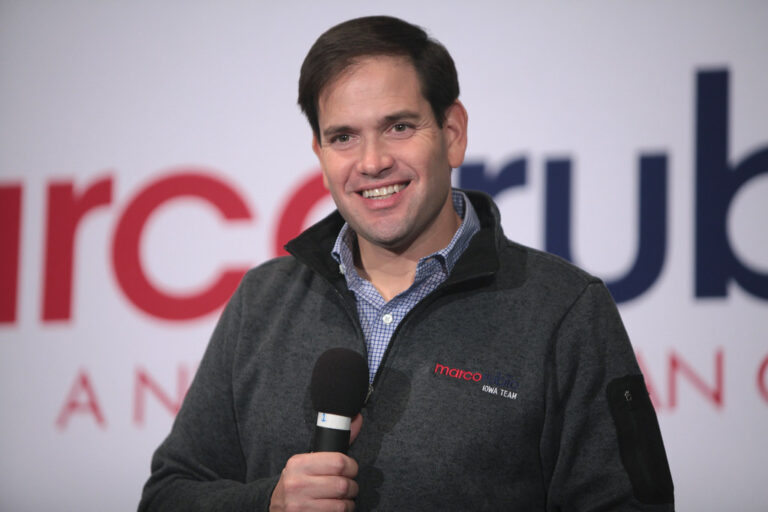
Rubio: Middle East Aims to Expand Abraham Accords, World Excited for Trump’s Return

0

Key Takeaways:

  • Secretary of State Marco Rubio says Middle Eastern leaders want to expand the Abraham Accords.
  • Many people worldwide are excited about Donald Trump returning to the White House.
  • Trump’s leadership is seen as a fresh change after his previous term.

Introduction

Secretary of State Marco Rubio recently shared some interesting insights in a conversation with Breitbart News. He talked about the Abraham Accords and how people around the world feel about Donald Trump’s return to the White House. Let’s break down what he said and why it matters.


What Are the Abraham Accords?

The Abraham Accords are a series of agreements signed in 2020. These deals helped normalize relationships between Israel and several Arab countries, like the United Arab Emirates, Bahrain, and Morocco. The accords were a big deal because they improved peace and cooperation in the Middle East, a region often marked by conflict. The agreements also opened doors to new economic and diplomatic opportunities for the countries involved.


Middle Eastern Leaders Want More

Rubio mentioned that leaders in the Middle East are eager to expand these accords. He said there’s a “strong desire” to build on the progress made in 2020. Expanding the Abraham Accords could mean more countries joining, leading to greater peace and collaboration in the region.

Why is this important? Well, the Middle East has historically been a place of tension. If more countries work together, it could lead to a more stable and prosperous area. Rubio’s comments suggest that there’s optimism about the future of these relationships.


The World Welcomes Trump’s Return

Rubio also talked about how people worldwide are reacting to Donald Trump’s return to the White House. He said, “The world has been dying for” Trump’s “kind of leadership” again. This means many people believe Trump brings a unique style of leadership that they think is needed right now.

What does this mean? Trump’s leadership style is often described as bold and decisive. Some people see him as a strong leader who gets things done, even if his methods are controversial. Rubio’s statement implies that there’s a global interest in seeing what Trump will do next.


What’s Next?

So, what does all this mean for the future? If the Abraham Accords expand, it could lead to more peace and cooperation in the Middle East. At the same time, Trump’s return to the White House could mean a change in how the U.S. approaches foreign policy and international relationships.

Rubio’s comments give us a glimpse into what’s happening behind the scenes. Leaders in the Middle East are looking to build on past successes, and people around the world are watching closely to see what Trump’s next moves will be.


Conclusion

In summary, Secretary of State Marco Rubio shared that Middle Eastern leaders are eager to expand the Abraham Accords, which could lead to greater peace and cooperation in the region. Additionally, he noted that many people worldwide are excited about Donald Trump’s return to the White House, hoping for a fresh kind of leadership.

These developments show how much the world is changing and how different leaders are shaping global politics. As things continue to unfold, it will be important to keep an eye on how these changes impact us all.

Jeff Bezos Memo Sparks Debate on Press Freedom and Ownership

0

Key Takeaways:

  • Jeff Bezos, owner of The Washington Post, sent a memo to staff about changes to the opinion pages.
  • Bezos believes he has control over the newspaper’s direction, despite criticism.
  • The memo has sparked debate about press freedom and the role of media owners.

Jeff Bezos, the billionaire founder of Amazon and owner of The Washington Post, recently sent a memo to the newspaper’s staff. In it, he shared his vision for the future of the paper’s opinion pages. This move has stirred up a lot of discussion about press freedom and the role of media owners.

Who is Jeff Bezos?

Jeff Bezos is a well-known entrepreneur who bought The Washington Post in 2013. At the time, the newspaper was struggling financially. Since then, Bezos has invested heavily in the paper, helping it regain its footing in the competitive world of journalism.

However, Bezos’s involvement has also raised questions. Some critics argue that his ownership could influence the paper’s editorial direction. They worry that Bezos might use the newspaper to promote his own views or interests.

What Did the Memo Say?

In his recent memo, Bezos outlined plans for the opinion section. He suggested that the section would soon “be rebranded and reimagined” to better reflect his vision for the paper. While the exact details of the changes are still unclear, the memo made it clear that Bezos sees himself as having a significant say in the newspaper’s operations.

This has led to criticism from some who believe that owners should not interfere with editorial decisions. They argue that journalists and editors should have the freedom to report and write without undue influence from those in power.

Why is This Important?

The debate over Bezos’s memo highlights a larger issue in journalism: the role of owners in shaping content. Many believe that owners should provide financial support without interfering in editorial decisions. Others argue that owners, like Bezos, have the right to shape the direction of the media they own.

This tension is not new. For decades, there have been concerns about the influence of wealthy individuals and corporations on the media. Critics worry that when owners exert too much control, it can lead to biased reporting or the suppression of certain viewpoints.

What’s Next for The Washington Post?

It’s unclear how the changes to the opinion section will unfold. Some staff members have expressed concern about the memo, while others see it as a necessary step to ensure the newspaper’s survival in a challenging media landscape.

One thing is certain: the debate over press freedom and ownership is far from over. As long as wealthy individuals like Jeff Bezos own major media outlets, questions about their influence will continue to arise.

In the end, the balance between ownership and editorial independence remains a critical issue for journalism. Whether Bezos’s vision for The Washington Post will preserve that balance—or tip the scales—remains to be seen.

Trump and Zelensky’s Oval Office Clash Sparks Tension

0

Introduction: In a tense meeting at the White House, President Trump and Ukrainian President Zelensky engaged in a heated discussion that could shape Europe’s future. The encounter, marked by raised voices, highlighted the strained relations between the two leaders.

Key Takeaways:

  • Trump and Zelensky’s meeting in the Oval Office was filled with tension.
  • The discussion involved shouts and demands for respect.
  • The encounter may influence war and peace in Europe.
  • The meeting’s tone was compared to a barroom brawl.
  • U.S. support for Ukraine’s conflict with Russia was a focal point.
  • The clash could affect U.S.-Ukraine relations and European stability.
  • Trump and Vance emphasized the need for gratitude and respect from Ukraine.

The Heated Exchange: The Oval Office meeting between Trump, Zelensky, and JD Vance was unusually intense. Voices were raised, with Trump and Vance pressing Zelensky for respect and gratitude. The atmosphere was tense, creating a scene more akin to a heated argument than a diplomatic meeting.

What Happened During the Meeting: The discussion focused on U.S. military aid to Ukraine and diplomatic efforts. The leaders spoke over each other, indicating significant disagreement. The meeting’s tone suggested deep-seated frustrations, impacting the collaboration between the two nations.

Reactions and Implications: The clash raises concerns about the future of U.S.-Ukraine relations and European security. Analysts worry about potential setbacks in Ukraine’s conflict with Russia. Domestically, the meeting adds to political debates in the U.S., with varying reactions from lawmakers.

Conclusion: The meeting between Trump and Zelensky underscored the challenges in their relationship, with possible long-term effects on international relations. The future of diplomacy between the U.S. and Ukraine remains uncertain, leaving many to wonder about the implications for global security.

Trump Eyes English as U.S. Official Language: What It Means

0

Key Takeaways:

  • President Trump may soon sign an executive order to make English the official language of the United States.
  • English is already the most widely spoken language in the country.
  • The U.S. currently does not have an official language at the federal level.

A New Chapter for the U.S.: Making English Official

Introduction

Have you ever wondered about the languages spoken in the U.S.? The country is known for its diversity, with people speaking hundreds of languages. Now, President Trump is considering a significant change: making English the official language. But what does this mean for the nation?

Why English?

English is already the most common language in the U.S., used by millions daily. It’s the language of business, education, and government. However, legally, the U.S. has never declared an official language. This new executive order could change that.

Current Language Diversity

The U.S. is a mosaic of languages, from Spanish in the Southwest to Mandarin in urban areas. This diversity enriches our culture but can also create challenges. The idea of an official language is to unify communication but may spark debates on inclusivity.

Pros and Cons of an Official Language

Advantage: National Unity

Supporters argue an official language would strengthen national identity. It could make government services and education more accessible, fostering unity.

Drawback: Cultural Concerns

Critics worry about marginalizing minority languages and cultures. Many see the move as a step toward assimilation, risking the loss of cultural diversity.

Impact on Government

Currently, government services are offered in multiple languages. Making English official might simplify government operations but could also limit access for non-English speakers.

What About Education?

Many schools teach English as a second language. Official status might expand these programs, aiding immigrants and non-English speakers.

The Road Ahead

The decision to make English official will spark national debate. It’s about balancing unity with diversity, ensuring all voices are heard.

Conclusion

As the U.S. considers this change, it’s essential to weigh both sides. The impact on unity, diversity, and access will shape the future. Stay tuned as this story unfolds.

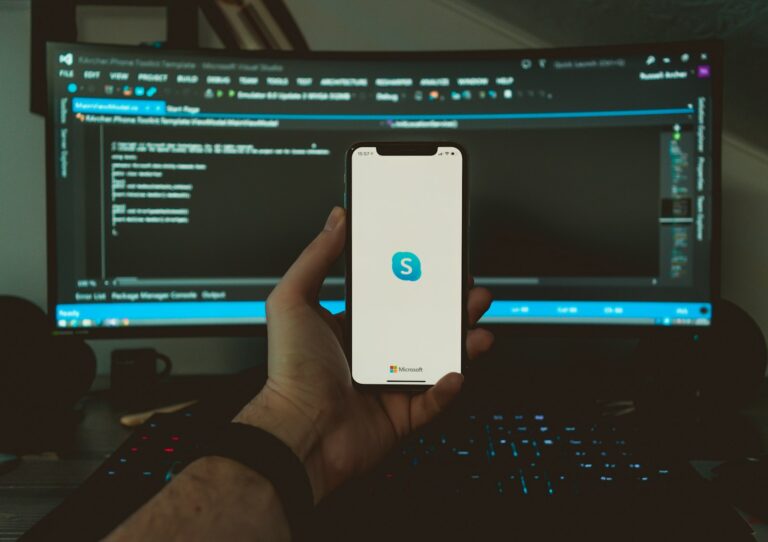
Skype’s Farewell: A Look Back at an Era of Digital Communication

Key Takeaways:

  • Skype, launched in 2003, revolutionized internet calls.
  • Its decline began due to rising competition and failure to innovate.
  • Microsoft is closing Skype on May 5, replacing it with Microsoft Teams.

The Rise of a Pioneer

In the early 2000s, Skype emerged as a pioneer in internet communication. It allowed people worldwide to make free voice and video calls, transforming how we connect. Its user-friendly interface made it an instant hit, bridging distances like never before.

The Fall from Grace

Despite its early success, Skype faced challenges. Competitors like Zoom, Discord, and WhatsApp offered sleeker interfaces and innovative features. Skype’s complexity and technical issues pushed users away. Even the pandemic, which boosted video calling, didn’t revive Skype as Microsoft shifted focus to Teams.

The Shutdown Announcement

Microsoft announced Skype’s retirement for May 5, marking the end of an era. The platform will be replaced by Microsoft Teams, known for seamless integration with Office 365 and advanced features. While some mourn Skype, others welcome the switch to a more modern platform.

What’s Next?

As Skype’s journey ends, users are transitioning to Teams. Microsoft is encouraging imports of Skype contacts and conversations for a smooth shift.


Nostalgia and Goodbye

Skype’s impact on digital communication was significant. Its legacy reminds us of rapid tech evolution. Users are invited to share their Skype memories, celebrating a chapter in communication history.

Trump’s New Executive Order Targets Non-English Speakers

0

Key Takeaways:

  • Trump’s new Executive Order doesn’t make English the official language of the U.S.
  • It affects how government agencies and federally funded organizations provide services in other languages.
  • The Order ends a Clinton-era rule requiring language assistance for non-English speakers.
  • Over 68 million people in the U.S. speak a language other than English at home.
  • The Order may limit access to government services for non-English speakers, mainly affecting Spanish-speaking and non-white residents.

What the Order Really Does

When the White House announced that Trump was signing an Executive Order to make English the official language, many people thought it was a big deal. But here’s the thing: Trump can’t actually make English the official language of the U.S. with an Executive Order. That’s not how it works.

Executive Orders are instructions the President gives to federal agencies. They don’t create new laws. So, what does this Order really do? It changes how the government and organizations that get federal funding provide services in languages other than English.

For years, the government and groups that receive federal money had to offer help and documents in other languages under a rule created by former President Bill Clinton. This was to make sure people who don’t speak English fluently could still access important services. Now, Trump’s Order is undoing that rule.

Under the new Order, government agencies and organizations that get federal funds can choose not to provide services or documents in languages other than English. This means they can stop offering help in Spanish, Chinese, or any other language.

Even though they can choose, the pressure is on. Trump wants fewer non-English services, and federal agencies will likely stop offering them. This could make life harder for many people.


Who Will Be Affected

The U.S. is a country with a lot of diversity. According to the U.S. Census, 22% of people speak a language other than English at home. That’s about 68 million people. Out of these, 13.2% speak Spanish. This means Spanish-speaking individuals will be hit the hardest by Trump’s Order.

Imagine this: You’re a lawful resident or even a citizen who speaks Spanish. You pay taxes, work hard, and contribute to Social Security. But one day, you run into a problem with your Social Security benefits. When you try to contact the Social Security office, no one speaks Spanish. There’s no Spanish-language website or paperwork to help you. This is the situation Trump’s Order could create.

People who speak other languages will also face challenges, but Spanish speakers make up the largest group. This has led many to believe that the Order is targeting non-white residents. It’s not just about language—it’s about who the Order is designed to hurt.


The Bigger Picture

This Executive Order isn’t really about making English the official language. That’s just the excuse. It’s about cutting off access to government services for people who aren’t white or who speak a different language. It’s another step in Trump’s long history of targeting non-white communities.

Think about it this way: If you’re a taxpayer who doesn’t speak English perfectly, you still deserve help. You still deserve access to government services. But under this Order, you might not get it. This is unfair and harmful.

The Order also ignores the reality of the U.S. as a country built by immigrants. Millions of people come here seeking a better life, and many don’t speak English yet. By taking away language assistance, Trump is making it harder for them to succeed.


What’s Next

Trump’s Executive Order is a clear attempt to harm non-white, non-English-speaking residents. It’s part of a larger pattern of policies designed to exclude and punish certain groups. But we can’t stay silent. We need to speak out against this Order and demand fairness for everyone.

What do you think about Trump’s Executive Order? Share your thoughts in the comments below. How do you feel about cutting off access to government services for non-English speakers? Let’s talk about it.

Trump’s Failed Attempt to Bully Zelenskyy Backfires

0

Key Takeaways:

  • Trump and JD Vance attempted to bully Zelenskyy in the Oval Office but faced pushback.
  • Zelenskyy highlighted Putin’s unreliability, citing broken deals and ceasefires.
  • Vance admitted not visiting Ukraine, undermining his arguments.
  • Trump had a tantrum when Zelenskyy suggested the U.S. might understand Ukraine’s struggles.
  • The meeting showcased Trump echoing Putin’s stance, emphasizing gratitude towards him.

Introduction: In an unexpected turn of events, a meeting intended to assert dominance became a moment of humiliation. Trump and Vance aimed to pressure Zelenskyy, but his firm stance left them on the defensive, revealing deeper issues in their approach to diplomacy.

The Meeting Details: The encounter was set against the backdrop of the ongoing Russia-Ukraine conflict. Trump, joined by Vance, sought to influence Zelenskyy’s strategy, but the Ukrainian leader’s resolve was unshakable, exposing the weaknesses in Trump’s tactics.

Zelenskyy’s Points: Zelenskyy detailed past agreements with Putin, emphasizing the futility of diplomacy. He recounted how despite deals, including a ceasefire and prisoner exchange, Putin reneged, leading to continued conflict and loss of life. This historical context underscored the inevitability of further violence.

Vance’s Response and Admission: Vance took a defensive stance, criticizing Ukraine’s conscription practices. However, his admission of never visiting Ukraine weakened his credibility, highlighting a disconnect from the reality on the ground.

Trump’s Tantrum: When Zelenskyy suggested the U.S. might one day empathize with Ukraine’s plight, Trump reacted angrily, denying the possibility. His outburst revealed defensiveness and a startling alignment with Putin’s narratives, raising questions about his motivations.

Broader Implications: The meeting’s dynamics suggest a larger issue in international diplomacy. Trump’s inability to grasp Ukraine’s struggles and his support for Putin’s stance may have significant geopolitical ramifications, signaling a departure from traditional alliances.

Conclusion: The meeting encapsulated the complexities of international relations, where intended dominance met steadfast resistance. It highlighted the challenges of diplomacy and the potential consequences of alignment with adversarial forces, leaving a troubling outlook on global stability.

Trump’s Oval Office Meeting Erupts: A Tense Encounter with Zelenskyy

0

Key Takeaways:

  • Trump attempted to pressure Zelenskyy but faced strong resistance.
  • The meeting ended abruptly, with no agreement reached.
  • The White House is spun the situation to shift blame.
  • Zelenskyy’s firm stance highlighted Trump’s strategic failure.

Introduction: In a dramatic turn of events, a recent meeting between former President Donald Trump and Ukrainian President Volodymyr Zelenskyy ended in chaos. The encounter, intended to discuss critical issues, instead showcased a clash of wills, leaving Trump’s strategy in tatters.

What Happened in the Meeting? The meeting began with Trump aiming to influence Zelenskyy on matters of mutual interest, including a rare minerals deal. However, Zelenskyy stood his ground, refusing to yield to pressure. Reports suggest Trump felt disrespected by Zelenskyy’s demeanor, leading to a heated exchange. The situation escalated when Trump abruptly ended the discussion, leaving an uneaten lunch symbolic of the fractured talks.

What Does This Mean for Trump? This episode marks a significant setback for Trump, highlighting a failure in his approach to international diplomacy. His inability to sway Zelenskyy undermines his image as a shrewd leader, raising questions about his tactics and judgment. The White House’s efforts to spin the narrative indicate an attempt to mitigate the political fallout.

Conclusion: Trump’s failed meeting with Zelenskyy underscores the challenges he faces in his political comeback. The incident reflects a wider struggle to exert influence on the global stage. Share your thoughts: Do you think Zelenskyy’s stance was justified, or did Trump’s approach have merit? Let us know in the comments.

Trump and Zelensky Clash in Heated Oval Office Meeting

0

Key Takeaways:

  • President Donald Trump and Vice President JD Vance had a tense argument with Ukrainian President Volodymyr Zelensky.
  • The meeting highlighted a stark personality clash between Trump and Zelensky.
  • Zelensky was seen as arrogant and ungrateful, while Trump seemed unaware of Ukraine’s struggles with Russia.
  • The clash could strain U.S.-Ukraine relations.

A Heated Exchange in the Oval Office

In a shocking turn of events, a meeting between President Donald Trump, Vice President JD Vance, and Ukrainian President Volodymyr Zelensky turned into a heated argument. The discussion took place in the Oval Office on Friday, leaving many stunned by the tension between the two leaders.

The meeting was meant to discuss important issues, but it quickly turned sour. Zelensky, known for his strong personality, came off as arrogant and ungrateful. He struggled to show appreciation for U.S. support, which didn’t sit well with Trump. On the other hand, Trump seemed out of touch with Ukraine’s concerns, especially regarding Russia’s influence in the region.

This clash of personalities has raised concerns about the future of U.S.-Ukraine relations. Both leaders failed to find common ground, leaving the meeting with more problems than solutions.


Different Personalities, Different Approaches

President Trump and President Zelensky have very different ways of handling things. Zelensky, who rose to fame as a comedian before becoming president, is known for his bold and sometimes confrontational style. He has been open about his frustrations with the slow pace of international aid to Ukraine.

Trump, on the other hand, has always been a straightforward and confident leader. He often speaks his mind and expects respect in return. During the meeting, Trump reportedly showed little interest in Ukraine’s concerns about Russia. This lack of understanding added to the tension.

Their personalities clashed like fire and ice. Zelensky’s perceived arrogance and Trump’s apparent dismissal of Ukraine’s struggles created a toxic atmosphere. The argument quickly escalated, with both sides raising their voices.


What This Means for U.S.-Ukraine Relations

This heated exchange could have serious consequences for U.S.-Ukraine relations. Ukraine relies heavily on American support to counter Russia’s aggressive actions. If Trump and Zelensky can’t work together, it could weaken Ukraine’s position.

Both leaders have responsibilities. Zelensky needs to show more gratitude and understanding, while Trump must pay closer attention to Ukraine’s struggles. If they can’t bridge their differences, the partnership between the two nations could suffer.


A Clash of Egos?

Some say the argument was less about policy and more about egos. Zelensky and Trump are both strong-willed leaders who don’t back down easily. Their inability to compromise led to the heated exchange.

For example, Zelensky reportedly criticized Trump for not doing enough to help Ukraine. Trump fired back, questioning Zelensky’s leadership and saying Ukraine wasn’t doing enough to fight corruption. The conversation quickly broke down.


The Role of Vice President JD Vance

Vice President JD Vance was also present at the meeting. He reportedly tried to calm things down but struggled to make progress. Vance has been a strong supporter of Ukraine, but even he couldn’t ease the tension.

Vance’s involvement shows how important this meeting was. However, his efforts weren’t enough to prevent the argument. The clash between Trump and Zelensky overshadowed any attempts at diplomacy.


Looking Ahead

The argument between Trump and Zelensky is a wake-up call for both leaders. They need to find a way to work together, even if they don’t see eye to eye.

For Ukraine, this means being more mindful of how it communicates with its allies. Zelensky must learn to balance his boldness with diplomacy. For Trump, it means paying closer attention to Ukraine’s needs and showing more empathy.

The U.S.-Ukraine partnership is too important to let personal differences get in the way. Both leaders must put their egos aside and focus on the bigger picture.


Conclusion

The heated argument between Trump and Zelensky in the Oval Office is a reminder of the challenges of international diplomacy. Personality clashes and misunderstandings can quickly derail even the most important discussions.

Both leaders have a responsibility to their nations and the world to find common ground. If they can’t, the consequences could be severe, especially for Ukraine as it continues to face threats from Russia.

As the situation unfolds, one thing is clear: Trump and Zelensky need to work on their relationship if they hope to achieve anything meaningful.

Stay tuned for updates on this developing story.

9 Months Later, Trump Assassination Attempt Still a Mystery

0

Key Takeaways:

  • A 20-year-old man named Thomas Matthew Crooks tried to assassinate Donald Trump at a rally nine months ago.
  • Crooks left no clear reason for his actions, leaving everyone confused.
  • The FBI has reportedly blocked efforts to uncover the truth, frustrating local police, friends, and family.
  • This remains one of the most baffling unsolved mysteries in recent U.S. history.

A Shocking Attempt with No Clear Motive

It’s been nearly a year since a young man named Thomas Matthew Crooks shocked the nation. On a day like any other, Crooks tried to assassinate Donald Trump during a rally in Butler. What happened that day left everyone stunned, but what’s even more puzzling is why it happened.

Crooks, who was 20 at the time, seemed like an ordinary guy. To those who knew him, he was quiet and kept to himself. He didn’t leave behind a manifesto or any clues that might explain his actions. All we know is that he acted alone, and his attempt failed. But the big question remains: what drove him to do this?


A Case Shrouded in Silence

The FBI took charge of the investigation, but nine months later, there are still no answers. Sources say the FBI has been secretive about the case, making it hard for local law enforcement to piece together what really happened. Even Crooks’ friends and teachers are left scratching their heads.

This silence has caused frustration for many. Local police officers and investigators feel blocked from solving the mystery. Meanwhile, Crooks’ former classmates and family members are struggling to make sense of his actions. Why would someone so young and seemingly unremarkable attempt such a drastic act?


The Puzzling Profile of Thomas Crooks

When you look at Thomas Crooks’ life, there’s nothing that stands out as a clear warning sign. He didn’t have a history of violence or radical behavior. His social media profiles didn’t hint at any extreme views or anger toward Trump. In fact, he seemed like the kind of person you’d pass by without a second glance.

This makes the whole situation even more baffling. Was this a spur-of-the-moment decision, or was there a deeper motivation? Did something in his life trigger this attempt, or was it all just a random act? These are the questions everyone wants answered.


The Ripple Effect on Local Law Enforcement

The lack of information has also put local law enforcement in a tough spot. Normally, after such an event, police departments work closely with federal agencies to uncover the truth. But in this case, the FBI has reportedly been tight-lipped, leaving local officers without the details they need to understand the case better.

This has made it difficult for authorities to even speculate about Crooks’ motives. Without more information, it’s like trying to solve a puzzle with missing pieces.


A Mystery That Refuses to Fade Away

Nearly a year has passed since the attempt, but the questions linger. Why did Crooks do what he did? Was he acting alone, or was there someone else involved? And why is the FBI being so secretive about the case?

The lack of answers has left a cloud of uncertainty over everyone involved. For Crooks’ loved ones, it’s hard to move on without knowing why their son, brother, or friend would resort to such extreme actions. For the public, it’s a reminder that sometimes, even the most shocking events can leave us with more questions than answers.


The Importance of Closure

Cases like this remind us how important it is to uncover the truth. For the victims and their families, closure can be a lifeline. In this case, however, that closure has yet to come.

As the months drag on, frustration grows. Why is the FBI holding back information? What could they be hiding? And what does this mean for future investigations? These are the questions on everyone’s mind.


A Call for Answers

The attempted assassination of Donald Trump is more than just a headline. It’s a reminder of how fragile life can be and how quickly things can escalate. But it’s also a reminder of how important transparency is in such cases.

As we wait for answers, one thing is clear: the truth matters. Whether it’s nine months or nine years later, the public deserves to know why. Until then, the mystery of Thomas Matthew Crooks will continue to haunt us.