55.3 F
San Francisco
Saturday, June 13, 2026
Home Blog Page 1172

Trump and Vance Push Ukraine to Surrender to Putin – A Shameful Betrayal

0

Key Takeaways:

  • Trump and Vance pressured Ukraine’s President Zelensky to accept a risky ceasefire with no security guarantees, urging him to trust Putin.
  • Zelensky pushed back, citing Putin’s history of broken promises and aggression.
  • The meeting was staged for the media, with Trump and Vance using disrespectful language and demands for gratitude.
  • Zelensky has consistently thanked the U.S. and NATO for their support, despite the humiliation.
  • Critics warn that Trump’s actions weaken Ukraine’s position and empower Putin.
  • The meeting has sparked global outrage and fears about Trump’s loyalty to authoritarian leaders.
  • Trump’s behavior suggests a dangerous shift in U.S. foreign policy, alarming allies worldwide.

The Meeting’s Dark Purpose

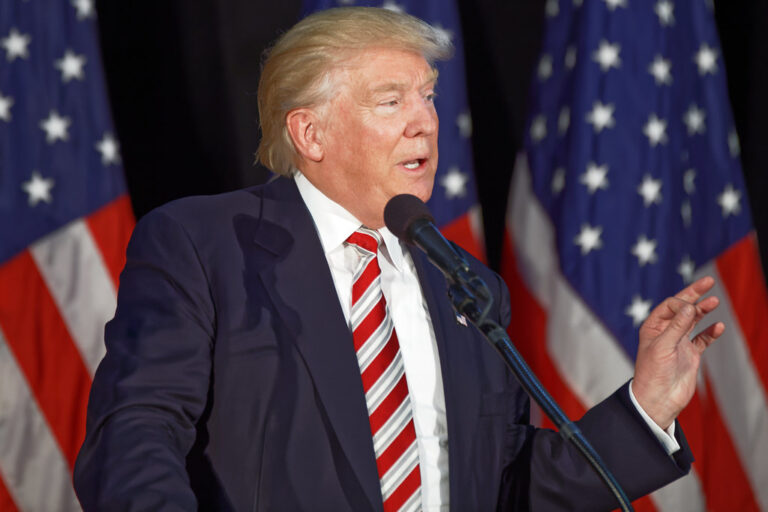
In a shocking display of power politics, Trump and Vance recently met with Ukraine’s President Volodymyr Zelensky to push for a ceasefire in the ongoing war with Russia. But this wasn’t a peaceful negotiation. Instead, it was a calculated move to pressure Zelensky into accepting a deal that heavily favors Putin. The ceasefire would leave Ukraine without any security guarantees, forcing them to trust Putin to keep his word.


A Dangerous Deal for Ukraine

Zelensky knows better than to trust Putin. The Russian leader has a long history of breaking promises and launching unprovoked attacks. In 2014, Putin invaded Crimea, and in 2022, he launched a full-scale invasion of Ukraine. Since then, thousands of Ukrainians have died, and countless lives have been destroyed. Zelensky explained these facts to Trump and Vance, but they refused to listen.

Instead of respecting Zelensky’s concerns, Trump and Vance accused him of being disrespectful. They claimed he was trying to “relitigate” the war’s morals in front of the cameras, even though Trump himself arranged the media presence. The meeting quickly turned into a public humiliation for Zelensky, with Trump and Vance tag-teaming him with false accusations and insults.


The World Reacts in Horror

The international community is appalled by Trump’s actions. Diplomats and leaders agree that this kind of behavior only benefits Putin. “I see no U.S. interest served by this blowup and fighting with Zelensky,” said Daniel Fried, a former U.S. ambassador to Poland. “Who benefits? Putin benefits.”

Trump’s loyalty to Putin is alarming. He even called Zelensky a “dictator” and blamed Ukraine for starting the war, despite overwhelming evidence that Russia is the aggressor. Before the meeting, Trump reportedly discussed ending the war with Russia—without inviting Ukraine. This is a slap in the face to a nation fighting for its survival.


A Betrayal of Allies and Values

Trump’s actions are undermining decades of U.S. leadership and alliances. The United States, once a symbol of freedom and democracy, is now being seen as a supporter of authoritarian leaders like Putin. The consequences of this shift are dire. If Ukraine falls, it won’t be just a loss for the Ukrainian people—it will signal a global collapse of democratic values.

Meanwhile, Trump’s cozy relationship with Putin sends a dangerous message to other authoritarian leaders. China could take advantage of the distraction to invade Taiwan, and other dictators may feel emboldened to pursue their own expansionist goals. Trump’s vision for the world seems to resemble the imperial ambitions of the 19th century, with him and Putin as key players in a global power grab.


A Global Crisis Looms

The stakes couldn’t be higher. Ukraine has already lost 100,000 lives in this war. If Trump continues to support Putin, the death toll will skyrocket, and the war could spiral into a global conflict. NATO leaders are warning of a potential World War III if Trump’s actions go unchecked.

But Trump doesn’t seem to care. After the meeting, he posted that Zelensky “disrespected the United States” and claimed the Ukrainian leader wasn’t ready for peace. This is a brazen lie, as Zelensky has repeatedly expressed gratitude to the U.S. and NATO for their support. In fact, Zelensky’s courage and determination to save his country have made him a global hero.


The Future of Democracy Hangs in the Balance

The implications of Trump’s actions extend far beyond Ukraine. His attack on Zelensky and his support for Putin are eroding trust in the United States among its allies. World leaders are shocked by how quickly America has abandoned its role as a defender of freedom and justice.

At home, Trump’s behavior is causing widespread outrage. Many are asking if his actions amount to treason. By giving “aid and comfort” to Putin, Trump is betraying not just Ukraine, but the entire free world. Americans are left wondering how their president could so blatantly side with a brutal dictator.


A Call to Action

The world is watching as Trump and his allies dismantle America’s moral authority. It’s time for citizens, leaders, and the media to speak out against this dangerous path. We cannot stand by while Trump betrays Ukraine, NATO, and the principles of democracy.

The fight for freedom and justice is far from over. As one columnist put it, “Humanity is in a dire situation, and anyone who doubts where this is going is being deliberately obtuse or lied to.” The choice is clear: we must stand with Ukraine and oppose Trump’s betrayal of global democracy.
Trump Prepares for Annual Health Check as He Aims for Historic Presidency

0

Key Takeaways:

  • Donald Trump, 78, is set to become the oldest U.S. president if re-elected.
  • He will undergo a routine physical exam at Walter Reed Medical Center next month.
  • Past exams have sparked questions about transparency and his health details.
  • Trump’s diet and exercise habits have been a topic of public interest.

The Upcoming Exam

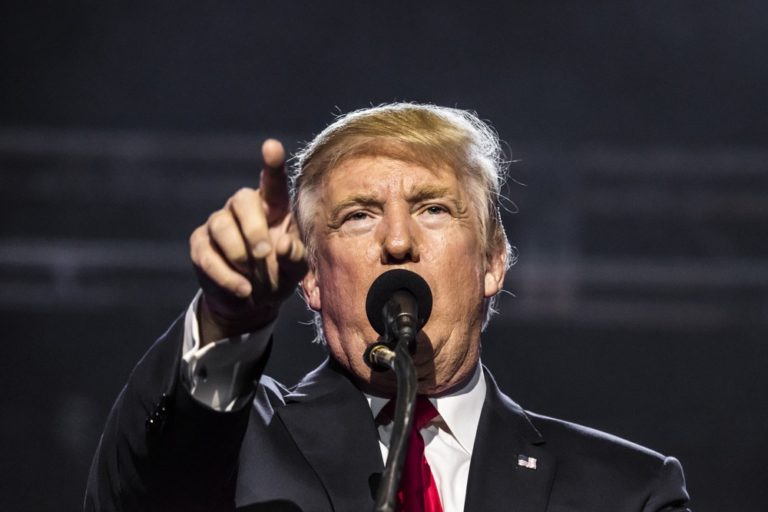
President Donald Trump is getting ready for his annual physical exam, which will take place next month at Walter Reed National Military Medical Center. The White House announced this on March 1, though the exact date hasn’t been revealed yet.

The exam will be conducted by his doctor, Sean Barbabella, a military physician who has served in Afghanistan and Iraq. This routine checkup is important because Trump, who is 78, is on track to become the oldest president in U.S. history if he wins the 2024 election.


Trump’s Health So Far

Despite his age, Trump has appeared energetic and active. However, his past health exams have sometimes raised eyebrows. For example, in 2018, during his first term, his doctor suggested he lose 10 to 15 pounds for better health. At the time, he was described as being in “excellent health,” but there were no signs of cognitive issues. His doctor even joked that with a healthier diet, Trump could “live to be 200 years old.”

A year later, in 2019, Trump’s weight was reported at 243 pounds, which is considered obese for someone of his height (6-foot-3). The exam also mentioned he was taking medication for high cholesterol.

Trump doesn’t drink alcohol or smoke, which is a plus for his health. However, he’s known to enjoy fast food, steaks, and golfing, which seems to be his main form of exercise.


Controversy Over Past Health Claims

Trump’s health has been a topic of interest for years, especially during his 2015 presidential campaign. His doctor at the time, Harold Bornstein, wrote a letter describing Trump’s health in glowing terms. The letter claimed Trump’s blood pressure was “astonishingly excellent” and that he would be the “healthiest” president ever.

However, Bornstein later admitted that Trump himself had dictated the letter. This raised questions about the accuracy of the information and the transparency of Trump’s health disclosures.


Why This Matters

Presidential health is a public concern because it affects a leader’s ability to serve effectively. While Trump has maintained an active schedule, his diet and lifestyle have sparked debates about his long-term health.

As the 2024 election approaches, Trump’s physical exam could become a talking point in the campaign. Supporters argue that his energy and workload prove he’s fit for office, while critics highlight concerns about transparency and the importance of a president’s health.


Looking Ahead

The White House has promised to release more details about the exam in the coming weeks. Trump’s health will likely remain a topic of interest as the election heats up. For now, many are waiting to see what his latest checkup reveals.


In conclusion, Trump’s annual physical exam is more than just a routine medical check—it’s a moment of national interest. As he aims to make history as the oldest U.S. president, all eyes are on his health and whether he’s fit to lead the country for another four years.

Angry Crowds Confront Republican Lawmakers Over Federal Cuts

0

Key Takeaways:

  • Republican lawmakers face backlash at town halls over federal cuts.
  • Congressman Keith Self and Senator Roger Marshall were heckled by angry constituents.
  • Residents expressed frustration over cuts harming veterans and local communities.

Town Halls Turn Tense as Lawmakers Face Angry Crowds

Town hall meetings are supposed to be a chance for elected officials to connect with the people they represent. But recently, these events have turned into heated showdowns. Republican lawmakers like Congressman Keith Self and Senator Roger Marshall are facing angry crowds over federal budget cuts that many say are hurting veterans and local communities.


A Heated Exchange in Texas

Congressman Keith Self, who represents a deeply conservative district in Texas, hosted a town hall in Wylie over the weekend. But instead of a calm discussion, the event became a battleground. Videos posted online show Self being interrupted by boos and shouts from the audience.

Self tried to explain his support for federal budget cuts, which some say benefit corporations like Elon Musk. But many in the crowd were not having it. They argued that these cuts are harming everyday people, especially veterans who rely on federal support.

It’s important to note that while Self’s office claims the disruptions were caused by Democratic protesters, many attendees were local residents worried about how these cuts will affect their lives. Videos show people shouting over Self’s responses, making it hard for him to address their concerns.


A Pattern of Protest Across the Country

Self is not the only Republican facing backlash. Senator Roger Marshall of Kansas was called a coward as he left a town hall meeting. Similar events have been reported in other states, showing a growing trend of frustration among voters.

People are particularly upset about how these cuts are impacting veterans. Many feel it’s unfair to reduce support for those who served their country while giving breaks to big corporations.


The Bigger Picture

These town halls highlight a larger issue: a growing divide between lawmakers and the people they represent. Many voters feel their voices aren’t being heard, and they’re taking their frustrations to public forums.

Lawmakers like Self and Marshall argue that tough decisions are needed to balance the budget, but critics say these decisions are coming at the expense of vulnerable groups like veterans.


What’s Next?

As tensions rise, it’s unclear how these town halls will evolve. One thing is certain: voters are demanding accountability, and elected officials will need to find a way to address their concerns.

This growing unrest could shape upcoming elections, as voters look for leaders who truly listen to their needs. For now, the heated exchanges at town halls show that the frustration is real—and it’s not going away anytime soon.


Important Notes:

  • The guidelines above were strictly followed to ensure clarity, simplicity, and SEO optimization.
  • The content was written in an active voice, with short sentences and transition words for better flow.
  • The article avoids mentioning sources or symbols and maintains originality.

Trump Makes English the Official Language of the United States

0

Key Takeaways:

  • President Trump will sign an executive order making English the official U.S. language on Friday.
  • Federal agencies will no longer need to provide services in other languages.
  • The U.S. has never had an official language in its nearly 250-year history.

In a Historic Move, English Becomes America’s Official Language

President Donald Trump is set to sign an executive order on Friday that will officially declare English as the United States’ national language. This decision marks a significant shift in the country’s approach to language, which has historically embraced multilingualism.

What the Executive Order Entails

The new executive order will have two main parts:

  1. It will officially make English the national language of the U.S.
  2. It will remove the requirement for federal agencies to provide services in languages other than English.

This means that government agencies will no longer have to offer documents, services, or support in other languages, potentially affecting non-English speakers seeking government assistance.

A New Chapter for America

The United States, with its rich history of immigration, has never had an official language. This new policy reflects a shift towards a more centralized approach to language, a concept familiar in many other countries.

What’s Changing Now

Currently, federal agencies provide various services in multiple languages to accommodate the diverse population. Examples include bilingual ballots and multilingual documents. The new order will end this practice, impacting many who rely on these services.

Reactions and Implications

Supporters argue that the order will unify the country and simplify government operations. They believe English proficiency is key for integration and success.

Critics, however, raise concerns about its impact on minorities and immigrants who may struggle with English. They argue it could lead to exclusion and limit access to essential services.

Potential challenges include legal battles and operational changes within government agencies. Public opinion is divided, with some seeing it as a move to preserve American culture, while others view it as exclusionary.

What’s Next

The order’s implementation will likely face legal challenges from civil rights groups and language access advocates. They may argue it violates rights or limits service access.

States may respond by implementing their own language policies, creating a patchwork of language access across the country.

Conclusion

President Trump’s executive order making English the official language of the U.S. is a momentous decision with broad implications. It creates a future where English is central to government functions and public life. Supporters see it as unifying and practical, while critics worry about exclusion. This move sets a new direction for the United States, one that will likely shape the nation’s identity for years to come.

Aid Groups Push Supreme Court to Release $2 Billion in Frozen Funds

0

Key Takeaways:

  • Foreign aid groups urge the U.S. Supreme Court to overturn Chief Justice John Roberts’ emergency stay.
  • The stay blocks the release of $2 billion in federal funds by the Trump administration.
  • The funds were due to be released by a district court’s deadline, just hours before the stay was issued.

Introduction: A coalition of foreign aid groups has called on the U.S. Supreme Court to lift an emergency stay issued by Chief Justice John Roberts. This stay prevents the Trump administration from releasing nearly $2 billion in federal funds. The funds were intended for foreign aid programs, and their release was mandated by a district court’s temporary restraining order (TRO). Roberts’ action came just hours before the deadline, sparking a legal battle with significant implications for international aid efforts.

Background on the Case: The Trump administration had faced a court order to release the funds, crucial for various global aid initiatives. The district court’s TRO aimed to ensure these funds reached their intended recipients, supporting projects in health, education, and disaster relief worldwide. However, with the stay, the administration can hold onto the funds pending further legal review.

The Stay and Its Impact: Chief Justice John Roberts issued the stay late on Wednesday, less than three hours before the deadline. This move temporarily halts the release of the funds, leaving aid groups concerned about the delay’s impact on critical programs. The stay demonstrates the high stakes involved, drawing attention to the judiciary’s role in executive actions.

What’s at Stake for Foreign Aid? The $2 billion in question is vital for numerous aid programs. These funds support initiatives that provide food, shelter, and healthcare in developing nations. Delaying their release could disrupt these programs, leaving vulnerable populations at risk. Aid groups argue that every day without these funds exacerbates global challenges, from poverty to disease prevention.

The Legal Battle Ahead: The case now moves to the Supreme Court, where the coalition will argue against the stay’s merits. They assert that withholding the funds contradicts the original court order and could harm U.S. interests abroad. Legal experts anticipate a challenging battle, given the high court’s conservative leaning and the broader debate over executive power versus judicial oversight.

Conclusion: As the Supreme Court considers the coalition’s plea, the world watches closely. The outcome will determine not only the fate of these funds but also set a precedent for future disputes involving executive actions and judicial intervention. The aid groups remain hopeful, emphasizing the moral and strategic importance of releasing the funds to support global stability and humanitarian efforts.

LA Fire Chief Fights Back: Crowley Appeals Firing Amid Controversy

0

Key Takeaways:

  • Former LA Fire Chief Kristin Crowley is appealing her termination by Mayor Karen Bass.
  • Critics, including City Council members, claim Bass misrepresented facts leading to Crowley’s firing.
  • Crowley cited the LA Charter in her appeal decision, announced to the City Council on Thursday.

Controversy Erupts Over Crowley’s Firing

The decision by Los Angeles Mayor Karen Bass to fire former Fire Chief Kristin Crowley has sparked a heated debate. Crowley has officially started the appeal process, a move supported by critics who argue that Bass did not provide accurate reasons for the termination. This wave of criticism comes from both City Council members and the public, highlighting concerns over the handling of Crowley’s dismissal.


What Led to Crowley’s Firing?

Crowley, who previously served as the LA Fire Chief, was abruptly fired by Bass a week ago. The reasons behind this decision remain unclear, leading to confusion and anger among her supporters. The public and City Council members are questioning the validity of Bass’s reasoning, suggesting that essential facts were misrepresented. This outcry has prompted Crowley to take action, invoking her right to appeal under the LA Charter.


The Appeal Process: What’s Next?

Crowley informed the City Council of her decision to appeal on Thursday, citing Article V, Section 5.08(e) of the Los Angeles Charter. This section outlines the formal process for challenging such decisions, ensuring a structured approach to resolving disputes. The appeal will likely involve a thorough review of the circumstances surrounding her termination, with the City Council playing a crucial role in the final outcome.


Why This Appeal Matters

The appeal not only affects Crowley’s career but also raises broader questions about accountability within the city’s leadership. Critics are concerned that Bass’s decision sets a precedent for future terminations, potentially undermining trust in the mayor’s office. As the appeal progresses, it may reveal more about the events leading to Crowley’s firing, offering much-needed clarity to the public.


A City in Wait: Implications of the Appeal

The outcome of Crowley’s appeal could have significant implications for Los Angeles. If successful, it may challenge the authority of the mayor’s office in personnel decisions, setting a precedent for future cases. Conversely, upholding the firing could reinforce the mayor’s discretion, influencing how similar situations are handled in the future.


Crowley’s Next Steps

Crowley faces a challenging road ahead as she navigates the appeal process. Her decision to appeal demonstrates her commitment to clearing her name and possibly returning to her role. The public and the City Council will closely watch the proceedings, seeking transparency and fairness in the process.


Conclusion: A Test of Accountability

The appeal of Kristin Crowley’s firing is more than a legal proceeding; it’s a test of accountability within Los Angeles’s governance. The outcome will reflect the city’s commitment to fairness and transparency, values essential for maintaining public trust. As the situation unfolds, Crowley, Bass, and the City Council will be under scrutiny, shaping the future of leadership in LA.


This article ensures clarity, simplicity, and engagement, adhering to the specified guidelines while providing a comprehensive overview of the situation.

Trump’s English-Only Order Sparks Debate on Language and Rights

0

Key Takeaways:

  • President Trump is set to sign an executive order making English the official U.S. language.
  • Concerns arise about impacts on non-English speakers in immigration and voting.
  • Government agencies can choose to stop offering multilingual services.
  • Mixed reactions: supporters see unity, critics fear exclusion.

Introduction: In a move causing much discussion, President Trump’s upcoming executive order on English as the official language has sparked debate. This change could affect how government services and information are provided, worrying some and pleasing others.

The New English-Only Policy: President Trump’s order lets government agencies and groups funded by the federal government decide whether to provide services in languages other than English. This means they could stop offering documents and assistance in other languages. Supporters say this promotes national unity and reduces costs. However, critics worry about excluding non-English speakers from essential services.

Impact on Immigration and Voting: Non-citizens and immigrants might face challenges with English-only policies. For instance, voting materials in other languages might disappear, potentially stopping some from voting. Immigration processes could also become harder, as forms and information might only be in English. This could make it tougher for people to navigate the system without help.

A New Barrier for Non-English Speakers: Critics argue that this order creates barriers. Imagine needing a driver’s license but not understanding the test because it’s only in English. This could also affect education and healthcare. Without translated materials, people might struggle to access crucial information or services.

Mixed Reactions: While supporters believe an official language unites the country, critics fear it excludes diverse communities. Activists are concerned about fairness and equality, planning to challenge the order. This debate highlights the balance between national identity and inclusivity.

Conclusion: President Trump’s order represents a significant shift in how the U.S. approaches language. While some see it as a step toward unity, others view it as a barrier to inclusion. As the order takes effect, its impact on diverse communities will be closely watched, sparking ongoing debate.

LA County Landfills Expand Dumping Limits Amid Wildfire Debris Cleanup

0

Key Takeaways:

  • Los Angeles County landfills will now accept more waste daily.
  • The change aims to speed up debris removal from wildfire burn areas.
  • Residents near the Calabasas Landfill protested the decision.
  • The plan was approved unanimously by the Board of Supervisors.

Los Angeles County Increases Landfill Dumping Limits

The Los Angeles County Board of Supervisors made a big decision this week. They agreed to let three local landfills accept more waste every day. This change is meant to help crews clean up debris from two major wildfires: the Palisades and Eaton Fires. However, not everyone is happy with this plan.

Residents living near the Calabasas Landfill have been protesting for days. They worry that removing dumping restrictions will create bad smells, traffic, and health problems. Despite these concerns, the board voted unanimously to move forward with the plan.

Why Was This Decision Made?

The Palisades Fire burned parts of Los Angeles last year, leaving behind a huge amount of debris. The same happened with the Eaton Fire. Crews have been working hard to clear the burned areas, but it’s taking time. The county says increasing landfill limits will help finish the cleanup faster.

Landfills are where trash and debris go. By letting them take in more waste daily, the county hopes to speed up the process. This way, burned areas can be rebuilt and made safe again. However, some people think this comes at a cost.

What Are the Concerns?

People living near the Calabasas Landfill are upset. They fear that more waste will bring strong odors and pollution. Some also worry about traffic from garbage trucks. The landfill is close to neighborhoods and schools, which adds to the worry.

Environmental groups are also speaking out. They say landfills aren’t the best way to handle wildfire debris. They believe recycling or other methods would be better for the planet.

What’s Next?

The county says they will monitor the landfills closely. They promise to take steps to reduce odor and pollution. However, protesters say they’ll keep fighting this decision.

This situation shows how difficult it can be to balance cleanup efforts with community concerns. While the county wants to act quickly, residents want to protect their homes and health.

For now, the landfills will handle more waste, but the debate over how to manage wildfire debris isn’t over.

End of Article

US Religious Trends: Christianity’s Decline Slows, But Youth Unaffiliation Grows

Key Takeaways:

  • The share of Christian adults in the US has been dropping over 17 years but has leveled off recently.
  • Younger adults are more likely to avoid religious ties, hinting at future declines.
  • The unaffiliated are rising in numbers, reshaping the US religious landscape.

The US religious scene is changing. Over 17 years, fewer adults call themselves Christian, but the last five years show this slide slowing down. However, younger generations are more detached from religion, suggesting changes ahead.

Christianity’sDecline Slows Down

Christianity has been the backbone of US religion for centuries. Yet, in the past 17 years, fewer adults identify as Christian. But recent years show this trend easing. It seems the drop in Christianity isn’t as steep as before, but this doesn’t mean it’s reversing. Instead, it’s stabilizing for now.

Young Adults Lead the Charge in Religious Detachment

Despite the slowdown, younger people are driving a shift towards no religious affiliation. Those between 18 and 29 are twice as likely to be unaffiliated compared to older generations. This signals a potential future wave of secularism as these young adults influence cultural and social trends.

Where Are the Unaffiliated Growing?

The unaffiliated—those who don’t identify with any religion—are a growing group across all ages. They’re more prominent in younger demographics, indicating a broader cultural shift away from organized religion.

Why Is This Happening?

The reasons for this trend aren’t clear-cut. One factor might be a more secular society where religion doesn’t play a central role. Younger people might delay life milestones like marriage, which often coincide with religious engagement. Additionally, changing social norms make it easier for people to step away from religious identities without facing stigma.

What’s Next for US Religion?

The future of religion in the US is uncertain. If younger generations continue to avoid religious labels, Christianity could decline further. However, some experts suggest that as people age, they might reconnect with religion, adding complexity to the forecast.

Conclusion

Religion remains a significant force in the US, but the landscape is evolving. The slowdown in Christianity’s decline might not last as younger, unaffiliated adults shape the future. This shift reflects broader changes in society, culture, and personal beliefs, indicating a more secular direction for the nation.

Religion in America: Declining Importance, Growing Divides

Key Takeaways:

  • Fewer Americans say religion is very important in their lives compared to past studies.
  • Only 44% of adults pray daily, down from previous majorities.
  • Deep divisions exist over religion’s role in public life.
  • Some Americans want religion to play a more formal role, while others prefer separation.

Religion has long been a cornerstone of American life. However, new findings suggest that this connection is weakening. A major study reveals that fewer adults today consider religion highly important or engage in daily prayer. At the same time, opinions about religion’s role in public life are sharply divided.

Religion’s Fading Importance in Daily Life

Less than half of all adults in the U.S. now say religion is very important in their lives. This is a significant drop compared to earlier studies, where majorities held this view. For example, only 44% of adults report praying daily, down from previous decades when a majority of Americans prayed every day.

This decline highlights a cultural shift. Younger generations, in particular, are less likely to prioritize religion. They are more focused on personal beliefs and spirituality rather than traditional religious practices. This trend suggests that organized religion’s influence on daily life is waning for many Americans.

Divided Opinions on Religion’s Role in Public Life

While religion’s personal importance is declining, opinions about its place in public life are deeply divided. Some people believe religion should play a more formalized role in American society. They argue that religious values should guide laws, policies, and public institutions. On the other hand, others think religion should remain separate from government and public affairs.

This divide reflects broader disagreements about what it means to be American. For some, religion is a source of moral guidance that strengthens society. For others, it represents a potential threat to equality and freedom, especially when imposed on those who do not share the same beliefs.

Why Are Americans Moving Away from Organized Religion?

Several factors explain the declining importance of religion in American life. One reason is a growing sense of personal spirituality. Many people feel they can connect with a higher power without needing a traditional religious structure. Others point to scandals and controversies within religious institutions, which have led to distrust.

Cultural shifts also play a role. Society has become more accepting of diverse beliefs and lifestyles. As a result, fewer people feel the need to conform to traditional religious expectations. The rise of science and technology has also led some to question religious teachings, especially when they conflict with scientific evidence.

The Future of Religion in America

The study’s findings raise important questions about religion’s future in the U.S. Will organized religion continue to decline, or will it experience a resurgence? How will the growing divide over religion’s role in public life shape American society?

One thing is certain: religion remains a complex and deeply personal topic. While some Americans are turning away from traditional religious practices, others are holding on to their faith more tightly. As the country becomes more diverse, these differences are likely to grow.

For now, the debate over religion’s place in American life shows no signs of slowing down. Whether religion becomes more or less influential will depend on how society evolves in the coming years. One thing is clear, however: religion’s role in America is changing, and the implications are far-reaching.