55.1 F
San Francisco
Saturday, June 13, 2026
Home Blog Page 1174

Trans Pilot Faces Threats Amid False Claims and Military Policy Changes

0

Key Takeaways:

  • Jo Ellis, a transgender pilot, faces threats due to false online claims linking her to a fatal air crash.
  • She now carries a gun for safety and has had to secure her home with armed guards.
  • Ellis’s military career is at risk due to a Pentagon memo targeting transgender troops.
  • She has been a victim of disinformation and political attacks against the transgender community.
  • Ellis is determined to continue her military service despite the challenges.

Trans Pilot Faces Threats Amid False Claims and Military Policy Changes

Jo Ellis, a 35-year-old transgender pilot in the Virginia Army National Guard, is living in fear. False online claims have linked her to a deadly air crash, and she’s now receiving countless threats. To protect herself, she carries a gun wherever she goes and has hired armed guards to secure her home.

The situation began when a fatal helicopter crash in late January killed everyone on board. Social media posts falsely claimed Ellis was one of the pilots involved. These posts, shared on platforms like Facebook and X, spread quickly. Some even suggested the crash was a “trans terror attack.”

Ellis first learned about the rumors when her friends sent her screenshots of the false claims. One post accused her of being the pilot who “killed those people in the crash.” Another asked if it was a “trans terror attack.”

As the rumors grew, Ellis’s name began trending on X, owned by Elon Musk. She even received a call from a British newspaper reporter asking if she was alive. Fearing for her family’s safety, Ellis moved them to a new location and shared a “proof of life” video on Facebook.


Threats and Fears

Ellis, who has served in the National Guard since 2009, is now constantly on guard. She carries a small gun in her purse and has armed security protecting her home.

“I arranged armed private security for my house and packed my bags,” she said. “When I noticed how big the issue was, my first thought was, ‘Is my family safe?’”

The false claims have also included baseless accusations that Ellis’s hatred for President Donald Trump motivated her to cause the crash. This is especially strange because Ellis, who comes from a conservative family that supported Trump, has voted “red more than blue” in the past.


Job Uncertainty

Adding to Ellis’s stress is uncertainty about her military career. A recent Pentagon memo states that transgender troops will be banned from serving unless they receive a special waiver. This policy, part of a series of anti-trans executive orders signed by Trump, has left Ellis’s future in the military hanging in the balance.

Ellis’s supervisors have offered support, but they informed her that the new policy hasn’t yet been applied at their level. For now, they encouraged her to keep doing her job.

“It’s upsetting, but I will continue to place the mission first and do my job,” Ellis said. “I’m not sure I meet the criteria for a waiver, but I will try to exhaust all options that allow me to continue serving.”

Ellis has been open about her transition. She began transitioning in 2023 and received “overwhelming support” from her unit the following year. However, the current political climate has made her question whether she can continue serving.

“If I was serving today and was not out, I would consider not coming out or leaving the military,” she said. “It doesn’t seem like the military is an environment where you can serve effectively with these policies.”


The Broader Impact

Ellis’s story highlights the real-life consequences of disinformation and anti-trans rhetoric. At a time when political attacks on the transgender community are on the rise, Ellis is determined to fight for her rights and continue her service.

“We’re being vilified as this kind of boogeyman,” she said. “I believe we’re a target right now.”

Despite the challenges, Ellis remains committed to her military career and hopes to find a way to continue serving. Her bravery in the face of threats and discrimination serves as a powerful reminder of the struggles faced by transgender individuals in the U.S. today.


WSJ Slams Trump’s Foreign Policy Amid Russia Concerns

0

Key Takeaways:

  • The Wall Street Journal criticizes Donald Trump for his foreign policy actions.
  • They suggest Trump is making the world more dangerous by siding with Russia.
  • Trump’s recent behavior, including berating Ukraine’s president, has raised alarms.
  • The editorial warns that Trump’s strategy resembles an isolationist approach.
  • They fear this could lead to a return to the dangerous international competition of the past.

Trump’s Foreign Policy Under Fire

Late Sunday, The Wall Street Journal editorial board sounded the alarm about President Donald Trump’s foreign policy decisions. They called on Trump to explain his vision for the country during his upcoming State of the Union address, especially after his recent actions sparked concern.

Just two days earlier, Trump and Vice President J.D. Vance had clashed with Ukraine’s President Volodymyr Zelensky during a press conference. The incident left many wondering about Trump’s strategy on the global stage.

The Journal’s editors painted a dire picture, saying Trump’s actions and words are making the world a more dangerous place. They accused him of undermining America’s traditional allies while cozying up to Russia.


What’s Behind Trump’s Foreign Policy?

According to the editorial, Trump’s strategy seems to align with the views of Tucker Carlson, a Fox News host, and J.D. Vance, who both believe America is in decline. They argue that the U.S. can no longer lead the West.

The editorial points to specific actions by Trump, such as his demand for control over the Panama Canal, which the U.S. handed over to Panama in 1999. He also wants Denmark to sell Greenland to the U.S. These moves, the Journal suggests, reflect a worldview where:

  • The U.S. focuses only on the Americas.
  • China dominates the Pacific.
  • Russia controls Europe.
  • The Middle East remains a battleground until Trump strikes a nuclear deal with Iran.

This, they warn, would bring the world back to the kind of great power competition that existed before World War II.


A Global Shift Toward Danger

The Journal accuses Trump and Vance of “stripping away foreign policy illusions” without explaining what those illusions are. They question whether the administration is retreating from global leadership to fulfill a populist agenda.

The editors fear that this approach could lead to a world where the U.S. no longer plays a leading role in maintaining peace and stability. Instead, they suggest, the U.S. would focus solely on its own region, leaving other powers like China and Russia to dominate theirs.


Reactions to Trump’s Ukraine Clash

The editorial also highlights Trump’s recent clash with Ukraine’s president. During the press conference, Trump and Vance were seen berating Zelensky, which some viewed as a sign of the administration’s growing isolationist stance.

This behavior, the Journal argues, reflects a broader shift in Trump’s foreign policy. Instead of standing with allies like Ukraine, Trump seems to be pulling away, leaving them vulnerable to threats from Russia.


The Consequences of Isolationism

The Journal warns that Trump’s approach could have serious consequences. By stepping back from global leadership, the U.S. risks creating a power vacuum that other nations, like China and Russia, will fill.

They also criticize Trump’s rhetoric, which paints America as weak and declining. This, they argue, could embolden adversaries and make it harder for the U.S. to negotiate from a position of strength.


What’s Next for Trump’s Foreign Policy?

The Journal calls on Trump to use his State of the Union address to clarify his vision for America’s role in the world. They urge him to explain how his policies will keep the country safe and prosperous.

In the meantime, the editorial serves as a stark warning about the potential dangers of Trump’s approach. By aligning with Russia and abandoning traditional allies, the U.S. risks slipping into a world of instability and conflict.


As the debate over Trump’s foreign policy continues, one thing is clear: the stakes are high, and the world is watching. Will Trump’s strategy lead to a safer, more prosperous America, or will it plunge the globe into a dangerous new era? Only time will tell.

Mercedes-Benz’s New CLA: A Game Changer for EVs?

Key Takeaways:

  • Mercedes-Benz is launching a new electric CLA inspired by the efficient EQXX technology.
  • The CLA aims to boost Mercedes’ slow EV sales.
  • A hybrid version will also be available for those not ready to go fully electric.
  • Early tests in Sweden show promise for this upcoming model.

Mercedes-Benz is a big name in cars, but its electric vehicles, or EVs, haven’t been selling as well as hoped. Models like the EQS and EQE just haven’t won over fans who love the brand’s gas-powered cars. Because of this, Mercedes had to slow down its big electric car plans. But they’re not giving up!

The company is now focusing on a new generation of EVs, starting with the CLA. This car uses technology from the super-efficient EQXX concept. After testing it in the snowy roads of Sweden, it seems like the CLA could be the car that turns things around for Mercedes.

Why the CLA Matters

The CLA is important because it’s Mercedes’ bet on the future of electric cars. The EQXX, which inspired the CLA, is known for being very efficient. This efficiency could mean the CLA has a longer range on a single charge, which is a big plus for buyers worried about running out of battery.

Tests in Sweden showed that the CLA handles well, even in cold and slippery conditions. This is crucial because many people live in places with harsh winters. If the CLA can perform well in such conditions, it could attract more buyers.

A Hybrid Option for Everyone

Not everyone is ready to go fully electric. That’s why Mercedes is also offering a hybrid version of the CLA. This car will have both an electric motor and a gas engine, giving drivers the best of both worlds. The hybrid option is a smart move because it appeals to people who are still hesitant about switching to electric cars entirely.

Can the CLA Save Mercedes’ EV Plans?

Sales of Mercedes’ current EVs, like the EQS and EQE, have been disappointing. These cars are expensive and haven’t convinced loyal Mercedes customers that electric is the way to go. But the CLA might be different. Its smaller size and (hopefully) lower price could make it more appealing to younger buyers and first-time EV owners.

Additionally, the CLA’s connection to the EQXX, which is a showcase of Mercedes’ advanced technology, could help rebuild trust in the brand’s electric future. If the CLA delivers on its promises, it could pave the way for more successful EVs from Mercedes.

Testing in Sweden

Testing a car in Sweden, especially in the snowy town of Arjeplog, is no coincidence. This region is known for its freezing temperatures and icy roads, making it the perfect place to test how electric cars perform in tough winter conditions.

Ars, an technology news site, got to try the CLA prototype in Sweden. They came back impressed, saying the car feels ready for prime time. This is a good sign for Mercedes, as independent tests like this can boost public confidence in the CLA.

What’s Next?

The CLA is just the beginning. Mercedes plans to use the same technology from the EQXX in other upcoming EVs. This could mean a whole lineup of efficient, high-performance electric cars in the near future.

For now, all eyes are on the CLA. If it succeeds, it could prove that Mercedes hasn’t lost its touch in the electric car race. If it fails, the company might need to rethink its strategy again. But based on early reviews, there’s hope that the CLA could be the game changer Mercedes needs.

In short, the CLA is a fresh start for Mercedes-Benz in the EV world. With its advanced technology, hybrid option, and promising performance in tough conditions, it has the potential to win over fans and bring the company back into the electric car spotlight.

Stay tuned for more updates as the CLA’s launch date approaches!

Trump’s Tariffs Could Skyrocket Car Prices by $12,000

0

Key Takeaways:

  • U.S. car prices may surge up to $12,000 due to Trump’s tariffs on Mexico and Canada.
  • Electric vehicles could face triple the cost increases compared to other cars.
  • Certain car models might halt production due to higher costs.
  • Major auto companies warn of severe industry impact.

President Donald Trump’s proposed tariffs on Mexico and Canada could significantly increase car prices in the U.S., with potential hikes of up to $12,000. This could make buying a new car much more expensive, affecting many consumers.

Higher Prices for New Cars

The tariffs are like taxes on imported goods. If cars from Mexico and Canada become more expensive, these costs will likely be passed on to U.S. buyers. This could make owning a new car a heavier financial burden.

Electric Vehicles Hit Harder

Electric vehicles (EVs) could be affected more than other cars. A study suggests that producing EVs might become three times more expensive than making crossover utility vehicles. This could slow down the shift to eco-friendly cars.

Some Car Models May Stop Production

The increased costs might lead car companies to stop making certain models, especially those assembled in Canada or Mexico. This could reduce the variety of cars available to buyers.

Auto Companies Sound the Alarm

Big car brands like General Motors, Ford, and Chrysler have warned the government about the negative impact of these tariffs. They predict severe consequences for the auto industry, including reduced sales and job losses.

Conclusion

Trump’s tariffs on Mexico and Canada could cause car prices to rise sharply, particularly for electric vehicles. This might lead to production cuts and fewer car options for consumers. The auto industry is bracing for significant changes if these tariffs are imposed.

Musk’s Budget Cuts Risk Overshadowing Trump’s Agenda

0

Key Takeaways:

  • Allies of Trump fear Musk’s budget cuts are overshadowing his presidential achievements.
  • Bipartisan support exists for reducing federal spending, but concerns linger about the approach.
  • Media focus on Musk may distract from key issues.
  • Some Republicans worry this could lose moderate voters in the 2024 midterms.

Trump’s presidency is at a crossroads. Despite significant strides, allies are concerned that Elon Musk’s budget cuts are eclipsing his progress. This comes as polls show public support for spending cuts, yet allies fear the harsh approach may alienate voters.

Strategic Worries: Media Focus on Musk

Trump’s allies worry that Musk’s actions, particularly through the Department of Government Efficiency (DOGE), are hogging media attention. This distracts from Trump’s agenda, such as the reconciliation package. GOP strategist Scott Jennings highlights that DOGE, a post-election concept, is stealing the spotlight from more pressing issues.

The Media’s Role in the Frenzy

Commentator Clay Travis notes that Trump and Musk together create a media storm, drawing attention away from the administration’s successes. Their provocative styles make them newsworthy, but this may not serve Trump’s broader goals.

Republican Perspective: Achievements Overshadowed

A White House official emphasizes that DOGE is part of Trump’s larger vision, which includes securing borders, boosting energy, and addressing global unrest. However, this message is being overshadowed by the layoffs and their fallout.

Potential Risks: Voter Backlash

Swing state operatives fear that focusing on DOGE alienates moderate voters. Angry constituents are demanding answers, and strategists warn that layoffs affecting Trump’s base, including vets and conservatives, could hurt his support.

Likely Impact: Could Swing Midterms

The backlash might affect the 2024 midterms, as voters may perceive Musk’s approach as heartless. This could sway moderate voters and overshadow Trump’s achievements, risking his reelection chances.

Conclusion: A Strategic Dilemma

Trump faces a strategic dilemma: balancing budget cuts with maintaining voter support. While his administration touts successes, the spotlight on Musk’s actions complicates his message, potentially affecting his political future.

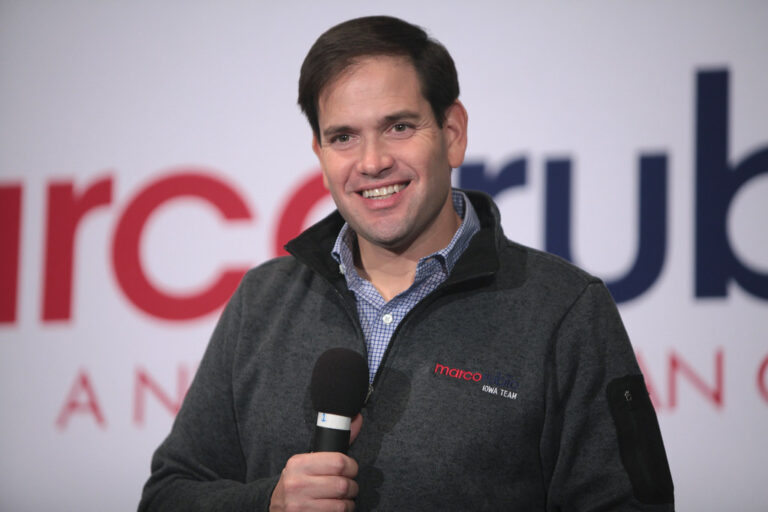
Senator Slams Rubio for Shifting Loyalties and Policies

0

Key Takeaways:

  • Senator Chris Van Hollen criticizes Marco Rubio for his actions as Secretary of State.
  • Rubio defended Trump and Vance’s harsh comments towards Zelensky.
  • Van Hollen regrets his confirmation vote, noting significant policy shifts.
  • Accusations include Rubio letting Elon Musk influence State Department operations.
  • Van Hollen believes Rubio now aligns too closely with Trump’s views.

Senator Chris Van Hollen Criticizes Marco Rubio’s Shift in Policy and Loyalty

In a recent interview, Senator Chris Van Hollen from Maryland expressed strong dissatisfaction with Marco Rubio, the current Secretary of State under President Donald Trump. Van Hollen, who once served alongside Rubio on the Senate Foreign Relations Committee, criticized Rubio for his recent actions and policy decisions.

Background on Van Hollen and Rubio’s Relationship

Senator Van Hollen and Marco Rubio previously worked together on the Senate Foreign Relations Committee, sharing a common understanding of international affairs. However, Van Hollen now voices regret over supporting Rubio’s confirmation as Secretary of State, citing a significant change in Rubio’s stance and actions.

The Oval Office Incident

At the heart of the criticism is an incident in the Oval Office where President Trump and Vice President J.D. Vance reportedly made harsh remarks about Ukrainian President Volodymyr Zelensky. Rubio defended their comments, which Van Hollen found alarming and contradictory to Rubio’s past positions.

Van Hollen’s Regret Over Confirmation Vote

Senator Van Hollen openly expressed regret for voting to confirm Rubio, highlighting what he sees as a drastic shift in Rubio’s policies. Van Hollen emphasized that Rubio, known for his strong stance against Russian aggression, now seems to have altered his views significantly.

Criticism of Policy Changes and External Influence

Van Hollen also pointed out that Rubio appears to be allowing external influences, particularly from Elon Musk, to shape State Department policies. He mentioned the dismantling of USAID as an example of such influence, suggesting that Rubio is now closely aligning with Trump’s directives.

Implications of Rubio’s Alignment with Trump

The alignment with Trump, as noted by Van Hollen, raises concerns about the direction of U.S. foreign policy. Van Hollen fears that Rubio’s shift may signal a retreat from traditional American values and leadership on the global stage.

Conclusion: The Significance of Van Hollen’s Criticism

Senator Van Hollen’s critique of Rubio underscores a broader concern about the direction of U.S. foreign policy under the Trump administration. As Rubio’s actions continue to draw scrutiny, the implications for international relations and American leadership remain significant. Van Hollen’s regrets and criticisms highlight the challenges of maintaining bipartisan cooperation in a polarized political landscape.

Trump Promises Farmers Will Gain on Trade, Despite Past Losses

0

Key Takeaways:

  • Trump claims farmers will profit from new tariffs starting April 2.
  • These tariffs could harm agricultural exports, which are worth $180 billion annually.
  • In his first term, farmers lost money during trade wars, leading to government payouts.
  • The economy is already under strain, with a projected 2.8% GDP decline this quarter.

Trump’s New Plan for Farmers

President Donald Trump recently made a bold statement to American farmers. He says they should get ready to produce more because new tariffs will start on April 2. These tariffs will apply to certain foreign goods, aiming to boost domestic sales. But this plan might not be as great for farmers as it seems.

What Do Tariffs Mean for Farmers?

Tariffs are like taxes on imported goods. Trump believes that by taxing foreign products, more people will buy American-made items. However, this could backfire. Many farmers rely on selling their products abroad. If other countries retaliate, they might impose their own tariffs on U.S. exports. This could hurt American farmers by reducing their international sales.

A Look Back at Trump’s First Term

During Trump’s first time in office, he started trade wars with countries like China. Farmers were hit hard. Many lost money because exports dropped. To help them, the government paid out billions in aid. If Trump’s new tariffs are even higher, the impact could be worse. This time, the tariffs aren’t just on a few countries but on major trade partners like Canada and Mexico.

The Economic Context

The U.S. economy is already facing challenges. The Atlanta Federal Reserve predicts a significant drop in economic growth for the first quarter of the year. Introducing tariffs now could make things more difficult for everyone, including farmers. Unlike last time, the broader economic situation is weaker. This means any added stress from tariffs could have more severe consequences.

Conclusion

While Trump is optimistic about farmers thriving under his new trade policies, history suggests this might not be the case. With the economy already slowing down, the potential for harm is real. Farmers could face another round of lost income and reliance on government support. Only time will tell if Trump’s plan will help or hurt American agriculture.

Economic Storm Ahead: Atlanta Fed Predicts 2.8% Contraction in Early 2025

0

Key Takeaways

  • The Atlanta Federal Reserve predicts the US economy will shrink by 2.8% in the first quarter of 2025.
  • This is worse than their previous forecast of a 1.5% contraction.
  • President Trump’s plans to cut federal jobs and impose tariffs on Mexico and Canada may worsen the economy.
  • A bird flu outbreak is causing egg and poultry prices to rise.

The US economy could face a tough start in 2025, according to a new forecast from the Atlanta Federal Reserve. The Fed now says the economy may shrink by 2.8% in the first quarter of next year. This is a significant drop from their earlier prediction of just a 1.5% contraction.

Why Is the Economy Expected to Shrink? Several factors are contributing to this gloomy outlook. First, President Donald Trump is pushing to cut thousands of federal jobs. Reducing government jobs can lead to higher unemployment and slower economic growth.

Another concern is Trump’s threat to impose heavy tariffs on goods from Mexico and Canada. These two countries are America’s biggest trading partners. If tariffs are imposed, prices for imported goods could rise, making life more expensive for consumers.

Bird Flu Adds to the Pressure A severe outbreak of bird flu is also causing problems. The virus has hit farms across the US, leading to a shortage of eggs and poultry. As a result, prices for these staples have gone up, adding to the financial strain on families.

What’s Next for the Economy? The Atlanta Fed’s forecast paints a challenging picture for early 2025. With job cuts, trade tensions, and rising food prices, many are worried about the economy’s health. Time will tell if these projections come true, but one thing is clear: the next year could be tough for American households and businesses.

Stay tuned for more updates on this developing story.

US Economy May Shrink Nearly 3% in Early 2025, Atlanta Fed Warns

0

Key Takeaways

  • The Atlanta Federal Reserve predicts the US economy will shrink by 2.8% in the first quarter of 2025.
  • This is worse than their previous forecast of a 1.5% contraction.
  • President Trump’s plans to cut federal jobs and impose tariffs on Mexico and Canada may worsen the economy.
  • A bird flu outbreak is causing egg and poultry prices to rise.

The US economy could face a tough start in 2025, according to a new forecast from the Atlanta Federal Reserve. The Fed now says the economy may shrink by 2.8% in the first quarter of next year. This is a significant drop from their earlier prediction of just a 1.5% contraction.

Why Is the Economy Expected to Shrink? Several factors are contributing to this gloomy outlook. First, President Donald Trump is pushing to cut thousands of federal jobs. Reducing government jobs can lead to higher unemployment and slower economic growth.

Another concern is Trump’s threat to impose heavy tariffs on goods from Mexico and Canada. These two countries are America’s biggest trading partners. If tariffs are imposed, prices for imported goods could rise, making life more expensive for consumers.

Bird Flu Adds to the Pressure A severe outbreak of bird flu is also causing problems. The virus has hit farms across the US, leading to a shortage of eggs and poultry. As a result, prices for these staples have gone up, adding to the financial strain on families.

What’s Next for the Economy? The Atlanta Fed’s forecast paints a challenging picture for early 2025. With job cuts, trade tensions, and rising food prices, many are worried about the economy’s health. Time will tell if these projections come true, but one thing is clear: the next year could be tough for American households and businesses.

Stay tuned for more updates on this developing story.

Trump Demands Apology from Zelensky Before Ukraine Deal

0

Key Takeaways:

  • President Trump wants Ukrainian President Zelensky to apologize publicly for their Oval Office dispute.
  • A minerals deal with Ukraine is on hold until Zelensky apologizes on camera.
  • Zelensky believes the deal can be secured without an apology.
  • Republicans aim to end the war in Ukraine, possibly with a new leader if Zelensky doesn’t comply.

Introduction: President Trump has set a surprising condition for moving forward with a crucial minerals deal with Ukraine. Following a heated exchange in the Oval Office, Trump insists that Ukrainian President Volodymyr Zelensky must publicly apologize before any further discussions.

The Oval Office Incident: Last week’s meeting between Trump and Zelensky reportedly ended with Trump losing his temper. This spat has halted progress on a significant minerals deal, which is vital for Ukraine’s interests. Trump’s team has made it clear that no negotiations will resume until Zelensky issues a public apology captured on camera.

The Minerals Deal Stalemate: The deal involves the supply of essential minerals, a critical resource for Ukraine. Zelensky, however, remains optimistic, believing the deal can proceed without an apology. This stance contrasts with Trump’s firm position, signaling a potential standoff.

Zelensky’s Reaction: Zelensky has not shown willingness to apologize, expressing confidence in resolving the issue without concessions. His focus remains on securing the deal, emphasizing Ukraine’s needs over personal apologies.

Republican Sentiment: Republicans in Washington share a common goal of ending the conflict in Ukraine. They are open to negotiating the deal but are growing impatient with Zelensky’s approach. While no specific alternative leader has been suggested, there is a notable shift in sentiment regarding Ukraine’s leadership.

Implications Without an Apology: If Zelensky refuses to apologize, the minerals deal could face significant delays, impacting Ukraine’s strategic initiatives. This impasse highlights the challenges in international diplomacy, where personal dynamics can influence major agreements.

Conclusion: The situation underscores the delicate nature of international relations, where a public apology could tip the scales. Whether Zelensky concedes or the deal moves forward without one remains uncertain, leaving both nations in a state of anticipation and potential consequences.