67.9 F
San Francisco
Saturday, March 21, 2026
Home Blog Page 119

MAGA Backlash Over Barbara Rose Johns Statue

Key Takeaways:

  • Virginia swapped a Robert E. Lee statue for one honoring civil rights leader Barbara Rose Johns.
  • The new Barbara Rose Johns statue sits now at the U.S. Capitol.
  • Some MAGA supporters criticized Republicans who joined the unveiling.
  • Right-wing figures claimed Robert E. Lee was more significant than Barbara Rose Johns.

Virginia unveiled a statue of civil rights activist Barbara Rose Johns at the U.S. Capitol on Tuesday. The new statue replaced a long-standing memorial of Confederate general Robert E. Lee. This swap took place in one of two spots each state reserves for historical figures. Republicans, including Virginia’s governor and the U.S. House speaker, attended the ceremony. Yet, many MAGA supporters voiced anger online. They called the choice disgraceful and argued Robert E. Lee was more important.

Why Barbara Rose Johns Replaced Robert E. Lee

In 2020, Virginia removed the Robert E. Lee statue from the Capitol. Then-Governor Ralph Northam approved that move amid a wave of Confederate monument protests. Soon after, state lawmakers picked Barbara Rose Johns to fill the empty space. Johns led a student strike in 1951 to protest poor school conditions for Black students. Her action sparked a legal case that helped end school segregation. Now, her statue stands in the U.S. Capitol, while Lee’s statue sits in a museum exhibit on Confederate history.

MAGA Response and Angry Comments

Right-wing commentators hit back hard. Former Texas GOP chair Matt Rinaldi called it “a disgrace” that Republicans took part in the unveiling. He said Robert E. Lee was a greater American than Barbara Rose Johns. Likewise, Adam Johnston from a conservative outlet claimed the event “dishonored history.” Influencer Matt Walsh pointed out few people know Barbara Rose Johns. He argued Lee proved more honorable and courageous than today’s politicians.

Meanwhile, some MAGA fans flooded social media with angry posts. They used hashtags to highlight their disapproval. One user wrote that honoring Johns erased Southern heritage. Another complained the ceremony showed a lack of respect for Confederate history. However, supporters of the statue swap saw it as a long-overdue update. They praised Barbara Rose Johns for her courage and leadership.

Who Is Barbara Rose Johns?

Barbara Rose Johns was only sixteen when she led a school strike. She rallied Black students in Farmville, Virginia, to protest poor facilities. They demanded equal resources for their school. Their lawsuit led to the landmark Brown v. Board of Education ruling in 1954. This Supreme Court decision helped end segregation in public schools. While few know her name today, her actions helped shape civil rights history.

Johns later worked as a nurse and teacher. She never sought fame. Yet her early push for equality inspired many activists. Now, her story gains honor through this new statue. It highlights her bravery and the impact of young voices in history.

Ceremony and Political Impact

Governor Glenn Youngkin joined the unveiling. So did Speaker Mike Johnson and other Republican leaders. They praised Barbara Rose Johns for her role in civil rights. Youngkin called the moment an opportunity to honor a state hero. Johnson spoke of learning from history to guide the future.

Nevertheless, some Republicans faced backlash from their base. Critics saw their attendance as a betrayal of Confederate heritage. They said honoring Barbara Rose Johns meant forgetting Robert E. Lee. On the other side, supporters argued Virginia showed growth. They said honoring Johns reflected the state’s true history and values.

Why the Statue Swap Matters

This swap matters for several reasons. First, it signals a shift in who we celebrate. It moves attention from a Confederate general to a young civil rights pioneer. Second, it shows how states can use their quota of statues to tell new stories. Each state can display two figures in the Capitol. Choices matter because they shape how visitors see American history.

Moreover, replacing Confederate symbols responds to ongoing racial justice debates. It acknowledges past wrongs and pushes for a more inclusive memory. Therefore, swapping statues can heal old divisions and spark dialogue.

What Comes Next?

With the Barbara Rose Johns statue in place, more conversations will follow. Some lawmakers plan more events to honor civil rights heroes. Others want to add educational plaques to explain Johns’s role. Meanwhile, schools and museums will spotlight her life and legacy. This moment might inspire other states to reassess their own statues.

However, not all change comes smoothly. Some communities may resist. They might push to restore old monuments or add new ones. Yet the trend shows a growing interest in diverse histories. As a result, Americans may see more statues of women, Black leaders, and other underrepresented figures.

In the end, the Barbara Rose Johns statue stands as a reminder. It honors a brave teenager who fought for justice. It also highlights how public memory can evolve. Statues reflect society’s values. By choosing her, Virginia signaled a desire to tell a fuller story. That choice spurred praise and backlash. Either way, it proves history still stirs strong feelings.

Frequently Asked Questions

What led Virginia to replace the Robert E. Lee statue?

Virginia removed the Lee statue in 2020 amid a national debate over Confederate symbols. Lawmakers later chose Barbara Rose Johns to fill the spot.

How did Barbara Rose Johns impact civil rights?

At age sixteen, Johns led a student strike for better Black school facilities. Her protest helped spark the Brown v. Board of Education case that ended school segregation.

Why did MAGA supporters react strongly?

Many saw replacing a Confederate statue as erasing Southern heritage. They felt Robert E. Lee deserved more recognition than Barbara Rose Johns.

Where will the new statue stand?

The Barbara Rose Johns statue now stands in one of Virginia’s two designated spots at the U.S. Capitol. The Lee statue moved to a Virginia museum exhibit.
Why the White House Ballroom Cost Is Doubling

0

Key Takeaways:

  • The cost for the White House ballroom rose from $200 million to $400 million.
  • Stephen Colbert mocked each new price increase on his late-night show.
  • Historic activists and a lawsuit challenge Trump’s plans for the Eisenhower Building.
  • Experts warn that repainting old stone can trap moisture and cause damage.

White House Ballroom Sparks Criticism

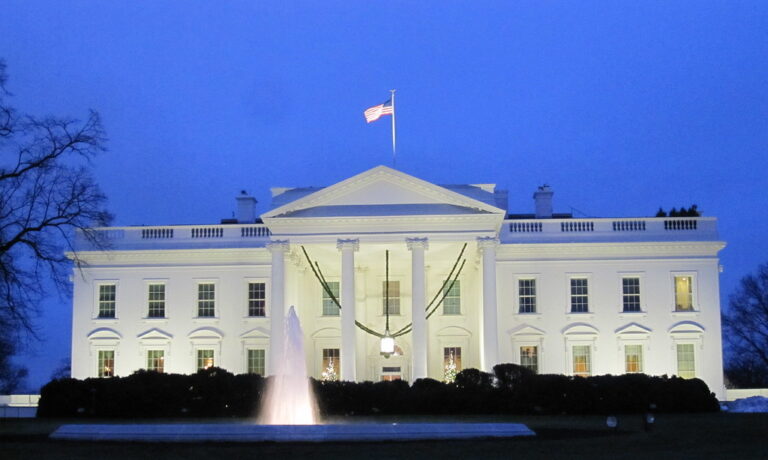
The plan to convert the East Wing into a grand event space has stirred wide debate. Originally set at $200 million, the White House ballroom now carries a $400 million price tag. Critics say this massive increase raises questions about oversight and transparency. Moreover, historical activists worry that other renovation plans could harm century-old buildings on the South Lawn.

Inside the White House Ballroom Price Hike

When the project was first announced, Trump stated that donors from big tech firms would cover the $200 million cost. However, in his latest Hanukkah address, he insisted the bill had doubled. At that event, he even boasted that the ballroom’s windows would be five inches thick. Trump quipped that it would take a Howitzer cannon to break them. Therefore, the growing cost seemed linked to these extra security features and high-end finishes.

Stephen Colbert Takes Aim

Late Show host Stephen Colbert has made the soaring White House ballroom bill a running joke. He clipped together every time Trump mentioned the project and raised the price. Colbert quipped, “How much is this price going to go up?” He then rolled another clip of a higher figure. The comedian pointed out the absurdity of paying half a billion dollars for a single room. Meanwhile, viewers laughed as Colbert questioned whether the ballroom would need bullet-proof chandeliers next.

Historic Concerns and Lawsuit

Beyond the ballroom, the president has proposed repainting the stone facade of the Eisenhower Executive Office Building. Greg Werkheiser, a lawyer for a historic preservation group, argues that paint traps moisture and cracks aged mortar. As a result, the building’s rock could weaken over time. His lawsuit claims that sweeping changes to this landmark violate preservation laws. Even so, art experts warn that the president might press ahead, since no agency can easily block the work once it starts.

Funding and Donor Transparency

Trump initially said major tech companies like Amazon, Microsoft, and Apple would foot the White House ballroom bill. Yet, details remain vague on exactly who pledged what. Critics worry that donors could gain undue influence or special access. In addition, they note that public dollars may end up covering part of the cost. Thus, the fundraising plan has provoked calls for clearer accounting and stronger ethics rules.

Security vs. Style

The president emphasized window thickness as a key security upgrade. He described the panes as so strong they would repel enemy fire. Yet experts say that security features often come with steep price tags. While safety is vital, some argue that simple designs could also meet protective needs at lower costs. Consequently, opponents of the White House ballroom project ask whether the extra millions truly add value.

Public Reaction and Political Impact

Opinion polls show many Americans uneasy about the ballooning price. Some see the expense as out of touch with everyday financial struggles. Meanwhile, Republicans supporting Trump praise his attention to safety and style. They argue that a grand ballroom enhances the prestige of the presidency. Therefore, the debate over the White House ballroom reflects larger divisions on spending priorities in Washington today.

What Comes Next for the Renovations

Construction crews have already started site prep around the East Wing. Yet the timeline for completing the grand ballroom remains unclear. Some officials say work could extend into next year. At the same time, the lawsuit over the Eisenhower Building may halt that part of the project. Consequently, stakeholders await court rulings to determine how and when renovations will proceed.

Lessons from Past Projects

This is not the first time a presidential renovation drew criticism. Previous administrations faced pushback over costly roof repairs and kitchen modernizations. However, the scale of the current ballroom upgrade seems unprecedented. Moreover, legal challenges over historic buildings add a new twist. Such hurdles show how preservation laws and public opinion can shape even the most high-profile jobs.

Balancing History and Modern Needs

Historic activists stress that the White House complex tells the story of American history. They argue that major alterations risk erasing key architectural features. Meanwhile, modern leaders insist on updated facilities and enhanced security. Therefore, finding a compromise between preservation and progress has become a central issue in this debate.

Final Thoughts

As the price of the White House ballroom climbs higher, the project remains under intense scrutiny. Legal fights over nearby historic structures add another layer of complexity. Ultimately, the future of these renovations will hinge on court decisions, funding clarity, and public support. Until then, talk show hosts like Stephen Colbert will have plenty of material to lampoon.

Will the ballroom really cost even more? Could this lawsuit stop other work on the South Lawn? Only time will tell how the White House navigates this clash between grandeur and history.

FAQs

What is the White House ballroom renovation project?

The renovation plan aims to convert the East Wing into a formal ballroom for official events. It includes thick security windows, high-end finishes, and donor-funded construction.

Why did the White House ballroom cost rise from $200 million to $400 million?

The president cited enhanced security features like five-inch-thick windows and design upgrades. However, critics say the numbers lack clear breakdowns and could keep rising.

Who filed the lawsuit against changes to the Eisenhower Building?

Historic preservation lawyer Greg Werkheiser leads the suit. He argues that repainting the stone facade will trap moisture and damage the building’s mortar over time.

How might these legal challenges affect future renovations?

Court rulings could halt or delay work on the Eisenhower Building. They may also set precedents for how presidents can alter historic White House structures.

Trump Speech Spurs Outrage with False Claims

Key takeaways:

  • Trump’s speech opened with a barrage of false statements.
  • He blamed Biden for “transgender for everybody” and mass releases from prisons.
  • Observers from both parties slammed the address as wildly inaccurate.
  • Experts say inflation isn’t falling under Trump, and his $1,776 military payout lacks funding details.
  • Social media lit up with fact checks, memes, and strong criticism.

Inside the Trump speech avalanche of errors

On Wednesday evening, Donald Trump surprised the nation with an unscheduled address. He launched into bold claims about Joe Biden’s policies. He said Biden forced “transgender for everybody” and freed 25 million people from prisons and mental hospitals. In truth, no such laws or releases exist. Furthermore, experts confirm inflation remains high, and the figures Trump cited are misleading.

Breaking down the Trump speech falsehoods

First, Trump insisted prices are dropping on his watch. Yet independent data show costs remain elevated. In fact, inflation at the end of Biden’s term was lower than current levels. Second, Trump pledged a “warrior dividend” of $1,776 for military personnel. However, he did not explain how he would pay for it. Critics called the promise a hollow campaign stunt.

Third, Trump attacked Biden’s record on gender and immigration. He claimed Biden pushed “transgender for everybody,” but no law mandates such a policy. He also said Biden let 25 million foreign inmates in from prisons and mental hospitals. That claim has no basis in reality. Immigration rules have, if anything, grown stricter under the current administration.

Social media erupts over the Trump speech

Within minutes, social media lit up with reactions. Veteran Republican pollster Sarah Longwell said she thought Trump’s speech was a joke. Democratic strategist David Axelrod called it a “Stephen Miller special.” Former GOP speechwriter Tim Miller labeled it embarrassing. Journalist John Harwood said Trump seemed totally divorced from reality.

On Twitter, former CNN reporter Jim Acosta denounced the “lie-o-rama” of recycled rally talking points. Democratic influencer Harry Sisson called the address a “total disaster,” noting Trump’s stumbles and incoherent rambling. From left and right, commentators agreed almost every statement needed fact checking. Progress Chamber analyst Tahra Hoops said the speech was packed with false economic claims.

Why Biden’s policies were misrepresented

Trump’s assertions about transgender rights and prison releases stem from a pattern of exaggeration. While Biden expanded certain protections for transgender Americans, he never issued a nationwide mandate labeled “transgender for everybody.” Similarly, there is no record of mass releases of prisoners or mental health patients tied to immigration.

Analysts say Trump uses extreme examples to stir emotion among his base. In contrast, Biden’s policy changes went through standard rulemaking and legislative processes. The stark difference shows how Trump’s narrative relies more on spectacle than factual accuracy.

What this means for Trump’s campaign

Trump’s economic poll numbers have dipped recently. He used this mystery speech to try to shift focus back to inflation and immigration. Yet, his heavy reliance on false claims risks alienating undecided voters. Many are tired of constant fact checks and crave clear, honest plans.

Despite this, some of Trump’s core supporters praised his bold tone. They see these speeches as a fight against media bias. Other voters, however, expressed frustration. They want concrete solutions on jobs, health care, and national security—not tall tales.

The power of real-time fact checking

This episode underlines how quickly misinformation can spread—and how fast people can correct it. Within seconds of the Trump speech, fact-checkers and news outlets began debunking his main claims. Social media users turned screenshots into viral memes, highlighting each error.

Such real-time scrutiny can cut both ways. While false statements can rally a base, being publicly exposed may weaken a candidate’s credibility with the broader electorate.

Network coverage and political fallout

Major networks chose to air Trump’s address live, citing its news value. Yet many warned viewers about expected falsehoods. Some anchors paused the broadcast to clarify key errors. Other outlets refused to reair the speech due to its inaccuracy.

Conservative media, by contrast, focused on Trump’s pledge to help the military and drive down prices. This split coverage underscores how partisan lenses shape public perception. Viewers saw either a message of hope or a montage of lies.

What’s next after the Trump speech

Trump plans more speeches in the coming weeks. He hopes these events will boost his standing on economic issues. Yet, his persistent use of false statements may hinder his long-term credibility. Voters weary of repeated corrections could turn to other candidates.

Meanwhile, the Biden campaign has seized the moment. They held events to directly counter Trump’s claims. This ongoing debate may define the next phase of the election, pitting spectacle against substance.

In the end, the Trump speech illustrated the modern challenges of political communication. It showed how instant fact checking and social media reactions can undercut a narrative. Above all, it reminded us that in today’s landscape, truth still matters.

Frequently asked questions

What was the main false claim in the Trump speech?

Trump said Biden created “transgender for everybody” and released 25 million people from prisons and mental hospitals. No evidence supports those claims.

How did experts react to the Trump speech?

Pollsters, strategists, journalists, and economists across the spectrum criticized the speech for its inaccuracies and lack of concrete policy details.

Did Trump unveil any viable policy during the speech?

He proposed $1,776 checks for the military but offered no clear plan for funding or implementation.

Can a speech filled with false claims still benefit a campaign?

It may energize a loyal base, but repeated falsehoods can erode trust among undecided or moderate voters.

Inside Trump BBC Lawsuit: Why Critics Are Angry

0

Key takeaways:

  • President Trump filed a 33-page Trump BBC lawsuit seeking $10 billion.
  • He claims a BBC documentary deceptively edited his Jan. 6 speech.
  • The BBC says it will defend itself and will not back down.
  • The Guardian editorial board calls the Trump BBC lawsuit absurd.
  • Critics say Trump uses the case to bully media and rally his base.

What is the Trump BBC lawsuit about?

President Trump sued the BBC for defamation. He claims a BBC documentary clipped his Jan. 6 speech. According to his complaint, the edit made him look worse. He wants $10 billion in damages. The BBC says it will defend itself. The network also issued a short statement saying it stands by its reporting.

Why the Trump BBC lawsuit is absurd

Critics quickly slammed the Trump BBC lawsuit. The Guardian’s editorial board said it is absurd on its face. In simple terms, they believe no reasonable person would accept such a case. Furthermore, they argue the lawsuit shows a larger aim of the administration. First, the BBC made a fair error in editing. Second, the Jan. 6 committee found that Trump did incite an insurrection. Yet, the board says suing over a program not even shown in the US feels baseless.

How critics view the Trump BBC lawsuit

Many observers see this case as a power play. They feel President Trump wants to intimidate legacy media. More and more, he targets news outlets he dislikes. For example, he sued major US outlets in the past. Now he takes aim at the BBC. This move, critics say, narrows the range of acceptable scrutiny for his actions. Also, by casting himself as a victim, he hopes to energize his core supporters.

The BBC’s response

In its brief statement, the BBC said it plans to fight the lawsuit. It hinted it won’t bow to White House pressure. The network believes its documentary was fair. Still, it admitted an editing mistake. Even so, it insists this error does not amount to malicious defamation. The BBC is confident that a court will reject the claim for massive damages.

How the Trump BBC lawsuit fits Trump’s agenda

Many analysts see a pattern in these lawsuits. First, Trump sues US media and social platforms. Then he shifts to foreign outlets like the BBC. Next, he highlights himself as wronged, boosting his image as an underdog. Finally, he urges his base to rally around him. In this way, the Trump BBC lawsuit works as both legal action and political theater.

Potential impact on free press

If the Trump BBC lawsuit succeeds, it could set a troubling precedent. Media outlets might face financial risks over simple editing errors. They may self-censor to avoid billion-dollar claims. This chill effect could harm investigative journalism. On the other hand, if the lawsuit fails, it could reinforce legal protections for news organizations.

What happens next?

The case will move through the courts, likely starting in Florida. Expect lengthy legal arguments over jurisdiction and defamation law. The BBC will dissect each claim. Trump’s team will press on with calls for massive damages. A judge could dismiss the case early or let it go to trial. Either way, this drama is likely to last months or even years.

Why this matters to you

You might wonder why a lawsuit against a British network matters. First, it touches on free speech and the power of media. Second, it shows how high-profile figures can use legal tactics to shape public opinion. Finally, the outcome could influence how news outlets operate worldwide.

Transitioning to a broader view

Meanwhile, other world leaders and media watch closely. They worry about copycat lawsuits. Indeed, some fear that rich or powerful people could weaponize courts against critical reporting. Thus, the Trump BBC lawsuit may inspire similar cases elsewhere.

Key lessons from this legal fight

1. Editing errors happen, but they rarely lead to huge damage claims.
2. Defamation law often protects news outlets when they make honest mistakes.
3. Powerful plaintiffs can use lawsuits to gain political advantage.
4. Courts play a key role in balancing free speech and reputation rights.

Conclusion

The Trump BBC lawsuit marks the latest clash between a former president and the media. Critics call it absurd and fear it could chill reporting. Supporters see it as a fight for Trump’s reputation. As the case unfolds, it will test defamation law and media freedom. Ultimately, its outcome could shape how news organizations handle mistakes and how public figures respond.

FAQs

What was included in the complaint?

The complaint spans 33 pages. It outlines specific scenes, timing of edits, and claims of context distortion. It also lists the $10 billion figure and argues “overwhelming financial and reputational harm.”

Did the BBC admit fault?

Yes, the BBC acknowledged a serious error in editing. Yet, it said the mistake did not amount to a deliberate effort to mislead.

How might this affect American media?

If the lawsuit sets a high damages award, US outlets could face similar risks. They might change their editing and legal review processes.

Could this case go to the Supreme Court?

It depends. If appeals drag on, the Supreme Court could hear it. However, most defamation cases settle before that stage.

Susie Wiles Interview: Inside the Trump White House


Key Takeaways:

  • Susie Wiles warns that Trump shows traits like an addict.
  • She says JD Vance was a conspiracy theorist turned ally.
  • She calls Elon Musk an “odd duck” prone to irrational moves.
  • She criticizes top aides like Russell Vought and Pam Bondi.
  • This interview reveals deep divisions in the White House.

Susie Wiles Interview Shakes Up the White House

In a rare move, Susie Wiles sat down for eleven interviews with a well-known writer. Her words stunned the political world. She poured out strong opinions on the president and his senior staff. As chief of staff, she rarely speaks so freely. However, this Susie Wiles interview broke that silence.

Why the Susie Wiles Interview Matters

Susie Wiles works at the center of power, guiding the president’s daily agenda. Therefore, her views carry great weight. Moreover, she agreed to extensive interviews. Hence, her remarks come from deep insight, not offhand remarks.

Also, she used vivid language. She said the president shows “an alcoholic’s personality,” pointing to sudden mood swings. She claimed some aides stay loyal for politics, not principle. All this matters to anyone watching the administration.

Finally, the timing is key. The economy struggles and approval ratings lag. Thus, a bold Susie Wiles interview can shape both public opinion and internal morale.

Key Moments in the Susie Wiles Interview

In the Susie Wiles interview, she didn’t hold back. First, she compared the president’s mood shifts to those of an addict. Next, she tagged Vice President JD Vance as a longtime conspiracy theorist. According to her, he only joined the team to boost his Senate run.

Then, she described Elon Musk as an “odd, odd duck.” She praised his risk-taking but warned that he often acts without clear logic. Meanwhile, she said his behavior left her “aghast.”

She also targeted budget chief Russell T. Vought, calling him a “right-wing zealot.” In her view, he pushed policies too far to the right. Finally, she claimed Attorney General Pam Bondi “completely whiffed” in handling serious legal files.

Altogether, the Susie Wiles interview offered an unprecedented peek behind locked doors.

Reactions to the Susie Wiles Interview

News of the interview spread like wildfire. Journalists shared their surprise online. Some joked that Wiles still had to show up at work the next day. Others warned she faced a rough road ahead.

Political operatives split into camps. A few praised her honesty. Others feared her remarks could cost her allies. One commentator suggested she aimed to protect her career. Another argued she might stay, believing the president needs her.

Meanwhile, pundits argued about her motives. Some saw a farewell tour. Others thought it was a power play. In any case, most agreed this was far from ordinary. A former staffer noted that chiefs of staff almost never go public like this.

What Comes Next After the Susie Wiles Interview

Looking forward, many questions loom. Will Susie Wiles keep her job? Some predict the president will fire her to stop further leaks. Others say he might hold off to avoid bad publicity.

Her comments could spark wider changes. Staffers may tread more carefully or jockey for power. Rivals inside might use this moment to advance their own teams.

Publicly, the president may respond with denials or counterattacks. His next speech could try to downplay her claims. Or he might address each point directly.

Meanwhile, the media will dig deeper. Reporters will wonder if other insiders will follow her lead. So far, the Susie Wiles interview stands alone for its frankness. Yet, it could encourage more whistleblowers.

In Summary

The Susie Wiles interview offers a rare look inside a high-stakes environment. It shows a chief of staff willing to call out her own boss and colleagues. As a result, pundits and staffers alike feel the shock waves. In the coming days, her words will shape debates about leadership and loyalty.

By speaking so openly, Susie Wiles broke a long-standing silence. She risked much but gained undivided attention. For anyone following politics, her interview offers clues to how decisions are really made. Thus, it marks a key moment in White House history.

Frequently Asked Questions

Why did Susie Wiles agree to this candid interview?

She wanted to share firsthand experiences after more than a year in the role. She sought to reveal internal dynamics.

Are her remarks likely to cost her job?

It depends on the president’s reaction and public response. Some expect her exit, while others see her staying.

Did she hint she plans to resign?

She did not directly say she will leave. However, some statements suggest she feels mounting pressure.

How did White House staff react behind closed doors?

Reactions varied. Some praised her honesty. Others worried her words would deepen internal distrust.

Jobs Report Rings Alarm for US Economy

0

Key Takeaways

  • Unemployment rose to 4.6 percent, up from 4 percent a year ago.
  • Wage growth remains weak, signaling a soft labor market.
  • Revisions suggest the economy may have stalled since April.
  • The Sahm Rule flags a recession alarm after a 0.5 percent rise in jobless rate.
  • Canada has added more jobs than the U.S. since April.

In the latest jobs report, released by the Trump administration, the numbers look grim. According to University of Michigan economist Justin Wolfers, these findings hint at trouble ahead. He spoke with MS NOW’s Katy Tur about what this could mean for Americans trying to find work.

Why the jobs report matters

First, unemployment climbed to 4.6 percent. That may seem small, but it means hundreds of thousands more people can’t find a job compared to last year. Moreover, wage growth is weak, so even those who are employed see little pay increase. In simple terms, a weak labor market makes it harder for workers to switch to better jobs or negotiate higher pay.

Revisions paint an even bleaker picture

Beyond the headline, economists watch revised data from past months. Wolfers points out that if you look back to April, the economy may have created zero net jobs. Although initial numbers showed some growth, experts expect cuts when the full data arrives. In other words, the real story could be an economy that has stalled or even slipped backward.

The Sahm Rule warns of recession

Economists often use the Sahm Rule to predict recessions. Essentially, if the unemployment rate rises by half a percentage point from its low over the past year, a recession is likely. Since April, the jobless rate has jumped by that threshold. Therefore, the Sahm Rule now signals that the U.S. may be on the cusp of a downturn.

Learning from Canada’s job growth

Interestingly, Canada has outpaced the U.S. in job creation since April. Even though America’s economy is much larger, Canada added more positions in that span. This comparison raises questions about the unique challenges facing the U.S. labor market. It also highlights how other economies might handle similar headwinds better.

Can the economy recover next year?

The White House expects a turnaround in 2026. They believe policy shifts and business growth will spur new hiring and higher wages. However, Wolfers warns that past trends often repeat themselves. In his view, the best prediction is that next year will look similar to this one. If so, a recovery by January could be optimistic.

Key challenges ahead

Even with hope for improvement, several hurdles remain:
• Sluggish wage gains make consumer spending picky.
• Businesses may hold back hiring if demand stays soft.
• Global uncertainties can ripple back to the U.S. job market.
• Political debates may delay new economic policies.

What workers should know

For now, job seekers face a tougher market. Yet, not all sectors are equal. Health care, tech, and green energy still show pockets of growth. So while overall unemployment rises, some industries may keep hiring. Therefore, staying flexible and learning new skills can help.

How policymakers might respond

Lawmakers can boost job creation through stimulus measures, tax incentives, or infrastructure spending. However, any plan must balance long-term fiscal health. Rapid spending without oversight could raise inflation or debt. Thus, careful design and clear goals will matter most.

Looking ahead with cautious optimism

Despite warning signs, every economic cycle has ups and downs. Businesses adapt, and new industries emerge. For individuals, continuous learning and networking remain key. Moreover, monitoring fresh data each month can help people plan for job hunts or career shifts.

Frequently Asked Questions

What exactly is the Sahm Rule?

The Sahm Rule flags a possible recession when unemployment rises by at least half a percentage point from its recent low. It has accurately signaled past downturns.

Why does wage growth matter?

Wage growth shows if workers earn more over time. Strong wage gains help spending, lift living standards, and fuel economic growth.

How can revisions change our view of the jobs report?

Initial job numbers can be estimates. Later revisions use more data, which can raise or lower the first figures. Major downward revisions suggest slower hiring than first thought.

Could the economy improve in 2026?

It’s possible if policies boost investment and consumer confidence. Yet, some economists caution that current trends may continue, making a quick turnaround unlikely.

What’s Inside the Epstein Files?

0

Key Takeaways

• The Epstein files will show new federal evidence in the sex trafficking case.
• Journalists often focus on powerful names over survivor stories.
• Naming victims can shape how the public understands abuse.
• A survivor-centered approach treats victims as people, not just evidence.

What the Epstein files reveal

Right now, the Epstein files are about to become public. A judge ordered the Justice Department to unseal grand jury transcripts and evidence. A new law demands those papers appear by December 19. Everyone wonders if a long-rumored client list will finally surface. Meanwhile, many still ask who else might be named. Yet the deeper truth is about the women Epstein hurt.

Why the Epstein files matter for survivors

The Epstein files could expose more details of abuse. They might explain how traffickers operated for years. For survivors, these records can validate trauma. They can show patterns of grooming and coercion. A clearer timeline could help legal fights. Also, seeing names and dates gives survivors a stronger voice. In other words, these documents matter for healing and justice.

How news coverage often misses survivor voices

Most headlines chase elite figures over survivor stories. They hint at secret lists of rich clients. They rarely name the women who suffered. This approach makes survivors seem like a backdrop. Furthermore, it sends a message about who matters. When coverage highlights powerful people, empathy may shift away from victims. In high-profile cases like Epstein’s, this problem intensifies.

A more survivor-centered approach

A survivor-centered approach starts with the people who were abused. First, reporters can ask which survivors want to speak on record. Next, they can protect anonymity when survivors ask for it. Then, they can share individual stories of grooming and strength. Also, journalists can explain how trauma affects recovery. Moreover, they can follow survivors after trials end. This way, news respects victims as sources of understanding.

Why naming victims matters

In U.S. law, identifying victims of sexual violence is allowed when names appear in public records. Yet most newsrooms avoid it to prevent harm. Still, research shows that nameless victims get less empathy. When stories say “a victim” or “accuser,” audiences may doubt them. Meanwhile, naming suspects in full can boost their image. By contrast, naming survivors restores their identity and dignity.

Balancing protection and identity

Anonymity can shield survivors from online harassment or real threats. It also prevents digital records from haunting them. Yet anonymity can flatten their stories. It can turn many unique experiences into one generic tale. A balanced policy lets survivors choose names when they feel safe. It also limits identifying details that might harm them. This balanced path respects both safety and voice.

The role of newsroom ethics

Most outlets follow ethics codes urging “minimize harm.” They warn against retraumatizing victims and avoiding stigma. However, these guidelines sometimes lead to overcaution. In practice, they can silence survivors who want to speak. Editors and reporters must rethink these policies. They can adapt rules to allow naming when survivors consent. At the same time, they can train staff on trauma-informed reporting.

Transitioning from scandal to survivor focus

The Epstein files may add new names of elites. Yet a richer story lies beneath those scandalous details. Reporters can shift from asking “Who is next?” to “How did survivors cope?” They can explore long-term effects of abuse. They can highlight support groups and legal reforms. They can also track accountability beyond criminal trials. This shift makes coverage fairer and more useful.

The future of reporting on the Epstein case

After December 19, journalists will comb through the Epstein files. They will look for big names and shocking links. But best practices suggest they do more. They can center survivor experiences in follow-up stories. They can offer context about trafficking networks and prevention. They can use clear language that teens and adults understand alike. Finally, they can check in with survivors as their lives evolve.

FAQs

What are the Epstein files?

They are grand jury transcripts and evidence in the Epstein and Maxwell cases that a judge ordered unsealed.

Why do the files matter?

They can reveal new details about how Epstein and his associates trafficked young women.

Can survivors choose to be named in news stories?

Yes. Ethical newsrooms can name survivors who ask for it and protect those who prefer anonymity.

How can reporting stay fair to survivors?

Reporters should share individual stories, explain trauma, and avoid treating victims as a single group.

GOP Splits Over ACA Subsidies Vote

Key Takeaways

• Mike Johnson won’t allow a vote on ACA subsidies this year
• Vulnerable GOP members weigh breaking ranks to force action
• House Democrats launch a petition to advance ACA subsidies directly
• Lawmakers fear higher health costs could hurt re-election chances

What are ACA subsidies?

ACA subsidies help many people afford health insurance. Without them, premiums could jump. These payments reduce monthly costs for qualifying families. They are set to expire soon. If Congress does nothing, millions would see their bills rise sharply.

Why is Johnson blocking ACA subsidies?

House Speaker Mike Johnson draws a hard line on health care. He refuses to advance any plan to extend ACA subsidies this year. His move stems from a view that these payments are too costly. He also wants a full repeal of the Affordable Care Act instead.

As a result, Johnson won’t add the subsidy plan to the upcoming health care vote. That package focuses on other changes but leaves out subsidy relief. Moderates feel abandoned and worried.

Moderate Republicans push back

Several swing-district lawmakers face tough re-election races. They worry their voters will blame them for higher costs. So, they consider breaking with party leadership. They hope to force a floor vote on the ACA subsidies extension.

For instance, Representative Mike Lawler sharply criticized Johnson. He called the refusal to allow a vote “political malpractice.” Others like Brian Fitzpatrick and Kevin Kiley have not ruled out signing a petition.

Yet some hesitate. They fear their petition will fail in the Senate anyway. That body recently blocked a similar bipartisan plan. Still, they feel pressure from local voters watching rising costs.

Democrats launch discharge petition

House Democrats see an opening. They introduced a discharge petition this week. This tool bypasses leadership and brings the ACA subsidies extension to a vote. It needs signatures from a majority of House members.

No Republicans have officially signed yet. However, that could change if moderates grow more frustrated. If the petition succeeds, Democrats would force the House to address the ACA subsidies.

Meanwhile, President Trump stays on the sidelines. He once hinted at support for subsidy relief. But he backed away under pressure from GOP leaders. Now he remains silent while the debate heats up.

What happens next?

With the deadline approaching, tension is rising. If Congress misses the expiration date, premiums could spike. Some analysts predict millions would lose financial help overnight.

House Republicans will vote this week on their health care plan without subsidy relief. That vote could widen the gap between leadership and moderates. If the discharge petition gains traction, leaders may face an embarrassing rebellion.

The Senate remains a hurdle. Even if the House approves an extension, the Senate might block it again. GOP senators have rejected similar measures in recent weeks.

Impact on voters

Families in need stand to lose the most. Without ACA subsidies, a middle-class family could pay hundreds more each month. Low-income households might find insurance out of reach.

Community groups warn of a health care shock. They plan to protest and campaign against lawmakers who block subsidy help. In swing districts, this issue could sway the midterm elections.

Voters often blame incumbents for higher costs. Thus, vulnerable Republicans must weigh party loyalty against local anger. They face tough choices in the coming weeks.

Why the dispute matters

First, the fight shows deep divisions in the GOP. Leadership seeks a strict conservative agenda. Moderates demand practical relief for voters. This split could influence other party priorities.

Second, health care remains a top concern for Americans. Polls show many support extending ACA subsidies. Lawmakers ignoring that risk losing public trust.

Finally, the outcome will set a tone for future battles. If moderates succeed, they may push for more bipartisan actions. If leaders prevail, the GOP may lean more hardline on policy.

Looking ahead

As the subsidy deadline nears, pressure on Congress will grow. Town halls and local events will highlight rising premiums. Lawmakers will face direct questions from worried constituents.

Grassroots groups already plan campaigns to urge action on ACA subsidies. They aim to show photos of families hurt by higher costs. That could amplify the political stakes.

In the coming weeks, watch for these developments:
• New signatures on the discharge petition
• Changes in Trump’s public comments
• Senate leaders’ responses to a House-approved extension
• Local protests and voter outreach events

Ultimately, this standoff will reveal how far both sides will go. Will party unity hold, or will real-world health care needs force a compromise? The answer could shape Congress’s agenda and election outcomes.

Frequently asked questions

Who can sign the discharge petition?

Any House member can sign. It requires majority support to force a vote.

What happens if the petition succeeds?

If it gets enough signatures, the House must vote on the ACA subsidies extension.

Will the Senate approve the extension?

The Senate has blocked similar measures. Its fate remains uncertain.

How soon will premiums rise?

ACA subsidies expire at year’s end. Premium hikes could start in January.

Trump Shocked by Ghislaine Maxwell Prison Move

Key Takeaways:

  • Donald Trump was “mighty unhappy” about the transfer of Ghislaine Maxwell.
  • The Justice Department moved Maxwell to a minimum-security prison after interviews.
  • Deputy Attorney General Todd Blanche made the decision, not Trump.
  • Trump’s chief of staff says he had no advance warning of the move.

In a rare moment of candor, Donald Trump’s chief of staff revealed that the former president was caught off guard. Ghislaine Maxwell, the convicted sex trafficker, was quietly moved to a minimum-security prison. This decision came from the Justice Department, not from Trump’s team.

Why Ghislaine Maxwell Prison Transfer Surprised Trump

The transfer of Ghislaine Maxwell surprised many people. Trump’s chief of staff, Susie Wiles, described him as “mighty unhappy” about it. She said he found out only after the move was made. Furthermore, she stressed that Todd Blanche, the Deputy Attorney General, ordered the switch.

Background on Ghislaine Maxwell’s Case

Ghislaine Maxwell worked closely with Jeffrey Epstein. She faced charges for recruiting and grooming underage girls. In December, a jury found her guilty. She received a 20-year sentence. Since then, Maxwell had been held at a federal detention center. People watched closely for any signs of leniency or special treatment.

How the DOJ Made the Decision

After interviewing Ghislaine Maxwell, the Justice Department decided she could be moved. Todd Blanche led that decision, according to Susie Wiles. He believed she posed low risk and could handle a less strict setting. However, this choice stunned Trump and his team. They said they knew nothing about it ahead of time.

Trump’s Reaction to the Prison Move

Trump’s reaction was strong. He felt blindsided by the Justice Department’s action. He expected to get a heads-up, especially for a high-profile inmate like Maxwell. Meanwhile, his staff scrambled to explain that Trump did not influence the choice. They stressed that Maxwell’s transfer was a matter handled entirely by career officials.

What This Means for the Justice Department

This incident raises questions about the Justice Department’s decision-making. It shows that top Justice officials can make big moves without presidential input. Moreover, it highlights tensions between political leaders and career staff. Going forward, people will watch if officials seek more input from the White House.

Implications for Future High-Profile Cases

The surprise over Ghislaine Maxwell’s transfer may change how future transfers happen. First, officials might improve communication with top leaders. Next, they could set clearer rules for moving inmates in high-profile cases. Finally, this event shows the need for transparency in justice decisions.

What’s Next in Maxwell’s Case

Ghislaine Maxwell is now in a minimum-security prison camp. She will serve out her sentence there. Advocates for victims are watching closely. They want to ensure no special privileges for Maxwell. At the same time, fans of Trump wonder if he will publicly push back more. Overall, the situation remains tense.

Questions People Are Asking

Will Trump try to reverse the transfer?

Trump’s team has limited power over prison decisions. That job belongs to the Justice Department. It seems unlikely the move will change now.

Could Maxwell get even less security?

Prison officials can review an inmate’s status over time. However, any further move would need strong justification.

Did Maxwell’s lawyers request the transfer?

There is no public evidence that her legal team asked for this change. It appears to be a decision by Deputy Attorney General Todd Blanche.

How might this affect Trump’s base?

Some supporters value strong law-and-order stances. Seeing Trump unhappy might please them. Others could worry about hidden deals in Washington.

Frequently Asked Questions

Why was Ghislaine Maxwell moved to a minimum-security prison?

Prison officials, led by Deputy Attorney General Todd Blanche, decided after interviews that Maxwell posed low risk. They felt she could be held safely in a lower-security setting.

Did Donald Trump approve this prison move?

No. Trump’s chief of staff said he had no advance knowledge. The decision came from Justice Department career officials.

What does “mighty unhappy” mean?

It’s a phrase Susie Wiles used to show Trump was very upset and surprised by the news.

Could this change federal inmate transfer rules?

Possibly. This event highlights the need for better communication between top political leaders and Justice Department staff. Future cases might follow stricter guidelines.

Susie Wiles Interview Shakes Trump DOJ Cases

0

Key Takeaways

• A new Susie Wiles interview for Vanity Fair revealed shocking details.
• Wiles called Trump’s Justice Department probes “retribution.”
• She criticized top officials and called Trump “addictive.”
• Legal experts say her remarks could derail DOJ cases.
• The admissions strengthen defense claims in Comey and James suits.

Susie Wiles, a top aide in the Trump White House, sat down for a long series of talks with Vanity Fair. In these sessions, she stunned many by admitting that investigations into political rivals were personal payback. She also threw shade at high-ranking officials. On her CNN interview, anchor Erin Burnett called these disclosures “stunning” and warned they might upend ongoing cases.

Background on the Susie Wiles Interview

Over several months, Susie Wiles spoke off the record to Vanity Fair. She met with reporters 11 times. During those chats, she shared her inside view of the Trump administration’s fights and feuds. However, she did more than just recount office drama. She dropped bombshells about the president’s personality and his legal team’s motives.

Wiles described President Trump as having an “addictive” need for attention. Then she accused his Justice Department of leading “retribution” probes against New York’s attorney general and a former FBI chief. These admissions stood out because they came straight from one of Trump’s closest advisers.

Stunning Admissions and Their Impact

First, Wiles labeled the probes into New York Attorney General Letitia James and ex-FBI Director James Comey as personal attacks. She said the efforts went beyond law enforcement. Instead, they aimed at settling scores. For example, she claimed the president felt betrayed by Comey’s actions. As a result, Trump’s team sought revenge rather than justice.

Next, she criticized Russ Vought, head of the Office of Management and Budget, calling him ineffective. She hinted at constant bickering inside the West Wing. Furthermore, Wiles painted a picture of an administration driven by grudges.

These statements hold real weight in court. Indeed, CNN’s legal analyst, Ryan Goodman, pointed out that defense lawyers can now argue these cases are politically motivated. In other words, they could ask judges to dismiss charges because the probes lack genuine legal purpose. Therefore, the defendants might avoid trial altogether.

Erin Burnett’s OutFront Reaction

Erin Burnett covered the story on her “OutFront” show. She played clips from the Vanity Fair article and broke down the key lines. Burnett noted that Wiles’ words on retribution “could derail” both the Comey and James cases. The anchor also cited Ryan Goodman, who said defense counsel will “seize on Wiles’ astonishing admission.”

Moreover, Burnett highlighted how rare it is for a top aide to openly discuss vindictive motives. She stressed that such candor could shift public opinion and legal strategies. In short, Burnett painted the interview as a potential turning point for these high-profile disputes.

Why This Matters for Trump’s Base

Meanwhile, Trump has faced struggles keeping his core supporters united. Internal leaks and public feuds can weaken his image of control. Thus, Susie Wiles’ revelations add to a sense of chaos. If his team fights among themselves, voters might lose confidence. Furthermore, rivals may exploit these cracks in future campaigns.

On the other hand, staunch Trump backers could dismiss Wiles’ claims as biased or personal grievances. They might argue she spoke out only after leaving her role. Nonetheless, the damning details may linger in voters’ minds. As a result, the president could face tougher criticism in the months ahead.

Legal Experts Weigh In

Several legal scholars have weighed in since the Susie Wiles interview went public. They caution that admissions of revenge could sink prosecutions. One expert said judges do not look kindly on vindictive motives. Consequently, prosecutors must prove their cases rest on solid legal grounds, not political vendettas.

Furthermore, defense teams in both the Comey and James cases will likely file motions to dismiss. They will cite Wiles’ comments as evidence that the investigations lack true merit. If courts agree, these cases might collapse before reaching trial. Such an outcome would be a major setback for the Justice Department.

What Comes Next

First, Vanity Fair may release more details from its interviews. Each new revelation could trigger fresh debate and legal filings. Second, reporters will watch for any official response from the White House or the DOJ. They may try to downplay Wiles’ remarks or question her credibility.

At the same time, Trump’s team could shift focus to other stories. They might highlight positive developments or attack news outlets covering the saga. However, the damage appears done. Once comments like “retribution” hit the headlines, they stick.

Finally, the courts will set deadlines for motions tied to Wiles’ statements. Defense lawyers will argue these admissions require dismissal. Prosecutors must counter that the investigations still hold genuine public interest. As the battle unfolds, each side will shape public opinion through media statements and filings.

Susie Wiles Interview Sparks New Debate

In the end, the Susie Wiles interview has already left a mark. It revealed internal power struggles and personal vendettas at the heart of the Trump presidency. Moreover, it cast doubt on the motives behind major Justice Department probes. For those following these cases, her words carry significant legal weight.

While the full impact remains to be seen, one thing is clear: the fallout from this interview will shape headlines and courtrooms for weeks to come.

Frequently Asked Questions

What exactly did Susie Wiles admit about the DOJ probes?

She said the investigations into Letitia James and James Comey were acts of “retribution,” not pure law enforcement.

Could these admissions really end the cases?

Legal experts believe her comments strengthen motions to dismiss, since they suggest political motives.

Why did Vanity Fair wait months to publish the interviews?

Editors often vet long interviews for accuracy and context before releasing them.

Will Trump’s team respond to these claims?

They may deny any vendetta and stress the legality of the probes, but an official rebuttal could take time.