67.9 F
San Francisco
Saturday, March 21, 2026
Home Blog Page 120

Why Trump’s White House Ballroom Project Moves Ahead

0

Key Takeaways

• A federal judge allows work on the White House ballroom to continue.
• Preservationists asked to stop renovation but were denied.
• Security concerns influenced the judge’s decision.
• The Trump administration must share detailed plans by month’s end.

A judge ruled that work on the White House ballroom may continue. Preservation groups wanted to halt the project. However, the court found the risks to be minimal. Tomorrow, we explain why the White House ballroom plan got the green light and what comes next.

Background of the White House Ballroom Plan

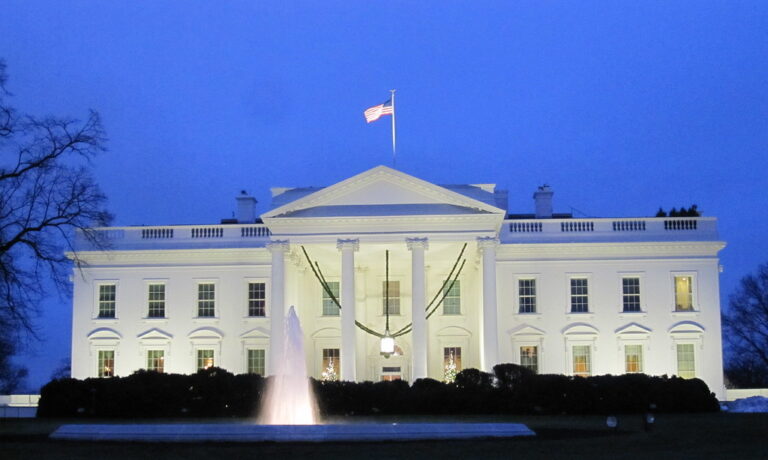
President Trump proposed a grand $300 million White House ballroom. He aims to modernize space beneath the mansion’s East Wing. Moreover, the plan could link to an underground emergency center. In theory, the new ballroom would offer extra event space. Yet preservationists worry about historic damage. They argue the work alters decades-old structures and heritage.

Preservationists Seek a Halt

The National Trust for Historic Preservation filed for an emergency block. They claimed subsurface digging could ruin historic foundations. In addition, they pointed to noise from heavy pile-driving equipment. The trust asked the court for a short pause. That way, they could seek a longer injunction later. Meanwhile, they noted that demolition already exceeded approved plans.

Judge’s Decision Allows Work to Proceed

U.S. District Judge Richard Leon denied the emergency request. He said the harm to preservationists was minimal. Also, he noted that deeper arguments could wait until early next year. Therefore, work may continue without interruption. During a busy hearing, the judge stressed the administration’s compliance. He demanded formal plans by December 31. “The court will hold them to that,” he said firmly.

How the White House Ballroom Plan Took Shape

Originally, the Administration claimed only presidential permission mattered. They said no extra environmental review was necessary. However, documents showed National Park Service officials evaluated the plan. Their August report said the project needed no detailed review. Preservationists labeled that report “woefully inadequate.” They pointed out big differences between plans and actual work. As a result, trust lawyers argued the assessment failed to meet legal standards.

Security Concerns and Classified Details

Shortly before the judge’s ruling, the court received a classified memo. It warned that halting the project posed national security risks. Historically, the Presidential Emergency Operations Center sits beneath the East Wing. Therefore, stopping work could disrupt emergency readiness. For example, the center offers a secure command post in crises. Unsurprisingly, national security weighed heavily in the judge’s decision.

Dispute over Demolition and Environmental Review

Preservationists object to the demolition of the East Wing Colonnade. They stress that official documents described only renovation. In addition, they claim bulldozers worked round the clock this month. They reported fresh piles of concrete and a growing construction footprint. Meanwhile, the administration insists all work complies with environmental rules. However, every day seems to add new differences between rules and reality.

What the Order Requires Next

The judge gave clear orders: submit project plans to the National Capital Planning Commission by December’s end. Then, the court will review those plans alongside public and expert comments. If major changes arise, the judge may revisit the request for a broader injunction. Therefore, the administration must act fast and transparently. Otherwise, it risks further legal challenges early next year.

What This Means for Preservationists

Preservation groups must prepare arguments for the next hearing. They will need evidence showing permanent harm to historic structures. Moreover, they must prove the current work exceeds approved permits. Also, they may seek additional environmental reviews. If successful, they could slow or even halt parts of the renovation. Meanwhile, they must balance public opinion on preserving American heritage.

What This Means for the Trump Administration

The administration must finalize and share detailed project blueprints. These plans will reveal construction scope and safety measures. Also, they will outline how the ballroom links to security areas. In addition, the administration may face questions from local planners. Therefore, it must justify costs, environmental impact, and security benefits. Finally, it will need to defend the project’s historic integrity.

Looking Ahead: Early 2025 Court Hearing

Arguments will resume early next year, when the court considers a longer preliminary injunction. At that time, both sides can present expert testimony. They can address environmental, historic, and security issues. Then, the judge will weigh the evidence carefully. If preservationists win, some construction may pause until final rulings. Conversely, the project could press on with official approval.

Conclusion

In short, the White House ballroom project moves forward for now. Judge Leon denied an emergency block on grounds of minimal risk. He demanded detailed plans by December’s end and will revisit the case soon. Meanwhile, preservationists and the administration prepare for a bigger showdown. They will focus on historic integrity, environment, and national security. Ultimately, the final decision will shape the future of this high-stakes project.

Frequently Asked Questions

How did the judge justify allowing the project to continue?

The judge found that stopping work posed minimal harm and that key issues could wait for a longer hearing.

Why do preservationists oppose the ballroom renovation?

They worry demolition and deep digging will damage historic parts of the East Wing’s foundation.

What role did national security play in the decision?

A classified submission warned that halting work could harm emergency operations beneath the East Wing.

When will the court next review the White House ballroom project?

Arguments are set to resume early next year, after the administration submits detailed plans.
Susie Wiles Leak Exposes Trump’s Dark Side

Key Takeaways

• Susie Wiles called President Trump an “alcoholic” and admitted he wears lawlessness as a badge.
• Former aide Miles Taylor says her comments prove Trump’s team can’t control his worst impulses.
• Her remarks could help opponents like Letitia James link Trump’s power to legal actions.
• Unlike John Kelly, Susie Wiles stayed silent when Trump crossed legal lines.
• The leak highlights deep divisions in Trump’s inner circle.

What Susie Wiles Revealed about Trump

Susie Wiles, a longtime campaign strategist, dropped shocking truths in private messages. First, she said President Trump has an “alcoholic’s personality.” Then, she admitted he flaunts lawlessness. In other words, he thinks he can break any rule. She even said his team simply makes bad things happen when he wants them. These comments now look like proof that nobody inside the White House can slow him down.

Impact on Legal Battles

Susie Wiles went further. She made clear that Trump’s Justice Department used criminal cases to punish his enemies. For example, she called the prosecution of New York’s Attorney General Letitia James “vindictive.” Former Homeland Security staffer Miles Taylor says these admissions could help Letitia James. Now, she may link Trump’s official power abuses to actions against her. Therefore, her team might win key evidence for court.

A Bystander in the Oval Office

Miles Taylor compared Susie Wiles to his old boss, John Kelly. Kelly would warn Trump about illegal moves. However, Wiles acted like a bystander. She’d nod at Trump’s bad plans but never speak up. In fact, she said her job was to carry out his orders, even if they broke rules. As a result, she became part of the problem instead of the solution.

Trump’s Lawlessness as a Badge

Perhaps the most chilling quote came when Wiles said Trump believes “there is nothing he cannot do.” Nothing stops him, she said. Not the law, not the Constitution. And she claimed her role was to make that belief real. Thus, President Trump seems to see his own power as limitless. Moreover, he demands loyalty over legality.

Why the Leak Matters

First, it shows that even top advisers know Trump’s darkest traits. For years, critics have claimed he breaks rules for personal gain. Now, a close aide confirms it. Second, it gives legal teams new ammunition. Susie Wiles’ words can become evidence in court battles. Third, it deepens worry about unchecked power at the highest level. If the president, his strategist, and his team ignore laws, democracy suffers.

The Role of Loyalty Over Law

In many White House circles, loyalty means more than right or wrong. Susie Wiles proved this by pushing Trump’s agenda despite doubts. She admitted she would set aside her concerns to keep him happy. This loyalty-over-law culture may explain why rules bend so easily in Trump’s orbit. In turn, it raises questions about who enforces the law at the top.

How Allies and Opponents React

Allies of Trump try to downplay the leak. They call it old news or private chatter. However, critics see a smoking gun. They say a key strategist confirms what they feared. As a result, news outlets now push for deeper investigations. Moreover, former aides like Miles Taylor want to testify about this culture of lawlessness.

A Look Back at John Kelly’s Approach

John Kelly, Trump’s first chief of staff, held a different view. He believed in setting legal “off-ramps” for the president. Kelly would warn Trump not to do illegal things. By contrast, Susie Wiles said she never stopped Trump. She simply moved forward with his plans. In fact, Kelly saw the Constitution as a guide, not an obstacle. This contrast highlights two ways to serve a leader: by protecting the office or by protecting the person.

What’s Next for Susie Wiles and Trump

Both Trump and Susie Wiles face new scrutiny. Legal teams may demand her testimony. She might have to explain her role in key decisions. Meanwhile, Trump’s team may try damage control. They could claim these messages are taken out of context. Yet, the core of her comments remains stark. She knew about his lawlessness and chose to enable it.

Lessons for Voters and Officials

This leak reminds us that advisers hold real power. They shape, enable, or restrain a president’s actions. Voters should demand transparency about who influences policy. Elected officials must insist on legal advice over loyalty. Otherwise, unchecked power can erode norms and laws.

Moving Forward with Accountability

In a healthy democracy, no one stands above the law. Susie Wiles’ leak puts that principle to the test. Will Congress probe further? Will courts consider her words? Will voters hold leaders accountable? These questions matter now more than ever. Because if advisers admit to willful lawlessness, the system itself may be at risk.

FAQs

What makes the Susie Wiles leak so important?

Her comments show that Trump’s top adviser saw his lawbreaking as a feature, not a flaw. That insight could shift legal and political battles.

Could Susie Wiles face legal trouble for her admissions?

Possibly. If courts view her statements as evidence of official abuse of power, she might be asked to testify or face subpoenas.

How might this leak affect Trump’s legal cases?

Opponents could use Wiles’ words to link Trump’s orders to wrongful prosecutions. That could strengthen defenses in court.

Why did John Kelly’s approach differ from Susie Wiles’?

Kelly aimed to curb illegal actions with legal “off-ramps.” Wiles prioritized loyalty and carried out the president’s wishes despite concerns.

Why the Trump Base Is Ready to Abandon Him

Key Takeaways:

• Donald Trump faces a split within his own followers.
• His self-serving style and age have weakened his bond with core supporters.
• High-profile MAGA figures now question his leadership.
• After the 2026 midterms, Trump will become a liability, not an asset.

Introduction

Donald Trump once rallied millions. Yet now, his own people may turn away. Reports show that voices in the Trump movement are breaking ranks. They criticize his attacks on a late film director, Rob Reiner. More importantly, they expose cracks in the Trump base beyond policy or ideology.

Why the Trump Base Is Cracking

Many who once cheered Mr. Trump have grown uneasy. Recently, several MAGA influencers spoke out against his remarks on Rob Reiner. They called his attacks disrespectful and pointless. As a result, these insiders reveal new doubts. They no longer trust his judgment or his motives.

Moreover, Trump never followed standard political rules. He bent facts, twisted words, and exploited fears. His style won him fame and loyalty. However, that same style now pushes people away. They feel his chaos brings more harm than good.

Age and Decline

Observers note a visible decline in Trump’s public performances. He once delivered tight speeches with clear points. Today, he rambles. He repeats stories. He loses his train of thought mid-sentence. Even without a medical degree, many see these signs of aging.

For example, his rallies now feature frequent pauses and confusion. He insists nothing is wrong, yet his staff struggles to keep him on script. In contrast, six years ago, he managed his events with sharp energy. His physical stamina was strong. That comparison worries longtime fans. They fear he can no longer handle the pressure.

Money and Self-Interest

Above all, Donald Trump cares about money and attention. He shapes his message to gain donations and headlines. He courts controversy to boost ratings. Yet, in doing so, he often sacrifices integrity and loyalty.

His followers now question that drive. They wonder if he values them at all. Instead, they see a leader who uses people as stepping stones. They remember old tapes where he bragged about grabbing women without consent. Those tapes showed how far he would go for self-gratification. Many in his core circle now feel betrayed.

Fallout with Allies

One clear sign of a base in turmoil came when Marjorie Taylor Greene publicly fell out with Trump. She once stood by him as a staunch ally. Now, she blames him for his harsh words about other Republicans. Her split shocked observers who assumed her loyalty was ironclad.

Also, other former loyalists have voiced doubts. Some senators and representatives now keep a distance. They avoid speaking at his events. Others refuse to defend his most controversial quotes. This growing distance suggests the Trump base will fragment further.

What Comes Next

Political analyst Jesse Edwards predicts a turning point soon. After the 2026 midterms, Trump will lose his usefulness. If Republicans lose, he becomes the scapegoat. If they win, he becomes unnecessary. Either outcome leaves him on the outside looking in.

Therefore, Edwards argues that Trump’s fall will come from within his own camp. His people will first turn against him. They will seek new leaders with more stable reputations and clear agendas. They will trade chaos for calm, extremes for moderation.

Additionally, potential 2028 candidates will rise in anticipation. They will court the same audience Trump once held, but with kinder language and fewer scandals. They will promise unity and respect. This offers Trump’s former followers a path away from endless drama.

Conclusion

Donald Trump reshaped American politics. Yet, his own followers now question his value and his vision. Signs of aging, self-interest, and lost allies signal a base in crisis. By 2027, his power could erode completely. In the end, men who demand total loyalty without giving much in return often end up alone. And that is the fate awaiting the man who once called himself king.

Frequently Asked Questions

Why are MAGA figures criticizing Trump now?

They object to his harsh comments about a late film director and see his tone as disrespectful. This clash highlights deeper doubts about his leadership style.

What evidence shows Trump’s decline?

Observers note his shaky speeches, confused remarks, and physical frailty compared to earlier years. These signs point to age-related decline.

How will the 2026 midterms affect Trump?

Regardless of the outcome, he will either become a scapegoat for losses or an unnecessary figure after wins. Both scenarios weaken his influence.

Who might replace Trump’s influence in the GOP?

Potential 2028 candidates could rise with promises of unity and respect. They aim to attract disillusioned Trump supporters seeking stability.

Middletown’s Mixed Feelings About JD Vance

0


Key Takeaways:

• Middletown residents are divided over JD Vance’s rise to fame.
• Some see him as a success story; others feel he doesn’t represent their city.
• Economic struggles and high living costs still burden Middletown families.
• Locals worry his politics may clash with the city’s values.
• The debate highlights Middletown’s hope and ongoing challenges.

Mixed Feelings in Middletown

Middletown is the hometown of JD Vance, a bestselling author and U.S. senator. Yet many locals don’t celebrate his success. Instead, they feel mixed emotions. Some admire his journey out of a tough childhood. However, others say his views don’t match the city’s spirit.

Why Middletown residents feel split

First, Middletown faces lingering economic woes. Manufacturing jobs have dried up. At the same time, prices for housing and groceries keep rising. Therefore, many residents feel left behind. They wonder if Vance truly understands their daily struggles.

Meanwhile, some see hope in his story. They point out that he came from the same neighborhoods. They believe his success proves that anyone can succeed. Yet others argue that his politics favor the wealthy over working families. Thus, the debate grows more heated.

Economic Struggles Remain

Middletown was once a booming steel town. Now, old factories sit abandoned. As a result, factories no longer hire thousands of workers. Instead, part-time and low-wage jobs fill the gap. Consequently, many families struggle to pay bills each month.

Moreover, rent and home prices have climbed. People also spend more on health care and education. As a result, even two-income households feel the pinch. Residents say life is harder now than it was a decade ago.

Views on JD Vance

On one hand, some residents feel proud. They celebrate that a local boy made it big. They recall his memoir about growing up in Ohio. In that story, he overcame poverty and family issues. To them, he shows that hope can spring from hardship.

On the other hand, many people say his politics don’t reflect Middletown values. They point out that Vance backed policies they see as unfair. For instance, they worry cuts to social programs would hurt the poor. Therefore, they feel disconnected from his agenda.

Furthermore, some worry he has forgotten his roots. They note that he spends more time in Washington and on cable news. Meanwhile, they struggle to fill empty shelves at grocery stores. In their view, he has drifted away from the city that made him.

Hope or Disappointment?

Residents who support Vance argue he can bring jobs back. They believe he will push for new factories and higher wages. They also hope he will secure federal funds for local schools and roads. Thus, they see his rise as a chance to revive Middletown.

However, critics remain skeptical. They say talk of new funding rarely turns into real change. Instead, they ask for clear plans and measurable results. Above all, they want to see improvements in health care access and job training programs. Without that, they feel his promises are empty.

Community Voices

“I’m proud someone from Middletown made it,” says one longtime resident. “But I wish he’d visit more and listen to our needs.” Another local adds, “His policies feel out of touch with families here. We need a senator who knows our struggles.”

High school students share mixed views too. Some cite Vance’s books in class. They describe feeling inspired by his personal story. Yet others say they worry about how his voting record might affect their future.

Local leaders are also divided. The school board hopes Vance will fund new tech labs. In contrast, a city council member fears budget cuts to public services. Therefore, they call on him to address local concerns first.

Looking Ahead for Middletown

Despite the debate, one thing is clear: Middletown needs solutions. Families want stable jobs with good pay. They want affordable housing and quality schools. They also seek better health care access. In short, they hope for a brighter future.

Whether they cheer or boo JD Vance, residents want results. They need to see new factories open or small businesses thrive. Accordingly, they expect their senator to listen as well as speak.

Still, community groups are stepping up. Nonprofits offer job skills training and food assistance. Local churches host health clinics and after-school programs. In this way, Middletown shows its own resilience. Even without a political hero, neighbors help neighbors.

Finding Common Ground

To move forward, Middletown must bridge its divides. First, open forums could let residents share ideas directly with Vance’s office. Next, partnerships between businesses and schools might revitalize the workforce. Also, city leaders and residents can work together on community projects.

In addition, more visits from JD Vance may help. If he tours factories, meets workers, and listens to concerns, trust might grow. Moreover, clear reporting on federal funding and local projects could ease doubts.

Ultimately, Middletown’s future depends on cooperation. Whether or not JD Vance reflects the city’s image, teamwork can spark change. When residents, leaders, and their senator join forces, real progress can happen.

FAQs

How do Middletown residents view JD Vance?

Many residents feel mixed emotions. Some admire his success. Others worry his politics don’t match their needs.

What economic issues does Middletown face?

Middletown struggles with job losses, high living costs, and fading industry. Families often live paycheck to paycheck.

Can JD Vance help revive Middletown?

Supporters hope he will secure federal funds and attract jobs. Critics want clear plans and real results before they believe change will come.

How are local groups addressing challenges?

Nonprofits, churches, and schools offer job training, food aid, and health services. These efforts aim to support families directly.

Trump Renovations Face Historic Lawsuits

Key Takeaways

• Trump renovations in Washington, D.C., face multiple lawsuits from local preservation groups.
• A controversial ballroom expansion led to debates over historic site protections.
• Preservationists sued to block painting and demolition plans on century-old buildings.
• A judge paused major changes until a federal commission reviews project plans.
• Lawsuits highlight tensions between modern needs and heritage conservation.

Trump renovations have stirred up conflict in the nation’s capital. President Trump’s plan to replace and repaint several historic buildings around the White House has angered local groups. These preservationists claim the changes threaten the city’s heritage. As a result, multiple lawsuits are now blocking the projects.

Trump Renovations and the White House Ballroom

Ever since the president unveiled his plans, Trump renovations made headlines. He announced that he would demolish the East Wing of the White House. Then he aimed to build a grand ballroom twice the White House’s size. According to critics, corporate donors financed the project. However, the Trump team says it is vital for national security.

Moreover, Trump renovations moved beyond the official residence. The plan also included painting the gray granite facade of the Eisenhower Executive Office Building. This 19th-century structure sits right next to the West Wing. Yet, preservationists argued that covering its historic gray color with white paint would harm its character. Consequently, they filed a lawsuit to stop this change.

Residents Sue Over Historic Building Changes

Soon after the painting lawsuit, more legal challenges arose. A leading preservation group then sued to halt construction of the new ballroom. They insisted that Congress must first approve any plan that alters the White House. Therefore, they asked a court to force the administration to wait.

At a packed hearing, the judge listened to both sides. The plaintiffs showed documents from a former federal official. These papers claimed that Trump renovations targeted other city landmarks. For example, a Brutalist office building that houses the Department of Housing and Urban Development might be demolished. In addition, two buildings containing New Deal–era murals also faced removal.

Court Weighs in on Trump Renovations

During the hearing, the judge decided not to block the ballroom right away. He noted that the administration promised to involve a federal review board. Specifically, the board would assess plans by the end of the month. Meanwhile, the judge warned the Trump team not to start any work that fixes the ballroom’s size. If they did, reversing it could become impossible.

In effect, the court put Trump renovations on hold. Yet, the ruling only paused construction. It left painting and other demolition plans unresolved. Consequently, preservationists plan to file more suits. They aim to protect each landmark under threat.

What This Means for Washington Landmarks

Clearly, the legal battles over Trump renovations signal deeper worries. Many locals fear that rapid changes could erase historic details. For instance, New Deal murals inside certain buildings could vanish forever. Likewise, the Brutalist HUD structure, though less ornate, holds cultural value.

Furthermore, experts say demolishing old buildings may harm tourism. After all, historic sites draw millions of visitors each year. In turn, tourism boosts local businesses and tax revenue. Thus, preservationists argue that keeping these sites intact benefits everyone.

However, Trump’s supporters claim modern needs justify the changes. They point to security upgrades and event spaces. They say the White House must adapt to new threats. Moreover, they note that private funds will pay for the ballroom. Therefore, they see no cost to taxpayers.

Next Steps and Potential Delays

Looking ahead, Trump renovations face a complex path. First, the federal review commission must examine the ballroom plans. If the board disapproves, the administration may need to revise its designs. Such delays could push the project back by months.

Meanwhile, preservationists will likely target other sites. They plan to file additional lawsuits against demolition bids. Each court battle could stall work until judges rule. As a result, any hope for quick upgrades may fade.

Moreover, Congress could weigh in at any time. Lawmakers might pass legislation to protect certain buildings. They could also demand full transparency on donations linked to the projects. Consequently, Trump renovations might become a major political issue.

In the end, this clash shows the tension between progress and preservation. It raises questions about who decides what changes are allowed in historic areas. As the legal saga unfolds, Washington’s skyline may remain frozen in time.

Frequently Asked Questions

What buildings are targeted by the lawsuits?

Lawsuits focus on the East Wing of the White House, the Eisenhower Executive Office Building, a Brutalist HUD office building, and two sites with New Deal–era murals.

Why do preservationists oppose the painting plan?

They argue that covering the 19th-century building’s gray granite with white paint destroys its historic look and character.

What did the judge decide about the ballroom construction?

The judge declined to issue an emergency block. Instead, he asked the administration to wait for a federal commission review before fixing the ballroom’s size.

How could Congress affect these renovation plans?

Members of Congress might require approval of any major White House changes or pass laws to protect specific historic landmarks from alteration.

Can We Save Trump After Reiner Tragedy?

Key takeaways

• Two MAGA figures, Marjorie Taylor Greene and Alex Jones, worry about Trump’s image after his Reiner comments
• They say Trump needed empathy when talking about Rob Reiner’s family tragedy
• Critics across the MAGA spectrum have called out Trump for his harsh words
• Allies now ask: can we save Trump by having him own his words and show compassion

Introduction

On Tuesday, Alex Jones asked Representative Marjorie Taylor Greene a tough question on his show. He wanted to know if we can save Trump after the president’s attack on Rob Reiner. Trump blamed Reiner for provoking his own death. Greene and Jones both said that Trump’s comments lacked empathy. They fear those words could hurt the president’s future.

What Sparked the Worry?

First, let’s look at what Trump said. After Hollywood director Rob Reiner and his wife died, Trump called Reiner “nasty” and suggested he deserved it. Meanwhile, Trump had condemned the killing of activist Charlie Kirk. This mixed reaction puzzled many. On The Alex Jones Show, Jones said he was “very concerned” about Trump’s future. He asked Greene directly: “So can Trump be saved?”

Why Comments on Rob Reiner Matter

When public figures face tragedy, words carry weight. Trump’s role as president means his reactions shape public mood. If he shows empathy, he can unite people. However, by blaming Reiner, Trump angered many supporters. Transitioning from criticism to comfort could mend that rift. But first, he must admit he was wrong.

Greene pointed this out clearly. She said Trump should have stuck to empathy for the Reiner family. She added that what happened to them was “a horrific tragedy.” Greene stressed that Trump must take responsibility for his own words. In her view, this step is key if we want to save Trump’s image.

MAGA Reactions Across the Spectrum

Interestingly, the backlash came from within the MAGA movement itself. People from different wings of the base have spoken out. Some called Trump’s remarks cruel. Others warned that such comments might cost him key support. Greene said that the revolt shows the base is “done with it.”

Moreover, critics argue that this is not about Rob Reiner’s politics. It is about a learned rule: never mock someone who just lost their life. As Greene pointed out, Trump’s words reveal a deeper issue. They hint at a lack of compassion at a critical moment. This could erode trust among his core followers.

How Could Allies Save Trump?

Many now ask: how can we save Trump from this crisis? First, he needs to own up. He should acknowledge his mistake and offer a genuine apology to the Reiner family. Then, he must show empathy in future statements. A more thoughtful tone can repair public trust.

Second, Trump should surround himself with advisers who can intervene. As Jones said, Trump needs people who will say, “What are you doing?” before he goes off script. Honest feedback could stop him from making similar errors.

Third, Trump can highlight his record of supporting families who suffer tragedy. By focusing on positive actions, he can shift the narrative. For example, he might revisit policies that help first responders or mental health initiatives.

Finally, Trump can speak directly to his base. He could hold a town hall or post a video addressing the issue. In it, he should express regret and outline steps to improve. Clear communication can calm critics and energize supporters.

Why Taking Responsibility Is Key

Accountability is the bridge between controversy and recovery. When leaders admit mistakes, they show strength, not weakness. This act can rebuild faith in their judgment and character. Furthermore, owning up can deflect attacks from opponents. If Trump takes that path, he can regain momentum.

Without this step, the damage may linger. People may question his judgment in future crises. They might doubt his ability to unite the party. Therefore, responsibility is not optional. It is essential if we want to save Trump’s standing.

What’s Next for Trump and His Team?

In the days ahead, watch for signs of change. Will Trump address the Reiner family directly? Will he tweak his public messages? His choice of spokespeople will also matter. People will look at who drafts his statements. They will watch for any shift in tone.

If Trump remains silent or doubles down, Greene and Jones warn the fallout could deepen. In contrast, a swift apology and a show of empathy might turn the tide. Only time will tell if he can balance confrontation with compassion.

Conclusion

The question on everyone’s mind is simple: can we save Trump after this misstep? Greene and Jones say yes, but only if he takes clear action. He must own his words, show empathy, and listen to honest advisers. Otherwise, this moment could cost him a vital part of his base. Ultimately, responsibility and genuine care will decide if his image recovers.

FAQs

What exactly did Trump say about Rob Reiner?

Trump called Rob Reiner “nasty” and implied he deserved his fate. He blamed Reiner’s words for provoking his own death, instead of offering condolences.

Why are Marjorie Taylor Greene and Alex Jones concerned?

They believe Trump’s harsh comments could alienate his supporters. They worry his lack of empathy harms his image and weakens trust in his leadership.

How can Trump regain support after this controversy?

Trump can regain support by admitting his mistake, offering a sincere apology, showing empathy, and adjusting his public tone. He should also heed honest advice from close advisers.

Is taking responsibility enough to save Trump?

While not guaranteed, taking responsibility is a crucial first step. It shows maturity, rebuilds trust, and can shift the narrative from conflict to compassion.

Affinity Partners Withdraws Warner Bros Bid

0

Key Takeaways


  • Affinity Partners pulled its offer to buy Warner Bros. Discovery.
  • The firm stepped back after learning Paramount’s higher cash bid would be rejected.
  • Paramount raised its offer from $19 to $30 per share, valuing the deal around $108 billion.
  • Earlier, Netflix showed interest in acquiring Warner Bros., raising monopoly concerns.
  • Former President Trump said he would review any deal and urged that CNN must be sold.

Affinity Partners, the private equity group co-founded by Jared Kushner, has ended its pursuit of Warner Bros. Discovery. This surprising move came after the firm learned that Warner Bros. was about to refuse Paramount’s all-cash offer.

What Happened?

Affinity Partners announced that it would no longer compete for Warner Bros. Discovery shares. The decision followed news that Paramount was set to bid more than $108 billion. That amount translates to roughly $30 per share. Initially, Paramount offered $19 per share. After weighing higher offers, Warner Bros. opted to move forward with Paramount. Consequently, Affinity Partners withdrew its offer.

The Rise of the Bid

Initially, Affinity Partners eyed Warner Bros. Discovery as a chance to enter a major media deal. The firm saw value in combining streaming, movie studios, and cable networks under one roof. Moreover, competition was fierce. Netflix was also reported to be interested in an acquisition. Experts warned that a Netflix-Warner Bros. merger could limit choices for viewers. This concern over a media monopoly shaped the bidding war.

Why Affinity Partners Ended the Bid

Affinity Partners ended its bid for several reasons. First, Warner Bros. preferred Paramount’s cash offer. Paramount’s recent bid of $30 per share outmatched any other proposal. Second, the firm likely feared a drawn-out bidding fight. Finally, regulatory and public scrutiny around media monopolies added pressure. Consequently, Affinity Partners chose to step aside rather than push on with uncertain prospects.

Paramount’s Growing Offer

Paramount’s first bid of $19 per share set the stage for the contest. When Netflix entered the mix, the stakes rose. Paramount then boosted its offer to $30 per share. That jump increased the total valuation to roughly $108 billion. As a result, Warner Bros. Discovery’s board found Paramount’s offer far more attractive. This change left no room for Affinity Partners to adjust its strategy.

Monopoly Concerns and Regulatory Hurdles

Regulators and experts constantly monitor big media mergers. A union between two streaming giants might reduce competition. For example, a Netflix-Warner Bros. alliance could give one company too much control. Thus, regulators would likely impose strict conditions or block the merger. Affinity Partners saw these hurdles as a major risk. Consequently, the firm decided the timing was off for an aggressive push.

What Comes Next?

With Affinity Partners out, all eyes turn to Paramount and Warner Bros. Discovery. Shareholders will vote on the Paramount bid soon. If approved, the merger could reshape the media industry. Streaming platforms, movie studios, and news outlets will all likely face new ownership. Meanwhile, other players may step up with fresh offers or strategic partnerships.

Former President Trump’s Role

Donald Trump said he plans to “be involved” in reviewing any deal. He argued that CNN must be sold separately. Trump claimed that CNN’s ownership under Warner Bros. could influence public opinion. His comments signal that political pressures may also shape the final outcome.

The Impact on Media Fans

Fans of Warner Bros. Discovery content may see changes in show and movie releases. Subscription prices could shift as new management seeks profit. On the other hand, fresh investments might boost content quality and variety. Viewers will need to wait and watch how the deal shapes the streaming landscape.

The Future of Affinity Partners

Affinity Partners still holds funds to invest elsewhere. The firm may now target smaller media deals or other industries altogether. Its experience here shows the challenges of bidding in high-stakes markets. Moving forward, the group might seek ventures with fewer regulatory hurdles and less public scrutiny.

Comparing Bids: Affinity Partners vs. Paramount

Affinity Partners

  • Private equity backed by Jared Kushner.
  • Focused on a mix of cash and equity.
  • Faced a competitive and regulated market.

Paramount

  • Media giant with deep industry roots.
  • All-cash offer at $30 per share.
  • Board approval nearly guaranteed due to cash sweetener.

Together, these factors made Paramount the clear favorite. As a result, Affinity Partners chose to save resources and avoid a drawn-out fight.

Lessons Learned for Future Deals

First, a strong cash offer can sway board decisions quickly. Second, regulatory scrutiny on media mergers remains high. Finally, timing matters. Bidders must assess both competitor moves and public reaction before jumping in. Affinity Partners likely took these lessons to heart.

Looking Ahead in Media Mergers

The media landscape continues to evolve. Streaming wars, global expansions, and new content formats keep the market dynamic. Companies must balance growth ambitions with regulatory compliance. Investors will watch closely as other deals form in the wake of this high-profile bidding war.

Frequently Asked Questions

What was Affinity Partners’ reason for withdrawing its bid?

Affinity Partners stepped away after learning Paramount’s higher cash offer was set to win approval. The firm also faced potential regulatory challenges.

How much did Paramount offer per share?

Paramount raised its bid to $30 per share in cash, valuing the deal at about $108 billion.

Could Netflix still make a bid for Warner Bros. Discovery?

While Netflix showed early interest, the strong Paramount offer and regulatory concerns make a Netflix bid unlikely.

What role did political factors play in this deal?

Former President Trump expressed his intent to review any transaction. He also urged Warner Bros. to sell CNN separately.

Mick Foley Quits WWE Over Trump Connections

0


Key Takeaways

  • Wrestling icon Mick Foley will leave WWE when his contract ends in June.
  • He highlights WWE’s ties to Donald Trump and the president’s harsh comments.
  • Foley called Trump’s words “incredibly cruel” after filmmaker Rob Reiner’s death.
  • He said his values now outweigh any professional loyalty to WWE.
  • This move marks a rare public break over politics in pro wrestling.

Mick Foley Exits WWE Citing Trump Ties

Mick Foley has announced he will not renew his WWE deal in June. He spent three decades with the company. However, he can no longer work for an organization linked so closely to Donald Trump. In a direct statement, he said the breaking point came after Trump’s recent comments. Foley labeled those remarks “incredibly cruel” toward a grieving family. As a result, he decided it was time to step away.

Why Mick Foley Made This Choice

Mick Foley has long valued compassion and fairness. Yet, he watched WWE stand by its friendship with Trump for years. Meanwhile, Trump’s rhetoric grew harsher and more divisive. Following the death of filmmaker Rob Reiner and his wife, Trump mocked their passing on social media. Foley described those actions as lacking even basic human kindness. Moreover, he cited past Trump-era immigration policies. He called them inhumane and cruel. Therefore, Foley felt he could no longer be the face of a brand tied to these views.

What Mick Foley Said in His Announcement

In his public statement, Foley first thanked WWE for his many opportunities. He spoke of cherished memories from the ring and life on the road. Then he turned to his concerns. He condemned Trump’s hurtful words and criticized WWE’s unwillingness to distance itself. Foley explained he cannot represent an organization aligned with “cruel and authoritarian” tactics. He closed by saying this decision stems from his personal values, not bitterness toward WWE or its fans.

Reactions from Fans and Wrestling World

After Foley’s announcement, fans poured out support on social media. Many praised his courage to follow his heart. Some current and former wrestlers chimed in, expressing respect for his stand. However, a few questioned whether politics should mix with entertainment. Despite differing views, most agree that Foley’s voice carries weight. His choice could spark more debate about wrestlers’ roles in political matters. Ultimately, it shows how personal beliefs can impact a long-standing career.

The Future for Mick Foley

Looking ahead, Foley plans to focus on writing, charity work, and speaking events. He has authored several books and hosts a popular podcast. Now he says he will use his platform to fight for causes he believes in. Foley also hinted at new wrestling projects outside WWE. He hopes to inspire young athletes to stand by their convictions. In addition, he wants to mentor rising stars who share his passion for social justice.

Why This Matters for WWE

WWE has built its brand on larger-than-life characters and global reach. Over time, it formed ties with high-profile figures, including Donald Trump. Those connections can boost publicity but carry risks. Foley’s exit highlights the potential fallout when politics and sports entertainment mix. His departure may pressure WWE to reconsider its alliances. Moreover, fans will watch how the company responds to criticism from within.

Lessons from Mick Foley’s Decision

First, Foley’s move shows that values can outweigh even the most loyal partnerships. Next, it reminds public figures of their influence on social issues. Then, it underscores how social media can amplify both praise and backlash. Finally, it demonstrates the power of speaking out, even at a personal cost.

Conclusion

Mick Foley’s exit from WWE marks the end of an era. He offered three decades of unforgettable moments in the ring. Yet, his belief in compassion and respect led him to a tough choice. By walking away, he set an example of integrity over business ties. As Foley moves forward, his fans and the wrestling world will watch closely. His stand may inspire others to choose principle over profit.

Frequently Asked Questions

What prompted Mick Foley to leave WWE?

He cited WWE’s ties to Donald Trump and Trump’s cruel remarks after a filmmaker’s death.

When will Mick Foley’s WWE contract end?

His contract runs until June, and he has confirmed he will not renew it.

Does Mick Foley plan to continue wrestling elsewhere?

He hinted at projects outside WWE but will focus more on writing, charity, and speaking.

How have fans reacted to Mick Foley’s decision?

Many fans praised his courage and integrity, though some debated mixing politics with entertainment.

Boat Strikes Spark Heated Clash Between Hegseth and Kelly

0

Key Takeaways:

  • Defense Secretary Pete Hegseth and Senator Mark Kelly clashed during a classified briefing over lethal boat strikes near Venezuela.
  • Kelly pressed for details on operations, and Hegseth accused him of focusing on a video warning troops about unlawful orders.
  • The Department of Defense is probing Kelly over that video, while Hegseth faces scrutiny for his role in the boat strike actions.
  • Legal experts warned the boat strikes might breach rules of engagement and risk war crime allegations.
  • Kelly’s legal team has threatened action against the investigation, calling it political and unlawful.

Background of Boat Strikes

In recent U.S. military operations, boat strikes targeted suspicious vessels in the Caribbean. These actions took place off Venezuela’s coast under a policy set by the previous administration. According to some reports, these boat strikes used deadly force to stop suspected smugglers or hostile actors. However, critics raised concerns about possible civilian harm, unclear rules of engagement, and lack of oversight. As a result, this topic has grown into a major point of debate among lawmakers and legal experts.

What Sparked the Boat Strikes Clash

During a classified meeting with Secretary of State Marco Rubio and other lawmakers, Senator Mark Kelly asked for an update on these operations. In response, Defense Secretary Pete Hegseth brought up a video Kelly had made. Kelly and other veterans warned active soldiers not to follow unlawful orders. Hegseth then explained the difference between legal and illegal orders. Kelly felt the response ignored his question on boat strikes. He interrupted to refocus on the operations off Venezuela.

Punchbowl News reporter Andrew Desiderio wrote that Kelly sat in the front row when Hegseth launched his response. Then Kelly spoke up, saying the video issue had nothing to do with his question. Later, Punchbowl News founder Jake Sherman noted on social media that the room had seen a fiery exchange.

Investigation and Legal Moves

Meanwhile, the Defense Department opened an investigation into Kelly’s video. Officials said they were reviewing whether he broke rules by discouraging troops from following orders. In turn, Kelly’s attorney sent a formal warning to Defense Department leaders. The letter calls the probe “illegal” and “politically motivated.” Kelly’s team says they are ready to use any legal step needed to end the review.

At the same time, Hegseth has come under fire for overseeing the boat strikes. Lawmakers asked to see the legal basis for using lethal force at sea. They want to know how commanders assessed threats and if civilians were at risk. A number of military observers also requested information about after-action reports and casualty counts.

Scrutiny Over Boat Strikes

Legal experts have argued that some of these missions may violate international law. They point out that firing on vessels without clear evidence of weapons or hostile intent could amount to a war crime. Observers also noted the lack of public data on how targets were identified. Without clear rules and oversight, critics say, any force can become excessive.

Moreover, lawmakers worry that the chain of command failed to keep checks and balances. If commanders gain too much discretion at sea, they might bypass legal safeguards. Consequently, there are calls for tighter congressional review. Senators and representatives want to hold hearings and demand full transparency on the operation authorizations, target evidence, and any civilian harm.

Reactions and Implications

The clash between Hegseth and Kelly sheds light on a larger divide in Congress. On one side, those who back strong defense measures see boat strikes as necessary tools. On the other, some demand strict adherence to legal norms and caution against political misuse. This split could shape future defense policies and oversight procedures.

Furthermore, the dispute touches on a broader theme: how much political influence should affect military decisions. Hegseth’s critics worry that mixing politics and military justice can undermine troop morale. Conversely, supporters argue that civilians’ rights matter and soldiers must follow clear laws.

As this debate unfolds, the investigation into Kelly will test the limits of military authority over elected officials. At the same time, the probe into boat strikes will reveal how the Pentagon balances security needs with legal duties.

Conclusion

The heated moment between Secretary Hegseth and Senator Kelly highlights deep concerns about lethal operations at sea. While Kelly demanded clarity on the boat strikes, Hegseth pointed to allegations against the senator. Their clash underscores the tension between military command and civilian oversight. In the months ahead, legal reviews of both the video incident and the boat strikes will shape how Congress and the Pentagon handle such critical issues. Ultimately, the outcome could redefine rules of engagement and protect both national security and legal standards.

Frequently Asked Questions

What are the boat strikes near Venezuela?

These boat strikes are U.S. military actions targeting ships suspected of illegal activities off Venezuela’s coast. They involve using force to stop vessels deemed threats.

Why did Hegseth and Kelly clash?

Senator Kelly asked about the operations, and Secretary Hegseth responded by bringing up a separate political issue. Kelly interrupted to bring the focus back to the boat strikes.

What investigation faces Senator Kelly?

The Defense Department is investigating Kelly for a video where he warned troops not to follow unlawful orders. Kelly’s team claims the probe is illegal and politically charged.

Could these boat strikes be war crimes?

Some legal experts warn that using lethal force without clear evidence of hostile intent may break international law. Critics demand detailed oversight to ensure legality.

Could Trump Attacks Sink Midterm Elections?


Key Takeaways

  • Republicans fear Trump’s comments on Rob Reiner could harm their midterm elections chances.
  • GOP lawmakers are frustrated by the lack of focus on key policy issues.
  • Rising health care costs and poor economic sentiment worry party leaders.
  • Distractions from Trump’s attacks may cost the GOP control of the House.

How Trump Attacks Shake Midterm Elections

Republicans are uneasy. Their own party leader has been mocking Rob Reiner, the late Hollywood director. Many think this move will damage their midterm elections hopes. Meanwhile, voters struggle with health premiums and high prices.

Unlike past moments, GOP lawmakers are openly worried. They believed they could handle Trump’s public persona. However, this latest attack feels different. It comes at a bad time for the party.

Republican Frustration Grows

First, party members feel anger. They saw Trump’s comments as a needless distraction. They wanted focus on economic relief and health care reforms. Instead, they saw him mock a murdered public figure.

Moreover, some felt puzzled. They asked how an attack on a crime victim helps win seats. They need a clear plan for tariffs, insurance costs, and overall economic pain. So far, they still have no unified strategy.

A senior GOP aide said, “If the election were today, we’d be cooked.” This blunt note reflects real fear. Many swing voters view the party as out of touch with their daily struggles.

The Reiner Controversy

On Sunday, Rob Reiner and his wife were found stabbed to death in their Los Angeles home. Trump chose this moment to mock Reiner’s career. He posted online that Reiner was overrated. He then moved on to other issues.

However, lawmakers felt this crossed a line. They worry that voters will see the party as cruel. They fear this will appear insensitive to personal tragedy.

In addition, the shift back to entertainment gossip confused many. Officials wanted to talk about better health care. Also, they hoped to outline a plan to lower tariffs on imports.

Policy Challenges and Voter Concerns

With less than a year until the midterm elections, policy issues matter most. Yet, party leaders have offered few solutions. Voters face rising deductibles and premiums. At the same time, groceries and gas prices stay high.

Therefore, many Americans blame Congress. They see it as unable to lower costs. They also worry that new trade tariffs will push prices even higher.

Moreover, younger voters are watching too. They care about health coverage and student loans. They want real plans, not snarky attacks on public figures.

Trump Attacks and Midterm Elections Outlook

After months of chaos, few expect a smooth campaign. Surveys show approval ratings stuck in the low forties. Economic confidence remains low. Thus, the outlook for Republican candidates looks grim.

Furthermore, internal polling in key districts paints a bleak picture. Even districts Trump won handily in the last general election may flip. Democratic challengers have gained ground, especially on bread-and-butter issues.

Republicans believe a major economic bill could boost their chances. They talk about passing a deal to cut health insurance rates. Yet, they have not united behind any such plan. Without unity, they risk voter apathy and backlash.

Unfocused Messaging and Electoral Risk

Messaging matters in tight races. Winning midterm elections often hinges on low-information voters. They tune in to headlines and simple slogans. Right now, those headlines focus on Trump’s latest jabs.

Consequently, the GOP struggles to stay on message. Instead of policy debates, the news cycle highlights personal attacks. This dynamic may push undecided voters toward change.

Party strategists note that swing districts prefer stability. Voters want leaders who solve problems. They do not warm to stories of feuds and insults.

Economic Fears Driving Voter Mood

Economics drive elections more than personalities. When prices rise, voters notice. They want relief on medical bills and everyday costs. In the current climate, few feel that relief is coming.

Hence, polls show the economy as the top issue. Health care comes in second. Yet Trump’s attack on Reiner has little to do with these concerns. This mismatch could alienate the key swing voters.

Republican insiders warn that unless they pivot, they will face losses. Even a modest shift in a few districts could change control of the House.

What Comes Next for Republicans

Time is running out. Midterm elections are months away. Lawmakers need a clear path forward. They must unify around policies that matter.

Some are calling for an economic summit in the House. They hope to draft legislation on health care premiums and tariffs. At the same time, they urge Trump to focus on those plans in public remarks.

Others suggest increased town halls and listening tours. They aim to hear voter priorities directly. By contrast, continuing personal jabs may widen the gap between officials and voters.

Republicans must also pick their battles wisely. Engaging on issues that resonate will help. Attacks on late public figures, they say, only fan the flames of controversy.

Meanwhile, Democrats see opportunity. They plan to highlight GOP disarray and focus on tangible voter needs. They believe a clear message on cost relief could win key seats.

In addition, they will frame Republicans as out of touch. That narrative grows stronger as the party remains distracted by internal fights.

Conclusion

In short, Trump’s attack on Rob Reiner has rattled many in his party. At the same time, basic voter concerns about health care and the economy remain unresolved. If Republicans fail to shift focus, they risk losing control of the House in the midterm elections. With time slipping away, the GOP faces a critical test of unity and policy leadership.

FAQs

How have Trump’s comments on Rob Reiner affected Republican strategy?

Many Republicans see the comments as a distraction. They worry it shifts attention from real policy debates, like health care and tariffs.

What policy issues worry voters most ahead of the midterm elections?

Voters cite rising health care costs and high prices on everyday goods. They also focus on job security and economic growth.

Can a major economic bill improve GOP chances in the elections?

Party insiders believe passing an economic relief package could help. However, they must agree on details fast to show voters they can deliver.

Why do swing voters matter for midterm outcomes?

Swing voters often decide close races. They want clear solutions to daily problems. Campaigns that address those needs tend to perform better.