62.7 F
San Francisco
Wednesday, June 17, 2026
Home Blog Page 1221

Ukraine Seeks Fast Pick for Peace Talks

0

Key Takeaways

• Ukraine wants Europe to choose a representative quickly for peace talks.
• The new representative would join efforts with the US and Russia.
• Talks should begin soon after the Paris meeting.
• The move shows Ukraine’s determination to end conflict.

Ukraine is pushing for a fast decision. The country wants Europe to nominate someone for peace talks with the United States and Russia. Ukraine believes that choosing the right person soon is essential. Ukrainian officials say we need action and not just endless talks.

A Top Adviser Speaks Out

A leading adviser from Ukraine recently made this statement. He noted that the decision should come quickly. The adviser is one of President Volodymyr Zelenskiy’s close aides. He stresses that the choice should be made immediately after a meeting in Paris. Meeting discussions in the French capital focus on security matters. Therefore, choosing a candidate right after the Paris meeting is important.

The adviser did not name anyone in his comments. He instead explained what type of person could fill this role. He said the person should be ready to talk and skilled in negotiation. This person will have a big responsibility. They will work with leaders from Europe, the US, and Russia to pave pathways for peace.

European Action in Focus

Ukraine urges Europe to step up. European leaders are strongly encouraged to act like the world is watching them. This representative must fill a gap in talks with other nations. Ukraine believes having the right person could help ease conflict with Russia. It appears that the option for peace is not far away if the nomination happens soon.

European officials are busy with many issues. However, Ukraine reminds them that peace is priceless. The peace talks are a major chance for new beginnings. This chance is especially critical as the conflict continues to impact millions of lives. Ukraine wants real discussions that help bring back stability and hope.

Why Speed is Essential

Speed is crucial in these negotiations. Ukraine worries that delay could hurt the potential for a successful outcome. Every day, the situation changes in conflict zones. Quick actions now could prevent more damage later. Ukraine’s leadership is firm in its belief that submissions and proposals should not drag on too long.

Speed also matters because trust is fragile. A long wait can make participants question the resolve of both parties. The adviser’s words emphasize action and decisiveness. He told observers that Ukraine expects Europe to be proactive. Proactivity is often the key to unlocking successful negotiations with long-standing adversaries.

The Role of the Future Representative

The soon-to-be-nominated representative will have a very important role. They must be ready for tough negotiations. Their job is to bring hope to many people who have lived in conflict for too long. Their role is to create connections and build bridges between Ukraine, the United States, and Russia.

This person needs excellent communication skills. They must be able to explain Ukraine’s perspective clearly. They should also have the respect of all parties. Handling negotiations with both the US and Russia means they must be neutral and fair. In other words, they need to inspire confidence and trust.

They will be deeply involved in the dialogue process. This task is not easy. The representative will have to manage discussions that are full of passion and history. They need to stay calm and confident throughout the process. Their ability to listen carefully, offer sensible solutions, and prompt agreement is critical.

What Does This Mean for the Future?

This decision comes at a critical time for Ukraine and the world. It shows that Ukraine is serious about building an enduring peace. The message is clear: the time for endless debates is over. There is an urgency for real action. The hope is that soon, discussions between Ukraine, the US, and Russia can start in earnest.

For Europe, choosing a representative is a chance to make history. They will play a part in determining how relationships between nations evolve. Many people around the world are hopeful for this new approach. The new nominee could be the spark that ignites productive and meaningful dialogue. With a capable representative, differences might shrink, and understanding may grow.

What Happens Next?

We will soon learn more details after the Paris meeting. The meeting in Paris is a chance for various leaders to gather and share their views on security issues. At this gathering, many key decisions could be discussed. Ukraine expects that immediately after the meeting, Europe will announce its nominee for peace talks.

The adviser’s forward-thinking remarks are a call to action. They remind Europe that peace and stability depend on timely decisions. Every minute counts when lives are at stake. Ukrainian officials view this nomination as a necessary step toward bridging divides. They hope that once inside the discussion, all parties will find new pathways to peace.

How Leaders Can Work Together

If Europe names a strong representative, leaders from both the US and Russia might listen more carefully. Good leadership usually encourages cooperation. In this case, the representative would act as the common voice of reason. They would bring diverse groups together, improving communication. As a result, difficult conversations could turn into opportunities for mutual understanding.

Leaders in different parts of the world are no strangers to hardship. History shows that many disputes can be settled with honest dialogue. This meeting in Paris could serve as a turning point. With many eyes watching, the representative has the chance to set a positive tone. By showing determination and calm resolve, he or she could help reduce tensions and build bridges not only between Ukraine and other nations but among the nations themselves.

Living in the Moment

This step from Ukraine sends a strong message: we must live in the moment and act before it is too late. Too often, questions remain unanswered, and voices are left unheard. This push for action is a reminder that progress does not wait. Even if the situation seems overwhelming, acting now can change the course of history.

The adviser believes that reflection without action is no longer enough. The idea is to think quickly and then make decisions. This quick decision-making can save lives and restore hope. When leaders in Europe decide on the right candidate swiftly, they create a momentum that moves all parties forward. This momentum is essential because it reminds everyone involved that change is possible.

The Importance of Clear Communication

Clear communication is a must in peace talks. The soon-to-be-appointed representative must speak clearly and directly. They cannot hide behind complicated words or vague ideas. Instead, they must use simple and honest speech. The target is to ensure that everyone understands their points and intentions.

When talks happen more openly, misunderstandings are less likely to occur. This open style of communication can build a safe space for honest dialogue. Also, people are more inclined to trust a leader who communicates well. In negotiation settings, every word matters. The adviser said that it is essential for every participant to speak with clarity and conviction. That is one of the main reasons why choosing the right representative is so important.

The Bigger Picture

In this complicated time, Ukraine is focused on creating a future without conflict. Ukraine believes that a well-chosen representative with the right skills can make a huge difference. The move symbolizes a hopeful start toward peace. The nomination process is not just a diplomatic step, but a move full of hope for many young and old people.

For many citizens, this shift holds the promise of better days. It also shows that Ukraine is ready to listen and seek solutions. By negotiating openly with both the US and Russia, Ukraine hopes to mend past wounds and restore trust. The world awaits the outcome of this important step.

Looking Ahead

The next part of the story takes us to Paris, where crucial discussions will happen. We can expect leaders to share their viewpoints. Meanwhile, Ukraine remains focused on a single goal: attaining lasting peace. The adviser’s message continues to resonate with many who want to see real change.

Europe’s impending decision plays a central role in this story. It is a call for quick action and clear communication. Yes, challenges remain. However, this step could be the spark that lights the way to a peaceful future. It brings us closer to the day when differences can be solved through genuine conversations.

Every day counts in the pursuit of peace. Ukraine’s call signals that we cannot wait for perfect conditions. The time to act is now. The next days and weeks will be critical as all sides prepare for discussions that could change lives.

This article demonstrates the importance of making decisions quickly. It highlights Ukraine’s hope for a better, fairer future. The world watches as leaders plan and gather their thoughts. By taking decisive steps soon after the Paris meeting, everyone involved can work together to shape a safer world. The conversation is not just about politics; it is about people longing for security, trust, and a chance to live without fear.

The story of the nominee search will continue to develop. Many will hope that the right candidate is chosen swiftly. Once the decision is made, it could open doors to new discussions, renewed trust, and a hopeful ending to long-standing conflicts. The adviser’s commitment to prompt action brings energy and urgency to the whole effort.

In conclusion, Ukraine’s call for a rapid decision on a messenger of peace stands as a crucial step in international relations. The focus on fast action reflects the belief that inaction can lead to more conflict. Peace talks are not just about solving conflicts; they are about rebuilding lives, communities, and nations. Through swift and clear communication, leaders have the power to bring about a lasting transformation.

The world now has its eyes on Europe as the next chapter begins. The nominated representative will soon have the chance to help write a better future for all. We remain hopeful that this initiative will foster an environment where dialogue replaces discord and where hope triumphs over tension. This news reminds us that sometimes, the smallest decision can pave the way for great change.

Nationwide No Kings Day Protests Spark Change

0

Key Takeaways

1. Americans hold protests nationwide on No Kings Day.
2. Protesters stand up against perceived illegal actions.
3. Citizens push back against executive overreach.
4. Grassroots movements aim to reclaim democracy.
5. This is only the start of a long fight.

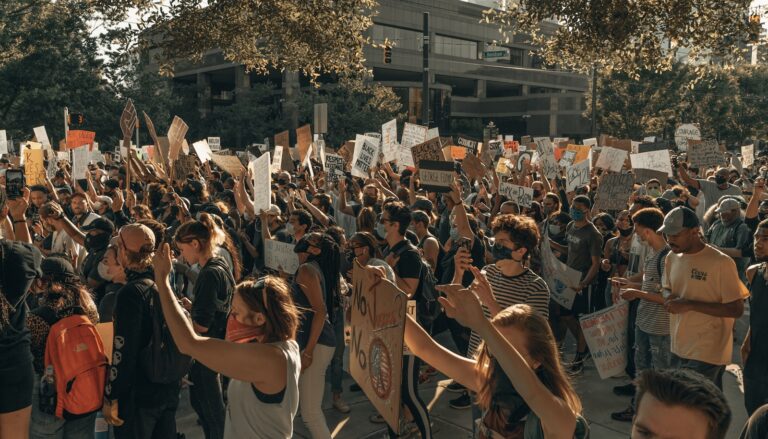
Protests are spreading across the nation. Americans are making their voices heard. They gather in large groups to show their anger. They want a better government. They want to take back power.

In Washington, demonstrators filled the streets. They chanted strong messages. Many said fascists are not welcome here. People felt the protest was necessary. They believe actions taken by leaders are unlawful. In many ways, the group sees these actions as harmful to democracy.

In Boston, thousands joined the protest. They raised their voices in unity. They stood up against executive overreach. Protesters wanted to see the law respected. They wished to see the Constitution upheld. Their actions held a clear message to those in power.

In Harrisburg, Pennsylvania, people held signs and gathered. They took a stand on the sidewalks. Their images spread quickly through social media. Pictures captured a determined crowd. Everyone in attendance had a strong reason to protest. Their message gave hope to many.

Atlanta showed a huge gathering as well. Video footage captured many protestors on the streets. In Atlanta, the crowd grew very large. They wanted to show that they could not be ignored. Their efforts sent a clear signal to top leaders. The protest was vibrant and full of energy.

In Cincinnati, residents also marched down the streets. They carried banners and chanted loudly. Their actions expressed their desire for change. Protesters there echoed the calls for a return to democracy. Their voices sounded clear during the march. It was a display of passion and defiance across a diverse group.

A national day of action emerged from the 50501 Movement. This group spearheaded the protests. They organized people from every state. The movement stands against executive branch overreach. Their goal is to defend the Constitution. They believe in the power of grassroots action.

Many Americans feel that officials have overstepped their powers. The protest reflects the views of many citizens. They are tired of being ignored. They believe the powerful should answer to the people. This protest is an act of resistance. Protesters want accountability from those in charge.

The views of the protestors are clear. They speak out against what they call illegal actions. They do not trust those who hold power. The protest is an expression of dissatisfaction. Americans feel that their voices have been silenced for too long. They want to take back control.

This movement began with a few brave souls. They felt that the country was in danger. Their first step was to organize a protest day. Protestors came from all walks of life. They gathered in cities large and small. Their challenges came from those who deny their rights.

They gather on streets and sidewalks in nearly every state. This show of protest is widespread and loud. In every major city, there is an energetic demonstration. The spirit of resistance spreads quickly across the country. People decide that one protest is only the beginning. They hold a vision for a reformed country.

The organizers believe that actions today lead to change tomorrow. Their rally is one step in a much larger fight. They want citizens to be active in democracy. They believe the fight for democracy belongs to every individual. They must act together to bring change. It is a movement born from frustration and hope.

Many believe that mainstream media ignores this protest movement. Traditional sources of news did not cover these events. However, the demonstrators continue to share news online. They show videos and pictures of each protest. They rely on social media to spread their message. The lack of mainstream coverage has not stopped them.

The protesters use modern technology to amplify their voices. They upload videos of the demonstrations. Numerous photos capture the emotions of the demonstrators. Their online posts reach thousands each day. Social media has become a crucial tool in the movement. It connects protestors across the nation and shows their unity.

People feel that those in power try to dismiss these protests. They do not care about the voices of the people. Instead, they turn a blind eye. This protest shows that popular opinion has shifted. The more the government ignores dissent, the louder the protest grows. It becomes impossible to stay silent when citizens demand change.

Some call the protest a fight for democracy. They insist that the government must follow the law. They say that citizens have rights that must be defended. Many believe that the protests are the first step toward meaningful change. Their view is that only grassroots movements can hold leaders accountable. The protest is a call for fairness and justice.

The movement is built on the belief that the people are powerful. From the smallest town to the largest city, hearts beat with determination. People step forward when they believe that injustice reigns. They join together and form a unified front. Their presence on the streets sends a strong message to the elite. They believe that the country should belong to everyone.

A large number of protestors believe that banning dissent is not the answer. They have faith in the resilience of the nation. They show up on No Kings Day to reclaim the spirit of freedom. They express that one day soon, the people will decide who governs them. Their hope remains intact even in difficult times. They see this protest as a beacon of change.

The protest brings together diverse opinions and ideas. Protestors represent many different backgrounds and views. They do not all agree on every issue. However, they unite in their desire for a better nation. Whether young or old, everyone shares the spirit of protest. They see themselves as guardians of democracy.

Organizers warn that their fight will not end today. They declare that more protests are already being planned. Events will continue to fill park squares and city centers. They ask every citizen to join the movement willingly. When protestors stand together, they claim, they cannot be silenced. They believe that even small acts can lead to big changes.

Many supporters send images and videos to show the world. They share these moments on social media. Their uploads capture the spirit and hope of the movement. They believe that visual evidence can sway public opinion. These snapshots prove that ordinary citizens stand up for justice. They document every step of their journey to reclaim power.

The demonstration is fueled by deep frustration. People feel that leaders have lost touch with the everyday person. They see many policies as harmful and unchecked. Group members feel that continued executive overreach is dangerous. The current government actions reach far beyond expected limits. Protestors are determined to restore balance in the system.

Some claim that the protest reflects more than opposition to a few individuals. They see it as a rejection of all unchecked power. They believe that combining wealth and politics destroys true democracy. This protest melds voices from different corners of society. Each participant feels that their vote matters regardless of past actions. With every chant and every step, they make history.

The national protest has made the streets vibrant with energy. It displays the power of collective action. When people are united in protest, they can achieve big changes. Protestors claim that true change must start from below. They aim to overturn a system that favors the few. Their actions aim to provide a voice to the voiceless.

Community leaders support the protest movement. Many local figures speak in favor of democratic values. They empower citizens to join rallies and marches. They believe that community strength can challenge established powers. Leaders encourage dialogue, collaboration, and unity. They work together with citizens to promote fairness.

The protests remind everyone that each person matters. Voices are not lost even when government leaders are unresponsive. When the people unite, their message is impossible to ignore. The protest stands as a stark challenge. It shows a rising movement of individuals who will not be silenced. Every city, every town, and every community joins the call.

Faces of protestors come from every state across the nation. Their sights, voices, and actions form a vibrant tapestry of resistance. They consider every protest a step toward a new beginning. Their determination kindles hope among others who feel disillusioned. They wish for a future where democracy thrives. Their passion fuels the collective desire for change.

Participants know that the fight will be long and hard. They understand that one protest is not enough. Instead, they view today as the spark for many more victories. They commit to continuous action until real change is achieved. The protest is alive because citizens do not back down. Their willingness to rise up makes the future bright.

Young people join the movement with courage. They believe that injustice is not acceptable. They learn from elders who have fought for their rights in the past. They feel that each generation must guard its freedoms. The ideas of unity and fairness guide them. They believe in their power to shape a more equitable future.

Older citizens also bring wisdom to the protest. They remember past battles for justice. They see patterns in history that warn of danger. Their experience teaches them that change does not happen overnight. They urge younger protestors to be patient yet persistent. Together, they form a strong bridge between the past and the future.

The protest is not just about what is happening right now. It is a long-term fight for truth. Participants believe that history will remember the actions taken on this day. They hope that one day, leaders will listen to the people. They fear that ignoring popular opinion only worsens injustice. Their actions now work as a seed for future reform.

Community and unity remain the core values. Each voice, no matter how soft, adds strength to the movement. Those who protest do so not out of anger alone but from deep belief in change. They see every sign, every chant, and every demonstration as a step toward progress. Their unity is a reminder that democracy depends on active participation. Their actions echo the need to hold power accountable.

Every protestor believes in the fundamental rights that the Constitution defends. They see these rights as sacred and essential. In their minds, every action that undermines these rights must be challenged. They stand on the belief that leadership must be accountable. They stress that accountability is built on respect for the law. Without it, a nation cannot thrive.

The country watches as these protests grow louder by the day. People disagree over the role of government and independent power. However, no one can deny that the protests show a burning desire for change. They remind us that a nation’s strength lies in its people. Their message resonates with hope and determination throughout the land.

Observers note the difference between media silence and street clamor. Many believe that traditional media misses the true story of daily resistance. Instead, the loud voices on the sidewalks capture the real spirit of democracy. Their voices speak to each citizen who listens earnestly. They remind us that democracy is alive because people engage passionately.

This protest day is a call to everyone who values freedom. It challenges citizens to rethink their role in society. The protest is more than an event; it is a movement. It inspires future discussions about how government should serve the people. People learn that when they unite, nothing is impossible. They remind one another that continuous action is the key to true change.

Looking forward, protestors plan more actions. They remind everyone that today is only the start. They believe change will come if the people stay active. They urge others to join future protests. They invite everyone to capture their experiences on video or in photographs. These images help document history. They tell the story of an America that will not surrender.

The protest groups say that it is vital to keep the movement going. Every new protest adds strength and unity to their cause. They warn the nation that silence in government is not acceptable. They stress the importance of hearing every citizen’s voice. Nothing will change unless people come together and act. They see this as a long path filled with challenges and victories.

At its heart, the protest is a stand for equality. For many, it is an effort to end the influence of those in power who are not held to account. They believe that the country must return to its democratic roots. Their protests serve as a reminder that they are not captive by the elite. They see themselves as protectors of a fair and free society.

Local communities have embraced the protest as a chance to unite. Friendly neighbors join forces to share their hopes. They offer encouragement to each other during the march. Their energy fuels the overall determination to make a change. They feel that together, they can overcome any obstacle. They celebrate every step forward as a win for democracy.

The protests are clear in their message: no one will accept unchecked power. The no kings sentiment reflects the belief that the people are the true rulers. This day challenges the idea that power comes from wealth or status. It argues that government should answer to the citizens. Their message is straightforward and full of purpose. They refuse to let the powerful silence their voices.

Looking ahead, the movement remains determined to bring reform. They know that the fight for fairness continues beyond this day. They prepare for further rallies, marches, and community meetings. With every event, they build more awareness. They plan to keep pressure on leaders until change happens. Every city, every town, and every community will continue the call for justice.

In summary, protestors gather in cities far and wide on No Kings Day. They stand against what they see as executive overreach. They use social media to share their courage. They demand accountability from those in power. Their unified voices are a sign of a nation that will never back down. Their passion confirms that democracy is a shared responsibility.

The fight is real and driven by common beliefs. Protestors champion constitutional rights with every chant and step. They gather to show that loyalty to a fair government matters. Their actions invite others to join the movement. They insist that protest is the first step toward real change. They prove that every voice counts when democracy is at stake.

Many citizens know that progress requires persistent actions. They believe that protests today will lead to a fair future. They refuse to let the rich and powerful keep control. Their passion is fueling a national awakening. They start on the streets to bring change to their houses of power. They imagine an America that listens and values its people.

Young and old connect through this movement. They come together despite differences in opinion. They share a belief that the future depends on their actions now. Their determination grows with each protest they organize. They see a path forward where every citizen matters. Their collective energy begins to shift the balance of power.

The protest movement draws strength from its simplicity and honesty. It is not about anger alone but about hope. Citizens believe that real change is possible if they unite. They value freedom and fairness above all. This anger transforms into a call for unity and justice. With each step on the protest route, progress becomes more real.

Every voice counts in this ongoing struggle for democracy. People reject the idea that leaders can act without oversight. They rally to ensure that leaders respect rules and laws. They believe that when people are united, they become unstoppable. Their message is clear: together, they are the true power. Their protest reverberates across every street in America.

The demonstration sends a message to everyone who controls power. It shows that the people have had enough of injustice. Each protestor stands as a symbol of resistance. Their unity reminds the powerful that they can be challenged. Protestors know that democracy requires active participation. They embrace that role with energy and hope.

Ultimately, the No Kings Day protest proves that grassroots movements drive change. It brings together a wide mix of citizens who share one goal. They fight to restore fairness and accountability in governance. Their collective actions inspire others to stand up. They say loudly that nothing can stop a united people. They believe that each demonstration is a building block toward a more just future.

Every city in America now carries the spark of a larger movement. It started with a simple idea and grew into a national call. The No Kings Day protests show that when people join together, they form a powerful force. They believe that their continued efforts will reshape the future. This movement is built on the belief that all power belongs to the people.

In conclusion, protestors across the nation actively reject what they see as unfair practices. They march on sidewalks, using chants and signs to spread their message. They declare that government should work for everyone. Their voices grow louder with each protest and video shared online. They vow that this is just the beginning of a long journey for justice. The fight for true democracy continues with every individual who courageously stands up today.

Homan Warns AOC Over ICE Rights Webinar

0

Key takeaways:

1. Tom Homan warned that Alexandria Ocasio-Cortez might face legal trouble.
2. AOC hosted a live session on how to stay safe if ICE appears at one’s door.
3. The issue centers on whether the webinar hinders law enforcement.
4. Homan claims his inquiry to the Justice Department may lead to prosecution.
5. The remarks stir debate over law enforcement and immigrants’ civil rights.

The debate over immigration education has taken a new turn. Tom Homan, a top official from the former administration, has raised concerns about a live webinar hosted by Congresswoman Alexandria Ocasio-Cortez. Homan said that if the session is seen as blocking law enforcement, AOC might face legal action. He explained his worry by questioning when teaching rights could cross a legal line.

Background of the ICE Webinar

Earlier this week, AOC held a live session for migrants. She aimed to explain what to do if an ICE agent knocks on their door. The webinar was titled Know Your Rights With ICE. Throughout the session, AOC advised immigrants on safe actions and civil procedures. This presentation was meant to educate newcomers about their rights in the United States. The goal was to empower people by explaining the process clearly.

Many found the session helpful. The guidance was simple and accessible. For young viewers and families, it was an important piece of information. AOC wants to ensure that people know how to protect themselves during stressful times. Her office said that education about immigration law is a civil matter. This means that immigration is not a criminal offense by default. It is only when other crimes are involved that actions become criminal.

Homan’s Statement and Concerns

Tom Homan did not hold back his opinion. He appeared on a popular news network to question the implications of the webinar. During the interview, Homan played a recorded clip of his previous comments on Fox News. In the clip, he made a strong statement. He said he is working with the Justice Department. His main aim is to determine where the line is drawn when someone appears to hinder law enforcement efforts. Homan talked about specific actions that clearly block police work. He described moments when a person stops an officer from making an arrest. However, he asked when educational content could count as causing a similar effect.

When the anchor asked if he was suggesting prosecution, Homan replied that he had already consulted with the Justice Department. He wanted to know how far the law could reach in such cases. Homan also expressed that he had personally informed AOC about the criminal nature of illegal entry into the country. His tone was firm yet measured. He said that while AOC claims she provides a service that teaches rights, he sees it differently. Homan questioned whether the session might help people bypass law enforcement actions.

This matter becomes more delicate when one considers that immigration status is usually a civil offense. The current legal framework treats being undocumented as not a criminal act unless it mixes with other crimes. Still, Homan argued that the situation calls for clarity about potential legal lines. He suggested that law enforcement might be affected when guidance gives new ways to possibly avoid a process. He stated that his focus is on ensuring officers act correctly when they serve their duties. His comments imply that any actions that lead to impeding duty should be examined thoroughly by law enforcement bodies.

The Legal Debate and Its Implications

This conversation raises important legal questions for everyone involved. First, it questions how freedom of speech and legal boundaries interact. Teaching immigrants about their rights is a form of free speech. It is also a practice typically encouraged by immigrant rights groups and civic organizations. However, in political arenas, some voices see it as a way to sow confusion. Homan’s comments signal a belief that clear lines exist when personal education meets law enforcement procedures.

The Justice Department may find it necessary to review the webinar’s content. The law has clear guidelines on how officers may act during arrest encounters. In some cases, stopping an officer physically or verbally is a direct interference with law enforcement. However, discussing rights is a different matter. It is part of civil education and helps people understand the legal process. Homan appears to blend these concerns when he talks about someone “evading law enforcement.” He wonders if the webinar might encourage actions that slow down police work. These questions open a larger debate about the role of civil education in a nation with strict laws on illegal entry.

Some legal experts say that the webinar and free speech should not be treated as interference. They argue that teaching rights is necessary for a democratic society. They believe that the session is protected by the First Amendment. Others suggest that the language used in such presentations must be precise. Clarity is important when discussing what immigrants can and cannot do. If language in the webinar sounds like it encourages avoiding law enforcement, officials might see it in a negative light. This contrast between encouraging legal knowledge and possibly hindering enforcement makes the situation complex.

Political Ramifications

This disagreement is not just about policy; it has grown into a political issue. The remarks of a high-ranking official contrast with the goals of a member of Congress. AOC typically supports immigrant communities and thinks education protects constitutional rights. Homan, on the other hand, defends a stricter approach to enforcement. His words have now become a topic for debate on national news networks. Each side defends its position vigorously. For some, these statements trigger memories of earlier political battles. They remind audiences of the ongoing debate over immigration law and enforcement.

It is important to see both positions. AOC’s webinar was intended as a resource. It provided guidance in simple terms. Her supporters say the webinar helps clarify the law for people who might otherwise be confused. They say that knowing one’s rights is fundamental for anyone facing an unexpected visit from law enforcement. Conversely, Homan’s supporters argue that education should not lead to actions that slow down legal procedures. They believe that any advice that might be interpreted as anti-law enforcement should be looked at carefully by authorities. This dispute mirrors broader tensions within the political system.

The Debate in the Court of Public Opinion

Many people have strong opinions about what was said during the broadcast. Some argue that Homan’s remarks create a chilling effect on free speech. They worry that the risk of prosecution may deter lawmakers from educating people. Young viewers, immigrants, and advocates say that it is essential for groups like AOC’s office to continue offering free educational help. They believe that knowledge about rights protects people in vulnerable situations. For them, the message is not to incite criminal evasion but to highlight rights that are often misunderstood.

On the other hand, people supporting Homan focus on the need for clear boundaries. They claim that when public officials use language that might encourage avoidance of official duties, it creates legal uncertainty. Homan’s supporters hold that lawmakers must respect the efforts of law enforcement. They argue that civil education must never be mixed up with encouraging actions that could potentially hinder police work. They maintain that taking a hard line now may prevent future complications.

The discussion has spread widely across social media and news forums. Many debate whether teaching rights could be wrongly interpreted. Friends, political enthusiasts, and common citizens engage in the conversation. They ask if there is any danger in having a webinar that explains such procedures. Discussions circle around the question of where a simple informational session ends and where interference begins. The lack of clear guidelines in the law adds to the confusion. This debate has never been more relevant for everyday citizens. It forces everyone to think about the balance between law enforcement and the right to information.

Education Versus Hindrance

We must understand that education is at the heart of this controversy. AOC claims that her webinar was meant to inform the public. Her intention was to provide a guide for people who may not know what to do during a visit by ICE. For many, the session taught important steps and rights. On the flip side, Homan asserts that the session may inspire ways to dodge enforcement. He wonders if such educational efforts might indirectly lower the efficiency of law enforcement. This tension lies in the interpretation of the words spoken during the webinar.

Many legal experts emphasize that clear information about legal rights is crucial. They argue that teaching people how to handle unexpected situations helps reduce panic and misinformation. Moreover, these sessions can foster better communication between citizens and law enforcement. However, others caution that if advanced guidance makes law enforcement difficult, a careful review is required. Homan’s remarks have led some to ask whether the webinar could be modified to avoid any ambiguity. This debate is important because it touches on the rights of citizens and the responsibilities of officials. Incidentally, it also highlights how political views shape legal interpretations.

Political Leaders and Their Responsibility

Political leaders are under close scrutiny when they speak on legal matters. AOC has a track record of supporting immigrant rights. Her office deeply believes in empowering citizens with knowledge. This strategy plays a key role in how citizens understand the law. If officials like Homan question these efforts, it might discourage civic education. After all, it is vital for people to know what safety measures they can take during complicated situations. Young people benefit as they gain insight into the legal system in simple language.

Homan, however, argues that public officials should not mix education with enforcement strategies. He points out that his priority is to help law enforcement understand the limits of the law. In his view, the boundaries are clear in situations that involve physical interference with the work of officers. He claims that his conversation with AOC was a necessary step. By discussing these points, he wants to ensure that the men and women who enforce the law act within proper guidelines. Homan’s stance is that strict enforcement is needed for safety and order.

Impact on the Future of Immigrant Education

This discussion might impact how similar sessions are held in the future. Public officials may need to think carefully about the language they use during public education events. They must choose words that help citizens without suggesting ways to avoid laws. The controversy emphasizes the need for clear regulatory guidelines. If lawmakers and enforcement agencies can agree on what counts as educational advice, many disputes might be avoided. In the future, guidelines may become more specific. This would help officials plan sessions that inform the public and satisfy enforcement standards.

Educators and immigrant rights advocates are already thinking ahead. They plan to modify how they present information. They intend to clearly outline the difference between knowing one’s rights and interfering with law enforcement. Their goal is to make information accessible and helpful. They also want to avoid any misunderstanding about the intent of the session. A careful balance is needed. That balance supports both the right to information and the duty of law enforcement to do their jobs properly.

Understanding the Importance of Clear Communication

Clear communication matters in issues like this. Both sides must strive to explain their positions in simple terms. Homan tried to clarify where he stands on enforcement and education. AOC and her colleagues maintain that they give sound advice. They believe that immigrants need to have clear knowledge about their rights. When an officer knocks on a door, calm and informed action can reduce confusion and danger. In answering these questions, one must keep in mind that language holds power. The words used in public sessions influence public behavior and perceptions. That is why both legal officials and educators must choose their language with care.

The Role of the Justice Department Remains Uncertain

The statement from Homan has pushed the Justice Department into the spotlight. Officials now must decide if AOC’s webinar crosses a legal line. They need to examine if the session inadvertently encourages acts that could be seen as hindering law enforcement. The decision will likely set a precedent. It might affect how other officials conduct educational programs about legal rights. For now, the Justice Department faces the task of interpreting the law in this modern context. Its careful judgment will decide whether such educational events remain widely accessible or become subjects of legal challenge.

Adding a Human Touch to the Debate

Every word in this debate has an impact on real people. Immigrants, law enforcement officers, and legislators all feel the effects. Some loan support to AOC because they believe education is crucial. Others support Homan in his call for clear rules and enforcement. The clash of opinions shows that an issue like this is never black and white. Instead, it touches the lives of many in the community. It challenges every American to think about the balance of rights, responsibilities, and law enforcement duties.

For teenagers and young adults, this debate teaches an important lesson. It shows that our laws can be interpreted in many ways. It also shows that there is a need for clear communication. Each public official has a role in making sure that safety and rights go hand in hand. Young people watch and learn from these discussions. They develop opinions and values about justice, education, and law enforcement. This conversation is a part of our country’s continuous effort to understand and improve its legal system.

Political Dialogue Forges a Path Forward

The discussion between different sides is not without hope. It may lead to more discussions and clearer guidelines in the future. Lawmakers and officials can work together to define what is acceptable. They can produce guidelines that support both immigrants’ rights and effective law enforcement. Such dialogue will help remove confusion. It will also allow for better training for ICE officers. Clear rules can show exactly what behavior is acceptable on both ends. This step is important for creating a more predictable and transparent system.

Many believe that public debate will pave the way forward. Through thoughtful conversation, critical questions get asked. These questions include how to balance education with legal enforcement. They also focus on understanding when a simple act of sharing rights may cross into interference. When both sides commit to honest dialogue, the public benefits. A clear framework can emerge that reassures both law enforcement and citizens. Over time, the debate will likely lead to changes in policies. These changes will reflect a modern understanding of immigration, law enforcement, and civil rights.

Looking Ahead: Cooperation and Legal Clarity

Both sides in this debate show passion for their views. AOC and her supporters stand for education and the protection of rights for all immigrants. Homan and his colleagues emphasize the need for a disciplined approach to law enforcement. Their dialogue represents a struggle to balance two important values. The outcome of this struggle is not yet decided. However, many hope that future cooperation will bring clarity.

If officials can work together to find common ground, all parties may benefit. Immigrants will still receive the information they need. Meanwhile, law enforcement officers will have clear guidelines on what to expect. Such cooperation could reduce conflict and foster mutual respect. It may even lead to further improvements in policy-making. The future of immigrant education depends on active and honest discussions. Each voice and idea can contribute greatly to shaping the law in a way that works for everyone.

In Conclusion

This exchange over the ICE rights webinar captures an important moment in political and legal history. The debate shows that the balance between free speech, education, and law enforcement remains a complex issue. Both sides offer valid points. AOC emphasizes the right to know one’s legal protection, and Homan stresses the need for firm guidelines on enforcement. The discussion brings attention to the need for clear and transparent communication. It reminds us that every word and action matters when laws affect real lives.

The situation encourages public officials to communicate clearly. It also prompts lawmakers to update guidelines in tune with modern challenges. Leaders across the political spectrum must listen to citizens while ensuring that laws are respected. For young people learning about these issues, the debate offers important lessons on civic duty, the importance of education, and the role of law enforcement in a free society.

This ongoing story may change as public officials review the webinar and its implications. What is clear, however, is that education, communication, and cooperation are keys to future improvements. In the end, the discussion is more than a clash of opinions. It is about ensuring that information guides actions without leading to unintended obstacles for law enforcement. Both education and enforcement play vital roles in maintaining safety and fairness in society.

The debate has sparked further conversations. These talks help shape policies that balance rights with responsibilities. They also create awareness among citizens about the importance of law and order. As the Justice Department examines the inquiry, many wait for clearer rules. In many ways, the situation serves as a reminder that every word matters. This episode encourages all involved to seek a balance that protects public safety while empowering people with the knowledge they need.

A future where clear guidelines exist is a future that will be beneficial to everyone. It will enable law enforcement to act confidently and help immigrants approach situations informed and unafraid. Whether or not legal action follows, this controversy teaches us that clear communication, honesty, and cooperation are fundamental. Today, debates like these build the foundation for better policies tomorrow.

Marocco’s Radical Foreign Aid Shake-Up

0

Key Takeaways

1. Peter Marocco once helped build peace in the Balkans.
2. He secretly met with banned Bosnian Serb leaders during a sensitive trip.
3. Marocco now leads a sweeping change in U.S. foreign aid.
4. His actions have hurt long-standing American diplomatic efforts.
5. Legal challenges and protests have risen because of his decisions.

Introduction
Peter Marocco is a name known for change. He once held a high-ranking position at the State Department. He went on a mission to reduce conflict in the Balkans. Later, he was given vast control over American foreign aid. His choices have raised many questions and have upset many people. Now, his actions shake up foreign aid and policy. Many see his role as dangerous to peace and stability.

A Secret Meeting in the Balkans
In 2018, Marocco was tasked with a delicate mission. His aim was to promote stability in Eastern Europe. The region still felt the effects of a bloodshed war from the 1990s. At that time, the U.S. worked hard to preserve a fragile peace deal. Marocco was part of a mission to reduce violent extremism and build dialogue between different religions.

During a two-week trip, Marocco arranged a meeting with banned Bosnian Serb leaders. These leaders had long fought against the peace deal. They aimed to create a separate Christian state for Bosnian Serbs. The leaders had been placed off limits by the American government. Marocco arranged the meeting without proper approval. Many officials felt that he took a dangerous risk by doing so.

Milorad Dodik, one of the leaders, joined the meeting. Dodik is now more openly hostile toward the West and shows pro-Russian views. At the time, he was under U.S. sanctions. These sanctions had been imposed due to his role in undermining peace in Bosnia. This meeting broke many rules set to protect vital U.S. diplomatic efforts. The meeting raised concerns among many U.S. officials. Some believed that it reinforced the wrong political path in the Balkans.

Ambassador Reprimand and Fallout
Maureen Cormack, the U.S. ambassador in the region, discovered the secret meeting. She confronted Marocco when he returned to the embassy. She expressed anger and disapproval over his actions. Marocco did not respond well at first. He finally admitted that the meeting took place. Following this confrontation, he left the region soon after. Within a year, he no longer worked at the State Department.

The secret nature of his meeting troubled many officials. They feared that the talk with banned political figures could harm the U.S. peace agreement. They argued that Marocco’s actions fueled extremist ideas. Those who worked for him saw his beliefs clash with the American approach. Many believed that he now had his personal agenda. His behavior was not just a mistake; it was a sign of deeper issues in his work ethic and judgment.

From the State Department to USAID
After leaving the State Department, Marocco was picked to work at the U.S. Agency for International Development. In his new role, he was charged with managing foreign aid programs. His previous behavior now hinted at future changes. He began planning to shut down many programs at the agency. His goal was to align foreign aid with his own counterterrorism views and ideas of national security.

Marocco wanted to reshape the agency by delaying or ending many projects. Some of these programs supported unified efforts in Bosnia and Herzegovina. Officials noted that his approach was harsh and overly militaristic. His vision was not to help democracy or peace, but to focus on a narrow view of American strength. His actions led to pushback among colleagues at USAID. Many staff members felt that he did not understand the value of soft power. They believed that thinking only of military solutions hurt the long-term relationships built over decades.

He shifted his focus toward programs that favored Christian minorities abroad. This gave many people a reason to be alarmed. Those in the agency worried that his work would hurt the vital balance in international aid. His ideas seemed to favor one belief system over another. This approach was at odds with long-standing American values.

A Controversial Invitation in Serbia
On another notable trip, Marocco went to Serbia with caution. He took an individual step and invited Serbia’s president to visit Srebrenica. Srebrenica is a place of deep mourning in Bosnia. More than eight thousand Muslims lost their lives in the genocide there. The invitation came at a time when sensitivity was needed, not provocation. The move sparked further criticism. Many felt that it was highly inappropriate for a U.S. official to take such a step without proper approval. This event further damaged his reputation in diplomatic circles.

The Invitation’s Impact on Diplomatic Relations
Marocco’s invitation to the Serbian president sent shock waves. It appeared as if he disregarded historical pain and ongoing suffering. Such a move has the power to deepen wounds in the region. It undermines years of work to mend the past. The gesture was seen as a bias that could push the region further apart. Officials worried that this would stir up nationalist sentiments and division. In a region that still struggles with memories of war, such actions are dangerous.

Rethinking Foreign Aid Policy
After his troubled time in the Balkans, Marocco returned to work in high-level roles. Today, he stands at the head of U.S. foreign assistance at the State Department. He also now holds the powers of the deputy director at USAID as well. Marocco now has far fewer restrictions. He draws a blurred line between his own beliefs and national policy. His position allows him to control the future of American foreign aid. Recent actions have included orders to shut down multiple foreign aid programs. His decisions affect thousands of government employees. His orders have also frozen large amounts of aid funding at USAID.

Marocco’s moves have upset many in the government. Some former colleagues have said that it is a repeat of past behavior. They recall how he once halted foreign assistance without regard. They warn that his actions could lead to the collapse of vital programs. His approach now is nearly identical to his previous methods but on a much larger scale. Critics have warned that he favors policies that ignore traditional diplomatic methods. His actions undermine the hard work of many experts who spent years building strong international ties.

Legal and Social Backlash
Marocco’s rapid changes have led to legal examination. Dozens of employees and organizations have taken legal action against his decisions. Some lawsuits claim that his actions cause long-lasting harm. Courts have stepped in to ease some of his more drastic actions. They have at least temporarily reversed his decisions. The courts have called for the reinstatement of many approved programs. This legal pushback shows that his actions face strong resistance.

Many government workers feel that his reforms endanger lives. They argue that shutting down aid programs leaves vulnerable populations at risk. These programs often provide lifesaving services such as medicine and food. Critics highlight that his swift changes cause confusion and delays. Many aid programs have not been fully restored. Government workers and non-profit organizations voice their concerns loudly. They feel that his changes benefit only a narrow political agenda and not the public good.

The Aftermath of Controversial Decisions
Marocco defends his moves by saying they will help root out waste. He claims that changing the structure of foreign aid is necessary. He believes these changes will support national security and American prosperity. However, many officials argue that his changes destroy years of progress built on diplomacy and careful planning. Former officials say that his vision represents a dangerous departure from established policy. They argue that his actions favor a more aggressive stance instead of soft diplomacy. There is growing anxiety among colleagues about the future of American aid programs. His critics argue that his policies could worsen international tensions in several regions.

Marocco’s personal political views seem to play a large role in his decision-making. His focus on Christian nationalism and countering extremist views leaves little room for balancing beliefs. Several officials have seen his actions as a personal vendetta against earlier colleagues. They believe that he uses his power to punish those who oppose him. This focus on retribution has been described as a troubling trend among some senior government figures. Many worry that such actions weaken established systems built over decades of careful work.

The Jan. 6 Capitol Connection
Marocco was also recorded during the Jan. 6 events at the Capitol. This footage has added to the controversy surrounding him. Although he was not charged with any crime, the presence during the tumultuous event has stained his record. Many see the footage as evidence of his willingness to align with radical approaches. It adds another layer to the debate over his role in policy making. This connection further complicates the public’s view of his efforts in government. Observers now question his judgment and the motives behind his actions.

A Wider View of U.S. Foreign Policy
Marocco’s actions reveal larger problems with the direction of U.S. foreign policy. His approach leaves little room for peaceful diplomacy. Many experts believe that his choices weaken American credibility abroad. They fear that his policies may escalate conflicts instead of preventing them. The U.S. has long been known for its balance in foreign aid and diplomatic solutions. Marocco’s changes challenge this balance. His decisions have fostered division both in foreign policy and within the government. Officials remain divided over his exact influence on U.S. foreign policy. They worry that his actions could have long-lasting effects on global stability.

A Personal Agenda at a Time of Crisis
To many, it appears that Marocco has pursued a personal agenda. His secret meetings and provocative invitations showed a willingness to break rules. Once holding positions that demanded high ethical standards, he now uses his power more freely. His approach gives him the ability to sideline many experienced professionals. He is not easily held back by checks and balances. This unchecked power poses risks for American interests. While he defends his actions as necessary for national safety, many disagree. They see his steps as dangerous moves that could dismantle years of established policy and goodwill abroad.

The Future of U.S. Foreign Aid
Marocco’s role in reshaping U.S. foreign aid will leave a lasting mark. His decisions have already sparked legal challenges and stiff opposition. In coming months and years, many will watch how these changes evolve. Government agencies and non-government groups will continue to fight for the programs they believe are critical. There are concerns that fundamental services may never fully recover if his policies continue. Many fear that such sweeping changes could disrupt international partnerships that have been built over decades.

Officials across the board now question whether foreign aid should reflect one narrow political vision. They stress that traditional methods remain the heart of American diplomacy. They defend the idea of nurturing peaceful relationships in troubled regions. Many experts now push back against a vision that risks the future of traditional diplomacy. They call for a balanced approach that supports international stability while preventing wastage of public funds. The coming years will show whether Marocco can redirect his policies or whether legal and public pressures will slow down his efforts.

A Lesson in the Power of Diplomacy
Marocco’s saga offers society a clear lesson. It stresses the importance of following diplomatic protocols. It highlights the dangers of letting personal beliefs override public duty. In regions like the Balkans, peace is delicate and can easily be disturbed. His secret meetings and bold moves show that choices matter, especially in fragile places. The tension in the Balkans still lingers from wars that have scarred many lives. His decisions remind us that one misstep can have deep, lasting consequences. They prompt us to reflect on how foreign policy shapes real lives across the world.

Conclusion
Peter Marocco’s journey from a State Department appointee to a powerful figure shaping foreign aid is controversial. His past meetings with banned leaders and provocative steps, like the invitation to Srebrenica, raise important questions. He has repeatedly proven willing to break long-standing rules and traditions. Many officials now worry that his personal agenda could endanger vital programs. His actions shake the foundation of American diplomacy and foreign aid. Even as legal battles press forward, debates continue about the best path for U.S. foreign policy. The future of American foreign aid hangs in a delicate balance. New pressures and legal checks may yet force changes. For now, Marocco remains a highly influential and divisive figure in the government.

Marocco’s decisions show that the future of foreign policy depends on balanced, fair practices. They illustrate how personal actions can affect long-held diplomatic efforts. His story serves as a warning about the dangers of unchecked power. Moving forward, many will watch closely to see whether American institutions can restore healthy policies. The story of Peter Marocco teaches us that diplomacy requires careful thought and respect. It reminds us that serving public interests must come before personal beliefs. As the debate on foreign aid continues, an honest review of past actions may help shape a better future for everyone.

Vance Sparks Outrage in Europe Debate

0

Key Takeaways:

  • First The vice president made comments in Munich that stirred controversy over far-right parties.
  • Second Panelists on a major news show clashed over whether these views support dangerous ideas.
  • Third Politicians from both parties voiced strong opinions about free elections and extremist groups.

A top official from the Trump administration spoke in Munich last week. The vice president spoke about Europe and its far-right parties. His speech sparked strong reactions. Many people felt his comments were dangerous. Others said he raised an important debate.

In Munich the vice president said Europe should listen to its people. He argued that European citizens must shape their future based on their own choices. His words came as a surprise to many. He even met with leaders from different political groups in Germany. One leader belonged to a nationalist party. Another headed a center-right party. His meetings caused concern among political leaders in Europe.

The vice president said Europeans have a right to follow the ideas their people support. He added that even ideas that seem shocking should be considered. Many critics saw these comments as support for extremist ideology. They worried about the influence of far-right ideas in Europe. Some panelists argued that his words flirted with dangerous thoughts.

On a well-known news channel the debate became heated. Panelists argued loudly about his statement. One panelist from New York said the speech was troubling. She explained that anti-semitism was on the rise in the United States. She recalled incidents in schools and universities where students felt unsafe. She said that groups in Germany with dangerous ideas were gaining strength. Her voice was one of worry and caution.

In response, a panelist from West Virginia disagreed strongly. He argued that the vice president did not support extremist ideas. He claimed he was talking about issues with censorship and election manipulation. He added that interference in elections was happening not only in Europe but also in America. He believed his words supported free and fair elections. His opinion was meant to balance the conversation.

The debate turned to talk about a billionaire business leader. This advisor was also mentioned during the discussion. Critics accused him of helping boost groups with extremist ties. They argued that this business leader supported ideas that were harmful to democracy. One speaker said that by supporting these groups, he was encouraging a kind of regime change in Germany. His supporters disputed these ideas. They said the business leader was only trying to fix problems with free speech and interference in elections.

The Munich Speech and Its Impact

In Munich the vice president took a bold stand. He said that European people should decide for themselves. He did not use harsh language. Instead he spoke about letting ideas thrive even when they are unexpected. He also met with the leader of a nationalist party in Germany. During this meeting he talked with a prominent leader from a center-right party. His conduct raised questions in Europe. Many wondered if his visits meant he was cozying up to extremist groups. His words were clear but they also stirred alarm.

The vice president explained that European voters had a voice. He said that voters must be allowed to choose their path, even if it leads to unexpected places. His remarks were meant to defend freedom of choice. Yet they were seen by some as opening the door for harmful ideologies. Many people on television and in political circles were disturbed. They recalled painful memories of extreme political beliefs in the past. His comment about embracing what citizens said did not sit well with the critics.

Heated Debate on National TV

The debate on the news show was intense. The air was filled with anger and deep concern. One group of commentators worried that his words were dangerous. They felt that his approach gave legitimacy to groups with painful histories. They used strong words to describe his stance. Another group argued that the allegations were overblown. They maintained that the vice president was raising issues that needed attention. They said the focus had already moved to problems with censorship and election interference. The discussion kept moving back and forth. Each side wanted to be heard. The tone of the debate was emotional and passionate.

The debate on national television helped people see the real disagreements happening. The discussions were simple yet strong. One speaker from New York tried to explain that in her community there were rising incidents of hate. She emphasized that students and citizens felt unsafe. She talked about the warnings from respected organizations in her state. She said that extremist groups behaved like they were flirting with dangerous ideas. The conversation showed that the debate was not just about opinions but about deep societal fears. Her perspective was shared by many who saw history repeating itself.

On the other side, a different voice argued that the vice president countered claims by discussing real problems in elections. This speaker from West Virginia said that citizens all over the world were facing issues with free and fair elections. His words brought a different sense of urgency to the discussion. He stressed that the problems with interference were widespread. His take was that meddling in elections was a threat in both Europe and the United States. The debate was full of energy, and both sides did not back down from their views.

The Concerns of German Leaders

Leaders in Germany did not agree with the vice president. They remembered the harsh lessons of a painful past. German leaders felt that only democratic parties could stop extreme right ideas. One prominent German leader took to social media to voice his concerns. He rejected the vice president’s concepts openly. He stressed that history had taught Germany the importance of fighting extremist thoughts. His reaction was swift and decisive. His words reminded everyone of the struggles faced during earlier times.

German leaders felt that the vice president’s meeting with a nationalist party was troubling. He raised questions about whether influential people were supporting dangerous groups. His visit with the nationalist party leader and the center-right leader made some people uneasy. They feared that showing support for such groups could lead to more radical ideas. This concern was not taken lightly in Germany. Leaders in Germany remain vigilant about protecting their democracy. They have worked hard to build strong barriers against hate. They believe that these barriers must remain intact at all costs.

The Issue of Extremism and Free Elections

The debate also focused on the issue of censorship and manipulation. Supporters of the vice president explained that he was speaking up for fair elections. They said that the issue was global. They claimed that many citizens face challenges when governments suppress free speech. They argued that meddling in elections was the real enemy. His words were intended to show that protecting freedom required defending every voter’s right. In his view, fair elections meant that all voices should be heard, even those that shock society. His supporters believed that this view was necessary in today’s world.

Critics saw a different picture. They argued that certain groups with extreme ideas could use freedom as a cover. They worried that by embracing extreme ideas, society could slide toward dangerous ideologies. They said that when extremist groups are given a platform, history may repeat its darkest moments. Their view was simple. They thought that defending free elections should not come at the cost of supporting prejudice. These critics believed that caution was needed when handling ideas with a harmful past.

The Role of a Controversial Business Leader

The discussion did not end with just the vice president. A business leader also came under fire during the debate. He was mentioned because his ideas and financial support were linked to groups seen as dangerous. Some people argued that he was boosting the influence of parties with extremist views. This claim made many wonder about his role in shaping political debates. Critics said that by getting involved with these groups, he was helping to push an agenda that could harm democracy. They believed that his financial influence and ideas could tip the balance toward radical changes in Europe. His actions were seen by some as attempts to manipulate political outcomes.

Supporters of this business leader contested the claims. They said he was a strong defender of free speech and open elections. In his view, he was only trying to shed light on election interference. He argued that free and fair elections were important for every country. His supporters said that his financial backing was not meant to support dangerous ideas. They claimed that his involvement was tied to fighting censorship and helping people express their true opinions. This debate over his role would likely continue for some time.

Implications for the Future

The controversy over these remarks has many lessons for democracy. The debate shows that words matter. People must listen carefully to political speeches. They also must consider the consequences of their support for any idea. The events in Munich remind citizens that history has harsh lessons. The debate on television made it clear that ideas can have a strong impact on society. Every word spoken by public officials counts. When influential figures meet with controversial groups, it stokes fears of extremes. These actions leave a mark on the future of freedom and equality.

The conversation over free elections and censorship raises serious questions. It makes us ask whether defending one liberty might risk another. Some believe that protecting voters from interference is vital. Others worry that it might allow extremist views to flourish. This debate is not limited to one country. People on both sides of the Atlantic face challenges with election practices. They see examples of both improvement and decline in how elections are conducted. The discussion reminds everyone that democracy requires constant care and attention.

A Call for Balanced Discussion

The public debate has shown that issues around extremism and free elections are never simple. There is no clear right or wrong answer. Instead, leaders and citizens have to work together. They must create balanced discussions that consider the good and the bad words spoken. Every opinion in this debate comes from a place of deep belief. Many people want the best for democracy. They yearn for a system that defends freedom while keeping dangerous ideas at bay.

This call for balance is important in troubled times. People from different political backgrounds must come together to solve common problems. They have to decide how to protect their societies without sacrificing freedom. The debate has also revealed that some words can hurt more than they heal. Words can either bridge gaps or widen divisions. Strong leaders know that managing delicate issues with care is important. Their decisions must consider both present needs and future threats.

What Can Young Citizens Learn?

Everyone, including young people, can learn from these events. The controversy shows the power of ideas. It also shows that one speech or one meeting can stir deep emotions. When leaders speak, citizens must listen carefully. Young people should learn to ask questions. They should try to understand why public figures act as they do. They need to appreciate that democracy comes with hard choices. They also have to learn that freedom of speech is a two-way street. It requires the balance between expressing opinions and protecting society from harmful ideas.

This lesson teaches that even when ideas seem new or shocking, they must be examined closely. Young citizens can use their critical minds to ask if the ideas truly help or harm society. They also can study history to see the dangers of extremist thoughts. By doing so, they become better informed. Later in life, they can make decisions that support a strong and fair democracy.

The Global Impact of These Comments

What happened in Munich is not a local issue. The remarks and meetings have a ripple effect across continents. When influential leaders speak, their words travel beyond borders. People in several countries now debate the balance between free speech and hate. This debate shows that issues related to political freedom are global. Many nations face challenges with censorship and extremist influences. This situation reinforces the idea that freedom is delicate and must be guarded every day.

The discussion has also raised awareness about the influence of money in politics. It makes citizens think about how wealth can sway political opinions. Some worry that business leaders may use their resources to favor extreme ideas. This concern is shared by many around the world. They believe that unchecked financial influence might undermine the true spirit of free elections. Moving forward, experts hope that society will find ways to involve every voter without giving undue power to any one group.

Finding a Path to Unity

Despite the fierce debate, many people still search for unity in these challenging times. Leaders on all sides call for balanced approaches to the problems at hand. They say that only by working together can societies protect both freedom and safety. The message for everyone, including younger generations, is clear. A nation cannot thrive if it divides people by dangerous labels or extreme ideas.

People want to celebrate freedom, and they also want to feel safe. Both aims are important. The debate in Munich, on television, and among political leaders shows how complex these issues are. They remind us that every decision has consequences. Because of this, it is important for citizens to learn about democracy and history. Only then can they contribute to thoughtful changes that benefit everyone.

Reflecting on the Debate in Everyday Life

You do not have to be a political expert to understand the impact of these debates. Simple conversations about fairness and safety in elections matter. In schools, in family talks, and in communities, people can discuss what freedom means. The recent controversy offers lessons in how one should listen and think. It reminds us that every voice matters while also warning about the dangers of extreme views.

Young people can practice these lessons by engaging in meaningful discussions. They can ask their teachers and family members about what democracy means. They can learn to balance different opinions without causing harm. This way, they are prepared to face future challenges. After all, a strong democracy relies on informed and respectful citizens.

Moving Forward with Caution and Hope

The events that took place in Munich and their coverage on national television are a wake-up call. They show that even the most influential voices can create deep divisions in society. However, these moments also offer hope. They remind all of us that conversations about freedom, fairness, and safety are necessary. We must tread carefully when discussing topics that touch on history and ideology.

Those who support fair elections must work hard to bring people together. They hope to create an environment where every voice is heard, but where harmful ideas are exposed and countered. In this effort, every citizen, young and old, plays a part. The future of democracy depends on informed choices and balanced debates. Leaders and everyday people must both show responsibility when dealing with controversial ideas.

The Message of Accountability

Both sides in the debate call for accountability. They want to know that the words of influential leaders are matched by actions that protect democracy. They expect public officials to think carefully about every statement they make. When remarks cause fear or division, people must ask for clear explanations. Accountability means that no leader or wealthy advisor should hide behind obscurity. Instead, they must be ready to explain how their ideas help build a better future.

This message of accountability is important for everyone. It shows that freedom must come with the responsibility to care for society. Young people, in particular, need to learn that words have power. They must understand that their voices contribute to the larger conversation about what is right and safe for their community. By holding leaders responsible, society can slowly steer toward fairness and unity.

Learning from History and Shaping Tomorrow

History is never far behind in political debates. The events in Munich remind us that dangerous ideas often arise slowly. They show that strong words or surprising meetings can bring up old wounds. It is a reminder to review history and learn from past mistakes. Many of the debates we see today have roots in events that occurred long ago. These historical lessons help inform decisions that will protect democracy.

By reflecting on history, society can avoid making the same mistakes twice. As citizens work together to build the future, they must keep the lessons in mind. Young people in particular benefit from studying past errors and successes. These lessons empower them to recognize dangerous patterns. They can work to create a future where fairness and safety go hand in hand.

Conclusion

The recent debate sparked by events in Munich shows that words and actions matter greatly. When influential leaders speak, society listens. The strong reactions from people across the political spectrum remind us that freedom comes with risks. It also demonstrates that unity and careful thought are essential for democracy. Both sides of the discussion insist on the need to protect free elections without giving room to extremist views.

Young citizens can learn much from this controversy. They learn that every decision in government and every statement in public life can alter the course of society. They must grow up understanding that freedom and fairness are delicate gifts that need continuous care. As the debate continues, the lessons of history and the demands of the present guide everyone to a more balanced future.

The conversation in Munich and on national television has taught us that democracy requires constant vigilance. Leaders must account for every word they speak. Citizens must voice their concerns and remain informed. Only together can we navigate the challenges of modern politics. The path ahead may be complex, but discussions like this help light the way.

NY Democrat Slams DOJ Dismissal as Extortion

Key Takeaways

• Rep. Dan Goldman denounces the DOJ decision to drop charges against Mayor Eric Adams.
• Goldman describes the dismissal as extortion and criticizes the department’s politicization.
• Acting Deputy Attorney General Emil Bove claims the case interfered with city governance.
• Political leaders in New York face pressure to resolve the situation without drastic leadership changes.
• Concerns mount over potential misuse of DOJ power under political influence.

Introduction
Rep. Dan Goldman from New York voiced strong criticism against the Department of Justice for dismissing corruption charges against New York Mayor Eric Adams. He took to television to express his view on the dismissal. Goldmans called the decision outright extortion. He strongly criticized the department for its actions. The dismissal decision has sparked heated debate across political circles.

DOJ Dismissal Sparks Controversy
The Department of Justice asked a federal court to drop charges on corruption against Mayor Adams. This decision came after federal prosecutors in Manhattan resigned over the matter. The charges were brought against the mayor last September. The DOJ later announced that the proceedings would cease. This decision highlighted a growing tension between law enforcement officials and political figures.

Rep. Dan Goldman explained his concerns on a major television show. He stated that the dismissal of charges was beyond acceptable boundaries. Goldman argued that dismissing the case in this manner was an abuse of power. He said the department had overstepped its limits. His clear and curt language underscored the intensity of his displeasure.

The DOJ decision has raised questions about fairness and political influence. Critics think the dismissal undermines public trust in the justice system. They worry that justice is becoming a bargaining chip. Goldman noted that the process of dismissing the case seemed influenced by political pressure. This sentiment added fuel to an already fire-laden debate.

Political Pressures and Leadership Concerns
Acting Deputy Attorney General Emil Bove defended the decision by stating that the criminal proceedings hinder the mayor’s ability to govern. His comments highlighted concerns regarding city management. Bove mentioned that owing to the case, Adams could not effectively run New York City. He further noted that the interference posed risks to public safety and security.

Political leaders in New York now face a significant dilemma. The governor of New York has received calls to remove Mayor Adams from his position. Though some support this view, Goldman did not favor replacing the mayor. He expressed hope that a resolution would be reached among state political leaders. Goldman preferred a reconciliatory approach to avoid drastic leadership changes.

This incident forces New York leaders to balance legal decisions with political strategy. As state and city officials negotiate their positions, they must consider public opinion and rule of law. Goldman’s hopes rest on finding a tractable solution within the political establishment. He emphasized the need for stability and order in the government. The challenge remains to decide the best pathway forward.

DOJ Politicization and Its Implications
The dismissal has rekindled discussion about the politicization of the Department of Justice. Critics like Goldman claim that justice is being manipulated for political gain. He stated that the department must refrain from engaging in political battles. Goldman urged leaders to address the issue so that such practices stop.

Alarm grew over the fear that the department could be used as a tool by powerful political figures. With the rise of the new political administration, there is worry about interference. Goldman pointed out that previous political pressures seemed to influence DOJ decisions. His voice represents a warning against further misuse of power. This debate continues to stir unrest about fairness and independence in justice matters.

Attorney General Pam Bondi justified the dismissal decision by stating that it was in the best interest of New York. She maintained that the case was dropped to allow Mayor Adams to govern effectively. Bondi argued that maintaining the proceedings would be detrimental to city management. Her stance shows that some officials believe the decision was necessary despite the controversies.

In contrast, Goldman described the decision as an act of extortion. By using such strong language, he showed his disdain for the process. Goldman’s remark implies that the decision may have been politically motivated. His message resonated with voters worried about impartiality in the justice system. The public now debates whether the dismissal was a wise move or a dangerous precedent.

Implications for City Governance
The case against Mayor Adams was critical because it touched on issues of corruption. Had the case continued, it could have significantly affected the mayor’s leadership. Prosecutors decided to resign because they believed a dismissal would better serve the public interest. The DOJ’s subsequent move aimed to remove legal distractions for Adams. However, this decision has not eased political tension.

New York City depends on effective governance given its complex challenges. By dismissing the charges, the DOJ intended to clear obstacles from Adams’ path. The decision was defended by claiming that the legal proceedings interfered with the administration’s function. Critics feel that abandoning the case sends an unintended signal. Now, questions about accountability and transparency are resurfacing.

The city faces an important crossroads. Leaders must balance legal integrity with governance needs. Goldman’s remarks remind everyone that safeguarding the rule of law is paramount. The public must trust that legal processes remain devoid of undue influences. As the controversy unfolds, New York now confronts a struggle between political expediency and accountability.

Impact on Public Perception
Public trust in government institutions appears shaken by this development. Many citizens worry that political considerations have replaced legal justice. Critics argue that the decision sets a dangerous precedent for future cases. They are concerned that political pressure might someday tilt a jury or hamper investigations. Goldman’s statement amplifies these fears by linking the dismissal to extortion and corruption.

News audiences have expressed mixed reactions on social media. Some viewers support the mayor’s ability to govern without legal distractions. Others back Goldmans appeal for accountability and fairness. Debate continues about whether political officials should let legal cases determine leadership roles. The public now faces a media landscape filled with divided opinions, each reflecting deep-seated concerns over justice.

In light of these tensions, political figures on both sides of the aisle must work to reassure voters. They need to show that the rule of law is sacrosanct, even in the presence of political pressure. Ensuring that justice is administered without bias will be critical. Leaders must step forward to clarify their positions and outline future actions. This situation emphasizes the importance of clear, transparent government operations.

Balancing Justice and Politics
The case against Mayor Adams brings both legal and political issues into stark relief. Goldman’s criticism illustrates a broader struggle between political interests and the independent rule of law. Critics worry that using legal mechanisms to serve political ends will erode the public’s trust. They see the case as a signal of potential abuses by powerful officials.

Throughout history, justice and politics have sometimes clashed. When political figures interfere with legal processes, it challenges the nation’s democratic foundations. In New York, this clash has generated widespread debate. Goldman’s comments remind everyone that maintaining a balance between governance and accountability is crucial. In a democratic society, the law must always remain impartial.

Political leaders need to navigate this arena with care. Every decision made in such high-stakes cases can have far-reaching consequences. Leaders must enforce laws and policies with integrity while managing the city’s demands. The balance is delicate, and any tilt toward political interests risks undermining public trust. Goldman’s call for the cessation of DOJ politicization reflects this underlying concern.

Reforming the System for Future Cases
This controversy raises questions about the future of legal proceedings involving political leaders. With growing criticism of the DOJ’s decision, many call for reforms in how similar cases are handled. Political observers suggest that a more transparent and less politically influenced process is needed. More equitable checks and balances could restore confidence in the justice system.

Officials may need to consider steps to prevent future political interference. Improved internal controls might help ensure that legal processes are truly impartial. Restructuring accountability within the Department of Justice could be one avenue for change. Such reforms may help separate legal decisions from political maneuvering. By taking these steps, the justice system can build a stronger reputation for fairness.

Lawmakers should work together to address flaws in the current system. They must hold institutions accountable for actions that might harm public trust. The controversy surrounding Mayor Adams has forced many to confront these challenges. Goldman’s vehement tweets and public statements have added urgency to the calls for reform. Stakeholders on all sides argue that it is time for change.

Political Leaders and Voter Sentiment
Many voters in New York now weigh in on the ongoing debate. Their opinions reflect a mix of concern for security and a desire for fair governance. Some believe dismissing the case protects the mayor from politically motivated attacks. Others fear that dismissals like this one will allow unchecked abuse of power.

In meeting the needs of the voters, political leaders must closely consider these opinions. They need to demonstrate that leadership is based on legal merit rather than political favoritism. Goldman’s assessment of the situation echoes a widespread desire for accountability in all levels of government. Voters now expect a government that prioritizes justice and transparency above partisan politics.

Leaders should actively engage with the public to discuss the issue. Town hall meetings, briefings, and open forums could help restore trust. Explaining the rationale for decisions made in high-profile cases remains critical. By using clear and direct communication, officials can show they value the electorate. Public engagement is a vital tool in making sure that justice remains independent and uncompromised.

Maintaining Rule of Law in Uncertain Times
This case underlines the challenges faced by law enforcement agencies in politically turbulent times. The intersection of legal accountability and political strategy poses a unique challenge. As demonstrations of extortion fall under heavy criticism, officials work to uphold the rule of law. Leaders must remain diligent in ensuring that justice is impartially administered. Recent events make it clear that any deviation weakens the system.

As legal professionals and political representatives navigate these uncertain times, transparency becomes essential. Every decision should be scrutinized and explained publicly. Citizens want to see that awards of justice do not serve hidden agendas. The example of the dismissal in New York thus becomes a case study in judicial ethics. With the right balance, the justice system can overcome public skepticism.

Looking Forward
The future of New York City politics and law enforcement now hangs in balance. As the controversy over the DOJ decision continues, leadership remains under intense scrutiny. Public officials are forced to weigh individual ambition against collective welfare. While some suggest taking drastic measures, others favor dialogue and compromise.

Goldman remains a vocal critic of what he sees as unfair practices. His outcry calls for an end to what he calls the “politicization of the Department of Justice.” His remarks serve as a plea for a more objective and principled approach to legal enforcement. A renewed commitment to the rule of law is essential for rebuilding trust in public institutions.

Political establishments will need to reflect on these events. They should ensure that processes are transparent and free from undue political motives. The need for reforms in how high-profile cases are managed is more urgent than ever. As New York navigates these challenges, open communication will be key. Stakeholders across the board must collaborate to restore public confidence.

Conclusion
Rep. Dan Goldman’s criticism of the DOJ decision has ignited a firestorm of debate. He argued that dismissing the charges against Mayor Adams amounted to outright extortion. His words have resonated with voters and political observers alike. The situation places a heavy responsibility on New York leaders to balance justice and governance. Already, fears of political manipulation and erosion of public trust have intensified.

The controversy reveals deep divisions over legal and political ethics. In New York, the challenge now lies in mending trust between the public and its institutions. Officials must navigate these turbulent political waters with care and accountability. Their task is to prove that the justice system remains untainted by political influence.

Moving forward, it is crucial to maintain integrity in legal proceedings. Every stakeholder has a role to play in upholding the rule of law. The events detailed in this heated debate serve as a stark reminder. Without clear separation between politics and justice, confidence in the system will continue to erode.

Both political leaders and the Department of Justice must work hard to regain and preserve the trust of citizens. As discussions continue on the best way to handle such matters, the hope for a fair and unbiased legal process remains strong. Ensuring that justice serves the public interest rather than political agendas should be the highest priority. The outcome of this controversy may well shape the future of political governance in New York City.

In sum, the dismissal of corruption charges against Mayor Adams has provoked strong responses. With voices calling for reform and accountability, New York stands at a crossroads. The path chosen in the wake of this controversy will define how justice and politics interact in the years ahead. The promise of impartial administration remains a beacon for those who value fairness and transparency in government.

Delhi Train Station Stampede Claims Lives

0

Key Takeaways:

  • First, at least eighteen people died during this tragic event.
  • Second, the stampede happened at a busy train station in New Delhi.
  • Third, panicked crowds rushed to catch trains for the Kumbh Mela.
  • Fourth, officials have launched a high-level inquiry into the cause.
  • Fifth, extra efforts are underway to manage the massive flow of pilgrims.

A large crowd filled the train station on Saturday. People rushed to board the trains. They hoped to join the world-famous religious gathering. Many were filled with excitement about the Kumbh Mela. The event attracts millions of Hindu devotees every twelve years. This year, the celebration took place in New Delhi and surrounding cities.

The chaos began when a special train platform was abruptly moved. The sudden change startled the waiting passengers. People lost balance on the escalator and stairs. They fell and collided with one another. The crowd quickly turned deadly when panic spread. Emergency services soon filled the scene in an attempt to help.

At least eighteen lives were lost in this stampede. Most of the victims were women and children. Some reports say that more than a dozen others died at a local hospital. The injured suffered mainly from blunt injuries and lack of oxygen. Doctors confirmed that many victims had symptoms of hypoxia. A doctor explained that further tests would give more answers about the cause of death.

The injured were taken to several nearby hospitals. Medical teams worked hard to treat the injured. Most of those hurt had broken bones and other injuries. Hospital staff rushed to stabilize them. The situation grew chaotic as more injured arrived. Medical workers were overwhelmed by the number of patients during this crisis.

Authorities responded quickly to control the situation. Police and railway protection forces were deployed throughout the station. They attempted to manage the large crowds. Security officials tried to calm worried passengers. Several officials met on the spot to discuss immediate measures. They focused on preventing further injuries and casualties as best they could.

In response to the tragic event, railway officials ordered extra trains. The aim was to ease the rush of passengers at the station. Railways minister Ashwini Vaishnaw announced that special trains were already operating. He mentioned that recovery measures were being taken. Additional arrangements were set up to prevent any more surprises. Authorities hoped these actions would restore calm among the eager pilgrims.

Opposition leaders voiced their concerns with firm criticism. They claimed that travel arrangements were insufficient for a festival of this size. Some leaders questioned why a stampede was ignored at first. They accused the government of mishandling the situation. Critics argued that the authorities tried to avoid admitting the problem. They warned that such negligence could harm the safety of millions of devotees.

The tragic incident occurred at a time when millions of pilgrims fill the country every year. The Kumbh Mela is the largest religious gathering in the world. During this festival, numerous people gather at various holy sites. Since last month, nearly five hundred million devotees have taken part. The vast turnout sometimes challenges local infrastructure. This year, uncontrolled crowds brought serious danger to public safety.

Local porters and station helpers shared their shocking stories. One porter said that he had worked since 1981. He admitted that he had never seen a crowd so large. He recalled the moment when people began falling from the escalator and stairs. His words depicted the severity of the chaos. His account helped many understand how fear spread among the crowd.

Officials explained that the move of the platform led to confusion. The shift was meant to accommodate more trains. Unfortunately, it only added to the turmoil. People were caught off guard by the sudden rearrangement. The forced shuffle created a bottleneck on narrow corridors. Such incidents remind everyone about the importance of clear crowd control.

Government officials have ordered a high-level inquiry into the disaster. They plan to investigate every detail of the incident. The focus is on how the drastic measure was communicated. Officials will also look at whether more steps could have avoided the tragedy. Early indications suggest that the response to the rush failed to calm the situation. Through the inquiry, authorities will learn vital lessons for future events.

The train station has always been key to connecting cities during the festival. It serves as the main transit point for thousands of pilgrims. The setup usually works well when help and information flow smoothly. Unfortunately, the abrupt changes caused confusion among passengers. Every movement at the station must be carefully coordinated. This event underlined how essential proper management is in tight situations.

Local officials also faced criticism over the management of the crowd. Several opposition party leaders accused the government of hiding information. They claimed that the mistake was not immediately admitted. Some pointed out that the silence created more panic among the travelers. Their criticism echoed across news channels and among local residents. Many complained that safety measures had fallen short on this busy day.

Prime Minister Narendra Modi expressed his sorrow over the loss. He said he felt immense distress upon hearing the news. His message called for quick healing for the injured. He offered prayers for the souls of those who lost their lives. His words brought some comfort to the grieving families. The prime minister promised that every necessary step would be taken to prevent another incident.

The governor of the capital territory, Vinai Kumar Saxena, assured the public of full preparedness. He confirmed that disaster management teams were on standby. Hospitals had been alerted and were ready to treat emergencies at any time. The governor’s calm words brought hope to worried locals. His focus was on ensuring that no additional mishaps occur. He asked all residents to cooperate with the safety guidelines.

Experts have noted the inherent challenges of managing enormous crowds. They explain that well-planned logistics are essential during massive gatherings. When millions of people gather, small mistakes can turn into big disasters. Experts often recommend detailed rehearsal of any major change. They believe that constant training and coordination are needed. This incident clearly shows how vital crowd management is.

Many volunteers and local citizens stepped up to help. Community helpers provided water, food, and emergency assistance. People gathered supplies and offered comfort to the injured. The spirit of unity shone through in times of desperation. Volunteers and officials worked together to clear congested areas. Their combined efforts helped restore order slowly amid the chaos.

Local residents and passengers began sharing their experiences with empathy. Some described the incident as a shocking and heart-wrenching event. They noted that there was confusion and fear in every face. People recounted moments of sheer terror as they tried to escape. Yet, they also saw examples of kindness and mutual support. This mix of fear and support highlighted the complexity of human behavior in crisis.

Authorities have pledged to improve crowd management protocols. They have promised to review all existing operations swiftly. Engineers and planners already began discussions for future festivals. They hope to design better systems for public safety. Officials are looking into wider alarm systems and improved signage. Such steps are expected to reduce the risk of similar accidents.

Officials emphasized that special trains will continue to be deployed. They want to complete travel arrangements as swiftly as possible. The railway department promises to monitor every step closely. This continuous effort aims to balance the urgent demand and controlled transit. They are committed to making travel as safe as possible. The steady flow of pilgrims will be managed further with care.

Local media reported many details as they emerged slowly. Court inquiries and expert interviews are scheduled for the coming days. Investigators will study the station’s layout and management policies. They will interview both officials and passengers to gather every detail. The outcome of the inquiry will shape future plans for large public events. This thorough review will help make future gatherings safer for millions.

Officials remain determined to avoid repeating such tragedies. They hope that the steps taken now will keep future pilgrims safe. Comprehensive reviews and reforms are under consideration. Every detail will be examined for potential improvement. Authorities have assured that no stone will remain unturned. The safety of millions is their foremost priority at all times.

This unfortunate event holds a deeper lesson for large gatherings. Organizers must always keep safety at the top of their list. Clear communication and proper guidelines are indispensable in crowded events. This incident reminds everyone how quickly events can turn dire. The government and organizers must work in tandem. Their success depends on quick response and smart planning.

Citizens across the nation remain affected by the shock. Many expressed their sadness on social media. They shared condolences for those who lost their lives. Others called for better logistics in the future. The loss of many lives during such a busy time moved many hearts. People continue to remember the event with heavy sorrow and hope for change.

Other regions with massive crowds have also taken notice. Officials in several states are reviewing their own management plans. Authorities believe that learning from one incident will aid many others. They are eager to use this event as a turning point. Safety measures may soon be enforced even in smaller local gatherings. Organizers across the region acknowledge the need for smarter control.

The stampede has left a mark on everyone involved. Families and friends of the lost struggle to cope with their grief. The community is rallying behind them with support and kindness. People have organized vigils and quiet memorials. Many pray for the departed and pledge to help ensure better safety in the future. This collective resolve strengthens social bonds and calls for accountability.

Local railway officials will hold further discussions soon. They will examine every detail to understand what went wrong. Officials are committed to learning from this incident. They aim to build a safer and more efficient public transit system. This determination has been noted by many who witnessed the event. Their goal is to prove that safety comes before everything else.

Officials and experts stress the importance of long-term planning. They observe that large religious and cultural events can easily overwhelm standard measures. Future projects must include crowd simulation and advanced control tactics. New technology may help track movement and detect bottlenecks early. Such innovations could prove lifesaving when crowds gather unexpectedly. The urgency for modern solutions grows with each incident like this.

Local and national efforts now focus on healing and reform. The tragic event has inspired many to work harder on crowd safety. The government has promised to work with experts to refine their systems. Community leaders have also offered their insights and help. Everyone is eager to see improved plans in future events. This determination shows a deep commitment to saving lives.

In the days ahead, further investigations will reveal the full picture. Every witness will have a chance to share what they experienced. Their accounts will help officials build a detailed report about the sequence of events. This report will guide future safety measures. Officials promise to be transparent in their work. They hope through honesty and hard work to regain public trust.

This incident shows that even in festive times, caution must prevail. Every planning detail is essential when so many people gather. Even small policy changes can have a large impact. Organizers, security teams, and transport authorities must come together as one. They must ensure the safety and well-being of every pilgrim. With improved systems, lessons learned will protect millions at future events.

The tragic events at the train station remind everyone that change begins with action. Safety measures must be reviewed, and new protocols must be embraced. Officials learn from painful events and use them to shape better futures. As more pilgrims arrive, efforts to manage crowds improve. Today’s tragedy will guide tomorrow’s safer celebrations. The nation stands united, determined to honor the lives lost by preventing similar disasters.

In summary, the stampede at the New Delhi station proved devastating. Eighteen people died and many more were injured. The angry response from opposition parties has pressed the government to act swiftly. Much work lies ahead as officials review the current systems. New plans will aim at preventing such disasters in crowded situations. All involved share a hope that the tragedy spurs lasting improvements and brings comfort to those in mourning.

Pope Francis Receives Treatment in Rome

0

Key Takeaways:

1. Pope Francis is now in a hospital because of bronchitis.
2. His condition is stable as doctors give him the best care.
3. He watched the Sunday mass and the weekly Angelus prayer on television.
4. The pope sent a written note to cultural leaders since he could not attend the mass in person.
5. Many people pray for his speedy recovery, especially with the busy Jubilee year ahead.

Pope Francis is staying in a hospital in Rome to get treatment for his bronchitis. He is 88 years old and has caught this type of respiratory infection a few times during the winter. Recently, he was admitted to the Gemelli hospital. The doctors have told everyone that his condition is stable and that he is following a strict plan of rest. The pope has had similar health issues in past winters, sometimes suffering from bronchitis or influenza.

In recent hours, the pope received the Eucharist on television. Even though he could not join the service in the building, he observed the Holy Mass and the traditional Angelus prayer on TV. It is his way of staying connected with his faithful followers. In a written message, the pope explained that he wished he could be among his people at the mass at St Peter’s Basilica. He told his listeners that he was in the hospital because he still needed treatment for his bronchitis. The pope’s note was filled with warmth and care for the audience.

In his message, the pope mentioned that he hoped his followers would continue their prayers for his quick recovery. His words gave comfort to the people. They believe that his prayers and his own thoughts of them create a strong link between him and the faithful. It is important for many that he continues his work, even while he rests.

The doctors at the hospital have recommended absolute rest for the pope. They want him to follow a strict treatment plan so that he can recharge his strength. The medical team confirmed that the pope has a respiratory tract infection. They also noted that he does not have the fever that can sometimes come with such infections. There were improvements seen in some of his test results. All this news makes everyone hope for a speedy recovery.

A Cardinal took on an important role during the service. Cardinal Jose Tolentino de Mendonca delivered the pope’s homily during the mass. In his homily, he noted that our times create many divisions between people. He encouraged everyone in the world of art and culture to build bridges between one another. His words served as a reminder that differences should lead to exchange and enrichment rather than division. The cardinal’s message was clear and simple. By building bridges, people can overcome differences and unite in understanding.

Outside the hospital, many eyewitnesses and visitors have shown their concern for the pope’s health. While staying under a bright, sunny sky, many gathered in St Peter’s Square to pray. They offered prayers for the pope’s fast improvement. Locals and visitors alike expressed their hopes and faith that he will soon feel much better. A metalworker named Savino Delicio told reporters that he and many others are praying for the pope. His words reflected a sense of optimism and faith that is shared by many who admire the pope.

The pope has many duties ahead of him, and his recovery is considered very important right now. The head of the health office for the Italian Bishops’ Conference highlighted the need for the pope to regain his strength. This need becomes even more apparent as the Catholic Church prepares for a major event: the Jubilee Year in 2025. The Jubilee Year happens once every 25 years and is a special time for deep reflection and penance. It also includes a long list of cultural and religious events that many people look forward to.

This upcoming Jubilee year is expected to draw millions of visitors to Rome. Organizers believe that over 30 million people may come to the city during this period. The events are planned to include celebrations, festivals, and important church ceremonies. Many of these events will have the pope’s active involvement. Therefore, ensuring that the pope is healthy and strong is vital for the success of these celebrations. Although his schedule is always busy, even during times like these, his health comes first.

Despite the many challenges with his condition, Pope Francis has been very active in his work over the years. He sometimes relies on a wheelchair and has mentioned his struggles with knee pain. Yet, he keeps a demanding schedule. Even though he recently asked aides to read his speeches for him, he remains energetic about his mission. The pope honors his daily commitments, even when he deals with personal health issues. His ongoing work reassures many that he will continue to lead and inspire people around the world.

Pope Francis has a long history of serving with passion. In his early youth, a part of one of his lungs was removed, which can make breathing more challenging now. Nevertheless, he has fought through these challenges with determination and faith. His ability to keep going despite health difficulties is an example of strength. The pope’s actions show that he never takes his role for granted. He always thinks of his followers and all the people who look to him for guidance.

Every Sunday, the pope makes a point to stay connected with his followers. This is why he made sure he was able to watch the Holy Mass on television. Even when he cannot physically be at the Basilica because of his need for rest, he remains spiritually present. His understanding of his duties as a religious leader is strong. It is clear that even in his current situation, he does not want to let anyone down. His message was heartfelt and full of sincerity, explaining that his absence in person was simply due to his need to recover.

People all around the world pray for the pope. Many do so not just because of his role as a spiritual leader, but also because of the compassion he shows every day. The pope’s messages have often uplifted the hearts of people in times of trouble. When he takes time to share his thoughts and wishes, listeners feel comforted. They see in him a guiding light that encourages everyone to be kind and to seek unity. His written note, which mentioned that he missed being with the public, also inspired people to be more mindful of their own actions and values.

The cardinal’s homily stressed how important it is to overcome the walls between different people. It reminded everyone that art and culture have the power to connect individuals. These words resonated with those in the cultural sphere and the general public. Even if the pope is not physically present with them, his message spreads hope and unity. Many people find that his words encourage them to build a kinder world where all can work together toward understanding and harmony.

It is important to note that these gatherings and prayers in St Peter’s Square also show how much the community respects the pope. The shared faith and expressions of support come from a long tradition. People have always looked to their leaders during times of hardship. The pope has experienced many of these hard times, but his spirit endures. The fact that he continues to find a way to communicate with the public, even from a hospital bed, proves the strength of his character.

As we look ahead, we see that the pope has many responsibilities that require his full attention. Not only does he lead prayers and guide church teachings, but he also prepares for the major Jubilee Year in 2025. This period will bring not only religious events, but also cultural exchanges, community gatherings, and international visitors. The celebrations will be grand and filled with history. For many believers, the pope’s health is closely watched because his active involvement is key. His successful recovery will be a strong foundation for the many events planned in the coming years.

The pope has often faced obstacles due to his health, yet he still makes time for his role as a spiritual leader. He balances his personal health with a busy schedule and a strong commitment to his work. Even when he asks others to read his prepared speeches, his intent to communicate remains clear and heartfelt. His message is always full of compassion and hope. The church and many of its supporters consider his determination to be a source of inspiration.

In times like these, it is common for the pope to receive help from others around him. He works with doctors, advisors, and religious leaders to maintain his health and carry out his tasks. This support system ensures that he can continue to work despite his health challenges. His assistants also help him by reading speeches and organizing his schedule. This teamwork is essential to his role as head of the church. Everyone works together to make sure that his voice and his vision continue to reach millions of people.

Looking at his past, Pope Francis has always been a leader who listens and cares. He has faced health issues before, yet he never allowed these issues to slow him down for too long. His experience and wisdom show that he knows how to handle difficult times. Even at 88 years old, he remains active in his ministry. His commitment to his role as a spiritual guide is one of the many reasons why he is so respected. His current challenge of bronchitis, while serious, is something he has faced before in his life.

The pope’s message to the artists and cultural figures is another important part of his note. It reflects his belief that art and culture have great power to bring people together. His words inspire those who work in these fields. By urging them to build bridges instead of walls, he sends a message of peace and unity. His call for building bridges speaks to the many divisions that exist in the world. This message is a reminder that differences in culture and opinion can serve as opportunities for learning and growth if approached with respect and openness.

In summary, Pope Francis is taking good care of himself in the hospital as he recovers from bronchitis. His condition is stable, and he follows his treatment with great discipline. He watched Sunday mass and the Angelus prayer on television, which shows his commitment to staying connected with his followers. He sent a warm note explaining that he misses being with them in person. His words remind everyone that there is hope, unity, and love in all that we do.

The community’s prayers, the cardinal’s inspiring homily, and the upcoming Jubilee Year remind us all to be hopeful. Pope Francis continues his work even when faced with health challenges. His message of building bridges between people rings clear through every word he writes and speaks. His determination shows that even in tough times, hope and unity can lead the way.

As the pope rests and recovers, his faithful followers stand with him in prayer. They are eager for his speedy recovery and look forward to his full return to public duties. His example teaches everyone that even when obstacles arise, it is possible to remain strong and true to one’s mission.

In this difficult time, we all send our best wishes to Pope Francis. We know that he is in the care of a dedicated team of doctors and that he is taking the time needed to recover. His inspiring life and unwavering commitment continue to teach us to value unity, peace, and the kindness we share with one another. We wait with hope and faith for the day when the pope will return full of energy to lead his people and celebrate the incredible events of the coming Jubilee Year.

Pope Francis shows us that even when facing serious challenges, one can remain a powerful source of inspiration. His thoughtful actions remind us that our difficulties can be overcome with care, empathy, and unity. His presence, though physically less available right now, still shines brightly in the hearts of those who believe in the strength of community and the power of prayer. We trust that with each new day, he will recover more fully and continue to spread his message of love and togetherness to all corners of the world.

Australia Resettles Offenders on Tiny Nauru

0

Key takeaways

  • Key takeaway one The Australian government plans to send three violent foreign criminals, including one who committed murder, to live on Nauru.
  • Key takeaway two Nauru is a very small island nation with a population of around 13 000 people.
  • Key takeaway three The government paid Nauru an undisclosed sum to offer 30‐year visas to the offenders.
  • Key takeaway four Human rights groups and legal experts worry about the treatment and rights of these individuals.
  • Key takeaway five The decision comes as Australia seeks new ways to handle migrants whose visas have been cancelled.

A new policy has left many people puzzled about Australia and its approach to dealing with criminals and migrants. Three foreign criminals, including a person who has been convicted of murder, will be sent to the small Pacific nation of Nauru. The government has paid Nauru money in exchange for a 30‐year visa for each of the three individuals. The plan aims to remove these offenders from Australia while also providing a solution to the issue of cancelled visas.

Background and the New Plan

Australia has long dealt with both violent criminals and individuals who break visa laws. The government cancels visas when people commit crimes or show a lack of regard for the rules of Australian society. In the past, these offenders could simply be held in immigration detention until a decision was made about their future. Now, however, the government has chosen to send the offenders off to live on Nauru if no legal challenge halts the process.

Officials from the Australian government say the plan is meant for people who have lost their Australian visas because of criminal behavior. Home Affairs Minister Tony Burke explained that the offenders are violent individuals who have shown harmful behavior. He stressed that one offender was a murderer. According to the minister, the rule is simple: if someone treats Australia in a way that violates its values, their visa is cancelled and they have to leave the country.

Living Arrangements on Nauru

Once the three offenders are sent to Nauru, they will get their own individual homes with shared kitchen facilities. This allowance gives them a chance to work and move around freely on the island. Although they will have some independence, they will first be held in immigration detention until it is time for them to go. The plan means they are not going to be locked inside a detention center on Nauru; instead they can live in a community-like setting while still being removed from Australia.

The arrangement is a shift from previous practices. Australia once ran detention centers on Nauru and also on Manus Island in Papua New Guinea. These centers were known for their strict and often harsh conditions. The new plan offers a different model. Even though the offenders will live in individual dwellings, many experts remain worried about the overall impact on their lives and human rights.

Human Rights and Legal Challenges

Many human rights groups have raised alarms over this decision. Jane Favero, deputy chief executive of the Asylum Seeker Resource Centre, argued that banishing people who have lived as members of our community is not acceptable. She warned that such actions ignore the lawful rights and dignity of people. The group says it is a disregard for the idea that every person deserves fair treatment, no matter how severe their actions have been.

Legal experts and refugee advocates say Australia must ensure its solutions treat people humanely. Paul Power, head of the Refugee Council of Australia, reminded everyone that the government has a duty to take care of all people. He pointed out that history has shown long detention periods, especially on Nauru, cause deep mental and physical harm. Many former detainees still struggle with the negative aftereffects of indefinite detention. Paul Power stressed that any new policy must address the core issue of preserving dignity and rights.

The decision has its roots in a High Court ruling. In a 2023 decision, the court declared it unlawful to hold people indefinitely when there is no option to deport them. This led to the release of more than 200 individuals who had been held for long periods in detention. The three offenders set for Nauru were part of this group. Their release came as a consequence of the new legal interpretation that prolonged detention without a clear pathway for removal is unacceptable.

Nauru: The Tiny Pacific Nation

Nauru is one of the smallest countries in the world. Its land area is just 20 square kilometers, a size similar to an eight‐square-mile region. Once, Nauru was very rich because of phosphate mining. This natural resource brought wealth to the small island. However, today the phosphate deposits have long been exhausted, and the economy lies in ruins. Many people on Nauru face high rates of unemployment and major health issues.

Living on Nauru might not be easy for anyone, let alone convicted criminals trying to adjust to life far away from Australia. The island’s limited resources and infrastructure raise questions about how successfully these individuals can be reintegrated into society. If they are to live and work freely, as the officials promise, there must be enough support in place to help them build a new life. This arrangement will also test Nauru’s capacity to manage its already delicate balance of resources and growth.

Impact on Australian Society

The plan demonstrates the government’s tougher stance on crime and immigration. Australia has worked for years to create policies that see no compromise on its laws. The approach is part of a larger strategy designed to protect Australian society from people who commit violent crimes or break visa rules. In theory, the move aims to demonstrate that there is a consequence for betrayal of community trust. By sending violent criminals away, Australia hopes to maintain public order and the rule of law.

Critics argue that this new policy is built more on a hardline reaction than on sound humanitarian principles. They insist that even those who commit serious crimes have rights that cannot be ignored. The decision to send individuals to a detention-like community far from home may not address the underlying issues that lead to criminal behavior. Many questions remain about how these offenders will eventually integrate into the Nauruan community. Will they be able to adjust and become contributing members, or will their past actions forever mark them as outsiders?

Subsequent Challenges and the Future

The plan now faces many challenges ahead. Australian authorities have yet to reveal the identities or nationalities of the three offenders. This secrecy about who they are has raised many questions. Experts say that it is difficult to evaluate the real implications of the plan when not enough information is available. The lack of transparency adds fuel to concerns about fairness and human rights.

One major aspect that continues to worry people is the experience of other migrants held on the island. Under a policy introduced in 2012, Australia sent thousands of asylum seekers to offshore processing centers. The conditions in these centers were often harsh. Reports mention multiple deaths, suicide attempts, and even referrals to international legal courts. The memory of these incidents remains vivid in the minds of many. The new arrangement may be seen as part of a larger pattern of using offshore sites for politically difficult decisions.

It is important to note that any further transfers to Nauru will depend on the government of the island. Australian authorities have made it clear that if the situation escalates, the responsibility to make a decision will lie with Nauru’s leadership. This means that the island’s own challenges with unemployment, health, and limited living space become a part of the larger debate. The pressure on Nauru is not only financial but also social. The existing population might be affected by the arrival of individuals who are largely unknown to them. This will likely stir debate and require careful planning by both Australian and Nauruan officials.

The Role of Public Opinion and Communication

Public opinion plays a key role in shaping government decisions. Many people in Australia have mixed feelings about this offshore plan. Some feel that sending criminals away is a fair response to those who have committed violent acts. Others worry that this does not address the true cause of the issues related to the detention of foreigners. The government has faced several hard questions about whether these new measures are ethical and equitable. Community leaders, experts, and former detainees have all contributed their insights through interviews and public forums.

Officials continue to emphasize that the government is acting within the law. They stress that the offenders lost their right to reside in Australia because of their actions. The Home Affairs Minister made sure to highlight that when someone commits a violent act, such as murder, there will be consequences. However, many rights advocates insist that detaining someone indefinitely or banishing them to a remote island may add to the problem. They stress that even those who break the law should be treated in a way that respects basic human rights.

It is clear that the government must juggle competing needs. On one hand, there is the duty to safeguard the safety of Australian citizens. On the other, there is a moral responsibility to treat all individuals fairly. Discussions in parliament continue on how to best balance these interests. While some argue that hard measures can deter future crimes, others see them as a failure to address systemic issues in society. In this light, the decision to move offenders to Nauru becomes part of a larger, complex dialogue about justice, safety, and human dignity.

Expert Opinions and Analyses

Several experts in law and human rights have shared their analyses of this decision. They note that even though the offenders in question have committed violent crimes, there is an underlying need to reevaluate Australia’s policies on detention and deportation. Critics suggest that a better solution might involve rehabilitation and community programs rather than forced relocation. They warn that the new plan might only serve as a temporary fix while deeper issues remain unresolved.

Some experts point out that countries all over the world struggle with similar dilemmas. They compare Australia’s plan with measures taken by other governments facing large numbers of asylum seekers and criminals. Many of these countries have learned that policies built solely on punishment can result in further marginalization. In these cases, without proper support and integration programs, resettlement often leads to cycles of reoffending and continued tension. Australia must therefore consider long-term outcomes when designing offshore policies.

Officials from Australia stress that they have learned from past experiences. They believe that by letting these offenders live in individual dwellings rather than detention centers, they are offering a more humane solution. Instead of confining these individuals to cramped spaces, the government hopes that a community-based model will provide more opportunities for reform and change. This new plan contrasts with past offshore processing centers that became symbols of hardship and neglect. However, many critics remain unconvinced that a mere change in living arrangements will be enough to mitigate the deep problems of indefinite detention.

Societal and Ethical Considerations

The ethical implications of this decision span beyond legal rights concerns. Many argue that sending people to Nauru may have lasting effects on both the offenders and the local population. If these offenders struggle to integrate, there could be negative social impacts. The island community might face challenges in accepting individuals whose backgrounds include violent crimes and other offenses. A transformation in social dynamics may occur if people who are already marginalized are sent to a fragile economy and community.

This decision raises questions about what happens when a nation chooses to distance itself from individuals who have broken the law. Will these actions bring about better outcomes, or will they perpetuate a cycle of exclusion? Some say that the move reflects a desire to punish those who commit crimes by isolating them from the community. Others believe that isolation might worsen their condition and lead to further instability. As a result, Australia’s plan is not just a legal decision; it is a step that could affect societal values and the notion of redemption.

Path to Reintegration

One key factor that remains uncertain is how well the offenders can be reintegrated into a new society. The government claims that they will work and live with freedom on Nauru. However, long-term integration requires training, support and strong social networks. At present, there is little public information on how these elements will be implemented on the small island. Many experts call for comprehensive plans that include mental health care, vocational training and opportunities for community involvement.

If the plan succeeds, it could pave the way for similar arrangements with other groups of people who have lost their right to stay in Australia. The model might even serve as a blueprint for resolving future immigration challenges. Yet, the authorities face the risk that a lack of proper integration programs will lead to more legal and social problems over time. Community experts suggest that success depends on detailed planning and long-term investment in the island’s infrastructure. Without these measures, the controlled environment may become a source of further tension between residents of Australia and Nauru.

Lessons and Reflections

In many ways, this decision reflects the complexities of modern governance. Governments must balance the letter of the law with the ethical treatment of individuals. Australia’s move to resettle violent criminals in Nauru illustrates a tough stand against repeat offenses. At the same time, it brings to light longstanding issues with immigration policies and the treatment of people who have been involved in criminal activity. Every step taken must be measured carefully to prevent further harm to both the offenders and the communities involved.

At the heart of this debate lies the question of whether exclusion is ever the answer. History has shown that isolation can sometimes worsen a person’s condition. On the other hand, providing a structured environment with opportunities for recovery can lead to a positive change. Australia’s task is not easy. It must decide how to ensure that justice is served without losing sight of human compassion. The decision to send criminals to Nauru is a clear example of a policy that aims to protect a nation while struggling with the complexities of modern human rights.

The Road Ahead

Looking forward, the government plans to keep a close watch on the progress of this new arrangement. Officials say that any additional transfers to Nauru will depend largely on the island government’s willingness to continue the partnership. Australia faces critical questions about what happens if more offenders need to be resettled. The existing framework might be expanded if the test of this new policy turns out to be successful. In this scenario, both Australia and Nauru will have to work together to create a sustainable solution that benefits all parties.

Many hope that this decision will pave the way for fair and humane treatment of everyone involved. While some view the move as a necessary punishment for those who have hurt the community, others see it as a missed opportunity for reform. The debate continues as both supporters and critics share their views in public forums, media discussions and academic circles. Meanwhile, officials remain committed to relieving the pressures within Australia’s immigration detention system without sacrificing human rights.

Final Thoughts

Australia’s controversial decision to send three violent offenders to live on Nauru has sparked widespread debate. On one side, this policy is seen as a strong statement against criminal behavior. On the other side, many voice concerns over human rights, transparency and the challenges of integrating these individuals in a small community. The island of Nauru, with its limited resources and fragile economy, now faces a new set of challenges as it welcomes people with troubled pasts.

The government insists that it acted according to the law when it cancelled the offenders’ visas. Officials argue that the offenders have shown appalling character and must face the consequences. The move also reflects broader efforts to find solutions for people whose visas have been cancelled. As the nation watches closely, the future of these individuals on Nauru will serve as a test case for the limits of offshore resettlement and the balance between security and compassion.

Both Australia and Nauru must now navigate uncertain waters ahead. The outcome of this policy will likely influence future decisions on immigration, law enforcement and human rights. Many experts hope that the experience will lead to better systems that uphold public safety while respecting the rights of every person. This story reminds us that laws and policies have real impacts on human lives, and every decision must come with careful thought and planning.

In conclusion, the plan to resettle violent offenders on Nauru is not a simple fix. It touches on issues of justice, human dignity and the struggles of reconciling security with compassion. The coming months and years will reveal the true impact of this decision. In the meantime, both supporters and critics will continue to debate whether sending offenders offshore is a model for justice or a step away from the values of fairness and human care.

Opposition Leader Fined for Lying in Parliament

0

Key Takeaways:

  • First, the opposition leader was fined for lying to parliament while covering a false witness account.
  • Second, the fines he received do not meet the threshold for disqualification.
  • Third, the incident centers on a scandal involving false testimony about a sensitive case.
  • Fourth, the Workers’ Party aims to challenge Singapore’s long-time ruling party.
  • Fifth, the case shows that opposition politics requires courage and determination.

Singapore’s opposition leader now faces legal trouble after being fined for lying in parliament. He stands accused of covering up details regarding a false witness account. He is a high-ranking member of the Workers’ Party. His role in the party is very important to many who hope to see change in Singapore. This court case has made headlines throughout the country. It has also sparked debate on how opposition members behave in parliament.

A Brief Background

Pritam Singh is known for his work as the secretary-general of the Workers’ Party. He is 48 years old and commands respect among his supporters. The Workers’ Party has grown under his leadership and now holds several seats in parliament. For many years, the ruling People’s Action Party has controlled the government. It has governed Singapore since 1959. This long rule has impacted how opposition groups perform in elections. Many people see the Workers’ Party as the main hope for change. However, recent events have raised questions about the methods used by its leaders.

The Legal Issue in Focus

Pritam Singh appeared in court after being accused of lying before a parliamentary committee. The committee was investigating a fellow party member. The issue began with a statement made by a rookie member, Raeesah Khan. Khan made claims in parliament about a serious incident. She said she saw a police officer make insensitive comments during a case involving a rape victim. This claim shocked the nation and caused outrage among many. Soon, questions arose about the honesty of her testimony. Khan later admitted that her statement was not true. This confession led to further scrutiny of how the situation was handled by senior party members.

Singh was accused of lying when he reportedly said he did not know about Khan’s false testimony. Witnesses said that during a meeting, Singh had instructed Khan to keep the lie secret. A judge later found evidence that Singh did not tell the truth when questioned. The judge’s comments shed light on the seriousness of the offense. It did not appear that Singh showed full transparency and accountability.

Court Decision and Its Impacts

The court found Singh guilty on two counts of lying before the parliamentary committee. The judge criticized his choice of words and his attempt to downplay his role. He reiterated that Singh’s explanation did not match the evidence presented. The judge also found credibility in Khan’s description of being told to keep the lie hidden forever. In his decision, the judge noted that Singh’s attempts to manage the situation did more harm than good.

Singh was fined for his actions. The court imposed a fine of S$7,000 for each charge. Although these fines add up, they remain below the constitutional threshold for disqualification. Under the law, a person could be barred from running or holding a seat if fined S$10,000 or more per charge. In this case, Singh did not cross that mark. This means he retains his eligibility for future elections.

The political consequences of this ruling are significant. The Workers’ Party must now address these issues as they prepare for upcoming national elections. The decision creates controversy that might affect voters’ trust in the opposition. Despite these setbacks, the Workers’ Party stands firm in its pursuit of change in a system dominated by the ruling party.

Public Reactions and Party Statements

After the court hearing, Singh addressed reporters outside the courtroom. He acknowledged that the election will be a tough battle. He said that anyone choosing opposition politics must be brave. Singh’s remarks were measured and showed his determination. He defended his decision to continue fighting for his party’s cause. Many supporters see him as a resilient figure who is ready to face challenges.

Observing the situation, legal experts comment on the decision. One expert explained that the fines do not stack to reach the disqualification threshold. He noted that the rules are clear about how fines are treated. This interpretation has reassured some voters who fear a crackdown on opposition members. At the same time, critics argue that the case reflects deeper issues in how political accountability is enforced. Some see it as a sign of difficulties in maintaining integrity within the opposition ranks.

Political Implications for the Upcoming Elections

Singapore will hold national elections soon. These elections are seen as a major test for the new leadership. The ruling party, People’s Action Party, has enjoyed a long period of uninterrupted power. In the most recent general elections, voters chose the PAP in overwhelming numbers. The opposition managed to win a small share of the seats. However, their presence has increased over time under growing public interest.

The upcoming elections will be the first major test for the new prime minister, Lawrence Wong. His government must address citizens’ concerns while retaining political stability. At the same time, the Workers’ Party aims to increase its parliamentary seats. They hope that their supporters will see the challenges as part of a larger debate on reform. In a political climate where every vote matters, every action is under scrutiny. Opposition members now face the task of rebuilding trust after this court case.

Honest Governance and Accountability

While the court case focuses on lies told in parliament, it also raises questions about accountability. Yong leaders must be transparent at all times. Many citizens believe that being honest in parliament should be the norm. When leaders lie, they risk undermining public confidence. This principle is taken very seriously in democratic politics. In this instance, the court decision is seen as a reminder. Even seasoned political figures are not exempt from scrutiny for their words.

The case shows that accountability matters. Leaders in parliament must ensure that their statements hold up under an honest investigation. The events have spurred calls for greater accountability within political parties. Some people even suggest that there should be a system to follow up on remarks made in parliament. By enforcing these standards, citizens hope that politicians will think twice before exaggerating or distorting the facts. In many ways, this case offers a lesson for all involved in politics.

Comparison with Past Political Scandals

This is not the first time that political leaders in Singapore have faced scrutiny for their actions. Political history shows that allegations of lying or covering up information have affected many parties. Over time, regulatory and ethical watchdogs have increased pressure for honest debate in the parliament. Past scandals have led to reforms that aim to build trust between elected officials and the public. The Workers’ Party and its leaders have also faced tough times before. Years of struggle have taught them about internal discipline and transparency.

The current case then is part of a larger narrative. It shows that political power does not come with complete immunity. The decision to fine Singh reinforces the idea that everyone must meet the same standards. This case may lead to discussions about reforming the guidelines for political conduct in parliament. Many hope that learning from the past will help Singapore move toward a more open and accountable political environment. With this in mind, political observers are watching closely. They believe that every case matters when it comes to maintaining a healthy democracy.

Media Coverage and Public Discussion

The issue has sparked considerable media attention across the country. News outlets have recounted the events with close attention to detail. Journalists have explained how the incident unfolded and what it means for the future of opposition politics. The discussion is not limited to legal minds or politicians alone. Ordinary citizens have also mentioned it in community gatherings and on social media.

People continue to search for answers regarding the ethical implications of this case. Many ask what it means when a leader chooses to lie in parliament. The conversation has turned to how such actions might influence election outcomes. Voters now face another factor to consider when they prepare to cast their ballots. They must weigh the leadership qualities of candidates and decide if mistakes are forgivable. Through these discussions, society continues to seek a balance between loyalty and accountability.

The Role of Leadership in Challenging Times

In times of political unrest, strong leadership becomes essential. Opposition leaders must show that they can handle criticism and address mistakes. Pritam Singh’s case is a reminder of the pressures that come with political leadership. He knows that every word he speaks is closely watched. Many agree that standing by one’s principles is a must in politics.

Singh’s determination is evident in his promise to appeal the court decision. He insists that opposition politics demands resilience. His words reassure his supporters who expect honesty and accountability from their elected representatives. Many believe that mistakes, while unfortunate, do not completely undermine a leader’s ability to serve. In every political system, the path to progress is filled with challenges. This case is one such instance that tests the strength of political commitment and integrity.

Future of the Workers’ Party

The Workers’ Party now faces crucial challenges ahead of the upcoming elections. They must decide how to address questions about their internal processes and the actions of their leaders. The party has a history of fighting against overwhelming odds. Their aim is to secure more seats in parliament and to better represent the voices of the people. The current situation may strengthen their resolve to work harder and rebuild trust.

The party leaders are focusing on offering clear policy alternatives to the ruling party. They are reviewing their internal communication methods. By doing so, they hope to prevent future miscommunications. Leaders have promised to work more closely with every party member to ensure transparency. They believe that honest dialogue is key to building a stronger political movement. This effort is not just about winning elections; it is about fostering a political system that values truth and accountability.

Pressure on the Ruling Party

The ruling People’s Action Party has held power for an impressively long time. Their dominance has shaped political life in Singapore over many decades. At the same time, recent events in the opposition have given politicians an opportunity to question the status quo. Some argue that the emphasis on honesty should be more widespread across the political spectrum. The ruling party is not free from criticism either. Citizens expect that every member of parliament, regardless of their party, upholds ethical standards.

The legal rule regarding the disqualification threshold for fines applies to all parties. This uniformity is another sign that Singapore takes accountability seriously. With clear rules in place, it becomes easier to compare the actions of different political figures. As criticism mounts, both the ruling party and the Workers’ Party may find themselves under greater pressure to ensure integrity. In the end, the nation benefits when all elected representatives demonstrate honesty and commitment.

A Call for Youth Engagement

Young people in Singapore watch political developments with growing interest. They want fair representation as they become more involved in politics. Many youth see events such as these as lessons in citizenship. They learn that no one is above the law, regardless of their position. Young voters now have plenty of reasons to pay close attention to political debates. They understand that every decision matters in shaping the future of their nation. The current events serve as a reminder that patriotism involves both challenging wrongdoings and supporting reform.

By following these debates, young citizens can form their opinions on what it means to be a good leader. Stories of resilience, accountability, and honesty inspire them. They learn that political power comes with a heavy responsibility. Their engagement is key to forming a well-informed electorate. In today’s fast-changing world, young voices are essential in pushing for transparency and justice.

Conclusion and Looking Ahead

The case against Pritam Singh holds far-reaching implications. His actions made clear that even veteran opposition leaders can fall short of public expectations. The court decision emphasizes that honesty is essential in politics. Though he was fined for his lies, Singh remains eligible for elections. His resolve to appeal the decision shows his determination to continue working for change.

His trial offers a lesson in accountability for all political figures. It also challenges the opposition to maintain higher ethical standards. As the nation approaches the scheduled elections, every party must reflect on what leadership truly means. Voters will decide whether mistakes can be forgiven or if they are a sign of a flawed political system.

The incident has opened up a broader discussion on transparency in government. It has also stressed the importance of trusting the leaders who make critical decisions every day. For citizens, the focus is now on ensuring that all political representatives follow clear rules. They expect that future actions in parliament will reflect the honesty and integrity that Singapore values.

Despite the challenges, many remain hopeful for a more open and accountable political future. The Workers’ Party can learn from this experience while still pushing for change. In the end, the spirit of democracy is defined by the courage to admit mistakes and the perseverance to seek a better future. As elections approach, the nation watches closely. Everyone hopes that this case will mark the beginning of a new era in Singapore’s political landscape—one where truth and accountability lead the way.