66.9 F
San Francisco
Saturday, March 21, 2026
Home Blog Page 123

Trump’s Venezuela Blockade: Are We On the Brink?

0

Key Takeaways

  • President Trump warns of a massive naval presence around Venezuela.
  • He promises a total blockade of oil tankers to punish Caracas.
  • Trump demands the return of “stolen” oil, land, and assets.
  • He labels Maduro’s government “illegitimate” and criminal.
  • Any migrants sent to the U.S. will be quickly returned.

Trump’s Venezuela Blockade Raises Global Tensions

President Donald Trump stirred controversy with a dramatic Venezuela blockade threat. He used his social feed to claim South America is “completely surrounded by the largest armada ever assembled.” His words alarm allies and foes alike, as he vows to intensify pressure until Caracas returns “stolen” oil, land, and assets.

Inside Trump’s Venezuela Blockade Announcement

Trump posted that the show of force will “only get bigger” and deliver a shock “like nothing they have ever seen.” He insists the move aims to recover U.S. property. Next, he pledged a “TOTAL AND COMPLETE BLOCKADE OF ALL SANCTIONED OIL TANKERS” entering or leaving Venezuela. In simple terms, no sanctioned ship can carry oil to or from that nation under his plan.

Trump’s Rhetoric and Accusations

The president slammed Nicolás Maduro’s rule as “illegitimate.” He accused the government of using oil from “stolen oil fields” to fund terror, human trafficking, murder, and drug operations. Trump also vowed to send any migrants bound for America back at “a rapid pace.”

Why Trump Calls Out Venezuela

Trump’s harsh stance fits his tough-on-oil narrative. He claims Venezuela owes the U.S. billions in oil revenue and land rights. By framing Caracas as a criminal regime, he taps into national security fears. This dramatic rhetoric also energizes his political base ahead of future elections.

International and Regional Reactions

Neighboring countries and global powers now face a diplomatic test. Some Latin American leaders worry a blockade could spark a humanitarian crisis. European allies seek calm and urge negotiations. Russia and China, both investors in Venezuela’s oil, may view a blockade as hostile and could retaliate.

Potential Impact on Oil Markets

An actual Venezuela blockade could tighten global oil supply. Venezuela holds one of the world’s largest proven reserves. If sanctioned tankers stay in port, oil prices could spike. Refineries in Europe and Asia that rely on Venezuelan crude might scramble for alternatives.

Humanitarian Concerns

A naval blockade often hits ordinary citizens hardest. Hospitals and fuel stations could face shortages. Food imports might slow if shipping lanes are disrupted. Aid organizations warn that sanctions already strain Venezuela’s fragile economy. A full blockade could deepen suffering.

What Could Happen Next?

No official U.S. government agency confirmed Trump’s threat. Still, analysts say a blockade would require legal backing from Congress or international bodies. Diplomatic channels might seek to avert a clash. Yet Trump’s past aggression suggests he may press on without wide support.

Will Congress Approve a Blockade?

Under U.S. law, only Congress can declare war or fully back a blockade. Lawmakers now debate whether to support Trump’s move. Some may applaud a hard line against Maduro. Others fear entangling the U.S. in a foreign conflict with unpredictable fallout.

Could Venezuela Retaliate?

Venezuela’s navy is small compared to U.S. forces. But Maduro could target foreign ships in nearby waters or close oil installations. He might deepen ties with Russia and China for military help. Cyberattacks on U.S. infrastructure or energy grids are also possible.

The Role of Regional Organizations

The Organization of American States and the United Nations face pressure to respond. They might call for de-escalation or mediations. Some members could push for investigations into alleged crimes by both sides. Yet any strong action risks dividing the global community further.

Trump’s Broader Strategy

This Venezuela blockade threat follows earlier promises of land strikes. It reflects Trump’s “maximum pressure” approach on regimes he deems hostile. By stacking sanctions, naval posturing, and public threats, he seeks to force swift political change in Caracas.

Public Opinion and Political Fallout

In the U.S., public reaction is mixed. Some voters support pressuring Maduro’s government. Others worry about military overreach and global instability. Trump’s critics accuse him of using foreign policy for political gain. His supporters praise his firm stance on oil and borders.

What This Means for Venezuela

For Venezuelans, life under sanctions is already harsh. A blockade could mean even fewer resources. Yet Maduro may rally national pride to resist. If the regime shows unity, it might survive longer. Conversely, economic collapse could fuel more unrest.

Next Steps and Watch Points

  • Look for official statements from the Pentagon and State Department.
  • Monitor Congress discussions on blocking Venezuelan oil.
  • Watch for any naval movement near Venezuela’s coast.
  • Track oil price fluctuations for signs of market stress.
  • Follow regional leaders’ calls for peace or protest.

FAQs

What is the Venezuela blockade?

It is a proposed U.S. naval operation to stop all sanctioned oil tankers from entering or leaving Venezuela. The goal is to pressure Caracas to return assets claimed as stolen.

Why did Trump threaten a Venezuela blockade?

He accused Nicolás Maduro’s government of stealing U.S. oil revenues, funding terrorism, and committing human rights abuses. The blockade threat aims to force a return of “stolen” assets.

Could the U.S. enforce a full blockade legally?

Under U.S. law, only Congress can authorize a complete blockade. The president can impose sanctions, but a full naval blockade typically requires legislative approval.

How would a blockade affect oil prices?

Blocking Venezuelan oil could reduce global supply and drive up prices. Countries relying on Venezuelan crude may seek other sources, raising market competition and costs.

What happens to Venezuelan citizens under a blockade?

They could face shortages of fuel, medicine, and food. Humanitarian groups warn that this population may suffer most if shipping lanes and imports are severely restricted.
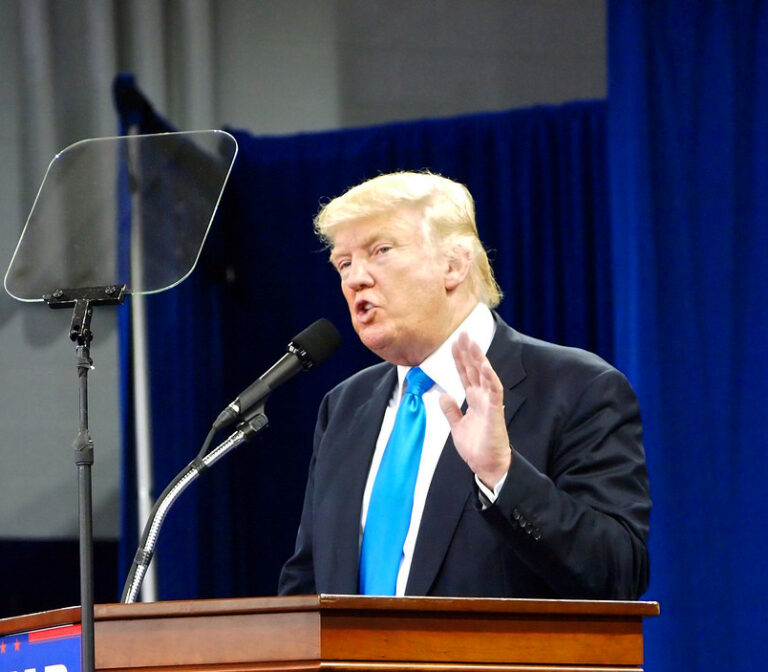
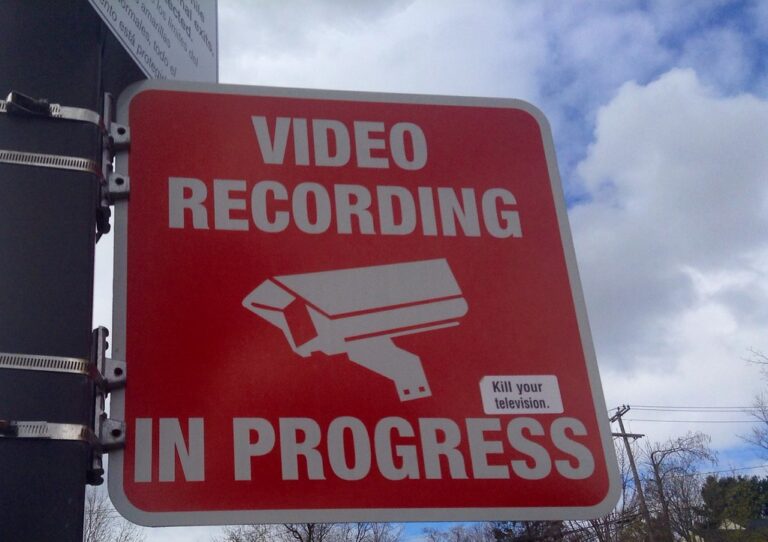
Why Trump’s Speech Delays Survivor 49 Finale

Key Takeaways

• President Trump will speak at 9 p.m. Eastern on Wednesday, pausing CBS’s Survivor 49 finale
• CBS will interrupt Survivor 49 for the live White House address, then resume the show
• Fans and former contestants have voiced strong protests online
• Social media users warn the speech could hurt Trump’s approval ratings
• CBS News anchors Norah O’Donnell and Nancy Cordes will cover the live address

Late on Tuesday, the White House announced that President Donald Trump will give a live address at 9 p.m. Eastern on Wednesday. That timing clashes directly with CBS’s Survivor 49 season finale. As a result, viewers will have to pause their hunt for the winner to hear the president speak.

How Trump’s Speech Interrupted Survivor 49 Finale

First, Fox News asked the White House for details on Trump’s surprise announcement. In response, Press Secretary Karoline Leavitt said Trump would highlight “historic accomplishments” such as border security, inflation control, and low gas prices. She urged Americans to watch at 9 p.m.

However, Survivor 49 airs live from 8 to 11 p.m. Eastern on CBS. Therefore, the network confirmed to Entertainment Weekly that it will stop its three-hour finale at 9 p.m. for Trump’s address. Afterward, the show will pick up right where it left off. Meanwhile, CBS News will carry the speech live with Norah O’Donnell and chief White House correspondent Nancy Cordes reporting.

Fans Blast Delay of Survivor 49

Unsurprisingly, many Survivor 49 fans erupted on social media. They argued that interrupting the finale disrespects both the show and its viewers. Stephen Fishbach, a two-time Survivor contestant, wrote on X that it was “absolutely wild” Trump wanted to make Survivor 49 “last even longer.” He joked that this could be the final straw for his supporters.

Other users weighed in with sharp critiques. Matt Rice, a Washington correspondent, warned that delaying Survivor 49 might cost Trump more approval points. Austin Myers called the timing “deranged.” Survivor fan beando added that Republicans could lose two more points in 2026 if the president interrupts the finale just to tout his record.

Moreover, many viewers felt blindsided. They had planned watch parties and online discussions for the big reveal. Now, they will face an awkward pause between the winner announcement and the rest of the episode. Some joked about switching channels to avoid spoilers during the speech.

Why the Timing Matters

Television networks guard prime-time slots fiercely. A late-night speech usually airs after shows end. Therefore, this move breaks from tradition. It suggests the White House wanted maximum live impact. At the same time, it forces CBS viewers to choose between politics and entertainment.

Furthermore, Survivor 49 marks a milestone as the show’s 49th season. Fans have invested months following alliances, betrayals, and challenges. Halting the finale for a political speech risks damaging viewer loyalty. Many fear this could set a bad precedent for future broadcasts.

However, the White House argues the address covers urgent national issues. Press Secretary Leavitt said the topics include border security, inflation, and energy costs. She insisted all Americans should hear about these accomplishments in real time. Indeed, many supporters plan to watch both the speech and the rest of Survivor 49.

What Happens Next for Survivor 49

When 9 p.m. Eastern arrives, CBS will switch from Survivor 49 to the White House live feed. Viewers will see Trump outline his achievements. He may also preview future goals. Immediately after, CBS will return to the final segment of Survivor 49.

Despite the delay, the finale will still run its scheduled length. That means the winner reveal and final tribal council speeches will air before 11 p.m. Eastern. CBS will likely recap the action before cutting to the live address. Then, it may offer a brief summary for anyone who missed the earlier scenes.

In addition, CBS All Access subscribers can stream the entire episode without interruption. However, live TV watchers must endure the pause. Some fans plan to record Survivor 49 on DVR. They can fast-forward through Trump’s speech or watch the full broadcast later.

Meanwhile, social media buzz will peak during the pause. Hashtags for Survivor 49 and Trump’s address will trend together. Fans might live-tweet their frustration or entertain themselves with memes. After the finale, many will discuss both the winner and the speech online.

Will This Affect Future Broadcasts?

Networks and the White House often negotiate timing for live events. This unexpected clash could prompt new rules. For example, the White House might avoid prime-time show conflicts in the future. Alternatively, networks may choose to air finales on different days.

Also, advertisers take note. Brands pay top dollar for spots during finales. A sudden speech could reduce ad impact. As a result, CBS may push back future reality show finales. They will aim to protect their ad revenue and viewer goodwill.

Yet, politics seldom stay out of entertainment. Last-minute speeches have interrupted finales before. In those cases, networks made quick announcements to inform viewers. CBS has already alerted its audience via on-air and social media messages.

Therefore, both sides will learn from this event. The White House will weigh the cost of overshadowing a hit show. Meanwhile, CBS will refine its contingency plans. Viewers can expect clearer warnings and maybe even alternate viewing options.

The Broader Impact on Fans and Politics

Ultimately, this clash shows how intertwined politics and pop culture have become. Many Americans split their attention between policy debates and favorite TV shows. When those worlds collide, emotions run high.

For Trump supporters, the speech is a chance to hear the president’s case firsthand. For Survivor 49 fans, it is an unwanted interruption to a long-awaited finale. Both groups will voice their opinions on social media.

In the end, Survivor 49 will crown a winner. Trump will showcase his achievements. Viewers can debate which event mattered more. Either way, Wednesday night will be a rare mix of reality TV drama and real-world politics.

FAQs

What time will the Survivor 49 finale resume after Trump’s speech?

CBS will pause Survivor 49 at 9 p.m. Eastern and resume the show immediately after the speech ends. The finale should finish by its normal 11 p.m. time slot.

Can I watch Survivor 49 without interruption?

Subscribers to CBS All Access can stream the full episode without the speech break. Alternatively, you can record the live broadcast on DVR and fast-forward through the address.

Will Trump’s address cover new news?

The White House says Trump will focus on border security, inflation control, and low gas prices. It may also preview his plans for the coming year.

How can I stay updated on both events?

Follow CBS’s on-air announcements and social media updates. You can also track hashtags for Survivor 49 and Trump’s speech to see live reactions.

Why Did Brown University Lack Security Cameras?

0

Key takeaways

  • President Trump questioned why Brown University had so few security cameras
  • A shooting at the campus left two people dead and nine injured
  • The FBI has offered a $50,000 reward for information on the shooter
  • Rhode Island officials urge patience as the investigation moves forward

Brown University Security Cameras Under Scrutiny

After the tragic shooting at Brown University, President Trump asked why the campus had so few security cameras. He posted the question on Truth Social. He said modern campuses need better security cameras. He added there “can be no excuse” for such gaps. His remarks came after he paid tribute to the victims at a White House reception. Two people lost their lives. Nine more suffered injuries. The loss hit the Brown community hard.

Trump’s Tribute and Security Cameras Concern

At the holiday event on Sunday, Trump spoke from the White House. “Before we begin, I want to pay my respects,” he said. He mentioned the two who died and the nine who were hurt. Then he asked why Brown University lacked more security cameras. He called Brown a great school and said things like this should not happen. His comments sparked fresh debate over campus safety.

The Shooting and Unidentified Suspect

On that day, a lone gunman opened fire in a Brown lecture hall. The suspect’s identity remains unknown. Police have released stitched-together footage from various CCTV cameras. The video shows a person “casing” the area, according to Providence Police Chief Oscar Perez. He said this is what criminals do before they strike. As of now, no one has come forward to identify the shooter.

FBI Reward and Public Appeal

The FBI quickly joined the investigation. They offered a $50,000 reward for information that leads to the shooter. Officials hope this incentive will prompt witnesses to speak up. However, so far, the public has not provided a clear lead. Investigators say they are following every tip closely. Meanwhile, Brown University continues to review its security measures.

Footage Released and Police Investigation

Providence police have shared images of the person they think carried out the attack. They stitched video from different security camera angles. The footage shows the suspect walking around the lecture hall before the shooting. Investigators study each detail to narrow down his identity. Police urge anyone with information to come forward, no matter how small.

Calls for Patience in the Search

Rhode Island Attorney General Peter Neronha called for patience. He asked the public to trust the investigators. He said, “Rhode Islanders should take confidence in their work.” He added that the team is made up of veterans in their field. He stressed that investigations like this take time. He said rushing could hamper the search for the shooter.

Increased Security Presence on Campus

Since the shooting, Brown University has boosted its security presence. Officers patrol the campus around the clock. Yet police say they have found no specific threat since the attack. Still, students and staff feel safer with more officers nearby. University leaders also announced plans to review safety procedures. They will explore adding more security cameras across campus.

Why Security Cameras Matter

Security cameras can help prevent crime. They record events and can deter potential attackers. Moreover, cameras can capture clear footage that aids investigations. In this case, the existing cameras helped police piece together the suspect’s movements. However, gaps in coverage slow down the search. Therefore, many now call for a major upgrade to campus surveillance.

Balancing Safety and Privacy

Adding more security cameras raises privacy concerns. Some worry about constant surveillance in public spaces. Brown University must balance student privacy with safety needs. University officials say they will involve students in the planning. They want to create a system that protects everyone while respecting personal space. This dialogue will shape future security camera placement.

Moving Forward After the Shooting

The community remains on edge as the investigation continues. Students, faculty, and parents all seek reassurance. Brown University plans town hall meetings to discuss security updates. Meanwhile, law enforcement promises regular updates to the public. They hope clear communication will ease fears as they hunt for the shooter.

Conclusion

The shooting at Brown University left a deep mark on campus. President Trump’s question about security cameras has added a new angle to that discussion. As police work to identify the suspect, leaders are rethinking safety measures. The debate over security cameras, privacy, and campus readiness will shape policies. For now, the focus remains on finding the person responsible and keeping everyone safe.

FAQs

What upgrades might Brown University make to its security system?

Brown University may add more cameras and increase patrols. They also plan to involve students in security discussions. The goal is to cover blind spots without sacrificing privacy.

How can the public help the investigation?

Anyone with information can contact the FBI or Providence police. The $50,000 reward remains available for tips leading to the shooter’s ID. Witnesses should share what they saw, even small details.

Why did officials ask for patience?

Investigators need time to gather evidence and analyze footage. Rushing the process could lead to errors. Officials say they are making progress and will share updates soon.

What balance is needed between security cameras and privacy?

Effective security involves clear video coverage and respect for personal boundaries. Universities often consult stakeholders to find the right mix. That way, cameras protect without making students feel watched all the time.

Susie Wiles Interview Reveals Bold Critiques

0

Key Takeaways

  • Susie Wiles gave a series of sit-down talks to Vanity Fair while still serving in the White House.
  • In her comments, Wiles called top officials “zealots” and said legal actions against Letitia James and James Comey are “retribution.”
  • CNN’s Xochitl Hinojosa was stunned by the boldness of the Susie Wiles interview on Erin Burnett OutFront.
  • Experts warn the Susie Wiles interview could strengthen cases for James, Comey and other targets.
  • This rare glimpse inside the West Wing raises fresh questions about trust and loyalty.

The recent Susie Wiles interview has lit up political circles. As Trump’s chief of staff, she usually speaks in careful terms. Yet for eleven sessions, she opened up to Vanity Fair. In her comments, she slammed OMB Director Russ Vought as a “zealot.” She also claimed that the president’s focus on charges against Letitia James and James Comey is driven by revenge.

This Susie Wiles interview came out on a Tuesday. It immediately sparked debate about what it means when a sitting official speaks so candidly. Many insiders say this level of frank talk usually waits until after an administration ends. However, Wiles broke that norm.

What Susie Wiles Said in Her Interview

In her Vanity Fair chats, Wiles offered fresh insights into White House power plays. First, she called Russ Vought a “zealot.” She argued that Vought pushes policies with rigid intensity. Then she argued that legal actions against Letitia James and James Comey are less about justice and more about payback.

Moreover, Wiles suggested that some top aides are driven by loyalty tests rather than policy goals. She said that the mood inside the West Wing can turn cold when someone questions the boss. In her words, “It feels like retribution, not rule of law.”

Wiles’s frank tone surprised even seasoned reporters. She revealed details about closed-door meetings, staff tensions, and a rising sense of caution among advisors. For example, she described moments when she had to calm fears that the White House might overreach. Those revelations form the backbone of the Susie Wiles interview.

CNN Reacts to Susie Wiles Interview

On Tuesday night, Xochitl Hinojosa spoke about the Susie Wiles interview on Erin Burnett OutFront. She said the whole thing “is pretty stunning.” Hinojosa noted that officials usually open up only after they leave office. Typically, their biggest stories come in memoirs or post-term books. Yet Wiles did not wait. She shared her candid views while still in the White House.

Hinojosa added that this kind of openness could hurt the administration’s legal battles. She noted, “This is a gift to Tish James. This is a gift to Comey.” In her view, prosecutors could use Wiles’s words as proof of motive. After all, she admitted the cases feel like personal payback.

Furthermore, Hinojosa warned that the interview could embolden critics. She said more staffers might step forward with stories, now that Wiles broke the ice. Consequently, the Susie Wiles interview could become a catalyst for new insider accounts.

How the Susie Wiles Interview Could Affect Prosecutions

By suggesting the charges against James and Comey stem from revenge, Wiles raises questions of intent. In criminal law, motive can play a key role. Defense teams often need to show political bias. Now, they have direct words from a top aide.

Additionally, Letitia James’s team could point to Wiles’s claim that the president wanted retribution. James may argue that her case is not purely legal but fueled by politics. In a fair trial, judges weigh whether actions come from evidence or from personal grudges. Wiles’s own statements could tip that balance.

Similarly, James Comey’s lawyers will likely highlight the line about retribution. As a former FBI director, Comey faced intense scrutiny. His defense could now argue that the administration sought revenge for his past decisions. For example, his firing in 2017 remains controversial. Wiles’s words add fuel to his narrative.

Moreover, federal prosecutors consider whether a witness’s testimony is credible and unbiased. Wiles admitted to strong personal feelings. Critics will claim her insights prove the cases are tainted. Thus, the Susie Wiles interview might become a central piece of evidence in hearings or motions.

Why the Susie Wiles Interview Matters for the White House

This level of candor is rare in current politics. Often, communication from the White House tries to appear uniform and unwavering. Yet Wiles shattered that facade. Her willingness to speak so openly highlights deep divisions inside the team. Furthermore, it raises concerns about unity and discipline.

In addition, the timing matters. The interview dropped while major cases unfolded. Key Republicans and allies had to respond fast. They scrambled to defend the administration’s motives. Some argued Wiles was taken out of context. Others claimed her tone was exaggerated. Either way, the debate now centers on trust.

Moreover, the Susie Wiles interview may encourage other officials to speak out. When one top aide steps forward, it lowers the barrier for others. That could lead to an avalanche of insider stories. For staffers worried about leaks, Wiles’s example might seem either reckless or liberating.

Lastly, this interview could shape public opinion. Voters often judge leaders by how they handle conflict. Seeing a chief of staff use terms like “zealot” and “retribution” may seem unprofessional. As a result, the administration’s messaging machine faces a fresh challenge.

What Happens Next After the Susie Wiles Interview

First, legal teams will review every line of the Susie Wiles interview. They will hunt for statements that strengthen their cases. Expect motions and hearings to reference those words directly.

Meanwhile, the White House will likely tighten its speaking rules. Officials may face stricter guidelines on media chats. They will aim to prevent another high-profile reveal like Wiles’s. After all, leaks and candid quotes can erode authority.

Furthermore, expect more interviews with behind-the-scenes aides. Media outlets now see a path to big scoops. For reporters, securing candid remarks from insiders offers a competitive edge. Consequently, the next months may bring new revelations.

In the end, the Susie Wiles interview reminds us how powerful insider stories can be. When a top aide breaks ranks, the ripple effects can last for months. As investigations proceed, everyone will watch for who speaks next.

Frequently Asked Questions

What made the Susie Wiles interview so unusual?

It’s rare for a chief of staff to speak so candidly while still in office. Wiles shared details and strong opinions that insiders usually save for post-term books.

Could the Susie Wiles interview really affect court cases?

Yes. Wiles admitted the charges feel like retribution. Defense lawyers can use those admissions to argue political bias in prosecutions.

What might the White House do to stop more leaks?

Leaders will likely enforce tighter media rules. They may require approvals before staffers speak with outlets. That aims to limit unexpected disclosures.

Will other officials follow Wiles’s example and speak out?

Possibly. One high-profile insider can inspire others. If they see benefits in sharing stories, more aides might agree to interviews.

Why Could the 2026 Midterms Be Tough for Republicans?

Key takeaways

  • Marjorie Taylor Greene will step down from Congress on January 5, 2026.
  • She warns that the 2026 midterms could be very hard for Republicans.
  • Greene says Trump’s comments on Rob Reiner’s death broke the dam among MAGA voters.
  • Some Republican supporters are shifting away from the president.

Marjorie Taylor Greene served as a close Trump ally until earlier this year. However, she now predicts big trouble ahead for her party. She confirmed she will resign from the House on January 5, 2026. Moreover, she sees deeper problems brewing as the election draws near.

Greene spoke with Kaitlan Collins on The Source. She said, “I think the midterms are going to be very hard for Republicans. I’m one of the people that’s willing to admit the truth and say I don’t see Republicans winning the 2026 midterms right now.” In other words, she fears her party may lose key seats next year.

Marjorie Taylor Greene and the Warning About 2026 Midterms

First, Greene’s resignation adds drama to the 2026 midterms. She has been known for fiery speeches and strong Trump loyalty. Yet now she warns her colleagues to wake up. She believes many MAGA supporters are losing patience with party leaders. Next, she points to recent controversies as one cause.

Furthermore, Greene says the “dam is breaking” among Trump faithful. By this, she means a growing number of voters are ready to question or even reject the president’s style. As a result, candidates who lean too heavily into Trump’s rhetoric might lose swing voters. Therefore, Republicans may need fresh strategies to hold onto seats.

Controversial Trump Statement Fuels 2026 Midterms Troubles

A key flash point came after the tragic deaths of film director Rob Reiner and his wife, Michele Singer Reiner. Found dead at home, their passing drew major headlines. Yet President Trump’s initial statement stirred outrage. He blamed their deaths on what he called “Trump Derangement Syndrome.” He described Reiner as “tortured and struggling” and claimed the director’s obsession with Trump led to his end.

Greene found that message shocking. She called it “completely below the office of the president of the United States, classless, and just wrong.” Indeed, many MAGA loyalists blasted the remarks. They said the tone was cruel and disrespectful to the grieving families. Meanwhile, a rift widened between Trump and some of his once-faithful supporters.

What Lies Ahead for the 2026 Midterms

Because of incidents like this, Greene warns that the party may lose momentum. The 2026 midterms are already shaping up as a test of attraction. Voters may judge candidates on tone, respect, and unity more than policy alone. If the GOP fails to address internal divisions, it could cost them key races.

Moreover, swing districts in suburbs and rural towns might swing Democratic if Republicans lean too far right. Polls often show that moderate voters reject anger and insults. Therefore, candidates may need to dial back extreme language. Instead, they might focus on kitchen-table issues: jobs, costs, and safety.

However, change may not come easily. Some candidates still thrive on combative politics. They worry that a softer approach could hurt fundraising or turnout. Yet Greene’s warning shows that staying aggressive can backfire. As a result, campaign teams might face tough debates about tone.

Strategies to Watch for the 2026 Midterms

First, expect candidates to test new messaging. They may highlight unity, respect, and problem-solving. Next, some leaders could push for debates on fresh policies rather than on past grievances. In addition, Republican strategists might recruit quieter, less polarizing figures. Finally, we could see an emphasis on local issues over national culture wars.

On the flip side, Trump himself may decide to adjust his style. He could issue more measured statements or apologize for past remarks. Alternatively, he may double down on his strongest supporters, hoping that energy outweighs lost moderates. Either way, the path to victory in the 2026 midterms will require careful adjustments.

Conclusion

Marjorie Taylor Greene’s decision to resign coincides with her stark warning. She believes the Republican Party faces real risks in the upcoming contests. Her views highlight growing unease among MAGA voters. In particular, President Trump’s statement on Rob Reiner’s death seems to have pushed some over the edge. As a result, Republicans may need to rethink strategy, tone, and candidate choices. Otherwise, the 2026 midterms could deliver surprising losses.

Frequently Asked Questions

What led Marjorie Taylor Greene to predict tougher times ahead?

She cited growing backlash among Trump supporters, especially after the president’s remarks on Rob Reiner’s death.

Why is Greene resigning before the 2026 midterms?

She will step down on January 5, 2026, but her resignation also serves as a platform for her warning about the party’s struggles.

How did Trump’s statement on Rob Reiner’s death affect his base?

Many MAGA loyalists called the message “classless” and below the office, believing it hurt the party’s image.

What could Republicans do to improve their chances in the 2026 midterms?

They might shift toward respectful messaging, focus on local issues, and recruit less polarizing candidates.

Michael Wolff: Trump Off His Rocker Over Reiner Tragedy

Key Takeaways

• Michael Wolff, who wrote four books on Trump, says the president is genuinely “off his rocker.”
• Wolff reacted to Trump’s Truth Social post on Rob Reiner’s tragic murder.
• Trump suggested Reiner had “Trump Derrangement Syndrome,” which Wolff calls an unnecessary jab.
• Wolff warns that Trump’s age shows, and his comments could backfire politically.

Why Wolff Thinks Trump Off His Rocker

Renowned journalist Michael Wolff warned listeners that President Trump appears “off his rocker.” He made this claim on his podcast, where he examines Trump’s latest moves. In a recent episode, Wolff called out Trump’s response to the killing of director Rob Reiner and his wife, Michele. The couple’s son now faces murder charges. Yet instead of offering sympathy, Trump suggested Reiner suffered from “Trump Derrangement Syndrome.” Wolff said that choice shows the president has lost touch.

Trump’s Controversial Comment on Reiner Case

When news broke about Rob Reiner’s death, many expected a kind word from the White House. However, Trump tweeted on his platform that Reiner’s harsh criticism of him might have led to the tragedy. He wrote that Reiner’s “Trump Derrangement Syndrome” caused stress and could have played a role in his demise. Critics said Trump’s remark was cold, tone-deaf, and a cruel distraction.

Michael Wolff points out that any leader, especially one in his seventies, should choose words carefully. He argues that Trump’s comment was not just a slip. Instead, it reflects deeper issues. “Trump off his rocker” sums up Wolff’s view that the president is making unforced errors that harm his image.

Age, Decline, and Political Fallout

As people age, they may show signs of mental or physical decline. Wolff said that just because an older person appears sharper sometimes, it doesn’t mean they won’t slip later. He added, “We do have three years to go.” By this, he meant the remainder of Trump’s term. He warns that these slips may become more frequent.

Moreover, when a president seems unstable, it worries allies and frightens opponents. If Trump truly is off his rocker, Wolff believes he will make more gaffes. These mistakes could cost support among undecided voters. In a tight race, every lost vote matters.

Unforced Errors and Public Perception

An unforced error is a mistake that never had to happen. Wolff said Trump’s comment on Reiner’s murder qualifies as one. He said Trump didn’t need to weigh in at all. Instead, he chose to mock a grieving family. “That was unnecessary,” Wolff noted. Such errors reinforce doubts about Trump’s judgment.

Meanwhile, every media outlet picks up on these moments. Social media users share clips, and critics have a fresh example of odd behavior. As a result, even loyal followers might question why the president reacts this way. For Wolff, this pattern shows Trump is “off his rocker” in more than words. It shows a lack of self-control and empathy.

Trump, however, seems unfazed. He often boasts that negative coverage only fuels his base. He views criticism as proof that he is challenging the status quo. Yet Wolff warns that repeated bizarre remarks could erode enthusiasm, not boost it.

Inside Trump’s Head: A Window on the Presidency

Wolff co-hosts the podcast “Inside Trump’s Head” with journalist Joana Coles. There, they analyze Trump’s public statements and private actions. They use insider accounts, leaked memos, and direct observations. Listeners tune in to hear fresh takes on Trump’s mind and maneuvers.

On the podcast, Wolff and Coles dissect why certain comments land poorly. They also debate whether Trump understands the impact of his words. Wolff insists that many of Trump’s missteps show a real decline in mental sharpness. Coles adds that Trump’s social media team often scrambles to clean up a mess.

Yet Trump’s inner circle remains divided. Some staffers say the president knows exactly what he is doing. They argue he uses chaos to dominate news cycles. Others fear that such chaos can spin out of control, leaving lasting damage.

Why “Off His Rocker” Matters

Calling someone “off his rocker” means they seem irrational or crazy. When Wolff uses this phrase for Trump, he is pointing to a pattern. First, a serious crime occurs. Then, the leader shifts focus to himself. Finally, he makes a harsh, off-topic remark. This cycle risks alienating moderate voters.

Furthermore, in a world where leaders face global crises, odd comments can distract from real issues. The public might start to doubt the president’s stability. If world leaders lose confidence, it could harm diplomatic efforts.

Therefore, Wolff sees Trump’s comment on the Reiner case as more than tone-deaf. It’s a sign of deeper problems. He warns that these problems could worsen as the president ages and faces more stress.

What Comes Next for Trump

Trump’s response to criticism usually involves doubling down. He might defend his comment, call critics names, or claim a new conspiracy. His strategy often works with his core supporters. Yet for independents, more strange statements could push them away.

Additionally, as the 2024 election approaches, Trump will face more pressure. Every misstep becomes campaign fodder. Rivals will highlight any sign that he is “off his rocker.” They will argue that a stable leader is crucial in turbulent times.

On the other hand, Trump’s team may tighten control. They might limit his social media outbursts or draft more careful statements. However, this approach could clash with Trump’s own style. He loves the freedom to speak his mind, even at the risk of a headline.

In the end, Wolff’s warning reminds us that words from the Oval Office matter. They reflect the state of the presidency itself. If Trump continues to act “off his rocker,” those words could shape history.

FAQs

What does “Trump off his rocker” mean?

It means Trump appears irrational or unstable in his actions and comments.

Why did Trump mention “Trump Derrangement Syndrome”?

He used that phrase to mock Rob Reiner, suggesting stress from Reiner’s criticism led to his death.

Could Wolff’s comments harm Trump’s campaign?

Yes. Highlighting strange behavior can erode support among undecided voters.

Will Trump change his communication style?

He might try, yet he often resists limits on his speech and enjoys direct posts.

Why Trump Seeks Control of Independent Agencies

Key Takeaways:

  • President Trump aims to reshape independent agencies by removing limits on firing their leaders.
  • The Supreme Court is set to overturn a key rule that once protected agency independence.
  • Emergency rulings have flooded the courts, creating confusion nationwide.
  • The administration sidestepped Senate approval with extended interim U.S. attorney terms.
  • Judges from all backgrounds warn these moves threaten the rule of law.

Trump’s Battle Over Independent Agencies

America’s system favors checks and balances. Independent agencies play a key role. They make rules on health, safety, and finance. Presidents could not easily remove their leaders. Now, that may change. Donald Trump argues he can fire agency heads at will. The Supreme Court just heard arguments on this issue. Judges seem ready to side with the administration. If they do, presidents will gain vast new power.

Independent agencies will face a major shift. Agencies like the SEC and FCC may lose their autonomy. Trump could replace experts with loyalists. Those who disagree might lose their jobs. Regulations could swing wildly from one agenda to the next. This change marks a break from decades of balanced rulemaking. As a result, industries and the public may see rapid shifts in policy. Such swings can cause uncertainty and harm long-term planning.

Impact on Independent Agencies and the Rule of Law

Supreme Court Case and Precedent

The recent case challenged the Humphrey’s Executor rule. That rule stops presidents from firing agency leaders without cause. Trump’s team argues it violates presidential authority. During oral arguments, justices pressed hard on this point. Many believe the court will side with the president. If so, agencies lose their shield. Then, presidents can remake them entirely. Experts fear rulemaking will become political showdowns.

Shadow Docket Surge

This year, the Supreme Court used its emergency docket more than ever. Courts issue quick decisions with limited explanation. Such rulings can block or allow policies nationwide in days. However, they leave lower courts guessing on the final law. For example, the birthright citizenship case jumped to the court with little briefing. The result: different judges across the country gave mixed orders. Citizens in one state might face old rules, while others see new ones. This chaos burdens courts and confuses the public. Moreover, judges say it undermines trust in the system.

Interim U.S. Attorneys Issue

Next, the administration targeted U.S. attorneys. Law limits interim attorneys to 120 days. After that, the Senate must confirm them. Trump’s team kept many in place for months or years. Courts in every region called this unlawful. Yet, the administration presses on. If unchecked, this approach could bypass Senate advice and consent. As a result, presidents could place prosecutors without approval. This weakens legislative checks on executive power.

Department of Justice Politicization

Furthermore, Trump ordered the Justice Department to pursue cases against critics. He also granted many pardons and commutations. On day one, he pardoned over a thousand people tied to January 6. He later pardoned a former foreign president accused of drug trafficking. Critically, these moves clash with legal norms. They show he views the law as whatever he says it is. Judges worry the Justice Department will act as the president’s personal lawyer. This trend erodes the separation between politics and justice.

Ignoring Court Orders

In addition, the administration has sidestepped lower court rulings. Our system requires obeying district court orders unless a higher court stays them. Yet, federal agencies often press ahead anyway. This tactic writes trial judges out of the process. It also weakens respect for judicial authority. Former Judge John E. Jones III said he expected his orders to be followed. Now, he sees a government that treats court rulings as optional. This dynamic shakes the foundation of the rule of law.

Judges Speak Out

Finally, judges from across the political spectrum have broken their tradition of silence. They step forward to defend the justice system. Many served long terms and never spoke publicly before. Now they warn Americans about the damage to our courts. They call for action to restore respect for legal boundaries. Their voices show deep concern for the country’s future.

Conclusion

Overall, Trump’s approach marks a stark shift in presidential power. Independent agencies could lose their autonomy. The Supreme Court seems ready to back this change. Emergency rulings spread confusion in the courts. The administration sidesteps Senate oversight and court orders. Judges warn these moves threaten the rule of law. As these battles continue, Americans must stay informed and engaged.

Frequently Asked Questions

What happens if the Supreme Court overturns the Humphrey’s Executor precedent?

If that rule ends, presidents can fire independent agency heads without cause. Agencies may become more political and less stable.

Why are independent agencies important?

Independent agencies make policies on key issues like finance, health, and the environment. They protect the public by keeping politics out of rulemaking.

How does the shadow docket affect the courts?

The shadow docket allows quick emergency decisions with little explanation. It leads to mixed rulings and confusion in lower courts and among the public.

Can presidents appoint U.S. attorneys without Senate approval?

Law limits interim U.S. attorneys to 120 days. Courts ruled extensions unlawful. If ignored, presidents could place prosecutors without consent.

Why are judges speaking out now?

Judges worry unprecedented actions by the administration threaten our legal system. They speak up to defend judicial independence and the rule of law.

Bystander Hero Tackles Gunman at Bondi Beach

0

Key Takeaways

  • A man tackled a shooter at Bondi Beach during a Hanukkah event.
  • The bystander hero wrestled the gun free and likely saved many lives.
  • He was shot twice and is now recovering after surgery.
  • Authorities and the public praised this act of bravery.
  • The attack killed at least 12 people and wounded 29 others.

Bystander Hero Stops Bondi Beach Shooter

The Shooting at Bondi Beach

On Sunday evening, two gunmen opened fire at a crowded Hanukkah celebration on Bondi Beach. Chaos broke out as people ran for cover. Sadly, at least twelve lost their lives and twenty-nine others suffered injuries. Witnesses described screams, confusion, and shock. Amid this horror, one man rose above fear. He charged toward one attacker, tackling him to the ground.

How the Bystander Hero Saved Lives

Immediately, the bystander hero acted on instinct. He wrestled the shooter’s firearm away, risking his own life. In doing so, he stopped further shots and saved many bystanders. Video footage showed him grappling with the armed attacker until help arrived. At that moment, his courage turned a tragedy into a story of hope.

In less than seconds, the bystander hero changed everything. Instead of running away, he ran toward danger. Although he had no military training, he knew he had to act. His quick response prevented the shooter from firing more rounds. As a result, potential victims found a chance to escape.

Community and Official Reactions

Soon after the footage went viral, social media praise poured in. A well-known editor called him an “absolute legend.” A retired officer highlighted his “extraordinary heroism.” Even the Prime Minister praised Australians who ran toward danger to help others. This bystander hero became a symbol of courage and unity.

Moreover, many expressed surprise that he lacked firearms experience. A relative confirmed he had never handled guns before. However, his actions showed that bravery does not require formal training. Instead, it demands a willingness to help when it matters most.

What We Know About the Hero

Local reports identified him as a 43-year-old fruit-shop owner. He managed to tackle the shooter despite being shot twice—in the hand and shoulder. He immediately underwent surgery and remains in stable condition. Friends describe him as calm, kind, and community-focused. They say he always helped people in need, long before this incident.

Furthermore, he showed no hesitation to put himself in harm’s way. While many would freeze in such moments, he moved with purpose. His community now honors him as the bystander hero who stepped in when no one else could.

Broader Impact and Safety Reminders

This event strikes at the heart of public safety. It reminds us that danger can appear anywhere. Therefore, we must stay aware of our surroundings. However, it also shows that ordinary people can make extraordinary differences. When we act bravely, we protect others.

In addition, local authorities urge event organizers to review security measures. They suggest having trained personnel and clear exit routes. Meanwhile, community members should learn basic first-aid skills. That way, we can support each other until help arrives.

Ultimately, the bystander hero’s actions teach us about unity. In moments of crisis, compassion and courage shine brightest. His choice to confront violence with selflessness saved lives and inspired a nation.

FAQs

What exactly did the bystander hero do?

He charged at one of the shooters, wrestled the gun away, and prevented more shots.

Was the bystander hero trained for such action?

No, he had no military or law enforcement background. His response was purely instinctive.

What injuries did the bystander hero suffer?

He was shot twice—once in the hand and once in the shoulder—and is recovering after surgery.

How has the community responded to his bravery?

People across the country praised him online, while officials publicly honored his courageous act.

Nero and Trump: A History of Sexual Abuse

0


Key Takeaways

  • Powerful leaders have long used sexual abuse to control people.
  • Emperor Nero’s crimes in ancient Rome mirror modern abuses.
  • Donald Trump’s behavior echoes past tyrants’ tactics.
  • Learning from history helps us challenge abuse today

Comparing Sexual Abuse by Nero and Trump

Emperor Nero reigned almost two thousand years ago. Yet his deeds still shock us. He abused women and men without fear. Historians say he even killed two wives, his aunt, and his own mother. He forced himself on a Vestal Virgin. He humiliated people in public games. In a similar way, Donald Trump has faced many claims of sexual abuse and harassment. He bragged about grabbing women. He joked about older men seeking younger partners. He insulted female reporters and politicians. Both leaders used sexual abuse and insults to show power.

How Sexual Abuse Fueled Authoritarian Rule

Abuse of sex has often helped tyrants stay in charge. By forcing themselves on the weak, they send a warning to everyone else. Nero used public displays of cruelty to show he could break any rule. For example, at his games, he would tie victims to stakes and attack them. This twisted show served both his ego and his empire. He also made laws on marriage and morality for ordinary citizens. Yet he ignored those rules himself. Today, Donald Trump pushed laws on family values while facing many sexual misconduct claims. He spoke of a strong moral code, but his own actions often contradicted it.

The Roman Roots of Sexual Exploitation

In ancient Rome, rape and prostitution were tools of conquest. Generals rewarded soldiers by sending them to towns they had just captured. They saw local women and boys as spoils of war. Roman art even carved images of conquered nations in sexual poses. This reinforced the idea that Rome could dominate bodies as well as lands. Nero inherited this cruel system. He used his imperial power to indulge every desire. He forced slaves, nobles, and priests into abuse. As a result, people feared him. They also felt shame and anger, but they dared not speak out.

Modern Echoes in the Trump Era

Fast forward to today, and we see similar patterns. When powerful men face sexual abuse claims, they often dodge accountability. Trump insulted his accusers and called them liars. He attacked journalists who reported on his words. He aimed to silence critics rather than face the truth. Meanwhile, marginalized groups are still scapegoated. Just as Nero blamed Christians for his fires, Trump blamed immigrants and trans youth for America’s problems. Both tactics shift attention away from their own wrongs. They also divide people, making it harder to fight abuse together.

What the Bible Says on Sexual Exploitation of the Powerful

Ancient writers did not hold back on describing Nero’s cruelty. One historian said Nero “polluted himself by every lawful or lawless indulgence.” The Bible, in its own way, speaks against such deeds. It calls on people to pull down corrupt rulers and help the lowly. Early Christians lived under Roman rule and saw how officials abused power. Their letters spoke against greed and exploitation. They linked sexual crimes to an empire that prized wealth over justice. They rejected any tyrant who harmed the weak.

Fighting Back Against Sexual Abuse and Tyranny

Thankfully, history also shows that abuse can be challenged. In the Roman world, some poets and thinkers spoke out. They risked exile or death to expose corruption. Today, movements like #MeToo remind victims they are not alone. More people are speaking up against powerful abusers. Some states now pass stronger laws to protect victims. Activists use art, protests, and social media to demand change. They draw on both ancient lessons and modern science. They show that abuse thrives in secrecy and fear. But when people unite, they can force tyrants to fall.

Lessons for Today

First, never ignore claims of sexual abuse. Whether in ancient Rome or modern America, silence helps predators. Second, watch for double standards. If leaders preach morality but act wrongly, question their motives. Third, support those who speak out. Survivors need allies and safe spaces. Fourth, remember that abuse often links to other harms. Economic injustice, racism, and political scapegoating all feed the same system. Fighting sexual abuse means fighting all forms of tyranny.

FAQs

How did Nero use sexual abuse to control Rome?

Nero forced people into public humiliations. He staged cruel games that spread fear. He also passed strict marriage laws for citizens while ignoring them himself.

Why compare Trump to a Roman emperor?

Both have faced serious sexual misconduct claims. Both leaders used public insults and scapegoating to deflect blame. Their tactics show how power can shield abusers.

What can we learn from the Bible about abuse of power?

The Bible warns against greed and exploitation. It tells believers to stand up to corrupt rulers and defend the vulnerable. Its message focuses on justice and care for all.

How can we fight sexual abuse today?

Listen to survivors. Support stronger laws and safe reporting channels. Challenge leaders who spread division. Unite across races and classes for justice.

Could Gerrymandering Spark Political Violence?

Key Takeaways

  • Senator Rand Paul warns that aggressive redistricting could spark violence.
  • Both Republican and Democratic efforts at gerrymandering threaten fair representation.
  • Citizens may feel voiceless if their votes no longer matter.
  • Experts worry that extreme map drawing erodes trust in elections.
  • Fair maps can reduce tension and protect democracy


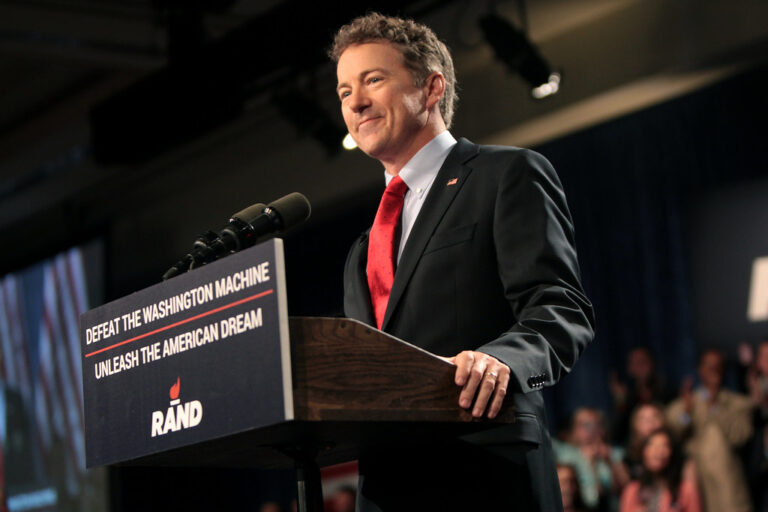
In recent weeks, Senator Rand Paul spoke out against heavy-handed redistricting moves in states controlled by both parties. He said extreme gerrymandering might push some people toward violence. His warning comes as lawmakers redraw congressional districts mid-decade to favor their own party. Many fear this “map war” could make Americans feel unheard and angry.

What Is Gerrymandering?

Gerrymandering means drawing voting maps to help one party win more seats. Instead of fair lines, map makers slice and pack voters to dilute their strength. They might spread a group thinly across many districts or pack them all into one. In both cases, that group loses real influence in choosing leaders. As a result, election results can look unbalanced or unfair.

How Gerrymandering Could Fuel Division

When people see maps drawn to block their voices, they grow frustrated. Moreover, they may feel the system works only for the powerful. For instance, in Texas, about 35 percent of voters lean Democratic. Yet some new maps would give them almost zero seats in Congress. Similarly, in solidly Republican states, leaders could carve up cities to shrink minority power. These moves leave large voter groups without a champion in Washington.

Why This Matters Now

In June, former President Trump urged Texas leaders to redraw maps so Republicans could gain extra seats. Other GOP and Democratic governors quickly followed. They saw a chance to lock in power for years. However, Senator Paul warns this tactic hurts public trust. He fears that when people see no point in voting, they might seek other ways to be heard. He said that frustration could turn into violence in some towns.

Rand Paul’s Warning

During a recent TV interview, Senator Paul made a clear point: if maps become too unfair, people will lose faith. He stressed that both parties share blame for extreme gerrymandering. He noted that California could end up with nearly zero Republican representatives. He argued that such imbalance makes voters on both sides feel ignored. Thus, Paul urged leaders to stop mid-decade changes and protect fair play.

How Citizens Feel Disenfranchised

When voters lack representation, they often feel powerless. They may ask, “Why bother voting if maps already pick the winners?” This sense of futility can gnaw at communities. Young people and minority groups might stop participating. Meanwhile, angry activists could turn to protests or threats. Over time, these actions can spiral into unrest. Fair maps, by contrast, help people trust the process again.

The Role of Courts and Reform Groups

Across America, civic groups and courts are fighting back. Legal teams challenge extreme maps in state and federal courts. Advocates push for independent commissions to draw districts fairly. Several states have passed laws to limit gerrymandering. These efforts aim to keep politicians from choosing voters. Instead, voters choose their politicians. Such reforms could reduce tension and restore faith in elections.

Possible Paths Forward

First, states could adopt nonpartisan commissions. These bodies use clear rules to draw fair lines. Second, lawmakers could set strict criteria on compactness and community integrity. Third, technology can offer transparent mapping tools open to public input. Finally, citizens can stay informed and vote out leaders who pursue extreme maps. Each step makes gerrymandering harder and elections fairer.

Protecting Democracy Together

Our democracy thrives when every vote counts. Fair districts ensure that all voices matter. They help people trust outcomes and stay engaged. Moreover, they reduce the risk of angry protests or worse. If we let map drawing become a secret weapon, we risk deep divides. By supporting transparent redistricting and independent oversight, we can keep our nation peaceful and united.

Frequently Asked Questions

What exactly happens in gerrymandering?

One party draws district lines to give itself an edge. They either concentrate opposing voters into one district or spread them thinly across many. Both tactics weaken those voters’ influence.

Why did Senator Rand Paul speak out now?

He saw rapid mid-decade map changes in several states. He believes this trend risks making voters feel voiceless and angry enough to turn violent.

Can courts stop extreme redistricting plans?

Yes. Courts can rule maps unconstitutional if they clearly favor one party. Several legal battles are already underway across the country.

How can citizens fight unfair maps?

Voters can back independent redistricting commissions. They can support campaigns for clearer mapping rules. They can also attend public hearings and voice concerns.