66.9 F
San Francisco
Saturday, March 21, 2026
Home Blog Page 124

Inside Benjamin Erickson: Brown University Shooting

0

Key Takeaways

• Person of interest is Benjamin Erickson, 24, from Wisconsin.
• He was found and held at a hotel near Brown University.
• Erickson served as an infantry soldier with sniper training.
• Authorities found two handguns on him when they detained him.
• The FBI also searched a home owned by his family.

A deadly shooting rocked Brown University on Saturday. Two students died and nine others were hurt. On Sunday night, the campus held a candlelit vigil to honor the victims. In the hours that followed, police detained a person of interest. His name is Benjamin Erickson. He now faces intense scrutiny as investigators piece together what happened.

Benjamin Erickson’s Name and Detention

Benjamin Erickson, 24, grew up in Wisconsin. Local reports say he drove to Rhode Island alone. Overnight, authorities tracked him to a hotel in Coventry, a town just outside campus. They acted on tips and witness statements. Then, they arrested Erickson without firing a shot. He did not resist. In addition, officers discovered two firearms when they searched his room.

Benjamin Erickson’s Military Service

Benjamin Erickson served in the U.S. Army between 2021 and 2024. He enlisted as an infantry soldier and earned specialist rank. Moreover, he took part in sniper training and worked as a rifleman. However, he did not deploy overseas last year. Following his service, he found a civilian job at Arlington National Cemetery. There, he handled ceremonial duties and grave preparations.

Benjamin Erickson’s Firearms Possession

When police arrested Erickson, they recovered two handguns. One was a revolver. The other was a compact Glock with a laser sight. Investigators say both had live rounds. Moreover, officers believe these guns match ballistics from the shooting scene. At the hotel, Erickson kept the weapons in a locked bag. However, he had no permit on record in Rhode Island.

Benjamin Erickson’s Academic Background

After high school, Benjamin Erickson studied psychology at the University of Wisconsin-Milwaukee. Then in 2025, he transferred to Brown University in Providence. Reports note he was not enrolled at Brown when the shooting happened. Class records indicate he left the university this spring. Still, some students recall seeing him on campus over the summer. Investigators want to know why he returned.

FBI Search of Erickson’s Family Home

On Sunday, federal agents searched a house owned by Erickson’s family in Wisconsin. They moved in quietly before dawn. Neighbors reported seeing box trucks and evidence markers in the yard. So far, officials have not revealed any new findings. However, they confirmed the search aims to uncover digital files or weapons. Meanwhile, the FBI plans more interviews with family members.

What Comes Next for Benjamin Erickson

Erickson remains in custody as police build their case. He faces charges related to the mass shooting if evidence ties him to the crime. Prosecutors will review ballistics tests, security footage, and witness statements. Furthermore, they will examine any materials found during the home search. In the coming days, a judge will decide if he stays jailed until trial.

The campus community is still in shock. Students and staff demand answers and safety measures. Brown University leaders promise to improve security. At the same time, memorials continue across campus. Flowers, candles, and photos line walkways. Above all, the focus remains on healing and support for those affected.

Frequently Asked Questions

Who is Benjamin Erickson?

Benjamin Erickson is a 24-year-old man from Wisconsin. Authorities have named him a person of interest in the Brown University shooting. He is a military veteran who later worked at Arlington National Cemetery.

What weapons did Erickson have when he was detained?

Police found a revolver and a small Glock handgun with a laser sight when they arrested Erickson. Both guns had live ammunition and matched ballistics from the shooting scene.

Did Benjamin Erickson attend Brown University?

Erickson transferred to Brown University in 2025 after studying psychology elsewhere. However, he was not enrolled at Brown at the time of the shooting.

Why did the FBI search Erickson’s family home?

Investigators searched the home to locate possible digital evidence, documents, or firearms linked to the shooting. Officials have not disclosed any discoveries from that search.
Kash Patel Under Fire: MAGA Clash Over Terror Attack

0


Key takeaways

• FBI Director Kash Patel faced criticism from a top Trump ally.
• Patel’s statement on an attack in Australia drew ire over wording.
• Fringe figure Laura Loomer demanded he say “Islamic terrorism.”
• Other MAGA voices questioned Patel’s trips and past statements.

Kash Patel Faces Criticism from Trump Ally

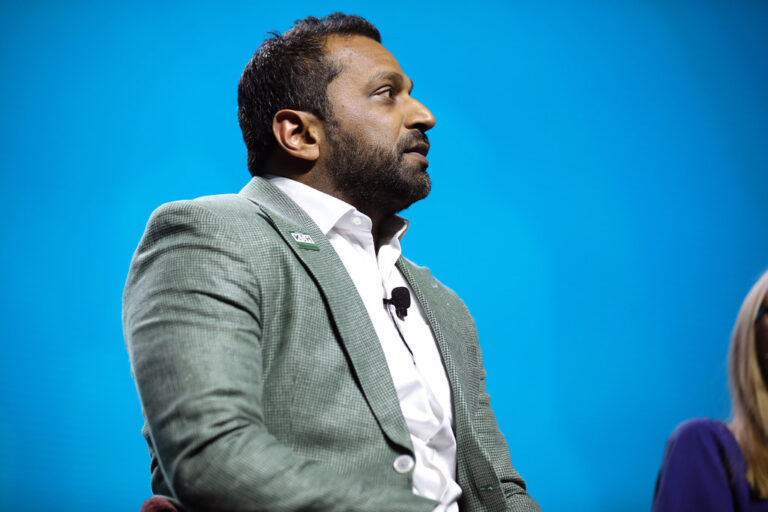
FBI Director Kash Patel spoke out after a terror attack in Sydney. Jewish visitors at a Hanukkah festival faced gunfire. Patel said he contacted Australian partners. He wrote that the FBI would help and shared prayers for victims. His brief tweet seemed meant to show unity. However, it angered some hard-line supporters.

Laura Loomer Calls Out Kash Patel

Shortly after, Laura Loomer slammed his choice of words. She asked why Patel would not name “Islamic terrorism.” She claimed avoiding that phrase hides key facts. Loomer urged Patel to come clean on what motivated the shooters. She wrote that his role as a Qatari consultant raised doubts. In response, many MAGA users backed her up.

MAGA Frustration with Kash Patel Intensifies

Other voices piled on. One user asked why the FBI chief toured Qatar. He wondered why Patel presented a vintage Thompson SMG there. Critics said such trips looked like State Department work. They feared odd signals sent by an FBI leader abroad. Meanwhile, influencer Evan Kilgore mocked Patel’s past views on Epstein. He noted Patel shifted his tone once he got the job.

Why the Phrase Matters

Hard-line supporters want clear labels. They believe naming “Islamic terrorism” helps fight radical extremism. Yet Patel and the FBI often use broader terms to avoid bias. They call such attacks “terrorism” without naming religions. Hence, some see the FBI’s language as neutral. Others view it as unwilling to confront a specific threat.

Patel’s Role and Background

Kash Patel rose to fame in Washington as a congressional investigator. He probed intelligence failures and foreign ties. Then he joined the Justice Department. Recently, he became the top FBI official. His past work earned praise from some Republicans. His critics call him too political for the FBI.

The Qatar Trip Explained

Last month, Patel traveled to Doha. He aimed to strengthen FBI ties with Gulf states. He also handed over a historic firearm for display. It was the classic 1921 Thompson SMG. The trip formed part of counterterror training. However, some saw it as a PR stunt. They asked why the FBI chief would act like an ambassador.

Tensions Over FBI Neutrality

Many people expect the FBI to stay above politics. They feel Patel’s ties to Trump and Qatar blur his focus. They worry he favors certain political factions. On the other hand, defenders say Patel draws clear lines on threats. They praise his direct style. They point out complex diplomacy often happens behind the scenes.

Patel’s Response and Next Steps

So far, Patel has not responded publicly to Loomer’s demands. He did not add the disputed phrase to his statement. Instead, he focused on support for Australia. He plans more updates as the situation unfolds. The FBI will share new details once they confirm facts.

What This Means for the FBI

This clash spotlights a larger debate over language and bias. It may shape how the FBI labels future attacks. It could also affect trust among hard-line supporters. Meanwhile, the bureau must balance clear naming with fair practice. In addition, Patel’s handling of the situation may define his tenure.

Looking Ahead

As investigations continue, analysts watch how Patel navigates political pressure. They note that every word will matter. Supporters and critics both want him to take a firm stand. Yet the FBI’s core mission remains public safety and justice. Thus far, Patel’s brief statement drew more heat than relief.

FAQs

Who is Kash Patel?

Kash Patel leads the FBI after serving in key oversight roles. He built his reputation probing intelligence failures and managing legal affairs.

Why did Laura Loomer criticize him?

Laura Loomer, a staunch Trump ally, said Patel dodged the term “Islamic terrorism.” She believes naming the religion behind the attack offers crucial context.

What was the controversy over his trip to Qatar?

Patel visited Doha to boost FBI partnerships. He also presented a historic Tommy Gun as a diplomatic gesture. Critics saw it as unusual for an FBI chief.

How might this affect the FBI’s image?

The debate highlights tension between political alliances and agency neutrality. Patel’s next moves could shape public trust in the bureau.

Erika Kirk Pressed to Condemn Trump’s Violent Rhetoric

Key Takeaways

• Erika Kirk was asked on CBS News to condemn Donald Trump’s violent rhetoric.
• The question came from Hunter Kozak, the last person to speak with her late husband at a campus event.
• Instead of a direct answer, Erika Kirk spoke about family influence and media consumption.
• She insisted she will never agree with political violence.

Erika Kirk Faces a Tough Question

Erika Kirk appeared at a CBS News town hall late on Saturday. Hunter Kozak, a Utah student, stood up to address her. Kozak had asked Erika’s late husband, Charlie Kirk, the last question he ever heard. He wanted Erika Kirk to urge the president to tone down his rhetoric. He called Donald Trump “the most powerful and influential person on earth.” Then he reminded everyone of Trump’s desire to punish lawmakers for a video they made. Finally, Kozak asked Erika Kirk, “Will you condemn the violent rhetoric of Donald Trump?”

Erika Kirk paused before answering. She first thanked Kozak for his calls for peace. Then she avoided a direct answer. Instead, Erika Kirk spoke about what “starts at home” and what people “consume and absorb.” She said, “No, I will never agree with political violence.” Although she said she loved peace, she never clearly said she would condemn Trump’s words.

Why Erika Kirk Would Not Condemn

Erika Kirk’s reply focused on family values. She said violence begins at home, with what children see and hear. Then she talked about the media. According to her, people take in ideas from the news and social media. She warned that these ideas “will manifest” in real life. She said that is why she cannot support violence. Yet she did not directly call out Trump’s language. She did make one clear promise: she would never agree with political violence.

The Role of Rhetoric in Political Violence

Words can shape actions. People listen to leaders. When leaders speak harshly, some followers act on those words. That is why Hunter Kozak asked Erika Kirk to speak up. He believed her voice could matter. After all, she lost her husband to a shooting at a political event. He hoped her words could encourage peace.

Donald Trump has used strong language in rallies. He once suggested putting lawmakers to death for making a video. Many critics called this violent rhetoric. They say it can lead to real harm. Supporters say Trump’s words are just strong talk. They believe people know the difference between speech and action.

Erika Kirk’s Personal Loss

Erika Kirk’s life changed when her husband died. Charlie Kirk was a well-known commentator. He supported Trump’s ideas. He spoke at many college events. Tragically, during a campus speech, a gunman opened fire. Charlie Kirk was shot. He died soon after. Hunter Kozak was the last student to ask Charlie a question. Now Kozak faced Charlie’s widow on live TV. That moment carried extra weight.

Erika Kirk spoke about her heart. She said her grief drives her to seek peace. Yet she also said she could not tell Trump what to say. Instead, she urged everyone to look at their families first. She wants parents and kids to learn kindness at home. She says that lesson will spread to the community.

How This Moment Resonates

This exchange highlights how public figures handle tough questions. Erika Kirk had to balance many pressures. She faced a grieving student who lost a friend in the same shooting. She also faced millions of viewers. Some expected a clear statement against Trump. Others wanted her to stay loyal to her late husband’s political views.

In today’s world, leaders and their families often go on TV. They share stories and opinions. These moments can change public opinion. They can calm tensions or add fuel to heated debates. Erika Kirk’s choice to focus on family over direct criticism shows how complicated these moments can be.

Moving Forward: What Comes Next

After the town hall, social media lit up. Some viewers praised Erika Kirk for talking about peace and family. Others called her answer too vague. They wanted her to use Trump’s name when condemning political violence. The debate shows how divided the country remains.

Erika Kirk has not yet made another public statement on this topic. Her next steps could shape public view of her late husband’s legacy. She could visit talk shows, write an article, or post on social media. Whatever she chooses, people will watch closely.

FAQs

What did Erika Kirk say about political violence?

Erika Kirk said she would never agree with political violence. She spoke about how violence starts at home and through media.

Who is Hunter Kozak?

Hunter Kozak is a Utah college student. He last spoke to Charlie Kirk before the campus shooting. At the town hall, he asked Erika Kirk to condemn Trump’s harsh rhetoric.

Why did Kozak focus on Donald Trump’s rhetoric?

Kozak called Trump “the most powerful and influential person on earth.” He believes strong political speech can lead to real-world violence.

Will Erika Kirk speak again on this issue?

She has not made another statement yet. Many expect her to share more views on political violence and peace.

Can the Supreme Court End Birthright Citizenship?

0

Key Takeaways

  • The Supreme Court will decide if a president can end birthright citizenship.
  • Democrats often accepted false claims about the southern border.
  • A lack of strong liberal pushback allowed hate to grow.
  • Liberal Currents and Adam Gurri aim to revive core American values.

Birthright Citizenship at Risk

The Supreme Court will soon rule on whether a president can end birthright citizenship. This phrase refers to the 14th Amendment clause granting citizenship to anyone born on US soil. The decision could reshape who belongs in America. Moreover, it raises questions about the balance of power and the meaning of our Constitution.

Why Birthright Citizenship Matters

Birthright citizenship stands as a clear promise: every child born here is a full citizen. This rule has guided America since 1868. It guarantees equal rights, voting power, and legal protection. However, recent political attacks threaten to erase this promise. If the Court allows a president to ignore this rule, it could open doors to further cuts in civil rights.

Democrats’ Silent Acceptance

Over the past decade, Donald Trump led a fierce campaign against immigrants. Yet his harsh words rarely faced a strong liberal counterattack. Instead, Democrats often accepted false claims about the southern border. For instance, Trump insisted the border was “wide open.” Republicans and conservative media repeated this lie. Still, Democrats seldom challenged it directly.

In a recent CNN interview, House Minority Leader Hakeem Jeffries even praised Trump for securing the border. He said, “The border is secure. That’s a good thing. It happened on his watch.” However, migration levels did not truly change. The lower numbers stemmed from tougher policies, not a “secured” border. By giving Trump credit, Democrats validated his false narrative. Consequently, they weakened their own ability to defend basic rights, including birthright citizenship.

The Cost of Inaction

When one side spreads hate without pushback, its lies become accepted wisdom. Over time, this creates a political environment that leans into fear and division. Without a clear, liberal response, these falsehoods gain power. Eventually, the myths shape policy and court decisions. Now, the Supreme Court faces a choice that years of silence have made possible.

Liberal Currents’ Response

Into this void steps Liberal Currents, a publication dedicated to reviving American liberalism. Founded by Adam Gurri, it aims to restore the energy behind liberty and justice for all. Gurri believes liberal values grew complacent over time. He argues that many people hold important assumptions without understanding why they matter.

“People had been left unable to articulate why our values are good,” he says. “Our enemies knew our assumptions and attacked them. We barely noticed.” Liberal Currents started as a response to these attacks. Yet its mission extends beyond mere reaction. It seeks to build a positive vision for America’s future.

Gurri’s big push now is The Reconstruction Papers, a printed essay series. It will gather experts in politics, education, media, and more. Each essay will show not only how to fix past wrongs but how to rebuild better systems. The goal is clear: create durable reforms that protect rights like birthright citizenship forever.

Building a Strong Liberal Voice

Liberal Currents wants to become what some see in The Atlantic, but even more committed to justice. It aims to host tough internal debates, defend unpopular rights when needed, and offer fresh solutions. By growing its audience, it hopes to counter misinformation and hate effectively.

Furthermore, it plans to cultivate a safe community for readers. People can explore bold ideas without fear of being cast out. This support network stands in contrast to the fragmented online spaces where conspiracy and bigotry thrive.

A Call to Action

Nationwide, too many liberals treat the southern border debate as a mere distraction. Meanwhile, Republicans view it as a high-stakes fight over America’s identity. Indeed, the border represents the power to decide who counts as an American. Until Democrats reclaim that battle, they risk losing core constitutional rights.

Ultimately, the Supreme Court’s decision will test whether the letter of the 14th Amendment still holds. But the real fight over birthright citizenship is political as much as legal. It demands a united, vocal defense of equality under the law.

Now is the time for liberals to reclaim the narrative. They must challenge false claims, propose real solutions, and defend fundamental rights. If they fail, the promise of America will shrink. Yet with voices like Adam Gurri’s leading the way, hope remains alive.

Frequently Asked Questions

What exactly is birthright citizenship?

Birthright citizenship means anyone born on US soil automatically becomes a citizen. It comes from the 14th Amendment and ensures equal rights for all newborns.

Why is the Supreme Court deciding on this?

Some argue a president can end birthright citizenship by decree. The Supreme Court will rule on whether this move is constitutional.

How did Democrats contribute to this crisis?

By not challenging false border claims, Democrats allowed lies to become accepted. This weakened their ability to defend rights like birthright citizenship.

What can the public do to help?

Citizens can support publications like Liberal Currents and voices that defend equality. They can also contact their representatives and demand protection of birthright citizenship.

Wildlife Wins: Trump’s Jungle Warning

0

Key Takeaways

• President Trump joked that his son would rather hunt in a jungle than attend his memorial.
• Trump repeated his personal theory that “wildlife wins,” especially as a warning to his son.
• Donald Trump Jr. is an avid hunter who has faced criticism over past hunts.
• Trump has long made disparaging remarks about dangerous animals like sharks.

President Donald Trump spoke at the White House about a new memoir on the Amazon. While discussing venomous snakes, he turned to his son, Donald Trump Jr., with a playful yet serious warning. Trump said his son might skip his memorial one day. He joked that his son would rather be deep in a jungle on a hunt. Then he warned, “wildlife wins.”

The Jungle Joke

Trump began by praising James Jones’s book on surviving snake bites in Peru. He noted how dangerous the rainforest can be. Then he addressed his son directly. He said, “I have a son who would rather be in the jungle than any place on earth.” Trump laughed as he imagined his son at his funeral. He said Trump Jr. would show up, say a quick prayer, and then vanish back into the wild.

However, Trump was not done. He added, “But remember this: wildlife always wins.” He repeated the phrase to make sure his son heard. In that moment, the joke turned into a warning. He meant that nature can be cruel, even for a skilled hunter.

Trump’s Theory on Wildlife Wins

Trump’s simple rule is that animals have the final say. He said this theory applies to all big game and dangerous wildlife. He warned his son that no matter how prepared a hunter might be, an animal can turn the tables. Therefore, even someone like Trump Jr. should respect nature’s power.

Moreover, Trump used the phrase “wildlife wins” to sum up his view. In fact, he repeated it several times that day. He said it in a way both humorous and sincere. As a result, the phrase became a key point of his speech.

Trump Jr’s Hunting Ventures

Donald Trump Jr. is well known for big-game hunts. He travels the world to pursue exotic animals. In 2019, he faced criticism for killing a rare sheep in Mongolia. Critics said that hunt cost taxpayers tens of thousands of dollars. Furthermore, he has been accused of illegally hunting protected species in Italy.

Despite the backlash, Trump Jr. defends his hunts as legal and ethical. He says they fund conservation in many regions. Yet opponents question whether the practice truly helps wildlife. As a matter of fact, groups like Humane World for Animals claim the opposite. They argue such hunts harm delicate ecosystems.

While Trump Jr. often shares photos of his trophies, his father rarely speaks about them directly. However, on Sunday, Trump merged both topics: his son’s passion and the danger of the wild. By warning that “wildlife wins,” Trump reminded his son that nature can be unpredictable.

Trump’s Past Wildlife Remarks

For over a decade, Trump has made harsh comments about animals. In 2013, he insulted sharks, calling them “last on my list.” He added that only “losers and haters” would side with sharks over humans. Since then, he has suggested attacking sharks after they harm people.

His words on Sunday fit that pattern. He spoke about venomous snakes first. Then he jumped to big-game hunting and sharks. Therefore, his view of wildlife is often negative. He seems to see animals as threats or trophies, not partners in nature.

Yet some hunters and conservationists disagree. They say ethical hunting can protect species and habitats. They point to fees and permits that fund parks and anti-poaching teams. However, Trump’s “wildlife wins” theory ignores these positives. It focuses only on the risk animals pose to humans.

What This Means

First, Trump’s joke shows his playful bond with his son. Yet it also highlights his belief in nature’s power. He used humor to deliver a serious message. Meanwhile, Trump Jr.’s reaction was not shown. But the public saw his father warn him in front of cameras.

Second, the phrase “wildlife wins” may stick with Trump’s audience. It sums up the idea that nature can outsmart humans. For some, it is a catchy slogan. For others, it is a reminder to respect animals. Either way, the phrase is now part of Trump’s public image.

Third, the episode may spark debate on big-game hunting. Critics will point to Trump Jr.’s past hunts and the cost to taxpayers. Supporters will praise his conservation arguments and his right to hunt. Ultimately, Trump’s warning that “wildlife wins” could shape that debate.

In addition, Trump’s long history of mocking animals shows a pattern. He has picked on sharks, snakes, and now big game. He treats wildlife as foes or props. Yet experts say we need to view animals as vital to our planet’s health.

Finally, Trump’s remark about skipping his own memorial adds a personal twist. It shows his sense of humor and his frank way of thinking. At the same time, it reveals a father’s concern for his adventurous son.

Frequently Asked Questions

Why did Trump say “wildlife wins”?

Trump used the phrase to warn his son that nature can be dangerous. He meant that no matter how skilled a hunter is, animals hold the upper hand.

Has Trump Jr. faced controversies over hunting?

Yes, he drew criticism for killing an endangered sheep in 2019 and allegedly hunting protected ducks in Italy.

What does “wildlife wins” mean for hunters?

The phrase suggests that hunters must respect animals and stay cautious. It reminds them that the wild can be unpredictable and powerful.

Could this comment affect conservation views?

Possibly. Some may see it as a call to respect nature, while others may ignore conservation benefits of regulated hunting.

Is Trump Losing Grip on His Party?

Key Takeaways

  • Republicans have openly defied President Trump on key issues this week.
  • Observers say these clashes show Trump losing grip over his party.
  • Lawmakers moved against district changes, bargaining rights cuts, and more.
  • A New York Times analyst sees GOP planning “life after Trump.”
  • A Senate fight over blue slips adds to the mounting resistance.

Unpacking Trump Losing Grip within the GOP

Republican lawmakers have resisted President Trump’s wishes on several fronts. As a result, many experts believe we are witnessing Trump losing grip on his own party. First, Indiana Republicans refused to redraw districts as Trump urged. Next, House Republicans blocked his plan to strip federal workers of bargaining rights. Then, a dozen GOP members pushed to extend Obamacare subsidies. Clearly, conflict has risen quickly this cycle.

Moreover, journalist Manu Raju asked if the president is “losing grip” on Inside Politics Sunday. He noted these events and asked a panel about the party’s unity. New York Times correspondent Carl Hulse answered that Republicans already expect a post-Trump era. He said they now plan to stay relevant when the president’s influence fades. In this way, they signal Trump losing grip and look toward what comes next.

Major Showdowns Highlight Trump Losing Grip

Indiana’s rejection of district changes showed lawmakers defying his direct request. They voted down a plan that would favor Trump-aligned Republicans. House leaders then stopped his bid to remove collective bargaining for federal staffers. Likewise, twelve House Republicans demanded a vote on extending health subsidies. These acts reflect growing autonomy within the party.

Meanwhile, the Senate debate over blue slips deepened tensions. Blue slips allow senators to block judicial nominees from their states. Trump wanted to scrap this tradition for his prosecutors. However, GOP leaders resisted his push. They stood by their senators who used blue slips to stall nominees. This fight reveals yet another sign of Trump losing grip in Washington.

Lawmakers Eye Life After Trump

Carl Hulse sees clear signs Republicans expect “life after Trump.” He noted that lawmakers want to shape their party beyond Trump’s influence. Therefore, they defend their own power in state capitals and Congress. They also show they can unite on issues that matter at home. First, they protect local district maps. Next, they guard worker rights. Then, they push for broader health coverage. Taken together, these steps prepare them for a future without Trump at the helm.

Furthermore, midterm pushback often hits presidents. However, this time the backlash came faster. Usually, presidents face more resistance closer to the midterm elections. Yet, Trump met strong opposition in the first half of his term. In fact, just months into it, GOP lawmakers have taken him on repeatedly. Thus, pundits think Trump losing grip may accelerate.

The Blue Slip Standoff

The blue slip disagreement may seem technical, but it matters. Senators use blue slips to block judges and prosecutors. Trump wants to override that power for swift confirmations. Still, Senate leaders won’t give up the rule. Their position frustrates the president’s ambitions for the Justice Department. As a result, Senate Republicans demonstrate they won’t follow his every demand. This standoff highlights the deeper issue of Trump losing grip on institutional rules.

In addition, the blue slip fight shows GOP senators defend long-standing Senate traditions. They believe these customs protect states’ rights and the chamber’s balance. Thus, they resist shortcuts even for a president of their own party. These stalls slow down his judicial picks and limit his control over enforcement. Consequently, Trump finds it harder to push his entire agenda.

What’s Next for Republicans

So what does this all mean for the GOP? First, party leaders will need to balance Trump’s base with moderates seeking independence. They will also handle the dual task of supporting the president while preparing for post-Trump politics. As a result, we might see more high-profile disagreements on bills and nominations.

Furthermore, state parties will gauge how much to align with Trump. Some governors and legislators will adopt his style. Others will forge a distinct path to attract suburban and swing voters. This split could shape Republican strategies in the 2020 and 2022 elections.

Finally, voters will watch how GOP lawmakers manage internal conflict. Will they unite behind Trump on core issues? Or will they carve out new policy goals beyond his vision? Their choices will reveal whether Trump is really losing grip or if he still drives party direction.

Ultimately, Republicans face a turning point. They must decide how to coexist with a powerful president who faces growing resistance. As they test boundaries, they prepare for the day they lead without him. In doing so, they admit that Trump losing grip is no longer just a prediction. It’s a reality unfolding in real time.

Frequently Asked Questions

What does “Trump losing grip” mean in this context?

It means President Trump faces public rebellion from his own party. Lawmakers refuse his requests and defend their own priorities.

Why are GOP lawmakers opposing Trump now?

They worry about local power, worker rights, health care, and Senate traditions. They also plan for a future without his influence.

How common is intra-party pushback during a presidency?

Pushback often grows closer to midterm elections. However, this cycle shows faster and stronger resistance than usual.

What are blue slips and why are they important?

Blue slips let senators block federal judicial nominees from their states. By defending them, senators protect their influence and Senate balance.

Trump Blames Brown University in School Shooting Probe

0

Key Takeaways

• President Trump blamed Brown University for the FBI’s failure to catch the shooting suspect
• Two students died and nine were hurt in the mass shooting at Brown University’s campus
• Trump suggested the school mishandled its own security guards and police force
• FBI first named a person of interest, then released that individual, resetting the probe
• Experts questioned both the FBI and Brown University’s handling of the early investigation

Brown University Under Fire After Shooting

President Trump said Brown University should face tough questions. He blamed the school for the FBI’s struggle to find the gunman. Two students died and nine more were hurt in the campus shooting. Investigators still hunt the suspect.

The president said Brown University had its own guards and police force. He argued the school should have stopped the shooter fast. However, Brown University officials have not explained what went wrong.

Investigation Hits Roadblocks

Investigators first thought they had a suspect. They named a person of interest on Sunday. Soon after, police released that person. They said the evidence did not match. This change set the probe back to square one.

Moreover, the FBI now works harder to sort through clues. They collect video footage and interview witnesses. They check phone records and social media posts. Even so, the search remains tough and slow.

Why Brown University Faces Criticism

Brown University faces sharp criticism from the president. He said the school had “its own guards, its own police, its own everything.” He implied the school could have acted faster. Yet, he gave no proof to back his claim.

In addition, experts warned against rushing to blame the school. They said violent acts often challenge any security plan. Still, Trump insisted Brown University must answer tough questions.

FBI and Police Under Pressure

FBI agents feel the heat from Trump’s remarks. They say they follow strict rules to protect civil rights. Furthermore, they work in partnership with local officers. However, Trump told the press to “ask the school, not the FBI.”

Local police also face criticism for letting down prosecutors. They first held a person of interest. Then they let that person go. Now, they must rebuild trust with the community and families of victims.

What Happens Next?

Investigators will revisit witness statements and new leads. They will keep checking surveillance tapes. They may call on the public for tips.

Brown University stated it will cooperate fully. The school said it deploys staff and safety teams across campus. It also claimed to review all security measures.

Meanwhile, students feel scared and angry. Some plan to hold town hall meetings. Others call for more mental health support and better campus safety.

In the days ahead, people will watch how Brown University and the FBI handle the case. Both must work together to bring the shooter to justice.

Frequently Asked Questions

What did President Trump say about Brown University’s security?

He said the school had its own guards and police but failed to catch the gunman quickly.

Why did the FBI release its person of interest?

Police found that the evidence did not point to that person, so they let him go.

How is Brown University responding?

The school says it will fully cooperate and review its security procedures.

What can students do to feel safer?

They can join safety meetings, report any threats, and seek mental health support.

Supreme Court TikTok Ban Sparks Free Speech Debate

0

Key Takeaways

• The Supreme Court backed a TikTok ban tool, giving presidents wider power.
• Critics say weak security claims won’t stop real threats.
• Opponents warn this move hurts free speech rights.
• The decision could set a risky precedent for future online cases.

Supreme Court TikTok Ban Sparks Debate

Background of the TikTok ban fight

First, the government argued TikTok threatened national security. It claimed user data could fall into the wrong hands. Second, Congress passed laws to force TikTok’s owner to sell or face a ban. Meanwhile, lower courts paused the rules. Now, the Supreme Court stepped in and sided with the Trump administration’s effort to restrict TikTok.

Why the TikTok ban matters for free speech

Many see the TikTok ban as more than a tool to protect data. In fact, it reaches deep into what people can post online. Moreover, critics worry it breaks the First Amendment. They argue the court did not test the security claims enough. Therefore, they claim the ruling hands the president unchecked power over online speech.

Critics warn of expanded presidential power

Legal experts say the ruling sets a dangerous example. They note the court accepted weak evidence of risk. Without strong proof, the decision could allow presidents to target any app. As a result, the executive branch gains sweeping control over digital platforms. Critics believe this upends the balance between branches of government.

Potential free speech impact

Opponents of the TikTok ban stress that broad power threatens everyone. They fear future leaders could use the same logic to silence critics. For example, a president might block apps that host unpopular views. Thus, the ruling may chill speech across the internet. In turn, users might stop sharing honest opinions.

What comes next after the ruling

After this decision, the government could still face legal challenges. Tech firms may push back in lower courts. At the same time, Congress might rewrite laws to limit executive reach. Meanwhile, TikTok will work to keep its service alive in the U.S. In fact, the company plans more appeals and may offer stricter data protections.

Key concerns raised by experts

• Weak evidence: Experts say the court never demanded real proof of danger.
• Broad authority: The ruling could let any president ban other apps.
• First Amendment risks: Blocking apps may violate free speech rights.
• Precedent for future cases: Lower courts might follow this approach next.

What users should know now

If the TikTok ban moves forward, Americans could lose a popular social app. Creators may look for new platforms. Brands might shift ad budgets to other apps. Yet, if challenges succeed, TikTok could stay operational with limits on data sharing. Finally, lawmakers may step in with clearer rules to protect both security and speech.

How to stay informed

Stay updated through reliable news outlets. Watch for new court filings and congressional debates. Follow advocacy groups that track free speech issues. In addition, check TikTok’s official statements for their next steps. By doing so, you’ll know if the app remains or if similar bans arise.

Conclusion

The Supreme Court’s choice to back the TikTok ban brings big questions about power and speech. While aimed at security, the decision may weaken free expression online. Above all, critics warn it paves the way for future bans on digital platforms. As the fight continues, Americans will watch how courts and lawmakers balance safety with the right to speak freely.

FAQs

What happens if the TikTok ban is enforced?

If enforced, the app could disappear from U.S. app stores and face service cuts. Users would lose access unless TikTok offers new data safeguards. Companies might explore other platforms. However, legal challenges may delay or block the ban.

Can Congress change the rules to stop future bans?

Yes. Lawmakers can pass clearer laws outlining when the president can ban apps. They may set higher proof standards or require court approval. This would limit executive power and protect free speech online.

Will the Supreme Court hear more tech cases?

Likely. As technology evolves, courts will face new disputes over data, privacy, and speech. This ruling hints the court may favor national security claims if presented by the president. Therefore, future cases may test these limits further.

How can I protect my digital privacy now?

Use strong passwords and two-factor authentication on all apps. Limit permissions and review app privacy settings. Consider a virtual private network for extra security. Stay aware of app updates and changes in privacy policies.

Mike Johnson Avoids Trump’s Rob Reiner Comments


Key Takeaways:

• Mike Johnson refused to comment on President Trump’s attack on Rob Reiner.
• Trump mocked Reiner’s political views after the actor’s tragic death.
• Reporters chased Mike Johnson on Capitol Hill for a reaction.
• Johnson said he focuses on health care and avoids “running commentary.”
• His response highlights tensions in Washington over Trump’s statements.

Mike Johnson Stays Silent on Trump’s Remarks

House Speaker Mike Johnson once again dodged questions from reporters about President Trump’s mockery of Rob Reiner. The president had used his social media platform to belittle Reiner, who died alongside his wife in an apparent double homicide. Their son now faces suspicion in that tragic case. However, the speaker chose to steer the conversation toward health care.

Context of Trump’s Mocking Rob Reiner

Late one night, authorities found Rob Reiner and his wife, Michele Singer Reiner, dead in their Los Angeles home. Investigators treated the deaths as a double homicide. Soon after, their son, Nick Reiner, was booked as a suspect.

Shortly afterward, the president took to Truth Social. He called Reiner “tortured and struggling” and blamed the actor’s political views for his fate. He repeated his claim of “Trump Derangement Syndrome,” suggesting Reiner’s criticisms of Trump led to danger. Trump wrote:

“A very sad thing happened last night in Hollywood. Rob Reiner, a tortured and struggling, but once very talented movie director and comedy star, has passed away, together with his wife, Michele… due to the anger he caused others through his massive, unyielding, and incurable affliction with a mind crippling disease known as TRUMP DERANGEMENT SYNDROME.”

Thus, the president shifted blame onto Reiner. Later, during a press conference, Trump doubled down. “I wasn’t a fan of his at all,” he said. “He was a deranged person.”

Why Mike Johnson Shuns Questions on Trump’s Comments

Meanwhile, reporters tracked down Mike Johnson as he hurried through Capitol Hill. Eric Michael Garcia of The Independent asked, “What are your thoughts on Trump’s comments about Rob Reiner?” Yet, the speaker would not bite.

Mike Johnson said, “I don’t do ongoing commentary about everything that’s said about everybody in government every day. We are trying to bring down health care costs. We’re in very important votes, very important issues, and that’s what we’re focused on.”

Moreover, he added, “I gave commentary this morning, and you all heard it.” Cameras and microphones pressed in, but he made no further statement.

Mike Johnson’s Reluctance to Comment

First, Mike Johnson has grown used to these chases. In recent months, he often played dumb when asked about Trump’s remarks. Then, he expressed annoyance at repetitive questions. Now, he seems determined to limit his public reactions.

Moreover, he previously described the Reiner case as “an unspeakable family tragedy.” He called the violence “senseless” and “evil.” Then, he turned to scripture for comfort. Yet, he stopped short of criticizing the president’s words.

On another occasion, Johnson noted that families must wait for facts before blaming politics. Therefore, he focuses on policy debates instead. He believes that health care, budgets, and national security deserve more coverage.

What This Means for Washington

In turn, Mike Johnson’s silence sends a clear message. It shows a split in the Republican Party. Some lawmakers defend Trump’s rhetoric. Others want to avoid controversies that might distract from policy goals.

However, this stance could frustrate Trump’s base. They expect top Republicans to back the president at every turn. Yet, Johnson appears more cautious. He does not want to fuel media drama.

Furthermore, his answer highlights the media’s role in politics. Reporters pressed him for a verbatim reaction. They want quick sound bites to fill news cycles. In response, Johnson seems to distrust constant questioning.

Meanwhile, lawmakers ready important health care votes. Johnson stresses that his priority lies with constituents, not the latest scandal. He hopes to tackle rising drug prices and insurance reforms. By staying focused, he believes he can deliver real results.

Looking Ahead

Consequently, Mike Johnson’s approach may set a precedent. Future House speakers might also refuse to engage with every headline. They could limit their responses to major issues.

Yet, this strategy has risks. It might frustrate voters who want clear stances on national debates. In particular, Trump’s supporters often seek validation from Republican leaders. A refusal to answer could feel like a lack of loyalty.

Moreover, Johnson’s critics might see his silence as weakness. They argue that a speaker should lead on all fronts. They expect him to defend the party from outside attacks. By avoiding Trump’s statements, they believe he misses an opportunity.

Nevertheless, Johnson believes that policy wins outweigh political bickering. He argues that health care reform will impact millions of Americans. Therefore, he opts out of trivial disputes. At least, that is his stated view.

Conclusion

Mike Johnson once again sidestepped questions about Trump’s mocking of Rob Reiner. The House speaker kept the focus on health care and important votes. As a result, he avoided weighing in on a sensitive topic. His silence highlights deeper divides within his party. It also underscores a tension between media demands and legislative priorities. Ultimately, Mike Johnson seems determined to let policy, rather than controversy, define his tenure.

Frequently Asked Questions

What did Mike Johnson say about Trump’s remarks on Rob Reiner?

He declined to comment further and said he focuses on health care and key votes.

Why did Trump mock Rob Reiner’s political views?

Trump accused Reiner of suffering from “Trump Derangement Syndrome” and blamed his criticism for leading to danger.

How did reporters confront Mike Johnson?

They chased him through Capitol Hill with cameras and microphones, pressing for his reaction.

Will Johnson’s silence affect his leadership?

His refusal to engage in every controversy may frustrate some supporters but could keep the spotlight on policy.

Trump Rant Shows He’s Losing Control

Key Takeaways

• Trump blamed Rob Reiner’s tragic death on “Trump Derangement Syndrome,” assngering many.
• A columnist warns this latest Trump rant shows he can’t hold back his anger.
• His approval ratings keep falling, and this rant may push his term into freefall.
• Experts say attacking a murdered critic won’t win over undecided voters.

Why the Trump rant matters

President Trump shocked people when he attacked filmmaker Rob Reiner after hearing Reiner had been killed. He blamed Reiner’s death on “Trump Derangement Syndrome,” a fake term used by his followers to insult critics. Later, at a press conference, Trump doubled down and said he was “not a fan” of Reiner. This angry outburst is unusual and raises concerns about Trump’s behavior.

A Mother Jones columnist, David Corn, wrote that this Trump rant may be a sign he’s losing self-control. Corn noted Trump’s foul language and harsh tone are nothing new. However, lashing out at someone who just died by their own son crosses a line. With his approval ratings slipping, Trump should be trying to win over more Americans. Instead, Corn argues, he’s driving them away.

How the Trump rant could send his term into freefall

Trump’s base has stayed loyal so far, but cracks are showing. After his team refused to release files on Jeffrey Epstein, some MAGA figures turned on him. Now, by attacking Reiner—a well-known actor—they worry Trump might be hurting his own cause.

Moreover, polls show fewer Americans support him. If Trump keeps posting angry rants, he risks further alienating swing voters. Corn writes that dumping on a beloved filmmaker who met a tragic end won’t gain new fans. In fact, it may speed up his political decline. Trump’s second term could spiral if he can’t control these outbursts.

What this means for Trump’s future

Trump’s critics say his constant online attacks reveal deeper problems. They point out that when a leader loses control, it undermines confidence in his ability to govern. Furthermore, angry rants distract from policy goals like lowering taxes or tackling inflation.

Supporters argue that Trump speaks his mind and fights back against unfair attacks. Yet, even some loyalists worry this rant went too far. They fear it gives Democrats more ammunition in upcoming elections. If Trump can’t rein in his temper, his party may suffer losses in Congress and state races.

Can Trump stop the rant?

To avoid freefall, Trump must show discipline. He could focus on clear messages about his agenda instead of name-calling. Moreover, advisors might suggest limiting Truth Social posts and tough press conference moments.

However, Trump has thrived on controversy in the past. His raw style energized millions in 2016 and 2020. If he dials back, he risks losing some core support. Yet, experts say he needs a balanced approach: deliver bold ideas while avoiding reckless attacks.

In fact, some political strategists propose setting ground rules for public comments. They recommend vetting social media posts before publishing. Also, they urge Trump to pick battles more carefully and avoid personal digs at private individuals.

What comes next?

Trump’s next moves will shape his remaining time in office. If he holds off on personal attacks, he might steady his approval ratings. On the other hand, another public tantrum could deepen the crisis.

Meanwhile, voters will watch closely. They want to see if Trump can lead with respect and clear goals. And they’ll judge whether he learns from mistakes or doubles down on his angry style.

Whatever happens, this latest Trump rant marks a turning point. It shows that even a former president with a massive following can face backlash for unchecked anger. The coming months will reveal if Trump can regain control or if his presidency truly goes into freefall.

Frequently Asked Questions

What did Trump say about Rob Reiner?

Trump blamed Reiner’s death on “Trump Derangement Syndrome” and said he was “not a fan” of the late filmmaker.

Why do critics call it an ugly rant?

Critics say Trump’s comments were cruel, attacking a man who died by his own son, and showed a lack of self-control.

How have Trump’s approval ratings changed?

Polls indicate Trump’s support is slipping, especially among swing voters and some MAGA loyalists.

Can Trump recover from this controversy?

Experts say he can try by cutting down on personal attacks and focusing on clear policy goals.