56.5 F
San Francisco
Wednesday, June 24, 2026
Home Blog Page 1246

Defense Intelligence Agency Drops Non-White History Pieces

0

Key takeaways:
1. The Defense Intelligence Agency has removed exhibits that show non-white history.
2. The changes come as a result of a broad executive order.
3. The removal also affected exhibits honoring women at the agency.
4. The decision follows steps aimed at cutting diversity, equity, and inclusion programs.

The Defense Intelligence Agency has made a decision that has many people talking. The agency removed several exhibits that document non-white history. It also moved an exhibit that honored women to storage. The museum is housed in a secure area and is not open to the general public. Officials believe the move is linked to a key government order aimed at reducing diversity and inclusion efforts. The news has shocked many people who believe history should be shared with everyone.

The decision appears to be a direct result of a government order from the previous administration. This order directed agencies to reduce programs that focus on diversity, equity, and inclusion. It set up a broad mandate that impacted many areas that support minority representation. The order did not stand alone; it also affected other programs and practices across government agencies. The Defense Intelligence Agency now follows this policy and has decided to remove the exhibits. This action shows how government decisions can influence even internal museums.

The agency now shows less diversity in its displays. The removed pieces celebrated the achievements and history of people from non-white backgrounds. In addition, the exhibit that honored women in the agency was taken down. Many believe that these exhibits were important for recognizing the contributions of minorities. The museum, though not open to everyone, has been an important place for internal learning. Removing these pieces leaves a gap in the agency’s history records.

The move has raised many questions among staff and observers. Some wonder if the removal is a signal of a larger cultural shift inside the agency. Questions arise about the future of other displays that celebrate diverse voices. Critics argue that the museum should reflect the full history of those who have served. They say that every story matters and that every employee deserves to see their history honored. Comparisons are made with similar removals or changes in other institutions since the new policy took effect.

This decision is not isolated. There are signs that similar changes may affect other government agencies. The executive order is written in broad terms. It asks agencies to remove or change programs that do not fit its arguments. The order aimed at programs that address diversity, equity, and inclusion. Some programs linked to these ideas were removed from many parts of the government. For example, one agency stopped observing a month that celebrates Black history. In education, some officials faced termination for prior participation in diversity training programs. All these actions follow the plan set by the executive order.

In recent months, many government agencies have had to reexamine their practices. The Defense Intelligence Agency followed these guidelines by reviewing its museum. Museum exhibits often tell the story of service and sacrifice. They remind employees of the history that makes up their work. Removing certain pieces takes away that historical perspective. Many people feel that the agency should preserve all parts of its history. They argue that every individual’s story is needed to complete the picture of the past.

The removal of these exhibits has sparked a lively discussion. People talk about how history is remembered and honored. They ask if the removal means that parts of history are being hidden. Supporters of the changes claim that the new approach is meant to focus on what they see as a unified message. They believe that removing certain displays is necessary to align with a new government vision. Opponents, however, insist that history must not be hidden. They stress that acknowledging all parts of history is important, especially for those who have faced challenges due to discrimination.

There is also talk about the impact of these changes on future generations. History is not just about the past; it is a guide for the future. Museums play an important role in teaching people about struggle, success, and resilience. Students and young employees can learn from the diverse experiences represented in these exhibits. When parts of history are removed, some fear that lessons about diversity and perseverance may be lost. The decisions made today will affect how history is seen in the years to come.

The changes at the museum may lead to further reviews of historical displays. The Defense Intelligence Agency is not alone in dealing with the fallout from the executive order. Many entities are now examining how best to honor every facet of history. The order has set off a chain reaction across different sectors. It forces leaders to decide which parts of history get celebrated and which are put away. These decisions, while made with a new political vision, have lasting effects on public memory and identity.

Many employees feel confused by these changes. They worked hard to build a museum that told the full story. They wonder why certain stories are being removed. They argue that all employees deserve to see their histories honored. Some say that the changes are a step back from the progress that was made in the past few decades. They remember times when the museum was more inclusive. They question whether the current approach will allow the agency to learn from all of its history.

In discussions with peers, many express fear of what may come next. The future of museum displays remains uncertain. Will more exhibits be removed? How will the agency explain these changes to new employees? These questions remain unanswered for now. Employees still hope that the agency finds a way to balance yesterday with today. They believe that history should remain a source of learning and pride. They hope that one day, a full and honest record of the agency’s history will be restored.

The issue is not just about political views. It is about understanding the value of history. When museums remove parts of their collections, they alter how events are remembered. Removing pieces that document diverse histories may mean that future generations will not acknowledge past struggles. History includes both successes and hardships. It shows how individuals overcome challenges in tough situations. When a museum only tells a single story, it misses many voices that cried out for inclusion. People fear that such changes create a biased narrative.

The removal has also impacted the honor given to historical female figures within the agency. An exhibit dedicated to celebrating women was put into storage. This decision leaves an empty space where their legacy was once displayed. The absence is noticeable to those who appreciate every part of the agency’s past. It signals a shift in how achievements might be recognized in the future. Many believe that honoring the achievements of women is crucial in any institution. They stand for the idea that the legacy of every employee matters.

The new museum direction may change over time. Future leaders might reconsider the decision to remove diverse exhibits. Policies and perspectives shift as society changes. Over time, the agency could decide to bring back pieces that represent all parts of history. History can be a learning tool for everyone. The lessons of the past can guide improvements for the future. Many hope the agency will find a balance between current political orders and the need to share a complete history. In the meantime, many feel that a gap in the agency’s memory remains.

The decision to remove these exhibits has created a debate over the role of history in the workplace. Leaders now must decide if a more selective history serves the agency well. They must weigh the benefits of harmony with those of full historical transparency. There is an ongoing discussion in other government departments too. These debates are part of a larger conversation on the role of diversity in public institutions. Critics warn that sidelining any part of history may lead to a loss of valuable lessons. They stress that every piece of history helps create a full picture of the past.

Many employees express their opinions during meetings and discussions. They believe that the museum was a symbol of the agency’s commitment to remembering all heroes. These heroes include those from different races, cultures, and genders. They remind everyone that the agency comprises many different people. Removing these exhibits risks erasing the contributions of those who have been part of the agency’s past. In conversations, employees express hope that future decisions will include input from all parts of the agency. They also believe that everyone deserves a chance to see their legacy honored.

The current situation offers a chance for change and reflection. The agency now needs to rethink what history should be taught to new employees. Leaders must decide if they want to create a museum that celebrates everyone. They have the opportunity to build a narrative that includes every voice. That story is richer when it reflects all perspectives. Each employee’s contribution matters and deserves to be recognized. Over time, the agency might restore exhibits that capture the full diversity of its past. This outcome remains a possibility for those who advocate for a comprehensive view of history.

In many ways, the controversy shows how history and politics intersect. The decision to remove non-white history pieces from an internal museum is not just a change in display. It reflects a broader approach to dealing with diversity and inclusion in government institutions. Changes in policy can affect how history is preserved and remembered. Such decisions have long-lasting effects on how employees see themselves and their work. It raises the question of what kind of history is worth preserving. By removing these stories, the agency risks overlooking many important contributions that have shaped its legacy.

The story also shows that government policies can have unexpected impacts. The executive order aimed to reduce diversity programs led to many changes. In this case, the order influenced a museum exhibit that honored non-white history and women. These changes extend beyond the immediate field of politics. They reach into everyday work and learning environments. Employees might feel that their histories have become less visible. This situation underlines the importance of understanding how policies affect public spaces and historical records.

Many people look forward to learning more about how this story unfolds. They ask if the removed exhibits will ever return. Some people hope that future leaders will see the value in a complete history of the agency. They want a museum that is open and informative for everyone. People expect that a true record of history teaches lessons of inclusion and resilience. The hope is that one day, all parts of the agency’s past will be honored. That future would celebrate diversity in a way that benefits everyone.

The conversation around the changes at the museum has spread across many discussion forums. People talk about the right way to treat history. They discuss whether removing parts of a museum is the right response to government orders. Many stress that history can never be truly complete if parts are left out. They advocate for a museum that represents the voices of every individual. They want the past to be used as a guide rather than being hidden away. These discussions contribute to a broader national dialogue about diversity and inclusion.

In conclusion, the Defense Intelligence Agency has set off a conversation about how history is remembered. The removal of non-white and women’s exhibits may seem to follow a national trend in reducing diversity programs. However, many still feel that every part of history deserves to be celebrated. This controversy serves as a reminder that policies have ripple effects in many areas, even in internal museums. The need for balance between current policies and historical inclusion remains a topic for debate. Leaders today must choose how they wish to reflect the rich history that shapes their institutions and guides them into the future.

Trump’s New Rose Garden Vision

0

A Bold New Idea for a Historic Space

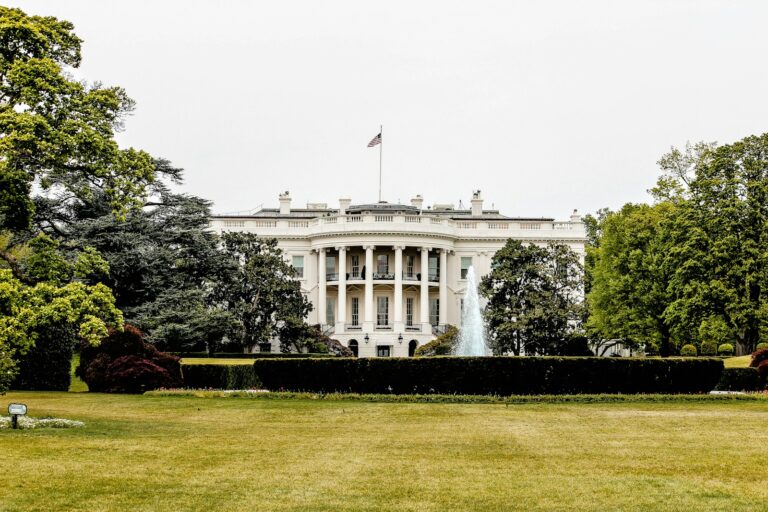
President Trump is considering a major change to the White House Rose Garden. He wants to replace the traditional grass with a solid surface. The new design may include limestone or another hard material. Some plans even mention the option of installing hardwood floors for dancing. This idea is very different from the typical look of the garden. It also shows a link to the style found at Mar-a-Lago, a retreat known to many.

The President has long shown a desire to change many parts of the government buildings he uses. He has made changes in the past at the White House that have caused debates and discussion. This plan for the Rose Garden is the latest example of his bold ideas. His vision aims to bring a new look to a historic and respected space. Some see this as a fresh start, while others view it as a loss of heritage.

A Patio Like No Other

The concept is to tear up the natural grass in the iconic garden. The new surface might be limestone or another hard type of material. There is even talk of using hardwood floors to allow dancing during events. The change is meant to give the garden a modern twist. Many compare the planned design to the outdoor spaces at Mar-a-Lago. This link has fueled comparisons and has stirred strong opinions among people.

Trump is known for his bold tastes and preferences. He often prefers styles that are flashy and modern. Many people have noted that the White House is a symbol of American history. The Rose Garden holds a special place in that history because it was made famous by previous first ladies. Changing the garden’s natural look might affect public perception of the building and its history. Supporters believe the new design will make the White House more vibrant and fun for special occasions. They see it as a chance to enjoy a space that is both historic and modern. Critics worry that such changes might detract from the traditions that make the garden unique.

Controversy and Reactions

This new idea has sparked strong reactions among citizens and online personalities. Social media has been abuzz with opinions on the proposed change. Many people expressed shock and disappointment at the thought of tearing up the garden. Some users said that the idea seems too modern for a traditional landmark. They insist that preserving history is more important than making cosmetic changes. Others see the potential benefits and view the change as a return to form after years of neglect by modern administrations.

Some opinions on social media have been pointed. For instance, one notable commentator remarked that the change does not match the elegance expected at the White House. Many users have made comparisons that are both humorous and critical. They expressed displeasure with using a design similar to that of a private resort. Others have defended the idea by saying that the White House has long needed new care. They claim that restoring the building and its grounds is a worthy cause. The debate shows that few issues can spark as much conversation as changes to historically significant spaces.

Restoring History or Losing Tradition?

Those in favor of the plan say that the White House has suffered from years of neglect. They argue that its grounds are overdue for restoration and that new designs can honor the past while being practical for modern use. The idea is to return the garden to a state of pride and elegance. Supporters hope that the proposed dash of modernity will preserve the charm of a beloved landmark.

On the other hand, many worry that the changes might erase the historical significance of the Rose Garden. The area has been a witness to many important events over decades. Past first ladies, particularly one famous for creating a beautiful garden display, helped shape the garden into an American icon. Changing its design might remove the familiar elements that are cherished by many who visit the White House. Critics say that the garden is not just a space for events, but a living piece of American history. They want to see it kept as it was originally intended.

The Role of the White House in American History

The White House is more than just a place where the President lives and works. It is a symbol of the nation’s heritage and a historic landmark visited by millions. The Rose Garden, in particular, has hosted many memorable events throughout the years. Prominent figures and ordinary citizens alike have found inspiration in its beauty. The garden’s design has always been simple yet elegant, reflecting the ideals of the country.

However, the idea of remodeling introduces questions about what it means to maintain history. Some believe that restoration can breathe new life into historical buildings. They say that modern touches do not necessarily mean the loss of tradition. They view the change as an opportunity to blend the old with new influences. Yet, others argue that every alteration needs to respect what came before. They point out that once a historic site is changed dramatically, it may lose its original character forever.

Engaging Conversations in Public Spaces

This proposed change to the Rose Garden has led to many lively discussions. People from all walks of life have shared their points of view. The topic is being discussed heavily on online forums and social platforms. Young people, in particular, show a mix of curiosity and criticism. They appreciate modern design trends but also care deeply about what their country represents. Comments suggest that transforming the garden could be seen as a way of ditching important traditions. They contrast the idea with the respect paid to places that hold historical memories.

Online users have engaged in creative debates. They weigh the potential for beauty against the need to preserve history. Some have humorously suggested alternative ideas for the space. They propose ideas such as a hotel or other recreational uses. These alternatives have added more excitement to the conversation. Many believe that any change made to the Rose Garden will have a lasting impact on public opinion. Communities are divided between a desire for innovation and the preservation of what makes the White House great.

The President’s Perspective

Officials say that the plan is not just a makeover. They claim that President Trump wants to restore the White House to its original elegance and functionality. A spokesperson stated that the building has not received much attention for many years. They argue that the president sees this as a necessary step to revive the nation’s symbol of democracy. His vision reflects both a modern outlook and respect for the past. He believes that this renovation is a way to honor a cherished historic site while preparing it for future celebrations.

The president has often changed aspects of his surroundings to reflect his personality. This is one of many projects that reveal his built-in desire to create a lasting mark. Trump has a reputation for preferring grand designs and distinctive choices. His ideas frequently lead to intense debates among political figures and everyday citizens. Regardless of the controversy, his proposals continue to shape the conversation around national landmarks. His supporters appreciate his willingness to take bold steps that diverge from the conventional. Meanwhile, his critics remain wary of any changes that might compromise tradition.

A Look at Future Celebrations

If the plan is approved, the garden may soon see new types of events. The introduction of a patio area could encourage outdoor dancing and light events. The choice of a hard surface may allow for more diverse activities compared to a grassy field. This change could make the garden more accessible for public gatherings with a modern feel. Guests might enjoy a well-maintained space that supports both official and festive events.

Some people are excited by the possibility. They believe that a remodeled garden could lead to a series of new events and celebrations. They recall the many different uses of the area over the years and think that a modern twist can open new opportunities. Critics, however, worry that the change will transform the garden into something that does not honor its original purpose. They fear that the new design may not offer the same charm that visitors expect. The discussion centers on how best to merge history with modern demands.

Comparison to Past Renovations

Over the years, many renovations have touched different parts of the White House. Each change often sparks its own controversy. In the past, certain modern touches were met with both praise and criticism. The proposed remodel of the Rose Garden follows this longstanding tradition of debate over alterations. Some see these changes as necessary updates that keep historical sites relevant. Others feel that such updates should be more respectful to the original designs.

This scenario is not unique in American history. Iconic structures have always evolved with time. Historians note that there is a balance between preserving the past and moving forward. Leaders who choose changes that mix modern tastes with classic elegance often leave a lasting legacy. In the case of the Rose Garden, the challenge is to maintain its historical significance while giving it a new use. Both sides of the argument are passionate about protecting what the garden represents. They call for careful thought before any permanent decisions are made.

Practical Concerns and Aesthetic Choices

There are important practical concerns that come with remodeling such a famous space. One key issue is the maintenance of the new surface. A hard patio area may require different upkeep than a grassy field. This concern is at the forefront of discussions among architects and caretakers. They debate which materials will best hold up under heavy use and weather changes. Supporters of the new design believe that modern materials can be easier to care for. They argue that this would make the gardens more durable and long-lasting.

The aesthetic appeal is also a major topic of discussion. Many appreciate the natural look of the original Rose Garden. They see the present design as a symbol of openness and beauty. On the other hand, some argue that a modern patio area can be both sleek and functional. Advocates for change say that a contemporary design can breathe fresh life into a venerable space. They see the possibility of a versatile venue that fits diverse events and tastes. These debates will likely influence the final choice of materials and design details.

Balancing Tradition and Modernity

The key challenge for this project is to balance history with the desire for new creativity. The Rose Garden is cherished by many for its historical and emotional value. Any change must consider the feelings of those who hold this landmark dear. At the same time, modernization can offer new ways to celebrate national history. The goal is to find a middle ground that respects the past while embracing a fresh outlook. This balancing act is difficult but necessary. Decision makers must weigh opinions from historians, architects, the public, and the president himself.

This conversation represents a broader cultural debate. Many feel that traditions should be honored, yet they also see the need for evolution. The White House, as a living symbol of American democracy, is not static. It can change while still holding on to its core values. A careful approach can allow for necessary renovations without discarding the legacy of its former glory. The discussions around the Rose Garden offer a small glimpse into this important national conversation.

Future Implications and National Legacy

Any decision made about the Rose Garden will have long-term effects. The White House stands as a symbol for the entire nation. Its design choices send messages about what is important. Changing the garden could signal a new era in how national history is maintained. Supporters hope that the update will spark more interest in historical preservation combined with modern improvements. They believe it can set a trend for carefully updating other national landmarks. Critics fear that future generations may not see the White House as a bastion of tradition.

This project is an opportunity to rethink what American heritage looks like. A well-planned update could blend respect for the past with the spirit of modern innovation. The president’s idea to create a patio-like space shows that even historical landmarks can evolve. However, it is important that any changes are done with care and respect. The decision will likely be remembered for years to come. It serves as a reminder that the dialogue between past and future is always evolving.

Public Sentiment and Lasting Impact

The public’s reaction to this proposed change is a clear sign that people care about history. Many express deep feelings for the traditional look of the White House grounds. Their voices are part of a larger conversation about how America should honor its legacy. Social media platforms have become the modern town square where these important issues are discussed. The frank exchanges of opinions remind us of the emotional connection that people have to this historic site.

The debate is not simply about design. It is about identity, tradition, and the future. For some, the garden symbolizes the nation’s enduring values. For others, it is seen as a space that could be revitalized to serve modern purposes. The strong opinions on both sides reflect the power of heritage. No matter the final outcome, the discussions will leave a mark on American history. They remind us that public spaces carry the spirit of the people who value them deeply.

Looking Ahead with Caution

As the discussion continues, experts remind us to be cautious. They urge that any decision should be made with thoughtful planning. A historical landmark like the White House deserves careful consideration. New ideas should be balanced with respect for long-held traditions. It is not enough to simply introduce modern elements. The final design must honor the legacy of past leaders and the memories attached to the ground. The challenge lies in meeting modern needs without erasing history.

Despite the intense debate, many agree that change is sometimes necessary. However, this change should be gradual and well thought out. Community input, expert advice, and historical perspective must be part of the decision-making process. The public deserves a voice in preserving a national treasure. The discussions now pave the way for a future where the heritage of the White House can be both celebrated and improved upon. This balance will shape how the nation views its symbols for the next generation.

A New Chapter for a National Treasure

The proposed changes to the White House Rose Garden represent more than just a cosmetic update. They are an invitation to rethink the relationship between tradition and innovation. The president’s vision is a spark that has ignited passionate discussions nationwide. People from many backgrounds have weighed in with strong opinions. Whether one supports or opposes the remodel, it is clear that the garden holds a special place in the heart of the nation.

This opportunity marks the start of a new chapter for a cherished landmark. The upcoming debates and decisions will shape how future generations experience American history. The challenge is to create a design that is both practical for events and respectful of the past. It is a delicate task, but one that shows the resilience and adaptability of American cultural symbols. Through thoughtful planning, the White House may gain a renewed role in national celebrations and public life.

In Conclusion

The White House Rose Garden has stood as a proud symbol of American history for many years. The president’s plan to transform this space into a patio-like area is generating strong reactions. People are divided between the desire to preserve history and the need for reinvention. The proposal calls for replacing grass with a hard surface, such as limestone or hardwood floors. This modern twist has drawn many comparisons to the luxurious outdoor spaces at Mar-a-Lago.

All eyes are on the decision-makers who will decide the future of this iconic space. The conversation is vibrant and continues to grow on digital platforms. While many appreciate the promise of renewed care and vibrant events, others fear that the changes might compromise what makes the garden unique. As the nation watches this debate unfold, it becomes clear that history, modernity, and national pride are deeply intertwined. This moment may well become a defining turning point in preserving the legacy of one of America’s most famous landmarks.

The ongoing discussion shows that even in times of change, the past holds a powerful influence. The balance between honoring history and embracing new ideas is not easy. Yet, with careful attention and thoughtful planning, it is possible to keep traditions alive while making space for the future. The White House reception and its surroundings are not merely about aesthetics. They are about capturing the spirit of the nation and the values that have defined its journey.

By taking a measured approach to modernizing the space, the goal is to ensure that every event, every celebration, and every gathering in the White House grounds continues to reflect the rich tapestry of American life. The president’s ideas have helped spark a national conversation on identity, legacy, and innovation. This dialogue is essential as the country moves forward while remembering its roots.

The future of the Rose Garden now hangs in the balance. With passionate views on both sides, the decision will influence how American cultural heritage is viewed for generations. The final outcome remains uncertain. However, the debate itself is a strong reminder that our national symbols are precious and deserve careful thought. As discussions continue, the hope is that all voices will be heard and that the final design will honor both tradition and modernity.

The conversation surrounding this proposed makeover is more than just an architectural debate. It is a reflection of the way society views progress and the weight of history. Every decision made about such a beloved landmark sends a clear message about how the country values its past. If approached correctly, the new design can serve both as a functional space for modern events and as a tribute to the legacy of previous generations.

This is a time of change and renewal. The discussions surrounding the White House Rose Garden invite us all to think about how history and innovation can coexist. It is a chance to test whether a modern renovation can complement centuries of tradition. For many, the outcome will be a litmus test for future changes in other historical sites across the nation.

With the debate ongoing and opinions divided, the nation waits eagerly for the next steps in this important journey. The idea that a new patio-like space might replace the classic garden has everyone talking. It is a vivid example of how ideas evolve and how public spaces can adapt to the times. The story of the White House Rose Garden will continue to unfold as decision-makers work to balance respect for history with a vision for a dynamic future.

In this moment, the nation’s attention is drawn to a familiar space that now faces an unexpected renovation. The outcome will shape not only the physical layout of the White House but also the narrative of American progress. The journey ahead carries the promise of new memories while retaining the echoes of the past. This is a turning point, and it captures the excitement, the controversy, and the enduring pride that define the American spirit.

TikTok Risks US Shutdown: The Ball Is in Biden’s Court

Key Takeaways:

– TikTok stated it might go offline on January 19 if the Biden administration does not provide assurance of non-enforcement.
– The US Supreme Court upheld a law requiring TikTok’s divestment from ByteDance due to Chinese data security concerns.
– There remains uncertainty over President-elect Donald Trump’s strategy to save TikTok.
– Some speculate that Elon Musk might buy the platform, pushing Tesla stock up 3 percent.

The Current Struggle and Hope for Solution

China-owned social media platform, TikTok, is at the brink of being banned in the US. A law passed by Congress last year mandates TikTok to divest from its parent company, ByteDance, owing to its close ties with the Chinese Government. Lawmakers harbor apprehensions over China’s potential access to Americans’ private data. Challenging this decision as an alleged First Amendment violation, TikTok petitioned the Supreme Court for an intervention. However, the court did not side with them.

Following this decision, TikTok indicated that it may voluntarily take itself offline entirely. Still, the lack of an enforcement mechanism puts this intention into question. TikTok’s future now lies in the hands of the incoming President, Donald Trump, who has promised to “save” TikTok, though his plans remain vague.

TikTok’s Ultimatum and Shockwaves in the Investment Sphere

The suspense surrounding the app’s future deepened this week after TikTok issued a statement declaring plans to go dark on Sunday unless the Biden administration provides assurances. The company seeks clarity on the non-enforcement of penalties on Apple, Google, and other service providers collaborating with the app.

The ambiguity surrounding TikTok’s future has triggered ripples in the financial and tech sectors. Analyst Dan Ives of Wedbush Securities posits a potential lifeline: Elon Musk. According to Ives, the Tesla CEO might be interested in acquiring the beleaguered social media platform, sans the algorithm, in a deal that could range between $40 to $50 billion. This speculative development resulted in a significant 3% jump in Tesla’s stock value.

Diverse Opinions and The Company’s Stance

The Supreme Court’s decision to uphold the TikTok ban-or-sale law has sparked reactions from politicians and industry analysts. Notably, Senator Bernie Sanders expressed discontent, labeling the potential TikTok ban as ‘wrong.’ On the other hand, Senator Tom Cotton lauded the decision, characterizing it as rejecting “TikTok’s lies and propaganda.”

Amidst this whirlwind of differing opinions and questionable future, TikTok’s CEO, Shou Chew, expressed gratitude towards President-elect Donald Trump for his unyielding support on TikTok’s corporate account. He lauded Trump’s stance as “a strong stand for the First Amendment and against arbitrary censorship.”

As TikTok potentially nears its twilight in the US, its journey from being a lighthearted app for teens to becoming a perceived national security threat serves as a testament to the evolving digital landscape.

With inconclusiveness about the final outcome, the fate of TikTok, used by over 170 million Americans, hangs precariously in the balance. As the app teeters on the brink of a potential ban in the US, its stakeholders and users hope for a favorable resolution. However, the resolution largely rests upon prospective discussions between the Biden administration and TikTok authorities.

Ukrainian Forces Successfully Dismantle Russian Reconnaissance Drones in Kharkiv

0

Key Takeaways:

• Ukrainian soldiers from the 22nd Separate Mechanized Brigade neutralize two distinct Russian reconnaissance drones in the Kharkiv territory.
• The UAVs were attempting an aerial survey of Ukrainian military movements.
• FPV drone operators from Ukraine intercepted and eliminated the Russian drones.

In a moment of cutting-edge technological warfare, Ukrainian defenders from the 22nd Separate Mechanized Brigade have proven their mettle recently. They’ve managed to dismantle two different types of Russian reconnaissance UAVs – Zala and Supercam – in the Kharkiv region. These UAVs, also known as drones, had been deployed to map out Ukrainian military placements.

Drone-Interception in Action

Keeping with the fast-paced development in drone technology warfare, these instances of drone interceptions provide an eye-opening glimpse. Russian reconnaissance drones were launched in the Kharkiv sector to carry out an aerial survey of the Ukrainian terrain. This surveillance had a clear purpose to monitor Ukrainian force positions.

However, Ukrainian operators flying FPV drones, which denote First-Person-View piloting technology, detected these intruding UAVs. Displaying agility with cutting-edge equipment, they pulled off a remarkable mission. The FPV operators successfully intercepted and took down the Russian drones, protecting their ground.

Protecting the Front Lines

This is not the first instance of the country’s forces successfully neutralizing enemy factors in the field. Earlier, similar reports suggest that Ukrainian forces successfully eliminated a Russian tank, two artillery pieces, and an EW (Electronic Warfare) system. The Pokrovsk territory witnessed this unfolding, further strengthening the Ukrainian forces’ position in the eastern sector.

Drone Warfare: A New Era of Conflict

With the incident in the Kharkiv region, the significance of drones in modern warfare is again highlighted. Small, undetectable, and capable of carrying out complex missions – drones are increasingly becoming indispensable in naval, air, and ground wars. This incident of successful Ukrainian counter-action against Russian drones is a telling testament to this fact.

Moreover, it emphasizes the importance of advanced drone operators training and skills upgradation keeping pace with technology. The Ukrainian FPV pilots thwarting the Russian UAVs mission with remarkable precision exemplifies that a well-trained professional can be a significant game-changer.

Stepping Toward the Future: Digital Defense

Undoubtedly, these recent incidents demonstrate that the battle scene is swiftly moving from traditional land and air borders to a more complex, largely invisible digital front. Thus, while investing in soldiers’ training and preparing them for land or air warfare is essential, enhancing their skills in electronic, cyberspace, and drone warfare is becoming equally crucial.

In conclusion, the success achieved by the 22nd Separate Mechanized Brigade in Kharkiv signals the futuristic aspect of present war tactics. These UAV operators’ skills and aptitude serve as a blueprint for future warfare training, highlighting the importance of keeping pace with the latest technological advancements. In the contemporary theater of war, managing drones has become a critical part of a country’s defense strategy, as seen in the recent Ukrainian victory over hostile UAVs from Russia. Therefore, the need for proficient drone experts cannot be overemphasized in this new era of digital defense.

Netflix Stirs Up Debate by Taking Down Palestinian Stories Collection

0

Netflix recently created a storm of controversy, as they chose to remove a collection of Palestinian stories from their platform. Let’s delve into the details and understand why this topic has caused such a heated debate.

Why Was the Collection Removed?

Unfortunately, Netflix hasn’t given any official reason for removing the Palestinian stories collection. The collection, that was much adored by audiences worldwide, suddenly disappeared without any advance notice or clarification. What we know for sure is that the removal of these stories has caused quite a sensation.

Public Reaction

People haven’t taken the news of the removal lightly. From ordinary viewers to movie critics, people expressed their disappointment on various social media platforms. Many feel that removing this collection silences an important narrative. Others are simply upset at being deprived of unique and interesting content.

Importance of Diverse Content

Diverse content has always been the lifeblood of any storytelling platform. By representing different perspectives, cultures, races, and countries, these platforms become more appealing to a global audience. So it’s not hard to see why removing a popular content collection, especially one that gave a voice to the often-underrepresented Palestinian culture, caused so much controversy.

Netflix’s Response

Although Netflix has yet to comment on the matter, its actions have opened up a wider conversation about the importance of diverse representation on streaming platforms. And given Netflix’s reputation as one of the biggest players in the streaming industry, this controversy has grabbed a lot of attention.

The Future of Diverse Content

Given all the turbulence, it’s clear that audiences around the world crave diverse content to understand and empathize with cultures that may be different from their own. Streaming platforms like Netflix have the potential to bridge cultural gaps through storytelling and should, therefore, take this backlash as a call to action for promoting more diverse and inclusive content.

Wrapping Up

In conclusion, the removal of the Palestinian stories collection from Netflix is a significant event. It provokes serious discussions on how streaming platforms curate their content, and the power they hold in shaping cultural narratives. Let’s hope that the controversy brought about by this event pushes these platforms to realize their role in promoting diversity through storytelling.

This unfortunate incident reminds us of the power of storytelling, the importance of representation, and the need for streaming giants like Netflix to use this power responsibly. Yes, Netflix stirred up a debate with this move, but perhaps it’s a debate we needed to have. Here’s hoping it leads to positive change in the world of streaming content. Until then, let’s keep on advocating for diverse content for all to enjoy.

After all, any platform that provides diverse content will not only have the power to entertain but also educate and unite different sections of society. It’s high time these platforms recognize the power they hold and use it to create a more inclusive and understanding global society. So, in the end, while we still wait for an official statement from Netflix, maybe we all can learn something from this controversy.Check the full story on https://projectcasting.com/blog/news/netflix-palestinian-stories

TikTok Boosts User Data Security through a New US Subsidiary

0

Hey guys, it’s time for some exciting tech news! Our favorite video-sharing platform, TikTok, just made a bold move to enhance user data security. It’s setting up a brand new subsidiary in the U.S for this very purpose.

Here’s What Happened

In a bid to ensure that our private info stays private, TikTok has created a dedicated subsidiary in the United States. This step was initiated to manage and protect user data more efficiently. It means that the tech giant is investing a lot more in keeping our personal information safe and sound.

Understanding the Move

You might be wondering why TikTok decided to invest in creating a new unit. Well, it’s all part of their mission to provide us, the users, with a protected online environment. The company recognized that user data security is a serious issue and took action. By doing so, TikTok has proved how much they value us.

Why is this Important?

In a world where we share our data with apps every day, ensuring that this info remains protected is a big concern. As users, we deserve peace of mind while navigating online platforms. TikTok’s move aims exactly to offer this comfort to us. Now, we can make more fun videos without worrying about our data being misused.

Unfolding the Benefits

Okay, this might sound a bit techy, but bear with me. Having a separate dedicated subsidiary to handle user data means more focused attention to our protection. Additionally, creating this unit in the U.S. means obeying stricter data security laws, enhancing safety measures even more.

Looking Ahead

Thanks to TikTok for taking such a major step. It shows that they truly care about our security. But it does not end here. This might be a wake-up call for other tech companies to step up their game in terms of user data protection. Let’s hope to see more initiatives like this in the future, making the digital world a safer place for all.

Conclusion

Awesome, right? TikTok’s move to create a separate U.S. subsidiary for data security is a big step towards a safer digital community. It gives us peace of mind while we enjoy making and sharing videos. This action not only reflects TikTok’s commitment to user safety but also serves as a reminder to other tech bigwigs that user data security is a priority, not an afterthought.

That’s it for today! Remember, staying informed about these changes helps us make smarter and safer choices online. So keep coming back for more updates and be tech-savvy!Check the full story on https://projectcasting.com/blog/content-creators/tiktok-steps-up-user-data-security-with-dedicated-us-subsidiary

All You Need to Know About Netflix’s ‘The Boys from Brazil’

0

Dive into an Exciting cinematic journey

Hey, there! Are you ready to jump into an exciting cinematic journey with Netflix’s ‘The Boys from Brazil’? Let’s take a closer look at this fantastic production.

An Overview of ‘The Boys from Brazil’

‘The Boys from Brazil’ is one of the newest attractions on Netflix. This is a fantastic show that has recently caught the attention of many viewers worldwide. But what’s the fuss all about?

Interesting Plot Details

The plot of ‘The Boys from Brazil’ is gripping. It revolves around intriguing characters and their thrilling adventures. As the story unfolds, viewers are drawn into a web of mystery and suspense. Each episode brings new twists and turns that keep the audience on the edge of their seats.

Characters We Love

The characters are another key reason why ‘The Boys from Brazil’ is so captivating. They have unique personalities and their own individual storylines. The development and growth of these characters throughout the series is one of its most exciting aspects.

A Cinematic Treat to Enjoy

‘The Boys from Brazil’ has a lot to offer as a cinematic experience. Besides the intriguing plot and compelling characters, the show’s visuals are stunning. The settings, the costumes, the cinematography – everything adds to a truly immersive experience.

Why is it Trending

‘The Boys from Brazil’ is trending for all the right reasons. Its unique story and captivating characters have gripped viewers. The show is a hot topic among viewers, trending on social media platforms, and making headlines in the entertainment industry.

Personal Take on the Show

Now, let’s talk about my personal take on the show. I think ‘The Boys from Brazil’ is a must-watch. It’s a show that takes you on a rollercoaster ride of emotions, keeps you guessing and definitely worth your time.

What the Future Holds

So, what’s in store for ‘The Boys from Brazil’? Well, only time will tell. However, considering the show’s current popularity, it seems likely that we’ll see more exciting adventures and plot developments in the future.

Wrap Up

In conclusion, ‘The Boys from Brazil’ is a thrilling journey that you don’t want to miss out on. It’s got an interesting plot, captivating characters, and incredible visuals. Plus, it’s trending everywhere! So, why wait? Hop onto Netflix and dive into this exciting cinematic ride.

Remember, keep an eye on this space for more updates and information about your favorite shows and movies. Until then, Happy Watching!Check the full story on https://projectcasting.com/blog/news/netflix-the-boys-from-brazil

The Shift in Streaming Culture: How Streaming Services are Trying Harder

Television viewing has seen dramatic changes over the last few years, especially with the advent of streaming services. Remember when streaming providers like Netflix, Hulu and Prime Video were fresh on the scene? Many of their major selling points were the unique original content they produced. It was nearly impossible to engage in trendy popular discussions without having seen the latest episode of House of Cards on Netflix, The Handmaid’s Tale on Hulu, or The Boys on Prime Video.

Streaming Defines Peak TV Era

Streaming companies worked hard to convince folks that their services were the next big thing. With their high-quality originals, they mesmerizingly made their platforms the go-to for captivating narratives. These shows were more than just entertainment, they were cultural phenomenons. Did streaming services change our television habits entirely? Yes, from the looks of it, indeed they did. This period was even given its own title, the ‘Peak TV era’, as it was marked by skyrocketing production budgets that brought forth iconic originals like Game of Thrones.

Tough Times Ahead for Streaming Services

Fast forward to today, things seem to be taking a different turn. Most streaming services are struggling with profitability. As a result, this year has seen these companies tightening their belts. How are they doing this? By changing the way they earn. Ads have become more prominent and there’s a shift in the programming strategies. With less emphasis on the creation of original content, the focus has been redirected towards extracting more money from existing subscribers.

Foreseeable Impact on Subscribers and Culture

So, what exactly does this mean for us, the dedicated army of binge-watchers? Well, it seems that we are going to pay more for our favorite shows. When the focus of these companies is getting more out of us, it invariably translates into higher subscription costs. But will this have an effect on the quality and the type of content we’re used to seeing? It certainly might.

The Shift Back to Television’s Past

An interesting observation here is television’s return to its roots. The future of television is beginning to resemble its past. What’s coming back are the live events, mainstream content, and the good old commercials. They seem to have rediscovered the splash these could make in a pool that’s quickly starting to look uniform.

This shift could indicate a rise in shows catering to a broader audience rather than niche interests. The watercooler chat culture that was born from trending, serialized content may also see a change, with discussions moving away from the climax of the latest season to the happenings on a real-time reality show.

Final Words

The rules of entertainment have evolved drastically over the last few years. It is both fascinating and slightly unsettling to see how these changes have shaped our viewing habits and how they’re likely to do so again. Will this switch back to the traditional style of television be accepted open arms or will it push viewers away? Only time will tell.

Through all its ups and downs, one thing is for sure – streaming services have profoundly impacted the way we watch television. Their original content has contributed to the broader media culture, and the shift back to a more traditional television model is another chapter in this ever-evolving story. Brace yourselves, streaming enthusiasts, for the tale isn’t over, the plot is thickening, and a new season is just around the corner.

Honda-Nissan Merger Falls Through: Here’s What Happened

The Big Announcement

Excitement was in the air late last year when Japanese auto giants, Honda and Nissan, announced their proposed merger. A lot was at stake with this strategic move as it had the potential to shake up the automotive world, propelling the merged entity to become the world’s third-biggest car manufacturer. It seemed like Volkswagen needed to slide over and make room on the podium. However, now it turns out, this car merger dream will remain just that – a dream.

What Went Wrong?

Although initially promising, the Honda-Nissan merger was not without its share of controversies. Many industry insiders speculated that this wasn’t really a merger between equals. Nissan, not in its best phase recently, was seen by some as being swallowed up by Honda, with the Japanese government pulling the strings behind the scenes.

Piling onto this was Nissan’s existing triple-alliance with Mitsubishi and France’s Renault. This wasn’t an actual merger; rather, each company owned shares in the others, much like friends splitting the bill at a restaurant. With Renault owning a whopping 37.5 percent of Nissan, a big chunk of Nissan was under foreign control.

The Unsettling Alliance

Although Mitsubishi toyed with the idea of joining the Honda-Nissan union, that news cooled down by the new year. Honda reportedly wanted Nissan to buy out Renault’s stake, probably not too thrilled about such a significant slice of their new partner being controlled by a French company. This is a bit like your new best friend coming with a ‘third wheel’ who decides a lot about your buddy’s life. Not cool, right?

A Missed Opportunity

This failed merger is a poignant reminder of the complexities of the corporate world. Although the union of Honda and Nissan could have changed the automotive landscape, the intricate web of alliances and ownership stakes proved to be a stumbling block. It’s almost akin to a class project that could have scored an A+ but gets an F because team members can’t get along.

Where it Leaves Us

So where does this leave us? Back to square one, it seems. The auto giants will continue their separate journeys, attempting to conquer the market one car at a time. What this means for Volkswagen, they’re safe, at least for now, from getting bumped out of the top three manufacturers list. It seems, for the moment, that the landscape of auto industry heavyweights remains unchanged.

In Conclusion

For car lovers and industry watchers, this fallen deal might come as a disappointment. But remember, in the fast-paced world of automotive, nothing is truly over until it’s over. Who knows what other mergers, alliances, and partnerships lurk around the corner? The auto world isn’t just a playground for vehicles; it’s a chessboard for giant corporations, each move as crucial as the next.

So, belt up, sit back and watch the drama unfold because in the world of auto giants, the ride is never dull.

Trump’s Economic Adviser Contradicts Economists’ Consensus on Tariffs Impact

0

Key Takeaways:

– President Trump’s economic adviser, Kevin Hassett, disputes economists’ general belief that tariffs lead to increased prices.
– Prior to the president signing more tariffs, Hassett insists these could have positive effects on American citizens.
– While acknowledging possible price fluctuations, Hassett insists they would not be directly caused by the tariffs.

Trump’s Economic Adviser Disagrees with Other Economists

In a surprising turn of events, Kevin Hassett, economic adviser to President Donald Trump, contradicts the long-held opinions of most economists. He says that their belief that tariffs increase prices is incorrect. This statement comes ahead of Trump’s intention to append his signature to more tariff orders.

Hassett’s Stance on Tariffs

Speaking on MSNBC, Hassett rebutted this common argument raised by economists against tariffs. He argues that the disparity in the taxes being paid by US and foreign companies highlights an issue that could be addressed by tariffs. The $370 billion paid by US companies to foreign governments far exceeds the $57 billion foreign companies pay to the US. He suggests an adjustment of this imbalance could be beneficial for American citizens.

Will Tariffs Cause Price Increase?

When asked to guarantee against any upcoming price hikes due to these tariffs without referencing the previous administration, Hassett gave an evasive response. He mentioned that prices can both rise and decline, which is simply how the world works. After being interrupted and questioned again about forecasting these trends as an economist, he admitted to the possibility of a price increase. Nevertheless, he firmly stated that Trump’s tariffs would not be the cause.

Furthermore, Hassett claims that a multitude of factors could influence fluctuating prices and that this would puzzle economists examining the causes. He also expresses his confidence that strong proof of a tariff-induced price effect won’t exist.

Trump’s Views on Tariffs

Even though Hassett maintains this bold view, President Trump acknowledged that these tariffs may possibly cause a spike in prices for American consumers. He referred to it as ‘a little pain’ that people understood, suggesting that Americans are prepared to endure the short-term hit for a presumed long-term gain.

Understanding the Economic Modeling

In an attempt to justify his stance, Hassett further explains the economic modeling. In his perspective, the current economic model that supports sending $370 billion abroad instead of retaining it locally doesn’t make sense. He feels this stance only benefits foreign governments at the expense of American citizens.

Besides, he also questions the justification for continuing the trend of paying more to foreign governments due to an economic model that disregards real-world dynamics. For a layman, he tries to simplify the complex economic modeling and elasticity of supply versus demand as far as possible.

To make his argument even clearer, Hassett provides an example. He imagines a scenario where we estimate $370 billion being paid to foreign governments by US companies in the last year. Meanwhile, foreign firms only paid the US government $57 billion in taxes. This disparity fuels his belief that we can adjust and improve this situation. Consequently, such actions he insists would benefit American citizens.

Final Thoughts

While Hassett’s views seem at odds with the popular opinion of economists, it’s crucial to take into consideration that the world of economy and global trade isn’t always black and white. The real-world impact of his arguments, validated or rebutted, will be revealed over time amidst various other market influences. However, these differing viewpoints stimulate a necessary debate on the strategy and direction of economic policies.