64.7 F
San Francisco
Wednesday, June 24, 2026
Home Blog Page 1248

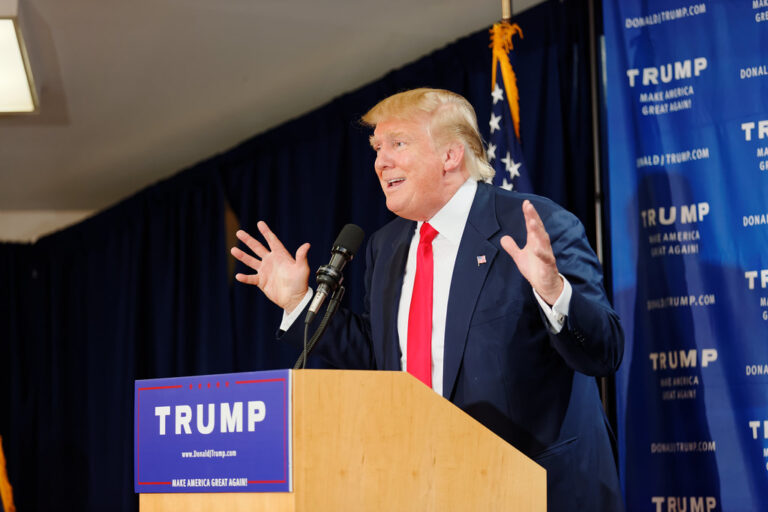
Unprecedented Actions by President Trump: A Constitutional Enigma

0

Key Takeaways:

– President Trump’s early policies in his second administration seem to challenge the Constitution.
– Controversial attempts include altering birthright citizenship, freezing federal spending, and closing down USAID.
– These actions raise questions about the constitutional limits of presidential power.

Unraveling the Presidential Agenda

Less than two months into his second term, President Donald Trump is making waves with policies that many argue push against the boundaries of the US Constitution. Rather than being bound by its rules and regulations, it seems Trump is keen to rewrite them entirely.

A New Approach to Citizenship

One notable instance of this intent is Trump’s controversial effort to change birthright citizenship, a key principle of our nation’s Constitution. Birthright citizenship, which grants all individuals born in the United States automatic American citizenship, is engrained in the 14th Amendment. Suddenly seeking to shake up this long-standing system, the President raises eyebrows as well as questions about the gamut of executive power.

Freezing Federal Spending

Another move stirring debate is Trump’s bid to halt various federal spending. The US Constitution clearly delineates the power of the purse to Congress, making it the body responsible for setting budgets and designating federal spending. Intriguingly, the President seems willing to take the bridle and guide fiscal policy his way despite this legal framework.

Shuttering USAID

Even more controversial is Trump’s push to shut down the US Agency for International Development (USAID). This move starkly contrasts with the intent of Congress which created the institution to combat global poverty and promote democratic reforms abroad.

Testing Constitutional Boundaries

All these moves brew wider questions about the true reach of presidential power and the nature of checks and balances built into our government system. To what extent can a president stretch the boundaries of the Constitution? Is the executive branch straying too far from its constitutional course? All these are subjects of ongoing debate sparked by the current administration’s bold actions.

Shield of the Constitution

Every office holder in the United States, from the president to local officials, takes an oath to uphold and protect the Constitution. It guarantees the fundamental rights of the American people, establishes the three branches of government, and sets their powers and limits.

The question is particularly pertinent in these times when actions, perceived as unconstitutional, are being undertaken at the very highest level of leadership. Reactions from legal experts, politicians, and citizens are split and range from commendation to condemnation.

As the president’s practices continue to stimulate discussions regarding constitutional boundaries, it emphasizes once more the relevance and importance of this remarkable piece of legislation – the US Constitution.

In conclusion, it does appear that some actions kicked off by President Trump are causing constitutional pundits to furrow their brows. As the administration continues to make bold moves, the country watches and waits, wondering how the principles etched into the Constitution stand up to the test of these unprecedented times. This scenario ultimately underlines the necessity of remaining informed and vigilant as ever-changing political landscapes challenge the timeless framework that keeps us a united nation.
Peace Prospects Emerge as Trump, Putin Begin Ukraine Negotiations

0

Key Takeaways:

– President Trump has disrupted three years of U.S. policy on Ukraine, revealing plans to start peace talks with Russia.
– The pivotal decision was made after Trump and Putin had a lengthy phone conversation discussing a recent prisoner exchange.
– Subsequent to his phone call with Putin, Trump also spoke with Ukrainian President Volodymyr Zelenskyy, although details remain unclear.

A Twisting Tale of International Diplomacy

The geopolitical landscape received an unexpected shakeup when President Donald Trump decided to drive U.S policy on Ukraine towards a new direction. This crucial development came on Wednesday and signifies a departure from the last three years of established policy.

Trump revealed his decision to start negotiations with Russia to end the war in Ukraine. This surprise revelation came after a sudden prisoner swap, a critical turning point marking potential peace prospects.

A Momentous Phone Call

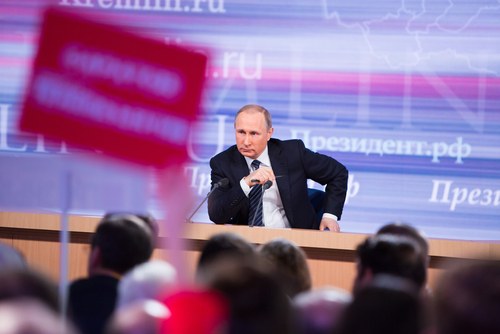
The president’s decision follows an hour-long call with the Russian leader, Vladimir Putin. “I think we’re on the way to getting peace,” Trump indicated after the pivotal phone conversation. It illuminates the possibility that we might be witnessing the inception of peace negotiations for ending the war that has dominated Eastern Europe for years.

The Ukrainian Angle

However, in the midst of all, the question of Ukraine’s position and role in these negotiations is still under veil. After his conversation with Putin, the president also had a dialogue with Ukrainian President Volodymyr Zelenskyy. Yet, it appears Trump was noncommittal about whether Ukraine would be considered an equal party in prospective peace discussions.

The dilemma over Ukraine’s participation and representation raises eyebrows and generates significant questions surrounding the negotiation’s perception and objectives.

The Road to Peace: Not Easy, But Essential

In a world where incessant conflicts continue to disrupt the peace, this development has profound global implications. It seems to open a potential pathway towards ending a war that has been a sore point between superpowers for years.

However, these negotiations also provoke critical questions about Ukraine’s sovereignty, the fate of its citizens and the future of its national identity. The dynamics of any diplomatic dialogue involving large-scale territorial disputes are intricate and complex. Given this, it remains essential for every party involved to interact transparently, uphold fairness, and prioritize peace over power.

A New Chapter of Diplomacy

The unexpected turn in the U.S’s stance towards Ukraine has certainly amplified global concern. As nations closely monitor the situation, every move and decision contribute to molding the future direction of international diplomacy and peace relations.

While ambiguity persists, the world waits in anticipation and hope, eager for an era where peace triumphs over war, and compassion upstages conflict.

Although the path to peace may seem turbulent and fraught with uncertainty, the endeavour does provide an opportunity for balance, justice, and hopefully, a peaceful closure to the hostilities that have been ongoing for so long.

In Conclusion: A Wait for Peace

As we continue in our journey towards a peaceful resolution, we acknowledge the complexities involved and recognize the myriad perspectives to accommodate. While the path remains fraught with challenges, every step taken towards peace is an endeavor towards a better world, a tomorrow where every nation stands as an equal. Consequently, despite the uncertainties, the world holds its breath in hopeful anticipation, eyeing every development as a potential stride towards a peaceful epoch.

President Trump Signs Memo on Reciprocal Trade: What You Need to Know

0

Key Takeaways:

– President Trump has signed a memo on reciprocal trade.
– Federal agencies are directed to research adjusting U.S. tariff rates to match other nations.
– The Commerce Department and U.S. trade representative will deliver reports outlining steps toward reciprocal trading status.
– No immediate changes to tariffs have been made; this move is initially for research and planning.

Understanding the Play

In a move considered motivated by fairness, President Trump has recently put pen to paper, signing a memo on reciprocal trade. This doesn’t mean changes are happening right away, but it’s setting the stage for some potentially big moves.

The primary goal of this directive is for federal agencies to look into how U.S. tariff rates might change so they match with duties and economic barriers put into place by other countries. Quite simply, if another country has certain trade rules or fees, the U.S. wants to have the same. Maybe it sounds a bit like tit-for-tat, but it’s more about keeping things equal and fair in the global marketplace.

Preparing for Reciprocal Trading

This new path set by the President isn’t an immediate game changer. It has to be underlined that the order does not enforce the immediate imposition of tit-for-tat tariffs, which will come as a relief to many foreign capitals.

Yet, it does give new goals to the Commerce Department and the U.S. trade representative. These two major players now have to come up with reports. What should be in these reports? Meanwhile, they need to outline the steps to be taken to achieve reciprocal trading status. These reports are essentially the ‘how-to’ guides for making reciprocal trading real.

Keeping a Global Perspective

Reciprocal trade might sound like an ‘us versus them’ scenario, but it’s not quite so black-and-white. As countries grow and change, so do their economies, demands, and trading practices. Navigating this ever-changing landscape is a huge task, and the goal here is to ensure the U.S. doesn’t get left behind or treated unfairly.

There are big questions that need answering, like what sort of countries would see their tariff rates matched by the U.S., or how quickly these changes could happen after the reports are delivered. Only time will tell, but for now, the directive is clear: the U.S. wants to be ready to match the economic playing field.

The Bigger Picture

While the journey towards reciprocal trading is only just getting started, the ultimate outcome could have significant implications for international relationships and global economies. It means ensuring a level playing field and also understanding that each country’s needs and economy vary. It’s going to be a delicate balancing act, and the research is just the first step in the process.

For now, all eyes will be on the Commerce Department and U.S. trade representative as they work out how to turn President Trump’s directive into reality. The process could shape new international norms and challenge existing economic barriers, setting the stage for some potentially major changes in global trade.

This shift towards potential reciprocal trade is a big move and it’s one worth understanding. So, keep your ears to the ground, because there’s likely more news to come. This memo might just be the starting shot for an exciting race.

U.S. vows to speed up weapon supplies to Europe

0

Key Takeaways:

– U.S. Defense Secretary pledges to expedite weapon deliveries to Europe.
– The commitment is aimed at providing vital support to European allies.
– Future Foreign Military Sales, a U.S. program, will supply the weaponry.

U.S. Pledges Increased Support to Europe

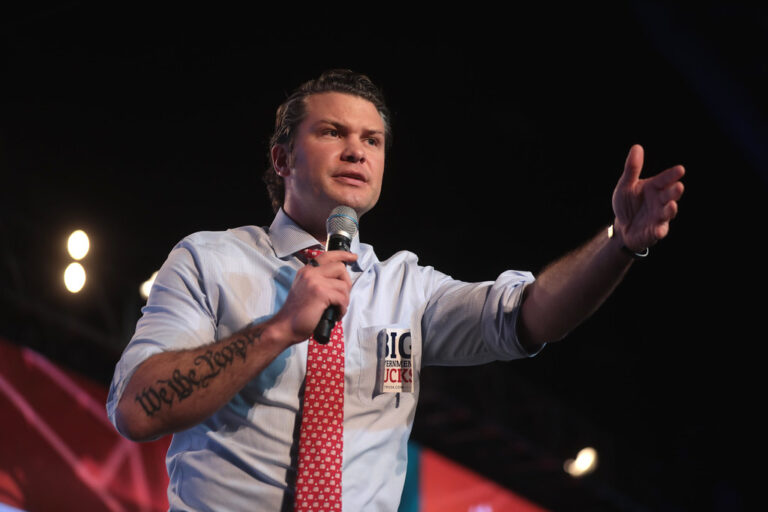
The United States is ramping up its efforts to support its allies in Europe. U.S. Defense Secretary, Pete Hegseth, pledged on Thursday that the country is now committed to rapidly delivering weapons to Europe. This move is one many countries have sought for years and is viewed as integral to their defense rebuilds.

Hegseth made this commitment during a series of meetings at NATO headquarters in Brussels. His remarks underlined America’s promise to ensure that allies receive the weaponry they need in a speedy manner.

Foreign Military Sales – A Game Changer

The U.S. has a plan in place to facilitate these weapon deliveries. It’s called the Foreign Military Sales program. It’s a system that has been enacted by the U.S. with the express purpose of ensuring that these supplies reach their required destinations promptly.

This program is anticipated to play a vital role in accelerating the shipments. By using it, the U.S. not only pledges its support but also demonstrates its proactive approach towards enhancing international security.

Revamping Defense Rebuilds

The hastened weapons delivery comes at a time when various European nations are striving to strengthen their defense capabilities. Years of pleas for such a move underline its importance. These nations, many of which are U.S. allies, view it as a critical step toward their defense rebuilds.

The announcement by the U.S. Defense Secretary marks a key milestone in this endeavor. This commitment will significantly contribute to bolstering the readiness and capabilities of these countries’ military forces.

U.S. in a Supporting Role

This move clearly indicates the U.S.’s intent to stand by its allies in these challenging times. By accelerating the weapon shipments, the U.S. is undeniably playing a crucial role in ensuring the safety and security of Europe.

In addition, this commitment serves as a symbol of the enduring alliance between the U.S. and Europe. It underlines the willingness of the U.S. to continue investing time, effort, and resources in supporting its allies.

Looking Forward

The fallout of this promise remains to be seen. Yet, it’s clear that this decisive move by the U.S. will embolden its allies. It sends a strong message of unity amongst NATO members and a collective commitment to security.

The hastened weapons shipments demonstrate U.S.’s unwavering support for its allies. It marks the beginning of a concentrated effort to bolster Europe’s defense capabilities.

To sum up, Secretary Hegseth’s announcement has undoubtedly paved the way for a faster, more efficient means of supporting allies in need. The U.S.’s pledge to accelerate weapons supply to Europe marks a substantial step in the collective efforts to enhance global security.

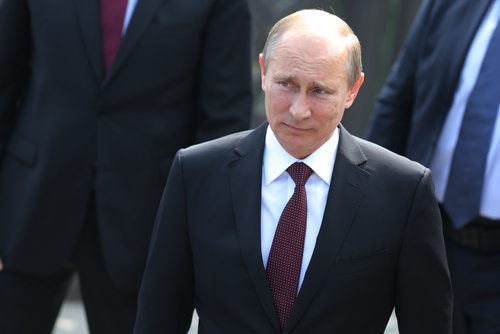
Putin-Trump Call Ignites New Era in Russian-US Relations

0

Key Takeaways:

– Putin and Trump’s long-awaited phone call has finally occurred.
– The call has reignited the strategic rivalry between Russia and US.
– Russian-US relations are back to their traditional state of conflicting interests.
– For decades, the US had a vision to reshape Russia, which didn’t pan out.

Return to Strategic Rivalry

The much-hyped phone call between Vladimir Putin, the Russian President and his American counterpart, Donald Trump, has recent taken place. This exchange is major news, not because it sparks a new era, but because it is a return to what is known in geopolitical circles. Russian-US relations have always been marked by strategic rivalry, conflicting interests, and distinct differences in viewpoint.

Understanding the Past

For quite some time, the United States harbored a dream of sorts. In this dream, it could mould Russia, reconfigure its politics and societal norms. But dreams often run afoul of reality, and such was the case. The recent phone call between Putin and Trump is a stark reminder – a reminder that the US cannot simply remake Russia in its image.

Taking the Next Steps

Now, you might wonder: what’s next? Will this phone call lead to an openness between the two nations? Or will it inflame tensions even further? Neither possibility can be ruled out. However, the indications till this point suggest that Russian-US ties will tread the familiar path of competition and conflict. Yes, there may be areas where they can collaborate, but these instances will likely be few and far between.

Reflections on World Views

One of the critical factors at play here is the fundamental difference in world view. America and Russia are poles apart in how they perceive the world and their roles within it. Where America often sees itself as the global guardian of democracy, Russia has a more nationalistic lens. Its sights are more on solidifying its position on the international stage. This disparity in outlook is a considerable source of the tensions between the two nations.

Now, with the much-awaited phone call having taken place, these differences are laid bare. The exchange between Trump and Putin was not a starting point for a new era, but rather a return to the traditional state of affairs.

The Way Forward

How this game of geopolitics unfolds is anybody’s guess. The important thing to remember is that this isn’t new. There are no winners or losers at this stage – it’s all just part of the process. The US must acknowledge Russian divisors and choose its battles wisely. Similarly, Russia must understand America’s position and act accordingly. Whoever manages to maintain a balance between competition and cooperation will ultimately find themselves in a more advantageous position.

In Conclusion

Both nations have a significant role to play in shaping the world’s future. Regardless of the rivalry, it’s important for them to keep channels of communication open. The Putin-Trump phone call isn’t a trigger for triumph or despair. Instead, it’s merely a re-iteration of the longstanding geopolitical landscape, a stark reminder of the strategic competitions that have long defined Russian-US relations. The future remains uncertain, but the history offers a roadmap. It’s time to take a step back and see the larger picture. After all, in the end, it’s not about who wins, but rather about pursuing a world where everyone does.

The Fight Against the ‘Censorship-Industrial Complex’ Rises in Washington

0

Key Takeaways:

– Representative Steve Cohen voices concerns about threats to free speech.
– Elon Musk’s Department of Government Efficiency and Trump’s media lawsuits are under fire.
– The House Judiciary Committee, led by Republicans, debates these ongoing issues.

Democrats Raise Alarm on Free Speech

In the latest turn of events, Representative Steve Cohen from Tennessee has addressed several issues worrying the Democrats. At a hearing with the House Judiciary Committee held on Wednesday, he brought attention to new threats against the sanctity of free speech. Also, he highlighted concerns about unchecked government power becoming prevalent.

Musk and Trump: Checks on Power Necessary?

Furthermore, the worries stem from actions taken by Elon Musk with his Department of Government Efficiency, and lawsuits filed against the media by former President Donald Trump. These actions hint at a concentrated force threatening to stifle the open discourse of ideas and infringe upon the freedom of the press.

Looking at the Republican Viewpoint

Yet, the Republicans, who hold a majority in the House Judiciary Committee, and their witnesses, have a different perspective. Included among their witnesses were two reporters associated with Twitter Files, a platform known for not withholding punch in its coverage. They believe in maintaining integrity in journalism without engaging in unnecessary censorship.

The Battle of Narratives

There is an ongoing battle between these varying narratives. The Democrats argue that currently, the First Amendment is being severely threatened. They see businesses, such as the ones led by Musk, and actions like the lawsuits filed by Trump, as roadblocks to a free and open society.

On the other hand, the Republicans, with their allies in the media, believe that free speech and press freedoms are being weaponized. They view these potentially damaging narratives as a form of corporate or political censorship that is harmful to openness and transparency.

The ‘Censorship-Industrial Complex’

These issues point towards a larger threat identified as the ‘censorship-industrial complex’ by Representative Cohen. A term that symbolizes the coercive power of corporations, political entities, or individual actors to control or manipulate the narrative. This form of silent coercion can have far-reaching impacts on society, affecting the free exchange of ideas and open debate.

Impacts of unchecked Censorship

Unchecked censorship can lead to an imbalance of power, with certain narratives being given undue priority. The effects can be felt through numerous layers of society. Ultimately, the creation of a transparent and inclusive sphere for public discourse could be undermined.

Defending Freedom of Speech

Both Republicans and Democrats agree on one thing: the importance of safeguarding free speech. The challenge lies in achieving a balance where all voices are heard, yet the freedom of speech is not weaponized. All this while ensuring there are checks in place to counter an all-powerful government or corporate entity.

In Conclusion

As the debate on these significant concerns continue, the focus remains on ensuring that we continue to promote free speech and avoid any form of censorship. All parties involved have a role to play in making sure this balance is struck, as the repercussions of not doing so could be devastating.

Placing public discourse under the microscope and keeping government and corporate power in check will lead to more robust and healthy democratic institutions. By defending the free flow of information, ideas, and innovation we can ensure a future where everyone’s voice is heard.

Trump Urges Musk to Reclaim Government’s $9.15M Payment to Reuters

0

Key Takeaways:

– Donald Trump wants Elon Musk to reclaim millions from Reuters
– The money was paid by the federal government for a ‘social engineering defense’ program
– The contract was found out about by Musk’s Department of Government Efficiency (DOG)
– The Department of Defense gave a contract worth about $9.15 million to Thomson Reuters Special Services, LLC (TRSS).

Introduction:

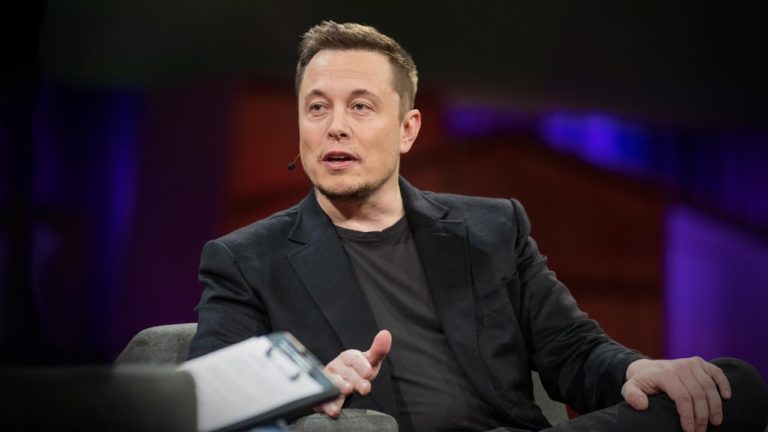
In an unexpected turn of events, Donald Trump is asking Tesla CEO Elon Musk to recover a chunky amount of money paid to Reuters by the federal government. This surprising request comes after Musk’s Department of Government Efficiency (DOGE) unearthed years-old contract documents.

Background of the Discovery:

According to the documents, the Department of Defense had given Thomson Reuters Special Services, LLC (TRSS) an eyebrow-raising contract worth $9.15 million. This large sum was paid over four years for a rather intriguing ‘social engineering defense’ program. Now, Trump wants Musk to get the money back.

What is the Social Engineering Defense Program?

Despite the hard-to-ignore demand, the ‘social engineering defense’ program remains mysterious in nature. It’s yet unclear what this program involves and how it benefits the Department of Defense. There is, however, an ongoing investigation about this conducted by DOGE.

Trump’s Demand to Musk:

As to why Trump directed this unusual plea to Tesla’s CEO Elon Musk remains unexplained. Typically, any issues concerning federal contracts or deals made with the government aren’t something one would expect from the business magnate. Trump’s request certainly puts the spotlight on an otherwise unnoticed public contract.

Elon Musk’s Department of Government Efficiency:

Elon Musk founded the Department of Government Efficiency (DOGE) to keep an eye on government spending and contracts. This department seems to have been vigilant in its duties, as exemplified by the discovery of the contract.

The Role of Thomson Reuters Special Services, LLC:

The ‘social engineering defense’ program was designed and run by Thomson Reuters Special Services, LLC. This company is known for its work in the technology and information sector but its involvement in defense programs in unclear. The payment by the Department of Defense illuminates a previously concealed association between TRSS and the government.

Conclusion:

The unveiling of this multimillion-dollar contract puts the relationship between the government, TRSS, and Reuters into scrutiny. As Elon Musk is urged to recover the payments, many curious eyes are on Musk to see how he will respond to Donald Trump’s extraordinary challenge.

Meanwhile, the task of the Department of Government Efficiency remains critical. Its role in ensuring the efficient use of federal funds has never been more apparent. The department’s finding also serves as a reminder that transparency in government spending is not just a request, but an expectation of the public.

Over to you, Elon Musk.

Trump Administration’s Plan to Downsize Federal Workforce Gets Green Signal

0

Key Takeaways:

– Federal Judge George O’Toole allows Trump administration’s plan to shrink federal workforce to proceed.
– Option presented to employees to resign now but continue to be on payroll until September.
– The legitimacy of the deferred-resignation program was not addressed by Judge O’Toole.
– Unions that attempted to challenge the program in court were found to lack legal standing.

Trump Administration’s Workforce Downsizing Plan

The Trump administration can proceed with its plan to reduce the size of the federal workforce, according to a recent ruling. The scheme, which gives employees the option to leave their positions immediately but still receive their salary until September, has seen its fair share of controversy.

U.S. District Judge George O’Toole, a Bill Clinton appointee, enabled the plan to move forward. However, the focus of his ruling was the legal standing of the unions challenging the plan, rather than its overall legality.

Judge O’Toole’s Decision

The judge did not address whether the deferred-resignation program is justifiable under law. Rather, he ruled Wednesday that several unions, which had filed lawsuits regarding the program, did not carry the legal standing to address the issue in court. This decision has effectively given the Trump administration the green light to continue with their workforce downsizing program.

Unions Vs. The Administration

The Trump administration was previously taken to court by unions trying to dispute the legality of the workforce reduction plan. They sought to characterize the program as an inappropriate and potentially illegal means of scaling down the federal workforce.

However, their case was halted when Judge O’Toole ruled on Wednesday. His decision was that these unions didn’t have the legal authority to pursue the matter in the court system. This decision has put a stop to any legal opposition to the Trump administration’s plans, for the time being.

Employee Reactions to the Plan

While the option to resign immediately and still remain on the payroll until September could seem appealing to some, it might not be the same for all. Many federal employees might see this as a thinly-veiled attempt to ‘push’ them out of the system, rather than a generous offer.

However, every individual will evaluate this offer based on their circumstances. Some might consider it a unique opportunity to transition to a different job while still retaining a steady income. Others, particularly those close to retirement, might view it as an early exit strategy with substantial financial benefits.

Looking Ahead

For now, the Trump administration’s plan to decrease the federal workforce is set to move forward unhindered. What remains unanswered, though, is the legal verdict on the appropriateness of the deferred-resignation program.

What the court’s decision means for the federal workforce in the long run remains to be seen. This plan might encourage employees to move on to other opportunities, potentially leading to a significant shift in the federal public sector. On the other hand, it could also discourage young individuals considering a career in the public sector, impacting the federal government’s efforts to attract new talent.

In the always controversial corridors of politics, it’s a wait and see game. No matter what the outcome, this decision is certain to send ripples throughout the federal employment sector.

Minnesota’s Senate Race Warms Up: Gov. Tim Walz Contemplates a Leap

0

Key Takeaways:

– Minnesota Governor Tim Walz is considering running for Senate in 2026.
– His decision follows Sen. Tina Smith’s announcement of her retirement.
– Fellow Democrats Reps. Ilhan Omar, Angie Craig, and AG Keith Ellison might Also be in the race.
– The last Republican Senator in Minnesota was in office until 2008, hinting at a competitive battleground for Democrats.

Potential Senate Run by Governor Tim Walz

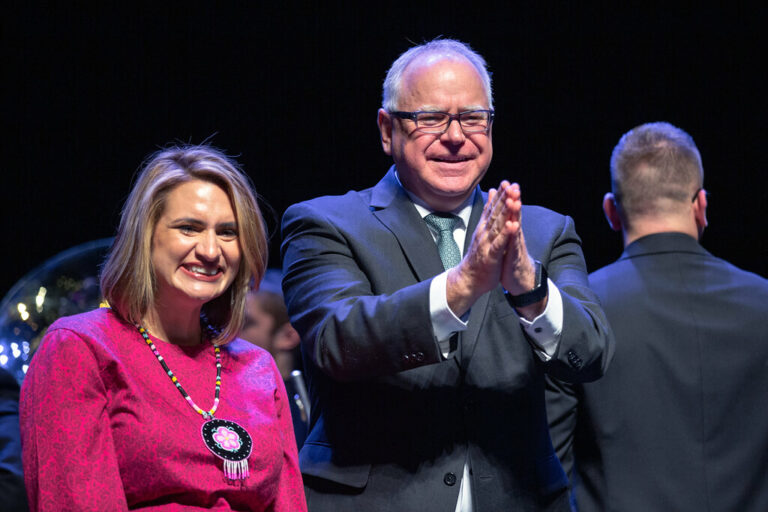
Minnesota’s political landscape may soon see a significant shift. State Governor Tim Walz, the recent Democratic Vice Presidential candidate, is reportedly contemplating vying for the Senate seat. This happens after the retirement announcement of Sen. Tina Smith. Walz could also seek reelection as governor in 2026.

Stiff Competition for Democratic Nomination

The upcoming Senate race won’t be short of power players from the Democratic Party. Reps. Ilhan Omar and Angie Craig have shown interest in the race. Additionally, Attorney General Keith Ellison might also step into the fray. Speculations are ripe about Al Franken, a former Senator, seeking a comeback.

Debate over Walz’s Next Move Remains

A key question being asked is whether Governor Tim Walz should aim to fill the Senate seat. While he possesses undeniable skill and experience required for the role, he will face a tough primary competition from other Democrats in the race. Furthermore, discussions regarding the timing of his Senate bid, considering his recent vice presidential run, have also risen.

Republican Competition, a Likely Scenario

The Republican party has declared their intention of competing for the open Senate seat. However, their track record in Senate races, much like in California, has been underwhelming with no Republican Senator from Minnesota since 2008. This hints at a heavily contested Democratic battleground.

Governor’s Re-election, a Possible Route

An alternate path Walz might consider is seeking re-election as the state governor. This offers him the chance to evaluate his options further down the line. Senate seats seldom come up for grabs, but with a bounty of good options at hand, Minnesota might find itself in a comfortable position to select their Senate candidate.

The Big Question

Ultimately, the decision is in Governor Walz’s hands. Does he opt for a senatorial run, challenging his party cohorts while taking on the state Republicans? Or does he take the safer route of re-election? As the political drama unfolds, it’s a question only time will answer.

End Note

Running for the Senate seat or re-election as Governor, both choices carry significant weight. The path to either destination won’t be a cakewalk, especially with other capable Democrats potentially in the mix. Whatever Governor Walz’s decision, Minnesota is presented with an array of experienced, capable candidates for the upcoming elections. As the 2026 elections inch closer, the choice between maintaining the status quo or challenging the Senate seat will eventually have to be made by Walz. This political duel is sure to keep Minnesota’s political enthusiasts at the edge of their seats. What are your thoughts? Do you think Governor Walz should run for Senate? Your opinions are valued. Share them in the comments.

What’s on the Cards for Trump’s FBI Director Nominee, Kash Patel

Key Takeaways:

  • Kash Patel, Trump’s FBI director nominee, met the Senate Judiciary Committee on January 30 but his confirmation is pending.
  • In the hearing, he emphasized zero tolerance towards violence against law enforcement.
  • Patel is a critic of the January 2021 Capitol attack.
  • Controversially, Senator Dick Durbin accused Patel of seeking to terminate some FBI personnel.
  • The Senate Judiciary Committee advanced Patel’s nomination in a 12-10 vote on February 13, 2025.

Dealing with Trump’s FBI Director Nominee

If appointed, 44-year-old Kash Patel, Donald Trump’s Federal Bureau of Investigation (FBI) director nominee, would head one of the world’s premier law enforcement agencies. Patel recently had a hearing before the Senate Judiciary Committee that lasted an impressive five hours. Paramount to his argument was the need for intolerance towards any violence against law enforcement. He reiterated that perpetrators must be investigated, prosecuted, and imprisoned effectively.

Patel also reiterated this stand concerning the infamous Capitol attack that shocked the nation on January 6, 2021. Here, his stance was uncompromising, underscoring that such incidents should face swift legal action.

Charges of Unlawful Dismissal

Despite his staunch defense of law enforcement agencies, Patel has not gone without criticism. Democratic Senate Judiciary Committee member Dick Durbin accuses Patel of attempting to dismiss FBI personnel while acting as a private citizen. The claim, made a month after the hearing, brought added controversy to Patel’s nomination.

Confirmation Status

Despite Patel’s enduring controversy, his confirmation remained pending at the time of publication. The Senate Judiciary Committee, however, has advanced his selection in a close 12-10 vote finalized on February 13, 2025. This crucial step could pave the way for Patel’s formal confirmation within a week.

At the end of Patel’s confirmation hearing, Senator Chuck Grassley expressed gratitude for his remarks. He told Patel, “If confirmed, you’ll be in charge of one of the world’s best law enforcement agencies at a time when it desperately calls for robust changes.”

A Look into Patel’s Life

Financial reports suggest that Patel has built a substantial net worth of $800,000 as of 2025. Born in Garden City, New York, in February 1980, Patel was raised on Long Island and attended Garden City High School. Upon graduation, he ventured to Virginia to study at the University of Richmond.

Patel maintains privacy regarding his familial status. However, he has shared some details about his family’s history. His parents are Indian Gujarati immigrants, who instilled in him strong, principled values. He carries no known marital ties and only keeps his personal life guarded, away from the public eye.

A Family’s Journey to America

Before his Senate confirmation hearing, Patel penned an op-ed about his family in the Washington Street Journal. He chronicled the life of his parents, who managed to escape difficult circumstances in their native lands to open a new life chapter in America.

“My father fled Idi Amin’s genocidal dictatorship in Uganda. My mother was born in Tanzania. They married in India and emigrated to New York, where I was born and raised in a bustling household that included my father’s seven siblings, their spouses, and six children,” wrote Patel.

Although Patel adores his family, he does not, according to current reports, have children of his own. Regardless, with his potential FBI Director role, Patel could be gearing up for one of the most prominent chapters in his professional life yet.