57.9 F
San Francisco
Thursday, June 25, 2026
Home Blog Page 1257

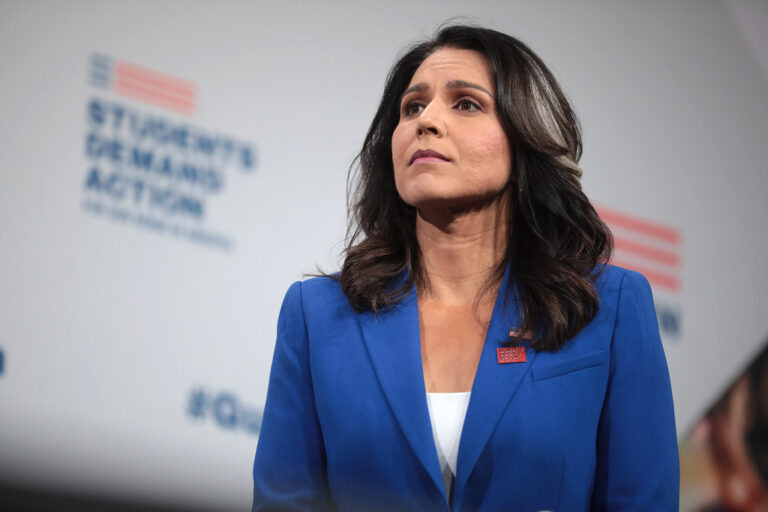
Tulsi Gabbard wins over Senate Republicans to become National Intelligence Director

0

Key Takeaways:

– Tulsi Gabbard confirmed as Director of National Intelligence under President Donald Trump.
– Senate vote delivered in favor of Gabbard with a 52-48 majority.
– Former Senate Republican leader Mitch McConnell and all Senate Democrats opposed her confirmation.

Tulsi Gabbard Prevails in Senate Confirmation

In a notable turn of events on Wednesday morning, Tulsi Gabbard secured the role of Director of National Intelligence in the Trump administration. This success came after weeks of tireless efforts to sway some skeptical Senate Republicans. These efforts paid off, resulting in a tight 52-48 vote in her favor.

Republican Senators Backbone Gabbard’s Confirmation

Despite reservations expressed by some Republicans, the majority opted to endorse Tulsi Gabbard. Late Tuesday night, the final objections were quelled, and by Wednesday morning, a decisive vote was reached. On the morning of the Senate confirmation, 52 elected Republicans cast their votes in support of Gabbard, consequently tipping the scales in her favor.

Opposition from the Democrat Camp

While Gabbard basked in the triumph of her confirmation, it wasn’t all roses for her as she faced robust opposition from the Democrats. The Senate Democrats, in their entirety, cast their votes against her confirmation. Joining them in their opposition was previous Senate Republican leader, Mitch McConnell.

Gabbard’s Position as a Vulnerable Nominee

When President Trump proposed Tulsi Gabbard as his nominee for the position of National Intelligence Director, many saw her as one of the most vulnerable candidates. However, her subsequent victory provided a stirring testament to her tenacity and political shrewdness. Through weeks of patient negotiation and dancing to the tune of political diplomacy, Gabbard overcame the initial skepticism that swirled among some Senate Republicans.

Impact on Trump Administration

Gabbard’s confirmation as the Director of National Intelligence ushers in a new chapter for the Trump Administration. This successful endorsement signifies that a majority of the Senate Republicans are willing to back Gabbard, redefining the dynamics within President Trump’s government. The result not only amplifies the strength of the Trump administration but also provides a significant moral boost.

Conclusion

The confirmation of Tulsi Gabbard as the National Intelligence Director under President Trump remains a testament to her political prowess. Despite facing stiff opposition, her successful lobbying of Senate Republicans proved crucial in sealing the deal. Yet the overwhelming opposition from the Democrats and Mitch McConnell reflected a widening underlying valley between the two parties. Moving forward, it will be of interest to decipher how Gabbard navigates the challenging waters of the office amidst this political discord.
Clear Cut Budget Measures from Trump Administration and DOGE

0

Key Takeaways
– DOGE slashes $100 million from Department of Education DEI training budget.
– Trump administration implements a policy to hire only one worker for every four who depart.
– A judicial directive orders the removal of health-related federal websites by the Trump administration.

Budget Tightening Measures

In a recent drive to streamline the government body, the Trump-led administration, in conjunction with its DOGE advisory group, headed by Elon Musk, has ordered a surprising financial putback. A significant $100 million cut in the Department of Education’s budget for Diversity, Equity, and Inclusion (DEI) trainings have been declared. This huge slash in expenditure exhibits the administration’s firm stance on reducing federal spending.

Employee Replacement Decree

Drastically redefining HR practices in government agencies, a new directive from the Trump administration has been unveiled. The edict states that for every four employees leaving the public service, only one can be hired as a replacement. This action reflects the administration’s commitment to downsizing the federal workforce and is an indication of enforcing leaner operations in government bodies.

Health Websites Removal

Contributing to the wave of significant changes, a judge has recently mandated the elimination of health-related federal websites removed under the Trump administration. This move signifies a pivotal change in the digital arena of federal services.

The Big Picture

These remarkable actions by the Trump administration and the DOGE represent an uncompromising drive towards overhauling government spending and streamlining operations. The $100 million fund cut from Department of Education’s DEI trainings sends a clear message about the priority being placed on financial efficiency. This move is likely to be met with both support for fiscal responsibility and criticism for its impact on inclusive education practices.

The new directive for government agencies also paints a stark picture of the administration’s intent. Restricting agencies to hire only one employee for every four departures is a bold move. It not only limits the growth of public departments but is also indicative of a push towards automation or optimizing existing worker productivity.

Moreover, the order for health-related federal websites’ removal underscores a shift in how federal services may be digitally communicated in the future. What this means for the access and delivery of health information remains to be seen.

Final Thoughts

As we digest these actions by the Trump administration in concert with DOGE, it’s essential to understand their motivation to scale back federal government spending and programs. The larger question of whether these drastic measures will translate into sustained efficiency and cut unnecessary costs is one that will only be answered over time. Despite the controversies such changes may stir, it is undeniable that the current administration is unwavering in its quest for administrative streamlining and fiscal prudence.

The unfolding chapters of this administrative reorientation journey hold much anticipation as we wait to see how these actions reshape the federal landscape. And one can only hope that despite the stringent measures, the public’s interest and the nation’s growth will remain a paramount concern. With so many radical shifts in the offing, all eyes will undoubtedly be on the actions yet to come from Trump’s administration and its DOGE advisory council.

Controversial Foreign Corrupt Practices Act: An Insight

0

Key Takeaways:

– The Foreign Corrupt Practices Act is a potent tool in the fight against global corruption.
– Critics argue that the Act places unfair restrictions on American companies.
– President Donald Trump has taken a firm stance on the issue.

The Act Empowers Justice

Everybody loves a hero, someone who seeks to rectify wrongs and fight for justice. To some, the Foreign Corrupt Practices Act (FCPA) is that hero in the business world. The Act emerged as a groundbreaking measure to curb bribery and corruption. It ensures that powerful businessmen cannot illegally grease the palms of overseas government officials to get business contracts out of them.

Sides of the Coin

Nevertheless, just like with most things in life, the Foreign Corrupt Practices Act has its detractors. From their perspective, this Act isn’t a knight in shining armor but rather a millstone around the neck of American companies. They believe that it unfairly stifles U.S. businesses while their foreign counterparts, not subject to the Act, cruise in freely to snaffle opportunities.

Trump’s Position

In the midst of this clash of opinions, President Donald Trump has made his stance clear. On Monday, he broke his silence and chose a side. How this could affect the political and business landscape is something to keep an eye on.

Act’s Positives

The supporters of the Foreign Corrupt Practices Act swear by its effectiveness. Their belief stems from the perception that the Act is an undeniable force for good in a world tainted by corruption, especially in the professional sector.

Bribery Dilutes Ethical Standards

Bribery promotes an unhealthy, corrupt business environment. It undermines trust, corrodes the very fabric of society, and sets a dangerous precedent. It gives birth to a culture where the only way to get ahead in business is by paying off those in power.

The Power of the FCPA

The Foreign Corrupt Practices Act is such a monumental piece of legislation because it declares war on this shadowy practice of bribery. By threatening to sanction those who engage in these acts, it sends a clear message that the commercial world is not a den of thieves, but a place where honesty, transparency, and integrity can flourish.

Act’s Drawbacks

However, every coin has two sides, and this is no different for the Foreign Corrupt Practices Act. Critics argue that while its intentions are good and it does have some positive points, the Act has unresolved issues. They hold a view that the legislation unfairly hampers American corporations, putting them on the back foot in the face of global competition.

Unfair Advantages for Foreign Corporations?

Detractors of the Act assert that companies not bound by the FCPA gain an undue advantage over American businesses. Without the restrictions of the Act, these foreign competitors can step in, unhindered and free to grab contract opportunities.

President’s Bold Move

The debate surrounding the FCPA has attracted the attention of none other than the President, Donald Trump. He has weighed in on the matter, voicing his position. This move has added a new layer of intrigue to the ongoing discussion about the contentious Foreign Corrupt Practices Act.

All eyes are now on the potential implications of the President’s stance. His position could have a significant impact on the policies that govern American businesses’ overseas operations. A change in how the FCPA is enforced might also affect global anti-corruption efforts.

Conclusion

The Foreign Corrupt Practices Act is, without a doubt, a complex piece of legislation. It has its strengths. It has its weaknesses. And it certainly has its fair share of supporters and critics. But what is uncontested is its promise of instilling ethical practices in global business dealings. Whether it’s a force for good or a hindrance to American corporations, only time will tell. For now, the world waits and watches as things unfold under the firm grip of this influential Act.

American Teacher, Marc Fogel, Returns Home after Unjust Incarceration in Russia

0

Key Takeaways:

• Marc Fogel, an American teacher, was released from a Russian prison as part of a negotiated deal.
• President Trump and his special envoy to the Middle East, Steve Witkoff, played significant roles in securing his release.
• Fogel was wrongfully incarcerated for carrying medical marijuana into Russia, starting his punishment in June 2022.

A Victory for Diplomacy

In an extraordinary tale of international diplomacy, President Trump and his team have successfully negotiated the release of an American, Marc Fogel, from Russian incarceration. Recently, Fogel, a professional teacher, faced punishment due to a misunderstanding about an import of medical marijuana.

The Unexpected Arrest

Out of the blue, back in August 2021, Russian officials arrested Fogel. Their concern was about medical marijuana he had brought into the country. Soon, he found himself facing a hefty 14-year sentence that began in June 2022.

The Savior on Board

Luckily, a ray of hope emerged in the form of Steve Witkoff. President Trump had appointed the astute envoy to the Middle East. Witkoff used his diplomatic skills to negotiate Fogel’s release with the Kremlin, resulting in a significant victory for American diplomacy.

The Joyous Homecoming

The headlines today celebrate how Fogel’s ordeal has ended, as he was escorted from his Kremlin-held prison to Witkoff’s plane. Now free, he will be returning to American soil. This release represents not just freedom for an individual citizen but also shows the strength of international diplomatic relations.

The Power of Persistence

Persistence and commitment to justice have prevailed. The successful negotiation for Fogel’s release underscores the power of effective diplomacy and international relations. The Trump administration’s relentless efforts have shed light on the importance of standing up for American citizens, even those miles away from home.

In Retrospect

In Fogel’s case, the charges laid against him were later classified as wrongful. It raises significant concerns about international legal systems and the treatment of foreign citizens. However, it also underlines the importance and effectiveness of diplomatic channels in rectifying such situations.

Bringing Closure

For now, the ordeal faced by Fogel has come to an end. Stories like this one serve as powerful reminders of the might of concerted negotiations and effective diplomacy. While the initial arrest may have triggered a wave of concern, the successful negotiation serves as a befitting closure to Fogel’s ordeal.

Lessons Learned

This incident teaches us a few important lessons. Firstly, understanding and respecting another country’s laws, especially regarding substances viewed differently worldwide. Secondly, the incident highlights the powerful role diplomacy plays in navigating international relations and securing the rights and freedoms of citizens abroad.

Looking Forward

With Fogel soon to return home, it’s hoped that his release will continue to underscore the importance of diplomacy. Such notable successes bring international relations into sharp focus, inspiring future triumphs in the sphere of international diplomacy.

In conclusion, Marc Fogel’s release shows us that even against overwhelming odds, dedication, determination, and diplomacy can triumph. It further emphasizes the need for vigilance when traveling abroad, given the variation in laws between different countries. Fogel’s case is a potent reminder and a cause for celebration. Despite the severe initial sentence, the combined efforts of President Trump and Steve Witkoff have succeeded in bringing him home.

Musk’s DOGE Agents May Bring Silicon Valley Efficiency Standards to Federal Workforce

0

Key Takeaways:

– Elon Musk’s Department of Government Efficiency (DOGE) agents are assessing staff productivity in the federal government.
– Federal employees fear that non-Silicon Valley compatible jobs may be at risk.
– Three General Services Administration employees shared their experiences with DOGE agents.

Could Federal Workplaces Get a Silicon Valley Makeover?

Elon Musk, the brainy billionaire behind ventures such as SpaceX and Tesla, is diving into another entity: the federal government. Musk’s Department of Government Efficiency (DOGE) agents are sizing up productivity levels within the government’s myriad departments. For federal employees, this brings an uncomfortable possibility – their jobs might not fit into a Silicon Valley-style work culture.

Interviews with DOGE Agents Stir Concerns

Recently, some General Service Administration (GSA) employees found themselves under the magnifying glass of Musk’s DOGE agents. These individuals, who wished to remain anonymous due to fear of consequences, revealed some details about their interviews. The primary concern? The potential for job losses if their roles aren’t compatible with Silicon Valley work style.

Efficiency Assessment Could Threaten Traditional Roles

The government has a widespread network of roles and responsibilities that significantly differs from the fast-paced, innovation-centric environment of Silicon Valley. Thus, Musk’s pursuit of efficiency has some federal employees worried. They fear the transformation might upend established structures, potentially leaving those with less tech-oriented roles in the lurch.

What is a Silicon Valley Work Style?

For the unfamiliar, the Silicon Valley work style refers to a work culture centered around rapid innovation and high productivity. Workers are often expected to be flexible, constantly upskilling, and typically putting in long hours. Long story short, it’s a style that highly values agility, innovation, and a fast pace. This starkly contrasts with the slower-paced, procedure-oriented federal workplace.

Is it All Doom and Gloom?

Well, not necessarily. Consider this—the tech-approach to work had allowed Silicon Valley to produce some of the world’s most admired and successful companies. Elon Musk himself is the perfect example of this with his contribution to various tech developments. Thus, applying these principles to the federal workforce could result in more efficient operations.

Yet, it is vital to acknowledge that these changes might not be a seamless transition for everyone. Government roles that lack direct compatibility with Silicon Valley-style efficiency may need significant adjustments.

Looking Ahead: Impact on Work Culture

While it is unclear how widespread the impact of Musk’s DOGE agents’ productivity evaluations will be, it raises questions about the future of work in government. As digital technology continues to leave its mark on various sectors, the federal workforce may not be exempt. The coming era might require a level of agility and adaptability that was previously unnecessary in many government positions.

But Wait, Is It That Bad?

Change can be scary, but it’s also a means of growth. Although certain roles might feel threatened, this could be an opportunity. An opportunity for the federal workforce to learn and adapt to contemporary work practices, resulting in more efficient delivery of services.

Wrapping It Up

The saga of Elon Musk’s DOGE assessments can be seen as a pivot point. The aftermath could usher in a new era of efficient, tech-driven federal workplaces, marking a radical shift from traditional practices. However, it also signifies a wave of change that may or may not be welcome—and only time will tell the ultimate outcome.

Trump Asserts Power with Bold Actions Early in Second Term

0

Key Takeaways:

– President Donald Trump has enacted a number of significant actions shortly into his second term.
– Among these are the suspension of asylum claims, cancellation of refugee resettlement, and a freeze on government hiring and spending.
– Other measures include a ban on gender transition care for teenagers and a buyout scheme for many federal workers.

Trump Swings into Action

Commencing his second term in January, President Donald Trump has quickly moved to implement a series of important decisions. Focused on flexing his political prowess from the get-go, he’s taken steps that will echo through various sectors of the nation’s affairs.

New Measures on Asylum Claims and Refugees

One of the key actions Trump has taken since his re-election concerns the topics of immigration and asylum. He has ordered the halt of all new asylum claims, implying a crackdown on immigrants. Additionally, he has terminated refugee resettlement programs, reinforcing his stance on securing American borders.

Impact on Government Hiring and Spending

The Trump administration has also imposed a freeze on government hiring and spending. The president’s focus clearly lies on reducing the bureaucratic size and spending, restructuring the face of the nation’s public sector. This action might also increase the financial burden placed on individual states.

Changes Within Federal Agencies

Meanwhile, several federal agencies have seen changes. Some agencies established by Congress have felt the president’s firm hand, being considerably reduced in capacity. This may be seen as a move towards streamlining the federal setup, with an aim to promote efficiency and improve governance.

Handling the Federal Workforce

Trump’s speed and determination have not stopped at structural adjustments within the government. He has offered a buyout deal to hundreds of thousands of federal workers, a move that could potentially picture him as a cost-cutting, business-savvy leader.

Decisions on Gender Transition Care

In a move sure to spark debate, he has also banned gender transition care for teenagers. This measure stands as an example of the president’s conservative societal views while navigating the progressive wave surrounding the rights of the LGBTQ+ community.

Over the course of his first few weeks in office, Trump has acted decisively to demonstrate his political authority. His actions showcase his intent to implement changes he deems necessary for the prosperity and security of the nation. What remains to be seen is how these actions will shape the future of America in his second term, for better or for worse.

Trump Engages Putin to Initiate Talks to Halt Ukraine War

0

Key Takeaways:

– President Trump has spoken with President Putin about commencing peace negotiations on the Ukraine war.
– Trump is pushing for negotiations to start ‘immediately’.
– This move reflects the US’s growing urgency in resolving the concerning situation in Ukraine.

Trump and Putin: A Conversation for Peace

President Donald Trump recently got in touch with Vladimir Putin, the Russian Head of State. It was no casual chat. The subject was one of global urgency: the ongoing war in Ukraine. President Trump communicated his desire to start peace talks as soon as possible.

The Push For Immediate Action

Stressing urgency, President Trump wants the dialogues to launch without delay. Considering the existing grim scenario in Ukraine, it is crucial to prevent further escalations. The call to ‘immediate’ action clearly signals Trump’s intent to help restore peace as swiftly as possible.

The Need for Peace in Ukraine

War inflicts severe repercussions on a region. Ukraine, in recent times, has been at the epicenter of a violent conflict. The persistent instability in the country has drawn international attention and concern. Peace discussions could pave the way for tranquility and steady recovery in Ukraine.

Arduous Road to Peace Negotiations

While President Trump’s immediate goal is clear, getting there might not be a stroll in the park. Negotiating peace in an ongoing war is a challenge. Nevertheless, the initiation of dialogues is a critical step towards peace. The conversation between Trump and Putin signals hopes for a positive turn in Ukraine’s narrative.

A Global Initiative

The attempted intervention by President Trump reflects the US’s keen interest in global peacekeeping. The development needs to be seen from a broader perspective of peace aspirations held by countries worldwide. By stepping in, Trump extends a hand in solidarity to the people of Ukraine and envisions a harmonious global community.

Closing Subhead

As the US continues its endeavors for world peace, time will light up the path ahead. The conversation between President Trump and Vladimir Putin could be the preliminary beacon in a long, demanding journey towards tranquility in Ukraine. President Trump’s immediate call for negotiations signifies a momentous stride in the right direction.

By leading the charge for peace, President Trump urges an end to the war in Ukraine. This proactive approach towards global conflict resolution speaks volumes about the commitment of leaders willing to bridge divides for universal peace. As students, it’s evident that peace negotiations like the ones Trump is pushing for can significantly alter the grim realities of a war-torn country like Ukraine.

Remember, the path to peace can be difficult and complicated, but taking the first step is half the battle. If this lesson teaches us anything, it’s that negotiation is a crucial tool in preventing violence and achieving peace.

From this bloodied battlefield emerges a hopeful light in the productive conversation between Presidents Trump and Putin. Let’s watch, learn, and pray for a peaceful resolution to the raging war in Ukraine.

Analysts Call for Pennsylvania Vote Count Probe: What You Need to Know

0

Key Takeaways:

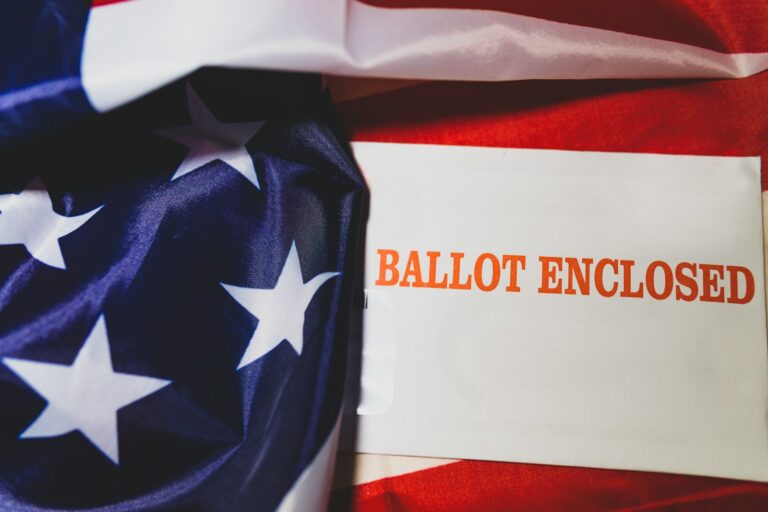
– The Election Truth Alliance (ETA), a non-partisan group of data analysts, has called for an investigation into Pennsylvania’s ballot-counting system.
– This call to action came after former President Trump praised Elon Musk’s involvement in the state’s ballot-counting machines.
– ETA argues that the integrity of the elections could be compromised if ballot-counting machines are manipulated.
– They urged local and state officials to take immediate action to protect Pennsylvanians’ constitutional right to vote.

Understanding the Call for Investigation

The ETA, a group of unbiased data analysts, are raising questions about the integrity of the ballot-counting system in Pennsylvania. This comes after former President Trump complimented Elon Musk on his work on the state’s ballot-counting machines. The Alliance is demanding a thorough investigation to ensure that the voting rights of Pennsylvanians are preserved without any interference.

The Need for Transparency

The ETA’s Executive Director of Advocacy and Public Engagement, Nathan Taylor, pointed out the certain troubling details surrounding the issue. According to Taylor, the reference to ‘vote-counting computers’ was concerning, and raised questions about the security of vote tabulations. He emphasized the importance of the machines used for counting votes, underlining their crucial role in upholding the integrity of America’s elections.

If these systems are compromised, Taylor warns, it could be a serious threat to our democratic process. The organization is now urging state and local officials to dive deeper into the matter. This includes initiating extensive investigations, possibly even hand audits of paper ballots.

Restoring Trust with Investigations

While some may see this as an overreaction, the truth is that an investigation could be a good thing. Whether or not the findings reveal irregularities, the process can only help restore faith in our electoral systems. If there are problems, they need to be addressed. If there aren’t, then the Pennsylvanians, and all Americans, will have solid proof that their voting systems can be trusted.

This is especially important considering that former President Trump’s comments have often cast doubt on Pennsylvania’s elections. Given his own legal history, it seems more than reasonable to check the facts rather than simply taking his word for it.

Pennsylvania’s Voting System: A Hard Nut to Crack

Manipulating the ballot-counting machines in Pennsylvania wouldn’t be an easy feat. The state deploys seven different voting systems, each with its own comprehensive paper trail. This would make any attempt to rig the election notably challenging.

Looking Forward

For now, Pennsylvanians, as well as people across the nation, wait for updates on the possible investigation. The call has ignited larger conversations about the state of our democracy and the integrity of our voting systems. Regardless of the outcome, one thing is clear – the faith locals have in this pillar of democracy may hang in the balance.

What are your thoughts on the ETA’s call for an investigation? Share your views, and let’s keep the conversation going about our democratic systems and processes.

Stewardship Over Profiteering: The Fight to Preserve Affordable Housing

0

Key Takeaways:

– The St. James Towers and Southbridge Towers face choices about their future administration.
– Housing assistance programs like Mitchell-Lama aim to provide affordable options for homeownership.
– Cooperatives or co-ops, including St. James and Southbridge, restrict resale value to maintain affordable housing for future generations.
– A controversial loophole in the Mitchell-Lama program could allow these co-ops to privatize, potentially leading to loss of affordability.
– Residents of these communities wrestle with the ethics of selling their shares for market value versus preserving affordable housing for future generations.

America’s Great Social Housing Success Story

Strolling past the tall, domino-like structure of St. James Towers, or the cityscape of interconnected buildings of Southbridge Towers, an unacquainted outsider may not recognize the important role these structures have played in America’s approach to affordable housing.

Existing under the umbrella of New York’s Mitchell-Lama program, these complexes represent one of the United States’ greatest successes in social housing. As limited-equity cooperatives (co-ops), they provided a lifeline for lower and middle-income families seeking homeownership.

The True Meaning of a Co-op

Co-ops are distinct types of living spaces. Unlike rented apartments, these properties are owned by the families living in them, who own shares in the company holding the land and buildings. These shares entitle homeowners to an apartment and a say in governance.

Notably, the cost of buying a home – the shares’ price – is kept affordable by capping the resale value. This format aims to keep housing affordable, allowing residents to exit with the value they invested plus the years of a secure, economical home.

The Unexpected Challenge to Affordable Housing

However, a legislative change intended to stimulate more rental development in the Mitchell-Lama program had unintended consequences. A loophole now allows co-op residents to vote on whether to privatize their buildings once the public lenders have been repaid in full.

Privatization could open up the opportunity for homeowners to sell their shares at market rates – a tantalizing prospect in New York’s booming real estate market. However, privatization also comes with the risk of compromising affordability for the next cycle of owners and the potential for rising costs.

A Question of Ethics in Housing

The possible privatization of the St. James and Southbridge buildings is causing internal conflict. Privatization is more than just a financial decision; it’s a moral one. It forces residents to consider who the city is for, what we owe future generations, and how their choices may influence those around them.

The idea of selling to the highest bidder goes against the principles of social housing, which aims to keep homes affordable, regulated, and resident-controlled. However, the prospect of potentially significant personal gains through privatization presents a tempting proposition.

The Role of Stewardship in Home Ownership

Moving beyond the standard conception of homeownership, which often includes the right to profit, the residents who oppose privatization adhere to a different philosophy: stewardship. They understand that having been gifted a stable, affordable home, they have a responsibility to preserve this public asset not just for their immediate satisfaction but also for future generations.

Maintaining Affordable Housing for the Future

While the residents of St. James were able to vote against privatization, the residents of Southbridge were not as successful. This emphasizes the need to continually monitor and maintain social housing. Holding on to a property is not just about individual benefit; it’s also about preserving affordable housing opportunities for future generations.

Addressing the Housing Crisis

By maintaining affordable housing options, homeowners contribute to addressing the housing crisis in the country. More affordable housing means more people have access to a safe and secure home. This keeps housing from becoming a traded commodity and ensures that it remains a safe, stable home for all people.

In the end, being a good steward is about understanding and accepting the responsibilities that come with homeownership. It’s not just about the financial advantages one can gain from selling a property. It’s also about looking after the property and ensuring it remains a safe and affordable home for the next generation. By accepting this responsibility, homeowners play a crucial role in preserving affordable housing options and addressing the housing crisis in the country. Whether that responsibility is accepted or rejected could dictate the future of affordable housing in America.

Trump Stirring Unease Among Voter Base Amid Rising Inflation

0

Key Takeaways:

– President Trump faces displeasure among his supporters due to unmet commitments.
– A rise in inflation has been noticed since his take over, contrary to his campaign promises.
– According to polls, 52 percent disapprove of his recent actions as President.

Falling Out of Favor?

A ripple of dissatisfaction is emerging across the country, particularly among some supporters of President Donald Trump. Despite the initial acceptance of his victorious claim on the White House, more and more citizens are ready to take a stand.

A Path Untraveled

Many believed Trump could have averted this potential backlash by governing responsibly after taking office. Addressing growing prices and inflation were key expectations from his voters. Trump, however, had other plans.

Instead of tackling these economic issues, Trump gave the green signal to Elon Musk and Project 2025. This move, although ambitious, has come at a cost. The country is now grappling with record-breaking inflation rates. This has not gone unnoticed by those who voted for him in 2024.

Supporters Turn Critics

According to political analyst Lawrence O’Donnell, there is growing disappointment with Trump’s job as President. O’Donnell pointed to a recent Marquette University poll, which revealed that 52 percent of the population disapproves of Trump’s performance. The notable aspect of this statistic is that it exceeds the number of people who voted against him. It suggests that even among those who voted for him, some are disillusioned.

Washed Up Promises

Their disappointment is understandable. Trump, during his Presidential campaign, had promised to bring down prices, starting from day one of his presidency. However, that doesn’t appear to be the case. Instead, the business news circuit has been buzzing about a worrying upturn in inflation.

Impact of Inflation Surge

The surge in inflation has been a cause of concern not just to experts, but also common citizens, many of whom voted for Trump. During his campaign, Trump assured voters that he would control prices and fight inflation from day one of his tenure. But instead, inflation, like a defiant creature, has resurfaced with more vigor under his presidency.

Unrest Among Voters

This trend has understandably created unrest among voters. Those who had expected him to follow through on his promises feel let down. Some of these people are the 52 percent who, according to the Marquette University poll, disapprove of Trump’s job as president. This includes a portion of his own voters, offended by the unfulfilled promises.

The Verdict

The reality on the ground suggests that President Trump’s actions in office have not matched his campaign promises. Perhaps more concerning than the increase in inflation is Trump’s waning support among his voter base. This dynamic highlights the truth that campaign promises must be upheld or confronted with voter dissatisfaction. As it stands, Trump has a challenging road ahead to regain his supporters’ trust and appease the dissatisfied masses. His path forward remains to be seen, but one thing is for sure: it won’t be easy.