54.3 F
San Francisco
Sunday, March 22, 2026
Home Blog Page 128

Fox’s Jim Hanson Blames Gaza Siege Critics for Bondi Attack

0

Key Takeaways

• Conservative commentator Jim Hanson blamed critics of Israel’s Gaza siege for a deadly mass shooting on Bondi Beach.
• Hanson argued that groups spreading “lies” about the Gaza siege fuel hate and violence.
• International bodies like the United Nations and Amnesty International have declared Israel’s actions in Gaza genocidal.
• Experts warn that blaming free speech and protest movements distracts from real security solutions.

Introduction

A tragic mass shooting on Bondi Beach in Australia killed at least eleven people and injured nearly thirty during a Hanukkah event. On Fox News Sunday, Jim Hanson pointed the finger at groups critical of Israel’s Gaza siege. His remarks sparked fierce debate about free speech, hate speech, and the root causes of violence.

Background of the Attack

On Sunday evening, a crowd gathered to celebrate the start of Hanukkah on the famous Bondi Beach. Two gunmen opened fire without warning. Emergency teams arrived within minutes and arrested the suspects. Sadly, eleven people lost their lives and dozens more were hurt. Witnesses described scenes of chaos, screams, and frantic attempts to help the wounded. Authorities called it an act of targeted hate.

Why It Matters

This attack struck at a peaceful cultural event. It showed how violence can erupt far from conflict zones. Many fear copycats and rising antisemitism worldwide. Moreover, the shooting raised questions about online hate, the spread of conspiracy theories, and the role of political blame.

What Jim Hanson Said

Jim Hanson serves as chief strategist at a U.S. conservative think tank. On Fox News Sunday, he argued that the attack partly stems from groups spreading lies about Israel’s Gaza siege. He claimed that false stories about genocide and famine fuel anger. Hanson said that no large group can be fully protected from attackers. Therefore, he called for proactive efforts.

He urged security forces to “infiltrate networks, find funders, and start rounding them up.” He argued that free speech activists and protest groups use the Gaza siege to stir outrage. In his view, these groups form a “red-green axis” combining Islamist and leftist movements. Hanson said this axis seeks to undermine Western culture and spread fear.

He insisted these critics must face stricter laws and surveillance. He warned that once these groups organize, they may inspire more attacks. Hanson’s comments drew gasps from the Fox & Friends hosts.

International Pushback

Contrary to Hanson’s claim, a United Nations commission found that Israel’s actions in Gaza did amount to genocide. Additionally, organizations such as Amnesty International, Human Rights Watch, and the International Association of Genocide Scholars support this finding. They also confirmed that Gaza faces severe famine conditions due to siege tactics and war damage.

Human rights experts argue that labeling these findings as “lies” silences victims and hinders peace efforts. They point out that open debate about humanitarian crises is crucial. Otherwise, societies risk ignoring genuine danger signs.

Moreover, security experts say that blaming peaceful protestors for extremist violence misses the mark. They stress that aggression often comes from isolated individuals or extremist cells, not broad public debate. Therefore, they call instead for targeted counterterrorism measures and community outreach.

Reactions and Next Steps

Following Hanson’s remarks, Australian leaders condemned hate speech and urged unity. They stressed that blaming critics of foreign policy distracts from steps that can prevent violence. Police announced new measures to monitor hate crimes. Community groups across faiths held vigils to honor the victims.

Jewish leaders called for calm and resilience. They asked Australians to stand against antisemitism and to support unbiased reporting on the Gaza siege. Muslim and leftist groups also condemned the attack and rejected Hanson’s logic. They affirmed their commitment to peace and dialogue.

Security analysts recommend bolstering local law enforcement training. They urge better mental health support for isolated individuals. They also suggest improving online monitoring of extremist content. Governments must balance free speech with preventing calls for violence. This balance remains a complex challenge.

Conclusion

The Bondi Beach shooting shocked Australia and the world. Jim Hanson’s comments on critics of the Gaza siege sparked fresh controversy. While he urged tougher action against protest groups, international bodies insist their Gaza siege findings are factual. As communities mourn, leaders face tough choices. They must protect public safety, uphold free speech, and seek accurate truth about global conflicts.

FAQs

Why did Jim Hanson blame critics of the Gaza siege?

He argued that groups spreading “lies” about the Gaza siege fuel anger and inspire violence against Jewish communities. He called for preemptive security measures against these groups.

What do international organizations say about genocide claims?

A United Nations commission and groups like Amnesty International have found that Israel’s actions in Gaza meet the legal definition of genocide. They also confirm that famine conditions threaten civilians.

How did Australian authorities respond to the Bondi attack?

Police quickly arrested two suspects and increased hate crime monitoring. Leaders held interfaith vigils, urged unity, and resisted blaming protest movements for the violence.

What steps can prevent similar attacks?

Experts recommend targeted counterterrorism tactics, improved mental health services, stronger online moderation of hate speech, and community outreach to counter extremist ideologies.
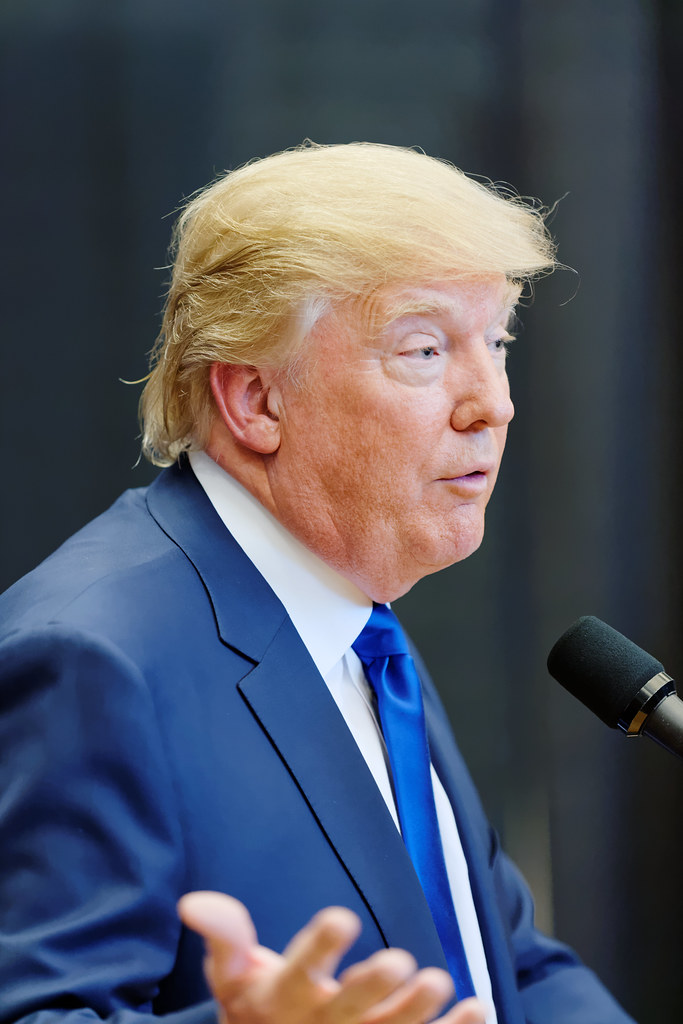

Trump Thanksgiving Hypocrisy Exposed

0

Key Takeaways

• Trump spent Thanksgiving at Mar-a-Lago instead of with deployed troops.
• His social media message mixed holiday wishes with insults and hate.
• He attacked Minnesota leaders by using offensive language.
• Mayor-elect Zohran Mamdani served meals at a New York soup kitchen.
• Trump pushes a made-up “war on Christmas” to distract his supporters.

This Thanksgiving, Donald Trump broke with tradition. Instead of serving troops overseas, he spent the day on his golf course at Mar-a-Lago. Then he posted a hostile holiday message online. In contrast, others served the hungry. This gap reveals the real story behind Trump Thanksgiving.

The Real Face of Trump Thanksgiving

When presidents honor service members on Thanksgiving, they carry a strong message of unity. However, Donald Trump used his holiday post to spread division. He claimed the country was “divided, disrupted, carved up, murdered, beaten, mugged, and laughed at.” He blamed “political correctness” for these problems. Then he insulted Minnesota’s governor as “seriously retarded” and mocked Rep. Ilhan Omar’s faith and clothing.

Such harsh words clash with the idea of a warm Thanksgiving message. Traditionally, presidents offer gratitude and hope. Yet, Trump Thanksgiving looked more like a campaign attack speech. Therefore, many saw his approach as lacking kindness and holiday spirit.

A Contrast of Actions and Words

Meanwhile, mayor-elect Zohran Mamdani spent his Thanksgiving serving meals at a New York soup kitchen. He worked alongside volunteers to feed people in need. His actions showed real compassion and community spirit. In stark contrast, Trump stayed at his resort, entertaining wealthy friends and playing golf.

Moreover, MAGA supporters often celebrate service and sacrifice. Yet they cheered Trump’s golf game instead of troop support. This disconnect highlights their blind loyalty. It also exposes how rhetoric can mask real priorities.

MAGA’s Missing Self-Awareness

MAGA leaders love to claim they fight for America’s safety. However, Trump Thanksgiving showed that their focus is elsewhere. They purport to defend traditions, but ignore the troops on a holiday. They claim to uphold values, yet celebrate hostility and insult.

Furthermore, recent violence against National Guard members in Washington added urgency. Experts expect rising xenophobic chants and threats in coming weeks. In this tense climate, unity matters more than ever. Yet Trump Thanksgiving offered more division than comfort.

War on Christmas Fiction

After his holiday post, Trump will likely claim he “saved Christmas” for another year. He has used this claim since his first term. He insists he ended “six or seven” wars and that there’s a real war on Christmas. In truth, no U.S. president has ended so many wars. Also, there’s no nationwide restriction on Christmas celebrations.

Across America, communities light large trees and display nativity scenes. Cities from New York to Pittsburgh celebrate with public events. People sing carols and say “Merry Christmas” freely. Those celebrations continued under Democratic and Republican leaders alike.

However, this year ICE actions stirred fear in some towns. Immigration enforcement forces weighed in as holiday gatherings approached. In effect, Trump’s policies caused real worries about public events. Ironically, his supporters blame everyone but him for a “war on Christmas.”

What Real Holiday Spirit Looks Like

True holiday spirit shows through helping others, not insults. It appears at soup kitchens and food drives. It shines in simple acts of kindness. This year, hundreds of volunteers served meals to those in need. They smiled and shared stories with visitors. They dressed warmly and worked long hours. Their effort embodies the season’s best values.

In contrast, Trump Thanksgiving lacked such generosity. His supporters received a social media rant instead of guidance or hope. They read angry tweets instead of gentle wishes. Even the tone felt off for a time of gratitude.

Final Thoughts

In the gallery of holiday villains, Trump ranks near the top. He never changed like other famous figures. Ebenezer Scrooge reformed. The Grinch’s heart grew. Yet Trump only doubles down on division. His appetite for revenge and chaos grows each year.

Therefore, this Thanksgiving proved one thing. Trump cares more about headlines than heartfelt service. He values conflict over compassion. While others serve the hungry, he serves his own ego. This irony shows exactly why Trump Thanksgiving rings hollow.

FAQs

How did Donald Trump spend Thanksgiving?

He spent it at Mar-a-Lago playing golf and hosting guests instead of visiting deployed troops.

Did Trump serve meals to veterans like past presidents?

No. Unlike past leaders, he did not visit troops or serve meals to military personnel.

What did Trump say in his holiday message?

He combined holiday greetings with insults, blamed “political correctness,” and attacked Minnesota officials.

Who showed true holiday spirit this year?

Mayor-elect Zohran Mamdani and many volunteers served meals at a New York soup kitchen, reflecting real compassion.

Why Trust in Doctors Matters More Than Ever

0


Key Takeaways

  • Doctors focus on what is best for you, not politics.
  • Trust in doctors stays high, even when trust in agencies drops.
  • CDC’s recent vaccine policy shift raises safety questions.
  • Politics in medicine can spread misinformation and harm patients.
  • You have the right to ask questions and make your own health choices

Building Trust in Doctors

Many people feel confused by changing health rules. However, they still trust their own doctors. In fact, almost eight out of ten people say their own doctor is “very good” or “excellent.” That trust in doctors matters more than ever, especially when big agencies seem to shift their advice for unclear reasons.

Why Trust in Doctors Is Strong

First, physicians earn trust by caring for each person. When you visit a doctor, you often hear “I work for you.” This simple phrase sets the stage. It shows that the doctor makes recommendations, but you make the final decision. Patients like this approach because it respects their choices and protects their rights.

Second, doctors spend years studying science and medicine. They learn how to keep you safe and healthy. Because of this training, doctors base their advice on solid data. They track safety, side effects, and long-term results. That careful work builds trust in doctors over time.

Finally, your doctor knows your story. They remember your family health history and your personal worries. That makes their advice fit you. It also helps you feel heard and seen. As a result, you are more likely to follow their plan and get better care.

When Trust in Doctors Meets Politics

Lately, politics has crept into medicine. This causes mixed messages about vaccines and treatments. For example, the CDC’s Advisory Committee on Immunization Practices recently voted to remove the hepatitis B shot from the child schedule. This move surprised many doctors because it goes against decades of data.

When public health bodies make big changes without clear science, people wonder if politics played a role. Sadly, that uncertainty affects trust in doctors too. Even though we trust our own physician, we start to doubt if their advice really follows the best science.

The Case of the CDC and Hepatitis B Vaccine

Before 1991, about 18,000 children caught hepatitis B each year. Half of those cases came from mother-to-child transmission. The other half spread through contact with blood or saliva. The virus can live for days on surfaces and spread in schools or sports.

After doctors began giving newborns the hepatitis B shot, infection rates fell by nearly 99 percent. That led to far fewer cases of liver failure and liver cancer later in life. No parent wants those risks to return.

However, the CDC’s new policy may undo this progress. By removing the shot for infants, more children could face danger. That single change shows why we need real science, not politics, guiding health rules. Otherwise, families will suffer, and doctors will struggle to rebuild that lost trust in doctors.

How Doctors Keep Politics Out of Care

Your personal doctor works hard to share unbiased advice. They rely on guidelines from top medical groups, like the American Academy of Pediatrics and the American Academy of Family Physicians. Unlike political bodies, these groups base their rules on careful studies and years of research.

In New Hampshire, for example, doctors were told to ignore the CDC’s new rule. Instead, they follow the recommendations from their professional societies. This move shows that doctors trust science over politics. It also protects your health by keeping proven vaccine schedules in place.

Because doctors work for you, they put politics aside. They listen to your needs, answer your questions, and explain the data. That open chat builds strong trust in doctors. It also helps you feel safe when making health decisions for yourself and your family.

What Patients Can Do

First, remember that your doctor works for you. Ask questions if something does not make sense. For example, inquire why a vaccine is recommended and how it works. A good doctor will explain in simple terms and welcome your questions.

Second, look for clear science. If you are unsure about advice from big agencies, talk to your doctor. They pull from the latest studies and share facts you can trust. This way, you get medical guidance that fits your life and your values.

Third, stay involved in your care. Write down your concerns, symptoms, or any changes you notice. Bring this list to your appointments. When you share real details, your doctor can give better advice. This partnership further strengthens trust in doctors.

Finally, share what you learn. Talk with family and friends about what you discover at the doctor’s office. By spreading sound advice, you help fight misinformation and protect those you love.

Keeping Politics Out of Our Health

Politics will always touch our lives. However, it does not belong in the exam room. Your doctor’s goal is to protect your health, not score political points. By keeping the focus on science and patient needs, doctors safeguard the trust you place in them every day.

Now more than ever, we must pull back the curtain on health policies. When agencies make big shifts, ask why. Then speak with your doctor, who works only for you. That trust in doctors is the key to keeping you and your family healthy.

FAQs

Why is trust in doctors so high compared to agencies?

Doctors build relationships over time. They learn your story and answer your personal questions. This one-on-one care creates strong trust that big agencies cannot match.

How can I protect my child if vaccine rules change?

Talk with your doctor about the science behind each vaccine. Ask why it matters for your child’s health and safety. Follow the proven schedule recommended by medical experts.

What should I do if I see mixed messages about vaccines?

Bring any confusing information to your doctor. They can explain the data and help you sort fact from fiction. Your doctor’s advice will always focus on your health.

How do doctors keep politics out of medical advice?

Doctors follow guidelines from professional societies. These groups base their rules on research and safety data. Physicians share unbiased, science-based advice to protect patients.

Rob Reiner’s Chilling CNN Prediction

0

Key Takeaways

• Rob Reiner warned on CNN in September about growing threats to free speech and democracy.
• He predicted speaking out could be dangerous and feared for his safety.
• On Sunday, Rob Reiner and his wife, Michelle Singer, were found stabbed to death in their Los Angeles home.
• Police are treating their deaths as a homicide; no link has been made to his earlier warning.
• Reiner had publicly defended Jimmy Kimmel’s right to free speech and stressed the First Amendment.

In mid-September, actor and director Rob Reiner sat down with CNN anchor Brianna Keilar. During that interview, he issued a stark warning. He said that speaking out against powerful figures could put outspoken voices at risk. He even admitted, “This may be the last time you ever see me.” At the time, his concern focused on threats to free speech after Jimmy Kimmel’s suspension. Now, just three months later, Reiner and his wife Michelle Singer were found dead in their home.

The Death of Rob Reiner and Michelle Singer

On Sunday morning, authorities discovered Rob Reiner and his spouse, Michelle Singer, with stab wounds in their Los Angeles residence. First responders arrived after neighbors reported noises. Paramedics declared both dead at the scene. Now, police treat their deaths as a homicide and have launched a full investigation. So far, no suspects have been named. Investigators continue to collect evidence and interview witnesses. At this point, there is no sign that the crime connects to Reiner’s political warnings.

The CNN Warning That Feared Danger

In the September interview, Rob Reiner spoke about Jimmy Kimmel’s suspension by ABC and Disney. He said it showed how easily big networks could bow to political pressure. He worried that silencing one voice might lead to a broader crackdown on dissent. Moreover, he pointed to actions by President Donald Trump and FCC Chairman Brendan Carr. Reiner claimed such moves threatened the separation of powers and the core of American democracy.

Defending Jimmy Kimmel and Free Speech

Rob Reiner and Jimmy Kimmel share a long friendship. When ABC and Disney suspended Kimmel, Reiner called it “unconscionable.” He urged networks to stand firm for the First Amendment. He argued that funny jokes about politics should not trigger corporate censorship. He warned that once free speech is weakened, it grows harder to defend all democratic rights.

A War for Democracy

Rob Reiner did not mince words about his concerns. He declared, “We’re in a war right now for our democracy.” He accused Donald Trump of declaring war on democratic institutions. For example, he said Trump expelled people without due process and withheld funds that Congress approved. In Reiner’s view, these acts violated the Constitution and weakened checks and balances.

A Timeline of Events

• September 19: Rob Reiner appears on CNN and warns about threats to free speech.
• September 20: ABC and Disney suspend Jimmy Kimmel after his comments about Charlie Kirk.
• December – early hours: Neighbors call police after hearing noises at the Reiner home.
• Police and paramedics arrive and find Rob Reiner and Michelle Singer with fatal stab wounds.
• December – later that day: Authorities confirm both deaths and label the case a homicide.

Investigation Underway

Detectives are combing through the Reiner property for clues. They are looking for fingerprints, DNA, and any sign of forced entry. Investigators also plan to review security camera footage from nearby houses and streets. In addition, they will interview friends, family members, and staff who last saw the couple alive. So far, no motive has been confirmed. Authorities urge anyone with information to come forward.

Rob Reiner’s Legacy and Impact

Rob Reiner built a career as both an actor and director. He starred in a popular TV sitcom before directing award-winning films. Movies like “Stand by Me” and “When Harry Met Sally” cemented his reputation. Beyond entertainment, he became known for his political activism. Reiner used his platform to speak on civil rights, environmental issues, and government accountability. His bold stance on CNN reflects his lifelong commitment to speaking out.

Remembering Michelle Singer

While Rob Reiner’s public life drew headlines, Michelle Singer worked mostly behind the scenes. She supported her husband’s projects and shared his passion for activism. Friends describe her as caring, intelligent, and devoted. As the investigation continues, many recall her kindness and community work. Together, they formed a team dedicated to social change.

Why This Story Matters

This tragic event shakes not only Reiner’s family but also the film and political communities. It reminds everyone of the fragility of life and the cost of speaking up. His CNN warning now takes on a haunting new meaning. In fact, the timing of the interview adds a layer of mystery to the case. Yet authorities stress there is no evidence linking the earlier threats to the murder.

Moving Forward

As the Los Angeles Police Department pursues leads, the public remains on edge. The shock over Rob Reiner’s death highlights how vulnerable even well-known figures can be. Meanwhile, discussions about free speech and political pressure continue. Reiner’s words on CNN serve as a powerful reminder of the stakes. His final public message calls on others to defend democracy and the First Amendment.

Frequently Asked Questions


What prompted Rob Reiner’s ominous warning on CNN?

He reacted to Jimmy Kimmel’s suspension by ABC and Disney and warned that political power could silence critics.

Have authorities linked his death to his political statements?

No. Officials say there is no evidence tying the homicide to his earlier comments.

Who was Michelle Singer?

Michelle Singer was Rob Reiner’s wife. She supported his film and activism work and was known for her kindness.

What happens next in the investigation?

Police will analyze forensic evidence, review camera footage, and interview witnesses to identify suspects and motives.

Rob Reiner Homicide Investigated as Apparent Murder

0

Key Takeaways:

  • Legendary director Rob Reiner and his wife Michele were found dead in their home.
  • Authorities treat their deaths as an apparent homicide.
  • Hollywood stars, politicians, and fans across the spectrum expressed shock.
  • Reiner’s films like “The Princess Bride” and “A Few Good Men” left a lasting mark.
  • Investigation into the Rob Reiner homicide continues, with questions still unanswered.

Police discovered Rob Reiner and his wife Michele Singer in their California home on Sunday. Investigators described the case as an apparent homicide. Neighbors and friends remain stunned by the sudden loss. Meanwhile, leaders from Hollywood and politics shared their grief. The public now follows each new update in the Rob Reiner homicide probe.

Rob Reiner’s Film Legacy

Rob Reiner directed many films that people love and quote even today. For example, “The Princess Bride” mixes fairy tale romance with sharp humor. Moreover, “A Few Good Men” gave us the famous line, “You can’t handle the truth!” In addition, “When Harry Met Sally” still makes viewers laugh and cry. Over decades, Reiner shaped stories that fans of all ages remember.

Reiner began his career as an actor on a popular TV show. Then he moved behind the camera and proved his talent. He worked with big stars and top writers. As a result, his movies earned praise from critics and fans. Because of this, Rob Reiner remains one of America’s most respected directors. His film legacy will endure even as the investigation unfolds.

Political Reactions to Rob Reiner’s Death

Rob Reiner never hid his political views. He spoke out for civil rights and human rights. He often criticized leaders he felt acted unfairly. Therefore, many politicians voiced sorrow at his passing. California’s governor said he was heartbroken. He praised Reiner’s empathy and support for early education.

A former vice president called Reiner a fighter for democracy. A past president noted that Rob and his wife would be remembered for their shared values. Even voices from different sides of the aisle offered condolences. A well-known conservative influencer stressed that political differences should not erase respect. He said this tragic moment called for unity.

In addition, writers and filmmakers fondly recalled working with Reiner. A famous author thanked him for bringing two of his stories to life. Each tribute confirmed one simple fact: Rob Reiner inspired many people, both on screen and off.

What We Know About the Rob Reiner Homicide

Law enforcement officers sealed the Brentwood home. Detectives combed the property for clues. For now, they have not named any suspects. They did say they hope to share more details soon. Neighbors heard sirens and saw investigators arrive early on Sunday. Officials believe foul play led to both deaths.

Detectives hope tips from the public will help solve the case. Meanwhile, a team of forensic experts examines evidence. Authorities also review surveillance footage from nearby homes. At the same time, they have interviewed friends and staff. Because Rob Reiner often entertained guests, they seek anyone who visited recently.

Thus far, police describe the scene as peaceful but tragic. They urge anyone with information to come forward. As you read this, officers continue their work to bring answers and justice.

Why Rob Reiner’s Story Matters

For many, Rob Reiner’s films taught lessons of love, truth and courage. His characters faced challenges and found hope. Even today, those lessons resonate with young audiences. As a result, his work shaped how many people see right and wrong. His stories showed that good can prevail.

Furthermore, Reiner used his public voice to support causes. He marched for equality and spoke for children’s health. Because of this, he became a role model outside of Hollywood. His fans saw him as someone who stood up for what he believed. Therefore, his sudden death feels like a loss not just to film but to many social movements as well.

What Comes Next in the Investigation

Detectives will follow each new lead in the Rob Reiner homicide. They will analyze phone records, financial data and interviews. Each piece of evidence could reveal a motive. At the same time, they will review any calls for help or suspicious activity nearby.

Authorities may also request warrants to search specific locations. As the community watches, updates could come daily. Local media outlets will cover press briefings. Yet police stress that they need time to be sure. They ask the public to stay patient and share any tips they might have.

Conclusion

The news of Rob Reiner’s death and the death of his wife has shaken many people. Their legacy in film and activism touched millions. While we remember the joy his movies brought, we also await answers from investigators. Everyone hopes the Rob Reiner homicide case will lead to justice. Until then, fans and leaders will honor his memory, share his films and support the search for truth.

Frequently Asked Questions

What films did Rob Reiner direct?

Rob Reiner directed hits like “The Princess Bride,” “A Few Good Men” and “When Harry Met Sally.”

Where did the incident occur?

The tragedy happened in the Reiners’ Brentwood, California home.

Who has reacted publicly to their deaths?

Politicians from both parties, Hollywood stars, writers and influencers expressed shock and grief.

What is the status of the investigation?

Authorities treat the case as an apparent homicide and continue to gather evidence and interview witnesses.

Why Trump Cabinet Won’t Budge This Term

0

Key Takeaways

• Trump Cabinet sees hardly any changes in the second term.
• Loyalty beats experience even when aides face scandals.
• Avoiding firings helps the president not admit mistakes.
• Tight Senate votes make replacing officials a risky move.

President Trump surprised many by keeping his Cabinet largely intact in his second term. Unlike the first run, he shows no rush to fire struggling aides. Even when scandals hit, Trump Cabinet members stay put. This trend puzzles critics who expect fast shake-ups. Yet the president follows a clear path. He values loyalty, fears admitting error, and dreads tough Senate confirmations. As a result, his team remains the same, warts and all.

Key Reasons for the Trump Cabinet’s Staying Power

Trump’s choice to stand by the same faces stems from three main factors. First, he fills top jobs with people he already knows. Second, firing aides would admit flaws in his picks. Finally, narrow Senate votes make fresh nominations hard to finalize.

Loyalists Over Newcomers

In the first term, Trump Cabinet spots often went to outsiders with resumes. This time, many are long-time allies. Defense Secretary Pete Hegseth, for example, has known the president for about a decade. Homeland Security Secretary Kristi Noem and FBI Director Kash Patel also share personal ties. As a result, team members already trust each other. Moreover, they fully back Trump’s agenda. According to a former press chief, this insider circle avoids the infighting that plagued the past. Therefore, Trump Cabinet harmony stays intact.

Avoiding Admission of Mistakes

Transitioning to a new hire means admitting the old one failed. In his trademark style, Trump hates admitting mistakes. His weekly “You’re fired” catchphrase on television made him famous. Yet that does not translate into actual Cabinet changes today. Former adviser John Bolton noted that firing aides would define the second term by chaos. As long as Trump Cabinet members stay, he avoids the public confession of error. Consequently, controversial figures remain in power.

Senate Confirmation Hurdles

Several current appointees almost failed their Senate votes. Pete Hegseth won by one vote, while Tulsi Gabbard and Robert F. Kennedy Jr. only gained two. Office of Management and Budget head Russell Vought scraped by with three votes. A new nominee could face the same tight margin. Thus, Trump fears he cannot secure enough support to replace these officials. In addition, the Senate calendar often delays hearings. For these reasons, Trump Cabinet turnover poses a political obstacle he prefers to avoid.

A Different Approach from the First Term

The contrast with Trump’s first administration is striking. Back then, he fired FBI Director James Comey in a stormy moment. He mocked him as the worst leader in the bureau’s history. Chief of Staff Reince Priebus learned of his ouster on a tarmac. Secretary of State Rex Tillerson reportedly found out in the bathroom. Attorney General Jeff Sessions faced public criticism and pressure until his resignation. The first term was defined by dramatic exits and viral sound bites.

However, this second term feels calmer on paper. Even when National Security Adviser Michael Waltz faced missteps, Trump did not dismiss him outright. Instead, he moved Waltz to a new role as ambassador to the UN. This switch highlights how Trump Cabinet members avoid sudden unemployment. Instead, they get reassigned or promoted, keeping them within the president’s circle.

Controversies That Didn’t Cost Jobs

Despite this loyalty, some Trump Cabinet figures drew serious criticism. Kristi Noem faced rumors of a workplace romance. Pete Hegseth had questions raised about his oversight of missile strikes. Kash Patel drew bipartisan ire over investigations. Tulsi Gabbard warned of looming nuclear disaster in a viral video. Yet none lost their posts. By contrast, in the past, such scandals might have triggered swift firings. This leniency underlines Trump’s refusal to admit misjudgment.

What This Means Going Forward

As Trump’s term continues, his Cabinet will likely stay steady. The president trusts known allies. He avoids admits of failure by keeping the same team. Senate dynamics discourage fresh faces. Still, critics argue this choice sacrifices competence. They warn that ignoring controversies can harm U.S. leadership. Meanwhile, loyalists claim stability benefits national policy. Whichever view prevails, one fact remains: the Trump Cabinet will stick around.

FAQs

What makes this Cabinet different from the first term?

This Cabinet features long-time allies instead of fresh outsiders. It shows less turnover than before.

Why won’t Trump fire controversial aides?

Firing them would admit he chose poorly. He also struggles to secure votes for replacements.

How do Senate votes affect Cabinet changes?

Tight confirmation margins mean new nominees might not get approved. This risk discourages reshuffling.

Could Trump Cabinet turnover rise later?

It’s possible if scandals grow or Senate support shifts. But for now, stability looks certain.

Is the Supreme Court Ending Independent Agencies?

0

Key Takeaways

• The Supreme Court may overturn a 90-year-old rule that keeps independent agencies safe from presidential firings.
• Removing this protection would give the president more control over federal regulators like the FTC and SEC.
• Experts warn that politicizing independent agencies could lead to corruption and weaken checks on power.
• If the ruling favors Trump in Trump v. Slaughter, future presidents could demand loyalty pledges from agency staff.

Independent Agencies Under Threat

The Supreme Court heard Trump v. Slaughter in December. The case could undo a 1935 rule known as Humphrey’s Executor. That decision has stopped presidents from firing heads of independent agencies without good cause. Now, the Court’s conservative majority may erase that safeguard. If they do, presidents will gain more power over agencies that regulate business, labor, energy and safety.

What Are Independent Agencies?

Independent agencies are groups of experts who make and enforce rules on important topics. For example:

• The Federal Trade Commission (FTC) watches out for unfair business deals.
• The Securities and Exchange Commission (SEC) protects investors in the stock market.
• The National Labor Relations Board (NLRB) checks that workers can join unions.
• The Occupational Safety and Health Administration (OSHA) keeps workplaces safe.
These agencies work outside the usual political fights. That makes them fair and focused on facts. Over the years, Congress gave them a lot of power. It did this because it trusted them to act independently of the president.

Why Protection Matters for Independent Agencies

Since 1935, independent agencies have had job security for their leaders. Presidents could only remove them for bad behavior, not for policy disagreements. This rule kept politics out of rule-making. It also encouraged experts to join without fearing sudden firings. In fact, Congress let them write big rules because it knew they would not change with every administration.

However, the new Supreme Court could say this rule hurts the president’s power over the executive branch. Just last year, the Court allowed firing the head of one agency at will. Now it may say multi-member agencies cannot have extra protection, either. If that happens, presidents could fire agency heads for simple policy disagreements. That would turn these bodies into political tools.

Court Case: Trump v. Slaughter

Trump v. Slaughter centers on President Trump’s firing of FTC Commissioner Rebecca Slaughter. He wanted her gone after she clashed with his policies. Lower courts ruled that Humphrey’s Executor protects her. But the Supreme Court’s six conservative justices seem ready to side with Trump. They argue that all executive power belongs to the president. Thus, no official should be safe from removal.

Legal scholars call this the most important case of the decade. They warn that ending this protection will “unleash massive corruption.” They say the ruling could give the president sweeping control over investigations, rule-making and enforcement. Moreover, it could destroy the idea of split-party representation on commissions. That balance kept decisions fair and bipartisan.

Possible Effects if Protection Ends

If the Court overturns Humphrey’s Executor, these things may happen:
1. Agency leaders serve at the president’s pleasure. They must follow political orders or risk firing.
2. Presidents could demand loyalty oaths from agency staff, not just heads.
3. Agencies lose their nonpartisan nature and become extensions of the White House.
4. Policy decisions—from energy rules to workplace safety—shift with the president’s agenda.
5. Corruption risks grow as business and political allies gain direct access to agencies.

Experts see a slippery slope. Once the principle is gone, future courts may let presidents fire any civil servant. That would end the merit-based civil service. Instead of experts making policy, political operatives could run agencies. In turn, rules could favor certain industries or donors. This shift could weaken checks on power and undermine public trust.

What Comes Next?

A decision in Trump’s favor could arrive by June. If the Court rules 6-3 along ideological lines, independent agencies lose their shield. After that, the president might push to fire more officials. He could issue loyalty pledges for mid-level staff at the EPA, FCC or other agencies. In time, nearly every part of the federal bureaucracy could bend to presidential will.

Some experts urge Congress to act. They say lawmakers could pass new laws to restore agency independence. However, passing such laws may prove difficult in a divided government. In reality, presidents may gain years of extra power before any check comes from Congress. Citizens and watchdog groups will need to watch carefully. They must hold leaders accountable and defend agency independence.

Frequently Asked Questions

Why are independent agencies important?

Independent agencies provide expert, nonpartisan rule-making. They protect consumers, workers and investors. Their independence helps keep decisions fair and based on facts.

What was Humphrey’s Executor?

Humphrey’s Executor is a 1935 Supreme Court case. It said Congress can limit a president’s power to remove agency officials. This rule kept agency heads safe from political firings without cause.

Who is involved in Trump v. Slaughter?

The case challenges President Trump’s firing of Federal Trade Commissioner Rebecca Slaughter. It asks whether Humphrey’s Executor still blocks a president from removing agency leaders at will.

How could this ruling affect me?

If independent agencies lose protection, they may become more political. Rules on business practices, workplace safety, and other areas could shift with each president. This change might reduce fairness in rule-making and enforcement.

How USAID Funding Cuts Sparked a Global Crisis

0

Key Takeaways

• USAID funding cuts halted life-saving programs around the world.
• A small team of political appointees froze thousands of projects.
• In South Sudan, clinics closed amid a deadly cholera outbreak.
• Delayed aid led to more infections and uncounted deaths.

Aid agencies once celebrated for saving lives faced sudden collapse. Within weeks of taking office, a small group of Trump appointees ordered draconian USAID funding cuts. As a result, programs that provided water, food and medicine shut down without warning. Meanwhile, communities in crises lost their safety net.

The Impact of USAID Funding Cuts

In late January, senior aides gathered to toast their first month in office. They had already bypassed career experts and moved USAID into a cramped office above a retail store. There, they built a moat of empty desks so no one could overhear them. Yet warnings poured in from diplomats and aid workers. They said the cuts would cost lives. However, the team pressed on.

By mid-February, they planned to eliminate 90 percent of USAID’s work. The agency had been the world’s largest humanitarian donor since 1961. Now it teetered on the brink of ruin. Political aides like Peter Marocco and Jeremy Lewin, who lacked aid experience, decided which programs to ax. Often, they flipped through basic spreadsheets and hit “terminate.”

How Trump Appointees Dismantled USAID Funding Cuts

First, they paused all contracts with an executive order. Then, Elon Musk’s newly formed Department of Government Efficiency joined the review. Finally, OMB director Russell Vought signed off. Publicly, Secretary of State Marco Rubio promised to save critical programs. In private, aides blocked payments and ignored urgent requests.

Moreover, they suspended nearly all USAID staff. They even delayed paying the U.S. embassy’s electricity bills in Juba. When career officials protested, Lewin quipped, “Just throw them in the pot.” By March, thousands of projects lay dormant. Less than a thousand stayed “active” on paper, but most lacked funding.

Cholera Outbreak and Clinic Closures in South Sudan

In South Sudan’s Rubkona County, a brutal cholera outbreak had infected 36,000 people in three months. Aid groups funded by USAID ran 12 clinics with IV bags that cost just 62 cents each. Those bags helped save more than 500 lives in the outbreak’s early weeks.

Then USAID funding cuts struck. World Relief and other nonprofits lost their grants overnight. In one village, Tor Top watched his neighbors fight cholera in vain. When the clinic doors locked, many died. His mother, Nyarietna, fell sick. He paddled her eight hours by canoe to a hospital. She died on the way home. Top buried her in his backyard.

Real Losses: Lives and Livelihoods

Across South Sudan, aid workers scrambled for new donors. Yet they faced bureaucratic roadblocks in Washington. Months passed without funding. Clinics closed, sanitation crews stopped, and cholera surged again.

In the Bentiu refugee camp, trash piled up in drainage ditches. Latrines overflowed with human waste. Flies swarmed and disease spread. Pregnant mothers and babies faced dire risks. In one heartbreaking case, 28-year-old Rebecca died after giving birth. She contracted cholera from filthy toilets. Her newborn lived, but she did not.

A Flawed Review Process

USAID’s normal grant review involved experts assessing needs. This time, starched spreadsheets decided life or death. A key file listed programs as “extension No. 4” or “allocation of funds.” Political staff flagged dozens for termination without checking details. Even when some grants were reinstated, the money never arrived.

By late March, President Trump’s aides claimed the review was over. They said 1,000 programs would continue. Yet most remained unfunded. As a result, South Sudan’s worst cholera epidemic in history killed at least 1,600 people—and likely many more uncounted.

Calls for Accountability

Aid workers and diplomats call the process “gross negligence.” A senior contracting officer blasted leadership failures in a scathing email. He wrote that lives depended on those awards. Yet the agency ignored deadlines, leaving programs to collapse.

In response, State Department officials defended the cuts as needed reforms. They argued that U.S. taxpayers demand accountability. Still, they admitted “some disruptions” occurred. When pressed on deaths, they blamed South Sudan’s government for corruption.

However, career experts insist the cuts were arbitrary. They say the Trump administration never distinguished between low-impact programs and vital health services. As a result, the U.S. undermined its own global credibility.

Moving Forward

Today, the Biden administration is restoring key aid channels. Yet rebuilding trust and programs takes time. In South Sudan, clinics are reopening. Still, refugee camps face seasonal floods. Without sustained funding, communities will struggle again.

Moreover, aid groups warn that the next crisis could overwhelm fragile systems. They urge Congress to set clearer rules against abrupt freezes. In a world of rising conflicts and climate disasters, reliable aid must not hinge on political whims. USAID funding cuts showed how quickly lives can vanish when aid stops.

FAQs

What triggered the USAID funding cuts?

An executive order on the first day of Trump’s term froze all foreign aid. Political appointees then reviewed thousands of grants. They terminated most programs without consulting career experts.

How did the cuts affect South Sudan?

Clinics and sanitation services run by USAID partners shut down. A major cholera outbreak exploded. Aid workers had no funds to treat the sick or rebuild latrines. Many people died or fell ill.

Were any lifesaving programs spared?

On paper, a small number of grants remained “active.” However, most lacked actual funding for months. Only in late summer did some money finally arrive, after lawsuits and court orders.

What lessons emerged from this crisis?

Experts stress that aid reviews must balance efficiency with human impact. They call for transparent processes and input from career staff. Otherwise, abrupt cuts leave vulnerable people to suffer.

Why Trump Won’t Back Stefanik for NY Governor

Key Takeaways

• Despite close ties to Donald Trump, Elise Stefanik has no presidential backing.
• Trump praises Stefanik and Bruce Blakeman but refuses to choose one.
• Stefanik allies worry a bitter primary will weaken GOP chances.
• Early polls show Democrat Kathy Hochul still leading comfortably.

Trump’s Surprise on Stefanik Endorsement

Donald Trump has praised Elise Stefanik as a strong ally. Yet he has not endorsed her for New York governor. Instead, he also praises Nassau County Executive Bruce Blakeman. As a result, Stefanik’s backers feel blindsided. They cannot understand Trump’s silence. After all, Trump picked Stefanik for UN ambassador and often called her a loyal friend.

Stefanik Supporters Are Frustrated

Supporters point out that a primary fight will drain campaign funds. They fear a bruising contest in a state that leans Democratic. Republican Assemblymember Josh Jensen voiced this concern. He warned that a hard primary helps no one. Yet Trump’s refusal to pick Stefanik may force that exact fight. Meanwhile, campaign staff scramble to keep morale high.

The Risk of a Costly Primary

A prolonged primary drains money and time. It can expose party rifts and give Gov. Kathy Hochul more ammo. Currently, surveys show Hochul with a comfortable lead. Republicans hope to unite behind one candidate to stand a chance. However, Trump’s ambivalence could fuel a nasty battle. “I hope there’s not a lot of damage done,” he said. Still, he insists the winner will emerge stronger.

What Lies Ahead for Stefanik’s Campaign?

Stefanik must decide whether to press forward without Trump’s blessing. If she moves ahead, her team needs to secure donors fast. They must also win over skeptical GOP voters. Alternatively, Stefanik could step aside to avoid a split race. That, however, seems unlikely given her strong ambitions. Meanwhile, voters watch closely as each candidate ramps up events and ads.

Campaign Dynamics and Voter Reactions

Republican voters follow Trump’s cues closely. His nod often boosts a candidate’s fundraising and media buzz. Without it, Stefanik must find new ways to stand out. She has embraced her record in Congress and her national profile. Also, she highlights her work on border security and tax cuts. Yet Blakeman counters with local Nassau County successes. He boasts of pandemic recovery and balanced budgets.

Moreover, some GOP activists believe a contested primary can energize voters. They argue that debates and rallies sharpen a candidate’s message. They cite other races where primaries produced strong general election contenders. Still, many warn that New York’s political landscape leaves little room for error. High turnout in Democratic strongholds could overwhelm any fractured GOP effort.

Trump’s Balancing Act

By praising both candidates, Trump keeps his options open. He has called them “two fantastic people.” He even suggested the primary could yield a more battle-tested nominee. In effect, Trump is betting on the process, not personal loyalty. Such a stance might appeal to some voters tired of insider picks. However, it risks alienating devoted Stefanik supporters who expect his full backing.

Political experts note that Trump’s withholding of an endorsement is rare for a close ally. They point to his history of swift endorsements in key races. Thus, his silence speaks volumes. It suggests he sees flaws in both campaigns or fears internal GOP backlash. Alternatively, Trump may be waiting for clearer polling data or donor commitments before acting.

Implications for the GOP in New York

The Republican Party has not held the governor’s office in two decades. Party leaders view this race as a prime chance to break a long losing streak. Yet their hopes hinge on a unified front. A drawn-out primary not only costs resources but also dampens voter enthusiasm. It could turn off moderate and independent voters who dislike intraparty strife.

To avoid that outcome, some state Republicans have urged Trump to step in. They believe his endorsement could settle the race quickly. Moreover, they think it would help the eventual nominee gain national attention and funds. For now, those calls appear unanswered. Consequently, party officials brace for a showdown unless one candidate withdraws.

What Voters Should Watch Next

As campaign events ramp up, watch how both camps court Trump’s eye. Attend their rallies to see who performs better under pressure. Track early fundraising reports for signs of momentum. Also, pay attention to local GOP leaders. Their endorsements may hint at who has built stronger in-state networks.

Furthermore, keep an eye on public polling trends. If one candidate begins to surge, Trump may step in. Alternatively, if both lag far behind Hochul, Republicans might reconsider a primary. They could push for a unity ticket or draft another contender. Either way, the coming weeks will likely decide if Stefanik can prevail without Trump’s blessing.

FAQs

What does Trump’s silence mean for Stefanik’s campaign?

Trump’s silence suggests he may see risks in her run. Without his endorsement, Stefanik must secure her own fundraising and voter support.

How could a primary affect the GOP’s chances?

A heated primary drains money, divides voters, and hands momentum to Gov. Hochul. It can weaken any nominee before the general election.

Why does Trump praise both candidates?

He may want to avoid alienating any faction in New York. He also hinted that a primary winner could emerge stronger.

What are the next steps for Stefanik?

Stefanik needs to boost fundraising, win local endorsements, and shine in debates. She must also persuade Trump or prove she can win without him.

Inside the Texas Senate Primary Shakeup

0

Key Takeaways

  • Republicans could face a bruising fight in the Texas Senate primary.
  • Jasmine Crockett’s entry into the race makes Democrats more competitive.
  • Party leaders worry a divisive primary could weaken GOP chances.
  • Picking a moderate candidate may be crucial to win the general election.

The Texas Senate primary is shaping up to be a fierce battle. The Wall Street Journal’s conservative editorial board warns Republicans of a “bruising” primary if Representative Jasmine Crockett wins the Democratic nomination. This news comes after the Supreme Court allowed Texas to use a new election map. The change makes four Democratic seats, including Crockett’s, more competitive.

What Makes the Texas Senate Primary So Bruising

First, the new map shifts districts. It favors Republicans by making some Democratic areas closer in vote count. As a result, candidates on both sides will spend more money and time. Moreover, a rough primary can drain resources. It can also leave the winner weakened for the general election. That is exactly what the Journal’s board fears for Republicans.

Why Jasmine Crockett’s Entry Matters

Jasmine Crockett is seen as a strong liberal voice. She currently leads a poll of Democratic hopefuls. If she wins her party’s primary, she will face top Republicans like Senator John Cornyn or Attorney General Ken Paxton. Crockett’s progressive stances could energize Democrats. At the same time, they may scare off moderate voters in the general election.

Why Republicans See an Opening

On paper, Republicans have the edge. They need to lose four Senate seats to lose control of the chamber. Yet if 2026 is a strong year for Democrats, Texas could decide the balance of power. A moderate Democrat might struggle, but a fierce liberal could alienate swing voters. Republicans hope to avoid that by nominating someone who appeals broadly.

The Risk of a Divisive GOP Primary

However, the Journal warns that Republicans might pick a candidate too extreme. If they choose Paxton, they could spend millions defending his record. Instead, party leaders say they need someone who draws independent and moderate voters. Otherwise, a bruising primary could leave the GOP unable to capitalize on the new map.

How Redistricting Changes the Game

Redistricting can reshape political contests. In this case, Texas courts approved a map that tightens margins in certain districts. Crockett’s seat is now a must-watch. Republicans will target it hard in 2026. Meanwhile, statewide races like the Senate contest will feel the ripple effects of this map.

Money, Messaging, and Media Attention

Primaries often test a party’s unity. When candidates fight bitterly, they spend heavily on ads attacking each other. This can leave the victor low on cash and ammunition. They also gain a record of negative attacks that opponents can use in the general election. Thus, a bruising Texas Senate primary could hurt the eventual nominee before the final battle even begins.

Lessons From Past Primaries

History shows that heated primaries can backfire. In recent years, candidates who emerge from nasty fights sometimes underperform in the general election. Voters remember the attacks. They also grow tired of the noise. That is why party leaders often push for quick, clean primaries. They want to save money and preserve goodwill among voters.

The Importance of a Moderate Pick

A moderate Republican could unite more voters in November. Independent and undecided voters often decide big races. They tend to avoid candidates who seem too extreme. By contrast, a centrist can draw support from across the aisle. That strategy may be key if Democrats rally behind Crockett.

What Comes Next for 2026

The Republican field is forming, and money is pouring in. Meanwhile, Democrats will hold their own primary battle. Crockett’s polling lead gives her momentum. Yet anything can change in a long race. Voters will watch debates, ad campaigns, and endorsements closely. By next year, we will know who emerges on top on both sides.

How Voters Can Stay Informed

As the race heats up, voters should track key developments. They can follow candidate platforms, campaign events, and debate performances. It’s also wise to check reliable polls and read a variety of editorials. That way, they can form a clear picture before casting their ballots.

Why This Race Matters Nationally

Senate control hangs on tight margins. Texas is one of the largest states and a major prize. A win or loss here could tip the balance of power in Washington. That means both parties will pour in attention and resources. Even voters outside Texas will watch closely.

How the Supreme Court’s Ruling Played In

The Supreme Court cleared the path for Texas to use its redrawn map. This decision matters because it set the stage for tougher races. Without that ruling, the old map would stay in place. Then, Democrats might feel safer in their seats. Now, everyone must adapt to the new lines.

What Republicans Can Do Now

Party leaders should aim to avoid a prolonged, bitter primary. They could unite behind a consensus candidate early. Endorsements from key figures can help. So can fundraising agreements that favor the front-runner. By working together, Republicans may dodge a bruising fight.

What Democrats Are Watching

Democrats hope to increase their Senate seats in 2026. They see Crockett as a top contender. If she secures the nomination, they will unite behind her. Then, they will focus on winning over moderate Texas voters. A successful campaign could boost their national hopes.

Transitioning From Primary to General Election

Once primaries end, candidates must shift focus. They need fresh messages for the wider electorate. They also must raise new funds. Finally, they have to repair any intra-party rifts. How well this transition happens often decides tight races.

The Role of Debates and Public Events

Debates will let voters compare candidates side by side. Public forums can test a candidate’s appeal to different groups. Both sides will look for moments that stand out. A strong performance can attract media buzz and new supporters.

How Campaign Ads Influence Voters

Modern campaigns rely heavily on ads. They shape public perceptions with catchy slogans and visuals. However, too many negative ads can backfire. Voters often grow tired of constant attack messages. Thus, candidates must balance criticism with positive plans.

Looking Ahead to the General Election

As 2026 nears, the focus will shift from party battles to real issues. Candidates will outline their plans for the economy, education, and health care. Voters will judge them on those ideas. Whoever wins the Texas Senate primary will need a clear vision to win in November.

FAQs

What changed in the new electoral map?

The new map redraws district lines to make some races closer. It aims to balance population shifts and can affect party strength.

Who is Jasmine Crockett?

Jasmine Crockett is a Democratic congresswoman with a progressive record. She announced her Senate run after the court approved the new map.

Why might the Texas Senate primary hurt Republicans?

A heated primary can drain funds and split voters. It may leave the winner weakened for the general election.

Who could challenge Crockett if she wins the Democratic primary?

Top Republican figures like Senator John Cornyn or Attorney General Ken Paxton could run against her.