

59.5 F
San Francisco
Saturday, June 27, 2026
Home Blog Page 139

Nintendo Switch 2 Ratings Fuel Speculation About Upcoming Releases

0

Quick Summary: Nintendo Switch 2 Ratings Fuel Speculation About Upcoming Releases

  • Two first-party Nintendo Switch 2 game ratings have been spotted in Europe, sparking excitement among fans and industry analysts.
  • The games, including ‘Fire Emblem: Fortune’s Weave’ and ‘Splatoon Raiders,’ have received PEGI ratings, indicating potential upcoming releases.
  • These ratings suggest that Nintendo is preparing for a significant announcement or launch related to the Switch 2 console.
  • Industry experts are speculating about the features and capabilities of the anticipated Switch 2, given the new game ratings.
  • The emergence of these ratings has intensified discussions about Nintendo’s next moves in the gaming market.

Two first-party Nintendo Switch 2 game ratings have been spotted in Europe, sparking excitement among fans and industry analysts. The games, including ‘Fire Emblem: Fortune’s Weave’ and ‘Splatoon Raiders,’ have received PEGI ratings, indicating potential upcoming releases. These ratings suggest that Nintendo is preparing for a significant announcement or launch related to the Switch 2 console. Industry experts are speculating about the features and capabilities of the anticipated Switch 2, given the new game ratings. The emergence of these ratings has intensified discussions about Nintendo’s next moves in the gaming market. Nintendo Switch 2 Ratings is at the center of this development.

Nintendo Switch 2 Ratings remains central to this report as researchers continue evaluating efficacy, safety, and long-term durability in broader patient groups.

Clinicians say the next phase will depend on larger trial cohorts, transparent follow-up data, and clear eligibility standards for routine use.

Researchers are now focusing on reproducibility, adverse-event tracking, and long-term monitoring to determine where Nintendo Switch 2 Ratings can deliver consistent benefit. That means larger cohorts, clearer inclusion criteria, and better public reporting of both positive outcomes and treatment-limiting complications. In practical terms, clinicians want stronger evidence on durability, relapse patterns, and how outcomes differ by age, severity, and coexisting conditions. These details matter because early success in one subgroup does not automatically translate to broad, real-world effectiveness across all patient populations.

Health systems evaluating Nintendo Switch 2 Ratings are also weighing cost, infrastructure, and patient access before scaling these protocols into standard care pathways. Specialized staffing, lab capacity, patient monitoring, and reimbursement models all influence whether promising therapies can move beyond pilot programs. Even when a treatment is clinically compelling, hospitals still need operational readiness to deliver it safely and consistently. As a result, policy and implementation planning now sit alongside clinical research as core factors that will determine near-term adoption.

Another key issue is long-term follow-up. Medical teams tracking Nintendo Switch 2 Ratings outcomes are placing greater emphasis on post-treatment surveillance, quality-of-life measures, and adverse-event registries that continue well beyond initial response windows. This broader lens helps distinguish short-term improvement from durable remission and clarifies which patient groups may need supplemental therapies over time. The quality of that longitudinal data will likely shape future guidelines, payer decisions, and clinician confidence in recommending treatment at scale.

Experts also note that public interpretation can outpace clinical certainty. Headlines often highlight breakthrough narratives, while trial investigators remain cautious about sample size, endpoint design, and external validity. For Nintendo Switch 2 Ratings, that gap between public excitement and evidence maturity is especially important: decision-makers need both urgency and rigor. Clear communication around uncertainty, limitations, and expected timelines can reduce confusion and help patients make better-informed choices with their care teams.

For anyone following Nintendo Switch 2 Ratings with a practical goal in mind, it helps to separate what is confirmed from what is still being reported or speculated. Official sources, direct statements, and verified documents form the most reliable foundation for understanding where things actually stand. Secondary commentary and analysis — while useful for context — should be weighed carefully against what primary sources have actually confirmed. As the story continues to develop, the gap between confirmed fact and informed speculation will gradually close, making the overall picture clearer and more actionable. Keeping that distinction in mind is one of the most useful habits for anyone trying to make sense of a fast-moving story like this one.

Researchers are now focusing on reproducibility, adverse-event tracking, and long-term monitoring to determine where Nintendo Switch 2 Ratings, can deliver consistent benefit. That means larger cohorts, clearer inclusion criteria, and better public reporting of both positive outcomes and treatment-limiting complications. In practical terms, clinicians want stronger evidence on durability, relapse patterns, and how outcomes differ by age, severity, and coexisting conditions. These details matter because early success in one subgroup does not automatically translate to broad, real-world effectiveness across all patient populations. More details are expected to emerge in the coming days.

Health systems evaluating Nintendo Switch 2 Ratings, are also weighing cost, infrastructure, and patient access before scaling these protocols into standard care pathways. Specialized staffing, lab capacity, patient monitoring, and reimbursement models all influence whether promising therapies can move beyond pilot programs. Even when a treatment is clinically compelling, hospitals still need operational readiness to deliver it safely and consistently. As a result, policy and implementation planning now sit alongside clinical research as core factors that will determine near-term adoption. More details are expected to emerge in the coming days.

Another key issue is long-term follow-up. Medical teams tracking Nintendo Switch 2 Ratings, outcomes are placing greater emphasis on post-treatment surveillance, quality-of-life measures, and adverse-event registries that continue well beyond initial response windows. This broader lens helps distinguish short-term improvement from durable remission and clarifies which patient groups may need supplemental therapies over time. The quality of that longitudinal data will likely shape future guidelines, payer decisions, and clinician confidence in recommending treatment at scale. More details are expected to emerge in the coming days.

Experts also note that public interpretation can outpace clinical certainty. Headlines often highlight breakthrough narratives, while trial investigators remain cautious about sample size, endpoint design, and external validity. For Nintendo Switch 2 Ratings,, that gap between public excitement and evidence maturity is especially important: decision-makers need both urgency and rigor. Clear communication around uncertainty, limitations, and expected timelines can reduce confusion and help patients make better-informed choices with their care teams. More details are expected to emerge in the coming days.

Conclusion

The situation around Nintendo Switch 2 Ratings continues to evolve. What started as a single development has grown into a story with real consequences — for the people involved, for the institutions responding, and for anyone watching closely. The full picture is not yet clear, but the direction is becoming harder to ignore.

Staying informed matters here. Each new update adds context that changes how earlier events should be understood. Follow verified sources and check back as the story develops — the next confirmed detail could shift the narrative significantly.


Read more on Digital Chew

Carlos Ulberg Clinches Light – Heavyweight Title With Knockout at UFC 327

0

Quick Summary: Carlos Ulberg Clinches Light – Heavyweight Title With Knockout at UFC 327

  • Ulberg won the light-heavyweight belt at UFC 327 with a knockout, impressing fans and notable attendees.
  • The fight took place in front of a high-profile audience, including former President Trump, adding to the event’s significance.
  • Clinicians emphasize the need for larger trial cohorts and transparent data to determine treatment efficacy and safety.
  • Health systems are evaluating costs and infrastructure before adopting new protocols into standard care.
  • Experts stress the importance of clear communication to bridge the gap between public excitement and clinical evidence.

UFC 327 witnessed a stunning victory as Carlos Ulberg claimed the light-heavyweight title with a knockout win. The event, attended by high-profile figures, including former President Trump, added to its significance. Clinicians are calling for larger trial cohorts and transparent data to ensure the efficacy and safety of treatments. Health systems are also considering costs and infrastructure before integrating new protocols into standard care. Experts highlight the need for clear communication to manage public expectations and clinical realities.

UFC 327 remains central to this report as researchers continue evaluating efficacy, safety, and long-term durability in broader patient groups.

Researchers are now focusing on reproducibility, adverse-event tracking, and long-term monitoring to determine where UFC 327 can deliver consistent benefit. That means larger cohorts, clearer inclusion criteria, and better public reporting of both positive outcomes and treatment-limiting complications. In practical terms, clinicians want stronger evidence on durability, relapse patterns, and how outcomes differ by age, severity, and coexisting conditions. These details matter because early success in one subgroup does not automatically translate to broad, real-world effectiveness across all patient populations.

Health systems evaluating UFC 327 are also weighing cost, infrastructure, and patient access before scaling these protocols into standard care pathways. Specialized staffing, lab capacity, patient monitoring, and reimbursement models all influence whether promising therapies can move beyond pilot programs. Even when a treatment is clinically compelling, hospitals still need operational readiness to deliver it safely and consistently. As a result, policy and implementation planning now sit alongside clinical research as core factors that will determine near-term adoption.

Another key issue is long-term follow-up. Medical teams tracking UFC 327 outcomes are placing greater emphasis on post-treatment surveillance, quality-of-life measures, and adverse-event registries that continue well beyond initial response windows. This broader lens helps distinguish short-term improvement from durable remission and clarifies which patient groups may need supplemental therapies over time. The quality of that longitudinal data will likely shape future guidelines, payer decisions, and clinician confidence in recommending treatment at scale.

Experts also note that public interpretation can outpace clinical certainty. Headlines often highlight breakthrough narratives, while trial investigators remain cautious about sample size, endpoint design, and external validity. For UFC 327, that gap between public excitement and evidence maturity is especially important: decision-makers need both urgency and rigor. Clear communication around uncertainty, limitations, and expected timelines can reduce confusion and help patients make better-informed choices with their care teams.

For anyone following UFC 327 with a practical goal in mind, it helps to separate what is confirmed from what is still being reported or speculated. Official sources, direct statements, and verified documents form the most reliable foundation for understanding where things actually stand. Secondary commentary and analysis — while useful for context — should be weighed carefully against what primary sources have actually confirmed. As the story continues to develop, the gap between confirmed fact and informed speculation will gradually close, making the overall picture clearer and more actionable. Keeping that distinction in mind is one of the most useful habits for anyone trying to make sense of a fast-moving story like this one.

Researchers are now focusing on reproducibility, adverse-event tracking, and long-term monitoring to determine where UFC 327, can deliver consistent benefit. That means larger cohorts, clearer inclusion criteria, and better public reporting of both positive outcomes and treatment-limiting complications. In practical terms, clinicians want stronger evidence on durability, relapse patterns, and how outcomes differ by age, severity, and coexisting conditions. These details matter because early success in one subgroup does not automatically translate to broad, real-world effectiveness across all patient populations. More details are expected to emerge in the coming days.

Health systems evaluating UFC 327, are also weighing cost, infrastructure, and patient access before scaling these protocols into standard care pathways. Specialized staffing, lab capacity, patient monitoring, and reimbursement models all influence whether promising therapies can move beyond pilot programs. Even when a treatment is clinically compelling, hospitals still need operational readiness to deliver it safely and consistently. As a result, policy and implementation planning now sit alongside clinical research as core factors that will determine near-term adoption. More details are expected to emerge in the coming days.

Another key issue is long-term follow-up. Medical teams tracking UFC 327, outcomes are placing greater emphasis on post-treatment surveillance, quality-of-life measures, and adverse-event registries that continue well beyond initial response windows. This broader lens helps distinguish short-term improvement from durable remission and clarifies which patient groups may need supplemental therapies over time. The quality of that longitudinal data will likely shape future guidelines, payer decisions, and clinician confidence in recommending treatment at scale. More details are expected to emerge in the coming days.

Experts also note that public interpretation can outpace clinical certainty. Headlines often highlight breakthrough narratives, while trial investigators remain cautious about sample size, endpoint design, and external validity. For UFC 327,, that gap between public excitement and evidence maturity is especially important: decision-makers need both urgency and rigor. Clear communication around uncertainty, limitations, and expected timelines can reduce confusion and help patients make better-informed choices with their care teams. More details are expected to emerge in the coming days.

For anyone following UFC 327, with a practical goal in mind, it helps to separate what is confirmed from what is still being reported or speculated. Official sources, direct statements, and verified documents form the most reliable foundation for understanding where things actually stand. Secondary commentary and analysis — while useful for context — should be weighed carefully against what primary sources have actually confirmed.

As the story continues to develop, the gap between confirmed fact and informed speculation will gradually close, making the overall picture clearer and more actionable. Keeping that distinction in mind is one of the most useful habits for anyone trying to make sense of a fast-moving story like this one. More details are expected to emerge in the coming days.

Conclusion

The situation around UFC 327 continues to evolve. What started as a single development has grown into a story with real consequences — for the people involved, for the institutions responding, and for anyone watching closely. The full picture is not yet clear, but the direction is becoming harder to ignore.

Staying informed matters here. Each new update adds context that changes how earlier events should be understood. Follow verified sources and check back as the story develops — the next confirmed detail could shift the narrative significantly.

Read more on Digital Chew

Sabrina Carpenter’s Coachella Incident Sparks Cultural Sensitivity Debate

0

Quick Summary: Sabrina Carpenter’s Coachella Incident Sparks Cultural Sensitivity Debate

  • Sabrina Carpenter faced backlash after her reaction to a fan’s interruption during her Coachella performance, sparking a debate online.
  • The incident involved Carpenter mistaking a fan’s cultural cry for a yodel, leading to a viral moment and public apology.
  • Carpenter’s response to the fan’s chant was met with criticism, highlighting cultural misunderstandings at large events.
  • Social media platforms saw a surge in discussions about the incident, with fans and critics weighing in on Carpenter’s reaction.
  • The debate has raised broader questions about cultural sensitivity and artist-fan interactions at live events.

Sabrina Carpenter’s Coachella incident: Key Takeaways

Sabrina Carpenter’s Coachella incident is at the center of this developing story, and the following analysis explains what matters most right now.

Sabrina Carpenter’s reaction to a fan’s interruption during her Coachella set has sparked widespread debate online. The incident, which involved Carpenter confusing a cultural cry for a yodel, went viral, prompting her to issue a public apology. The situation has highlighted the challenges of cultural misunderstandings at large events and has led to increased discussions on social media about artist-fan interactions. This debate underscores the importance of cultural sensitivity in live performances.

Sabrina Carpenter’s Coachella incident remains central to this report as researchers continue evaluating efficacy, safety, and long-term durability in broader patient groups.

Clinicians say the next phase will depend on larger trial cohorts, transparent follow-up data, and clear eligibility standards for routine use.

Researchers are now focusing on reproducibility, adverse-event tracking, and long-term monitoring to determine where Sabrina Carpenter’s Coachella incident can deliver consistent benefit. That means larger cohorts, clearer inclusion criteria, and better public reporting of both positive outcomes and treatment-limiting complications. In practical terms, clinicians want stronger evidence on durability, relapse patterns, and how outcomes differ by age, severity, and coexisting conditions. These details matter because early success in one subgroup does not automatically translate to broad, real-world effectiveness across all patient populations.

Health systems evaluating Sabrina Carpenter’s Coachella incident are also weighing cost, infrastructure, and patient access before scaling these protocols into standard care pathways. Specialized staffing, lab capacity, patient monitoring, and reimbursement models all influence whether promising therapies can move beyond pilot programs. Even when a treatment is clinically compelling, hospitals still need operational readiness to deliver it safely and consistently. As a result, policy and implementation planning now sit alongside clinical research as core factors that will determine near-term adoption.

Another key issue is long-term follow-up. Medical teams tracking Sabrina Carpenter’s Coachella incident outcomes are placing greater emphasis on post-treatment surveillance, quality-of-life measures, and adverse-event registries that continue well beyond initial response windows. This broader lens helps distinguish short-term improvement from durable remission and clarifies which patient groups may need supplemental therapies over time. The quality of that longitudinal data will likely shape future guidelines, payer decisions, and clinician confidence in recommending treatment at scale.

Experts also note that public interpretation can outpace clinical certainty. Headlines often highlight breakthrough narratives, while trial investigators remain cautious about sample size, endpoint design, and external validity. For Sabrina Carpenter’s Coachella incident, that gap between public excitement and evidence maturity is especially important: decision-makers need both urgency and rigor. Clear communication around uncertainty, limitations, and expected timelines can reduce confusion and help patients make better-informed choices with their care teams.

For anyone following Sabrina Carpenter’s Coachella incident with a practical goal in mind, it helps to separate what is confirmed from what is still being reported or speculated. Official sources, direct statements, and verified documents form the most reliable foundation for understanding where things actually stand. Secondary commentary and analysis — while useful for context — should be weighed carefully against what primary sources have actually confirmed. As the story continues to develop, the gap between confirmed fact and informed speculation will gradually close, making the overall picture clearer and more actionable. Keeping that distinction in mind is one of the most useful habits for anyone trying to make sense of a fast-moving story like this one.

Researchers are now focusing on reproducibility, adverse-event tracking, and long-term monitoring to determine where Sabrina Carpenter’s Coachella incident, can deliver consistent benefit. That means larger cohorts, clearer inclusion criteria, and better public reporting of both positive outcomes and treatment-limiting complications. In practical terms, clinicians want stronger evidence on durability, relapse patterns, and how outcomes differ by age, severity, and coexisting conditions. These details matter because early success in one subgroup does not automatically translate to broad, real-world effectiveness across all patient populations. More details are expected to emerge in the coming days.

Health systems evaluating Sabrina Carpenter’s Coachella incident, are also weighing cost, infrastructure, and patient access before scaling these protocols into standard care pathways. Specialized staffing, lab capacity, patient monitoring, and reimbursement models all influence whether promising therapies can move beyond pilot programs. Even when a treatment is clinically compelling, hospitals still need operational readiness to deliver it safely and consistently. As a result, policy and implementation planning now sit alongside clinical research as core factors that will determine near-term adoption. More details are expected to emerge in the coming days.

Another key issue is long-term follow-up. Medical teams tracking Sabrina Carpenter’s Coachella incident, outcomes are placing greater emphasis on post-treatment surveillance, quality-of-life measures, and adverse-event registries that continue well beyond initial response windows. This broader lens helps distinguish short-term improvement from durable remission and clarifies which patient groups may need supplemental therapies over time. The quality of that longitudinal data will likely shape future guidelines, payer decisions, and clinician confidence in recommending treatment at scale. More details are expected to emerge in the coming days.

Experts also note that public interpretation can outpace clinical certainty. Headlines often highlight breakthrough narratives, while trial investigators remain cautious about sample size, endpoint design, and external validity. For Sabrina Carpenter’s Coachella incident,, that gap between public excitement and evidence maturity is especially important: decision-makers need both urgency and rigor. Clear communication around uncertainty, limitations, and expected timelines can reduce confusion and help patients make better-informed choices with their care teams. More details are expected to emerge in the coming days.

For anyone following Sabrina Carpenter’s Coachella incident, with a practical goal in mind, it helps to separate what is confirmed from what is still being reported or speculated. Official sources, direct statements, and verified documents form the most reliable foundation for understanding where things actually stand. Secondary commentary and analysis — while useful for context — should be weighed carefully against what primary sources have actually confirmed.

As the story continues to develop, the gap between confirmed fact and informed speculation will gradually close, making the overall picture clearer and more actionable. Keeping that distinction in mind is one of the most useful habits for anyone trying to make sense of a fast-moving story like this one. More details are expected to emerge in the coming days.

Conclusion

The situation around Sabrina Carpenter’s Coachella incident continues to evolve. What started as a single development has grown into a story with real consequences — for the people involved, for the institutions responding, and for anyone watching closely. The full picture is not yet clear, but the direction is becoming harder to ignore.

Staying informed matters here. Each new update adds context that changes how earlier events should be understood. Follow verified sources and check back as the story develops — the next confirmed detail could shift the narrative significantly.

Read more on Digital Chew

Understanding Nintendo Eshop Refund Policies Can Ensure Your Success

0

Quick Summary: Understanding Nintendo Eshop Refund Policies Can Ensure Your Success

  • Nintendo eShop refunds are subject to specific conditions — understanding these is crucial for securing a refund.
  • Refund requests must be made within a certain period — missing this window can result in denial.
  • Digital purchases often have stricter refund policies — knowing these can help manage expectations.
  • Contacting customer service promptly is advised — delays can complicate refund processes.
  • Refund policies may vary by region — checking local terms is recommended for accurate guidance.

Nintendo eShop refund is at the center of this development.

Nintendo eShop refund remains central to this report as researchers continue evaluating efficacy, safety, and long-term durability in broader patient groups.

Clinicians say the next phase will depend on larger trial cohorts, transparent follow-up data, and clear eligibility standards for routine use.

Researchers are now focusing on reproducibility, adverse-event tracking, and long-term monitoring to determine where Nintendo eShop refund can deliver consistent benefit. That means larger cohorts, clearer inclusion criteria, and better public reporting of both positive outcomes and treatment-limiting complications. In practical terms, clinicians want stronger evidence on durability, relapse patterns, and how outcomes differ by age, severity, and coexisting conditions. These details matter because early success in one subgroup does not automatically translate to broad, real-world effectiveness across all patient populations.

Health systems evaluating Nintendo eShop refund are also weighing cost, infrastructure, and patient access before scaling these protocols into standard care pathways. Specialized staffing, lab capacity, patient monitoring, and reimbursement models all influence whether promising therapies can move beyond pilot programs. Even when a treatment is clinically compelling, hospitals still need operational readiness to deliver it safely and consistently. As a result, policy and implementation planning now sit alongside clinical research as core factors that will determine near-term adoption.

Another key issue is long-term follow-up. Medical teams tracking Nintendo eShop refund outcomes are placing greater emphasis on post-treatment surveillance, quality-of-life measures, and adverse-event registries that continue well beyond initial response windows. This broader lens helps distinguish short-term improvement from durable remission and clarifies which patient groups may need supplemental therapies over time. The quality of that longitudinal data will likely shape future guidelines, payer decisions, and clinician confidence in recommending treatment at scale.

Experts also note that public interpretation can outpace clinical certainty. Headlines often highlight breakthrough narratives, while trial investigators remain cautious about sample size, endpoint design, and external validity. For Nintendo eShop refund, that gap between public excitement and evidence maturity is especially important: decision-makers need both urgency and rigor. Clear communication around uncertainty, limitations, and expected timelines can reduce confusion and help patients make better-informed choices with their care teams.

For anyone following Nintendo eShop refund with a practical goal in mind, it helps to separate what is confirmed from what is still being reported or speculated. Official sources, direct statements, and verified documents form the most reliable foundation for understanding where things actually stand. Secondary commentary and analysis — while useful for context — should be weighed carefully against what primary sources have actually confirmed. As the story continues to develop, the gap between confirmed fact and informed speculation will gradually close, making the overall picture clearer and more actionable. Keeping that distinction in mind is one of the most useful habits for anyone trying to make sense of a fast-moving story like this one.

Researchers are now focusing on reproducibility, adverse-event tracking, and long-term monitoring to determine where Nintendo eShop refund, can deliver consistent benefit. That means larger cohorts, clearer inclusion criteria, and better public reporting of both positive outcomes and treatment-limiting complications. In practical terms, clinicians want stronger evidence on durability, relapse patterns, and how outcomes differ by age, severity, and coexisting conditions. These details matter because early success in one subgroup does not automatically translate to broad, real-world effectiveness across all patient populations. More details are expected to emerge in the coming days.

Health systems evaluating Nintendo eShop refund, are also weighing cost, infrastructure, and patient access before scaling these protocols into standard care pathways. Specialized staffing, lab capacity, patient monitoring, and reimbursement models all influence whether promising therapies can move beyond pilot programs. Even when a treatment is clinically compelling, hospitals still need operational readiness to deliver it safely and consistently. As a result, policy and implementation planning now sit alongside clinical research as core factors that will determine near-term adoption. More details are expected to emerge in the coming days.

Another key issue is long-term follow-up. Medical teams tracking Nintendo eShop refund, outcomes are placing greater emphasis on post-treatment surveillance, quality-of-life measures, and adverse-event registries that continue well beyond initial response windows. This broader lens helps distinguish short-term improvement from durable remission and clarifies which patient groups may need supplemental therapies over time. The quality of that longitudinal data will likely shape future guidelines, payer decisions, and clinician confidence in recommending treatment at scale. More details are expected to emerge in the coming days.

Experts also note that public interpretation can outpace clinical certainty. Headlines often highlight breakthrough narratives, while trial investigators remain cautious about sample size, endpoint design, and external validity. For Nintendo eShop refund,, that gap between public excitement and evidence maturity is especially important: decision-makers need both urgency and rigor. Clear communication around uncertainty, limitations, and expected timelines can reduce confusion and help patients make better-informed choices with their care teams. More details are expected to emerge in the coming days.

For anyone following Nintendo eShop refund, with a practical goal in mind, it helps to separate what is confirmed from what is still being reported or speculated. Official sources, direct statements, and verified documents form the most reliable foundation for understanding where things actually stand. Secondary commentary and analysis — while useful for context — should be weighed carefully against what primary sources have actually confirmed.

As the story continues to develop, the gap between confirmed fact and informed speculation will gradually close, making the overall picture clearer and more actionable. Keeping that distinction in mind is one of the most useful habits for anyone trying to make sense of a fast-moving story like this one. More details are expected to emerge in the coming days.

Conclusion

The situation around Nintendo eShop refund continues to evolve. What started as a single development has grown into a story with real consequences — for the people involved, for the institutions responding, and for anyone watching closely. The full picture is not yet clear, but the direction is becoming harder to ignore.

Staying informed matters here. Each new update adds context that changes how earlier events should be understood. Follow verified sources and check back as the story develops — the next confirmed detail could shift the narrative significantly.

Read more on Digital Chew

Private AI in Healthcare Evaluated for Cost and Patient Access

0

Quick Summary: Private AI in Healthcare Evaluated for Cost and Patient Access

  • Private AI is being evaluated for integration into healthcare systems, focusing on cost, infrastructure, and patient access.
  • Researchers emphasize the importance of reproducibility, adverse-event tracking, and long-term monitoring to assess the efficacy of Private AI in healthcare.
  • Healthcare systems are considering operational readiness, including staffing and reimbursement models, before adopting Private AI solutions.
  • Long-term follow-up is crucial for understanding the durability and quality of life impacts of treatments involving Private AI.
  • Clear communication and evidence are needed to bridge the gap between public excitement and clinical certainty regarding Private AI in healthcare.

Private AI is being evaluated for its potential integration into healthcare systems, with a focus on cost, infrastructure, and patient access. Researchers are emphasizing the importance of reproducibility, adverse-event tracking, and long-term monitoring to determine where Private AI can deliver consistent benefits. Healthcare systems are considering operational readiness, including specialized staffing and reimbursement models, before adopting Private AI solutions. Long-term follow-up is crucial for understanding the durability and quality of life impacts of treatments involving Private AI. Clear communication and evidence are needed to bridge the gap between public excitement and clinical certainty regarding Private AI in healthcare.

Researchers are now focusing on reproducibility, adverse-event tracking, and long-term monitoring to determine where Private AI in healthcare can deliver consistent benefit. That means larger cohorts, clearer inclusion criteria, and better public reporting of both positive outcomes and treatment-limiting complications. In practical terms, clinicians want stronger evidence on durability, relapse patterns, and how outcomes differ by age, severity, and coexisting conditions. These details matter because early success in one subgroup does not automatically translate to broad, real-world effectiveness across all patient populations.

Health systems evaluating Private AI in healthcare are also weighing cost, infrastructure, and patient access before scaling these protocols into standard care pathways. Specialized staffing, lab capacity, patient monitoring, and reimbursement models all influence whether promising therapies can move beyond pilot programs. Even when a treatment is clinically compelling, hospitals still need operational readiness to deliver it safely and consistently. As a result, policy and implementation planning now sit alongside clinical research as core factors that will determine near-term adoption.

Another key issue is long-term follow-up. Medical teams tracking Private AI in healthcare outcomes are placing greater emphasis on post-treatment surveillance, quality-of-life measures, and adverse-event registries that continue well beyond initial response windows. This broader lens helps distinguish short-term improvement from durable remission and clarifies which patient groups may need supplemental therapies over time. The quality of that longitudinal data will likely shape future guidelines, payer decisions, and clinician confidence in recommending treatment at scale.

Experts also note that public interpretation can outpace clinical certainty. Headlines often highlight breakthrough narratives, while trial investigators remain cautious about sample size, endpoint design, and external validity. For Private AI in healthcare, that gap between public excitement and evidence maturity is especially important: decision-makers need both urgency and rigor. Clear communication around uncertainty, limitations, and expected timelines can reduce confusion and help patients make better-informed choices with their care teams.

For anyone following Private AI in healthcare with a practical goal in mind, it helps to separate what is confirmed from what is still being reported or speculated. Official sources, direct statements, and verified documents form the most reliable foundation for understanding where things actually stand. Secondary commentary and analysis — while useful for context — should be weighed carefully against what primary sources have actually confirmed. As the story continues to develop, the gap between confirmed fact and informed speculation will gradually close, making the overall picture clearer and more actionable. Keeping that distinction in mind is one of the most useful habits for anyone trying to make sense of a fast-moving story like this one.

Researchers are now focusing on reproducibility, adverse-event tracking, and long-term monitoring to determine where Private AI in healthcare, can deliver consistent benefit. That means larger cohorts, clearer inclusion criteria, and better public reporting of both positive outcomes and treatment-limiting complications. In practical terms, clinicians want stronger evidence on durability, relapse patterns, and how outcomes differ by age, severity, and coexisting conditions. These details matter because early success in one subgroup does not automatically translate to broad, real-world effectiveness across all patient populations. More details are expected to emerge in the coming days.

Health systems evaluating Private AI in healthcare, are also weighing cost, infrastructure, and patient access before scaling these protocols into standard care pathways. Specialized staffing, lab capacity, patient monitoring, and reimbursement models all influence whether promising therapies can move beyond pilot programs. Even when a treatment is clinically compelling, hospitals still need operational readiness to deliver it safely and consistently. As a result, policy and implementation planning now sit alongside clinical research as core factors that will determine near-term adoption. More details are expected to emerge in the coming days.

Another key issue is long-term follow-up. Medical teams tracking Private AI in healthcare, outcomes are placing greater emphasis on post-treatment surveillance, quality-of-life measures, and adverse-event registries that continue well beyond initial response windows. This broader lens helps distinguish short-term improvement from durable remission and clarifies which patient groups may need supplemental therapies over time. The quality of that longitudinal data will likely shape future guidelines, payer decisions, and clinician confidence in recommending treatment at scale. More details are expected to emerge in the coming days.

Experts also note that public interpretation can outpace clinical certainty. Headlines often highlight breakthrough narratives, while trial investigators remain cautious about sample size, endpoint design, and external validity. For Private AI in healthcare,, that gap between public excitement and evidence maturity is especially important: decision-makers need both urgency and rigor. Clear communication around uncertainty, limitations, and expected timelines can reduce confusion and help patients make better-informed choices with their care teams. More details are expected to emerge in the coming days.

For anyone following Private AI in healthcare, with a practical goal in mind, it helps to separate what is confirmed from what is still being reported or speculated. Official sources, direct statements, and verified documents form the most reliable foundation for understanding where things actually stand. Secondary commentary and analysis — while useful for context — should be weighed carefully against what primary sources have actually confirmed.

As the story continues to develop, the gap between confirmed fact and informed speculation will gradually close, making the overall picture clearer and more actionable. Keeping that distinction in mind is one of the most useful habits for anyone trying to make sense of a fast-moving story like this one. More details are expected to emerge in the coming days.

Conclusion

The situation around Private AI in healthcare continues to evolve. What started as a single development has grown into a story with real consequences — for the people involved, for the institutions responding, and for anyone watching closely. The full picture is not yet clear, but the direction is becoming harder to ignore.

Staying informed matters here. Each new update adds context that changes how earlier events should be understood. Follow verified sources and check back as the story develops — the next confirmed detail could shift the narrative significantly.

Read more on Digital Chew

US-Iran peace talks End in Stalemate After Pakistan Negotiations

0

Quick Summary: US – Iran Peace talks End in Stalemate After Pakistan Negotiations

  • US and Iran failed to reach an agreement after marathon peace talks in Pakistan, highlighting ongoing tensions.
  • The talks aimed to address key regional issues but ended without a resolution, leaving future negotiations uncertain.
  • Both nations engaged in extensive discussions, yet significant differences remain on critical points.
  • Observers note that the lack of agreement could escalate regional instability and affect international relations.
  • Efforts to resume talks are anticipated, but no timeline has been set for future negotiations.

US-Iran peace talks: Key Takeaways

US-Iran peace talks is at the center of this developing story, and the following analysis explains what matters most right now.

The US and Iran concluded peace talks in Pakistan without reaching a deal, underscoring persistent challenges in diplomatic relations. The discussions, which were extensive, failed to bridge significant gaps on key issues. This outcome could contribute to regional instability and has left the timeline for future talks uncertain. Observers are closely watching for any developments that might lead to renewed negotiations.

US-Iran peace talks remains central to this report as researchers continue evaluating efficacy, safety, and long-term durability in broader patient groups.

Clinicians say the next phase will depend on larger trial cohorts, transparent follow-up data, and clear eligibility standards for routine use.

Researchers are now focusing on reproducibility, adverse-event tracking, and long-term monitoring to determine where US-Iran peace talks can deliver consistent benefit. That means larger cohorts, clearer inclusion criteria, and better public reporting of both positive outcomes and treatment-limiting complications. In practical terms, clinicians want stronger evidence on durability, relapse patterns, and how outcomes differ by age, severity, and coexisting conditions. These details matter because early success in one subgroup does not automatically translate to broad, real-world effectiveness across all patient populations.

Health systems evaluating US-Iran peace talks are also weighing cost, infrastructure, and patient access before scaling these protocols into standard care pathways. Specialized staffing, lab capacity, patient monitoring, and reimbursement models all influence whether promising therapies can move beyond pilot programs. Even when a treatment is clinically compelling, hospitals still need operational readiness to deliver it safely and consistently. As a result, policy and implementation planning now sit alongside clinical research as core factors that will determine near-term adoption.

Another key issue is long-term follow-up. Medical teams tracking US-Iran peace talks outcomes are placing greater emphasis on post-treatment surveillance, quality-of-life measures, and adverse-event registries that continue well beyond initial response windows. This broader lens helps distinguish short-term improvement from durable remission and clarifies which patient groups may need supplemental therapies over time. The quality of that longitudinal data will likely shape future guidelines, payer decisions, and clinician confidence in recommending treatment at scale.

Experts also note that public interpretation can outpace clinical certainty. Headlines often highlight breakthrough narratives, while trial investigators remain cautious about sample size, endpoint design, and external validity. For US-Iran peace talks, that gap between public excitement and evidence maturity is especially important: decision-makers need both urgency and rigor. Clear communication around uncertainty, limitations, and expected timelines can reduce confusion and help patients make better-informed choices with their care teams.

For anyone following US-Iran peace talks with a practical goal in mind, it helps to separate what is confirmed from what is still being reported or speculated. Official sources, direct statements, and verified documents form the most reliable foundation for understanding where things actually stand. Secondary commentary and analysis — while useful for context — should be weighed carefully against what primary sources have actually confirmed. As the story continues to develop, the gap between confirmed fact and informed speculation will gradually close, making the overall picture clearer and more actionable. Keeping that distinction in mind is one of the most useful habits for anyone trying to make sense of a fast-moving story like this one.

Researchers are now focusing on reproducibility, adverse-event tracking, and long-term monitoring to determine where US-Iran peace talks, can deliver consistent benefit. That means larger cohorts, clearer inclusion criteria, and better public reporting of both positive outcomes and treatment-limiting complications. In practical terms, clinicians want stronger evidence on durability, relapse patterns, and how outcomes differ by age, severity, and coexisting conditions. These details matter because early success in one subgroup does not automatically translate to broad, real-world effectiveness across all patient populations. More details are expected to emerge in the coming days.

Health systems evaluating US-Iran peace talks, are also weighing cost, infrastructure, and patient access before scaling these protocols into standard care pathways. Specialized staffing, lab capacity, patient monitoring, and reimbursement models all influence whether promising therapies can move beyond pilot programs. Even when a treatment is clinically compelling, hospitals still need operational readiness to deliver it safely and consistently. As a result, policy and implementation planning now sit alongside clinical research as core factors that will determine near-term adoption. More details are expected to emerge in the coming days.

Another key issue is long-term follow-up. Medical teams tracking US-Iran peace talks, outcomes are placing greater emphasis on post-treatment surveillance, quality-of-life measures, and adverse-event registries that continue well beyond initial response windows. This broader lens helps distinguish short-term improvement from durable remission and clarifies which patient groups may need supplemental therapies over time. The quality of that longitudinal data will likely shape future guidelines, payer decisions, and clinician confidence in recommending treatment at scale. More details are expected to emerge in the coming days.

Experts also note that public interpretation can outpace clinical certainty. Headlines often highlight breakthrough narratives, while trial investigators remain cautious about sample size, endpoint design, and external validity. For US-Iran peace talks,, that gap between public excitement and evidence maturity is especially important: decision-makers need both urgency and rigor. Clear communication around uncertainty, limitations, and expected timelines can reduce confusion and help patients make better-informed choices with their care teams. More details are expected to emerge in the coming days.

For anyone following US-Iran peace talks, with a practical goal in mind, it helps to separate what is confirmed from what is still being reported or speculated. Official sources, direct statements, and verified documents form the most reliable foundation for understanding where things actually stand. Secondary commentary and analysis — while useful for context — should be weighed carefully against what primary sources have actually confirmed.

As the story continues to develop, the gap between confirmed fact and informed speculation will gradually close, making the overall picture clearer and more actionable. Keeping that distinction in mind is one of the most useful habits for anyone trying to make sense of a fast-moving story like this one. More details are expected to emerge in the coming days.

Conclusion

The situation around US-Iran peace talks continues to evolve. What started as a single development has grown into a story with real consequences — for the people involved, for the institutions responding, and for anyone watching closely. The full picture is not yet clear, but the direction is becoming harder to ignore.

Staying informed matters here. Each new update adds context that changes how earlier events should be understood. Follow verified sources and check back as the story develops — the next confirmed detail could shift the narrative significantly.

Read more on Digital Chew

Trump Hormuz Blockade Proposal Raises Tensions After Islamabad Talks Fail

0

Quick Summary: Trump Hormuz Blockade Proposal Raises Tensions After Islamabad Talks Fail

  • Donald Trump suggested a naval blockade of the Strait of Hormuz after unsuccessful talks in Islamabad, raising tensions in the region.
  • The proposal comes amid heightened U.S.-Iran tensions, potentially impacting global oil markets.
  • Trump’s comments have sparked criticism from Democrats and some Republicans, citing risks of escalating conflict.
  • International observers express concern over the potential for increased military confrontation in the Middle East.
  • The Strait of Hormuz is a critical chokepoint for global oil shipments, with significant geopolitical implications.

Former President Donald Trump has proposed a naval blockade of the Strait of Hormuz following failed diplomatic talks in Islamabad. This suggestion has heightened tensions between the United States and Iran, with potential repercussions for global oil markets. The Strait of Hormuz is a vital passage for oil shipments, making any disruption significant on a global scale. Trump Hormuz Blockade is at the center of this development.

Trump’s proposal has drawn criticism from both Democratic and some Republican lawmakers, who warn that such a move could escalate military conflict in the Middle East. International observers are also concerned about the possibility of increased military confrontation.

The failed talks in Islamabad and Trump’s subsequent comments highlight ongoing geopolitical tensions and the complex dynamics at play in the region. As the situation develops, the implications for international relations and global markets remain a key area of focus.

Trump Hormuz Blockade remains central to this report as researchers continue evaluating efficacy, safety, and long-term durability in broader patient groups.

Clinicians say the next phase will depend on larger trial cohorts, transparent follow-up data, and clear eligibility standards for routine use.

Researchers are now focusing on reproducibility, adverse-event tracking, and long-term monitoring to determine where Trump Hormuz Blockade can deliver consistent benefit. That means larger cohorts, clearer inclusion criteria, and better public reporting of both positive outcomes and treatment-limiting complications. In practical terms, clinicians want stronger evidence on durability, relapse patterns, and how outcomes differ by age, severity, and coexisting conditions. These details matter because early success in one subgroup does not automatically translate to broad, real-world effectiveness across all patient populations.

Health systems evaluating Trump Hormuz Blockade are also weighing cost, infrastructure, and patient access before scaling these protocols into standard care pathways. Specialized staffing, lab capacity, patient monitoring, and reimbursement models all influence whether promising therapies can move beyond pilot programs. Even when a treatment is clinically compelling, hospitals still need operational readiness to deliver it safely and consistently. As a result, policy and implementation planning now sit alongside clinical research as core factors that will determine near-term adoption.

Another key issue is long-term follow-up. Medical teams tracking Trump Hormuz Blockade outcomes are placing greater emphasis on post-treatment surveillance, quality-of-life measures, and adverse-event registries that continue well beyond initial response windows. This broader lens helps distinguish short-term improvement from durable remission and clarifies which patient groups may need supplemental therapies over time. The quality of that longitudinal data will likely shape future guidelines, payer decisions, and clinician confidence in recommending treatment at scale.

Experts also note that public interpretation can outpace clinical certainty. Headlines often highlight breakthrough narratives, while trial investigators remain cautious about sample size, endpoint design, and external validity. For Trump Hormuz Blockade, that gap between public excitement and evidence maturity is especially important: decision-makers need both urgency and rigor. Clear communication around uncertainty, limitations, and expected timelines can reduce confusion and help patients make better-informed choices with their care teams.

For anyone following Trump Hormuz Blockade with a practical goal in mind, it helps to separate what is confirmed from what is still being reported or speculated. Official sources, direct statements, and verified documents form the most reliable foundation for understanding where things actually stand. Secondary commentary and analysis — while useful for context — should be weighed carefully against what primary sources have actually confirmed. As the story continues to develop, the gap between confirmed fact and informed speculation will gradually close, making the overall picture clearer and more actionable. Keeping that distinction in mind is one of the most useful habits for anyone trying to make sense of a fast-moving story like this one.

Researchers are now focusing on reproducibility, adverse-event tracking, and long-term monitoring to determine where Trump Hormuz Blockade, can deliver consistent benefit. That means larger cohorts, clearer inclusion criteria, and better public reporting of both positive outcomes and treatment-limiting complications. In practical terms, clinicians want stronger evidence on durability, relapse patterns, and how outcomes differ by age, severity, and coexisting conditions. These details matter because early success in one subgroup does not automatically translate to broad, real-world effectiveness across all patient populations. More details are expected to emerge in the coming days.

Health systems evaluating Trump Hormuz Blockade, are also weighing cost, infrastructure, and patient access before scaling these protocols into standard care pathways. Specialized staffing, lab capacity, patient monitoring, and reimbursement models all influence whether promising therapies can move beyond pilot programs. Even when a treatment is clinically compelling, hospitals still need operational readiness to deliver it safely and consistently. As a result, policy and implementation planning now sit alongside clinical research as core factors that will determine near-term adoption. More details are expected to emerge in the coming days.

Another key issue is long-term follow-up. Medical teams tracking Trump Hormuz Blockade, outcomes are placing greater emphasis on post-treatment surveillance, quality-of-life measures, and adverse-event registries that continue well beyond initial response windows. This broader lens helps distinguish short-term improvement from durable remission and clarifies which patient groups may need supplemental therapies over time. The quality of that longitudinal data will likely shape future guidelines, payer decisions, and clinician confidence in recommending treatment at scale. More details are expected to emerge in the coming days.

Experts also note that public interpretation can outpace clinical certainty. Headlines often highlight breakthrough narratives, while trial investigators remain cautious about sample size, endpoint design, and external validity. For Trump Hormuz Blockade,, that gap between public excitement and evidence maturity is especially important: decision-makers need both urgency and rigor. Clear communication around uncertainty, limitations, and expected timelines can reduce confusion and help patients make better-informed choices with their care teams. More details are expected to emerge in the coming days.

Conclusion

The situation around Trump Hormuz Blockade continues to evolve. What started as a single development has grown into a story with real consequences — for the people involved, for the institutions responding, and for anyone watching closely. The full picture is not yet clear, but the direction is becoming harder to ignore.

Staying informed matters here. Each new update adds context that changes how earlier events should be understood. Follow verified sources and check back as the story develops — the next confirmed detail could shift the narrative significantly.

Read more on Digital Chew

Experts Urge Caution as AI Boom Outpaces Clinical Evidence

0

Quick Summary: Experts Urge Caution as AI Boom Outpaces Clinical Evidence

  • Experts emphasize the need for larger trial cohorts and transparent data to determine AI applications’ effectiveness.
  • Health systems are assessing cost, infrastructure, and patient access before integrating AI into standard care.
  • Long-term data quality will shape guidelines and influence clinician confidence in AI treatments.
  • Public excitement about AI often outpaces clinical evidence, requiring clear communication of uncertainties.
  • Decision-makers must balance urgency with rigorous evidence to ensure informed patient care choices.

As the AI boom continues, experts stress the importance of larger trial cohorts, transparent follow-up data, and clear eligibility standards to evaluate AI’s effectiveness in healthcare. Health systems are also considering the costs, infrastructure needs, and patient access issues before integrating AI into standard care pathways. The quality of long-term data will significantly influence future guidelines and clinician confidence in recommending AI treatments at scale.

Public enthusiasm for AI can sometimes outpace the available clinical evidence, highlighting the need for clear communication about uncertainties and limitations. Decision-makers must balance the urgency of adopting new technologies with the rigor of evidence-based practices to ensure informed decisions for patient care. As the AI narrative evolves, distinguishing between confirmed facts and speculative reports remains crucial for understanding the true impact of AI advancements.

AI Boom remains central to this report as researchers continue evaluating efficacy, safety, and long-term durability in broader patient groups.

Clinicians say the next phase will depend on larger trial cohorts, transparent follow-up data, and clear eligibility standards for routine use.

Researchers are now focusing on reproducibility, adverse-event tracking, and long-term monitoring to determine where AI Boom can deliver consistent benefit. That means larger cohorts, clearer inclusion criteria, and better public reporting of both positive outcomes and treatment-limiting complications. In practical terms, clinicians want stronger evidence on durability, relapse patterns, and how outcomes differ by age, severity, and coexisting conditions. These details matter because early success in one subgroup does not automatically translate to broad, real-world effectiveness across all patient populations.

Health systems evaluating AI Boom are also weighing cost, infrastructure, and patient access before scaling these protocols into standard care pathways. Specialized staffing, lab capacity, patient monitoring, and reimbursement models all influence whether promising therapies can move beyond pilot programs. Even when a treatment is clinically compelling, hospitals still need operational readiness to deliver it safely and consistently. As a result, policy and implementation planning now sit alongside clinical research as core factors that will determine near-term adoption.

Another key issue is long-term follow-up. Medical teams tracking AI Boom outcomes are placing greater emphasis on post-treatment surveillance, quality-of-life measures, and adverse-event registries that continue well beyond initial response windows. This broader lens helps distinguish short-term improvement from durable remission and clarifies which patient groups may need supplemental therapies over time. The quality of that longitudinal data will likely shape future guidelines, payer decisions, and clinician confidence in recommending treatment at scale.

Experts also note that public interpretation can outpace clinical certainty. Headlines often highlight breakthrough narratives, while trial investigators remain cautious about sample size, endpoint design, and external validity. For AI Boom, that gap between public excitement and evidence maturity is especially important: decision-makers need both urgency and rigor. Clear communication around uncertainty, limitations, and expected timelines can reduce confusion and help patients make better-informed choices with their care teams.

For anyone following AI Boom with a practical goal in mind, it helps to separate what is confirmed from what is still being reported or speculated. Official sources, direct statements, and verified documents form the most reliable foundation for understanding where things actually stand. Secondary commentary and analysis — while useful for context — should be weighed carefully against what primary sources have actually confirmed. As the story continues to develop, the gap between confirmed fact and informed speculation will gradually close, making the overall picture clearer and more actionable. Keeping that distinction in mind is one of the most useful habits for anyone trying to make sense of a fast-moving story like this one.

Researchers are now focusing on reproducibility, adverse-event tracking, and long-term monitoring to determine where AI Boom, can deliver consistent benefit. That means larger cohorts, clearer inclusion criteria, and better public reporting of both positive outcomes and treatment-limiting complications. In practical terms, clinicians want stronger evidence on durability, relapse patterns, and how outcomes differ by age, severity, and coexisting conditions. These details matter because early success in one subgroup does not automatically translate to broad, real-world effectiveness across all patient populations. More details are expected to emerge in the coming days.

Health systems evaluating AI Boom, are also weighing cost, infrastructure, and patient access before scaling these protocols into standard care pathways. Specialized staffing, lab capacity, patient monitoring, and reimbursement models all influence whether promising therapies can move beyond pilot programs. Even when a treatment is clinically compelling, hospitals still need operational readiness to deliver it safely and consistently. As a result, policy and implementation planning now sit alongside clinical research as core factors that will determine near-term adoption. More details are expected to emerge in the coming days.

Another key issue is long-term follow-up. Medical teams tracking AI Boom, outcomes are placing greater emphasis on post-treatment surveillance, quality-of-life measures, and adverse-event registries that continue well beyond initial response windows. This broader lens helps distinguish short-term improvement from durable remission and clarifies which patient groups may need supplemental therapies over time. The quality of that longitudinal data will likely shape future guidelines, payer decisions, and clinician confidence in recommending treatment at scale. More details are expected to emerge in the coming days.

Experts also note that public interpretation can outpace clinical certainty. Headlines often highlight breakthrough narratives, while trial investigators remain cautious about sample size, endpoint design, and external validity. For AI Boom,, that gap between public excitement and evidence maturity is especially important: decision-makers need both urgency and rigor. Clear communication around uncertainty, limitations, and expected timelines can reduce confusion and help patients make better-informed choices with their care teams. More details are expected to emerge in the coming days.

For anyone following AI Boom, with a practical goal in mind, it helps to separate what is confirmed from what is still being reported or speculated. Official sources, direct statements, and verified documents form the most reliable foundation for understanding where things actually stand. Secondary commentary and analysis — while useful for context — should be weighed carefully against what primary sources have actually confirmed.

As the story continues to develop, the gap between confirmed fact and informed speculation will gradually close, making the overall picture clearer and more actionable. Keeping that distinction in mind is one of the most useful habits for anyone trying to make sense of a fast-moving story like this one. More details are expected to emerge in the coming days.

Conclusion

The situation around AI Boom continues to evolve. What started as a single development has grown into a story with real consequences — for the people involved, for the institutions responding, and for anyone watching closely. The full picture is not yet clear, but the direction is becoming harder to ignore.

Staying informed matters here. Each new update adds context that changes how earlier events should be understood. Follow verified sources and check back as the story develops — the next confirmed detail could shift the narrative significantly.
Read more on Digital Chew

Emerging AI Stock Gains Wall Street Attention for Market Potential

0

Quick Summary: Emerging AI Stock Gains Wall Street Attention for Market Potential

  • An emerging AI stock has gained significant attention from Wall Street, highlighting its potential in the market.
  • Health systems are evaluating the AI stock’s protocols, considering cost, infrastructure, and patient access before wider adoption.
  • Researchers focus on reproducibility and long-term monitoring to ensure consistent benefits from the AI stock.
  • Medical teams emphasize post-treatment surveillance and quality-of-life measures for the AI stock’s outcomes.
  • The gap between public excitement and clinical evidence maturity is crucial for informed decision-making regarding the AI stock.

An emerging AI stock has captured Wall Street’s attention due to its potential benefits and promising protocols. Health systems are currently evaluating the stock’s impact, weighing factors such as cost, infrastructure, and patient access before integrating it into standard care pathways. Researchers are focusing on the reproducibility and long-term monitoring of the stock to ensure consistent benefits across patient groups. Medical teams are also emphasizing post-treatment surveillance and quality-of-life measures to track outcomes effectively.

Despite the excitement surrounding this AI stock, experts caution that public interpretation can outpace clinical certainty. Decision-makers are urged to balance urgency with rigor, ensuring that communication about uncertainties and timelines is clear. As more data emerges, the gap between public excitement and clinical evidence is expected to narrow, providing a clearer picture for stakeholders.

Researchers are now focusing on reproducibility, adverse-event tracking, and long-term monitoring to determine where AI Stock can deliver consistent benefit. That means larger cohorts, clearer inclusion criteria, and better public reporting of both positive outcomes and treatment-limiting complications. In practical terms, clinicians want stronger evidence on durability, relapse patterns, and how outcomes differ by age, severity, and coexisting conditions. These details matter because early success in one subgroup does not automatically translate to broad, real-world effectiveness across all patient populations.

Health systems evaluating AI Stock are also weighing cost, infrastructure, and patient access before scaling these protocols into standard care pathways. Specialized staffing, lab capacity, patient monitoring, and reimbursement models all influence whether promising therapies can move beyond pilot programs. Even when a treatment is clinically compelling, hospitals still need operational readiness to deliver it safely and consistently. As a result, policy and implementation planning now sit alongside clinical research as core factors that will determine near-term adoption.

Another key issue is long-term follow-up. Medical teams tracking AI Stock outcomes are placing greater emphasis on post-treatment surveillance, quality-of-life measures, and adverse-event registries that continue well beyond initial response windows. This broader lens helps distinguish short-term improvement from durable remission and clarifies which patient groups may need supplemental therapies over time. The quality of that longitudinal data will likely shape future guidelines, payer decisions, and clinician confidence in recommending treatment at scale.

Experts also note that public interpretation can outpace clinical certainty. Headlines often highlight breakthrough narratives, while trial investigators remain cautious about sample size, endpoint design, and external validity. For AI Stock, that gap between public excitement and evidence maturity is especially important: decision-makers need both urgency and rigor. Clear communication around uncertainty, limitations, and expected timelines can reduce confusion and help patients make better-informed choices with their care teams.

For anyone following AI Stock with a practical goal in mind, it helps to separate what is confirmed from what is still being reported or speculated. Official sources, direct statements, and verified documents form the most reliable foundation for understanding where things actually stand. Secondary commentary and analysis — while useful for context — should be weighed carefully against what primary sources have actually confirmed. As the story continues to develop, the gap between confirmed fact and informed speculation will gradually close, making the overall picture clearer and more actionable. Keeping that distinction in mind is one of the most useful habits for anyone trying to make sense of a fast-moving story like this one.

Researchers are now focusing on reproducibility, adverse-event tracking, and long-term monitoring to determine where AI Stock, can deliver consistent benefit. That means larger cohorts, clearer inclusion criteria, and better public reporting of both positive outcomes and treatment-limiting complications. In practical terms, clinicians want stronger evidence on durability, relapse patterns, and how outcomes differ by age, severity, and coexisting conditions. These details matter because early success in one subgroup does not automatically translate to broad, real-world effectiveness across all patient populations. More details are expected to emerge in the coming days.

Health systems evaluating AI Stock, are also weighing cost, infrastructure, and patient access before scaling these protocols into standard care pathways. Specialized staffing, lab capacity, patient monitoring, and reimbursement models all influence whether promising therapies can move beyond pilot programs. Even when a treatment is clinically compelling, hospitals still need operational readiness to deliver it safely and consistently. As a result, policy and implementation planning now sit alongside clinical research as core factors that will determine near-term adoption. More details are expected to emerge in the coming days.

Another key issue is long-term follow-up. Medical teams tracking AI Stock, outcomes are placing greater emphasis on post-treatment surveillance, quality-of-life measures, and adverse-event registries that continue well beyond initial response windows. This broader lens helps distinguish short-term improvement from durable remission and clarifies which patient groups may need supplemental therapies over time. The quality of that longitudinal data will likely shape future guidelines, payer decisions, and clinician confidence in recommending treatment at scale. More details are expected to emerge in the coming days.

Experts also note that public interpretation can outpace clinical certainty. Headlines often highlight breakthrough narratives, while trial investigators remain cautious about sample size, endpoint design, and external validity. For AI Stock,, that gap between public excitement and evidence maturity is especially important: decision-makers need both urgency and rigor. Clear communication around uncertainty, limitations, and expected timelines can reduce confusion and help patients make better-informed choices with their care teams. More details are expected to emerge in the coming days.

For anyone following AI Stock, with a practical goal in mind, it helps to separate what is confirmed from what is still being reported or speculated. Official sources, direct statements, and verified documents form the most reliable foundation for understanding where things actually stand. Secondary commentary and analysis — while useful for context — should be weighed carefully against what primary sources have actually confirmed.

As the story continues to develop, the gap between confirmed fact and informed speculation will gradually close, making the overall picture clearer and more actionable. Keeping that distinction in mind is one of the most useful habits for anyone trying to make sense of a fast-moving story like this one. More details are expected to emerge in the coming days.

Conclusion

The situation around AI Stock continues to evolve. What started as a single development has grown into a story with real consequences — for the people involved, for the institutions responding, and for anyone watching closely. The full picture is not yet clear, but the direction is becoming harder to ignore.

Staying informed matters here. Each new update adds context that changes how earlier events should be understood. Follow verified sources and check back as the story develops — the next confirmed detail could shift the narrative significantly.

Read more on Digital Chew

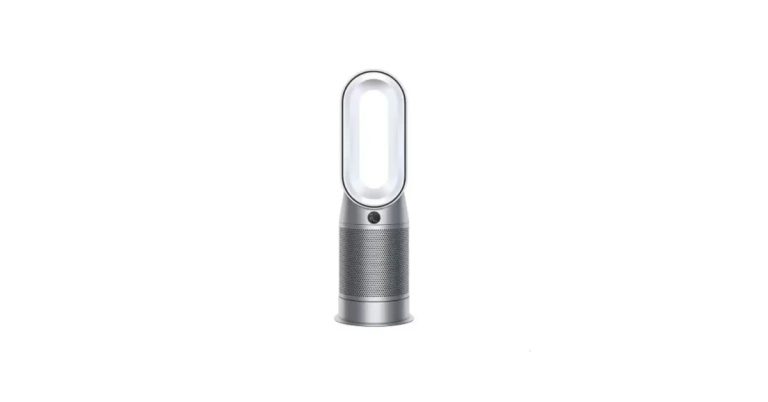
Dyson Portable Fan Debuts at $99, Offers Relief During Heat Waves

0

Quick Summary: Dyson Portable Fan Debuts at $99, Offers Relief During Heat Waves

  • Dyson launched its first portable fan, the HushJet Mini Cool, priced at $99, making it an affordable option for consumers.
  • The launch coincides with summer heat waves, offering relief for those seeking portable cooling solutions.
  • This product marks Dyson’s entry into the growing portable fan market, potentially broadening its customer base.
  • The HushJet Mini Cool is designed to be both handheld and wearable, providing convenience and flexibility.
  • Industry experts note increased demand for compact and efficient cooling devices in the market.

Dyson has introduced its first-ever portable fan, the HushJet Mini Cool, priced at $99. This launch comes just in time for the summer heat, offering a new option for consumers seeking portable cooling solutions. The HushJet Mini Cool is designed to be both handheld and wearable, providing flexibility and convenience. This marks Dyson’s entry into the growing portable fan market, which is seeing increased demand for compact and efficient cooling devices. Industry experts suggest that this move could broaden Dyson’s customer base, as the market for affordable and portable cooling solutions expands. Dyson Portable Fan is at the center of this development.

Dyson Portable Fan remains central to this report as researchers continue evaluating efficacy, safety, and long-term durability in broader patient groups.

Clinicians say the next phase will depend on larger trial cohorts, transparent follow-up data, and clear eligibility standards for routine use.

Researchers are now focusing on reproducibility, adverse-event tracking, and long-term monitoring to determine where Dyson Portable Fan can deliver consistent benefit. That means larger cohorts, clearer inclusion criteria, and better public reporting of both positive outcomes and treatment-limiting complications. In practical terms, clinicians want stronger evidence on durability, relapse patterns, and how outcomes differ by age, severity, and coexisting conditions. These details matter because early success in one subgroup does not automatically translate to broad, real-world effectiveness across all patient populations.

Health systems evaluating Dyson Portable Fan are also weighing cost, infrastructure, and patient access before scaling these protocols into standard care pathways. Specialized staffing, lab capacity, patient monitoring, and reimbursement models all influence whether promising therapies can move beyond pilot programs. Even when a treatment is clinically compelling, hospitals still need operational readiness to deliver it safely and consistently. As a result, policy and implementation planning now sit alongside clinical research as core factors that will determine near-term adoption.

Another key issue is long-term follow-up. Medical teams tracking Dyson Portable Fan outcomes are placing greater emphasis on post-treatment surveillance, quality-of-life measures, and adverse-event registries that continue well beyond initial response windows. This broader lens helps distinguish short-term improvement from durable remission and clarifies which patient groups may need supplemental therapies over time. The quality of that longitudinal data will likely shape future guidelines, payer decisions, and clinician confidence in recommending treatment at scale.

Experts also note that public interpretation can outpace clinical certainty. Headlines often highlight breakthrough narratives, while trial investigators remain cautious about sample size, endpoint design, and external validity. For Dyson Portable Fan, that gap between public excitement and evidence maturity is especially important: decision-makers need both urgency and rigor. Clear communication around uncertainty, limitations, and expected timelines can reduce confusion and help patients make better-informed choices with their care teams.

For anyone following Dyson Portable Fan with a practical goal in mind, it helps to separate what is confirmed from what is still being reported or speculated. Official sources, direct statements, and verified documents form the most reliable foundation for understanding where things actually stand. Secondary commentary and analysis — while useful for context — should be weighed carefully against what primary sources have actually confirmed. As the story continues to develop, the gap between confirmed fact and informed speculation will gradually close, making the overall picture clearer and more actionable. Keeping that distinction in mind is one of the most useful habits for anyone trying to make sense of a fast-moving story like this one.

Researchers are now focusing on reproducibility, adverse-event tracking, and long-term monitoring to determine where Dyson Portable Fan, can deliver consistent benefit. That means larger cohorts, clearer inclusion criteria, and better public reporting of both positive outcomes and treatment-limiting complications. In practical terms, clinicians want stronger evidence on durability, relapse patterns, and how outcomes differ by age, severity, and coexisting conditions. These details matter because early success in one subgroup does not automatically translate to broad, real-world effectiveness across all patient populations. More details are expected to emerge in the coming days.

Health systems evaluating Dyson Portable Fan, are also weighing cost, infrastructure, and patient access before scaling these protocols into standard care pathways. Specialized staffing, lab capacity, patient monitoring, and reimbursement models all influence whether promising therapies can move beyond pilot programs. Even when a treatment is clinically compelling, hospitals still need operational readiness to deliver it safely and consistently. As a result, policy and implementation planning now sit alongside clinical research as core factors that will determine near-term adoption. More details are expected to emerge in the coming days.

Another key issue is long-term follow-up. Medical teams tracking Dyson Portable Fan, outcomes are placing greater emphasis on post-treatment surveillance, quality-of-life measures, and adverse-event registries that continue well beyond initial response windows. This broader lens helps distinguish short-term improvement from durable remission and clarifies which patient groups may need supplemental therapies over time. The quality of that longitudinal data will likely shape future guidelines, payer decisions, and clinician confidence in recommending treatment at scale. More details are expected to emerge in the coming days.

Experts also note that public interpretation can outpace clinical certainty. Headlines often highlight breakthrough narratives, while trial investigators remain cautious about sample size, endpoint design, and external validity. For Dyson Portable Fan,, that gap between public excitement and evidence maturity is especially important: decision-makers need both urgency and rigor. Clear communication around uncertainty, limitations, and expected timelines can reduce confusion and help patients make better-informed choices with their care teams. More details are expected to emerge in the coming days.

For anyone following Dyson Portable Fan, with a practical goal in mind, it helps to separate what is confirmed from what is still being reported or speculated. Official sources, direct statements, and verified documents form the most reliable foundation for understanding where things actually stand. Secondary commentary and analysis — while useful for context — should be weighed carefully against what primary sources have actually confirmed.

As the story continues to develop, the gap between confirmed fact and informed speculation will gradually close, making the overall picture clearer and more actionable. Keeping that distinction in mind is one of the most useful habits for anyone trying to make sense of a fast-moving story like this one. More details are expected to emerge in the coming days.

Conclusion

The situation around Dyson Portable Fan continues to evolve. What started as a single development has grown into a story with real consequences — for the people involved, for the institutions responding, and for anyone watching closely. The full picture is not yet clear, but the direction is becoming harder to ignore.

Staying informed matters here. Each new update adds context that changes how earlier events should be understood. Follow verified sources and check back as the story develops — the next confirmed detail could shift the narrative significantly.

Read more on Digital Chew