
65.1 F
San Francisco
Wednesday, June 10, 2026
Home Blog Page 14

Xavier Becerra Emerged Key Contenders in the 2026 California Governor’s Race

0

Quick Summary: Xavier Becerra Emerged Key Contenders in the 2026 California Governor’s Race

  • Xavier Becerra and Steve Hilton emerged as key contenders in the 2026 California governor’s race.
  • Billionaire Tom Steyer’s $216 million spending may not secure him a spot in the runoff.
  • Voter frustration with the Democratic status quo is reshaping loyalties in key races.
  • California’s election results could impact control of Congress with several pivotal House races.
  • California’s top-two system will determine the final contenders for the November election.

The political landscape in California is undergoing a seismic shift as Xavier Becerra and Republican Steve Hilton emerge as the unexpected frontrunners in the 2026 governor’s race. This surprising turn of events has left billionaire Democrat Tom Steyer, despite his massive $216 million campaign investment, on the verge of being sidelined.

Hilton, a former Fox News commentator backed by Trump, has gained significant traction in a state that has long been a Democratic stronghold. His rise signifies a growing dissatisfaction with the Democratic status quo, fueled by issues like housing affordability and homelessness. Meanwhile, Becerra’s ascent was catalyzed by the abrupt exit of former Rep. Eric Swalwell amid scandal, positioning him as the Democratic favorite.

This election is not just about state politics; it has national implications. California’s House races are pivotal, with several seats potentially influencing the balance of power in Congress. The state’s top-two primary system means the final contenders for the November election are yet to be determined, keeping the political scene highly volatile.

As ballots continue to be counted, California’s political dynamics remain fluid. The results of this primary could redefine the state’s political identity, challenging the entrenched Democratic dominance and setting the stage for a contentious November showdown.

California’s top election story right now is the startling shape of the 2026 governor’s race: Xavier Becerra and Republican Steve Hilton emerged from Tuesday’s California primary as the apparent November contenders, while billionaire Democrat Tom Steyer, who poured more than $216 million of his own money into the contest, was in danger of being shut out entirely. The Los Angeles Times reported that Steyer had spent more than $216 million of his wealth on the race, yet by June 3 he was still behind the two leaders and refusing to concede.

One especially notable development is in the 1st Congressional District, reshaped after Proposition 50 passed with nearly 65% of the vote last year: Democratic state Sen. In a June 2 report, the Los Angeles Times said voter frustration with “the Democratic status quo” had scrambled loyalties in both the governor’s race and the Los Angeles mayor’s race.

Times poll cited by the paper showed Bass at 26%, just 1 point ahead of Nithya Raman and 4 points ahead of Spencer Pratt. In other words, the pressure on Democrats is not isolated to Sacramento; it is showing up in the state’s marquee city race too, fueled by anger over homelessness, affordability and the response to the 2025 Palisades fire.

Voting took place on Tuesday, June 2, 2026, but California is still processing ballots. On June 5, the Los Angeles Times reported that Democrats are targeting seats held by Republicans David Valadao, Darrell Issa and Kevin Kiley, and also eyeing additional pickups.

That means the standings reported on June 3 and June 5 are highly consequential but not yet final, especially in close second-place battles like Steyer versus Hilton and in congressional races where the margins remain thin. The most newsworthy bottom line from the latest reporting is that California, despite its deep-blue reputation, has produced a volatile, expensive and deeply anti-establishment primary in which an underdog Democrat surged, a Republican gained real traction, and a self-funding billionaire may have spent more than $216 million only to fall short.

In a June 2 report, the Los Angeles Times said voter frustration with “the Democratic status quo” had scrambled loyalties in both the governor’s race and the Los Angeles mayor’s race. Billionaire Tom Steyer’s $216 million spending may not secure him a spot in the runoff.

In other words, the pressure on Democrats is not isolated to Sacramento; it is showing up in the state’s marquee city race too, fueled by anger over homelessness, affordability and the response to the 2025 Palisades fire. Voting took place on Tuesday, June 2, 2026, but California is still processing ballots.

On June 5, the Los Angeles Times reported that Democrats are targeting seats held by Republicans David Valadao, Darrell Issa and Kevin Kiley, and also eyeing additional pickups. California’s election results could impact control of Congress with several pivotal House races.

California’s House races are pivotal, with several seats potentially influencing the balance of power in Congress. California’s top-two system will determine the final contenders for the November election.

The scale and speed of this development has caught many observers off guard. Each new update adds another dimension to a story that is still unfolding, and the full picture will only become clear as more verified details emerge from the people and institutions directly involved.

Analysts who have tracked this issue closely say the current moment represents a genuine turning point. The decisions made in the coming weeks are expected to set the direction for months ahead, with ripple effects likely to extend well beyond the immediate actors in the story.

For those directly affected, the practical impact is already visible. People navigating this fast-changing situation are dealing with real consequences while new information continues to reshape what is known and what remains open to interpretation.

Historical parallels offer some context, though experts caution against drawing too close a comparison. Similar situations have played out before, but the specific combination of pressures, personalities, and timing here makes this moment distinct in ways that matter for how it ultimately resolves.

The political and economic dimensions of this story are deeply intertwined. What appears as a single event on the surface is in practice the convergence of multiple pressures that have been building quietly over a longer period than most public reporting has captured.

Read more on Digital Chew

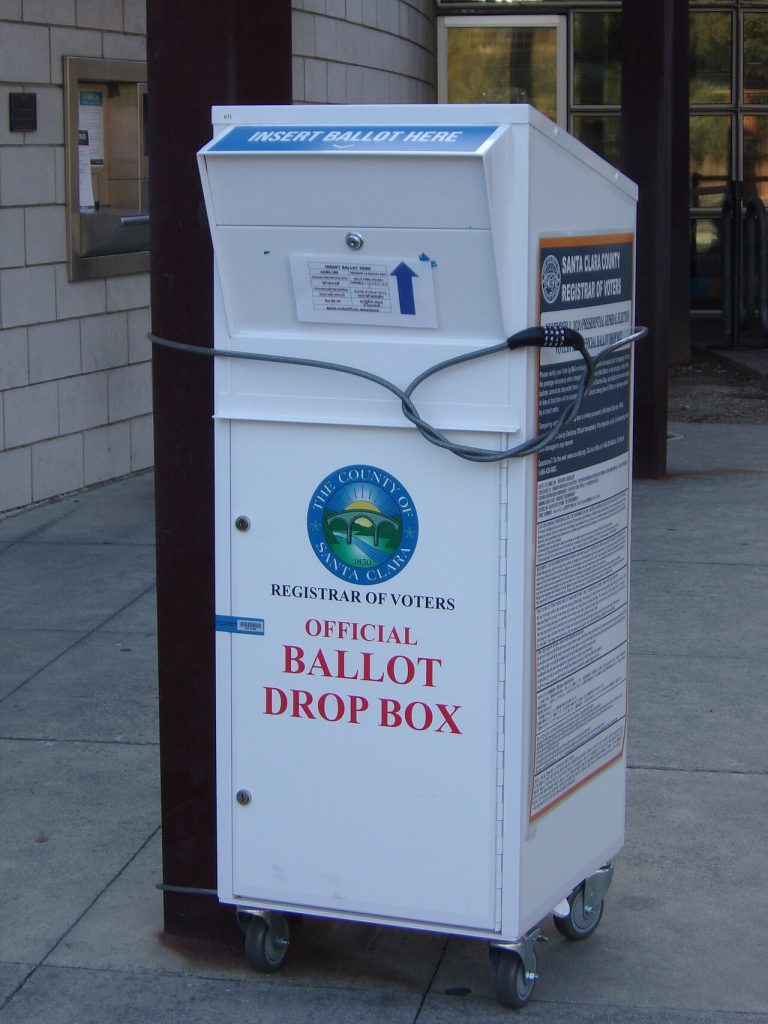
Santa Clara County Leading Narrowly Leading With 53.01% of the Vote

0

Quick Summary: Santa Clara County Leading Narrowly Leading With 53.01% of the Vote

  • Santa Clara County’s Measure D is narrowly leading with 53.01% of the vote.
  • The measure proposes a tax of $0.02 per square foot, capped at $7,500 per parcel.
  • Results remain unofficial as late and provisional ballots are still being counted.
  • Certification of results is expected by July 10, 2026.
  • Measure D’s outcome could significantly impact local open space funding.

In a gripping turn of events, Santa Clara County’s Measure D has captured the spotlight as the June 2, 2026, primary results unfold. With a razor-thin lead of 53.01%, this parcel tax measure is teetering on the edge of approval, highlighting the county’s post-election uncertainty.

Measure D, which seeks to impose a tax of $0.02 per square foot on building areas to fund open space and environmental initiatives, has become the focal point of local political discourse. Despite its current lead, the measure’s fate remains precarious as more ballots are processed.

The California Secretary of State has cautioned that results will continue to evolve as vote-by-mail and provisional ballots are counted. This ongoing process underscores the fluid nature of election outcomes in Santa Clara County, where a final decision is expected by July 10.

As the county awaits the official certification, Measure D’s potential impact on local funding for open spaces and wildlife habitats hangs in the balance. The narrow margin reflects a community divided on environmental priorities, making the outcome of this measure a pivotal moment for Santa Clara’s future.

Voting culminated on Tuesday, June 2, 2026, when the Santa Clara County Registrar said polls had closed. KTVU framed the June 2 primary as part of a bigger statewide ballot that would “set the stage for November,” while the California Secretary of State said Santa Clara County results remain unofficial and will continue changing as additional vote-by-mail, provisional, and other ballots are processed.

02 per square foot of building area, capped at $7,500 per parcel, to fund protection of open space, wildlife habitat, water resources and agricultural land. 01% edge politically significant but still vulnerable as more ballots are counted.

The state says results from this June 2 primary will be certified by July 10, 2026, and the primary’s top finishers in many contests will advance to the November general election. The clearest new development in Santa Clara County’s June 2, 2026 primary is that the most consequential local fight now appears to be Measure D, an open-space parcel tax that was only narrowly ahead in early returns, underscoring how unsettled the county’s post-election picture still is.

, with certification not due until July 10, 2026. The county registrar announced on June 2 that polls were closed and directed the public to unofficial results, while the state provided the authoritative county-by-county reporting framework and a hard certification deadline.

In practice, the freshest substance available right now comes from combining those live-election shells with official state data and Bay City News’s election-night reporting. , the Secretary of State was still labeling Santa Clara County’s congressional returns unofficial and only partially reported, a reminder that California’s count extends well beyond election night.

Voting culminated on Tuesday, June 2, 2026, when the Santa Clara County Registrar said polls had closed. In a gripping turn of events, Santa Clara County’s Measure D has captured the spotlight as the June 2, 2026, primary results unfold.

01%, this parcel tax measure is teetering on the edge of approval, highlighting the county’s post-election uncertainty. 02 per square foot of building area, capped at $7,500 per parcel, to fund protection of open space, wildlife habitat, water resources and agricultural land.

01% edge politically significant but still vulnerable as more ballots are counted. 02 per square foot, capped at $7,500 per parcel.

Certification of results is expected by July 10, 2026. The clearest new development in Santa Clara County’s June 2, 2026 primary is that the most consequential local fight now appears to be Measure D, an open-space parcel tax that was only narrowly ahead in early returns, underscoring how unsettled the county’s post-election picture still is.

, with certification not due until July 10, 2026. In practice, the freshest substance available right now comes from combining those live-election shells with official state data and Bay City News’s election-night reporting.

The scale and speed of this development has caught many observers off guard. Each new update adds another dimension to a story that is still unfolding, and the full picture will only become clear as more verified details emerge from the people and institutions directly involved.

Analysts who have tracked this issue closely say the current moment represents a genuine turning point. The decisions made in the coming weeks are expected to set the direction for months ahead, with ripple effects likely to extend well beyond the immediate actors in the story.

For those directly affected, the practical impact is already visible. People navigating this fast-changing situation are dealing with real consequences while new information continues to reshape what is known and what remains open to interpretation.

Historical parallels offer some context, though experts caution against drawing too close a comparison. Similar situations have played out before, but the specific combination of pressures, personalities, and timing here makes this moment distinct in ways that matter for how it ultimately resolves.

The political and economic dimensions of this story are deeply intertwined. What appears as a single event on the surface is in practice the convergence of multiple pressures that have been building quietly over a longer period than most public reporting has captured.
Read more on Digital Chew

Brazil Travel Slowdown Adds Pressure on US Tourism Decline

0

Quick Summary: Brazil Travel Slowdown Adds Pressure on US Tourism Decline

  • Brazil’s decline in international arrivals and spending is part of a broader trend affecting U.S. tourism.
  • The U.S. saw a 14.1% drop in international visitors in April 2026, marking the steepest decline in recent months.
  • U.S. travel exports decreased by $1.1 billion in March 2026, impacting the services trade significantly.
  • Canada’s reduced visits to the U.S. are a major factor in the decline, with a 12.5% drop in February 2026.
  • Upcoming trade data releases will be crucial in assessing the future of U.S. tourism.

The U.S. tourism industry is facing a significant challenge, and Brazil’s decline in international arrivals is a key piece of this puzzle. With a 14.1% drop in international visitors in April 2026, the U.S. is grappling with a steep decline that has persisted for nine consecutive months. This isn’t just a Brazil problem; it’s a broader issue affecting multiple source markets, with Canada being a significant contributor.

In March 2026, U.S. travel exports fell by $1.1 billion, highlighting the vulnerability of the tourism sector. The World Travel & Tourism Council’s recent data underscores that while the U.S. remains the largest travel market, it is losing ground to competitors like Mexico, which saw growth in both GDP and visitor spending. The decline in Canadian visitors, down 12.5% in February 2026, further exacerbates the situation.

Upcoming data releases from the Bureau of Economic Analysis and the Census Bureau will be pivotal in determining whether the U.S. can stabilize its tourism sector. The FIFA World Cup offers a potential boost, but if numbers don’t improve, it will be hard to ignore the deeper issues at play. The current narrative suggests that policy and perception issues might be discouraging visitors, a sentiment echoed by industry surveys.

Its survey found only 12% of travelers would be more likely to visit under such rules, implying a strongly negative sentiment effect. inbound-travel problem, but not a simple one-country “pile-on”: the clearest current signal is a broad-based drop in international arrivals and spending, with official and industry reports now tying the damage to weak demand from multiple source markets, especially Canada, even as the industry tries to sell a 2026 rebound around the World Cup.

1 billion” in March 2026, a direct hit to one of the most tourism-sensitive line items in the country’s services trade, while the next official trade release is due June 9, 2026, which is the next immediate checkpoint for whether the slide is easing or worsening. 6% growth rebound in inbound international travel for 2026, with spending reaching $178 billion, helped by the FIFA World Cup, so the industry is not conceding a collapse; it is betting the second half rescues the year.

On June 24, 2026, BEA is scheduled to publish the first-quarter 2026 international transactions and investment position update, another important read on cross-border travel receipts. 7 billion and affect 157,000 American jobs in 2026.

That argument is disputed by boosters who think mega-events can offset the drag, but it is the live controversy animating the sector right now: is this mostly cyclical weakness, or self-inflicted policy friction? today described as the ninth consecutive month of inbound weakness rather than a one-off dip.

The most important revelation from recent industry reporting is that the United States is losing share globally even while world travel is growing. The headline Travel And Tour World story treats this as a multi-country diplomatic squeeze, but the stronger evidence suggests Canada remains the single most damaging source-market problem for the American side.

6% growth rebound in inbound international travel for 2026, with spending reaching $178 billion, helped by the FIFA World Cup, so the industry is not conceding a collapse; it is betting the second half rescues the year. On June 24, 2026, BEA is scheduled to publish the first-quarter 2026 international transactions and investment position update, another important read on cross-border travel receipts.

1 billion in March 2026, impacting the services trade significantly. 1 billion, highlighting the vulnerability of the tourism sector.

5% in February 2026, further exacerbates the situation. 7 billion and affect 157,000 American jobs in 2026.

The scale and speed of this development has caught many observers off guard. Each new update adds another dimension to a story that is still unfolding, and the full picture will only become clear as more verified details emerge from the people and institutions directly involved.

Analysts who have tracked this issue closely say the current moment represents a genuine turning point. The decisions made in the coming weeks are expected to set the direction for months ahead, with ripple effects likely to extend well beyond the immediate actors in the story.

For those directly affected, the practical impact is already visible. People navigating this fast-changing situation are dealing with real consequences while new information continues to reshape what is known and what remains open to interpretation.

Historical parallels offer some context, though experts caution against drawing too close a comparison. Similar situations have played out before, but the specific combination of pressures, personalities, and timing here makes this moment distinct in ways that matter for how it ultimately resolves.

The political and economic dimensions of this story are deeply intertwined. What appears as a single event on the surface is in practice the convergence of multiple pressures that have been building quietly over a longer period than most public reporting has captured.

Read more on Digital Chew

Arizona Budget Standoff Escalates Over Data Center Tax Breaks

Quick Summary: Arizona Budget Standoff Escalates Over Data Center Tax Breaks

  • Arizona’s budget negotiations are deadlocked over data center tax breaks, with a deadline looming in June 2026.
  • Governor Hobbs demands the repeal of data center tax incentives, framing them as special-interest giveaways.
  • Republican lawmakers defend the tax breaks as essential for economic growth, creating a political standoff.
  • The tax break program allows companies investing $50 million in certain counties to qualify for exemptions.
  • Critics argue that data centers strain resources and fail to deliver promised jobs, intensifying the debate.

Arizona’s budget battle has reached a boiling point, with data center tax breaks at the heart of the conflict. As the state approaches a crucial deadline in June 2026, Governor Katie Hobbs is taking a firm stand against these incentives, labeling them as special-interest giveaways that prioritize corporate interests over public needs.

Under the current program, companies investing significant amounts in Maricopa or Pima counties receive substantial tax exemptions. While Republicans argue these breaks are vital for economic development, critics, including Hobbs, see them as unnecessary subsidies for an industry that already thrives in Arizona. The debate has intensified as local opposition to data centers grows, with concerns over their resource consumption and limited job creation.

This standoff is more than a budget issue; it’s a philosophical clash over Arizona’s economic priorities. Hobbs, who once supported these incentives, now leads the charge for their repeal, while Republicans remain steadfast in their defense. The outcome of this battle will define Arizona’s fiscal future and set a precedent for how the state balances corporate incentives with public welfare.

Earlier 2026 reporting said a bipartisan group of Arizona elected officials had begun questioning whether the state still needs to subsidize an industry that is already flocking to Arizona. What happens next is straightforward but high stakes: budget negotiators have until late June 2026 to produce a package Hobbs will sign, and the data center tax break is now one of the live items that could be traded, amended or stripped to break the impasse.

” Separate local reporting on the Republican budget fight put the estimated cost even higher, at about $40 million next year, showing how the number itself has become part of the political war over the final budget package. Under Arizona’s current program, companies investing at least $50 million in Maricopa or Pima counties, or $25 million elsewhere, can qualify for sales and use tax exemptions on equipment for at least 10 years.

Hobbs herself supported the original incentives as a legislator back in 2013, but in 2026 she has moved firmly into the rollback camp. Katie Hobbs is explicitly demanding repeal or rollback of the subsidy while Republicans are defending it as economic development, turning a roughly $30 million to $40 million-a-year tax issue into one of the most visible standoffs in the FY 2027 budget talks.

5 million in forgone revenue in fiscal 2025. On May 4 and May 5, Republican lawmakers advanced a budget that Democrats blasted for preserving data center tax cuts.

On May 1, Hobbs’ office publicly singled out the data center break in its anti-GOP budget fact sheet. The biggest new development is that Arizona’s fight over data center tax breaks has become a make-or-break budget issue because Gov.

The tax break program allows companies investing $50 million in certain counties to qualify for exemptions. Under Arizona’s current program, companies investing at least $50 million in Maricopa or Pima counties, or $25 million elsewhere, can qualify for sales and use tax exemptions on equipment for at least 10 years.

On May 4 and May 5, Republican lawmakers advanced a budget that Democrats blasted for preserving data center tax cuts. On May 1, Hobbs’ office publicly singled out the data center break in its anti-GOP budget fact sheet.

Arizona’s budget battle has reached a boiling point, with data center tax breaks at the heart of the conflict. Hobbs, who once supported these incentives, now leads the charge for their repeal, while Republicans remain steadfast in their defense.

The biggest new development is that Arizona’s fight over data center tax breaks has become a make-or-break budget issue because Gov. Under the current program, companies investing significant amounts in Maricopa or Pima counties receive substantial tax exemptions.

The scale and speed of this development has caught many observers off guard. Each new update adds another dimension to a story that is still unfolding, and the full picture will only become clear as more verified details emerge from the people and institutions directly involved.

Analysts who have tracked this issue closely say the current moment represents a genuine turning point. The decisions made in the coming weeks are expected to set the direction for months ahead, with ripple effects likely to extend well beyond the immediate actors in the story.

For those directly affected, the practical impact is already visible. People navigating this fast-changing situation are dealing with real consequences while new information continues to reshape what is known and what remains open to interpretation.

Historical parallels offer some context, though experts caution against drawing too close a comparison. Similar situations have played out before, but the specific combination of pressures, personalities, and timing here makes this moment distinct in ways that matter for how it ultimately resolves.

The political and economic dimensions of this story are deeply intertwined. What appears as a single event on the surface is in practice the convergence of multiple pressures that have been building quietly over a longer period than most public reporting has captured.

Read more on Digital Chew

Swedavia Reports 3% Increase in May Passenger Numbers

0

Quick Summary: Swedavia Reports 3% Increase in May Passenger Numbers

  • Swedavia reported over 3.1 million passengers in May, a 3% increase driven by international travel.
  • Stockholm Arlanda saw nearly 1.9 million international travelers, up almost 3% from last year.
  • Göteborg Landvetter’s international traffic rose nearly 6% to 455,000, despite a 10% drop in domestic travel.
  • Visby and Malmö airports posted significant percentage gains, contrasting with Bromma’s low passenger numbers.
  • Swedavia’s growth is primarily supported by international routes amidst global instability.

Swedavia’s recent passenger data paints a vivid picture of Sweden’s aviation landscape: international travel is the lifeline of its recovery. With over 3.1 million passengers in May, the growth is unmistakably tied to the influx of international travelers, even as domestic numbers falter.

Stockholm Arlanda, the crown jewel of Swedavia’s network, handled nearly 1.9 million international passengers, marking a 3% year-on-year increase. Meanwhile, Göteborg Landvetter saw international traffic surge by nearly 6% to 455,000, despite a 10% drop in domestic travel. These figures underscore a critical trend: international demand is masking the domestic market’s persistent weaknesses.

While smaller airports like Visby and Malmö are experiencing impressive growth, Bromma remains an outlier with passenger numbers stagnating at a mere 5% of pre-pandemic levels. This uneven recovery highlights the strategic importance of international routes, especially as Swedavia navigates the uncertainties of global events, including tensions in the Middle East.

Swedavia’s strategy hinges on expanding international connectivity, with new routes from Stockholm Arlanda to key European cities and beyond. As the summer travel season unfolds, the focus remains on sustaining this international momentum, which is crucial for solidifying Sweden’s aviation comeback.

1 million passengers moved through its 10 airports in May 2026, a 3 percent year-on-year increase driven mainly by international travel even as the operator warned that traffic is being affected “to a certain extent” by the situation in the Middle East. 1 million, international travel up by just over 3 percent and domestic travel up 2 percent.

9 million international travelers, which itself was up nearly 3 percent, while domestic traffic there fell 2 percent to just over 370,000. That caveat matters because it introduces a live geopolitical risk into what would otherwise look like an uncomplicated recovery story, and it helps explain why even solid passenger gains are being reported in guarded language rather than triumphantly.

By contrast, Bromma Stockholm Airport remained deeply depressed, with just over 12,000 passengers in May, only 5 percent of its 2019 pre-pandemic level; in April it was even weaker at just over 8,500 passengers, or 4 percent of 2019. 1 million-passenger milestone and broad airport growth.

If those new routes fill and Arlanda and Landvetter keep gaining while Bromma remains stuck near 5 percent of 2019 levels, the next round of reporting could sharpen an already visible conclusion: Sweden’s aviation comeback is real, but it is being built on international traffic first and domestic normalization second. While Arlanda remains dominant, some smaller airports are posting much faster percentage gains: Airport World reported that Visby rose 26 percent in May and Malmö 11 percent, while Swedavia said in its April update that Visby had jumped 37 percent and Malmö 14 percent year on year.

Airport World’s June 3 write-up underscored the same point, saying the network-wide rise came despite international travel being influenced by “global events” and the ongoing Middle East crisis. Göteborg Landvetter processed just over 500,000 passengers, up nearly 4 percent, with international traffic rising almost 6 percent to 455,000 even as domestic traffic dropped 10 percent to about 47,000.

1 million passengers in May, a 3% increase driven by international travel. Göteborg Landvetter’s international traffic rose nearly 6% to 455,000, despite a 10% drop in domestic travel.

1 million passengers in May, the growth is unmistakably tied to the influx of international travelers, even as domestic numbers falter. 9 million international passengers, marking a 3% year-on-year increase.

Meanwhile, Göteborg Landvetter saw international traffic surge by nearly 6% to 455,000, despite a 10% drop in domestic travel. While smaller airports like Visby and Malmö are experiencing impressive growth, Bromma remains an outlier with passenger numbers stagnating at a mere 5% of pre-pandemic levels.

1 million, international travel up by just over 3 percent and domestic travel up 2 percent. 9 million international travelers, which itself was up nearly 3 percent, while domestic traffic there fell 2 percent to just over 370,000.

9 million international travelers, up almost 3% from last year. By contrast, Bromma Stockholm Airport remained deeply depressed, with just over 12,000 passengers in May, only 5 percent of its 2019 pre-pandemic level; in April it was even weaker at just over 8,500 passengers, or 4 percent of 2019.

The scale and speed of this development has caught many observers off guard. Each new update adds another dimension to a story that is still unfolding, and the full picture will only become clear as more verified details emerge from the people and institutions directly involved.

Analysts who have tracked this issue closely say the current moment represents a genuine turning point. The decisions made in the coming weeks are expected to set the direction for months ahead, with ripple effects likely to extend well beyond the immediate actors in the story.

For those directly affected, the practical impact is already visible. People navigating this fast-changing situation are dealing with real consequences while new information continues to reshape what is known and what remains open to interpretation.

Historical parallels offer some context, though experts caution against drawing too close a comparison. Similar situations have played out before, but the specific combination of pressures, personalities, and timing here makes this moment distinct in ways that matter for how it ultimately resolves.

The political and economic dimensions of this story are deeply intertwined. What appears as a single event on the surface is in practice the convergence of multiple pressures that have been building quietly over a longer period than most public reporting has captured.
Read more on Digital Chew

Abdul El – Sayed Surge Threatens Democrats’ 2026 Map

0

Quick Summary: Abdul El – Sayed Surge Threatens Democrats’ 2026 Map

  • Abdul El-Sayed’s surge in Michigan’s Democratic Senate primary alarms party leaders, threatening their 2026 map.
  • Polling shows El-Sayed leading with 34% against Stevens’s 31% and McMorrow’s 19%, with 15% undecided.
  • Another poll shows El-Sayed at 28%, Stevens at 18%, and McMorrow at 17%, with 38% undecided.
  • Democrats fear El-Sayed’s nomination could make the seat vulnerable to Republican Mike Rogers.
  • With the primary on August 4, Democrats face a volatile race with no clear frontrunner.

Abdul El-Sayed’s unexpected surge in Michigan’s Democratic Senate primary has sent shockwaves through the party, sparking fears that his progressive candidacy could jeopardize their narrow path to reclaiming the Senate. As the August 4 primary approaches, El-Sayed’s rise is seen as a direct threat to the Democrats’ 2026 strategy, with national leaders increasingly anxious about losing a critical seat.

Recent polls highlight the volatility of the race, with El-Sayed leading in some surveys and trailing in others. His campaign’s latest numbers show him at 34%, ahead of Haley Stevens at 31% and Mallory McMorrow at 19%, leaving 15% undecided. However, another poll paints a different picture, with Stevens ahead at 35% and El-Sayed at 31%, underscoring the uncertainty and fluidity of the contest.

The stakes are high for Democrats, who cannot afford to lose Michigan while attempting to regain Senate control. The party is divided, with Stevens representing the establishment and moderate wing, while El-Sayed embodies the progressive faction. This internal rift has created a proxy battle over the party’s future direction, with no clear consensus on the best path forward.

As the primary draws near, the pressure mounts on Democrats to consolidate support behind a candidate capable of defeating Republican Mike Rogers in the general election. The fear is that El-Sayed, viewed as the weakest general-election candidate, could turn a must-win defense into a toss-up, potentially costing Democrats a crucial seat.

The Post’s framing makes clear this is not a side drama but a strategic alarm bell inside the party, with leaders viewing El-Sayed’s surge as a direct threat to the broader 2026 map. Michigan’s official candidate listing pegs the state primary for August 4, 2026, which means Democrats still have roughly two months of expensive, increasingly negative combat ahead.

The Washington Post reported on June 5 that Democratic leaders are “increasingly worried” El-Sayed’s rise could “imperil” the party’s already narrow chances of taking back the Senate, because Michigan is a must-hold open seat after Sen. An El-Sayed campaign release on June 2 touted a new survey showing him at 34% to Haley Stevens’s 31%, with Mallory McMorrow at 19% and 15% undecided.

Another recent Mitchell-MIRS poll cited in current reporting had El-Sayed up 28% to 18% for Stevens and 17% for McMorrow, with 38% undecided, showing how much room remains for movement. But a newer TIPP poll referenced in Michigan reporting published June 5 cut the other way, putting Stevens at 35%, El-Sayed at 31%, and McMorrow at 13%.

With undecideds still significant in some polls — as high as 38% in one recent survey — donors, outside groups, and party leaders are likely to keep testing whether Stevens or McMorrow can consolidate enough support to stop El-Sayed. The big new devthis topicopment is that Abdul this topic-Sayed, an unapologetically progressive former local health official, is now running strongly enough in Michigan’s Democratic Senate primary that national Democrats fear he could blow one of their few realistic pickup paths in November.

There is also a blunt general-this topicection warning hanging over the race: Republicans want this topic-Sayed as the nominee because they think he is easier to define and beat. The GOP candidate Mike Rogers is already the shadow over every Democratic maneuver, and recent Michigan coverage said each major Democrat still runs only narrowly ahead of him in possible matchups.

Polling shows this topic-Sayed leading with 34% against Stevens’s 31% and McMorrow’s 19%, with 15% undecided. Another poll shows this topic-Sayed at 28%, Stevens at 18%, and McMorrow at 17%, with 38% undecided.

His campaign’s latest numbers show him at 34%, ahead of Haley Stevens at 31% and Mallory McMorrow at 19%, leaving 15% undecided. However, another poll paints a different picture, with Stevens ahead at 35% and this topic-Sayed at 31%, underscoring the uncertainty and fluidity of the contest.

An this topic-Sayed campaign rthis topicease on June 2 touted a new survey showing him at 34% to Haley Stevens’s 31%, with Mallory McMorrow at 19% and 15% undecided. Another recent Mitchthis topicl-MIRS poll cited in current reporting had this topic-Sayed up 28% to 18% for Stevens and 17% for McMorrow, with 38% undecided, showing how much room remains for movement.

The scale and speed of this devthis topicopment has caught many observers off guard. Each new update adds another dimension to a story that is still unfolding, and the full picture will only become clear as more verified details emerge from the people and institutions directly involved.

Analysts who have tracked this issue closthis topicy say the current moment represents a genuine turning point. The decisions made in the coming weeks are expected to set the direction for months ahead, with ripple effects likthis topicy to extend wthis topicl beyond the immediate actors in the story.

For those directly affected, the practical impact is already visible. People navigating this fast-changing situation are dealing with real consequences while new information continues to reshape what is known and what remains open to interpretation.

Historical parallthis topics offer some context, though experts caution against drawing too close a comparison. Similar situations have played out before, but the specific combination of pressures, personalities, and timing here makes this moment distinct in ways that matter for how it ultimatthis topicy resolves.

The political and economic dimensions of this story are deeply intertwined. What appears as a single event on the surface is in practice the convergence of multiple pressures that have been building quietly over a longer period than most public reporting has captured.
Read more on Digital Chew

U.s. Men’s Soccer Team Struggled Fan Frustration Grows

Quick Summary: U.s. Men’s Soccer Team Struggled Fan Frustration Grows

  • The U.S. men’s soccer team is seen as a round-of-16 hopeful, not a title contender, due to roster and recent results.
  • Under coach Mauricio Pochettino, the U.S. has struggled against top-ranked teams, going 2-7-1 against those ranked 25th or higher.
  • Structural weaknesses, particularly in defense, and a lack of elite talent are major concerns for the U.S. team.
  • Key players like Weston McKennie, Tim Weah, and Gio Reyna missed crucial preparation matches due to club commitments.
  • Despite high expectations and significant investments for the World Cup, fan frustration grows over ticketing and team performance.

The U.S. men’s soccer team is on the brink of a World Cup hosted on home soil, yet the odds of a deep run seem slim. Despite the excitement and anticipation, the reality is stark: the team is more likely to be a round-of-16 hopeful than a true contender.

Under the leadership of Mauricio Pochettino, the U.S. squad has shown promise against lower-ranked teams but faltered against stronger opponents. With a record of 2-7-1 against teams ranked 25th or higher, the team’s struggles are evident. The defense is particularly vulnerable, lacking the depth and resilience needed to withstand the pressure of elite competition.

Compounding these issues is the disruption caused by the FIFA Club World Cup, which kept key players like Weston McKennie, Tim Weah, and Gio Reyna away from crucial preparation matches. This lack of continuity could prove costly as the tournament approaches.

Despite these challenges, the event itself is a massive undertaking, with host cities investing heavily in infrastructure and logistics. Yet, fan frustration is palpable, particularly over ticketing issues, highlighting the disconnect between expectations and the team’s current form.

As the U.S. prepares to face Paraguay, Australia, and the UEFA Playoff C winner, the pressure mounts. The team must prove it can rise to the occasion, but the path to success is fraught with uncertainty.

At the same time, Seattle-area reporting described fan frustration over ticketing, including one example of two neighbors putting up $600 each for lower-bowl seats to a June 24 match. Reporting out of Seattle said the tournament opens June 11 and that host cities, states and corporate partners have spent tens of millions of dollars on transit, security and logistics.

By late May, Pochettino was still defending his selection process, and the Los Angeles Times reported that Reyna’s inclusion itself was “a minor surprise” because he had played only one full 90-minute match for club or country in the previous four years. goalkeeper Kasey Keller also warned against panic only because World Cup rosters can change fast, implying the current group still has not convinced.

opens against Paraguay on June 12 at SoFi Stadium in Inglewood, then faces Australia on June 19 in Seattle, and closes group play June 25 in Los Angeles against the UEFA Playoff C winner. The central debate in the current reporting is whether this is mostly a coaching-and-identity problem or simply a ceiling-of-talent problem.

The most specific explanation in the latest reporting is structural weakness on defense and a lack of proven difference-makers at the very top level. ” That is the kind of detail that matters because World Cup contenders usually win by surviving pressure, not just by controlling lesser teams.

Roster disruption is another major reason the skepticism has intensified. preparations by keeping Weston McKennie, Tim Weah and Gio Reyna away from the Gold Cup, depriving the Americans of key continuity in the last meaningful competitive matches before the tournament.

At the same time, Seattle-area reporting described fan frustration over ticketing, including one example of two neighbors putting up $600 each for lower-bowl seats to a June 24 match. By late May, Pochettino was still defending his selection process, and the Los Angeles Times reported that Reyna’s inclusion itself was “a minor surprise” because he had played only one full 90-minute match for club or country in the previous four years.

men’s soccer team is seen as a round-of-16 hopeful, not a title contender, due to roster and recent results. has struggled against top-ranked teams, going 2-7-1 against those ranked 25th or higher.

Despite the excitement and anticipation, the reality is stark: the team is more likely to be a round-of-16 hopeful than a true contender. With a record of 2-7-1 against teams ranked 25th or higher, the team’s struggles are evident.

Key players like Weston McKennie, Tim Weah, and Gio Reyna missed crucial preparation matches due to club commitments. men’s soccer team is on the brink of a World Cup hosted on home soil, yet the odds of a deep run seem slim.

squad has shown promise against lower-ranked teams but faltered against stronger opponents. The defense is particularly vulnerable, lacking the depth and resilience needed to withstand the pressure of elite competition.

The scale and speed of this development has caught many observers off guard. Each new update adds another dimension to a story that is still unfolding, and the full picture will only become clear as more verified details emerge from the people and institutions directly involved.

Analysts who have tracked this issue closely say the current moment represents a genuine turning point. The decisions made in the coming weeks are expected to set the direction for months ahead, with ripple effects likely to extend well beyond the immediate actors in the story.

For those directly affected, the practical impact is already visible. People navigating this fast-changing situation are dealing with real consequences while new information continues to reshape what is known and what remains open to interpretation.

Historical parallels offer some context, though experts caution against drawing too close a comparison. Similar situations have played out before, but the specific combination of pressures, personalities, and timing here makes this moment distinct in ways that matter for how it ultimately resolves.

The political and economic dimensions of this story are deeply intertwined. What appears as a single event on the surface is in practice the convergence of multiple pressures that have been building quietly over a longer period than most public reporting has captured.
Read more on Digital Chew

Rick Scott Endorses Significant Endorsement of U.s. Policy

0

Quick Summary: Rick Scott Endorses Significant Endorsement of U.s. Policy

  • Rick Scott praised Marco Rubio’s approach to Cuba and Venezuela, highlighting a stark contrast between the two nations.
  • Scott’s statement tied the discussion to indictments of Nicolás Maduro and Raúl Castro, emphasizing the DEMOCRACIA Act.
  • Rubio’s Senate testimony underscored GAESA’s control over 70% of Cuba’s GDP, linking it to the country’s economic woes.
  • Venezuela’s situation is seen as improving, yet lacking democratic legitimacy, according to Rubio.
  • Critics argue Rubio overstates Cuba’s threat, while supporters focus on military control of wealth.

Rick Scott has thrown his weight behind Marco Rubio’s hardline strategy on Cuba and Venezuela, marking a significant endorsement of a U.S. policy that draws a sharp line between the two nations. While Venezuela is seen as partially improving, Cuba is described as a military-run economy hoarding billions while its people suffer.

Scott’s recent statements not only praised Rubio’s Senate testimony but also linked the strategy to the DEMOCRACIA Act, aiming to impose severe sanctions on Cuba’s military and intelligence. Rubio’s depiction of GAESA’s dominance over Cuba’s economy paints a grim picture of elite control over public resources.

This endorsement comes amid ongoing debates about the effectiveness of U.S. policies in the region. Critics argue that Rubio’s focus on Cuba is exaggerated, yet his supporters highlight the military’s grip on wealth as the real issue. As the situation unfolds, the U.S. strategy will likely face scrutiny over its impact on political transitions and humanitarian conditions.

strategy that now draws a sharp line between a “partially improving” Venezuela and a Cuba Rubio says is effectively run by a military business empire sitting on $14 billion to $17 billion in assets while ordinary Cubans face blackouts and hunger. Scott’s June 2 statement explicitly tied the hearing to the indictments of Nicolás Maduro and Raúl Castro, and he revived focus on the DEMOCRACIA Act, legislation he reintroduced in February 2025 to impose severe sanctions and financial pressure on Cuba’s military and intelligence apparatus.

The Floridian’s June 4 report centers on Scott’s reaction after Rubio’s June 2 Senate Foreign Relations Committee testimony on the State Department budget, where Scott said of Rubio, “Oh, he did a great job,” and then backed Rubio’s approach on both countries. In his Senate testimony, Rubio said, “what’s today, the 2nd?

” Rubio used nearly the same frame before senators, saying GAESA “virtually owns everything,” including tourism, mining, and gas stations, and estimating that about 70% of Cuba’s GDP is under its control. ” El País reported Rubio also said, “Tienes a gente literalmente muriendo de hambre,” while arguing the government had been told what it would need to do for economic recovery.

He told senators Venezuela no longer poses the same national-security threat it did under Maduro, but he also said the country still holds “hundreds of political prisoners” and lacks the institutional conditions for free elections, including reforms to the electoral council, freedom for opposition parties, and protections for independent media. Critics, including Democratic voices cited in broader coverage over the past week, have accused Rubio of being fixated on Cuba and overstating its threat, but Rubio’s defenders say the real scandal is that a military-run holding company accumulated billions while the public infrastructure collapsed.

So it’s literally been five months,” underscoring how quickly the administration says conditions have changed since Nicolás Maduro’s capture. He added, “Not a penny of the money in the military holding company translates over to the public treasury,” directly tying the island’s blackouts and deprivation to elite control of wealth rather than simple sanctions effects.

Rubio’s Senate testimony underscored GAESA’s control over 70% of Cuba’s GDP, linking it to the country’s economic woes. strategy that now draws a sharp line between a “partially improving” Venezuela and a Cuba Rubio says is effectively run by a military business empire sitting on $14 billion to $17 billion in assets while ordinary Cubans face blackouts and hunger.

Scott’s June 2 statement explicitly tied the hearing to the indictments of Nicolás Maduro and Raúl Castro, and he revived focus on the DEMOCRACIA Act, legislation he reintroduced in February 2025 to impose severe sanctions and financial pressure on Cuba’s military and intelligence apparatus. The Floridian’s June 4 report centers on Scott’s reaction after Rubio’s June 2 Senate Foreign Relations Committee testimony on the State Department budget, where Scott said of Rubio, “Oh, he did a great job,” and then backed Rubio’s approach on both countries.

In his Senate testimony, Rubio said, “what’s today, the 2nd? Critics argue Rubio overstates Cuba’s threat, while supporters focus on military control of wealth.

The scale and speed of this development has caught many observers off guard. Each new update adds another dimension to a story that is still unfolding, and the full picture will only become clear as more verified details emerge from the people and institutions directly involved.

Analysts who have tracked this issue closely say the current moment represents a genuine turning point. The decisions made in the coming weeks are expected to set the direction for months ahead, with ripple effects likely to extend well beyond the immediate actors in the story.

For those directly affected, the practical impact is already visible. People navigating this fast-changing situation are dealing with real consequences while new information continues to reshape what is known and what remains open to interpretation.

Historical parallels offer some context, though experts caution against drawing too close a comparison. Similar situations have played out before, but the specific combination of pressures, personalities, and timing here makes this moment distinct in ways that matter for how it ultimately resolves.

The political and economic dimensions of this story are deeply intertwined. What appears as a single event on the surface is in practice the convergence of multiple pressures that have been building quietly over a longer period than most public reporting has captured.

Read more on Digital Chew

Donald Trump Claims Adds Tension to the Los Angeles Mayoral Race

Quick Summary: Donald Trump Claims Adds Tension to the Los Angeles Mayoral Race

  • Donald Trump claims a federal investigation into California’s vote count, asserting fraud without evidence.
  • California’s official results show Republican Steve Hilton leading, contradicting Trump’s claims.
  • California’s vote count delay is procedural, not suspicious, as ballots continue to be processed.
  • State officials argue that the slow count ensures accuracy, countering Trump’s fraud narrative.
  • Trump’s claims add tension to the already competitive Los Angeles mayoral race.

Donald Trump has once again thrust himself into the spotlight with claims of election fraud in California, alleging without evidence that a federal investigation is underway. His accusations target the state’s vote count process, suggesting Democrats are manipulating results to cheat Republican candidates Steve Hilton and Spencer Pratt out of their rightful positions.

Despite Trump’s assertions, the numbers tell a different story. Official results show Hilton leading in the gubernatorial race, with no evidence of the alleged fraud. California’s vote count delay stems from procedural norms, including the processing of mail-in and provisional ballots, not any nefarious activity.

California’s election officials and watchdogs emphasize that the extended tabulation period is routine, designed to ensure every valid vote is counted accurately. This methodical approach, they argue, is the price of a system built around transparency and thoroughness.

Trump’s unfounded claims have added fuel to the fire in the Los Angeles mayoral race, where the competition remains fierce. As the state continues its canvass, the focus remains on ensuring a fair and accurate count, despite the noise from political figures seeking to undermine trust in the process.

On May 28, Governor Gavin Newsom signed legislation meant to shield California elections from federal interference ahead of the June 2 primary. The California secretary of state says ballots continue to be counted after Election Day throughout the canvass period, including vote-by-mail and provisional ballots, and counties do not have to deliver final official results until July 3, 2026; state certification is scheduled for July 10, 2026.

On June 2, polls closed and the state began its lengthy canvass, with the Los Angeles Times warning that the governor and mayor contests could take days to resolve. The Associated Press, in reporting published Thursday, said what was unusual this time was not Trump’s accusation itself but his assertion that his Justice Department was probing the count.

4 million counted in Los Angeles County and roughly 700,000 still needing processing. 2%, in the gubernatorial primary snapshot available this week.

By June 4, Trump was posting that Democrats were attempting to “steal” the primaries, and by later that same day the AP and other outlets were reporting on his claim that federal authorities were involved. Also in the run-up to the primary, Los Angeles County officials had announced investigations into burned ballots found in a drop box and vandalism at a vote center, incidents that were real but separate from Trump’s broader fraud allegations.

The biggest new development is that Donald Trump has escalated from complaining about California’s slow vote count to publicly claiming, without evidence, that a federal investigation is already underway, even as official returns show the two Republican candidates he says are being “cheated” are not both in line to advance. The most important unresolved question right now is not whether there is evidence for Trump’s “cheating” claim — the latest reporting says there is not — but whether the remaining ballots will change who captures the second slot in Los Angeles and which Democrat survives to face Hilton in the governor’s race.

On May 28, Governor Gavin Newsom signed legislation meant to shield California elections from federal interference ahead of the June 2 primary. On June 2, polls closed and the state began its lengthy canvass, with the Los Angeles Times warning that the governor and mayor contests could take days to resolve.

4 million counted in Los Angeles County and roughly 700,000 still needing processing. Official results show Hilton leading in the gubernatorial race, with no evidence of the alleged fraud.

2%, in the gubernatorial primary snapshot available this week. By June 4, Trump was posting that Democrats were attempting to “steal” the primaries, and by later that same day the AP and other outlets were reporting on his claim that federal authorities were involved.

Also in the run-up to the primary, Los Angeles County officials had announced investigations into burned ballots found in a drop box and vandalism at a vote center, incidents that were real but separate from Trump’s broader fraud allegations. State officials argue that the slow count ensures accuracy, countering Trump’s fraud narrative.

The scale and speed of this development has caught many observers off guard. Each new update adds another dimension to a story that is still unfolding, and the full picture will only become clear as more verified details emerge from the people and institutions directly involved.

Analysts who have tracked this issue closely say the current moment represents a genuine turning point. The decisions made in the coming weeks are expected to set the direction for months ahead, with ripple effects likely to extend well beyond the immediate actors in the story.

For those directly affected, the practical impact is already visible. People navigating this fast-changing situation are dealing with real consequences while new information continues to reshape what is known and what remains open to interpretation.

Historical parallels offer some context, though experts caution against drawing too close a comparison. Similar situations have played out before, but the specific combination of pressures, personalities, and timing here makes this moment distinct in ways that matter for how it ultimately resolves.

The political and economic dimensions of this story are deeply intertwined. What appears as a single event on the surface is in practice the convergence of multiple pressures that have been building quietly over a longer period than most public reporting has captured.

Read more on Digital Chew

Corpus Christi City Council Delayed Criticism From Gov. Abbott’s Office

Quick Summary: Corpus Christi City Council Delayed Criticism From Gov. Abbott’s Office

  • Corpus Christi City Council delayed a $78.6 million desalination contract vote, drawing criticism from Gov. Abbott’s office.
  • Gov. Abbott’s chief of staff accused the council of failing to show leadership in addressing the city’s water crisis.
  • The project, estimated at $978.8 million, aims to produce up to 30 million gallons of drinking water daily.
  • Opponents raised concerns about environmental impact and affordability, leading to a prolonged council debate.
  • The delay has intensified state-level scrutiny, with Abbott threatening state intervention if local leaders fail to act.

In a dramatic turn of events, Corpus Christi’s City Council has found itself in the crosshairs of Gov. Greg Abbott’s office after delaying a critical vote on a $78.6 million desalination contract. The decision, made after a grueling 15-hour meeting, has not only stalled a project vital to the city’s water future but also provoked an unusually harsh rebuke from state leadership.

The proposed Inner Harbor Desalination Plant, with a revised cost estimate of $978.8 million, is designed to drought-proof the city by producing up to 30 million gallons of drinking water daily. However, the council’s decision to table the contract vote until September has sparked a fierce debate. Critics, including more than 100 residents who voiced their concerns, argue that the project poses significant environmental and financial risks.

Gov. Abbott’s office has not minced words, with Chief of Staff Robert Black condemning the council’s inaction as a failure of governance. This confrontation highlights the broader issue of whether Corpus Christi can manage its water crisis independently or if state intervention is inevitable. The next vote, scheduled for September, will be a pivotal moment in determining the city’s ability to resolve its billion-dollar water strategy without external interference.

” On the other side are council members who, according to KRIS 6, justified the latest delay by citing cost worries, environmental concerns and questions about future water-demand projections. 6 million Inner Harbor contract until September following a meeting that ran nearly 15 hours.

The project is designed to produce up to 30 million gallons of drinking water a day, and city leaders backing it argue that supply is essential for residents and the regional economy. 8 million and the project described as fully permitted and about 60% designed, the city is back in essentially the same political trench warfare.

3 billion estimate, a reduction of more than $300 million. 6 million contract instead of approving it.

By June 4, KRIS 6 had published the governor’s office rebuke, turning a local infrastructure delay into a broader state-level confrontation over whether Corpus Christi can manage its own water crisis. The result is a city leadership split so visible that it is now being framed by the governor’s office not as policy disagreement but as a failure of governance.

On June 1, statewide and local reporting framed June 2 as a decisive day for Corpus Christi’s water future, with the council poised to act on the project. What happens next is now set on the calendar: KRIS 6 reports the City Council is expected to revisit the Inner Harbor desalination project on September 1, a delay of roughly three months that gives opponents more time to organize and gives Abbott’s office more room to intensify pressure.

” On the other side are council members who, according to KRIS 6, justified the latest delay by citing cost worries, environmental concerns and questions about future water-demand projections. 8 million, aims to produce up to 30 million gallons of drinking water daily.

8 million, is designed to drought-proof the city by producing up to 30 million gallons of drinking water daily. 6 million desalination contract vote, drawing criticism from Gov.

Critics, including more than 100 residents who voiced their concerns, argue that the project poses significant environmental and financial risks. 3 billion estimate, a reduction of more than $300 million.

Abbott’s chief of staff accused the council of failing to show leadership in addressing the city’s water crisis. The decision, made after a grueling 15-hour meeting, has not only stalled a project vital to the city’s water future but also provoked an unusually harsh rebuke from state leadership.

The scale and speed of this development has caught many observers off guard. Each new update adds another dimension to a story that is still unfolding, and the full picture will only become clear as more verified details emerge from the people and institutions directly involved.

Analysts who have tracked this issue closely say the current moment represents a genuine turning point. The decisions made in the coming weeks are expected to set the direction for months ahead, with ripple effects likely to extend well beyond the immediate actors in the story.

For those directly affected, the practical impact is already visible. People navigating this fast-changing situation are dealing with real consequences while new information continues to reshape what is known and what remains open to interpretation.

Historical parallels offer some context, though experts caution against drawing too close a comparison. Similar situations have played out before, but the specific combination of pressures, personalities, and timing here makes this moment distinct in ways that matter for how it ultimately resolves.

The political and economic dimensions of this story are deeply intertwined. What appears as a single event on the surface is in practice the convergence of multiple pressures that have been building quietly over a longer period than most public reporting has captured.

Read more on Digital Chew