54.9 F
San Francisco
Monday, March 23, 2026
Home Blog Page 142

Amtrak Suffocation Revealed in Denver Death Trial

0

Key Takeaways

• Expert witness confirmed the woman’s death was due to suffocation.
• The case centers on an overnight Amtrak trip to Denver.
• Her boyfriend faces murder charges in the trial.
• Court heard detailed evidence on timing and cause of death.

Amtrak suffocation: Expert confirms cause of death

In a Denver courtroom, an expert witness stated the woman who died on an overnight train trip was definitely suffocated. This statement added weight to the murder charge against her boyfriend. Moreover, it set a clear path for prosecutors. They aim to show he caused her death on the Amtrak train.

Background of the overnight trip

The woman boarded the train late one evening. She planned to visit friends in Denver. However, she never reached her destination alive. During the trip, her boyfriend stayed with her in the sleeper car. After a few hours, the conductor found her unresponsive in their berth. Then, the train made an emergency stop. Paramedics tried to save her. Yet, she was already gone.

Investigation on the train

Police arrived at the station when the train stopped. They gathered evidence from the sleeper car. Investigators noted no signs of struggle in public areas. But the private berth was sealed before they could enter. Officers later learned the couple had argued earlier on the trip. Additionally, they found no signs of forced entry. All this led them to focus on those who shared the compartment.

The Amtrak suffocation evidence in court

During the trial, the state called a forensic pathologist. He explained how the woman died. He said her airway was blocked by pressure. Therefore, she could not breathe. He ruled out natural causes or drug overdose. Instead, he called it suffocation. This clear finding formed a key part of the state’s argument. Furthermore, he described marks on her neck. He said they matched the pattern of someone applying pressure with hands. Consequently, the phrase Amtrak suffocation became central to the case.

What prosecutors presented

Prosecutors painted a timeline of events. They showed the couple argued in the sleeper car. Afterwards, the lights went out. Soon after, the woman stopped breathing. They played security footage from the train’s hallways. The clips showed the boyfriend entering and exiting the berth multiple times. Prosecutors argued he tried to hide evidence by cleaning the area. They also noted he did not immediately call for help. Instead, he waited until the train stopped in Denver.

Defense’s response

The defense argued the death was accidental. They claimed the woman had health issues. Also, they suggested other passengers could have caused her death. The defense questioned the pathologist’s conclusions. They pointed to limited space in the berth. According to them, accidental pressure could occur in cramped quarters. However, the expert witness stood firm. He said the marks showed intentional suffocation. Thus, the phrase Amtrak suffocation kept repeating during cross-examination.

Public reaction and family statements

Outside the courtroom, family members gathered. They demanded justice for the young woman. Many held signs bearing her name and calling for a fair trial. In addition, some passengers who shared the train came forward. They described hearing raised voices from the berth. A few said they heard a thud. These accounts reinforced the prosecution’s timeline. More importantly, they added emotion to the public’s view of the case.

What happens next in the trial

The judge will review motions from both sides. The defense seeks to exclude some testimony. For example, they want to challenge certain expert findings. Meanwhile, the prosecution hopes to add more eyewitness accounts. Jury selection will follow. Then both sides will present final arguments. Witnesses will testify under oath. Finally, the jury will decide if the boyfriend is guilty of murder by suffocation.

Why this case matters

This trial highlights safety on overnight trains. It raises questions about passenger security. Moreover, it stresses the need for clearer emergency protocols. Family and friends of the victim want stronger rules to protect travelers. Therefore, beyond this courtroom, the term Amtrak suffocation could push for policy changes.

Courts often face complex medical testimony. In this case, the expert witness simplified the science. As a result, jurors can more easily grasp the facts. They will decide if the evidence proves guilt beyond a reasonable doubt.

Closing thoughts

The trial continues to draw attention nationwide. Overall, the expert’s finding of intentional suffocation gave the case new momentum. As the jury weighs the evidence, many await their verdict. Until then, the words Amtrak suffocation will stand out in headlines and in courtroom debates.

Frequently Asked Questions

What exactly does the expert mean by suffocation?

The expert means the woman’s airway was blocked by pressure, stopping her from breathing. He ruled out natural causes and drugs.

Why is the phrase Amtrak suffocation so important?

It sums up the prosecution’s main point. The expert witness testified the death happened by suffocation on the train.

How did investigators first learn of the death?

The conductor found the woman unresponsive in the sleeper car and called for an emergency stop in Denver.

What steps come next in the trial?

The court will handle motions, select jurors, hear final arguments, and then the jury will deliberate. Source: https://www.nydailynews.com/2025/12/09/amtrak-murder-trial-woman-suffocated-expert-testimony/


Firearm at Protest Sparks NYC Councilmember Criticism

0

Key takeaways

  • NYC Councilmember Inna Vernikov carried a firearm to a pro-Palestinian protest.
  • Committee Chairperson Sandra Ung said this showed a brazen disregard for public safety.
  • The incident has sparked debates over carrying weapons at public gatherings.
  • Leaders now call for clearer rules to protect protesters and bystanders.

What Happened When a Councilmember Took Her Firearm at Protest

Late one afternoon, New York City Councilmember Inna Vernikov attended a pro-Palestinian protest. Instead of leaving her weapon at home, she brought her handgun to the rally. This act drew sharp criticism from Committee Chairperson Sandra Ung. She said the councilmember’s choice showed a brazen disregard for her fellow New Yorkers and public safety.

Background on the Protest

The demonstration called for an end to violence abroad and support for civilians. People gathered peacefully in a downtown park. They held signs, chanted slogans, and listened to speeches. Organizers stressed nonviolence. They also asked attendees not to bring weapons. However, Councilmember Vernikov entered with her firearm at protest even though protest rules banned such gear.

Reaction from the Council Chair

Sandra Ung leads the committee in charge of public safety and civil rights. She spoke out strongly. She noted that any person with a weapon can make a crowd feel unsafe. Moreover, she argued that leaders have a duty to set a good example. Therefore, carrying a gun to a public event flew in the face of responsible behavior. Ung demanded answers and new safeguards.

Public Safety and Legal Concerns

Bringing a firearm at protest raises many safety questions. First, a weapon can escalate tensions if people feel threatened. Next, mistakes or mishandling of a gun can lead to injuries. In addition, police may treat armed protesters differently, increasing the risk of confrontation. Finally, it blurs the line between peaceful assembly and a potential armed standoff.

New York law allows certain public servants to carry licensed guns. Yet, guns are banned at many events. Organizers often post signs to forbid weapons. Still, enforcement can be tricky. Security teams may not check every bag. As a result, a single person with a weapon can alter the event’s tone.

Councilmember’s Response

Vernikov said she felt the need to protect herself. She pointed to rising tensions in the city and threats she claimed to face. She also argued that the right to carry a licensed firearm should not change based on location. However, critics said she ignored common rules and the protest’s spirit. They added that public servants have higher expectations. Consequently, many called for an official ethics review.

Wider Debate on Protest Weapons

This incident reopened a heated debate about weapons at protests nationwide. Some argue that trained individuals with permits can only improve security. Others warn that any armed presence can scare peaceful protesters. They worry an accidental shot could spark panic. Moreover, several protests in other states have already ended in violence when someone fired a weapon. Therefore, many cities now require metal detectors or bag checks.

Experts suggest clear, consistent rules. They recommend:

• Enforcing no-weapon zones around protest sites.
• Posting signs and making public announcements.
• Using volunteers and security staff to screen participants.
• Offering secure storage stations for weapons offsite.

By doing so, organizers can focus on their message rather than safety concerns.

What’s Next for Rules and Protests

In response to the uproar, city leaders plan to review protest guidelines. They aim to close loopholes that let someone bring a firearm at protest. First, they may expand areas where guns are strictly banned. Second, they could increase fines for offenders. Third, they might require permit holders to notify police ahead of time. Finally, they hope clearer rules will keep events peaceful and safe for all.

Community groups also plan open forums. They want to hear from activists, security experts, and legal advisors. Their goal is to balance citizens’ rights with public safety. Meanwhile, the council will hold a hearing on the ethics of carrying weapons to public gatherings.

In the long term, this episode could shape how cities handle protests. If new laws pass, organizers nationwide may adopt similar steps. That way, they can ensure protests stay focused on their cause—not on weapons.

FAQs

How does New York law treat firearms at protests?

New York law bans weapons in certain public spaces, but rules can vary. Organizers often post no-weapon signs. Yet enforcing that rule depends on security checks and cooperation with the police.

Can a councilmember face punishment for bringing a gun to a protest?

Yes, if they break city or state rules. They could face fines, ethics investigations, or license reviews. The council may also pass new guidelines to prevent repeat incidents.

Why do some people support carrying guns to protests?

Supporters say trained permit holders can protect themselves and others. They believe the Second Amendment guarantees this right. However, opponents worry it leads to fear and possible violence.

What steps can protesters take to stay safe?

Protesters can stick to designated areas, follow rules set by organizers, and respect no-weapon zones. They should also report unsafe behavior to event staff or police. Source: https://www.nydailynews.com/2025/12/09/nyc-council-committee-blasts-inna-vernikov-bringing-gun-protest-doesnt-censure-her/

Record-Breaking Golden Retriever Gathering Amazes Fans

0

Key Takeaways

  • Over 520 golden retrievers joined the golden retriever gathering
  • The event set an unofficial world record
  • Owners enjoyed games, contests, and charity drives
  • Volunteers ensured safety and fun for all dogs
  • Organizers plan more golden retriever gatherings next year

A sunny weekend in Pleasantville Community Park turned magical. More than five hundred golden retrievers filled the grass. In fact, the golden retriever gathering broke an unofficial world record. Owners came from near and far. They brought their fluffy friends to share joy, games, and treats. Excited cheers echoed as the last dog arrived. As a result, everyone celebrated a new gathering high.

How the Golden Retriever Gathering Happened

Organizers began planning six months before the big day. They invited local dog clubs, trainers, and shelters. Meanwhile, volunteers mapped out play zones and rest areas. They also set up hydration stations and vet check tents. Additionally, they partnered with a charity for animal care. Owners signed up online and received event packs. Each pack included a tag, schedule, and goodie bag. On the morning of the gathering, smiles and wagging tails filled the field. Finally, after a quick welcome, the event kicked off.

Fun Activities at the Gathering

Owners watched their dogs race in obstacle courses. They crawled through tunnels and jumped over small hurdles. Plus, a costume contest stole the show. One dog dressed as a superhero stole hearts instantly. In another zone, trainers led group fetch sessions. Dogs sprinted across the field for flying frisbees. Moreover, a “puppy pool” kept some cool under the midday sun. Vendors offered dog treats, toys, and grooming samples. Everyone enjoyed live music and picnic-style food. As a result, people and pets stayed happy all day.

Why Golden Retrievers Shine in Gatherings

Golden retrievers bring natural friendliness and energy. They greet strangers with eager tails and bright eyes. Therefore, they fit big-group events perfectly. Their gentle nature means they play well with other dogs. Furthermore, they adapt easily to new places. That makes the golden retriever gathering feel safe and fun. In addition, their love for water led many to splash in the puppy pool. Overall, their playful spirit created a lively, happy scene.

Planning and Safety Measures

Safety was a top priority at the gathering. Organizers hired certified vets for on-site checks. They placed first-aid kits at every corner. Moreover, volunteers monitored dog play zones closely. They guided crowded spots to prevent dog pileups. Owners received water bowls and shaded tents. As a result, no dog overheated or felt anxious. Eco-friendly waste stations kept the park clean too. Finally, lost-and-found booths reunited a few dogs with worried owners. Everyone praised how smoothly the event ran.

Community Impact and Next Steps

The golden retriever gathering served a good cause. It raised funds for local animal shelters and rescue groups. By event end, attendees donated supplies and cash. Volunteers packed these for immediate shelter use. Meanwhile, social media buzzed with photos and videos. People praised the community spirit and puppy love. Many asked when the next golden retriever gathering would happen. Organizers hinted at a winter edition with holiday themes. They plan to add charity auctions and more training workshops. As a result, interest is already growing for next year’s event.

Celebrating Together

At sunset, a closing ceremony brought everyone together. Dogs sat on mats while owners cheered. Event hosts thanked volunteers and sponsors. They handed out certificates to record participants. Then, a drone flew overhead, capturing a heart-shaped gathering shot. Cameras flashed as dogs posed under fairy lights. Finally, families packed up with happy hearts and tired pups. They left with memories of record-breaking joy. Undoubtedly, this golden retriever gathering will live on in community stories.

Frequently Asked Questions

What makes a golden retriever gathering special?

A golden retriever gathering stands out for its friendly, energetic dogs. Their love for people and play fills any park with happiness.

How can I join a future golden retriever gathering?

Keep an eye on local dog club announcements. Follow organizer social media for registration details and event updates.

Do golden retriever gatherings help local shelters?

Yes. These events often include charity drives. Donations and supplies support nearby animal shelters and rescue groups.

What activities do dogs enjoy most at the gathering?

Dogs love obstacle courses, group fetch, and puppy pools. Costume contests and photo booths also bring lots of fun. Source: https://www.nydailynews.com/2025/12/09/argentina-golden-retriever-record/

Adams Reverses on Carriage Drivers, Sparking Debate

0


Key Takeaways

  • Mayor Adams supported carriage drivers for years but changed his mind in September.
  • The new policy limits horse carriage operations to protect animal welfare.
  • Drivers worry about lost income and unclear next steps.
  • Animal rights groups applaud the decision.
  • The city must now balance jobs and horse safety moving forward.

Adams Reverses on Carriage Drivers

Background on the Carriage Debate

For decades, horse-drawn carriages have been a familiar sight in the city. Many tourists cherish the rides. In turn, carriage drivers earn a living and traditions carry on. Yet critics argue the work strains the horses. They claim long hours in heavy traffic cause injury and stress. Therefore, animal welfare groups called for rules to protect the animals. In response, city leaders discussed safety standards, ride limits, and rest rules for horses. Meanwhile, carriage drivers warned that strict limits would cost them their jobs. As a result, the issue became a heated debate in city hall.

Adams’s Original Support

When Eric Adams took office, he sided with carriage drivers. He said safety and jobs could go hand in hand. He backed new health checks for horses and mid-day breaks. Moreover, he pushed for veterinary patrols to watch over the animals. He also urged tougher licensing rules for operators. In addition, he promised to listen to drivers’ concerns. For more than two years, he insisted the industry could thrive under balanced rules. Thus, carriage drivers felt seen and safe. Yet some critics said the new policies still fell short of real change.

Why Adams Reversed on Carriage Drivers

In September, Mayor Adams surprised many by changing course on carriage drivers. Suddenly, he announced strict limits on horse carriage operations. He called the move necessary to prioritize animal safety. Many wondered what prompted this sharp turnaround. According to city insiders, new reports showed horses faced overwork and unsafe road conditions. Moreover, a series of protests by activists shook public opinion. Therefore, Adams felt pressure to act swiftly. He argued that, despite past efforts, the industry still failed to meet basic welfare standards. As a result, he said the city could no longer support the status quo for carriage drivers.

What Happened in September

On an early September morning, Adams signed an order that reshaped the carriage industry. Under the new policy, carriages can only operate in select park zones and for fewer hours each day. Also, each horse must rest longer between shifts. The city will enforce penalties for violators, including hefty fines. Officials will also add more veterinarians on patrol. Meanwhile, drivers face strict new rules to track their schedules. Many feel blindsided by the timing and speed of this change. They say the plan was announced without enough notice or clear support for affected workers.

Reactions from Drivers and Activists

Carriage drivers reacted with anger and fear. Some held rallies, calling the policy unfair. They claimed the city betrayed its promise to protect their jobs. Others warned of legal action to overturn parts of the order. In contrast, animal rights groups expressed relief. They praised Adams for finally prioritizing horses over profits. They hope the policy will set a new standard for urban animal care. On social media, opinions remain divided. Some residents miss the classic rides, while others welcome the move to end a tradition they view as cruel.

Economic and Animal Welfare Impact

The policy shift poses economic challenges. Hundreds of drivers may lose income if they cannot adapt. Local shops and vendors relying on carriage traffic could also feel the hit. The city plans to offer retraining programs and job placement services, but details are sparse. On the animal side, vets expect fewer heat-related illnesses and injuries. Horses will spend more time resting and less time on busy streets. In addition, stricter checks should catch health issues earlier. Therefore, the policy aims to improve horse well-being. Yet the balance between economic survival and welfare gains remains delicate.

Looking Ahead

As the new rules take effect, the future of carriage drivers remains uncertain. City leaders must work with both sides to make the plan fair. They can adjust operating zones or add support funds for affected workers. Also, regular reviews of horse health data can guide policy tweaks. Meanwhile, drivers may explore alternative jobs or new tourism roles. Ultimately, the city must find a path that respects tradition, protects horses, and secures livelihoods. Only time will tell if Adams’s reversal leads to lasting change or fresh controversy.

Frequently Asked Questions

What led to Adams’s sudden reversal on carriage drivers?

Adams cited new reports of horse mistreatment and growing public concern. He felt past measures were not enough to keep horses safe.

How will this policy affect carriage drivers’ incomes?

Drivers face reduced hours and zones, which may cut their earnings. The city plans limited retraining and job support, though details remain unclear.

Will horse-drawn carriages disappear entirely?

The city did not ban carriages. Instead, it set stricter rules. Carriage rides can still run in select areas under new limits.

What alternatives exist for affected drivers?

Drivers can seek retraining programs or move into other tourism jobs. Some may shift to guided walking tours or bike rentals. Source: https://www.nydailynews.com/2025/12/09/adams-hiring-outside-vet-to-examine-central-park-carriage-horses-seen-as-assault-on-industry/

ICE ID Checks Spark Fear at Houston Bus Stop

0

Key Takeaways:

  • On Tuesday, ICE ID Checks at a Houston bus stop stopped 15 passengers for ID inspection.
  • One family was separated when officers said a child’s ID did not match.
  • The ICE ID Checks reflect the Trump administration’s strict immigration policies.
  • Community leaders urge new rules to protect families during such stops.

On Tuesday afternoon, a routine trip at the Houston Greyhound station turned tense. Federal agents carried out ICE ID Checks on arriving passengers. They asked everyone to show identification before they boarded. As a result, officers pulled aside fifteen people for closer inspection. Among them, a mother and her young child were separated from each other.

The scene left many witnesses upset. Families worry these checks can split loved ones. Soon after, local advocates spoke out. They said these actions highlight the Trump administration’s tough stance on immigration. Moreover, they warned that further stops could harm more innocent people.

What ICE ID Checks Mean for Immigrant Families

Federal agents say ICE ID Checks help them find people who broke immigration laws. However, families see a different picture. They feel afraid to travel by bus or train. They worry a simple trip could end in detention or worse.

In this incident, passengers showed a range of IDs. Some had passports, others had state IDs or consular cards. Yet, officers claimed the child’s card did not match her appearance. Consequently, she went into a separate room with agents. The mother was left alone in a crowded waiting area.

Advocates for immigrants call this practice harsh. They note the checks often happen in public places. Therefore, they can become dramatic and stressful. Furthermore, they argue these stops target specific communities. As a result, families feel unsafe even when they follow all rules.

How Officers Conducted ICE ID Checks

When agents first arrived, they moved through the crowd. They asked each person to show their ID. They checked names, birth dates, and photos. If IDs matched, passengers could continue to their bus. If not, agents took them aside for questions.

In this case, officers spoke mainly in English. Some passengers did not understand every question. A few tried to get help from bystanders. Still, the checks continued for nearly two hours. During that time, no legal counsel was present for those stopped.

One bystander said she heard agents use a loudspeaker. She also saw bags opened and checked. People felt watched and judged. Many passengers recorded parts of the process on their phones. Their videos soon spread online.

Why Families Worry

First, ICE ID Checks can lead to detentions. Even if a passenger has valid papers, a small mismatch can cause big problems. Second, public checks can humiliate people. Men, women, and children might face harsh questions in front of strangers. Third, these stops can strain community trust in law enforcement.

In addition, the Trump administration’s crackdown on immigration has fueled fear. Since new rules took effect, ICE carries out more actions away from the border. These include targeting people at work, school, and travel hubs. As a result, many immigrants stay inside and avoid public places.

Community leaders say the checks on Tuesday show a need for change. They ask local officials to pass laws that limit ICE stops in public spots. They want clear rules about where and when agents can ask for IDs.

Voices from the Bus Station

Maria, a teacher, was on her way home when agents boarded her bus. She showed her passport. Yet, she said the officers pressed her for extra details. “They asked where I was born and when I came to the US,” she recalled. “I felt like I was on trial.”

A student, Jorge, watched the separation of the mother and child. He held his little brother’s hand tightly. “I was scared,” he said. “I thought they might take my brother away too.”

Meanwhile, officers told passengers they simply enforced the law. They said checks at travel points help catch people without papers. They also claimed they treated everyone with respect. Yet, for many in line, respect felt missing.

What Comes Next

After this event, local groups held a press conference. They called for elected leaders to act. They proposed city rules that would:

• Ban ICE ID Checks at bus and train stations
• Require warrants for any public immigration stop
• Offer free legal help to anyone detained at travel hubs

Moreover, they plan to file a formal complaint with federal authorities. They hope to force a review of ICE’s methods. If successful, these steps could protect many families.

In the wider picture, this incident joins others around the nation. From airports to courthouses, ICE officers appear more often in public spaces. Therefore, many believe a national debate on immigration tactics is overdue. Some lawmakers already question whether these stops do more harm than good.

The Human Cost of ICE ID Checks

Beyond politics, stories like Tuesday’s show real pain. Families face the risk of being torn apart on short notice. Children may go missing or slip through the system. Parents can lose jobs if they stay to argue during stops.

Also, the mental toll can be heavy. Constant fear of random checks can lead to stress and anxiety. Community members say they feel watched everywhere. They avoid routines like buying groceries or going to school.

However, some argue that strict checks keep public safety high. They say officers need these tools to find people who pose real threats. Yet, critics respond that many stops catch people with minor paperwork issues. They ask if this approach truly protects communities.

Balancing Safety and Rights

In a democracy, people expect safety and fairness. Thus, any tool that risks civil rights deserves close study. ICE ID Checks may help in some cases. However, they can also cause undue stress and hurt innocent people.

Local activists suggest a balanced path. They would allow checks in secure areas with proper oversight. They insist on clear guidelines, language access, and legal support. In that way, authorities can enforce laws. At the same time, they protect basic rights.

Finally, neighbors and travelers across the country watch this issue closely. Many hope lessons from Houston will shape future policies. They want a system where families feel safe and laws are respected.

Frequently Asked Questions

What happens if someone fails an ICE ID check?

If an ID does not match, agents may detain the person. They could question them further or place them in removal proceedings.

Can local laws stop ICE ID checks?

Yes. Some cities have passed rules limiting ICE actions on public property. These laws can protect residents from random checks.

Are travel hubs the main focus for ICE?

Lately, ICE has increased stops at airports, bus stations, and train terminals. They say these sites help them find people who travel often.

How can families prepare for possible ICE checks?

Experts advise carrying valid ID, knowing basic rights, and having a lawyer’s contact. Community groups often offer free legal advice. Source: https://www.nydailynews.com/2025/12/09/federal-enforcement-minnesota/

Mangione’s To-Do List Reveals Escape Plot

0


Key takeaways

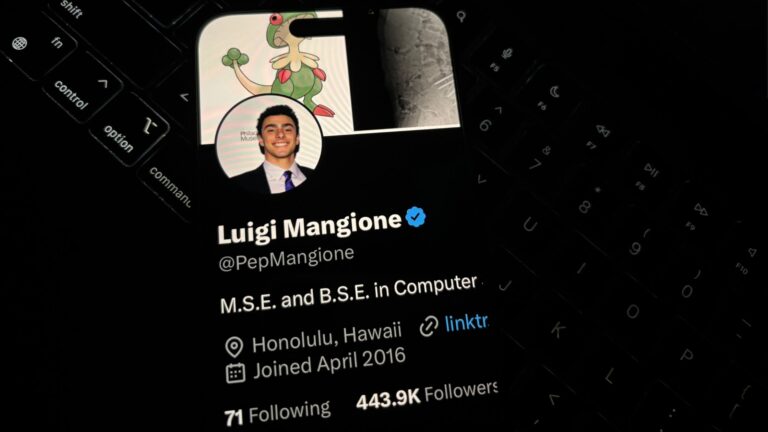
• A to-do list was found when Luigi Mangione got arrested.
• The note showed steps he planned to avoid capture.
• It mentioned hiding money, packing luggage and changing cars.
• Travel plans suggested a route out of the country.
• These items tie to the killing of UnitedHealthcare CEO Brian Thompson.

Inside Mangione’s To-Do List

Luigi Mangione sits in a courtroom this week as new details emerge. Police found a to-do list on him when they arrested him last month. Court documents reveal that list and his travel plans. These clues show what he may have done after UnitedHealthcare CEO Brian Thompson died last year.

First, officers stopped Mangione near his home. They spotted a small piece of paper in his pocket. That paper listed tasks he wrote down by hand. In addition, they recovered phone records with flight searches and hotel bookings.

On the to-do list, Mangione wrote simple steps. He planned to burn documents, withdraw cash and swap cars. He also noted “pack bag” and “leave town tonight.” Each line looked like a guide to flee. Moreover, the list named several cities where he could hide.

What the To-Do List Shows

The to-do list paints a clear picture of Mangione’s state of mind. For one thing, it shows he wanted to cover his tracks. Also, it suggests he feared getting caught. Court experts say this behavior points to guilt. Therefore, investigators treat the list as strong evidence of his intent.

In addition, the list stood out because it mixed small details with big moves. It named specific amounts of cash to stash and a timeline for each action. For example, it said “withdraw $2,000 by noon” and “meet contact at 3 PM.” Such precise notes hint at careful planning. Meanwhile, investigators compare these notes to bank withdrawals and text messages.

Travel Plans and Escape Steps

Alongside the to-do list, police found digital records of Mangione’s travel plans. They saw searches for flights to nearby countries. In one search, he looked up overnight ferries to Mexico. He also bookmarked rental car sites in border towns. These steps match items on the to-do list.

Furthermore, the list included “get passport” even though he never applied for one. That detail puzzles experts. They wonder if he hoped to use a fake document. If so, he may have planned to cross borders without ID. Court testimony will explore how he meant to manage this.

Courtroom Drama and Reactions

During a hearing this week, prosecutors displayed both the to-do list and travel records. They argued these items show Mangione tried to escape after the killing. Defense lawyers say the list is just notes for a road trip. They claim some lines are unclear and out of context.

However, several witnesses told the court they saw Mangione in a heated argument with Brian Thompson before the killing. One co-worker said Mangione seemed angry about a recent demotion. They say he left the meeting room abruptly. That moment may have triggered the crime.

Meanwhile, family members of the slain CEO watched the hearing with tension. They think the list proves Mangione knew he would be blamed. In their view, he tried to hide and avoid arrest. In response, the defense plans to call mental health experts. They will testify that Mangione may have been confused and stressed.

Breaking Down Key Items

In simple terms, here are the main parts of the to-do list and why they matter:

• Hide cash and documents

He wrote down amounts of money to hide. He also noted “destroy email printouts.” This shows he feared digital proof.

• Change vehicles

He listed times to switch cars. That step would slow down any police chase.

• Pack bag and phone charger

He stressed “phone charger” on the list. He knew he might need his phone on the run.

• Book flight or ferry

He searched travel sites just days after the killing. This links the list to his real plans.

• Get fake ID?
He wrote “passport?” with a question mark. That hint suggests he thought about false papers.

The Role of Professional Insight

Legal analysts say that a to-do list like this carries weight in court. They explain that such lists show intent and planning. In criminal cases, proving intent is crucial. Therefore, the list helps prosecutors argue that Mangione did more than act on impulse.

Meanwhile, defense experts may argue that people often jot down random reminders. They might say that Mangione meant to travel on a business trip. They will point out any vague wording on the list. For example, the question mark after “passport” could mean he forgot whether he had one.

Next Steps in the Case

The trial will continue next month. At that hearing, both sides will debate the meaning of the to-do list. Prosecutors plan to call computer experts to explain the travel history. They will link it directly to lines on the paper.

Also, witnesses will testify about Mangione’s actions on the day of the killing. That will help place him at the scene. If the court accepts the to-do list as evidence of planning, Mangione could face harsher penalties. On the other hand, if the defense creates doubt, he might earn a lighter sentence.

Why This Matters to You

This court fight shows how a simple note can become key evidence. Even scribbled lists can tell a lot about a person’s plans. For students and readers, it is a reminder to think before writing down sensitive details. Digital or paper notes can link directly to real events.

Moreover, the case highlights the power of small clues in big investigations. Detectives and lawyers look at every word. As a result, what seems like a private reminder can turn into proof in court. Therefore, anyone facing legal questions should avoid writing plans that may harm their case.

FAQs

What did the to-do list contain?

The to-do list named steps like hiding cash, destroying documents, switching cars and packing a bag. It also hinted at travel actions.

Why is the to-do list important?

It shows how Mangione may have planned to avoid capture. Legal experts say it proves intent and careful planning.

Did the list include real travel plans?

Yes. Investigators found matching flight and ferry searches on his devices. That record ties directly to notes on the list.

What happens next in the trial?

Next month, the court will hear expert testimony on the list and travel data. The judge will decide how much weight to give this evidence. Source: https://www.nydailynews.com/2025/12/09/luigi-mangiones-notes-to-self-pluck-eyebrows-keep-momentum-fbi-slower-overnight/

Bronx Teen Murder Sentence Sparks Community Talk

0


Key Takeaways:

  • A 16-year-old from the Bronx received a harsh prison term.
  • They were sentenced to 12 years to life for murder.
  • They also got 1 to 3 years for attempted murder.
  • Bronx Supreme Court Justice Gayle Roberts issued the ruling.

Bronx Teen Murder Sentence Explained

A 16-year-old teen stood in Bronx Supreme Court and heard a life-changing judgment. Today, Justice Gayle Roberts handed down a Bronx teen murder sentence of 12 years to life. In addition, the teen faces 1 to 3 years for attempted murder. The verdict has startled many and raised deep questions about youth crime.

First, the judge spoke firmly. She said the murder was brutal. Moreover, she noted the attempt on another person’s life. Consequently, she packed both penalties into one sentence. This Bronx teen murder sentence shows that courts treat serious teen violence as adult crime.

The Crime and Arrest

In late evening hours, police found two injured people on a Bronx street. One victim later died in the hospital. Investigators quickly gathered evidence. Witnesses described a 16-year-old attacker with a sharp weapon. Within hours, officers arrested the teen nearby.

During questioning, the defendant gave few details. However, detectives traced the weapon and phone records. These records tied the teen to the scene. As a result, the young suspect faced charges for both murder and attempted murder.

Throughout the trial, prosecutors painted a grim picture. They showed video clips and photos of the crime scene. Meanwhile, defense lawyers argued for leniency. They stressed the teen’s age and home life. Nevertheless, the jury found the defendant guilty.

The Court Decision

Bronx Supreme Court Justice Gayle Roberts led the sentencing hearing. She praised the jury for a fair outcome. Then, she turned to the family of the victim. She expressed sorrow for their loss. Next, she addressed the defendant directly.

Justice Roberts said, The murder’s cruelty demands a strong response. She highlighted community safety. Thus, she handed down the Bronx teen murder sentence: 12 years to life. For the attempt that failed, she added 1 to 3 years. She also ordered the sentences to run at the same time.

The defense team asked for a lighter term. They pointed out the teen’s troubled past. They noted school struggles and mental health issues. However, the judge remained firm. She explained that serious violence requires accountability.

How the Sentence Works

A sentence of 12 years to life means the teen must serve at least 12 years in prison. After that, they can ask a parole board for release. However, parole is not guaranteed. The board will review behavior, remorse, and rehabilitation.

Meanwhile, the 1 to 3 years for attempted murder also applies. Because both terms run together, the teen serves them at the same time. Therefore, the total minimum stay remains 12 years.

In addition, the court may impose fines or community service. Yet, the focus will be on prison time. This Bronx teen murder sentence aims to protect the public. It also sends a message that violent acts carry serious punishment.

Community and Family Reactions

The victim’s family attended the hearing. They wept when the judge announced the sentence. One relative said, We feel some relief, but nothing brings them back. They thanked the court for its decision.

Local community leaders voiced mixed feelings. Some applauded the tough stance. They said it deters teen violence. Others worried the sentence was too harsh for a minor. They called for more youth programs to tackle root causes.

Neighborhood groups plan to hold a vigil. They hope to raise awareness about knife crime. They also want better mental health services in schools. Meanwhile, some activists demand a review of sentencing laws for teens.

Supporters of the sentence argue that justice serves both victims and offenders. They claim tough sentences can push young people toward self-reflection. They add that prison programs teach skills and discipline.

What Happens Next

The teen will enter a juvenile intake center first. Then, a judge will decide whether to send them to an adult prison. Given the sentence, the likely outcome is adult custody.

Defense lawyers may file an appeal. They could argue the sentence violates teen rights. However, past cases show high courts rarely reduce violent crime terms.

Once in prison, the teen can access education and counseling. Good behavior might earn credits for earlier release. Yet, low marks or infractions could extend their stay beyond 12 years.

Families of both the victim and the defendant will face years of struggle. The victim’s loved ones cope with loss. The defendant’s family bears the weight of guilt and hope for change.

Broader Implications

This Bronx teen murder sentence highlights larger issues. First, teen violence remains a major concern in many cities. Second, courts balance punishment with rehabilitation. Third, communities seek ways to prevent such tragedies.

Experts say early intervention can help. School counselors, social workers, and after-school programs reduce risks. Moreover, mentoring can guide teens away from crime.

Lawmakers might review juvenile justice laws next year. They may explore raising the minimum age for adult trials. Or they could expand diversion programs for first-time offenders.

No single solution will end teen crime. However, collaboration among families, schools, and law enforcement can make a real difference. As a result, young people can grow in safe environments.

Conclusion

In short, the Bronx teen murder sentence sends a clear message. Courts will not overlook violent acts, even by minors. Yet the case also sparks talk about prevention and youth support. Moving forward, communities must work together. That way, fewer teens will face life-altering court decisions.

Frequently Asked Questions

What does a 12-to-life sentence mean for a 16-year-old?

It means the teen serves at least 12 years in prison before parole eligibility. The board reviews factors like behavior and remorse. Parole is not guaranteed.

Can a teen appeal a murder sentence?

Yes, defense lawyers can file an appeal. They may challenge legal errors or sentence severity. Appeals can take months or years to resolve.

Will the teen go to juvenile or adult prison?

Given the seriousness, the judge will likely send the teen to an adult facility. A preliminary hearing decides custody placement based on risk and age.

How can communities prevent teen violence?

They can offer after-school programs, counseling, and mentoring. Early intervention supports at-risk youth. Strong family involvement also helps teens choose safer paths. Source: https://www.nydailynews.com/2025/12/09/teen-sentenced-for-gunning-down-hardworking-immigrant-on-bronx-subway-platform/

Mystery Surrounds Carrie Romney Death

0

Key Takeaways:

  • Carrie Elizabeth Romney was found dead at the base of a five-story parking garage near a shopping mall in Santa Clarita.
  • Authorities are investigating the incident as they search for answers.
  • Family and friends remember her in shock and sadness.
  • No foul play confirmed yet but evidence is being examined.

Residents and shoppers in Santa Clarita woke to shocking news. On October 10, Carrie Elizabeth Romney was found dead. She lay at the base of a five-story parking garage near a busy mall. Almost everyone in this quiet community wanted to know how it happened. At first, authorities said they saw no sign of foul play. However, the case still feels very mysterious.

What We Know About Carrie Romney Death

At outdoor security cameras, authorities reviewed footage from the evening before. They saw Carrie walking into the parking garage. Next, the cameras lost the view of her on the upper floors. Then a witness heard a loud sound around midnight. Soon after, security staff found her at the ground level. They called emergency responders right away. Sadly, she showed no signs of life.

The news of Carrie Romney death shocked many in Santa Clarita. Neighbors wondered if lightning or wind could cause a misstep. However, weather reports showed clear skies and calm wind that night.

Autopsy Results and Initial Findings

Medical examiners ruled Carrie’s death a fall. However, they still need more time to finish tests. They want to know if any medical condition or outside influence played a role. So far, examiners have not found evidence of drugs or alcohol. Also, they saw no signs of an altercation or struggle. Therefore, investigators suspect Carrie climbed the guard rail by mistake. Still, they keep the case open until all details check out.

Who Was Carrie Elizabeth Romney?

Carrie Romney death left a big hole in many lives. She was 27 and lived nearby. Friends described her as kind and outgoing. She worked at a local boutique and studied part time. Many who knew her said she loved art and hiking. She often spent weekends on nearby trails with friends. Moreover, she volunteered at animal shelters on holidays. Family members said she had a bright future ahead.

Community Reaction and Support

After authorities announced the news, locals shared their grief. They left flowers and notes by the garage entrance. Meanwhile, a local diner set up a small memorial table. One neighbor said, “I saw Carrie smiling at me just last week. I still can’t believe she is gone.” Also, friends started a social media group to share memories. They hope this group will keep her spirit alive. In addition, a local counselor offered free sessions to anyone affected.

Investigation Steps Underway

Law enforcement has continued to look for more information. First, they interviewed store employees and security staff. Then, they checked ride share apps for any unusual trips. Next, they are talking to her phone contacts. They want to know if she mentioned feeling unwell or unsafe. Also, officers searched the parking garage for any hidden clues. They used special cameras and tested surfaces for fingerprints. Even though they found no clear suspect, they remain cautious.

As investigators dig deeper into the Carrie Romney death, they also review past safety records. They check maintenance logs and witness interviews to build a clear timeline. This helps them rule out mechanical failures or hidden hazards.

Possible Theories and Expert Views

Experts say falls from parking decks can be deadly. They note that guard rails are often too low. Also, poor lighting and slick floors can increase dangers. Some suggest adding extra safety nets or higher barriers. Others think more cameras could deter accidents. However, it remains unclear if any safety flaw played a role here. For now, experts wait for the full report from medical examiners.

Safety Measures at Local Parking Structures

After this incident, local officials promised reviews of all parking sites. They plan to check barriers and railings first. Then, they will inspect lighting and cameras. Some officials also proposed safety signs. These signs would remind visitors to stay clear of edges. Finally, they want to train security staff to spot high-risk behavior. Together, these steps aim to avoid another tragedy.

Support for Carrie’s Family and Friends

Meanwhile, her family remains affected by the Carrie Romney death. They thanked the community for its support. They released a short statement saying she brought joy to many lives. Also, they invited people to a small gathering in her memory. Friends set up a scholarship fund in her name at a nearby college. This fund will help students who share Carrie’s love for art. In this way, her kindness can inspire others into the future.

What Comes Next in the Case

Investigators said the case remains active. They expect to receive the final autopsy report soon. After that, they will decide if any charges are needed. However, so far they see no sign of crime. If the death stays ruled as accidental, the case may close. Even then, they promise to address any safety issues they find. Meanwhile, the community must cope with a painful loss.

Moving Forward with Caution

People in Santa Clarita are gentle with the ongoing questions. They know authorities do their best. Yet, many still worry about parking garage safety. For this reason, some started petitions for stronger rules. Others called for more police patrols in public places at night. Clearly, people want to prevent future accidents. In this shared effort, hope can turn into action.

Lessons Learned from a Tragic Loss

This incident reminds us how fragile life can be. Moreover, it shows the need for better public safety measures. Families and friends can help by speaking up about hazards. Also, local governments must listen and act fast. Above all, communities must support each other after a loss. In this way, Carrie Elizabeth Romney’s memory can guide positive change.

Ending Thoughts

Though answers may take time, truth will shine through. Meanwhile, we remember Carrie for her warmth and creativity. Her story unites a community in both grief and hope. With careful steps, we can make public spaces safer. In the end, every life deserves thoughtful protection.

Frequently Asked Questions

What happened to Carrie Elizabeth Romney?

She was found dead at the base of a parking garage near a mall. Officials suspect a fall but still investigate.

Has foul play been ruled out?

Authorities have found no signs of a struggle or crime. Yet, they keep gathering evidence to confirm.

Why is the community concerned?

Many remember Carrie as kind and creative. Also, they worry about safety at local parking structures.

What safety measures can prevent such accidents?

Experts suggest higher guard rails, better lighting, and more cameras. Public awareness and training can also help. Source: https://www.nydailynews.com/2025/12/09/mitt-romney-sister-in-law-death-suicide/

Why Stearns Won’t Talk About His Secret Deal

0

Key Takeaways:

  • Stearns stays silent about his secret deal.
  • His refusal fuels public curiosity.
  • Experts question the deal’s impact on transparency.
  • Critics demand clarity and accountability.
  • We unpack what we know and what may happen next.

Stearns keeps quiet about a secret deal linked to his latest project. He refuses to comment or answer questions. As a result, people wonder why he won’t speak up. This silence raises doubts and creates wild theories. Yet, no clear explanation has emerged so far.

The Hidden Reason Behind the Secret Deal

Many believe Stearns hides details to protect his reputation. Others suspect the deal might involve sensitive information. For example, it could affect investors or partners. However, no proof has surfaced to confirm these theories. Meanwhile, Stearns’ silence only deepens the mystery. Consequently, the public demands more transparency.

The Timeline of Events

Stearns announced his new venture six months ago. Soon after, rumors about a secret deal began to spread. Journalists sought interviews but hit a wall of silence. Then, a whistleblower hinted at undisclosed terms. Yet, that source remains anonymous. Now, pressure mounts on Stearns to reveal the truth.

Public Reaction Grows

At first, only a few raised questions. But social media now buzzes with speculation. Fans feel betrayed because they trusted his honesty. Critics argue that a leader must explain key decisions. Parents warn teens about blind loyalty to public figures. Consequently, Stearns faces a storm of doubt.

Expert Insights

Industry analysts say silence can harm credibility. They point out that hiding a secret deal might backfire. Moreover, they stress the importance of transparency in leadership. In addition, legal experts note that full disclosure may prevent future disputes. Therefore, some believe Stearns must speak soon to avoid bigger problems.

What Comes Next

Stearns could hold a press conference to address the issue. Alternatively, he might release a written statement with details. He could also invite an independent auditor to review the deal. Finally, he may choose to remain silent until forced to act. Each path carries risks and benefits.

The Impact on Trust

When leaders avoid tough questions, trust erodes. Teen followers who once cheered Stearns now feel confused. They worry about dishonesty and unfair deals. Thus, trust may take years to rebuild. On the other hand, a clear explanation could restore faith quickly.

Lessons for Young Leaders

Transparency matters most in any project. If you make a deal, be ready to explain it. Doing so builds trust and respect. Conversely, hiding details invites doubt and rumors. So always share important facts with your team.

Moving Forward

Stearns would benefit from open dialogue. He should address key concerns without delay. By doing so, he can calm speculation. Moreover, he can show he values honesty and fairness. That approach could end the secrecy cloud and start a fresh chapter.

Frequently Asked Questions

What exactly is the secret deal about?

The details remain unknown because Stearns has not commented. Reports suggest it involves terms that might affect partners or investors.

Why won’t Stearns speak on this issue?

Stearns has not given a clear reason. Some think he wants to protect sensitive information, while others worry it could harm his public image.

Could the secret deal hurt Stearns’ reputation?

Yes. Silence often breeds doubt and mistrust. If Stearns does not clarify soon, critics may drive further negative rumors.

How can Stearns regain public trust?

He can share the deal’s key points, answer questions directly, and involve independent reviewers. Open communication tends to rebuild confidence. Source: https://www.nydailynews.com/2025/12/09/mets-david-stearns-edwin-diaz-winter-meetings/

DOJ Must Defend Religious Freedom at Park East

0

Key Takeaways

• Kenneth L. Marcus warned that Park East Synagogue faces a clear violation of religious freedom.
• Federal law protects all houses of worship from government limits on their practices.
• The Justice Department has a duty to step in and stop the protest at Park East.
• Simple actions by DOJ can uphold religious freedom and set a strong example.

Defend Religious Freedom at Park East

Kenneth L. Marcus wrote an op-ed about a protest at Park East Synagogue. He pointed out how federal law protects religious freedom. Yet he did not spell out what the Justice Department should do next. Now people wonder how the DOJ will act.

How DOJ Can Protect Religious Freedom

First, the Department of Justice can issue a clear statement. It should remind local authorities that they cannot limit worship services. Second, DOJ can investigate any threats or harassment at the synagogue. Third, DOJ can offer guidance to police on managing protests near houses of worship. By doing so, DOJ would show it takes religious freedom seriously.

What the Op-Ed Explained

Marcus explained a federal law that applies to synagogues, churches, and mosques. This law bars any government power from denying worship rights. He wrote that a protest outside Park East made worship risky. Moreover, he argued the government must step in when people’s faith life feels threatened.

Why Religious Freedom Matters

Religious freedom lets people choose their beliefs and practice them openly. It builds trust in a diverse society. Further, it protects communities from unfair treatment. Without it, places of worship could face growing pressure and fear.

Key Steps DOJ Can Take

Clarify Rights

The DOJ can send clear guidance to police and local officials. This guidance can state that protests cannot block synagogue entrances. It can also forbid harassing worshippers.

Open an Investigation

Next, DOJ can open a civil rights investigation. It can gather facts on the protest at Park East. Then it can decide whether to file charges against lawbreakers. This step would show the law has real power.

Offer Mediation

Additionally, DOJ can offer to mediate between the synagogue and protest groups. Mediation can ease tensions and find common ground. It also gives the synagogue a voice in resolving the conflict.

Provide Training

Finally, DOJ can host training sessions for police on religious freedom. Training can cover how to protect worshippers and manage protests. It can stress respect for all faith communities.

What Happens Next at Park East

Local police must follow any DOJ guidance. They can work with synagogue leaders to ensure safety. Meanwhile, community members can speak up for peaceful worship. With federal backing, they can prevent future clashes.

Why This Matters for All Houses of Worship

This is not just about one synagogue. The same law protects churches and mosques. Thus, DOJ action here can protect many religious sites. It can send a message: government cannot silence worship.

A Clear Message on Religious Freedom

When the Justice Department acts, it sends a strong signal. It tells local authorities to respect worship rights. It tells protesters they cannot break the law. Ultimately, it reminds everyone that religious freedom is a core American value.

Moving Forward

Synagogues, churches, and mosques deserve safe spaces for worship. DOJ must show it stands ready to defend those spaces. Community leaders should stay in touch with federal officials. Together, they can guard our shared right of religious freedom.

Frequently Asked Questions

What law protects religious freedom at Park East?

Federal civil rights law bars governments from limiting any religious worship. It covers synagogues, churches, mosques, and other houses of worship.

How can DOJ act against the protest?

The Justice Department can issue guidance, investigate civil rights violations, offer mediation, and train police on protest rules.

Why is religious freedom important?

Religious freedom lets people freely choose and practice their faith. It strengthens trust in diverse communities and protects against unfair treatment.

What role do local police play?

Local police enforce public safety. With DOJ guidance, they must also protect worshippers from harassment and ensure peaceful protests. Source: https://www.nydailynews.com/2025/12/10/readers-sound-off-on-religion-protections-ice-recruits-and-fur-farms/