
59.5 F
San Francisco
Friday, June 26, 2026
Home Blog Page 1472

North Carolina GOP Bigwigs Aim to Roll Back Democratic Power

0

Key Takeaways:
– North Carolina Republicans are attempting to diminish the powers of the newly elected Democratic state officials.
– The GOP-controlled state Senate successfully overrode Governor Roy Cooper’s veto, but the House vote remains uncertain.
– Tricia Cotham’s defection to the Republican Party last year facilitated the GOP supermajority enabling them to pass legislation against Cooper’s objections.
– Presently, the GOP has lost the supermajority, with Democrats retaining key positions including the governor’s mansion and attorney general seat.
– The controversial bill, #SB382, seeks to shift significant powers away from the Democrats, including the appointment of the state Board of Elections and cases’ representation against the legislature.

GOP’s Dwindling Power in North Carolina

Despite losing their supermajority, North Carolina Republicans are battling to maintain control. They strategize to curb the powers of the incoming Democratic state officials. It’s like a cloak and dagger game, where they’re trying to see what they can get away with before the new officers settle in and balance shifts.

Senate Overturns Governor’s Veto

The move gained momentum as the GOP-controlled state Senate managed to overturn the governor’s veto. But victory isn’t singing their names yet. The bigger test lies in the House. The nerves are thin; the GOP isn’t sure of swaying enough votes in their favor.

Republicans Lose Supermajority

It wasn’t always like this. The GOP once boasted a supermajority, thanks to Tricia Cotham flipping to their side. Her switch gave Republicans just enough ballast to outvote Governor Roy Cooper on several key issues, including a contested abortion ban.

But times have changed. In the recent elections, the Democratic Party made a solid comeback. They held onto the governor’s office, won the attorney general’s seat and snatched two vital posts – the lieutenant governorship and state superintendent office. The GOP’s supermajority evaporated, leaving them scrambling to retain their influence.

Controversial Bill SB 382

A losing battle doesn’t mean they won’t try. The GOP pushes to pass a bill that could undermine the Democrats’ power significantly. Known as SB 382, the bill harbors multiple power-shifting provisions.

Accordingly, it seeks to pass the baton of appointing the state Board of Elections from the governor to the state auditor, a known Republican. The same bill also argues for stripping the attorney general’s capacity to represent the legislature in law cases.

Additionally, SB 382 aims to limit the superintendent’s authority over charter schools. It flushes out judicia districts of certain state judges deemed as consistent Republican opposers. Lastly, the bill intends to slash the days voters have to rectify defective ballots—a move seen as a counter against Browning Democrats’ edge in close races.

Adding a Sweetener to the Bitter Pill

To sweeten the deal and gather broader support, the GOP attached a disaster relief clause to SB 382. The clause promises give aid to regions affected by Hurricane Helene. However, Governor Cooper swiftly doused its charm. He vetoed the bill, stating it didn’t provide adequate relief to the disaster-stricken areas.

Waiting for the Final Verdict

While the state Senate has silenced Governor Cooper’s veto, it hangs in balance in the House. Five days from the vote and the GOP finds itself on shaky ground. Time will tell if they can carry the day or if the tide will turn in favor of the Democrats. What’s clear is, the political landscape in North Carolina is in for some reshaping. The upcoming House vote will set its course. This game of power isn’t a simple tag match; it’s a fierce battle between titans, and the results will echo in North Carolina for years to come.
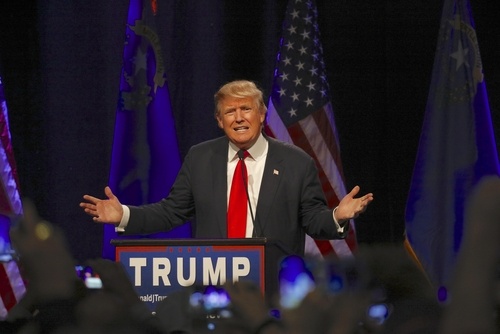

Trump’s Delayed Transition: A Hurdle for Early Achievements

0

Key Takeaways:

– President-elect Trump’s transition has been slower than those of previous administrations.
– The sluggish pace may affect the swift implementation of his plans.
– The delay gives new nominees less time to understand complex policy matters.
– The transition is being run entirely with private funds, a move that may lead to problems later on.

Waiting Game Tests Patience

When a new President takes office, transitions are typically brisk. President-elect Donald Trump, however, seems to be trailing with his transition, causing speculation that his first 100 days may lack significant achievements.

Transitions Matter

Speedy transitions are more than a matter of tradition. They allow incoming Cabinet members to get familiar with complex policy matters during the agency review process. For Trump, his promised light-speed action on his agenda could be hampered by this delay.

The Impact of Delays

The slow pace of Trump’s transition process has put him almost a month behind previous administrations. This situation means not only a delay in confirming his Cabinet members but also a shortfall in their preparation, a concern that has been echoed by Kathleen Sebelius, former Health and Human Services Secretary under President Barack Obama.

Why Experience Matters

Sebelius warned of potential difficulties for Trump’s nominees due to their lack of experience with large bureaucracies. Agencies such as the Health and Human Services, with a workforce of approximately 80,000 people and 13 different sub-agencies, requires deep understanding and experience. With less time for preparation, incoming appointees might find it challenging to adjust rapidly.

Breaking from Tradition

The General Services Administration (GSA) usually funds presidential transitions. This time, though, Trump’s team has chosen to transition with private funds by opting not to submit GSA paperwork. This deviation from the norm could be a thorny issue for the incoming administration, warns Valerie Smith Boyd, director of the Center for Presidential Transition.

A Handover Dilemma

Boyd indicates that in usual circumstances, agencies would be ready to share unclassified information. But in the absence of a GSA-secure network, agencies will need to create their own special protocols. This could pose a big challenge, especially when handling sensitive information, like law enforcement data.

What’s Ahead

As Biden’s transition team experiences delays from Trump’s insistence on a privately funded transition, there’s speculation about the potential impact on the effectiveness of his administration once he takes the reins on January 20th. Will this result in a slower start than planned? Or will President-elect Trump and his team be able to make up for lost time once they are at the helm? Only time will tell!

As a final thought, it is notable that transitions are not just about a transfer of power but also a transfer of knowledge. Transparency, cooperation, and preparedness during this crucial period can determine the efficiency and effectiveness of an incoming administration. As we track Trump’s transition journey, it’s worth keeping all this in mind.

Trump’s Pre-Inauguration Activities Impact Biden’s Last Mile Diplomacy

0

Key Takeaways:

– President-elect Donald Trump’s early involvement in international affairs is interfering with President Joe Biden’s end-term initiatives.
– President Biden is fighting to consolidate peace in the Middle East as his final term comes to a close.
– Trump’s intrigues even before his official inauguration may be influencing Middle Eastern governments’ relationship with the Biden administration.
– Some countries are reportedly delaying beneficial policies, envisaging Trump’s readiness to take credit.

Trump’s Early Involvement Hinders Biden’s Last Moves

As Joe Biden’s presidency approaches its end, he is facing mounting difficulties due to President-elect Donald Trump. Although Trump’s inauguration isn’t scheduled until January 2025, his pre-term activities are already complicating Biden’s final days on the world stage.

Shaping Peace in the Middle East

In the hopes to add to his legacy, Biden is rushing to drive several peace initiatives in the Middle East. These actions aim to broker a cease-fire deal in Gaza, hold a fragile truce in Lebanon, and diffuse an escalating situation in Syria. However, Trump’s early foray into global politics is thwarting these objectives to a certain extent.

According to reports, Trump is not remaining on the sidelines while waiting for his official inauguration. He has begun prematurely engaging with Middle Eastern leaders, voicing his opposition to regional conflicts, and even appointing individuals to Middle Eastern roles. In fact, it’s said that one of Trump’s future representatives has already embarked on a diplomatic journey to the region.

Impact on Middle East Relations

This unexpected flurry of activity from Trump is apparently changing how Middle Eastern governments interact with Biden and his aides. The early involvement has led to mixed results for Biden’s 11th-hour diplomatic efforts. According to some American officials, a few countries in the Middle East are holding out on adopting beneficial policies. This hesitation is due to the notion that Trump would be willing and eager to take the resulting credit.

Compounding Biden’s Legacy

A clear illustration of this dynamic is seen in the approach taken by the Palestinian Authority. They have implemented some reforms under Biden’s administration but have refrained from altering their controversial ‘pay-for-slay system.’ This initiative, disliked by Israelis, provides financial aid to families of Palestinians who get wounded, killed, or imprisoned while committing acts of violence against Israelis.

The wait-and-see approach by the Palestinian Authority and possibly others is understood by Biden’s administration. Yet it’s clear that these tactics are not aiding Biden’s efforts to secure a lasting legacy.

In Conclusion

As the clock ticks down on Joe Biden’s presidency, President-elect Donald Trump’s early maneuvers have brought an unexpected twist to the White House’s final diplomatic efforts. While Biden is juggling peace initiatives in the Middle East, Trump’s aggressive pre-inauguration activity seems to be having an impact. His early moves are not only catching the attention of Middle Eastern governments but might be influencing their dealings with Biden’s administration. This complicates attempts to implement key initiatives—the ramifications of which will only truly be understood once the dust has settled on this transition period.

DeSantis Exhibits Discomfort As Possible Defense Secretary As Trump’s Team Probes

0

Key Takeaways:

– Trump’s team considers Florida Gov. Ron DeSantis if nominated Defense secretary Pete Hegseth is rejected.
– Hegseth faces allegations of public inebriation and sexual assault.
– DeSantis likely feeling awkward as his dreams of being a GOP presidential candidate seem to be slipping away.
– Critics claim DeSantis and Trump share a craving for power, often at the expense of marginalized people.

The name of Florida Governor Ron DeSantis is being tossed in the mix for secretary of defense by Donald Trump’s team. This possibility is being considered if Pete Hegseth, the nominee for the position currently undergoing a rough patch, fails to get approved.

DeSantis Under Study

Hegseth, earlier a personality with Fox News, is in a scramble to gather the support of GOP senators. His task is made challenging with allegations of public intoxication and sexual assault hanging over him. DeSantis, who once had dreams of becoming the GOP presidential nominee, is likely feeling awkward in the circumstances.

As Brandon Wolf of the Human Rights Campaign put it, it must be frustrating for DeSantis. From fancying himself as the next president of the United States and censoring his own party people for sucking up to Donald Trump, he now finds himself as a reserve for a Fox News host. Wolf added that DeSantis’ current situation is even more awkward because Hegseth is battling issues with alcohol.

The Trump-DeSantis Bond

Wolf further suggested that particular traits in DeSantis are appealing to former President Trump. Above all, DeSantis’ self-obsession, which rivals Trump’s, stands out. Furthermore, DeSantis’s hunger for power is evident in his actions and matches Trump’s inclinations.

In Wolf’s words, DeSantis can be seen as perpetually power-hungry and ready to do anything to acquire it. It is also pointed out that DeSantis has, without hesitation, used immigrants for political gains. He is also known for using government agencies against enterprises that disagree with his policies.

A Career Built on Fear

Wolf pointed out that DeSantis’s political journey is marred by fearmongering tactics employed on marginalized sections of society. The governor, according to Wolf, does not really care about making lives better but instead focuses on gaining and maintaining power. He has repeatedly leveraged his position at the expense of others.

These claims suggest a man who values his political ambitions over the welfare of those he governs. DeSantis’ actions, critics argue, don’t speak of a leader dedicated to improving lives, but of a power-hungry politician concerned only with consolidating his position.

Interestingly, even as DeSantis is possibly being considered for secretary of defense, it should be remembered that the opportunity comes not out of recognition of competence, but as a fallback option. How DeSantis plays his cards, from being a presumable presidential candidate to a possible second choice cabinet member, remains to be seen.

To Conclude

The unfolding events present an interesting turn for DeSantis’s political career. From his dreams of becoming the next U.S president to possibly accepting a position in Trump’s team, the shift demonstrates a complex political landscape filled with intriguing developments and power plays.

Time is Running Out: Understand the Pros and Cons of Medicare Advantage Plans

0

Key Takeaways:

– The enrollment period for Medicare Advantage plans ends December 7th. If you opt for this, you’re committed till the next year.
– Medicare Advantage, created in 2003, is not real Medicare. The plans are private health insurance provided by corporations.
– Medicare Advantage plans can involve hurdles such as pre-approvals and can result in a denial of claims, leaving policyholders to pay out-of-pocket.
– Medicare Advantage plans often include additional benefits like dental and hearing care; however, the funds for these are often underutilized.
– Medicare Advantage plans may seem enticing, but the reality is often more complex and challenging than anticipated.

What’s Medicare Advantage All About?

Medicare Advantage was birthed in 2003 by George W. Bush and his colleagues. These plans are not real Medicare. Instead, they’re private health insurance provided by private corporations. These companies are paid by the Medicare trust fund, whether or not customers use their insurance.

The big difference? With real Medicare, you get medical services as prescribed by your doctor and the bill is directly paid by Medicare. On the other hand, Medicare Advantage plans involve a “pre-clearance” process. This means that the insurance company must pre-approve the medical help you need.

Understanding the Challenges with Medicare Advantage

Medicare Advantage often has a darker side. Companies deny claims — almost 18 percent — resulting in policyholders choosing to forego necessary procedures or pay for them out-of-pocket. These numbers reveal a rough reality for those expecting smooth coverage.

To compete with real Medicare, Congress enabled Medicare Advantage plans to offer additional benefits. These could include free or discounted dental, hearing, eyeglasses, gym memberships, groceries, rides to the doctor, and even cash rebates.

Transparency Issues with Medicare Advantage

The downside is that Medicare Advantage plans leave an enormous amount of unused funds. For instance, only 11 percent of policyholders who had plans offering dental care actually used that benefit. Many freebies offered to policyholders go unused leading to billions left unspent every month.

The coverup? Companies won’t disclose to the government how much of the reimbursed money they’ve spent. Thus, it remains unclear where these funds are really going.

The Big Picture for the Future

Internal debates propose that if the Medicare Advantage scam didn’t exist, real Medicare could be expanded to cover dental, vision, and hearing, negating the necessity for Medigap plans. However, for now, the wheel of privatization continues to spin.

Advice for Medicare Advantage Policy-holders

If you were persuaded by the appealing ads for Medicare Advantage, you have three more days to reconsider and revert back to real Medicare. Remember, once you opt for a Medicare Advantage plan, you’re locked in until the next year. It’s important to assess your needs, examine the pros and cons, and make an informed decision for your healthcare coverage.

The Bottom Line

While enticing ads may draw you towards the perceived benefits of Medicare Advantage, it’s necessary to look beyond the surface. Remember, Medicare Advantage is private insurance with its own set of rules. Opting for real Medicare might provide a smoother, more straightforward avenue for healthcare services.

Choosing healthcare coverage is a significant decision. Make sure to take your time and do your research. Weigh all your options before taking the leap. Your health and peace of mind depend on it.

As 2025 Nears, Fear Rises Over the Future of U.S. Leadership

0

Key Takeaways:

– Fears are mounting over the potential return to power of a dishonored figure known for misdeeds against the environment, society, and law.
– The ‘business as usual’ nature of the Democrat leadership renewal has disappointed many, with 74-year-old Chuck Schumer and 79-year-old Dick Durbin again holding power.
– Calls are increasing for fresh, young leaders to step up within the Democratic Party.

A Concerning Future for America

An unsettling tale of fear and loathing is brewing throughout the United States as the year 2025 fast approaches. A scenario is being painted where a notorious convict, notorious for various detestable acts, could regain power, causing shockwaves throughout the free world. This man, who was found guilty of severe injustices against women, now holds the potential to dictate their fates. His casual dismissal of climate change, and a history of blatant tax evasion and deceit, provokes a sense of impending doom among numerous American citizens.

Potential Environmental and Economic Fallout

The convict’s indifference towards the climate crisis might lead to disastrous consequences for Mother Earth. He could potentially exploit the environment for profit, neglecting the pressing need to slow down climate change. This can result in a turbulent economic disaster and potentially irreparable environmental damage.

Supreme Court in the Balance

The bought-out Supreme Court might condone his manipulations, placing the United States in jeopardy. His reign could possibly encourage oligarchs and billionaires who have played instrumental roles in securing his power, favoring them over the needs of ordinary American citizens.

Silent Warnings from the Capitol

Inside the Capitol Building, the site of the 2021 attack, a quiet meeting stirred feelings of unease among Americans. The minority Democrats held a closed-door session, revealing that their strategy would not change despite the looming threats. An aura of ‘business as usual’ signals more of the same, dismaying many wishing for impactful action.

Democratic Leadership Renewal Under Scrutiny

Just shortly after a defining election, the Democratic Senate’s leadership remains largely unchanged. Chuck Schumer continues to lead the team, with Dick Durbin assisting him. This decision to persist with the same leaders, rather than encouraging fresh faces and voices, has stirred discontent among citizens hoping for change.

Lost Opportunity for New Leadership

Many believe this to be a lost opportunity to bring in new leaders who could inspire voters and meet their expectations. These leaders should ideally be capable of defending the country against potential threats and taking decisive action when required. However, the old guard continues to control the reins, leading to disheartenment among many Americans.

The Importance of Democratic Participation

With millions of Democrats reported to have stayed at home during the last election, these unsettling events emphasize the urgent need for citizens to engage actively in the political process. Greater political participation could potentially pressure the political landscape to be more receptive to the public opinion, leading to the elevation of more adaptable and progressive leaders.

Schumer’s Dubious Assurance

Following the secretive vote, Schumer assured Americans of the Democrats’ commitment to standing up for their values, promising cooperation where possible but also assertiveness when necessary. However, with the current outlook, only time will tell if these words hold true. The alarm bells continue to ring loud and clear, reminding us all of the importance of vigilant citizenship.

In Conclusion

As we march towards 2025, the political landscape remains fraught with tension. With calls for change growing louder, it is essential for fresh, dynamic leaders to step up and guide the nation through this critical era. The challenges are clear – it’s time for action, not just words.

Critical Syrian City Homs Falls into Rebel Hands, Unsettling Assad’s Reign

0

Key Takeaways:

– Syrian government forces lose control over the significant city of Homs.
– The insurgents are continuing their approach towards the capital, Damascus.
– The rapid crumbling of government defenses has increased since the rebels’ capture of Aleppo.

Homs Slips from Government Grasp

In a striking turn of event, Syria’s government forces handed over the central city of Homs to rebel groups on Saturday. This surprising retreat from the embattled city came after a single day of intense conflict. The fall of Homs, a crucial location in Syria, signifies a severe blow to President Bashar al-Assad’s 24-year-old rule, which now hangs in precarious balance.

Damascus in the Line of Fire

The relinquishing of Homs brings forth a new wave of predicament for Assad’s regime as the rebels are steadily paving their path towards Damascus, the capital. The rebels’ relentless victory leaves the capital more open to attack than ever before, heightening the risk for President Assad’s long-standing hold on power.

Aftermath of Aleppo’s Fall

The rebel forces took over Aleppo just a week ago. This takeover marked a significant shift in the tide of the Syrian civil war. Since then, the government’s defenses have been swiftly chipping away. The insurgent groups have been successful in capturing a host of major cities and rekindling rebellions that had long been thought dead.

A Rapid Domino Effect

The government’s losses and the rebels’ victories are happening at a startling pace. The domino effect created by the takeover of Aleppo and Homs has led to a titanic shift in power dynamics at the war-front. It seems the rebels are not only gaining ground but also momentum, shaking the core of the government’s already unstable defense system.

The Echoes of Rebellion: A Resurgence

What adds to the insurmountable pressure on Assad’s regime is the resurrection of long-run rebellions. Places which had been silent for a long period are now echoing with voices of dissent. The rebels’ victorious streak seems to be revigorating the near-dead rebellions, making the crisis at hand more complex and challenging.

A Frail Regime on the Brink

With a significant city like Homs out of its control and the rebels pushing towards the capital, President Assad’s reign is teetering on the edge. The erosion of government defenses at such a rapid speed reveals the fragile state of the current regime.

In the upcoming days, all eyes will be on the decisive steps the Syrian government will take to regain control and assert itself. For now, the scars of a lost city and the shadows of advancing rebels loom gravely around President Assad’s regime.

Shifts in the Syrian Crisis: Opposition Forces Edge Closer to Capital

0

Key Takeaways:

– Syria’s opposition forces are preparing to besiege Damascus.
– Several key cities in the western and southern regions of Syria have been abandoned by the army.
– Heightened security presence has sparked apprehension among Damascus residents.
– The state news channel denied speculation regarding President Bashar Assad’s departure from Syria.

Opposition Forces Poised to Take Damascus

Unexpected winds of change are stirring in Syria as opposition forces are rapidly advancing towards the capital, Damascus. A swift turn of events in the ongoing crisis has left global observers surprised and tense.

In the midst of the escalating situation, Syria’s army has reportedly retreated from a host of critical cities in their western and southern territories. With little resistance, these strategic locations are left at the mercy of the advancing opposition forces.

Damascus Residents on Edge

With these dramatic shifts in control, the atmosphere in Damascus has turned quite tense. Its local inhabitants speak nervously of a significant increase in security on the streets.

Armed forces and local law enforcement are highly visible. This increased show of force perceived as an attempt to create a sense of security, is having the opposite effect, escalating local fears and creating an atmosphere of impending danger.

Rumors about President Assad’s Whereabouts

Adding further turbulence to the already swirling situation, rumors crept into the public domain hinting at President Bashar Assad’s abrupt departure from the country. These claims suggest that the leader might have silently slipped away in the face of the mounting opposition threats.

However, the state news agency promptly dismissed these rumors. The dismissal intended not only to quell the circulating gossip but also to reassure the populace, and the President’s followers, that Assad remains in place and in control.

Implications and Predictions for Syria

The cresting waves of the opposition forces and the subsequent abandonment of key cities imply a significant shift in the balance of power in Syria. These changes could have far-reaching implications for not only the nation but also its regional neighbors and international allies.

While the exact repercussions of these developments remain somewhat unpredictable at this point, the current sequence of events could alter the geopolitical landscape of Syria significantly.

Loss of key territories to opposition forces often indicates a diminishing grip of the governing power, raising questions about the stability and future of Assad’s regime.

In summary, the recent squeeze on Syria’s capital by opposition forces, the abandonment of critical cities by the national army, and heightened security fears in Damascus mark a shocking development this turbulent nation. As the smoke of rumors surrounding President Bashar Assad’s whereabouts continue to rise, the international community watches warily, waiting for clarity in these cloudy times.

The unfolding crisis undoubtedly carries with it global implications, emphasizing the importance of continued monitoring of the shifts in Syria’s geopolitical landscape. Even as the state news agency denies claims about President Assad’s departure, the world remains keenly engaged with the evolving situation, anxious to see how the winds of change will truly affect this critical Middle Eastern stronghold.

Trump Disturbed by Allegations Against Pentagon Pick Pete Hegseth

0

Key Takeaways:

– Donald Trump’s choice for Defense Secretary, Pete Hegseth, faces multiple accusations.
– These allegations include sexual assault and a drinking problem, all of which Hegseth denies.
– Trump encouraged Hegseth to fight his own battle for approval from Republican Senators.
– Trump, a lifelong teetotaler, is particularly concerned about Hegseth’s alleged drinking issue.
– The President-elect has started discussing a backup plan with Florida Governor Ron DeSantis.

Reports about Pete Hegseth, Former Fox and Friends co-host nominated by Donald Trump to lead the Pentagon, have caused significant concern for the President-elect. Hegseth, his selection for Defense Secretary, confronts various accusations, ranging from sexual assault to issues with drinking. Despite these allegations, Hegseth has firmly stood his ground, denying any truth to these claims.

Trump and Hegseth’s Ordeal

On the road to becoming Defense Secretary, Hegseth has to win over Republican Senators, a path less travelled as opposed to having support directly from the President-elect. However, Trump has notoriously refrained from championing his picks strongly. With Hegseth’s emerging controversies, Trump has decided to stay low and not push too hard for his selections.

No Substance to Be Found, Says Hegseth

Hegseth, who dismissed the accusations against him, has been largely left alone by Trump to fight his own battles. Trump’s focus, it appears, has shifted to preserving his position if his selections draw back or fail in winning approval. This approach turns the spotlight on Hegseth, putting him in the hot seat to prove his capability and integrity.

Trump Troubled by Drinking Accusations Against Hegseth

Trump’s disturbance with reports about Hegseth’s rumored drinking problem is understandable. As a lifelong teetotaler whose brother grappled with alcoholism and died at a young age, this piece of information about Hegseth has particularly shaken Trump. He encouraged Hegseth, who insists he never had a drinking problem, to fight for his job.

Trump Holds Back, Possibly Insulating Himself?

This hands-off attitude by Trump doesn’t come as a surprise. In fact, this posture might just be his shield from any potential fallout if Hegseth decides to withdraw or the Senate denies him confirmation. As of now, Trump has not strongly lobbied senators on Hegseth’s behalf.

Is There a Backup Plan?

It seems like Trump is keeping his options open. He has been in discussion with his former archrival, Florida Governor Ron DeSantis, indicating a possible backup plan. This tactic is often seen as a sign of the individual souring on someone. Whether there’s truth to this or if it’s a strategic move from Trump remains to be seen.

As this selection process continues, all eyes are on Trump, who seems to be unusually passive about pushing his Pentagon pick. How this unfolds, and the impact it would have on Hegseth’s potential Defense Secretary role, and Trump’s decision-making, are all questions that time will answer.

Trump’s Transition Team’s Alarming ‘Loyality Test’ With Jan 6 and 2020 Election Questions

0

Key Takeaways:

– Trump’s transition team has been reportedly carrying out a ‘loyalty test’ during the interview process.
– The test entails asking about views on the events of January 6th and perceptions on the legitimacy of the 2020 election.
– Those who deviated from the expected answer didn’t get the job, as noticed by the team.
– A Trump representative stayed mum on the matter of these ‘loyalty tests’.
– Persons familiar with the process verified that such questions were part of the selection process.

Trump’s Transition Orchestra – A Process Like No Other

The transition process has been reshaped into an unusual form by the team of Donald Trump, former US president. Unlike traditional job interviews, this process entails a unique ‘loyalty test’. Applicants for positions within the administration are being interrogated beyond their competency. They are quizzed on their political inclinations and beliefs about specific landmark events.

Deep-Dive Into The Test

The questioning goes far beyond an applicant’s professional expertise. While some inquiries relate to possible reforms in the Pentagon, new approaches to improve intelligence agencies, or views on military enforcement of immigration policy, others dig into personal political beliefs. Candidates are asked about their choice of support in the last three elections, their opinion on the events of January 6th, 2021, and their perspective on the disputed 2020 election.

Reading Between The Lines

The twist lies not in the questions, but in the idea that there seems to be only one ‘correct’ answer to each. Any deviation from what was ‘expected’ by the interviewers allegedly resulted in the applicant being shown the door. Several applicants claimed that responses contradicting the expected narrative – such as condemning the Capitol violence on January 6 or affirming Biden’s 2020 victory – were met with silence, note-taking, and indirect rejections.

Mums the Word

Questions about these ‘loyalty test’ interview methods were redirected back to the Trump team. However, they chose to remain tight-lipped, neither confirming nor denying these allegations. This deliberate silence has only fueled the speculations around this unusual practice.

Insiders Spill the Beans

Despite the official silence, the existence of these loyalty test questions was confirmed by three people close to the transition team. They claimed these questions infiltrated a variety of agency interviews. Further, candidate research disclosed statements made about Trump on the Capitol riot day and its aftermath. In addition to this, candidates were scored on various factors, including competence, with notches ranging from one to four.

In Conclusion

It’s customary for any administration to select individuals aligned with their ethos and policies. However, this alleged method of interviewing candidates based on specific political events and beliefs arguably adds an ominous element to the recruiting process. The denial of jobs based on personal political viewpoints raises questions about the diversity and integrity of viewpoints within the Trump administration.

It’s imperative to maintain a fair, unbiased recruitment process that values diverse views and focuses more on competence. Only then can the administration truly represent all facets of the country it serves. The alleged loyalty test is a stark reminder of the need for transparency and fairness in the recruitment process across all levels of government. The silence of the Trump team only deepens the mystery and concern surrounding these practices.