64.2 F
San Francisco
Thursday, June 25, 2026
Home Blog Page 1483

France’s Political Landscape Faces Shake-Up as PM Barnier Steps Down

0

Key Takeaways:

– French Prime Minister Michel Barnier has resigned after losing a vote of no confidence.
– This political move could result in France’s shortest-serving premier in history.
– Barnier’s resignation follows controversial austerity measures in the 2025 budget plan.
– The no-confidence vote results in the government’s financing plan’s cancellation leading to budgetary chaos.
– President Emmanuel Macron is tasked with selecting Barnier’s successor amidst calls for his resignation.

Resignation Shakes Up French Government

In a surprising move, France’s Prime Minister Michel Barnier has submitted his resignation to President Emmanuel Macron. This followed a loss of confidence vote in parliament, putting France on the brink of potential political and financial instability.

Shortest Serving Premier

Barnier could end up being the shortest-serving premier in recent French history. After his parliamentary defeat, by law, he had to tender his resignation. The law states that a government leader must step down in case of a defeat in parliament.

Shifting Electoral Grounds

Barnier’s brief stint in power followed turbulent parliamentary elections earlier this year, resulting in a hung parliament. No single party or political alliance obtained an overall majority, giving the far right a critical role in the government’s survival.

Trigger for Ouster: Austerity Measures

Barnier’s plan for France’s 2025 budget, which included austerity measures, led to his political downfall. He believed these cost-cutting measures necessary to stabilize France’s finances, but the majority in parliament disagreed.

Failed Confidence Motion and Financial Crisis

The no-confidence motion’s success wiped out the government’s entire financing plan, triggering an automatic renewal of the current budget into next year. Unless a new government can hastily approve a new budget by Christmas, this remains the status quo, an unlikely situation fuelling economic uncertainty.

Political Uncertainty Sets In

Many predict an era of political instability for France, as the nation might not have a 2025 budget. Barnier’s resignation has deepened political embroilment, with stock exchange fluctuations and market pressure on French government bonds.

Task for Macron: Choose a Successor

Now, President Macron’s challenge is to find a fitting successor to Barnier, amidst calls for his own resignation. Potential names have started to circle; however, firm decisions have yet to be made.

Political Aftermath

The National Assembly Speaker has called for immediate action, emphasizing that France cannot be left in political drift. While the power dynamics take shape, France’s political future remains uncertain.

The Vote that Changed the Game

With a majority of 331 deciding votes from the 577-member chamber, the government experienced its first successful no-confidence vote since 1962. This political ruffle came just as President Macron returned from a state visit to Saudi Arabia, starkly contrasting his international relations with domestic turbulence.

Demands for a New Political Landscape

Opponents have started demanding early presidential elections to resolve the growing crisis. The far right and hard left are attributed with the no-confidence vote victory, initiating significant changes in France’s political arena.

Resistance to the Austerity Budget

Despite Barnier’s resignation, strikes across transport, education and other public services continue. The austerity budget proposed by Barnier incited public resentment, leading to protests and strikes that still persist.

Looking Forward

French politics has taken an unexpected turn, and a period of uncertainty looms ahead. The abrupt change comes just before a momentous event: the reopening of the Notre-Dame cathedral after the 2019 fire. This internationally significant event, hosted by President Macron, will feature high-profile guests such as former U.S. President Donald Trump. The political turbulence may have taken center stage, but France marches forward with anticipation and resilience.
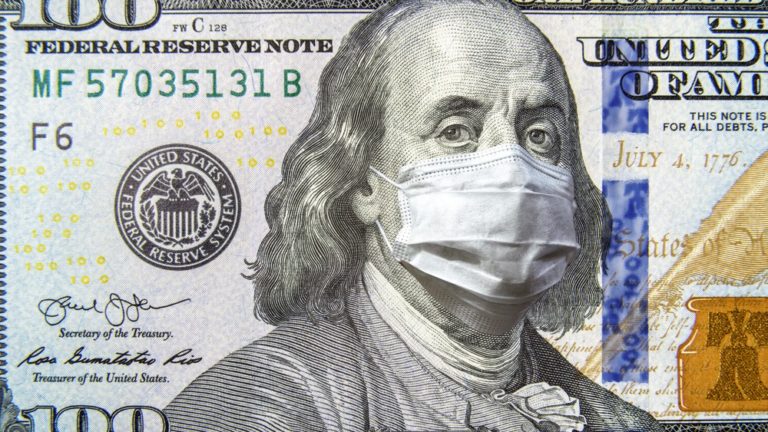

COVID-19 Pandemic House Report: It’s a Lab-Origin Virus After All

Key Takeaways:

– A two-year Republican-led House probe of the COVID-19 effects on the US has ended with a final report.
– The committee hopes the report will guide Congress, the Executive Branch, and private sectors in planning for future pandemics.
– The comprehensive 520-page report derives that the virus most likely came from a lab.

Wrap Up of a Two-Year Study

After a thorough investigation lasting two years, a House committee directed by Republicans has wrapped up its study into various aspects of the COVID-19 pandemic. The study’s purpose? To understand the impacts on US society fully. This Monday, they shared their immensely detailed report. The team hopes the findings shall serve as valuable tools for Congress, the Executive Branch, and the private sector to gear up for and address future pandemics.

A Crucial Roadmap for Future Pandemic Response

Delving deep into the 520-page extensive report, it wraps with an interesting declaration. The committee believes that the coronavirus most likely found its origin in a lab. Besides this major conclusion, the team also pinned hopes that the report’s extensive findings turn into a crucial roadmap. They believe its recommendations can guide them and others in future pandemic preparedness and response.

Key Conclusions and Recommendations

It’s a Lab-Origin Virus After All

While it’s still a topic of active global research, the Republican-led team concluded that COVID-19 most likely had a lab-origin. The finding is hugely significant. It may have vast implications on global health safety protocols, particularly in labs handling infectious disease agents.

The Need For Stronger Preparedness

Another key part of the report underlines a key necessity: improved pandemic preparedness. The investigation committee believes similar health crises will emerge again. Thus, they implore Congress, the Executive Branch and the private sector to apply the accumulated knowledge. They want these bodies to step up preparedness measures using the committee’s findings as a base.

Collaboration, Not Isolation

The House Select Subcommittee also stressed the importance of unity in the face of future pandemics. They call for better cooperation within the government and with the private sector in the face of such health crises. They urge for planning, preparing, and responding together when humanity faces another global health challenge.

The Beginning of A New Pandemic Era

The study has ended. Now, it’s time to turn this knowledge into action. By drawing lessons from this investigation, the US can move forward in a better-prepared manner for any similar scenarios in the future. As this report gets digested, all eyes will be on how its findings shape up the country’s health crisis playbook. It is the first step towards a new era of understanding and addressing pandemics in America.

While the report has wrapped up, the conversation it sparks is just beginning. Its interpretation and implementation by various sectors will determine the lasting legacy of this mammoth report. It is hope that these observations resonate far beyond the medical and scientific communities, impacting policy decisions in the highest corridors of power in preparation for pandemics that lie ahead.

Controversy Ignites as Trump Nominates Kash Patel for FBI Director

0

Key Takeaways:
– President-elect Trump intends to replace current FBI director Christopher Wray with Kash Patel.
– The announcement has stirred mixed reactions on Capitol Hill.
– Several Senate Republicans, like Ted Cruz and Bill Hagerty, have shown support.
– Other Republicans, however, remain undecided.

Trump Nominates Patel as FBI Director

In a surprise move, President-elect Trump has nominated Kash Patel to take over as FBI Director. This decision would essentially fire the current director, Christopher Wray. With three years remaining to complete his decade-long term, the announcement has sparked a significant controversy on Capitol Hill.

Republicans Divided Over Patel’s Nomination

The nomination of Patel, a name that has now become widely discussed, has split Senate Republicans. Several senators have already voiced their support for Patel to step into the influential role. Among these are Senators Ted Cruz of Texas and Bill Hagerty of Tennessee. However, the decision remains disputed within the party ranks.

Some Republicans Remain Undecided

Despite the initial backing, Patel’s nomination has not been received with unanimous applause in the Republican camp. Some senators are still weighing their options and are yet to make a public statement about where they stand on the issue.

The Implication to Term Length

Normally, the role of the FBI Director encompasses a 10-year term aimed at providing continuity and stability within the agency. Wray’s presumed departure cuts short his tenure, raising more questions about the standard protocol and the intentions behind Patel’s nomination.

The Role of the FBI Director

The FBI Director has an important part to play in safeguarding the national security of the United States. The individual who holds this position heads the Federal Bureau of Investigation and works towards protecting America from terror threats and upholding its federal laws.

An Opportunity for Patel

While the discussion on Capitol Hill continues, Patel, in the meantime, prepares for the confirmation path that lies ahead of him. He, like others before him, will need the Senate’s approval to take up the role officially. All eyes remain on the Senate, a key player steering the future of FBI leadership.

Why This Matters?

The decision to nominate Kash Patel for FBI Director is a significant one, considering the enormity of the role. It reflects a critical shift in the administration, especially with the impending departure of the current FBI Director, Christopher Wray. The confirmation or rejection of Patel can potentially set a precedent for nominations to come.

In Conclusion

The nomination of Kash Patel as the director of the FBI has caused ripples on Capitol Hill. While some Republicans have extended their support, others remain on the fence. With Wray’s term ending prematurely, many wonder about the future landscape of the FBI leadership. Meanwhile, Patel awaits his confirmation journey, standing at the cusp of steering the FBI.

Elon Musk Loses Bid For $100 Billion Tesla Compensation Package

0

Key Takeaways:
– Delaware Judge Kathaleen McCormick confirms her January ruling, denying Elon Musk’s compensation worth over $100 billion.
– This decision comes after Musk’s efforts to make X a neutral platform and support for Donald Trump.
– Musk’s sizable wealth, generated from Tesla, is significantly impacted by this ruling.

Musk’s Mega Compensation Package Denied

Elon Musk, the renowned billionaire and CEO of Tesla, has his dreams of an over $100 billion compensation package dashed. Delaware Chancellor Judge Kathaleen McCormick validated her earlier ruling from January that found Musk ineligible for this gigantic compensation package set in 2018.

The Price for Political Neutrality and Support

This drastic fallout is largely due to Musk’s actions in the political arena. He has strived to convert X into a politically neutral platform while also openly backing Donald Trump for the presidency. These actions seem to have come with a steep price tag for the billionaire businessman.

Impact on Elon Musk’s Wealth

Musk has amassed a significant amount of wealth through his work and innovations at Tesla, one of the most valuable automotive companies in the world. Now a sizable chunk of the wealth he generated at Tesla is under judicial scrutiny. This ruling signifies an erosion of Musk’s unparalleled fortune.

A Closer Look at the Ruling

The ruling, confirmed on Monday, follows a previous decision made by Judge McCormick in January of this year. At that time, she pinpointed Musk as being ineligible for the originally proposed compensation package. This package, valued at over $100 billion today, represented a significant addition to Musk’s net worth.

However, the judge’s decision is binding and marks a significant blow to Musk’s wealth. With this ruling, Musk’s dream of adding a $100 billion compensation package to his wealth has gone down the drain, forcing the influential entrepreneur to reassess his financial landscape.

Musk’s Political Affiliations a Factor?

Musk’s actions in the political sphere may have contributed to this outcome. It’s no secret that Musk has been a supporter of Donald Trump. His open endorsement for the former president, coupled with his determination to make X a neutral platform, could have inadvertently played a role in this turn of judicial events.

While these are mere conjectures, it cannot be denied that the judge’s ruling has led to the confiscation of the immense wealth Musk earned at Tesla.

The Way Forward for Musk

Undeniably, this ruling has caused a huge blow to Musk’s wealth, but the effect it will have on his future actions in social, economic, and political arenas is yet to be seen. Undeterred by momentary setbacks, Musk has proved his mettle time and again, innovating and challenging the status quo.

While the denial of the $100 billion compensation package is a setback, it doesn’t signal an end for Musk. His successes and influence go beyond the confines of financial gain. Even without this additional wealth, Musk continues to be one of the most influential visionaries of the 21st century.

Conclusion

In summary, Elon Musk’s anticipated $100 billion compensation package will not be added to his already impressive wealth. Judge Kathaleen McCormick of Delaware confirmed her previous ruling, disallowing Musk’s compensation. The impact, while massive on Musk’s fortune, does not diminish his mark on the technological and business world.

Whether his political affiliations influenced the outcome of this decision remains unknown, but this ruling surely generates a powerful message. It underlines that no amount of wealth or authority can override the jurisdiction of the court. Musk, while staggered, is not slated to halt. His resilience and determination to push boundaries will likely continue to shape our future.

Sinaloa Cartel Turns to Chemistry Students for Enhanced Fentanyl Production

0

Key Takeaways:
– Sinaloa cartel targets Mexican university chemistry students for fentanyl production.
– Enhanced potency of the drug is the primary objective.
– The cartel is working on synthesizing new chemical compounds to reduce import dependence on China.

Sinaloa Cartel’s New Strategy

The notorious Sinaloa cartel is formulating a new strategy to increase the potency of its fentanyl supply. The cartel’s latest plan involves engaging chemistry students from Mexican universities to help them scale up their fentanyl production. By making the drug more potent, the cartel aims to boost its addictive qualities, hence ensuring a steady demand.

Tapping into Academic Expertise

The immersion of university scholars into the illegal trade is a developing aspect of the cartel’s growth strategy. By recruiting students who are knowledgeable in chemistry, the cartel believes it can enhance the potency of its drugs, thus ensuring they retain a competitive edge in the international illegal narcotics market.

Reducing Dependency on China

Moreover, the cartel aims to develop novel chemical compounds for producing fentanyl to diminish their reliance on raw materials imported from China. By using home-grown expertise to fuse new substances, the cartel’s dependence on international imports can be significantly reduced.

Upgraded Fentanyl: A Rising Concern

The cartel’s ambition to increase the strength of fentanyl could lead to a surge in lives lost due to drug misuse. Fentanyl, a powerful opioid naturally leading to dependency, can become even more dangerous if its effects are intensified. A more potent formula might lead users to underestimate its strength, potentially resulting in a higher rate of overdose fatalities.

Counteracting Cartel Influence

Authorities around the world continuously strive to control the illicit drug trade. However, the latest tactics by the Sinaloa cartel present a renewed challenge. To counteract these efforts, anti-narcotics agencies, the educational sector, and governments worldwide must collaborate to find effective solutions.

Necessity of Intervention

It’s absolutely critical to intervene on three main levels: Prevention, treatment, and deterrence. Schools and universities must work to raise awareness about the potential dangers and consequences of involvement in drug trade. Likewise, effective recovery programs should be accessible for those struggling with addiction, and punitive measures should be enforced for those involved in the drug trade.

A Collective Effort

Efforts to combat drug addiction and illegal drug trade require a unified approach. Whether it’s law enforcement agencies, academic institutions, or community initiatives – everyone has a role to play in curtailing the insidious influence of drug cartels.

Reinforcing Awareness and Prevention

Educational institutions, especially those in regions where cartels are operating, should prioritize making sure that students understand the risks and repercussions connected with getting involved in the illicit drug trade. They can do this through anti-narcotics awareness programs which highlight the danger and damage drug involvement can cause to their career, their future, and their life.

In conclusion, the Sinaloa cartel’s tactic of recruiting university students for its fentanyl production is a worrying development. The potential for an increase in potency of this dangerous narcotic poses a significant risk to individuals and communities. As such, a collective, globally coordinated effort is crucial to counteract this threat and to safeguard our future generations.

Supreme Court to Rule on Critical Transgender Rights Case

0

Key Takeaways:

– The Supreme Court is slated to discuss a major appeal regarding transgender rights.
– The case, termed United States v. Skrmetti, centers around a Tennessee law banning gender-affirming care for minors.
– The Court’s decision could set a precedent for similar laws across the U.S., significantly impacting transgender rights.

Supreme Court Set to Hear Significant Transgender Rights Case

In a landmark event, the Supreme Court has earmarked Wednesday to hear a monumental appeal concerning transgender rights. This hearing is predicted to be the most significant case in the court’s current term.

Deciding on Substantial Tennessee Law

The focal point of the hearing lies in the case United States v. Skrmetti. This case involves evaluating a law in Tennessee. The law in question dissuades providing gender-affirming care to minors. These procedures can include anything from hormone therapy to surgery. But, the real question brought to the bench is whether this law violates the Constitution’s equal protection guarantee.

Implications of the Court’s Decision

The outcome of this hearing can have sprawling consequences. Other laws similar to the one in Tennessee exist across the nation. How the Supreme Court judges this case will influence these laws. In intuitive terms, imagine a domino effect. If the highest court of the land considers this law as against the Constitution, then other similar laws might also be deemed illegal. That way, this case’s verdict reinstates or alters the status of transgender rights in America.

Considering Transgender Rights

Transgender rights have been at the epicenter of societal debates in recent years. Several states passed laws to limit medical treatments available to transgender youth. Supporters of these laws argue they protect children from making irreversible decisions about their bodies at a young age.

However, on the other side of the coin, the rights campaigners see these laws as infringing on personal and medical freedoms. They believe individuals should be allowed to express their identity as they deem fit and receive the medical care they request.

Envisioning the Precedent

How the Supreme Court judges this case will determine the precedent for transgender rights. A precedent, in easy words, is a ruling that serves as a guideline for similar issues in the future. Therefore, this case stands as a vital juncture for progressive equality rights in the United States.

A shield or a barricade — that’s how the future might perceive this case. The decision by the Supreme Court could either act as a protective shield, safeguarding the rights and options of transgender minors. Conversely, it could also turn into a barricade, hindering access to gender-affirming care.

In Sum

As we wait for the Supreme Court’s decision, it’s evident the case carries weight exceeding its immediate jurisdiction. It upholds the potential to redefine the legal landscape around transgender rights. While the discourse and discussion continue to change and evolve, one thing is clear: how the Supreme Court responds to the United States v. Skrmetti case will impact the future of equal rights, particularly for the transgender community.

Regardless of where you stand on the issue, this case holds ramifications for how we view and legally approach transgender rights. The verdict might very well act as the lighthouse, guiding similar legislation in the future. We watch, we wait, we anticipate — for this case isn’t just about Tennessee; it’s about the nation, it’s about the future of transgender rights in America.

Controversial German Politician Plays Guest at Trump’s Mar-a-Lago Election Event

0

Key Takeaways:

– Phillipp-Anders Rau, from Germany’s right-wing AfD party, was with Trump on election day.
– Rau, who’s been involved in criminal proceedings, attended an event at Trump’s Mar-a-Lago.
– He’s allegedly featured in adult videos, with a German court sustaining this claim.
– Despite his controversial background, the United States Secret Service allowed his entry.

Donald Trump, the former United States president, had interesting company while watching the election results come in at his Mar-a-Lago estate. Among the guests was Phillipp-Anders Rau, a politician from Germany’s Alternative für Deutschland (AfD) party.


Rau’s Controversial Background

Known for its far-right ideals, the AfD has a reputation that often leads to accusations of extremism. Intelligence services in Germany even indicate suspicion that the party indulges in extremist practices. Rau isn’t distanced from this controversy as he’s not only a member of the AfD, but he’s been embroiled in a few scandals of his own.

Prior to his political career, Rau had run-ins with the law due to a theft conviction. He was found guilty of stealing from a hotel. Moreover, educational records show that he was expelled from university for falsifying his high school transcripts.


Allegations of Adult Video Participation

Adding fuel to the fire of controversy, there are allegations of Rau’s participation in the pornography industry. While Rau refuted these allegations, a German court steadfastly claimed that Rau was involved in a professional adult video shoot which was evidently meant for public distribution. To worsen his public image, he’s reportedly undergoing bankruptcy proceedings.


Rau’s Presence at Mar-a-Lago

Despite the sordid past and ongoing legal challenges, Rau was allowed entry into the Mar-a-Lago event on the occasion of Trump’s election results. Highlighting his attendance, Rau took to social media to celebrate the occasion.

On Instagram, he commemorated shaking hands with Trump, stating that such a memory would last forever, given that he was the sole AfD representative present.

Upon inquiry, a United States Secret Service representative informed that Rau was invited formally and, hence, was permitted. However, Trump’s team and Rau himself refrained from making any comments regarding this.


The Policy of Mass Deportation

Shedding light on the controversial policies of the AfD, it’s worth noting that the party leaders have discussed mass deportation. Indeed, it has been reported that a few senior party figures once had a meeting with neo-Nazis to talk about implementing this policy.

In conclusion, it’s evident that the world of politics often results in unique gatherings. The presence of a character as disputed as Rau at Trump’s celebration at Mar-a-Lago is an incident that certainly arouses curiosity and speculation. With both parties remaining silent on the issue, the true motivations and implications of this incident remain a mystery.

Trump Threatens BRICS Nations With 100% Tariffs Amid Dollar Supremacy Concerns

Key Takeaways:
* President-elect Donald Trump threatens tariffs on BRICS nations
* This action is in response to the potential undermining of the U.S. dollar
* BRICS nations are exploring non-dollar currencies for trade
* U.S. dollar seen as secure as primary global reserve currency in the near future
* Trump has a history of using tariffs as a negotiation tool with trading partners

Trump’s Tariff Warning Against BRICS

President-elect Donald Trump recently put forward a stern warning to the nine nations forming the BRICS alliance. His threat is all about protecting the United States dollar from any undermining attempts by these countries. The nine BRICS countries include Brazil, Russia, India, China, South Africa, Egypt, Ethiopia, Iran, and the United Arab Emirates.

Trump’s remarks came following an emerging interest within BRICS to trade using non-dollar currencies, a strategy known as ‘de-dollarization.’ Such an approach could potentially challenge the supremacy of the U.S. dollar within the global economy.

Dilemma over Dominance of U.S. Dollar

For years, the U.S. dollar has enjoyed dominance in global business, acting as a key currency in international trade and commodities. However, the BRICS alliance and developing nations have increasingly expressed discontent with this arrangement.

The U.S. dollar forms nearly 58% of the global foreign exchange reserves, according to the International Monetary Fund, and notable commodities like oil are still purchased primarily using dollars.

Growing Economies and the Call for De-dollarization

The BRICS economies, backed by their growing GDP, are keen to challenge the dominance of the dollar. Their intention to trade in non-dollar currencies has led to tensions with the U.S.

Trump made clear his stance on this burgeoning conflict through a public post. He asserted that BRICS countries must commit not to create a new currency or support any other currency to replace the U.S. dollar. Failure to comply, Trump warned, would result in significant economic consequences, including 100% tariffs on goods and services sold into the U.S. economy.

The Russian Response

The de-dollarization movement has gathered support within BRICS nations, with particular emphasis from Russia. During an October summit, Russian President Vladimir Putin accused the U.S. of “weaponizing” the dollar. He referred to the American monopoly over the dollar as a “big mistake”.

Russia, in response, has proposed a new alternative to the global bank system SWIFT that would potentially circumvent Western sanctions and allow trade with partners.

The Future of the U.S. Dollar as the Primary Global Currency

Despite these pressures, research suggests that the U.S. dollar’s status as the primary global reserve currency is not in immediate danger. A model by the Atlantic Council highlights the dollar’s ongoing dominance over other currencies in the near and medium terms.

Trump’s Tariff Tactics

Trump’s history of tariff threats extends beyond the BRICS nations. He previously threatened to impose 25% tariffs on Mexico and Canada and an additional 10% on China goods, aiming to pressure these nations to step up efforts to stem illegal immigration and drug trafficking into the U.S.

Following discussions with Mexican President Claudia Sheinbaum, there is hope of avoiding a U.S.-Mexico tariff war. However, Canadian Prime Minister Justin Trudeau returned home after meeting with Trump, without any assurance of the president-elect retreating from his proposed tariffs on the country.

With new threats of 100% tariffs on the BRICS alliance, Donald Trump is not only reinforcing his negotiation tactics with trading partners but also mounting a vigorous defense of the U.S. dollar’s global dominance. As the world watches, the question remains: How will these nations react to this economic challenge? The resolution of this tussle could have far-reaching impacts on global financial dynamics.

Higher Credit Card Interest Rates: The Impact of a Nonexistent Regulation

Key Takeaways:

– Banks increased interest rates and imposed new fees in anticipation of a now-unlikely regulatory change.
– Synchrony and Bread Financial, issuers of branded cards, defend these steps as necessary due to the Consumer Financial Protection Bureau’s regulation capping industry late fees.
– These changes have inadvertently led to higher costs for consumers.
– New fees and interest rates mainly affect new loans, and the impact will increase as customers incur more debt.
– Larger banks, including Citigroup and Barclays, also increased their interest rates.
– Synchrony representatives suggest customers can avoid extra costs by fully paying off balances and opting for digital-only statements.

Increased Rates and Fees in Anticipation of Regulation

Banks issuing popular credit cards preemptively increased interest rates and implemented new fees over the past year. The move was a direct response to an impending regulation from the Consumer Financial Protection Bureau (CFPB), which most experts now presume won’t materialize. Among the initiating banks were Synchrony and Bread Financial, specialists in issuing branded credit cards for companies like Verizon and JCPenney. These banks declared the measures necessary after the CFPB proposed cutting the industry’s permitted late fee charges.

Unforeseen Consequences for Consumers

This supposedly consumer-centric regulation intended to cut costs has ironically led to increased expenses for many consumers. It was reported in November that retail card rates across the spectrum have surged in the past year, reaching an all-time high of 35.99%. Synchrony and Bread increased the annual percentage rates (APRs) on their portfolios by an average of 3 to 5 percentage points. They also introduced new monthly fees of $1.99 to $2.99 for customers receiving paper statements.

CFPB’s Contested Regulation

Earlier in March, the CFPB attempted to cap late fees at $8 per incident, down from the average of $32, anticipating savings of $10 billion annually for consumers. Banks and their associated trade groups opposed the cap, arguing that late fees deter defaults, and that the proposed cap would shift associated costs to timely payers. The U.S. Chamber of Commerce even sued the CFPB over the rule, resulting in a federal judge halting its implementation.

Current Impact and Future Implications

The rule, although currently stuck in courts, has already sees credit card users grappling with higher borrowing costs. The augmented APRs are applicable to new loans, not existing debts, implying the impact will escalate as consumers incur fresh debts. This fall season, Americans owe a historic $1.17 trillion on their cards, an 8.1% increase compared to the previous year, according to the Federal Reserve Bank of New York.

In response to the backlash, a Synchrony spokeswoman stated, “Due to changes in regulatory conditions, we adjusted rates and fees to ensure that we can continue to provide safe and convenient credit to our customers.” She suggested avoiding fees by paying balances in full and opting for digital-only statements.

A Broader Picture

This trend of increased borrowing costs disproportionately affects consumers with lower credit scores who are more likely to have store cards issued by Synchrony and Bread. While these banks maintained the higher fees necessary to offset potential losses from the capped late penalties, larger banks like Citigroup and Barclays also raised their interest rates.

The future of the CFPB rule appears uncertain, with some suspecting the next CFPB head under the Donald Trump administration unlikely to continue with the proposed regulation. When questioned about reversing the higher APRs and fees in the event the CFPB rule is abandoned, Synchrony’s CFO was noncommital, stating the bank is proceeding as if the rule will be implemented.

In conclusion, the anticipation of a regulation capping late fees sparked a trend of increased interest rates and new fees across banks, impacting consumers unexpectedly. In the absence of the regulation, it remains to be seen how the industry will address this situation.

Lebanese American Massad Boulos To Direct Middle Eastern Affairs For President-Elect Donald Trump

0

Key Takeaways:

– Massad Boulos, Lebanese American Businessman and father-in-law of Tiffany Trump, named as the senior advisor to President-elect Donald Trump on Arab and Middle Eastern affairs.
– Boulos organized campaign efforts aimed at engaging Arab American community in Michigan, steering the community towards Trump due to displeasure with Joe Biden’s support for Israeli offensives.

President-elect Donald Trump announced on Sunday the appointment of renowned Lebanese American businessman Massad Boulos as a senior advisor. Boulos’ main responsibility lies in dealing with Arab and Middle Eastern affairs, a crucial role given the strategic political landscape. Boulos is not only a successful businessman but also the father-in-law to Trump’s very own daughter, Tiffany.

Boulos: A Game Maker for Trump

Boulos showed his worth during the Trump campaign. He was instrumental in engaging the Arab American community in Michigan. The state is home to a significant Arab American population, most of whom expressed resentment towards Democratic policies. Particularly, the Democratic President Joe Biden’s backing of Israel’s offensives in Gaza and Lebanon ruffled feathers. Boulos, leveraging this sentiment, organized several meetings in these Democrat-dense areas. Trump, as a result, won the majority vote in Michigan.

Why this Role Matters

The importance of this role cannot be overstated. In today’s world, where politics often shape economic trends, a senior advisor’s role is both vital and intricate. While Boulos is well-versed in business and shares familial ties with the Trump family, he also must navigate the complex world of Middle East politics.

Strategizing Middle Eastern Policies

The Trump administration has outlined its aggressive stance against the funding of terrorism, nuclear proliferation, and the protection of Israel. All these issues require deep understanding and tactful handling of Middle East affairs. It’s here that Boulos’ Lebanese roots and knowledge of the Arab world’s intricacies would come into play.

The Future with Boulos at the Helm

Boulos’ role is pivotal in aiding the Trump administration’s endeavours in cementing its influence in the Middle East. With his invaluable insight into Arab American perspectives and interests, Boulos is set to strategise policies that benefit both American and Middle Eastern interests. His approach towards building a bridge between the two worlds and smoothening controversies would be worth watching.

The appointment of Massad Boulos is a step forward for the Trump administration in its endeavor to create a win-win situation for America and the Middle East. The Lebanese American businessman’s selection no doubt adds another facet to the already multi-dimensional team working towards the betterment of American interests across the globe. As the world waits to see how things unfold, Boulos’ role as a senior adviser becomes all the more significant.

To conclude, the appointment of Massad Boulos as a senior adviser is a strategic move by President-elect Donald Trump. It signals a more aggressive approach towards Middle Eastern affairs. It also signifies the importance he puts in engaging even those communities typically leaning towards liberal policies, a move which has already begun to pay dividends. Amidst all the political turbulence, Boulos stands as a beacon of hope for the Arab American community and the road to improving American relations with the Middle East.