49 F
San Francisco
Wednesday, April 22, 2026
Home Blog Page 150

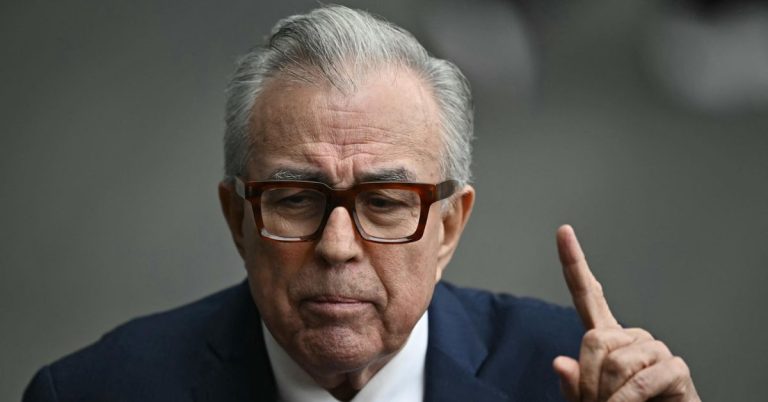
Stephen Miller’s Shocking Photo Demand Revealed

0

Key Takeaways

  • Stephen Miller worried about how he would look in a close-up portrait.
  • He asked the photographer if he should smile or stay serious.
  • After the shoot, Miller told the photographer that kindness is powerful.
  • These rare photos gave a human glimpse into Trump’s inner circle.

Inside Stephen Miller’s Shocking Photo Demand

Photographer Christopher Anderson landed rare, unpolished images of President Trump’s team. Yet one moment stood out above the rest. Stephen Miller asked a surprising question. Then he made a striking remark about kindness.

How Stephen Miller Cared About His Photo

Stephen Miller, known for his fierce speeches, showed a softer side during the portrait session. He approached the camera with concern. He wanted to know if he should smile. Anderson explained that Miller could choose either. They agreed to try both expressions.

This moment feels odd for a figure so often linked to stern rhetoric. In fact, critics compare Stephen Miller to a notorious propagandist. Still, here he was worrying about his face. He seemed almost human.

The Photographer’s Surprising Anecdote

Once the shoot ended, Stephen Miller shook Anderson’s hand. Then he said something unexpected: “You know, you have a lot of power in the discretion you use to be kind to people.” Anderson replied, “You know, you do, too.”

This exchange is revealing. On one hand, Miller demands strict immigration policies. On the other, he admits that kindness matters. This contrast gives us new insight into his personality.

Background on the Rare Photos

Christopher Anderson worked for Vanity Fair. He took extreme close-up shots of many Trump aides. His images show details we never saw before. For example, we can study the lines on their faces. Their expressions seem more real.

Anderson has shot many leaders. He even has a book of political portraits. Yet this collection feels different. It offers a peek behind the public mask of the White House team.

What This Moment Tells Us

Firstly, Stephen Miller can be anxious about his image. He wants to control how people see him. Secondly, he respects the soft power of kindness. He said it himself. Thirdly, these images remind us that public figures have private worries.

Therefore, no matter how tough someone appears, they care about little things. A smile or a serious face can matter a lot. This moment humanizes one of the most polarizing figures in modern politics.

Why This Story Matters

These photos and the anecdote matter for three reasons:

  • They offer fresh insight into a key White House aide.
  • They show that power works both through policies and personal gestures.
  • They remind us that even hard-line figures can value kindness.

Moreover, the anecdote went viral after The Washington Post picked it up. People saw a side of Stephen Miller they never expected. They saw a man who worried about a simple portrait.

Transitioning from Public to Private

In public, Stephen Miller uses sharp words and strict rules. Behind the lens, he checks if he should smile. Thus, the line between public life and private concerns seems thin. This shift highlights a deeper truth. Everyone, even advisers in the White House, has moments of doubt.

A Closer Look at Miller’s Reputation

Over the years, critics have compared Miller’s style to infamous figures. They mention his harsh stance on immigration. They note his precise speech patterns. Some even draw a parallel to a dark chapter in history.

Yet this small request about a photo session paints a different picture. It shows him as a person who thinks about how he appears. It shows him valuing a photographer’s kindness.

The Power of Discretion and Kindness

Stephen Miller’s comment to Anderson reveals his view of power. He said discretion can be a gift. He praised the choice to treat others with kindness. In turn, Anderson reminded Miller that he holds that same power.

This mutual respect underlines a simple truth. Even in high-stakes politics, small acts of decency matter. A smile or a friendly word can soften public opinion. It can open doors that harsh words slam shut.

Lessons from the Portrait Session

For readers, this anecdote offers three lessons:

  • Always consider how you present yourself.
  • A small act of kindness can leave a lasting mark.
  • Even leaders known for tough policies care about human moments.

In addition, the images teach us to look beyond the scripted speeches. We should notice unguarded expressions. We should value the brief conversations that reveal real thoughts.

Final Thoughts

The story of Stephen Miller’s photo demand reminds us that public figures are human. They fret over small details. They yearn for respect. They hold power both in words and in how they treat others.

Next time you see a close-up portrait, remember the moment Miller asked to smile. Remember the power of kindness he praised. Remember that behind every stern face lies a person who cares about a simple gesture.

Frequently Asked Questions

What did Stephen Miller ask the photographer?

He asked whether he should smile or keep a serious face during the portrait session.

Why is this anecdote surprising?

Miller is known for his strict policies, so his concern over a simple portrait feels unexpected and humanizing.

How do these photos differ from typical White House images?

They are extreme close-ups that show unpolished, raw expressions of Trump’s advisers.

What does this moment reveal about power?

It shows that true power lies not only in policies but also in small acts of kindness and personal discretion.

Trump’s Walk of Fame Stirs White House Uproar

0

Key takeaways

  • President Trump added a Walk of Fame in the White House corridor.
  • The Walk of Fame features plaques with comments on each former president.
  • Some plaques call Biden “the worst” and label Obama “divisive” and behind the “Russia hoax.”
  • The Walk of Fame drew heavy backlash as partisan propaganda.
  • Critics say the project distracts from real issues facing Americans.

Inside the White House Walk of Fame

On Wednesday, the Trump team unveiled a new Walk of Fame inside the White House. They placed framed photos and custom plaques along the path from the West Wing to the main residence. In fact, the plaques include notes on each president, and some were written by Trump himself. First, visitors see a polite introduction. Then, each former leader gets a detailed plate, complete with personal jabs or praise. This unusual display surprised many on staff and online.

Each plaque aims to summarize a president’s impact in just a few lines. However, the tone shifts sharply for some leaders. The plaque for Joe Biden reads that he is “by far, the worst President.” Meanwhile, Barack Obama’s plate calls him “one of the most divisive political figures in American history” and blames him for creating the “Russia, Russia, Russia hoax.” In addition to these words, the display lists each president’s term dates and key accomplishments.

Why the Walk of Fame Upset Many

Critics quickly took to social media to voice their anger. Barry McCaffrey, a national security analyst, called the installation “appalling, embarrassing, juvenile.” He said something was very wrong at the heart of our democracy. Meanwhile, Mehdi Hasan described the Walk of Fame as “authoritarian partisan tacky propaganda.” He challenged readers to imagine such a stunt under a different leader.

Others questioned the timing. “Trump focuses on everything but making life better for everyday Americans,” wrote former Pentagon spokesperson Chris Meagher. He pointed out that people feel pain as prices rise and services strain. Sports writer Matt Verderam added that this issue “isn’t even a conservative or liberal thing. It’s an American thing.” He summed up the mood as one of national disappointment and disbelief.

Beyond the harsh words, many saw the Walk of Fame as a distraction. Instead of tackling inflation, healthcare, or foreign policy, the White House seemed obsessed with its own image. In effect, critics argued, the project turned a public space into a partisan art gallery. This reaction spread fast as photos of the plaques circulated online.

What Comes Next for the Walk of Fame

The White House press office has not announced any plans to remove or modify the Walk of Fame. Some insiders suggest the display might stay until President Trump’s term ends. Others predict it could remain as a permanent feature, only to be updated by a future administration. In either case, the installation has already proven its power to spark debate.

Supporters of the Walk of Fame say it offers a quick history lesson. They argue that every president deserves recognition, whether through praise or critique. They note the display is hard to miss for anyone entering or exiting the West Wing. From this angle, the Walk of Fame serves as a reminder of the office’s weight and privilege.

However, opponents worry that mocking predecessors sets a new low for presidential conduct. They warn younger generations may see public shaming as an acceptable political tool. As a result, the Walk of Fame could influence how future leaders handle criticism and history. In other words, its impact may last long after the plaques are taken down.

In the end, the Walk of Fame stands as a vivid example of how politics and personal pride can collide. It reveals how leaders might use space and symbols to shape their legacy. For now, Americans must decide if this bold display reflects their values or betrays them.

Frequently Asked Questions

What exactly is the Walk of Fame?

The Walk of Fame is a newly installed series of photos and information plates lining the hallway from the West Wing to the main White House residence. It highlights each former president.

Who wrote the plaque comments?

Some plaques feature official, neutral details. Others contain personal remarks reportedly written by President Trump himself.

Why did this installation draw backlash?

Critics say the Walk of Fame turns the White House into a partisan exhibit and distracts from real issues. They view it as public shaming rather than respectful history.

Could the Walk of Fame be removed in the future?

There’s no official word yet. The display may stay through the current term or become a long-term feature that future administrations update or remove.

Senators Clash Over Trump’s Oil Blockade Surprise

0


Key takeaways:

  • Republicans shrug off concerns over the oil blockade.
  • Senator John Cornyn mocks Democrats for feeling misled.
  • Democrats call for detailed briefings on military moves.
  • Some Republicans raise war crime alarms after boat strikes.
  • The oil blockade aims to choke funding for Iran, China, Russia.

Senators React to Oil Blockade

President Trump announced a sudden oil blockade on Venezuela. He said the move would cut off money for hostile nations. Democrats in Congress say they had no warning. They feel they were kept in the dark. However, many Republicans dismissed those concerns. They argue the blockade targets bad actors in the world. They say it helps isolate Iran, Russia, and China.

First, Democrats accused the White House of misleading them. They pointed to earlier briefings on drug boat strikes. Those briefings did not mention the blockade. So lawmakers felt blindsided by the late-night announcement. Meanwhile, Republicans downplayed the issue. They called the complaints overblown.

Cornyn’s Dismissive Remarks

Senator John Cornyn, a senior GOP lawmaker, made headlines for mocking Democrats. He told reporters, “Poor babies,” when asked about their surprise. He said he was not shocked by the blockade. He explained the Venezuelan oil trade fuels Iran’s, China’s, and Russia’s war efforts. Cornyn sits on both the Intelligence and Foreign Relations committees. So he hears a lot of sensitive information. He claimed Democrats in his briefing focused only on drug boat strikes. They did not ask about any blockade plans.

Cornyn’s jibe stirred more debate. Many saw it as dismissive of congressional oversight. They worry the administration might act without proper checks. Yet Cornyn insisted the oil blockade was obvious from early actions. He stressed that cutting off Venezuelan oil serves U.S. interests.

Democrats Demand Briefings

On the House side, lawmakers voiced strong complaints. Representative Gregory Meeks, the top Democrat on Foreign Affairs, said the blockade is “all about oil.” He explained that real drug enforcement targets drug lords, not small crews. He compared the oil blockade to taking the little guys while pardoning the big traffickers. His point referred to Trump’s recent pardon of a former Honduran president.

Meeks also condemned a “double tap” boat strike in September. He called that tactic a war crime. Two men survived an initial strike, only to be killed moments later. He demanded answers on legal authority and oversight. He said briefings from top officials were vague and unclassified. He wants a full intelligence session to review rules of engagement.

Another Democrat, Representative Mike Quigley, agreed. He said, “No one has gotten an intel briefing.” He insisted Congress must see classified details. Without them, lawmakers cannot assess the legality of the actions.

Senator Dick Durbin from Illinois also criticized the lack of briefings. He claimed the administration ignores Congress when it suits their agenda. He warned that unchecked moves set a dangerous precedent.

Boat Strikes and War Crime Concerns

Before the oil blockade, the administration ordered strikes on boats suspected of drug trafficking. Those strikes killed nearly 100 people. Critics say the tactics violate international law. They point to the double tap hit as a key example. War experts call that action murder, since it targeted survivors in the water.

Defense Secretary Pete Hegseth and State Secretary Marco Rubio briefed Congress on the boat strikes. Yet they did not mention the oil blockade. Hegseth denied any illegal activity. He blamed a field commander for decisions in the strike. Still, lawmakers fear the administration could bypass legal steps. They argue that military actions of this scale need formal approval from Congress.

Republican Divisions Over Blockade

Not all Republicans backed the oil blockade or defended its secrecy. Senator Rand Paul spoke out against both the boat strikes and the blockade. He described the double tap strike as inconsistent and wrong. He demanded accountability for the strikes. He also called the oil blockade a heavy-handed tactic that risks conflict with Venezuela.

Paul’s stance shows cracks in GOP unity. While Cornyn mocked Democrats, Paul urged caution and transparency. He stressed that Americans deserve to see video evidence and legal justifications. He wants an open debate, not a late-night surprise.

Meanwhile, many Republicans remain silent or supportive. They argue that cutting off Venezuelan oil denies cash to hostile regimes. They say the president has broad authority to act in U.S. security interests. They believe a sudden oil blockade can pressure Maduro without risking full-scale war.

What’s Next for the Oil Blockade

The oil blockade on Venezuela is now in effect. Tankers bound for the U.S. must face inspections or turn back. The administration hopes other countries will join the effort. So far, allies have shown mixed reactions. Some nations fear higher oil prices and supply disruptions.

In Congress, the clash is far from over. Democrats signal they will demand oversight through hearings. They may introduce resolutions to limit the blockade’s scope. Some could push for votes on authorizing force or sanctions. Republicans hold the majority, but internal divisions could slow any unified response.

In the White House, officials claim the oil blockade is legal under existing sanctions. They argue that no new law is needed. Yet legal experts say any military or quasi-military move requires clear congressional backing. They caution that ignoring Congress undermines the constitutional balance of power.

For now, the oil blockade remains a flashpoint. It highlights deep partisan divides over foreign policy and executive power. It also raises ethical and legal questions about U.S. tactics at sea. As tensions rise, Americans will watch closely to see if Congress asserts its role or if the administration pushes ahead alone.

FAQs

How does the oil blockade affect U.S. gas prices?

The blockade may reduce global oil supply. As a result, prices could rise at the pump. However, market reactions depend on other supply sources.

Can Congress stop the oil blockade?

Yes, Congress can pass legislation to restrict or end the blockade. Yet any bill must pass both chambers and reach the president’s desk. Political divides make that challenging.

Is the oil blockade legal under U.S. law?

The administration cites existing sanctions against Venezuela. Critics argue that a blockade is a military act needing congressional approval. Legal experts remain divided.

What happens to Venezuelan civilians under the blockade?

A blockade can limit essential imports, not just oil. Humanitarian groups worry it could worsen shortages of food and medicine. The administration claims it has exemptions for humanitarian aid.

Trump Launches Massive Denaturalization Push


Key Takeaways:

  • President Trump’s administration demands 100 to 200 denaturalization cases each month.
  • Denaturalization can remove citizenship if a person lies during naturalization.
  • Experts fear this plan will target lawful naturalized Americans.
  • The move builds on strict immigration steps in recent months.

Overview of the Denaturalization Plan

President Trump’s team set a new goal for denaturalization in fiscal year 2026. They told U.S. Citizenship and Immigration Services field offices to send 100 to 200 cases each month. If approved, this effort would dwarf past activity. Between 2017 and today, just over 120 cases were filed. In other words, the administration seeks to increase denaturalization by more than ten times.

The plan hinges on a little-used process. Federal law allows denaturalization only for narrow reasons, such as fraud during naturalization. For instance, if someone hid criminal history or made false statements. Now, officials will hunt for such cases. Then they will pass them to the Justice Department, which will file civil lawsuits. As a result, courts could see a flood of new denaturalization trials.

Moreover, the guidance comes amid other hardline immigration acts. Earlier moves included new asylum blocks at the southern border and limits on applications inside the United States. Additionally, entry bans target travelers from many African and Middle Eastern nations. Taken together, these steps form a sweeping effort to tighten immigration controls.

How the Denaturalization Process Works

First, USCIS officers review naturalization records for fraud indicators. Next, they investigate leads and gather evidence. Then they decide if a case merits denaturalization proceedings. If so, they forward the evidence to the Justice Department. There, federal lawyers file a civil suit in court.

In court, both sides present evidence. A judge hears arguments and examines documents. If the judge finds that an applicant lied during naturalization, the court can revoke citizenship. Finally, the individual may appeal the decision to federal appeals courts. Throughout this process, the accused remains a U.S. citizen until a final ruling.

Because denaturalization is rare, most officers lack deep experience with the process. Under normal conditions, fewer than 20 cases open each year. Now, monthly targets could overwhelm staff and courts. Therefore, some worry quality and fairness may suffer.

Why Experts Are Concerned

Former immigration officials warn that quotas may turn denaturalization into a blunt instrument. One critic points out that aiming for 100 to 200 cases per month equals ten times the usual yearly total. As a result, lawful citizens might face baseless investigations.

Critics also argue that a high volume of cases could strain resources. Investigators may feel pressure to file weak or incomplete cases. This could lead to lengthy court battles that last years. Meanwhile, families may endure stress, uncertainty, and legal bills.

Furthermore, experts say the push fuels fear among naturalized Americans. Millions may worry their citizenship could be challenged at any time. Some may avoid travel or public roles. Others might steer clear of civic activities or community events to stay under the radar.

Political Context and Reactions

This denaturalization campaign adds to the administration’s broader immigration crackdown. Alongside asylum cuts, the government paused many applications inside the U.S. It also blocked entry for travelers from certain countries. Taken together, these policies reflect a firm stance on immigration control.

A USCIS spokesman defended the plan, saying the agency will pursue denaturalization only when individuals lied or misrepresented facts. He called the effort vital to restore integrity in the system. However, opponents from both political sides argue that denaturalization must remain a last resort.

Several lawmakers warn the campaign may face legal challenges. They plan to file suits to block aggressive quotas. Meanwhile, community groups are gearing up to support naturalized citizens. They aim to offer legal advice and monitor the rollout closely.

Impact on Immigrants and American Families

Naturalized U.S. citizens could feel direct effects from this plan. They may worry about losing their rights to vote, work, or travel. Families may struggle with the threat of a loved one’s case going to court. Denaturalization proceedings can stretch on for months or years, leaving people in limbo.

Moreover, community organizations may lack the resources to handle such a surge. Many do not have enough lawyers or funds to assist hundreds of cases each month. As a result, naturalized citizens may face proceedings alone or with limited support.

Children of naturalized parents could also feel the impact. They may fear family separation if a parent’s citizenship is revoked. This uncertainty can harm their well-being and sense of security.

Looking Ahead

President Trump has hinted he would use denaturalization broadly wherever possible. Now, his administration moves from hints to action. The coming months will show how courts handle the influx of cases. Observers will watch for signs of rushed investigations or unfair trials.

Advocates plan to fight what they see as an overreach. They argue the campaign could undermine trust in U.S. immigration law. Supporters counter that deterring fraud will protect honest applicants and the country’s integrity.

In the end, the denaturalization push will reshape how America handles naturalization fraud. It will test legal limits, court capacity, and public trust. Above all, it will affect millions of Americans who earned their citizenship.

FAQs

What is denaturalization?

Denaturalization is the process of stripping someone of U.S. citizenship. It applies when an individual lied or hid facts during naturalization. Courts must approve each case.

How often has denaturalization happened?

Very rarely. On average, under 20 cases start each year. From 2017 until now, just over 120 denaturalization actions began nationwide.

Who can face denaturalization?

Only naturalized citizens suspected of fraud or misrepresentation during their application face denaturalization. Common reasons include false documents or hidden criminal history.

How can naturalized citizens protect themselves?

They should keep records of all application documents. If they receive a denaturalization notice, they must seek legal help quickly. Community groups and experienced immigration lawyers can offer support.

House Lets Enhanced Subsidies Expire

0

Key Takeaways:

• The House passed a bill that lets enhanced subsidies end by year’s end.
• Republicans faced a 216-211 vote split amid moderate pushback.
• The measure will die in the Senate and won’t stop upcoming premium hikes.
• Without enhanced subsidies, average premiums could jump by about $1,000 a year.
• A new push for a three-year subsidy extension will happen in January.

In a tight vote, the House approved a health care bill that allows enhanced subsidies to vanish at the end of the year. Speaker Mike Johnson won 216 to 211 despite growing unrest among his own party. However, this measure likely won’t survive in the Senate or fully settle the fight over expiring help for millions of Americans.

What Happens Now That Enhanced Subsidies End?

When enhanced subsidies disappear, many families will see higher costs for health insurance. Research estimates that average premiums could rise by around $1,000 a year if these credits lapse. Moreover, people with lower incomes could struggle to afford coverage, and some might skip insurance altogether.

Because the House bill does not renew these credits, the full effect will hit families once the new year starts. Premiums would climb quickly, and anyone who counts on extra help now must brace for a bigger expense.

Close Vote Exposes Party Divisions

The vote highlighted deep divisions inside the Republican ranks. Moderates openly rebelled, demanding action to extend the credits that began under pandemic relief. Some even joined Democrats to try to force a standalone bill for a three-year extension. In the end, four House Republicans signed a discharge petition, guaranteeing a January vote on that extension plan.

Speaker Johnson refused to allow an amendment to extend enhanced subsidies. He argued that his bill offered better long-term fixes like new small business plans and tighter pharmacy benefit manager rules. Yet moderates felt shut out and warned the party’s hard line could cost lives and votes.

Premium Hikes Loom for Millions

Without enhanced subsidies, people buying insurance on their own markets face steep price jumps. The Kaiser Family Foundation projects that premiums could surge by about $1,000 per person annually. For a family of four, that means an extra $4,000 a year for the same coverage.

Low-income Americans feel the pinch first. Even with existing help, many pay more than they should. When the extra credits vanish, some may skip doctor visits or medicine to save cash. Others might switch to less complete plans that leave them exposed to high medical bills.

Lawmakers in both parties warn of a health care crisis if the credits end. Yet the current House bill offers no fix. Instead, it expands options for small businesses to band together and negotiate drug prices. While these changes could lower costs over time, they do not address the immediate gap left by ending enhanced subsidies.

Why Republicans Are Split Over Enhanced Subsidies

Some Republicans believe that extended enhanced subsidies act as an endless spending spree. They argue families should pay more to encourage wise health choices. Meanwhile, moderates see the credits as vital support for millions still recovering from the pandemic’s impact.

The battle over enhanced subsidies also reflects a struggle for power in the GOP. Hard-liners want to push bold proposals and reduce federal spending. Moderates insist on protecting popular benefits and avoiding a backlash from voters who will see premium bills spike.

Because both sides have strong views, leaders face a tough task to unite the party. They plan to keep negotiating next year, but time runs out fast. If they fail, enhanced subsidies end automatically, regardless of any future deal.

Next Steps in Congress

The Senate will almost certainly reject the House bill that kills enhanced subsidies. Democratic senators oppose ending credits that help lower costs. At the same time, they object to changes on small business plans and drug managers. Therefore, the measure has little chance of becoming law.

In response, lawmakers will return in January to try again. The discharge petition guarantees a vote on a three-year extension of enhanced subsidies. That outcome remains uncertain. Some hope that public pressure will push Republicans to back a standalone renewal. Others worry the party line will stay firm.

Meanwhile, the White House has signaled its willingness to negotiate. Administration officials say they want a long-term solution, not just a one-year fix. They could propose a package that pairs extended credits with cost-cutting reforms. Yet any deal needs enough votes in both chambers to pass.

Key Terms Explained

Affordable Care Act: The law that set up marketplaces for people to buy health insurance.

Enhanced subsidies: Extra credits added during the pandemic to lower premiums for people who receive help.

Discharge petition: A tool that forces a vote on a bill if enough members sign it.

Pharmacy benefit managers: Companies that negotiate drug prices for insurers and employers.

Small business health plans: Programs that let small firms join together to offer coverage.

What This Means for You

If you buy health insurance on your own, check your plan’s cost now. When enhanced subsidies end, rates will likely jump. You can:

• Review your budget and adjust for higher premiums.
• Compare plans on your state marketplace before the credits expire.
• See if you qualify for Medicaid or other local programs.
• Talk to an insurance counselor about your options.

Staying informed will help you avoid surprises when your plan renews next year.

FAQs

What are enhanced subsidies?

Enhanced subsidies are extra financial help for people who buy health insurance on their own. They were increased during the pandemic to lower monthly costs.

Why did the House vote to end these credits?

The bill’s leaders wanted to push long-term fixes instead of short extensions. They argued families would benefit from wider options and drug price reforms.

Will premiums really jump by $1,000?

Research shows average premiums could rise by about $1,000 per person each year if enhanced subsidies lapse. The exact increase depends on your state and plan.

Can Congress still save these subsidies?

Yes. In January, lawmakers will hold a vote on a plan to extend credits for three years. Its fate depends on winning enough support in both the House and Senate.

Venezuela War Coming? Trump Hints at Conflict

0

Key takeaways:

  • Right wing host Tucker Carlson says Trump will warn of a Venezuela war.
  • Carlson claims a congressional briefing assured a war is coming.
  • Trump plans a 9 PM address to the nation on Wednesday night.
  • Members of Congress and experts question the claim’s accuracy.
  • Observers worry about relations with Venezuela and global stability.

What Trump Said About a Venezuela War

Tucker Carlson, a podcast host, said President Trump will warn of a Venezuela war. He shared this claim during an interview with former judge Andrew Napolitano. Carlson admitted he has no power to start any war. However, he said members of Congress got a private briefing. They were told a war is coming. Trump will allegedly announce this plan in his address at nine PM Eastern. Yet, no official White House statement confirmed a war plan.

Tucker Carlson’s Claim

First, Tucker Carlson said he spoke to people in Congress about a possible Venezuela war. He noted that he could not verify the details. Moreover, he said he has limited information. Carlson said he never wants to overstate his claim. However, he did add that one lawmaker told him this morning. Notably, this lawmaker has not spoken publicly. Still, Carlson said he felt sure enough to mention it on his podcast.

Relevant Voices

During the chat, Andrew Napolitano asked, “Is Trump going to start a war in Venezuela?” Carlson replied that he did not know. He said he has asked many high-level contacts. Additionally, Carlson said these calls kept him busy. He stressed he holds no decision power. Indeed, he only relays what he hears. Yet, his past statements on other topics have sometimes sparked debate.

Why Some Fear a Venezuela War

Concerns about a Venezuela war come from past tensions. In recent years, the U.S. imposed tough sanctions on Venezuela. The White House pushed for President Maduro’s ousting. Still, the idea of direct military action seemed remote. Therefore, many observers doubt any real war plan exists. Moreover, they note that an announcement alone does not start a war.

U.S. History of Involvement

Historically, the U.S. has interfered in Latin America. For example, it once backed coups in several nations. This history feeds worries about new conflict. Yet, successive administrations avoided a full-scale invasion of Venezuela. Instead, they used sanctions, oil embargoes and diplomatic pressure.

Potential Trigger

Some say a severe economic crisis or political collapse might push the U.S. to act. Others point to Venezuela’s oil resources. However, many experts see no immediate trigger for a Venezuela war. Instead, they view Carlson’s claim as speculation without proof.

Lawmakers’ Briefing

Sources say a small group of lawmakers received a private update. They heard that a war plan could come soon. However, those lawmakers have yet to confirm this report. Furthermore, some leaders said they never got any briefing. Instead, they noted normal updates on foreign policy.

White House Reaction

The White House has not made any statement on a war plan. A spokesperson only said the address will cover several topics. They said it would discuss border security and the economy. This silence on Venezuela stirs more questions.

What Could Happen Next

If Trump mentions a Venezuela war, two things may occur. First, markets may jump or drop based on fear. Venezuela holds huge oil reserves. A conflict could disrupt global supplies. Second, U.S. relations with allies could shift. Some nations might back a plan. Others would oppose any use of military force.

Possible U.S. Actions

A real Venezuela war plan could involve:

  • Naval patrols in the Caribbean.
  • Air strikes on key targets.
  • Ground troops for a short intervention.
  • Support for opposition forces.

Yet, each step carries risks. Troops might get stuck in a long fight. Air strikes could harm civilians. Allies might not join the effort. Therefore, many see war as unlikely.

Regional Reactions

Nearby countries watch closely. Colombia, Brazil and others border Venezuela. They could see refugee flows if conflict erupts. Likewise, China and Russia have ties with Maduro’s government. They might criticize any U.S. military move. As a result, a Venezuela war could widen into a global flashpoint.

Expert Opinions

Most experts stress caution. They say real planning happens off public airwaves. Often, war planning stays secret until ready. Thus, they argue Carlson’s claim needs more proof. They add that major U.S. wars come after lengthy debate in Congress.

Congressional Role

Under U.S. law, only Congress can declare war. So far, lawmakers have not voted on Venezuela actions. They did pass sanctions bills. But no one asked for a war declaration. Therefore, any real Venezuela war plan would need new votes in the House and Senate.

Public Reaction

Many Americans focus on other issues. They see inflation, crime and jobs as top concerns. Polls show low support for a new war. Additionally, social media hosts mixed views on Trump’s leadership. Some fans cheer a strong stance. Others warn against risky adventures.

Media Coverage

Mainstream outlets remain cautious. They note Carlson’s history of bold claims. At the same time, they flag that the White House said nothing. Thus, most reports call this a rumor until official details emerge.

What to Watch in Trump’s Speech

During the address, listen for these points:

  • Direct mention of Venezuela.
  • Details on military or diplomatic steps.
  • References to national security.
  • Timing and scope of any plan.

Moreover, watch lawmakers for quick responses. If a real plan exists, they will demand details. Otherwise, they will likely treat it as rhetoric.

Understanding War Talk

It matters how leaders discuss war. Even talk of a Venezuela war can shift politics. For example, threats can pressure a nation to change its behavior. Yet, too much talk may harm the speaker’s credibility. Thus, careful language matters.

Conclusion

For now, a real Venezuela war plan remains unconfirmed. Carlson’s claim comes from one or two private conversations. Meanwhile, the White House stays silent. Lawmakers must still approve any war. Ultimately, we must wait for Trump’s address. Only then will we know if a Venezuela war is truly coming.

Frequently Asked Questions

What evidence supports the idea of a Venezuela war?

Only Tucker Carlson has mentioned lawmakers’ briefings. The White House gave no official details.

Could President Trump legally start a war alone?

No. U.S. law requires Congress to declare war before major military moves.

Why is Venezuela a focus for U.S. policy?

Venezuela holds large oil reserves. It also faces deep political and economic crises.

How likely is a Venezuela war?

Most experts see it as unlikely without clear legal backing and broad support.

Are AI Jobs Threatening Our Future?

Key Takeaways

• Bernie Sanders warns that AI jobs could wipe out entry-level work.
• He urges a pause on building new data centers until rules protect workers.
• Sanders questions if tech billionaires care about the working class.
• He calls for policies that make AI benefit everyone, not just the rich.

Why AI jobs could mean mass unemployment

Vermont Sen. Bernie Sanders fears that rising AI jobs will leave many people jobless. He points to leaders like Elon Musk who say robots and smart computers may replace most work. Sanders asks if Congress is ready for that change.

Bernie Sanders Sounds the Alarm

Sanders spoke to a news outlet and warned of a big crisis. He said traditional work may become obsolete. In simple terms, that means millions could lose their jobs. He especially worries about young people. They already struggle to find entry-level roles. If AI jobs take over, even fewer openings will exist.

Moreover, Sanders said our nation must ensure AI serves all people. He believes technology should not only enrich a small group of billionaires. Instead, AI should boost our lives, our health, and our learning. Accordingly, he wants clear rules before we go further.

The Risk of Mass Unemployment

According to Sanders, the U.S. faces a future where machines do most tasks. As a result, people may struggle to find work. Traditionally, new technologies create new jobs. However, robots and AI might be different. They could handle not only manual labor but also white-collar tasks.

For example, AI can now write articles, drive trucks, and even help doctors. Furthermore, as AI improves, more complex jobs become targets. Thus, recent graduates may find AI jobs far more common than human roles. They will need new skills or risk long periods of unemployment.

Sanders questions whether lawmakers grasp this threat. He asks, “Is Congress dealing with that issue?” To him, ignoring AI’s impact is like watching a storm form without a plan.

Demanding a Moratorium on Data Centers

To slow down the rush, Sanders called for a temporary moratorium on new data centers. Data centers power AI. They house the servers that train and run smart machines. Building more centers means faster AI growth.

Therefore, Sanders wants a pause. During that break, he urges Congress to craft laws that protect workers. He believes lawmakers must decide how to tax AI profits and share benefits. Also, they should fund retraining programs for displaced workers.

He argues this pause is vital. Without it, AI development could outpace our ability to adapt. In turn, job losses could spike, hitting families across the country.

The Problem with Tech Elites

Sanders also raised doubts about big tech leaders. He mentioned Elon Musk, Larry Ellison, Jeff Bezos, and Mark Zuckerberg. He said their interests often clash with those of ordinary workers. For instance, while tech giants celebrate automation, workers fear losing livelihoods.

Furthermore, Sanders called President Donald Trump an oligarch. He said Trump works with other oligarchs to boost the wealthy few. Sanders asked if the president loses sleep over the working class. He believes the answer is no.

Therefore, Sanders wants laws that keep tech bosses in check. He favors stronger antitrust rules and limits on data use. In his view, these steps will ensure AI growth helps people, not just profits.

How Should We Prepare?

First, we need broad public discussions. Everyone should debate AI’s pros and cons. That includes teachers, parents, students, and workers. When many voices join, we get balanced plans.

Second, we must invest in education. Schools should teach digital skills, coding, and AI basics. If students learn how AI works, they can work alongside machines. They will also spot new job opportunities.

Third, we need safety nets. Governments can boost unemployment benefits and health care. They can also offer income support for people in transition. In this way, those who lose jobs to AI won’t face ruin.

Fourth, retraining is key. Workers should access free or low-cost courses. Community colleges and online programs can teach new trades. For example, AI maintenance, data analysis, and human-machine teamwork roles will grow.

Finally, we need fair tax policies. Companies that profit from automation should pay taxes to fund social programs. That money can help retrain workers and support communities hit hardest by job losses.

Additionally, we can explore new work models. Some experts propose a shorter workweek or job sharing. These ideas could spread the remaining work among more people. Thus, even if AI handles many tasks, humans still contribute.

Why AI Jobs Matter to You

You might think AI jobs sound distant or high tech. Yet they affect everyday life. For instance, chatbots can replace customer service agents. Self-driving cars may replace delivery drivers. Even journalists now use AI to draft stories.

Consequently, people entering the job market will face competition from machines. Therefore, understanding AI jobs and their impact is crucial. You can better prepare yourself and your community.

Moreover, AI jobs will shape the economy. They could boost productivity and cut costs. However, if mismanaged, they could also widen inequality. Right now, a few tech firms and their investors reap most rewards. Workers may get left behind.

To make AI jobs benefit everyone, we need strong laws, smart policies, and active citizens. By staying informed, you can join this discussion and push for fair solutions.

Moving Forward Together

In the face of rapid AI growth, we have two choices. We can rush ahead without planning, risking mass job loss. Or we can pause, debate, and set rules that protect workers.

Bernie Sanders believes in the second approach. He urges Congress to stop building data centers until lawmakers craft a plan. He also calls on citizens to demand action from tech leaders and politicians.

Ultimately, we need a future where AI jobs help all of us. That means fair pay, good working conditions, and opportunities to learn new skills. When we unite, we can shape an economy that works for everyone—not just the wealthy few.

Frequently Asked Questions

What is the main concern about AI jobs?

The worry is that AI and robots could replace many human roles, leading to widespread unemployment and less work for young people.

Why does Bernie Sanders want a moratorium on data centers?

He wants to slow AI’s growth until lawmakers create rules to protect workers and ensure AI benefits the public.

How can workers prepare for a future with more AI jobs?

They can gain digital skills, learn AI basics, enroll in retraining programs, and stay informed about tech changes.

Will AI only harm jobs, or can it create new ones?

AI can create new roles in maintenance, data analysis, and human-machine collaboration. Yet, we need policies to guide this change.

Stephen Miller’s ‘Be Kind’ Moment with Photographer

0


Key Takeaways:

  • Stephen Miller surprised a photographer by urging him to “be kind.”
  • The brief exchange took place after a Vanity Fair photoshoot.
  • Social media users praised both Miller’s words and the photographer’s reply.
  • This moment highlights the power of empathy in politics and media.

White House deputy chief of staff Stephen Miller recently caught attention during a Vanity Fair photoshoot. He asked the photographer to use his power to be kind. This simple request sparked a wave of reaction online. Many saw it as a rare moment of empathy from a figure known for hardline views.

The Photoshoot Arrangement

Renowned photographer Christopher Anderson led the session for Vanity Fair. He set out to capture tight close-ups and honest emotion. The shoot tied into a major story on Susie Wiles and the Trump White House. Anderson framed faces to highlight every line and shadow.

Before the shoot began, Anderson and Miller talked about the mood. Miller asked, “Should I smile or not smile?” Anderson answered, “Show how you want people to see you.” Miller agreed to try both a serious look and a small smile. This choice set a cooperative and respectful tone.

Background on Stephen Miller

Stephen Miller rose to national notice as a key Trump advisor. He helped craft strict immigration rules and tough rhetoric. Many know him for his sharp public statements. Yet this photoshoot moment revealed a different side. It showed he thinks about how people feel when they see him.

Even critics acknowledge Miller’s skill at shaping public image. Still, they rarely hear him speak about kindness. That contrast made his request to the photographer all the more striking.

Background on Christopher Anderson

Christopher Anderson joined the elite Magnum Photos agency in 2005. Over two decades, he’s shot presidents, artists, and global crises. His work appears in major magazines. He uses light, shadow, and composition to tell deep stories. In this shoot, he aimed to find humanity beneath a political persona.

After they wrapped up, Anderson prepared to leave. Then Miller reached out to shake his hand. Their final words would become the real headline.

Unexpected Kind Words

At the end of the session, Stephen Miller looked Anderson in the eye. He said, “You know, you have a lot of power in the discretion you use to be kind to people.” Anderson paused, then smiled. He replied, “You know, you do, too.”

That moment went beyond politics. It spoke to the heart of respect and humanity. Two people recognized the power in small gestures and thoughtful decisions.

Reaction on Social Media

Meanwhile, social media users quickly shared the story. On Bluesky, writer Craig Calcaterra called the result “holy s—.” He urged followers to view Anderson’s images.

User Rae pointed out an ironic twist. She said Miller’s idea of “people” probably excludes many outsiders.

On X, journalist Caitlin Kelly shouted “BOOM,” capturing widespread surprise. Linda Rey added that “psychopaths can’t compute empathy,” tying the moment to Miller’s reputation.

Retired attorney Howard Ellerman praised Anderson’s quick wit. He wished he could match that clarity in any conversation. Progressive advocate Lindsey Boylan noted on X that the photographer proved his skill and courage.

These comments show how one short exchange can spark big talk. People saw a side of Miller few expect and praised the photographer’s grace.

Why Image and Kindness Matter

In politics, image drives influence and trust. Leaders study every photo before it goes public. Stephen Miller’s request shows his awareness of that fact. He wanted the photographer to help shape his image with care.

Also, Miller’s words remind us that power carries responsibility. A photographer can choose which shots to publish and how to edit them. That choice can boost or hurt a subject’s public view. By asking for kindness, Miller turned the lens on himself.

Moreover, the moment taught us that small acts matter. A few kind words can shift the tone of an entire story. When someone in power pauses to show empathy, it resonates far beyond the room.

Lessons from the Moment

This scene offers lessons for all of us. First, expect the unexpected. Even those known for hard stances can seek empathy. Second, a quick exchange can leave a lasting impact. A handshake and a few words became the day’s biggest headline.

Third, we learn that discretion shapes narrative. In any field, from journalism to leadership, our choices affect others. Kind editing, careful words, and honest feedback can uplift people.

Finally, this story reminds us that real moments cut through noise. In a world of headlines and hot takes, genuine human connection still stands out.

Conclusion

Stephen Miller’s “be kind” moment with Christopher Anderson shows the simple power of empathy. In their brief exchange, a political figure known for toughness revealed a gentler side. Social media buzzed with praise, proving that small acts of kindness can spark big conversations. This story reminds us that words and images hold real power—and that a bit of empathy can go a long way.

FAQs

What did Stephen Miller ask the photographer?

He told the photographer to use his discretion to be kind when editing and sharing photos.

Why did this moment go viral?

It surprised many that a strict political advisor would highlight kindness so openly.

How did people react online?

Users praised both Miller’s words and the photographer’s quick, gracious reply.

What lesson can we take from this story?

Small gestures of empathy can stand out and shape how others see us.

Trump Speech Mocked: What Went Wrong?

Key Takeaways

  • President Trump’s address drew criticism instead of applause.
  • Public support for his economic agenda has dipped to 36 percent.
  • The Trump speech blamed Democrats and immigrants for rising costs.
  • CNN commentator Kristen Soltis Anderson mocked the tone and delivery.
  • Experts say the address lacked concrete solutions for affordability.

Trump Speech Draws Wide Criticism

Last Wednesday night, President Trump gave a major address to the nation. Instead of rallying support, the Trump speech attracted mockery and concern. With federal health care subsidies set to expire soon, many hoped for clear plans. However, the address focused on blaming opponents instead of offering real solutions.

Why the Trump Speech Fell Flat

First, the speech blamed Democrats for the health care crisis. As the deadline for federal aid nears, millions face higher costs. Instead of promising action, the Trump speech pointed fingers at the opposing party. Next, the president accused immigrants of driving up the cost of living. Yet, he offered no clear plan on how to ease those rising expenses. In fact, experts say people wanted to hear what steps his administration would take to help families manage bills.

Moreover, public trust in his signature economic policies is slipping. A recent poll showed just 36 percent of Americans still back his agenda. Many voters say those policies were the main reason they chose him. Meanwhile, without fresh ideas, the Trump speech left many wondering if he understands their struggles.

Public Support Fades Ahead of 2025

As the next election cycle approaches, the president needs strong approval numbers. Unfortunately, the latest surveys show his support is waning. Only about a third of Americans feel confident in his economic plans. Young voters and middle-class families especially say they feel left behind. They tune in to political speeches looking for hope, answers, and leadership. Instead, the Trump speech felt more like a boastful recital of past wins.

In fact, polls indicate that when leaders listen and share concrete plans, they build trust. Yet, critics say this address lacked both empathy and specifics. Rather than addressing soaring housing and grocery costs, the speech echoed past achievements. Consequently, some analysts fear this tone may alienate swing voters.

Commentator’s Humorous Take

On CNN’s show “The Source,” commentator Kristen Soltis Anderson delivered a witty review. She said the Trump speech sounded more like a slow podcast than a heartfelt address. Anderson pointed out that instead of saying “I feel your pain,” he essentially said, “Look how great I am.” She added that the speech had a State of the Union vibe but lacked charisma. Viewers found her summary both funny and spot-on.

Anderson’s quip resonated because it highlighted the gap between style and substance. She argued that true leadership involves connection, not just self-praise. In her view, a few lines expressing understanding could have made a huge difference. Instead, the Trump speech focused on personal achievements and attacks.

What Comes Next for the President?

Looking ahead, the president must decide how to regain public trust. He faces tough questions about health care, inflation, and immigration. Simply blaming others may no longer work. Voters want real answers and clear road maps.

First, he could outline a plan to extend health care subsidies and lower costs. Second, he might offer fresh ideas to tackle rising rents and grocery bills. Third, the administration could show evidence of progress on immigration reforms that balance security and fairness.

If he can provide that vision, future speeches may land better. Otherwise, critics will continue to mock his tone and content. The next months will test whether he can turn criticism into opportunity. For now, the Trump speech remains a lesson in missing the mark on empathy and solutions.

Frequently Asked Questions

Why did the Trump speech get mocked?

Critics say the address lacked genuine solutions and empathy. Instead of promising real action, it highlighted past wins and blamed opponents.

What did polls reveal about the president’s economic support?

Recent surveys found only 36 percent of Americans back his economic policies. Many believe those policies no longer meet today’s challenges.

How did Kristen Soltis Anderson describe the address?

She compared it to a slow podcast or a boastful State of the Union. She noted it sounded more self-praising than understanding.

What can the president do to regain trust?

He needs to offer clear plans on health care, inflation, and immigration. Showing empathy and concrete steps could rebuild public confidence.

HHS Funding Cuts Hit American Academy of Pediatrics

0

Key Takeaways

• The Department of Health and Human Services enacted funding cuts on seven child health programs.
• These grants supported research on infant deaths, birth defects, prenatal substance exposure, and teen mental health.
• The American Academy of Pediatrics warned the abrupt withdrawal could harm families nationwide.
• Critics link the cuts to the organization’s pushback against the health secretary’s vaccine policy changes.
• The academy’s CEO says it may pursue legal action to restore the funding cuts.

The Department of Health and Human Services recently announced funding cuts for seven programs at the American Academy of Pediatrics. In total, these cuts removed three million dollars that had aimed to protect infants and teens. Moreover, the academy received roughly eighteen million dollars in federal grants last year. However, the abrupt loss of funds has sparked a fierce reaction from child health advocates.

Why the Funding Cuts Happened

First, HHS awarded these grants to support efforts against sudden infant deaths, birth defects, prenatal substance exposure, and mental health issues in adolescents. Yet officials pulled the funds soon after the academy criticized Secretary Robert F. Kennedy Jr.’s vaccine schedule changes. In addition, the academy spoke out against the effort to remove the CDC director. As a result, observers view the cuts as retaliation rather than budget necessity.

How the Cuts Affect Child Health Programs

The funding cuts will slow research and outreach programs that aim to save young lives. For example, the sudden infant death program trained nurses in community centers. Without this support, fewer families will learn safe sleep habits. Likewise, programs that screen for prenatal substance exposure may lose staff. Consequently, fewer pregnant women could access vital treatment. In the teen mental health initiative, school counselors risk reduced funding for suicide prevention training. Overall, experts worry that the cuts will weaken public health safety nets.

Possible Legal Pushback

Mark Del Monte, the academy’s CEO, issued a statement condemning the sudden withdrawal of funds. He argued that these funding cuts threaten the health of children and families across the country. Furthermore, Del Monte warned that the academy could explore legal recourse to reverse the decision. Indeed, the organization plans to consult with attorneys to see if the cuts violate federal grant rules. If a lawsuit follows, it could take months to resolve.

Political Power and Budget Control

This move reflects a broader push by the Trump administration to shift budget control from Congress to the executive branch. For instance, the president has tried canceling grants for homeless services and universities by executive order. However, courts have often blocked these attempts. Still, the government continues to seek ways to reallocate or retract federal dollars unilaterally. In this case, the HHS funding cuts illustrate how political disagreements can influence public health priorities.

What’s Next for the American Academy of Pediatrics

The academy now faces tough decisions. It must balance program continuity with potential legal battles. In the meantime, some state affiliates may step in to fill gaps left by the funding cuts. Moreover, private foundations could offer emergency grants to sustain critical services. Yet without federal support, long-term planning remains uncertain. As a result, families in vulnerable communities could see fewer resources in the months ahead.

Broad Implications for Public Health

Beyond the academy, these events raise questions about the stability of federal health funding. When political disputes drive budget choices, essential programs risk abrupt changes. Therefore, agencies relying on grant dollars must prepare for sudden disruptions. They may need to diversify funding streams or strengthen community partnerships. Ultimately, ensuring consistent support for child health requires bipartisan commitment.

Looking Ahead

In the coming weeks, all eyes will be on HHS’s next steps. Will the department restore any of the funding cuts after the legal threat? Or will it maintain a hard line, setting a precedent for other programs? Meanwhile, health experts and advocacy groups will monitor how children’s care services adapt. Regardless of the outcome, this controversy highlights the deep ties between politics and public health budgets.

Frequently Asked Questions

What do the funding cuts involve?

They remove three million dollars in grants for programs on infant deaths, birth defects, prenatal substance exposure, and teen mental health.

Why were the grants cut?

Officials linked the decision to criticism of the health secretary’s vaccine policies and efforts to oust the CDC director.

How could these cuts affect families?

Without this support, fewer parents will access safe sleep training, prenatal screening, and mental health counseling for teens.

Can the academy reverse the decision?

The academy’s CEO said it might pursue legal action to challenge the funding cuts.