60.5 F
San Francisco
Tuesday, June 23, 2026
Home Blog Page 1500

Christian Nationalists Aim for Radical Shifts in School Curriculum

0

Key Takeaways:

– Christian nationalists reportedly seek to control American schools to spread their ideologies.
– High-ranking personalities like Pete Hegseth and Ryan Walters are said to be endorsing this approach.
– The goal is to promote unyielding obedience to the cause among children.
– Experts and educators express concern over the explicit promotion of religious narratives in classrooms.
– The far-right approach is feared to turn schools into breeding grounds for ideological soldiers rather than independent thinkers.

Christian Nationalists Plot to Influence Schools

With Donald Trump awaiting his return to office, there is a vortex of speculation about the imminent future of American schools. High on this list is the alleged plot of Christian nationalists to introduce their ideas deeply into the education system. Their purported aim is to reshape the nation to resemble their interpretation of a Christian country ruled by Biblical law.

Schools Under Their Radar

Christian nationalists appear to be gearing up even before Trump steps into the Oval Office again. It seems they are already working out their strategy, as noted by a number of recent incidents.

The public got a glimpse into their thinking when Pete Hegseth, a renowned Fox News personality and nominee for Pentagon head, spoke on a Christian nationalist podcast. Hegseth hinted at an educational insurgency where children could be shaped into staunch fundamentalists. His idea: build an army underground, peddling a cause in the background.

A Steady Flow of Concerning Acts

Consider Oklahoma school chief Ryan Walters, who bought Trump Bibles for state classrooms using taxpayer’s money. Add to that the Texas Board of Education, whose members voted in favor of including Bible stories in elementary school curriculum.

Such trends and incidents have sparked concern about the future of critical thinking in schools. Critics argue that the goal is to instill rigid obedience in children, leaving them ignorant of diverse perspectives and stifling their intellectual autonomy.

The Ghost of Intellectual Autonomy Looming

Experts, including Southern Methodist University religious studies professor Mark Chancey, worry about the potential consequences. Chancey, who has been voicing his concerns over the Texas curriculum, warns about lessons containing the teacher’s factual claims of Jesus’s resurrection from the dead. He fears that this may create a misconception that teachers are promoting religious narratives as factual information.

The Facet of Literary Warfare

Over the years, far-right groups including Moms for Liberty have been curtailing children’s access to a variety of literature in schools. These groups have often collaborated with outre organizations such as the Proud Boys.

Expressing her conclusion on this unsettling trend, a certain commentator said that advocates like Hegseth see schools as training grounds for unwavering right-wing soldiers who follow MAGA orders unthinkingly.

A Call to Sensibility

This cautionary tale warns us about the potential implications of schools becoming ideological factories. Instead of crafting independent thinkers, schools may be transforming into ideological battlegrounds. Children, instead of being nurtured to become thinking individuals, could end up as unquestioning soldiers for a particular ideology.

It’s clear we need a conversation around how to ensure our schools remain platforms of diversity, inclusivity, and intellectual growth for every student. A solution to keep the balanced nurturing of our children’s future needs to be found for the goodness of a harmonious society. Schools should ideally be the melting pot for diverse beliefs and thoughts, not the ground for indoctrinating one single ideology.

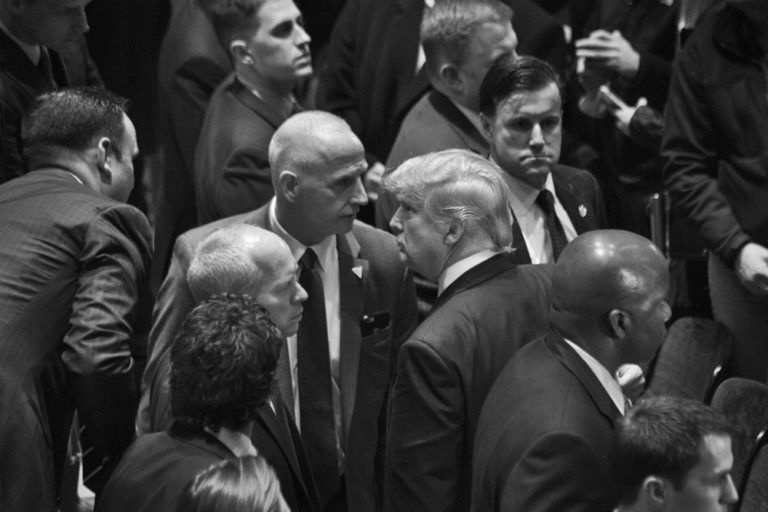
Trump’s Expected Appointment Alarm Security Analysts

0

Key takeaways:

– President-elect Donald Trump is likely to assign Kash Patel, a loyalist, to a significant job within the FBI or the Justice Department.
– Patel’s nomination has been controversial, which has led Trump to consider assigning him to a role that does not need Senate approval.
– Even a Republican-led Senate is unlikely to confirm Patel, given his history and controversies.
– MSNBC’s Willie Geist and NBC’s Ken Dillanian have conveyed concern over Patel’s prospective appointment and potential misuse of power.

Understanding the Controversy Surrounding Patel

Donald Trump, the incoming president, has been analyzing his options for key positions in his administration. One name has raised numerous eyebrows – Kash Patel. Previously a senior advisor during Trump’s first term, Patel has been a center of controversy. This is mainly due to his repeated suggestions of weaponizing the Justice Department against political opponents and the media.

Patel’s Potential New Role

Patel might be standing at the threshold of a high-profile position within the FBI or the Justice Department. With his nomination set to be highly contentious, there is gossip that Trump is eyeing a post for Patel that doesn’t demand Senate confirmation. He could be named the deputy director or assigned an investigative role in the Department of Justice (DOJ). Rumor also has it Trump intends to remove FBI director Christopher Wray, who he appointed in 2017 for a term of 10 years.

The Confirmation Conundrum

Why would Trump deliberately pick a nominee who seemingly has no chance of getting through a Senate confirmation? To understand that, we must look back at the previous nominated attorney general, Matt Gaetz, who had to withdraw his nomination after facing a tough battle. The transition team has accepted that his fate might be the same as Gaetz’s, even with a Republican-dominated Senate.

The Voice of Concern

MSNBC’s Willie Geist and NBC correspondent Ken Dilanian have voiced concern. According to them, Patel’s past is filled with disturbing actions and statements, like lying about being a leading prosecutor in the Benghazi case. Geist and Dilanian worry that his installation to a powerful DOJ post could lead to the abuse of his authority and cause significant harm.

Dilanian emphasized that the deputy director’s role, which Patel could be assigned, is essentially akin to the chief operating officer, a responsible and influential position. He remarked that Patel could create a lot of problems if he were given the authority to scrutinize the investigators.

Patel: Personification of MAGA Rage?

Patel represents MAGA’s fury toward the Justice Department and the FBI. He has repeatedly been in the media spotlight for wrongfully accusing the FBI of corruption and putting the blame on Democrats for the failed Trump prosecutions.

Dilanian, who has been following these investigations closely for two years, can attest that Patel’s accusations lack evidence. Instead, he explains that Attorney General Merrick Garland has removed politics from judicial decisions and appointed a special counsel. Despite Patel’s claims, the deep state did not corrupt the FBI to pursue Trump, according to Dilanian.

What Lies Ahead?

Dilanian predicts that Patel might attempt to take revenge against the FBI if he is assigned a powerful position. This could potentially jeopardize the function of the intelligence community and wreak havoc in the CIA, where Patel has also waged war. As we enter this new phase with Trump in the White House, the full weight of Patel’s potential appointment remains to be seen.

Alleged Assassination-Plotter Ryan Routh Pens Letter from Jail, Muses on Politics and Civil War

0

Key Takeaways:

– Ryan Routh, who is accused of plotting an attempt on Donald Trump’s life, wrote a letter from jail.
– In the letter, Routh criticized both political parties, called for the encirclement of the Capitol, and contemplated the possibility of a civil war.
– The authenticity of the letter was confirmed based on its handwriting and other clues.
– The content of the letter provides insight into Routh’s political beliefs and motivations for allegedly planning to assassinate Trump.

Deep Dive into Routh’s Jailhouse Letter

Accused Trump would-be assassin, Ryan Routh, shared his views on American politics and mused about a civil war in a letter he wrote while behind bars in the days leading up to the presidential election. His vitriol was aimed at both the Democratic and Republican parties, and he encouraged Americans to surround the Capitol if Trump were to lose the election.

Routh’s Political Stance

In his lengthy handwritten communique, Routh railed against the U.S.’s two-party system. He voiced his frustration over being boxed into choosing between Democrats and Republicans, while other parties like Libertarians and the Green party are marginalized. His grievances highlight a shared concern among a good number of Americans who feel that the system excludes many people and possible candidates. Routh’s letter reveals that he identifies as an independent and votes for the candidate he believes is the best irrespective of party affiliation.

The Elephant in the Room: Assassination Attempt

His letter includes references to his alleged assassination attempt against Trump. Routh was apprehended after he was spotted spending hours hiding in the bushes at a Trump golf course in Florida. Interestingly, rather than finding a scapegoat, Routh seems to accept responsibility and links his actions to his political beliefs.

Contemplating Civil War

The letter also contemplates the possibility of a civil war in the aftermath of the presidential election. He wrote that people should surround the Capitol to prevent another riot if Trump were to lose. It seems he was ready to take drastic measures if he believed democracy was being threatened.

Future Predictions and Warnings

Routh expressed concerns about the implications if Trump were to win the election. He proposed that the power of the military be transferred from the president to Congress before January to limit presidential powers. On the other hand, if Trump lost, he suggested that people should protect the Capitol to prevent another attack. He seemed to be deeply worried about the state of the country regardless of the election outcome.

Unraveling the Mind of Routh

Routh’s letter may have shed some light on why he allegedly planned to kill Trump. He seemed deeply dissatisfied with the status quo and was ready to take drastic measures. However, as highly charged as his letters are, his motivations remain an enigma. What is clear is that in these polarized times, the debate around politics, freedom, and democracy isn’t going away.

In conclusion, Routh’s letter gives us a glimpse into the mind of an alleged assassin. His grievances, political views, and predictions paint a picture of a man deeply frustrated with the current political system. As intense and filled with discord as his letter is, it opens up a dialogue about our two-party system, the power dynamics in our government, and the lengths some people are willing to go to secure what they believe is freedom and democracy.

Trump’s Staff Picks Promise Support for High-Tariff Economic Policies

0

Key Takeaways:

– Donald Trump’s staff choices have been made with prospective less resistance on his economic policies in mind.
– This time around, Trump has a larger pool of supporters having government and business knowledge to choose from.
– Howard Lutnick and Scott Bessent have been announced as the Secretary of Commerce and the head of the Treasury Department, respectively.
– Former commerce secretary, Wilbur Ross, shared his thoughts on Trump’s approaches, including the president’s tariff plans.

Trump’s New Staff Configuration

Donald Trump’s revamped team is likely to offer stronger support for his economic policies in his second term. This was confirmed by Wilbur Ross, the former Commerce Secretary. He expressed this at an interview recently discussing Trump’s prospective policies, particularly regarding tariff increases.

Underlined by Ross, Trump’s pool of potential staff is more diverse now. It includes individuals with extensive experience in both government and business spheres. While Ross emphasized that the new team will not necessarily agree blindly with all of Trump’s decisions, he noted less inherent opposition to the president’s views.

In terms of tariff, Ross described a lack of full alignment on ideas such as an overall 10% tariff on imports or a significant 60% tariff on Chinese goods, as suggested by Trump on the campaign trail.

Key Appointments and Their Impact

Post the presidential election, Trump’s appointment choices have caused notable changes in the American administrative landscape. A week ago, he declared Howard Lutnick, his transition team’s co-chair, as the new Commerce Secretary. In addition, he also named billionaire hedge fund manager Scott Bessent to lead the Treasury Department.

Both these appointments are pending Senate approval. But Wall Street’s approval was evident when the Dow Jones Industrial Average hit a record high after the announcement of Bessent.

Trump’s final decision on his trade envoy is still pending. However, he confirmed that Lutnick would directly oversee work at the US Trade Representative’s office.

Reflection on First Term Conflicts

During Trump’s first term, he experienced severe resistance from his top economic adviser, Gary Cohn. Cohn, disagreeing with Trump’s decision to impose high tariffs on imported steel and aluminium, resigned. His successor, Larry Kudlow, was initially less enthusiastic about implementing tariffs compared to others like Robert Lighthizer or Ross himself.

Trump faced further opposition after imposing duties on Chinese goods worth hundreds of billions of dollars. This ushered in a trade war with China, the world’s second largest economy. The move even triggered pushback from Republican ranks in Congress.

Looking Forward To the Next Term

During his next term, Trump will likely face less opposition from congressional Republicans. Ross attributes this to the retirement of several prominent free-trade proponents. Ross also noted an increasing consensus on tariffs within the Republican party and across party lines.

Ross defended Trump’s tariff reforms. He advised against imposing tariffs on a single country, like China, as businesses could simply divert their products through other economies.

Looking ahead, Ross believes that Trump’s future trade policy will be rational with certain exceptions like semiconductors, where US is heavily reliant on other nations.

The equation between other nations and Trump’s policies will steer the journey forward. Ross opines, it largely depends on how other countries react to his approaches. It seems like Trump’s path in his second term might be less rocky than his first, courtesy of his carefully selected staff. These individuals, with their extensive experience and broad perspectives offer great promise to Trump’s ambitious economic plans for the United States.

Scrutinizing Elon Musk’s Task Force Plans to Revamp Government Spending

0

Key Takeaways:

* Elon Musk sets up an independent task force called DOGE
* The task force vows to cut down on government wastage and rectify the fiscal deficit
* The claims made by DOGE regarding its efficiency are vague and dubious
* The proposed financial adjustments appear unrealistic considering how major federal expenses function
* Certain significant federally funded operations could be compromised due to the proposed budget cuts

The Elon Musk Initiative

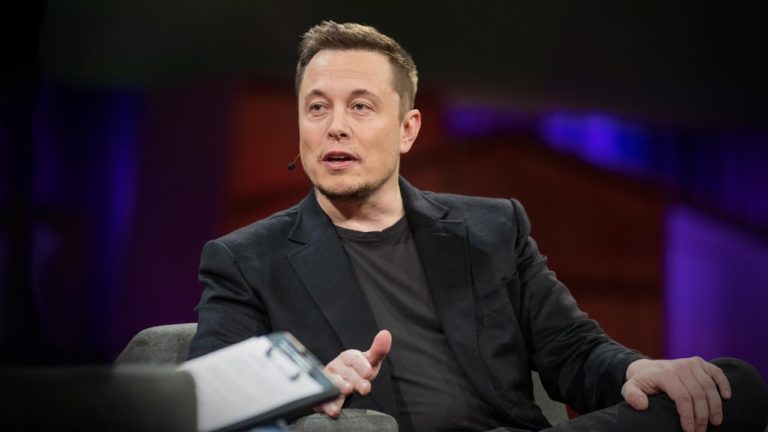
Billionaire Elon Musk has proposed a novel initiative to curb government inefficiency. Through an independently functioning task force called the Department of Government Efficiency (DOGE), Musk’s plan aims to overhaul governmental dynamics. DOGE comes endorsed by President Trump and takes the namesake of a popular internet meme.

Dubious Claims of Fiscal Regeneration

However, the task force is under scrutiny. Their calculations, pledging to eliminate approximately $2 trillion from the annual budget, don’t seem to add up. Within the fiscal year 2023, governmental spending rose to $6.16 trillion, whereas only $4.47 trillion was the revenue inflow. The task force’s sheer objective is to counteract this trend and achieve budget equilibrium, an objective sounding easier said than done.

Reality Check On Undertakings

Scrutinizing government spending, three major expenditures are Social Security ($1.45 trillion), the Departments of Defense and Veterans Affairs ($1.1 trillion), and Medicare ($900 billion). Additionally, the interest payments on national debt amount to another hefty $900 billion. Due to the imminent increase in the aging population, it seems insurmountable to severely reduce spending in these sectors in the coming years.

Understanding the Budget Allocation

This adds up to over $4 trillion, a cost that cannot be meaningfully reduced. The budget remainder goes toward Medicaid, food aid, state grants for multiple programs and projects, scientific research, and vital agencies like the National Weather Service, among others. To fulfill the notion of balancing the budget without new tax hikes becomes nearly unthinkable. This is especially because Trump is planning to cut taxes even further.

Analyzing DOGE’s Stance on Expenditure

Many examples of what DOGE regards as pointless government spending have been provided. On one instance, they criticize a $2.5 million Super Bowl ad for the Census. The rhetoric behind the criticism fails to recognize that encouraging the population to mail-in response could save about $85 million. The cost savings would come from not having to send workers to acquire the same information through door-to-door canvassing.

Public Concerns Loom

DOGE’s strategies and decision-making processes raise concerns about the potential collateral effects. By eliminating government functions that don’t come under defense and retirement programs, crucial operations such as scientific research, weather services, and food aid run the risk of being compromised.

DOGE’s pursuit of balancing the budget through such massive cuts raises questions about the feasibility of these proposed strategies and the real impact on the public. Massive cuts in government programs could drastically impact the services provided to the public. There needs to be an open, analytical conversation about the real implications of these proposed changes.

In a world where priorities are constantly shifting, it is worth questioning how this budget plan would truly save resources without hindering progress or leaving vulnerable populations unsupported. As debate over this proposal continues, we must remember that economic efficiency should not come at the price of societal well-being.

Trump, the First to Win US Presidency Despite Criminal Indictments, Evades Prosecution Yet Again

0

Key Takeaways:

* Donald Trump wins presidency despite having four criminal indictments.
* Two federal indictments against Trump dismissed.
* Trump evading prosecution raises questions about presidential immunity and accountability.
* The future of special counsels in politically sensitive investigations remains unclear.

Trump Makes History, A Different Way

Donald Trump, the United States’ colourful and controversial President, has achieved a first in American history. Despite having faced four criminal indictments, he arose victorious on Election Night. Not only did he win the election, but he also became the first presidential candidate in the US to do so while carrying such a legal burden.

One of these indictments resulted in his conviction on 34 felony counts. The charges included election interference and possession of confidential documents, claims brought on by Jack Smith, special counsel for the U.S. Department of Justice. However, his election victory has thwarted the legal proceedings.

Implications of Cases’ Dismissal

In a twist, Smith has now moved to dismiss the two outstanding cases against Trump. This decision is based on a longstanding policy of the US Department of Justice, which refrains from prosecuting a sitting president. Smith has also appealed to withdraw his previous appeal in a case dismissed by Judge Aileen Cannon.

This move further adds up to Trump potentially escaping legal liability for his actions. The two cases against Trump pertain to his attempt to overturn the 2020 election and alleged hoarding of classified government documents.

Presidential Immunity or Impunity?

This development leaves the United States grappling with unresolved critical questions on the limits of presidential power and the scope of presidential immunity. The termination of the two lawsuits against Trump raises doubts about the constraints on presidential wrongdoing. It also raises concerns about the future of US democracy, and what constraints, if any, President Trump will face in his second term.

The Future Role of Special Counsels

One significant question likely to remain uncertain pertains to the role and authority of special counsels. In politically sensitive investigations, whether attorneys general can confer an outsider with the authority to lead an inquiry is now unclear. Would they have the autonomy to operate daily? The answer remains murky, casting doubt on the future role of special counsels in the American legal landscape.

Unsettled Democracy

As Trump forges ahead into his second term, the dismissal of the federal cases against him highlights a critical juncture in American democracy. While Smith’s move to dismiss these cases undermines the prospects for accountability for President Trump, it also underscores greater constitutional challenges that could shape the future of the nation.

The matter begs contemplation about justice, democracy, and the governance of the most powerful office in the land. It ultimately raises the question of whether justice is truly blind, or if there is a privilege to power that allows evasion of responsibility. As we tread into a new chapter in US history, lessons will undoubtedly be learnt from the presidential saga of Donald Trump.

New HHS Proposal to Cover Weight-Loss Drugs Draws Mixed Reactions

0

Key Takeaways:

– The Department of Health and Human Services (HHS) presents a new rule proposal to cover weight-loss drugs under Medicare and Medicaid.
– The announcement by HHS Secretary Xavier Becerra may spark disagreement with Robert F. Kennedy Jr., set to become HHS secretary.
– The weight-loss drugs, Ozempic and Wegovy, contain the active ingredient semaglutide, known to encourage significant weight loss.

An Emerging Controversy

A potential conflict is brewing as the Biden administration draws to a close. The issue centers on the coverage of weight-loss drugs by Medicare and Medicaid. The proposal comes from Health and Human Services Secretary, Xavier Becerra. Its approval, however, might face strong opposition from Robert F. Kennedy Jr., recently nominated as the future HHS secretary.

Understanding the Proposed Rule

The suggested rule aims for easier access to weight-loss drugs for Americans. Secretary Becerra believes the step is critical in tackling the obesity epidemic raging across the U.S. Obesity is not just a health concern; it also poses a threat to the economy.

Becerra plans to include weight-loss drugs such as Ozempic and Wegovy under Medicare and Medicaid. The active element in these medications, semaglutide, supports notable weight loss. It can contribute to preventing chronic illnesses such as diabetes and heart disease.

Covering these drugs would allow older American Medicare recipients better access. The proposal also favors low-income Americans eligible for Medicaid. Also, this move could hinder private insurers offering Medicare Advantage plans—they would find it harder to deny these treatments via prior authorization.

Becerra favors using available resources to promote American health and encourages science to guide the way. The rule’s introduction into the federal register will not halt it from coming into effect under any future administration— in this case, that of President-elect Donald Trump.

The Possible Opposition

Robert F. Kennedy Jr., known for his stance against vaccines, could oppose the new ruling. He tends to argue against weekly injections like Ozempic and Wegovy. In the past, Kennedy expressed intent to use his influential position in health agencies to promote healthy eating and regular exercise.

Previously, he criticized the idea of selling such drugs to Americans, implying an addiction to drugs. How he would react to this new policy remains to be seen. The expected opposition could provoke a heated debate about the proposed rule, its benefits, and potential drawbacks.

Facing the Future

As the Biden administration ends and a new one prepares to take the reins, there’s a looming question—is the path to health primarily through medication or lifestyle changes? Between restricting drug access and over-relying on it, where should the line be drawn? This is a vital discussion, considering the U.S.’s current obesity situation.

The proposal might ignite fresh debates about America’s healthcare landscape— primarily whether medications should play a central role or the focus should be on preventive measures such as a balanced diet and regular exercise. It’s a debate that will likely keep health professionals, lawmakers, and ordinary Americans engaged in the coming weeks and months as the transfer of power takes place.

Whether the rule will get green-lighted under the new regime or face backlash remains unclear. However, it marks a turning point in the approach toward handling America’s ongoing health crisis—a moment that could shape policy directions for years to come.

In conclusion, the recommendations made by Becerra could go a long way in assisting Americans—particularly low-income and older citizens—to access necessary treatments in their battle against obesity. However, these solutions may not appease everyone, especially those like Kennedy, who advocate a more holistic approach to health. It will be intriguing to see how the story unfolds and impacts the lives of countless Americans.

Trump’s Trade War: Eminent Economist, Paul Krugman Dives into Proposed Tariffs

0

Key Takeaways:

– Donald Trump threatens to impose tariffs on all products from Canada and Mexico.
– Paul Krugman, renowned economist, believes Trump’s tariff is more about showing toughness than strategic negotiation.
– The tariffs appear to be on shaky legal grounds.
– Krugman raises concerns about the future credibility of the US owing to possible violation of arrangements.

Trump’s Tariff Plan: A Look at the Facts

As we stride into what seems to be another tumultuous chapter of international trade relations, it appears that former US President Donald Trump has threatened to impose tariffs on all products from our closest trade partners, Canada and Mexico. Renowned economist Paul Krugman views it more as a bid to display dominance rather than a justified countermove to serve national interests.

Digging Deeper into Trump’s Trade Strategy

To understand the premise of Trump’s bold stance, it would be misleading to suggest it’s part of some intricate trade negotiation scheme to draw concessions from our two largest trading partners. Contrary to popular narratives, Krugman argues that this appears less like masterful negotiation or leverage quest, and more like a move to assert toughness.

Questioning the Legality of the Proposed Tariffs

Looking beyond the motives, another important facet to consider is the legality of such tariffs. As our preeminent economist points out, there seems to be a thin layer of legal justification for the tariff imposition. After examining the situation closely, he’s convinced that the tariffs stand on shaky legal grounds.

An Apparent Contradiction in Trump’s Trade Policy

Strikingly, Krugman sheds light on one key paradox. The proposed tariffs contradict the earlier trade agreement reached with Canada and Mexico under Trump’s regime. Clearly, imposing such tariffs flagrantly violates the trade accords that we, as a nation, have meticulously set up and agreed to adhere to with our international trading counterparts.

The Impact of Breaching Trade Arrangements

Delving deeper into the implications of ignoring the trade agreements designed between our respective nations, it’s worth underscoring an increasingly concerning feature of the entire situation: the potential threat to the credibility of the US. By flagrantly disregarding our trade agreements, we risk undermining our integrity in the world’s eyes and damaging the trust our trading partners place in us, highlighting how we may not honor the treaties we sign.

As Krugman astutely points out, evading the law is not something to take lightly, nor is it a course that we can easily reverse without bearing the brunt. We need to tread carefully to make sure we don’t inadvertently tear down years of painstaking progress in establishing ourselves as a trustworthy trade partner.

Reflection: The Economics of Power Display vs. Strategic Negotiations

In this age, where geopolitical tensions can trigger a domino effect on international diplomacy and economies, arouse uncertainties and jeopardize international relations, it may be more crucial than ever for us to question and understand the true intent behind our economic policies.

From Krugman’s analysis, it appears that the proposed tariffs may not be as much about securing economic benefits as they are about trumpeting power and dominance. It invites us to rethink the idea of economic power display versus strategic negotiations and the long-term ramifications it can have on our economy and international reputation.

In conclusion, only time shall reveal the true effect of these audacious tariffs. Will they serve our national interest or just lead to more turmoil and disruption? The answer lies in how we choose to navigate the complexities of international trading politics in the coming days. Until then, we must preoccupy ourselves with understanding and questioning, rather than blindly accepting the trajectory that our economic policies seem to chart for us.

Trump Controversially Courts Power Over Budget in Second Term

0

Key Takeaways:

* Donald Trump is leveraging an obscure legal theory to control government spending in his second term.
* His plans might provoke a legal battle over the separation of powers in the US Constitution.
* Independent agencies like the Department of Justice may come under political control, threatening their autonomy.
* Trump’s attempts to get this impoundment power may contradict a Nixon-era law and several federal court rulings.
* Plans to cut federal spending and staff outlined by Elon Musk and Vivek Ramaswamy could provide Trump with a Supreme Court test regarding the 1974 Congressional Budget and Impoundment Control Act.

Facing Into Second Term with Controversial Budget Control

As Donald Trump sets his foot on his second term as President, his axes are set on some surprising targets: federal budgets and services. His plan? Starving undesired programs by cutting off their funds. Trump and his team are citing an obscure yet powerful legal theory propagated during the 2023 campaign, stating that presidents have the constitutional power to halt unnecessary spending.

Impoundment: A Threat to Constitutional Dynamics?

This audacious plan, described as ‘Impoundment,’ may trigger a significant debate over the president’s control over the budget. The US Constitution assigns responsibility for appropriating the federal budget to Congress, while the Executive Branch is tasked with effectively distributing the funds. But now, Trump’s team is throwing a curveball, arguing a president can singlehandedly dismiss Congress’ spending plans and impound funds.

Wherever this money-stopping power surfaces, it’ll be seen as a part of Trump’s larger plan to consolidate executive power. This has been exemplified when Trump openly pressurized the Senate to take recess in order to appoint his cabinet without any possible oversight. This has raised alarms, as it is possible independent agencies, such as the Department of Justice, could fall under political control.

Facing Into Legal Battles

When a president tries to veto Congress-approved programs, it likely opens a can of entirely complicated worms. Such an assertive power shift could spark legal battles within federal courts and Congress. Experts warn about the potential for this to change Congress’ fundamental power fundamentally.

However, Trump’s proposals not just question constitutional design but also contradict a Nixon-era law and many federal court rulings. These measures prohibit presidents from stopping spending due to policy disagreements, unless a provision is explicitly mentioned in the Congressional Authorization.

Budgeting Battle Lines Drawn

In an op-ed piece written earlier this week, tech giant Elon Musk and former presidential candidate Vivek Ramaswamy detailed their plans to cut federal spending and dismiss civil servants. Some of these initiatives might provide Trump with his first Supreme Court test regarding the post-Watergate Congressional Budget and Impoundment Control Act of 1974. This law mandates a president to spend money for measures Congress approves, with few exceptions.

Trump and his team have been candid about his plans for a hostile budget takeover. The plan goes beyond the intent of reducing federal government size, a traditional conservative aspiration. It has sparked new fears about the potential of reprisal actions.

Historical Debates and Future Consequences

Trump and his aides argue for a historical lineage for impoundment tracing back to the time of President Thomas Jefferson, though these claims have been contested. It’s evident through historical instances that most precedents involve defense expenditures and cases where the president was explicitly granted discretion by Congress, not a unilateral decision to cease spending.

In conclusion, Trump’s intended budget power grab in his second term is not just about reducing the size of the federal government. It’s also causing apprehension over his vengeful promises, potentially triggering battles not just over the budget but the fundamental design of the Constitution. The stage is now set for consequential debates on presidential power and the dynamics of American government. Only time, and perhaps the Supreme Court, will deliver the final verdict.

Global HIV Infections and Deaths Decreased in 2010s, Yet Challenges Remain

0

Key Takeaways:

– HIV infections and related deaths decrease globally, particularly in Sub-Saharan Africa.
– Preventative measures, such as the PrEP treatment, are effective tools.
– A new antiretroviral treatment called lenacapavir shows promise, with 100% prevention success rate but may not be affordable for everyone.

During the past decade, the world achieved significant advancement in the fight against HIV. Both the rate of new infections and fatalities decreased by a noticeable margin. However, health authorities are quick to caution that the fight against this persistent disease is nowhere near its end.

Impressive Results Yet Far From Perfection

In the 2010s, global HIV infections saw a decline of one-fifth, an achievement directly attributed to the efforts in Sub-Saharan Africa. Indeed, this region, which felt the brunt of the epidemic, made the most impact on these numbers. Similarly, the number of AIDS-related deaths also dropped by about 40%, bringing the figures under a million annually.

However, while significant, this progress is not universal. Some regions, like Eastern Europe and the Middle East, experienced a rising trend in HIV infections. Additionally, these figures don’t bring us close to the United Nations’ target of virtually eliminating AIDS-related deaths by 2030.

Resilient Solutions for Disease Control

Pre-exposure prophylaxis, largely known as PrEP, have proven very effective in the fight against HIV. The daily consumption of these pills can reduce the risk of contracting HIV by about 99% during sexual activity.

In addition to preventative measures, those already infected with HIV can also combat the virus through antiretroviral therapy. This treatment could decrease the viral load in their blood to undetectable levels, dramatically reducing the risk of transmitting the disease. The US Centers for Disease Control and Prevention maintains that the chance of breastfeeding moms passing HIV onto their kids is less than 1% when they have such low viral loads.

New Hope in the Horizon

While those living in better-off countries have access to these preventative measures and advanced treatments, those in less affluent nations struggle due to the high costs. There’s hope though; a novel drug, lenacapavir, is being developed and tipped as a potential game-changer.

Lenacapavir is an antiretroviral treatment that just needs to be administered twice a year. This significantly reduces the burden of administration, typically requiring daily pill intake, for HIV patients.

The Impending Affordability Crisis

However, there’s a substantial financial hiccup. Pharmaceutical company Gilead, the manufacturer of lenacapavir, charges a staggering $40,000 yearly per person for this groundbreaking treatment in several countries.

Following this price revelation, calls came for Gilead to reduce these costs, especially for poorer hit nations. Thankfully, Gilead responded to these pleas by allowing licensing deals with six generic drug manufacturers who will provide cheaper versions of lenacapavir in lower-income countries.

Despite this, the problem is far from solved. There are still millions of individuals living in countries outside these deals, missing out on affordable access to this life-changing treatment.

In addition to these direct health benefits, the infrequent injections could also undermine the stigma attached to the disease.

In the Quest for a Vaccine

Sadly, despite relentless efforts over several decades, creating a HIV vaccine remains an elusive target. Although lenacapavir’s effectiveness in prevention is comparable to a vaccine, a real HIV vaccine is yet to be developed.

Sometimes, HIV patients can also get cured completely. However, these cases are rare and typically involve brutal stem cell transplants to treat their leukaemia, making it a nonviable option for most living with HIV.

In conclusion, while significant strides have been made in the fight against HIV, the battle is far from over. As we approach World AIDS Day, let’s shine light on the unseen corners and keep pushing towards eliminating AIDS-related deaths globally.