60.8 F
San Francisco
Wednesday, May 20, 2026
Home Blog Page 1510

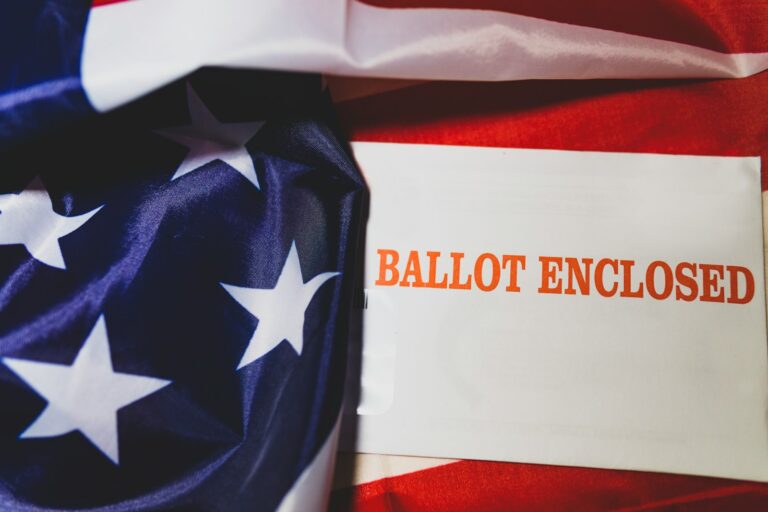
Early In-Person Voting Numbers in North Carolina Skyrocket Past 2020 Records

0

Key Takeaways:

– Early in-person voting in North Carolina concludes on Saturday.
– The State Board of Elections reports that more votes have already been cast via this method compared to four years ago.
– A new record was set in 2020, with 3.63 million voters turning out during the 17-day early-voting window.
– This year’s figure has surpassed 2020’s already, with 3.71 million people voting early in person by Thursday evening.

Early Voting Surpasses 2020 Records

Across the hundred counties of North Carolina, early in-person voting has started to make waves. Before the period ends this upcoming Saturday, the North Carolina State Board of Elections has already confirmed an intriguing fact: this year’s early voting figure has exceeded that from the election four years ago.

In the fall of 2020, the state set a record for early in-person voting. During the designated 17-day early voting period, a sizable 3.63 million residents visited the polls. During this year’s period, that lofty record has not just been matched – it’s been surpassed.

Record-breaking Voter Turnout

This year, the state saw an even larger number of voters making the trip to their polling stations to cast their early votes. As of late Thursday, the State Board of Elections tallied that approximately 3.71 million North Carolina inhabitants had already cast their votes in person.

This isn’t a minor change or small increase. It represents an impressive surge in the state’s voters who are not only eager to exercise their civic rights, but also choose to do so ahead of election day.

The Impact of Early Voting

When we drill down into what this might mean for the state’s politics, the implications are hefty. Voting behavior has substantial bearings on the trajectory of policy, social issues, and leadership in the region. Greater participation denotes a more involved public, one that actively influences their state’s direction.

Moreover, high early voting turnout signifies that voters are making the effort to navigate potentially crowded polling sites and organize their schedules to vote ahead of time, indicating a drive and willingness to voice their opinions.

Power of Voting in Action

North Carolina’s surge in early voting is illustrative of democracy’s vitality. At the heart of it, voting is a direct path for citizens to express their stance on a panorama of issues. The act of casting a ballot is a form of engagement, a stand, and a statement about a voter’s vision for the local and national landscape.

We may not know until after the election the full effects of this increased turnout, though it undeniably speaks volumes about citizens’ passionate involvement in the democratic process.

Final Stretch to Election Day

With early voting concluding on Saturday, the countdown is on for the remaining North Carolinians intending to cast an early ballot. While we don’t know the final tally yet, we can rest assured knowing that the commanding turnout will have a measureable, tangible impact on the future of the state.

The power of the vote is collectively shaping our institutions, our society, and our lives. The surge in early voting in North Carolina serves as a reflection of the importance of democratic participation, and hopefully, an indicator of increased involvement from voters around the future.

The numbers speak for themselves: the democratic process is not just alive – it is thriving.

October Job Numbers Slip due to Strikes and Storm: What You Should Know

0

Key Takeaways:

– Job growth dipped significantly in October due to storms and strikes.
– The economy added only 12,000 jobs, a drastic reduction from September’s 223,000.
– The unemployment rate remained stable at 4.1%.

Storms and Strikes Impact Job Growth

October saw a sharp decline in job growth. This isn’t the usual month-to-month fluctuation we often see. Circumstances outside of our control played significant roles. Severe weather conditions and ongoing strikes were the main culprits for this slowdown.

In the world of work, Mother Nature has her say too. It’s not the first time bad weather has affected job numbers. Workplaces, particularly outdoor ones, close during hurricanes. It’s about employee safety. Also, when employees can’t make it to work, it negatively impacts job statistics.

And the hurricanes weren’t the only reason behind the disappointing numbers. Worker strikes have a similar effect. A prominent example was the Boeing strike. On halt, it left a significant number of workers idle.

What the Numbers Say

Looking at the job numbers, October added a mere 12,000 to the economy. That’s a significant drop from September, which had a job gain of 223,000. Even considering potential storm and strike effects, this fall was more than experts predicted.

The Wall Street Journal had carried out a poll among economists. They anticipated a slight dip, expecting a gain of around 100,000 jobs. However, the actual numbers fell short of their expectations.

Stability in Unemployment

Despite the dip in job creation, there’s a silver lining. The unemployment rate stood still at 4.1 percent. Economists had predicted this, and it came in line with their expectations.

This rate suggests that while job growth slowed down, it didn’t lead to mass unemployment. It indicates that while new job creation was lower, existing jobs remained relatively stable.

In looking at these figures, we need to understand that these are seasonally adjusted numbers. That means these numbers take into account the normal ups and downs we see throughout the year. This adjustment helps provide a more accurate view of the job market trend.

Final Thoughts

The events of October remind us how external factors can impact an economy. Severe weather and worker strikes both played significant roles in the reduced job growth.

Economists predicted some impact; however, the actual figures were startling. Yet, despite the drop in new job creation, unemployment remained steady. It showcases the resilience of the job market., a positive takeaway from the October statistics.

It will be interesting to see how November unfolds. Will we make up for October’s slowdown, or will we continue the sluggish trend? The compelling world of economics always keeps us on our toes. It will be exciting to see what happens next as we navigate the ever-changing economic landscape.

U.S Court Orders Reconsideration on School Pronoun Policies

0

Key Takeaways:

– The U.S. court has reviewed the school pronoun policy case.
– The judgment focuses on school policies related to using non-preferred pronouns.
– The Tinker v. Des Moines case is referenced which highlights schools’ authority to prevent disturbances.

The Pronoun Policy Back in Court

Today, a new twist has emerged in the American legal system regarding school pronoun policies. A recent order for rehearing was filed, meaning the court will once again be scrutinizing a case which has stirred much conversation in recent months.

Understanding the Issue

This puzzling pronoun policy case hinges on school mandates barring students from intentionally and repeatedly using incorrect pronouns when referring to their classmates. Judging how such policies effect interpersonal conduct in American schools, the court has decided to reevaluate the issue.

The Judges’ Standpoint

It was Judge Jane Stranch, supported by Judge Stephanie Davis, whose opinions triggered a revisit of this topic. They pointed to one significant precedent, the Tinker v. Des Moines Ind. Cmty. Sch. Dist case. This case, dating back to 1969, asserted that schools do not have to wait for a disturbance to occur before taking remedial action.

The Stranch-Davis View On Pronoun Policies

In the vacated panel majority viewpoint, which is no longer in effect, Judge Stranch and Davis held a firm stance on the school pronoun policies. Rooted in Tinker v. Des Moines, their judgment emphasized preventative measures that education authorities might enact to avoid uproar.

Briefing the Tinker v. Des Moines Case

To dissect this case a little further, Tinker v. Des Moines case was a landmark court decision, marking a turning point in American educational policy. It concluded that school administrations did not have to wait for disturbances to escalate before intervening.

This groundbreaking precedent is the sidebar for the upcoming rehearing on school pronoun policy case. The court will reassess the legality and implications of such policies, looking into if they indeed overstep or safeguard the rights of students.

The Look Ahead On The Case

As the court prepares to reconsider this complex case, debate and discussion circles around it. How the court interprets the rights and responsibilities of both students and schools will be under intense scrutiny. The implications of this rehearing are significant, and its verdict could draft new parameters for how schools are expected to manage the evolving issue of gender pronouns in the education system.

To Conclude

In today’s society, where the understanding and acceptance of diverse gender identities are essential, it’s clear that the outcome of this case could have far-reaching effects. With a preamble rooted in society’s evolving understanding of its complications, the court’s reconsideration of the school pronoun policy case is a focal point of national attention.

As we await the impending proceedings, the outcome of this case holds the potential to significantly influence our nation’s education policies, reflecting the changes in societal norms and the evolution of language and identity. This case exemplifies the intersection of law, education and society, and we wait with bated breath to see the aftermaths of the court’s decision.

In contextualizing the case from a broader perspective, it’s worth noting how much of an impact school laws have on influencing societal norms and shaping the attitudes of future generations. The reconsideration of this pronoun policy case emphasizes the dynamic nature of law, reflecting our ever-evolving society. Only time will tell how this unfolds.

Trump’s Pledge: Tax Cuts for Homeschooling Parents in the Pipeline

0

Key Takeaways:

– President Trump promises to extend tax advantages to homeschooling parents if re-elected.
– Trump promises the elimination of taxes on up to $10,000 per child annually on homeschooling expenses.
– Trump’s move comes at a time when homeschooling popularity is growing amidst the COVID-19 pandemic.
– The President is advocating for homeschooling families to have the same access to extracurricular activities like athletic programs, clubs, and educational trips as non-homeschool students.

Tax Relief for Homeschooling Parents in View

Parents who choose homeschooling have long faced the double challenge of paying taxes that support public schools, as well as purchasing their own materials and teaching resources. But this situation may change soon if President Donald Trump has his way.

Trump’s Promise for Homeschoolers

Trump assures homeschooling families of important tax restructuring if he is re-elected. He has pledged to abolish taxes on up to $10,000 per child each year that goes towards their education. This change allows parents to utilize their resources fully in providing a robust homeschool education for their children.

The President explained, “When I am re-elected, I will do everything in my power to back parents who bravely decide to homeschool.” He noted that his previous tax cut policy had permitted families to use 529 education savings accounts to spend tax-free on tuition for K-12 grades. However, this benefit was not extended to homeschooling families, a gap he plans to bridge.

Homeschooling Boom

The rise of homeschooling in the United States has skyrocketed since the outbreak of the COVID-19 pandemic. The shift to online learning opened the eyes of many parents to some of the ideologies presented in public school classrooms, leading to increased interest in homeschooling. Trump’s new tax policy aims to accommodate this seismic shift in the educational landscape.

Inclusive Benefits for Homeschooling Families

Trump plans to earmark up to $10,000 per child each year, as a “completely tax-free” budget for homeschooling needs. He also plans to broaden the prospects for homeschooling children by working towards ensuring they receive full access to all benefits enjoyed by non-homeschooled students.

This includes participation in athletics, clubs, after-school activities, and educational field trips. Trump believes these experiences form an integral part of a holistic educational environment and should be accessible to all students, irrespective of their learning settings.

Making Homeschooling More Attractive

If these promises come to fruition, they will undoubtedly reshape the homeschooling arena in the United States. The tax breaks coupled with the inclusion of homeschoolers in extracurricular activities not only makes homeschooling a more appealing option but also brings parity in the treatment of homeschooled and non-homeschooled students.

Conclusion

With the surge in homeschooling amidst the pandemic, the President’s announcement could not have come at a better time. If implemented, it may provide some relief to parents who are stretched thin between taxes and homeschooling expenses. It remains to be seen if the proposed changes will live up to expectations, but the potential impact on homeschooling is undeniably significant. With the promise of a more inclusive, equitable, and affordable future for homeschooling, many parents will be watching the upcoming elections keenly.

Easing into the Online Learning Revolution: A Comprehensive Overview

0

Key Takeaways:

– Online learning has become a global necessity due in part to the pandemic.
– Increased flexibility emerged as a primary advantage of online learning.
– Challenges like lack of real-time engagement and secure assessment methods demand innovative solutions.
– Companies like Google, Microsoft, and Zoom played a vital role in facilitating educational continuity.

Introduction to the New-Age Learning

Over the past two years, our world has taken a impacted twist. A tiny virus turned giant disruptor has forced us to reassess many things. One key area? Education. Gone are the days of traditional classrooms. Enter the era of online learning. Here’s what you need to know.

Adapting to the Online Revolution

The pandemic triggered an immediate need for remote education. Students worldwide switched on their computers and plugged into a new method of learning. It was a collective stepping into unfamiliar territory. Everyone had to adapt fast.

Upsides of Digital Classroom

The biggest perk of online learning? Flexibility. You can be anywhere, yet right on time for school. Online classes give students the freedom to manage their learning pace. They can revisit lessons or skip ahead, tailoring education to their needs.

Relevant Tools and Apps

Companies like Google, Microsoft, and Zoom pitched in. Google Classroom has become a go-to educational platform for teachers and students alike. Microsoft Teams provide a unified communication platform. Zoom offers interactive virtual sessions.

The Challenges Ahead

As students and teachers alike embark on this journey, roadblocks are inevitable. Online architecture still struggles to recreate the real-time engagement of traditional classes. Also, virtual assessments are intimidating due to potential integrity and privacy breaches.

Nevertheless, these challenges bring about change. Innovations like proctoring software and Virtual Reality (VR) could reshape the future of online education.

Continuing the March Online

The road to comprehensive, reliable online learning is long, yet we’ve made a strong start. The future does not promise an exclusive online or offline classroom. Instead, blended learning, a fusion of both worlds, could emerge as the norm.

Final Thoughts

The pandemic has ushered us into an era of online learning. The journey has been, and continues to be, full of challenges and opportunities. But one thing is for sure. Education has proven its resilience, adaptability, and readiness to meet the future.

To end with, remember this: The purpose of education has not changed, only the means of delivery has. It’s about connecting, growing, and shaping the future. No matter the platform, this purpose holds true.

So, here’s to the students and teachers – You’ve navigated the storm of change with grace. The world applauds you for being resilient and adaptable in the face of new challenges. Keep learning, keep growing, and keep shining in whichever classroom you find yourself. Your future is bright.

The Election Ahead: A Critical Juncture for America’s Future

0

Key Takeaways:

– The upcoming presidential election between Donald Trump and Kamala Harris is deemed the most crucial of our lifetime.
– This criticality can be seen through a structural approach, reflecting on how every new generation gets further away from the original American founding.
– The second reason is contextual, primarily focusing on Harris’s ideological standpoints considered the most liberal and least prepared in national history.

Why This Election Is a Turning Point:

It might seem cliché. Every four years, the impending presidential election is described as the most important one of our lifetimes. However, when it comes to the upcoming face-off between former President Donald Trump and sitting Vice President Kamala Harris, this might just be a reality. This perception isn’t just founded on political bias, but on a pair of essential principles – one structural, and the other contextual.

The Structural Dimension:

The concept of yeridat hadorot, a traditional Jewish idea denoting ‘the decline of the generations,’ can shed some light on why this election bears great significance. This principle suggests each generation becomes less reliable in upholding core values, especially as they veer further away from original revelations or founding principles.

In the context of the United States, the grandeur of the Constitutional Convention of 1787 has faded with subsequent generations. Barring a few epochal leaders like Abraham Lincoln, consistent failure to safeguard American values is visible, reflecting in aspects like the rise of the modern administrative state in the early 20th century. Hence, each progressive presidential election brings us farther away from the founding principles and closer to a point of no return.

The Contextual Dimension:

The importance of this election doesn’t just stem from the overarching structural reason. It also draws from the individual running for office. Kamala Harris has established a reputation as the most left-leaning, less intellectually equipped, and significantly unprepared presidential contender the nation has seen.

The prospect of a Harris presidency envisions a United States burdened with crime and terrorism, manufacturing demise, stifling mandates on the auto industry, restrictions on oil and gas causing energy price hikes, and inflation due to heavy expenditure. Moreover, fears of a compromised Supreme Court flooded with left-wing progressives, a weaponized Department of Justice, and increased threats from Iran, China, and jihadism make this election utterly pivotal.

A New Democratic Party:

This isn’t the Democratic Party of yesteryears. Where once leaders like Franklin Roosevelt and Bill Clinton saw objections and compromises from within their ranks, a Harris presidency anticipates followers that would heed to her without qualms. For instance, there’s likelihood of Court-packing and absence of religious exemptions on abortion rights would be more likely.

The Election Ahead: A Choice Of Direction

In essence, this 2024 election provides the country with the potential to pick sides in America’s ongoing civil unrest, characterized as the struggle between civil sanity and civilization’s arsonist forces. Trump and Sen. JD Vance, R-Ohio, are painted as the ‘normalcy’ ticket, whereas Harris and Gov. Tim Walz, D-Minn., are seen as representing ‘decadence’.

Therefore, this presidential election may indeed be the most important of our lifetime. The foundational principles of our constitutional structure, biblical inheritance, and middle-class economy are all up for grabs. It’s up to us now to determine whether team sanity prevails over the forces of decadence.

Tension Grows as Election Day Looms: Fears of Civil Unrest Linger

0

Key Takeaways:

– Rising uncertainty surrounds the upcoming U.S. Presidential Election, with fear of potential post-election discord.
– A large percentage of Americans, 76% according to one poll, are concerned about potential election-related unrest.
– This anticipation of violence is seen influencing the travel industry as Americans reconsider their travel plans around the election.
– Speculations and apprehensions encircle the aftermath of the election, including potential refusals of states to accept the designated President and possible civil war scenarios.
– Irrespective of the result, the prevalently divided state of the country and the massive national debt pose enduring challenges.

Mounting Anxiety as Election Day Approaches

With elections around the corner, anxiety levels seem to be heightening among American citizens. The general consensus reveals anticipation of variable outcomes, from a sweeping Trump victory to fears of rampant election fraud. Such unpredictability is spurring uneasy conversations regarding the potential fallout of the election results.

Post-Election Unrest: A Concern for Many

Rumours, discussions, and debates about a possible onslaught of civic unrest in the wake of the election are gaining momentum. It’s not just about who emerges victoriously but also about the aftermath. The burning question most are grappling with right now is, what comes next following the election?

A poll reveals that a significant majority, 76%, of Americans are apprehensive about post-election violence. This prevalent worry is not surprising, considering the culture of political violence that seems to have become an acceptable form of discourse in recent times.

Impact on The Holiday Travel Industry

This widespread unease surrounding the election has begun to seep into the travel industry. Many Americans are reevaluating their travel plans in November, a ripple effect of the potential for election-related violence. The anxiety associated with the imminent election is causing consumers to reconsider their travel destinations, timing, and companions, according to industry experts and travel agents.

A Grim Future for the Nation?

Once the dust of the election settles, the question that looms large is – what happens next? Speculations range from states refusing to accept the opposing candidate as their president, to possible civil war scenarios, and even the fear of the country breaking apart.

Moreover, even if President Trump secures a victory, concerns about the future of the country persist. There’s worry about America entering a ‘doom loop’ from which it may struggle to emerge, largely due to the massive national debt. Compounded by the potential for societal discord and anarchy, these challenges paint a rather grim picture for the country, irrespective of the election’s outcome.

The Politics of Division: Who’s Shaking the Jar?

It’s distressing to observe how deeply divided America has become. This division is not just political, and it goes beyond a simple “us versus them” mentality. It’s a division that is making neighbors turn against each other.

Bracing for Unpredictability on Election Day

As the election day draws closer, the palpable tension is apparent. With a country so divided and uncertain about their future, the only thing predictable about this election seems to be its unpredictability. The prevailing sentiment advocates for preparedness, irrespective of the election’s result. With the overwhelming weight of the existing national issues and the potential for societal unrest, it’s clear that this election will be anything but ‘business as usual.’ Whether it’s an emphatic Trump victory or a controversial loss, brace yourself for an election day that may not be pretty.

Virtual Reality: Impacting a New Wave of Real Estate Marketing

0

Key Takeaways:

• Virtual Reality is revolutionizing the real estate industry by offering immersive property tours.
• Real estate agents are utilizing VR to provide clients with an enhanced view of prospective properties.
• With VR technology, potential buyers can virtually tour properties regardless of their geographical location.
• Experts believe this technological application will streamline sales in the real estate sector.

Adopting VR in Real Estate: An Overview

The real estate industry, traditionally known for its tangible touch and feel, is embracing the digital wave with Virtual Reality (VR). This technological marvel is changing the way real estate agents operate.

Offering a New Approach to Home Tours

One significant change from VR is how it has revamped home tours. Instead of physically touring multiple properties, potential buyers can slip on VR headsets. Through these, they receive a immersive, 360-degree view of the premises. They can walk through the different rooms, inspect the details, and even look out the windows. Imagine being able to tour a home in New York while sitting on your couch in California.

Potential buyers essentially receive a fully immersive and interactive experience. They get the chance to visualize every square inch of the property without stepping foot on it.

VR Simplifies Real Estate Exploration

Virtual reality simplifies the process of property hunting. You don’t need to travel to different locations or spend hours looking through pictures and videos online. This innovation helps save time, money, and resources.

The technology also opens up the real estate market. People can explore properties thousands of miles away without ever hopping on a plane. They can even virtually see how the furniture fits in their potential new home.

The Impact on Sales and Marketing

Integrating VR into real estate sales and marketing strategies can create wonders. It can attract more potential buyers, enhance promotional activities, and increase sale rates.

In this busy world, people appreciate a tool that can help them make informed decisions efficiently. Chances are if a client can virtually tour a property at their convenience a sale becomes more likely.

Future Prospects of VR in Real Estate

Experts predict a robust future for VR in real estate. As technology improves, virtual property tours will become more accurate and immersive. Eventually, potential buyers might be able to interact with appliances, open doors, and walk on the terrace – all through a VR headset.

Also, as prices for VR technology continue to decline, access to this revolutionary tool is set to increase. More real estate agents will be able to offer virtual tours as a standard part of their services.

Adding Value to the Real Estate Experience

On the whole, VR in Real Estate is much more than a technological fad. This powerful tool has the potential to transform the real estate industry. From marketing and sales to enhancing user experience, VR increases productivity and efficiency in the real estate sector.

Buyers, sellers, and agents alike stand to gain from the pervasive integration of VR technology. The convenience, accessibility, and the immersive property touring experience this tech offers are changing the rules of the game in real estate.

It’s safe to say that VR is here to stay. It’s a technology that’s already felt the ripples, and they’re only set to intensify as more and more real estate businesses embrace it. The future of the real estate industry seems brighter and definitely more virtual.

Discover the Enlightening Teachings of Pastor Daniel Joseph on YouTube

0

Key Takeaways:

– Pastor Daniel Joseph is the president and founder of Corner Fringe Ministries.
– He shares abundant spiritual insights via the Corner Fringe YouTube channel.
– Subscription to his channel offers access to enlightening and motivational sermons.

Delving into Corner Fringe Ministries

Pastor Daniel Joseph is a revered spiritual leader who serves as the head of Corner Fringe Ministries. Being an accomplished servant of the faithful, he has established a substantial online presence. One of the key platforms where you can find his teachings and wisdom is YouTube.

With a mission to inspire and guide people towards spiritual enlightenment, Pastor Daniel has set up the Corner Fringe YouTube channel. Subscribing to this channel ensures you won’t miss any of his insightful sermons and faith-filled teachings.

A Leader Aiming for Enlightenment

Pastor Daniel, with his enlightening videos and sermons, aims to guide followers on their spiritual journey. Rooted deeply in faith, he has become an influential figure in many lives. His teachings on YouTube mirror the depth of his knowledge and the height of his faith.

A New Form of Fellowship

By subscribing to the Corner Fringe YouTube channel, you’re effectively joining a unique fellowship. Each video is designed to inspire, challenge, and nourish your faith. Moreover, it gives an opportunity to connect with a global community sharing the same beliefs, seeking solace and solutions in faith.

Modern Day Sermons at a Click

The digital era has reshaped many traditional practices, and religious observances haven’t been immune. Today, you can witness spiritual teachings right from your home’s comfort. Subscribe to the Corner Fringe YouTube channel, and you will have Pastor Daniel’s inspiring sermons at your fingertips. It’s a contemporary style fellowship, moving with the times, but steeped in tradition.

Interacting with Faith

Notably, digital platforms like YouTube allow us to interact with content in ways barely imaginable earlier. You can comment, like, share, and even discuss Pastor Daniel’s messages with fellow viewers. It’s a beautiful blend of social and spiritual, enhancing the community feel while sharing insights and interpretations.

Embracing Digital Ministry

Embrace Pastor Daniel’s digital ministry and experience a new stage of spiritual growth. His YouTube channel is an open invitation to delve into faith, fellowship, and fulfillment digitally. So, don’t wait. Go ahead, subscribe, and start your journey towards enlightenment.

Spreading Words of Faith

Put simply, the Corner Fringe YouTube channel spells an opportunity. An opportunity to invite Pastor Daniel’s wisdom into your daily life. To enhance your understanding of faith. To start conversations that matter.

Final Thoughts

The Corner Fringe YouTube channel offers a wealth of spiritual wisdom. Pastor Daniel Joseph, with his appealing approach, meticulous teachings, and faith-filled insights, makes the channel worth subscribing to. You’re not just subscribing to a YouTube channel; you are embarking on a journey. A journey towards spiritual enlightenment, idealized by Pastor Daniel – that’s what Corner Fringe Ministries and its YouTube channel promise you.

Yes, times are changing, and so are the ways we connect and share our faith. Embrace this alteration, subscribe to the Corner Fringe YouTube channel, and be a part of this delightful congregation. Engage in digital discourse, absorb the wisdom, and grow in faith – all with Pastor Daniel Joseph’s inspirational lessons. Experience faith like never before.

Florida Refuses Federal Monitoring of Polls, Pledges to Use State Monitors Instead

0

Key Takeaways:

– Florida rejects federal authorities request to monitor the state’s elections.
– The Justice department typically monitors elections to ensure compliance with federal voting laws.
– Florida intends to send in its state monitors instead.
– The state’s actions may be tested in the Supreme Court due to the Supremacy Clause in the Constitution.

Florida Pushes Back on Federal Election Monitoring

Florida is serving up a noteworthy challenge to federal authorities. The state recently declined a request from the Department of Justice (DOJ) to oversee its elections, sparking potential conflicts over federal and state powers.

Conflicts Over Election Monitoring

Election monitoring is a regular activity of the DOJ. But Florida has bucked this tradition, saying that from their end, federal monitors are not on the guest list. As it turns out, the Sunshine State has its plan. It plans to employ its own monitors for the task.

Florida’s Stand on Federal Authority

Florida’s Secretary of State, Cord Byrd, maintained a firm stance on this matter. According to Byrd, there is a significant issue in allowing DOJ monitors inside polling places. For Byrd, the presence of federal law enforcement could, in fact, be counterproductive. It could even undermine voters’ confidence in the election process.

Byrd also highlighted that unless there’s evidence indicating the necessity for federal intrusion or if federal law preempts state law, DOJ monitors inside polling places could potentially be disruptive. The state official reiterated Florida’s intention to dispatch its own monitors during the elections.

Question of Federal and State Powers

Many consider that the current turn of events might end up in the Supreme Court, pitting federal law against state law. The Supremacy Clause in the Constitution generally holds that federal law precedes state law. But when it comes to elections, states have the freedom to conduct them as they see fit.

The legality behind the DOJ’s monitoring request might seem straightforward. Still, Florida’s resistance to it suggests that the issue might not be as clear-cut. With the decision to exclude federal monitors, Florida is testing the constitutional provisions and federal state relationship boundaries.

Balancing Voter Confidence

There is a balance to strike, however. On one hand, Florida stands by its sovereignty in conducting and monitoring its elections. On the other hand, federal oversight intends to ensure that federal voting laws are upheld.

Secretary Byrd highlighted the potential risks associated with having federal enforcement inside polling places. The state official believes such a move could challenge the confidence in election results. Despite this stance, the question remains about how the situation will unfold, especially if it ends up in the Supreme Court.

Conclusion

Florida’s brazen move to deny federal monitors access to its elections points to a robust stand on state sovereignty. Florida’s decision to deploy its own monitors may be seen as a way to safeguard the integrity of its elections. However, it is yet to be seen how this unique row over state and federal powers plays out. Will the state uphold its current stance or will the federal government’s Supremacy Clause carry the day? Only time will tell. For now, it seems the ball is in the court of each voter in Florida.