

63.9 F
San Francisco
Saturday, June 27, 2026
Home Blog Page 153

AI power grid: How AI Could Transform U.S. Power Grid Efficiency

0

AI power grid: Key Takeaways

AI power grid is central to this story, and this analysis explains what matters most right now.

Quick Summary

  • AI power grid is central to this story, and this analysis explains what matters most right now.
  • In recent years, the integration of artificial intelligence (AI) into various industries has shown significant promise in enhancing efficiency and innovation.
  • The U.S. power grid, a vast and complex network, faces numerous challenges, including aging infrastructure and the increasing demands of a digital economy.
  • Operational efficiency is another key benefit of AI integration into the power grid.

The Role of Artificial Intelligence in Modernizing the U.S. Power Grid

In recent years, the integration of artificial intelligence (AI) into various industries has shown significant promise in enhancing efficiency and innovation. One crucial area where AI is making strides is in the transformation of the U.S. power grid. As the demand for electricity continues to grow, it becomes increasingly important to optimize power delivery systems. AI offers a solution by improving grid reliability, reducing operational costs, and enabling a sustainable energy future.

Enhancing Grid Reliability

The U.S. power grid, a vast and complex network, faces numerous challenges, including aging infrastructure and the increasing demands of a digital economy. AI technologies can be leveraged to monitor grid performance in real-time, predicting potential failures before they occur. Machine learning algorithms can analyze historical and real-time data to identify patterns that may indicate equipment wear or failure. This proactive approach minimizes downtime and enhances the reliability of power delivery.

Reducing Operational Costs

Operational efficiency is another key benefit of AI integration into the power grid. Traditional methods of grid management often involve manual monitoring and maintenance, which can be labor-intensive and costly. AI-driven automation allows for more precise control and optimization of power flows. For instance, AI can dynamically adjust power distribution based on real-time demand, ensuring that energy is used efficiently and reducing waste. This not only cuts costs but also lessens the environmental impact of energy production.

Enabling Sustainability

As the world shifts towards renewable energy sources, integrating these into the existing grid presents challenges. AI can assist in the seamless incorporation of solar, wind, and other renewable energy sources by predicting energy production fluctuations and adjusting supply accordingly. This enhances the stability of the grid while promoting the use of clean energy. AI’s ability to forecast weather patterns and energy demand also aids in maximizing the efficiency of renewables.

Case Studies and Real-World Applications

Several pilot programs and real-world applications demonstrate the potential of AI in grid management. For example, some utilities are using AI to optimize energy storage systems, predicting the best times to charge and discharge batteries based on demand and supply forecasts. Additionally, AI is being employed to improve cybersecurity measures, protecting the grid from potential cyber threats and ensuring continuous power delivery.

Furthermore, AI’s role in smart grid technologies is noteworthy. Smart grids use digital communication technologies to detect and react to local changes in electricity usage, further enhancing the efficiency and reliability of power delivery.

The Future of AI in Power Grids

Looking ahead, the potential for AI to revolutionize the power grid is immense. As technology continues to advance, AI will play an increasingly integral role in energy management. Policymakers and industry leaders must prioritize investments in AI research and development to fully realize these benefits. By embracing AI, the U.S. can ensure a more reliable, cost-effective, and sustainable power grid for future generations.

For more insights on AI and technology, visit our Technology section.

Analysts say AI power grid now sits at the center of a broader shift, with consequences that could extend beyond the immediate headline and shape decisions in the coming weeks. They note that early signals often appear in policy language and market behavior before they are reflected in official summaries, which is why context matters as much as the headline itself.

Reporting around AI power grid has also highlighted how quickly circumstances can change, making context and verified updates essential for readers trying to separate signal from noise. The most reliable coverage connects each new update to the timeline of prior events so audiences can understand what is genuinely new and what is part of a longer trend.

Officials and industry observers are watching AI power grid closely, noting that the next phase of the story may depend on timing, policy responses, and cross-market reactions. Until those responses become clearer, experts recommend focusing on confirmed developments instead of speculation that can distort short-term expectations.

For audiences tracking AI power grid, the key is to follow credible sources and focus on developments that reveal direction rather than isolated short-term swings. That approach helps readers understand not just what happened today, but why the story could carry broader implications over the coming weeks.

The latest developments connected to AI power grid have reopened questions about strategy, risk, and timing, particularly for stakeholders who need clearer signals before making their next move. In practical terms, that means watching both official statements and real-world indicators to understand whether the current direction is likely to hold.

In recent coverage, AI power grid has become a reference point for wider discussions about accountability, communication, and how institutions respond under pressure. Observers say this broader lens is important because the immediate event is often only one part of a larger sequence of decisions.

Beyond the immediate updates, AI power grid is drawing attention because it links short-term events to longer-term structural trends that are still unfolding. Readers following the story closely are paying particular attention to what changes in response and what remains unresolved after each update.

As the story evolves, reporting on AI power grid is expected to focus increasingly on measurable impacts, official follow-through, and whether early assumptions hold up. That evidence-based framing helps audiences evaluate momentum without overreacting to isolated developments.

Taken together, these updates show why AI power grid matters now and why the next round of confirmed information will be critical to understanding the full impact. Analysts caution that the most meaningful shifts may appear gradually, making sustained coverage more useful than one-off snapshots.

Readers looking for practical clarity can treat AI power grid as a developing story, where each official update adds context to what may happen next. Following that progression over time gives a clearer picture of direction, risk, and likely outcomes.

What Comes Next

What happens next with AI power grid will likely depend on upcoming decisions, official statements, and how fast new information is confirmed.

For now, the most reliable approach is to follow verified updates closely and focus on the signals that could shape the next phase of this story.

Further Reading

Read more on Digital Chew.

Nvidia shader compilation: Nvidia Introduces Fix for PC Gaming Shader

0

Nvidia shader compilation: Key Takeaways

Nvidia shader compilation is central to this story, and this analysis explains what matters most right now.

Quick Summary

  • Nvidia shader compilation is central to this story, and this analysis explains what matters most right now.
  • PC gamers have long wrestled with shader compilation delays, a notorious issue that disrupts the gaming experience by causing lag and longer load times.
  • Shaders are crucial in rendering graphics in video games, enabling realistic lighting, shadows, and textures.
  • Shader compilation delays occur when the game pauses to compile new shaders as the player progresses through different scenes or levels.

Nvidia Tackles Shader Compilation Delays in PC Gaming

PC gamers have long wrestled with shader compilation delays, a notorious issue that disrupts the gaming experience by causing lag and longer load times. Nvidia, a leading name in graphics processing technology, has introduced a solution to address this persistent problem. The company’s latest update aims to enhance gaming fluidity by tackling the root of shader compilation delays.

Understanding Shader Compilation Delays

Shaders are crucial in rendering graphics in video games, enabling realistic lighting, shadows, and textures. However, compiling shaders on-the-fly during gameplay has often led to noticeable delays, frustrating players. This issue is particularly pronounced in newer games with complex graphics, where the compilation process can result in significant interruptions.

Shader compilation delays occur when the game pauses to compile new shaders as the player progresses through different scenes or levels. This can lead to stuttering and an overall less enjoyable gaming experience. Gamers have been calling for a solution to this problem for years, and Nvidia’s latest update might just be the answer they’ve been waiting for.

Nvidia’s Solution: Auto Shader Compilation

Nvidia’s new feature, known as ‘Auto Shader Compilation,’ is designed to precompile shaders in the background, significantly reducing the wait times gamers experience during gameplay. This beta feature automatically compiles and caches shaders before they are needed, allowing games to run more smoothly.

The introduction of this feature by Nvidia is a significant step forward in improving the gaming experience. By addressing one of the most common complaints among PC gamers, Nvidia is reinforcing its commitment to innovation in gaming technology. This update is expected to benefit millions of gamers worldwide who rely on Nvidia’s graphics technology.

Impact on Gamers

For PC gamers, especially those who play graphics-intensive titles, the reduction in shader compilation delays will likely lead to a noticeable improvement in gameplay fluidity. Faster load times and reduced stuttering mean players can enjoy a more immersive experience without the frustration of interruptions.

Moreover, Nvidia’s initiative is also likely to influence other graphics card manufacturers to develop similar solutions, setting a new standard for gaming performance. This move could lead to broader industry improvements, as competitors strive to match Nvidia’s advancements.

Looking Ahead

As Nvidia rolls out this feature, it will be interesting to observe how it performs across different gaming setups and titles. The company is expected to gather feedback from the gaming community to refine and enhance the feature further.

This development also highlights the ongoing evolution in gaming technology, where companies are continually innovating to deliver better performance and user experiences. With the gaming industry growing rapidly, advancements like Nvidia’s Auto Shader Compilation are essential in keeping pace with gamers’ expectations.

For more insights on the latest in gaming technology, visit our Technology and Gaming section. For additional details on Nvidia’s update, check out this Ars Technica article.

Analysts say Nvidia shader compilation now sits at the center of a broader shift, with consequences that could extend beyond the immediate headline and shape decisions in the coming weeks. They note that early signals often appear in policy language and market behavior before they are reflected in official summaries, which is why context matters as much as the headline itself.

Reporting around Nvidia shader compilation has also highlighted how quickly circumstances can change, making context and verified updates essential for readers trying to separate signal from noise. The most reliable coverage connects each new update to the timeline of prior events so audiences can understand what is genuinely new and what is part of a longer trend.

Officials and industry observers are watching Nvidia shader compilation closely, noting that the next phase of the story may depend on timing, policy responses, and cross-market reactions. Until those responses become clearer, experts recommend focusing on confirmed developments instead of speculation that can distort short-term expectations.

For audiences tracking Nvidia shader compilation, the key is to follow credible sources and focus on developments that reveal direction rather than isolated short-term swings. That approach helps readers understand not just what happened today, but why the story could carry broader implications over the coming weeks.

The latest developments connected to Nvidia shader compilation have reopened questions about strategy, risk, and timing, particularly for stakeholders who need clearer signals before making their next move. In practical terms, that means watching both official statements and real-world indicators to understand whether the current direction is likely to hold.

In recent coverage, Nvidia shader compilation has become a reference point for wider discussions about accountability, communication, and how institutions respond under pressure. Observers say this broader lens is important because the immediate event is often only one part of a larger sequence of decisions.

Beyond the immediate updates, Nvidia shader compilation is drawing attention because it links short-term events to longer-term structural trends that are still unfolding. Readers following the story closely are paying particular attention to what changes in response and what remains unresolved after each update.

As the story evolves, reporting on Nvidia shader compilation is expected to focus increasingly on measurable impacts, official follow-through, and whether early assumptions hold up. That evidence-based framing helps audiences evaluate momentum without overreacting to isolated developments.

Taken together, these updates show why Nvidia shader compilation matters now and why the next round of confirmed information will be critical to understanding the full impact. Analysts caution that the most meaningful shifts may appear gradually, making sustained coverage more useful than one-off snapshots.

Readers looking for practical clarity can treat Nvidia shader compilation as a developing story, where each official update adds context to what may happen next. Following that progression over time gives a clearer picture of direction, risk, and likely outcomes.

What Comes Next

What happens next with Nvidia shader compilation will likely depend on upcoming decisions, official statements, and how fast new information is confirmed.

For now, the most reliable approach is to follow verified updates closely and focus on the signals that could shape the next phase of this story.

Further Reading

Read more on Digital Chew.

Paul McCartney: Performs at Apple’s Bay Area Campus

0

Paul McCartney’s Exclusive Concert at Apple HQ

In a remarkable event that took place recently at Apple’s Bay Area campus, legendary musician Paul McCartney delivered an electrifying private concert. The event, part of Apple’s 50th anniversary celebrations, was attended by select Apple employees who were treated to a night of classic tunes and exclusive memorabilia.

A Night to Remember

Paul McCartney, the former Beatle and one of the most celebrated musicians of our time, performed a 25-song set that covered a wide range of his career. From Beatles classics to his solo hits, McCartney’s performance was a journey through time, evoking nostalgia and excitement among the audience.

The choice of McCartney as a performer underscores Apple’s commitment to blending technology with culture. This concert not only celebrated the company’s milestone but also highlighted the deep connection between music and technology, a bond that Apple has fostered over the years through its products and services.

Exclusive Memorabilia

As part of the celebration, Apple employees received exclusive anniversary memorabilia, including a T-shirt, a pin, a poster, and a unique opportunity to witness the private performance. These items are likely to become cherished collectibles, symbolizing Apple’s journey and its ongoing commitment to innovation.

Anticipation for McCartney’s New Album

The timing of the concert is particularly exciting as it comes ahead of the release of McCartney’s new album. Fans worldwide are eagerly anticipating the album, which promises to deliver more of the iconic sound that has defined McCartney’s career.

While details of the new album remain under wraps, the concert featured a few teasers that hint at what listeners can expect. The performance not only celebrated Apple’s milestone but also served as a prelude to McCartney’s upcoming musical projects.

  • Paul McCartney’s concert was part of Apple’s 50th anniversary.
  • Employees received exclusive memorabilia.
  • The event teased McCartney’s upcoming album.

For more on the latest in entertainment, visit Digital Chew’s Entertainment Section.

For further details on the concert and upcoming album, you can read more at SFGATE.

Analysts say Paul McCartney now sits at the center of a broader shift, with consequences that could extend beyond the immediate headline and shape decisions in the coming weeks. They note that early signals often appear in policy language and market behavior before they are reflected in official summaries, which is why context matters as much as the headline itself.

Reporting around Paul McCartney has also highlighted how quickly circumstances can change, making context and verified updates essential for readers trying to separate signal from noise. The most reliable coverage connects each new update to the timeline of prior events so audiences can understand what is genuinely new and what is part of a longer trend.

Officials and industry observers are watching Paul McCartney closely, noting that the next phase of the story may depend on timing, policy responses, and cross-market reactions. Until those responses become clearer, experts recommend focusing on confirmed developments instead of speculation that can distort short-term expectations.

For audiences tracking Paul McCartney, the key is to follow credible sources and focus on developments that reveal direction rather than isolated short-term swings. That approach helps readers understand not just what happened today, but why the story could carry broader implications over the coming weeks.

The latest developments connected to Paul McCartney have reopened questions about strategy, risk, and timing, particularly for stakeholders who need clearer signals before making their next move. In practical terms, that means watching both official statements and real-world indicators to understand whether the current direction is likely to hold.

In recent coverage, Paul McCartney has become a reference point for wider discussions about accountability, communication, and how institutions respond under pressure. Observers say this broader lens is important because the immediate event is often only one part of a larger sequence of decisions.

Beyond the immediate updates, Paul McCartney is drawing attention because it links short-term events to longer-term structural trends that are still unfolding. Readers following the story closely are paying particular attention to what changes in response and what remains unresolved after each update.

As the story evolves, reporting on Paul McCartney is expected to focus increasingly on measurable impacts, official follow-through, and whether early assumptions hold up. That evidence-based framing helps audiences evaluate momentum without overreacting to isolated developments.

Taken together, these updates show why Paul McCartney matters now and why the next round of confirmed information will be critical to understanding the full impact. Analysts caution that the most meaningful shifts may appear gradually, making sustained coverage more useful than one-off snapshots.

Readers looking for practical clarity can treat Paul McCartney as a developing story, where each official update adds context to what may happen next. Following that progression over time gives a clearer picture of direction, risk, and likely outcomes.

Quick Summary

  • In a remarkable event that took place recently at Apple’s Bay Area campus, legendary musician Paul McCartney delivered an electrifying private concert.
  • Paul McCartney, the former Beatle and one of the most celebrated musicians of our time, performed a 25-song set that covered a wide range of his career.
  • The choice of McCartney as a performer underscores Apple’s commitment to blending technology with culture.
  • As part of the celebration, Apple employees received exclusive anniversary memorabilia, including a T-shirt, a pin, a poster, and a unique opportunity to witness the private performance.

What Comes Next

What happens next with Paul McCartney will likely depend on upcoming decisions, official statements, and how fast new information is confirmed.

For now, the most reliable approach is to follow verified updates closely and focus on the signals that could shape the next phase of this story.
Further Reading

Read more on Digital Chew.

Tiger Woods: Declines Ryder Cup Captaincy Amid Health Concerns

0

Tiger Woods Declines Ryder Cup Captaincy Amid Health Concerns

Tiger Woods, the iconic American golfer, has recently declined the opportunity to captain the U.S. team at the Ryder Cup in 2027. This decision comes as Woods seeks medical treatment outside the United States, raising questions about his future involvement in professional golf.

Health Concerns and Treatment Abroad

Woods, who has been a central figure in golf over the last two decades, is reportedly prioritizing his health and recovery. According to reports, Woods has been granted permission to travel overseas for specialized medical treatment. This decision highlights ongoing health challenges that have plagued the golf legend, particularly following his car accident in early 2021, which resulted in significant injuries.

The specific nature of Woods’ treatment and the location abroad remain undisclosed. However, it is clear that his health remains a top priority as he navigates these challenges. Fans and fellow golfers alike have expressed their support, hoping for his full recovery and eventual return to the sport.

The Impact of Woods’ Decision on the Ryder Cup

The Ryder Cup, a prestigious biennial golf competition between teams from Europe and the United States, has seen Woods play a pivotal role in the past, both as a player and an influential figure. While his decision to decline the captaincy for the 2027 event is a disappointment for many, it reflects his commitment to focusing on his health first.

Woods’ absence from the captaincy role opens the door for other potential leaders to step forward. The selection process for the new captain will be closely watched, as the U.S. team prepares to regain the cup following their loss in Italy in 2023. The Ryder Cup has always been a platform for showcasing leadership and strategic prowess, and the selection of a new captain will be crucial for the U.S. team’s success.

Woods’ Legacy in Golf

Despite the uncertainty surrounding his current health and future in golf, Tiger Woods’ legacy remains firmly intact. With 15 major championships and numerous PGA Tour victories, Woods has left an indelible mark on the sport. His influence extends beyond the golf course, inspiring a new generation of players and contributing to the game’s global popularity.

As Woods seeks treatment abroad, the golf community continues to rally behind him, appreciating his contributions and hoping for his well-being. His decision to prioritize health over immediate professional commitments underscores the importance of personal well-being, even for athletes at the pinnacle of their careers.

As of March 31, 2026, Tiger Woods’ decision remains a significant topic of discussion in the sports world. His impact on golf is undeniable, and his recovery journey will be closely followed by fans and analysts alike.

Analysts say Tiger Woods now sits at the center of a broader shift, with consequences that could extend beyond the immediate headline and shape decisions in the coming weeks. They note that early signals often appear in policy language and market behavior before they are reflected in official summaries, which is why context matters as much as the headline itself.

Reporting around Tiger Woods has also highlighted how quickly circumstances can change, making context and verified updates essential for readers trying to separate signal from noise. The most reliable coverage connects each new update to the timeline of prior events so audiences can understand what is genuinely new and what is part of a longer trend.

Officials and industry observers are watching Tiger Woods closely, noting that the next phase of the story may depend on timing, policy responses, and cross-market reactions. Until those responses become clearer, experts recommend focusing on confirmed developments instead of speculation that can distort short-term expectations.

The latest developments connected to Tiger Woods have reopened questions about strategy, risk, and timing, particularly for stakeholders who need clearer signals before making their next move. In practical terms, that means watching both official statements and real-world indicators to understand whether the current direction is likely to hold.

In recent coverage, Tiger Woods has become a reference point for wider discussions about accountability, communication, and how institutions respond under pressure. Observers say this broader lens is important because the immediate event is often only one part of a larger sequence of decisions.

Beyond the immediate updates, Tiger Woods is drawing attention because it links short-term events to longer-term structural trends that are still unfolding. Readers following the story closely are paying particular attention to what changes in response and what remains unresolved after each update.

As the story evolves, reporting on Tiger Woods is expected to focus increasingly on measurable impacts, official follow-through, and whether early assumptions hold up. That evidence-based framing helps audiences evaluate momentum without overreacting to isolated developments.

Taken together, these updates show why Tiger Woods matters now and why the next round of confirmed information will be critical to understanding the full impact. Analysts caution that the most meaningful shifts may appear gradually, making sustained coverage more useful than one-off snapshots.

Readers looking for practical clarity can treat Tiger Woods as a developing story, where each official update adds context to what may happen next. Following that progression over time gives a clearer picture of direction, risk, and likely outcomes.

Quick Summary

  • Tiger Woods, the iconic American golfer, has recently declined the opportunity to captain the U.S.
  • Woods, who has been a central figure in golf over the last two decades, is reportedly prioritizing his health and recovery.
  • The specific nature of Woods’ treatment and the location abroad remain undisclosed.
  • The Ryder Cup, a prestigious biennial golf competition between teams from Europe and the United States, has seen Woods play a pivotal role in the past, both as a player and an influential figure.

What Comes Next

What happens next with Tiger Woods will likely depend on upcoming decisions, official statements, and how fast new information is confirmed.

For now, the most reliable approach is to follow verified updates closely and focus on the signals that could shape the next phase of this story.

Further Reading

Read more on Digital Chew.

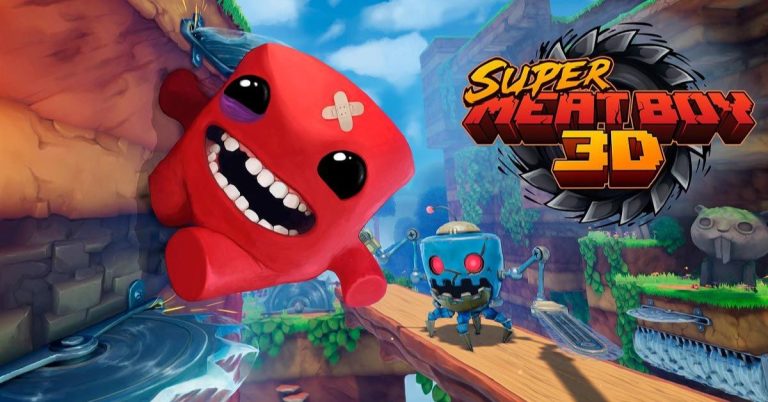
Super Meat Boy 3D: Launches on Nintendo Switch 2

0

Super Meat Boy 3D: A New Dimension in Platforming

The iconic platformer, Super Meat Boy, has made its leap into the third dimension with the release of Super Meat Boy 3D. Available on the Nintendo Switch 2 and Xbox Game Pass starting tomorrow, this iteration of the beloved game brings fresh challenges and new perspectives for both longtime fans and newcomers alike. Developed by Team Meat, Super Meat Boy 3D offers a unique twist on the classic side-scrolling formula by venturing into the realm of 3D platforming.

A New Challenge for Players

Super Meat Boy has long been celebrated for its challenging gameplay and precise controls. However, the transition to 3D introduces new complexities that may surprise even the most seasoned players. Early reviews from IGN and Polygon indicate that the shift to a 3D environment has altered the game’s dynamics. While some praise its boldness, others note the difficulty in maintaining the same tight control and fluid gameplay that defined the original.

  • Super Meat Boy 3D retains the franchise’s signature challenging levels.
  • Players will experience a mix of old-school difficulty with modern graphics.
  • The game offers a new perspective while maintaining its core identity.

Reception and Critiques

Reception to Super Meat Boy 3D has been mixed. Publications like IGN highlight the game’s attempts to innovate within the genre, but also emphasize that the transition to 3D does not always hit the mark. Polygon’s review suggests that while the game retains its ‘tough-as-nails’ difficulty, the 3D environment can sometimes feel at odds with the precision platforming fans expect. Pure Xbox, meanwhile, commends the game’s graphical upgrades and creative level design, which offer a fresh take on the classic formula.

Launch and Availability

The launch of Super Meat Boy 3D on the Nintendo Switch 2 caters to the growing demand for innovative platformers in the console’s library. Alongside its availability on Xbox Game Pass, the game is poised to reach a broad audience eager for new content. This expansion into the 3D space could potentially attract new players who are interested in the evolution of classic gaming experiences.

Conclusion

As Super Meat Boy 3D prepares to launch on major platforms, it’s clear that the game represents a bold step forward for the franchise. Whether it successfully captures the essence of the original while introducing new gameplay elements remains to be seen. For fans of the series, this release offers an exciting opportunity to explore familiar territories from a fresh perspective. For more gaming news and reviews, visit Digital Chew.

For more insights on the game’s development, visit the original article.

Analysts say Super Meat Boy 3D now sits at the center of a broader shift, with consequences that could extend beyond the immediate headline and shape decisions in the coming weeks. They note that early signals often appear in policy language and market behavior before they are reflected in official summaries, which is why context matters as much as the headline itself.

The latest developments connected to Super Meat Boy 3D have reopened questions about strategy, risk, and timing, particularly for stakeholders who need clearer signals before making their next move. In practical terms, that means watching both official statements and real-world indicators to understand whether the current direction is likely to hold.

In recent coverage, Super Meat Boy 3D has become a reference point for wider discussions about accountability, communication, and how institutions respond under pressure. Observers say this broader lens is important because the immediate event is often only one part of a larger sequence of decisions.

Beyond the immediate updates, Super Meat Boy 3D is drawing attention because it links short-term events to longer-term structural trends that are still unfolding. Readers following the story closely are paying particular attention to what changes in response and what remains unresolved after each update.

As the story evolves, reporting on Super Meat Boy 3D is expected to focus increasingly on measurable impacts, official follow-through, and whether early assumptions hold up. That evidence-based framing helps audiences evaluate momentum without overreacting to isolated developments.

Taken together, these updates show why Super Meat Boy 3D matters now and why the next round of confirmed information will be critical to understanding the full impact. Analysts caution that the most meaningful shifts may appear gradually, making sustained coverage more useful than one-off snapshots.

Readers looking for practical clarity can treat Super Meat Boy 3D as a developing story, where each official update adds context to what may happen next. Following that progression over time gives a clearer picture of direction, risk, and likely outcomes.

Quick Summary

  • The iconic platformer, Super Meat Boy, has made its leap into the third dimension with the release of Super Meat Boy 3D.
  • Super Meat Boy has long been celebrated for its challenging gameplay and precise controls.
  • Reception to Super Meat Boy 3D has been mixed.
  • The launch of Super Meat Boy 3D on the Nintendo Switch 2 caters to the growing demand for innovative platformers in the console’s library.

What Comes Next

What happens next with Super Meat Boy 3D will likely depend on upcoming decisions, official statements, and how fast new information is confirmed.

For now, the most reliable approach is to follow verified updates closely and focus on the signals that could shape the next phase of this story.

April Fools’ Day Gaming Jokes: Gaming’s Playful Side

0

April Fools’ Day gaming jokes: Key Takeaways

April Fools’ Day gaming jokes is central to this story, and this analysis explains what matters most right now.

Quick Summary

  • April Fools’ Day gaming jokes is central to this story, and this analysis explains what matters most right now.
  • As April Fools’ Day approaches, the gaming community eagerly anticipates the humorous antics and playful pranks that have become a staple of the industry.
  • April Fools’ Day has a rich tradition in the gaming world, with developers using the occasion to surprise and delight their audiences.
  • While these pranks are primarily for entertainment, they also serve as a strategic marketing tool.

The Lighter Side of Gaming: April Fools’ Day 2026

As April Fools’ Day approaches, the gaming community eagerly anticipates the humorous antics and playful pranks that have become a staple of the industry. From innovative game updates to tongue-in-cheek announcements, developers and publishers leverage this day to engage with gamers on a lighter note. The jokes and pranks aren’t just about humor; they also serve as a unique marketing strategy, drawing attention to games and encouraging player interaction.

A Tradition of Fun and Engagement

April Fools’ Day has a rich tradition in the gaming world, with developers using the occasion to surprise and delight their audiences. This year, gaming giants like Blizzard, Nintendo, and indie developers are expected to participate, each bringing their own creative twist to the occasion.

  • Blizzard Entertainment: Known for their elaborate April Fools’ pranks, Blizzard often introduces fake patch notes and in-game events that add a humorous twist to their popular games like Overwatch and World of Warcraft.
  • Nintendo: Fans are on the lookout for quirky announcements or unexpected game features from Nintendo, which might range from fictitious game releases to amusing character crossovers.
  • Indie Developers: Smaller studios often use April Fools’ Day to showcase their creativity, sometimes launching experimental game modes or parody trailers that entertain their player base.

Marketing with a Twist

While these pranks are primarily for entertainment, they also serve as a strategic marketing tool. By participating in April Fools’ Day, gaming companies can boost social media engagement, increase brand visibility, and create buzz around upcoming releases. In the competitive gaming market, such playful interactions can differentiate a brand and foster community loyalty.

According to a report by Player.One, these pranks can sometimes double as market research. Observing player reactions to various joke features or announcements provides developers with valuable insights into player preferences and potential future updates.

Memorable Jokes from the Past

Over the years, several April Fools’ pranks have stood out in the gaming community:

  • World of Warcraft: Blizzard once announced a new “Panda Express” expansion, featuring pandas as a playable race, that later became a reality with the “Mists of Pandaria” expansion.
  • League of Legends: Riot Games introduced “Ultra Rapid Fire” mode as a joke, which became so popular that it was eventually included in the regular rotation of game modes.
  • Google Maps Pokémon Challenge: In collaboration with Nintendo, Google introduced a Pokémon Challenge on Google Maps, allowing users to “catch” Pokémon around the world, which was widely appreciated by fans.

Looking Forward to Tomorrow

As we approach April 1, 2026, gamers are speculating which pranks will be the most talked about. Will there be unexpected crossovers, surprising gameplay mechanics, or entirely new joke games? Whatever the outcome, it’s sure to be a day filled with laughter and community bonding.

For those interested in staying updated on the latest pranks, Digital Chew will be covering the most creative and impactful gaming jokes as they unfold. Stay tuned for a day of fun, laughter, and gamesmanship.

Conclusion

April Fools’ Day in the gaming world is more than just a day of jokes—it’s a celebration of creativity and community. As developers and gamers alike embrace the playful spirit of the day, it’s a reminder of the joy and camaraderie that games bring to our lives. Whether you’re a casual player or a hardcore fan, there’s something for everyone to enjoy on this whimsical day.

Analysts say April Fools’ Day gaming jokes now sits at the center of a broader shift, with consequences that could extend beyond the immediate headline and shape decisions in the coming weeks. They note that early signals often appear in policy language and market behavior before they are reflected in official summaries, which is why context matters as much as the headline itself.

Reporting around April Fools’ Day gaming jokes has also highlighted how quickly circumstances can change, making context and verified updates essential for readers trying to separate signal from noise. The most reliable coverage connects each new update to the timeline of prior events so audiences can understand what is genuinely new and what is part of a longer trend.

Officials and industry observers are watching April Fools’ Day gaming jokes closely, noting that the next phase of the story may depend on timing, policy responses, and cross-market reactions. Until those responses become clearer, experts recommend focusing on confirmed developments instead of speculation that can distort short-term expectations.

For audiences tracking April Fools’ Day gaming jokes, the key is to follow credible sources and focus on developments that reveal direction rather than isolated short-term swings. That approach helps readers understand not just what happened today, but why the story could carry broader implications over the coming weeks.

The latest developments connected to April Fools’ Day gaming jokes have reopened questions about strategy, risk, and timing, particularly for stakeholders who need clearer signals before making their next move. In practical terms, that means watching both official statements and real-world indicators to understand whether the current direction is likely to hold.

In recent coverage, April Fools’ Day gaming jokes has become a reference point for wider discussions about accountability, communication, and how institutions respond under pressure. Observers say this broader lens is important because the immediate event is often only one part of a larger sequence of decisions.

Beyond the immediate updates, April Fools’ Day gaming jokes is drawing attention because it links short-term events to longer-term structural trends that are still unfolding. Readers following the story closely are paying particular attention to what changes in response and what remains unresolved after each update.

As the story evolves, reporting on April Fools’ Day gaming jokes is expected to focus increasingly on measurable impacts, official follow-through, and whether early assumptions hold up. That evidence-based framing helps audiences evaluate momentum without overreacting to isolated developments.

Taken together, these updates show why April Fools’ Day gaming jokes matters now and why the next round of confirmed information will be critical to understanding the full impact. Analysts caution that the most meaningful shifts may appear gradually, making sustained coverage more useful than one-off snapshots.

What Comes Next

What happens next with April Fools’ Day gaming jokes will likely depend on upcoming decisions, official statements, and how fast new information is confirmed.

For now, the most reliable approach is to follow verified updates closely and focus on the signals that could shape the next phase of this story.

Further Reading

Read more on Digital Chew.

Allbirds: Closes All Stores, Dodges Bankruptcy

0

Allbirds Shuts Down Retail Operations, Avoids Bankruptcy

In a surprising turn of events, Allbirds, a shoe brand that was once highly valued at $4 billion, has decided to close all its physical stores. This move comes as the company seeks to stave off bankruptcy despite its previous soaring valuation. The news, reported by multiple outlets including The Street and The New York Times, highlights the challenges faced by the company in recent years.

From Billion-Dollar Valuation to $39 Million Sale

Allbirds was once a favorite in Silicon Valley, lauded for its eco-friendly shoes and innovative designs. However, the brand’s stock has plummeted by 99%, leading to a sale valued at only $39 million. This dramatic decline has prompted a reevaluation of the company’s business model and operational strategies.

  • Allbirds was valued at $4 billion during its peak.
  • The brand has closed all its retail stores.
  • The company was sold for $39 million.
  • Stock prices have dropped by 99%.
  • Efforts are ongoing to restructure and revitalize the brand.

Lessons from Allbirds’ Decline

The fall of Allbirds serves as a cautionary tale for startups and established companies alike. The rapid decline in stock value and subsequent sale highlight the volatility of market dynamics and the importance of sustainable business practices. Industry experts suggest the need for a strategic overhaul to recover from the current financial woes.

For more insights on business trends and market dynamics, visit Digital Chew.

For additional information, the original report can be accessed via The Street.

Analysts say Allbirds now sits at the center of a broader shift, with consequences that could extend beyond the immediate headline and shape decisions in the coming weeks. They note that early signals often appear in policy language and market behavior before they are reflected in official summaries, which is why context matters as much as the headline itself.

Reporting around Allbirds has also highlighted how quickly circumstances can change, making context and verified updates essential for readers trying to separate signal from noise. The most reliable coverage connects each new update to the timeline of prior events so audiences can understand what is genuinely new and what is part of a longer trend.

The latest developments connected to Allbirds have reopened questions about strategy, risk, and timing, particularly for stakeholders who need clearer signals before making their next move. In practical terms, that means watching both official statements and real-world indicators to understand whether the current direction is likely to hold.

In recent coverage, Allbirds has become a reference point for wider discussions about accountability, communication, and how institutions respond under pressure. Observers say this broader lens is important because the immediate event is often only one part of a larger sequence of decisions.

Beyond the immediate updates, Allbirds is drawing attention because it links short-term events to longer-term structural trends that are still unfolding. Readers following the story closely are paying particular attention to what changes in response and what remains unresolved after each update.

As the story evolves, reporting on Allbirds is expected to focus increasingly on measurable impacts, official follow-through, and whether early assumptions hold up. That evidence-based framing helps audiences evaluate momentum without overreacting to isolated developments.

Taken together, these updates show why Allbirds matters now and why the next round of confirmed information will be critical to understanding the full impact. Analysts caution that the most meaningful shifts may appear gradually, making sustained coverage more useful than one-off snapshots.

Readers looking for practical clarity can treat Allbirds as a developing story, where each official update adds context to what may happen next. Following that progression over time gives a clearer picture of direction, risk, and likely outcomes.

Quick Summary

  • In a surprising turn of events, Allbirds, a shoe brand that was once highly valued at $4 billion, has decided to close all its physical stores.
  • Allbirds was once a favorite in Silicon Valley, lauded for its eco-friendly shoes and innovative designs.
  • The fall of this topic serves as a cautionary tale for startups and established companies alike.
  • For more insights on business trends and market dynamics, visit Digital Chew .

What Comes Next

What happens next with this topic will likely depend on upcoming decisions, official statements, and how fast new information is confirmed.

For now, the most reliable approach is to follow verified updates closely and focus on the signals that could shape the next phase of this story.

AI skepticism: Among Workers Challenges Corporate Leaders

0

AI Skepticism Presents New Challenges for Corporate Leaders

As artificial intelligence continues to integrate into the workplace, a growing number of employees are expressing distrust toward these technologies. This skepticism poses a significant challenge for corporate leaders who are keen on leveraging AI to improve efficiency and productivity. The hesitancy to embrace AI is not only a technological hurdle but also a cultural one that requires immediate attention by the C-suite.

The Rise of AI in the Workplace

Over the past few years, AI has rapidly become an integral part of many business operations across various sectors. From automating repetitive tasks to providing data-driven insights, AI promises to enhance productivity and innovation. However, the widespread adoption of AI is not without its challenges. Among them, employee trust in AI systems is emerging as a significant barrier.

Why Employees Distrust AI

There are several reasons why employees might distrust AI. A primary concern is the lack of transparency in AI decision-making processes. Many AI systems operate as ‘black boxes,’ where the logic behind their decisions is not easily understood by human users. This opacity can lead to skepticism and fear about the reliability and fairness of AI-driven decisions. Additionally, concerns about job security and the potential for AI to replace human roles contribute to this distrust.

Impact on Business Operations

Employee skepticism towards AI can significantly impact business operations. Companies may not fully realize the potential benefits of AI if their workforce is reluctant to engage with these technologies. This hesitation can lead to suboptimal use of AI systems, resulting in missed opportunities for efficiency gains and innovation. Moreover, the disconnect between employees and AI can create a cultural rift within organizations, undermining team cohesion and morale.

Strategies for Building Trust in AI

To address these challenges, corporate leaders need to take proactive steps to build trust in AI among their workforce. One effective strategy is to enhance transparency by explaining how AI systems work and how decisions are made. Providing training and resources to help employees understand and interact with AI can also alleviate fears. Moreover, involving employees in the development and implementation of AI solutions can ensure that their insights and concerns are taken into account.

  • Enhance transparency in AI processes
  • Provide comprehensive training
  • Involve employees in AI development

The Role of Leadership in AI Adoption

Leadership plays a crucial role in shaping organizational attitudes towards AI. By fostering a culture of openness and continuous learning, leaders can encourage employees to view AI as a tool for empowerment rather than a threat. It’s crucial for leaders to communicate the value of AI in enhancing human capabilities and to champion success stories where AI has positively impacted the organization.

Furthermore, leaders should advocate for ethical AI practices, ensuring that AI systems are used responsibly and that potential biases are addressed. By doing so, they can reinforce the message that AI is a tool for good, aimed at augmenting human potential rather than replacing it.

Conclusion

As AI continues to evolve, its role in the workplace will only grow. For businesses to fully capitalize on AI’s potential, addressing employee skepticism is imperative. By adopting transparent, inclusive, and ethical practices, corporate leaders can pave the way for a future where AI is trusted and embraced as a valuable ally in achieving organizational goals.

For more insights on AI’s impact on the workplace, visit Digital Chew. Additionally, you can explore further information about AI trends on CNBC.

Analysts say AI skepticism now sits at the center of a broader shift, with consequences that could extend beyond the immediate headline and shape decisions in the coming weeks. They note that early signals often appear in policy language and market behavior before they are reflected in official summaries, which is why context matters as much as the headline itself.

Reporting around AI skepticism has also highlighted how quickly circumstances can change, making context and verified updates essential for readers trying to separate signal from noise. The most reliable coverage connects each new update to the timeline of prior events so audiences can understand what is genuinely new and what is part of a longer trend.

Officials and industry observers are watching AI skepticism closely, noting that the next phase of the story may depend on timing, policy responses, and cross-market reactions. Until those responses become clearer, experts recommend focusing on confirmed developments instead of speculation that can distort short-term expectations.

For audiences tracking AI skepticism, the key is to follow credible sources and focus on developments that reveal direction rather than isolated short-term swings. That approach helps readers understand not just what happened today, but why the story could carry broader implications over the coming weeks.

The latest developments connected to AI skepticism have reopened questions about strategy, risk, and timing, particularly for stakeholders who need clearer signals before making their next move. In practical terms, that means watching both official statements and real-world indicators to understand whether the current direction is likely to hold.

In recent coverage, AI skepticism has become a reference point for wider discussions about accountability, communication, and how institutions respond under pressure. Observers say this broader lens is important because the immediate event is often only one part of a larger sequence of decisions.

Beyond the immediate updates, AI skepticism is drawing attention because it links short-term events to longer-term structural trends that are still unfolding. Readers following the story closely are paying particular attention to what changes in response and what remains unresolved after each update.

As the story evolves, reporting on AI skepticism is expected to focus increasingly on measurable impacts, official follow-through, and whether early assumptions hold up. That evidence-based framing helps audiences evaluate momentum without overreacting to isolated developments.

Taken together, these updates show why AI skepticism matters now and why the next round of confirmed information will be critical to understanding the full impact. Analysts caution that the most meaningful shifts may appear gradually, making sustained coverage more useful than one-off snapshots.

Readers looking for practical clarity can treat AI skepticism as a developing story, where each official update adds context to what may happen next. Following that progression over time gives a clearer picture of direction, risk, and likely outcomes.

Quick Summary

  • As artificial intelligence continues to integrate into the workplace, a growing number of employees are expressing distrust toward these technologies.
  • Over the past few years, AI has rapidly become an integral part of many business operations across various sectors.
  • There are several reasons why employees might distrust AI.
  • Employee skepticism towards AI can significantly impact business operations.

What Comes Next

What happens next with AI skepticism will likely depend on upcoming decisions, official statements, and how fast new information is confirmed.

For now, the most reliable approach is to follow verified updates closely and focus on the signals that could shape the next phase of this story.

Further Reading

Read more on Digital Chew.

AI art: ‘s Limitations: Human Creativity Still Reigns

Introduction

As artificial intelligence (AI) continues to advance, its applications in various fields have sparked both excitement and concern. One area where AI’s impact is being closely scrutinized is the world of art. The debate over whether AI-generated art can rival or even replace human creativity has gained traction in recent years. However, despite the technological strides, many argue that AI art remains fundamentally distinct from human art, highlighting an essential aspect of creativity that machines have yet to master.

Quick Summary

  • As artificial intelligence (AI) continues to advance, its applications in various fields have sparked both excitement and concern.
  • AI art refers to works created with the assistance of artificial intelligence technologies, often through machine learning algorithms.
  • Despite the impressive capabilities of AI, there are inherent limitations that prevent it from fully replicating human art.
  • One of the critical differences between AI-generated art and human-created art is the ability to convey emotional depth.

The Rise of AI Art

AI art refers to works created with the assistance of artificial intelligence technologies, often through machine learning algorithms. These algorithms analyze vast datasets of human artwork to generate new pieces that mimic styles, techniques, and even emotional expressions. AI-generated art has been showcased in galleries, auctioned at prestigious houses like Christie’s, and has even been used in commercial applications. The technology enables the creation of art at a speed and volume unattainable for human artists, challenging traditional notions of authorship and creativity.

The Distinct Nature of Human Creativity

Despite the impressive capabilities of AI, there are inherent limitations that prevent it from fully replicating human art. Creativity, in its essence, is deeply rooted in human experience, emotion, and cultural context. Human artists draw from personal experiences, cultural narratives, and a rich tapestry of emotions to create works that resonate on a profound level with audiences. This aspect of human art is something that AI, which lacks consciousness and emotional depth, cannot fully replicate.

Emotional Depth and Context

One of the critical differences between AI-generated art and human-created art is the ability to convey emotional depth. Human artists infuse their work with emotions and context that stem from their personal experiences. This depth is what often makes art relatable and evocative. AI, on the other hand, processes data and outputs results based on learned patterns, but it does not ‘feel’ or understand the emotional nuances that give human art its power.

Originality and Innovation

Human creativity is not just about reproducing existing styles or techniques; it is about innovation and originality. Artists often break away from established norms, experimenting with new forms, mediums, and ideas. This drive for originality is a hallmark of human art that AI struggles to achieve. While AI can mash up existing styles to create something that appears novel, it lacks the intentionality and vision that human artists bring to their work.

AI Art’s Role and Potential

Although AI may not be able to fully replicate human creativity, it holds significant potential as a tool for artists. Many artists are beginning to incorporate AI into their creative processes, using it to explore new forms of expression and to augment their own creative capabilities. AI can assist in generating ideas, providing new perspectives, and even executing complex designs that would be challenging for humans alone.

  • Artists like Refik Anadol are using AI to create immersive installations that push the boundaries of traditional art.
  • AI can serve as a collaborative partner, offering new insights and possibilities for human creators.
  • The use of AI in art education is also gaining traction, helping students to explore and understand the intersection of technology and creativity.

The latest developments connected to AI art have reopened questions about strategy, risk, and timing, particularly for stakeholders who need clearer signals before making their next move. In practical terms, that means watching both official statements and real-world indicators to understand whether the current direction is likely to hold.

In recent coverage, AI art has become a reference point for wider discussions about accountability, communication, and how institutions respond under pressure. Observers say this broader lens is important because the immediate event is often only one part of a larger sequence of decisions.

Beyond the immediate updates, AI art is drawing attention because it links short-term events to longer-term structural trends that are still unfolding. Readers following the story closely are paying particular attention to what changes in response and what remains unresolved after each update.

As the story evolves, reporting on AI art is expected to focus increasingly on measurable impacts, official follow-through, and whether early assumptions hold up. That evidence-based framing helps audiences evaluate momentum without overreacting to isolated developments.

Taken together, these updates show why AI art matters now and why the next round of confirmed information will be critical to understanding the full impact. Analysts caution that the most meaningful shifts may appear gradually, making sustained coverage more useful than one-off snapshots.

Conclusion

While AI art represents a fascinating intersection of technology and creativity, it is not poised to displace human art any time soon. The unique qualities of human creativity – emotional depth, cultural context, and innovation – remain beyond the reach of current AI technology. Instead, AI should be seen as a complementary tool, one that can enhance and expand the possibilities for human artists rather than replace them. As we continue to explore the potential of AI in art, it is essential to appreciate and preserve the irreplaceable value of human creativity.

For further insights into the impact of AI on creative industries, explore our article on AI and the Future of Creativity. To understand more about how AI is shaping the world, visit BBC Technology.

Analysts say AI art now sits at the center of a broader shift, with consequences that could extend beyond the immediate headline and shape decisions in the coming weeks. They note that early signals often appear in policy language and market behavior before they are reflected in official summaries, which is why context matters as much as the headline itself.

Reporting around AI art has also highlighted how quickly circumstances can change, making context and verified updates essential for readers trying to separate signal from noise. The most reliable coverage connects each new update to the timeline of prior events so audiences can understand what is genuinely new and what is part of a longer trend.

Officials and industry observers are watching AI art closely, noting that the next phase of the story may depend on timing, policy responses, and cross-market reactions. Until those responses become clearer, experts recommend focusing on confirmed developments instead of speculation that can distort short-term expectations.

Further Reading

Read more on Digital Chew.

AI vs. Alien Intelligence: Exploring the Future

0

AI vs. Alien Intelligence: Key Takeaways

AI vs. Alien Intelligence is central to this story, and this analysis explains what matters most right now.

Quick Summary

  • AI vs. Alien Intelligence is central to this story, and this analysis explains what matters most right now.
  • In the realm of speculative science, few debates ignite the imagination as fervently as the hypothetical clash between alien intelligence and artificial intelligence.
  • Artificial intelligence has seen remarkable growth in recent years, with applications spanning across industries such as healthcare, transportation, and finance.
  • AI has not only revolutionized industries but has also raised ethical and philosophical questions about the future of human-machine interaction.

The Hypothetical Clash: Alien Intelligence vs. Artificial Intelligence

In the realm of speculative science, few debates ignite the imagination as fervently as the hypothetical clash between alien intelligence and artificial intelligence. As technology continues to advance at a rapid pace, discussions around the potential and limitations of AI are becoming increasingly common. At the same time, the search for extraterrestrial life remains a topic of intense curiosity and scientific endeavor.

The Rise of Artificial Intelligence

Artificial intelligence has seen remarkable growth in recent years, with applications spanning across industries such as healthcare, transportation, and finance. AI systems are designed to simulate human-like cognitive functions, including problem-solving, learning, and adaptation. This has led to groundbreaking developments in machine learning, natural language processing, and robotics.

AI has not only revolutionized industries but has also raised ethical and philosophical questions about the future of human-machine interaction. As AI becomes more integrated into our daily lives, questions about its autonomy and potential to surpass human intelligence are at the forefront of academic and public discourse.

The Quest for Alien Intelligence

While AI continues to evolve on Earth, scientists are equally invested in the search for alien intelligence. Efforts such as the Search for Extraterrestrial Intelligence (SETI) aim to detect signals from other civilizations in the universe. This search involves scanning the skies for radio waves and other signals that might indicate the presence of intelligent life beyond our planet.

The discovery of alien intelligence would have profound implications for humanity. It would challenge our understanding of life and our place in the universe. Furthermore, the nature of such intelligence—whether it would be biological, as we understand it, or something entirely different—remains a subject of speculation and wonder.

Comparing Intelligences: A Thought Experiment

If we imagine a scenario where AI and alien intelligence come into contact, several questions arise. Would AI, created by humans, be able to communicate or collaborate with an alien species? How would differences in perception and cognition affect interactions? These questions, while speculative, encourage us to ponder the broader implications of intelligence in its various forms.

  • AI’s adaptability and potential for rapid learning could be advantageous in understanding alien technologies or languages.
  • Alien intelligence might possess cognitive abilities or technological advancements far beyond human or AI capabilities.
  • Ethical considerations would be paramount in ensuring peaceful and constructive interactions between AI and alien entities.

Theoretical discussions like these, although hypothetical, serve as valuable exercises in understanding the potential trajectories of both AI development and the search for extraterrestrial life. They highlight the need for continued research and dialogue in both fields to prepare for any future discoveries or encounters.

Conclusion: The Infinite Possibilities of Intelligence

As we stand on the brink of technological breakthroughs and the possibility of discovering life beyond Earth, the concept of intelligence—whether artificial or alien—remains a profound mystery. While the clash between AI and alien intelligence is purely speculative, it underscores the boundless curiosity and drive for knowledge that defines humanity.

For now, the exploration of AI’s potential and the search for extraterrestrial intelligence are separate but equally captivating endeavors. Each journey offers insights into the nature of intelligence and our own existence. As we continue to push the boundaries of what is possible, the dialogue between these fields will undoubtedly enrich our understanding of the universe and our place within it.

Explore more about the future of AI

Analysts say AI vs. Alien Intelligence now sits at the center of a broader shift, with consequences that could extend beyond the immediate headline and shape decisions in the coming weeks. They note that early signals often appear in policy language and market behavior before they are reflected in official summaries, which is why context matters as much as the headline itself.

Reporting around AI vs. Alien Intelligence has also highlighted how quickly circumstances can change, making context and verified updates essential for readers trying to separate signal from noise. The most reliable coverage connects each new update to the timeline of prior events so audiences can understand what is genuinely new and what is part of a longer trend.

Officials and industry observers are watching AI vs. Alien Intelligence closely, noting that the next phase of the story may depend on timing, policy responses, and cross-market reactions. Until those responses become clearer, experts recommend focusing on confirmed developments instead of speculation that can distort short-term expectations.

For audiences tracking AI vs. Alien Intelligence, the key is to follow credible sources and focus on developments that reveal direction rather than isolated short-term swings. That approach helps readers understand not just what happened today, but why the story could carry broader implications over the coming weeks.

The latest developments connected to AI vs. Alien Intelligence have reopened questions about strategy, risk, and timing, particularly for stakeholders who need clearer signals before making their next move. In practical terms, that means watching both official statements and real-world indicators to understand whether the current direction is likely to hold.

In recent coverage, AI vs. Alien Intelligence has become a reference point for wider discussions about accountability, communication, and how institutions respond under pressure. Observers say this broader lens is important because the immediate event is often only one part of a larger sequence of decisions.

Beyond the immediate updates, AI vs. Alien Intelligence is drawing attention because it links short-term events to longer-term structural trends that are still unfolding. Readers following the story closely are paying particular attention to what changes in response and what remains unresolved after each update.

As the story evolves, reporting on AI vs. Alien Intelligence is expected to focus increasingly on measurable impacts, official follow-through, and whether early assumptions hold up. That evidence-based framing helps audiences evaluate momentum without overreacting to isolated developments.

Taken together, these updates show why AI vs. Alien Intelligence matters now and why the next round of confirmed information will be critical to understanding the full impact. Analysts caution that the most meaningful shifts may appear gradually, making sustained coverage more useful than one-off snapshots.

What Comes Next

What happens next with AI vs. Alien Intelligence will likely depend on upcoming decisions, official statements, and how fast new information is confirmed.

For now, the most reliable approach is to follow verified updates closely and focus on the signals that could shape the next phase of this story.

Further Reading

Read external coverage from Reuters.