62.7 F
San Francisco
Wednesday, June 17, 2026
Home Blog Page 1532

Tom’s Toothpaste Contaminated with Harmful Bacteria, Ignored Complaints, FDA Reveals

Key Takeaways (Bullets):
– Tom’s of Maine toothpaste found to be made with bacteria-ridden water.
– Multiple contaminations were detected and mostly overlooked in 2021 and 2022.
– The water used in production was also employed for cleaning manufacturing equipment.
– The company is facing accusations of ignoring over 400 complaints from customers concerning toothpaste quality.
– The FDA suggests hiring a consultant to ensure adherence to US manufacturing standards.

Contamination with Pseudomonas Aeruginosa Bacteria

Tom’s of Maine, a Colgate-Palmolive Co. brand, is under scrutiny after US inspectors discovered their toothpaste was produced with water contaminated by harmful strains of bacteria. The affected product, Tom’s Simply White Clean Mint Toothpaste, contains Pseudomonas aeruginosa bacteria that poses a risk for infections involving the blood and lungs. This bacteria was found in the water used for both the production of the toothpaste and cleaning of the manufacturing equipment, amplifying potential implications.

Neglected Contaminations and Complaints

Despite the considerable risk, contaminations detected in 2021 and 2022 were largely disregarded. There was no investigation in response to these incidents to assess their potential impact on the product or the performance of the water system. Moreover, the company has been accused of ignoring over 400 complaints related to toothpaste odor, color, and taste, including those concerning children’s products. These complaints coupled with the overlooked contaminations raises concerns about the brand’s commitment to consumer safety and well-being.

Additional Bacterial Contaminants

Alerts have also been sounded out regarding another bacteria, Ralstonia insidiosa, which was detected in the factory in certain areas where water was being utilized. The instances of this bacteria were so numerous that they were deemed ‘too numerous to count.’ Despite this alarming finding, the company re-tested the water and proceeded to release the products for sale. Another bacteria was found in the Wicked Cool! Anticavity Toothpaste, which was also re-tested and subsequently placed on the market.

Unhygienic Factory Conditions

In addition to the bacterial contamination, inspectors noticed a black mold-like substance within a foot of equipment used in the production of its products. This was not an isolated finding; the mold-like substance was also found on a wall behind the company’s water tank. These sanitation issues suggest a broader need for improved manufacturing hygiene.

A Resolute Stand by Tom’s of Maine

Despite these serious allegations raised by the FDA, Tom’s of Maine maintains that its products are safe. The company has reiterated its commitment to performing tests on finished products and working with water specialists to ensure product safety. They have also asserted their devotion to resolving the issues pointed out by the FDA.

Path to Compliance

In an effort to help the company align with the US manufacturing standards, the FDA has suggested that Tom’s of Maine hire a consultant. They have been given a duration of 15 working days to articulate their corrective actions.

Tom’s of Maine, known for its mouthwash, antiperspirant, and deodorants in addition to toothpaste, has been a trusted name for decades. This recent revelation may tarnish their reputation, as the brand prides itself on making products from natural ingredients. The path forward will need to involve stringent actions to restore consumer trust and align their manufacturing processes with required standards. The manner in which the company responds to these accusations will play a significant role in shaping their future credibility.

In this instance, the adage ‘customer is king’ seems to have been left in the lurch. Businesses must remember that quality, safety, and responsiveness to customer concerns should never be compromised. Ultimately, these factors define an organization’s success, credibility, and longevity in the marketplace.

Defense Secretary Nominee Hegseth Faces Support and Backlash over Women in Combat Roles

0

Key Takeaways:

– Andrew Cherkasky, an ex-federal prosecutor, backs Pete Hegseth’s stance on women in combat roles.
– Cherkasky suggests that Department of Defense (DOD) officials who endorse women in combat must be fired.
– Hegseth, former Fox News host, wants to remove thousands of women from combat roles.
– Critics argue this perspective compromises diversity, equity, and inclusivity (DEI) in the armed services.

The Connected Controversy

Pete Hegseth, former Fox News host and now President-elect Donald Trump’s Defense Secretary nominee, has stirred up a heated discussion surrounding women in combat roles. Andrew Cherkasky, a former federal prosecutor, has leaped to Hegseth’s defense, supporting and expanding on Hegseth’s controversial position.

Hegseth’s First Day Goal

During a recent interview, Cherkasky was questioned on what he’d suggest Hegseth do on Day One of his tenure as Defense Secretary. Cherkasky asserted that Department of Defense (DOD) policies relating to diversity, equity, and inclusivity (DEI) could be withdrawn immediately. He further proposed that senior DOD officers, who advocate leftist ideologies, should be removed from their roles.

Targeting DEI Policies

According to Cherkasky, departmental policies and regulations that emphasize DEI have caused considerable distraction. The underlying sentiment is that these policies detract from military preparedness and efficiency. Cherkasky called for an end to various initiatives, particularly those investigating the racial make-up of court-martial panels and the roles of women in the battlefield.

Women in Combat Roles

Over the years, military policies have evolved to include a range of equal opportunity programs. One such program is the inclusion of women in combat roles. However, Cherkasky criticized the existing approach, arguing that research shows women are not effective in battle. Instead of considering these findings, Cherkasky implied that further studies are often banned to pave the way for women’s combat participation.

Hegseth’s Standpoint

In line with Cherkasky’s sentiments, Hegseth has been vocal about his views regarding women in combat roles, suggesting it complicates military operations rather than enhancing effectiveness. Just this month, Hegseth called for the removal of thousands of women from active combat duties. His standpoint became a popular reference for discussions on molding the military’s future.

The Debate Moving Forward

Removing women from combat roles and reshaping the armed forces is a longstanding debate. While an unprecedented move, the dismissal of DOD officials supportive of women in combat roles sets another level of controversy. As Hegseth prepares to step into his new role, his decisions and actions will be under intense scrutiny. Whether favored or disputed, this argument concerning DEI in the armed services is far from conclusion. A careful balance needs to be struck between reforming enlisted forces, preserving diversity, and maintaining an effective and lethal military force.

Susan Collins Stands Firm Against Trump’s Shortcut Approach for Cabinet Nominations

0

Key Takeaways:

– Sen. Susan Collins calls for thorough investigation of President-elect Trump’s health administration nominees.
– She opposes Trump’s move to skip standard vetting steps with recess appointments.
– Senate Republicans reject Trump’s idea to allow private investigators to carry out background checks on nominees.
– Collins is part of the Health, Education, Labor and Pensions Committee (HELP) which will hold hearings on the nominees.
– Nominee RFK Jr. could significantly reshape the Department of Health and Human Services while TV personality Dr. Oz is selected to run Medicare and Medicaid Services with no prior experience in government bureaucracy.

Sen. Susan Collins Stands Up Against Quick Approvals

Republican Senator Susan Collins of Maine has taken a clear stance against President-elect Donald Trump’s call to skip conventional senate confirmation hearings for his Cabinet nominees. Instead, she emphasizes the importance of thorough checks and investigations.

A Need for Thorough Vetting

Highlights from Senator Collins’ statements outline a real need for comprehensive investigations into Trump’s health administration appointees. She upholds the senate’s constitutional duty to carry out background checks, ask incisive questions and have public hearings. These actions must take precedence over making recess appointments, which side-step important parts of the vetting process.

Senate Says No to Private Investigators

Adding to this, Senate Republicans have already pushed back against a proposition made by Trump’s advisers. They suggested letting private investigators perform background checks on nominees, instead of the Federal Bureau of Investigations, an idea the Senate was strongly against.

Committee Hearings Soon to Commence

Collins, who is a member of the Health, Education, Labor and Pensions Committee (HELP), asserted that this committee will conduct hearings on the nominees. Subsequently, the Senate Finance Committee will make the final call on the confirmations.

Trump’s Surprising Cabinet Picks

Trump has made some interesting choices for his Cabinet. He’s chosen former Independent presidential nominee Robert F. Kennedy Jr. to head the Department of Health and Human Services. RFK Jr. is known for his controversial stance on vaccines. Another uncommon choice is TV personality Dr. Mehmet Oz, who despite lacking any experience in government bureaucracy, has been selected to head the Centers for Medicare and Medicaid Services.

Mixed Reaction on Nominees

Susan Collins, however, has yet to make a concrete decision on Kennedy’s nomination. She alludes to the need for further understanding and analysis before making any final declarations. Meanwhile, Senator Bill Cassidy, the incoming HELP chair, has stylishly danced around the issue. He expressed excitement at the prospect of hearing more about the nominees’ views, and he even commended the choice of Dr. Mehmet Oz.

In Conclusion

Nominations to the cabinet hold significant weight when it comes to shaping the future of a country. Therefore, the push for thorough reviews and investigations seems both important and imperative. The marked reluctance to bypass these time-tested vetting protocols indicates a Senate committed to maintaining correctness and integrity in public office. Collins’ call for a rigid examination of Trump’s choices reflects an emphasis on accountability in one of the highest offices of the country. The saga of Trump’s nominee selections is sure to unfold interestingly in the weeks to come.

Trump Lawyers’ Conflict of Interest in DOJ Roles With Hush Money Trial

0

Key Takeaways:
– Todd Blanche and Emil Bove, Donald Trump’s personal lawyers, may be unable to handle the ongoing hush money trial after their recent DOJ appointments.
– They could conflict of interest as they move into their new roles and may need to recuse themselves from the case.
– The interests of Trump’s office differ from his personal interests, causing potential challenges for Bove and Blanche.

Veteran lawyers Todd Blanche and Emil Bove have landed themselves prestigious roles in the Department of Justice (DOJ) thanks for their association with former President, Donald Trump. However, their joy might be short-lived as they might face challenges regarding their involvement in the ongoing hush money trial.

Problems Posed by the Hush Money Case

If the hush money trial extends, potential challenges loom over Blanche and Bove, Trump’s defense attorneys in the case. The issue at hand is whether these lawyers should continue dealing with the case in a future Trump presidency. Is there a problem with that, you may ask? Well, yes. Upon their DOJ positions, their involvement in the case may tilt the DOJ’s interest as well, causing an ethical dilemma.

Blanche, set to be the Deputy Attorney General, and Bove, tipped for Principal Associate Deputy AG, will find themselves in a potential conflict of interest due to their involvement in the case. The department may end up having an interest in involving itself in the case on behalf of the executive office of the president.

Difference in Professional and Personal Interests

There is a thin line that separates the interests of the president’s office and the individual interests of Trump. Navigating this tightrope walk becomes tricky for Bove and Blanche, given their history of representing Trump in his personal capacity. This situation puts the lawyers in a potentially precarious position as they are already involved in the case as Trump’s defense attorneys.

This scenario brings us to one question — what does the future hold for these attorneys in this complex hush money trial?

Possible Recusal from the Case

Since the ethical guidelines paint a clear picture, it seems Blanche and Bove might have to recuse themselves from getting involved in the case. This step would be done to avoid influencing the DOJ’s involvement in the case due to their presence in the department. Recusal would mean that they’d be forfeiting their right to participate in the case in any legal capacity.

If they are to assume their roles in the Department of Justice, prioritizing the institution’s integrity over personal alliances is crucial. Keeping personal interests separate from professional responsibilities becomes mandatory in such sensitive positions of power, especial when the overall impartiality and credibility of the institution are at stake.

In Conclusion

While these plum appointments in the DOJ were meant to be a reward for Blanche and Bove, being sidelined from a major trial can overshadow the joy of their promotions. This situation is a clear example of how intertwined interests can complicate matters, especially in the world of law and justice.

As the hush money trial continues to unfold, we await further developments on Blanche and Bove’s involvement in the case. Their recusal could indeed shift the dynamics of the case and the way it progresses. Let’s wait and see.

Ripples of Controversy: Matt Gaetz’s Nomination for Attorney General Under Fire

0

Key Takeaways:

– Rep. Steve Cohen raised concerns about Matt Gaetz’s nomination for Attorney General due to Gaetz’s troubling private conduct.
– Multiple sources claim Gaetz previously showed explicit content involving women to other lawmakers on the House floor.
– Republican senators are unlikely to confirm Donald Trump’s nominee Gaetz, who carries an array of allegations against him, including sex trafficking.
– Cohen also expressed concerns about questionable financial behavior in Gaetz’s record correlating to bribery and misuse of campaign funds.

Contending the Nomination

Matt Gaetz’s nomination for Attorney General has been spotlighted by Congressman Steve Cohen, who, citing ethical concerns, has questioned the suitability of the Florida Republican for the role. Behind his concerns lies Gaetz’s alleged inappropriate private conduct which has unsettled many.

Past Actions Raise Eyebrows

Galvanizing Cohen’s apprehension are past testimonies claiming that Gaetz displayed explicit images of women to fellow lawmakers at the House. Allegedly, these accounts were paired with Gaetz boasting about his sexual encounters. It’s these known allegations, Cohen believes, that flash too many warning signs to entrust Gaetz with the task of leading federal law enforcement.

Onus of Power and Fear of Trump

Cohen expressed his disbelief over Gaetz’s nomination and pointed out that the real fear lies not with House Speaker Mike Johnson but with former President Trump. He extended the conversation to comment on a likely evenly-split committee vote regarding Gaetz’s nomination. Cohen asserted the importance of making the details of the controversial report public. He argued this is not only crucial for transparency but also for providing a lesson to Congress about moral and ethical conduct.

Unpacking the Layers of Controversy

The controversy does not stop with allegations of inappropriate sexual behavior. Gaetz, according to Cohen, carries other serious charges such as accepting bribes, the unlawful use of congressional rewards, and misuse of campaign funds. Cohen’s concerns are tangible. He is perturbed about the possibility of Gaetz using his legislative power and resources for personal gain, an act which goes against the legal rulebook.

Outrage Over Illicit Conduct

Any suggestion of Gaetz using his campaign funds for personal expenditures raises serious questions of legality. If the allegations hold true, it could mean a flaunting of the law that prohibits such usage. In addition, the charge of Gaetz potentially trading his vote for payments takes the controversy to a different level of illegality and unethical behavior.

Public Repudiation

Amplifying the outrage are recent fears that Gaetz might misuse the office of Attorney General to further his own ends, given his past alleged behavior. The bubbling controversy has rocked Gaetz’s nomination and heightened the public’s skepticism over his suitability for this pivotal role.

In conclusion, Cohen’s voiced concerns have become a clarion call for transparency and caution over Gaetz’s nomination for Attorney General. As a lawmaker, Gaetz is expected to uphold the law, not bend it to personal gain or exhibit behavior unfitting of his position. This controversy firmly highlights the importance of being vigilant about who is placed in powerful positions, especially when allegations of misconduct are involved. The public and politicians alike will be eagerly awaiting more clarity on the charges against Gaetz, as this has become a key factor in deciding whether he will be confirmed for the office of Attorney General.

JD Vance Chided by The Wall Street Journal Editorial Board Over Senate Hearing Absence

0

Key Takeaways:

– JD Vance was criticized by the Wall Street Journal editorial board for being absent from a key Senate hearing.
– Vance used his upcoming position as Donald Trump’s running mate as an excuse for not attending the hearing.
– The hearing was crucial for the Biden administration to confirm judicial nominations before Republicans take control of the Senate.
– Several other Republican Senators also missed the hearing but were called out by the Wall Street Journal editorial board.
– The Journal urged Donald Trump to instruct his running mate to attend such key votes.

In yet another news episode from Capitol Hill, Vice President-Elect JD Vance faced sharp criticism. The source of his rebuke is none other than the conservative-leaning Wall Street Journal editorial board. The bone of contention is Vance’s absence from a critical Senate hearing, which he attributes to his duties as Trump’s incoming second-in-command. The Journal isn’t buying it though.

JD Vance Joins Other Absent Senators

Vance’s no-show at the Senate hearing involved the confirmation of President Joe Biden’s judicial nominations. Success in this endeavor would enable Democrats to usher in as many appointees as possible before the Senate sees a power shift, welcoming a Republican majority to the fold.

The Ohio Senator was not alone in his absence. It appears he joined the ranks of Senators Mike Braun from Indiana, Steve Daines from Montana, Bill Hagerty from Tennessee, and Marco Rubio from Florida. These officials found other engagements more pressing than the hearing. But their reasoning did not pass muster with the Journal’s editors.

Vance’s Social Media Explanation

In an attempt to justify his absence, Vance took to social media to give an explanation. He spoke of meeting with President Trump to discuss potential governmental appointees, including the all-important FBI Director. In his defense, Vance suggested that choosing an FBI Director capable of dismantling the perceived ‘deep state’ was more pivotal than ensuring Republicans lose a close vote, 49-46 instead of 49-45.

The Journal’s Response

The response from the Journal’s editorial board was swift and unforgiving. They pointed out that his new role as VP doesn’t start until the New Year, which is a good two months away. This time lapse, they argue, should not serve as an excuse for him to shirk his voting duties as a senator.

Therefore, they emphasized, it was all the more critical for Vance and other senators to fulfill their current commitments. Any empty seats resulting from their absence decreases the opportunity for the Republicans to nominate someone in the future.

Urge to Trump

The editorial further called on President Trump to animate his running mate to perform his existing duties. Trump himself had voiced similar sentiments. He tweeted on Tuesday, calling on Republican Senators to ‘Show Up and Hold the Line.’ Now, it seems, the Journal is urging him to practice what he preaches and ensure VP-elect Vance does the same.

Final Thoughts

The Journal is unequivocal in its stance. It regards these senatorial absences as ‘an insult to voters and taxpayers’, the people who foot the bill for the Senators’ salaries. While it acknowledges that maintaining a flawless attendance record may not be achievable for all Senators, it asserts that there is absolutely no reason to skip close votes on judges. To them, such avoidable no-shows effectively squander seats that conservatives could potentially hold onto for years, and in some cases, even decades.

In short, as Republican senators prepare for a significant future role in governing the country, the Wall Street Journal calls for them to remember their existing commitments. With vacant seats representing lost opportunities, always showing up, they argue, can make all the difference.

Trump Administration Considering Replacement of FBI Director

0

Key Takeaways:

* Vice President-elect J.D. Vance reveals potential replacement of FBI Director Christopher Wray.
* Wray, appointed during Trump’s first term, could face dismissal, marking a significant occurrence in FBI’s history.
* Vance states the consideration while criticizing far-right podcaster Steve Bannon’s team member Grace Chong.

The Future of the FBI Director’s Position

News recently emerged of the Trump’s administration considering the replacement of the FBI Director, Christopher Wray. If this plan pushes through, it will represent an eye-catching event in the bureau’s history. Wray, who was appointed by Trump himself during his first term, could potentially face dismissal. The replacement hadn’t been a surprise, given Trump’s historical tension with Wray.

Vance Reveals Possibility of Wray’s Replacement

Vice President-elect J.D. Vance spilled the beans about the potential switch during an exchange with a member of far-right podcaster Steve Bannon’s ultra-MAGA team, Grace Chong. Chong drew Vance’s ire by rebuking him for being absent during a Senate vote on confirming a judge, a nominee by President Joe Biden.

Responding to the criticism, Vance reportedly posted a disparaging message about Chong that has since been removed. In the now-deleted post, he claimed his vote would not have changed the outcome. He also disclosed that he was away interviewing potential candidates for their government, including the FBI director’s position, with President Trump.

As Vance’s post revealed, it seems clear that Trump’s administration has thoughts about replacing Director Wray. Rumors suggest that Trump harbors a personal grudge against Wray. As such, it’s believed that Trump might replace Wray, who likely authorized a legal search warrant on Trump’s Mar-a-Lago resort and residence.

An Unprecedented Move by Trump

If Trump proceeds with this move, it would be a significant break from precedent. The position of the FBI Director is typically given a ten-year term to safeguard the bureau’s operations from undue political influence. However, it appears increasingly likely that Trump might break with this tradition.

Indeed, the tension between Trump and Wray is nothing new. Their relationship has been shaky since 2018, shortly after Wray was confirmed as the FBI director. When House Republicans decided to publish a memo condemning the FBI’s handling of the Russia investigation, Wray stood against the decision. His choice put him at odds with the Trump White House and House Republicans.

Social Media Exchange Sparks Controversy

The claims and counterclaims aired out in the vice president-elect’s and Chong’s posts created a frenzy, leading both to delete their respective posts. However, their removal did little to extinguish the lit fuse. The New Republic referred to Vance’s tweet as a symptom of a childish tantrum, an indication of his lack of leadership and poor understanding of party politics.

If Trump does dismiss Wray, it would mean that two FBI directors have been terminated during his tenure, an unprecedented event in the bureau’s history. It remains an interesting point of anticipation to see who might be the potential replacement.

Vance’s actions suggest that party politics are teetering, at least to some. His ‘math logic’ has triggered some criticism within the Republican party, directing questions to whether there’s a consensus within the party on performing their roles effectively.

The future of FBI’s leadership now lies in the balance, pending potential decisions by the Trump administration.

Intel Officials and Allies Show Concern Over Tulsi Gabbard’s Nomination

0

Key Takeaways:
– Intel officials express alarm about Donald Trump’s nomination of former Rep. Tulsi Gabbard as DNI.
– There is growing consensus stating that Gabbard’s appointment is unacceptable.
– Key U.S. allies hint at refusing to share intel with the U.S. if Gabbard comes into power.
– There are concerns about safety as allies may withhold intelligence.

Alarms Raised Over Trump’s Nominee

Tension is brewing in Washington over Donald Trump’s nomination of former Rep. Tulsi Gabbard as his Director of National Intelligence (DNI). This nomination is causing a stir among current and former intelligence officials, both domestically and internationally. Many find this choice extremely alarming.

Why is Gabbard’s Nomination a Problem?

The answer to this question lies in the growing consensus among officials who deem Gabbard unfit for the position. This consensus isn’t limited to U.S officials but extends to key U.S. allies. These allies are voicing concerns and indicating reluctance to share intelligence with Gabbard should she assume the role of DNI.

Reports show that authorities from Britain, France, and Israel have hinted at the possible withholding of their intelligence with Gabbard in power. Considering these countries’ integral role in providing information significant to U.S. security, this is a concern that can’t be ignored.

Gabbard’s Controversial Associates

Besides just her nomination, Gabbard’s relationship with controversial figures further bolsters the concerns. She is known to have echoed statements emitted from Moscow and has close ties with the Syrians. This raises more alarm bells.

How Does this Affect the U.S.?

If our allies choose not to share their intelligence with the U.S. because of mistrust towards Gabbard, this could result in a serious lack of potentially mission-critical information. The larger implication of this would be the reduction of trust our allies have in us.

The Long-Term Effects

This could trigger a ripple effect, where the reluctance of one ally may influence others to follow suit, creating a dangerous precedent. The potential outcome? The U.S. having to bite the bullet and operate with less intelligence feedback from our international colleagues. Furthermore, it could lead to tensions between the U.S. and its allies, hampering long-standing relationships.

Safety Concerns Raised

With less intelligence from our allies, it’s reasonable to worry about the nation’s safety. There is an increased risk of being caught off-guard if a threat arises, with fewer sources of key information.

How Does Trump Fit into All This?

Also of concern is Donald Trump’s own record with handling sensitive intel, exacerbating concerns around Gabbard’s appointment. This isn’t just about Gabbard. It’s about the reliability of the U.S.’s intelligence framework as a whole.

The Risks of Placing Trust

Trust goes both ways. Our allies must believe that the U.S. will use their information responsibly. Likewise, the U.S. should be confident in the person leading its intelligence department. If either of these trusts falters, it poses a risk to everyone involved.

In Summary

Given these various layers of concern related to Gabbard’s nomination, there’s naturally a lot of anxiety about what lies ahead for our relations with our key allies. Will they follow through on their warning, or is this a red flag to reconsider Gabbard’s appointment? Only time will tell. What’s clear now is that the U.S. intelligence framework faces some potentially drastic changes depending on the nomination’s outcome.

Comcast to Turn NBCUniversal Cable Networks into Standalone Publicly Traded Firm

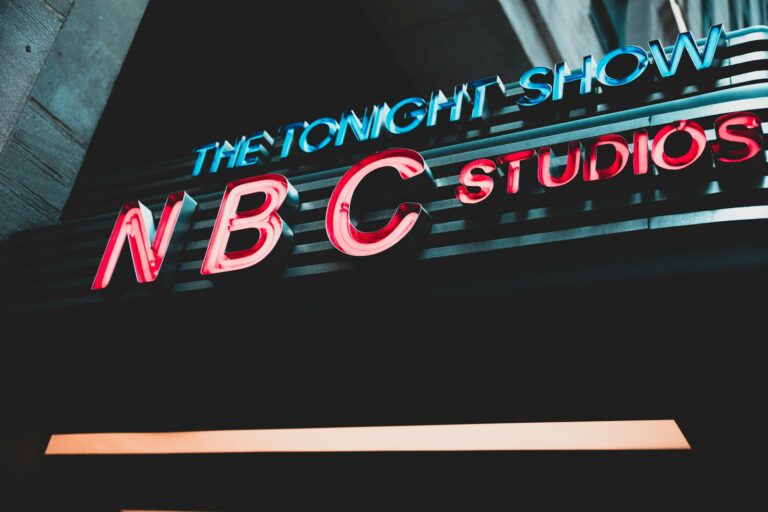
In a surprising move, Comcast has publicized its future roadmap, which includes plans to separate several NBCUniversal cable television networks. The lineup includes renowned names such as USA, CNBC, and MSNBC. They plan on converting these into an independent, publicly-traded company, with the target of accomplishing this within a year!

A Retrospective Look on the Acquisition

It’s been almost a decade and a half since Comcast’s major acquisition of NBCUniversal in 2011. But, it seems like they’re now taking steps to unwind that massive acquisition in part. The reason behind this move? Well, it’s a well-known secret that traditional cable TV channels haven’t been tasting the flavors of success in recent times. With a rapid shift towards streaming services and the digital consumption of content, cable TV doesn’t seem to be the golden goose it once was.

The Revenue Story

Now, don’t take the recent scenario as a sign of doom. The cable channels that Comcast plans to spin off have generated an impressive revenue, tipping the scales at around $7 billion. This was across the twelve months leading up to September 30, 2024. But while $7 billion might sound like a big number, it’s a tiny portion of Comcast’s total revenue. The tech giant raked in a staggering $123 billion in the same twelve-month duration!

The Spinoff and Its Impact

Why release these assets then? The answer lies in Comcast’s financial reports. By separating these assets through the spinoff, Comcast would be able to clean up its earnings report. It’s like removing a weight off their balance sheets, making their financial health look sleeker.

During the Q3 earnings call on October 31, Comcast President Mike Cavanagh acknowledged the impact of the changing tides in the industry. He said that Comcast is indeed feeling the ripples from the transition in the video businesses. The focus now is on navigating the path forward for these assets and finding the best solution for their future.

Understanding Comcast’s Strategic Move

Comcast’s stance reflects the ongoing trend within the industry – A rapid shift towards digital and streaming platforms. By letting go of cable TV networks, the giant is freeing resources to focus on more prospective businesses. The aim is to remain a strong contender in the midst of digital advancements and changing viewer preferences.

This move might seem puzzling. Why would a company part ways with assets that still generate significant revenue? Interestingly, it’s these blurred lines that outline the importance of strategic decision-making. Businesses now need to prioritize their long-term growth and relevance over short-term revenue.

The Future of Cable TV Networks

While Comcast’s decision might prompt other industry leaders to reconsider their position regarding cable television, it won’t spell an end for the industry. There is still a significant number of viewers who prefer cable television. It’s also a reminder for cable TV networks to innovate and adapt to stay relevant in the changing landscape.

The proposed spinoff is set to be an interesting watch in the coming months as Comcast joins other industry giants in realizing the importance of digital transformation. Only time will tell if this decision will prove beneficial for Comcast’s long-term growth and where it will leave the future of NBCUniversal’s cable networks.

PRC-Linked Hackers Steal US Telecom Data, Threatens National Security

0

Key Takeaways:

* PRC-affiliated hackers compromise multiple U.S. telecommunication companies.
* Private communications, call records, and data subject to U.S. law enforcement requests have been stolen
* Notable personalities, including former presidential candidate Donald Trump and his running mate JD Vance, have been targeted.
* FBI Director Christopher Wray warns of the vast difference in numbers and technological capabilities between China’s hackers and the U.S intel personnel.

China’s Espionage Campaign

Hackers associated with the People’s Republic of China (PRC) have recently been linked to cyber espionage activities targeted at U.S. telecommunication providers. This revelation comes from a joint statement issued by the FBI and the Cybersecurity & Infrastructure Security Agency. These agencies acknowledge that the ongoing investigation is likely to reveal more such instances of data breaches.

The compromised networks at several telecommunication companies have facilitated the theft of sensitive information. Customer call records data is among the stolen information.

Impact on High-Profile Individuals

The situation becomes more severe as the stolen data also includes private communications shared between individuals of significant importance in the U.S. governmental and political sectors. Additionally, some data that were the subject of U.S. law enforcement requests were illegally copied.

It was reported that Donald Trump and his running mate, JD Vance, were among those targeted. A potential breach could have exposed Trump’s private communications, given his frequent use of a private iPhone for calls, texts, and social media.

Underestimation of the Threat

FBI Director Christopher Wray emphasized the broad and relentless threats China poses to U.S. national and economic security during the Vanderbilt Summit held in April. Wray warned that China saw the U.S. critical infrastructure as a prime target in its efforts to attain global dominance.

Just a week before the Summit, Wray had also alerted Congress about the increasing risks posed by Chinese hackers to the U.S telecommunications and infrastructure. He pointed out the overwhelming disproportion between the number of Chinese hackers and the resources available to U.S. intelligence agencies to counter them.

Dethroning U.S. Technological Supremacy

Wray noted that China’s cyber capabilities far surpassed those of the U.S, potentially exposing the U.S. critical infrastructure to unprecedented threats. The dangerous scenario of Chinese hackers being armed with the ability to cause physical destruction to important U.S. infrastructure at their whim raises serious questions about national security.

Wray also revealed a disturbing fact about the disparity between the technological capabilities of U.S. and China. Despite the collective efforts of all the FBI’s cyber agents and intelligence analysts, China’s hacking program still dwarfs that of the U.S. The difference in numbers between China’s hackers and the U.S. cyber personnel is stated to be a staggering 50 to 1.

An Urgent Call for Action

The main concern here is not just about losing the technological race but about the potential damage this gives China. With their superior numbers and capabilities, they could seriously undermine the U.S.’s infrastructure, economy, and national security. This urgent situation calls for stringent measures to be taken to reinforce the country’s defenses and close the technology gap swiftly. The need for an appropriate response is undeniable, as failing to take action might lead to grave consequences for the future of national security, privacy, and technological independence.