63.8 F
San Francisco
Monday, July 6, 2026
Home Blog Page 156

Timberwolves Rally to Beat Nuggets, Tie Playoff Series 1 – 1

0

Quick Summary: Timberwolves Rally to Beat Nuggets, Tie Playoff Series 1 – 1

  • The Minnesota Timberwolves defeated the Denver Nuggets 114-108 in Game 2
  • Minnesota rallied from a 19-point deficit to even the series at 1-1
  • Anthony Edwards led the Timberwolves with 34 points
  • Nikola Jokic scored 27 points for Denver in the loss
  • The series now shifts to Minnesota for Game 3 with momentum favoring the Timberwolves

The Minnesota Timberwolves delivered a dramatic comeback victory over the Denver Nuggets in Game 2 of their NBA playoff series, overcoming a 19-point deficit to secure a 114-108 win and level the series at 1-1.

The result not only shifts momentum toward Minnesota but also sets the stage for a crucial Game 3 as the series moves to the Timberwolves’ home court.

Timberwolves Stage Stunning Comeback

Game 2 began with the Denver Nuggets firmly in control, building a sizable lead that at one point stretched to 19 points. Playing in front of their home crowd, Denver appeared poised to take a commanding 2-0 series advantage.

However, the Timberwolves refused to fold.

Minnesota gradually chipped away at the deficit through consistent scoring and improved defensive pressure. What started as a difficult uphill battle turned into a momentum-shifting comeback as the Timberwolves closed the gap and eventually took control of the game.

By the final quarter, the energy had clearly shifted, with Minnesota executing key plays on both ends of the floor.


Anthony Edwards Leads the Charge

At the center of Minnesota’s comeback was Anthony Edwards, who delivered a standout performance with 34 points. Edwards played a crucial role in driving the Timberwolves’ offense, particularly during the late stages of the game when scoring opportunities became more critical.

His ability to create shots and maintain composure under pressure proved decisive. Edwards not only led the scoring but also set the tone for his team’s resilience.

Support from teammates further strengthened Minnesota’s push, with coordinated offensive efforts helping sustain the comeback.


Nuggets Struggle to Maintain Lead

Despite a strong start, the Denver Nuggets were unable to maintain their early dominance. Nikola Jokic, the team’s key player, contributed 27 points and remained a consistent presence on offense.

However, Denver struggled to respond effectively once Minnesota gained momentum.

Missed opportunities and defensive lapses in the second half allowed the Timberwolves to capitalize. The inability to close out the game highlights an area the Nuggets will need to address as the series progresses.


Momentum Shifts to Minnesota

With the series now tied at 1-1, momentum has shifted toward the Timberwolves. Winning on the road after falling behind by a significant margin demonstrates both mental toughness and tactical adaptability.

The comeback victory provides Minnesota with a confidence boost heading into the next game. It also places pressure on Denver, which must now adjust its strategy to regain control of the series.


Game 3 Becomes Crucial Turning Point

The series now moves to Minnesota for Game 3, a matchup that could play a pivotal role in determining the direction of the contest.

Home-court advantage gives the Timberwolves an opportunity to build on their momentum. A win would put them ahead in the series, while a loss could allow the Nuggets to reclaim control.

Both teams are expected to make tactical adjustments. For Minnesota, maintaining the intensity and execution seen in Game 2 will be key. For Denver, addressing defensive issues and sustaining offensive consistency will be critical.


Tactical Observations

Minnesota’s comeback highlighted several important factors:

  • Improved defensive pressure in the second half disrupted Denver’s rhythm
  • Efficient scoring during critical moments allowed the Timberwolves to close the gap
  • Strong leadership from key players helped maintain focus under pressure

On the other side, Denver’s performance revealed challenges:

  • Difficulty sustaining momentum after building an early lead
  • Inconsistent defense during the later stages of the game
  • Limited response to Minnesota’s offensive surge

These factors will likely influence how both teams approach the upcoming games.


Broader Impact on the Series

A comeback win of this magnitude can have lasting effects in a playoff series. It not only changes the scoreboard but also impacts team confidence and psychological dynamics.

For the Timberwolves, the victory reinforces their ability to compete under pressure. For the Nuggets, the loss serves as a reminder of the importance of maintaining control throughout the game.

The series remains evenly balanced, but the momentum gained by Minnesota could shape the outcomes of future matchups.


What to Watch Next

As the series continues, several key elements will be worth monitoring:

  • Whether Minnesota can maintain its high level of performance at home
  • How Denver adjusts its strategy to prevent similar comebacks
  • The continued impact of star players like Anthony Edwards and Nikola Jokic
  • Defensive improvements from both teams

Each of these factors will play a role in determining the eventual winner of the series.


Conclusion

The Timberwolves’ 114-108 victory over the Nuggets in Game 2 stands as a defining moment in the series so far. Overcoming a 19-point deficit on the road demonstrates resilience, discipline, and strong execution.

With the series now tied at 1-1, the focus shifts to Minnesota, where Game 3 will offer new challenges and opportunities for both teams.

As the playoffs continue, this comeback win may prove to be a turning point—or simply one chapter in a closely contested series.


Read more on Digital Chew

Gunman kills tourist at Teotihuacán pyramids, Injures Six Others

0

Quick Summary: Gunman kills tourist at Teotihuacán pyramids, Injures Six Others

  • A gunman opened fire at the Teotihuacán pyramids, killing one Canadian tourist
  • Six other victims were injured and hospitalized following the attack
  • The suspect escaped, prompting an active police search and investigation
  • The shooting caused widespread panic at the crowded tourist site
  • Authorities are reviewing security measures to protect visitor

A deadly shooting at one of Mexico’s most iconic tourist destinations has left one person dead and six others injured, triggering panic among visitors and raising serious concerns about security at major cultural landmarks.

Authorities confirmed that a gunman opened fire at the Teotihuacán Pyramids, a UNESCO World Heritage site located just outside Mexico City. The victim, identified as a Canadian tourist, died at the scene, while six others were transported to nearby hospitals for treatment.

The suspect fled shortly after the attack, and a large-scale investigation is now underway.

A Sudden Attack at a Historic Landmark

The Teotihuacán pyramids, known for structures like the Pyramid of the Sun and the Pyramid of the Moon, attract millions of visitors each year. The site is widely regarded as one of the most important archaeological locations in the Americas.

The shooting disrupted what is typically a peaceful environment for tourists exploring ancient ruins. Witnesses described scenes of confusion and fear as gunfire erupted, sending people running for safety.

Emergency responders arrived quickly after receiving reports of the incident. Medical teams provided immediate care at the scene before transferring the injured individuals to nearby hospitals. Authorities have not released detailed information about the conditions of those injured, but officials confirmed that all are receiving treatment.


Victims and Immediate Response

The confirmed fatality—a Canadian tourist—highlights the international impact of the incident. With visitors from around the world frequenting Teotihuacán, the attack has drawn attention beyond Mexico’s borders.

Officials acted swiftly to secure the area and ensure that no additional threats were present. Police cordoned off sections of the site while investigators began gathering evidence.

Local authorities also coordinated with emergency services to assist visitors who were still at the site, ensuring their safe evacuation and providing guidance during the immediate aftermath.


Suspect Still at Large

One of the most pressing concerns following the attack is the suspect’s escape. Authorities confirmed that the gunman fled the scene shortly after opening fire, and efforts are ongoing to locate and apprehend the individual.

Law enforcement agencies are reviewing surveillance footage, interviewing witnesses, and analyzing available evidence to piece together the sequence of events. At this stage, officials have not disclosed a motive, nor have they confirmed whether the attack was targeted or random.

The absence of clear information about the suspect has added to public concern, as both local residents and tourists await updates from investigators.


Heightened Security Concerns

The incident has sparked renewed debate about security at major tourist attractions. Teotihuacán is one of Mexico’s most visited destinations, drawing both domestic and international travelers.

While tourist sites are generally considered safe, this attack has exposed vulnerabilities that authorities are now under pressure to address. Officials emphasized that ensuring visitor safety remains a top priority.

Possible measures being considered include increased police presence, enhanced surveillance systems, and stricter access controls. Authorities are also expected to review existing security protocols to identify potential gaps.


Impact on Tourism and Public Confidence

Tourism plays a significant role in Mexico’s economy, and incidents like this can have a direct impact on traveler confidence. Safety concerns often influence decisions about where people choose to visit, particularly when incidents occur at globally recognized landmarks.

While it is too early to determine the full impact, analysts suggest that such events can temporarily affect visitor numbers. However, the long-term effect will depend largely on how quickly authorities respond and implement visible security improvements.

Government officials have already begun efforts to reassure the public, emphasizing that steps are being taken to prevent similar incidents in the future.


Government Response and Ongoing Investigation

The Mexican government confirmed the shooting and stated that a full investigation is underway. Authorities are working to identify the suspect and determine the circumstances surrounding the attack.

Officials have urged the public to rely on verified information as the investigation progresses. They also emphasized the importance of avoiding speculation, particularly in the early stages of the case when details are still emerging.

Law enforcement agencies are expected to provide updates as more information becomes available. These updates will be critical in shaping public understanding of the incident and the steps being taken in response.


Broader Implications for Public Safety

Beyond the immediate tragedy, the incident raises broader questions about public safety in crowded and culturally significant locations. Tourist destinations often attract large gatherings, making them particularly sensitive environments when it comes to security risks.

Authorities across the region may use this incident as a reference point to reassess safety protocols at other high-traffic locations. Ensuring rapid response capabilities, clear communication channels, and effective monitoring systems will likely be central to these efforts.

The incident also highlights the importance of coordination between local authorities, emergency responders, and tourism officials in managing crisis situations.


The Importance of Verified Information

As the story continues to develop, officials have stressed the importance of focusing on confirmed facts. In fast-moving situations, early reports can be incomplete, making it essential to rely on verified updates.

Understanding what happened, how authorities responded, and what steps are being taken next provides a clearer picture of the situation. This approach helps separate factual developments from speculation and ensures that public understanding remains grounded in reliable information.


What Happens Next

The next phase of this story will depend on the progress of the investigation. Key developments to watch include:

  • Identification and capture of the suspect
  • Confirmation of the motive behind the attack
  • Updates on the condition of the injured victims
  • Implementation of new or enhanced security measures

Each of these factors will play a role in determining how the situation evolves and how authorities address both immediate and long-term concerns.


Conclusion

The shooting at the Teotihuacán pyramids represents a serious and tragic event at one of Mexico’s most important cultural landmarks. With one tourist killed and several others injured, the incident has prompted urgent questions about safety, security, and public confidence.

Authorities are actively investigating the case and working to locate the suspect, while also reviewing measures to protect visitors in the future. As more details emerge, the focus will remain on delivering justice, supporting the victims, and ensuring that such incidents are prevented moving forward.

For now, the situation remains under close watch, with further updates expected as the investigation continues.

Read more on Digital Chew

Apple Appoints John Ternus as CEO, Tim Cook Transitions to Chairman

0

Apple CEO change: Key Takeaways

Apple CEO change is central to this story, and this analysis explains what matters most right now.

Quick Summary: Leadership Transition at Apple

  • Apple: Announces major leadership shift — Tim Cook to step into Chairman role.
  • John Ternus: Expected to become CEO — marking a new era focused on product innovation.
  • Tim Cook: After over a decade as CEO, transitions to long-term strategic oversight and policy influence.
  • Apple: Leadership change signals continuity with evolution — blending operations strength with hardware vision.
  • John Ternus: Known for leading iPhone, Mac, and chip development — could drive deeper innovation cycles.
  • Apple: Move seen as a planned succession, not instability — reinforcing investor confidence.

Apple Prepares for Leadership Shift as Tim Cook Moves to Chairman Role

In a significant yet carefully anticipated leadership transition, Apple is expected to usher in a new chapter with Tim Cook stepping away from his long-held role as Chief Executive Officer to take on the position of Chairman. The move reflects a strategic evolution rather than a sudden departure, signaling stability while preparing the company for its next phase of growth.

Cook, who has led Apple since 2011 following the era of Steve Jobs, is widely credited with transforming the company into a global powerhouse valued in the trillions. His tenure has been defined by operational excellence, expansion into services, and a strong stance on privacy and sustainability. As Chairman, Cook is expected to remain deeply involved in shaping Apple’s long-term vision, influencing policy decisions, and guiding corporate strategy.

Stepping into the CEO role is likely to be John Ternus, a key figure behind Apple’s hardware innovation. Ternus has played a central role in the development of flagship products including the iPhone, Mac, and Apple Silicon chips. His elevation would represent a shift toward a more product-centric leadership approach, aligning closely with Apple’s roots in design and engineering excellence.

Industry analysts view this transition as a well-planned succession rather than a disruptive change. Apple’s leadership structure has long emphasized continuity, and Ternus’ deep familiarity with the company’s ecosystem positions him as a natural successor. At the same time, Cook’s move to Chairman ensures that Apple retains his experience and strategic insight during this transition.

The leadership reshuffle comes at a time when Apple continues to expand across multiple fronts — from hardware and software integration to services and emerging technologies like artificial intelligence and spatial computing. With Ternus potentially at the helm and Cook guiding from a broader strategic position, Apple appears poised to balance innovation with stability.

For investors and customers alike, the message is clear: while leadership titles may change, Apple’s long-term direction remains firmly intact.


Read more on Digital Chew

Japan earthquake Triggers Tsunami Alert, Residents Urged to Evacuate

0

Quick Summary: Japan earthquake Triggers Tsunami Alert, Residents Urged to Evacuate

  • A 7.4 magnitude earthquake struck off Japan’s northeast coast, triggering a tsunami warning.
  • The earthquake’s epicenter was located in the Pacific Ocean, 10 km deep, according to the Japan Meteorological Agency.
  • Prime Minister Sanae Takaichi announced an emergency task force and urged evacuations in affected areas.
  • NHK broadcast images of ships leaving Hachinohe port in anticipation of tsunami waves.
  • The quake measured ‘upper 5’ on Japan’s seismic scale, causing significant disruption.

Earthquakes in Japan Are a Reminder of Preparedness — and Its Limits

The recent earthquake off the coast of Japan is a stark reminder that even the most prepared nations are never fully in control when nature decides otherwise. A 7.4 magnitude tremor, followed by tsunami warnings, isn’t just a headline — it’s a moment where systems, planning, and human response are all tested at once.

On paper, Japan is one of the most earthquake-ready countries in the world. Agencies like the Japan Meteorological Agency issue rapid alerts, infrastructure is built to withstand shocks, and evacuation systems are well-rehearsed. And yet, when warnings of waves up to three meters hit regions like Iwate, Aomori, and Hokkaido, the situation quickly moves beyond planning into uncertainty.

This is where the reality of living in the Ring of Fire becomes clear. Earthquakes are not rare disruptions in Japan — they are part of the environment. That changes how these events should be understood. They are not just emergencies; they are recurring tests of resilience.

The response from leadership, including Sanae Takaichi, shows how seriously such threats are treated. Emergency task forces, evacuation calls, and infrastructure shutdowns like halted bullet trains all reflect a system designed to act fast. But speed doesn’t remove risk — it only manages it.

What stands out most in situations like this is how quickly the narrative can shift. One moment, it’s a seismic report; the next, it’s about human safety, infrastructure disruption, and potential nuclear concerns. That transition is where the real weight of the story lies.

At the same time, there’s a tendency to overreact to early information. Fast-moving situations often come with incomplete details, and the gap between what is known and what is assumed can grow quickly. That’s why the most valuable updates are the verified ones — not speculation, not projections, but confirmed facts.

In my view, the deeper takeaway isn’t just about the earthquake itself. It’s about understanding how fragile even the most advanced systems can be under sudden pressure. Preparedness reduces damage, but it doesn’t eliminate uncertainty. And in moments like this, uncertainty is what shapes decisions, reactions, and outcomes.

For now, the focus remains on what can be confirmed — the scale of the event, the immediate response, and the safety of those affected. Everything else, from long-term impact to broader consequences, will depend on what happens next.

Read more on Digital Chew

China’s Strategic Silence Reflects Its Regional Ambitions in Iran Conflict

0

Quick Summary: China’s Strategic Silence Reflects Its Regional Ambitions in Iran Conflict

  • China has chosen not to pressure Iran to accept U.S. demands, reflecting its strategic interests in the region.
  • China’s economic ties with Iran, including energy imports, influence its diplomatic stance.
  • The U.S. seeks China’s support to pressure Iran, but China prioritizes its own geopolitical strategy.
  • China’s position may affect the dynamics of U.S.-Iran negotiations, complicating diplomatic efforts.
  • Observers note China’s approach underscores its broader regional ambitions and global influence.

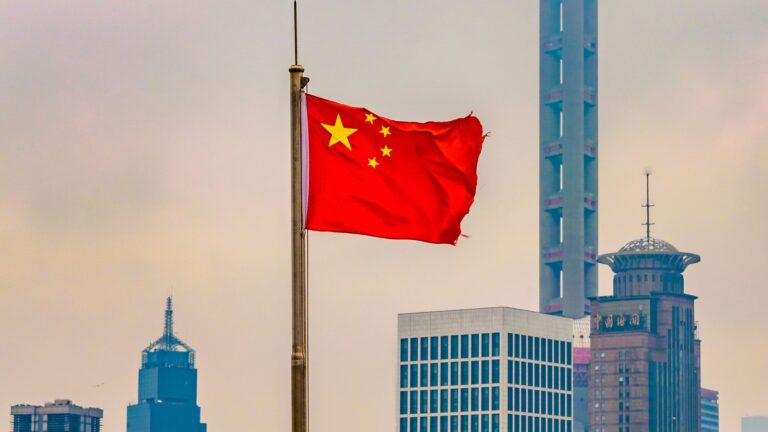
China’s decision not to pressure Iran into accepting U.S. demands to end the ongoing conflict highlights its strategic interests in the region. This stance is influenced by China’s significant economic ties with Iran, particularly in energy imports. China’s Strategic Silence is at the center of this development.

The United States has been seeking China’s support to exert pressure on Iran, aiming to bring about a resolution to the conflict. However, China has maintained a calculated position, prioritizing its own geopolitical strategy over aligning with U.S. demands.

This strategic silence from China could impact the dynamics of U.S.-Iran negotiations, potentially complicating diplomatic efforts. Analysts suggest that China’s approach is part of its broader regional ambitions and a demonstration of its growing global influence.

As the situation develops, China’s actions will continue to be closely watched, with potential implications for international relations and regional stability. The broader impact of China’s stance will become clearer as negotiations progress and more details emerge.

China’s Strategic Silence remains the central development in this story, with the latest facts shaping how readers should understand the immediate stakes.

The next step depends on what the main parties say and do, because those responses will determine whether this is a short-lived update or a bigger shift.

In practical terms, China’s Strategic Silence now raises a simple question: what changes first, and who feels it most quickly? The answer depends on the timeline, the decision-makers involved, and whether the response is immediate or delayed. Those three pieces usually determine how fast a story moves from headline to wider consequence.

The biggest value in following China’s Strategic Silence closely is separating the confirmed facts from the early speculation. When a story is moving quickly, the first version is often incomplete, which is why verified updates matter more than reactions built on fragments. Readers get a clearer view when the reporting stays tied to what is known, who said it, and what changed afterward.

Context also matters. A single development can look routine in isolation and significant when set against the broader pattern around it. That is why the timing, the scale of the change, and the response from the people involved are all important parts of the story. They show whether this is a one-off update or the start of something larger.

As the reporting develops, the most useful details are usually the ones that answer what happened, why it matters, and what comes next. Those facts help explain whether the story affects a narrow group or has wider reach. They also make it easier to understand which new details actually change the picture and which ones simply add noise.

For China’s Strategic Silence, the most useful reading comes from the verified sequence of events: what happened first, how the main parties responded, and what changed after that. That timeline is often the difference between a routine update and a development with wider consequences. When the reporting stays tied to those facts, the story becomes much easier to understand and harder to distort.

Another useful question is whether the latest move changes the direction of the story or simply adds one more detail to it. That distinction matters because headlines can make a small update feel bigger than it is, while the underlying facts may point in a different direction. Readers get a clearer picture when they focus on the concrete action, the immediate response, and the next confirmed step.

In practical terms, China’s Strategic Silence, now raises a simple question: what changes first, and who feels it most quickly? The answer depends on the timeline, the decision-makers involved, and whether the response is immediate or delayed. Those three pieces usually determine how fast a story moves from headline to wider consequence. More verified context may surface as the story develops.

The biggest value in following China’s Strategic Silence, closely is separating the confirmed facts from the early speculation. When a story is moving quickly, the first version is often incomplete, which is why verified updates matter more than reactions built on fragments. Readers get a clearer view when the reporting stays tied to what is known, who said it, and what changed afterward. More verified context may surface as the story develops.

Context also matters. A single development can look routine in isolation and significant when set against the broader pattern around it. That is why the timing, the scale of the change, and the response from the people involved are all important parts of the story. They show whether this is a one-off update or the start of something larger. More verified context may surface as the story develops.

As the reporting develops, the most useful details are usually the ones that answer what happened, why it matters, and what comes next. Those facts help explain whether the story affects a narrow group or has wider reach. They also make it easier to understand which new details actually change the picture and which ones simply add noise. More verified context may surface as the story develops.

For China’s Strategic Silence,, the most useful reading comes from the verified sequence of events: what happened first, how the main parties responded, and what changed after that. That timeline is often the difference between a routine update and a development with wider consequences. When the reporting stays tied to those facts, the story becomes much easier to understand and harder to distort. More verified context may surface as the story develops.

Another useful question is whether the latest move changes the direction of the story or simply adds one more detail to it. That distinction matters because headlines can make a small update feel bigger than it is, while the underlying facts may point in a different direction. Readers get a clearer picture when they focus on the concrete action, the immediate response, and the next confirmed step. More verified context may surface as the story develops.

Conclusion

For now, the story around China’s Strategic Silence turns on the verified facts, the immediate response, and how the next confirmed update changes the picture.

The broader impact will become clearer as more details are confirmed and the main parties respond. Until then, the most useful reading comes from the facts that can be checked, not the speculation around them.

Read more on Digital Chew

Taiwan Business Group Calls for Politics – Free Trade Talks With China

0

Quick Summary: Taiwan Business Group Calls for Politics – Free Trade Talks With China

  • Taiwan’s business group urges China and Taiwan to separate politics from trade, aiming for economic stability.
  • The call comes amid rising tensions and aims to prevent political issues from affecting trade relations.
  • China has requested more cross-strait flights, highlighting the need for improved communication.
  • Political neutrality in trade could benefit businesses and economies on both sides of the Taiwan Strait.
  • The group’s statement emphasizes the importance of focusing on economic cooperation.

Taiwan’s leading business group has called on Beijing and Taipei to keep politics separate from trade discussions, advocating for a focus on economic stability. This appeal comes as tensions between the two sides have been escalating, potentially impacting trade relations. Taiwan Business Group is at the center of this development.

The business group emphasized that political issues should not interfere with trade, as it could harm the economic interests of both Taiwan and China. The statement follows China’s request for more cross-strait flights, indicating a need for improved communication and cooperation.

The call for political neutrality in trade highlights the potential benefits for businesses and economies on both sides of the Taiwan Strait. By focusing on economic cooperation, the group believes that both regions can achieve greater prosperity.

As the situation develops, the impact of this appeal will depend on the responses from both Beijing and Taipei. The business group’s stance underscores the importance of separating political and economic issues to ensure stable trade relations.

Taiwan Business Group remains the central development in this story, with the latest facts shaping how readers should understand the immediate stakes.

The next step depends on what the main parties say and do, because those responses will determine whether this is a short-lived update or a bigger shift.

In practical terms, Taiwan Business Group now raises a simple question: what changes first, and who feels it most quickly? The answer depends on the timeline, the decision-makers involved, and whether the response is immediate or delayed. Those three pieces usually determine how fast a story moves from headline to wider consequence.

The biggest value in following Taiwan Business Group closely is separating the confirmed facts from the early speculation. When a story is moving quickly, the first version is often incomplete, which is why verified updates matter more than reactions built on fragments. Readers get a clearer view when the reporting stays tied to what is known, who said it, and what changed afterward.

Context also matters. A single development can look routine in isolation and significant when set against the broader pattern around it. That is why the timing, the scale of the change, and the response from the people involved are all important parts of the story. They show whether this is a one-off update or the start of something larger.

As the reporting develops, the most useful details are usually the ones that answer what happened, why it matters, and what comes next. Those facts help explain whether the story affects a narrow group or has wider reach. They also make it easier to understand which new details actually change the picture and which ones simply add noise.

For Taiwan Business Group, the most useful reading comes from the verified sequence of events: what happened first, how the main parties responded, and what changed after that. That timeline is often the difference between a routine update and a development with wider consequences. When the reporting stays tied to those facts, the story becomes much easier to understand and harder to distort.

Another useful question is whether the latest move changes the direction of the story or simply adds one more detail to it. That distinction matters because headlines can make a small update feel bigger than it is, while the underlying facts may point in a different direction. Readers get a clearer picture when they focus on the concrete action, the immediate response, and the next confirmed step.

In practical terms, Taiwan Business Group, now raises a simple question: what changes first, and who feels it most quickly? The answer depends on the timeline, the decision-makers involved, and whether the response is immediate or delayed. Those three pieces usually determine how fast a story moves from headline to wider consequence. More verified context may surface as the story develops.

The biggest value in following Taiwan Business Group, closely is separating the confirmed facts from the early speculation. When a story is moving quickly, the first version is often incomplete, which is why verified updates matter more than reactions built on fragments. Readers get a clearer view when the reporting stays tied to what is known, who said it, and what changed afterward. More verified context may surface as the story develops.

Context also matters. A single development can look routine in isolation and significant when set against the broader pattern around it. That is why the timing, the scale of the change, and the response from the people involved are all important parts of the story. They show whether this is a one-off update or the start of something larger. More verified context may surface as the story develops.

As the reporting develops, the most useful details are usually the ones that answer what happened, why it matters, and what comes next. Those facts help explain whether the story affects a narrow group or has wider reach. They also make it easier to understand which new details actually change the picture and which ones simply add noise. More verified context may surface as the story develops.

For Taiwan Business Group,, the most useful reading comes from the verified sequence of events: what happened first, how the main parties responded, and what changed after that. That timeline is often the difference between a routine update and a development with wider consequences. When the reporting stays tied to those facts, the story becomes much easier to understand and harder to distort. More verified context may surface as the story develops.

Another useful question is whether the latest move changes the direction of the story or simply adds one more detail to it. That distinction matters because headlines can make a small update feel bigger than it is, while the underlying facts may point in a different direction. Readers get a clearer picture when they focus on the concrete action, the immediate response, and the next confirmed step. More verified context may surface as the story develops.

Conclusion

For now, the story around Taiwan Business Group turns on the verified facts, the immediate response, and how the next confirmed update changes the picture.

The broader impact will become clearer as more details are confirmed and the main parties respond. Until then, the most useful reading comes from the facts that can be checked, not the speculation around them.

Read more on Digital Chew

Starmer faces backlash Over Mandelsons Controversial Ambassadorial Appointment

0

Quick Summary: Starmer faces backlash Over Mandelsons Controversial Ambassadorial Appointment

  • UK Prime Minister Keir Starmer faces criticism over appointing Peter Mandelson as ambassador.
  • Lawmakers express concerns about Mandelson’s suitability for the ambassadorial role.
  • The appointment has sparked a political debate within the UK government.
  • Questions arise about transparency and decision-making in Starmer’s administration.
  • The controversy may impact Starmer’s political standing and future decisions.

UK Prime Minister Keir Starmer is facing significant backlash from lawmakers following his decision to appoint Peter Mandelson as an ambassador. The appointment has sparked a heated political debate, with many questioning Mandelson’s suitability for the role. Starmer faces backlash is at the center of this development.

Lawmakers have voiced their concerns about the transparency and decision-making process within Starmer’s administration. The controversy has highlighted potential divisions within the government and has put pressure on Starmer to justify his choice.

The appointment of Mandelson, a prominent political figure, has raised eyebrows due to his past controversies and the perceived lack of consultation with other government officials. This decision has led to a broader discussion about the criteria and process for such appointments.

As the situation unfolds, the political ramifications for Starmer could be significant. The backlash may influence his future decisions and affect his standing within the party and among the public. Observers will be watching closely to see how Starmer navigates this controversy and whether it will lead to changes in his administration’s approach to appointments.

Starmer faces backlash remains the central development in this story, with the latest facts shaping how readers should understand the immediate stakes.

The next step depends on what the main parties say and do, because those responses will determine whether this is a short-lived update or a bigger shift.

In practical terms, Starmer faces backlash now raises a simple question: what changes first, and who feels it most quickly? The answer depends on the timeline, the decision-makers involved, and whether the response is immediate or delayed. Those three pieces usually determine how fast a story moves from headline to wider consequence.

The biggest value in following Starmer faces backlash closely is separating the confirmed facts from the early speculation. When a story is moving quickly, the first version is often incomplete, which is why verified updates matter more than reactions built on fragments. Readers get a clearer view when the reporting stays tied to what is known, who said it, and what changed afterward.

Context also matters. A single development can look routine in isolation and significant when set against the broader pattern around it. That is why the timing, the scale of the change, and the response from the people involved are all important parts of the story. They show whether this is a one-off update or the start of something larger.

As the reporting develops, the most useful details are usually the ones that answer what happened, why it matters, and what comes next. Those facts help explain whether the story affects a narrow group or has wider reach. They also make it easier to understand which new details actually change the picture and which ones simply add noise.

For Starmer faces backlash, the most useful reading comes from the verified sequence of events: what happened first, how the main parties responded, and what changed after that. That timeline is often the difference between a routine update and a development with wider consequences. When the reporting stays tied to those facts, the story becomes much easier to understand and harder to distort.

Another useful question is whether the latest move changes the direction of the story or simply adds one more detail to it. That distinction matters because headlines can make a small update feel bigger than it is, while the underlying facts may point in a different direction. Readers get a clearer picture when they focus on the concrete action, the immediate response, and the next confirmed step.

In practical terms, Starmer faces backlash, now raises a simple question: what changes first, and who feels it most quickly? The answer depends on the timeline, the decision-makers involved, and whether the response is immediate or delayed. Those three pieces usually determine how fast a story moves from headline to wider consequence. More verified context may surface as the story develops.

The biggest value in following Starmer faces backlash, closely is separating the confirmed facts from the early speculation. When a story is moving quickly, the first version is often incomplete, which is why verified updates matter more than reactions built on fragments. Readers get a clearer view when the reporting stays tied to what is known, who said it, and what changed afterward. More verified context may surface as the story develops.

Context also matters. A single development can look routine in isolation and significant when set against the broader pattern around it. That is why the timing, the scale of the change, and the response from the people involved are all important parts of the story. They show whether this is a one-off update or the start of something larger. More verified context may surface as the story develops.

As the reporting develops, the most useful details are usually the ones that answer what happened, why it matters, and what comes next. Those facts help explain whether the story affects a narrow group or has wider reach. They also make it easier to understand which new details actually change the picture and which ones simply add noise. More verified context may surface as the story develops.

For Starmer faces backlash,, the most useful reading comes from the verified sequence of events: what happened first, how the main parties responded, and what changed after that. That timeline is often the difference between a routine update and a development with wider consequences. When the reporting stays tied to those facts, the story becomes much easier to understand and harder to distort. More verified context may surface as the story develops.

Another useful question is whether the latest move changes the direction of the story or simply adds one more detail to it. That distinction matters because headlines can make a small update feel bigger than it is, while the underlying facts may point in a different direction. Readers get a clearer picture when they focus on the concrete action, the immediate response, and the next confirmed step. More verified context may surface as the story develops.

Conclusion

For now, the story around Starmer faces backlash turns on the verified facts, the immediate response, and how the next confirmed update changes the picture.

The broader impact will become clearer as more details are confirmed and the main parties respond. Until then, the most useful reading comes from the facts that can be checked, not the speculation around them.

Read more on Digital Chew

SEC Probes insider trading Linked to Trumps Hormuz Announcement

0

Quick Summary: SEC Probes insider trading Linked to Trumps Hormuz Announcement

  • Traders bet $760 million on oil drop before Hormuz news — SEC investigates potential insider trading.
  • The timing of trades raises questions about foreknowledge of Trump’s announcements — SEC examines legality.
  • SEC’s investigation could impact market trust and regulatory practices — potential changes in information handling.
  • Analysts suggest trading patterns align too closely with Trump’s statements — scrutiny intensifies.
  • Financial sector awaits outcome — implications for future trading activities and market transparency.

Regulators are investigating $760 million in suspicious oil trades made just before a significant announcement regarding the Strait of Hormuz. The timing of these trades has raised concerns about potential insider trading linked to statements by former President Donald Trump.

The U.S. Securities and Exchange Commission (SEC) is examining whether these trades were influenced by foreknowledge of Trump’s announcements, which have historically affected market dynamics. The investigation aims to determine if any laws were violated and if the trades were based on privileged information.

Such market-moving events driven by political developments are not uncommon, but the scale and precision of these trades have prompted deeper scrutiny. Analysts suggest that the pattern of trading aligns too closely with Trump’s public statements, which have been known to cause significant market shifts.

This investigation could have wide-reaching consequences for market participants and regulatory practices. If proven, insider trading can undermine trust in financial markets and lead to increased volatility. The financial sector will be closely monitoring the outcome, which may prompt a reevaluation of how sensitive information is handled and disclosed.

As the probe continues, the financial world awaits potential regulatory changes and the implications they may have on future trading activities. The focus will remain on ensuring transparency and fairness in the markets, especially in politically sensitive contexts.

In practical terms, insider trading now raises a simple question: what changes first, and who feels it most quickly? The answer depends on the timeline, the decision-makers involved, and whether the response is immediate or delayed. Those three pieces usually determine how fast a story moves from headline to wider consequence.

The biggest value in following insider trading closely is separating the confirmed facts from the early speculation. When a story is moving quickly, the first version is often incomplete, which is why verified updates matter more than reactions built on fragments. Readers get a clearer view when the reporting stays tied to what is known, who said it, and what changed afterward.

Context also matters. A single development can look routine in isolation and significant when set against the broader pattern around it. That is why the timing, the scale of the change, and the response from the people involved are all important parts of the story. They show whether this is a one-off update or the start of something larger.

As the reporting develops, the most useful details are usually the ones that answer what happened, why it matters, and what comes next. Those facts help explain whether the story affects a narrow group or has wider reach. They also make it easier to understand which new details actually change the picture and which ones simply add noise.

For insider trading, the most useful reading comes from the verified sequence of events: what happened first, how the main parties responded, and what changed after that. That timeline is often the difference between a routine update and a development with wider consequences. When the reporting stays tied to those facts, the story becomes much easier to understand and harder to distort.

Another useful question is whether the latest move changes the direction of the story or simply adds one more detail to it. That distinction matters because headlines can make a small update feel bigger than it is, while the underlying facts may point in a different direction. Readers get a clearer picture when they focus on the concrete action, the immediate response, and the next confirmed step.

In practical terms, insider trading, now raises a simple question: what changes first, and who feels it most quickly? The answer depends on the timeline, the decision-makers involved, and whether the response is immediate or delayed. Those three pieces usually determine how fast a story moves from headline to wider consequence. More verified context may surface as the story develops.

The biggest value in following insider trading, closely is separating the confirmed facts from the early speculation. When a story is moving quickly, the first version is often incomplete, which is why verified updates matter more than reactions built on fragments. Readers get a clearer view when the reporting stays tied to what is known, who said it, and what changed afterward. More verified context may surface as the story develops.

Context also matters. A single development can look routine in isolation and significant when set against the broader pattern around it. That is why the timing, the scale of the change, and the response from the people involved are all important parts of the story. They show whether this is a one-off update or the start of something larger. More verified context may surface as the story develops.

As the reporting develops, the most useful details are usually the ones that answer what happened, why it matters, and what comes next. Those facts help explain whether the story affects a narrow group or has wider reach. They also make it easier to understand which new details actually change the picture and which ones simply add noise. More verified context may surface as the story develops.

For insider trading,, the most useful reading comes from the verified sequence of events: what happened first, how the main parties responded, and what changed after that. That timeline is often the difference between a routine update and a development with wider consequences. When the reporting stays tied to those facts, the story becomes much easier to understand and harder to distort. More verified context may surface as the story develops.

Another useful question is whether the latest move changes the direction of the story or simply adds one more detail to it. That distinction matters because headlines can make a small update feel bigger than it is, while the underlying facts may point in a different direction. Readers get a clearer picture when they focus on the concrete action, the immediate response, and the next confirmed step. More verified context may surface as the story develops.

Conclusion

For now, the story around insider trading turns on the verified facts, the immediate response, and how the next confirmed update changes the picture.

The broader impact will become clearer as more details are confirmed and the main parties respond. Until then, the most useful reading comes from the facts that can be checked, not the speculation around them.

Read more on Digital Chew

Samsung One UI 8.5 Enhances Visibility With Battery Background Removal

0

Quick Summary: Samsung One UI 8.5 Enhances Visibility With Battery Background Removal

  • Samsung’s One UI 8.5 update introduces battery background removal to improve visibility.
  • The change aims to enhance user experience by simplifying battery management.
  • Users are expected to notice improved interface clarity with this update.
  • Samsung’s update is part of ongoing efforts to refine its user interface.
  • Industry experts are watching for user feedback on the update’s effectiveness.

Samsung has rolled out its One UI 8.5 update, focusing on battery background removal to enhance visibility for users. This update is part of Samsung’s continuous efforts to improve user experience and interface clarity. Samsung One UI 8.5 is at the center of this development.

The new feature aims to simplify battery management by removing unnecessary background elements, allowing users to better monitor their device’s battery status. This change is expected to provide a cleaner and more intuitive interface.

Samsung’s One UI updates are known for refining the user interface, and this latest version is no exception. The focus on battery background removal highlights Samsung’s commitment to addressing user feedback and enhancing device usability.

As users begin to experience this update, industry experts are keen to see how it impacts overall user satisfaction and device performance. The effectiveness of this change will likely be gauged by user feedback and further updates from Samsung.

Samsung One UI 8.5 remains the central development in this story, with the latest facts shaping how readers should understand the immediate stakes.

The next step depends on what the main parties say and do, because those responses will determine whether this is a short-lived update or a bigger shift.

In practical terms, Samsung One UI 8.5 now raises a simple question: what changes first, and who feels it most quickly? The answer depends on the timeline, the decision-makers involved, and whether the response is immediate or delayed. Those three pieces usually determine how fast a story moves from headline to wider consequence.

The biggest value in following Samsung One UI 8.5 closely is separating the confirmed facts from the early speculation. When a story is moving quickly, the first version is often incomplete, which is why verified updates matter more than reactions built on fragments. Readers get a clearer view when the reporting stays tied to what is known, who said it, and what changed afterward.

Context also matters. A single development can look routine in isolation and significant when set against the broader pattern around it. That is why the timing, the scale of the change, and the response from the people involved are all important parts of the story. They show whether this is a one-off update or the start of something larger.

As the reporting develops, the most useful details are usually the ones that answer what happened, why it matters, and what comes next. Those facts help explain whether the story affects a narrow group or has wider reach. They also make it easier to understand which new details actually change the picture and which ones simply add noise.

For Samsung One UI 8.5, the most useful reading comes from the verified sequence of events: what happened first, how the main parties responded, and what changed after that. That timeline is often the difference between a routine update and a development with wider consequences. When the reporting stays tied to those facts, the story becomes much easier to understand and harder to distort.

Another useful question is whether the latest move changes the direction of the story or simply adds one more detail to it. That distinction matters because headlines can make a small update feel bigger than it is, while the underlying facts may point in a different direction. Readers get a clearer picture when they focus on the concrete action, the immediate response, and the next confirmed step.

In practical terms, Samsung One UI 8.5, now raises a simple question: what changes first, and who feels it most quickly? The answer depends on the timeline, the decision-makers involved, and whether the response is immediate or delayed. Those three pieces usually determine how fast a story moves from headline to wider consequence. More verified context may surface as the story develops.

The biggest value in following Samsung One UI 8.5, closely is separating the confirmed facts from the early speculation. When a story is moving quickly, the first version is often incomplete, which is why verified updates matter more than reactions built on fragments. Readers get a clearer view when the reporting stays tied to what is known, who said it, and what changed afterward. More verified context may surface as the story develops.

Context also matters. A single development can look routine in isolation and significant when set against the broader pattern around it. That is why the timing, the scale of the change, and the response from the people involved are all important parts of the story. They show whether this is a one-off update or the start of something larger. More verified context may surface as the story develops.

As the reporting develops, the most useful details are usually the ones that answer what happened, why it matters, and what comes next. Those facts help explain whether the story affects a narrow group or has wider reach. They also make it easier to understand which new details actually change the picture and which ones simply add noise. More verified context may surface as the story develops.

For Samsung One UI 8.5,, the most useful reading comes from the verified sequence of events: what happened first, how the main parties responded, and what changed after that. That timeline is often the difference between a routine update and a development with wider consequences. When the reporting stays tied to those facts, the story becomes much easier to understand and harder to distort. More verified context may surface as the story develops.

Another useful question is whether the latest move changes the direction of the story or simply adds one more detail to it. That distinction matters because headlines can make a small update feel bigger than it is, while the underlying facts may point in a different direction. Readers get a clearer picture when they focus on the concrete action, the immediate response, and the next confirmed step. More verified context may surface as the story develops.

Conclusion

For now, the story around Samsung One UI 8.5 turns on the verified facts, the immediate response, and how the next confirmed update changes the picture.

The broader impact will become clearer as more details are confirmed and the main parties respond. Until then, the most useful reading comes from the facts that can be checked, not the speculation around them.

Read more on Digital Chew

Stock Market Dips as Iran Conflict Heightens Investor Concerns

Quick Summary: Stock Market Dips as Iran Conflict Heightens Investor Concerns

  • U.S. stock futures fell as tensions between the U.S. and Iran increased.
  • The S&P 500, Nasdaq, and Dow futures all saw declines amid geopolitical concerns.
  • Oil prices rose as the Strait of Hormuz faced heightened conflict risks.
  • Investors are closely monitoring the situation for potential market impacts.
  • Retail sales data is also being watched as a key economic indicator.

U.S. stock futures, including the S&P 500, Nasdaq, and Dow, experienced declines as tensions between the United States and Iran escalated. The geopolitical concerns have caused market volatility, with investors closely watching developments in the Middle East. Stock Market Dips is at the center of this development.

The Strait of Hormuz, a critical oil passage, is at the center of the conflict, leading to a rise in oil prices. This development has added to the market’s unease, as any disruption in oil supply could have significant economic implications.

In addition to geopolitical tensions, investors are also keeping an eye on U.S. retail sales data, which could provide insights into consumer spending and economic health. The combination of these factors is contributing to the current market uncertainty.

As the situation unfolds, market participants will be looking for further updates on the U.S.-Iran conflict and economic indicators to gauge the potential impact on global markets. The immediate focus remains on verified facts and responses from involved parties.

Stock Market Dips remains the central development in this story, with the latest facts shaping how readers should understand the immediate stakes.

The next step depends on what the main parties say and do, because those responses will determine whether this is a short-lived update or a bigger shift.

In practical terms, Stock Market Dips now raises a simple question: what changes first, and who feels it most quickly? The answer depends on the timeline, the decision-makers involved, and whether the response is immediate or delayed. Those three pieces usually determine how fast a story moves from headline to wider consequence.

The biggest value in following Stock Market Dips closely is separating the confirmed facts from the early speculation. When a story is moving quickly, the first version is often incomplete, which is why verified updates matter more than reactions built on fragments. Readers get a clearer view when the reporting stays tied to what is known, who said it, and what changed afterward.

Context also matters. A single development can look routine in isolation and significant when set against the broader pattern around it. That is why the timing, the scale of the change, and the response from the people involved are all important parts of the story. They show whether this is a one-off update or the start of something larger.

As the reporting develops, the most useful details are usually the ones that answer what happened, why it matters, and what comes next. Those facts help explain whether the story affects a narrow group or has wider reach. They also make it easier to understand which new details actually change the picture and which ones simply add noise.

For Stock Market Dips, the most useful reading comes from the verified sequence of events: what happened first, how the main parties responded, and what changed after that. That timeline is often the difference between a routine update and a development with wider consequences. When the reporting stays tied to those facts, the story becomes much easier to understand and harder to distort.

Another useful question is whether the latest move changes the direction of the story or simply adds one more detail to it. That distinction matters because headlines can make a small update feel bigger than it is, while the underlying facts may point in a different direction. Readers get a clearer picture when they focus on the concrete action, the immediate response, and the next confirmed step.

In practical terms, Stock Market Dips, now raises a simple question: what changes first, and who feels it most quickly? The answer depends on the timeline, the decision-makers involved, and whether the response is immediate or delayed. Those three pieces usually determine how fast a story moves from headline to wider consequence. More verified context may surface as the story develops.

The biggest value in following Stock Market Dips, closely is separating the confirmed facts from the early speculation. When a story is moving quickly, the first version is often incomplete, which is why verified updates matter more than reactions built on fragments. Readers get a clearer view when the reporting stays tied to what is known, who said it, and what changed afterward. More verified context may surface as the story develops.

Context also matters. A single development can look routine in isolation and significant when set against the broader pattern around it. That is why the timing, the scale of the change, and the response from the people involved are all important parts of the story. They show whether this is a one-off update or the start of something larger. More verified context may surface as the story develops.

As the reporting develops, the most useful details are usually the ones that answer what happened, why it matters, and what comes next. Those facts help explain whether the story affects a narrow group or has wider reach. They also make it easier to understand which new details actually change the picture and which ones simply add noise. More verified context may surface as the story develops.

For Stock Market Dips,, the most useful reading comes from the verified sequence of events: what happened first, how the main parties responded, and what changed after that. That timeline is often the difference between a routine update and a development with wider consequences. When the reporting stays tied to those facts, the story becomes much easier to understand and harder to distort. More verified context may surface as the story develops.

Another useful question is whether the latest move changes the direction of the story or simply adds one more detail to it. That distinction matters because headlines can make a small update feel bigger than it is, while the underlying facts may point in a different direction. Readers get a clearer picture when they focus on the concrete action, the immediate response, and the next confirmed step. More verified context may surface as the story develops.

Conclusion

For now, the story around Stock Market Dips turns on the verified facts, the immediate response, and how the next confirmed update changes the picture.

The broader impact will become clearer as more details are confirmed and the main parties respond. Until then, the most useful reading comes from the facts that can be checked, not the speculation around them.

Read more on Digital Chew