65.2 F
San Francisco
Monday, May 18, 2026
Home Blog Page 1563

Quantum Leap: Enhancing US Defense with Quantum Technology

0

Key Takeaways:

– Quantum computing has become a must-have resource in maintaining the technological edge of America in global defense.
– The Defense Advanced Research Projects Agency (DARPA) launched the Quantum Benchmarking Initiative (QBI) to measure the industrial efforts in developing a useful quantum computer.
– The Department of Defense (DoD) must devise a strategic plan for the development and prototyping of quantum tech to solve operational problems.
– Engagement with the quantum industrial ecosystem, education sector, and intergovernmental body is crucial for the DoD.

Quantum Technology Elevating America’s Defense

The potential power of quantum computing is now a central focus for the U.S Navy and Department of Defense (DoD). As global adversaries grow more daring, it’s imperative for the U.S to maintain its technological supremacy, and quantum computing can help achieve this. The Air Force Research Lab’s (AFRL) Information Directorate in Rome, New York is leading the charge on quantum information science for the Air Force.

DARPA’s Quantum Benchmarking Initiative (QBI)

Congress is urged to fully back the Defense Advanced Research Projects Agency’s (DARPA) Quantum Benchmarking Initiative (QBI) program. Notably, this pioneering program is geared at studying the viability and effectiveness of commercial efforts to create a valuable quantum computer. DARPA’s innovative approach marks it as a significant endeavor in the field, and the full support of both the DoD and Congress is essential.

Strategic Plan Required for Quantum Technologies

In addition to embracing DARPA’s initiative, the DoD needs to formulate and implement a strategic framework. This is necessary to determine its approach towards quantum technology. To secure the optimal use of quantum capabilities in solving operational problems, there must be a well-plotted plan for their development, prototyping, and scaling.

The House-passed National Defense Authorization Act (NDAA) strongly advocates for this strategy, requiring the DoD to devise a strategy for achieving this aim. The Senate’s endorsement and support of the NDAA are therefore crucial.

Working with Quantum Industrial Ecosystem

Moreover, it’s vital for the DoD to build partnerships with the industrial ecosystem, academia, and interagency in the quantum field. The Empire State Quantum Network, forming in Upstate New York, is a model of such collaboration. This network, comprising AFRL-Rome, Brookhaven National Lab, industry partners big and small, and a wide range of universities and community colleges, is well-poised to fully exploit the potential of quantum technologies.

Quantum Progress in US Defense

Ongoing work by DARPA, AFRL-Rome, and the broader U.S quantum innovation ecosystem brings us closer to achieving these goals. With a trained quantum workforce, robust software applications, cutting-edge algorithms, and other hardware capabilities, America is moving swiftly towards having an industrially useful fault-tolerant quantum computer.

Final Thoughts

In conclusion, quantum technology is poised to be a game-changer for America’s defense systems. By funding initiatives like DARPA’s QBI, implementing strategic plans, and fostering constructive partnerships with various stakeholders, the U.S. can pioneer the future of global defense and maintain its competitive edge.

New York Experiences Unprecedented Rally Turnout at Madison Square Garden

0

Key Takeaways:

– Madison Square Garden reaches its maximum capacity of 19,500 for Trump’s rally.
– Unattended crowd of 75,000 gathers outside, as reported by NYPD.

From Dawn to Dusk, A Day of Stellar Attendance

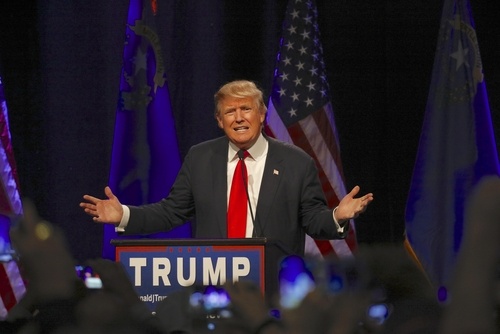
In what can be only described as a sea of supporters, Madison Square Garden recorded a full house for the Trump rally today. An impressive 19,500 people filled every nook and corner of the famous arena, marking a significant event in recent times.

Enthusiasm Spills Over onto the Streets

In a profound display of loyalty and excitement, an additional 75,000 supporters congregated outside the packed Madison Square Garden. The New York Police Department confirmed this mammoth figure, highlighting the vast crowd’s peaceful demeanor despite the confined space.

Supporters Stand Unmoved in Pouring Rain

No downpour could deter the spirited attendees. Swaying to the rhythm of speeches and cheers, Trump’s supporters out on the streets bore the cold, wet weather with a fierce determination. This incredible sight of unity and resolve was a noteworthy part of the day’s spectacle.

Peaceful Gathering, A Testament to Public Discipline

Despite the overflowing crowd, disorderly conduct was conspicuously absent. The New York Police Department commended the attendees for their cooperation and patience. Their discipline stood as a testament to the unmatched public spirit fueling the event.

A Glimpse into the Rally’s Vibe

Inside, attendees created an electric environment that echoed through the hallways of the Madison Square Garden. Yellow, white, and blue banners flitted through the air, punctuating thunderous cheers that marked the rally’s high points.

Camaraderie on the Streets

Outside, warmth and camaraderie wafted through the chilly air. Trump’s distant voice boomed from mobile speakers, eliciting instant responses from the crowd. Supporters, huddled together in small circles, reveled in this unique experience of being part of a larger community movement.

A City, United

The Trump rally’s historic crowd went beyond political alignments to unify New Yorkers under a single roof – and out in the open. This striking visual reminded onlookers of the city’s incredible bonding spirit.

Conclusion

To call the Trump rally a ‘major event’ would be an understatement. It pushed boundaries and shattered records, leaving an indelible mark on the city’s history. The stories from inside Madison Square Garden, and the streets out, will go down as milestones in New York’s socio-political scenario.

As the city heads towards another dawn, these stories will continue to be cherished and retold – stories of a rally that united Madison Square and set an example of public unity and peaceful assembly. The memories encased in the chilly October rain will continue to warm hearts, reminding New Yorkers of the day when they painted history.

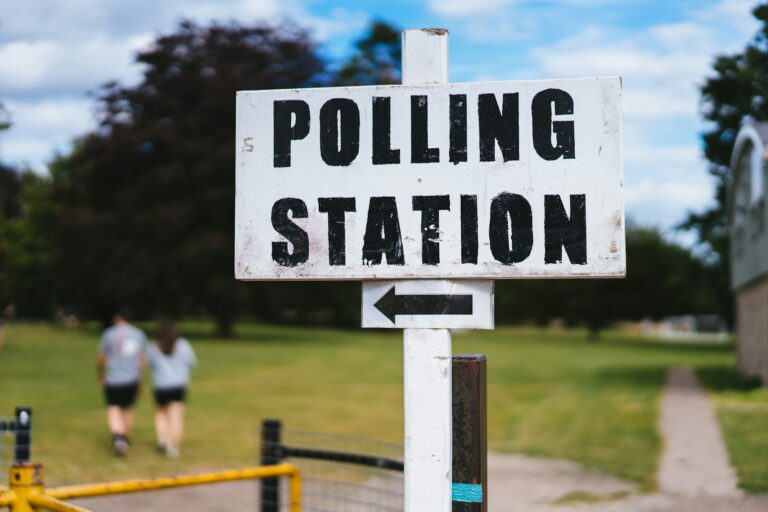
Make Use of Wisconsin In-Person Early Voting, Says ACLU

Key Takeways:

– Early in-person voting begins in most of Wisconsin with ACLU urging voters to utilize it.
– Unregistered voters can register during the early voting period, but not on November 2 and 3.
– New early voting locations have been initiated at UWM and MATC campuses in Milwaukee after a unanimous approval.
– The voting schedule varies across locations with some even offering weekend options.

Wisconsin Gears Up for Early Voting

The American Civil Liberties Union (ACLU) of Wisconsin has issued a reminder for voters. It’s election season and in-person absentee voting will commence in most parts of Wisconsin. This voting phase runs from tomorrow, across a variety of municipalities until Sunday, November 3.

The Advantage of Early Voting

With this early call to vote, the ACLU advises Wisconsin residents that they no longer need to wait for Election Day to cast their votes. Voters can conveniently search for early voting polling locations and open hours in their respective areas. It’s also a great chance for voters to double-check that they have their IDs ready for the process.

Register and Cast Your Vote

An important note for all, not yet registered? Fear not. The ACLU points out that potential voters who aren’t registered can still do so at the polls during most early voting days. The catch being, one must be registered already, if intending to vote on Saturday, November 2, or Sunday, November 3. Individuals can verify their registration status online via MyVote.WI.gov.

Discover New Early Voting Locations in Milwaukee

In a victory for voting rights, Milwaukee has added new early voting locations following consistent advocacy from a coalition of community organizations. The Milwaukee Common Council gave their unanimous approval last year for these locations. Voters can now vote early at 6001 W. Capitol Drive, University of Wisconsin–Milwaukee (UWM) and Milwaukee Area Technical College (MATC) campuses.

Details of New Polling Venues and Schedule

The UWM Zelazo Center located at 2419 E Kenwood Blvd., started its operations for early voting this week. The schedule is from Monday to Friday, between 9 a.m. and 5 p.m. Additional hours are included on the weekend of October 26 and 27 and on Friday, November 1.

Meanwhile, another voting site is in Room S114 of the MATC S Building at 700 W State St. This location keeps its doors open on weekdays, from 10 a.m. to 6 p.m. Please note that it closes early on Saturdays, at 2 p.m, and remains closed on Sundays.

“The community is highly encouraged to use these new polling places. It’s time to cast your votes and let your voices be heard,” voiced James Stein, Deputy Advocacy Director.

Stepping into the Future of Voting

There’s no doubt that Wisconsin voters are experiencing a refreshed perspective on voting. With all these initiatives in place, the state is paving the way forward in creating accessible and efficient voting systems. No longer does anyone need to wait around for election day to make their voices count. Early voting gives everyone the chance to fit voting into their schedules at their convenience. With new locations, extended hours and open registration, Wisconsin’s early voting system is a giant leap forward in voter accessibility. Remember, every vote counts and every voice matters – make yours count and let it be heard this election season.

US Workers Face Deadly Heat: New Rules Help Solve The Problem?

Life-Threatening Heat at the Workplace

In July 2020, Belinda Ramones experienced a life-altering day. Her brother, Jose Leandro-Barrera, was rushed to the hospital. The news arrived from a coworker at the Davey Tree Expert Co., a Florida landscaping business. Tragically, Leandro-Barrera died two days later reportedly due to acute kidney failure brought on by a severe heatstroke. In his final moments, he had been suffering from signs of heat exhaustion.

Scenes like this illustrate the grim reality of occupational dangers related to extreme heat. Workers, especially those dealing with the outdoors, face high risks in scorching summers exacerbated by climate change.

OSHA Responds but is it enough?

The Occupational Safety and Health Administration (OSHA) investigated Leandro-Barrera’s case, subsequently fining his employer adeeply concerning sum of $9,639. Despite this, the lack of national regulations on heat-related illnesses makes it ultimately challenging for the OSHA to safeguard workers in such situations, as shared by a Department of Labor spokesperson.

Climate Change and Occupational Health: A Deadly Combo

Rising summer temperatures due to climate change have taken a toll on laborers, indicating that worker deaths are not just incidental. Experts insist that employers have the potential to save lives through measures such as providing sufficient water and recreational breaks, and allowing new workers to adjust to the extreme heat.

Existing statistics suggest around 480 average annual worker deaths from heat exposure. However, the OSHA considers this a considerable underestimation since heat stress often goes unnoticed in medical records. The advocacy organization Public Citizen projects the annual heat-related deaths to be around 2,000 US workers.

Biden’s Attempt to Protect Workers

In 2021, President Joe Biden initiated national rules aimed at shielding an estimated 36 million workers prone to extreme heat exposure. This proposed legislation faced a crucial deadline on December 30, 2021, marking the end of its public comment period.

Future of Heat Regulations: Uncertain

Despite Biden’s efforts, the proposal’s fate remains uncertain. If Vice President Kamala Harris succeeds Biden, she may progress these heat regulations, similar to her previous actions in California. Conversely, if Donald Trump were to return to power, the heat rules will likely get shelved as Republicans traditionally oppose workplace safety regulations for their associated business costs.

Proposed Rules and Their Implementation

The proposed rules hold employers accountable to provide ample drinking water, and spaces for shade or air conditioning during heat waves. Breaks would become obligatory for employees when the temperature surpasses 80 degrees. At temperatures exceeding 90 degrees, paid 15-minute breaks every two hours would come into effect.

New employees would also get time to acclimate, and protocols must be put in place for rapid medical attention.

Difficulties in Ensuring Safety

While these rules appear promising, their execution poses challenges. Fear of employer retaliation adds to the difficulty in ensuring occupational safety. Farmworkers on H-2A visas, who depend on their employers for living essentials, are particularly vulnerable under such circumstances.

Roadblocks in the Passage of Heat Policies

Several industry groups and Republican lawmakers have criticized the standard as unnecessary. Critics argue that it will burden employers with additional costs. However, a UCLA analysis counters this, suggesting that a national heat standard would save money considering heat-related injuries come with expenses, including medical charges, lost wages, and disability claims.

Lastly, the pushback from Republican-led states coupled with some legal tussles can potentially hinder the enforcement of this federal standard. Nevertheless, for workers like Leandro-Barrera, these rules may be a life-saving change, bringing a sigh of hope amidst increasingly risky work environments.

Kamala Harris Fails to Make an Impact at Kamalazoo Rally

1

Key Takeaways:

– Kamala Harris’ rally in Kamalazoo showed the Vice President failing to make a significant impact.
– This event took place despite significant funding and the participation of notable figures.
– Harris continues to struggle in making headway in the political field.
– This event does not indicate progress towards shifting political perceptions.

The Kamalazoo rally featuring Vice President Kamala Harris that took place recently has left the political stage unimpressed. Despite the involvement of some heavyweights, Harris was unable to successfully bring about any remarkable changes.

The Million-Dollar Rally

Harris’ campaign had an astounding $1 billion in funding. However, similar to a football player failing to move the ball downfield, the Vice President has been largely unsuccessful in making substantial progress. Currently, she seems to be the Daniel Jones of American politics – well-known but underperforming.

Taking Center Stage

Harris’ rally in Kamalazoo, Michigan was her chance to shine. To take center stage, to rally the crowds and shift the political pendulum in her favor. The stage was set, the audience was waiting, and the spotlight was on her. Yet, she didn’t seize the moment. Rather than capitalize on this opportunity to score, she merely fumbled.

High-Profile Names Don’t Rescue the Day

Prominent figures were present at the event, hoping their support would bolster Harris’ standing. But their presence did little to salvage the lackluster rally. It seemed that no amount of endorsement or association could compensate for Harris’ inability to sway public perception.

The Stalled Momentum

Much like a stalled vehicle, the Vice President’s efforts to change the narrative have been ineffectual. No matter how much fuel she pours into her political machine, Harris cannot seem to get it to move. It’s almost as if the gears of progress have rusted, refusing to turn no matter how much effort she invests.

Perceptions Remain Unchanged

Despite whatever was said at the Democratic National Convention, the public eye remains unpersuaded. And despite the extensive funding poured into Harris’ war chest, her inability to move the political needle continues to be glaringly apparent.

A Need for a New Strategy

In light of such a blow, it’s evident that a new approach is required. Perhaps the Vice President needs a shift in strategy, a fresh perspective, or a more compelling narrative to unfold. Only then might she break the chains of stagnation and reinvigorate the race.

Looking Forward

As America watches, Harris’ struggle to make headway is a poignant reminder that in politics, money and big names alone don’t guarantee success. What the future holds for Harris is uncertain. However, it is clear that until she can decisively move that political ball down the field, her struggle to sway the political landscape may continue.

In conclusion, the Kamalazoo rally, far from being the game-changer it was intended to be, might be a signpost to indicate where more attention and strategy are needed. Whether Harris can capitalize on these lessons and turn the tide remains an open question. And that question will likely be answerable only in the fullness of political time.

UN Alerts World on Soaring Greenhouse Gas Levels, Demands Stronger Climate Plans

Key Takeaways:

– According to the United Nations, the accumulation of greenhouse gases in the atmosphere hit a record high in 2023.
– The three major greenhouse gases, carbon dioxide, methane, and nitrous oxide, all experienced an increment last year.
– Current climate plans are falling drastically short of the reduction in global emissions required to prevent harmful global warming.
– The UN is calling for more audacious plans to cut pollution that contributes to global warming as we approach the COP29 climate summit.

Record Highs in Greenhouse Gas Concentrations

The World Meteorological Organization (WMO), the UN’s weather and climate agency, has announced record-high concentrations of the three primary greenhouse gases, namely carbon dioxide, methane, and nitrous oxide, in the atmosphere last year. It further flagged that carbon dioxide was piling up in the atmosphere at a speed not seen before, marking a rise of over 10% in just two decades.

Lack of Progress in Emissions Reduction

Despite global initiatives, substantial progress isn’t apparent in our battle against climate change. The required emissions cut of 43 percent by 2030 to avoid the worst effects of global warming has barely witnessed any dent. The current reduction, as it stands, is a mere 2.6% this decade from levels recorded in 2019, alarmingly short of our global target.

Simon Stiell, the UN Climate Chief, has loudly indicated that the findings were not surprising and current national climate plans were significantly inadequate in tackling global warming and its devastating effects. He has urged for immediacy in stopping the global heating that threatens to cripple economies and lives across all countries.

Call for Bolder Climate Plans

The two chilling UN reports come at the heels of the impending United Nations COP29 climate summit in Azerbaijan and as nations ready themselves to submit their updated national climate plans in 2025. According to the 2015 Paris Agreement, nations pledged to cap global warming at “well below” two degrees Celsius above average levels observed between 1850 and 1900. However, our actions thus far seem to have fallen short of meeting this challenge.

Simon Stiell has called for countries to adopt ‘bolder’ plans to reduce pollution and put an end to an era of inadequacy. Following the current national commitments would result in the emission of 51.5 billion tons of CO2 and other greenhouse gases by 2030, painting a dire picture for all countries without exception.

Implications of Persistent Emissions

The WMO warns that persistent emissions will result in a continuous accumulation of greenhouse gases, leading to an alarming rise in global temperatures. They have recorded the highest-ever global temperatures on land and sea since records began in 1850.

The report starkly notes that CO2 is accumulating in our atmosphere faster than ever in human history. The concentrations of CO2 in 2023 were 420 parts per million (ppm), with methane and nitrous oxide at 1934 parts per billion and 336 parts per billion, respectively.

Impacts of Climate Change on Ecosystems

Climate change may turn ecosystems into larger sources of greenhouse gases, warned the WMO deputy chief Ko Barret. He highlighted that phenomena like wildfires could release more carbon emissions into the atmosphere. Furthermore, a warmer ocean might absorb less CO2, leaving more of it in our atmosphere, thereby rapidly accelerating global warming.

In conclusion, the UN’s warning comes as a wake-up call, revealing how misaligned our actions are to our commitment to tackle global warming. The call for bolder and more aggressive plans to combat climate change is louder than ever as the world leaders prepare for the COP29 summit.

Presidential Race 2020: Impact and Implications

0

Key Takeaways:

– Presidential election could have far-reaching consequences
– Democrat nominee Kamala Harris’s stance raises concerns for conservatives.
– Uncertainty about the future leadership and its impact on the American constitutional order

Digesting the Presidential Face-off

Seen through the lens of tradition-bound conservatives, the presidential race of 2020 is a tough one to swallow. The battle-ring has become a playground for polarizing ideologies, triggering anxiety and unrest.

Diving into the Democratic Stance

One of the leading figures in this face-off is the Democratic nominee Kamala Harris. She strides on a path, rooted in the political milieu of San Francisco, which is recognized for its staunch support towards progressive beliefs. However, her trajectory has ignited apprehensions within the orthodox conservative fraternity, who view her as a relentless adversary to multiple facets of the American constitutional order.

Harris does not showcase any strong resistance to the radical policies of her party techniques adopted by her party. Adding fuel to the conservative’s fire is her perceived lack of exhibited leadership skills. There’s a lingering query among the voters – will she have what it takes to navigate the national and international challenges that lie ahead?

Breaking Down The Worry

Why would this cause unease among conservatives? The American political scene cherishes checks and balances, woven within its diverse political fabric. A change that modifies this constitutional fabric may disrupt the balance, leading to societal shift of an unpredictable magnitude.

Harris’ ideologies cast shadows of uncertainty on the survival of traditional values within the American constitutional framework. This concern makes the election a much more pressing issue as it can be more than just a personnel change, potentially leading to an ideological shift.

Looking Toward a Rocky Road Ahead

Regardless of who comes out victorious in this battle for the presidency, the immediate future doesn’t seem to paint a bright picture. Even as the winner embarks on the journey of carving out their policies within the fabric of the country’s administration, the American people may need to brace themselves for challenges.

Conclusion: Riding through the Winds of Change

With the traditional conservatives losing their sleep and uncertainties looming in every corner, the presidential elections this year are more than just a democratic race. It’s a socio-political whirlwind that has the potential to redefine the American context as we know it.

The anxious wait of the conservatives can only be answered after we have a president-elect. Only then can we begin to fathom the direct impacts on the constitutional norms. Perhaps then, we can forecast how they will shape our socio-political landscape. Yet, in all of this uncertainty, the spirit of democracy remains unshakeable – whatever changes might come, they are chosen by the people, for the people.

The ripples of tension, the quilt of uncertainty and the dire need for a strong leadership – all these elements have combined to form a unique presidential race that America holds its breath to watch. This election echoes the sentiment of American citizens on a global platform, showcasing America’s determination to uphold democracy even amidst diverse ideologies. This election may change the course of America’s history. Regardless of the outcome, it will surely be remembered for its unmatched intensity and consequential implications.

Beyoncé’s Unexpected Move Sparks Controversy at Kamala Harris Rally

Key Takeaways:

– Beyoncé’s appearance at Kamala Harris rally turned out to be a short speech, not a concert
– The announcement of a performance created anticipation, leading to fan disappointment.
– Chaos took over the rally when Beyoncé failed to sing.
– Media speculation incorrectly labeled the upset attendees as Trump supporters.

Disappointment at the Harris Rally

Beyoncé Knowles graced a political rally for Kamala Harris in Houston, causing much enthusiasm and excitement, especially given the rumors that she would perform. Beyoncé’s appearance at an event of this magnitude was highly anticipated by fans and followers alike. However, the pop star’s participation involved a speech and not the anticipated performance which left her enormous fan base with a sour taste in their mouth.

A Concert-Hall or Political Rally?

Who wasn’t excited about attending a Kamala Harris rally with an electrifying performance by Beyoncé? With the singer’s outstanding track record, the news of a performance spread like wildfire, and eager fans thronged the venue in throngs. The promise of music set an entirely different mood; attendees were looking forward to swaying to her soulful tunes on a political night.

However, Beyoncé didn’t live up to the hype. Instead of swaying to her popular tracks, fans were swept away by surprise when Beyoncé walked on stage, delivered a barely audible speech of political sentiment, and called it a night.

Chaos Amid Disappointment

The event quickly spiraled into chaos following her surprising act. Some attendees decided to leave, while others expressed loud disapproval of the unexpected turn of events. The premature departure and vocal uproar left the event organizers and media baffled.

The media was fast to label the chaos as an act of protest by Trump supporters. However, this was inaccurate. The reality was simpler – people were frustrated as they believed they were misled. They had been promised a musical night but ended up listening to a political discussion instead.

“Protesting” or Expressing Discontent?

Harris, undeterred by the discontent in the crowd, reportedly made light of the situation by indicating the meddling people could go to the “smaller rally down the road,” an allusion to a corresponding Trump rally.

But let’s be clear – this wasn’t a political stratagem or a deflection story. The dissatisfaction wasn’t politically motivated. The disgruntled attendees weren’t political protesters. They were just music lovers who were left disheartened upon being deceived about the occurrence of a Beyoncé concert. As straightforward as it sounds, people were disheartened that they had been misled.

Thus, much to the disappointment of the excited fans, the rally turned out to be politics as usual – a far cry from the anticipated cocktail of uplifting music and enlightening political bouts. As the rumor mill keeps churning, the factual takeaway remains – the crowd’s protest didn’t stem from political motivation. Instead, it was purely a result of false expectations about a beloved pop star’s performance, an incident which leaves room for many questions on communication management during political events.

Ohio Parents Fight for School Transport Rights, Backed by the American Center for Law and Justice

0

Key Takeaways:

– The American Center for Law and Justice (ACLJ) has filed a lawsuit against the Columbus City Board of Education alleging transport discrimination.
– The school board has reportedly refused to provide transportation to students attending private and Christian schools, a violation of state laws.
– The district’s failure to provide transportation, according to ACLJ, goes beyond the law itself and infringes on the fundamental right of parents to direct the education of their children.

Columbus City Board Accused of Discrimination

In a significant move, the American Center for Law and Justice (ACLJ) has filed a lawsuit against the Columbus City Board of Education, Ohio. The ACLJ alleges that the school district is discriminating against Christian students by refusing to provide them with transportation.

Neglecting Transport Obligations

The crux of the matter lies in the responsibilities of the school district. According to state law, all school districts in Ohio must provide transportation to students within their jurisdiction, regardless of the school they attend. This includes students going to private schools, many of which are Christian institutions. However, the Columbus School Board seems to have disregarded this obligation.

Without notice, the school board terminated transport for over 1,000 students. Many families found out about this decision after the school year had begun, continuing to await school buses that never arrived.

Ignoring Appeals for Transportation

In the event that a school district is unable to provide transportation, Ohio law necessitates that the school board provide transport as long as a parent is in the process of appealing the decision. Nevertheless, the Columbus School Board has reportedly not provided transportation for families appealing their decision.

This situation, according to the ACLJ, is a massive violation of Ohio state law, one that becomes even more egregious considering the lack of any plausible justification. Despite the dilemma, the school board’s stance has been to get the case dismissed on the ground that the law already imposes a penalty for denying required transportation.

The ACLJ’s Counter Argument

The ACLJ refutes this line of thinking, pointing out that the law was violated and that the mere penalty provision does not rectify the harm caused to students and their families. Per ACLJ, the section requires the school board to ensure education access via transportation unconditionally, irrespective of costs or difficulties.

Furthermore, the ACLJ argues that this law is not optional or susceptible to the whim of the school board’s discretion. If a student challenges the school board’s impractical transportation arrangements, that student is entitled to immediate transport for as long as the dispute persists, cites the legal team.

Highlighting the stakes in the fight, the ACLJ describes it as a matter about the foundational right of parents to guide their children’s education, free of excessive governmental interference. Meanwhile, the school board’s refusal to organize transportation continues to violate these rights.

As for the next steps, the Ohio Supreme Court is on the receiving end of the appeal to direct the school district to stop its discriminatory practices. The persistence of the ACLJ, the parents, and the concerned students in their fight for transport rights signals a strong determination to draw attention to and rectify an apparent gross injustice that goes beyond just transport.

Elon Musk Put on Legal Notice for Supporting Donald Trump

0

Key Takeaways:

– Elon Musk faces warnings of potential civil and criminal liability due to his support for Donald Trump.
– This legal exposure is rooted in allegations of aiding and abetting a convicted felon.
– There are concerns that Musk’s activities contribute to Trump-inspired violence and civil unrest.
– Musk’s pro-Trump disinformation spread via his Twitter account also falls under scrutiny.

Elon Musk, the tech mogul and founder of SpaceX and Tesla, recently found himself on the receiving end of a stern legal warning. Musk, renowned for his controversial social media presence and remarkable entrepreneurship, now faces potential civil and criminal liability connected to his support for president Donald Trump.

Legal Warning towards Criminal and Civil Liability

Musk’s aid to Trump, a man with a history of encouraging civil unrest and violence, has raised significant concerns. The notice warned that Musk could result as a co-defendant or co-conspirator if acts of physical harm occur due to Trump encouraging violence among his supporters. The warning was stark – actions taken by Musk from now until January 2025 are those of a private citizen, ensuring he enjoys no legal immunities that Trump might gain if re-elected.

High Stakes in Election Crimes

Musk’s alleged involvement in election crimes was another area the warning touched upon. The law prohibits paying or offering to pay for registration to vote or for voting. Musk’s announcement that the America PAC, a pro-Trump initiative, would award $1 million daily until the election to voted registered in swing states who sign his petition goes contrary to this law. This strategy seemed particularly targeted at Republican voters, which brings about numerous legal concerns.

Amplifying Acts of Violence

The notice also cited Musk’s legal exposure for encouraging acts of violence, potentially putting him in greater legal peril. The dissemination of disinformation on his social media platforms has reportedly fueled far-right riots and attacks, leading to warnings that Musk may soon face lawsuits for the violent outcomes he’s allegedly helped incite. The law has long stated that a person who aids and abets a crime can be held liable to the same extent as the person who committed the crime.

In a climate where instances of violence involving Trump supporters have become alarmingly commonplace, the concerns about such repercussions for Musk are felt even more acutely. A glaring example was a recent incident where bullets were fired into the Democratic Party office in Phoenix, Arizona, by a hardcore MAGA supporter.

Impact of Disinformation and Dark Money

Another focal point in the allegations against Musk is his manipulation of technology platforms to disseminate pro-Trump disinformation. After assuming ownership of Twitter, Musk restored the accounts of far-right figures and significantly eased content moderation policies. Such actions, combined with his own use of the platform for spreading pro-Trump narratives, intensifies legal risks for him further.

Moving Forward

In summary, the warning to Musk was straightforward: conduct yourself by the law or face the potential legal consequences. The repeated endorsement of Donald Trump has put Musk in a precarious position. His continued involvement in these controversial activities, by leveraging his substantial social media influence, could result in significant personal liability, sans Trump’s expansive legal immunities. The expectation is that Musk will ponder over these risks, making changes where needed for a transparent and legal political participation.

But as we have seen so often in the past, with men of Musk’s stature and inventiveness, what happens next is anyone’s guess. Maybe Musk will interpret this warning as the need for a strategic change. Or, he could simply see it as more noise in an already loud, constantly shifting digital landscape. Only time will tell.