60.1 F
San Francisco
Thursday, June 11, 2026
Home Blog Page 1576

The Race Tightens: Kamala Harris and Donald Trump’s Chances in the 2024 Presidential Election

0

Key Takeaways:

– AllSides is monitoring the presidential election odds for Kamala Harris and Donald Trump.
– Regular updates will be made at least twice a week leading up to Election Day.
– Current forecasts indicate a 54% chance of Kamala Harris being elected president.
– Harris currently is leaning towards winning states with 226 electoral votes, 246 are on Trump’s side.

New Day, New Odds for 2024 Presidential Election

In a turbulent turn of events, the digital platform, AllSides, is closely watching the changing odds for upshots of the 2024 Presidential Election. Two major competitors have been identified in this pinnacle of political pursuits – Kamala Harris and Donald Trump.

Chances in a Constant Swing

The race for the presidential chair remains a closely-contested battle. With continuous shifts in political landscapes, general public opinions, and campaign strategies, the odds fluctuate significantly. Currently, Harris holds a significant edge with a 54% chance of emerging victorious. It’s not just about numbers, but the strategic distribution of these numbers across the United States map.

Understanding the Electoral Votes

The importance of Electoral College votes can’t be overstressed. Statistically, states representing about 226 Electoral College votes are leaning towards Harris at the moment. However, this is a dynamic that could change as we approach Election Day.

Trump, on the other side, appears to be leading in states with roughly 246 Electoral College votes. A close contest, indeed! It’s a neck-and-neck race that could tilt towards either side with just a slight change in the political winds.

Frequent Updates to Keep You Informed

Given the fluctuating landscape of the election race, AllSides plans to update its data model at least twice a week. This regular update will provide you with a bird’s eye view of the changing odds so you can follow along the grand political journey leading up to Election Day.

A Second Run for Trump?

For Donald Trump, this 2024 Presidential Election symbolizes a potential second term in office. However, facing off Kamala Harris, who could potentially become the first female President of the United States, adds a new dimension to the competition.

Novel Twists and Turns Await

As we move closer to Election Day, more twists and turns are sure to unravel. The election campaign trails will become heavier with fervor, making their presence known in the betting odds. The one prediction that holds strong is the uncertainty.

Pulse of the Nation

While the official results may be months away, the current odds provide an insightful view into the pulse of the nation. It’s a snapshot of public thinking, campaign trends, and potential outcomes.

Summing Up

While it’s early days, with Kamala Harris pitted against Donald Trump, the stage is set for a potentially remarkable presidential election. We can expect to witness a significant shift in the odds as we proceed further into the race. Don’t miss out on these twice a week updates from AllSides, laying bare the changing landscape of the 2024 Presidential Election. Will Kamala Harris hold her edge? Or will Donald Trump sway the odds back in his favor? Only time will tell.
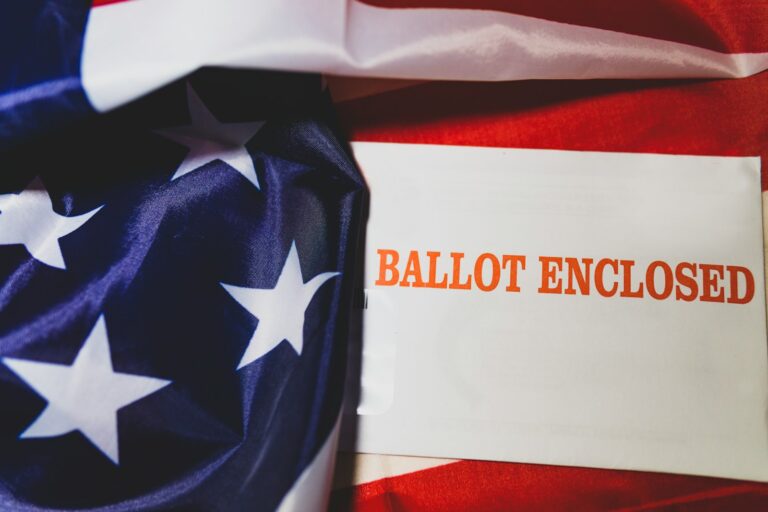
Gender Voting Disparity: Women Outnumber Men at the Polls

0

Key Points:
– According to early voting data, women have outnumbered men in casting their votes.
– 2.2 million women have voted in Georgia, outpacing men by 27%.
– In North Carolina, the number of female voters is at 2.3 million in contrast to 1.8 million men.
– The outcome of the election could be significantly influenced by this gender disparity.

Breaking it Down: Gender and Voting

Let’s not beat around the bush here. Election Day has finally arrived, and one thing we’re seeing is that more women than men are showing up at the polls. This disparity is so pronounced it could potentially swing the election outcome. If Kamala Harris, current Vice President, ascends to the presidency, it might be because fewer men turned up to vote.

Digging into the Data: What Does it Say?

These aren’t baseless claims, folks. Early voting data from Georgia and North Carolina back this up. As of November 4, there were 2.2 million women voters in Georgia. That’s a solid 27% more than their male counterparts.

Yet, Georgia isn’t the only state showing this pattern. North Carolina has a similar tale to tell. As of November 2, 2.3 million of the votes had been cast by women, compared to 1.8 million votes by men.

The Implying Factor: Could Men’s Absence at Polls Influence the Outcome?

The way this election is going, it’s a real nail-biter. The contest is on a knife-edge, and every vote counts. With more women voters turning out in certain states, it could considerably tilt the scale.

Former President Donald… (we’re leaving out the rest of his name for privacy), could attest to this. Just imagine it: the thought of Kamala Harris becoming the next president not because she wooed the women, but because the men simply didn’t show up. It’s not something we often think about, but there it is in black and white in the voting stats.

Broad Picture: The Role of Women in Elections

Here’s the thing, guys. Women showing up and making their voices heard is a big deal. Whether it’s an election or any other aspect of society, their participation is crucial. Funnily enough, it’s not just about them showing up. It’s also about who doesn’t, in this case, the menfolk.

In the grand scheme, this could reshape how we look at election dynamics. Is it accurate to say that elections can be won or lost based on the gender of who shows up? It’s definitely worth pondering over.

Conclusion: A Tipping Point for Future Elections?

This election might go down in history for reasons more than one. If women outvoting men becomes a pattern rather than an exception, it could change how election campaigns are run in the future. For now, all we can do is watch this space and wait.

In a nutshell, men, your vote matters just as much. Elections are a team sport, and we all need to show up and do our part. If anything, this gender disparity at the polls should serve as a wake-up call, a nudge, or a downright push to realize the significance of turning up and casting a vote. So, guys, next time around, let’s make sure the balance isn’t tipped, shall we?

Gender Gap Could Tilt Balance in Harris-Trump Election Face Off

0

Key Takeaways

– The gender gap in voting patterns could determine the outcome of the Harris-Trump election race.
– The final pre-election poll by ABC News/Ipsos revealed a gender gap among all likely voters of 16 points.
– Kamala Harris held an 11-point lead among women voters (53% to 42%), while Donald Trump was ahead by 5 points among male voters (50% to 45%).

The Significance of the Gender Gap

The gender gap, a deep-seated phenomenon in American presidential elections, might just be the key to this year’s high-stakes face-off. Vice President Kamala Harris and former President Donald Trump are gearing up for a nail-biting finish. And an essential question pops up – will the gender gap be the game changer?

Harris Leads Among Women, Trump Among Men

Pre-election surveys can give us insightful clues about how an election might go. The latest poll by ABC News/Ipsos uncovers a pronounced gender gap. This refers to an evident difference in voting patterns between men and women. Kamala Harris seems to have won the hearts of the female populace. She’s leading by a hefty 11 points in comparison to Trump among women voters, with 53% to his 42%. On the other hand, Trump boasts a slim 5-point lead among men voters, showing 50% in his favor against Harris’ 45%.

The Gender Gap: A Game Changer?

In past elections, the gender gap has certainly played its role. Women have been known to shape the results of many a tight race. So, it’s no surprise that both Harris and Trump have put immense efforts into swaying voters of both genders their way. Will they be successful? Only time will reveal the answer.

A Nail-Biting Election Race

Every vote counts in an election. With high stakes in this year’s race, the candidates need every edge they can get. The gender gap, while significant, is just one of several elements that ultimately influence the election outcome. However, the impact it can exert on results cannot be underestimated.

Behind the Numbers

While it’s easy to focus on the headline figures, there’s more to it than meets the eye. For one, these polls reflect likely voters. This means there’s a portion of the population whose voting intent is yet to be determined. Also, elections are not won solely on popular votes. The electoral college system could sway the final decision in either candidate’s favor, irrespective of the percentage of individual votes.

Final Thoughts

As Harris and Trump make their final pushes towards the White House, all eyes are on the American voters. The pressure is mounting. The players are set. And the nation holds its breath, waiting to see which way the election wind will blow. This year especially, the gender gap might just take center stage and steer the course of history once again. But in the grand scheme of things, whichever candidate manages to cover more ground across genders, age groups, ethnicities, and social strata will have the ultimate say.

Whichever way the electoral pendulum swings, it is evident that the role of gender in voting decisions is not a factor to be dismissed. And as the world watches with bated breath, the true impact of the gender gap will be laid bare on Election Day. It just might be the joker in the pack that decides who laughs last in this high-stakes electoral tug of war.

Far-Right Extremists See Election as Catalyst for Disruption, Networks Users Indicate

0

Key Takeaways:

– Far-right extremists prepare for possible civil turmoil, regardless of election results
– According to the polls on far-right Telegram channels, users kindled the prospects of civil war
– Far-right ideology, known as accelerationism, aims to speed societal downfall to construct anew
– Recent domestic terrorism cases reveal increased risks and the belief that chaos and conflict are necessary means to achieve goals

Election Outcome Irrelevant to Extremist Plans

Irrespective of the results from the upcoming elections, far-right extremists are looking towards potential widespread violence and even civil war. In their perception, the winner of the elections doesn’t get to set the rules. Instead, what truly matters is its aftermath.

A Display of Hostility in Social Media Platforms

This fervor is reflected in the social networking platform, Telegram, where far-right channels have been pollinated. A recent poll revealed two potential scenarios: violence erupting following a Trump victory or outrage in response to a Kamala Harris win.

Gloom and Eagerness Amongst Extremists

Results of the poll oddly indicate enthusiasm within the extremist group for either outcome. A neo-Nazi user reveled in the prospect of upheaval, expressing a desire for decisive action, even if it resulted in fatalities within their ranks. Another user alluded to the fallacy of voting, expressing a belief that true victory lies in societal collapse.

Understanding Accelerationism

Accelerationism forms the basis of the beliefs of these far-right extremists. It makes a case for hastening societal decline, leading to eventual disintegration. The belief is that this chaos will pave the way for the creation of a new societal order rising starkly from the ashes of the old.

Reflective of this ideology, federal agents in Tennessee apprehended a neo-Nazi activist intent on attacking an electrical substation. The alleged goal? A race war fueled by disrupting power supply and invoking widespread chaos.

Valuing Chaos over Democratic Engagement

Clara Broekaert, an expert in monitoring far-right extremism, warns of the perils of these ideologies. She views this as a significant shift within domestic society posing a serious threat to U.S. national security.

There’s a new faction rising, one that disregards democratic engagement in favor of destructive tendencies. It prefers chaos, conflict, and catastrophe over debate, dialogue, and diplomacy, seeing these as essential means to attain their goals.

Wrapping Up: Predicament Demands Urgent Attention

These disturbing revelations highlight an urgent need for policy and law enforcement efforts to counter this hostility. This emergent risk of domestic terrorism fueled by accelerationist ideologies demonstrates a rising threat in an already fractious society.

Elections are an exercise in democracy designed to voice public sentiment and shape the nation’s trajectory. The concept of using them as catalysts for chaos is alarming and deserves focused attention to ensure national peace and stability.

With potential violence looming regardless of the electoral outcome, the authorities need to preempt and prevent these scenarios to safeguard societal peace and unity. After all, our shared destiny lies in unity, compassion, and understanding, not in discord, conflict, and fragmentation.

Wisconsin’s Late Counting of Early Votes Sparks Controversy

0

Key Takeaways:

– The city of Milwaukee in Wisconsin is reported to tally its early votes during early hours after election day.
– MSNBC host, Joe Scarborough, finds the decision to delay counting discouraging.
– Steve Kornacki, polling analyst, clarifies that this is a local decision, not a state-wide policy.
– The unusual counting procedure draws criticism as it fuels misinformation and speculation.

News Article:

As the U.S. Presidential election looms, some trends stand out among the voting procedures across various states. One of which is the peculiar practice happening in Wisconsin, specifically in its biggest city, Milwaukee. It appears that this city takes its time when it comes to confirming early votes, a move which has raised more than a few eyebrows.

Milwaukee’s Vote Counting Quirk

Typically, early votes are some of the first to be counted on election day or in some cases, even beforehand. However, Milwaukee begs to differ. Instead of partaking in standard counting procedures, the city gathers all the initial votes and counts them surreptitiously in the small hours of the next day.

This oddity doesn’t end there. It gets more intriguing as the city ships all these votes to a separate location to be counted. In essence, we’re talking in excess of 100,000 early votes, potentially more, all being tallied after the rest of the country is asleep, often as late as 1:00 to 3:00 in the morning.

A Source of Controversy

Joe Scarborough, the host of MSNBC’s morning show, reacted incredulously to this revelation. In a discussion with polling analyst, Steve Kornacki, Scarborough expressed his disbelief. He couldn’t understand why the early votes, which could be counted earlier, were being handled off-site and at such late hours.

Referring to Florida’s voting protocol as an example, Scarborough asked why Wisconsin couldn’t follow suit. Florida, which also accumulates numerous early votes, manages to count them swiftly, often releasing results by 8:30 to 9:00 if not earlier. He held reservations over Wisconsin’s methods, particularly on how it could potentially feed into the misinformation propagated by controversial figures.

Municipal Decision Stirs Debate

In the face of Scarborough’s criticism, Kornacki pointd out that this wasn’t a state-wide technique. Rather, it was Milwaukee’s own policy, even amidst calls for change by the public and some political figures.

Yet why has Milwaukee not budged from its decision? Kornacki speculated that the city wanted to highlight a clear distinction between the early votes and election day votes. However, he agreed such practice could do with improvement given the doubts and controversy it stirs up.

Regardless of the rationale behind it, this method is not exclusive to Milwaukee. Several other municipalities in Wisconsin follow the same protocol. But, as Kornacki pointed out, Milwaukee stands out due to its size and the number of votes it deals with.

While the local decision stands, many ask whether the procedure serves any real purpose or if it simply adds to the muddle of the U.S. electoral process. With the final results already shrouded in uncertainty, the late-night counting only stirs up more speculation. Ultimately, such voting peculiarities serve as reminders of the decentralized American voting system where local authorities often call the shots concerning their electoral procedures.

Texas AG Ken Paxton Opted Out of National Call for Peaceful Power Transition

0

Key Takeaways:

– Texas Attorney General Ken Paxton did not sign a national bipartisan letter calling for a peaceful shift in power amid the election results
– Only three state attorneys general, including Paxton, decided not to sign the peace-promoting missive
– Despite not signing this recent letter or a similar one in 2018, Paxton has stated he is in support of election integrity and is against violent disruptions

National Plea for Peaceful Power Transition

All across the U.S., 51 of the country’s state attorneys general recently united behind a bipartisan letter calling for peace. They asked for a serene transition of power in the wake of the election results. Interestingly, Texas Attorney General Ken Paxton did not join his fellow AGs in this act of unity.

Who Didn’t Sign the Letter?

The letter, which stands strong in its message of democratic respect, was delivered on a Monday with missing endorsements. Alongside Paxton, two other state attorneys general also chose to abstain from signing it. These came from the states of Indiana and Montana.

Paxton’s Non-Participation

Paxton’s non-participation attracted attention due to the national significance of the letter. The document insists that irrespective of the election’s final verdict, the American public should exhibit respect towards the peaceful transition of power. Furthermore, the letter emphasizes the need for citizens to cast their vote and exhibit regard for the democratic process in place.

One noteworthy thing is that Paxton hasn’t offered up a reply yet for his part in this unpleasantry. His silence has left many querying what his reasons could be for opting out of such a bipartisan appeal for peace.

Past Position on Violence

It’s worth noting that this isn’t the first time Paxton’s name has cropped up in this context. Three years back, the National Association of Attorneys General (NAAG) brought forth a different letter. That one harshly criticized the January 6, 2021, acts of violence that shook the U.S. Capitol.

Paxton didn’t associate his name with that cautionary memo either. However, he did issue a private affirmation of his standpoint. Paxton spoke up in favor of election honesty and extolled the democratic method. He firmly stated, “I will not tolerate violence and civil disorder.”

These claims illuminate a puzzling inconsistency. On the one hand, Paxton hasn’t publicly lent his voice or pen to collective calls for peace and orderliness. Yet, on the other hand, he’s unequivocally voiced his abhorrence for violence and confusion in a standalone statement.

Paxton’s Unique Approach

The split between Paxton’s public silence and private assertiveness suggests a unique approach to fulfilling his role. Despite not endorsing major bipartisan letters that condemn violence, he has individually stated his alliances. It’s clear that Paxton, the Texas AG, favors election integrity and detests civil disorder.

Looking Forward

As the broader political environment continues to dig deeper into this, observers eagerly await Paxton’s comment. His next steps might shed more light on how he interprets his role as the Texas AG. Regardless of Paxton’s private declarations, his reluctance to publicly endorse broad calls for peace has placed him in the spotlight. In a sense, it’s become a crucial conversation among political and citizen circles alike.

Moving on, the hope is to witness a decided shift away from violence and towards peace. These aspirations hold irrespective of personal politics and are a reminder that unity can and should prevail. This serves as a timely reminder for all Americans as the country continues to navigate complex contemporary issues.

Philadelphia Official Counters Trump’s Baseless Election Cheating Claim

0

Key Takeaways:

– Donald Trump claims possible ‘cheating’ during Philadelphia elections.
– City Commissioner Seth Bluestein rebuts the allegations, confirming the elections were safe and secure.
– Bluestein and his team report regular contact with the Republican National Committee.
– They are constantly responding to any poll irregularity reports to ensure a secure voting environment.

Fiery Exchange Over Voting Integrity

Philadelphia City Commissioner Seth Bluestein stood up against Donald Trump’s baseless blaming of ‘cheating’ during the city’s voting period. Trump, on his platform Truth Social, raised allegations of ‘massive CHEATING in Philadelphia,’ further announcing that ‘Law Enforcement is coming.’ Bereft of substantial evidence, this claim didn’t impress Bluestein, a member of the city’s Bipartisan Policy Center Task Force on Elections.

Bluestein: No Factual Ground in Trump’s Assertion

In response to Trump’s charge, Seth Bluestein assured, ‘There is absolutely no truth to this allegation.’ He viewed this as yet another instance of disinformation, reiterating voting in Philadelphia has been safe and secure. Bluestein and his team’s commitment to maintaining the integrity of the election process remains apparent. They are responsible, he says, for instant response to each reported irregularity at the polls, ensuring the citizens of Philadelphia can exercise their voting rights safely and securely.

Open Communication with the Republican National Committee

Contrary to Trump’s disgruntled social media activity, Bluestein explained that there has been open and regular contact with the Republican National Committee. This suggests a united front in the management of the election process at a local level, reinforcing the notion that the process is transparent, accountable and robust.

In Summary

In a climate where the credibility of the democratic process is constantly under scrutiny, it is critical for officials like Bluestein to refute unfounded claims promptly. Philadelphia, as demonstrated by this example, is committed to ensuring its citizens can vote in a safe and secure environment.

Despite Trump’s allegations, the city’s officials uphold the integrity of their voting system and work tirelessly to ensure rights are protected. While these charges might continue, officials remain dedicated to maintaining transparent and smooth election procedures.

The actions of public officials, like Bluestein, in standing against unfounded accusations are necessary for the preservation of democracy, showing due diligence in managing any claims about their election process. Engaging in open communication with political parties, such as the Republican National Committee, highlights their commitment to an open, secure and robust democracy.

These exchanges serve as reminders of the significance of honest reporting and the need for credible evidence-based claims. While click-bait claims may get attention, it’s the consistent hard work behind the scenes that does much to ensure the safety and security of our democratic processes. Democracy, as always, remains in the hands of those who stand up for what is right and just. As long as dedicated officials like Bluestein continue their diligent work, citizens can place their trust in the election process.

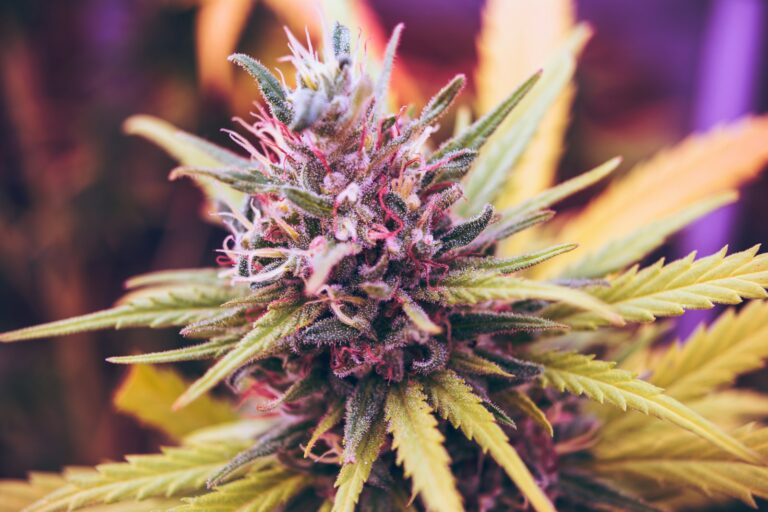
Florida’s Recreational Marijuana Legalization Effort Falls Short

0

Key Takeaways:

– Florida’s Amendment 3, a bill aimed at legalizing recreational marijuana use, hasn’t passed.
– Despite support from high-profile personalities and organizations, including the Florida Democratic Party and ex-President Donald Trump, the amendment faltered.
– Amendment needed 60% support from voters to be integrated into the state constitution but failed.
– Though medicinal marijuana use is permitted in Florida, this result restricts the substance to medical patients only.

Introduction:

In a turn of events that disappointed many, Florida’s attempt to legalize recreational marijuana, provisionally named Amendment 3, has hit a roadblock. Despite high-profile backing, it failed to receive the level of voter approval required to become part of the state constitution.

A High-Stakes Bid:

Amendment 3 intended to make both the use and production of marijuana for leisure purposes legal in Florida. Its backers varied widely – from the state’s Democratic Party to even former President Donald Trump. Yet, this varied support couldn’t convince enough voters, with the amendment falling short of the 60% approval mark set for state constitutional changes.

Medical Marijuana in Florida:

Marijuana isn’t entirely out-of-bounds in Florida, however. For patients suffering from illnesses like glaucoma, cancer, and epilepsy, marijuana can play an essential role in treatment. State law permits doctors to prescribe it for medical purposes, a policy broadened by a 2016 vote in favor.

Cannabis Community Response:

Echoes of disappointment reverberated through Florida’s pro-marijuana factions following the rejection of Amendment 3. For many, this bill represented a step toward removing the stigma associated with marijuana use and acknowledging it as a recreational option akin to alcohol.

Potential Economic Repercussions:

Rejecting Amendment 3 might also have financial consequences for Florida. States that have legalized recreational marijuana, such as Colorado and California, have observed significant tax revenue influx from the industry. By keeping recreational marijuana illegal, Florida could be forfeiting potential economic gains.

The Political Arena:

The political landscape also echoed with discussions regarding the result. It raised questions about the political power and influence of high-profile endorsers, given that strong support from both the Florida Democratic Party and former President Trump failed to sway voters.

The Future of Legal Marijuana in Florida:

Despite the setback represented by the rejection of Amendment 3, the battle for legal recreational marijuana is far from over in Florida. Advocates are already discussing new strategies and perspectives to convince more voters in future ballots.

The dream of smoking a legal joint on Florida’s sunny beaches may still be some way off, but for the passionate and persistent proponents, it’s just a matter of time and the right approach. Medical marijuana may currently be the only legalized use, but with changing societal attitudes, recreational use could also find its place in the sunlight of this Sunshine State, pending future votes.

Conclusion:

The journey toward recreational marijuana legalization in Florida has hit a road bump with the failure of Amendment 3. Regardless, the road ahead remains open, etched with possibilities for renewed efforts and future attempts. As society progresses, so too does the conversation surrounding marijuana, making the future an intriguing space to watch for Florida’s cannabis advocates.

After all, in politics and public policy, it’s rarely ever the end of the road. It’s just about finding a different way forward. Hopefully, for those in favor of legalized recreational marijuana in Florida, that road winds towards eventual success. Whether they turn out to be right, only time will tell.

Duelling Candidates: Arizona Senate Race Heats Up Amid Controversy

0

Key Takeaways

– Arizona’s Senate race is causing turbulence with Ruben Gallego and Kari Lake head-to-head.
– Kari Lake has been making headlines with claims of election fraud.
– No evidence has been presented by Lake to prove instances of voter fraud in the past.
– Lake is known for her staunch support of conspiracy theories around the 2020 Election.

The Battle for the Arizona Senate Seat

As the countdown to Election Night 2024 inched closer, all eyes were on the Senate race in Arizona. We saw a full-throttle battle between Democratic representative Ruben Gallego and extreme-right leaning and MAGA-styled Republican contender, Kari Lake. They each strived to fill the spot left open by independent Senator Kyrsten Sinema.

The Tale of the Polls

Most opinion polls leading up to the election tipped the scales in favor of Gallego. However, this didn’t push Lake into the shadows. Instead, she was busying herself with a different strategy altogether. Playing into an old narrative, Lake preemptively claimed voter fraud as she prepared for a possible loss.

The Echoes of Unfounded Claims

Lake identified herself as a victim of ‘stolen’ victory due to alleged widespread voter fraud in Arizona’s previous governor’s race. Despite voicing these claims loudly and publicly, Lake failed to provide any tangible evidence supporting her position.

Validating Past Victories

Meanwhile, ex-Arizona Governor Doug Ducey has stood firm in assuring the public that the past victory of Democratic Governor Katie Hobbs was well within bounds of legitimacy. Hobbs’ win was by the book, Ducey assures the public, further casting doubt on Lake’s allegations.

A Habit of Denial

Lake isn’t new to questioning electoral outcomes. Following the controversial 2020 elections, she emerged as an ardent supporter of election denial theories. She constructed a political image that heavily rests on promoting such debunked and baseless suspicions.

Vocal Booster and Conspiracy Theorist

The reputation Lake has cultivated among her followers and the wider public speaks volumes. She is known for vocalizing and supporting election denial. This reputation follows her narrative of being a victim of election fraud.

Steadfast Convictions

Despite the lack of evidence and widespread criticism, Lake retains her stance. She continues to believe that the electoral process is prone to manipulation. But these claims continue to lack concrete proof.

What’s the Deal?

The Arizona Senate race showcases the turbulent times of American politics. Controversy, allegations, and intense competition are part and parcel of these elections. While Gallego seems to trust the process, Lake challenges the system with allegations. And, as we approach the final count, the conversation surrounding voter fraud rings louder.

In conclusion, as the world waits for who will be the next Senator from Arizona, the whole process highlights the importance of trust in the electoral system. Election fraud claims, especially when unsupported, can undervalue the democratic practice. This election race doesn’t only choose a representative for Arizona, but it also tests the strength and trust in American democracy. Ultimately, the hope is that the process remains fair, clear, and reputable to all.

Andy Kim Set to Make History as First Korean-American U.S. Senator

0

Key Takeaways:

– Andy Kim, currently representing New Jersey’s 3rd district in the House of Representatives, will become the first-ever Korean-American senator.
– Kim successfully rode a wave of voter disenchantment against New Jersey’s problematic political landscape to victory.
– After a turbulent year in New Jersey politics, Kim emerged victorious despite a formidable array of opponents.
– The 42-year-old Congressman’s win is seen as unsurprising considering the financial lead he held over his Republican adversary Curtis Bashaw.

Andy Kim’s Historic Victory

Andy Kim, a Boston-born Korean-American, is set to make history as the first person of Korean descent to become a U.S. Senator. Kim, who is currently serving as a Democrat in the House of Representatives for New Jersey’s 3rd district, defeated Republican candidate Curtis Bashaw in the recent general election.

Kim’s Successful Campaign Strategy

Amid New Jersey’s infamous political backdrop fraught with nepotism and powerful party bosses, Kim managed to leverage voters’ long-standing resentment to his favor during the intense election campaign. He was quick to announce his aspiration for the Senate seat after Senator Bob Menendez got embroiled in a global bribery scandal.

Challenging the Establishment

Kim faced stiff competition within the Democratic Party from none other than Tammy Murphy, the governor’s wife. Murphy’s candidacy received support from the party high command leading to considerable public backlash. Not one to back down, Kim took the fight to the court, questioning New Jersey’s ballot design that granted undue favoritism towards party-blessed candidates.

A Year of Political Drama

As the drama continued to unfold, Kim’s court wins against the Democratic Party combined with Murphy’s decision to drop out of the race and Menendez’s subsequent conviction and resignation in a corruption scandal. These events marked a tumultuous year for New Jersey’s politics.

A Surprising Yet Expected Win

Despite the high-voltage drama surrounding the election, Kim’s victory is seen as hardly surprising. Particularly, given the fact that no Republican candidate has succeeded in grabbing a U.S. Senate seat in New Jersey since the reelection of Senator Clifford Case in 1972. Additionally, Kim’s campaign had managed to raise and spend considerably more money than his rival Bashaw.

Pledges to Restore Trust in Government

Kim’s firm stand on restoring trust and integrity in government seems to have resonated well with the voters. His commitment to these values was further highlighted in a viral photo where he was seen cleaning up the Capitol following the unfortunate events of January 6. As a dedicated public servant, three-term Congressman, father of two young boys, and a former diplomat, Kim’s victory has clearly demonstrated the trust people have placed in him.

Facing Multiple Opponents and Emerging Victorious

In June, Kim narrowly defeated two other Democrats, civil rights leader Larry Hamm and labor activist Patricia Campos-Medina, in the primaries. He later outshone Curtis Bashaw and four more third-party candidates in the recent election.

The Road Ahead

With these turn of events, Kim is all set to assume his Senate duties early, stepping into the shoes of Senator George Helmy, who had filled in for Menendez’s unexpired term following his conviction. As Kim prepares to make history and take his Senate seat, his constituents are eager to see the fulfillment of his promises and restoration of faith in New Jersey’s political systems.