

63.8 F
San Francisco
Monday, July 6, 2026
Home Blog Page 158

AI’s human imitation Sparks Urgent Need for Verification Technology

Quick Summary: AI’s human imitation Sparks Urgent Need for Verification Technology

  • AI has advanced to imitate human behavior, raising verification technology needs.
  • Experts highlight the importance of distinguishing AI-generated content from human-created content.
  • Verification technology development is crucial to prevent misuse of AI capabilities.
  • Stakeholders are urged to prioritize ethical guidelines in AI advancements.
  • The debate centers on balancing innovation with security and authenticity.

Artificial intelligence (AI) has made significant strides, reaching a level where it can imitate human behavior, sparking a debate on the need for verification technology. This development raises concerns about distinguishing AI-generated content from that created by humans. AI’s human imitation is at the center of this development.

As AI continues to evolve, experts emphasize the importance of developing verification technologies to ensure authenticity and prevent the misuse of AI’s capabilities. The potential for AI to create realistic human-like interactions poses challenges in various sectors, including media, security, and communication.

Stakeholders are increasingly calling for ethical guidelines to govern AI advancements, ensuring that innovation does not compromise security and authenticity. The discussion highlights the need for a balance between technological progress and the protection of human identity and integrity.

The broader implications of AI’s ability to imitate humans will become clearer as more stakeholders engage in this debate. The focus remains on developing robust verification technologies to address potential challenges and maintain trust in AI applications.

AI’s human imitation remains the central development in this story, with the latest facts shaping how readers should understand the immediate stakes.

The next step depends on what the main parties say and do, because those responses will determine whether this is a short-lived update or a bigger shift.

In practical terms, AI’s human imitation now raises a simple question: what changes first, and who feels it most quickly? The answer depends on the timeline, the decision-makers involved, and whether the response is immediate or delayed. Those three pieces usually determine how fast a story moves from headline to wider consequence.

The biggest value in following AI’s human imitation closely is separating the confirmed facts from the early speculation. When a story is moving quickly, the first version is often incomplete, which is why verified updates matter more than reactions built on fragments. Readers get a clearer view when the reporting stays tied to what is known, who said it, and what changed afterward.

Context also matters. A single development can look routine in isolation and significant when set against the broader pattern around it. That is why the timing, the scale of the change, and the response from the people involved are all important parts of the story. They show whether this is a one-off update or the start of something larger.

As the reporting develops, the most useful details are usually the ones that answer what happened, why it matters, and what comes next. Those facts help explain whether the story affects a narrow group or has wider reach. They also make it easier to understand which new details actually change the picture and which ones simply add noise.

For AI’s human imitation, the most useful reading comes from the verified sequence of events: what happened first, how the main parties responded, and what changed after that. That timeline is often the difference between a routine update and a development with wider consequences. When the reporting stays tied to those facts, the story becomes much easier to understand and harder to distort.

Another useful question is whether the latest move changes the direction of the story or simply adds one more detail to it. That distinction matters because headlines can make a small update feel bigger than it is, while the underlying facts may point in a different direction. Readers get a clearer picture when they focus on the concrete action, the immediate response, and the next confirmed step.

In practical terms, AI’s human imitation, now raises a simple question: what changes first, and who feels it most quickly? The answer depends on the timeline, the decision-makers involved, and whether the response is immediate or delayed. Those three pieces usually determine how fast a story moves from headline to wider consequence. More verified context may surface as the story develops.

The biggest value in following AI’s human imitation, closely is separating the confirmed facts from the early speculation. When a story is moving quickly, the first version is often incomplete, which is why verified updates matter more than reactions built on fragments. Readers get a clearer view when the reporting stays tied to what is known, who said it, and what changed afterward. More verified context may surface as the story develops.

Context also matters. A single development can look routine in isolation and significant when set against the broader pattern around it. That is why the timing, the scale of the change, and the response from the people involved are all important parts of the story. They show whether this is a one-off update or the start of something larger. More verified context may surface as the story develops.

As the reporting develops, the most useful details are usually the ones that answer what happened, why it matters, and what comes next. Those facts help explain whether the story affects a narrow group or has wider reach. They also make it easier to understand which new details actually change the picture and which ones simply add noise. More verified context may surface as the story develops.

For AI’s human imitation,, the most useful reading comes from the verified sequence of events: what happened first, how the main parties responded, and what changed after that. That timeline is often the difference between a routine update and a development with wider consequences. When the reporting stays tied to those facts, the story becomes much easier to understand and harder to distort. More verified context may surface as the story develops.

Another useful question is whether the latest move changes the direction of the story or simply adds one more detail to it. That distinction matters because headlines can make a small update feel bigger than it is, while the underlying facts may point in a different direction. Readers get a clearer picture when they focus on the concrete action, the immediate response, and the next confirmed step. More verified context may surface as the story develops.

Conclusion

For now, the story around AI’s human imitation turns on the verified facts, the immediate response, and how the next confirmed update changes the picture.

The broader impact will become clearer as more details are confirmed and the main parties respond. Until then, the most useful reading comes from the facts that can be checked, not the speculation around them.


Read more on Digital Chew

Wazdakka Gutsmek rules Redefine Speedwaaagh! Tactics for Warhammer Fans

0

Quick Summary: Wazdakka Gutsmek rules Redefine Speedwaaagh! Tactics for Warhammer Fans

  • Warhammer Community has unveiled new rules for Wazdakka Gutsmek, enhancing gameplay strategies.
  • The update focuses on Speedwaaagh! tactics, impacting how players approach battles.
  • These rules aim to provide a fresh dynamic, engaging both new and veteran players.
  • Community reactions highlight anticipation for strategic shifts in gameplay.
  • The rules are expected to influence upcoming tournaments and casual games alike.

The Warhammer Community has introduced new rules for Wazdakka Gutsmek, focusing on the Speedwaaagh! strategy. This update is set to alter how players engage in battles, offering new tactical options. Wazdakka Gutsmek rules is at the center of this development.

The newly announced rules are designed to enhance the dynamic of the game, providing both novice and experienced players with innovative strategies. This development is expected to influence both tournament play and casual gaming sessions.

Contextually, these changes come as part of a broader effort by Warhammer to keep the game fresh and engaging. The community is buzzing with anticipation as players prepare to adapt to the new strategies.

As the community digests these changes, the impact on gameplay and strategies will become clearer. Players are eager to explore how these rules will shape future battles.

Wazdakka Gutsmek rules remains the central development in this story, with the latest facts shaping how readers should understand the immediate stakes.

The next step depends on what the main parties say and do, because those responses will determine whether this is a short-lived update or a bigger shift.

In practical terms, Wazdakka Gutsmek rules now raises a simple question: what changes first, and who feels it most quickly? The answer depends on the timeline, the decision-makers involved, and whether the response is immediate or delayed. Those three pieces usually determine how fast a story moves from headline to wider consequence.

The biggest value in following Wazdakka Gutsmek rules closely is separating the confirmed facts from the early speculation. When a story is moving quickly, the first version is often incomplete, which is why verified updates matter more than reactions built on fragments. Readers get a clearer view when the reporting stays tied to what is known, who said it, and what changed afterward.

Context also matters. A single development can look routine in isolation and significant when set against the broader pattern around it. That is why the timing, the scale of the change, and the response from the people involved are all important parts of the story. They show whether this is a one-off update or the start of something larger.

As the reporting develops, the most useful details are usually the ones that answer what happened, why it matters, and what comes next. Those facts help explain whether the story affects a narrow group or has wider reach. They also make it easier to understand which new details actually change the picture and which ones simply add noise.

For Wazdakka Gutsmek rules, the most useful reading comes from the verified sequence of events: what happened first, how the main parties responded, and what changed after that. That timeline is often the difference between a routine update and a development with wider consequences. When the reporting stays tied to those facts, the story becomes much easier to understand and harder to distort.

Another useful question is whether the latest move changes the direction of the story or simply adds one more detail to it. That distinction matters because headlines can make a small update feel bigger than it is, while the underlying facts may point in a different direction. Readers get a clearer picture when they focus on the concrete action, the immediate response, and the next confirmed step.

In practical terms, Wazdakka Gutsmek rules, now raises a simple question: what changes first, and who feels it most quickly? The answer depends on the timeline, the decision-makers involved, and whether the response is immediate or delayed. Those three pieces usually determine how fast a story moves from headline to wider consequence. More verified context may surface as the story develops.

The biggest value in following Wazdakka Gutsmek rules, closely is separating the confirmed facts from the early speculation. When a story is moving quickly, the first version is often incomplete, which is why verified updates matter more than reactions built on fragments. Readers get a clearer view when the reporting stays tied to what is known, who said it, and what changed afterward. More verified context may surface as the story develops.

Context also matters. A single development can look routine in isolation and significant when set against the broader pattern around it. That is why the timing, the scale of the change, and the response from the people involved are all important parts of the story. They show whether this is a one-off update or the start of something larger. More verified context may surface as the story develops.

As the reporting develops, the most useful details are usually the ones that answer what happened, why it matters, and what comes next. Those facts help explain whether the story affects a narrow group or has wider reach. They also make it easier to understand which new details actually change the picture and which ones simply add noise. More verified context may surface as the story develops.

For Wazdakka Gutsmek rules,, the most useful reading comes from the verified sequence of events: what happened first, how the main parties responded, and what changed after that. That timeline is often the difference between a routine update and a development with wider consequences. When the reporting stays tied to those facts, the story becomes much easier to understand and harder to distort. More verified context may surface as the story develops.

Another useful question is whether the latest move changes the direction of the story or simply adds one more detail to it. That distinction matters because headlines can make a small update feel bigger than it is, while the underlying facts may point in a different direction. Readers get a clearer picture when they focus on the concrete action, the immediate response, and the next confirmed step. More verified context may surface as the story develops.

Conclusion

For now, the story around Wazdakka Gutsmek rules turns on the verified facts, the immediate response, and how the next confirmed update changes the picture.

The broader impact will become clearer as more details are confirmed and the main parties respond. Until then, the most useful reading comes from the facts that can be checked, not the speculation around them.

Read more on Digital Chew

Ford Mustang GTD Breaks Nürburgring Record, Surpassing Corvette ZR1X

Quick Summary: Ford Mustang GTD Breaks Nürburgring Record, Surpassing Corvette ZR1X

  • Ford Mustang GTD set a new Nürburgring record with a 6:40.8 lap time, surpassing the Corvette ZR1X.
  • The Mustang GTD’s achievement makes it the second quickest overall at the Nürburgring.
  • This record-breaking performance highlights Ford’s engineering advancements in high-performance vehicles.
  • The Mustang GTD’s lap time has sparked discussions about the future of competitive racing technology.
  • Ford’s accomplishment at Nürburgring is expected to enhance its reputation in the sports car market.

The Ford Mustang GTD has shattered the Nürburgring lap record previously held by the Corvette ZR1X, completing the circuit in an impressive 6 minutes and 40.8 seconds. This achievement marks the Mustang GTD as the second fastest car ever recorded on the famed track.

Ford’s latest performance vehicle demonstrates significant advancements in speed and handling, showcasing the brand’s commitment to pushing the boundaries of automotive engineering. The Mustang GTD’s record-breaking lap has reignited interest in the capabilities of modern sports cars.

The Nürburgring, known for its challenging course, is a benchmark for automotive performance. Ford’s success at this track underscores the company’s competitive edge in the high-performance vehicle market, potentially influencing future designs and technologies.

As Ford continues to celebrate this milestone, the automotive industry is watching closely. The Mustang GTD’s accomplishment not only elevates Ford’s status but also sets a new standard for competitors aiming to make their mark on the Nürburgring.

Ford Mustang GTD remains the central development in this story, with the latest facts shaping how readers should understand the immediate stakes.

In practical terms, Ford Mustang GTD now raises a simple question: what changes first, and who feels it most quickly? The answer depends on the timeline, the decision-makers involved, and whether the response is immediate or delayed. Those three pieces usually determine how fast a story moves from headline to wider consequence.

The biggest value in following Ford Mustang GTD closely is separating the confirmed facts from the early speculation. When a story is moving quickly, the first version is often incomplete, which is why verified updates matter more than reactions built on fragments. Readers get a clearer view when the reporting stays tied to what is known, who said it, and what changed afterward.

Context also matters. A single development can look routine in isolation and significant when set against the broader pattern around it. That is why the timing, the scale of the change, and the response from the people involved are all important parts of the story. They show whether this is a one-off update or the start of something larger.

As the reporting develops, the most useful details are usually the ones that answer what happened, why it matters, and what comes next. Those facts help explain whether the story affects a narrow group or has wider reach. They also make it easier to understand which new details actually change the picture and which ones simply add noise.

For Ford Mustang GTD, the most useful reading comes from the verified sequence of events: what happened first, how the main parties responded, and what changed after that. That timeline is often the difference between a routine update and a development with wider consequences. When the reporting stays tied to those facts, the story becomes much easier to understand and harder to distort.

Another useful question is whether the latest move changes the direction of the story or simply adds one more detail to it. That distinction matters because headlines can make a small update feel bigger than it is, while the underlying facts may point in a different direction. Readers get a clearer picture when they focus on the concrete action, the immediate response, and the next confirmed step.

In practical terms, Ford Mustang GTD, now raises a simple question: what changes first, and who feels it most quickly? The answer depends on the timeline, the decision-makers involved, and whether the response is immediate or delayed. Those three pieces usually determine how fast a story moves from headline to wider consequence. More verified context may surface as the story develops.

The biggest value in following Ford Mustang GTD, closely is separating the confirmed facts from the early speculation. When a story is moving quickly, the first version is often incomplete, which is why verified updates matter more than reactions built on fragments. Readers get a clearer view when the reporting stays tied to what is known, who said it, and what changed afterward. More verified context may surface as the story develops.

Context also matters. A single development can look routine in isolation and significant when set against the broader pattern around it. That is why the timing, the scale of the change, and the response from the people involved are all important parts of the story. They show whether this is a one-off update or the start of something larger. More verified context may surface as the story develops.

As the reporting develops, the most useful details are usually the ones that answer what happened, why it matters, and what comes next. Those facts help explain whether the story affects a narrow group or has wider reach. They also make it easier to understand which new details actually change the picture and which ones simply add noise. More verified context may surface as the story develops.

For Ford Mustang GTD,, the most useful reading comes from the verified sequence of events: what happened first, how the main parties responded, and what changed after that. That timeline is often the difference between a routine update and a development with wider consequences. When the reporting stays tied to those facts, the story becomes much easier to understand and harder to distort. More verified context may surface as the story develops.

Another useful question is whether the latest move changes the direction of the story or simply adds one more detail to it. That distinction matters because headlines can make a small update feel bigger than it is, while the underlying facts may point in a different direction. Readers get a clearer picture when they focus on the concrete action, the immediate response, and the next confirmed step. More verified context may surface as the story develops.

Conclusion

For now, the story around Ford Mustang GTD turns on the verified facts, the immediate response, and how the next confirmed update changes the picture.

The broader impact will become clearer as more details are confirmed and the main parties respond. Until then, the most useful reading comes from the facts that can be checked, not the speculation around them.
Read more on Digital Chew

Iran Reopens Strait of Hormuz, Easing Tensions and Lowering Oil Prices

0

Quick Summary: Iran Reopens Strait of Hormuz, Easing Tensions and Lowering Oil Prices

  • Iran announced the Strait of Hormuz is open to commercial vessels, easing regional tensions.
  • The reopening of the strait has led to a decline in global oil prices, impacting markets.
  • Iran’s decision follows recent geopolitical tensions that had threatened shipping routes.
  • Oil prices fell by 9% as markets reacted to the news of the strait’s reopening.
  • The move is expected to stabilize shipping activities and reduce supply chain disruptions.

Iran has declared the Strait of Hormuz open to commercial vessels, a move that has led to a decrease in global oil prices. This development comes after a period of heightened tensions that had raised concerns over the security of a crucial shipping route. Iran Reopens Strait of Hormuz is at the center of this development.

The decision to reopen the strait has resulted in a 9% drop in oil prices, reflecting relief in the markets. The Strait of Hormuz is a vital passageway for oil transportation, and its closure had previously threatened global supply chains.

Historically, the Strait of Hormuz has been a flashpoint in geopolitical conflicts, given its strategic importance. Iran’s announcement is seen as a positive step towards stabilizing the region and ensuring the uninterrupted flow of oil.

As the situation develops, the focus remains on how this decision will impact global markets and geopolitical relations. The reopening of the strait is expected to ease shipping activities and reduce potential disruptions.

Iran Reopens Strait of Hormuz remains the central development in this story, with the latest facts shaping how readers should understand the immediate stakes.

The next step depends on what the main parties say and do, because those responses will determine whether this is a short-lived update or a bigger shift.

In practical terms, Iran Reopens Strait of Hormuz now raises a simple question: what changes first, and who feels it most quickly? The answer depends on the timeline, the decision-makers involved, and whether the response is immediate or delayed. Those three pieces usually determine how fast a story moves from headline to wider consequence.

The biggest value in following Iran Reopens Strait of Hormuz closely is separating the confirmed facts from the early speculation. When a story is moving quickly, the first version is often incomplete, which is why verified updates matter more than reactions built on fragments. Readers get a clearer view when the reporting stays tied to what is known, who said it, and what changed afterward.

Context also matters. A single development can look routine in isolation and significant when set against the broader pattern around it. That is why the timing, the scale of the change, and the response from the people involved are all important parts of the story. They show whether this is a one-off update or the start of something larger.

As the reporting develops, the most useful details are usually the ones that answer what happened, why it matters, and what comes next. Those facts help explain whether the story affects a narrow group or has wider reach. They also make it easier to understand which new details actually change the picture and which ones simply add noise.

For Iran Reopens Strait of Hormuz, the most useful reading comes from the verified sequence of events: what happened first, how the main parties responded, and what changed after that. That timeline is often the difference between a routine update and a development with wider consequences. When the reporting stays tied to those facts, the story becomes much easier to understand and harder to distort.

Another useful question is whether the latest move changes the direction of the story or simply adds one more detail to it. That distinction matters because headlines can make a small update feel bigger than it is, while the underlying facts may point in a different direction. Readers get a clearer picture when they focus on the concrete action, the immediate response, and the next confirmed step.

In practical terms, Iran Reopens Strait of Hormuz, now raises a simple question: what changes first, and who feels it most quickly? The answer depends on the timeline, the decision-makers involved, and whether the response is immediate or delayed. Those three pieces usually determine how fast a story moves from headline to wider consequence. More verified context may surface as the story develops.

The biggest value in following Iran Reopens Strait of Hormuz, closely is separating the confirmed facts from the early speculation. When a story is moving quickly, the first version is often incomplete, which is why verified updates matter more than reactions built on fragments. Readers get a clearer view when the reporting stays tied to what is known, who said it, and what changed afterward. More verified context may surface as the story develops.

Context also matters. A single development can look routine in isolation and significant when set against the broader pattern around it. That is why the timing, the scale of the change, and the response from the people involved are all important parts of the story. They show whether this is a one-off update or the start of something larger. More verified context may surface as the story develops.

As the reporting develops, the most useful details are usually the ones that answer what happened, why it matters, and what comes next. Those facts help explain whether the story affects a narrow group or has wider reach. They also make it easier to understand which new details actually change the picture and which ones simply add noise. More verified context may surface as the story develops.

For Iran Reopens Strait of Hormuz,, the most useful reading comes from the verified sequence of events: what happened first, how the main parties responded, and what changed after that. That timeline is often the difference between a routine update and a development with wider consequences. When the reporting stays tied to those facts, the story becomes much easier to understand and harder to distort. More verified context may surface as the story develops.

Another useful question is whether the latest move changes the direction of the story or simply adds one more detail to it. That distinction matters because headlines can make a small update feel bigger than it is, while the underlying facts may point in a different direction. Readers get a clearer picture when they focus on the concrete action, the immediate response, and the next confirmed step. More verified context may surface as the story develops.

Conclusion

For now, the story around Iran Reopens Strait of Hormuz turns on the verified facts, the immediate response, and how the next confirmed update changes the picture.

The broader impact will become clearer as more details are confirmed and the main parties respond. Until then, the most useful reading comes from the facts that can be checked, not the speculation around them.

Read more on Digital Chew

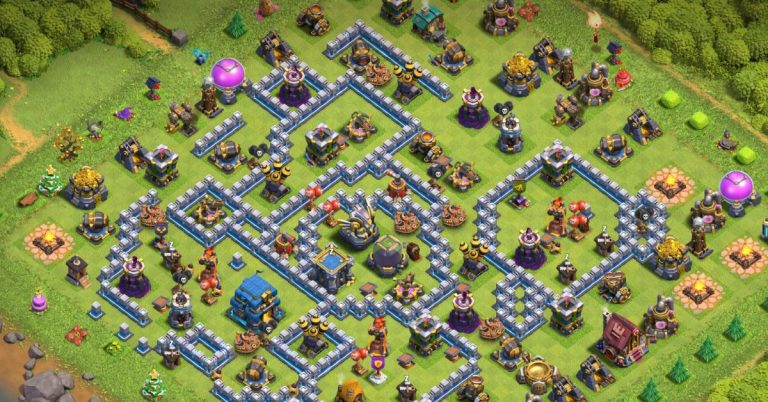
Clash of Clans $12 ‘Foot Tribute’ bundle Sparks Player Debate

0

Quick Summary: Clash of Clans $12 ‘Foot Tribute’ bundle Sparks Player Debate

  • Clash of Clans released a $12 ‘Foot Tribute’ bundle, surprising players with its unusual theme.
  • The bundle has sparked debate among the game’s community, with mixed reactions from players.
  • Some players have criticized the bundle as a blatant attempt to capitalize on niche interests.
  • Others see the bundle as a humorous addition, adding a quirky element to the game.
  • The release has generated significant discussion on social media and gaming forums.

Clash of Clans has introduced a new $12 ‘Foot Tribute’ bundle, leaving players puzzled by its peculiar theme. The bundle, which includes foot-related items, has sparked a range of reactions within the gaming community. Clash of Clans $12 ‘Foot Tribute’ bundle is at the center of this development.

Many players have taken to social media to express their surprise and confusion over the bundle’s content. Some view it as an odd marketing move, possibly aimed at appealing to niche interests, while others find it amusing and a lighthearted addition to the game.

The release has generated a lively debate among players, with opinions divided on whether the bundle is a creative innovation or a misstep. The unusual theme has certainly caught the attention of the Clash of Clans community, prompting discussions across various platforms.

As the conversation continues, it remains to be seen how the bundle will impact the game’s dynamics and whether it will lead to more unconventional updates in the future. For now, the ‘Foot Tribute’ bundle stands as a curious point of discussion among players.

Clash of Clans $12 ‘Foot Tribute’ bundle remains the central development in this story, with the latest facts shaping how readers should understand the immediate stakes.

The next step depends on what the main parties say and do, because those responses will determine whether this is a short-lived update or a bigger shift.

In practical terms, Clash of Clans $12 ‘Foot Tribute’ bundle now raises a simple question: what changes first, and who feels it most quickly? The answer depends on the timeline, the decision-makers involved, and whether the response is immediate or delayed. Those three pieces usually determine how fast a story moves from headline to wider consequence.

The biggest value in following Clash of Clans $12 ‘Foot Tribute’ bundle closely is separating the confirmed facts from the early speculation. When a story is moving quickly, the first version is often incomplete, which is why verified updates matter more than reactions built on fragments. Readers get a clearer view when the reporting stays tied to what is known, who said it, and what changed afterward.

Context also matters. A single development can look routine in isolation and significant when set against the broader pattern around it. That is why the timing, the scale of the change, and the response from the people involved are all important parts of the story. They show whether this is a one-off update or the start of something larger.

As the reporting develops, the most useful details are usually the ones that answer what happened, why it matters, and what comes next. Those facts help explain whether the story affects a narrow group or has wider reach. They also make it easier to understand which new details actually change the picture and which ones simply add noise.

For Clash of Clans $12 ‘Foot Tribute’ bundle, the most useful reading comes from the verified sequence of events: what happened first, how the main parties responded, and what changed after that. That timeline is often the difference between a routine update and a development with wider consequences. When the reporting stays tied to those facts, the story becomes much easier to understand and harder to distort.

Another useful question is whether the latest move changes the direction of the story or simply adds one more detail to it. That distinction matters because headlines can make a small update feel bigger than it is, while the underlying facts may point in a different direction. Readers get a clearer picture when they focus on the concrete action, the immediate response, and the next confirmed step.

In practical terms, Clash of Clans $12 ‘Foot Tribute’ bundle, now raises a simple question: what changes first, and who feels it most quickly? The answer depends on the timeline, the decision-makers involved, and whether the response is immediate or delayed. Those three pieces usually determine how fast a story moves from headline to wider consequence. More verified context may surface as the story develops.

The biggest value in following Clash of Clans $12 ‘Foot Tribute’ bundle, closely is separating the confirmed facts from the early speculation. When a story is moving quickly, the first version is often incomplete, which is why verified updates matter more than reactions built on fragments. Readers get a clearer view when the reporting stays tied to what is known, who said it, and what changed afterward. More verified context may surface as the story develops.

Context also matters. A single development can look routine in isolation and significant when set against the broader pattern around it. That is why the timing, the scale of the change, and the response from the people involved are all important parts of the story. They show whether this is a one-off update or the start of something larger. More verified context may surface as the story develops.

As the reporting develops, the most useful details are usually the ones that answer what happened, why it matters, and what comes next. Those facts help explain whether the story affects a narrow group or has wider reach. They also make it easier to understand which new details actually change the picture and which ones simply add noise. More verified context may surface as the story develops.

For Clash of Clans $12 ‘Foot Tribute’ bundle,, the most useful reading comes from the verified sequence of events: what happened first, how the main parties responded, and what changed after that. That timeline is often the difference between a routine update and a development with wider consequences. When the reporting stays tied to those facts, the story becomes much easier to understand and harder to distort. More verified context may surface as the story develops.

Another useful question is whether the latest move changes the direction of the story or simply adds one more detail to it. That distinction matters because headlines can make a small update feel bigger than it is, while the underlying facts may point in a different direction. Readers get a clearer picture when they focus on the concrete action, the immediate response, and the next confirmed step. More verified context may surface as the story develops.

Conclusion

For now, the story around Clash of Clans $12 ‘Foot Tribute’ bundle turns on the verified facts, the immediate response, and how the next confirmed update changes the picture.

The broader impact will become clearer as more details are confirmed and the main parties respond. Until then, the most useful reading comes from the facts that can be checked, not the speculation around them.

Read more on Digital Chew

China’s Drug Makers Accelerate Development By Leveraging AI Technology

Quick Summary: China’s Drug Makers Accelerate Development By Leveraging AI Technology

  • China’s pharmaceutical companies are accelerating drug development by integrating AI technologies.
  • AI is being used to streamline research and development processes, reducing time to market for new drugs.
  • The move towards AI is expected to enhance efficiency and competitiveness in China’s pharmaceutical sector.
  • Industry experts believe AI could significantly lower costs and improve drug discovery rates.
  • The adoption of AI is seen as a response to global competition and a push for innovation in the industry.

China’s drug makers: Key Takeaways

China’s drug makers is at the center of this developing story, and the following analysis explains what matters most right now.

China’s pharmaceutical industry is increasingly turning to artificial intelligence to speed up drug development processes. This strategic shift aims to enhance efficiency and reduce the time required to bring new drugs to market.

AI technologies are being employed to streamline research and development, which could significantly lower costs and improve the rate of drug discovery. Industry experts suggest that this integration may boost China’s competitiveness in the global pharmaceutical market.

This push towards AI adoption comes as China’s drug makers face growing international competition and a need for innovation. The use of AI is expected to transform traditional practices, making the industry more agile and responsive to market demands.

As more pharmaceutical companies in China embrace AI, the broader impact on the industry will become clearer. The ongoing developments are closely watched by stakeholders as they could redefine the landscape of drug development in the country.

China’s drug makers remains the central development in this story, with the latest facts shaping how readers should understand the immediate stakes.

In practical terms, China’s drug makers now raises a simple question: what changes first, and who feels it most quickly? The answer depends on the timeline, the decision-makers involved, and whether the response is immediate or delayed. Those three pieces usually determine how fast a story moves from headline to wider consequence.

The biggest value in following China’s drug makers closely is separating the confirmed facts from the early speculation. When a story is moving quickly, the first version is often incomplete, which is why verified updates matter more than reactions built on fragments. Readers get a clearer view when the reporting stays tied to what is known, who said it, and what changed afterward.

Context also matters. A single development can look routine in isolation and significant when set against the broader pattern around it. That is why the timing, the scale of the change, and the response from the people involved are all important parts of the story. They show whether this is a one-off update or the start of something larger.

As the reporting develops, the most useful details are usually the ones that answer what happened, why it matters, and what comes next. Those facts help explain whether the story affects a narrow group or has wider reach. They also make it easier to understand which new details actually change the picture and which ones simply add noise.

For China’s drug makers, the most useful reading comes from the verified sequence of events: what happened first, how the main parties responded, and what changed after that. That timeline is often the difference between a routine update and a development with wider consequences. When the reporting stays tied to those facts, the story becomes much easier to understand and harder to distort.

Another useful question is whether the latest move changes the direction of the story or simply adds one more detail to it. That distinction matters because headlines can make a small update feel bigger than it is, while the underlying facts may point in a different direction. Readers get a clearer picture when they focus on the concrete action, the immediate response, and the next confirmed step.

In practical terms, China’s drug makers, now raises a simple question: what changes first, and who feels it most quickly? The answer depends on the timeline, the decision-makers involved, and whether the response is immediate or delayed. Those three pieces usually determine how fast a story moves from headline to wider consequence. More verified context may surface as the story develops.

The biggest value in following China’s drug makers, closely is separating the confirmed facts from the early speculation. When a story is moving quickly, the first version is often incomplete, which is why verified updates matter more than reactions built on fragments. Readers get a clearer view when the reporting stays tied to what is known, who said it, and what changed afterward. More verified context may surface as the story develops.

Context also matters. A single development can look routine in isolation and significant when set against the broader pattern around it. That is why the timing, the scale of the change, and the response from the people involved are all important parts of the story. They show whether this is a one-off update or the start of something larger. More verified context may surface as the story develops.

As the reporting develops, the most useful details are usually the ones that answer what happened, why it matters, and what comes next. Those facts help explain whether the story affects a narrow group or has wider reach. They also make it easier to understand which new details actually change the picture and which ones simply add noise. More verified context may surface as the story develops.

For China’s drug makers,, the most useful reading comes from the verified sequence of events: what happened first, how the main parties responded, and what changed after that. That timeline is often the difference between a routine update and a development with wider consequences. When the reporting stays tied to those facts, the story becomes much easier to understand and harder to distort. More verified context may surface as the story develops.

Another useful question is whether the latest move changes the direction of the story or simply adds one more detail to it. That distinction matters because headlines can make a small update feel bigger than it is, while the underlying facts may point in a different direction. Readers get a clearer picture when they focus on the concrete action, the immediate response, and the next confirmed step. More verified context may surface as the story develops.

Conclusion

For now, the story around China’s drug makers turns on the verified facts, the immediate response, and how the next confirmed update changes the picture.

The broader impact will become clearer as more details are confirmed and the main parties respond. Until then, the most useful reading comes from the facts that can be checked, not the speculation around them.

Read more on Digital Chew

U.S. delegation visits Cuba Amid Heightened Tensions and Diplomatic Talks

0

Quick Summary: U.S. delegation visits Cuba Amid Heightened Tensions and Diplomatic Talks

  • A U.S. delegation visited Cuba last week, as confirmed by officials.
  • The visit occurred while former President Trump increased pressure on Cuba.
  • The trip aimed to address ongoing diplomatic issues between the two nations.
  • Cuban officials attempted to send a secret letter to Trump during the visit.
  • This diplomatic engagement reflects ongoing complexities in U.S.-Cuba relations.

A U.S. delegation visited Cuba last week, marking a significant diplomatic engagement amid rising tensions between the two nations. Officials confirmed the visit, which coincided with former President Donald Trump intensifying pressure on the island. U.S. delegation visits Cuba is at the center of this development.

The delegation’s visit aimed to address and potentially ease diplomatic strains, as both nations navigate complex political landscapes. During the visit, Cuban officials reportedly attempted to send a secret letter to Trump, highlighting the sensitive nature of the discussions.

This visit comes at a time when U.S.-Cuba relations are under scrutiny, with Trump’s policies adding pressure to the already fraught relationship. The diplomatic engagement underscores the ongoing challenges and the need for dialogue between the two countries.

As more details emerge, the impact of this visit on U.S.-Cuba relations will become clearer. The outcome of these discussions could shape future diplomatic strategies and affect the broader political climate between the nations.

U.S. delegation visits Cuba remains the central development in this story, with the latest facts shaping how readers should understand the immediate stakes.

The next step depends on what the main parties say and do, because those responses will determine whether this is a short-lived update or a bigger shift.

In practical terms, U.S. delegation visits Cuba now raises a simple question: what changes first, and who feels it most quickly? The answer depends on the timeline, the decision-makers involved, and whether the response is immediate or delayed. Those three pieces usually determine how fast a story moves from headline to wider consequence.

The biggest value in following U.S. delegation visits Cuba closely is separating the confirmed facts from the early speculation. When a story is moving quickly, the first version is often incomplete, which is why verified updates matter more than reactions built on fragments. Readers get a clearer view when the reporting stays tied to what is known, who said it, and what changed afterward.

Context also matters. A single development can look routine in isolation and significant when set against the broader pattern around it. That is why the timing, the scale of the change, and the response from the people involved are all important parts of the story. They show whether this is a one-off update or the start of something larger.

As the reporting develops, the most useful details are usually the ones that answer what happened, why it matters, and what comes next. Those facts help explain whether the story affects a narrow group or has wider reach. They also make it easier to understand which new details actually change the picture and which ones simply add noise.

For U.S. delegation visits Cuba, the most useful reading comes from the verified sequence of events: what happened first, how the main parties responded, and what changed after that. That timeline is often the difference between a routine update and a development with wider consequences. When the reporting stays tied to those facts, the story becomes much easier to understand and harder to distort.

Another useful question is whether the latest move changes the direction of the story or simply adds one more detail to it. That distinction matters because headlines can make a small update feel bigger than it is, while the underlying facts may point in a different direction. Readers get a clearer picture when they focus on the concrete action, the immediate response, and the next confirmed step.

In practical terms, U.S. delegation visits Cuba, now raises a simple question: what changes first, and who feels it most quickly? The answer depends on the timeline, the decision-makers involved, and whether the response is immediate or delayed. Those three pieces usually determine how fast a story moves from headline to wider consequence. More verified context may surface as the story develops.

The biggest value in following U.S. delegation visits Cuba, closely is separating the confirmed facts from the early speculation. When a story is moving quickly, the first version is often incomplete, which is why verified updates matter more than reactions built on fragments. Readers get a clearer view when the reporting stays tied to what is known, who said it, and what changed afterward. More verified context may surface as the story develops.

Context also matters. A single development can look routine in isolation and significant when set against the broader pattern around it. That is why the timing, the scale of the change, and the response from the people involved are all important parts of the story. They show whether this is a one-off update or the start of something larger. More verified context may surface as the story develops.

As the reporting develops, the most useful details are usually the ones that answer what happened, why it matters, and what comes next. Those facts help explain whether the story affects a narrow group or has wider reach. They also make it easier to understand which new details actually change the picture and which ones simply add noise. More verified context may surface as the story develops.

For U.S. delegation visits Cuba,, the most useful reading comes from the verified sequence of events: what happened first, how the main parties responded, and what changed after that. That timeline is often the difference between a routine update and a development with wider consequences. When the reporting stays tied to those facts, the story becomes much easier to understand and harder to distort. More verified context may surface as the story develops.

Another useful question is whether the latest move changes the direction of the story or simply adds one more detail to it. That distinction matters because headlines can make a small update feel bigger than it is, while the underlying facts may point in a different direction. Readers get a clearer picture when they focus on the concrete action, the immediate response, and the next confirmed step. More verified context may surface as the story develops.

Conclusion

For now, the story around U.S. delegation visits Cuba turns on the verified facts, the immediate response, and how the next confirmed update changes the picture.

The broader impact will become clearer as more details are confirmed and the main parties respond. Until then, the most useful reading comes from the facts that can be checked, not the speculation around them.

Read more on Digital Chew

Anthropic CEO Meets White House to Address AI Security Concerns

0

Quick Summary: Anthropic CEO Meets White House to Address AI Security Concerns

  • Anthropic CEO Dario Amodei met with White House officials to discuss security concerns over their new AI model.
  • The meeting focused on potential hacking risks associated with Anthropic’s latest AI technology, Mythos.
  • White House and Anthropic described the discussions as ‘productive’ amid growing cybersecurity concerns.
  • This meeting marks a significant engagement between the tech company and government regarding AI safety.
  • Anthropic’s visit to the White House highlights the increasing importance of AI security in national policy discussions.

Anthropic CEO Dario Amodei visited the White House to address security concerns surrounding the company’s new AI model, Mythos. The meeting comes amid growing fears of potential hacking risks associated with advanced AI technologies. Anthropic CEO Meets White House is at the center of this development.

During the discussions, both parties emphasized the importance of robust cybersecurity measures to protect AI systems from malicious attacks. The White House described the meeting as ‘productive,’ signaling a collaborative approach to addressing these challenges.

Anthropic’s engagement with the White House underscores the increasing significance of AI security in national policy. As AI technologies become more integrated into various sectors, ensuring their safety and resilience against cyber threats is becoming a priority for both tech companies and government entities.

The outcome of this meeting could influence future regulatory measures and industry standards for AI security. As the situation develops, further updates from both Anthropic and the White House are anticipated.

Anthropic CEO Meets White House remains the central development in this story, with the latest facts shaping how readers should understand the immediate stakes.

The next step depends on what the main parties say and do, because those responses will determine whether this is a short-lived update or a bigger shift.

In practical terms, Anthropic CEO Meets White House now raises a simple question: what changes first, and who feels it most quickly? The answer depends on the timeline, the decision-makers involved, and whether the response is immediate or delayed. Those three pieces usually determine how fast a story moves from headline to wider consequence.

The biggest value in following Anthropic CEO Meets White House closely is separating the confirmed facts from the early speculation. When a story is moving quickly, the first version is often incomplete, which is why verified updates matter more than reactions built on fragments. Readers get a clearer view when the reporting stays tied to what is known, who said it, and what changed afterward.

Context also matters. A single development can look routine in isolation and significant when set against the broader pattern around it. That is why the timing, the scale of the change, and the response from the people involved are all important parts of the story. They show whether this is a one-off update or the start of something larger.

As the reporting develops, the most useful details are usually the ones that answer what happened, why it matters, and what comes next. Those facts help explain whether the story affects a narrow group or has wider reach. They also make it easier to understand which new details actually change the picture and which ones simply add noise.

For Anthropic CEO Meets White House, the most useful reading comes from the verified sequence of events: what happened first, how the main parties responded, and what changed after that. That timeline is often the difference between a routine update and a development with wider consequences. When the reporting stays tied to those facts, the story becomes much easier to understand and harder to distort.

Another useful question is whether the latest move changes the direction of the story or simply adds one more detail to it. That distinction matters because headlines can make a small update feel bigger than it is, while the underlying facts may point in a different direction. Readers get a clearer picture when they focus on the concrete action, the immediate response, and the next confirmed step.

In practical terms, Anthropic CEO Meets White House, now raises a simple question: what changes first, and who feels it most quickly? The answer depends on the timeline, the decision-makers involved, and whether the response is immediate or delayed. Those three pieces usually determine how fast a story moves from headline to wider consequence. More verified context may surface as the story develops.

The biggest value in following Anthropic CEO Meets White House, closely is separating the confirmed facts from the early speculation. When a story is moving quickly, the first version is often incomplete, which is why verified updates matter more than reactions built on fragments. Readers get a clearer view when the reporting stays tied to what is known, who said it, and what changed afterward. More verified context may surface as the story develops.

Context also matters. A single development can look routine in isolation and significant when set against the broader pattern around it. That is why the timing, the scale of the change, and the response from the people involved are all important parts of the story. They show whether this is a one-off update or the start of something larger. More verified context may surface as the story develops.

As the reporting develops, the most useful details are usually the ones that answer what happened, why it matters, and what comes next. Those facts help explain whether the story affects a narrow group or has wider reach. They also make it easier to understand which new details actually change the picture and which ones simply add noise. More verified context may surface as the story develops.

For Anthropic CEO Meets White House,, the most useful reading comes from the verified sequence of events: what happened first, how the main parties responded, and what changed after that. That timeline is often the difference between a routine update and a development with wider consequences. When the reporting stays tied to those facts, the story becomes much easier to understand and harder to distort. More verified context may surface as the story develops.

Another useful question is whether the latest move changes the direction of the story or simply adds one more detail to it. That distinction matters because headlines can make a small update feel bigger than it is, while the underlying facts may point in a different direction. Readers get a clearer picture when they focus on the concrete action, the immediate response, and the next confirmed step. More verified context may surface as the story develops.

Conclusion

For now, the story around Anthropic CEO Meets White House turns on the verified facts, the immediate response, and how the next confirmed update changes the picture.

The broader impact will become clearer as more details are confirmed and the main parties respond. Until then, the most useful reading comes from the facts that can be checked, not the speculation around them.

Read more on Digital Chew

Trump to Ease Access to Psychedelics for PTSD Treatment in Veterans

0

Quick Summary: Trump to Ease Access to Psychedelics for PTSD Treatment in Veterans

  • Trump plans to ease access to psychedelics, including psilocybin and ibogaine, through an executive order.
  • The initiative aims to address PTSD treatment options, potentially impacting veterans and mental health patients.
  • Psilocybin and ibogaine are currently restricted under federal law, limiting their medical use in the U.S.
  • The proposed changes could accelerate research and therapeutic applications of these substances.
  • Critics express concerns about safety and regulatory oversight if access is expanded too quickly.

President Donald Trump is expected to sign an executive order to ease access to psychedelic drugs such as psilocybin and ibogaine. This move aims to explore their potential in treating conditions like PTSD, particularly for veterans. Trump to ease access to psychedelics is at the center of this development.

Currently, these substances face strict federal restrictions, limiting their medical application in the United States. The executive order could pave the way for increased research and therapeutic use, potentially transforming mental health treatment.

The decision has sparked debate, with proponents highlighting the potential benefits for mental health treatment, while critics caution against insufficient regulatory oversight and safety concerns.

As the situation develops, the impact of this policy shift will become clearer, depending on the responses from medical professionals, regulatory bodies, and affected communities.

Trump to ease access to psychedelics remains the central development in this story, with the latest facts shaping how readers should understand the immediate stakes.

The next step depends on what the main parties say and do, because those responses will determine whether this is a short-lived update or a bigger shift.

In practical terms, Trump to ease access to psychedelics now raises a simple question: what changes first, and who feels it most quickly? The answer depends on the timeline, the decision-makers involved, and whether the response is immediate or delayed. Those three pieces usually determine how fast a story moves from headline to wider consequence.

The biggest value in following Trump to ease access to psychedelics closely is separating the confirmed facts from the early speculation. When a story is moving quickly, the first version is often incomplete, which is why verified updates matter more than reactions built on fragments. Readers get a clearer view when the reporting stays tied to what is known, who said it, and what changed afterward.

Context also matters. A single development can look routine in isolation and significant when set against the broader pattern around it. That is why the timing, the scale of the change, and the response from the people involved are all important parts of the story. They show whether this is a one-off update or the start of something larger.

As the reporting develops, the most useful details are usually the ones that answer what happened, why it matters, and what comes next. Those facts help explain whether the story affects a narrow group or has wider reach. They also make it easier to understand which new details actually change the picture and which ones simply add noise.

For Trump to ease access to psychedelics, the most useful reading comes from the verified sequence of events: what happened first, how the main parties responded, and what changed after that. That timeline is often the difference between a routine update and a development with wider consequences. When the reporting stays tied to those facts, the story becomes much easier to understand and harder to distort.

Another useful question is whether the latest move changes the direction of the story or simply adds one more detail to it. That distinction matters because headlines can make a small update feel bigger than it is, while the underlying facts may point in a different direction. Readers get a clearer picture when they focus on the concrete action, the immediate response, and the next confirmed step.

In practical terms, Trump to ease access to psychedelics, now raises a simple question: what changes first, and who feels it most quickly? The answer depends on the timeline, the decision-makers involved, and whether the response is immediate or delayed. Those three pieces usually determine how fast a story moves from headline to wider consequence. More verified context may surface as the story develops.

The biggest value in following Trump to ease access to psychedelics, closely is separating the confirmed facts from the early speculation. When a story is moving quickly, the first version is often incomplete, which is why verified updates matter more than reactions built on fragments. Readers get a clearer view when the reporting stays tied to what is known, who said it, and what changed afterward. More verified context may surface as the story develops.

Context also matters. A single development can look routine in isolation and significant when set against the broader pattern around it. That is why the timing, the scale of the change, and the response from the people involved are all important parts of the story. They show whether this is a one-off update or the start of something larger. More verified context may surface as the story develops.

As the reporting develops, the most useful details are usually the ones that answer what happened, why it matters, and what comes next. Those facts help explain whether the story affects a narrow group or has wider reach. They also make it easier to understand which new details actually change the picture and which ones simply add noise. More verified context may surface as the story develops.

For Trump to ease access to psychedelics,, the most useful reading comes from the verified sequence of events: what happened first, how the main parties responded, and what changed after that. That timeline is often the difference between a routine update and a development with wider consequences. When the reporting stays tied to those facts, the story becomes much easier to understand and harder to distort. More verified context may surface as the story develops.

Another useful question is whether the latest move changes the direction of the story or simply adds one more detail to it. That distinction matters because headlines can make a small update feel bigger than it is, while the underlying facts may point in a different direction. Readers get a clearer picture when they focus on the concrete action, the immediate response, and the next confirmed step. More verified context may surface as the story develops.

Conclusion

For now, the story around Trump to ease access to psychedelics turns on the verified facts, the immediate response, and how the next confirmed update changes the picture.

The broader impact will become clearer as more details are confirmed and the main parties respond. Until then, the most useful reading comes from the facts that can be checked, not the speculation around them.

Read more on Digital Chew

iPhone 18 Pro leak Unveils Bold Colors and Major Redesign

0

Quick Summary: iPhone 18 Pro leak Unveils Bold Colors and Major Redesign

  • Apple’s iPhone 18 Pro colors leaked, including Dark Cherry Red.
  • The phone is expected to launch in 2026, marking a significant update.
  • Leaks suggest a redesign that may alter the phone’s silhouette and functionality.
  • New features are rumored to include advanced camera capabilities.
  • Apple’s design changes could influence broader smartphone market trends.

Apple fans have something to look forward to with the latest leaks about the iPhone 18 Pro. Reports reveal new color options, notably a Dark Cherry Red, and significant design changes that could redefine the flagship’s look. iPhone 18 Pro leak is at the center of this development.

According to sources, Apple plans to introduce several new colors for the iPhone 18 Pro, including a striking Dark Cherry Red. This marks a bold move for the tech giant, known for its sleek and minimalist design ethos. Alongside these color changes, the leaks suggest a substantial redesign, possibly altering the phone’s silhouette and functionality.

These updates are expected to coincide with the phone’s anticipated release in 2026. Apple enthusiasts are eagerly awaiting this launch, as it promises to bring a fresh wave of innovation in both aesthetics and technology. The iPhone 18 Pro’s rumored features include advanced camera capabilities, providing users with even more powerful tools for photography and videography.

The implications of these changes are significant. Apple continues to push the envelope in design and functionality, setting trends that often influence the broader smartphone market. With the introduction of bold new colors and potential design overhauls, the iPhone 18 Pro is poised to make a substantial impact upon its release.

As we look forward, the iPhone 18 Pro could redefine what consumers expect from their smartphones. With its anticipated new features and design, Apple seems set to maintain its position as a leader in innovation, keeping fans and competitors on their toes.

iPhone 18 Pro leak remains the central development in this story, with the latest facts shaping how readers should understand the immediate stakes.

The next step depends on what the main parties say and do, because those responses will determine whether this is a short-lived update or a bigger shift.

In practical terms, iPhone 18 Pro leak now raises a simple question: what changes first, and who feels it most quickly? The answer depends on the timeline, the decision-makers involved, and whether the response is immediate or delayed. Those three pieces usually determine how fast a story moves from headline to wider consequence.

The biggest value in following iPhone 18 Pro leak closely is separating the confirmed facts from the early speculation. When a story is moving quickly, the first version is often incomplete, which is why verified updates matter more than reactions built on fragments. Readers get a clearer view when the reporting stays tied to what is known, who said it, and what changed afterward.

Context also matters. A single development can look routine in isolation and significant when set against the broader pattern around it. That is why the timing, the scale of the change, and the response from the people involved are all important parts of the story. They show whether this is a one-off update or the start of something larger.

As the reporting develops, the most useful details are usually the ones that answer what happened, why it matters, and what comes next. Those facts help explain whether the story affects a narrow group or has wider reach. They also make it easier to understand which new details actually change the picture and which ones simply add noise.

For iPhone 18 Pro leak, the most useful reading comes from the verified sequence of events: what happened first, how the main parties responded, and what changed after that. That timeline is often the difference between a routine update and a development with wider consequences. When the reporting stays tied to those facts, the story becomes much easier to understand and harder to distort.

Another useful question is whether the latest move changes the direction of the story or simply adds one more detail to it. That distinction matters because headlines can make a small update feel bigger than it is, while the underlying facts may point in a different direction. Readers get a clearer picture when they focus on the concrete action, the immediate response, and the next confirmed step.

In practical terms, iPhone 18 Pro leak, now raises a simple question: what changes first, and who feels it most quickly? The answer depends on the timeline, the decision-makers involved, and whether the response is immediate or delayed. Those three pieces usually determine how fast a story moves from headline to wider consequence. More verified context may surface as the story develops.

The biggest value in following iPhone 18 Pro leak, closely is separating the confirmed facts from the early speculation. When a story is moving quickly, the first version is often incomplete, which is why verified updates matter more than reactions built on fragments. Readers get a clearer view when the reporting stays tied to what is known, who said it, and what changed afterward. More verified context may surface as the story develops.

Context also matters. A single development can look routine in isolation and significant when set against the broader pattern around it. That is why the timing, the scale of the change, and the response from the people involved are all important parts of the story. They show whether this is a one-off update or the start of something larger. More verified context may surface as the story develops.

As the reporting develops, the most useful details are usually the ones that answer what happened, why it matters, and what comes next. Those facts help explain whether the story affects a narrow group or has wider reach. They also make it easier to understand which new details actually change the picture and which ones simply add noise. More verified context may surface as the story develops.

For iPhone 18 Pro leak,, the most useful reading comes from the verified sequence of events: what happened first, how the main parties responded, and what changed after that. That timeline is often the difference between a routine update and a development with wider consequences. When the reporting stays tied to those facts, the story becomes much easier to understand and harder to distort. More verified context may surface as the story develops.

Another useful question is whether the latest move changes the direction of the story or simply adds one more detail to it. That distinction matters because headlines can make a small update feel bigger than it is, while the underlying facts may point in a different direction. Readers get a clearer picture when they focus on the concrete action, the immediate response, and the next confirmed step. More verified context may surface as the story develops.

Conclusion

For now, the story around iPhone 18 Pro leak turns on the verified facts, the immediate response, and how the next confirmed update changes the picture.

The broader impact will become clearer as more details are confirmed and the main parties respond. Until then, the most useful reading comes from the facts that can be checked, not the speculation around them.

Read more on Digital Chew