
67.2 F
San Francisco
Wednesday, June 10, 2026
Home Blog Page 1583

Major Wins for Abortion Rights in Majority of U.S. States

The Abortion Rights Landscape

The election result on November 5th saw a boost for abortion rights as voters in seven out of ten states backed the cause. These significant wins led to states like Colorado, Maryland, Montana, and New York amending their constitutions to include protections for abortion. This looks set to alter the diverse landscape of the nation’s laws regarding abortion rights.

Unfortunately, the triumph wasn’t universal. Florida and South Dakota did not pass amendments to guarantee abortion rights. Nebraska voters upheld the state’s abortion ban post-first trimester and rejected protections for later-term abortions.

Dramatic Changes in Arizona and Missouri

The largest transformative shifts happened in two states. In Arizona, the law had constrained abortions post 15 weeks, while Missouri had an almost complete ban. Now, the voters in these states have chosen to add protections for abortion rights to their constitutions. This could set the stage for challenging these states’ restrictions, thereby potentially improving access to abortion services.

Despite these promising results, Alison Dreith, a representative of the Midwest Access Coalition pointed out that changes on paper don’t always mean immediate shifts on the ground. Abortion access in the U.S. may stay largely untouched until these legal battles conclude which could take months or even years.

Understanding the Legal Road Ahead

Furthermore, the electoral victories of Donald Trump as president-elect and other Republicans, who now control the Senate, have sparked worries about potential national abortion bans. Despite these concerns, such a law would also require significant time for enforcement.

The 2022 Supreme Court’s decision in Dobbs v. Jackson Women’s Health Organization drastically altered the abortion landscape. The ruling left abortion rules at the mercy of the states, leading to several bans and restriction impositions. As a result, voters in 16 states have since voted on abortion-related measures, with thirteen of them supporting abortion rights.

Reaction from Abortion Opponents

The outcomes have prompted varied reactions. Pro-life groups like Susan B. Anthony Pro-Life America extolled the rejection of amendments in Florida and South Dakota and voiced sorrow about the amendments passed in states with restrictive abortion rules.

Looking at Previous Amendments and Their Outcomes

Examining the aftermath of past amendments and their extended legal battles provides a glimpse into what awaits. Ohio took nine months for a judge to nullify its 24-hour waiting period for abortions after voters added protections to the constitution.

Turning On Abortion Services Isn’t Easy

Abortion services, according to Kimya Forouzan from the Guttmacher Institute, are not as straightforward to switch on and off as often suggested. For example, North Dakota’s abortion ban was recently overturned, but the solitary pre-ban abortion provider has relocated to Minnesota without intentions of returning.

Impact of Legal Battles on Patients

Legal disputes over abortion laws can result in policy swings, often with patients bearing the brunt. Georgia experienced this very plight when its law prohibiting most abortions post six weeks was intermittently countered. The unpredictable status of abortion services left many scheduled patients in the lurch.

Challenges for Future Amendments

Newly passed abortion rights amendments may also face obstacles. In some cases, state legislatures, dominated by Republicans, have previously disregarded voter-passed amendments. In this rocky climate, Dreith suggests those seeking abortion services in the Midwest may have to travel as they commonly do for healthcare, hinting at a future of resilience and resourcefulness amid an ongoing struggle for reproductive rights.

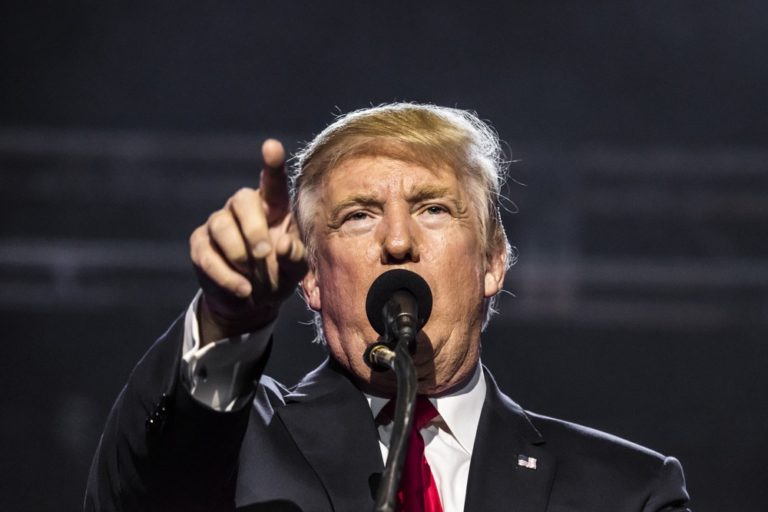
Robert F. Kennedy Jr. Seeks Health Data to Challenge Vaccine Safety, According to Trump Transition Co-Chair

Key Takeaways:
– Robert F. Kennedy Jr., a prominent anti-vaccine activist and Trump supporter, seeks access to federal health data to dispute vaccine safety.
– These plans arise as concerns among public health experts grow, forecasting severe consequences, particularly for children.
– This news follows Howard Lutnick’s comments on Kennedy’s potential influential role in the health sector in a prospective second Trump administration.
– Public health advocates express concerns about rehashing debunked theories linking vaccines to autism and the wastage of resources and effort.

Donald Trump Transition Co-Chair Comments on Vaccine Debate

According to Howard Lutnick, co-chair of Donald Trump’s transition team, Robert F. Kennedy Jr., a well-known anti-vaccine activist, seeks federal health data to challenge the safety of vaccines. Lutnick’s comments have raised concerns among public health experts, predicting severe health consequences, particularly for children.

Kennedy’s Potential Role in a Prospective Trump Administration

The comments came at a crucial time, with Trump and Democrat Kamala Harris competing for voters’ support ahead of the November 5 elections. Lutnick highlighted a variety of Kennedy’s disputed anti-vaccine points during a CNN interview.

Despite Lutnick assuring Kennedy wouldn’t be the next Secretary of Health and Human Services, he neglected to reveal Kennedy’s potential role. Lutnick’s statement coincided with Kennedy’s claims that Trump requested him to restructure federal agencies comprising the Centers for Disease Control and Prevention, National Institutes of Health, Food and Drug Administration, and some Department of Agriculture’s agencies.

Increasing Skepticism Around Vaccinations

Kennedy seeks access to health data to prove vaccine safety concerns and halt their distribution, according to Lutnick. However, it’s unclear which data Kennedy needs, as abundant research on vaccine safety is publicly accessible. In contrast, the World Health Organization estimates that global immunization initiatives have saved at least 154 million lives in the past half-century.

Meanwhile, conservative-associated vaccine skepticism continues to deepen. Trump recently declared allowing Kennedy to venture into health, food, and medicine regulation. Kennedy reiterated his intent to influence a host of policies if Trump wins the election.

Public Health Advocates Concerns on Vaccine Safety

Public health advocates express alarm over the specter of Kennedy in influential posts where he could change regulatory policy. Joshua Sharfstein, vice dean for public health practice at the Johns Hopkins Bloomberg School of Public Health, noted the “extreme danger” of such a scenario.

Even if Kennedy maintains a minor role without direct policy control, this could still have detrimental effects. There is precedent for advisers exerting significant influence without legislative scrutiny, raising misinformation and harm concerns.

Kennedy’s Anti-Vaccine Organization Legal Actions

Adding to the controversy, Kennedy’s anti-vaccine organization currently has a pending lawsuit against various news outlets. They allege these organizations have violated antitrust laws by acting against misinformation, notably related to COVID-19 and its vaccines.

Impact on Public Health

The potential influence Kennedy could wield has disheartened public health advocates. The possibility of debunked theories reemerging and consuming valuable resources could have far-reaching implications.

Amy Pisani, CEO of Vaccinate Your Family, expressed concern about revisiting anti-vaccine sentiment. Re-engaging the fight against the anti-vaccine movement and dedicating vast sums of taxpayer dollars to what she calls a “witch hunt” is not a viable option.

In conclusion, the potential for Robert F. Kennedy Jr. to access federal health data and leverage it against vaccine safety presents a contentious issue. As a possible player in a second Trump administration, his influence could have significant health consequences, especially for children. Public health advocates continue to express concern as the debate around vaccine safety continues.

Understanding the Potential Economic Impact of a Trump Victory

Key Takeaways:

– Trump promises further tax cuts and deregulation to stimulate economic growth.
– Critics say demands for stricter immigration rules could stifle innovation.
– Experts suggest that an aggressive trade policy might result in trade wars.
– Behind claims of economic nationalism may lie potential increases in the federal deficit.
– Trump’s appeal to revive the coal industry faces competition from alternative and sustainable energy sources.

Economic Implications of a Trump Win Explored

A triumph for former President Donald Trump in the upcoming elections could have far-reaching implications for the U.S. economy. The impact will be primarily shaped by his distinctive policy agenda, which promises further tax cuts and continued deregulation. However, critics suggest his aggressive stance on immigration and foreign trade could also bring considerable uncertainties.

Trump’s Tax Cuts and Deregulation

One of the key highlights of Trump’s tenure was his relentlessly pro-business stance. He promised to reduce corporate taxes, thereby putting more money in entrepreneurs’ pockets. Further, he vowed to wipe out various regulatory measures that he sees as burdensome alongside promising to foster market freedom.

If Trump wins another term, it is plausible to expect a continuation of these policies. However, critics argue that these advantages for businesses and high-income earners might not necessarily trickle down to average Americans. They also raise concerns over potential increases in the federal deficit due to decreased tax revenue.

Immigration Policies May Impact Innovation

Trump has been notably outspoken about his intent to tighten immigration rules. While this stance may satisfy a portion of his voter base, the resulting limitations might stifle U.S. innovation. This is especially pertinent in sectors like Technology, where there is heavy reliance on global talent.

Trade Policy and Possible Trade Wars

Another cornerstone of Trump’s policy emphasis is his aggressive stance on international trade. He advocates for overhauling existing trade agreements and taking tougher actions against countries allegedly engaging in unfair trade practices. This could potentially lead to trade wars, putting U.S. businesses and consumers at risk from retaliatory actions and higher prices.

Economic Nationalism and Federal Deficit

Advocates of economic nationalism see in Trump’s policies an avenue to protect American industries, thus boosting employment opportunities and, in theory, stimulating the economy. However, critics suggest that sustained economic protectionism, coupled with tax cuts and increased spending, might lead to a significant increase in the federal budget deficit.

Prospects for the Energy Sector

Finally, Trump’s appeal to revive the U.S. coal industry will likely form a part of his policy agenda in the case of a victory. Nonetheless, it remains to be seen how effective this can be given the globally increasing preference for renewable energy sources.

Conclusion

It’s essential to note that economic dynamics are complex and influenced by a myriad of factors beyond policy changes. However, understanding the broad strokes of Trump’s agenda gives a glimpse into what effects his potential victory might yield for the U.S. economy. While certain areas may benefit from policies like tax cuts and deregulation, aspects like immigration, foreign trade, and energy policy may face multiple challenges. Like in any situation, navigating the uncertainties and leveraging potential opportunities would be the key.

Trump Triumphs in 2024 Presidential Election: Did Kamala Harris Concede?

0

Key Takeaways:

– Donald Trump declared victorious in the U.S. presidential election 2024.
– Kamala Harris, his Democratic opponent, has yet to concede.
– Harris is expected to deliver a concession speech on November 6.
– In 2016, Hillary Clinton quickly conceded to Trump and delivered a public speech the following day.

Trump Declared President-Elect of 2024

Following a gripping race, Donald Trump is confirmed as the president-elect in the 2024 U.S. Presidential election. This announcement came from Trump himself during a speech to his supporters, hours before the Associated Press confirmed the victory.

The Popular Vote Tally

The American people’s voice was clear as Trump succeeded in securing the popular vote. The Associated Press posted figures of Trump leading with over 71 million votes, corresponding to about 51 percent. Kamala Harris, Trump’s Democratic opposing candidate, garnered just over 66 million votes, amounting to 47.5 percent.

Electoral College Numbers

Beyond the popular vote, victory in a U.S. Presidential election retreats to the Electoral College system numbers. To be deemed the victor, a candidate must amass a minimum of 270 Electoral College votes. Trump surged ahead of Harris in this case, securing 277 votes against her 224.

Harris’ Reconnaissance

Tensions rose as there wasn’t any official word from Harris following the final tally. Her campaign team retreated into silence, leaving an anxious public to speculate about her next steps. But her campaign co-chair, Cedric Richmond, did shed some light on the matter. Insisting that there were more “votes to count,” Richmond affirmed that the vice president would surface with a message “tomorrow”.

Awaiting Harris’ Concession

Indications point toward Harris preparing to deliver a concession speech on November 6. Such a move would align itself with the time-honored tradition of an American election, wherein the defeated candidate accepts the result and addresses the public.

Reflection on the 2016 Election

In the aftermath of the 2016 U.S. presidential election, a similar scenario was witnessed. Democratic candidate Hillary Clinton, after conceding over a phone call, delivered a public speech the following day. She warmly accepted the outcome and offered to assist Trump in working towards the country’s welfare.

Clinton, expressing surprise at the scale of the nation’s division, emphasized the need to accept the result and prepare for the future under Trump’s presidency. Her potent address wound down with a moving message to young girls across the nation, urging them to pursue and achieve their dreams.

Awaiting Official Confirmation

As the nation waits, eyes and ears are keenly focused on observing Harris’ next move. Her forthcoming concession speech promises to echo the maturity and grace exhibited by Clinton following her 2016 defeat. The overarching theme remains: democracy has spoken, and now it’s time for the next chapter in American leadership to commence.

California’s Doctor Shortage Crisis Calls for More Residency Positions

0

Key Takeaways:

– California currently meets only 54% of its primary care needs.
– The state would need 881 more physicians to fully cover primary care shortfall.
– Recent efforts to address the issue center on establishing more medical schools, but residency positions remain inadequate.
– Policymakers and philanthropists may need to pivot focus towards creating more residency slots.

The Quest for More Physicians in California

A significant healthcare issue lingers in the heart of the Golden State: the lack of physicians. With just 54% of primary care requirements met, California lacks enough doctors to attend to residents’ healthcare needs. This shortcoming influences the lives of over 5.8 million Californians residing in areas marked as primary care shortage zones. To alleviate this shortage, 881 additional doctors are needed.

The authorities are far from ignoring this problem, as they actively seek to produce more medical practitioners. Gov. Gavin Newsom endorsed legislation propelling the establishment of a new medical school in Kern County in late September. Funded publicly and privately, this school will rise between Bakersfield and the southern Central Valley.

Raising More MDs is Only Part of the Solution

While creating more medical schools and turning out more MDs appears to be a sound strategy, it’s not sufficient to bridge the gap in California’s doctor shortage. The solution lies in creating more residency slots that convert medical graduates into practicing physicians.

Once they graduate, aspiring doctors move on to a residency that lasts between three to seven years, depending on the specialty. However, the supply of residency positions is outpaced by the number of medical school graduates, leaving many without the necessary training stage. In 2024, nearly 45,000 graduates competed for about 41,500 available residency slots.

Consequently, while it’s commendable to increase the number of medical graduates, it lacks merit if there aren’t enough positions for them to finish their training.

Learning from Past Mistakes and Focusing on Residencies

In 1997, the government enacted the Balanced Budget Act, inadvertently freezing funded residency slots for 25 years. By 2021, officials understood the extent of this previously unanswered need and arranged for 1,000 additional residency positions over five years. But this initiative, while a step forward, doesn’t go far enough considering the rising medical school enrollment over the past two decades.

Creating more residency positions, rather than new medical schools, should be the strategic focus, and California’s resources might be better spent in this regard. The dividends from such an investment are likely to manifest before the benefits of a new medical school.

Philanthropy as a Potential Solution

Philanthropists, too, can take part in solving this issue. Previous significant donations have aimed at reducing the cost of medical education. In 2018, Home Depot’s founder Kenneth Langone and his wife Elaine donated $100 million to NYU Grossman School of Medicine, followed by $200 million in 2023. Bloomberg Philanthropies and Ruth Gottesman also launched generous funds aimed at tuition-free medical education.

However, directing such significant gifts towards financing more residency programs may have an even greater impact on the numbers of the practicing medical workforce and general healthcare accessibility. In 2023, the W.P. Carey Foundation granted $25 million to New York-Presbyterian for its residency program and, in the same trend, the E.L Wiegand Foundation donated $500,000 to start a pediatrics residency program at the University of Nevada, Reno School of Medicine the previous year.

Such notable contributions, the result of a flourishing market economy, can go a long way in tackling the doctor shortages that plague much of the U.S., particularly California, thereby enhancing healthcare access for all.

In concluding, while efforts have been made to counter the crippling shortage of physicians in California, it may take the combined forces of the government, academic institutions, and philanthropy to create more residency positions and thereby ensure a sustainable future in healthcare. By doing this, we may just stand a chance at turning the tide against a healthcare crisis that’s been left unchecked for far too long.

Surge in Remote Work Opens New Doors for Cybersecurity Threats

Key Takeaways:
– Increase in remote work due to pandemic driving cybersecurity risks higher.
– Security breaches can cost companies millions in data and reputation damage.
– Essential to educate employees on potential threats and strategies to minimize risks.
– Implementing cybersecurity measures like multi-factor authentication is vital.
– Internet usage policies for employees crucial in preventing potential threats.

In the Wave of Remote Work

The COVID-19 pandemic has undeniably caused a sea change in how we view and perform work. With many of us working from home now, unforeseen challenges have surfaced. One high-priority concern is the increased risk of cyber threats. As more work shifts online, companies need to be more vigilant about their cybersecurity measures.

Envision this: you’re an employee working from home. You receive an email from what appears to be a trusted source, only to find out too late that it was a scam. Now, sensitive information related to your job is at risk. This situation is a prime example of cyber threats growing right alongside remote work.

The High Cost of Security Breaches

Cybersecurity threats and data breaches are more than a simple inconvenience. They can cost companies millions of dollars, not to mention severe damage to their reputation. If customer data is compromised, trust in the company can be irreparably damaged, leading to lost business opportunities and an uphill battle to regain consumer trust.

However, it’s not all doom and gloom. There are measures companies can take to reduce potential risks and guard against cyber threats. A few key strategies include educating employees, implementing robust security measures, and establishing strict internet usage policies.

Education is the First Line of Defense

Preventing cyber-threats starts with ensuring that employees understand the potential risks. Employees should be educated on how to identify potential threats, such as suspicious emails or unsecured websites. This education isn’t a one-and-done deal; cybersecurity threats are continuously evolving, and so the training must be ongoing.

Lock it Down with Multi-Factor Authentication

Next up is the implementation of strong security measures. Multi-factor authentication is a must-have. It requires users to provide two or more pieces of evidence to access their accounts. This measure dramatically decreases the chances of unauthorized access, even if one’s basic login credentials are compromised.

Laying Down the Law with Internet Usage Policies

Finally, companies need to outline strict internet usage polices. These policies limit usage of unsecured networks and regulate what employees can do online during work hours. An efficient policy should include guidelines on downloading software, visiting non-work-related websites, and use of personal devices for work.

However, it’s not only about stringent rules. Companies should also provide secure, private networks for remote employees. This provision protects against potential threats that can access sensitive information through insecure Wi-Fi networks.

In Closing

The rise of remote work, though beneficial in many ways, has shed the veil on the importance of cybersecurity. While the threats can be daunting, they are not insurmountable. By educating themselves and their employees, implementing robust security measures, and enforcing stringent internet usage policies, companies can safeguard their sensitive information against potential cyber threats. It’s now more crucial than ever for companies to be vigilant and invest in digital safety. Only then can we continue to adapt and thrive in this new remote workspace without losing sleep over potential cyber threats.

Civilian Casualty in Borova: Russian Shelling Claimed a Life

0

Key Takeaways:
– The Russian army shelled Borova village in the Izium district, resulting in a civilian death.
– The Kharkiv Regional Prosecutor’s Office reported the use of MLRS in the shelling.
– Due to escalating tensions, forced evacuation of families with children continues.

A violent incident erupted on October 25 when Russian troops targeted the Borova village in the Izium district of the Kharkiv region. Tragically, the shelling claimed the life of a 61-year-old woman, enhancing further, the distressing ordeal in the region.

Civilian Population Terrorized

The Kharkiv Regional Military Administration issued a statement describing the incident. It said, “The enemy continues to terrorize the civilian population of the Kharkiv region. The Russian occupiers launched an assault on Borova village, leading to the unfortunate loss of a civilian life.”

The morning attack by Russian forces not only led to the loss of a precious life but also induced a widespread sense of fear and insecurity among the populace. The continuous aggression portrays a grave picture of the ground situation.

Nature of the Attack

Details emerging from the incident indicate that the Russian army employed Multiple Launch Rocket Systems (MLRS) during the shelling. Such a hefty arsenal gives a glimpse of the intensity of the attack. Private households did not escape the wrath either, and significant damage was reported across the village.

Enhancing Concern for Residents

Faced with escalating tensions, a forced evacuation policy has been implemented in Borova. This move particularly prioritizes families with children, ensuring their safe removal from the conflict zone. This operation continues in full swing, underlining the concern authorities have for the region’s residents.

Impact on Peace and Stability

This assault on civilian life is a glaring reminder of the deteriorating peace and stability in the region. Such violent episodes do nothing but amplify the uncertainty facing the population. Additionally, they underline the urgent need for intervention to curb the ongoing aggression.

Lack of Accountability

Instances like these showcase not only the audacity of the aggressors but also a flagrant disregard for civilian life. Accountability urgently needs to be enforced to ensure these acts do not go unpunished. It is also crucial that lifesaving measures are implemented, and resources are mobilized to fortify the region’s defense.

In Conclusion

The incident in Borova is just one example of the many violent episodes that are tearing apart the region. It is a vivid representation of the terrifying day-to-day reality that civilians in conflict zones must endure. It underlines the stark need for urgent international intervention, ensuring peace, stability, and most importantly, civilian lives are protected.

As the dust settles in Borova, one fact remains crystal clear: the price of this conflict is too high, especially when innocent lives are at stake. The tragic loss of a woman during a brutal shelling is a haunting reminder of the grim reality that war brings with it. The urgency of peace negotiations cannot be understated.

Unraveling the Hidden Maya City of Valeriana in Southern Mexico

Massive Ancient City Revealed

Under the forestry of southern Mexico, a massive archaeological spectacle has been uncovered, the ancient city named Valeriana. This newly discovered city, estimated to span a vast area comparable to Beijing, shows remarkable signs of being a political capital during the Classic Maya epoch. The city’s grand plazas, massive water reservoir, and stunning temple pyramids paint a vivid picture of a majestic kingdom that likely enamoured the Maya around 1,500 years ago.

The Unexpected Discovery

The southernmost region of Mexico known as the Maya Lowlands has always intrigued archaeologists. The area is shrouded in the vestiges of ancient civilizations, and Luke Auld-Thomas, an archaeologist from Tulane University in New Orleans, was one of many experts captivated. Scanning through data online, Auld-Thomas stumbled upon a dataset used by Nature Conservancy Mexico (TNC Mexico) for studying carbon intake and emissions. Intriguingly, TNC Mexico was scrutinizing an area with high archaeological potential.

Relying on his hunch, Auld-Thomas delved more into this data, eventually striking gold. Marcello Canuto, a Tulane anthropologist, said of Auld-Thomas’s discovery, “He hit the bullseye while blindfolded,” adding, “We weren’t expecting to find such a big site with such a small dataset.”

The Role of Lidar Technology

The remarkable revelation could be attributed to Lidar technology, utilized by TNC Mexico in their environmental assessment. Lidar, which involves emitting laser beams from aircraft to map the earth’s topography, was mainly used by TNC Mexico to estimate tree heights and canopy volumes. Although Lidar’s measurements of the forest floor had little value to TNC Mexico’s study, they unwittingly provided Auld-Thomas and his team with crucial data for archaeological exploration.

Re-Analyzing the Data

When Auld-Thomas and his colleagues reprocessed the Lidar data, they discovered the astounding details of Valeriana. The city seemed to have been densely populated, with structures beautifully arranged around curved, amphitheater-like residential patios. The inhabitants could have spent their leisure hours in a nearby lagoon or at the city’s playing court when not conducting rituals in the city’s pyramidal temples.

Valeriana’s Building Density

Valeriana was possibly thriving with over 400 structures for each square kilometer. This building density was over seven times that of most of the region surrounding it. Historically,only the massive Lowlands city of Calakmul, near the existing Mexico-Guatemala border, had a higher density, boasting nearly 770 buildings per square kilometer.

Implications of the Discovery

David Stuart, an anthropologist at the University of Texas at Austin, expressed enthusiasm about the recent findings. In his view, these discoveries not only reveal a previously unknown site but also shed light on the ways the ancient Maya settled in the region. Additionally, they add weight to the notion that the Maya Lowlands were not just populated beyond Calakmul, but also thrived during the Maya Classic period (250-900 AD).

Potential Future of Lidar and Archaeology

Thomas Garrison, another University of Texas archaeologist, regards Lidar as instrumental in unfolding the mysteries of the past. He believes that applications of Lidar data for archaeology, even when collected for other purposes, as in this case, significantly help. However, he also suggests further steps be taken to visit and excavate these settlements for an even better understanding of this fascinating ancient civilization.

Anthony Scaramucci Expresses Concern Following Trump’s 2024 Electoral Win

0

Key Takeaways:

– Anthony Scaramucci reveals disappointment over Trump’s projected win.
– Raises concern over the dehumanizing rhetoric around non-white immigrants.
– Urges Trump to consider national unity and healing processes.
– Despite his criticism, Scaramucci acknowledged Trump’s well-executed campaign.
– Shows concern about Trump’s campaign rhetoric potentially excluding certain sections of America.

Overwhelming Sentiments of Disappointment

Anthony Scaramucci, former White House communications director, voiced out serious reservations following President-elect Trump’s projected victory. He spoke of a collective dismay engulfing many citizens because of the President-elect’s divisive take on non-white immigrants. The essence of his concerns centers on what he perceives as a derogatory ‘us vs. them’ narrative that he believes devalues the immigrants’ human dignity.

Scaramucci’s Call for Unity and Healing

Amid these divisive tones, Scaramucci expressed hopes that Trump, upon assuming official duties, would reflect on the need for national unity. “There needs to be a healing process in the country,” he stated, emphasizing the importance of moving beyond the ‘us vs. them’ paradigm. Trump’s victory, despite popular and electoral predictions favoring Vice President Harris, seems to have rekindled Scaramucci’s concern for societal division and discord.

Trump, who was Scaramucci’s employer during his short tenure at the White House, won the 2024 presidential election as per Decision Desk HQ’s projections. Scaramucci has been vocal in his criticism of Trump following his abrupt dismissal from the White House in 2017.

Trump’s Well-Executed Campaign: Scaramucci’s Perspective

Yet, even as a critic, Scaramucci acknowledged Trump’s success, extending his congratulations to both Mr. Trump and tech billionaire Elon Musk. He lauded the Trump campaign, describing it as “well-executed” and expressed his recognition and acceptance of Trump as President given his popular vote victory. Nonetheless, Scaramucci remains worried about the implications of Trump’s campaign rhetoric.

Scaramucci underlined his concerns stating, “if he executes on that rhetoric, it’ll be good for some people, but it won’t be good for all of America, and that’s something that worries me.” His concerns follow his earlier prediction in the past month, where he believed Vice President Harris would win the election due to her financial backing and solid organization.

Trump’s Unprecedented Mandate

Trump, in his turn, proclaimed an unparalleled endorsement from the American people following the results. He highlighted that the significant support he and his party received represented “a powerful and unprecedented mandate.” These remarks came early Wednesday morning, eliciting varied responses from the public.

Despite his reservations, Scaramucci echoes the sentiments of individuals who believe there is a need for unity, bipartisanship, and inclusive leadership in America’s socio-political landscape. It’s a call that resonates across party lines and demographic groups.

Conclusion

While Trump’s victory signifies a win for his supporters, there are others like Scaramucci who view it as a “sad day for a lot of people.” As the nation looks forward to the next four years under Trump’s leadership, the hope lingers for reconciliation, unity, and a more inclusive stance towards all Americans – regardless of their immigrant status. This sentiment will undoubtedly play a crucial role in shaping the narrative of Trump’s upcoming term and the socio-political dynamics of the nation.

Intensified EU Training Set to Boost Ukrainian Military to 75,000 By Year-End

Key Takeaways:
– Over 62,000 Ukrainian servicemen have already completed training in EU countries.
– The number of trained Ukrainian servicemen is set to reach 75,000 by the end of the year.
– Ukrainian Defense Minister Umerov encouraged European countries to invest in local production.
– Umerov also revealed that Ukraine is expecting a new €1.9 billion aid tranche from the EU from frozen Russian assets.

An Assertive Strategy for Ukrainian Military Training

An escalating number of Ukrainian servicemen are training in Europe, fostering deeper military bonds between Ukraine and the EU. According to Defense Minister Rustem Umerov, through the EU Military Assistance Mission in support of Ukraine’s (EUMAM Ukraine) program, over 62,000 servicemen have undergone vigorous training regimes since October 2022. In a further boost to Ukrainian capabilities, this number will surge to 75,000 by the end of the year. These figures underline the EU’s robust commitment to supporting Ukraine’s military, with a focus on enhancing operational effectiveness.

“The EU ambassadors’ decision to extend the mission’s mandate for another two years is greatly acclaimed,” Umerov stated on social media, further highlighting their collaborative objective to optimize mission efficiency. He pointed to the significant acceleration in defense preparation achievable by conducting mission training directly in Ukraine.

Calls for Direct Investment in Ukraine

The minister was also vocal about encouraging European countries to channel their investments directly into Ukraine. He expressed readiness on Ukraine’s part to sign long-term contracts and delve into joint production endeavors. Particularly, Umerov mentioned areas such as drones, long-range weaponry, and ammunition, as ideal sectors for these collaborative activities. These measures are also seen as crucial for boosting local infrastructure and economy in tandem with solidifying defense capabilities.

A Hopeful Outlook on Aid and Alliances

Ukraine is on the verge of receiving a new aid tranche of €1.9 billion from the EU, derived from frozen Russian assets. This significant aid package could potentially provide a much-needed bolster to the country’s economic and defense sectors.

Moreover, Umerov revealed a hopeful prospect for financial aid from the European Peace Facility. He clarified, “We hope our partners will find a way to provide €6 billion to reinforce the Ukrainian military on the front.” These funds would significantly augment the military manpower at the frontline, further fortifying the country’s defense system.

Furthermore, Umerov stressed that Ukraine’s future lies with the European Union and NATO, signifying an irrevocable commitment to strengthening these alliances. He advocated for sustained collaboration to collectively combat, what he termed as, “the coalition of dictatorships led by Russia.”

Conclusion

The Ukrainian Defense Minister’s recent comments provide a comprehensive insight into the maturing relationship between Ukraine and the EU. As a greater number of servicemen undergo training in EU countries, the Ukrainian military continues to strengthen. Simultaneously, calls for direct investment and substantial financial aid hint at a promising collaborative future. This approach aligns with Ukraine’s strategic aims towards the European Union and NATO, placing it on a firm path towards both economic and defense consolidation.