56 F
San Francisco
Sunday, May 17, 2026
Home Blog Page 1588

Understanding the Mechanisms of Free and Fair Elections

0

Key Takeaways:

– Free and fair elections support political freedoms and fair processes leading up to a vote
– Allegations of bias and potential interference in the lead-up to elections have been highlighted
– Issues in voter registration and purging in multiple states have come under scrutiny
– The need for a fair count of eligible voters, devoid of electoral fraud and voter suppression, is crucial

Examining Political Freedom and Fair Processes Preceding Elections

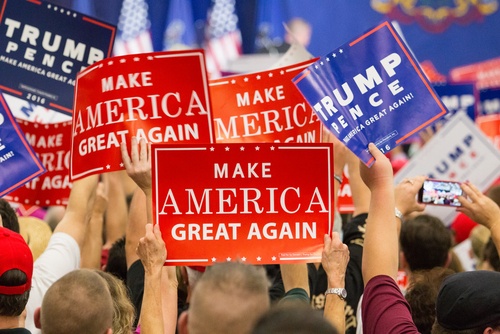
In the dynamics of democracy, the spotlight fall upon the U.S’s political landscape, which recently saw many riveting developments. Former President Donald Trump expressed a potential interest in running for presidency in a speech he gave in Washington back in July 2022. Fast forward to November the same year, Trump officially announced his re-election bid amid a slew of events stirring controversies.

Following Trump’s re-election announcement, there has been bubbling tension between the Trump and Biden camps. Citing certain events, critics have argued that actions, like the DOJ’s raid on Trump’s Mar-a-Largo home days after his re-election announcement, hint at intrusions on political freedoms. Additionally, the string of indictments against Trump on various charges have also raised eyebrows.

Preserving the Integrity of Eligible Voter Counts

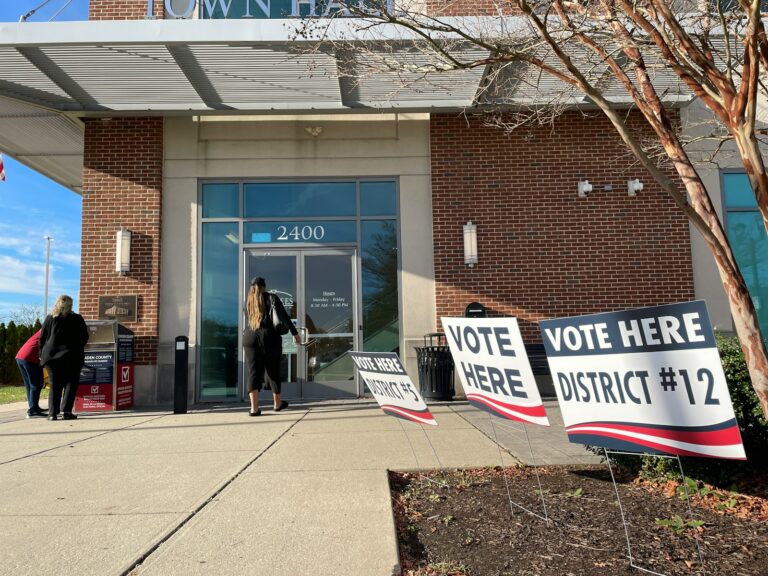
Moving into the domain of voting protocols, practices and allegations hint at potential challenges to maintaining a fair count of eligible voters. Among the concerns raised, the removal of individuals from the voting rolls has been a contentious issue. In recent years, protocols in Virginia and a lawsuit against Governor Youngkin regarding the purging of noncitizens from voting lists have fueled the debate.

Governor Youngkin defended the move stating that enforcing Virginia law had been a norm for the past 18 years. He highlighted this action as a standard procedure to ensure fair and free elections. However, critics disagree, pointing to the extensive purge of names from the voting rolls.

The Need for States’ Intervention

Looking at North Carolina, the influence of the governor’s political affiliation on the state Board of Elections raised further concerns. Events such as irregular issuance of voter registrations due to dismissal of state requirements have raised questions about election ethics. The future governance of election boards across different states comes into focus as such instances throw light on the loopholes in the system.

Similarly, other states like Alabama, Arizona, and Florida have had their share of electoral waves. Alabama recently faced a legal roadblock against their attempt to remove noncitizens from voter lists while Arizona has had instances of doubtful voter registrations. Florida has also locked horns with the federal government over verifying immigration records to prevent noncitizen voting.

Electoral Integrity is Key

Free and fair elections pivot on the principles of political freedom and process transparency. However, the complex web of allegations, legal battles, and contentious actions pre- and post-election underline the need to safeguard these principles. The unfolding events, the pushback against perceived irregularities, and the dialogue surrounding electoral integrity underscore the demand for more streamlined and impartial measures.

The journey towards securing an election free from fraud, voter suppression, and other breaches makes it imperative to ensure checks and balances at every level. Acceptance of election results by all parties only occurs when the electoral process exhibits the highest standards of fairness and freedom. Effective governance, transparency, and accountability must take center stage to ensure a healthy and functional democracy.

Minority Economic Growth: Unpacking Trump and Biden’s Records

0

Key Takeaways:

– Donald Trump’s track record highlights considerable economic advancement for Black, Asian, and Hispanic Americans.
– Income growth was nearly twice for Blacks and five times for Asians and Hispanics under Trump.
– Cumulative inflation was noticeably lower under Trump (8%) than Biden (20%), raising the standard of living.
– Blacks and Hispanics experienced a significant reduction in poverty and record lows in unemployment rates under Trump.
– Opposing views on critical issues like school choice underline the difference in Trump and Biden’s alignment with the interest of minorities.

Trump’s Economic Impact on Minority Groups

During the solitary debate between Kamala Harris and former President, Donald Trump, the issue surrounding Trump’s alleged racist record was a controversial topic. However, leaving the rhetoric aside, let’s delve into the actual record, behind both Trump and the Harris-Biden administration, and their impact on the economic advancements of Black and other minority groups.

Critiques of Trump often overlook the accomplishments in his four-year term, outlined in the recent book, “The Trump Economic Miracle.” Among the many achievements, achieving energy independence, instigation of lifesaving legislation for the chronically ill, economic growth, and fostering peace globally are significant.

Advancing Minorities’ Living Standards

Surprisingly, Trump’s most striking achievement seems to be elevating the living standards of minority Americans.

During the Obama-Biden reign, minorities saw scanty progress, even regressing in certain aspects. However, life under Trump painted a more hopeful picture. The economic upliftment under Trump was significant, with Black Americans seeing nearly twice the income gain. Asian and Hispanic Americans saw five times the income rise, each group averaging an income gain of approximately $5,000.

The primary reason for this superior surge in minority living standards was significantly lower inflation under Trump (8%) against Biden (20%). The high grocery, gasoline, and housing prices, which typically impact minorities, was largely controlled.

A Comparison on Annualised Basis and More

Comparing Trump’s four years to Obama’s eight years, Trump’s income record with minorities was more impressive, even on an annualized basis.

Moreover, Blacks and Hispanics set record lows in poverty under Trump. The unemployment rate for these groups also plummeted to record lows, while homeownership peaked, a high-water mark still unmet today.

The Impacts of Tax Cuts, Deregulation Policies, and More

Trump’s tax cuts, deregulation actions and energy policies resulted in benefits across all income brackets and ethnicities. For instance, an average family saved roughly $10,000 from Trump’s deregulation. Conversely, they are projected to incur a cost of over $40,000 (in their lifetime) due to Biden’s reregulation policies.

Discussing civil rights issues, Trump strongly supports school choice, offering parents a chance to send their children to better schools. Biden and Harris are strongly opposed, focusing more on teachers’ unions than minority children’s economic futures.

Conclusion: Race, Record, and the Economy

If the economic progress of minorities is a metric for racism, media narratives may have got it all wrong. Recent polls showcase Trump gaining ground among Black and Hispanic voters. However, 80% of Black voters still favor Harris. If their vote considers the future monetary aspect, the choice might fluctuate yet.

The key conclusion here is that while rhetoric can make for good headlines, it’s essential to dig deeper into legislation, policies and numbers. It’s here we find the tangible impact a presidency can have on economic opportunities for minority communities. Legal and economic records, rather than impassioned speeches, should remain the determining factor when contemplating the choice for the future.

Georgia Supreme Court Blocks Controversial Election Board Rules

0

Key Takeaways:
– Georgia Supreme Court denies the reintroduction of controversial election rules.
– Pro-Trump leadership panel had demanded hand counting of some ballots.
– The court provides no reason for the decision but blocks Election Board from implementing last-minute rules.

A game-changing decision was recently delivered by the Georgia Supreme Court, effectively halting an attempt to reintroduce controversial election rules. This significant decision has put a stop to the Election Board’s rush to institute last-minute rules and regulations.

Supreme Court Denies Controversial Election Rules

In the spotlight of this dispute is the Election Board of Georgia, which, just weeks before the kick-off of early voting, took a controversial stance. The predominantly pro-Donald Trump leadership panel made a surprising call, turning against bipartisan county election officials in favor of hand counting some ballots. This sudden move ignited a flurry of tension and uncertainty about the upcoming election process.

However, the Georgia Supreme Court put an end to the tension, declaring the Election Board couldn’t proceed with their last-minute election rule changes. The court’s decision doesn’t provide a specific reason behind this judgment but clearly states that the Election Board is prevented from moving forward.

Outcome Leaves Election Board Blocked

The language used by the court in this verdict wasn’t politically charged, adding another layer of intrigue to the decision. No clear-cut reason was offered for the denial; the judges simply stated that the Election Board’s attempt to usher in these new regulations wouldn’t move forward.

For many, this decision is a breather, eliminating a level of unpredictability and potential controversy from the forthcoming elections.

Possible Implications of The Decision

With this decision, potential changes to the election process have effectively been halted. It serves to maintain a consistent and predictable voting process, thus ensuring voters are not caught off guard with sudden changes that can cause confusion and potentially affect the overall outcome of the elections.

While the Election Board had hoped to see its proposed changes come to fruition, this outcome ensures that the existing rules and standards remain in place as the election approaches. This verdict also sends a resounding message that last-minute changes to the election process, regardless of intent, can be subject to legal scrutiny and intervention.

In conclusion, the Georgia Supreme Court’s decision symbolizes a major turning point in the ongoing saga of elections in the state. By denying the Election Board’s move towards altering the existing voting procedures, the court has ensured a level playing field for all parties in the upcoming elections. It may not clear all conflicts and controversies that surround the election process in Georgia, but it serves as a significant step in upholding the integrity of the voting process.

Looking forward, it remains to be seen how the Election Board will react to this ruling and what steps they will take in the future. Nevertheless, the voters can be secure in the knowledge that an unanticipated change to voting rules will not muddy the waters of the upcoming elections in Georgia.

Nevada GOP Takes Back Conspiracy Theory about Voting Machine Irregularities

0

Key Takeaways:

• Washoe County Republican Party in Nevada withdraws their previous claim about voting machine impropriety in the 2020 elections.
• The party had previously alleged, without evidence, that the machines flipped votes from Donald Trump to Kamala Harris.
• Despite the controversy, no actual instances of voting machine irregularities were confirmed by local election officials.
• Criticism pours in against the party, with many calling for GOP leaders to condemn the false claims.
• Routine scrutiny about voting machine functionality surfaces every election cycle, often with little substantive evidence of nefarious intent.

Backtracking on Ballot Conspiracy

The Republican Party in Washoe County, Nevada, has retracted previously claimed conspiracy theories about voting machines changing votes from former president Donald Trump to Vice President Kamala Harris. These claims, propagated on social media and through the party’s distribution lists, have now been deleted, following their lack of evidence to substantiate the allegations.

Washoe County: A Snapshot

Washoe County, rich in population with Reno as its biggest city, is often the center of attention during elections in Nevada. Together with Clark County, home to Las Vegas, the two represent the bulk of the state’s population. The county typically tilts toward the Democratic party by a narrow margin, and therefore, any allegations of voting manipulations could stir up significant controversy.

No Irregularities Found

On checking the claims, the election officials in Washoe County debunked the conspiracy theory, maintaining that no inconsistencies have been detected in the voting machines. This seemingly failed to satisfy the leaders of the Republican Party, but it certainly kept doubts at bay for the electorates who cast their votes in the past election.

Criticism and Controversy

The unsubstantiated claims by @RealWashoeGOP have sparked criticism from numerous quarters including Jon Ralston – a well-respected analyst of Nevada elections. He blasted the party for disseminating this baseless rumor. Responding to the situation, the party rather disappointingly opted for a defensive stance instead of a humble retraction.

Evolving Voting Mechanisms

Nevada, despite being the least populous among the key battleground states, has made significant progress in expanding mail-in voting recently. In moves to encourage accessible voting, they have introduced automatic voter registration at the Department of Motor Vehicles and endorsed default mail-in voting options.

Persistent Rumors

Allegations about voting machines tampering with the people’s votes tend to surface every election cycle. These claims rarely hold water and are usually ascribed to technical glitches or voter mistakes. For instance, a recent claim by Rep. Marjorie Taylor Greene (R-GA) alleging a ballot switch from Trump to Harris was eventually traced to an error on the voter’s part, not the voting machinery.

Closing Remarks

While discussions on voting irregularities can often be a healthy part of democratic processes, unsubstantiated claims can hamper the public’s faith in election systems. The Washoe County incident serves as a stark reminder of the importance of evidence-based allegations, clear communications, and swift retractions when necessary. It’s a lesson for all, particularly as Americans ramp up for upcoming elections. It is essential to work towards credible election systems and maintain people’s trust in democratic processes.

Mammograms Now Scan for Heart Disease: What You Need to Know

Keeping Up With the Annual Mammograms

When it’s time for a woman’s annual mammogram, a diagnosis of breast cancer typically hovers as the prime concern. However, some radiology clinics now offer a heart disease risk assessment using the same mammogram. This additional service, though not without controversy, could potentially alert women to unforeseen risks for heart disease.

How Mammograms Play a Bigger Role

Typically, mammograms focus on the detection and diagnosis of breast cancer. But did you know that these images also indicate whether breast arteries sketched with calcifications, insignificant to breast cancer, could signal a risk of heart disease? These calcium deposits in the breast arteries show up as white lines on the film. While this occurrence isn’t new, traditionally, patients haven’t been provided with this information.

However, things are changing with some medical practices now making these results available, often for a fee. Yet, experts are questioning the efficacy of this practice in correctly gauging heart disease risk.

Doubts About Breast Arterial Calcification Screening

Well-respected names in the field are questioning this new mammogram use. Greg Sorensen, chief science officer at RadNet, brought up valid concerns. He argued that while there might be calcification in the breast artery, it isn’t the same as calcification in the coronary artery, a recognized marker of heart disease risk.

He expressed doubts about the technique’s current value. Adding that despite links between calcifications in breast arteries and the risk of cardiovascular disease, research still leaves room for doubt.

On the flip side, RadNet provides an AI analysis of mammograms, targeting improved detection of breast cancer.

Questions Over Heart Disease Risk Assessment

Despite the innovation, significant questions remain about the accuracy of heart disease risk assessment using this method. Even patients without calcification in their breast arteries might still face heart disease threats, including a heart attack or stroke.

One extensive study of postmenopausal women revealed a surprising statistic. Although 26% exhibited breast arterial calcification, most instances of heart disease, heart attack, or stroke affected patients without these calcium build-ups.

The industry now faces a double-edged sword of great potential, yet a need for cautious progress.

Heart Disease: The Unheeded Threat

Screening for the risk of heart disease during the annual mammogram that millions of women undergo seems like a rational move. After all, heart disease is the leading cause of death among women in the US, bringing down 300,000 individuals approximately – or 1 in 5 women – in 2021 alone.

Sadly, many women fail to recognize the numerous risk factors of heart disease. These include high blood pressure, diabetes, high cholesterol, smoking, hazardous alcohol consumption, and obesity.

Cutting Through the Controversy

Web-based calculators are available to help people assess their potential cardiovascular disease risks. If your 10-year risk stands at 7.5% or higher, you might need lifestyle alterations or medications to reduce your blood cholesterol.

It’s vital to understand that the roots of heart disease are multifaceted, and mammograms aren’t a definitive assessment. Breast arterial calcification assessment simply offers another layer in the prevention conversation. Radiologist Laura Heacock highlighted that the screening provides another chance to discuss heart health.

More Research Needed

Some institutions, like the Lynn Women’s Health and Wellness Institute in Boca Raton, Florida, have incorporated breast arterial calcification screening into their mammograms since 2020. Heather Johnson, a preventive cardiologist there, acknowledges that more study is necessary to fully comprehend the relationship between calcification and heart disease.

The debate continues, and ongoing research will justifiably uncover whether this screening equates to tangible changes in patient care and, importantly, a decrease in cardiac attacks and strokes.

In the meantime, discussing heart health and its risks holistically remains the best prevention method for heart disease.

Mexico’s New Agricultural Revival Plan Echoes 1980s Food Distribution Methods

0

Key Takeaways:
– Mexico’s President pledges to restore the country’s 1980s style food production and distribution.
– Former food staples like tortillas, beans, instant coffee, and inexpensive hot chocolate could dominate meals once more.
– The plan involves the revival of basic government stores where such goods were commonly bought.

A Blast From the Past for Mexico’s Food Sector

Mexico’s newly elected president, Claudia Sheinbaum, recently unveiled her fresh plan for the agriculture sector. It could transform the way Mexico’s food is produced and distributed to look more like how things were in the 1980s. The era was characterized by meals replete with tortillas, beans, instant coffee, and economical hot chocolate. This shift might see these food staples make a major comeback.

The Revival of Government Stores

Crucial to President Sheinbaum’s plan is the restoration of the once commonplace government stores. These shops stockpiled a few basic goods, representing the crux of the average Mexican citizen’s meals four decades ago. They were the go-to sources for staple food ingredients, albeit their supply was often limited and their conditions a tad shabby.

The president made this ambitious pledge, much to the surprise of some, on Tuesday. But why exactly is she determined to revive these government stores? And what effect could this have on Mexico’s food market?

Back to the Roots

This peculiar step back into the past is part of a wider strategy to reconnect with Mexico’s traditional agricultural practices. The goal is to reestablish local supply chains and reduce the nation’s dependency on imported foods. Shifting public eating trends back towards traditional meal components like tortillas and beans is seen as a first step to achieving this objective.

Rebuilding these old-style government stores could boost local food production, providing more market opportunities for Mexican farmers. This could result in a boost in local economies, potentially benefiting rural communities significantly.

The Pros and Cons

While the move might seem retrograde to some, it does come with potential benefits. Reverting to local, staple foods can lead to healthier eating habits, promoting better overall public health. Also, supporting local production and consumption could reduce carbon footprint due to less reliance on imported goods.

However, there might be challenges on the horizon too. Modernizing these government stores to meet present-day health and safety regulations could come with significant costs. Additionally, the appeal of global cuisines and diverse food choices today might inhibit enthusiasm for 1980s style meals.

Chsanges on the Horizon

Despite potential complications, President Sheinbaum stands firm in her resolve to revamp Mexico’s food marketplace. Much like the rich and colorful patchwork of Mexico’s past, she hopes to infuse new life into the country’s agricultural sector by bringing back a piece of the past.

As we wait and see how these changes will affect Mexico’s culinary landscape and retail market, one thing is clear. President Sheinbaum’s 1980s-style agriculture plan is a significant statement regarding Mexico’s aspiration to become more self-reliant when it comes to feeding its people. Whichever way it pans out, it indicates that for Mexico, its food culture is of utmost importance, partly rooted in its past yet continually evolving.

In conclusion, President Sheinbaum’s plan is more than a simple revival of old-world food practices. It’s a bold step towards establishing a sustainable, resilient local food system that benefits Mexico’s economy, public health, and environment, while reasserting the country’s cultural identity in its culinary offerings. Only time will tell how much of the 1980s mealtime nostalgia will make its way back onto the average Mexican dining table.

How City Crackdowns on Homeless Encampments Affect Health Efforts

Stricter Enforcement of Anti-camping Laws

City officials across the United States are cracking down on homeless encampments. Actions range from amplifying current anti-camping laws to establishing new regulations. This action comes in response to a recent U.S. Supreme Court ruling. The ruling has made it easier for cities, states, and counties to fine or arrest those living outside. This applies even if there is no other housing or shelter options available for these individuals. However, these forceful strategies are causing more harm than good. According to Ann Oliva, CEO of the National Alliance to End Homelessness, these actions add to the problem rather than being a solution.

Public Response and Homeless Sweeps

Due to increased public concerns over the growing number of homeless encampments and related health hazards, city officials are performing massive operations. These operations intend to clear the areas inhabited by homeless individuals. However, the question of what to do about homelessness remains a politically charged issue. As Celinda Lake, a national Democratic pollster, stated, voters see health care services as crucial in the fight against homelessness. Voters believe that simply arresting and moving people exacerbates the situation. They are calling for concrete solutions to the issue.

Impact on Health Services & Homeless Support Programs

The continuous sweeps, while designed to lessen the visibility of homelessness, are negatively impacting support services. These clean-ups disrupt connections between homeless individuals and health care providers. These services, funded by Medicaid and other state and federal schemes such as the Health Care for the Homeless program, are pivotal in improving the health of homeless individuals. Now, these efforts are bearing the brunt of the increased law enforcement operations.

Declining Health and Lost Possessions

As a result of the constant upheaval, homeless people are missing out on pivotal health services. It has been reported they’re skipping medical appointments, losing medications, and losing vital documents. This disruption is causing a slowdown in efforts to provide housing for these individuals. There is also a reported increase in substance abuse, suicidal thoughts, and other mental health issues such as anxiety and depression.

Beth Rittenhouse-Dhesi, a longtime provider of street medicine in San Francisco, stated the difficulty in locating displaced homeless individuals for healthcare administration. The loss of medications and lack of treatment have led to a worsening condition for individuals suffering from diseases such as diabetes, hypertension, HIV, asthma, and opioid use.

Final Thoughts

Although aimed at minimizing the visibility of homelessness, these citywide sweeps are causing significant harm. Not only are they making it harder to support and stabilize homeless individuals but they’re also worsening their health situations. While officials continue to grapple with the issue, it’s clear that more compassionate and humane solutions to homelessness are needed. It’s crucial that elected officials and law enforcement agencies consider the impact of their actions on the most vulnerable in their cities. They should work hand-in-hand with health care professionals to address the complex issue of homelessness, rather than creating more barriers for those already struggling.

Local Bodies are Key Players in Tackling National Political Polarization, New Study Reveals

0

Key Takeaways:

– Local governments can effectively fight growing national political polarization.
– The study, conducted by CivicPulse and the Carnegie Corporation of New York, involved more than 1,400 local policymakers and civil service leaders.
– 87% of the subjects voice that political polarization significantly harms the nation.
– Only 31% of local officials agree that the same level of polarization exists at the local level.

Can Local Governments Defuse the Political Divide?

Recent research indicates that the answer is yes, as local governments can play a pivotal role in curbing national political polarization.

Why Local Governments Matter

Our cities and towns host a unique battleground to combat the growing tide of political segregation. They can bridge the gap, mending the divide that is currently damaging our national discourse. While the media spotlight often falls upon the national stage, let’s remember that it’s local officials who interactions with the public on a more regular basis.

Politics at the grassroots level engages citizens directly, allowing them to witness first-hand the impact of policies and decisions. This creates a landscape for dialogue and consensus-building, as opposed to a polarized fight.

The Importance of the Study

Close to 1,500 local officials, including elected policymakers and civil service leaders, took part in the data collection for this study. The overwhelming majority, 87%, said they saw national political polarization as a major issue. They consider it a phenomenon that is negatively affecting the entire nation.

Interestingly, only a third of these local officials felt that their own communities mirrored this nationwide divide. This suggests a lower level of polarization at the grassroots, where interactions between the public and officials are more frequent.

Challenging National Polarization Locally

What does this entail for our cities and towns? It turns out these local spaces can act as powerful tools for combating political polarization.

Local officials are more accessible and directly interact with the constituents that they represent. This provides a platform for dialogue and mutual understanding. It encourages the exchange of ideas and cultivates an environment that can minimize political bias and build a shared sense of community.

Being closer to the people, local governments can respond more swiftly to the needs and aspirations of their communities, fostering relationships and trust in the process. This trust can be the antidote to the poison of polarization.

Making a Difference at a Local Level

Political differences can lead to gridlock and inaction especially at the national level. Shining a light on the potentials of local governments in mitigating the effects of polarization becomes a necessity.

Local officials need to consciously work towards building consensus in their communities. They have the most profound role to play in diffusing the tensions created by political polarization. Their interactions with residents can strike a chord of neutrality, devoid of the intense political biases often seen at the national level.

A Path to Healing our Divides

The conclusion of the study is clear. Yes, national polarization is a significant problem. But local governments have unique strengths that can facilitate healing. By actively working to decrease hostility and promote understanding among their constituents, they can pave the way for a more united future.

Moving forward, let’s not underestimate the difference that grassroot politics can make. It’s time to remember that power also lies in the local and it should no longer be overlooked. Local governments have the distinct advantage of closer proximity to the people they serve. Let’s use it to heal our divides and build a stronger nation.

Local governments, it’s your turn. Are you ready to lead the charge?

Boeing to Face Biggest Quarterly Loss in Four Years Amid Ongoing Workers Strike

0

Key Takeaways:

– Boeing is projected to announce its largest quarterly loss in four years.
– Stopping work due to an ongoing strike may cost the company billions.
– Boeing’s new contract offer may not satisfy older employees as pension plans have not been restored.
– Despite financial hardships, Boeing plans to raise up to $25 billion by selling stock and debt.
– The company’s strike, associated losses, and fallout from past plane crashes have led some to compare it to a Greek hero in crisis.

Boeing Braces for Major Financial Blow

In an unfortunate twist of events for aviation magnate Boeing, the company is preparing to announce what could be its largest quarterly loss in four years. This financial blow is set to be revealed by the newly appointed CEO, Kelly Ortberg, before traders open the stock market. This revelation comes at a time when the aviation giant is battling a workers’ strike that’s already weeks old.

Showdown at the Voting Booth

What’s more, on the day of this not-so-great announcement, there will be more action happening off-stage. Some 33,000 hourly workers from the Seattle region will be deciding whether to accept or reject Boeing’s latest contract offer. This vote might put an end to the nearly six-week-long strike that has only added fuel to Boeing’s ongoing financial fire.

Striking Costs for the Strike

This struggle is not just about numbers on a balance sheet – it’s about the livelihoods of real people. Boeing hinted at a massive quarterly loss earlier in October, chalked up to several one-time costs including a significant blow from the strike led by the International Association of Machinists and Aerospace Workers. Now, the estimate for the loss total sits around $6.1 billion, the company’s biggest since late 2020.

Production and Safety Clash

The strike isn’t Boeing’s only concern, either. Ahead of the labor dispute, the company had to reduce production rates in its commercial plane sector to ensure better safety protocols. This decision followed an incident where a 737 MAX plane operated by Alaska Airlines had to make an emergency landing after a fuselage panel flew off mid-flight. Missteps have put Boeing under more scrutiny than ever before.

A Big Offer on Small Comfort

To resolve the strike, Boeing has put forth a contract stating a 35 percent pay rise over four years, along with a $7,000 signing bonus. However, the offer does not bring back pensions, a crucial factor for older workers. Union president Jon Holden expects a close vote and is ready to renegotiate if needed. Currently, the strike has incurred an estimated $7.6 billion in losses for Boeing and its suppliers.

Fewer Planes, More Problems

Despite the ongoing strike, Boeing managed to deliver 33 new aircraft in September. Yet, the company has indicated fewer upcoming deliveries, which will likely cause a dip in revenue.

Cutting Jobs, Delaying Dreams

The company, faced with a bleak financial future, announced that it planned to cut 10 percent of its positions, which equates to about 17,000 jobs. Not only this, but the first delivery of the much-anticipated 777X jet has now been delayed until 2026, even though it was originally meant to launch back in January 2020.

Borrowing Big to Bounce Back

To navigate these turbulent times, Boeing intends to raise up to $25 billion through stock and debt sales in addition to $10 billion in new credit agreements with various banks. Such plans show the severity of the financial crisis Boeing faces, forcing it to sell valuable assets to survive.

Facing Past Mistakes

Adding to the pressure, Boeing still has to face legal outcomes related to past 737 MAX crashes. A federal judge is pondering a Department of Justice agreement that could result in a guilty plea from Boeing. Further, victims’ families have urged the judge to reject the deal and instead prosecute the company. This crisis, along with the strike and expected losses, has all followed a narrative compared to tales of Greek heroes in turmoil. Boeing will need determination and resilience to rise again.

The road ahead for Boeing is full of challenges, but the company is prepared to fight on. A return to former glory might take a while, but in the world of aviation, the sky’s the limit.

Harris Addresses Sexism in 2024 Election, Plus Pardon and Abortion Possibilities

0

Key Takeaways:
– VP Harris discussed a range of topics, including sexism in the 2024 election and potential concessions on abortion access.
– She addressed the potential pardon of former President Trump.
– Despite being potentially the first Black, South Asian and female president, Harris doesn’t focus on the historic nature of her candidacy.

The Vice President Dives into Key Issues

Vice President Kamala Harris has addressed a host of critical concerns. Among them, sexism in the potential 2024 election, the possibility of pardoning former President Trump, and whether she would be open to any concessions on abortion access.

Kamala on Historic Candidacy

NBC’s Hallie Jackson questioned Harris about her seeming reluctance to talk up the groundbreaking nature of her potential candidacy. Harris could be the first Black, South Asian, and female president in the history of the United States. Harris replied, “Well, I’m clearly a woman, I don’t need to point that out to anyone.” Harris appeared focused on her policy stances and charisma, rather than her potential to make history.

Sexism in the 2024 Election

Harris trade pointed remarks on the issue of sexism within the context of future elections. The potential importance of her candidacy doesn’t lie in the fact that she is a woman, but in her competence and the kind of leadership she brings. She believes her candidacy challenges the traditional dynamics in politics and brings a fresh perspective.

Pardon for Former President Trump

The subject of pardoning former President Trump came up during the discussion. However, the Vice President seemed unwilling to delve deep into an answer. It’s not surprising as it is a sensitive topic that encompasses a myriad of legal complexities and political obligations.

Harris on Abortion Access

Arguably one of the most vital concerns touched on during the conversation was about possible concessions on abortion access. Harris recognized the gravity of the choice women face and the rights they hold over their bodies. She spoke on this with great sensitivity. At this time, it is unclear what exact actions she would take internationally, nationally, and on a state level related to abortion access.

In Closing

Vice President Harris demonstrated a keen awareness of the pressing issues facing our society during her recent interaction. She shared her views on sexism, the potential of pardoning Trump, and the issue of abortion access.

Her candid nature, coupled with an unwavering commitment to address concerns head-on, stood out prominently. Despite possibly being the first Black, South Asian and female president, Harris remains intently focused on her roles and responsibilities. She steps beyond her identity and shows a clear understanding that the role of a President is more than their history; it is about how they shape the nation’s future.

In the coming years, as Harris navigates her potential candidacy, we can expect her to continue addressing these crucial concerns. She signaled the crucial role female leadership will play in the future, reinforcing that inclusivity and fairness are integral to a prosperous society.