62.9 F
San Francisco
Saturday, May 16, 2026
Home Blog Page 1598

Preparing for a Potential Second Trump Term: Changes in Federal and State Relations

0

Key Takeaways:

– A second Trump term may push for greater federalism, reducing the impact of federal regulations on state actions.
– The Trump administration might encourage further use of State Innovation Waivers, providing more room for state marketplaces outside of the Affordable Care Act.
– Greater focus on reforms in federal Medicaid financing, including implementing caps and allowing more state flexibility, could be expected.
– A reinforcement of AI policy rooted in innovation and free speech could be on the horizon.
– The potential Trump administration might promote Loper-like regulations and stimulate increased decision-making at the state level.
– Reforms in renewable energy investments and electric vehicle incentives could be up for negotiation.

States Brace for Greater Autonomy

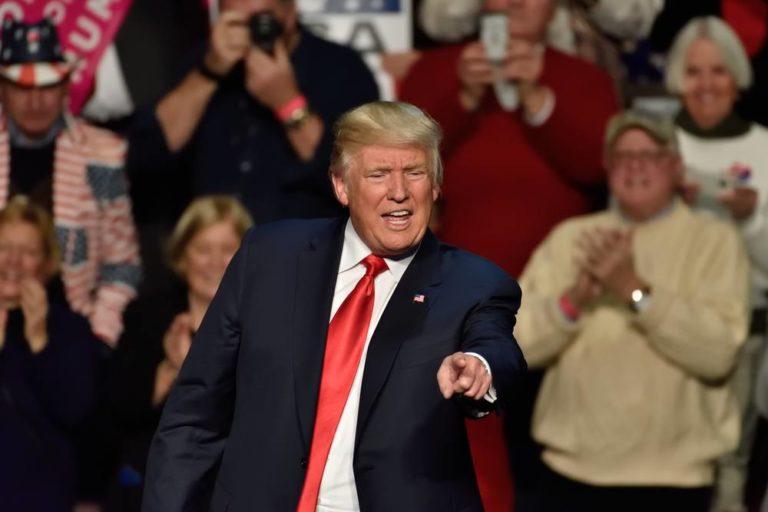
The presidential race is teetering on the edge, making it critical for us to expect and prepare for a possible second Trump term. Trump, both during his term and on his campaign trail, showed firm support for federalism and provided states a broader spectrum to enforce policies. His intention to trim federal regulations was evident in the first term, as he set forth executive orders to lessen regulatory costs. A second term is likely to follow a similar path.

Healthcare Policies: What to Expect

After strongly voicing criticism against the Affordable Care Act (ACA), Trump indicated his support for Medicare and Social Security. Consequently, a second term might see expansion in the use of State Innovation Waivers giving states some respite from ACA limitations. Greater flexibility for alternatives to marketplace plans, like short-term limited duration insurance and Association Health Plans, could also be on the cards.

Moreover, comprehensive reforms in federal Medicaid financing could be on the anvil, which includes setting caps on federal contributions. This could mean states get more control to improve access to healthcare services. Despite the court’s blockage of the policy during the first term, the administration may again encourage states to link Medicaid eligibility to work.

Artificial Intelligence and Infrastructure

Trump has always had a keen interest in artificial intelligence, leading him to issue executive orders in 2019 and 2020 to promote its use. This enthusiasm could seed a policy focused on innovation, free speech, and even a potential large-scale project similar to Manhattan’s on AI. Electric vehicle incentives, alongside other renewable energy investments, could be subject to reformation under a second Trump administration following the Inflation Reduction Act and the Infrastructure Investment and Jobs Act.

Loper-like Regulatory Regimes

The Supreme Court’s decision in the Loper Bright Enterprises v. Raimondo trial, eliminating judicial deference, is likely to encourage Trump’s administration to empower states with more Loper-like regulatory regimes. Utah is already moving along this path, creating laws requiring state agencies to identify federal regulations that impact them. This acts as a triggering point for testing broad federal laws and an enabling mechanism for states to exercise their power with the administration’s encouragement.

Balancing Federal Interference and State Autonomy

The potential Trump White House is expected to balance deregulation and federalism, striving to relieve states from costs linked to intrusive federal requirements while keeping businesses in check to prevent overburdening commerce. Trump administration alumni, now holding state and local government roles, may play a crucial role in managing these relationships.

As we prepare for the possibility of a second Trump presidency, it’s evident that substantial changes in the connection between Washington and states could be on the horizon. This could mean states and localities, like counties, gain more freedom in problem-solving and setting priorities. At the same time, the role of the federal government may shrink, focussing less on micro-managing localities and paying more attention to nationwide challenges.

Suspension of International Adoptions Highlights a Side-effect of China’s Policies

0

Key Takeaways:

– China recently announced the end of its international adoption program.
– The decision results in many children, especially those with special needs, continuing to live in orphanages.
– Ryan Hanlon, President and CEO of the National Council for Adoption, has called on the Secretary of State Antony Blinken to address the situation.
– Hanlon believes this new decision is condemning these children to a life without a family.

A Deep-Dive into the Adoption Crisis in China

About a month ago, China stirred global attention when they announced the termination of their international adoption program. The policy does not only place a halt on future adoption plans but also disrupts those that were already in progress. This move invites questions about the future of children who were on the path towards getting a new family, especially those with special medical needs.

Decoding the Complex Adoption Situation

Ryan Hanlon, a big name in the world of adoption as the President and CEO of the National Council for Adoption, has strong opinions about this twist in China’s adoption narrative. He considers this turning point as a move that might mar the life of many children. More children with health problems are bound to spend their childhood in orphanages instead of finding warmth in a loving family, he suggests. Hanlon points out that the media has overlooked the heart of this issue, focusing instead on presenting both sides of the coin.

Despite the debate between adoption versus staying with the birth family, Hanlon insists that practical realities must not be ignored. Chinese authorities had previously prioritized domestic adoptions, placing American families below them in the adoption queue. However, the recent decision leaves the children, who could not find a home domestically, in despair. The path to finding their ‘forever family’ now appears woefully uncertain.

Orphanages: Turned into Permanent Residences?

China’s cease on intercountry adoption, according to Hanlon, is equivalent to condemning these unfortunate kids to a life without a family. The 300 children who were set for a new life with US families, postponed due to the pandemic, is a glaring example of this situation. With very few returning to their birth families or finding national homes, they continue to spend their formative years in makeshift familial spaces, namely orphanages.

Global Reaction and the Need for Intervention

This unfolding scenario has caused Hanlon to criticize the US Department of State’s response to the crisis. In his view, their attempts to help have been rather feeble, characterized by minimal attempts to request the finalization of disrupted adoptions. He specifically urged Secretary of State Antony Blinken to intervene, by advocating for the completion of these adoptions and reminding China to honor their decision of entrusting US families with these children.

The Larger Picture: Adoption and Children’s Well-being

This change in China’s adoption policy has opened up a larger discussion about child well-being. Despite the debates, the consensus remains that a family setting is essential for a child’s growth and development. The interruption of this process poses the risk of jeopardizing these children’s futures. Therefore, solutions need to be advanced to settle the present upheaval and secure the best interests of these children.

As China attempts to navigate this shift in their policy, the international community would benefit from engendering dialogue and mechanisms that can better deal with unexpected policy changes. After all, at the heart of these diplomatic and political maneuvers, lies the future of innocents who deserve nothing but care, love and a sense of belonging.

The Need for a Europe-Gulf Alliance amid Rising Global Power Struggles

0

Key Takeaways:

* Escalation in Iran could result in a worldwide ideological confrontation with America standing by Israel while China and Russia support Iran.
* Europe’s industrial decline and an ongoing recession point to the need for bolstered economic strength to sustain its stake in Middle Eastern affairs.
* A potential solution lies in a Europe-Gulf bond, backed by the Gulf’s aggressive foreign investment schemes designed for a post-oil future.
* The US would fare well to foster the Europe-Gulf alliance, thereby freeing itself to focus on pressing engagements in the Indo-Pacific and Middle East.
* The ‘Axis of Upheaval’ led by Iran, Russia, and China risks dismantling the liberal world order essential for global progress.

The Rising Threat in the East

Sudden escalations in Iran are pushing the country towards the precipice of conflict with Israel. This stormy situation threatens to morph into a global struggle for ideological world dominance. Countries such as Iran, China, and Russia have formed an ‘Axis of Upheaval’ in an attempt to end American predominance which had prevailed for a century.

In response, America has decidedly reassured its unwavering support for Israel. Similarly, Europe sides with Israel, irrespective of differences towards Netanyahu’s ways of waging war. Consequently, the allegiances drawn set the stage for the Middle East to potentially emerge as the next superpower frontier.

The Battle Lines Are Being Drawn

China and Russia, professing their support for Iran, pave the path for a diplomatic rush to gain favor with regional powers like Saudi Arabia and the UAE. The resulting polarization could have a lasting impact on global politics, defining relations between western forces versus Russia in Ukraine and Africa, and versus China over Taiwan and the South China Sea.

However, it’s evident that this showdown is far greater than a struggle for power. It’s a struggle between two opposing global systems: a liberal order flourished by globalization versus the authoritarian model fostered by closed economies and centralized power structures.

The Pressing Need for a Stronger Europe

Though America may stand to counter this undulating global authoritarian trend, the real challenge appears to be the safeguarding of its vulnerable European allies, who are in industrial decline and susceptible to fragmentation from the Eastern forces.

The contemporary recession in Germany, Europe’s economic lifeblood, and other significant states like Britain, France, and Italy, underscores Europe’s inability to hold its own against Russia, or partake in Middle Eastern politics without leaning heavily on the U.S.

Taking note of this initaly’s former PM Draghi has emphasized the urgent need for Europe to revitalize its floundering industries and complete its energy transition project with an investment of $877 billion annually—a monetary feat that deficit-minded American purses can hardly manage.

Fostering the Europe-Gulf Alliance

In light of these circumstances, a Europe-Gulf alliance is slowly forming as a strategic counter to the Iran-Russia-China axis. The value of the Gulf lies beyond its vast energy reserves, though these could be vital to breaking Europe’s dependence on expensive imports from the U.S. and Norway.

Impressive examples of this emerging alliance can be seen in the form of deals like the UAE’s oil giant ADNOC’s recent acquisition of Covestro, a notable player in Germany’s economy, for $16 billion. Should such investments continue, Gulf capital could be key in rejuvenating Europe’s struggling factories and industries.

Considering the potential benefits, Europe must overcome any hesitations from past scandals and strengthen its ties with one of the fastest-growing regions worldwide.

A Beneficial Move for the United States

By fostering this Europe-Gulf alliance, the U.S. strategically frees itself to concentrate on more pressing issues in the Indo-Pacific and Middle East regions. Such a move paves the way for Europe to become stronger and resist Russian aggression more independently, thus reducing its reliance on U.S. security support.

Challenges from the ‘Axis of Upheaval’

Led by Iran, Russia, and China, the ‘Axis of Upheaval’ seems to project itself as the world correctors holding America accountable for its imperial oversteps. However, their practices reflect the abuses they accuse the West of, as seen in China’s labor abuses in Africa and Russia’s African neo-imperialism.

No one desires a full-blown war between Iran and Israel. Nevertheless, ignoring the emerging Iran-Russia-China Axis might dismantle the liberal world order that fuelled significant social, economic, and technological progress globally. Thus, re-asserting globalization and promoting alliances, such as the Europe-Gulf partnership, can counter the threat of a wider regional war in the Middle East and the threats posed by the destructive axis.

Temporary Legal Status Granted to Lebanese Nationals in the US by Homeland Security

Key Takeaways:
– Biden administration grants Temporary Protected Status (TPS) to Lebanese citizens in the US
– Temporary status will enable approximately 11,000 Lebanese nationals to stay and work in the US for up to 18 months
– Homeland Security states the measure serves to ensure stability and security discussions on the Israel-Lebanon border
– Critical support for Lebanese nationals amidst conflicts in Lebanon is expected from the move
– TPS had covered nearly 900,000 individuals in the US suffering from civil strife or natural disasters by March’s end

Temporary Protected Status for Lebanese Citizens

The Biden administration announced the awarding of Temporary Protected Status (TPS) to Lebanese nationals in the U.S on Thursday. The move is likely to be a welcome one for Arab voters, especially in key states like Michigan. This announcement follows an earlier agreement in July, enabling around 11,000 Lebanese to continue residing and working in the US for a period of 18 months.

Scope and Aim of the Measure

These protective measures apply to Lebanese citizens who were in the US on Wednesday. Homeland Security highlighted that the goal is to facilitate a peaceful resolution and permanent stability and security across the Israel-Lebanon border.

Political Implications

The ongoing conflicts in Lebanon and the Middle East have been a focal point in recent times for Vice President Kamala Harris and previous President Donald Trump. Both figures had to address these conflicts as they wrapped up their terms in the White House.

Escalated Conflicts

The Israeli forces and Hezbollah militants clash in Lebanon has been ongoing since 8th October 2023. This conflict emerged when the Lebanese militia launched rockets across the border in support of its Gaza-based ally, Hamas. Following these events, Israel instigated a significant aerial and ground offensive aimed at pushing back Hezbollah from the border.

Response from Local Governments

Assad.I.Turfe, Wayne County, Michigan’s deputy executive, lauded TPS as it provides valuable support to Lebanese nationals. Turfe stated this initiative would assist in reuniting American-based families while offering relief from the challenges stemming from the conflict.

An Overview of TPS at a Glance

Congressional Research Service data indicates that nearly 900,000 people were covered under the TPS by the end of March. Originating in 1990, the law offers legal status to people already in the US from countries experiencing civil strife or natural disasters.

Deferred Enforcement Departure

Almost concurrently, the US has a similar program known as Deferred Enforcement Departure (DED). Unlike TPS, which falls under the Homeland Security Department, the president operates the DED. Some Palestinians, Lebanese, Liberians and Hong Kong residents living in the US are currently under this program.

Synopsis

This move by the Biden administration is a significant step towards helping Lebanese nationals residing in the US. It brings hope amidst the challenging situations faced due to the ongoing conflict in their home country. Consequently, it presents an example of the substantial measures governments can take to support affected populations.

Rising Migrant Tides from Mexico Towards U.S. Amid Election Season

Key Takeaways:

• About 2,000 migrants left Mexico’s southern border aiming for the U.S., weeks ahead of the American presidential election.
• Fear of changes to the U.S. online asylum system, along with economic challenges in Mexico and amid U.S. asylum delays, drives migrant movement.
• This is the third and largest group since the start of new Mexican President Claudia Sheinbaum’s term.
• An estimated 40,000 migrants are currently in limbo in southern Mexico.
• Many migrants in a U.S. sponsorship program face expiration of their legal status, as the current administration has opted not to extend their coverage.

Record Migration Amid Political Unrest

In a significant development, a large group of around 2,000 migrants departed from Mexico’s southern border on Sunday planning to reach the United States. Their exodus comes amidst the political buzz in the U.S. for the forthcoming presidential election, where immigration issues have emerged as a pivotal agenda.

Asylum Apprehensions Stirring Anxiety

Several migrants have voiced their anxiety over potential changes to the United States’ immigration policy, especially as it pertains to asylum appointments conducted via the online platform, CBP One. Venezuelan migrant, Joel Zambrano, expressed worries about potential closures of the CBP One appointment system and other supportive services that help immigrants.

Lack of Jobs and Asylum Delays Fuel Migration

Southern Mexico is currently experiencing a significant economic downturn owing to an influx of foreigners, leading to job shortages. Coupled with delays in U.S. asylum appointments, these conditions have spurred larger migrant groups to depart from the region over the past month.

Stating his hardships, Honduran national, Roberto Domínguez, revealed the bureaucratic issues they encounter in Tapachula, where they are bound to stay until they secure the necessary documents.

Mexico’s New Leadership Remains Unchanged on Migration

The group of migrants that embarked on Sunday was the third and the largest since the inauguration of Mexico’s new President, Claudia Sheinbaum. Despite taking over from her predecessor, Andrés Manuel López Obrador, Sheinbaum has made no changes to the country’s existing immigration policies. Previous groups of 800 and 600 migrants had left the region earlier in October.

Significantly sized groups of migrants reportedly remain stranded in southern Mexico, with activist Luis García Villagrán estimating the number to be around 40,000.

Migration Trends Amid New U.S. Immigration Policies

In a move that potentially affects thousands, the Biden administration recently announced new regulations to reaffirm the partial asylum ban initially implemented in June at the U.S. southern border. Zenith officials see these regulations as a key factor in reducing the number of illegal crossings at the U.S.-Mexico border this year.

The Biden administration’s decision not to extend coverage for migrants who arrived through a specific sponsorship program designed to decrease illegal border crossings is also set to impact many. A considerable number of Haitians, Venezuelans, Cubans, and Nicaraguans, who had arrived in the U.S. to live and work legally for two years under the parole immigration law, are set to lose their legal statuses by the end of October.

As the U.S. gears up for its presidential election, these recent developments surrounding immigration have sparked a dialogue among citizens, politicians, and human rights advocates alike. As the tide of migration continues to rise and policies fluctuate, the journey towards a comprehensive solution remains complex and challenging.

Electoral Count Reform Act Boosts Election Integrity

0

Key Takeaways:

* Loyal supporters of former President Trump in Congress might attempt to reject the 2024 electoral count.
* The Electoral Count Reform Act (ECRA) aims to prevent such attempts, making them explicitly illegal.
* This law also clarifies the state’s role in certifying election results and the sole ceremonial role of the vice president in the electoral count.
* The ECRA provides for legal provisions for extended voting in the event of unforeseeable and catastrophic events.

Understanding the Electoral Count Reform Act

Despite Former President Donald Trump possibly not running for office in 2024, there’s a chance that some of his staunch backers in Congress might attempt to dispute the electoral vote. The Electoral Count Reform Act, a product of the bipartisan reforms driven in the Biden era, stands in their path, aiming to nip any such attempts in the bud.

How Will ECRA Influence The Election Process?

This crucial legal document turns the tables on any possible schemes to manipulate the electoral count. In short, it forbids so-called alternate electors from battleground states the power to nullify the legitimate electors and sway the presidential election to the House.

Such a scheme had been attempted in a previous election, which then Vice President Mike Pence dismissed for being unconstitutional causing a rift between him and the Trump camp. The passage of this law now explicitly labels such actions as illegal.

Bridging the Legal Gaps

The ECRA skillfully addresses all supposed legal issues that were previously leveraged to contest the certification of election results by states. It’s the law’s way of safeguarding the electoral process prescribed in the Constitution, and ensuring that personal agendas don’t take the front seat.

Elections and Crisis Management

The ECRA also considers the fact that unforeseen and disastrous events can disrupt the usual voting schedules. This significant reform law defines Election Day as the customary date, yet permits extended voting time when unexpected events warrant it.

Already having trialed during the COVID pandemic, this provision ensures the democratic process doesn’t stumble in the face of catastrophe. Elections are essential, and the law believes they should not be disrupted, a clear nod to democracy’s resilience in the face of challenge.

Swift Dispute Resolution

Disputes are bound to occur during the elections and the resultant legal battles can be draining. The ECRA sets up a three-judge panel to fast-track any disagreement about counting votes. This measure streamlines court fights, allowing the judicial process to move faster and smoother.

Vice Presidential Role Defined

The law takes the time to clarify that the role of the vice president during the electoral count is purely ceremonial. This statement sets in stone a tradition that’s been a part of American democracy since its inception.

Facing Legal Hurdles

There’s still a chance of legal hurdles cropping up, which might prompt the Supreme Court to intervene. The process, however, remains less vulnerable to interference, thanks to ECRA.

In the End, Democracy Prevails

Once the process is completed, with state laws upholding a popular election for members of the Electoral College, courts deciding on disputes, the duly appointed electors casting their votes, and Congress counting the electoral votes, the winner is sworn in at noon on Jan. 20. This firm date and time, laid out by the 20th Amendment, signifying the completion of a democratic process, remains a cornerstone of American democracy.

Closing Thoughts

The Electoral Count Reform Act plays a crucial role in fortifying America’s electoral process, ensuring that everyone’s vote counts and making it harder for anyone to dispute the outcomes. By offering clear rules and processes, it aims to keep elections fair and unbiased, contributing to the strength and resilience of the democratic system.

Zendaya Honors Cher with Archival Bob Mackie Dress at Rock & Roll Hall of Fame

Key Takeaways:

• Zendaya adorns Bob Mackie’s archival dress from the 2001 collection to honor Cher at the Rock & Roll Hall of Fame 2024 Induction.
• The dress, chosen by Zendaya and her stylist Law Roach, symbolizes the long-standing collaborative relationship between Cher and designer Bob Mackie.
• The induction ceremony also saw other personalities like Mary J. Blige, Peter Frampton, Kool & the Gang, and Ozzy Osbourne being inducted.

Zendaya Dons Retro Style at the Ceremony

At the Rock & Roll Hall of Fame induction ceremony held on Saturday, Hollywood starlet Zendaya paid her tribute to musical icon Cher through her fashion choice. The actress chose an archival outfit from the 2001 Bob Mackie collection, reflecting Cher’s style at the time of her public prominence. Cher herself donned Mackie for the first time during her legendary performance on The Carol Burnett Show back in 1967, subsequently leading to many collaborations with the celebrated designer. Zendaya’s selection splendidly echoed the iconic history.

Description of Zendaya’s Outfit

The dress Zendaya chose was a semi-sheer gold design, adorned with elegant beadwork. Its seductive cutouts cris-crossed her body, offering a glimpse of her fit torso. Amplifying the style quotient further was a white satin coat, characterized by extensive lapels and cuffs featuring gold stripes. Zendaya chose to pair this outfit with pointed-toe gold pumps and wore her hair straight and pulled back.
Her makeup, seemingly natural and subtle, mimicked popular looks from the 70s.

The Rock & Roll Hall of Fame Induction Ceremony

The event took place at the Rocket Mortgage Fieldhouse situated in Cleveland, Ohio. Other notable personalities joining Cher for induction to the Hall of Fame included Mary J. Blige, Dave Matthews Band, Foreigner, Peter Frampton, Kool & the Gang, A Tribe Called Quest, and the legendary Ozzy Osbourne.

Zendaya’s Collaboration with Stylist Law Roach

Zendaya collaborated with her stylist, Law Roach, to recreate the iconic look for this memorable event. Roach detailed the ensemble on his Instagram stories, crediting Bob Mackie’s 2001 Couture collection. He detailed that the stunning outfit consisted of a white silk satin trench coat with a dramatic collar, cuffs embossed with gold, diamond and iridescent bugle beads, and aurora-borealis stones.

Roach further shared that he and Zendaya have been supporting each other since she was 16 or 17. He admired Zendaya for always standing up for him, ensuring his voice was heard even when people tried to make him invisible. He felt this mutual support and respect have remained consistent in their professional relationship.

A Fitting Ode to Cher

Zendaya’s outfit choice for the induction was much more than just a spectacular dress. It was a tribute to Cher, who has been one of the most influential figures in music. Cher’s penchant for Bob Mackie’s designs is well-known, and their professional relationship has created some of the most memorable outfits in show biz history. Hence, Zendaya choosing an archival piece from Mackie’s collection is a sentiment that goes beyond fashion; it’s a homage to the rich legacy that Cher and Mackie have together, showcasing the deep-seated respect functioning between past and present icons in the world of style and music.

In conclusion, with her exceptional style choice at the 2024 Rock & Roll Hall of Fame Induction Ceremony, Zendaya succeeded in honoring Cher in a fittingly unique manner. Her outfit told a story about the iconic history shared by Cher and Bob Mackie, and also reflected the undeniable influence Cher has had on both the fashion world and the music industry.

Israel Targets Hezbollah’s Financial Arm; Beirut Braces for Overnight Strikes

0

Key Takeaways:
– Israel’s military announced attacks on Hezbollah’s financial unit, al-Qard al-Hassan, with various targets across Lebanon
– Al-Qard al-Hassan, a unit aiding Hezbollah’s activities, ensures Hezbollah’s growing clout among the Shiite population
– The entity refuted Israel’s decision to mark it as a target, ensuring clients of secure funds
– Mounting tensions since last year between Israel and Hezbollah turned into an all-out war last month
– Israel is increasing its strikes on Beirut neighbourhoods, particularly where the militant group has a known presence

Impact of Israel’s Decision

In a bold move, Israel’s military has announced its decided plan to target Hezbollah’s financial arm, Al-Qard al-Hassan. An immediate release of its new strategy shows the state’s determination in breaking a significant artery of Hezbollah’s activities. Although banned by the US and Saudi Arabia, Al-Qard al-Hassan functions as a non-profit organisation, providing financial services not just to Hezbollah, but also to ordinary Lebanese.

Repercussions in the City

Shortly after the statement, explosions rattled Beirut’s southern suburbs, escalating existing fears in the area. The city had recently been issued evacuation warnings following the Israeli military’s intent to decimate sites involved in financing Hezbollah-connected networks. Despite the initial warnings, it remains unclear about the extent to which the evacuation exercises might be implemented.

Hezbollah’s Counter-Response

Al-Qard al-Hassan responded to Israel’s declaration by dubbing it a sign of Israel’s “bankruptcy.” It sought to quell the concerns of its users by assuring them that the necessary measures are in place to secure their funds. The institution continues to offer sustenance, especially to the Shiite population in a nation fraught with struggling state and financial institutions.

A Year of Escalating Tensions

The Israel-Hezbollah conflict stems from a year of heightened tensions centered around the Gaza war, transitioning into an outright war last month. The violence peaked as Israel launched a military campaign in Lebanon, compelling US defense secretary Lloyd Austin to call for a reassessment of the situation. He condemned the escalating civilian casualties, pushing for Israel to scale back attacks particularly around Beirut.

Possible International Implications

The ongoing crisis has drawn international attentions, with speculations of potential military collaborations being explored. The recent unauthorized release of classified documents revealing Israel’s plan for a military strike in response to Iran’s missile attack in October sparked conversations about the larger implications. Yet, Israel’s intentions remain focused on Hezbollah assets, having struck over 100 targets in southern Lebanon in a single day.

Civilian Impact and Responses

The current conflict has worsened living conditions for residents, particularly in the southern Beirut neighbourhoods known as Dahiyeh. Despite being unaffiliated with Hezbollah, these citizens must bear the brunt of the escalated violence. Amid the existing chaos, Israel’s recent statement adds to the prevailing anxieties.

Despite Israel’s announcement, that Hezbollah launched more than 170 rockets into Israel on Sunday, the response on the ground has been notably muted. Communities remain fearful, and there remains an air of bleak uncertainty around the further course of action. As the crisis unfolds, hopes for respite continue to fade amidst the rubble and grit.

Posthumous Award Ceremony Honors Late Czech Volunteer Karel Kucera’s Valor in Ukrainian Conflict

0

Key Takeaways:
– The late Czech volunteer soldier Karel Kureca has been posthumously honored with the Order of Courage III degree.
– The award ceremony took place in Praški grad, Czech Republic.
– Kureca was killed during the battles near Bakhmut, Donetsk region, in March 2023.
– The Ambassador of Ukraine to the Czech Republic, Vasyl Zvarych, presented the award to Kureca’s bereaved parents.

Honoring the Memory of Karel Kucera

In a solemn ceremony held in Praški grad, the parents of the late Czech Republic volunteer, Karel Kucera, were presented with the Order of Courage III Degree awarded to their son posthumously. Kucera’s bravery and courage, tragically culminating in his untimely demise during a defensive battle near Bakhmut, Donetsk region, have left an indelible mark on the fight against Russian aggression in the Ukraine.

A Brave Soldier Gone Too Soon

Kucera’s life was cut short in March 2023, a mere three months shy of his 23rd birthday. The intrepid youth, apart from being a fearless soldier defending Ukraine, was also noted as a gifted photographer. His loss was not only a blow to his comrades in arms but also to the world of photography to which he had contributed much.

Award Presentation By Ukraine Ambassador

The Ambassador of Ukraine to the Czech Republic, Vasyl Zvarych, bore the solemn task of bestowing the Order of Courage to Kucera’s grieving parents. The heartfelt ceremony was filled with not only subjects of sorrow and loss, but also of pride and gratitude for the courage displayed by Kucera.

The Value of International Efforts

This award serves as a stark reminder of the international efforts in defending Ukraine’s sovereignty. Kucera’s valor stands as a testament to the selfless sacrifice made by foreign volunteers in the face of aggression. His bravery, indicative of the global response to the crisis, symbolizes the international unity against belligerence.

In the Footsteps of Heroes

The news of Kucera’s posthumous award follows the report of the demise of Robert Deegan, a former member of Ireland’s elite military unit, the Army Ranger Wing. Deegan, like Kucera, was also a volunteer who gave up his life in the defense of Ukraine against the Russian invasion forces.

Recognizing the Ultimate Sacrifice

Both Kucera and Deegan’s sacrifices underscore the gravity of the current conflict and the extraordinary courage of international volunteers. Their posthumous recognition serves not only as a tribute to their bravery but also as a call to action for global unity against aggression.

Final Reflection

Karel Kucera’s tragic passing and subsequent posthumous award is a stark indicator of the severity of the Ukrainian crisis. His valor, though brief, was undoubtedly impactful and inspiring. His sacrifice, along with other international volunteers, underscores the desperate need for collective global action to restore peace and stability. Kucera, and others like him, epitomize the universal strength of human spirit in the face of adversity.

Hurricane Helene Recovery Process Hindered by Disinformation in North Carolina

0

Key Takeaways:

– Hurricane Helene inflicted considerable damage in North Carolina, particularly in the town of Green Mountain.
– Some residents are delaying or avoiding seeking help due to disinformation circulating regarding FEMA’s disaster relief efforts.
– A dedicated “Hurricane Rumor Response” page on FEMA’s website was created to dispel circulating false information.
– As part of the recovery process, the North Carolina Department of Public Safety has been directed to provide law enforcement assistance for FEMA workers and other responders.

Hurricane Helene’s Aftermath in Green Mountain

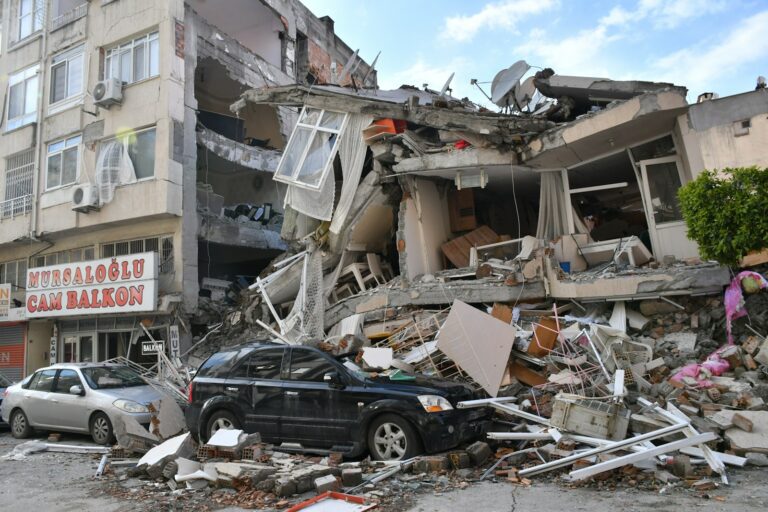
The devastating effects of Hurricane Helene continue to be felt weeks after the storm hit western North Carolina. Green Mountain, a quaint little town in the region, was particularly struck hard, with severe flooding brought on by the overflowing North Toe River. The picturesque town sat precariously on the edge of the road, its sweet charm severely impacted by the disaster.

Long Road to Recovery

In the three weeks following Hurricane Helene’s rampage, western North Carolina has had to grapple with significant damages: over 500 closed roads and more than 100 damaged bridges. Jeff Howell, the emergency management coordinator for Yancey County, stressed that it will take years for the county to fully recover. The recovery effort now faces another challenge beyond physical damage—a storm of disinformation regarding the federal government’s response to the disaster.

The Spread of Conspiracy Theories

Reports of misinformed conspiracy theories have begun to make their rounds. Claims include allegations that the Federal Emergency Management Agency (FEMA) is seizing people’s property and that the federal government had a hand in engineering the storm. Howell signifies that these rumors distract relief workers from their tasks and can deter victims from seeking much-needed assistance.

FEMA’s Proactive Response

Robert Samaan, a FEMA regional administrator overseeing the agency’s efforts in North Carolina, expresses concern over the impact of such misinformation on people’s recovery journey. He emphasizes that mistrust of the government has created hesitation among victims to seek assistance. In response to these conspiracy theories, a dedicated ‘Hurricane Rumor Response’ page has now been established on FEMA’s website to dispel the false information and rumors.

Efforts to Squash the Spread of Misinformation

Local initiatives are being used to combat the spread of false information. Early this month, Rutherford Emergency Management Response debunked a false theory that the town of Chimney Rock was set to be seized by federal, state, and local government officials. In light of the spread of misleading information and threats made towards FEMA employees, FEMA briefly suspended its door-to-door outreach operations, resuming them only this week.

North Carolina’s Appeal for Co-operation

North Carolina’s Governor, Roy Cooper, made an appeal for cooperation and empathy, warning against spreading false information. He also instructed the state’s Department of Public Safety to coordinate law enforcement assistance for FEMA workers and other responders to ensure their safety.

FEMA’s Ongoing Outreach Activities

Despite the challenges posed by disinformation, FEMA continues its recovery and outreach efforts in North Carolina. With over 40 processing centers established and more than $100 million in disaster aid distributed, FEMA remains dedicated to helping the victims of Hurricane Helene. Robert Samaan reiterates that rebuilding infrastructure and getting the state back on track will be a step-by-step process, a clear reminder that the local governments, communities, state government, and FEMA are all fighting back against Helene’s aftermath together.

In conclusion, while North Carolina continues to reel from the impact of Hurricane Helene, the spread of disinformation threatens the state’s recovery efforts. However, with the concerted efforts of FEMA, other governmental bodies, and the communities, the state hopes to overcome these challenges and restore normalcy.