55.5 F
San Francisco
Tuesday, March 24, 2026
Home Blog Page 161

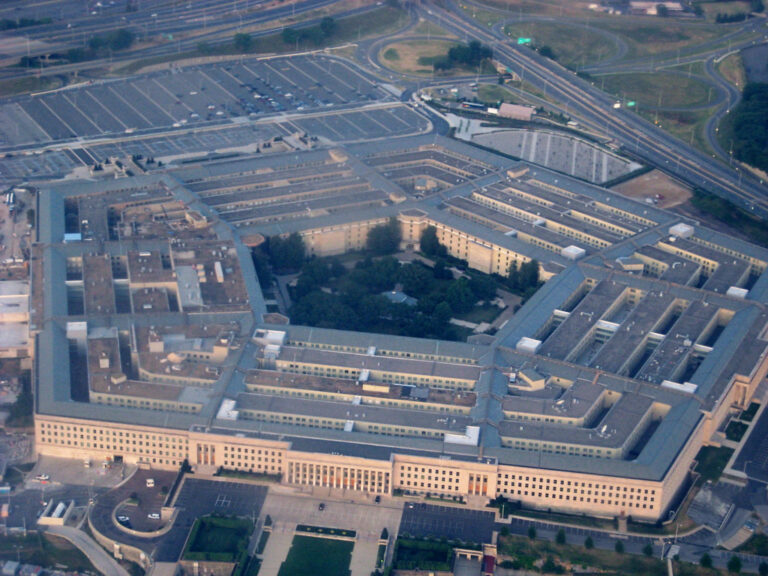
Why Morning Joe Mocks Pentagon Explanation

0

Key Takeaways:

  • Morning Joe panel fiercely rejected the Pentagon explanation for the secondary strike.
  • Admiral Frank Bradley said survivors tried to continue a drug run, making them targets.
  • Hosts called the story “insane,” “utterly ridiculous,” and “made up.”
  • The evolving narratives deepen the firestorm over “Kill them all” orders.
  • The controversy fuels new questions about rules of engagement and accountability.

The Pentagon explanation for a second strike on survivors from a burning boat collapsed under scrutiny on Morning Joe. Late Wednesday, the Wall Street Journal reported Admiral Frank Bradley told Congress he believed two survivors tried to reboard their vessel. Thus, he said, they remained valid targets. However, the Morning Joe panel found this claim absurd. Their sharp critique dismantled the latest Pentagon explanation.

What the Pentagon Explanation Entails

According to the latest Pentagon explanation, two men hung onto the side of a flaming boat. Over time, the boat lay badly damaged but still floating. Admiral Bradley told lawmakers he thought the survivors might climb back on and keep their drug run alive. Because of that belief, the second attack aimed to neutralize both the men and the vessel.

Moreover, the Pentagon explanation echoes an earlier directive from Defense Department Secretary Pete Hegseth. Reports claim he ordered, “Kill them all,” after the initial strike. This chilling phrase sparked outrage. Consequently, critics demanded answers about how such orders align with rules of warfare.

Yet, the Pentagon explanation keeps changing. First, officials said the boat sank immediately. Then they said it burned and drifted. Now they claim survivors tried to resume smuggling. Each shift erodes credibility. As a result, many observers see a cover-up rather than a clear report.

Morning Joe Panel Reacts to the Pentagon Explanation

On Thursday morning, not a single member of the Morning Joe panel accepted the Pentagon explanation. Co-host Joe Scarborough broke in with a quip: “That’s today’s explanation,” he said, mocking the constant flip-flops. Willie Geist added context, describing the strangest claim yet.

“The explanation we’re hearing in a little bit is that maybe these two guys who survived were trying to get back on the boat,” he reported. The comment sparked laughter from the panel. “Exactly,” Willie continued. “They were going to climb back on and continue their drug run.”

Scarborough then called the latest spin “insane.” He asked whether the new rule of warfare now allows shooting any prisoner with a radio. In his words, “If they have a radio, you can shoot them in the head. That’s the new policy.” His sarcasm underscored the panel’s disbelief.

Mika Brzezinski chimed in, calling the story “utterly ridiculous.” She shook her head at the notion that survivors eager to die would return to a blazing vessel. Scarborough cut in again, telling Secretary Hegseth, “None of these stories stack up.” He reminded viewers that Hegseth claimed the boat was destroyed and then left the room. “Are you so stupid that you don’t know when a boat is destroyed?” Scarborough asked. His point hit hard: the Pentagon explanation conflicts with itself.

Why the Pentagon Explanation Fails

First, the explanation lacks evidence. There is no proof the men tried to climb back onboard. Cameras captured the vessel ablaze and drifting. No footage shows them closing in to restart their mission. Without solid proof, the Pentagon explanation stands on shaky ground.

Second, the claim contradicts basic logic. Why would two injured survivors risk reboarding a burning vessel? The idea defies common sense. Wounded sailors rarely seek more danger. Thus, the explanation feels made up to justify a controversial strike.

Third, the story shifts too often. Initially, officials denied any secondary attack. Then they claimed the first strike finished the job. After that, they admitted to a follow-up. Now they argue survivors stayed a threat. Each change deepens suspicion. Observers see a narrative spun after the fact to cover an error.

Finally, the explanation dismisses rules of engagement. International law bars attacks on defenseless survivors. If true, the strike violated those rules. Critics argue the Pentagon explanation simply rewrites policy to excuse unlawful action. As a result, trust in the Defense Department takes another hit.

Broader Implications and Next Steps

This scandal matters far beyond cable TV studios. It raises harsh questions about military oversight and transparency. Lawmakers now demand more answers. Congressional hearings could probe Secretary Hegseth’s orders. They might call Admiral Bradley to testify under oath. In addition, legal experts could study whether the strike broke international law.

Public trust in the Pentagon explanation already lags. Polls show rising doubt when explanations shift. Moreover, allies may question U.S. commitment to legal norms. Adversaries will seize on this controversy to weaken America’s moral authority. Therefore, the Pentagon must deliver clear, credible facts fast.

Meanwhile, media outlets will keep the pressure on. Programs like Morning Joe will highlight inconsistencies. Investigative journalists will seek whistleblowers or internal documents. Social media users will demand justice for the survivors. In short, the Pentagon explanation may face its sternest test yet.

Conclusion

The Morning Joe panel’s fierce reaction exposed the flaws in the Pentagon explanation. Their mocking tone pointed out impossible claims and shifting stories. As criticism mounts, the Defense Department now stands at a crossroads. Clear answers could restore some trust. But more contradictions will only deepen the crisis. In the end, only solid proof and full transparency can settle this firestorm.

Frequently Asked Questions

What is the Pentagon explanation for the secondary strike?

The Pentagon explanation claims two survivors on a damaged boat tried to resume drug smuggling. Officials say that made them valid targets for a follow-up attack.

Why did Morning Joe reject the Pentagon explanation?

Hosts found the story illogical and unbacked by evidence. They pointed out contradictory details and called the narrative “insane” and “made up.”

Who is Admiral Frank Bradley?

Admiral Bradley leads naval operations and briefed lawmakers on the attack. He asserted that the survivors posed a continuing threat before the second strike.

What could happen next after this controversy?

Congress may hold hearings to investigate the orders and rules of engagement. Legal experts might assess possible violations of international law. Media scrutiny will likely intensify.


Nancy Mace Denies Resignation Rumors Amid GOP Rift


Key Takeaways:

  • Nancy Mace says she will not resign early from Congress
  • She is campaigning for South Carolina governor
  • She has criticized GOP leaders over treatment of women
  • She broke with Trump on election certification and Epstein files
  • Rumors linked her to a plan involving Marjorie Taylor Greene

Nancy Mace Denies Resignation Plans

Representative Nancy Mace gave a one-word answer when asked about the reports. She firmly said no to leaving Congress before her term ends. This comes as she runs a tough race for governor in South Carolina. Moreover, the question highlights growing tensions between her and GOP leaders.

Background on the Resignation Rumors

Earlier this week, a major newspaper reported that Nancy Mace might resign. The outlet said she felt sidelined by party leaders and their handling of women in Congress. In addition, she has voiced anger over GOP responses to the Jeffrey Epstein files. These files detail disturbing crimes and alleged cover-ups.

Furthermore, the report claimed she would ask Representative Marjorie Taylor Greene to step down early. Such a move could clear the path for Mace to focus on her gubernatorial push. However, when asked by a CNN reporter, she simply said no.

Nancy Mace’s Relationship with Trump and the GOP

Nancy Mace has a mixed record with former President Trump. Right after the January 6th riot, she criticized Trump and supported certifying the 2020 election results. Yet soon after, she backed many of his policies. For instance, she supported his deportation agenda and his economic plans.

However, her occasional breaks with Trump have sparked White House warnings. She has been told that her political goals may suffer if she continues to defy him. Therefore, Nancy Mace must balance her own views with party expectations.

Reasons Behind Mace’s Frustration

First, she has spoken out about how GOP leaders treat women lawmakers. She believes they dismiss women when they push for transparency. Second, she is upset over the party’s approach to high-profile scandals. She argued that leaders should take a tougher stance on criminal allegations.

Moreover, Nancy Mace feels pressure from her own campaign team. They want her to win the governor’s race without distractions. Yet resigning could backfire by making voters question her loyalty to constituents.

What the Denial Means for South Carolina

By rejecting the resignation talk, Nancy Mace sends a clear signal. She wants to finish her term and keep her House seat strong. At the same time, she can still campaign hard for governor. This dual strategy may help her appeal to a broader base.

In addition, staying in Congress allows her to hold onto fundraising channels. It also provides media attention as she debates current policies. Therefore, her “no” could be a strategic move to gain more momentum.

Possible Next Moves for Mace

Nancy Mace may now focus on these steps:
• Push her agenda in Congress on women’s rights.
• Highlight her independence from party bosses.
• Ramp up her governor campaign across the state.
• Keep her distance from any forced GOP loyalty tests.

If she plays this right, she could win both respect and votes. She will need to keep voters interested and donors giving. Above all, she will want to show she can stand up to any challenge.

Reactions from Fellow Lawmakers

Some Republicans praised Nancy Mace’s decision. They said it shows she commits to her job. Meanwhile, a few party hardliners warned against more public splits. They fear such actions could weaken GOP unity before elections.

On the Democratic side, opponents see an opening. They claim Mace’s feud with her party proves GOP instability. Thus, they plan to highlight these disputes in campaign ads.

Impact on Marjorie Taylor Greene Talk

The rumor about consulting Marjorie Taylor Greene stirred more debate. Greene has her own controversies and supporters. If Greene were to step aside, it would be a rare party-led move. Yet Nancy Mace denied any such discussions. This denial removes uncertainty for both their supporters.

Therefore, voters in South Carolina can expect Mace to remain focused on her duties. Greene will continue her term without unexpected retirements. As a result, the House seat battles remain unchanged for now.

How This Shapes the GOP Image

Overall, this episode shows the GOP grappling with internal differences. It suggests that not all Republicans obey party lines. Consequently, voters may see a more varied set of voices in the party. Still, some believe these disputes could cost seats in key races.

On the other hand, strong personalities can energize the base. Nancy Mace’s brave stance might attract independent voters too. In short, her “no” may strengthen her own brand even in a fractured party.

Looking Ahead to the Governor’s Race

Nancy Mace must now pivot to her gubernatorial campaign. She will argue she can fight for South Carolina from the governor’s office. Moreover, she will stress her track record in Congress on key issues.

Her opponents will try to paint her as unfocused. They may ask why she did not resign before starting her campaign. Yet now, she has answered that question. This clarity may help reinforce her message.

Finally, the governor’s race in South Carolina promises to be tight. With Mace’s vocal style and her rookie status as candidate, it will draw national watchers. In the end, her campaign strategy hinges on her ability to balance both roles.

Frequently Asked Questions

Why did Nancy Mace consider resigning?

She felt sidelined by GOP leadership and upset over how women are treated. She also clashed with party positions on major scandals.

What did Nancy Mace say when asked about resigning?

She answered “no,” making it clear she will not leave Congress early.

How does this affect her governor run?

By staying in Congress, she keeps visibility and funding while campaigning for governor.

Will Nancy Mace work with Marjorie Taylor Greene?

She denied any talks about Greene retiring early to clear the way for her.

How do Republicans view her decision?

Some support her commitment to her term, while others worry about party unity.

ADP job losses send shockwaves

0


Key Takeaways:

  • ADP records a drop of 32,000 jobs in November.
  • Small firms cut 120,000 jobs while large firms add 90,000.
  • This is ADP’s largest decline since March 2023.
  • Experts warn of a K-shaped recovery and cooling wages.
  • Further job data may confirm a weakening market.

The latest ADP data shows the US lost 32,000 jobs last month. Economists expected growth, but instead got a sharp drop. Small businesses suffered the most. This news has many experts worried about the health of the labor market. Moreover, the report hints at wider trouble for lower and middle-income workers.

Why are ADP job losses worrying?

ADP job losses reveal more than just a monthly shift. First, the report defied a consensus forecast of 40,000 new jobs. Instead, we saw a net loss. In addition, this was the steepest decline since the spring of last year. That timing reminds us of an economic hangover, not a gentle slowdown.

Most industries reported layoffs, with only hospitality and healthcare still hiring. As a result, workers in retail, manufacturing, and construction now face more uncertainty. Moreover, wage growth has cooled. That means even those who keep their jobs might see smaller raises or fewer perks.

ADP job losses also highlight a split between big and small companies. This gap points to a K-shaped recovery, where large firms with deep pockets can still hire. Meanwhile, smaller firms struggle with higher costs and falling sales. Overall, the report signals broader weakness in the US labor market.

Small vs large businesses face different fates

Small firms, those with fewer than 50 workers, shed 120,000 jobs in November. In contrast, larger firms added 90,000 positions. That stark difference drives the net loss of 32,000 jobs. It also underlines how fragile Main Street remains.

Tariffs and higher import costs have hit small shops hard. At the same time, bigger companies can absorb added expenses more easily. As a result, they keep hiring staff for core functions. Moreover, large firms often enjoy stronger cash reserves and better access to credit.

Because small businesses account for nearly half of US employment, their struggles matter. If they cut jobs, the average worker feels more pressure. They might delay big purchases, which slows down the economy further. Therefore, this split could fuel a vicious cycle of reduced spending and more layoffs.

Industry breakdown and wage trends

Breaking down the figures shows how widespread the damage is. Retail and manufacturing led the layoffs, but finance and tech saw slowdowns too. Only two sectors—hospitality and healthcare—registered job gains. Even those gains might stall if the broader economy cools further.

Wage gains have also slowed, according to the ADP report. That means workers who switch jobs or stay put will see smaller pay bumps. In turn, this squeeze could curb consumer spending. Since consumer purchases drive about 70 percent of the US economy, any drop matters.

Moreover, lower-wage jobs make up a big slice of the small-business workforce. With those positions disappearing fastest, the pain hits hardest at the bottom. However, wage growth in higher-skill roles may hold up better. This widening gap reinforces the K-shaped recovery theme.

Expert reactions to ADP job losses

Economists and strategists reacted swiftly to the data. One expert warned that the last time small-business job cuts were this steep was during the 2020 Covid slump. Another noted this was the first three-month decline in jobs since that recession. That comparison sparks real concern.

Some analysts caution against reading too much into private data. Yet, with official government figures lagging, ADP often sets the tone. In the absence of fresh government data, most signs point to a labor market under strain. As a result, investors and policymakers will watch the next reports closely.

Critics of the current administration pointed out that these ADP job losses clash with political claims of a booming job market. Meanwhile, others argue that this dip is just a temporary setback. They say the overall economy remains strong and that hiring may bounce back next month. Still, many agree the next few weeks will reveal if this is a short blip or a deeper slowdown.

What this means for the economy

The ADP job losses report raises red flags about the US labor market. Cooling wages and broad layoffs could weigh on consumer spending. In turn, that may slow GDP growth in the first quarter of next year. Moreover, the divide between small and large firms may deepen economic inequality.

Policymakers now face a tricky balance. Raising interest rates too fast could choke off growth. Yet, stopping rate hikes too soon might let inflation spike again. As a result, central bankers will likely watch upcoming job reports for guidance. Their next moves could shape borrowing costs and market confidence.

In the short term, workers in vulnerable sectors may seek new skills or gig work to bridge gaps. Small-business owners might delay hires or pursue automation. Over time, these shifts could reshape the job market and fan the flames of a K-shaped recovery.

FAQs

What caused the sharp ADP job losses last month?

Small businesses cut the most jobs, accounting for 120,000 of the losses. Tariffs, rising costs, and cautious consumer spending hit them hard.

Which industries still hired workers?

Hospitality and healthcare registered job gains despite the overall decline. They remain bright spots in an otherwise weak labor market.

How does this report compare to government data?

ADP data often leads official government payroll reports by a few days. It gives an early look but may differ slightly from later government figures.

Will these ADP job losses affect interest rates?

The central bank will watch upcoming job data closely. If the trend continues, policymakers may pause rate hikes to support growth.

Signalgate: Did Hegseth’s IG Report Truly Clear Him?

0


Key Takeaways

  • The IG found Hegseth broke rules and risked troops.
  • Hegseth claimed the report fully cleared him.
  • Experts and veterans sharply criticized his claim.
  • Debates over Signalgate security failures grow.

Introduction

Defense Secretary Pete Hegseth recently said an Inspector General report exonerated him in the Signalgate scandal. He insisted the report closed the case. However, many experts and observers strongly disagree. They argue he risked lives by breaking department rules and sharing sensitive plans. This debate raises questions about leadership, security, and trust.

Signalgate Scandal Background

In April, an editor at a news magazine joined an encrypted chat by mistake. The chat included top officials planning attacks on rebels in Yemen. It revealed secret details of a bombing campaign. This slip became known as Signalgate. The mistake exposed how officials use chat apps and the risks of digital security.

Immediately, critics pointed out that sharing such plans in an unsecure group chat could help enemies. They warned that even small leaks can endanger soldiers. Moreover, the incident shook confidence in how the Defense Department handles secret data.

Hegseth’s IG Report Claim

Last week, Hegseth posted a message on a social platform. He wrote, “No classified information. Total exoneration. Case closed. Houthis bombed into submission. Thank you for your attention to this IG report.” He used the Signalgate name to dismiss concerns. He insisted he broke no rules and put no lives at risk. He said the report proved his innocence.

Despite his claims, the Inspector General’s report did not fully back him. It said he likely endangered troops and violated several department policies. It found that he shared sensitive details without proper clearance. Still, Hegseth called the document a “total exoneration.” He acted as if the report ended the matter.

Signalgate Claim Met with Fierce Criticism

Experts, former officials, and veterans reacted quickly. A former national security advisor wrote that revealing a mission plan just before an attack could hurt the mission and lives. He asked what possible reason Hegseth had for such a move. Meanwhile, a veterans group pointed out Hegseth’s own record and said neither he nor his supporter could be trusted.

A military veteran stressed that information marked secret could cause serious damage if leaked. He said no legal twist could erase the risk to troops. An analyst also noted that the app used for Signalgate had major security flaws. He explained that its website could expose messages to anyone who spent minutes exploiting it.

What the IG Report Actually Found

Contrary to Hegseth’s claim, the Inspector General’s report:

• Stated he violated department rules by sharing mission details in a group chat.
• Warned that sharing sensitive information outside secure channels can help enemies.
• Noted he failed to follow guidance on handling classified files.
• Recommended stricter training and oversight for senior leaders.

In plain terms, the report said Hegseth put American troops at risk. It did not state he faced criminal charges. Yet, it clearly said he broke rules designed to keep missions safe. Therefore, experts say his exoneration claim misrepresents the facts.

Why This Matters for Troops

Every time leaders share sensitive plans without proper care, they risk lives. Soldiers depend on secrecy for protection. If enemies learn about an upcoming attack, they can prepare defenses or move civilians into harm’s way. Consequently, missions can fail or cause unintended harm.

Moreover, security rules exist to stop exactly these kinds of leaks. Rules ensure only people with a need to know see the details. When leaders ignore them, it sets a bad example. It tells others that rules do not apply to those at the top. This erodes respect for the entire system.

Signalgate Security Lessons

Signalgate showed how even secure apps can fail. The messaging platform had flaws that made chats vulnerable. Its design allowed outsiders to view unencrypted messages. It also let users retrieve login details easily.

First, officials must vet every tool before use. They need to test apps under real conditions. They must ensure no one can access private conversations. Second, training on digital hygiene is critical. Leaders and staff should learn how to guard their accounts and data. Third, backup measures and audits must catch mistakes before they spread. Regular checks can spot weak links.

Finally, clear protocols must guide who can share information and how. If a chat tool is not listed as approved, it must stay off-limits for classified talk. This rule would have stopped Signalgate before it started.

Moving Forward After Signalgate

In response to the IG’s findings, the Pentagon can take several steps. It can tighten rules around app usage. It can require higher-level approval for any group chat on nonstandard platforms. It can also expand training programs for all leaders.

Additionally, the department could create a secure messaging system in-house. This tool would comply with strict encryption standards. It would also include audit trails to track who viewed or sent messages. Such a system could prevent future Signalgate incidents.

Accountability is key. Even top leaders must show they respect the rules. If they do not, trust and morale can suffer. By enforcing consequences fairly, the department can rebuild confidence.

Conclusion

Signalgate remains a cautionary tale about the risks of digital communication. While Pete Hegseth claims the IG report cleared him, the document paints a different picture. It highlights policy breaches and potential harm to troops. Experts and veterans argue his exoneration message twists the truth. As debates continue, the Defense Department must strengthen its security stance. Only then can it protect its missions and the men and women who carry them out.

FAQs

What was the Signalgate incident?

Signalgate happened when a news editor accidentally joined a group chat on an encrypted app. Officials discussed secret military plans, risking a leak.

Did the IG report fully clear Hegseth?

No. The report said he likely broke rules and put soldiers at risk. It did not recommend criminal charges but did find policy violations.

Why do experts criticize Hegseth’s response?

They say he misrepresented the report. They argue he ignored the risks his actions posed and dismissed serious findings.

How can the Defense Department prevent similar leaks?

They can vet messaging apps, enforce strict chat policies, offer digital security training, and build secure in-house systems.

Hegseth’s Contingency Plan Exposed

0

Key Takeaways:

  • Defense Secretary Pete Hegseth pre-approved a contingency plan for handling survivors after drug boat strikes.
  • The plan said forces could kill shipwrecked men if they acted “hostile.”
  • Legal experts argue this idea flouts the laws of war and human rights rules.
  • Critics note shipwrecked civilians must be rescued under naval law.
  • Observers label the killings extrajudicial and call for accountability.

Contingency Plan Pre-Approved by Defense Secretary

A report reveals that Defense Secretary Pete Hegseth signed off on a contingency plan. This plan detailed how to treat survivors after a U.S. strike on a suspected drug boat. First, forces would try to rescue helpless survivors. However, if they spoke with suspected cartel members or took other “hostile” steps, troops could kill them. Hegseth later claimed he issued no orders beyond the first strike. Yet the document shows he approved the entire scheme.

What the Contingency Plan Said

According to the report, the contingency plan split survivor treatment into two steps. Initially, the military would save anyone clearly shipwrecked or unable to fight. Next, if survivors made any move seen as hostile, such as calling for help from suspected smugglers, troops could open fire again. In effect, rescue would turn into a second kill order. This approach has stunned many observers and raised urgent legal questions.

Legal Expert’s Reaction

Ryan Goodman, a former Defense Department lawyer, slammed the idea on social media. He said the explanation “does not pass the laws-of-war smell test.” Specifically, Goodman argued that asking to be rescued is not a hostile act. Moreover, he noted that killing people who are helpless and shipwrecked is expressly forbidden. He called the contingency plan “absurd on its face” and warned it defies basic human rights rules.

Laws of War vs. the Plan

Naval law makes a sharp distinction between fighters and shipwrecked civilians. The Commander’s Handbook on the Law of Naval Operations says men are shipwrecked only if they have truly stopped fighting. In addition, the rules state those men must be rescued or at least left for rescue. They cannot be killed just for trying to be saved. Therefore, the plan’s claim that retrieving cocaine equals active combat falls short of any legal standard.

Political Distance and Damage Control

Both Pete Hegseth and President Trump have tried to distance themselves from the killings. Hegseth praised Adm. Frank Bradley for making the “correct decision” to sink the boat and eliminate the threat. He insisted he gave no further orders beyond the first attack. Similarly, the president claimed neither he nor Hegseth directly approved the second strike. Yet the newly revealed contingency plan contradicts those claims and raises questions about who really made the call.

How Critics See It

Critics argue this was not a wartime decision but an extrajudicial killing. They note that the U.S. is not formally at war with drug cartels. As a result, the laws of war should not even apply. Instead, more restrictive human rights rules must guide such actions. Under those rules, civilians cannot be killed unless they pose an immediate threat and no less lethal option exists.

Why the Contingency Plan Matters

This controversy goes beyond one strike. It touches on bigger issues of military accountability and legal limits. If high-level leaders can approve kill orders for shipwrecked men, where does it end? Moreover, it sets a troubling precedent for future operations. Observers worry that other civilians could face similar treatment in secret.

Military vs. Human Rights Law

Under human rights law, every person has a right to life. Only in the most urgent cases can lethal force be used. By contrast, the contingency plan treats survivors as fair targets the moment they act in any way deemed hostile. This shift blurs the line between lawful combat and extrajudicial killing. It also risks fueling anti-U.S. sentiment abroad and undermining America’s moral standing.

The Role of Transparency

Many experts say the lack of transparency is a key problem. Had the public known earlier about this contingency plan, there would have been a national debate. Instead, news of the plan only came out after a major newspaper report. Critics demand that future strike orders and contingency documents be made public. They argue that open oversight can prevent illegal actions before they happen.

Voices Calling for Accountability

Human rights groups and some members of Congress are demanding investigations. They want to know who gave the final green light for the second strike. In addition, they seek clarity on how often similar contingency plans exist. Some lawmakers have proposed tighter rules on authorizing lethal force abroad. They argue that only clear, lawful criteria should guide such decisions.

Possible Fallout and Next Steps

In the coming weeks, the Pentagon may review its rules on contingency planning. Legal advisers could push for stricter limits on targeting shipwrecked individuals. Meanwhile, oversight committees in Congress may hold hearings. Those sessions could bring new details to light. At the same time, public pressure might force the administration to revise its approach to drug boat strikes.

Public Opinion and Media Response

Media outlets have sparked widespread debate over the issue. Opinion pieces accuse the administration of bending the law to dangerous extremes. Social media users express shock that any leader would approve killing helpless men. Polls may show that public trust in military leadership is wavering. As the story unfolds, people will look for clearer answers and stronger safeguards.

Lessons for Future Operations

This case highlights the need for clear rules when planning military strikes. Contingency plans must respect international law and human rights. In practice, commanders should have strict guidelines on when to pull back or pause. Training programs should reinforce the duty to protect civilians and shipwrecked persons. Only then can the military balance security goals with legal obligations.

A Call for Clearer Policy

Experts say the Pentagon needs a codified policy on handling survivors. Such a policy should forbid kill orders for any noncombatant found helpless at sea. It should also define what counts as a hostile act in wartime. In addition, all contingency plans should be vetted by independent legal teams. These steps would help prevent future controversies.

The Bigger Picture

Beyond the Caribbean strike, this debate reflects deeper tensions. It raises questions about how the U.S. fights transnational threats. It also tests the balance between aggressive tactics and moral constraints. As technology and special operations advance, policymakers must adapt legal safeguards. Otherwise, the line between lawful force and unlawful killing may erode further.

Outlook and Final Thoughts

For now, the scandal fuels distrust in senior officials. It also spotlights the power of investigative journalism. Transparency and accountability may emerge stronger from this episode. However, meaningful reform will require sustained public and congressional pressure. Until then, debates over contingency plans and rules of engagement will continue.

Frequently Asked Questions

What exactly is a contingency plan?

A contingency plan outlines steps to take if initial military actions leave survivors or unexpected situations. It helps forces decide how to act under different scenarios.

Why is killing shipwrecked survivors illegal?

Under the laws of war and human rights rules, shipwrecked civilians must be rescued or left for aid. They cannot be targeted once they stop fighting.

Did Pete Hegseth really approve this contingency plan?

A major newspaper report says Hegseth signed off on the plan. Critics argue this contradicts his later denials of further orders.

How did legal experts react to the plan?

Experts called the plan absurd and unlawful. They said it fails basic tests of the laws of war and amounts to extrajudicial killing.

What could change after this debate?

Lawmakers may tighten rules on strike authorizations. The Pentagon might issue clearer guidance on protecting civilians and shipwrecked persons.

Pardon Scandal Exposed: Cash Deals at White House

0

Key Takeaways

  • Senator Chris Murphy warns of a hidden cash-for-pardons network.
  • He says MAGA-friendly lobbyists cash in for White House favors.
  • Powerful figures like crypto bosses and drug traffickers got pardons.
  • Murphy calls it a full-blown pardon scandal in Washington.

Pardon Scandal: A Secret Cash Pipeline

President Trump’s recent string of pardons has drawn fierce criticism. Senator Chris Murphy says there is more than meets the eye. He claims a “pardon scandal” runs on secret payments and insider deals. According to Murphy, lobbyists and top donors pay hundreds of thousands of dollars. In return, they expect a presidential pardon for their clients. If true, this scheme would shake public trust in the justice system.

How the Pardon Scandal Pipeline Operates

Murphy described a network of lobbyists, insiders, and fundraisers. They meet in elite clubs and restaurants in Washington, D.C. There, they allegedly hatch deals that connect money to pardons. First, a client pays a MAGA-aligned lobbyist. Next, the lobbyist makes calls to White House staff. Finally, the client receives a formal pardon.

Moreover, the senator pointed to a recent pardon for a crypto executive. This man once pled guilty to allowing money laundering for terrorists and child predators. Yet, he got a clean slate. Murphy argues this move profited Trump’s own crypto interests. He said, “If insiders get two minutes’ notice before a market boost, they can make millions.” Thus, the private gains feed back into political power.

Who’s Driving the Pardon Scandal

Several high-profile figures benefited from these controversial pardons. For example, a convicted drug trafficker got relief after serving only part of a 40-year sentence. Then, a businessman once found guilty of defrauding investors also found his record wiped. In July, Murphy noted, Trump pardoned someone his own Justice Department had indicted months earlier. Each pardon seems more audacious than the last.

In addition, Murphy pointed to the owner of a large crypto company. That firm faced charges for facilitating money laundering. Yet, the owner walked free. Many see this as a clear example of how the pardon scandal works. Money flows from special interests to White House insiders, and then into pardons. Meanwhile, public trust erodes.

Why the Pardon Scandal Matters

This pardon scandal strikes at the heart of fairness and rule of law. First, it rewards the rich and well-connected. Ordinary citizens see that money can buy legal immunity. Next, it undermines the idea that justice applies equally. Furthermore, it risks turning the pardon power into a private benefit. Instead of a tool for mercy, it becomes a trading chip.

Also, the scandal spotlight shows how lobbyists shape major decisions. They navigate secret channels and secure outcomes behind closed doors. In effect, they act as gatekeepers to presidential mercy. If true, this system grants them unchecked power. That power can skew policy and shield criminals from accountability.

What This Means for Politics

As the scandal grows, both parties will face pressure to act. Critics will demand investigations to uncover real ties between donors and pardons. Lawmakers may push new rules to limit the president’s pardon power. For instance, they could require greater disclosure of pardon requests. They might also tighten ethics laws around lobbyists.

However, changing long-established practices takes time. Meanwhile, the public will keep watching each new pardon. Any pardon that looks like a payoff could spark more outrage. The lesson is clear: transparency matters. When the justice system appears for sale, trust disintegrates.

Inside the Lobbyist Meetings

According to Murphy, the pardon scandal began in D.C.’s top dining clubs. There, powerful figures sip expensive wine as deals unfold. Lobbyists trade insider access for big fees from clients. These clients include convicted criminals and wealthy business owners. For example, one lobbyist might earn $200,000 to push for a pardon. Next, the lobbyist leans on White House staffers to get the job done.

Moreover, these same lobbyists often host fundraisers for political allies. They spread money around the party machine, boosting their influence. They know that a big donation today can yield a big favor tomorrow. In this way, the pardon scandal links fundraising and legal mercy in one corrupt cycle.

Reactions and Next Steps

Senator Murphy’s claims landed on a national news show and sparked heated debate. Some supporters called for a special counsel to probe the deals. Others argued that presidents always grant pardons to allies. They said nothing new is happening. Yet Murphy insists this time it is different. He says, “This is bread-and-butter corruption.”

In response, a White House spokesperson denied any backroom deals. They said the president reviews each case on its own merits. However, critics remain unconvinced. They point to the timing and targets of the pardons as proof of shady motives.

Looking Ahead

As more details surface, Americans must stay informed. Watch for congressional hearings or whistleblower testimony. Observe any patterns in who gets pardoned and why. Demand clearer rules for how pardons are granted. Only then can the pardon scandal lose its power to erode justice.

In the end, every citizen has a stake. If mercy becomes a commodity, no one is safe from corruption. Democracy relies on fair treatment, not secret deals. To protect our system, we must shine a light on all forms of hidden influence.

Frequently Asked Questions

What evidence supports the claim of a pardon scandal?

Senator Murphy points to recent high-profile pardons and reports of lobbyist meetings. His case rests on the timing of payments and the profile of those pardoned.

Could these pardons face legal challenges?

Yes. Congress can hold investigations, and lawyers can challenge pardons in court under certain limits. Any proof of bribery could trigger new cases.

How might reform stop the pardon scandal?

Lawmakers could require public disclosure of pardon requests and meetings. They could also limit how lobbyists interact with the White House.

Has any president faced similar criticism?

Yes. Past presidents drew fire for pardoning friends or donors. However, critics say the current pardon scandal is unprecedented in scale.

Trump’s New Voter ID Plan: Could It Shake Up Elections?

Key Takeaways

• Former President Trump is pushing for a new voter ID rule to boost “integrity” in U.S. elections.
• He made these remarks in a recent Truth Social post, though he didn’t name a specific vote.
• Trump has tried before to limit mail voting and demand strict ID, but courts blocked him.
• Experts warn strict voter ID rules could exclude seniors, minorities, students, and low-income voters.
• Legal and legislative hurdles remain strong, especially since Congress controls federal voting forms.

Trump’s New Voter ID Plan

In a recent Truth Social message, Donald Trump warned that our elections are “crooked and rigged.” He urged that votes need more honesty. Specifically, he said we should “start with voter ID.” It was a brief post. Yet, it grabbed big headlines. However, he did not say which election he meant. Was it the next primary? Or the general election? We simply don’t know.

Why Voter ID Is at the Center of the Debate

Trump is not new to this idea. Only three months ago, he demanded “no exceptions” for showing ID. He also moved to restrict mail voting to only very ill people or active military. Earlier this year he even pledged an executive order to make voter ID mandatory for every ballot. Despite these calls, legal experts say he faces a tough road ahead.

What Past Courts Have Said

In June this year, a federal judge blocked Trump’s attempt to require proof of citizenship to vote. Then, in October, Judge Colleen Kollar-Kotelly ruled the White House could not unilaterally change federal voting ID rules. She reminded everyone that Congress, not the president, sets the rules for federal voting forms. In her ruling, she explained that a bipartisan commission handles any changes to the forms.

Who Could Be Affected by New Voter ID Rules

According to the Brennan Center for Justice, as many as 11 percent of eligible U.S. voters lack strict photo IDs. That share rises for seniors, minorities, low-income people, students, and people with disabilities. If a new voter ID law takes effect, millions could find it hard to vote. Moreover, some blue-state voters worry about extra hoops at the polls.

Why Trump Says It’s Needed

Trump argues that voter ID will restore trust in the system. He points to what he calls “sloppiness” in blue states. He claims that fraud happens when people vote without showing strong ID. His supporters agree, saying a simple ID check is a common-sense step. They say it will stop fake ballots.

What Opponents Warn

Critics call voter ID laws a “solution in search of a problem.” They note that proven in-person voter fraud is extremely rare. They worry that strict ID requirements could lower turnout. Especially harmed would be the same groups already at risk of under-voting. In addition, groups that register voters say extra rules will slow down poll lines.

How Trump Might Try Again

Despite past defeats, Trump may try to issue an executive order. He claimed he has the “lawful authority” to do so. Yet, experts say any order could be struck down in court. Congress still holds the key to federal voting procedures. Therefore, Trump would need lawmakers’ support to rewrite voting forms.

What’s Next for Voter ID Proposals

Political analysts expect another legal battle if Trump pushes harder. First, Congress might consider new federal ID rules. However, lawmakers are deeply divided on the issue. Some Democrats and moderate Republicans oppose strict ID laws. They say the costs and delays outweigh any benefit. Meanwhile, red states could pass more ID rules at the state level.

Could Voter ID Affect Future Elections?

Yes. If new laws survive court challenges, they would take effect in the next federal election. That might be the midterms or the next presidential race. Changes could apply to both in-person and mail-in voting. For in-person votes, IDs could include driver’s licenses or passports. For mail ballots, states might demand a copy of an ID with each ballot.

What Voters Should Know

If you worry about a new voter ID rule, check your state’s requirements now. Many states provide free ID cards for voting. You may need to schedule an appointment or gather documents. In addition, keep an eye on local election board announcements. They will share any rule changes before the next election.

Looking Ahead

In short, Trump’s push for voter ID will stir debate again. Supporters say it fixes a trust problem. Critics warn it could bar eligible voters. Courts and Congress hold the power to set final rules. Thus, this fight is far from over. Meanwhile, Americans can expect more headlines and legal filings around voter ID.

Frequently Asked Questions

What exactly is Trump proposing with his voter ID plan?

He wants a rule that every voter must show a specified form of photo ID to cast a ballot, with no exceptions for mail voting except in narrow cases.

Why have courts rejected Trump’s past voter ID efforts?

Judges found that the president cannot unilaterally change federal voting forms. Only Congress or an independent commission can alter those rules.

Who would be most affected by stricter voter ID laws?

Groups less likely to hold certain IDs, such as low-income people, seniors, minorities, students, and those with disabilities, could face new barriers.

How can voters prepare if new ID rules pass?

They should check their state’s ID requirements early, gather needed documents, and apply for any free voter ID cards well before an election.

Trump Economy Under Fire: What You Need to Know

Key Takeaways:

  • A conservative columnist warns serious flaws in the Trump economy.
  • Credit card debt and auto loan delinquencies have climbed sharply.
  • Inflation remains high despite claims of victory.
  • Economic worries could sway voters in upcoming midterm elections.

Trump economy Faces Growing Concerns

In a recent Fox News interview, conservative writer Byron York criticized the Trump economy. He spoke on The Ingraham Angle with host Laura Ingraham. York argued Republicans ignore real struggles many Americans face. He pointed out that credit card debt has soared to record levels. Moreover, he noted rising auto loan delinquencies signal deep financial stress. In fact, essentials like food and medicine now push people to swipe cards. Consequently, these trends may harm Republican prospects in the midterms.

Signs the Trump economy Is Weaker Than Claimed

York highlighted clear signals that the Trump economy is under strain. First, credit card balances rose for ten straight months. Families now rely on plastic just to cover basic costs. Furthermore, average card interest charges have jumped, raising monthly bills. Second, auto loan delinquencies have topped pre-pandemic highs. Missed car payments often reveal broader income shortfalls. Third, housing and rent costs remain stubbornly high across many cities. Taken together, these facts challenge the idea of a booming economy.

Concerns From Credit Card Balances

Household credit card debt now exceeds past records. Many families max out their cards simply to afford groceries. As a result, they pay soaring interest each month. In turn, higher interest can trap people in long debt cycles. Moreover, banks may tighten lending standards if defaults rise. That move could hurt consumers who rely on cards for emergencies. In fact, rising debt limits can push households into financial peril. Consequently, credit card trends serve as an alarming economic indicator.

Rising Loan Delinquencies Raise Flags

Auto loan delinquencies climbed sharply in recent quarters. According to data, the percentage of late car payments surpassed eight percent. When more borrowers miss auto payments, lenders see higher risks. Therefore, banks and credit unions may demand larger down payments. That change makes cars less affordable for middle-income families. In addition, slower auto sales can drag on manufacturing and job growth. Clearly, rising delinquencies signal trouble that may ripple across the economy.

Inflation Remains a Major Challenge

Despite claims of defeating inflation, prices have barely budged. York emphasized that costs under the current administration stay elevated. For instance, grocery bills rose nearly fifteen percent over the past two years. Similarly, average rent increased by double digits in many metro areas. Even energy prices jumped following global supply shocks. When basics cost more, households cut spending on other items. Consequently, many families find their paychecks stretched thinner than before.

Fact-Checking Key Economic Claims

President Trump has repeatedly touted wins on jobs and trade. However, fact-checkers have flagged misleading claims. For example, he said his term saw “unprecedented job growth,” yet data show flat hires. Likewise, he claimed to shrink the trade deficit, while it actually widened in several quarters. He also said he “defeated inflation,” though price levels remain well above target. Independent analysts note manufacturing gains still lag pre-pandemic peaks. In fact, the Bureau of Labor Statistics reports steady but slow growth. Consequently, many experts urge caution against overly rosy economic narratives.

Impact on Midterm Elections

Economic issues often decide voter turnout and party support. York warned that ignoring real struggles could cost Republicans key seats. In swing districts, even small shifts in economic sentiment can flip outcomes. Moreover, independent voters tend to focus on their daily budgets. If they feel worse off, they might punish the party in power. Therefore, GOP candidates must address debt, inflation, and loan stress. Clear plans to ease credit burdens could restore voter confidence. Without them, the party risks disappointing its base and wavering voters alike.

Looking Ahead

As midterms approach, the Trump economy will face more scrutiny. Republican leaders need to outline solutions for debt and price hikes. Otherwise, critics will highlight rising card balances and loan defaults. Conversely, solid proposals could revive faith in economic leadership. Voters will judge plans by how they impact real household budgets. In a tight race, tangible relief may matter more than flashy claims. Ultimately, the party that offers clear, practical fixes may win on Election Day.

Frequently Asked Questions

What did Byron York say about credit card debt?

He said credit card balances rose for months. He argued people now use cards to pay for basic needs. This trend highlights financial stress among many families.

Why do rising loan delinquencies matter?

Higher delinquencies show borrowers struggle to pay their debts. That can lead lenders to tighten credit. In turn, fewer loans can slow economic growth in key sectors.

How accurate are claims that inflation is defeated?

Independent data show inflation remains above target levels. Prices for food, rent, and energy have stayed high. Many experts warn that saying inflation is over may mislead voters.

Could economic issues influence the midterms?

Yes. Voters often decide based on their wallets. If they feel financially strained, they may vote against the party in charge. Clear economic plans could sway undecided voters.

Is Mike Lindell Running for Minnesota Governor?

Key Takeaways

• Mike Lindell says he is 98% sure he will run for Minnesota governor
• He filed official paperwork on Wednesday to explore a campaign
• He plans to announce his decision next week
• He must gather signatures and meet filing deadlines to qualify
• His strong supporter base could shape the GOP primary

Mike Lindell Weighs a Run for Governor

Mike Lindell, the My Pillow founder, says he is 98% likely to run for Minnesota governor. He filed paperwork on Wednesday to start his campaign process. Therefore, many people now watch to see if he will challenge the current governor. Lindell plans to make his final call next week. He says he hopes to unite voters and bring fresh ideas to state government.

What Mike Lindell’s Filing Means

When someone files paperwork, it shows real intent. By submitting forms to the state, Lindell moves beyond talk. He now faces deadlines to gather signatures and meet financial rules. His filing lets his team raise funds openly. In addition, it makes Lindell a formal candidate if he goes forward. Many Republicans may now consider whether to accept or oppose his bid.

Background on Mike Lindell

Mike Lindell earned fame by selling pillows on late-night TV. He built a business worth hundreds of millions. Then he became known for strong political views. Over recent years, he supported former president Donald Trump. He claimed election fraud without proof. That stance drew big support and big criticism. However, his loyal base cheers his every move. Meanwhile, opponents worry his style could hurt party unity.

Possible Campaign Timeline

First, Lindell must finish gathering required signatures. He needs thousands of valid names to qualify. Next, he must file his official candidacy papers. After that, he will launch a media push to introduce his platform. He might hold rallies in key cities like Minneapolis and St. Paul. Also, he may debate other Republican hopefuls. Finally, he will aim to win the GOP primary next August. If he secures the nomination, the general election will follow in November.

Why Mike Lindell Matters in Minnesota Politics

Minnesota often votes Democrat in statewide races. Yet the state has a strong independent streak. Lindell appeals to voters who distrust both major parties. Furthermore, his celebrity status gives him high name recognition. He can raise money through followers on social media. He also plans to use his deep-pocketed business to help fund his run. Therefore, he could surprise both allies and rivals in the primary season.

Key Issues in the Campaign

Lindell promises to fight corruption and boost small businesses. He also wants to improve schools and lower taxes. He opposes strict pandemic rules and plans to defend personal freedoms. He says fighting crime and homelessness matters most. However, critics say he lacks political experience. They argue his business focus may not translate to state leadership. Yet his team insists he will hire smart experts to guide policy.

Challenges Ahead for Mike Lindell

Running for governor demands much time and energy. Lindell will need to travel all over Minnesota. He will have to debate tough opponents. He must answer for past controversies and legal claims. Also, his unique style may not fit well in a traditional campaign. In addition, he faces questions about his ability to work with lawmakers. Even so, his strong base could help him clear these hurdles.

Next Steps for Mike Lindell

Lindell will watch his petition drive closely. He will meet deadlines in the coming weeks. Then he will hold a big announcement event next week. At that time, he will confirm if he enters the race. If he says yes, his team will shift into full campaign mode. Finally, he will introduce his plan and begin fundraising drives. Likewise, he will schedule town halls to hear voters’ concerns.

What This Means for Voters

Voters must now learn about Mike Lindell’s plans. They should compare his ideas to other candidates. They will look at past record, vision for schools, taxes, and public safety. In addition, they may question his ties to national politics. Since Lindell built his brand in pillows and politics, some will wonder if he can pivot to governing. Therefore, debates and public forums will matter more than ever.

Looking Ahead

The coming week will bring clarity on Lindell’s plans. Meanwhile, other Republicans are readying their own campaigns. Some may seek unity to beat the Democrat nominee. Others may embrace Lindell’s bold style. In any case, the GOP field in Minnesota just became more exciting. For now, everyone awaits the big announcement from the My Pillow founder.

Frequently Asked Questions

What exactly did Mike Lindell file with the state?

He filed paperwork to start collecting campaign funds and explore an official run. This step makes him a formal candidate if he chooses to move forward.

Why does Mike Lindell say he is 98% sure?

Lindell wants to show his strong interest without closing the door completely. He plans a final decision next week when he reviews all details.

What hurdles must Lindell clear to qualify?

He must submit enough valid voter signatures, follow finance rules, and file his official candidacy papers by state deadlines.

How could his business background help the campaign?

His success with My Pillow gives him funding options and marketing skills. It also gives him a loyal base ready to promote his message. Source: https://www.nydailynews.com/2025/12/03/mike-lindell-running-for-minnesota-governor/

Surprising Team Turnaround After 0-7 Start

Key Takeaways

  • Team began the season with seven straight losses
  • Since their Week 9 bye, they have gone 2-2
  • Defensive unit cut opponents’ scoring by over 20%
  • Coach shifted playcalling and practice routines
  • Several key players rose to the occasion

The season looked lost when this team began 0-7. However, they found new energy during their Week 9 bye. Since then, they have posted a 2-2 record. This team turnaround lifted moods in the locker room. Fans finally saw flashes of the talent expected all season. Moreover, the unit improved across offense, defense, and special teams. As a result, hopes for a late surge remain alive.

Key Factors Behind the Team Turnaround

First, the defense began to dominate the line of scrimmage. They held opponents under 300 yards in two of four games. Consequently, the offense faced shorter fields. As a result, scoring drives became more common. Second, the offensive line gelled. They protected the quarterback better and opened holes for the running game. Thus, rushing yards rose by 40% compared to the first eight games. Meanwhile, the team’s new third-down package confused opponents. It led to five key stops in the red zone.

Moreover, communication improved. Coaches simplified play calls. They cut out unnecessary jargon. Therefore, players reacted faster on the field. In turn, penalties dropped to their lowest mark of the season. Finally, special teams made a difference. A blocked punt and a kickoff return touchdown energized the crowd. All these changes fueled the exciting team turnaround.

Coaching Adjustments That Sparked Progress

The coaching staff made bold moves after the bye week. They shifted from a conservative scheme to a more aggressive attack. For example, they went for it on fourth down five times. They converted three of those attempts. As a result, the offense kept drives alive and built confidence.

Furthermore, the coaches tweaked the defensive formation. They added more zone blitz looks. This change created confusion for opposing quarterbacks. Thus, the defense recorded eight sacks in four games. In addition, they forced six turnovers. Each takeaway swung momentum.

Practice routines also changed. Coaches shortened sessions but increased intensity. They focused on situational drills and live tackling. Players said they felt sharper and more ready. Likewise, film study became more targeted. Instead of reviewing every play, staff highlighted key mistakes. This approach boosted learning and corrected errors quickly.

All these coaching shifts combined to drive the remarkable team turnaround.

Players Who Stepped Up

Several athletes seized the moment. First, the rookie linebacker became a force. He led the team in tackles for loss and displayed strong instincts. He often hunted the quarterback on blitzes. His energy inspired veteran teammates.

Next, the running back returned from injury. He averaged 80 rushing yards per game in the four contests. His powerful running style wore down defenses late in games. Consequently, the offense finished drives effectively.

On offense, the veteran wide receiver reignited his career. He hauled in two touchdown catches and made crucial third-down grabs. His route running and hands gave the quarterback a reliable target. They now connect on deep passes with growing trust.

The special teams unit also rose. The kicker went perfect on field goals during this four-game stretch. His consistency added much-needed points. Meanwhile, the punt returner averaged 15 yards per return. His quick cuts set up great field position.

Together, these contributors fueled the team turnaround and gave fans reason to cheer.

What’s Next for This Team Turnaround?

Looking ahead, the schedule features two winnable matchups. If the team can build on defensive stops and red zone efficiency, more wins are possible. However, they must maintain discipline. Avoiding turnovers remains key.

In addition, health will play a role. Several starters are just returning from injury. The coaching staff will need to manage practice reps carefully. They plan to keep star players fresh for a potential late-season push.

Moreover, momentum can change quickly in sports. Therefore, mental toughness matters. The team has embraced a “one game at a time” mantra. This focus helps players avoid distractions.

Finally, the fans have returned in full force. The home crowd provided a raucous environment during recent wins. If the stadium stays loud, opposing offenses may struggle. In turn, that noise could trigger more big defensive plays.

Overall, the path ahead remains challenging. Yet, this team turnaround shows what’s possible when effort, coaching, and talent align.

Frequently Asked Questions

What does team turnaround mean in sports?

A team turnaround describes a group that starts poorly but then improves significantly over time.

How did the defense improve so quickly?

Coaches added new blitz looks and focused on live tackling in practice. They also increased communication on the field.

Can the team make the playoffs after this slow start?

Yes. With four games left, they control their fate if they win at least three. Success depends on health and consistency.

What should fans watch in the next games?

Keep an eye on the defensive line’s pressure and the offense’s third-down conversions. Both will decide close contests. Source: https://www.nydailynews.com/2025/12/03/aaron-glenn-jets-defense-nfl/