56.7 F
San Francisco
Thursday, April 23, 2026
Home Blog Page 161

Trump Misstep on Reiner Post May Haunt GOP


Key Takeaways:

  • A senior editor calls Trump’s rant on Rob Reiner a “massive misstep.”
  • The long, combative post may drive swing voters away.
  • Critics fear Democrats will use it as a campaign weapon.
  • Other conservatives offered simple condolences instead of attacks.

Trump Misstep

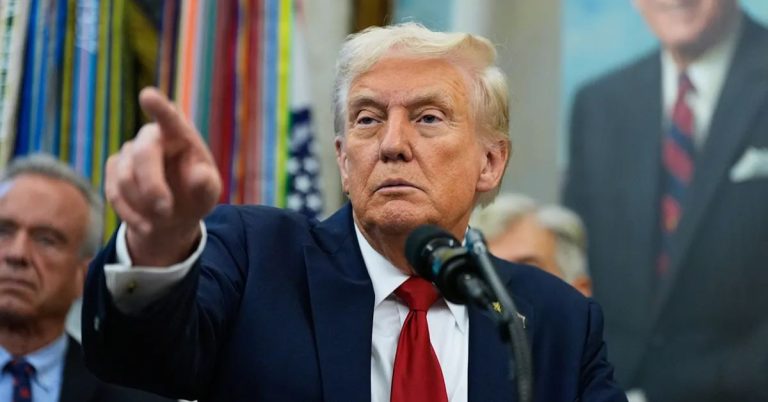
Donald Trump’s recent post about Rob Reiner has drawn fierce criticism from even his staunch supporters. On his social media platform, he blamed Reiner’s death on what he called “Trump Derangement Syndrome.” He wrote a long, mocking message and only closed with a brief condolence. This reaction stands in stark contrast to past moments when Trump was more restrained. Many now view this episode as a clear Trump misstep that could backfire on Republican chances in upcoming midterms.

Why Trump Misstep Matters

First, this Trump misstep may alienate the undecided voters Republicans need. While harsh comments drive his base to cheer, many swing voters dislike attacks on the grieving. They want respect and empathy. For example, after Ruth Bader Ginsburg’s death, Trump gave a short, simple statement that earned praise from some moderates. However, this time he chose to mock rather than comfort. Consequently, he risks losing support in key districts.

Moreover, Democrats will surely seize on this moment as proof of Trump’s divisive tone. Political ads might replay lines from his rant to paint Republicans as cruel and out of touch. As one conservative editor warned, “If you don’t think Democrats will weaponize this, you don’t understand elections.” Therefore, this Trump misstep could echo through campaign ads for years.

The Reaction from Within

On Monday night, Bryan Chai, a senior editor at a right-wing site, publicly rebuked the president. Chai argued that Trump should have stuck with the first and last lines of his message: “A very sad thing happened last night in Hollywood,” and “May Rob and Michele rest in peace!” According to Chai, everything in between was a “disservice” to anyone who defends Trump. He warned that this misstep will flood news cycles with anti-Trump content and drown out genuine expressions of sorrow.

Chai also pointed out that Trump doubled down on his post despite fierce backlash. Even some in Trump’s own party called the comments unwise. Yet Trump told reporters Reiner was “deranged” for challenging him. This stubborn stance only deepens concerns about the fallout.

Lessons from Other Conservatives

Meanwhile, other conservative figures showed a different approach. Comedian Adam Carolla, actor James Woods, and Rob Schneider each posted brief condolences without nasty jabs. They proved it is possible to express sympathy without mixing politics. By contrast, Trump chose a taunting tone that many found offensive. Consequently, these voices highlight how the president’s tone turned a moment for unity into a flashpoint.

For example, Adam Carolla tweeted that he was “sad to hear about Rob Reiner’s passing” and asked people to cherish loved ones. Likewise, James Woods said, “My heart goes out to the family tonight,” without mentioning politics. These simple statements resonated more widely than Trump’s lengthy critique. In this light, the president’s choice looks even more like a strategic error—a true Trump misstep.

Potential Fallout for 2026 Midterms

Undecided voters often care more about respect than party lines. Polls show many people switch support after seeing negative ads or harsh rhetoric. Thus, undermining civility can turn wavering voters away from the GOP. Chai stressed that this moment will become fodder for Democratic ads in 2026 and beyond. He predicted repeated reminders of Trump’s mockery to weaken Republican campaigns.

Furthermore, media outlets will likely cover this story for days or weeks. As a result, other important news and tragedies may get lost. This wave of coverage risks painting the party as destructive rather than solutions-focused. In effect, this Trump misstep could shape voter views on a national scale.

Yet some supporters argue that Trump’s style always angers opponents. They claim his harsh words keep his base fired up. Nonetheless, this tactic may only work in safe districts. In swing areas, it could push voters in the opposite direction. Therefore, the real question is whether the energy boost for die-hard fans outweighs the loss of moderates.

What Comes Next?

Looking ahead, Republicans face a choice: stick with the combative strategy or shift to a more measured tone. Some hope Trump will learn from this episode and avoid similar missteps. Others fear he will double down, creating fresh controversies. Either way, the impact of this misstep will influence campaign strategies and candidate speeches.

Team Trump might argue that his base values honesty over politeness. However, national polls often favor candidates who show empathy and unity. Thus, reconciling these conflicting priorities poses a major challenge for the GOP.

FAQs

What did Bryan Chai call Trump’s post?

Bryan Chai labeled it a “massive misstep” and said Trump should have kept his statement short, limited to condolences only.

Why do critics believe this Trump misstep matters?

Critics say it could alienate swing voters who value respect, and that Democrats will use the post in future campaign ads.

How did other conservatives respond?

Comedian Adam Carolla and actors James Woods and Rob Schneider shared brief condolences without mocking or politicizing the tragedy.

Can this misstep really affect the 2026 midterms?

Many experts warn that negative or mocking rhetoric can harm voter turnout and switch on-the-fence voters, potentially shaping midterm results.

Wisconsin Judge Greenlights Fake Electors Case

0

Key Takeaways

• A Wisconsin judge ruled there is enough evidence to try a criminal forgery case.
• The case focuses on two former Trump aides tied to the fake electors plan.
• It stands among the last legal battles over the 2020 election.
• A third aide faces a separate hearing on his own statements.
• The aides insist they acted within legal bounds to challenge vote results.

Fake Electors Forgery Case Moves Forward

A Wisconsin judge said the forgery case against two former Trump aides can move ahead. He found probable cause on 11 felony charges. These charges stem from the fake electors plot in 2020. In that scheme, alternate electors claimed to represent the state’s true choice. They hoped to push Congress to accept their paperwork. Now, the court must weigh evidence and hear witnesses.

What the Judge Decided

Judge John Hyland reviewed testimony and documents from prosecutors. He noted messages from the defendants showed intent to present a false certificate. The certificate claimed Wisconsin’s 10 electoral votes went to Trump. Importantly, the judge pointed out the document was not just a backup plan. Instead, it aimed to look like an official and final record. Therefore, he said, it met the legal bar for forgery charges.

Key Players in the Fake Electors Plot

Jim Troupis served as Trump’s campaign attorney in Wisconsin. He helped organize legal strategies on Election Day. Mike Roman led Election Day operations for Trump’s team. He coordinated polling day logistics in the state. Both now face 11 felony counts each. They deny any crime. They say they acted under good faith legal advice.

Meanwhile, former attorney Ken Chesebro awaits his fate in a separate hearing. He advised how to create and submit fake elector certificates. Chesebro already pleaded guilty in Georgia for related actions. In June, New York disbarred him for his role in the scheme. Now Wisconsin courts will decide if his recorded statements can be used at trial.

Why the Fake Electors Matter

The fake electors plan aimed to overturn a clear election result. It tried to set a confusing record of who won Wisconsin. Had Congress accepted the false documents, it could have changed the presidency. Therefore, this case tests the line between legal challenge and criminal forgery. Moreover, it shows how far political operatives may go to sway results.

Reactions From the Defendants

Troupis and Roman both insist they did nothing illegal. They claim they only prepared for a possible legal battle. They argue they sought any lawful steps to challenge disputed votes. However, prosecutors counter that they crossed the legal line. They say the scheme was never meant for court approval. Instead, it was designed to deceive state and federal officials.

Chesebro’s lawyer asked the court to limit how his statements appear at trial. The judge agreed to a separate hearing on that issue. Therefore, the path for his case now splits from Troupis and Roman’s trial.

Next Steps in the Forgery Case

First, the court will hold preliminary hearings on evidence and witness lists. Then, both sides will debate what documents can appear at trial. As a result, the trial date may slip as legal questions unfold. Still, this case marks one of the last major legal fights from the 2020 election. Meanwhile, another similar case in Nevada also advances through court.

Eventually, if the trial proceeds, jurors will decide if Troupis and Roman committed forgery. They could face serious prison time if convicted. However, both defendants plan to fight the charges fully. They maintain they acted under legal advice and within the law.

In the bigger picture, this case may shape how future election disputes occur. It may deter teams from launching schemes that skirt legal boundaries. Conversely, it might spark debates over what counts as protected legal strategy.

Overall, the fake electors case shows the ongoing fallout from the 2020 election. It reminds the public that legal accountability can reach high-level political actors. Moreover, it highlights the tension between aggressive election tactics and criminal law.

Frequently Asked Questions

Why did the judge allow the forgery case to proceed?

The judge found enough evidence showing the defendants intended to present false electoral certificates as real.

What is the fake electors scheme about?

It involved submitting alternate elector certificates to claim Trump won Wisconsin, despite certified results showing the opposite.

Who are the main people charged in this case?

Jim Troupis, the campaign attorney, and Mike Roman, the election operations director, face charges. Ken Chesebro awaits a separate hearing.

Could this case change the outcome of the 2020 election?

No. It aims to hold people accountable for their actions, not to alter past official results.

What happens next in the trial?

The court will decide which evidence and statements can appear. Then, if the case goes to trial, jurors will weigh the charges.

Mark Kelly CNN Investigation Explained: The Real Reason

0

Key Takeaways

  • Senator Mark Kelly refuses to back down amid legal threats over a joint video on illegal orders.
  • The video urged active servicemembers to refuse unlawful commands.
  • Kelly’s legal team warns of an unconstitutional abuse of power if he faces court-martial.
  • Pentagon still has not given Kelly an official notice of any investigation.
  • The senator believes the push is about attention, not real military concerns.

Mark Kelly CNN Investigation

Senator Mark Kelly sat down with Anderson Cooper to fight back. He spoke out after reports that the Defense Department opened a “command investigation” on him. The report came from a social media post by a Pentagon correspondent. Therefore, Kelly calls the whole effort a stunt for headlines. He has not received any official notice. In fact, his team never heard from the Navy or the Pentagon. They only saw tweets and posts.

Kelly joined ex-military Democrats in a video. They reminded troops they must refuse illegal orders. Afterward, the administration warned of legal action. They even threatened to recall Kelly to active duty. Then they could court-martial him. Kelly’s lawyers fired back with a strong letter. They said such a move would be an unconstitutional abuse of power. Moreover, they vowed to use every legal avenue to stop it.

Background to the Video

Kelly and other retired officers felt they had to speak out. They worry illegal orders could harm service members. They called on troops to know their rights. Above all, they stressed that following the law matters most. They believe the video was a public service. However, the Pentagon saw it as a challenge to its authority. This clash highlights tension between free speech and military command.

Kelly served 25 years in the Navy. He retired 14 years ago. Therefore, he is no longer in any command. He finds the idea of a “command investigation” strange. He joked that no one told him which command he serves under now. Kelly’s long service gives him credibility on military matters. Yet he still awaits an official letter or phone call from Defense leaders.

Why the Mark Kelly CNN Investigation Matters

The Mark Kelly CNN Investigation shows how politics can touch the military. Many worry about using military rules for political fights. If the Pentagon can court-martial a retired senator, where is the limit? Civil rights experts say this could set a dangerous precedent. Therefore, people watch this case closely. It may shape how free speech and military rules mix.

Moreover, the investigation strains trust in the chain of command. Service members might fear speaking out on important issues. They could worry about punishment even after they leave. Kelly’s critics argue retired officers must stay quiet. Yet supporters say retired leaders have a right to voice views. Thus, the debate heats up about limits on speech for veterans.

Kelly’s Response to the Investigation

Kelly told Anderson Cooper he has heard nothing official. He said he was informed by a tweet from a conspiracy theorist. That alone shows how unserious the move is, he said. In fact, he still plans to attend a briefing with the Secretary of Defense. He hopes to get direct answers there. Yet he doubts any formal notice will follow.

He also called the whole effort a bid for attention. Kelly pointed out that the Pentagon would not ignore real threats. Therefore, he believes they only raised this issue for political headlines. He said the focus should be on illegal orders in the field. Instead, officials wasted time threatening a retired lawmaker.

What Comes Next

First, Kelly will meet with Defense leaders. Maybe then he will gain clarity on any probe. If the Pentagon never makes anything official, the issue could fade. However, if they issue a formal notice, Kelly’s legal team is ready. They said they will challenge the action in court. They could seek an injunction to stop any recall or court-martial.

At the same time, this fight may reach Congress. Lawmakers from both parties could weigh in. They might hold hearings on the use of military power against civilians. Law experts say Congress may need to clarify rules on retired officers’ speech. Therefore, this case could lead to new laws or regulations.

Why People Care

This situation has drawn national interest. First, it involves freedom of speech. Many Americans worry about government overreach. Second, it touches on respect for the military. People want to trust that commanders act fairly. Third, it shows how media outlets can influence major stories. A tweet sparked the entire flap. Thus, this tale has lessons for politics, law, and social media.

In the end, the Mark Kelly CNN Investigation is about more than one senator. It asks big questions: Can the military punish a former sailor turned lawmaker? What rights do veterans keep after service? How should the Pentagon handle public criticism? As this story unfolds, it may reshape how retired officers speak out and how military rules apply.

Frequently Asked Questions

What is the Mark Kelly CNN Investigation about?

It centers on a video where Kelly and ex-officers urged troops to refuse illegal orders. The Pentagon labeled that a command investigation.

Has Kelly received any official notice?

No. Kelly says he only saw social media posts. He has not gotten a formal letter or call from any military office.

Why does Kelly call it a stunt?

He believes the push for an investigation aims for headlines, not real military discipline. He notes he retired 14 years ago.

What might happen next?

Kelly will meet with Defense leaders and may get an official update. If the Pentagon acts, his lawyers are ready to sue to block any court-martial.

Trump Labels Fentanyl Weapon of Mass Destruction

0


Key Takeaways:

  • President Trump brands fentanyl a weapon of mass destruction.
  • The new label could let the administration target drug boats at sea.
  • GOP speechwriter Tim Miller calls the fentanyl weapon idea absurd.
  • Critics warn about medical use and possible hospital shortages.
  • Legal experts expect court challenges and debate over definitions.

Trump’s Fentanyl Weapon Declaration Sparks Outcry

On Monday, President Trump announced he would treat fentanyl as a weapon of mass destruction, calling it a “fentanyl weapon.” The declaration took place at the White House during the Mexican Border Defense Medal ceremony. Trump said this new emergency status will allow his team to act swiftly against drug vessels on the high seas. Moreover, he suggested it would help curb the flood of deadly opioids into U.S. streets.

Tim Miller, a former GOP speechwriter and host of The Bulwark Podcast, reacted strongly in a new video. He called the idea of labeling fentanyl a weapon of mass destruction absurd. After all, fentanyl is a painkiller used in hospitals every day. He asked, “If fentanyl is a weapon, are hospitals now using weapons of mass destruction?” He warned the move shows how loosely the term weapon can be applied.

Understanding the Fentanyl Weapon Label

A weapon of mass destruction usually refers to nuclear bombs, chemical agents or biological threats. By calling it a fentanyl weapon, the White House blurs that line. Under this label, fentanyl shipments at sea can face military action. As a result, the administration hopes to seize vessels and disrupt cartel routes.

However, fentanyl works very differently from a bomb or gas. It kills by altering brain chemistry after people swallow or inhale it. No explosion or wide-area release occurs. Therefore, critics say the fentanyl weapon designation lacks real scientific basis. They point out that the administration is stretching the term to gain legal power.

Legal Effects of the Fentanyl Weapon Declaration

Designating fentanyl as a weapon lets the administration use emergency war powers. Officials can treat cartel boats like enemy ships carrying illicit arms. This may remove some diplomatic hurdles for intercepting vessels in international waters. For example, the Navy could board or sink a ship if it carries fentanyl.

Moreover, this move could bypass some domestic rules on drug enforcement. It might boost cooperation with allies on intelligence and naval patrols. Yet, legal experts doubt the declaration will last. Courts require precise definitions before approving a substance as a weapon of mass destruction. Since fentanyl has accepted medical uses, judges may block the order.

Why Critics Say This Move Falls Short

Critics argue that the fentanyl weapon label creates more confusion than solutions. First, hospitals rely on fentanyl for surgery and severe pain. If authorities constrain all shipments, legitimate medical supplies could run low. Doctors and nurses worry about patient care disruptions.

Second, lawmakers say the executive branch is overstepping its authority. Only Congress can declare war or define weapons of mass destruction. By issuing this label through an executive order, Trump may spark legal battles. Senators and representatives could challenge the move as unconstitutional.

Also, public health experts note that military actions alone cannot end the opioid crisis. They call for expanded treatment, prevention and mental health programs. Without these, overdose deaths may keep rising despite tougher naval patrols.

A Broader Look at Opioid Policy

The opioid crisis has cost over a million lives in the last two decades. Fentanyl, 50 times stronger than heroin, causes many recent deaths. Officials find it mixed into cocaine, meth and fake pills. This mix makes it hard for users to know what they take.

To fight this crisis, communities use naloxone kits to reverse overdoses. They also run safe needle sites to reduce infections. Treatment centers offer therapy and medication-assisted recovery. Education campaigns teach young people about drug dangers.

Yet, funding for these programs remains tight. Many rural and low-income areas lack access to rehab services. Families struggle to find beds for loved ones in treatment centers. Critics say investing in these solutions would save more lives than labeling fentanyl a weapon.

The Road Ahead for the Fentanyl Weapon Rule

The administration plans to share more intelligence with allies in Asia and Latin America. They aim to track precursor chemicals shipped from overseas labs. By cutting off these precursors, they hope to choke cartel production.

Meanwhile, Mexico has agreed to coordinate patrols along busy maritime routes. Some analysts say better data sharing could help stop small shipments before they hit U.S. shores. However, weakening lab networks may push cartels to find new routes or disguises.

It will take months to see if the new policy changes smuggling patterns. Court challenges may delay or block some naval operations. Moreover, hospitals and pharmacies will watch for any impact on fentanyl availability.

Final Thoughts

Labeling fentanyl a weapon of mass destruction marks a bold shift in U.S. drug policy. It shows the administration’s frustration with rising overdose numbers. Yet, the move raises legal questions and medical concerns. While it offers tools to disrupt cartel shipments, it may not address the crisis at home. Ultimately, combining enforcement with public health strategies may prove more effective.

FAQs

What does this new declaration change for drug enforcement?

The change allows the use of military powers to intercept boats carrying fentanyl in international waters.

Could hospitals face shortages because of this label?

Yes. If officials seize more shipments, legitimate medical supplies of fentanyl might become harder to get.

Is the fentanyl weapon designation likely to stand up in court?

Many legal experts doubt it, since fentanyl has recognized medical uses and does not fit typical weapon definitions.

What else can help reduce opioid deaths?

Investing in addiction treatment, mental health services and public education can have a strong impact on overdose prevention.

Bari Weiss Faces Backlash Over Erika Kirk Coverage

0


Key Takeaways:

• CBS News devoted heavy airtime to Erika Kirk and Bari Weiss
• Viewers criticized perceived bias and overexposure
• Critics said Weiss lacked focus as an on-air editor
• The debate highlights broader questions about network choices

CBS News spent days featuring Erika Kirk, the widow of slain commentator Charlie Kirk.
However, many viewers felt the coverage focused too much on emotion.
In addition, Bari Weiss appeared on camera repeatedly alongside Erika Kirk.
As a result, social media filled with complaints over imbalance.
Therefore, critics called for a clearer journalistic approach.

Massive CBS Focus on Erika Kirk

Over a weekend, CBS ran 25 segments highlighting Erika Kirk and Bari Weiss.
First, they aired interviews where Erika Kirk faced tough questions on Trump.
Then, the network held a town hall inviting the last man who spoke to Charlie.
Next, Erika Kirk shared her views on forgiveness and faith.
Meanwhile, Weiss listened and reacted on screen to these confessions.
This nonstop focus led some to wonder who the real star was.

Why Bari Weiss Coverage Raised Eyebrows

Bari Weiss joined CBS as editor-in-chief last year.
Since then, she has made frequent on-air appearances.
Critics argue this dual role blurs lines between editor and anchor.
Additionally, Weiss attacked MAGA figures like Candace Owens and Tucker Carlson.
She warned about conspiracy theories and “brain rot” spreading online.
Yet some said Weiss called out influencers but failed to balance her tone.

Critics Sound Off

Online voices quickly weighed in on this coverage.
Psychotherapist Nick Carmody quoted Weiss repeating “They believe…”
He claimed Weiss urged naming Owens, Carlson, and others on air.
Shadow of Ezra tweeted that Weiss blamed social media for “brain rot.”
Ron Filipkowski noted the sheer number of posts featuring Weiss.
He also joked that Weiss seemed more eager to be on camera.
TrumpFile.org accused Weiss of turning Erika Kirk into a MAGA hero.
Eli Valley even called Weiss a “fascist activist” serving billionaire agendas.
Together, these critics painted a picture of overpromotion and bias.

What This Means for CBS News

This backlash raises questions for CBS News leadership.
First, can an editor-in-chief also serve as a frequent on-air host?
Second, does heavy spotlighting one subject harm balanced reporting?
Furthermore, audiences may lose trust if stories feel too personal.
On the other hand, emotional interviews can drive ratings and engagement.
Therefore, CBS must decide whether to adjust its coverage strategy.
In addition, Weiss must balance her editorial role with on-air presence.
Otherwise, the network risks further criticism and viewer fatigue.

Looking Ahead

CBS News plans more town halls and solo interviews.
However, the network may rethink how often Weiss appears live.
Also, they could diversify voices and reduce focus on single guests.
Meanwhile, Erika Kirk will likely continue sharing her story.
Viewers remain divided on where to draw the line in emotional news.
Ultimately, the debate highlights the challenge of heartfelt coverage.
It also shows the power of social media to shape network decisions.

Frequently Asked Questions

Why did CBS News feature Erika Kirk so often?

CBS wanted to tell the personal story of Charlie Kirk’s life and tragedy.
They believed Erika’s perspective would engage viewers emotionally.
However, the frequency of these segments sparked debates about balance.

What role does Bari Weiss play at CBS News?

Bari Weiss serves as the editor-in-chief and a frequent on-air host.
She oversees editorial decisions but also appears in interviews and panels.
This dual role has drawn both praise and criticism from the public.

Are viewers concerned about bias in this coverage?

Yes, many viewers worry that focusing on one viewpoint can skew reporting.
They feel the heavy spotlight on Erika Kirk and Weiss created an imbalance.
Critics say true journalism needs multiple voices, not a single narrative.

How might CBS News change its approach?

CBS could limit the number of on-air appearances by Weiss.
They might introduce more varied guests and viewpoints in town halls.
By doing so, CBS can maintain emotional depth and journalistic fairness.

Trump’s Coin Flip at Army-Navy Stuns Fans

0

Key Takeaways

  • Former President Donald Trump used an unusual coin flip at the Army-Navy game.
  • His toss barely rotated, making it look more like a straight throw than a flip.
  • Viewers on social media ridiculed the coin flip, sparking memes and jokes.
  • The moment fueled debates about his basic motor skills and showmanship.

Trump’s Coin Flip Stuns College Football Fans

In a surprising twist, Donald Trump’s coin flip at the Army-Navy football game grabbed more attention than the match itself. Instead of the classic spin, he lobbed the coin in the air without a full rotation. Immediately, fans, commentators, and social media users reacted with shock and amusement. This moment has become one of the most talked-about highlights of the event.

How the Coin Flip Unfolded

Just before kickoff, Trump stepped up to flip the coin. He gripped it between thumb and fingers, then launched it upward with a quick flick. However, the coin did not flip fully. Rather, it floated and barely turned. The referee reached up and caught it in mid-air. Some say the coin never completed a 180-degree turn. For many viewers, this approach redefined the phrase “coin flip.”

Why the Coin Flip Confused Everyone

Normally, a coin flip involves a clean spin that lets heads or tails show with no bias. In contrast, Trump’s method seemed unrehearsed. As the coin arced skyward in a lazy toss, some wondered if he misunderstood the ritual. Others suggested it was an intentional spectacle. Either way, the moment broke tradition and left the crowd murmuring in confusion.

Social Media Erupts Over the Coin Flip

Almost instantly, reactions flooded in. One account joked that the coin looked like it was weightless. Another posted slow-motion replays, highlighting the lack of rotation. Comments ranged from mocking to bewildered. Here’s a sampling of what people posted:
• “No flip. No fairness. Just a heave.”
• “He tossed it like a pizza crust.”
• “This is the worst coin flip in history.”
• “Ref looked stunned. So did we.”

Critics compared it to the standard coin flip. They noted that in most matches, the toss is quick but precise. By contrast, this toss felt unpolished and amateurish. Some even argued that had this been President Biden, headlines would have questioned his dexterity.

The Impact on Game Rituals

Football coin flips are more than just formalities. They set the tone for the game’s start. A smooth flip signals respect for tradition. Meanwhile, a botched toss can become a lasting meme. In this case, Trump’s coin flip overshadowed the kickoff. Players paused, broadcasters replayed it, and fans laughed. In essence, the toss became the day’s signature moment.

What Experts Say About a Proper Coin Flip

Experienced officials usually follow a simple routine: place the coin on the thumb, flick it upward with a quick wrist motion, then let it spin at least once. This ensures fairness and randomness. In training, referees practice to achieve a consistent height and spin rate. By comparison, Trump’s straight-up lob broke all the rules of coin flip etiquette.

Why Memes Spread So Quickly

Memes thrive on shared experiences. When a public figure does something unusual, it spreads fast. In this case, the coin flip’s oddness provided instant comic material. Creators layered captions, sound effects, and slow-motion clips to enhance the humor. As a result, the phrase “coin flip” trended for hours, turning a simple toss into a viral event.

Opinions from Both Sides

Supporters argued that any coin flip serves its purpose. They claimed the toss was simply a fun moment, not a serious blunder. Some praised Trump’s showmanship, saying he made the game more entertaining. On the other hand, critics seized on the toss as evidence of clumsiness. They argued it raised questions about his attention to basic tasks.

Lessons for Future Ceremonies

This incident highlights the importance of rehearsing public ceremonies. Even small details can draw huge reactions. Organizers may now brief guests more thoroughly on traditional elements. Meanwhile, future coin flippers might practice a few spins before stepping on the field. After all, one odd throw can become the talk of the day.

Final Thoughts

Ultimately, the coin flip turned what should have been a routine moment into an internet spectacle. Whether viewed as a light-hearted oddity or a serious misstep, it shows how quickly simple actions can go viral. As the game continued, fans kept talking about that toss, proving that sometimes the coin flip, not the score, wins the headlines.

Frequently Asked Questions

What happened during Trump’s coin flip at the Army-Navy game?

He tossed the coin straight up with little to no rotation, breaking from the typical spin. The referee caught it almost instantly.

Why did people react so strongly to the coin flip?

Fans and commentators found the toss unexpected and awkward. Its odd angle and lack of spin made it ripe for jokes and memes.

Does a faulty coin flip affect the game outcome?

No. As long as heads or tails appear clearly, the result stands. The main effect here was on social media buzz, not the game itself.

How should a traditional coin flip be done?

The flipper places the coin on their thumb, flicks it upward with a quick spin, and allows it to rotate at least once before the official catch. This ensures a fair, random outcome.

Mifepristone Debate on CBS News Sparks Ideological Clash

0

Key Takeaways

  • CBS News host Margaret Brennan grilled Senator Bill Cassidy on the mifepristone debate.
  • Critics accused CBS News of pushing an ideological agenda.
  • Observers called the focus on mifepristone safety studies “weird.”
  • Changes in CBS leadership raised questions about network bias.
  • The mifepristone debate shows growing tension in political news.

Mifepristone Debate Fires Up CBS News

On Sunday, Margaret Brennan of CBS News asked Senator Bill Cassidy why more safety studies on mifepristone were not under way. The question stunned viewers. It also sparked a wider mifepristone debate about CBS News’s motives. Critics and experts quickly weighed in. They wondered if the network was driving an agenda.

Why the Mifepristone Debate Matters

The mifepristone debate centers on a key question: Is the drug safe? Brennan pressed Cassidy on what the Trump White House planned to do. She urged faster action on research. Yet experts say no new danger has emerged. Consequently, the question felt off to many.

Margaret Brennan’s Hard-Hitting Questions

First, Brennan noted past promises from the Trump administration. She asked why safety studies were not moving faster. Then she asked what Cassidy was doing to push the White House. She repeated the question several times. Each time, Cassidy gave a polite, brief answer.

Critics Question CBS News Ideology

Soon after the interview, independent journalist Aaron Rupar called the moment “really weird.” He argued it did not align with typical news priorities. Former government official Neera Tanden said she was “genuinely surprised” by Brennan’s push. She added that no evidence shows mifepristone is unsafe. Therefore, she saw no reason for the debate.

“CBS needs to show proof if it believes the drug is unsafe,” she said. Instead, Tanden felt the network was serving its own viewpoint. On the other hand, Political scientist Norman Ornstein warned that the show had lost its balance. He cited recent hires and shifts under new leadership.

Leadership Shake-Up and Bias Concerns

Bari Weiss, a Trump-backed hire, now leads CBS News. She once partnered with the PayPal Mafia. Critics note her new “anti-woke university” project with Palantir’s cofounder. Consequently, some viewers worry about growing bias. Podcast host Jim Stewartson summed it up.

“It’s only weird until you realize who’s running the network,” he said. He also called CBS News “untrustworthy” after the mifepristone debate.

Lawmakers and Experts Weigh In

Senator Cassidy pushed back calmly. He said he cared about safety too. However, he saw no reason to blame the White House. He pointed out that FDA experts already monitor the drug closely. Moreover, he noted that adding more studies takes time and money.

On the other side, pro-choice advocates worried that raising safety questions could scare patients. They fear the mifepristone debate might roll back access. For example, some states have paused abortions out of caution. They argue these pauses hurt people seeking care.

Impact on News Trust

This clash shows how news stories shape public opinion. When a major network raises safety fears, it can sway viewers. Conversely, when critics cry bias, trust erodes further. Many Americans already doubt what they see on TV. The mifepristone debate may deepen that skepticism.

Furthermore, younger viewers often turn to social media for news. They compare clips and spot contradictions. If they notice inconsistent coverage, they may conclude all media outlets spin stories. As a result, the role of trusted journalism grows more fragile.

Looking Ahead

CBS News says it values fair reporting. Yet after the mifepristone debate, many will watch more closely. They will look for signs of bias in future shows. Likewise, lawmakers and experts will keep pushing questions. They all want clarity on both the science and the motives behind the coverage.

In the weeks ahead, viewers can expect more heated interviews. They may focus on other topics too. Still, this moment will stand out as a key test for CBS News’s credibility.

Frequently Asked Questions

Why did Margaret Brennan focus on the mifepristone debate?

Brennan said she wanted to know why promised safety studies had not started. She also asked what Senator Cassidy would do to speed them up.

Is there new evidence that mifepristone is unsafe?

No credible health agency has found new safety concerns. The drug remains widely used under close FDA oversight.

How did critics react to the mifepristone debate on CBS News?

Many critics called the focus strange or ideological. Some argued CBS News pushed a political agenda without evidence.

What might change at CBS News after this clash?

Viewers may demand more transparency about editorial choices. The network might face pressure to show proof for hard-hitting questions.

Fox’s Jim Hanson Blames Gaza Siege Critics for Bondi Attack

0

Key Takeaways

• Conservative commentator Jim Hanson blamed critics of Israel’s Gaza siege for a deadly mass shooting on Bondi Beach.
• Hanson argued that groups spreading “lies” about the Gaza siege fuel hate and violence.
• International bodies like the United Nations and Amnesty International have declared Israel’s actions in Gaza genocidal.
• Experts warn that blaming free speech and protest movements distracts from real security solutions.

Introduction

A tragic mass shooting on Bondi Beach in Australia killed at least eleven people and injured nearly thirty during a Hanukkah event. On Fox News Sunday, Jim Hanson pointed the finger at groups critical of Israel’s Gaza siege. His remarks sparked fierce debate about free speech, hate speech, and the root causes of violence.

Background of the Attack

On Sunday evening, a crowd gathered to celebrate the start of Hanukkah on the famous Bondi Beach. Two gunmen opened fire without warning. Emergency teams arrived within minutes and arrested the suspects. Sadly, eleven people lost their lives and dozens more were hurt. Witnesses described scenes of chaos, screams, and frantic attempts to help the wounded. Authorities called it an act of targeted hate.

Why It Matters

This attack struck at a peaceful cultural event. It showed how violence can erupt far from conflict zones. Many fear copycats and rising antisemitism worldwide. Moreover, the shooting raised questions about online hate, the spread of conspiracy theories, and the role of political blame.

What Jim Hanson Said

Jim Hanson serves as chief strategist at a U.S. conservative think tank. On Fox News Sunday, he argued that the attack partly stems from groups spreading lies about Israel’s Gaza siege. He claimed that false stories about genocide and famine fuel anger. Hanson said that no large group can be fully protected from attackers. Therefore, he called for proactive efforts.

He urged security forces to “infiltrate networks, find funders, and start rounding them up.” He argued that free speech activists and protest groups use the Gaza siege to stir outrage. In his view, these groups form a “red-green axis” combining Islamist and leftist movements. Hanson said this axis seeks to undermine Western culture and spread fear.

He insisted these critics must face stricter laws and surveillance. He warned that once these groups organize, they may inspire more attacks. Hanson’s comments drew gasps from the Fox & Friends hosts.

International Pushback

Contrary to Hanson’s claim, a United Nations commission found that Israel’s actions in Gaza did amount to genocide. Additionally, organizations such as Amnesty International, Human Rights Watch, and the International Association of Genocide Scholars support this finding. They also confirmed that Gaza faces severe famine conditions due to siege tactics and war damage.

Human rights experts argue that labeling these findings as “lies” silences victims and hinders peace efforts. They point out that open debate about humanitarian crises is crucial. Otherwise, societies risk ignoring genuine danger signs.

Moreover, security experts say that blaming peaceful protestors for extremist violence misses the mark. They stress that aggression often comes from isolated individuals or extremist cells, not broad public debate. Therefore, they call instead for targeted counterterrorism measures and community outreach.

Reactions and Next Steps

Following Hanson’s remarks, Australian leaders condemned hate speech and urged unity. They stressed that blaming critics of foreign policy distracts from steps that can prevent violence. Police announced new measures to monitor hate crimes. Community groups across faiths held vigils to honor the victims.

Jewish leaders called for calm and resilience. They asked Australians to stand against antisemitism and to support unbiased reporting on the Gaza siege. Muslim and leftist groups also condemned the attack and rejected Hanson’s logic. They affirmed their commitment to peace and dialogue.

Security analysts recommend bolstering local law enforcement training. They urge better mental health support for isolated individuals. They also suggest improving online monitoring of extremist content. Governments must balance free speech with preventing calls for violence. This balance remains a complex challenge.

Conclusion

The Bondi Beach shooting shocked Australia and the world. Jim Hanson’s comments on critics of the Gaza siege sparked fresh controversy. While he urged tougher action against protest groups, international bodies insist their Gaza siege findings are factual. As communities mourn, leaders face tough choices. They must protect public safety, uphold free speech, and seek accurate truth about global conflicts.

FAQs

Why did Jim Hanson blame critics of the Gaza siege?

He argued that groups spreading “lies” about the Gaza siege fuel anger and inspire violence against Jewish communities. He called for preemptive security measures against these groups.

What do international organizations say about genocide claims?

A United Nations commission and groups like Amnesty International have found that Israel’s actions in Gaza meet the legal definition of genocide. They also confirm that famine conditions threaten civilians.

How did Australian authorities respond to the Bondi attack?

Police quickly arrested two suspects and increased hate crime monitoring. Leaders held interfaith vigils, urged unity, and resisted blaming protest movements for the violence.

What steps can prevent similar attacks?

Experts recommend targeted counterterrorism tactics, improved mental health services, stronger online moderation of hate speech, and community outreach to counter extremist ideologies.

Trump Thanksgiving Hypocrisy Exposed

0

Key Takeaways

• Trump spent Thanksgiving at Mar-a-Lago instead of with deployed troops.
• His social media message mixed holiday wishes with insults and hate.
• He attacked Minnesota leaders by using offensive language.
• Mayor-elect Zohran Mamdani served meals at a New York soup kitchen.
• Trump pushes a made-up “war on Christmas” to distract his supporters.

This Thanksgiving, Donald Trump broke with tradition. Instead of serving troops overseas, he spent the day on his golf course at Mar-a-Lago. Then he posted a hostile holiday message online. In contrast, others served the hungry. This gap reveals the real story behind Trump Thanksgiving.

The Real Face of Trump Thanksgiving

When presidents honor service members on Thanksgiving, they carry a strong message of unity. However, Donald Trump used his holiday post to spread division. He claimed the country was “divided, disrupted, carved up, murdered, beaten, mugged, and laughed at.” He blamed “political correctness” for these problems. Then he insulted Minnesota’s governor as “seriously retarded” and mocked Rep. Ilhan Omar’s faith and clothing.

Such harsh words clash with the idea of a warm Thanksgiving message. Traditionally, presidents offer gratitude and hope. Yet, Trump Thanksgiving looked more like a campaign attack speech. Therefore, many saw his approach as lacking kindness and holiday spirit.

A Contrast of Actions and Words

Meanwhile, mayor-elect Zohran Mamdani spent his Thanksgiving serving meals at a New York soup kitchen. He worked alongside volunteers to feed people in need. His actions showed real compassion and community spirit. In stark contrast, Trump stayed at his resort, entertaining wealthy friends and playing golf.

Moreover, MAGA supporters often celebrate service and sacrifice. Yet they cheered Trump’s golf game instead of troop support. This disconnect highlights their blind loyalty. It also exposes how rhetoric can mask real priorities.

MAGA’s Missing Self-Awareness

MAGA leaders love to claim they fight for America’s safety. However, Trump Thanksgiving showed that their focus is elsewhere. They purport to defend traditions, but ignore the troops on a holiday. They claim to uphold values, yet celebrate hostility and insult.

Furthermore, recent violence against National Guard members in Washington added urgency. Experts expect rising xenophobic chants and threats in coming weeks. In this tense climate, unity matters more than ever. Yet Trump Thanksgiving offered more division than comfort.

War on Christmas Fiction

After his holiday post, Trump will likely claim he “saved Christmas” for another year. He has used this claim since his first term. He insists he ended “six or seven” wars and that there’s a real war on Christmas. In truth, no U.S. president has ended so many wars. Also, there’s no nationwide restriction on Christmas celebrations.

Across America, communities light large trees and display nativity scenes. Cities from New York to Pittsburgh celebrate with public events. People sing carols and say “Merry Christmas” freely. Those celebrations continued under Democratic and Republican leaders alike.

However, this year ICE actions stirred fear in some towns. Immigration enforcement forces weighed in as holiday gatherings approached. In effect, Trump’s policies caused real worries about public events. Ironically, his supporters blame everyone but him for a “war on Christmas.”

What Real Holiday Spirit Looks Like

True holiday spirit shows through helping others, not insults. It appears at soup kitchens and food drives. It shines in simple acts of kindness. This year, hundreds of volunteers served meals to those in need. They smiled and shared stories with visitors. They dressed warmly and worked long hours. Their effort embodies the season’s best values.

In contrast, Trump Thanksgiving lacked such generosity. His supporters received a social media rant instead of guidance or hope. They read angry tweets instead of gentle wishes. Even the tone felt off for a time of gratitude.

Final Thoughts

In the gallery of holiday villains, Trump ranks near the top. He never changed like other famous figures. Ebenezer Scrooge reformed. The Grinch’s heart grew. Yet Trump only doubles down on division. His appetite for revenge and chaos grows each year.

Therefore, this Thanksgiving proved one thing. Trump cares more about headlines than heartfelt service. He values conflict over compassion. While others serve the hungry, he serves his own ego. This irony shows exactly why Trump Thanksgiving rings hollow.

FAQs

How did Donald Trump spend Thanksgiving?

He spent it at Mar-a-Lago playing golf and hosting guests instead of visiting deployed troops.

Did Trump serve meals to veterans like past presidents?

No. Unlike past leaders, he did not visit troops or serve meals to military personnel.

What did Trump say in his holiday message?

He combined holiday greetings with insults, blamed “political correctness,” and attacked Minnesota officials.

Who showed true holiday spirit this year?

Mayor-elect Zohran Mamdani and many volunteers served meals at a New York soup kitchen, reflecting real compassion.

Why Trust in Doctors Matters More Than Ever

0


Key Takeaways

  • Doctors focus on what is best for you, not politics.
  • Trust in doctors stays high, even when trust in agencies drops.
  • CDC’s recent vaccine policy shift raises safety questions.
  • Politics in medicine can spread misinformation and harm patients.
  • You have the right to ask questions and make your own health choices

Building Trust in Doctors

Many people feel confused by changing health rules. However, they still trust their own doctors. In fact, almost eight out of ten people say their own doctor is “very good” or “excellent.” That trust in doctors matters more than ever, especially when big agencies seem to shift their advice for unclear reasons.

Why Trust in Doctors Is Strong

First, physicians earn trust by caring for each person. When you visit a doctor, you often hear “I work for you.” This simple phrase sets the stage. It shows that the doctor makes recommendations, but you make the final decision. Patients like this approach because it respects their choices and protects their rights.

Second, doctors spend years studying science and medicine. They learn how to keep you safe and healthy. Because of this training, doctors base their advice on solid data. They track safety, side effects, and long-term results. That careful work builds trust in doctors over time.

Finally, your doctor knows your story. They remember your family health history and your personal worries. That makes their advice fit you. It also helps you feel heard and seen. As a result, you are more likely to follow their plan and get better care.

When Trust in Doctors Meets Politics

Lately, politics has crept into medicine. This causes mixed messages about vaccines and treatments. For example, the CDC’s Advisory Committee on Immunization Practices recently voted to remove the hepatitis B shot from the child schedule. This move surprised many doctors because it goes against decades of data.

When public health bodies make big changes without clear science, people wonder if politics played a role. Sadly, that uncertainty affects trust in doctors too. Even though we trust our own physician, we start to doubt if their advice really follows the best science.

The Case of the CDC and Hepatitis B Vaccine

Before 1991, about 18,000 children caught hepatitis B each year. Half of those cases came from mother-to-child transmission. The other half spread through contact with blood or saliva. The virus can live for days on surfaces and spread in schools or sports.

After doctors began giving newborns the hepatitis B shot, infection rates fell by nearly 99 percent. That led to far fewer cases of liver failure and liver cancer later in life. No parent wants those risks to return.

However, the CDC’s new policy may undo this progress. By removing the shot for infants, more children could face danger. That single change shows why we need real science, not politics, guiding health rules. Otherwise, families will suffer, and doctors will struggle to rebuild that lost trust in doctors.

How Doctors Keep Politics Out of Care

Your personal doctor works hard to share unbiased advice. They rely on guidelines from top medical groups, like the American Academy of Pediatrics and the American Academy of Family Physicians. Unlike political bodies, these groups base their rules on careful studies and years of research.

In New Hampshire, for example, doctors were told to ignore the CDC’s new rule. Instead, they follow the recommendations from their professional societies. This move shows that doctors trust science over politics. It also protects your health by keeping proven vaccine schedules in place.

Because doctors work for you, they put politics aside. They listen to your needs, answer your questions, and explain the data. That open chat builds strong trust in doctors. It also helps you feel safe when making health decisions for yourself and your family.

What Patients Can Do

First, remember that your doctor works for you. Ask questions if something does not make sense. For example, inquire why a vaccine is recommended and how it works. A good doctor will explain in simple terms and welcome your questions.

Second, look for clear science. If you are unsure about advice from big agencies, talk to your doctor. They pull from the latest studies and share facts you can trust. This way, you get medical guidance that fits your life and your values.

Third, stay involved in your care. Write down your concerns, symptoms, or any changes you notice. Bring this list to your appointments. When you share real details, your doctor can give better advice. This partnership further strengthens trust in doctors.

Finally, share what you learn. Talk with family and friends about what you discover at the doctor’s office. By spreading sound advice, you help fight misinformation and protect those you love.

Keeping Politics Out of Our Health

Politics will always touch our lives. However, it does not belong in the exam room. Your doctor’s goal is to protect your health, not score political points. By keeping the focus on science and patient needs, doctors safeguard the trust you place in them every day.

Now more than ever, we must pull back the curtain on health policies. When agencies make big shifts, ask why. Then speak with your doctor, who works only for you. That trust in doctors is the key to keeping you and your family healthy.

FAQs

Why is trust in doctors so high compared to agencies?

Doctors build relationships over time. They learn your story and answer your personal questions. This one-on-one care creates strong trust that big agencies cannot match.

How can I protect my child if vaccine rules change?

Talk with your doctor about the science behind each vaccine. Ask why it matters for your child’s health and safety. Follow the proven schedule recommended by medical experts.

What should I do if I see mixed messages about vaccines?

Bring any confusing information to your doctor. They can explain the data and help you sort fact from fiction. Your doctor’s advice will always focus on your health.

How do doctors keep politics out of medical advice?

Doctors follow guidelines from professional societies. These groups base their rules on research and safety data. Physicians share unbiased, science-based advice to protect patients.