62 F
San Francisco
Thursday, June 11, 2026
Home Blog Page 1624

Jeff Bezos Refuses to Endorse Presidential Candidate in Historical Decision

0

Key takeaways:

– Jeff Bezos, owner of The Washington Post, declines to endorse a presidential candidate.
– This decision results in the newspaper not endorsing a candidate for the first time since 1980.
– A tense meeting took place with the editorial staff revealing the decision.

A Historic Move by The Washington Post

In an unprecedented move in modern politics, Jeff Bezos, the owner of The Washington Post, had decided not to back a candidate for president. This decision breaks a tradition that has been held by the paper since the 1980 election.

Setting a Neutral Stance

In the heat of the election season, with Kamala Harris and Donald Trump as major contestants, many media outlets tend to lend their support to one or the other. The Washington Post, however, under Bezos’s influence, has chosen to steer clear of any endorsements this time.

Bezos’s Decision

As the owner of the world-renowned newspaper, Bezos has considerable sway in editorial decisions. His choice to refrain from backing a candidate exhibits an impartial stance on politics, an unusual move for such a prominent organization. Rather than taking a side, the paper intends to present balanced and unbiased information to its readers.

Impacts on Editorial Staff

News of this decision was unveiled during a meeting with the paper’s editorial staff, causing a certain level of tension. Traditionally, the staff would have a candidate to endorse and write in favor of. Still, this sudden shift has undoubtedly led to a more challenging environment wherein neutral reporting must be maintained.

Role of Media in Politics

Usually, media outlets, including newspapers, often play a significant role in swaying public opinion by endorsing their preferred candidates. However, this decision by The Washington Post breaks this tradition and possibly sets a precedence for other media outlets to follow suit. This evolving role of media could lead to a shift in the overall political landscape as neutrality takes precedent over overt support.

Analyzing the Impacts

The impacts of such a decision are far-reaching. It not only changes the way the newspaper functions but also redefines its relationship with its readers. Without an endorsed candidate, readers now have absolute freedom to formulate their own opinions. This fundamental change will likely invoke a sense of neutrality in a politically charged climate.

A Positive or Negative Move?

Whether the decision by Bezos is a positive or negative move, only time will tell. It certainly brings along a new dynamic to the paper and its readership. On the one hand, it fosters a more balanced view of political scenarios. Yet it also signals a break from traditional media roles in politics, and the implications of this major shift remain to be seen.

Re-Defining Objectivity

The decision by Jeff Bezos can be viewed as a step towards redefining objectivity in journalism, which is often talked about but rarely practiced. By not endorsing a candidate, he sends a strong message about the importance of unbiased reporting and reliability in helping readers make informed decisions.

Following the decision, the action of other media outlets will be closely watched to see if this model of neutrality becomes a new norm. Such a shift in media reporting could herald a significant transformation in the political landscape, where unbiased and non-partisan reporting becomes the standard. This, in turn, might encourage readers and citizens to become more discerning about their political affiliations and choices.

In this unfolding scenario, The Washington Post, under the command of Jeff Bezos, has demonstrated a commitment to impartiality and a courage to break from tradition. The impacts of Bezos’s game-changing decision are bound to ripple out in the world of media and politics, and it’ll be fascinating to watch it unfold.
Mississippi’s Mail Ballot Law Under Scrutiny: What’s Next?

0

Key Takeaways:

– A U.S. federal appeals court challenged Mississippi’s mail ballot law
– The law permits the counting of ballots postmarked by Election Day but received afterward
– The 5th Circuit Court of Appeals referred the case back to the lower court
– Depending on the district court’s decision, this could impact future Mississippi elections

Mississippi’s Mail Ballot Law: A Matter of Debate

In recent developments, a U.S. federal appeals court has voiced opposition towards Mississippi’s mail ballot law. This legislation allows election officials to tally ballots that bear a postmark stamped by Election Day but arrive afterwards.

The Court’s Ruling: A Possible Supreme Court Review?

The confrontation took place in the 5th Circuit Court of Appeals, with jurisdiction over Mississippi, Louisiana, and Texas. The court ordered the subject to undergo further examination by a lower court. The question now arises – could this controversial matter be destined for a Supreme Court review?

The Implications for Mississippi

The court’s decision sends a ripple of impact through the state of Mississippi. However, the actual shakeup depends on the agreement of a federal district court judge to forbid the state from continuing with the disputed law.

Understanding the Issue

To simplify, imagine you’re a citizen of Mississippi. You decide to vote by mail. As long as your marked ballot is postmarked by Election Day, it can arrive afterward and still be counted by election officials. The court is challenging this practice, arguing its validity and potential for misuse.

The Story So Far

The 5th Circuit Court of Appeals took a stand against this contentious law. It pushed this issue to a lower court. Now, the lower court is tasked with pour over the finer details and draw a more informed conclusion.

What Does It Mean for Future Elections?

If a federal district court judge sides with the appellate court, Mississippi could see significant changes in its election protocol. Voters may need to ensure their mail ballots arrive at election officials by or before Election Day, rather than merely being postmarked by that date.

What’s Next on the Agenda?

Presently, the verdict is out of the hands of the 5th Circuit Court of Appeals. The case is now in the domain of a lower court, which will further investigate the matters at hand. Depending on their findings, this case may progress to higher authorities, possibly even the Supreme Court.

Weighing the Pros and Cons

Mississippi voters might question the potential repercussions of such a decision. On one hand, the change in law might mean being extra careful and timely with their mail votes. On the other hand, it could mitigate the chance of manipulative practices influencing the election outcomes.

A Matter of Time

As the issue returns to the lower court, it begins a journey of further inspection. The decision that comes forth may very well decide the trajectory of future elections in Mississippi. It’s a waiting game now, with the potential to redefine the election dynamics of the state.

By shining the spotlight on the mail ballot law, this case has brought forth a discussion of transparency and fairness in the election process. It serves as a reminder that every vote counts, and the means of its counting matters just as much.

Trump and Vance Phone Data Targeted by Chinese Cyberattacks

0

Key Takeaways:
– Chinese hackers breached U.S. telecommunications networks, threatening former President Trump and Ohio Senator J.D. Vance’s phone security.
– The aim was to extract sensitive communication data, which could be exploited for foreign intelligence services.
– The Trump campaign was informed that they were potential victims of this major cyber intrusion.
– This incident follows a previous cybersecurity threat where Iranian hackers mimicked the wife of a Supreme Court Judge to infiltrate campaign information.
– Cases of foreign entities disrupting U.S. politics have a dubious history, dating back to the 2016 elections.

Major Telecom Breach Identify Trump and Vance as Targets

In a significant cybersecurity incident, hackers from China managed to gain access to U.S. telecommunication networks. As per undisclosed sources, the primary targets were phones used by former President Donald Trump and Ohio Senator J.D. Vance.

Possible Fallout of the Incident

The incident has stirred up national security concerns. The data gleaned from such a sophisticated telecom breach could act as a treasure trove for foreign intelligence agencies. What’s at stake here is not just the private conversations but also an insight into the communication patterns of Trump.

One of the potential fallouts could be disclosing the people Trump maintains contact with. Besides, Trump’s different known and unknown vulnerabilities might come to light if the data waters run deep. This could potentially raise the stakes if Trump decides to run for president again.

Alarm Bells Ring for Trump Campaign

In light of the incident, Trump’s campaign was warned that their nominee along with his running mate were part of the people targeted after compromising Verizon phone systems. In essence, this means that the former president and other staff members could be under cyber scrutiny from foreign states.

Past Incidents Highlight Ongoing Threats

Trump’s tryst with cybersecurity threats isn’t new. Earlier this year, he was targeted by Iranian hackers who attempted to gain access to campaign information by impersonating the wife of Supreme Court Justice Clarence Thomas.

These cybersecurity threats do not isolate Trump. In contrast, they are part of a broader pattern where foreign powers are trying to disrupt U.S. politics. The 2016 U.S. elections were such a case in point when Russian intelligence meddled by hacking into Hillary Clinton’s campaign and releasing sensitive information. They also used troll farms to propagate misinformation online that it was proved Trump knew would, and did, benefit him.

Final Remarks

The ongoing investigations into the recent telecom intrusion underscore the importance of cybersecurity in protecting political leaders and safeguarding the integrity of U.S. politics. More than just an attack on individual privacy, these incidents reveal the extent to which foreign powers may go to influence the U.S.’s political landscape.

With each new incident, the impetus on defense agencies to abolish such threats increases. While it remains to be seen what this intrusion could mean for Trump and Vance, it is a forewarning of the potential dangers that might lie ahead. It also underscores that in the realm of politics and power, cybersecurity isn’t a choice but a necessity.

Gaza Under Fire: Rising Fatalities as Tensions Escalate

0

Key Takeaways:
– Southern Gaza experiences devastating Israeli strikes; 38 fatalities reported
– Thirteen children from the same extended family accounted among casualties
– Kamal Adwan Hospital in northern Gaza raided by Israeli forces
– Resurgence of Israeli offensive against Hamas in northern Gaza cause for concern
– Aid organizations voice growing distress over worsening humanitarian crisis

Strikes Stir Death and Destruction in Southern Gaza

In a shocking turn of events, Israeli assaults on southern Gaza resulted in 38 deaths on a single day. The abrupt strikes targeted residential areas, and the victims included 13 innocent children from one extended family in a deeply unsettling disclosure by Palestinian health officials.

Northern Gaza: Medical Services Under Seige

Adding to the prevailing sense of crisis in the region, northern Gaza, faced the onslaught of Israeli forces descending upon Kamal Adwan Hospital. This facility, one of the few still operational in the vicinity, has been subjected to a violate raid. It’s feared that the health services, already struggling under the strain of a deteriorating situation, will face further challenges in providing critical medical aid.

Escalating Offenses Against Hamas

Over the past weeks, Israel has demonstrated a renewed lease on its offensive against Hamas in northern Gaza. This heightened aggression is cause for alarm, as it intensifies the conflict and brings about alarming consequences for those caught in the crossfire.

ire Humanitarian Crisis

The ongoing conflict, compounded by the increasing incidents of violence, has nudged the region into a dangerous precipice. Aid organizations have begun sounding the alarm over the region’s rapidly sliding humanitarian situation.

The warning bells ring for people’s access to basic amenities like food and clean water, medical aid, and safety from conflict. The civilians living amidst the conflict, in particular, are at high risk, dealing with the terror of potential strikes and the plight of crucial resource shortages.

A Cry for Help, A Need for Resolution

The tragedy unfolding in Gaza can no longer be ignored. The world must take note of the situation and offer much-needed humanitarian aide. Equally crucial is the requirement to initiate and promote dialogue that ends the violence and restores peace.

The fact that children are among the victims underscores the severity of the situation. It is more than a political issue; it’s a matter of safeguarding innocent lives. This crisis calls for a collective response to address the existing conflict, coupled with an effective strategy to prevent further escalation.

In conclusion, while the wave of assaults and subsequent loss of lives is deeply disconcerting, it sheds light on the ongoing tension in the region. The extent of the crisis demands immediate action and global attention, with the hope of restoring and maintaining peace.

Only then can the region and its people expect to see a brighter, safer tomorrow. Efforts must be concentrated on fostering a sense of security among the families who’ve been subjected to numerous traumas and lose loved ones. It’s time to execute concrete steps to improve the humanitarian situation and search for sustainable solutions to end the cycle of violence.

No More Presidential Endorsements: The Washington Post Returns to its Roots

0

Key Takeaways:
– The Washington Post will no longer endorse presidential candidates.
– This decision applies to all future presidential elections.
– The policy harks back to its original format before the 1952 elections.

No More Political Chess Pieces

Look around and you’ll find newspapers endorsing political candidates during elections. Well, the Washington Post won’t be part of that narrative any longer. They’ve decided to hang up their endorsement hat for good, in the realm of presidential candidates.

Back to Old Traditions

The Washington Post, renowned globally, does not see itself as a king-maker. This isn’t a new approach, but a return to its original roots from the pre-1952 era. For readers, it means the paper will report without bias and give you the power to decide for yourself.

1952: A One-Time Trial

You might be wondering why the year 1952 is significant. It was the only occasion The Washington Post broke with their tradition to endorse a presidential candidate due to unique circumstances. However, they found their comfort zone in unbiased reporting again.

Independent Journalism, No Side-Lining

The removal of political endorsements isn’t a signal that the paper is retiring from the political sphere. Instead, it’s a sign of a stronger commitment to reporting unbiased and balanced news. The Washington Post wishes to be a news outlet which neither supports nor opposes any candidate, assuring readers of a fair representation of facts.

A Non-partisan Approach

Information is power. That power should be in the hands of you, the reader. This policy shift by The Washington Post stands as recognition of the reader’s ability to form independent opinions. Their decision maintains neutrality, allowing their readers to remain open to all perspectives.

Unbiased News, Balanced Views

The Washington Post intends to hold its torch high as a beacon of impartial news. They will continue to keep you informed, offering a balanced view of world events, including the presidential elections. Their commitment to avoid endorsements is a promise to bring you news and editorials that remain objective.

What This Means for Readers

Say goodbye to an influencing voice and hello to more voice in making your decision about presidential candidates. From now on, the only endorsement that matters is yours. After all, democracy is all about the voice of the people.

Preserving Faith in Journalism

When a newspaper like The Washington Post chooses to sit out the endorsement game, it reaffirms its commitment to the principle of objective journalism. This stand not only positively impacts public perception of journalism but can also encourage similar decisions from others.

Cutting through the Noise

In an age of opinionated reporting, The Washington Post stands out by being among the few not endorsing any presidential candidates. Their decision is dedicated to reducing the noise and letting facts do the talking.

Closing Thoughts

In conclusion, The Washington Post’s non-endorsement policy is a reset, a push of a button that takes them back to their roots. The intent is to provide readers with an unbiased and balanced perspective while simultaneously reinforcing the core principles of journalism. It’s a new dawn for readers and a historic move within the world of news reporting.

Upcoming US Election: Potential Power Shifts in Congress

0

Key Takeaways:

– Both the House of Representatives and Senate are almost evenly divided, and a few race outcomes could dictate party majorities.
– Senator Ted Cruz (Republican, Texas) faces a tough challenge from Representative Colin Allred (Democrat, Texas), with the latter rallying support over Texas’ strict abortion law.
– Senator Deb Fischer (Republican, Nebraska) is in a tight race with independent candidate Dan Osborn.
– Democrat Angela Alsobrooks faces off with popular Republican Larry Hogan for Maryland’s open Senate seat.
– Florida’s Senate race is close, with former Representative Debbie Mucarsel-Powell (Democrat) challenging Senator Rick Scott (Republican).
– Several Congressional seats, including Pennsylvania’s 10th, Virginia’s 2nd, and Wisconsin’s 3rd, are up for grabs.
– The balance in the House could shift, as Democrats need only five seats to reclaim the majority.

The Focus on Texas

As we get closer to the upcoming presidential election, the balance of power in Congress holds significant sway. One race worth watching is in Texas where Senator Ted Cruz, a Republican, is facing a stern challenge from Representative Colin Allred, a Democrat. Allred has been gaining traction, particularly over the issue of the stringent abortion law in Texas.

A Close Call in Nebraska

Nebraska is another state with a highly contested race. Senator Deb Fischer, a Republican, is up against union organizer Dan Osborn. The latter is running as an independent, and the race is said to be neck-and-neck.

Maryland’s Allusive Blue Seat

Even safe blue states like Maryland have contested seats this year. Democrat Angela Alsobrooks is vying for an open Senate seat against popular two-term Republican and vocal critic of former President Trump, Larry Hogan. However, Alsobrooks regularly posts double-digit leads over Hogan in the polls.

Floridian Politics

In Florida, the Senate seat is up for grabs. Former Representative Debbie Mucarsel-Powell, a Democrat, is mounting a competitive challenge against incumbent Senator Rick Scott, a Republican. Although Scott leads in the polls, the race is noteworthy due to the ongoing statewide vote on whether to protect abortion rights in the state constitution.

Congressional Challenges

Aside from the Senate, there are hotly contested races for the House. Representative Scott Perry of Pennsylvania’s 10th district could lose his seat to former TV news anchor Janelle Stelson. Over in Virginia, Representative Jen Kiggans fights for a second term against Democrat Missy Cotter Smasal, in a race too close to call.

Wisconsin’s 3rd district is an interesting battleground. Incumbent Representative Derrick Van Orden, a Republican, finds himself locked in a dead heat with Democrat Rebecca Cooke. Known for his controversial actions, Van Orden’s re-election looks far from certain.

Party Dominance

The division within both chambers of Congress is teetering on a knife-edge. With a handful of crucial races that could go either way, the majority status of both the Democrats and Republicans hangs in the balance. This year’s election could signal a major power shift in US politics. As voters cast their ballots, one thing is clear: every vote counts in determining the future of the nation. These contested races underline the value of active civic participation in shaping our society. The countdown to the election has begun, and it’s anyone’s guess how the political landscape will look when the dust settles.

Trump’s Age Unconvincing for Voters, Poll Reports

0

Key Takeaways:

– The notion of former President Donald Trump being too old for president remains ineffective, as shown by recent New York Times-Siena polls.
– Vice President Kamala Harris, along with several media outlets, suggested Trump’s supposed exhaustion hinders his campaign efforts.
– Trump doesn’t seem phased by comments on his age, having hosted more events than Harris since September.
– Mark Halperin, a renowned political journalist, hints that major news organizations suppressed coverage on Biden’s cognitive decline.
– A 2023 poll from The Economist and YouGov reported 57% of respondents felt Biden’s age could severely limit his ability to lead if reelected.

Contrary to Popular Belief

It’s been said that age is just a number and recent polling data in regards to the presidential run of Donald Trump, who is now 78, supports this statement. Despite the perseverance of Democrats and various media outlets presenting Trump as too aged to run for president again, it appears voters don’t buy into this belief.

The Data Speaks

A recent survey by the New York Times and Siena showcased that the majority of voters were not convinced by the argument of Trump’s age. The percentage of voters who felt Trump was too old to be president was only 41%. These figures remain virtually unchanged since July, the monthly records dating back to when current President Joe Biden stepped down from his re-election campaign due to struggles in a debate with Trump.

Trump Vs. Harris

Vice President Kamala Harris, though she has side-stepped questions regarding Biden’s cognitive decline, has been vocal in stating that Trump is too exhausted to campaign effectively. But numbers tell a different story. Trump has hosted 76 events since September 1, over Harris’ 61 functions.

Media Untold Truths

Top journalists have let it slip that major news organizations knew about Biden’s cognitive decline but chose not to cover it assertively. Mark Halperin, an esteemed political journalist, mentioned to Tucker Carlson, Daily Caller co-founder, that significant news outlets were aware of Biden’s decline but their companies refrained from reporting on this vital issue.

Voters’ Perceptions Matter

Concerns around Biden’s ability to run the country due to his age surfaced much before his debate with Trump. A 2023 poll from The Economist and YouGov stated that a vast majority of 57% participants felt Biden’s advanced age could significantly affect his administration if given another term. This belief was reflected similarly in further polls as well.

Democrats Call for Change

High-ranking Democrats, including Senate Majority Leader Chuck Schumer and former House Speaker Nancy Pelosi, urged Biden to step down from his election campaign post the debate with Trump. They felt Biden’s chances of winning were slim and he was better off conceding. Bowing to the pressure, Biden withdrew his candidacy but did not state his age or cognitive decline as the reasons for this decision. As for a response from Harris, it is yet to be received.

Conclusively, age and exhaustion do not seem to deter voters’ confidence in Trump and his ability to lead. Instead, the narrative questions the selective reporting and political maneuvering within the Democratic party.

Catastropic Impact of Tropical Storm Trami in Philippines: Nearly 130 Dead or Missing

Key Takeaways:

– Nearly 130 people are dead or missing due to the devastating impact of Tropical weathTrami in the Philippines.
– The President noted that many areas were still isolated, with people trapped and in need of rescue.
– Government plans to start work on a significant flood control project to handle threats related to climate change.
– Over 5 million people were in the storm’s trajectory, with nearly half a million seeking refuge in over 6,300 emergency shelters.

Tropical Storm Trami’s Devastation

One of the Philippines’ deadliest and most damaging storms this year, Tropical Storm Trami, has led to an alarming death toll of nearly 130. The storm, which struck the nation’s northwestern region, has left around 85 individuals dead and 41 others missing. As per the government’s disaster-response agency, the mortality count is expected to surge as reports from remote areas begin to emerge.

Talisay: A Grieving Town

In the lakeside town of Talisay, situated in Batangas province, a heart-wrenching scene unfolded as rescue personnel, including police and firefighters, uncovered the last two missing villagers. One of the victims’ fathers, desperately seeking information on his missing 14-year-old daughter, broke down as her remains were placed in a black bag by the rescuers.

Confirmation of identities remains a hurdle, influenced by the tragedy’s magnitude, rendering quick identification difficult. Heartache infiltrated further when white coffins, containing the bodies of the victims, were laid side by side in a nearby basketball gym, a stark testament to the gut-wrenching impact of the landslides.

President Marcos’ Rescue Plan

President Ferdinand Marcos acknowledged the destructive power of this storm, noting that the considerable volume of rainfall had exceeded the country’s flood controls. Marcos stated that the waters were just too much. He further added that rescue operations are far from over, as numerous areas still remain flooded and inaccessible to large vehicles. In response to this catastrophe, Marcos’s administration intends to initiate a significant flood control project to handle future flooding caused by climate change.

Millions in the Storm’s Path

The storm, the 11th to hit the Philippines this year, could potentially make a U-turn next week due to high-pressure winds in the South China Sea, directly affecting over 5 million people. This includes nearly half a million who have fled to more than 6,300 emergency shelters in several provinces as a precaution. Concerns over the imminent storm threat prompted the shutdown of schools and government offices for the third consecutive day.

A Recurring Threat

Each year, the Philippines experiences an onslaught of around 20 storms and typhoons due to its geographical location between the Pacific Ocean and the South China Sea. The nation is still recovering from the devastating impact of Typhoon Haiyan in 2013, which resulted in over 7,300 casualties. The recent aftermath of Tropical Storm Trami serves as a grim reminder of the urgent need to bolster the country’s disaster-response measures and adaptation strategies to climate change threats.

Rick Perry Expresses Confidence in Trump, Criticizes Harris’ Stance in Texas

Key Takeaways:

– Former Governor Rick Perry considers Vice President Harris’ campaign efforts in Texas as wasteful.
– Perry affirms his belief in former President Trump’s effective policy implementations around energy and immigration.
– Immigration and border issues have emerged as significant points of contention during election campaigns.
– Perry supports Trump’s move to halt the border bill previously stalled in the Senate.
– Perry speculates that Trump’s efforts against illegal border crossing will ensure his election victory.

Commanding Presence of Trump in Texas

The political landscape in Texas has been stirred by the presence of two high-profile figures – Kamala Harris and Donald Trump. However, former Texas Governor Rick Perry (R) holds dissimilar views concerning their impact on the state. Perry’s sentiment is that Harris is “wasting her time,” while he believes Trump’s visit constitutes “a powerful message.”

Drawn by Trump’s Influence

“Donald Trump made his mark in Texas,” commented Perry, pivoting on the actions Trump took during his tenure as president. He specifically pointed out the former president’s strong stand on energy and immigration. It is such tenets that make Trump’s presence beneficial for Texas, according to Perry. “The potency of Trump’s message primarily resonates in his stance on these issues,” Perry added.

The Immigration Controversy

Both Harris and Trump have made immigration a focal point for their respective campaigns during this election cycle. Trump and his allies have relentlessly targeted the Democrats on this issue, whereas Harris has adopted border restrictions – a route not commonly taken by Democrats.

Perry, who dealt with large inflows of immigrants during his time in office, did not step back from supporting his former boss in this debated arena. In an interview, when questioned about Trump’s criticism of a border bill stalled in Senate, Perry unequivocally backed Trump.

“Trump was not wrong to sledgehammer that bill,” Perry defended. “The legislation arrived too late in the process to warrant consideration.”

Trump’s Impact on Border Crossings

The interjection from the interviewer ignited Perry’s defense of Trump’s actions on border control. Perry credited Trump with stopping the border crossings more effectively than any other president.

“Trump is the key that stopped these crossings,” Perry continued. “He will win because people are aware of his real efforts and dedication to halting illegal border crossing.”

Addressing Critics

Many critics might opine that a border bill would offer help amidst the current immigration crisis. However, Perry seemed unbothered by these arguments, maintaining his staunch belief in Trump’s strategy and criticizing the timing of the bill’s proposal.

An Unsettled Argument

Perry’s views may stir up more debates on immigration, border control, and the power of political commentary during this intriguing election race. As this political battle continues with the Texas soil as its prime battleground, public opinion will undoubtedly be swayed by the messages from both camps.

Perry’s comments could indeed shape voters’ attitudes and ultimately the outcome in Texas. It remains to be unequivocally seen whether Vice President Harris is indeed wasting her time in Texas, or if her time and effort will pay off in eventual electoral gains. Without a shadow of a doubt, this Texas tug-of-war will continue to echo within the national political dialogue.

In the midst of all these, voters are reminded of the power they hold in effecting change through their ballot. As election day looms, the focus should not only be on the messages conveyed by the candidates but also on the privilege and responsibility to participate in the election process.

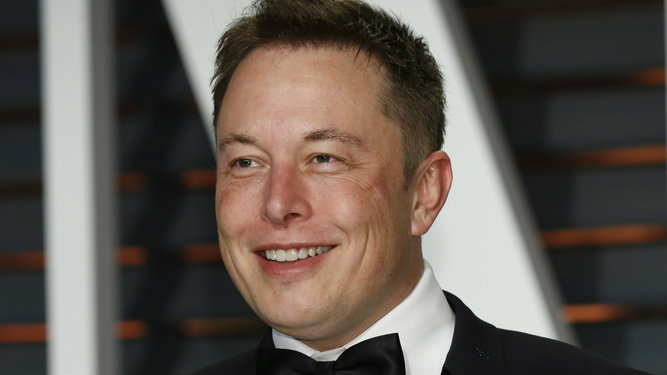
Elon Musk’s Political Influence Fuels Pennsylvania Event

0

Key Takeaways:

– Elon Musk captivated a Republican audience at a Pennsylvania church event – a state regarded as crucial to the 2024 presidential election.
– Musk voiced his support for returning Donald Trump to the presidential office, exciting audience members.
– He proposed giving away $1 million daily to randomly selected voters in an unprecedented move.

Elon Musk’s Pennsylvania Visit

On a bustling day in Harrisburg, Pennsylvania, an event caused a traffic snarl that volunteers struggled to coordinate. The 400-car parking garage adjacent to the Life Center Church was buzzing with anticipation. A variety of vehicles, including 19 Teslas and five Cybertrucks, filled up the spaces much before Elon Musk, the world’s richest man, arrived.

Boosting Trump’s Campaign

These attendees were not the usual Elon Musk fans known for their fondness for his electric vehicles. They were Republicans, eager to hear Musk speak, an influential figure often compared to Oprah Winfrey. Musk didn’t disappoint. He shared his vision for an efficient America, a prospect he believed could be achieved by returning Donald Trump to the White House.

Unorthodox Voter Sweepstakes

To peak interest in the upcoming election, Musk pledged to give $1 million each day until the election to a randomly chosen voter. The only requirement? Voters had to sign his petition in support of the First and Second Amendments. This move was met with criticism from Pennsylvania Gov. Josh Shapiro who called it “deeply concerning” and potentially illegal, a matter yet to be handled by lawyers.

Interaction With Supporters

The event also saw Musk interacting with his supporters. He answered questions, addressing topics from baseball to how to overcome voter apathy. Musk explained his vision for governmental efficiency and the importance of establishing a strong America, even in the face of the various legal challenges his businesses face from federal agencies.

Musk’s Personal Testimony

Musk’s politics are also driven by personal experiences. He expressed dissatisfaction with how the Biden administration had interacted with his companies, particularly Tesla. He found it offensive when the White House excluded the company from an EV summit after Biden’s inauguration. His fight is undoubtedly personal, as is evident from his candid interview with the Daily Wire about his child’s gender transition.

Musk’s Influence Not To Be Underestimated

Despite his propensity to stutter during public speeches, Musk’s authenticity won over the crowd. His influence cannot be ignored, even amidst criticisms. Pennsylvania Sen. John Fetterman favored a serious approach to Musk’s influence, warning Democrats against disregarding it.

The power of Musk’s star-studded status was exemplified in the experience of Colin Donough, a college freshman deciding who to vote for in the upcoming election. After hearing Musk, he was convinced Musk was the right person to support.

Republicans Are Rallying

Musk’s emergence on the political scene has excited conservatives, who have long felt at a disadvantage in the world of A-list celebrity endorsements. Musk’s support for their cause was welcomed with open arms, boosting their hopes for the coming election. Their expectation? Votes in support of Donald Trump, preferably before election day.

Pennsylvania’s Pivotal Role

Ultimately, Musk’s visit highlights Pennsylvania’s significance as a bellwether in the 2024 presidential election. Musk’s empire has grown since the elections in 2016 and 2020, gaining influence in areas like Harrisburg, where there are four Supercharger stations within a 30-minute drive from the church. It seems clear that Musk’s influence will be felt in Pennsylvania’s electoral dynamics, making the coming months a watchful period.