
64 F
San Francisco
Thursday, May 14, 2026
Home Blog Page 1625

NY Faces $2.5 Billion Task in Lead Pipe Replenishment Under New Federal Regulations

0

Key Takeaways:
* New lead cleanup rules have left New York with a $2.5 billion price tag to replace contaminated drinking water pipes.
* All water utilities across the U.S are required under these rules to replace lead pipes within a decade.
* There are roughly 9 million drinking water lines nationwide made of lead and each costs about $5,000 to replace.
* New York is anticipated to receive more than $500 million in federal infrastructure funds by 2026 to spend on lead pipes.

Understanding the New Lead Pipe Rules

Under the new federal regulations issued by the Biden administration, the task of replacing toxic drinking water pipes looms large for New York. The state must spend a hefty sum of $2.5 billion to resolve this long-standing health hazard. The regulations demand that nearly all drinking water utilities in the country replace lead pipes within the next ten years.

Addressing Lead Exposure

Lead exposure, specifically in the womb or during early childhood, can lead to serious cognitive damage. This impairment, studies have shown, can drastically affect academic performance in subjects like reading and math. Moreover, adults with childhood exposure to lead may exhibit higher crime and incarceration rates.

The Costs

The Environmental Protection Agency has estimated that the nation possesses over 9 million drinking water lines made from lead. With an average replacement cost of $5,000 per line, this presents a significant financial challenge. President Joe Biden has announced a federal release of $2.6 billion to states for the task. Nevertheless, federal funds can only cover a small proportion of the estimated total cost of $45 billion.

Challenges Ahead for New York

New York, the state with the nation’s oldest housing stock, has the unique task of replacing about 500,000 lead service lines. The predicted cost for this task is at least $2.5 billion. The primary question that remains unanswered is where the money for these infrastructure updates will come from.

Potential Funding Sources

By 2026, New York could potentially get over $500 million in federal infrastructure funds for lead pipes. Additionally, Governor Kathy Hochul announced a distribution of $90 million state funds to replace lead pipes in 11 cities. However, there remains a multibillion-dollar deficit. This gap needs filling by either federal or state governments to prevent local municipalities, water utilities, and homeowners from bearing the burden.

The Waiting Game

If the government fails to fill the funding gap, municipalities, water utilities, and homeowners may have to pay for these necessary upgrades out of their pockets. This could potentially lead to an increase in local taxes or water bills in areas least able to afford such costs.

Calling for More Funding

Environmental advocates like Rob Hayes, director of clean water for Environmental Advocates NY, have applauded the federal regulations. However, they also stress the need for New York to provide more funding to effectively implement the regulations.

Role of Local Municipalities

Local municipalities, which are responsible for pipe replacements, have eagerly embraced the state and federal funding. Yet, they require more funding than currently available. Homeowners, landlords, and local water utilities end up covering the remaining costs, often passing these on to residents via increased water bills.

Push for Funds Allocations

State Senator Rachel May of Syracuse and Assemblymember John McDonald have both been pushing for a dedicated budget to replace lead pipes. They argue that the cost for the state to meet the Biden administration’s deadline by 2037 is manageable.

Importance of Acting Fast

It’s important to act swiftly on replacing lead pipes to save on cost in the long run. If the effort became a priority, New York could potentially replace its lead pipes before the 2037 deadline set by Biden’s administration. It’s a one-time expense that ensures safe drinking water for the community going forward.

The Fight Over Taxation and Spending Controls in California

0

Key Takeaways:

– Californians partake in so-called citizen democracy every two years.
– This process lets them approve or reject ballot initiatives.
– The choices on the ballot reflect who holds the power in the state.
– Recent changes to the ballot reflect a move to limit state residents’ ability to control taxation and spending.

Citizens Speak Out: The Power of Ballot Initiatives

Every couple of years, it’s the same routine for Californians. They head to the polls, not just to elect their leaders, but to make some major decisions themselves. This is what Californians call citizen democracy – a chance to approve or reject proposals by voting on them directly. While sounds like the dream of participatory government, the reality is not as simple.

Essentially, citizen democracy works as a check and balance system for state residents. It ensures that the people, rather than just a chosen few, have a say in state affairs. But scratch beneath the surface, and you’ll find that the game has higher stakes.

What’s On and What’s Off: The Hidden Battle On the Ballot

The election season is like an elaborate game of chess, and the ballot initiatives are the pawns. Rarely does the ballot fully represent the will of the people. Instead, it’s a reflection of the powers holding the strings. What makes it onto the ballot, and what is left off, is a clear indicator of who is in control.

In the past, we’ve seen ballot initiatives that aim to increase regulatory controls, improve education, or even decrease pollution. But things seem a bit different this season. The power players appear to be making a play to limit the average citizen’s ability to regulate taxation and spending.

How Control Slips Away: The Discreet Power Shift

While residents are busy voting on ballot initiatives, there’s a covert operation at play. This season’s ballots seem to have subtly excluded key measures that could limit taxation and spending. What you’ll find instead are issues that seem important on the surface but leave out the core problem of unchecked state control.

Why is this happening? Simply put, the powers-that-be enjoy being in control. They don’t want their hands tied on matters of taxation and spending. By carefully curating the ballot, they’re ensuring they always have the upper hand.

Putting the Power Back: The Need for an Alert Citizenry

So, what can be done about this situation? The answer lies in the power of information. State residents must be aware of their power and how it’s being undermined. They need to see through the smoke and mirrors to reclaim their control over taxation and spending.

The ballot, seen with a discerning eye, can offer a lot of insights. By identifying who benefits from each initiative, voters can start to see patterns. They can question why certain measures make it on the ballot and others don’t. In essence, they can begin to break free from the carefully crafted narrative and reclaim their power.

In Closing: Democracy is More Than Just Casting a Vote

Being part of a democratic society means more than just casting votes every few years. It requires constant vigilance and a keen sense of understanding. Only when we have that, can we ensure that citizen democracy remains a valuable tool and not a convincing facade.

So, come election season, be sure to cast your vote not only for your preferred candidates but also with a clear understanding of the issues at hand. Remember, every vote counts and so does every decision about what’s on the ballot. It’s your state, your rules. Make them count.

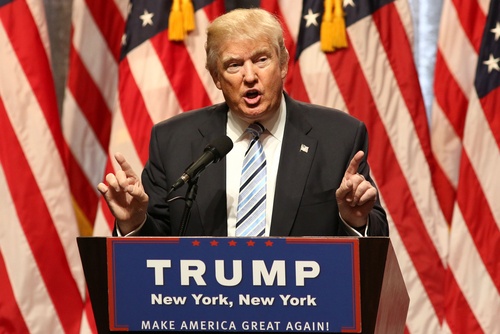
President Trump’s Recent Involvements: A Comprehensive Round-Up

0

Key Takeaways:
– President Trump remains highly active in US politics.
– Focus lies predominantly on the economy and national security.
– Trump continues to shape the conversation surrounding his legacy.

Trump Stays Active on the Political Landscape

Even after his term, President Donald Trump is not one to stand on the sidelines. In fact, he is as active as ever, asserting his views and influencing the direction of American politics. Whether you agree or not, understanding his actions help you to grasp the global socio-political landscape.

Promoting Economic Growth

Trump is a staunch promoter of economic growth. He believes that a vibrant economy is a signal of a country’s health. In the past, he focused on reducing taxes, limiting regulations, and pushing for American businesses to thrive. Now, he continues championing these causes, using his platform to advocate for positive economic change. Keep this in mind when you hear his speeches or read his statements. It adds useful context.

Prioritizing National Security

Trump’s next major focus lies with U.S national security. This involves protecting the country from both internal and external threats. It’s something with which he connects personally as part of his vision for a strong America. He considers this a crucial strategy to ensure a safer future for everyone, including you.

Defining His Legacy

Trump is also keen to shape the narrative of his legacy. Every president wants to be remembered a certain way. Trump’s no different. He’s keen to cement his influence on American history. This includes highlighting his administration’s achievements and setting straight any misconceptions. This perspective is vital with any political figure, not only Trump.

Staying Involved in Politics

By interacting with other political players, giving interviews, and tweeting, President Trump stays involved in politics. He is not one to shy away from controversy, often sparking debate on a variety of issues. He does this to keep his name on people’s lips and his policies at the forefront of conversation.

Outlining the Future

Lastly, Trump has shared his thoughts on America’s future. He believes the nation must be proactive, not reactive, in its objectives. He pushes for a country that exports, not imports; a land that leads, not follows. With Trump, the concept of an economically prosperous and secure America drives every thought, every action.

In Conclusion

Everyone’s got an opinion on Trump. He’s a figure who stirs feelings and sparks debate. Regardless of our personal views, understanding his current actions and ideological standpoints helps us make sense of American politics. As we track the moves of this influential figure, we gain a clearer understanding of the ever-evolving global political landscape.

Recap:
– Trump remains an influential political figure.
– He favors policy focused on economic growth and national security.
– He is intent on shaping the narrative about his presidential legacy.
– He stays involved in politics via different ways.
– His vision for America’s future is proactive and forward-thinking.

Whether we see eye-to-eye with him or not, it’s clear that President Trump is far from done with his influence on American politics.

Exploring Kamala’s America: Interviews Across Platforms Highlight Key Issues

0

Key Takeaways

– The recent interviews on Kamala’s America have sparked notable discussions on various platforms.
– Elizabeth Farah’s take on ‘X’ draws immense attention.
– The content is available on multiple viewing platforms, including Rumble, YouTube, Facebook and ‘X’.
– Critical viewpoints addressed range from political stances to pivotal societal issues.

Besides chasing the latest trends on social media or tapping into the music world’s buzz, it’s essential to stay updated with what’s happening on the political front. Browsing across digital landscapes, one cannot miss the recent flurry of interviews under the banner, ‘Kamala’s America’.

Unveiling Elizabeth Farah’s Stand on ‘X’

Every once in a while, an interview manages to capture public curiosity, creating ripples across the digital realm. One such instance includes Elizabeth Farah’s views on ‘X’. Farah’s believed authority on this issue coupled with her dynamic communication skills presented an engaging dialogue that had viewers tuned in throughout the discussion.

Diversely Accessible – ‘Kamala’s America’ Across Platforms

While many content creators stick to one platform, the dynamism today’s digital world calls for multi-channel release strategies. Ensuring that the broad variety of ‘Kamala’s America’ content is accessible to viewers, irrespective of platform preference, is a focal point of these discussions.

Witnessing ‘Kamala’s America’ on Rumble

Rumble, a video platform known for its diverse content, is one of the channels where viewers can follow these interviews. Rumble offers an interactive interface, making the viewing experience hassle-free and more attractive to audiences wanting to engross themselves in these engaging dialogues.

YouTube and Its ‘Kamala’s America’ Offering

The universal appeal of YouTube cannot be denied. The platform has not stayed behind in featuring interviews from ‘Kamala’s America’. YouTube’s easy accessibility and intuitive navigation create a viewer-friendly experience for audiences keen on these captivating interviews.

Facebook’s ‘Kamala’s America’ Chronicles

Facebook, a prime space for sharing views and sparking conversations, also hosts ‘Kamala’s America’ interviews. Tuning into these interviews on Facebook allows audiences to engage in the larger conversation surrounding the issues addressed in the dialogue.

The Unveiling of ‘X’ on WND

A strong player in the online news landscape, WND, has also featured interviews from ‘Kamala’s America’. Whether you’re a daily news-seeker or casually surfing through the web, WND provides a forum to access these interviews, fostering a diverse and dynamic dialogue.

The Wide Appeal of ‘Kamala’s America’

The variety of platforms featuring the ‘Kamala’s America’ interviews indicates its broad appeal among audiences. Whether it’s Elizabeth Farah’s views on ‘X’ or other subjects under discussion, these interviews serve as a space for nuanced debates and enlightening insights, rightfully garnering attention across the digital sphere.

In conclusion, as viewers, we must take advantage of the digital age’s accessibility. Following these interviews across platforms not only satiates our curiosity but also improves our understanding of the various issues at hand, fostering an informed global community. So, delve right into the ‘Kamala’s America’ interviews. You might just broaden your digital horizon while at it.

Billy Graham’s Image Sparks Legal Drama in Political Ad

0

Key Takeaways:

– The Billy Graham Evangelistic Association (BGEA) disputes the unauthorized use of Billy Graham’s likeness in a political ad from a left-wing group, Evangelicals for Harris.
– The controversial advertisement has over 30 million views and pairs segments of Mr. Graham’s 1988 sermon with images of ex-President Donald Trump.
– The BGEA has issued a cease-and-desist order to the Harris group due to alleged copyright infringement.
– The Harris camp’s defense is rooted in First Amendment rights and public discussion of Trump.
– Franklin Graham, the current head of BGEA and Billy Graham’s son, has expressed his disapproval on social media.

Understanding the Dispute

Some people might think advertising is simple: craft a message, find a receptive audience, and deliver it. But, it’s a lot more complicated. Just ask the people behind Evangelicals for Harris. They’ve found themselves in legal hot water for allegedly misusing an old sermon by Billy Graham, a well-known Christian evangelist, in one of their ads. This ad is promoting Kamala Harris, who has viewpoints that don’t align with Graham’s perspective, causing a stir within the Billy Graham Evangelistic Association.

The Controversial Ad

The narrative surrounding the controversial ad is quite intriguing. It kicks off with a clip of Billy Graham warning of dangerous times in the future. It then cuts to an image of former President Trump acknowledging his greed for money and power. Then, it flicks back and forth between Billy Graham’s words and snippets of Trump’s questionable remarks. The intention behind this approach may seem clear, but it’s led to a legal war of words between Evangelicals for Harris and the Billy Graham Evangelistic Association.

Fair Use or Copyright Breach?

The Billy Graham Evangelistic Association is up in arms over what they consider an unlawful use of Billy Graham’s image and words. Despite the association’s general policy to stay mum on such issues, they’ve confirmed that they’ve been in touch with the Harris camp about this unauthorized use of their copyrighted material. Their efforts to protect their rights have included delivering legal letters and a cease-and-desist order to the Harris group.

On the defensive, the pro-Harris group argues that their use of the sermon was permissible, claiming First Amendment rights as part of their engagement in public discourse about Trump. But, the Graham Association disagree, stating that Billy Graham would never condone the use of his sermons for such purposes or in such a manner.

Franklin Graham Speaks Out

The current head of the Graham Association, Franklin Graham, hasn’t kept quiet about the situation either. He expressed his disapproval on social media, claiming that the Harris group is twisting Billy Graham’s image to confuse people. Graham put forth the argument that his father held conservative values and would still support them if he were alive today.

Public Reception

While the feud rages on, the ad in dispute has racked up substantial views. Over 30 million people have watched it, leading to a more heated debate over the manipulation of religious figures’ images and words for political purposes. The outcome not only impacts this particular ad but could set a precedent for other politically motivated advertisements in the future. The crux of the matter lies in determining if First Amendment rights truly override the preservation of a religious figure’s image and words.

Deeper Political Divide

Beyond the legal argument, the Harris group continuously brands Trump as a threat to democracy, an approach often adopted by Democrats. They stand stoutly in their beliefs that the Trump administration violated the Constitution with actions such as usurping federal rules and regulations. The Graham side, however, staunchly maintains that the Harris camp’s intentions are questionable, including Harris’ alleged plans to inspect household gun storage and her running mate’s supposed denial of universal First Amendment protection.

As this legal drama unfolds, it’s clear that the situation isn’t just an advertising dispute. It seems to be yet another contentious event shaping American politics, emphasizing the divide between conservative and liberal groups. As both sides assert their rights and challenge the other, only time will tell how this conflict will reverberate through the spheres of advertisement, politics, and religion.

Clarity in the Storm: Debunking Hurricane Helene Misinformation

0

Key Takeaways:

– Incorrect facts about Hurricane Helene spread online after it struck southern cities.
– GOP Representative Marjorie Taylor Greene was one of those who spread these baseless rumors.
– Misinformation about natural disasters can create unnecessary panic and marginalization.

The Aftermath of Hurricane Helene

As southern cities band together to recover from the lashing of Hurricane Helene, an unexpected snag in the process has emerged – not in the form of more rainfall or gales, but a whirlwind of misinformation. This unseen adversary is complicating recovery efforts and sewing division among affected communities.

False Claims Weather the Storm

Originating from none other than the corridors of power themselves, these misleading reports began surfacing online after Helene made landfall. At the helm of this disarray was Rep. Marjorie Taylor Greene, a Republican from Georgia. Greene ignited the controversy by giving voice to unfounded theories about Helene’s origins and the possibility of it targeting specific communities.

Deciphering Fact from Fabrication

Natural disasters like storms do not have the capacity to target specific areas intentionally. They are driven by meteorological factors, not personal, political, or demographic factors. Greene’s baseless suggestions have not only fueled unnecessary fear but also split the unity among those affected.

Restoring Trust and Unity

In the face of this confounding issue, several of Greene’s fellow Republicans are now trying to clear the clouds of misinformation. These public servants are stressing the importance of relying on official, scientific sources for information about the storm. Their hope is to redirect attention to much-needed recovery and reliefs efforts, unencumbered by divisive falsehoods.

The Dangers of Misinformation

Misinformation spread, particularly about crucial issues such as natural disasters, can breed fear, anxiety, further divisions, and even derail necessary response efforts. It’s not just about clearing up a few questionable weather facts. It’s about ensuring the public trust isn’t eroded and that communities get accurate information essential for their well-being.

Conclusion

The impact of Hurricane Helene on several southern cities was immense. However, the coinciding storm of misinformation propagated by Rep. Marjorie Taylor Greene has also left its mark. Misleading claims during such crisis can be detrimental, sowing seeds of unnecessary panic and confusion.

Arguably, this ‘infodemic’ can be as disastrous as any storm. Hence, restoring factual accuracy and dispelling rumors is crucial. Fortunately, efforts of several conscientious Republican lawmakers have come forward to debunk these claims and uphold the facts.

Yet, the incident serves as a stark reminder of the severe consequences that can come with peddling misinformation. Particularly during times of crisis. It underscores the importance of accurate reporting and information-sharing in vulnerable times. As the southern cities rise from the ravages of Helene, one hopes they will do so in unity and truth, unshaded by the clouds of baseless rumors.

Pennsylvania Schools Grappling with Soaring Number of Non-English Speaking Students

0

Key Takeaways:
– Pennsylvania schools have experienced a 40% surge in English Language Learners (ELLs) since 2021.
– This influx has put significant strain on schools and increased the demand for resources and personnel.
– Some students have been displaced from programs to accommodate the increase in ELLs.
– The sharp rise in ELL students has led to an increase in funding for ELL services, with potential implications for taxpayers.

Growth of Non-English Speaking Students in Pennsylvania Schools

School districts across Pennsylvania are grappling with a significant growth in the number of English Language Learners (ELLs). Since 2021, the influx of non-English speaking students in the state’s public schools has reportedly increased by nearly 40%. The sharp rise has applied immense pressure on education administrators, raising concerns about the potential implications for other students.

ELLs are students who require specialized education to learn English as a second language. In the 2020-2021 school year, Pennsylvania had 71,766 ELLs, according to data from the Pennsylvania Department of Education. By the 2023-2024 school year, that figure had risen to 99,889, which signifies a nearly 40% increase over three years.

This increase in ELLs poses a major challenge for educators, particularly concerning financial constraints and personnel shortage. Joan Cullen, a former member of the Pennridge School Board, highlights the problem, pointing out difficulties in securing additional teachers and resources to cater to the ELL population.

Effects on Local Children and Education Systems

The increase in ELLs, despite a decrease in the overall state’s student population, has led to significant shifts in many school districts. Out of Pennsylvania’s 500 school districts, 62 have experienced a 100% increase or more in English language students between 2021 and 2024. Another 68 districts have witnessed a rise of at least 50% over the same period.

In smaller towns, this rise has significantly shifted the dynamics of local schools. For instance, Heather Roberts, a parent and president of Local 53G, recounts how her daughter was unable to attend a pre-K program due to an influx of Haitian students requiring additional resources.

Financial Implications and Need for More Resources

The sharp rise in English-language learners brings significant financial implications for schools. Many small-town school districts have been bludgeoned by increased ELL spending, with schools expanding their budgets to accommodate the growing student demographic. For example, the Charleroi Area School District spent $105,000 on ELLs in the 2020-2021 school year, and by the 2024-2025 school year, that figure had jumped to $505,000.

School districts are calling for more resources to assist with the growing ELL population. Ed Zelich, Charleroi superintendent, acknowledged the stress on the district, underlining the need for additional resources and support.

Other Pennsylvania school districts have also experienced a sharp uptick in ELL students. For example, the Philadelphia City School District, the state’s largest, went from 16,530 ELL to 23,337 during this period.

The increase in funding for ELL services raises questions about taxpayers’ potential financial burden if the trend continues. The financial implication could potentially escalate, with the influx of students costing taxpayers over $97 million a year, according to an average additional cost estimation of $3,483 per ELL student.

Focus Shifts on Education Platforms

The sudden rise of ELLs in schools throws a spotlight on the need for a robust support system and additional resources. Parents and educators are understandably concerned about the potential for other students to fall behind due to lack of sufficient resources.

Discussions around the subject require attention without getting caught up in knee-jerk accusations, as emphasized by Cullen. Educators and community members need to tackle this issue collectively to meet the needs of both local students and newcomers.

In conclusion, the surge in ELL students in Pennsylvania presents a significant challenge that educators and administrations need to address. As educational systems scramble to manage and accommodate this influx, it is essential to find solutions that uphold the quality and accessibility of education for all students.

The Growing Crisis of Extended-Stay Hotels Housing Families

Facing Homelessness

In Georgia, approximately one-tenth of Dunaire Elementary’s student population are living in extended-stay hotels. Schools like theirs, situated just east of Atlanta, are witnessing this phenomenon increase more and more. A result of American’s ongoing crisis with affordable housing, students grapple with everything from dangerous living conditions to food insecurity, because some hotel rooms lack kitchen facilities.

Students’ Consequences and Schools Response

The principal, Sean Deas, speaks of children who have experienced violence at these hotels, display symptoms of anxiety or aggression from crowded living conditions, and struggle with hunger. This forced Deas to create a schoolwide program to help these students, including school counselors, a food pantry, and specific protocols for sleepy students. He believes supporting the whole family is crucial, beyond mere academics.

Hard Times in Hotel Living

Extended-stay hotels are frequently a last resort for low-income families trying to find housing. Statistics from the Department of Education highlight that over 100,000 students lived in such housing conditions in 2022. Adding insult to injury, many of the 40% of homeless students residing in hotels in Atlanta’s surrounding counties may be underrepresented in official figures.

Meanwhile, the number of families living long-term in hotels is growing due to factors like increased evictions, rising rent costs, and limited access to federal public housing. However, it doesn’t end there. Children who experience homelessness in hotels can also suffer from various physical and mental health problems.

Health Risks and Danger in Hotels

Inspections and studies of these makeshift homes have revealed alarming conditions. From poor ventilation and bug infestations to mold, the living conditions in these hotels are far from adequate. Shockingly, some children witness or experience crime and gun violence as well. Extended-hotel living has become a warning sign of America’s failing affordable housing policy, say – experts.

Long-term Implications and Call for Strategic Housing Plans

The consequences of not addressing these issues could be lifelong, warns Sarah Saadian, of the National Low Income Housing Coalition. She advocates for federal resources and commitments to building more affordable housing and bridging the rent-wage discrepancy.

Evictions and Displacement: The Cycle

In certain circumstances, families forced into hotel living often remain trapped due to the difficulty of finding a landlord who will rent to individuals with evictions on their credit history. These individuals, predominantly low-income women of color with children, or those escaping domestic violence, are left with little choice but to turn to extended-stay hotels, despite their high daily rates and unhealthy living conditions.

The Reality of Extended-Stay Living

Tales abound of families struggling in hotel room settings, with multiple people wedged in a single room. Some children report feeling depressed. Electricity and water access are often limited, and mundane activities like homework become a struggle. Even playing outside can get families evicted, and that’s not the worse of it. Some residents speak of insect infestations and being charged for basic necessities like toilet paper.

Hope Amid the Crisis

Recognizing the severity of the situation, nonprofits and county officials across the nation are finding innovative ideas to help. Some provide funds for transition to apartments. Others, like King County in the Seattle area, have started to purchase hotels to convert them into much-needed affordable housing units.

Towards a Solution

Advocates for more affordable housing and stronger eviction protections note that the federal government has often not lived up to its responsibilities, allowing the housing crisis to reach its current stage. They argue for overcoming barriers like very lenient eviction laws in favor of more balanced landlord-tenant relationships. With a focus on policy change and strategic planning, perhaps a cycle of poverty that has become all too familiar can finally be broken.

Donald Trump Criticizes Kamala Harris Amid Media Appearances

0

Key Takeaways:

– Former President Donald Trump accuses Vice President Kamala Harris of prioritizing media appearances over handling crisis situations.
– Harris makes first media rounds on popular shows like “The View,” Howard Stern’s show, and Stephen Colbert’s late-night gig.
– Trump’s critique comes amidst the ongoing recovery and devastation caused by Hurricane Helene.

Donald Trump Questions Kamala Harris’ Priorities

In recent news, former President Donald Trump dorsn’t mince words as he criticizes Vice President Kamala Harris. He is quite perturbed by her rounds in the media this week, even as thousands of Americans face the severe aftermath of Hurricane Helene.

An Unfolding Hurricane and Media Tour

Turning a critical eye towards Harris, Trump has expressed disappointment. He states her focus should be on the harrowing impact of Hurricane Helene affecting several Americans, rather than making appearances on popular television and radio programs.

Harris, 59, has largely been absent from media interviews until this week. However, she suddenly reappeared on the radar with interviews on “The View,” a radio chat with Howard Stern, and a late-night show appearance with Stephen Colbert.

During her interaction with the comedic host, Colbert, Harris was seen sharing a beer, adding to Trump’s assertion that her activities appear to be more of a ‘fundraising comedy tour.’

In the Middle of the Crisis

Hurricane Helene has dealt a severe blow to populations across the country. Thousands of Americans are currently battling the adversity caused by the hurricane. Amid such a crisis, Trump believes the vice president’s actions mirror a certain insensitivity towards the turmoil suffered by these affected individuals.

Furthermore, Trump’s critique is not without basis. With such calamity unfolding, the expectation is for key figures, like the vice president, to prioritize their duties towards citizen welfare above all else.

The Need for Role Reassessment

Trump’s critique raises questions about the role of public figures in times of crisis. Are the actions of Vice President Harris deemed appropriate given the present circumstances? Should public responsibilities take a backseat to media appearances?

The answer, to most observers, veers towards immediate responsibilities. Public figures, especially in roles as significant as the vice presidency, are generally expected to go above and beyond, necessarily placing public welfare over personal or political agenda.

Taking into Account the Public Response

It remains to be seen how Vice President Harris or her team would respond to these criticisms. While it is crucial to maintain a public image and engage in broadcasts, the onus of public welfare during crises is of paramount importance.

Consequently, this recent bout of critique from Trump brings an essential aspect of a public figure’s role to the fore – balancing personal, political, and, most importantly, public responsibilities. Although maintaining a public presence is integral to such roles, prudence dictates prioritizing dealing with pressing issues like a national disaster over individual pursuits.

Wrapping Things Up

Donald Trump’s criticism of Kamala Harris brings to light an intriguing consideration within the realm of public service. While it is essential to maintain a media presence, the role of a public servant, particularly in a crisis, is a juggling act of responsibilities. Perhaps, this incident may serve as a reminder for those holding public offices to reassess their priorities whenever a crisis unfolds.

In the end, a public figure’s standing rests not just on their media image but rather on their actions and responses in times of crises, such as in the devastating wake of Hurricane Helene.

Internet Archive Faces Security Breach, Founder Confirms Information Hijack

0

Key Takeaways:

– The Internet Archive website was hacked and defaced.
– Founder Brewster Kahle confirmed the breach on Wednesday afternoon.
– Visitors were met with a pop-up message display from a JavaScript library.

Get ready to dive into the latest buzz from the tech world! An unexpected turn of events unfolded at The Internet Archive on Wednesday afternoon. Visitors reported coming face-to-face with a pop-up message claiming the famous site had been hacked. This unsettling message turned out to be not just a hoax but a valid reality.

Security Breach at the Internet Archive

Internet Archive’s cybersecurity defenses were breached on this unfortunate day. Unsuspecting visitors found an alert message, defacing the welcome screen. This unexpected intrusion, which was later confirmed, caused quite a stir amid the online community.

Most of you might know that The Internet Archive is a digital library which stores a colossal assortment of books, software applications, and even movies. Imagine going to your favorite store and finding a sign on the door saying it was robbed! That’s exactly how Internet users felt when encountering the distressing message.

Brewster Kahle Confirms the Unfortunate Event

Later on Wednesday, around 9 PM ET, a confirmation was made by Internet Archive founder, Brewster Kahle. Mr. Kahle affirmed the apparent data breach which had previously been identified by the unexpected pop-up message on the site. Clearly, this wasn’t just any regular error but a serious issue that needed immediate attention.

The invasion was apparently executed through a JavaScript library. JavaScript is a common programming language used in web development. In not so techy terms, envision JavaScript as the hidden engine controlling several actions on any given website. The hackers leveraged this tool to display their audacious claim.

Impact of the Security Breach

Details about what precisely the hackers accomplished or accessed remain unknown now. The company has not released an official statement elaborating on the extent of exposure during the cyber attack. However, security breaches of this kind can potentially lead to data loss or unauthorized access to sensitive information.

Encounters with cyber attacks are not uncommon in today’s digital era. These situations are a stark reminder of the crucial necessity for secure digital platforms and powerful cybersecurity measures. In the age of information, data breach is a real threat that can disrupt systems and damage reputations.

What Now for Internet Archive

The Internet Archive is currently patching up its digital walls after the attack. It is crucial for them to not only fix the damage but also to strengthen their defenses against future intrusions. The occurrence is a rude awakening for other digital platforms to be preemptive about their cybersecurity arrangements as well.

Mr. Kahle, in the wake of the attack, expressed his disappointment concerning the incident. It is a reminder for us all about the urgent need for upgraded online safety measures. Cybersecurity isn’t just about protecting servers and systems. It is about protecting the immense amount of data that companies store and ensuring the safety of users worldwide.

Wrapping Up the Cyber-Attack Saga

So folks, this was the disturbing episode of the security breach at The Internet Archive. In today’s online world, the safety of users and their data should be everyone’s topmost priority. This incident is a stern note to all digital platform owners. It is our collective responsibility to keep the digital world safe and secure.

While we wait for further updates, remember, cybersecurity isn’t a choice in this day and time, but an absolute necessity. To all the tech-savvy readers out there, always make sure to keep your data security updated, because without it, we’re all just a click away from potential chaos.