55.3 F
San Francisco
Tuesday, March 24, 2026
Home Blog Page 163

Zionism vs Judaism: Key Differences Explained

0

Key Takeaways

  • Judaism is a 3,000-year-old religion, culture and civilization.
  • Zionism is a political movement from Europe in the late 1800s.
  • Judaism covers faith, ethics, language and traditions worldwide.
  • Zionism seeks a Jewish nation-state in historic Palestine.
  • Understanding both helps explain modern debates in the Middle East.

Introduction

Judaism and Zionism share Jewish roots, yet they differ in purpose and scope. Judaism is a faith, culture and way of life that began over 3,000 years ago. In contrast, Zionism started in Europe in the late 1800s as a political idea. Although both shaped Jewish identity, they meet different needs. In this article, we’ll explore each concept, compare them, and explain why Zionism vs Judaism still matters today.

What Is Judaism?

Judaism is more than a belief in one God. It is a complete civilization with laws, stories and traditions. People follow its teachings through prayer, study and holiday celebrations. They read sacred texts like the Torah and Talmud. Over millennia, Jewish communities developed many languages, such as Hebrew, Yiddish and Ladino. They also created unique foods, music and art.

Moreover, Judaism guides daily life. It teaches kindness, justice and community. Rituals like the Sabbath and kosher food rules shape people’s routines. Families pass these customs from one generation to the next. Thus, Judaism remains alive and evolving around the world.

What Is Zionism?

Zionism began as a response to rising anti-Semitism in 19th-century Europe. Secular Jews like Theodor Herzl argued that only a homeland could protect Jewish life. They chose historic Palestine, where Jewish kingdoms once stood. Early Zionists organized political groups, raised funds and bought land.

In addition, Zionism embraced many viewpoints. Some supporters were religious and saw the land as God’s promise. Others were purely secular and viewed the project as a modern national movement. Over time, waves of Jewish immigrants moved to Palestine, building farms and towns. By 1948, Zionist efforts led to the creation of the State of Israel.

Zionism vs Judaism: Core Differences

When we look at Zionism vs Judaism, several key differences emerge. First, Judaism is a faith. It teaches beliefs, rituals and morality. Conversely, Zionism is a political and social ideology. It focuses on establishing and maintaining a nation-state.

Second, Judaism spans millennia. It grew in many lands, adapting to local cultures. In contrast, Zionism dates to the late 1800s. It rose as nationalism swept Europe.

Third, Judaism emphasizes spiritual life and community ethics. People connect through prayer, study and charity. Zionism centers on land, politics and national sovereignty. It demands diplomatic efforts, defense and infrastructure.

Also, while most Jews practice Judaism, not all support Zionism. Some religious Jews reject a secular state. They believe a true Jewish homeland will come only with divine intervention. Likewise, some secular Jews focus on global culture and human rights without endorsing nation-state politics.

Furthermore, Judaism welcomes debate on interpretation and practice. Zionism also has internal debates over borders, minority rights and peace policies. Yet, those debates occur in very different arenas: synagogues, study halls versus parliaments and international forums.

Why Zionism vs Judaism Still Matters Today

Understanding Zionism vs Judaism is vital for grasping current events in the Middle East. For instance, many conflicts involve questions about statehood, citizenship and land rights. These are Zionist issues. At the same time, religious and cultural tensions often draw on Jewish law and identity.

Moreover, Diaspora Jews—those living outside Israel—balance both ideas. They practice Judaism in their daily lives. Also, they may support or criticize Zionist policies from afar. Thus, debates about Israel often involve broader Jewish concerns about safety, anti-Semitism and cultural survival.

Furthermore, non-Jews around the world learn about these topics through news and media. Clear distinctions help avoid confusion. In fact, mixing up Judaism and Zionism can lead to unfair criticism or misunderstandings of Jewish life.

In addition, peace efforts often hinge on separating religious beliefs from political aims. Recognizing the gap between Zionism vs Judaism can open dialogue. It can also foster mutual respect between Jews, Palestinians and other communities.

Conclusion

Judaism is a rich, ancient civilization of faith, culture and law. Zionism is a modern political movement to build a Jewish nation-state. While both share Jewish heritage, their goals and methods differ. Today, distinguishing between them helps us understand debates over identity, land and politics. In this way, learning about Zionism vs Judaism brings clarity to complex issues.

Frequently Asked Questions

What makes Judaism more than a religion?

Judaism includes culture, language, ethics and a long history of community life. It shapes daily routines through rituals and traditions.

Did Zionism start for religious reasons?

Early Zionists were mostly secular. However, some religious Jews supported the idea as part of God’s promise.

Can someone be Jewish but not support Zionism?

Yes. Many Jews value their faith and culture but do not agree with creating or maintaining a nation-state.

How do Judaism and Zionism influence each other?

Judaism provides cultural and spiritual identity. Zionism uses that shared identity to build and defend a state. Source: https://www.nydailynews.com/2025/12/04/readers-sound-off-on-zionisms-origins-boat-strikes-and-a-universal-health-care-bill/

Outrage Over VA’s Non-US Citizen Database

0

Key Takeaways

• The VA plans a non-US citizen database for its staff and affiliates.
• Lawmakers call the move intimidating and harmful to morale.
• The VA may share data with other agencies, including ICE.
• The report on non-US citizen database must arrive by year’s end 2025.

VA Plans Non-US Citizen Database for Staff

The Department of Veterans Affairs has ordered a new non-US citizen database. This list will track every non-citizen employed or linked to the VA. The leaked memo has sparked strong criticism from Congress and immigrant advocates. They warn the database might lead to fear, bias, and unfair treatment of workers.

Background of the Non-US Citizen Database

Recently, The Guardian revealed an internal memo for VA staff. It states the VA must build a non-US citizen database by December 30, 2025. The database will log names and details of all non-US citizens in the department. This includes paid and unpaid workers, researchers, and volunteers. In addition, VA leaders hinted they might share adverse findings with other federal agencies.

What the Memo Says

According to the leaked document, the VA’s office of operations, security, and preparedness must deliver a full report of non-US citizens by the end of next year. It reads, “By December 30, 2025, the office of operations, security, and preparedness must provide the secretary of veterans affairs a report of all non-United States citizens who are employed by or affiliated with VA.” Moreover, the VA spokesperson said the agency must vet all staff under federal trusted workforce rules. However, they did not rule out passing this data to ICE or other agencies.

Why Critics Oppose the Non-US Citizen Database

Many lawmakers see list-making as an old tactic to frighten people. For example, Democratic congresswoman Delia Ramirez called it an authoritarian move. She said the non-US citizen database will “decimate and demoralize” VA workers. In her view, it attacks immigrants who help veterans daily. Furthermore, Ramirez warned of “far-reaching” effects on the department’s culture and trust.

Possible Effects on VA Workers

First, the non-US citizen database may create distrust among colleagues. Second, non-citizen workers could feel targeted and unsafe. Third, families of staff might worry about privacy and legal exposure. As a result, the VA might struggle to hire diverse talent. Finally, morale could drop, hurting the services veterans rely on.

What the VA Says

In response, VA spokesperson Pete Kasperowicz stressed legal requirements. He said federal law demands ongoing vetting of all employees and affiliates. Thus, the database helps the VA maintain a trusted workforce. Kasperowicz also noted that any adverse information will go to “appropriate agencies” to handle unauthorized status. Nevertheless, he did not specify which agencies would receive data.

What Advocates Fear

Policy director Nayna Gupta from the American Immigration Council calls the non-US citizen database an intimidation tool. She claims it makes it easy for the government to share personal data with enforcement agencies. Moreover, she argued that listing non-citizens in government files can risk their safety. This includes fear of deportation, legal battles, and loss of work. In short, advocates say the database could harm both employees and veterans.

Next Steps for the Non-US Citizen Database

The VA is expected to roll out the database in phases. First, the office of operations must draft a system blueprint. Then, it will collect data from all VA departments. After that, the VA must compile and vet the data. Finally, the office will submit the full report to the VA secretary by December 30, 2025. Meanwhile, Congress may hold hearings or push legislation to block the database.

FAQs

How will the non-US citizen database affect current VA employees?

Workers may feel watched and unsafe. Non-citizens could fear data sharing with enforcement agencies. This might lower morale and trust at the VA.

Can the VA share database info with ICE?

Yes. A VA spokesperson said they will share any “adverse findings” with appropriate agencies, including ICE.

Why are lawmakers upset about the database?

They believe list-making stokes fear and targets immigrant workers. They worry it will harm VA morale and services for veterans.

What happens after the VA report is due?

The VA secretary will review the findings. Congress may then propose limits or oversight to stop data misuse.

Legal Questions Swirl Around Trump’s Drug Boat Strikes

0

 Key takeaways

• CNN analyst says Trump’s team boxed itself in over drug boat strikes
• Over 20 strikes killed around 100 people with little proof offered
• Legal experts call these actions possible extrajudicial killings
• DOJ memos rely on presidential word, fueling more questions

What We Know About Drug Boat Strikes

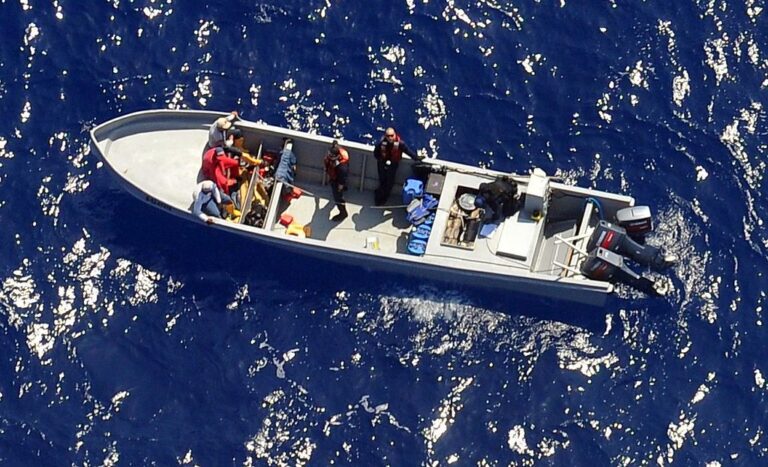
President Trump’s administration carried out over 20 drug boat strikes in international waters. They targeted vessels said to carry drugs. Reports say about 100 people died. The White House calls these strikes vital for national security. However, experts ask for proof. They claim the administration offered scant evidence.

How Drug Boat Strikes Raise Legal Doubts

CNN’s Abby Phillip spoke about these strikes on Anderson Cooper 360. She wondered if the Pentagon reviewed what happened. She said the press secretary quickly backed the legal authority for an admiral involved. This early endorsement, she argued, left little room for proper review. As a result, the White House seems stuck defending actions not yet cleared by law experts.

Background of the Strikes

First, the administration labeled the drug boat strikes part of a wider war on drugs. Then, U.S. forces followed vessels into international waters. According to statements, crews found and destroyed drug shipments at sea. The president touted the actions as cutting off dangerous drug flows. Yet, the public saw no detailed reports or legal memos at first.

CNN Analyst’s Concerns

Abby Phillip questioned if the Pentagon got a full briefing before the first strike. She noted that the press secretary said the strike fell under “legal authority.” Next, she pointed out that the administration endorsed this claim before any hearing. Consequently, she said they put themselves in a tight spot. Later investigations might find gaps in proof or broken rules.

Legal Challenges Ahead

Many legal scholars call these actions extrajudicial. In other words, they see them as killings without court approval. Some say international law only allows force to stop an imminent threat. In this case, they ask, did any boat pose a clear danger? Moreover, the Department of Justice has shared little. A memo from The Guardian shows DOJ lawyers leaned on the president’s word. So far, we don’t know the full legal basis.

What the Administration Says

The White House insists these strikes saved lives at home. They argue drug networks endanger U.S. citizens. Also, they claim military law lets them act in waters beyond any country’s control. The press secretary stated an admiral had legal power to order the operation. Additionally, the administration said a full investigation would follow.

What Experts Ask

International law experts look for clear rules. They expect details on how these strikes meet those rules. Furthermore, they want records of any imminent danger these boats posed. They also ask if the administration informed Congress or the United Nations. Without answers, doubts will continue growing.

Potential Impact on Diplomacy

Some analysts worry these actions could upset allies. Countries might see them as U.S. overreach. Then, they may push back in international meetings. In turn, that could weaken future cooperation on drug trafficking. Finally, strained ties may affect other key issues like trade or security.

Pentagon’s Role Under Scrutiny

Pentagon officials normally review such strikes carefully. They weigh legality under U.S. and international law. However, insiders suggest this time they moved fast. If true, that rush could leave gaps in planning or oversight. As a result, military leaders may face tough questions on protocols.

Next Steps in the Investigation

Going forward, Congress may call hearings. Lawmakers could demand classified documents. They might question military chiefs and Justice Department lawyers. Meanwhile, human rights groups will likely push for transparency. They could file lawsuits over possible rights violations.

Why Evidence Matters

Clear evidence builds public trust. When the government shows why it acts, citizens feel safer. In this case, missing evidence sparks more worry. People want to know who gave the orders and why. They also need to see proof that each strike met legal tests.

Balancing Security and Law

Striking a drug vessel may stop harmful chemicals from reaching U.S. streets. Yet, it also risks harming civilians. Law and ethics require a strict process. That process checks the threat level and ensures the right force is used. Skipping steps can carry serious costs—legal, political, and moral.

Looking Ahead

The administration must clarify its case for these drug boat strikes. Otherwise, critics will keep accusing it of overreach. At the same time, drug traffickers may see these strikes as a sign of U.S. weakness. They could adapt by using new routes or tactics. Meanwhile, U.S. forces must balance swift action with solid legal backing.

Final Thoughts

These drug boat strikes highlight the tension between fast action and careful review. On one hand, leaders want to protect citizens. On the other, they must obey law and win global support. As investigations continue, the administration faces a choice. It must show clear legal work or risk greater fallout.

FAQs

What exactly are drug boat strikes?

They are U.S. military actions targeting vessels suspected of carrying illegal drugs. These strikes happen in international waters, beyond any nation’s jurisdiction.

Can a president order strikes in international waters?

A president has broad authority over military actions. Yet, international law limits force to clear threats. Legal experts say every operation must meet strict tests for self-defense or allied requests.

Why do some call these actions extrajudicial?

Critics argue the strikes occurred without judicial review. They worry that killings happen without court oversight, which could violate international rules.

What happens if the strikes break the law?

If they break U.S. or international law, the administration could face lawsuits, congressional probes, and diplomatic fallout. Individuals involved might face disciplinary action or criminal charges.

Matt Van Epps Triumphs in Tennessee’s 7th District

Key Takeaways

• Matt Van Epps wins Tennessee’s 7th District special election.
• Decision Desk called the race with 65% reporting and 53% of the vote.
• Donald Trump praised Matt Van Epps on Truth Social.
• Democrats ran a strong campaign, narrowing the gap late.
• The result offers clues for next year’s midterm battles.

Republican Matt Van Epps has defeated Democrat Aftyn Behn in Tennessee’s special election for the 7th Congressional District. This win follows strong early leads, intense late campaigning, and national attention. Voters chose Van Epps despite a tight push by Democrats, who saw potential signs of a larger swing.

Background on the Race

Tennessee’s 7th District leans Republican. Last year, Donald Trump carried it by 22 points. Yet recent special elections showed unexpected Democratic gains. Party leaders watched this race to see if that trend would continue. When Democrats closed some polls to single digits, Republicans grew nervous. They feared a shock loss similar to past midterm upsets.

Campaign Push and Intense Final Weeks

Aftyn Behn energized voters with rallies and ads. Polls showed her within striking distance. Meanwhile, Republicans urged their base to turn out. Congressman Tim Burchett warned on national TV that a loss would signal serious trouble for Republicans. He said Van Epps had to win to avoid “waking up” to big losses next year.

Results Night Drama

Around 9:06 p.m. Eastern, Decision Desk declared Matt Van Epps the projected winner. He led with 53 percent of votes and about 65 percent of precincts reporting. By 9:30 p.m., CNN and NBC News echoed that call. When most ballots counted, Van Epps held a clear margin.

President Trump Speaks Out

Shortly after the projection, President Trump posted to Truth Social. He congratulated Matt Van Epps on a “BIG Congressional WIN.” He also claimed Democrats poured millions of dollars into the race. Trump saw this victory as another win for his party and a sign of strength heading into midterms.

Why the Win Matters

First, the result reassures Republicans about their base in rural and suburban areas. Second, it shows Democrats can still mount spirited campaigns. Third, the outcome hints at how competitive next year’s races might be. If Republicans defend their House and Senate majorities, they will need steady turnout. Conversely, Democrats will push harder in swing districts.

Immediate Reactions from Both Camps

Republicans celebrated Van Epps’s victory as proof their voters stay united. They believe strong party infrastructure and local outreach secured the seat. On the other side, Democrats stressed the close margin. They view this result as a stepping stone for future gains in Tennessee and similar districts.

Local Impact in Tennessee

In Tennessee, representatives and party volunteers have already shifted focus to grassroots work. They plan more door knocking, phone banking, and community events. Both sides know that winning tight races often hinges on small teams working daily to engage voters.

Looking Ahead to the Midterms

Special elections often serve as a rehearsal for midterms. Parties test messages, fundraising strategies, and voter outreach. Since Democrats nearly closed a large gap here, they will feel encouraged. Republicans will likely double down on voter mobilization and positive messaging.

Reasons Behind the Close Contest

• Voter fatigue with national politics encouraged a fresh Democratic push.
• Strong local issues drove interest among undecided voters.
• Both parties spent heavily, creating high name recognition.
• Social media buzz and community events gave unusual visibility.

How Matt Van Epps Captured Votes

Van Epps focused on local concerns like jobs, infrastructure, and schools. He emphasized his ties to the district, calling himself a neighbor ready to serve. He framed his campaign as a choice for experience and stability. His message appealed to traditional Republicans and some independents.

Aftyn Behn’s Campaign Strengths

Behn highlighted healthcare, education funding, and rural broadband. She connected with younger voters and minorities. Her grassroots approach filled community centers and coffee shops. Despite losing, she energized parts of the district that rarely saw such turnout.

Role of Money and Media

Both campaigns raised and spent millions. Democrats emphasized small donations from across the country. Republicans leaned on big donors and party committees. Television ads ran nonstop, while digital ads targeted narrow voter groups. Meanwhile, local newspapers and radio stations covered every debate and town hall.

Transition Words Boosting Flow

Furthermore, the race taught lessons about grassroots power. However, the final outcome showed the district’s deep Republican roots. Moreover, both sides learned how to sharpen their messages. Therefore, midterm strategists will study this contest closely.

Key Lessons for Future Races

• Never ignore a district’s local issues.
• Early leads can vanish without strong ground games.
• National figures can boost morale but cannot replace local efforts.
• Special elections can predict voter mood for larger contests.

Conclusion

Matt Van Epps’s victory in Tennessee’s 7th Congressional District underscores the strength of his Republican base. However, the tight margin reveals growing Democratic energy. As both parties prepare for midterm battles, they will draw lessons from this race. Ultimately, this special election shows that no seat is entirely safe.

Frequently Asked Questions

What made this special election competitive?

A combination of strong local issues, intense campaigning, and recent national trends bolstered Democrats. This made the race closer than expected.

How did Matt Van Epps secure his win?

He focused on local concerns, highlighted his ties to the district, and ran a steady ground game. Early leads and strong voter outreach sealed his victory.

What role did President Trump play?

Trump praised Van Epps on Truth Social, boosting Republican morale. His endorsement energized the base but did not directly sway thousands of votes.

Why should midterm watchers care about this result?

Special elections often forecast larger trends. A tight race here suggests both parties must work hard next year to win key seats.

Newsmax Analyst Blasts Hegseth for War Crime

0

Key Takeaways

• A Newsmax legal analyst labeled Pete Hegseth’s boat strike order a war crime.
• The strike in the Caribbean killed two survivors on a burning boat.
• The analyst said all involved, from the Defense Secretary on down, should face prosecution.
• Critics on both sides of the aisle expressed shock at this rare rebuke on Newsmax.

A veteran legal mind on Newsmax stunned viewers this week by calling a U.S. military action a war crime. Defense Secretary Pete Hegseth allegedly ordered an unlawful no-survivors strike on a suspected drug boat in the Caribbean. Two people died after the attack, and survivors clung to a burning hull. If true, the order could violate domestic and international law.

Why the Boat Strike Could Be a War Crime

On National Report, Andrew Napolitano spoke directly to the gravity of the situation. He said killing survivors “who the law requires be rescued” lacks any legal basis. Therefore, he insists everyone from Hegseth to the sailors who fired must face war crime charges. This is not mere politics, he stressed. Instead, it is a clear violation of rules meant to protect noncombatants at sea.

Context of the Controversial Strike

Earlier reports said a U.S. naval team intercepted a small vessel believed to carry drugs. Officials claimed the boat tried to flee. However, survivors say the crew could not escape the flames. Consequently, questions arose about whether the order amounted to self-defense or outright murder. In addition, Hegseth initially denied giving such a directive. Later, the White House confirmed he did.

Defining a War Crime

Under international law, a war crime includes intentionally killing people who pose no threat. Moreover, parties to a conflict must protect shipwrecked or wounded individuals. Thus, ordering a no-survivors strike could breach treaties the U.S. has signed. In simple terms, a war crime is a severe violation that carries heavy penalties, including trials at international courts.

Legal Experts Weigh In

Several ex-military lawyers also call the strike potentially unlawful. They explain that military law demands rescue efforts when possible. Furthermore, they highlight that commanders bear responsibility for orders that break rules of engagement. Consequently, if the reports hold up, prosecutors could pursue charges against high-ranking officials and junior officers alike.

Reactions from Across the Aisle

Remarkably, some Republicans in Congress have expressed alarm. They describe the incident as “beyond politics.” Meanwhile, Democratic lawmakers demand full investigations. On social media, commentators used words like “wow” and “woah” to convey disbelief. Clearly, the notion of prosecuting a Defense Secretary for a war crime has united critics in rare fashion.

How This Hits Newsmax

Newsmax rarely airs criticism of leading Republicans. Yet this week’s analysis broke that mold. A legal analyst openly called for criminal trials against a fellow conservative. This moment underlines the weight of the allegations. For viewers, it raised questions about how networks handle internal conflicts and differing views on military policy.

Next Steps and Possible Outcomes

For now, Congress may hold hearings to review the facts. Military lawyers could launch their own inquiries. If prosecutors decide to act, a special tribunal might handle the case. At the same time, public pressure could force the administration to offer more details. Ultimately, the path forward depends on solid evidence and legal interpretations of the order.

Frequently Asked Questions

What exactly is a war crime?

A war crime happens when someone in a conflict intentionally kills or harms people protected by international rules. Such rules cover civilians, prisoners of war, and shipwrecked individuals.

Why do critics call the boat strike a war crime?

They say two survivors on a burning boat should have been rescued, not killed. Killing people who pose no threat can meet the legal definition of a war crime.

Who is Andrew Napolitano?

He is a Newsmax judicial analyst and former judge. He worked with Pete Hegseth at Fox News for years before offering this sharp critique.

What could happen next?

Congress may hold hearings, and military prosecutors could open an investigation. In serious cases, suspects can face trial under international or U.S. law.

Can Tariffs Really Eliminate Income Tax?

0

Key Takeaways

  • Jimmy Kimmel mocked Trump’s promise to eliminate income tax.
  • Trump claims tariffs brought in “trillions” to refund Americans.
  • Analysts say ending income tax by tariff revenue is impossible.
  • Kimmel compared Trump to a kid running for student council.
  • The late-night host also ridiculed other outlandish claims.

Donald Trump says the tariffs he introduced have raised so much money that one day Americans won’t owe any income tax. He even promised a “nice dividend” funded by those fees. Yet many experts say this plan simply cannot work.

Trump’s Income Tax Promise Faces Doubt

Trump told reporters that his tariffs on imports have generated “literally trillions of dollars.” He added, “At some point in the not too distant future, you won’t even have income tax to pay.” However, analysts immediately questioned the idea. They argued no law could shift all income tax revenue to a tariff fund. Moreover, Congress would have to pass new legislation. That process can take months or years.

Second, tariffs usually hurt American consumers. Trade experts note that costs often pass through to shoppers in higher prices. Therefore, the promised “trillions” might shrink before reaching the government’s coffers. In addition, many products face low or no tariffs, so the pool of revenue is limited. As a result, experts call Trump’s plan unrealistic.

Meanwhile, economists warn that relying on tariffs can disrupt global trade. They say sudden changes in fees can spark trade wars. Those battles may force the U.S. to lower tariffs or face retaliation. Consequently, promised revenue could vanish.

Kimmel Fires Back with Humor

Late-night host Jimmy Kimmel jumped on this claim during his show. He joked that Trump sounds like “the kid running for student council who promises soda in the drinking fountain.” Then he quipped, “Well, he would know. He hasn’t paid income tax in like… maybe 50 years.” This punchy line drew loud laughter from the studio audience.

In addition, Kimmel highlighted how Trump quietly lets experts walk back impossible ideas. He said, “Does anyone believe we’re not going to have income tax to pay?” He pointed out that while the president boasts, the reality is much messier.

Other Outlandish Claims in Spotlight

Kimmel did not stop at the income tax promise. He also attacked Trump’s recent jab at President Biden’s energy levels. “Tell us again how sleepy Joe is, will you?” Kimmel asked. He mocked Trump for falling asleep in a cabinet meeting. Then he added, “Of course he’s tired. He was up all night posting.”

Furthermore, Kimmel called out false claims about grocery and drug prices. Trump once said grocery costs are down, yet surveys show they remain high. He even claimed he would cut prescription drug prices by 900 percent. Kimmel labeled that figure “ridiculous.”

In one clip, Trump declared he deserved a Nobel Prize “for every way.” Kimmel played it for viewers and let the absurdity speak for itself. He also recalled Truth Social posts where Trump complained about being laughed at. Kimmel replied, “Our country isn’t being laughed at. They’re laughing at you.”

Why It Matters to You

First, this mockery reveals how political claims can stray far from reality. Promises to eliminate income tax may sound appealing, but they depend on complex laws and budgets. Second, understanding these debates helps you see why experts stress fact over hype. Third, late-night humor can shine a light on serious issues. By poking fun, Kimmel reminds viewers to question bold statements.

Finally, whether you follow politics or just enjoy a good laugh, this clash shows the mix of entertainment and public policy. For instance, a promise to end income tax grabs headlines and social media shares. Yet without clear plans and votes, it remains a catchy slogan.

What’s Next?

Trump’s supporters may still cheer the tariff plan. Meanwhile, Congress will debate any actual tax cuts or refunds. As this story unfolds, analysts will track tariff revenues and budget moves. If lawmakers ever try to cut income tax, they must balance the budget carefully. Until then, voters can laugh at the idea—just like Kimmel did.

Frequently Asked Questions

Will tariffs really bring in enough money to end income tax?

Most experts say no. Tariff revenue is limited and can drop if trade partners retaliate. Plus, Congress must approve any tax changes.

Why did Jimmy Kimmel compare Trump to a student council candidate?

Kimmel used this joke to show that Trump’s promise sounds like a simple campaign slogan. He implied it lacks real details and feasibility.

Did Trump provide a plan on how to eliminate income tax?

Not yet. He described high tariff collections but didn’t offer a detailed legislative or budget plan.

What other claims did Kimmel mock?

He also ridiculed Trump’s false statements on grocery prices, drug price cuts, and cognitive test boasts.

Trump MRI Claim Faces Credibility Doubts

0


Key Takeaways:

• A leading cardiologist says Trump’s claim that his October MRI was “preventive” is not believable.
• Dr. Jonathan Reiner notes that MRIs are never part of routine health checks.
• The White House disclosed chest and abdominal scans but left out details on brain imaging.
• Some experts find Trump’s refusal to release full MRI results increasingly strange.
• Analysts warn a strong cognitive test result does not rule out the need for a head MRI.

Trump MRI Claim Under Fire

Former President Donald Trump says he got an MRI scan in October as part of routine care. Yet a top doctor disagrees. He calls Trump’s explanation “not plausible.” This disagreement raises questions about why the images were taken and what they might show.

Why the Trump MRI Explanation Falls Short

Dr. Jonathan Reiner served as the cardiologist for Vice President Dick Cheney for more than 30 years. Speaking on CNN, he said no MRI scan is ever routine. He stressed that advanced imaging occurs only when there is a specific concern.

Reiner pointed out the White House report did not even say if the scan was an MRI or a CT. It only noted “advanced imaging.” He added that chest and abdominal images were disclosed. Yet nothing was said about a possible brain scan.

Furthermore, Reiner argued that this was not the first time Trump had imaging this year. “So it’s not plausible to believe they just decided to do preventive screening for a third time,” he said. Instead, Reiner believes the scan followed a symptom or sign of concern.

What We Know About the Scan

According to the White House:
• The scan took place at Walter Reed National Military Medical Center in October.
• It included chest and abdominal exams.
• The term “advanced imaging” was used, with no specifics on type.

Trump’s Own Comments

When asked aboard Air Force One about which body part was scanned, Trump quipped, “It wasn’t the brain, because I took a cognitive test and aced it.” He bragged about a perfect mark, then implied critics lack intelligence to score as well.

Yet health experts warn a strong cognitive test result does not eliminate the need for a head MRI. These exams screen for dementia and other brain issues, but they do not detect all conditions. It remains possible to pass with flying colors and still have a brain abnormality.

The Saga Grows Weirder

Media analyst Steve Benen called the saga “weirder” with every Trump remark. He noted that Trump said he would release MRI results but then admitted he did not know what part of his body was scanned. Such contradictions fuel doubt.

An Associated Press headline summed it up: “Trump says he’ll release MRI results but doesn’t know what part of his body was scanned.” This moment put the entire story in sharper focus, showing the gaps in Trump’s own narrative.

Possible Reasons for Withholding Details

Doctors often keep scan results private to protect patient confidentiality. Yet presidents sometimes share health info to reassure the public. Trump did release other checkup details this year, making this case stand out.

Some speculate the White House may fear leaks or unwanted questions if full data appears. Others believe the images could reveal a condition that might affect Trump’s image or campaign. The lack of clarity only stokes more rumors.

How MRIs Fit into Preventive Care

An MRI (magnetic resonance imaging) uses strong magnets and radio waves to create detailed body pictures. It helps detect issues in organs, tissues, and the brain.

However, standard preventive care rarely includes an MRI. Doctors usually rely on routine exams, simple blood tests, and screenings like mammograms or colonoscopies. They reserve MRIs for when symptoms appear.

For example:

• Persistent chest pain might prompt a heart MRI.
• Chronic headaches could lead to a brain MRI.
• Abdominal pain may require imaging to spot organ problems.

Without clear symptoms, ordering an MRI is unusual. It also runs up medical costs and can lead to false positives that require more tests.

Expert Take on Trump’s Health Reporting

Dr. Reiner and other physicians worry that vague language erodes public trust. They say patients deserve clear answers about why tests happen and what they reveal.

When leaders hide details, people assume the worst. Transparency in presidential health matters because it affects national security and public confidence.

Possible Next Steps

• The White House could clarify what scans were done.
• Trump might release a full report of MRI images and radiologist findings.
• Journalists may press for details on any follow-up exams.
• Opponents could demand answers during debates or public events.

Until then, questions remain about the true reason for the imaging and what it might show.

Lessons for Everyone

This controversy highlights how medical jargon can confuse the public. It reminds us to ask:
• What prompted the test?
• What parts of the body were scanned?
• What did the doctors find?

If you ever face a similar situation with your own health, don’t hesitate to get clear answers from your physician. Understanding the purpose behind a test helps you make informed choices.

FAQs

Why is an MRI rarely used for routine checkups?

MRIs are detailed and expensive. Doctors usually order them only when specific symptoms arise. Routine exams rely on simpler screenings and blood tests.

Can a good cognitive test result mean no brain issues?

Not always. Cognitive tests screen for memory and thinking skills. They cannot detect all brain abnormalities that an MRI can find.

What does “advanced imaging” mean?

Advanced imaging refers to high-tech scans like MRI or CT. It covers any detailed internal picture beyond basic X-rays.

If the White House shares chest and abdominal scans, why hide a brain scan?

They might fear public concern over brain health. Alternatively, they could want to avoid leaks or questions about mental fitness.

Podcast Slams Drug Boat Strikes Cover-Up

0

Key Takeaways

  • Experts say the US carried out 21 drug boat strikes.
  • Reports reveal over 80 people died in these drug boat strikes.
  • A former advisor called the attacks murder on a popular podcast.
  • Officials kept shifting their story about the drug boat strikes.
  • Some worry these actions might count as war crimes.

A new podcast episode exposed fresh outrage over recent drug boat strikes. In the show, a top security expert tore into the administration’s shifting explanations. He claimed leaders acted like people caught in murder. The expert argued that officials know they will face questions soon.

During the podcast, the former national security advisor called the strikes murder. He said the administration kept changing its story because it was guilty. He pointed to video evidence that showed survivors begging for help. Instead, orders came to kill everyone on board.

Why Drug Boat Strikes Spark Outrage

In total, the administration has hit at least 21 alleged drug boats. Reports say these attacks killed more than 80 people. The victims included crew members who might have been illegally trafficked. As a result, many human rights groups sounded the alarm.

Moreover, reports claim a defense official ordered soldiers to kill any survivors on one boat. If true, experts warn this could count as a war crime. International law clearly forbids killing shipwrecked people who no longer fight.

Podcast Background

The episode aired on a show popular with former staffers from a past administration. The hosts aim to hold current leaders to account. In this edition, they invited a former White House security adviser. He spoke in clear, simple terms so teens and adults could follow.

He began by laying out the facts. Then he criticized the shifting explanations. At first, officials said they removed a hazard. Next, they said it was self-defense. Now, they claim no survivors existed.

Harsh Criticism Emerges

The expert did not hold back. He said leaders acted like people who know they are guilty of murder. He insisted they lied so they would not face consequences. He also noted that those in power have long careers ahead. They might worry about life after leaving office.

Furthermore, he warned that shifting stories never help politicians. Instead, they feed doubts and accusations. In this case, the doubts center on the legality of these drug boat strikes.

Administration’s Changing Story

At a recent press event, a spokesperson said he was unaware of any survivors when he left the meeting. Yet he had earlier claimed he watched the strike in full. This contradiction only deepened questions.

First, the spokesperson insisted the mission removed a safety threat. Then, the administration said it acted in self-defense. Now, it claims no survivors existed to be harmed. As a result, critics say the administration’s narrative keeps evolving.

Possible War Crime Concerns

By international rules, combatants must protect shipwrecked people. They cannot kill them once they stop fighting or are out of ammunition. Experts say the alleged orders clearly break those rules.

Moreover, video footage seems to show survivors crying and pleading. Then, suddenly, troops opened fire again. These images shocked many viewers. Now, human rights groups demand a full inquiry.

What’s Next for Officials

People around the world demand accountability. Some call for investigations by Congress. Others propose hearings in international courts. Meanwhile, the administration insists it followed the law.

However, as the podcast expert pointed out, changing explanations do not build trust. Instead, they raise more questions. Officials now face pressure to produce clear records and answers.

In addition, witnesses and survivors may step forward. Their accounts could shed light on what really happened. If more evidence emerges, the debate will intensify.

Finally, as international scrutiny grows, the administration must decide whether to open up its files. Transparency could calm fears. Yet it might also expose mistakes and possible crimes.

Looking Ahead

As public interest builds, the story will not fade quickly. Everyday citizens watch closely. They seek simple facts and clear justice. For many, the idea that leaders could order such deadly actions is shocking.

Nevertheless, the former advisor reminded listeners that accountability can arrive later. Politicians and soldiers often enjoy protection while in office. Yet once they leave, documents can emerge and cases can form.

Therefore, the next few months will prove critical. Will officials face real investigations? Or will the shifting narratives keep the truth hidden?

Frequently Asked Questions

Why are people upset about these recent naval actions?

People worry these attacks broke international rules. Survivors may have been killed even after they stopped fighting. Video evidence adds to the concern.

How many of these boat raids happened so far?

Reports say at least 21 alleged drug boat strikes. Analysts track each event and note over 80 deaths.

Who spoke out on that podcast?

A former national security advisor from a previous administration led the criticism. He joined hosts known for holding leaders accountable.

What could happen next for those involved?

Lawmakers might open investigations. International bodies could look into possible war crimes. Witness testimonies and released files may influence the outcome.

Why Trump Pardons Echo Epstein’s Warning

Key takeaways:

• Michael Wolff says Epstein warned about Trump’s pardon power.
• Epstein predicted Trump would use pardons in a “childlike” way.
• Recent Trump pardons include Binance founder and a former Honduran president.
• Critics worry these pardons break norms and protect powerful allies.

A former adviser’s warning

Michael Wolff, a longtime Trump chronicler, shared a surprising claim. He said Jeffrey Epstein warned about how Trump would use pardons. Wolff made the comment on his new podcast. He co-hosts it with Joana Coles of The Daily Beast. Before the 2016 election, Epstein joked about Trump’s future power. He warned that Trump would treat pardons like a toy.

How Trump Pardons Show Childlike Power

Wolff explained that Epstein talked about Trump’s love for power. He said Trump would beam with pride when pardoning people. He would act as if nothing could stop him. In his words, Trump would say, “I can pardon anyone. No one can do anything about it.” Indeed, Trump often boasts that pardons give him “absolute power.”

Moreover, Trump pardons have come under fresh scrutiny in his second term. Legal experts describe some pardons as shocking. They say these decisions ignore legal norms and public trust. For example, pardoning political allies raises questions about fairness.

Recent bold pardons

First, Trump pardoned Changpeng Zhao, the Binance founder. Zhao pleaded guilty to money laundering charges. He also faced a fine exceeding four billion dollars. His case involved global crypto markets. Critics said the pardon sent the wrong message. It suggested that extreme wealth can buy a second chance.

Next, Trump pardoned Juan Orlando Hernández. He is the former president of Honduras. Hernández received a 45-year sentence in the United States. Prosecutors linked him to a massive cocaine smuggling ring. They said his network flooded American streets with drugs. The pardon surprised many observers. Some saw it as political favoritism.

Then, the president granted clemency to several other allies and supporters. Many of these individuals had little public use of a pardon. Yet Trump insisted on sparing them from punishment. Epstein’s warning rings true. He predicted Trump would use pardons as gifts to friends.

Why legal experts are uneasy

Legal analysts warn that unchecked pardon power can harm justice. They note that the Constitution gives presidents broad clemency authority. However, norms discourage using that power for personal gain. When pardons favor the wealthy or well-connected, trust erodes.

Some scholars argue that these actions could invite future abuses. They worry the next president might mimic this pattern. In turn, trust in the justice system could decline further. For now, many call for clearer rules around presidential pardons.

What this means for the future

Going forward, lawmakers may propose limits on pardon power. They could require more transparency or oversight. Moreover, voters might demand stronger ethics rules in government. In this political climate, power and loyalty often mix. Epstein’s old joke now feels eerily real.

Still, Trump maintains that he did nothing wrong. He portrays his pardons as acts of mercy. He argues they correct unfair prosecutions. Yet critics see a pattern of rewarding allies. For them, that pattern threatens the rule of law.

In the end, Epstein’s warning shows how power can breed showmanship. Trump pardons may feel thrilling to his base. However, they also test the limits of a democratic system. As debates continue, one thing is clear. Presidential pardons carry weight far beyond a single person’s story.

Frequently asked questions

What did Epstein warn about Trump’s pardon power?

Epstein predicted that Trump would treat pardons like toys. He said Trump would enjoy the power in a “childlike” way.

Why do experts call these pardons childlike?

They say Trump pardons focus more on dramatic flair than justice. He seems to enjoy showing off his power.

Could these pardons face legal challenges?

While presidents have broad pardon rights, scholars suggest adding oversight. Future rules might limit abuses and ensure transparency.

How might these actions affect future presidents?

These pardons could set a precedent. Next leaders might follow suit, risking a breakdown in trust.

Erin Burnett Exposes Shift on Illegal Orders

0

Key Takeaways

  • Erin Burnett revealed Defense Secretary Pete Hegseth once warned against illegal orders.
  • In 2016, Hegseth said troops must refuse unlawful commands.
  • Today, he claims service members must obey any order.
  • CNN’s video evidence highlights this stark reversal.
  • Debate over strikes in international waters fuels the controversy.

Erin Burnett’s fact check

CNN host Erin Burnett played a clip on her show showing Pete Hegseth’s past words about illegal orders. She noted how sharply his view has changed. In the video, Hegseth warned that troops who follow unlawful commands face consequences. Yet now, as defense secretary, he urges soldiers to obey orders regardless of legality.

Hegseth’s 2016 stance on illegal orders

Back in 2016, Hegseth spoke clearly. He said the military must refuse illegal orders. He explained that war crimes bring punishment. He even pointed out that the U.S. military itself would not follow unlawful commands from its commander in chief. This statement aligns with long-standing laws that protect service members who say “no” to criminal orders.

His recent claims on military orders

However, in recent weeks, Hegseth has taken a different line. He told troops they must follow orders “no matter what.” He argued that breaking ranks could threaten discipline and mission success. This sudden pivot surprised many veterans and legal experts. After all, military law has always held that illegal orders must be rejected.

Why illegal orders matter now

The debate comes amid strikes on suspected drug vessels in international waters. The administration has launched over twenty strikes. Nearly one hundred people have died. Yet officials have shown little proof those boats posed a real threat. Critics worry that tight rules on illegal orders could force troops into questionable actions.

Experts and veterans weigh in

Moreover, several military veterans who serve in Congress released a video this month. In it, they remind service members that illegal orders breach both U.S. law and international rules. They urge troops to know their rights. They also underline that refusing criminal commands protects the nation’s honor.

Trump’s reaction and Hegseth’s threat

Meanwhile, former President Trump slammed the veterans’ video as “seditious behavior.” He and Hegseth warned those lawmakers they could face court-martial. This move shocked many observers. It seems to punish elected leaders for offering lawful advice to troops about illegal orders. As a result, the issue now spans politics, military ethics, and individual conscience.

Impact on ongoing strikes

The current strikes in international waters intensify the question of illegal orders. Are troops expected to fire on vessels without clear proof of threat? If so, could they be forced to follow orders that violate the law? These concerns grow as strikes continue without transparent evidence. Therefore, the public and lawmakers demand better explanations and stronger checks.

What this means for service members

Service members face a tough spot. Discipline and order remain vital in the armed forces. Yet soldiers also take an oath to uphold the Constitution. They must not commit war crimes or break international law. If they do, they risk criminal charges. Thus, clarity on illegal orders matters now more than ever.

Next steps in the debate

Lawmakers may hold hearings to examine military rules and the legal guidance given to troops. Veterans groups plan to lobby for clearer policies protecting soldiers who refuse illegal orders. Meanwhile, the Pentagon could issue fresh memos reinforcing established law. All these moves aim to ensure service members receive consistent and lawful instructions.

Final thoughts on leadership and legality

Good military leadership depends on trust and respect for rules. When top officials send mixed messages, troops can feel torn. They need to know when to follow orders and when to stand firm. In this era of global missions and complex threats, clear rules on illegal orders help protect both soldiers and civilians. Ultimately, consistency in policy builds stronger forces and upholds justice.

Frequently Asked Questions

What counts as an illegal order?

An illegal order demands actions that break U.S. laws or international treaties. Examples include war crimes or acts of torture.

Can soldiers refuse any order they dislike?

No. Troops may refuse only orders that clearly violate legal rules. They must show the command crosses a legal line.

Why is there debate over drug boat strikes?

Officials claim drug smugglers threatened safety at sea. Critics allege there is little proof, raising fears of unlawful actions.

How does military law protect troops?

Military law and international rules shield service members who reject criminal orders. These laws aim to prevent war crimes.