55.9 F
San Francisco
Wednesday, May 13, 2026
Home Blog Page 1632

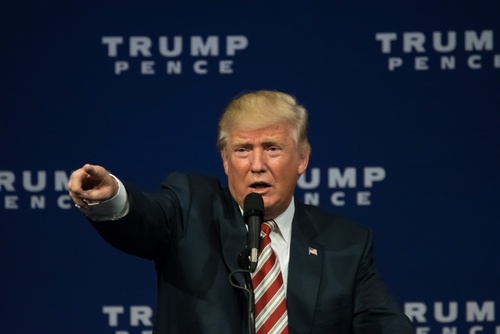
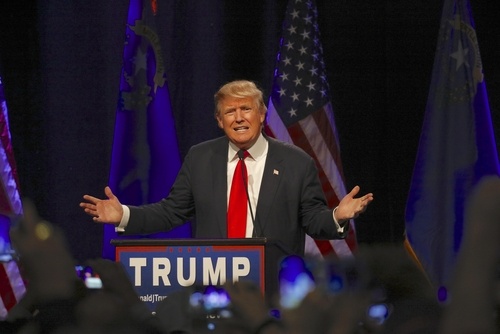
Discontent Simmers at Trump Rallies, Leading to Surprising Political Switches

3

Key Takeaways:

• A young attendee at a Trump rally in Las Vegas voices her decision to vote for Kamala Harris.
• Reports suggest that people are increasingly leaving Trump’s rallies early due to his tardiness, drawn-out speeches, and offensive statements.
• Visible support for Trump appears to be diminishing in certain areas, with increased signs supporting Kamala Harris.
• Criticism comes even from diehard supporters, who express dissatisfaction with his public speaking style.

Discontent Brewing at Trump’s Gatherings

It is not uncommon that political rallies shine a light on the charisma and charm of their key speakers. However, recent occurrences at former President Donald Trump’s rallies hint at an erosion of allure, leading to some surprising political realignments.

Shifting Allegiances

One such incident took place at a Trump assembly in Las Vegas, where a 22-year-old undecided voter named Anastasia Bennett decided to switch her support to Kamala Harris. The rude comments and hour-long delay at the rally prompted Bennett’s decision. Her disillusionment is a testament that experiences at these events can play a significant role in shaping voters’ opinions. But, the loses are not only potential voters like Bennett.

People Exiting Early

Increasingly, reports mention people leaving Trump rallies before their conclusion. Trump’s penchant for running late and extending speeches seems to be testing attendees’ patience. Some cite responsibilities or priorities that make staying put a challenge; others point to poor sound quality and even mundane reasons like ‘wanting to avoid traffic’ or ‘needing to attend to their pets at home.’

In Atlanta, for example, swathes of people began to exit the venue as Trump deviated off script and berated Republican Gov. Brian Kemp. Similarly, in Indiana, Pennsylvania – a district won by Trump with a huge margin, a noticeable number of seats were empty around an hour into his speech. One can’t overlook the possibility that something isn’t quite right.

Diehard Supporters Brooding

Even the most devout Trump supporters are expressing their reservations about his ongoing rallies. They’re not abandoning him, but they’re voicing their wish for him to steer clear of public speeches. For them, these speeches are starting to signify more than just the stinging air of discontent. They fear his inability to inspire is casting him in a poor light.

Tamed Enthusiasm

A noticeable shift in the political landscape is the diminishing visible support in areas like western Pennsylvania. This region, once a stronghold for Trump, is seeing fewer signs in his favor. At the same time, there’s a surge in signs supporting Kamala Harris. Though roadside signs don’t cast votes, they surely indicate the community’s enthusiasm.

Even established GOP figures, like Tucson’s Kari Lake, reportedly left a Trump rally early. As Trump insists on maintaining his prolonged speeches, even at the cost of dwindling interest, it’s clear that the high-voltage, populist leader has changed. His speeches, filled with off-script detours and bellicose rhetoric, appear to not be the crowd-pullers they once were.

For many, getting to know Donald Trump these days is more likely to evoke a distaste than support. This might serve as a wake-up call for the former president. The tide seems to be subtly shifting, prompting potential supporters to rethink their choices. It’s clear that in today’s heated political climate, the audiences demand more than just a show. They crave genuine leadership, sincerity, and a strong voice that resonates with their concerns.

Trump’s Michigan Auto Industry Promises: A Fact Check

0

Key Takeaways:
– During Trump’s presidency, the number of jobs in vehicle and parts manufacturing in Michigan decreased, even before Covid-19.
– Despite promises made, several auto plants closed in Michigan during Trump’s term.
– Auto industry experts question the feasibility of Trump’s promises for the sector’s return to past levels.
– President Joe Biden has added more manufacturing jobs earlier in his term than the Trump administration.
– Infrastructure improvements and job creation are part of Biden’s approach to improving the American economy.

Trump’s Promises and Reality

Former President Trump recently pledged to restore Michigan’s auto industry to levels not seen before. Yet, during his term, jobs in this sector declined, contradicting his bold pronouncements. Apparently, his promises echo those made in 2016, when he assured voters he wouldn’t let a single plant close.

Fact Check: Michigan Auto Industry

Contrary to Trump’s declarations, statistics show a different story. Federal Bureau of Labor Statistics data reveal that Michigan’s vehicle and parts manufacturing jobs fell during Trump’s tenure. In fact, figures decreased even before the Covid-19 pandemic. Through analysis, it becomes obvious that Trump’s promises lack any supporting evidence or achieved results.

Job Difficulties and Plant Closures

Michigan’s jobs in vehicle and parts manufacturing numbered around 175,000 at the beginning of Trump’s presidency in 2017. This number decreased to 171,300 in early 2020, a contraction of 2.2%. By the end of Trump’s term, there were 166,300 jobs in this manufacturing sector, a drop of 5% from when he took office.

In addition, several plants like the General Motors Co.’s Warren Transmission plant closed during Trump’s term, contrary to his promise of keeping them open.

The Future of the Auto Industry

It remains doubtful whether the auto industry can substantially increase the number of workers in Michigan. Tariff plans proposed by Trump to increase US-made parts in vehicles can actually lead to more expensive cars. Experts ridiculed Trump’s assurance of returning auto job levels to figures seen in the 1970s.

Contrasting Results Under President Biden

Meanwhile, President Biden’s administration has added 423,000 manufacturing jobs in its initial months. In his effort to boost the American economy, Biden has focused on strengthening manufacturing, supply chains, and securing good-paying jobs. His Inflation Reduction Act, noted for boosting manufacturing across the US, contradicts Trump’s policy decisions.

Biden’s enacted plans and policies aimed at promoting good-paying jobs, with a special emphasis on strong labor standards in Michigan, suggest a realistic and workable approach. The American labor market showed improved resilience under the Biden administration, contradicting Trump’s claims of job loss in Michigan under Biden’s leadership.

Empty Promises vs. Concrete Results

Trump’s pattern of failing to follow through on his promises was evident during his presidency. Voters electing him found a lack of commitment to their interests contrasted to his earlier declarations. His administration’s lackluster performance in creating jobs and improving the auto industry is in stark contrast to Biden’s efforts in these areas.

Conclusion

Numbers remain a reliable indicator of the truth. Biden’s administration has created more jobs early in his presidency compared to Trump’s term. The pledge made by Trump to return Michigan’s auto industry to its former glory remains dubious. The stark contrast between Trump’s empty promises and Biden’s fulfilled commitments is clear. Trump failed to deliver on his pledges while Biden continues to bring positive, necessary changes to America.

Former President Trump’s Alleged Discriminatory Disaster Aid Response Unearthed

0

Key Takeaways:

– Former President Trump reportedly delayed approving disaster aid for California in 2018 due to the state’s Democratic bias.
– Trump eventually approved the aid when shown evidence that Republicans were among those impacted by the wildfires.
– Accusations surface of Trump also withholding aid from Puerto Rico after a fatal storm.
– Trump seeks to incite dissatisfaction with the Biden administration’s praised response to Hurricane Helene.

Striking Partisanship in Disaster Relief

It’s a critical responsibility for a president to assist and protect all Americans, regardless of political affiliations. However, information surfacing from former White House officials suggests that former President Donald Trump may have taken politics into account when approving disaster aid.

Observed Bias Towards California

Mark Harvey, previously Trump’s Senior Director for Resilience Policy on the National Security Council staff, has revealed an interesting incident from 2018. According to Harvey, when deadly wildfires ravaged California, Trump was initially reluctant to approve disaster aid. The hesitation reportedly stemmed from California’s tendency to favor the Democratic party.

However, the aid was eventually approved. Harvey managed to persuade Trump by presenting evidence that Orange County, a significantly impacted part of California, held more Trump supporters than the entire state of Iowa.

According to Harvey, it was this fact that swayed Trump to approve the necessary aid to California, despite its politically leaned disposition. This behavior, if accurate, signifies a concerning precedent in disaster response, which should typically be apolitical and based purely on the needs of the citizens affected.

Puerto Rico’s Aid Withheld

Similarly, there were accusations of Trump withholding aid from Puerto Rico after the region was hit tragically by a storm. This raises questions about whether the alleged partisan bias extended beyond the United States mainland and impacted how aid was distributed to territories off the coast.

Dividing Tactics Through A Natural Disaster

More recently, Trump has focused on Hurricane Helene. The former president has been trying to exploit the Biden administration’s response to this disaster, which received bipartisan praise, to incite discontent among voters in North Carolina and Georgia. However, instead of criticizing the actual relief efforts, Trump’s comments reveal more about him and his perceived lack of leadership than about Vice President Kamala Harris.

An Emblematic Issue

The principle expectation of any president is to support and protect the people, without considering who voted for whom. However, these incidents, if true, portray a different picture of Trump’s presidency. Merely seeing the response to natural disasters through a political lens undermines the fundamental duty of the president.

The essence of effective leadership is to serve all citizens, irrespective of their political preferences. Allegations of Trump’s preferential disaster aid distribution, along with attempts to politicize Biden’s disaster response, serve as a stark reminder of the eminently essential quality of bipartisan leadership.

Summary and Reflection

Without a doubt, partisanship affects many aspects of American politics, from policy-making to legislative debates. However, it should never influence disaster response. Actions specific to disaster aid should prioritize american lives over politics.

All Americans, irrespective of their political affiliations, depend on the government to provide disaster relief. Favoring certain regions for their political bias during such crises not only endorses discrimination but undermines democracy.

The importance of impartiality in disaster response cannot be overstated. As this issue unravels further, it compels us to examine how we, as a nation, can better insulate these crucial responses from the vagaries of political bias.

Our leaders, present and future, must ensure that disaster response adheres to compassionate, equitable, and non-partisan principles. After all, a disaster doesn’t pick victims based on their ballot boxes. Our relief efforts shouldn’t either.

Landmark Ruling Strikes Down Georgia’s Six-Week Abortion Ban

0

Key Takeaways:
– A Fulton County judge ended Georgia’s six-week abortion ban.
– Abortion clinics can now resume care in Georgia.
– The previous regulation allows abortions up until about 22 weeks of pregnancy.
– Abortion bans have been linked to preventable death.
– Abortion care is a fundamental human right and healthcare.

Ruling Ends Georgia’s Abortion Ban

In a groundbreaking ruling, a Fulton County Superior Judge has struck down Georgia’s six-week abortion ban. The ban, which was put in place in 2019 and subsequently enforced in 2022, has been deemed inappropriate and can no longer be carried out in Georgia.

As per Judge Robert McBurney’s order, abortions in the Peach State will be regulated like before. In practical terms, this means abortions will be allowed until about 22 weeks of pregnancy.

Abortion – A Human Right

Organizations championing human rights, like Amnesty International, firmly assert that abortion is a human right. They highlight that people’s freedom and security, including decisions about pregnancy and family life, should be protected from arbitrary and unjust interventions by the state.

Abortion bans not only instill fear around seeking or assisting in abortions but also perpetrate an uptick in unsafe abortions. Such bans infringe upon people’s rights to personal security and physical integrity.

Impact of Abortion Bans

Where these bans have been enforced, the damage has been stark. Instances have been reported where the ban’s enforcement has led directly to avoidable death, even amounting to allegations of indirect murder, of young mothers who couldn’t access legal abortions and timely medical care. And, it’s not an isolated incident.

Comparable laws in Texas and other states have also failed to safeguard the health, liberty, and privacy of those who can become pregnant, breaching their basic human rights.

Abortion – A Matter of Healthcare

Abortion is healthcare, and it’s a private issue that should be decided by the involved individuals, devoid of state interference.

Pregnant individuals across the country require federal protection against the hardship tagged along with these kinds of bans. Assertion of self-righteousness often paves the way for cruelty and devaluation of human life. Sadly, the very people who consign fault blindly are now responsible for the death they so ignorantly attributed to others.

A National Law is Necessary

A national law safeguarding the rights of those who can get pregnant is a compelling need. It will protect them from unfairly stringent state-level laws which impact their health, privacy, and fundamental human rights.

In conclusion, the reversal of the six-week abortion ban in Georgia marks a significant victory for basic human rights. It reminds us of the paramount importance of freedom of choice, health, and safety of individuals over arbitrary and unjust state laws.
Our hope is that this precedent will pave the way to nationwide regulatory changes which respect and uphold the rights of all. Above all, let’s remember – abortion is not just a medical procedure but also a fundamental human right.

Kamala Harris’s Economic Policies

0

Key Takeaways:

– Voters widely understand and prefer VP Kamala Harris’s economic policies, according to a blind test poll.
– The most popular proposal is for a federal ban on food and grocery price-gouging.
– Cost of living emerged as a major concern among voters.
– Voters appreciated Harris’s proposal without knowing affiliations, indicating a preference for policies over party lines.
– Trump’s policy on not taxing Social Security was the only one preferred over Harris’s.

Kamala Harris’s Economic Policies Win Over Voters

Economic policies can often be complex. These policies decide how our money is spent, how businesses work, and how we live. But the complex gets simple when we really understand it. So, let’s dig into this.

A blind test poll revealed a pleasant surprise. It found that voters don’t only understand Vice-President Kamala Harris’s economic policies but also prefer them. Wonder what a blind test is? It is simply when voters don’t know who proposed which policy. They vote for the policy they like, without knowing the person behind it.

Understanding Kamala’s Economic Policies

In the political world, Kamala Harris has been criticised, sometimes, for being ‘light on policy’. But according to this same poll, over 60% of voters said they understood Harris’s policies on the economy. That’s major!

The Winning Proposal: A Ban on Price Gouging

One of the most standout points from this poll was a federal ban on the price-gouging of food and groceries. This is a policy from Harris. Close to half (44%) of the voters agreed this could strengthen our economy. Why, you ask? Well, it’s all about making life better for people like us.

The cost of living has been a big issue for us in recent years. Harris’s price gouging proposal directly addresses that concern. Even more important to notice is this fact: 66% of those polled said the cost of living was one of their most significant economic concerns right now.

What’s the Deal with Price Gouging?

Price gouging is basically when prices are raised unfairly. And why is that so important right now? Grocery prices have surged 25% since 2020. Some economists have criticised Harris’s plan, but did you know 37 states already have bans on price gouging?

These bans aren’t about specific prices. They’re about holding businesses responsible for taking advantage of people through unjust prices. It’s about making sure big businesses don’t cause too much harm while making profits.

The Policy Breakdown

According to the poll, voters preferred Harris’s policies four out of five times over Trump’s. The one policy of Trump’s that won favour is not taxing Social Security. It’s a nice proposal, but many question how it will work in reality.

Representative John Larson warns that Trump’s plan could deplete the Social Security trust fund, which is meant to support people like us in the future. That doesn’t sound too good, does it?

The Impact on Voters

Interestingly, despite the evident preference for Harris’s economic policies, voters tend to consider Republicans better on the economy. This hints at a potential gap between policy understanding and party affiliation perceptions.

The Biden-Harris administration also recently announced cost savings for 54 prescription drugs via the Medicare Rebate Program, further indicating focus on economy-improving measures.

This poll brings home one crucial point. When voters are presented with the actual policies, they can tell which ones they like. This proves that voters do care about policies, not just the people proposing them.

In Conclusion: Reality Check for the Beltway?

The results of this poll could be a wake-up call for policy makers. But will they listen? Will they pay more attention to creating policies that help people like us? Only time will tell.

But for us, the voters, the message is clear. We do understand economic policies. We do have preferences. And we want our voices heard because, after all, these policies impact our lives.

Trump’s Eccentric Return to Butler

0

Key Takeaways:

– Trump stages return event against the backdrop of an assassination attempt.
– Lara Trump claims God spared Trump’s life for a divine purpose.
– Trump paints a dramatic yet unusual spectacle at Butler, Pennsylvania.
– The former President falsely accuses Democrats of assassination attempts.
– Elon Musk, Trump’s billionaire friend, falsely accuses Democrats of stripping citizens’ rights.
– Trump’s return to Butler seemed to bear religious overtones with numerous references to divinity.

Trump Stages Dramatic Return to Butler

Donald Trump’s return to Butler, Pennsylvania, marking his comeback from the scene of an assassination attempt, was a study in eccentricity rather than solemnity. What apparently aimed to be a dignified, presidential entrance devolved into an atmosphere that can best be described as peculiar.

Resurrected for a Divine Purpose

To kick off Trump’s return, Lara Trump stated a significant claim. According to her, divine intervention was behind Donald Trump’s survival from the incident. The idea being, in her words, that God was still not finished with Donald Trump. While this claim mirrored dramatic flair, it also sparked intrigue, adding to the eerie ambiance of the event.

Unexpected Additions in the Event

Enhancing the bizarre aura, Trump chose an opera singer to accompany him after observing a moment of silence for the victims of the assassination attempt. Oddly enough, he also promised his audience, comprised mainly of rural Western Pennsylvania Republicans, an encore of the opera after his speech.

Surprising Claims and Allegations

To further ratchet up drama, the former President made some grave allegations. Trump falsely accused Democrats of plotting to assassinate him. According to him, opponents not only slandered and impeached him but also tried to remove his candidacy – and perhaps even tried to end his life.

This claim caught many off guard with its severity, leaving folks to question the authenticity of these accusations. Trump’s insistence on playing the victim card during his speech added fuel to the rising tide of weirdness already prevailing at the event.

A Controversial Guest Takes the Stage

Continuing on the vein of false accusations, Trump invited his billionaire friend, Elon Musk, to share a few words. Musk perpetuated the narrative by alleging that Democrats were trying to suppress freedom of speech, gun rights, and effective voting privileges. These allegations contributed to a growing sense of distrust and disbelief.

Trump’s Grand Return: A Quasi-religious Ceremony?

In more than a decade, Trump has been a magnet for controversy and eccentricity. The return to Butler event was hyped by Trump and his MAGA followers almost to the extent of a religious ceremony.

From invoking religious imagery to talking about ‘MAGA angels,’ the event was not short on spiritual references.

In conclusion, Trump’s return to Butler was a spectacle filled with drama, accusations, opera, and religious overtones. The zealous fervor demonstrated by Trump and his MAGA base paints a picture of, in a scramble, determined to regain control of the White House. However, it remains to see if their relentless pursuit of power will succeed against the weight of the American democratic system.

Democrats Target Senate Seats in Texas, Florida with Major Funding Boost

0

Key Takeaways:
– The Democratic Senatorial Campaign Committee (DSCC) announces multimillion-dollar investment for Senate races in Texas and Florida.
– Funds will be allocated towards TV advertising campaigns aimed at bringing down Republican Senators Ted Cruz and Rick Scott.
– Democrats intend not just to retain their Senate majority but to expand it by pushing in these traditionally Republican strongholds.

Democrats Make Big Play in Texas, Florida

The Democratic Senatorial Campaign Committee (DSCC) has decided to kick its investment game up a notch. They’re putting sizable funds into the Senate races in Texas and Florida. The goal? Try and flip seats that are currently being held by Republicans.

Texas and Florida have a history of leaning Red. That’s not stopping the Democrats, though. They’re eyeing the seats currently occupied by Senators Ted Cruz (R-TX) and Rick Scott (R-FL).

Financing the TV Advertising Campaigns

The significant investment announced by the DSCC will mostly fuel television advertising. These ads are meant to increase the campaign visibility of Democratic runners Colin Allred and Debbie Mucarsel-Powell. In addition, the ads will focus on holding Senators Cruz and Scott accountable for what the Democrats feel are unpopular decisions and policies.

DSCC’s Strategy: Going on Offense

Senator Gary Peters (D-MI), Chair of the DSCC, affirmed the Committee’s offensive strategy. He noted that the Democrats are intent on leveraging the perceived waning popularity of Senators Cruz and Scott in their home states. As part of the plan, the party’s communication efforts against these Senators will be amplified.

What Does the Data Say?

Interestingly, recent polls suggest a closer race than anticipated. Democratic candidate Debbie Mucarsel-Powell is almost neck and neck with Senator Rick Scott in Florida. Similarly, in Texas, Senator Ted Cruz is facing a narrow lead over Democrat Colin Allred.

Can the Democrats Flip a Red State?

It has to be said that turning a Red state Blue won’t be an easy task. However, the Democrats are optimistic. They have competent candidates who’ve been running robust campaigns in these traditionally Republican-strong states. AAA

Even if the Democrats don’t manage to turn these states, the investment will put the Republicans on the defensive. It could potentially force the GOP to commit more resources to support Senators Cruz and Scott, resources they might prefer to use elsewhere.

More Than Just a Defensive Move

The Democrats are not stopping at playing defense. By funding poll campaigns in traditionally Red states, they’re showing they’re willing to go on the offensive. The hope is to not just maintain the current Senate majority that they hold, but to increase it.

Bottom Line

The Democrats’ recent strategy showcases their determination to upend the status quo. Time will tell whether their investment will pay off in the upcoming Senate races in Texas and Florida. Whatever the outcome, one thing’s evident: neither side will back down without a fight. Politics is, after all, a game of strategy, and the stakes are high.

Biden Lauds Economic Progress during Unanticipated White House Briefing Room Visit

Key Takeaways:

– President Joe Biden made an unexpected appearance at the White House briefing room to celebrate advances in the economy.
– Biden’s unanticipated visit underlines his confidence in the recent fiscal progress.
– Biden propagated the view that his administration’s policies are producing robust economic outcomes.

President Joe Biden, in a surprise display of confidence, held an impromptu briefing at the White House to shine a spotlight on the strides made by the American economy under his watch.

Biden’s Economy Performance Showcase

The unexpected presence of Biden in the White House briefing room underscored his firm belief in the country’s financial advancement during his term. Standing with an air of assurance, he capitalized on the moment to promote how his administration’s fiscal strategies have spurred considerable economic returns.

The White House, typically a buzzing hub of policymaking, briefly transformed into a stage for Biden’s victory lap. This visit emphasizes the administration’s pledge to augment economic progress, a central theme since Biden’s inauguration.

Progress under Biden’s Fiscal Policies

Biden’s administration has spearheaded several economic policies aimed at uplifting the financial health of the nation. This briefing session marked a celebration of policies carving a pathway toward economic strength and security.

The president has long been an advocate for the American worker, supporting policies to combat unemployment and drive wage growth. His surprise briefing spotlights these efforts and the dividends they have started yielding for the US economy.

Economic Recovery and the Road Ahead

During his impromptu interaction, Biden underscored the improvements marking the nation’s economic comeback. Despite the challenges of the global pandemic, the country has witnessed positive economic shifts, a narrative the president was keen to highlight.

Aside from acknowledging the strides achieved, Biden also hinted at the milestones still to be conquered on the road to full economic recovery. It was a moment for reflecting on successes while also acknowledging the work left undone.

Biden’s Encouragement for Continued Economic Rebound

Biden’s briefing room visit serves as more than just an acknowledgement of economic improvements. It stands as a call-to-arms for continued efforts towards full economic resurgence and prosperity.

Invigorating the nation’s economic health remains a long-term mission for the Biden administration. His surprise visit echoes this commitment, projecting a vision of resilience to propel the country further along its recovery trajectory.

Biden’s Interaction Marks a Defining Moment

This surprise visit by Biden, directed at acclaiming economic progress, stands as a significant incident under his presidency. It signals his steadfast faith in present and future economic growth.

The visit conveys the president’s optimism about the nation’s financial prospects. It unequivocally reaffirms Biden’s faith in his administration’s economic measures to accelerate America’s journey towards complete economic recuperation.

The President’s reaffirmation of his administrative strategies, coupled with an unwavering belief in American resilience, paints a hopeful picture of a robust economy on the horizon. A fitting narrative for Biden’s administration, given his focus on elevating prosperity and reducing economic inequality.

Biden’s surprise White House briefing room appearance sets a tone of celebration, resilience, and confidence. It is a moment that underscores his administration’s commitments and beliefs in America’s financial future.

In Summary

The surprise visit to the White House briefing room by Biden serves as a victory lap on recent economic strides. It not only commemorates the tangible progress made under his administration but also unveils a broad vision of robust, balanced growth and prosperity in the days ahead.

Removal of Tajik Nationals with Alleged ISIS Ties Reflects Emerging US Immigration Policies

Key Takeaways:

– Eight Tajik nationals linked with ISIS, arrested in June, are being deported by the US Immigration and Customs Enforcement (ICE).
– Three of the men have already been returned to Tajikistan and Russia, with four more awaiting deportation flights.
– This move marks a break from the usual procedures seen since 9/11, with law enforcement opting to deport these individuals rather than conduct a terrorism trial.
– The transfer has been made possible by increased interdepartmental intelligence sharing and new facilities to handle classified information.
– The diversifying migrant population at the US-Mexico border prompted the sharing of classified information with immigration judges.
– US border personnel encounter migrants with potential links to extremist groups across the globe.

Deportation Over Terrorism Trials: A New Approach

Earlier this year, eight Tajik men with suspected links to the terrorist group Islamic State were arrested by the FBI. Within months of their arrest, three of these men have been deported back to Tajikistan and Russia. Four more are currently awaiting removal by the US Immigration and Customs Enforcement (ICE), while one remains detained due to ongoing legal proceedings. Notably, none of the men face charges related to terrorism.

This swift action comes on the heels of an early detection of the men’s potential terrorist ties. The suspects, having been previously vetted by US Customs and Border Protection, were identified as potential threats via wiretap. This resulted in their immediate arrest and subsequent removal proceedings without a full-blown terrorism trial.

A Shift in Policy: Increased Interdepartmental Data Sharing

The fast-paced proceedings seen in this case differ significantly from past policy. Traditionally, the government has relied heavily on intelligence sharing within the post-9/11 architecture. However, these removals point to an emerging effort to share classified data directly with immigration judges.

Authorities hope this will help these judges incorporate negative information into their decisions more regularly. The initiative has led to the creation of more sensitive compartmented information facilities (SCIFs) to facilitate this classified data exchange. Alejandro Mayorkas, the secretary of the Department of Homeland Security, has championed this shift in policy as a tool to counter potential threats.

Broader Concerns: Global Migration and Terrorism Threats

The immigration raid executed in June ties back to a broader concern over rising terrorism threats. Recent attacks executed by terrorist outfit Hamas highlight the persistent threat. Moreover, areas in Central Asia are emerging as potential hotspots of extremist activities.

The Homeland Threat Assessment reveals a slight decrease in encounters with migrants from Eastern Hemisphere countries, like India, China, Russia, and Western African nations. Nevertheless, their proportional encounters are still higher than before the fiscal year 2023. The White House now seeks to expedite the removal of asylum seekers considered a possible threat to national security.

Implications: Enhanced Immigration Vetting and Human Smuggling Threats

The recent arrests have triggered changes in the way the US Immigration and Customs Enforcement (ICE) vets arrivals from Central Asia. The processes now involve regular checks and detentions while awaiting judicial proceedings.

However, the policy shift has not eliminated the threat completely. The FBI has flagged that human smuggling operations are flourishing, posing potential terrorist threats. This concern underlines the importance of comprehensive immigration reforms to help combat terrorism.

The deportation of the eight Tajik nationals required significant diplomatic effort, emphasizing the complexities involved in such operations. It remains to be seen how authorities will tackle these operational and diplomatic hurdles moving forward.

Unraveling Proposition 34: The Subtle Interface Between Healthcare and Rent Control

Key Takeaways:

– Proposition 34 aims to regulate healthcare entities and how they spend their funds, specifically pointing at the AIDS Healthcare Foundation.
– The initiative is bankrolled by the California Apartment Association.
– Critics refer to Proposition 34 as “revenge of the landlords,” retaliating against rent control initiatives.
– The AIDS Healthcare Foundation, known for its support for rent control, has been singled out by Proposition 34.
– The measure could influence the use of funds received from a federal drug discount program.

Deciphering Proposition 34

The buzz around California’s Proposition 34 is hard to miss as its curious connection between healthcare and rent control creates political intrigue. While it purports to regulate healthcare spendings, its true essence reveals an underpinning agenda – alteration of rent control measures.

Funding and Intentions

The California Apartment Association, a major financier of Proposition 34, is bringing to light the intricacies of this measure. Its profound focus is on the AIDS Healthcare Foundation (AHF), a prime financial supporter of Proposition 33 that champions cities’ rights to develop rent control.

The Unveiled Plan

Brought into action by the association-backed ‘Yes on 34′ committee, the proposition attempts to unveil the seemingly inconspicuous diversion of funds by certain healthcare organizations. These organizations, according to the committee, exploit a “legal loophole” to channel money from federal prescription drug programs into non-patient benefiting initiatives. These include significant lobbying investments and substantial contributions to political campaigns.

The “Landlords’ Revenge”

This move, crowned by critics as the “revenge of the landlords,” is seen as a direct hit on AHF, accused of having ties with rent control advocacy. AHF’s support for past ballot initiatives promoting tenant protection has allegedly raised the ire of landlords. According to AHF, Proposition 34 is a planned assault aimed at undermining its strong stance towards rent control.

The Nonprofit Under Spotlight

AHF, a Los Angeles-based nonprofit, runs HIV care, affordable housing apartments, and prescription services across America, including 10 locations in LA. It does not operate in the Bay Area. Revenue generation for the foundation, primarily deriving from the federal discount prescription drug program, aids it in serving underprivileged communities. The foundation leverages these programs to make insurance claims for discounted drugs obtained from pharmaceutical manufacturers.

Political Obfuscation and Misdirection

Political science professors like Shaun Bowles note the unique framing of Proposition 34. According to Bowles, this proposition exemplifies political obfuscation and misdirection. He indicates the confusing nature of a measure straddling across multifamily housing and prescription drugs might result in voter rejection.

Point of Contentious Debate

Proposition 34 stipulates that healthcare providers spending over $100 million in a decade on non-patient activities, and running apartments with over 500 high-severity violations, must allocate 98% of their drug discount program revenue on patient care. These unusual provisions subtly point towards AHF, creating a contentious debate.

Behind the Scene Sponsors

California’s transparency laws allow voters to trace financial backing for ballot initiatives. State records reveal that the California Apartment Association has invested $29.4 million behind Proposition 34’s passage. Additionally, the California Association of Realtors donated a quarter of a million dollars in support of the measure. In contrast, AHF has reportedly spent about $1.2 million to oppose Proposition 34.

Public Opinion

A recent public survey by the Public Policy Institute disclosed mixed responses towards Proposition 34. While 53% expressed approval, a significant 43% disapproved. The results cast uncertainty over the future of Proposition 34 as voters continue to decipher its implications. As ballot day approaches, all eyes are on this controversial proposition, raising pivotal questions about political maneuvers, manipulation, and the shadowy interface between healthcare and rent control.