55.3 F
San Francisco
Tuesday, March 24, 2026
Home Blog Page 164

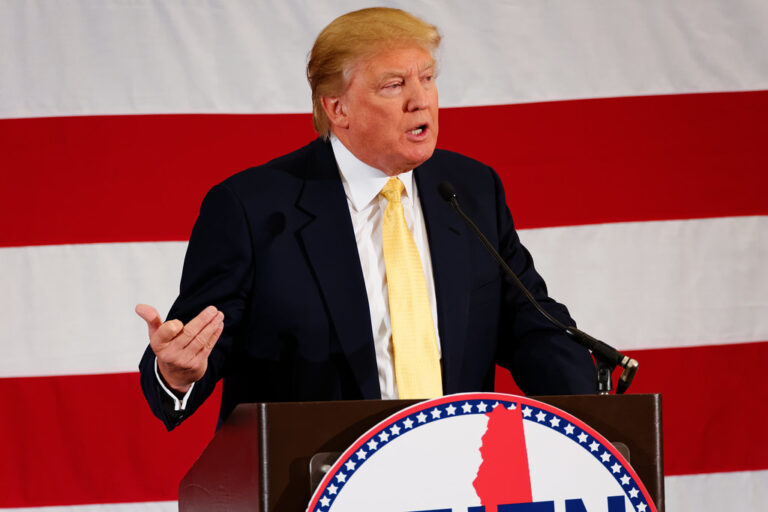
Why Trump Pardons Echo Epstein’s Warning

Key takeaways:

• Michael Wolff says Epstein warned about Trump’s pardon power.
• Epstein predicted Trump would use pardons in a “childlike” way.
• Recent Trump pardons include Binance founder and a former Honduran president.
• Critics worry these pardons break norms and protect powerful allies.

A former adviser’s warning

Michael Wolff, a longtime Trump chronicler, shared a surprising claim. He said Jeffrey Epstein warned about how Trump would use pardons. Wolff made the comment on his new podcast. He co-hosts it with Joana Coles of The Daily Beast. Before the 2016 election, Epstein joked about Trump’s future power. He warned that Trump would treat pardons like a toy.

How Trump Pardons Show Childlike Power

Wolff explained that Epstein talked about Trump’s love for power. He said Trump would beam with pride when pardoning people. He would act as if nothing could stop him. In his words, Trump would say, “I can pardon anyone. No one can do anything about it.” Indeed, Trump often boasts that pardons give him “absolute power.”

Moreover, Trump pardons have come under fresh scrutiny in his second term. Legal experts describe some pardons as shocking. They say these decisions ignore legal norms and public trust. For example, pardoning political allies raises questions about fairness.

Recent bold pardons

First, Trump pardoned Changpeng Zhao, the Binance founder. Zhao pleaded guilty to money laundering charges. He also faced a fine exceeding four billion dollars. His case involved global crypto markets. Critics said the pardon sent the wrong message. It suggested that extreme wealth can buy a second chance.

Next, Trump pardoned Juan Orlando Hernández. He is the former president of Honduras. Hernández received a 45-year sentence in the United States. Prosecutors linked him to a massive cocaine smuggling ring. They said his network flooded American streets with drugs. The pardon surprised many observers. Some saw it as political favoritism.

Then, the president granted clemency to several other allies and supporters. Many of these individuals had little public use of a pardon. Yet Trump insisted on sparing them from punishment. Epstein’s warning rings true. He predicted Trump would use pardons as gifts to friends.

Why legal experts are uneasy

Legal analysts warn that unchecked pardon power can harm justice. They note that the Constitution gives presidents broad clemency authority. However, norms discourage using that power for personal gain. When pardons favor the wealthy or well-connected, trust erodes.

Some scholars argue that these actions could invite future abuses. They worry the next president might mimic this pattern. In turn, trust in the justice system could decline further. For now, many call for clearer rules around presidential pardons.

What this means for the future

Going forward, lawmakers may propose limits on pardon power. They could require more transparency or oversight. Moreover, voters might demand stronger ethics rules in government. In this political climate, power and loyalty often mix. Epstein’s old joke now feels eerily real.

Still, Trump maintains that he did nothing wrong. He portrays his pardons as acts of mercy. He argues they correct unfair prosecutions. Yet critics see a pattern of rewarding allies. For them, that pattern threatens the rule of law.

In the end, Epstein’s warning shows how power can breed showmanship. Trump pardons may feel thrilling to his base. However, they also test the limits of a democratic system. As debates continue, one thing is clear. Presidential pardons carry weight far beyond a single person’s story.

Frequently asked questions

What did Epstein warn about Trump’s pardon power?

Epstein predicted that Trump would treat pardons like toys. He said Trump would enjoy the power in a “childlike” way.

Why do experts call these pardons childlike?

They say Trump pardons focus more on dramatic flair than justice. He seems to enjoy showing off his power.

Could these pardons face legal challenges?

While presidents have broad pardon rights, scholars suggest adding oversight. Future rules might limit abuses and ensure transparency.

How might these actions affect future presidents?

These pardons could set a precedent. Next leaders might follow suit, risking a breakdown in trust.
Erin Burnett Exposes Shift on Illegal Orders

0

Key Takeaways

  • Erin Burnett revealed Defense Secretary Pete Hegseth once warned against illegal orders.
  • In 2016, Hegseth said troops must refuse unlawful commands.
  • Today, he claims service members must obey any order.
  • CNN’s video evidence highlights this stark reversal.
  • Debate over strikes in international waters fuels the controversy.

Erin Burnett’s fact check

CNN host Erin Burnett played a clip on her show showing Pete Hegseth’s past words about illegal orders. She noted how sharply his view has changed. In the video, Hegseth warned that troops who follow unlawful commands face consequences. Yet now, as defense secretary, he urges soldiers to obey orders regardless of legality.

Hegseth’s 2016 stance on illegal orders

Back in 2016, Hegseth spoke clearly. He said the military must refuse illegal orders. He explained that war crimes bring punishment. He even pointed out that the U.S. military itself would not follow unlawful commands from its commander in chief. This statement aligns with long-standing laws that protect service members who say “no” to criminal orders.

His recent claims on military orders

However, in recent weeks, Hegseth has taken a different line. He told troops they must follow orders “no matter what.” He argued that breaking ranks could threaten discipline and mission success. This sudden pivot surprised many veterans and legal experts. After all, military law has always held that illegal orders must be rejected.

Why illegal orders matter now

The debate comes amid strikes on suspected drug vessels in international waters. The administration has launched over twenty strikes. Nearly one hundred people have died. Yet officials have shown little proof those boats posed a real threat. Critics worry that tight rules on illegal orders could force troops into questionable actions.

Experts and veterans weigh in

Moreover, several military veterans who serve in Congress released a video this month. In it, they remind service members that illegal orders breach both U.S. law and international rules. They urge troops to know their rights. They also underline that refusing criminal commands protects the nation’s honor.

Trump’s reaction and Hegseth’s threat

Meanwhile, former President Trump slammed the veterans’ video as “seditious behavior.” He and Hegseth warned those lawmakers they could face court-martial. This move shocked many observers. It seems to punish elected leaders for offering lawful advice to troops about illegal orders. As a result, the issue now spans politics, military ethics, and individual conscience.

Impact on ongoing strikes

The current strikes in international waters intensify the question of illegal orders. Are troops expected to fire on vessels without clear proof of threat? If so, could they be forced to follow orders that violate the law? These concerns grow as strikes continue without transparent evidence. Therefore, the public and lawmakers demand better explanations and stronger checks.

What this means for service members

Service members face a tough spot. Discipline and order remain vital in the armed forces. Yet soldiers also take an oath to uphold the Constitution. They must not commit war crimes or break international law. If they do, they risk criminal charges. Thus, clarity on illegal orders matters now more than ever.

Next steps in the debate

Lawmakers may hold hearings to examine military rules and the legal guidance given to troops. Veterans groups plan to lobby for clearer policies protecting soldiers who refuse illegal orders. Meanwhile, the Pentagon could issue fresh memos reinforcing established law. All these moves aim to ensure service members receive consistent and lawful instructions.

Final thoughts on leadership and legality

Good military leadership depends on trust and respect for rules. When top officials send mixed messages, troops can feel torn. They need to know when to follow orders and when to stand firm. In this era of global missions and complex threats, clear rules on illegal orders help protect both soldiers and civilians. Ultimately, consistency in policy builds stronger forces and upholds justice.

Frequently Asked Questions

What counts as an illegal order?

An illegal order demands actions that break U.S. laws or international treaties. Examples include war crimes or acts of torture.

Can soldiers refuse any order they dislike?

No. Troops may refuse only orders that clearly violate legal rules. They must show the command crosses a legal line.

Why is there debate over drug boat strikes?

Officials claim drug smugglers threatened safety at sea. Critics allege there is little proof, raising fears of unlawful actions.

How does military law protect troops?

Military law and international rules shield service members who reject criminal orders. These laws aim to prevent war crimes.

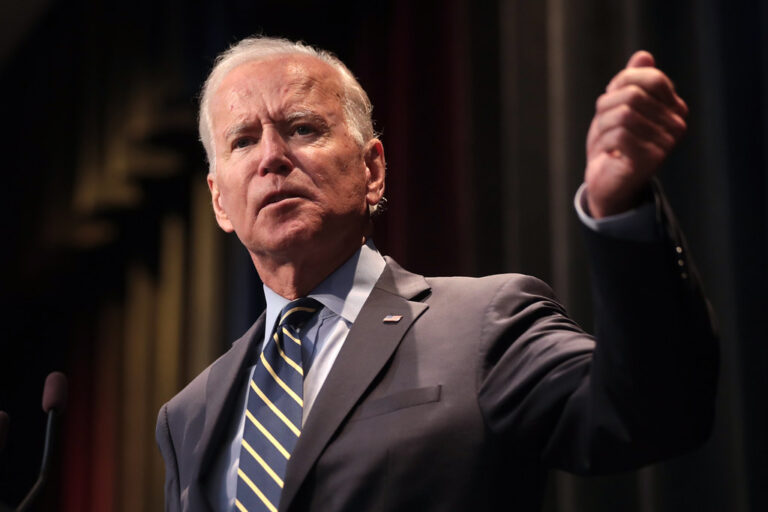
Biden Blame Fuels New GOP Fight Over Guard Shooting

Key Takeaways

  • MAGA TV host Eric Bolling put the spotlight on President Joe Biden’s policies.
  • Bolling suggested Biden’s immigration actions led to a deadly shooting near the White House.
  • The shooter came to the U.S. under a special Afghan visa created by the Biden administration.
  • The incident has reignited a heated GOP push for tighter immigration rules.

Biden Blame Sparks New Debate Over Guard Shooting

On his show this week, MAGA TV host Eric Bolling said one thing loud and clear: it is Joe Biden’s fault. He linked the deadly shooting of a National Guard soldier to the president’s immigration policies. His sharp claim has stirred fresh arguments across Capitol Hill and among voters.

Background of the White House Shooting

Just before Thanksgiving, two National Guard troops were patrolling near the White House. A 29-year-old man named Rahmanullah Lakanwal opened fire. One soldier died and the other was badly hurt. The shooter has pleaded not guilty to murder.

Law enforcement says Lakanwal came to America in 2021. He used a special visa set up by the Biden team for Afghans who helped U.S. forces. Then in April, he got legal residency.

Eric Bolling’s Bold Claim

Eric Bolling floated a new theory on his Real America’s Voice show. He said there are “far too many” people in America “who wish to do us harm.” Then he pointed a finger at the president: “They were hand-delivered to us by Joe Biden.”

Bolling argued that every action has a reaction. In his view, one of the most disastrous presidencies in U.S. history will keep causing harm for years to come. He used the phrase Biden blame several times to drive his point straight home.

How the Biden Blame Fueled GOP Reactions

Bolling’s words did more than shock fans. They added fuel to an existing fire. Several GOP leaders seized on the Biden blame argument. They demanded tighter border rules and harsher checks for visa applicants.

Former President Trump said he would ban all travel from what he calls “third-world countries.” Meanwhile, reports claim that Homeland Security officials are eyeing new immigration curbs. They are under pressure from key lawmakers.

The Afghan Visa Controversy

In 2021, the Biden team created a program for Afghans who helped U.S. troops. It aimed to reward those who risked their lives alongside American soldiers. Lakanwal entered on that very visa.

Critics say the program was too rushed. They point out the massive evacuation from Kabul and the flood of applications that followed. Supporters argue the plan saved many allies and showed American values at work.

Yet now the shooting has cast a dark shadow on the effort. Those who back stricter rules say the program lacked proper vetting. They believe the incident proves the need for overhaul.

A New Wave of Anti-Immigrant Push

Following the shooting, the GOP launched a fierce anti-immigrant campaign. They claim open borders and loose vetting put all Americans at risk. The shooting near the White House became a rallying cry.

Social media exploded with angry posts. Protesters gathered at immigration offices. Lawmakers drafted bills to cut refugee caps and tighten asylum rules. Even moderate Republicans called for reform.

However, not everyone is on board. Some Democrats warn that harsh measures will hurt refugees and allies. They say the actions of one person should not punish many innocent people.

The Ripple Effect of the Biden Blame Argument

Every bold claim has fallout. Bolling’s Biden blame theory is no different. It has sparked fresh debates in newsrooms and living rooms alike. Americans are talking about immigration more than before.

Moreover, the controversy shapes the 2024 races. Candidates on both sides must address border security and vetting. Voters want clear plans to keep the nation safe. They also seek a balance between generosity and protection.

In addition, the shooting has renewed a larger question: How do we welcome immigrants while guarding against threats? It is an issue that will ripple through future elections.

What’s Next for Immigration Policy?

Lawmakers face tough choices. They must weigh national security against promises to help persecuted people. Several bills are already in the works. Some focus on boosting border patrol. Others seek to speed up visa processing.

Secretary of Homeland Security Kristi Noem reportedly plans to propose new checks. She may add stricter background reviews for certain visa holders. The White House must decide whether to defend its Afghan visa program or change it.

Thus, the Biden blame debate is far from over. With midterms approaching, both parties will sharpen their arguments. Americans will keep watching how this shooting shapes policy and politics.

Conclusion

Eric Bolling’s claim of Biden blame on the guard shooting has stirred a national storm. It highlights deep divides over immigration, security, and presidential responsibility. As the debate heats up, lawmakers will push for new rules. Voters will watch closely to see if these policies keep America both safe and fair.

Frequently Asked Questions

What was Eric Bolling’s main claim on his show?

He said President Biden’s immigration policies led directly to the deadly shooting near the White House.

How did the shooter enter the U.S.?

He came from Afghanistan in 2021 under a special visa created by the Biden administration.

What are Republicans proposing after the shooting?

They want stricter border rules, tighter vetting for visas, and possible travel bans from certain countries.

Will the Biden administration change its Afghan visa program?

No official decision has been made yet, but reports suggest new security measures are under discussion.

How could this debate affect future elections?

Immigration and national security are top voter concerns, so candidates’ stances on these issues will likely influence election outcomes.

Veteran’s Battle After Shocking ICE Detention

0

Key takeaways

• George Retes is a 26-year-old U.S. Army veteran wrongfully caught in an ICE detention stop.
• He joined a $250,000 ad campaign exposing harsh immigration enforcement.
• His video shows agents breaking his car window, pepper-spraying him, and forcing him to the ground.
• Retes now sues the government and urges everyone to speak up for justice.

George Retes served in Iraq and now works as a security contractor near Los Angeles. One morning, he drove to his job at a cannabis farm when ICE agents swarmed his car. They shattered the window, pepper-sprayed his face, and threw him to the ground. This scene, captured on video, sparked outrage and led Retes to fight back.

How ICE Detention Unfolded on His Commute

Retes says an ICE checkpoint blocked his route without warning. He insists he showed his U.S. military ID and behaved respectfully. Yet agents ignored his proof and accused him of blocking their path. They sprayed him with pepper spray and wrestled him to the pavement. Then they zip-tied his hands and forced him into custody for a weekend.

Around 200 U.S. citizens have faced similar ICE detention stops since January. Therefore, Retes became the face of Home of the Brave’s new ad campaign. In the one-minute spot, he pleads for action. He says, “Your voice matters. Call your representatives. Let your voice be heard.” He hopes more people will challenge unfair treatment.

He Fights Back with Ads and a Lawsuit

Retes stars in a $250,000 ad campaign that airs on streaming services. It directly counters Department of Homeland Security recruitment ads. He also joined forces with the Institute for Justice. Together, they filed a claim under the Federal Tort Claims Act. They demand accountability for the agents who violated his rights.

DHS tried to discredit Retes in public statements. They claimed he became violent and blocked the search. However, Retes rejects these claims. He was never charged with assault. The video, he says, proves his side. He challenges the administration to face the evidence in court.

Inside Detention: His Harrowing Ordeal

While in ICE detention, Retes says he endured inhumane conditions. He spent nights on a concrete bed with lights on all the time. He could not shower, even though his skin burned from pepper spray. He also faced suicide watch, isolated in a tiny room with a small window.

He missed his daughter’s third birthday and worried her tears. He slept in a hospital gown and could not flush the toilet on his own. This distress lasted days. Retes calls the experience “terrible” and vows no one else should endure it.

A Call to Action: His Message to Leaders

Retes urged President Trump, DHS Secretary Kristi Noem, and other leaders to do their jobs. He said agents should protect rights, not violate them. He warned attacks on truth and liberty harm all Americans. He lamented the rising cost of living and the growing division in the country.

Despite his pain, Retes holds onto hope. He believes Americans can unite for justice. He hopes better days lie ahead, if leaders listen and act.

From Security Guard to Advocate

Before his arrest, Retes worked for Securitas, a national security contractor. After the ICE detention, the company suspended him for three weeks. They told him to prove his innocence. Feeling betrayed, he quit and now seeks new work. Meanwhile, he travels to tell his story.

His message resonates beyond politics. He reminds fellow veterans and citizens alike that due process matters. He sees his struggle as part of a larger fight against injustice. By sharing his video, he hopes to inspire others to speak out.

Why This Case Matters

This incident highlights serious concerns with ICE detention tactics. U.S. citizens should not face illegal stops by immigration agents. Yet close to 200 cases show it can happen. Retes’s fight exposes gaps in oversight and accountability. His ad campaign pressures the government to change.

Transitioning from soldier to activist, Retes uses media to push for reform. He believes public attention can force leaders to act. His lawsuit may set an example and help prevent future abuse.

Moving Forward Together

Retes’s story serves as a warning. It shows how easy it is to lose rights without proof. Therefore, he asks everyone to call their representatives. He urges citizens to demand transparency in immigration actions. He stresses that silence helps injustice thrive.

By sharing his ordeal, Retes hopes to spark real conversations about rule of law. He wants Americans to hold officials to higher standards. He dreams of a nation where agents follow rules and respect dignity.

Frequently Asked Questions

What evidence supports Retes’s claims about ICE detention?

Retes’s video shows agents breaking his window, pepper-spraying his face, and pinning him to the ground. He also has medical records of his injuries and witness statements from bystanders.

How did Retes join the Home of the Brave ad campaign?

The nonprofit reached out after learning his story. They believed his case showed “catastrophic harm” from the administration’s policies. Retes agreed to share his experience to raise awareness.

What legal action has Retes taken against the government?

He filed a claim under the Federal Tort Claims Act with help from the Institute for Justice. They aim to hold the administration accountable for wrongful arrest and mistreatment.

How can people support changes in ICE detention practices?

Citizens can call or write to their elected officials, attend local town halls, and share stories like Retes’s on social media. Public pressure can push leaders to review and reform enforcement policies.

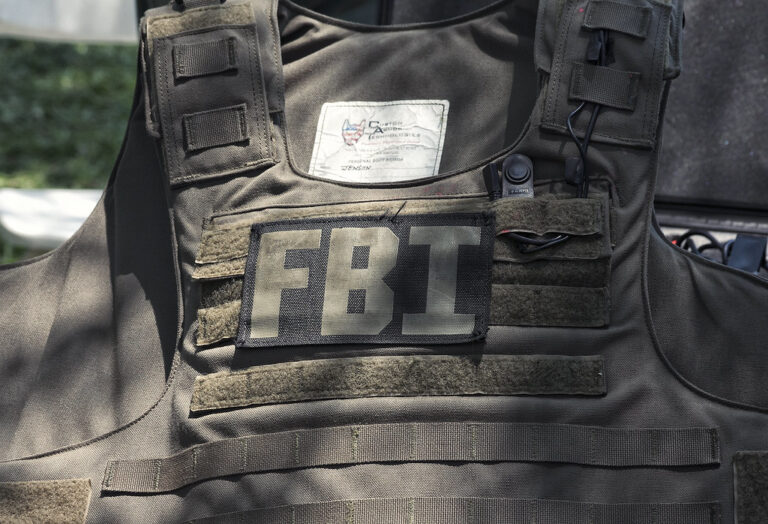
FBI plane Allegations and Patel’s Defense

0

Key Takeaways

• FBI Director Kash Patel faced tough questions on Fox News over his use of the FBI plane.
• Patel defended his actions, saying he cut waste and followed rules for all directors.
• He admitted taking trips with his girlfriend but said critics ignore the facts.
• The raid jacket story added to the debate but Patel said it was blown out of proportion.
• Some insiders claim Patel feels overwhelmed and struggles to lead the FBI.

On Tuesday, Laura Ingraham of Fox News pressed FBI Director Kash Patel about claims he used the FBI plane for personal trips. Ingraham cited reports that Patel took the plane to a wrestling event with his girlfriend. She said Democrats might probe his actions soon. Patel listened calmly and then spoke up. He neither denied taking trips with his girlfriend nor admitted wrongdoing. Instead, he focused on his changes at the bureau.

What Fox News Asked About the FBI plane

During the interview, Ingraham asked Patel if he had “commandeered” the FBI plane for joy rides. She mentioned a wrestling match and implied he misused taxpayer money. Patel replied that all FBI directors must use the FBI plane. He added that he cannot fly commercially. Then he pointed to his predecessors. He said they wasted four million dollars by using the wrong airport. By contrast, he required the bureau to use government airfields. He claimed this step saved money and cut extra travel time.

Patel’s Defense in Simple Terms

Patel spoke in clear, short sentences. He began by explaining the rule: no FBI director flies commercial. Next, he criticized past leaders. He said they picked Reagan National instead of Andrews Air Force Base. That choice cost taxpayers millions. Therefore, he changed the policy. Now, every trip goes through government fields. As a result, costs fell and the plane runs less often. In fact, he said he used the FBI plane less than his last two bosses. Finally, he addressed his personal life. He said he has a right to spend time with his girlfriend. He also said he funds those trips himself. Thus, he insisted critics mix facts with fiction.

The Raid Jacket Incident

Patel also mentioned “raid jackets and velcro.” That odd phrase refers to another news story. Earlier this year, Patel visited the scene of activist Charlie Kirk’s death. He wanted a jacket that said FBI on the back. But staff found only women’s raid jackets in stock. They had to search until they found one that fit. Critics mocked the moment and shared photos online. Ingraham brought up that tale too. Patel said the jacket story does not change the real work his teams do. He claimed the media focus on the jacket distracts from his success in the field.

Critics Claim He Is Struggling

Meanwhile, separate reports suggest Patel feels “in over his head” as director. Some insiders say he seems “paralyzed by fear” when tough calls come up. They point to low morale in parts of the FBI. They also argue he has trouble managing senior agents. However, Patel’s supporters reject these claims. They say change at a large agency takes time. They add that he has won praise for recent operations. Still, his critics expect more direct answers about policies and leadership style.

Why This Matters

This issue goes beyond one man or one plane. First, it touches on how top officials use public resources. Voters want to know if leaders treat taxpayer dollars responsibly. Second, it shows how politics can shape news stories. Opponents use any detail, like a raid jacket, to score points. Third, it raises questions about the FBI’s future direction. Will Patel push reforms or follow old paths? Finally, it reflects deeper divisions in Washington. Every action by a top official faces intense scrutiny. Therefore, understanding this story helps people see how power and accountability work today.

Lessons for Public Officials

First, clear rules matter. Patel stressed that he follows the rule about the FBI plane. Yet critics still attacked him. This shows a gap between policy and public perception. Second, details can distract from big issues. The raid jacket story went viral, but it did not affect case investigations. Third, honest communication is key. Patel chose to speak directly and name past mistakes. That tactic can build trust, but it also invites more questions. Fourth, leadership style comes under the microscope. Insiders report fear and uncertainty at the FBI. Leaders must balance action with clear guidance.

What’s Next for the FBI?

Patel faces more questions from both parties. Democrats say they will look into his use of the plane. They also want to review his changes to field operations. Republicans will defend his cost-cutting moves. Meanwhile, the bureau must keep handling major cases. It faces threats from cybercrime, foreign spies, and domestic plots. Public confidence in the FBI depends on results. So far, Patel points to recent arrests and breakthroughs. But his critics want hard numbers on efficiency and integrity. In the coming weeks, we can expect more hearings, news reports, and debates.

FAQs

What rule governs the FBI plane use?

All FBI directors must use the FBI plane. They cannot fly commercial. The policy aims to protect security and ensure flexibility for urgent missions.

Did Patel admit taking personal trips on the FBI plane?

He said he took trips with his girlfriend and supports her, but added he follows the same rules as past directors. He emphasized he pays for personal costs himself.

Why is the raid jacket story controversial?

Patel waited on the tarmac for an FBI raid jacket before visiting Charlie Kirk’s death site. Staff only had women’s jackets in stock, and he wanted a proper fit. Critics used the story as a symbol of misplaced priorities.

Are there deeper issues at the FBI under Patel?

Some insiders claim Patel feels “in over his head” and cannot make key decisions. Others praise his cost cuts and tough stance on crime. The debate highlights a split in opinion on his leadership.

Wealth Wisdom Myth: Why Rich Doesn’t Mean Smart

0

Key Takeaways

  • Money does not guarantee wise decisions.
  • History shows rich people often make big mistakes.
  • Privilege lets them avoid real consequences.
  • True leadership comes from action, not bank balance.

Too many believe that cash equals clear thinking. However, extreme wealth often isolates people from reality. This confusion led us to elect unqualified leaders and trust unwise advice. We need to rethink how we view fortune and wisdom.

Debunking the wealth wisdom myth

Wealth alone does not create insight. For example, many billionaires inherited their money. They never learned to cope with real risks. In turn, they avoid honest feedback. As a result, they make decisions without real data or moral clarity. So, money without true judgment simply fuels bad choices.

Money and Power: A Dangerous Mix

When wealth meets power, it becomes a risky brew. Rich leaders can ignore warnings and rush into costly projects. One once tried to control weather maps instead of admitting error. Another spent billions on a virtual world few asked for. These blunders prove that cash cannot buy sound planning.

Lessons from History

In the 1850s, plantation owners led a war against democracy. They lost lives and nearly split the nation. In the Gilded Age, robber barons crushed competition to hoard wealth. These actions hurt workers and stifled innovation. Later reformers had to step in and rebuild trust. We should learn from these mistakes today.

Why We Fall for the Rich

We tie wealth to intelligence in our culture. We admire flashy success stories on social media. We read headlines about tech founders as if they were saints. Yet research shows that extreme wealth can reduce empathy and distort thinking. People with huge fortunes often struggle to understand everyday struggles.

The Role of Privilege

Privilege, not genius, shelters the unwise. A billionaire can lose millions and barely blink. An average worker faces real hardship after a single setback. This safety net lets the ultra-rich dodge failure and ignore warnings. Over time, they grow overconfident and disconnected.

Guardrails Against Hubris

We need rules to keep power in check. Strong laws, fair taxes, and public scrutiny all help. Democracies thrive when everyone faces similar rules, rich or poor. By demanding transparency and accountability, we can stop wealth from turning into unchecked authority.

Building Real Wisdom Together

True wisdom grows in communities, not vaults. Every person can learn from diverse views and real challenges. Teachers, neighbors, and coworkers share insights that no amount of cash can buy. By celebrating service and creativity over net worth, we build stronger bonds and wiser leaders.

Reclaiming Common Sense

It falls to us to question false idols. We must measure people by kindness, skill, and results. We need to teach younger generations that hard work and empathy matter more than inherited wealth. When we do this, we protect democracy and lift everyone’s prospects.

A Future Beyond Fortune

Imagine a world where we value ideas over income. A society where public servants and artists earn respect equal to CEOs. In that world, we stop chasing wealth for its own sake. Instead, we focus on solving real problems and caring for one another.

FAQs

What does “wealth wisdom” really mean?

It refers to the false belief that money equals smart decision-making. True wisdom comes from experience, empathy, and honest feedback.

How can we stop confusing wealth with intelligence?

Encourage open debate, reward good ideas, and demand transparency. Celebrate achievements based on impact, not bank balance.

Why do rich people often avoid honest advice?

Extreme privilege creates isolation. Surrounded by yes-men, they lose touch with reality and ignore valid warnings.

What steps can ordinary people take?

Stay informed, support fair policies, and recognize leaders for character and results. Focus on community success, not just wealth accumulation.

Pete Hegseth Accused in Fisherman’s Killing

0

Key Takeaways

• A Colombian fishing family filed a murder complaint with IACHR.
• They accuse Defense Secretary Pete Hegseth of ordering a deadly strike.
• The 42-year-old fisherman was killed in a U.S. military attack on Sept. 15.
• The family seeks compensation and an end to similar boat strikes.
• The complaint calls the killing an extra-judicial human rights violation.

The family of Alejandro Andres Carranza Medina filed a formal complaint with the Inter-American Commission on Human Rights. They accuse Defense Secretary Pete Hegseth of ordering a strike that killed the 42-year-old fisherman. Their filing calls the killing an extra-judicial execution and a clear human rights violation.

Details of Accusations Against Pete Hegseth

In their complaint, the family and their lawyer allege that Pete Hegseth knowingly gave orders to bomb small boats without checking who was on board. They point out that he admitted giving those instructions, even though he did not know the identities of the targets. Furthermore, the family’s filing says the U.S. president ratified those orders. They describe the Sept. 15 attack as a deliberate, unlawful killing.

Background of the Boat Strike

On Sept. 15, U.S. forces launched the second missile strike in a campaign aimed at drug-smuggling boats in the Caribbean. President Trump posted on his social media platform that the strike hit “extraordinarily violent drug trafficking cartels.” He claimed the crew was Venezuelan. However, Colombia confirmed they were Colombian fishermen trolling for marlin and tuna. As a result, an innocent family lost its main provider.

Impact on the Family and Legal Steps

Carranza’s wife and four children faced not only grief but also threats after speaking out. Their lawyer, Daniel Kovalik, says their world has been turned upside down. They remain without their breadwinner. Therefore, they asked the IACHR to investigate and to recommend that the U.S. pay compensation. They also want the U.S. to stop these kinds of boat attacks in the future.

Role of Pete Hegseth in U.S. Military Orders

As Defense Secretary, Pete Hegseth oversees military actions. He issued a verbal order that led to another controversy on Sept. 2, when survivors from a prior strike were killed. Those earlier victims were fishermen too. Reports say he approved both strikes without confirming the targets’ identities. As a result, human rights groups are calling for accountability.

What the Family Hopes to Achieve

The complaint asks the IACHR to declare the U.S. responsible for human rights violations. The family seeks financial redress and a public apology. Moreover, they want formal measures to prevent future attacks on civilians. Their attorney calls this step the first part of a long fight for justice. They know the commission cannot enforce its recommendations. However, they hope international pressure will push the U.S. to change its rules.

What Comes Next

The IACHR will review the filing and decide if it meets the criteria to move forward. If so, it may ask the U.S. for more information. Meanwhile, the family will share its story to gain public support. They plan to highlight how easily innocent lives can be lost in military campaigns. Ultimately, they want stronger safeguards for all small-boat operators in the region.

Conclusion

The complaint against Pete Hegseth shines a light on the risks of broad military orders. It shows how the lives of innocent people can be swept away by strikes meant to stop crime. While the IACHR cannot enforce penalties, its findings could shape future policy. For this Colombian family, the goal is simple: justice for their lost father and an end to deadly boat attacks.

FAQs

Which body handles complaints to the Inter-American Commission on Human Rights?

The IACHR reviews accusations of human rights violations from citizens of member states. It can recommend actions but cannot enforce them directly.

What does the family ask from the U.S. government?

They want financial compensation, an official apology, and a halt to similar maritime strikes.

How did the misidentification of the boat crew happen?

The U.S. president claimed the crew was from Venezuela, but Colombia confirmed they were fishermen. The military did not verify identities before the strike.

Can the IACHR decision force the U.S. to change its policies?

No, the IACHR cannot enforce its recommendations. However, its findings can influence international opinion and pressure governments to act.

GOP Resignations Loom After Tennessee’s Tight Race

Key Takeaways

  • A special election in Tennessee ended with Republican Matt Van Epps winning 52% to 46%.
  • Political analyst Sam Seder warns close contests may spark GOP resignations.
  • Lawmakers fear tough fundraising, hard primary fights, and staying in the minority.
  • More retirements could reshape party control and strategy in Congress.

GOP Resignations May Be on the Horizon

Republican Matt Van Epps claimed victory in Tennessee’s special election. Yet his narrow 52% to 46% lead over Democrat Aftyn Behn has stirred fresh worries about GOP resignations. After all, a slim win may signal danger for lawmakers. Sam Seder, speaking with Molly Jong-Fast, predicts that GOP resignations could sweep through Congress if Democrats stay competitive.

Close Vote in Tennessee

Van Epps faced Behn in a contest seen as a test of party strength. Despite a strong Republican history in Tennessee, Behn closed the gap more than expected. The Associated Press called the race for Van Epps, but the 6-point margin feels tight in a safe district. In his victory speech, Van Epps credited President Trump’s backing. He said staying close to Trump won the seat.

Why GOP Resignations Could Follow

Seder argues that if Democrats overperform—even by a few points—many GOP members will rethink their future. He believes that repeated close calls will push some to resign or retire. First, lawmakers hate nonstop fundraising. Second, they dread tough primary battles from more extreme rivals. Third, they face the certainty of serving in the minority if Democrats keep gaining ground. Therefore, Seder warns that GOP resignations could rise if the party struggles to win decisively.

What This Means for Congress

More GOP resignations would reshape party plans. Open seats often draw crowded primaries. That boosts the campaign chaos in both parties. Moreover, new candidates may lack the experience to pass complex laws. As a result, Congress could slow on key issues like spending bills or foreign aid. In addition, House leadership may need to scramble to fill committee posts when members depart.

How Lawmakers Might Respond

Many Republican members will watch Tennessee’s results closely. If more races stay tight, they may:

• Announce retirements early to avoid tough primaries
• Seek safe districts instead of battleground seats
• Boost fundraising efforts to deter strong challengers
• Align closely with party leadership to secure support

However, some may double down on hardline stances, hoping a bold message wins over the base. That approach could spark even fiercer GOP primaries.

Running With Trump and Party Unity

Van Epps stressed in his speech that aligning with former President Trump secured his win. He said, “Running from Trump is how you lose. Running with Trump is how you win.” He promised to be “all-in” with Trump’s agenda in Congress. Yet this tactic may alienate moderate Republicans in swing districts. That tension could fuel further GOP resignations as centrist voices struggle to win primaries.

Impact on the 2024 Midterms

Looking toward the next midterm, close special elections serve as early warnings. A series of narrow GOP victories could prompt a wave of retirements. Then, Democrats might flip even more seats. Conversely, if Republicans win by large margins, they may avoid resignations and maintain momentum. Either way, the party’s strategy will hinge on how it handles fundraising, candidate quality, and messaging.

Lessons for Future Campaigns

Campaign teams will study Tennessee closely. They’ll ask:

• Did heavy outside spending pay off?
• How much did Trump’s support move voters?
• Which local issues affected turnout?

Answers will shape recruiting and resource allocation. In addition, they will guide decisions on whether to defend vulnerable incumbents or cut losses early.

Looking Ahead to Midterm Battles

As the midterms draw near, both parties will target districts like Tennessee’s special race. Republicans must avoid too many close calls to prevent a wave of retirements. At the same time, Democrats see chance after chance to shrink the GOP majority. Every tight result adds fuel to predictions of more GOP resignations.

Conclusion

Tennessee’s special election showed that even safe seats can become tight contests. As Sam Seder warns, continued close races could trigger GOP resignations and retirements across Congress. For party leaders, the challenge is clear: deliver big wins or prepare for a potential exodus.

Frequently Asked Questions

Why do tight races trigger more retirements?

Close races force incumbents into endless fundraising and tough primaries. Many choose to step aside rather than fight costly campaigns.

How many GOP members might retire?

Analysts mention two to three more departures, but the final count depends on future vote margins and district makeup.

Can strong party support prevent resignations?

Yes. Unified backing from leaders and donors can reassure incumbents and limit primary threats.

What role will Trump play in future races?

Trump’s endorsements can boost candidates in primaries. However, in swing areas, close ties may backfire, leading to more retirements.

Why Stefanik’s Stock Ban Move Rocks the GOP

Key takeaways

• Rep. Elise Stefanik backed a bipartisan discharge petition for a stock ban.
• GOP leaders, including Speaker Mike Johnson, oppose the stock ban.
• Stefanik accused Democratic members of abusing stock trading for profit.
• Tension rises as Stefanik also slammed GOP over FBI surveillance rules.

Rep. Elise Stefanik, a top Republican in the House, just shook up her party again. This time she signed a bipartisan discharge petition to force a vote on a stock ban for members of Congress. Her bold move goes against her party’s leadership. Yet Stefanik focused her fire on Democrats, blaming them for corruption in stock trading. Meanwhile, GOP leaders, including Speaker Mike Johnson, remain unhappy with her.

Stefanik’s Stock Ban Push

Stefanik said she never bought or sold a single stock in Congress. She believes trading stocks while in office is unethical. Therefore, she supports a stock ban to end insider trading by lawmakers. She argues a stock ban will restore trust in Washington. Moreover, she pointed fingers at former Democratic Speaker Nancy Pelosi. Stefanik claimed Pelosi made millions from stock trades, calling it corrupt.

Despite wide support for a stock ban among the public, GOP leaders oppose it. They argue new rules could hamper members’ personal finances. However, Stefanik insists a stock ban is “commonsense” and good governance. By signing the petition, she forced the House to reconsider rules on stock trading.

Debate Over the Stock Ban

Supporters say a stock ban will stop insiders from profiting on private information. They note past scandals where members bought stocks after closed-door briefings. On the other hand, critics argue a total stock ban is too broad. They suggest stricter disclosure rules instead. Even so, polls show most Americans back a complete stock ban for Congress.

Meanwhile, Stefanik’s move has real impact. Discharge petitions rarely succeed, but they can pressure leadership. If enough lawmakers sign, the House must vote on the stock ban. Consequently, GOP leaders may face a rebellion.

GOP Backlash and Leadership Rift

This is not the first time Stefanik has clashed with her party. Just a day earlier, she blasted Speaker Johnson on social media. She accused him of ignoring her FBI surveillance reform in the defense bill. Stefanik argues her proposal would prevent illegal spying on candidates. She points to her 2017 hearing with FBI Director James Comey. She says Comey admitted to skipping proper notification in the Russia probe. Therefore, her bill aims to strengthen transparency and accountability in the FBI.

However, GOP leadership, including Rep. Jamie Raskin’s critics, blocked her provision. As a result, Stefanik publicly accused her own party of bowing to the “deep state.” This latest conflict over FBI rules adds to the stock ban drama. Together, these fights reveal growing tension among House Republicans.

Stefanik’s Political Ambitions

Aside from her role in Congress, Stefanik is running for New York governor. She hopes her strong stance on corruption wins over voters. By pushing a stock ban, she appeals to New Yorkers frustrated with high living costs. In her statement, she linked the stock ban fight to the state’s affordability crisis. She blamed Governor Kathy Hochul for creating economic challenges. Thus, Stefanik casts herself as a fighter for everyday people.

Moreover, her attacks on Democrats play well with her base. She frames the stock ban as a way to crack down on corruption by Democrats. This strategy could boost her name recognition in the crowded gubernatorial race.

How the Petition Works

A discharge petition lets members bypass leadership to bring a bill to the floor. If a majority of House members sign, the bill gets scheduled for a vote. In this case, the stock ban petition needs 218 signatures. So far, it has strong bipartisan support. But it faces resistance from top Republicans.

Nevertheless, the petition highlights public demand for ethics reform. It forces lawmakers to take a clear position on the stock ban. Those who oppose it could face voter backlash. After all, trust in Congress is at historic lows.

Potential Outcomes of the Stock Ban Vote

If the petition succeeds, the House must vote on the stock ban. A House vote would put GOP leaders in a tough spot. They must decide whether to uphold the party line or back the ban. Supporting it could upset donors who trade stocks. Opposing it could anger voters tired of political scandals.

Should the stock ban pass the House, it moves to the Senate. The Senate has debated similar bills but never passed them. Therefore, even if the House OKs the ban, it faces hurdles in the upper chamber. Still, passing one house sends a clear message that lawmakers want change.

Why This Matters to You

First, the stock ban could change how politicians invest their money. It aims to stop lawmakers from making big profits off inside information. Second, the fight over the ban shows divisions in the GOP. These splits could shape legislative priorities this year. Finally, Stefanik’s stance may influence her run for governor. Voter trust and anti-corruption messages are key issues for New York residents.

As the petition gains signatures, keep an eye on both sides. GOP leaders could give in if pressure mounts. Or they might tough it out, risking party unity. Meanwhile, Stefanik’s bold moves will likely keep her in the spotlight.

In short, the stock ban push is about more than trading rules. It’s about power, trust, and who gets to lead the next fights in Congress.

FAQs

What is a discharge petition?

A discharge petition is a tool members use to force a bill to the House floor if leadership blocks it. When 218 members sign, the petition succeeds.

How would a stock ban work?

The ban would forbid members of Congress and their staff from buying or selling individual stocks. They could still use mutual funds or blind trusts.

Why do GOP leaders oppose the stock ban?

Some leaders argue a total ban limits personal freedom and financial planning. They prefer stricter disclosure over an outright ban.

What impact does this have on Congress?

If the petition forces a vote, it tests party unity and shows public demand for ethics reform. It may also shape the 2024 legislative agenda.

Why Republicans Fear of Violence Matters

0

Key Takeaways

  • Election lawyer Marc Elias says Republicans follow Trump out of fear of violence.
  • Indiana lawmakers push a gerrymander that erases Democratic districts amid threats.
  • As Trump’s poll numbers fall, experts warn he may use more extreme tactics.
  • Democracy could face harsher gerrymandering, voter suppression, and violence.

Republicans are obeying Donald Trump not just out of loyalty, but out of a real fear of violence. Election expert Marc Elias shared this warning in a TV interview. He said many GOP officials worry Trump’s supporters might attack them if they don’t follow his orders. This fear of violence shapes big political moves, like mid-decade redistricting.

For example, in Indiana, state lawmakers are rushing through an extreme gerrymander. This plan would wipe out every Democratic district in the state. Many Republican senators oppose it. Yet they still face terroristic threats. As a result, they fear voting against it could bring physical danger.

Moreover, Trump’s poll numbers hover at 36 percent and seem to be dropping. Last month’s elections showed voters rejecting Trump and the Republicans who back his plans. Despite this clear message, officials keep bowing to Trump. Elias says their worry about violence is too strong to ignore.

How Fear of Violence Fuels Gerrymandering

First, officials worry about losing in a primary election. But Elias says that now, fear of violence tops that concern. Second, as Trump becomes less popular, his tactics will grow harsher. He may push more extreme gerrymanders in other states. For instance, lawmakers might redraw maps to lock in one party’s power forever.

Also, this fear of violence leads to more voter suppression. Officials may pass stricter ID laws or close polling places. In addition, they could file frivolous lawsuits to delay results. As a result, normal election processes become twisted.

What’s more, history shows these moves can provoke real violence. After the 2020 election, Trump instigated a violent attack on the Capitol. This stark example shows how election subversion can lead to bloodshed. Therefore, experts worry about future clashes.

The Impact on Democracy

Democracy works best when every vote counts. However, if lawmakers redraw districts in secret, some votes lose value. Gerrymandering can pack or crack groups, so one party wins more seats. This tiptoes into unfair territory and scares off honest debate.

Furthermore, voter suppression can keep people from the polls. It often targets young, minority, or low-income voters. These groups may lack the ID or resources to navigate new rules. As a result, turnout drops and democracy weakens.

Then there are endless lawsuits that clog courts. They can delay election results and sow doubt. Citizens begin to question whether their ballots matter. Over time, trust in elections erodes.

Why Trump’s Unpopularity Matters

As Trump’s poll numbers fall, his supporters may grow angrier. They might feel betrayed or desperate. According to Elias, this anger could translate into more threats or attacks. Consequently, officials may give in to stop threats.

Furthermore, less popularity can drive Trump toward authoritarian tactics. He may push for changes that bend or break rules. For instance, he could demand mid-decade redraws in other swing states. He may also ramp up rhetoric that labels any opposition as “rigged” or “fraud.” This type of talk can fuel real-world violence.

What Comes Next

Looking ahead, experts say we will see more extreme moves. First, expect sharper gerrymanders in key states. Second, watch for tougher voter ID laws and shorter voting windows. Third, courts will get swamped with election lawsuits. Finally, as the next election nears, tensions could rise.

However, there are ways to push back. Citizens can demand transparency in map drawing. They can support nonpartisan redistricting commissions. They can also fight voter suppression through advocacy and lawsuits. In this way, democracy can fight back against fear of violence.

Still, the road ahead will be rocky. Officials will face threats, and citizens will feel frustrated. Yet, steady pressure and clear laws can help protect fair elections. Ultimately, democracy depends on brave leaders who dare to stand up to threats.

FAQs

Why do Republicans fear violence from Trump supporters?

Many GOP officials believe Trump’s base could react violently if they disobey his orders or fail to push his agenda. This worry drives them to follow him closely.

How does mid-decade gerrymandering work?

Mid-decade gerrymandering redraws electoral maps outside the usual ten-year cycle. It can be used to erase opposition districts and give one party extra power.

Can voter suppression really change election results?

Yes. Strict ID rules, fewer polling places, and limited voting hours can lower turnout among certain groups. This shift can tip close races.

What steps can protect democracy from extreme tactics?

Citizens can call for independent map makers, support voting rights laws, and challenge unfair rules in court. Public pressure and clear rules help ensure fair elections.