58.5 F
San Francisco
Tuesday, March 24, 2026
Home Blog Page 166

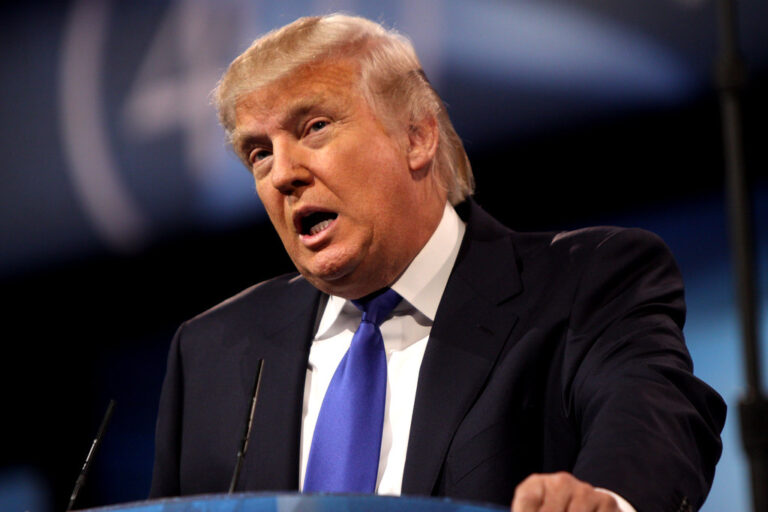
What’s Really Behind Trump Health Questions?

Key takeaways

• President Trump seemed upset when reporters asked about his health.
• He was filmed dozing off during a three-hour cabinet meeting.
• Trump spent extra time talking about his medical exam to defend himself.
• A physician’s memo on his MRI faced doubts from other health experts.
• Questions about his fitness may affect how the public sees him.

Trump health under the microscope

During a long cabinet meeting, President Trump looked tired. Cameras showed him closing his eyes and nodding. CNN’s Jamie Gangel said Trump seemed “very sensitive” about health queries. Suddenly, he shifted focus. He started attacking a New York Times reporter. Then he turned to defend his health. In fact, he spoke at length about his recent medical exam. This live reaction fueled more talk about Trump health.

Why Trump health questions matter

When a leader’s health is in doubt, people worry. They ask if he can handle tough choices. Moreover, they want to trust that he makes clear decisions. Therefore, any sign of weakness can spark big headlines. In Trump’s case, the video of him dozing raises fresh concerns. Consequently, critics argue that voters deserve full information about Trump health. Meanwhile, supporters say the incident is just a tired moment.

A snooze caught on camera

It happened on Tuesday afternoon. The meeting ran for over three hours. As officials fielded questions, Trump sat at the head of the table. At one point, his eyes shut tight. Then he nodded as if he were asleep. Reporters were stunned. They filmed the scene and shared it online. Almost immediately, the clip went viral. People paused and replayed the footage. They wondered if Trump was simply bored or truly exhausted.

Defending his fitness

Rather than ignore the moment, Trump confronted the doubts. He started naming doctors and tests. He even mentioned his latest MRI. Then he shared a memo from his personal physician. Trump said his health was “excellent.” He went on to criticize the media for spreading rumors. Furthermore, he singled out one reporter for writing a critical article. By the end, he had spent nearly an hour talking about Trump health. He aimed to prove he’s in top shape.

Expert reactions and skepticism

However, not everyone agreed with Trump’s conclusions. Some medical specialists said the doctor’s memo was too vague. They noted it lacked detailed information about key areas. Moreover, they questioned whether a short checkup can reveal hidden issues. Meanwhile, political analysts pointed out that presidents often release favorable health reports. Therefore, they treat such documents with caution. In short, debate over Trump health intensified after the meeting.

Impact on public perception

First, trust in leadership matters for any country. If citizens doubt a president’s capacity, they lose confidence. Furthermore, opponents may use the moment to push their agenda. They can argue that Trump health problems hinder his performance. On the other hand, supporters claim the fuss is a media stunt. They insist he made a good recovery after surgery. Yet, polls show health remains a top concern among voters this term.

How fatigue could affect duties

Running a country means facing high stress every day. Huge decisions require sharp focus and steady nerves. Therefore, feeling worn out might impair judgment. In addition, if a leader naps regularly, people may question his stamina. Moreover, long hours with back-to-back meetings can wear anyone down. Still, presidents sometimes rely on power naps to stay alert. Ultimately, the key is whether rest leads to better performance.

The role of transparency

Transparency builds trust. When a leader shares health updates, the public feels assured. Conversely, hiding details leads to speculation. For this reason, many past presidents released annual health reports. However, Trump chose to share a short note after his MRI. Critics say that timeline and brevity left too many questions. Consequently, they call for a fuller account of Trump health. Meanwhile, the White House maintains that the note is enough.

Lessons from history

In past decades, health concerns hit other leaders too. Some downplayed symptoms until the press uncovered more serious issues. For example, as watergate took tolls, Nixon’s health suffered in secret. Later, other presidents revealed more after public outcry. These cases show how vital honesty can be in democracy. Today’s debates over Trump health echo those earlier battles for openness.

Looking ahead

As the election nears, health will stay a hot topic. Opponents may use the video clip again. Yet, Trump can counter by scheduling more medical checkups. He might also invite independent experts to review his files. In doing so, he could ease doubts. Still, the public will watch closely. After all, questions about Trump health already shaped headlines once. They are likely to resurface until full clarity is offered.

Final thoughts

The snooze seen on camera triggered a wave of concern. It revealed how sensitive any leader can be about public image. Even a short nap can spark serious debate. Moreover, it reminds us that health matters for those in power. Indeed, as Trump fights to prove his fitness, voters and experts will keep asking tough questions. Until then, every new statement on his medical status will fuel fresh discussions.

Will there be more details on his health exam?

What exactly did the MRI reveal about his brain?

Could fatigue signal bigger health issues for the president?

How might this incident affect his approval ratings?

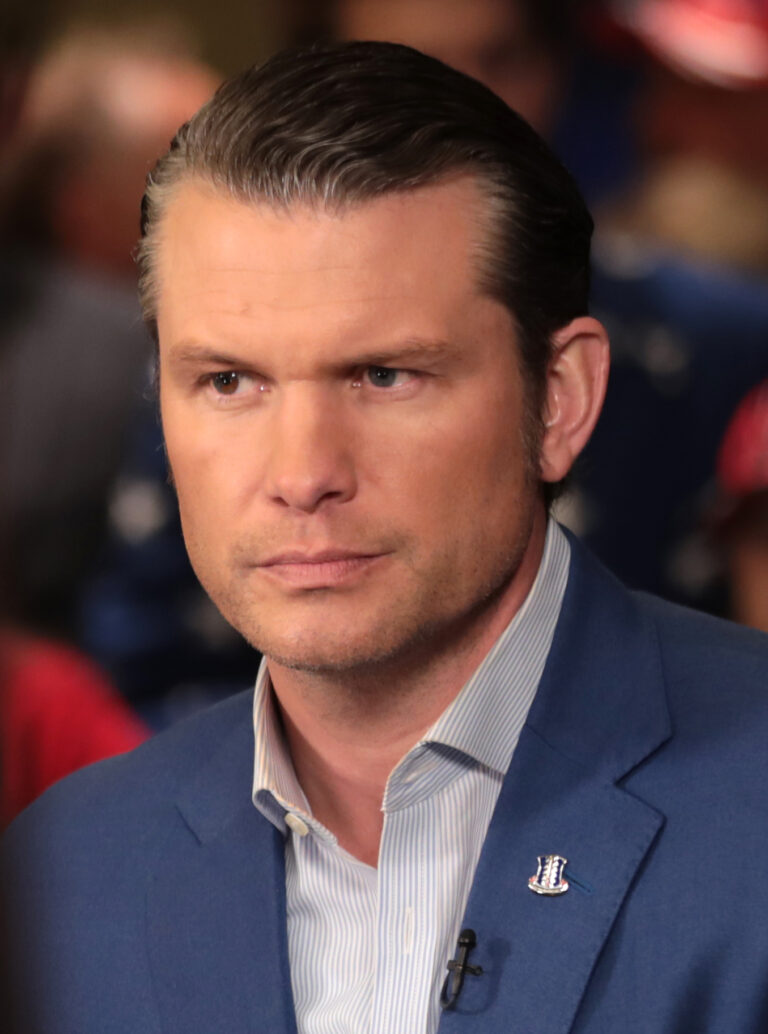
Hegseth Fires Back with ‘Fog of War’ Claim

0

Key Takeaways

  • Defense Secretary Pete Hegseth sharply criticized reporters over a Sept. 2 boat strike off Venezuela.
  • He invoked the “fog of war” to explain why no survivors were seen before a second attack.
  • Hegseth blamed the press for spreading “fake stories” about U.S. forces.
  • He praised presidential support for commanders facing “dark and difficult” missions.

During a White House cabinet meeting, Defense Secretary Pete Hegseth lost his cool. Reporters pressed him about two lethal strikes on a boat in the Caribbean. Survivors reportedly faced a second attack after the first blast. When asked if he saw any survivors, Hegseth snapped back. He said he did not personally see anyone alive. He added that flames and smoke made it impossible to confirm. He then introduced the term “fog of war.” He explained that battle chaos limits clear sight and perfect information. Hegseth argued the press fails to grasp that reality. He insisted reporters sit in “air-conditioned offices” or on Capitol Hill. Meanwhile, ground fighters face life-or-death choices in the dark, he said. He accused journalists of planting “fake stories” in major newspapers. He said some articles claimed soldiers used orders like “kill everybody.” He rejected that notion as baseless.

Breaking Down the ‘Fog of War’ Argument

The phrase “fog of war” dates back centuries. In simple terms, it means battlefield confusion. Smoke, darkness, and fast-moving threats make clear judgment near impossible. Therefore, commanders often act on partial data. Moreover, they rely on digital feeds that can lag or glitch. As a result, they must trust their teams to finish the mission. Hegseth stressed this point several times. He maintained that reporters do not see real-time video or hear live radio chatter. Instead, journalists build stories from interviews and documents. Hegseth warned this gap can lead to errors in public reports. He said war fighters deserve support, not second-guessing. He also noted he wrote a book on this friction between politicians, the press, and those in combat.

Why Reporters Questioned the Strike

The controversy began when The Washington Post published a report on the Sept. 2 attack. It cited anonymous sources saying U.S. forces struck survivors after the first blast. That raised alarm among human rights groups and lawmakers. Reporters demanded clarity on the rules that govern lethal force. They also pressed for video proof and testimony from officers at the scene. For these reasons, they sought Hegseth’s direct response. They wanted to know if anyone tried to flee or survive before the second strike. Consequently, Hegseth’s emotional defense made headlines. Some observers praised his blunt stance. Others said he dismissed legitimate questions about civilian safety.

Trump’s Role and Command Decisions

In his remarks, Hegseth praised the president’s leadership. He said the administration “empowered commanders to do what is necessary.” He described missions as “dark and difficult things in the dead of night.” Hegseth claimed President Trump personally authorized the strike after reviewing all intel. He stated he watched the first blast live via secure channels. Yet he left before teams examined the wreckage. He stressed Admiral Frank M. “Mitch” Bradley had full authority to finish the mission. Hegseth said the admiral “sunk the boat and eliminated the threat.” He added that U.S. forces now send a clear message to narco-traffickers: water routes will not go unchallenged. Therefore, he concluded, the American people are safer today.

Looking Ahead: What’s Next for Oversight

In the coming days, lawmakers may push for hearings. They want detailed briefings on the rules of engagement. Meanwhile, human rights groups will monitor protests in Latin America. They argue any post-strike targeting of survivors breaches international law. Also, news outlets will keep digging for eyewitness accounts or classified memos. In addition, the Pentagon could release redacted video clips to clarify events. Finally, advocacy organizations will press for stronger safeguards in covert operations. Ultimately, the debate over the “fog of war” will shape public trust in military actions.

Frequently Asked Questions

What does “fog of war” mean in this context?

It refers to the confusion and limited clarity soldiers face during combat. Thick smoke, darkness, and fast action make precise judgments hard.

Why did Pete Hegseth criticize the press so strongly?

He accused reporters of relying on anonymous tips to create misleading stories. He argued this harms troops and misinforms the public.

Who had the authority to order the second strike?

Admiral Frank M. “Mitch” Bradley held the command power to finish the mission after the first strike.

Will Congress investigate the boat strikes?

Several lawmakers have signaled interest in hearings to review the rules of engagement and assess any legal concerns.

What’s Behind Trump’s $310M Trafficking Lawsuit?

0

Key Takeaways

  • A new trafficking lawsuit seeks $310 million from Donald Trump, Elon Musk, and Bill Gates.
  • Plaintiffs claim an eight-year pattern of abuse that echoes Jeffrey Epstein’s network.
  • The suit demands custody of the plaintiff’s child and an expedited jury trial by Dec. 20.
  • Trump denies any wrongdoing and faces no criminal charges in this case.

Trump Faces a Major Trafficking Lawsuit

Donald Trump now confronts a high-stakes trafficking lawsuit in Palm Beach County. The case accuses him, Elon Musk, and Bill Gates of running an Epstein-style operation. It seeks at least $310 million in damages for alleged long-term abuse.

Background of the Trafficking Lawsuit

In late November, unnamed plaintiffs filed the trafficking lawsuit claiming the scheme began in 2018. They say the pattern continued under the Trump administration. According to the filing, the plaintiffs endured grooming and assaults that mirrored Epstein’s tactics. Meanwhile, the complaint ties the Gates Foundation to the alleged cover-up.

Who Are the Defendants and Plaintiffs

The trafficking lawsuit lists three high-profile defendants.

  • Donald Trump, former president.
  • Elon Musk, business magnate.
  • Bill Gates, philanthropist.

The lead plaintiff remains anonymous for safety. She accuses these figures of exploiting her over eight years. Additionally, she says her infant daughter was taken as retaliation for suing.

Key Allegations in the Trafficking Lawsuit

The suit outlines serious claims. First, it says Trump began grooming the lead plaintiff in 1998. Second, the Gates Foundation allegedly served as a front to hide illegal acts. Third, the filing describes multiple coordinated assaults by the group. Furthermore, the plaintiffs report attempts on the lead plaintiff’s life in 2023 and 2024.

Additionally, the complaint alleges that the baby’s removal was direct punishment. It claims this happened shortly after the mother filed previous lawsuits. Thus, the trafficking lawsuit argues the act was meant to silence her.

Legal Demands and Trial Timeline

The trafficking lawsuit asks for:

  • At least $310 million in compensatory damages.
  • Over $134 million in attorneys’ fees.
  • Immediate return of custody for the infant daughter.
  • An expedited jury trial by December 20.

Moreover, the plaintiffs seek injunctive relief to prevent further harm. They insist the court act swiftly to protect the mother and child. Consequently, they want to keep the spotlight on their claims.

Donald Trump’s Response

Trump denies any involvement in Epstein’s crimes or this alleged scheme. He points out he faces no active criminal charges in this matter. Furthermore, he has publicly rejected claims tying him to trafficking. Likewise, Musk and Gates have not officially commented on the lawsuit.

Potential Impact and What Happens Next

This trafficking lawsuit adds to Trump’s list of legal battles. However, it remains a civil case, not a criminal one. If the plaintiffs win, the financial award and custody orders could be massive. Yet, the court must first decide whether to grant the trial date.

Meanwhile, the high-profile nature of the case may attract intense media attention. It could sway public opinion ahead of any future campaigns. Additionally, if the court orders expedited proceedings, both sides must prepare quickly.

Regardless of the outcome, the trafficking lawsuit underscores growing scrutiny of powerful figures. It also raises questions about how civil courts handle alleged human trafficking. In the months ahead, watch for court filings and potential motions to dismiss.

Ending the Spotlight

As this civil battle unfolds, Trump and his co-defendants will likely mount a strong defense. They may challenge jurisdiction or the credibility of the claims. Yet, the plaintiffs have set a clear timeline and a steep financial stake. Ultimately, the court’s decisions on schedule and evidence will shape the next chapter.

Frequently Asked Questions

What is the trafficking lawsuit about?

The lawsuit claims that Donald Trump, Elon Musk, and Bill Gates ran a trafficking venture. Plaintiffs allege grooming, assaults, and retaliation spanning eight years.

Who filed the suit and what do they want?

Unnamed plaintiffs filed the suit on November 24. They demand at least $310 million, over $134 million in fees, and the return of the plaintiff’s child.

When will the trial happen?

The plaintiffs requested an expedited jury trial by December 20. A judge must approve that schedule first.

What does Trump say about these allegations?

Donald Trump denies any wrongdoing. He highlights that he faces no active criminal charges linked to these claims.

Trump Peace Plan: Ukraine’s Critical Crossroads

0

Key Takeaways

• Trump peace plan offers 28 points that critics say favor Russia
• Plan asks Ukraine to drop NATO dreams and shrink its army
• Former NATO rep warns Trump may abandon Ukraine if plan fails
• Ukraine faces a tough choice without U.S. support

Trump peace plan raises alarm bells

Former NATO envoy John Lough issued a startling warning about the Trump peace plan. He spoke on Times Radio about the 28-point proposal. According to him, the plan could leave Ukraine in a precarious spot. He fears President Trump may cut Ukraine loose if the plan fails. That cut could mean no more U.S. weapons or intelligence help. As a result, Ukraine might face a worse fate on the battlefield.

Inside Trump’s peace plan

The Trump peace plan asks Ukraine to give up its bid to join NATO. It also calls for a major military drawdown. Ukraine would have to return land held by Russian forces. In total, the plan spans 28 points. Some points seem easy to accept. Others look like a major concession to Russia. Analysts say those concessions could weaken Ukraine’s defense. Moreover, they could reward Russian aggression.

Trump envoy Steve Witkoff and Jared Kushner met Putin on Tuesday. They spent five hours in talks, CNN reported. No one yet knows if they altered a single point. Despite uncertainty, Trump insists the plan can end the war quickly. He promises peace on his first day if he wins. Yet the war has raged for more than a year. Ukrainian forces still fight hard on the front lines.

Former NATO rep’s stark warning

John Lough served as NATO’s representative to Russia. He has seen many peace proposals come and go. In his radio interview, he delivered a dire forecast. “If Trump doesn’t succeed, he will walk away,” Lough said. “Then he will likely cut U.S.-Russia relations deal.” Lough warned that such a deal would leave Ukraine stranded. Without U.S. support, Ukraine could lose a vital lifeline.

Lough also highlighted intelligence aid as a key vulnerability. He said Trump could halt sharing crucial battlefield data. He might even block arms sales to Europe for Ukraine’s sake. That move could dramatically curb Ukraine’s firepower. As Lough put it, “we’re entering a critical phase of the war.” In that phase, Ukraine might face a terrible choice.

How the plan clashes with Ukrainian goals

President Zelensky wants Ukraine in the NATO alliance. He also seeks long-term security guarantees. The Trump peace plan denies both. It would force Ukraine out of NATO talks forever. It also bans any future membership discussions. For Zelensky, this feels like giving up a safety net. Ukraine must decide if it can trust Western promises. Meanwhile, Russia stands ready to press its advantage.

Trump’s mixed signals on Ukraine

Throughout his campaign and presidency, Trump’s position shifted. He once vowed to end the war on day one. Yet he has also echoed Russian talking points about the conflict’s origin. During a tense White House visit, he publicly scolded Zelensky. Those actions have sown doubt in Kyiv about U.S. support. As election season heats up, Trump’s stance remains a puzzle.

What comes next for Ukraine

Ukraine’s leaders now face intense pressure. They must weigh the 28 points carefully. Accepting them could end the fighting soon. However, they might lose crucial territory and defense strength. Rejecting the plan means risking a Trump withdrawal from the conflict. That could lead to a sudden cutoff of military aid. Without U.S. weapons and intel, Ukraine could struggle to hold lines.

Meanwhile, Europe watches with concern. Many EU nations rely on U.S. backing to supply Ukraine. A U.S.-Russia détente might hamstring those efforts. Nations could face higher energy costs if Russia regains clout. They might also see a colder security outlook in Eastern Europe. All eyes are on the next moves by Kyiv and Washington.

The stakes for NATO and global security

If Ukraine bows to Trump’s demands, NATO could lose credibility. The alliance’s open-door policy would take a big hit. Prospective members might doubt Western unity. Russia could exploit those doubts to expand its reach. Conversely, if Ukraine says no, it risks lonely warfare ahead. Either outcome could redraw Europe’s security map.

In the end, the Trump peace plan could reshape global power. It may test the bonds between the U.S. and its allies. It could also determine Ukraine’s survival as a free nation. For now, all parties wait to see if Trump will finalize his deal. They also wonder if that deal will favor peace or leave Ukraine exposed.

FAQs

What exactly does the Trump peace plan propose?

It offers 28 points, including Ukraine dropping NATO membership talks and reducing its military size. It also demands returning Russian-occupied territories.

Why do critics say the plan favors Russia?

Critics argue it rewards aggression by letting Russia keep seized land. They also note the military limits weaken Ukraine’s defense.

Could Ukraine negotiate changes to the plan?

Possibly. Envoys met with Putin for five hours to discuss details. However, no public changes have surfaced yet.

What happens if Trump abandons Ukraine?

Ukraine could lose vital U.S. military equipment, intelligence support, and future aid. That loss may leave it vulnerable on the battlefield.

Trump’s Inflation Claims Debunked in Cabinet Meeting

Key Takeaways

  • CNN’s Daniel Dale fact-checked President Trump’s inflation claims during a cabinet meeting.
  • Trump called “affordability” a made-up term and gave an unprompted speech about his cognitive tests.
  • He said drug prices fell by 500–900 percent, but that math makes no sense.
  • He claimed grocery prices are down and inflation has stopped, though data shows the opposite.
  • Trump said gas is $2.50, yet the national average is $3.00.
  • His $18 trillion investment boast doubles the White House’s own figure.

Inside Trump’s Inflation Claims

During his latest cabinet meeting, President Donald Trump made a series of big claims about the economy. However, many of those assertions fell flat under close scrutiny. CNN reporter Daniel Dale stepped in to fact-check each statement. Ultimately, most of these inflation claims turned out to be false or misleading.

What Trump Said at the Meeting

First, Trump insisted that “affordability” is a made-up Democrat word. Next, he launched into details about a cognitive test he took. After that, he made several economic boasts, including claims about drug prices, groceries, gas, and large-scale investments. He repeated his inflation claims more than once.

Fact-Checking Drug Prices

For example, Trump said he cut prescription costs by 500 to 900 percent. In reality, if prices fell by more than 100 percent, consumers would get paid to buy medicine. Of course, no one is paid to take their pills. Dale pointed out that some drugs have seen small price cuts. Yet none have dropped by hundreds of percent, and such cuts are not widespread.

Analyzing Grocery Prices and Inflation

Trump also claimed grocery bills are down. In fact, grocery prices rose 2.7 percent year over year as of September. Since he returned to office in January, they climbed 1.4 percent. Therefore, grocery costs are up, not down. He added that inflation has “stopped in its tracks.” However, the September inflation rate was 3 percent—exactly the same as in January. Plus, September marked the fifth straight month that year-over-year inflation rose. Those inflation claims simply do not hold up.

Gas Prices vs Reality

Then, Trump declared that gas costs about $2.50 per gallon. While motorists can find a few stations selling gas at that price, the national average hovers around $3.00. Clearly, his inflation claims about gas prices don’t match widespread data.

Social Security Tax Talk

Trump praised his own “Big, Beautiful Bill,” saying it imposed no Social Security tax. In truth, his bill did not eliminate Social Security taxes. It only increased the standard deduction for some seniors. It did not fulfill his pledge to end Social Security tax entirely. Thus, those inflation claims on senior taxes proved false too.

Investment Boasts Examined

Finally, Trump boasted of securing over $18 trillion in investments since January. Yet the White House’s own site lists only $9.6 trillion. Daniel Dale traced each item in that $9.6 trillion figure. He found it to be a wild exaggeration itself. So doubling that number to reach $18 trillion has no basis.

Why It Matters

These inflation claims matter because they shape public perception. When leaders share wrong data, voters get a skewed view. Accurate facts help readers make informed decisions. Therefore, fact checks like Dale’s play a vital role in keeping the public honest.

How Fact Checks Work

Fact-checkers listen carefully to public statements. Next, they compare claims against reliable data. If a number or claim does not fit the data, they categorize it as false. They strive to correct the record for newspapers, TV, and online audiences.

The Role of Economic Data

Economic reports come from independent agencies. They track prices of goods, services, and wages nationwide. Reporters then use those figures to verify political statements. Thus, these sources serve as a check on political inflation claims.

Trump’s Repeated Claims

Despite having his statements debunked before, Trump kept repeating them. For example, Dale had previously addressed drug price errors and inflation rates. Yet those same inflation claims kept resurfacing in the meeting. That pattern shows how some political figures repeat falsehoods to shape narratives.

Public Reaction

Viewers and readers rely on fact-checkers to cut through political spin. Meanwhile, breaking down each claim can feel tedious. Yet clear, simple summaries make complex data understandable. That way, everyday people can spot false claims themselves.

Key Lessons

To avoid getting misled, look for:

  • Direct data from government or independent agencies.
  • Fact-check articles that cite numbers clearly.
  • Repeated claims that get debunked more than once.
  • Headlines that sound too good to be true.

Staying Informed

Consumers should read beyond the headlines. They can check basic economic data online. Also, watching multiple news outlets offers broader views. In turn, readers gain a balanced perspective on inflation claims.

Ultimately, Trump’s inflation claims collapsed when measured against real numbers. From drug prices to gas costs, each bold assertion failed simple fact checks. These errors show why clear, honest data matters in politics.

FAQs

What were Trump’s main inflation claims during the meeting?

He claimed massive drug price cuts, falling grocery costs, stopped inflation, $2.50 gas, no Social Security tax, and $18 trillion in investments.

Who is Daniel Dale?

Daniel Dale is a CNN reporter known for detailed fact checks of political statements.

Why are fact checks of inflation claims important?

They help the public compare political statements against real data, ensuring voters make informed decisions.

How can readers verify economic claims on their own?

They can consult government data, trusted news sites, and independent economic trackers to confirm or refute numbers.

Shocking Case: Doctor Killed Outside Home

0


Key Takeaways

  • A California doctor and his wife were found shot dead outside their home.
  • A burned body found nearby may be the suspected killer.
  • Police are investigating a link between the shootings and the burned body.
  • Neighbors expressed shock and grief over the tragic deaths.

Doctor Killed in Tragic Shooting

A California doctor and his wife were fatally shot outside their home on Sunday night. Neighbors called police after hearing loud bangs. When officers arrived, they saw both victims on the front driveway. The couple died at the scene. Police have not released their names yet. However, they confirmed both were in their 60s.

Investigation into the Doctor Killed Case

Police began searching the area immediately after finding the couple. Only hours later, firefighters spotted a burned body in a remote spot two miles away. Authorities suspect this burned body could be the person who shot the couple. Investigators are using forensic experts to confirm the identity. They will also test for gunshot residue and other clues.

At first, detectives thought the shooting might be random. However, they now consider a possible personal motive. Neighbors said the doctor and his wife were quiet and friendly. They rarely hosted large gatherings or parties. In addition, the home showed no signs of forced entry. Police are reviewing security footage from nearby homes. They hope to find any unusual vehicles or people.

Details of the Shooting

Late Sunday night, a neighbor heard two sharp cracks. Next, they saw a dark sedan speeding away. Moments later, they called 911. Paramedics found the couple on the driveway in a pool of blood. Both had multiple gunshot wounds. Police believe the couple did not have time to react. No weapon was found near the doctor or his wife.

Then, hours later, a forest service crew saw smoke near a small trail. They discovered a body that had been burned badly. Nearby, they found a charred handgun and a pair of gloves. Investigators think the suspect may have set fire to hide evidence. However, they still need to confirm that the burned body is the shooter.

Community Reacts

Residents of the quiet neighborhood remain stunned. One neighbor said, “We never imagined something like this could happen here.” Another added, “They were kind people who always waved hello.” Local schools canceled after-school events out of respect. Many people lit candles outside the home to show support. Community leaders asked for calm while police do their work.

Furthermore, a local pastor organized a vigil. Dozens of people came together to pray. They held signs saying, “We care,” and “Justice for our neighbors.” The pastor spoke to the crowd and offered comfort. He urged people to stay safe and to report anything unusual to the police.

Police Response and Next Steps

Detectives have set up a command center near the crime scene. They are interviewing friends, family, and neighbors. So far, no clear motive has emerged. Investigators are also checking the doctor’s medical practice for threats. They hope to find any hint of a grudge or dispute. In addition, they are reviewing phone records and emails.

Meanwhile, forensic teams are working in the lab. They will use DNA tests to identify the burned body. They will also match any evidence to the crime scene. Police expect the lab work to take several days. Until then, they will keep the investigation active around the clock.

Police ask anyone with information to come forward. Even small details could help them solve this case. They set up a tip line for confidential calls. Tips can be given anonymously. No caller ID is required. Police believe one small clue could break this case wide open.

Impact on Local Healthcare

The doctor’s medical office announced it will close temporarily. Staff members say they are shocked and saddened. Patients who had appointments this week must reschedule. The clinic released a statement expressing their grief. It also thanked police for their quick response.

In addition, nearby clinics offered support to the doctor’s practice. Some doctors volunteered to take on extra patients. They hope to ease the burden and keep patient care going. The local medical community plans a memorial service once the investigation ends. They want to honor the doctor and his wife for their hard work and kindness.

Why This Case Matters

This tragic case shows how violence can impact any community. Even quiet, suburban areas face risks. Therefore, it reminds us to stay vigilant and look out for each other. Simple acts like locking doors or sharing concerns can help. Police also say strong community ties make investigations easier.

Finally, this incident highlights the importance of mental health support. Many violent acts stem from untreated issues. Communities must offer help and resources for those in distress. Only then can we hope to prevent future tragedies.

What to Expect Next

Police will update the public as they learn more. They plan to hold a press conference once they confirm the burned body’s identity. The community will gather again to hear the latest news. Meanwhile, investigators will continue collecting evidence and interviewing witnesses.

This case may take weeks to solve fully. Yet, each new lead brings police closer to the truth. Residents can follow local news for ongoing updates. They can also check official police channels for verified information.

FAQs

What happened to the California doctor and his wife?

They were found shot dead outside their home late on Sunday night. Authorities found both victims on the driveway.

How did police link a burned body to this shooting?

A burned body was discovered hours later nearby. Police suspect it may be the shooter trying to hide evidence.

Have investigators identified the suspect?

Not yet. Forensic tests, including DNA, are pending to confirm the burned body’s identity.

What can neighbors do to help?

They can share any information with the police tip line. Even small details like strange cars or people matter. Source: https://www.nydailynews.com/2025/12/02/simi-valley-california-murders-burned-body-found-suspect-suicide/

Shocking Greenwich Village Attack Near Broadway

0

Key Takeaways

• A 20-year-old woman was attacked from behind near Waverly Place.
• The assailant grabbed her hair, threw her to the ground, then ran off.
• Police are searching for the suspect after finding no clear motive.
• Locals worry about safety in busy Greenwich Village streets.

Amelia Lewis, 20, was walking near Broadway when a stranger ran up from behind. He struck her hard and grabbed her hair. Then he threw her to the pavement before fleeing. This shocking Greenwich Village attack has left neighbors and visitors on edge.

What happened during the Greenwich Village attack?

Around 9:20 a.m., Amelia Lewis stepped off Broadway’s sidewalk toward Waverly Place. Suddenly, a man appeared and hit her from behind. Shocked onlookers watched as the stranger yanked her hair. He then flung her onto the street. Passersby rushed to help, but the attacker had already vanished.

Witnesses called 911 right away. Emergency responders arrived in minutes. They treated Lewis at the scene, then took her to a nearby hospital. She suffered bruises and a mild concussion. Thankfully, doctors say she will recover.

Police response and ongoing search

Detectives scoured nearby cameras for clues. They have descriptions of the suspect and his clothing. So far, no arrests have been made. Officers ask anyone who saw the attack to step forward. They hope to catch the attacker quickly.

Police remind residents to stay alert. They urge witnesses to report any strange behavior. Moreover, they promise to increase patrols in the area. This reaction aims to reassure locals and protect visitors.

Neighbors react to the news

Local shop owners and residents expressed shock and fear. One café worker said she now watches every stranger who walks in. A college student mentioned feeling unsafe on quiet streets. Many agree the Greenwich Village attack feels personal in their tight-knit community.

Despite worry, some vow not to change their routines. A florist said she still opens early each morning. She believes the attacker was a random criminal, not a threat to her. Others say they will walk home with friends from now on.

Understanding what provoked the attack

Detectives have no clear lead on the motive. The victim did not know the attacker. No robbery occurred. Officers are exploring several possibilities. They are reviewing surveillance footage and interviewing people nearby. However, they still piece together what triggered the sudden violence.

Why strong police presence matters

Greater police patrols can deter crime. Also, quick response teams can reach victims faster. Therefore, officers will focus on busy spots like Broadway and Waverly Place. This extra presence may help people feel safer and discourage repeat attacks.

Safety tips for those walking in the village

Be aware of your surroundings. Keep your phone and bag secured. Walk with friends when possible. Trust your instincts—leave if you feel uneasy. If you notice someone acting strangely, move to a populated area. Call 911 right away if you see an emergency.

By following these simple steps, you lower your risk. Additionally, small safety measures can give you more peace of mind.

Second-Level Heading: Details of the Greenwich Village Attack

• Time and place: Around 9:20 a.m. near Broadway and Waverly Place.
• Victim: 20-year-old woman, treated for bruises and a mild concussion.
• Suspect: Male, medium build, dark clothing, fled on foot.
• Witnesses: Several saw the assault and called 911.
• Investigation: Police are reviewing camera footage and interviewing witnesses.

Why the incident matters

This Greenwich Village attack shows how quickly life can change. A normal morning walk turned violent in seconds. It reminds everyone to stay alert. Moreover, it highlights the value of community support. Helping a stranger after an attack can save lives.

Moving forward as a community

Local groups plan to hold meetings to discuss safety. They will work with police to improve lighting and patrols. Neighborhood watch teams might form. Citizens hope to rebuild trust in the streets they love.

In the meantime, Amelia Lewis recovers at home. She is grateful for the help she received. She hopes her story raises awareness and prevents future attacks.

FAQs

What should I do if I see someone attacked?

First, call emergency services. Then, keep a safe distance and observe details. Note the attacker’s clothes, height, and direction of flight. If you can, record video without putting yourself at risk. Share this information with police later.

How can I make my walk safer in busy neighborhoods?

Walk with a friend or in a group. Stay on well-lit streets. Keep your phone charged and ready. Use familiar routes when possible. If you feel unsettled, head to a crowded spot or business.

Are there community groups in Greenwich Village for safety?

Yes, locals often form neighborhood watches. Some block associations meet regularly with police. You can join social media groups focused on village safety. These groups share updates and tips.

What details help police catch an attacker?

Clear descriptions matter most. Note height, build, hair color, and clothing. Any unique features, like tattoos or accents, help too. Also mention the time, location, and any vehicles you saw. Police use all these details to identify suspects. Source: https://www.nydailynews.com/2025/12/02/nyu-student-targeted-in-unprovoked-attack-shares-experience-on-social-media-warns-of-other-assaults/

Missing Master Controller Halts Subway Train

0


Key Takeaways

• A key control unit called the master controller went missing on a subway car.
• Workers found the train parked south of the 86th Street station.
• Officials stopped service to investigate and keep passengers safe.
• Experts stress the master controller is vital for train operation.
• Investigators will review video and interview staff to find answers.

Missing Master Controller Stuns Subway Crew

A routine afternoon took a surprising turn when a transit worker spotted something odd. A train sat idle just south of the 86th Street station in Fort Hamilton. Instead of a smooth control panel, the lead car lacked its master controller. That part guides the train’s speed and braking. Without it, the operator can’t move the train. Immediately, staff halted any further service on that line.

Because of the missing master controller, the team called in supervisors. They examined the car and searched nearby stations. However, they found no sign of the part. Naturally, they feared it had been stolen or dropped during maintenance. Meanwhile, passengers waited and wondered what caused the delay. Quickly, workers arranged shuttle buses to ease the backup. Nevertheless, people still faced longer travel times.

How the Master Controller Went Missing

First, investigators looked into routine checks. Before each run, crews inspect all cars for safety. They must ensure the master controller sits tightly in place. In this case, the last check happened early that morning. Since then, no alarm sounded until the worker’s discovery. Therefore, the window for the part to vanish stretches over many hours.

Next, transit police reviewed security footage. Cameras cover most tracks and platforms. Yet, none clearly showed someone handling the master controller. Perhaps a worker removed it for repairs and forgot to reinstall it. Or maybe it fell off during a bumpy ride. Alternatively, it might have been misplaced in a storage area. Furthermore, insiders suggest a prank or a simple mistake could be to blame.

Moreover, some crews worry about the master controller’s design. They say its locking mechanism is not well marked. As a result, it could loosen without notice. Therefore, the transit authority plans to study ways to improve its warning system. They hope to prevent similar incidents in the future.

The Impact on Service

Immediately, trains on that line paused for hours. Riders had to wait on crowded platforms. Some missed important appointments. Others scrambled for alternate routes. In addition, the sudden halt forced subway managers to reroute trains. They added shuttle buses and extra staff to guide confused travelers.

Furthermore, social media lit up with complaints and jokes. Many riders took selfies under delay announcements. They posted quips about “lost” or “stolen” train parts. Even local news shows featured on-the-spot interviews with frustrated commuters. Despite the humor, the missing master controller caused real problems.

Because the master controller drives acceleration and braking, it ranks among the most critical train parts. Without it, the train cannot start or stop safely. Therefore, officials treat its absence as an urgent safety matter. They worry that if a train tried to run without that part, it could cause an accident. Thankfully, the quick action of the transit worker averted any risk.

What Happens Next

First, maintenance teams will conduct a full inventory of master controllers across the fleet. They must ensure every train has a functioning control unit. In addition, mechanics will test each lock to see if it holds firmly in place. Then, they will add extra clips or sensors if needed. That will help crews spot loose or missing parts before they cause trouble.

Next, a special task force will interview workers who handled the train that day. They will ask about maintenance logs, recent repairs, and any irregularities. Also, they will check if any staff reported unusual noises or alerts during early shifts. By gathering those details, they hope to pinpoint when the master controller went missing.

Meanwhile, transit cops will keep hunting for the part. If it was stolen, they need evidence to press charges. They will scan pawn shops and online marketplaces. Additionally, they will question anyone seen near the train in security footage. Even a small lead could solve the mystery.

Finally, officials plan to update training procedures. They want every crew member to recognize the master controller instantly. That means more photos, clearer labels, and hands-on drills. As a result, no one will ignore a missing master controller again.

Lessons for Passengers and Transit Workers

Passengers learned how much trust they place in subway safety. A single missing part disrupted thousands of rides. Moreover, it shows how small details can affect city life. Consequently, riders feel reassured by the speedy response. They saw that safety comes first.

On the other hand, transit workers gained a fresh reminder. Even routine tasks deserve careful attention. When checking a train, every bolt, wire, and control unit matters. By following strict procedures, they protect coworkers and riders alike. In fact, some crews now carry spare master controllers on hand. That way, they can swap a faulty unit in minutes.

Community leaders also stepped in. They called for more funding to modernize subway parts. They argue that updated locking systems and digital alerts could prevent missing components. If the city invests wisely today, it could avoid costly delays tomorrow.

The Road Ahead

In the end, the missing master controller incident may spark positive change. By exposing weak spots in maintenance and training, transit authorities can strengthen their system. After all, a safe subway means a stronger city. Meanwhile, riders will watch closely as investigators share their findings. And workers will double down on safety checks.

Although the train has since returned to service, the memory of a key control unit gone astray remains fresh. It reminds us that even in a vast transit network, small parts play big roles. Yet, with better tools, clearer rules, and shared responsibility, the subway can run smoothly again.

Frequently Asked Questions

What exactly is a master controller and why does it matter?

The master controller is a key device that controls acceleration and braking. Without it, the operator cannot move or stop the train safely.

How did workers discover the missing master controller?

A transit worker noticed the control unit was not in its usual spot during a routine check south of the 86th Street station.

Could someone steal a master controller easily?

While the part is small, it locks into a special slot. Stealing one would need time and tools, making such theft rare.

What steps will the transit authority take to prevent future losses?

Officials will improve training, add warning sensors, inspect all control units, and enhance lockdown features. Source: https://www.nydailynews.com/2025/12/02/thief-steals-nyc-subways-main-control-stick-brooklyn/

Rapper Toosii Joins Syracuse Football Team

Key Takeaways

  • Rapper Toosii pauses his music career to play Syracuse football at 25.
  • He plans to walk on as a wide receiver and safety.
  • This move tests NCAA rules on age and eligibility.
  • Fans are excited and curious about his athletic skills.
  • Toosii shows how passion can cross music and sports.

Toosii Embraces Syracuse Football

Platinum-selling rapper Toosii is swapping studio time for stadium lights. At 25, he will walk on to play Syracuse football. He hopes to prove his athletic skills and team spirit. This unexpected leap blends his love for music with a new sports challenge.

From Hits to Helmet

Toosii rose in music with hits that reached the top of the charts. However, he has always loved football. In interviews, he said the game taught him teamwork and hard work. Now, he aims to bring that same drive to the Orange. Syracuse football fans will watch closely as he practices and learns playbooks.

How Toosii Fits into Syracuse Football

As a walk-on, Toosii will join the team without a scholarship. Yet, his age raises questions. Most college players are younger. However, NCAA rules focus on eligibility, not age. Since he never played college ball before, he can compete. Syracuse football coaches want fresh talent and drive. Toosii’s fame may boost team morale and media attention.

Training for a New Game

To prepare, Toosii has trained hard. He works on speed, strength, and agility drills. Moreover, his music tour schedule now includes weightlifting sessions. He follows a strict diet and recovery plan. Coaches note his quick learning and strong work ethic. As a result, he might surprise opponents with his athleticism.

Facing Challenges and Age Limits

Being older than most players comes with pros and cons. On one hand, Toosii has more life experience. On the other, his body may take longer to recover. NCAA rules allow his participation, but fans wonder how he will keep up. Moreover, balancing media duties and football workouts could be tricky. Still, he seems ready to face these hurdles head-on.

Balancing Music and Sports

Toosii says he will take a break from releasing new music. He plans to focus fully on Syracuse football during the season. However, he will keep writing songs and stay connected with fans online. After the season ends, he might return to music. For now, football is his top priority.

Fans React to Toosii’s Move

Social media buzzed when the news broke. Some fans cheer his bold choice. They admire his courage to try something new. Others wonder if he will make the team roster. Yet, most agree his story inspires people to follow their passions. Syracuse football might gain new followers thanks to his fame.

What This Means for Syracuse Football

Toosii’s addition brings more than talent. His presence could boost ticket sales and TV ratings. Local businesses may see higher foot traffic on game days. Also, media outlets will cover practices and games more closely. This extra attention can benefit the entire program and student athletes.

Life Lessons from Toosii’s Journey

Toosii shows it’s never too late to chase a new dream. Even at 25, he stepped out of his comfort zone. He valued hard work, whether writing songs or running routes. By mixing music and sports, he sets an example for young fans. His story proves that with passion and effort, you can start fresh at any age.

Looking Ahead: Game Day and Beyond

As football season approaches, Toosii will earn his spot through practice and effort. Coaches will evaluate his speed, catching skills, and team chemistry. If all goes well, he could see game time in front of thousands of fans. Regardless of stats, his journey will remain a powerful story of reinvention.

FAQs

Why did Toosii choose Syracuse football?

Toosii loves football and values its teamwork. He wants a new challenge and to test himself.

Will Toosii keep making music during football season?

He plans a music break to focus on training and games. He will stay in touch with fans online.

Does NCAA allow older players like Toosii?

Yes. NCAA cares about eligibility years, not age. Since Toosii never played college football, he can join.

How can fans watch Toosii play?

Fans can attend Syracuse home games at the Stadium. Games also air on sports networks and streaming services. Source: https://www.nydailynews.com/2025/12/02/rapper-toossii-playing-football-syracuse/

Why Schoen’s Personnel Choices Are Raising Eyebrows

0

Key Takeaways

  • Schoen’s personnel choices face rising criticism.
  • Early hires missed team needs and goals.
  • Poor personnel moves hurt performance and morale.
  • New plan must fix these personnel issues fast.

Introduction

Team leaders set the path for success. Yet, Schoen’s recent personnel decisions have shaken confidence. Fans and experts now question if he picked the right people for key roles. As a result, team spirit dipped and results lagged. With pressure mounting, Schoen must rethink his personnel plan quickly.

Personnel Problems Start Early

When Schoen joined, he had to shape his staff. He picked advisors, coaches, and support roles. However, many hires missed the required skills. For example, the strength coach did not boost player fitness. Also, the performance analyst failed to spot key trends. Consequently, players felt less supported. Moreover, morale dropped in the locker room.

At first, small mistakes seemed fixable. Yet, no one stepped in to guide Schoen’s personnel vision. As a result, errors piled up. Fans began to notice odd lineups, delayed injury reports, and inconsistent training plans. In this light, poor personnel picks became more than bumps. They turned into a roadblock for the team’s success.

Impact on Team and Performance

Since then, results have suffered. The team lost games it should have won. Players complained of mixed messages from coaches. This confusion comes from unclear roles in the personnel chain. Without a solid support crew, athletes cannot train their best. Injured stars returned too soon or sat out too long.

Furthermore, the scouting department struggled. They missed chances to draft rising talents. Scouts blamed frequent staff turnover. One season, the team passed on a top player due to bad reports. In turn, rivals scooped up that talent. Now, critics say Schoen’s personnel failures cost the team crucial wins.

Team meetings felt disjointed, too. Players heard different plans from different staff members. Some days, no one explained practice goals. Other days, nobody tracked progress. Consequently, trust eroded. Players questioned if leadership truly cared. And without trust, even the best athletes can stumble.

What Went Wrong with Personnel Decisions

First, Schoen lacked a clear hiring plan. He eyed big names over proven fit. This choice brought high hopes but flimsy results. Next, he ignored staff feedback. Coaches voiced concerns about new hires. Yet, Schoen pressed ahead. As a result, the staff felt silenced. They could not share ideas freely.

Additionally, Schoen moved too slowly on reshuffles. When a hire did not work, he waited months to act. During that time, bad habits grew. Players and coaches found workarounds, hurting consistency. In fact, one key assistant stayed on for half a season despite red flags. Only when losses piled up did Schoen pull the trigger.

Finally, communication gaps widened. Schoen held few team talks. Staff members guessed his next steps. This murky atmosphere fed rumors. Some said he would fire top coaches. Others believed he would overhaul scouting. Without clear updates, the team drifted. Clarity on personnel plans could have kept everyone aligned.

A Path to Fix Personnel Challenges

First, Schoen must audit his current staff. He needs to ask tough questions about each role. Does this coach push players forward? Can this scout find hidden gems? If not, it’s time for change. Moreover, he should give honest feedback to underperformers. With clear goals and support, people often improve.

Next, open channels must replace secrecy. Regular meetings with coaches and staff can build trust. These talks should invite ideas on training, drafts, and travel plans. When personnel voices matter, fresh insights appear. In turn, the team gains new energy and direction.

Then, Schoen should set quick wins. Small but visible changes can lift morale. For instance, hiring a proven trainer or moving to a modern data system. Such wins show that he listens and acts. Also, they reassure fans and players that better days lie ahead.

Finally, Schoen must share his personnel vision. He should explain why each hire fits team goals. Fans and staff will feel included in the journey. Transparency breeds loyalty. As a result, the entire organization grows stronger.

Turning Criticism into Opportunity

Critics now say Schoen failed on personnel. Yet, this moment can spark growth. All leaders face tough feedback. What matters is the response. By tackling these issues head on, Schoen can rebuild trust. He can craft a team that works as one.

Moreover, receiving outside advice can help. Schoen might consult veterans who excel in personnel strategy. Their insights can fill knowledge gaps. Also, bringing in a veteran HR expert can guide hiring and training best practices. This move signals change. It shows he values expertise above ego.

In the end, a team thrives when every contributor shines. Personnel decisions shape that reality. With the right hires, training, and culture, success follows. Now, Schoen has a chance to prove he can learn, adapt, and win.

Frequently Asked Questions

What mistakes did Schoen make in his personnel plan?

Schoen rushed to hire big names without clear role fits. He ignored staff feedback, which led to confusion and low morale. Slow action on bad hires made issues worse.

How can Schoen rebuild trust after poor personnel moves?

He can start by auditing staff roles and having honest talks. Then, he should set quick wins and share his recruitment vision. Transparency and regular updates will restore confidence.

Why do strong personnel decisions matter for a team?

Good personnel support players on and off the field. Right hires boost training, strategy, and morale. They also help avoid costly mistakes in scouting and management.

What early steps should Schoen take to improve staffing?

He should list key roles that need fixes. Next, hold open meetings to gather staff ideas. Finally, hire experts for any skill gaps and celebrate initial successes. Source: https://www.nydailynews.com/2025/12/02/pat-leonard-joe-schoen-giants-nfl/