68.8 F
San Francisco
Tuesday, March 24, 2026
Home Blog Page 168

Manhattan Arson Suspect Sought After Subway Fire

0

Key takeaways

  • Police hunt arson suspect after man set ablaze on a No. 3 train.
  • Victim was a homeless man asleep on a Manhattan subway car.
  • Witness videos and tips guide the investigation.
  • Rider safety worries grow across the system.
  • Authorities urge the public to share any helpful information.

Manhattan arson suspect sought after subway attack

One homeless man slept on a No. 3 train in Manhattan when a stranger poured liquid and sparked flames. New York police call this attack shocking. They now search for a suspect who fled the scene. The victim suffered burns but is stable in hospital. Commuters feel uneasy after such violence. Authorities warn riders to stay alert while traveling on the subway.

How the fire unfolded

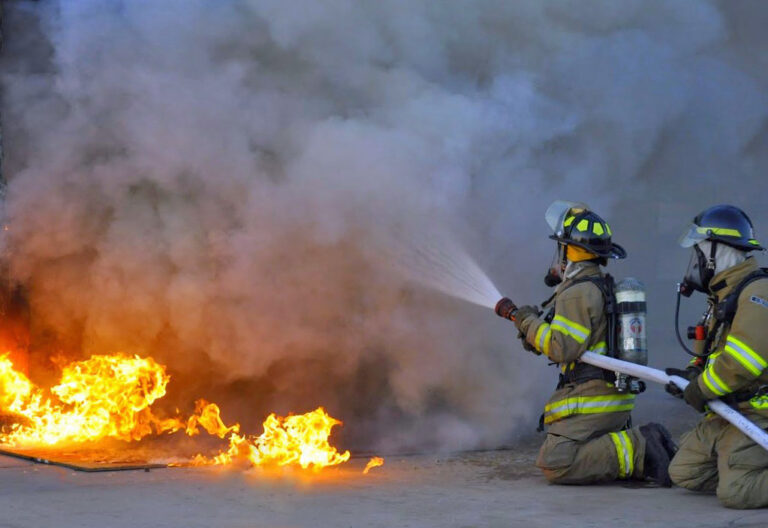
Early one morning, a homeless man rested in a subway car. Suddenly, a stranger poured a flammable liquid onto him. The suspect then struck a match. Flames roared as riders screamed and jumped back. Some passengers used water bottles and coats to smother the blaze. First responders arrived quickly and treated the man for second-degree burns. Firefighters secured the area and cleared the car.

Investigators pursue Manhattan arson suspect

Police called this case Manhattan arson in their brief. They treat this Manhattan arson as a serious felony. Detectives want to know what drove the suspect to attack. They review subway video from cameras and handheld phones. Investigators share clips with the public for leads. They examine nearby stations for more footage. As a result, they track the suspect’s path through the subway system. They hope to make an arrest soon.

Witness accounts and video evidence

Several riders filmed parts of the attack. One commuter said she saw the fire and yelled for help. Another witness gave police a video of the suspect wearing a dark hoodie. Meanwhile, a man heard the victim scream “Help me!” Police use this audio to piece events together. Thanks to these clips, detectives believe they have a clear description of the suspect.

Terrain and timing clues

The attack happened late at night on a downtown No. 3 train. That train runs from Harlem through Midtown to lower Manhattan. After the incident, the train stopped at a busy station. Transit workers spotted the injured man and helped him off the train. Then they called emergency services. In addition, workers logged the exact time and car number. These details help police map the crime scene.

Rider safety concerns grow

Many subway riders feel unsafe after this attack. Some now avoid sitting alone in empty cars. Others keep their bags and phones close at all times. Transit officials promise extra patrols on No. 3 trains. They plan to increase police presence in cars and on platforms. This visible security boost aims to calm commuters and deter wrongdoers.

Official responses

The New York Transit Authority called the fire “a terrifying, unprovoked attack.” They pledged support for the victim and his family. Meanwhile, the police commissioner said investigators will work nonstop on this case. City leaders offered rewards for tips leading to an arrest. Additionally, they announced a review of security measures across all subway lines.

Homeless advocacy groups react

Several advocacy groups spoke up for homeless rights. They fear that homeless people now feel more at risk in public spaces. They call for more outreach and mental health services. One group plans a fundraiser for safe shelter programs. They hope to protect homeless individuals from random violence.

How the public can help

Police encourage witnesses to share any information. Investigators working on the Manhattan arson case need your support. If you rode the No. 3 train late at night, check your phone for video. Even small details, like a distinct tattoo, could help. You can call the tip line or submit information online. Tips remain confidential. As a result, police believe someone will step forward soon. Public help often speeds up investigations.

Subway safety tips

Stay aware of your surroundings at all times. Avoid dozing in empty train cars. Keep your phone and valuables in sight. Travel with a friend when possible. Report any odd behavior to transit staff or police. Remember, a quick alert can prevent harm. In addition, check station maps and train schedules before boarding.

What happens next

Detectives will keep reviewing video and interviewing witnesses. They expect to identify the suspect from descriptions or camera footage. Once they make an arrest, the suspect will face serious charges. These may include assault, arson, and enhanced counts if bias emerges. The legal process will then proceed with court dates and hearings. If convicted, the suspect could face decades behind bars.

Community reaction and healing

After a traumatic event, communities heal at different paces. Local leaders plan a meeting at a community center near the station. They want to discuss ways to keep riders safe. Some suggest adding emergency phone kiosks underground. Others ask for brighter lights in station corridors. Through open talks, they aim to restore trust in the subway system.

In conclusion, authorities have marked this Manhattan arson case as a top priority. They rely on video, witness tips, and public cooperation. As the search heats up, they urge everyone to stay alert. Meanwhile, advocacy groups call for more services for the homeless. The city stands united against random violence. Hopefully, the suspect will soon face justice and riders will feel safe again.

Frequently Asked Questions

What charges could the suspect face?

He could face arson, assault, and related weapons charges. If bias against the homeless appears, hate crime enhancements may apply.

How can commuters protect themselves?

Commuters should stay near others, keep belongings visible, and report odd behavior. Avoid dozing in empty cars.

What support is available for the victim?

The victim received medical care for his burns. Advocacy groups provide shelter assistance and counseling.

How can I share a tip with police?

You can call the NYPD tip line or submit information online. Videos and text tips stay confidential. Even small details help. Source: https://www.nydailynews.com/2025/12/02/photo-released-of-suspected-arsonist-who-lit-fire-to-homeless-man-on-subway/
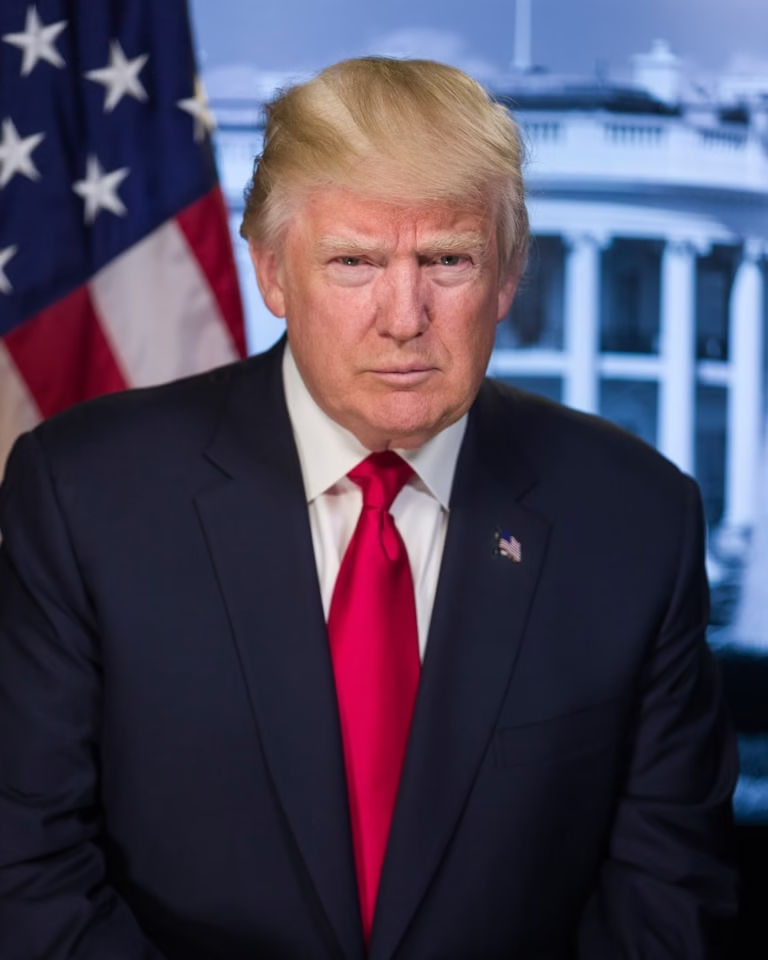
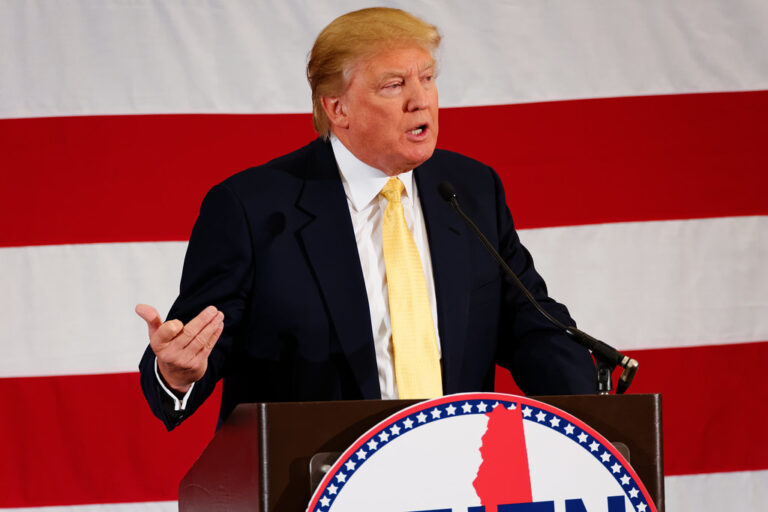
Trump’s Move to Cancel Biden’s Autopen Orders

0

Key Takeaways

  • Donald Trump vows to cancel every executive order Joe Biden signed with an autopen.
  • Trump amplified a far-right claim that Michelle Obama “may have used” Biden’s autopen.
  • Critics call this autopen move illegal, baseless, and chaotic.
  • Trump labels Biden “crooked” and promises to void up to 92 percent of his orders.

Donald Trump has doubled down on a claim about Joe Biden’s autopen. The former president says he will revoke almost all executive orders signed that way. He argues that roughly 92 percent of Biden’s orders used an autopen device rather than his own hand. Therefore, Trump insists they have no force and effect.

Trump made the announcement on Truth Social. He wrote that any document signed by “Sleepy Joe Biden with the Autopen, which was approximately 92 percent of them, is hereby terminated, and of no further force or effect.” Even a week after showing off a framed autopen signature to a Saudi prince, Trump remains focused on the issue.

Why Trump Focuses on the Autopen

Trump has long alleged that Biden relied too much on an autopen. He claims staffers or outside handlers forged Biden’s signature in key moments. However, no evidence has emerged to back this theory. In fact, presidents often use autopens for routine papers when they travel. Yet Trump treats the autopen like a smoking gun.

Meanwhile, Trump shared a screenshot from a far-right site that alleged Michelle Obama “may have used” Biden’s autopen to grant pardons. Alex Jones and Patrick Byrne pushed the wild idea. Trump reposted it without proof. Such actions feed conspiracy theories and stoke his base.

What Triggered This Autopen Claim

It began when Trump hinted he would unwind all Biden’s autopen orders. He then showed a framed autopen signature photo to Saudi Prince Mohammed bin Salman, replacing Biden’s portrait. This stunt grabbed headlines but lacked any official impact. Since then, Trump has repeated the autopen claim several times.

Furthermore, Trump tied the autopen issue to his broader argument that Biden is too old and out of touch. He calls him “crooked” for supposedly letting others sign major orders. By focusing on the autopen, Trump aims to paint Biden as a puppet president.

Reactions to Trump’s Autopen Decree

The public response has ranged from amusement to alarm. One viral post on X read, “The president is a lunatic.” Many see the autopen talk as another baseless Trump conspiracy. Political commentator Brian Krassenstein went further. He argued Trump’s plan to cancel autopen orders is illegal and self-serving. Krassenstein noted that Trump himself used an autopen hundreds of times while in office.

Legal experts say executive orders stand or fall in court, regardless of how they were signed. They point out that an autopen is an accepted practice for routine paperwork. It does not invalidate a president’s authority. Therefore, Trump’s cancellation plan likely faces serious challenges.

Possible Legal Issues Over Autopen Cancellations

First, a president cannot unilaterally erase valid orders. Courts require due process before voiding any law. Second, Trump must name specific orders he intends to cancel. Without a clear list, his declaration lacks legal substance. Third, agencies and officials rely on those orders for ongoing programs. Revoking them overnight could cause chaos in government operations.

In addition, no law bans autopen use for executive orders. Past administrations have used it without controversy. Thus, Trump’s focus on the device itself seems purely political. It lets him claim a bold move without real policy detail.

What Comes Next for Autopen Orders

Looking ahead, Trump’s plan may become a talking point at rallies. He could keep using the autopen theory to rally supporters. However, when or if he returns to the White House, legal teams will review any attempted cancellations. It remains unclear whether courts or Congress would block him.

On the other hand, Trump’s opponents will push back hard. They will highlight his own autopen use and warn of legal battles. Meanwhile, the public may grow tired of autopen claims and demand more concrete policies.

Transitioning into policy debates might help Trump shift attention. Yet for now, the autopen remains a flashpoint in his feud with President Biden. It shows how political battles can hinge on procedural details rather than big ideas.

FAQs

How common is autopen use by presidents?

Autopens are common for routine documents when a president travels. They help staff manage paperwork efficiently. However, major orders often require personal signatures.

Can Trump legally cancel Biden’s autopen orders?

Legal experts doubt it. Executive orders require clear authority and record-keeping. Canceling them en masse without proper review could face court challenges.

Why did Trump share a claim about Michelle Obama and the autopen?

Trump reposted a screenshot from a far-right site. He likely wanted to amplify conspiracy theories against Biden’s circle. There is no proof behind that specific claim.

What impact does revoking executive orders have?

Revoking orders can pause or end programs created under those orders. It may disrupt policies on immigration, environment, and more. Any sudden change risks legal and administrative chaos.

Trump Slams Democrats Over ‘Illegal Orders’ Video

0

Key Takeaways

• Six Democratic lawmakers urged U.S. troops to disobey illegal orders.
• The video reminded service members to uphold the Constitution.
• President Trump labeled their message “seditious” and doubled down.
• The clash raises questions about civil-military relations and loyalty.

Why ‘Illegal Orders’ Video Sparks Outrage

A group of six House and Senate Democrats released a video urging U.S. military and intelligence personnel to refuse illegal orders. They stressed duty to the Constitution above all. Soon after, President Trump called them “unpatriotic” and threatened harsh consequences. This battle over illegal orders highlights tensions between civil leadership and military obedience.

The video that shocked Washington

Last month, Sens. Elissa Slotkin and Mark Kelly joined Reps. Jason Crow, Chris Deluzio, and Chrissy Houlahan in a short video. They reminded service members that U.S. law requires them to disobey orders that break the law. They argued this duty protects democracy and individual rights.
However, their message sparked a fierce backlash from Republicans and the White House. Critics claimed the lawmakers told troops to ignore the president’s lawful commands. As a result, the video fueled a heated debate over military ethics and political loyalty.

Why service members must disobey illegal orders

Under U.S. law, service members must refuse orders that are clearly unlawful. For instance, troops cannot follow commands to harm civilians without cause. Moreover, they must report abuses up the chain of command. This safeguard aims to prevent war crimes and uphold human rights.
In addition, the Uniform Code of Military Justice punishes soldiers who obey illegal directives. Therefore, understanding how to spot illegal orders is vital. Senior officers train recruits on this issue during basic instruction. After all, blind obedience can lead to serious moral and legal consequences.

Trump’s strong response

President Trump reacted swiftly, calling the video “seditious” and those involved “traitors.” He tweeted that those urging defiance might face the death penalty. Then, on Monday night, he doubled down. He warned Americans not to be “duped” into disobeying the president.
Trump insisted that such calls undermine military unity and national security. He accused the six lawmakers of encouraging chaos. Consequently, he urged service members to ignore any similar messages. Meanwhile, his allies in Congress backed his stance, citing the need for clear command.

What this means for the military

This clash puts military leaders in a tough spot. On one hand, they must train troops to recognize illegal orders. On the other, they must reinforce loyalty to civilian commanders. Senior officers now face the challenge of clarifying lines between lawful dissent and insubordination.
Moreover, service members may worry about political pressure. They risk disfavor from superiors if they question orders. Conversely, they risk legal action if they follow unlawful commands. Therefore, the debate over illegal orders has real-world impact on training and morale.

The political fallout

Democrats defended their video as a patriotic duty. They said it only reminded troops of existing law. They argued that calling out the possibility of illegal orders strengthens democracy. In addition, they pointed out their own military backgrounds. Each lawmaker served in the armed forces or intelligence agencies.
Republicans, however, painted the move as a partisan attack on Trump. They claimed it undermined the chain of command at a dangerous time. Consequently, the issue became a rallying cry in GOP fundraising appeals. Meanwhile, the public saw heated TV debates and social media arguments.

Broader implications for civil-military relations

Historically, U.S. leaders warn against confusing military obedience with blind loyalty. Civilian control of the military remains a cornerstone of American democracy. However, when political leaders accuse lawmakers of treason, tensions rise. The recent exchange over illegal orders underscores this fragile balance.
Furthermore, experts say clear policies help prevent confusion. They recommend detailed guidance on what constitutes unlawful commands. In turn, this clarity can protect troops and civilians alike. After all, maintaining trust between officers and civilians depends on mutual respect and understanding.

Looking ahead

The debate is unlikely to end soon. With new military deployments and global tensions, the topic will resurface. Lawmakers and military leaders must work together to clarify duty and obedience. Meanwhile, service members will rely on training to navigate any future conflicts.
Ultimately, this clash over illegal orders shows how vital the rule of law is to the armed forces. It also reveals how politics can complicate matters. As both sides dig in, Americans will watch closely to see if compromise is possible.

Frequently Asked Questions

What are illegal orders in the military?

Illegal orders are commands that clearly violate U.S. laws or the laws of war, such as targeting civilians without justification.

Why did Democrats release the video about illegal orders?

They wanted to remind service members of their legal duty to refuse commands that break the law or the Constitution.

Can a president punish soldiers for disobeying orders?

If orders are lawful, soldiers must obey. However, soldiers must refuse orders that are clearly illegal under the Uniform Code of Military Justice.

How does this debate affect military morale?

The debate may cause confusion about loyalty and duty, potentially lowering morale if service members fear punishing legal obedience or unlawful disobedience.

Trump’s Mental Fitness Crisis Explained

0

Key Takeaways

• On Thanksgiving, the president posted hateful messages and threats online.
• Observers note clear signs of declining mental fitness in his recent actions.
• Republicans once warned about Biden’s mental fitness using the same concerns.
• Calls grow stronger for Trump’s resignation or removal based on his fitness.

On Thanksgiving, Trump’s online rant shocked many. He used slurs, threatened mass expulsions, and insulted leaders. As a result, experts and politicians now question his mental fitness. They point out symptoms like impulse loss and cruel remarks. It mirrors past GOP warnings about Joe Biden. Yet no one spoke up live when he attacked a CBS reporter. So America must ask: is he fit to lead?

Why Mental Fitness Matters in Leadership

Leaders must think clearly and act fairly. Mental fitness ensures they weigh facts, control emotions, and respect others. Without it, decisions may harm national security and public trust. In fact, constitutions worldwide rely on fitness to handle crises. Yet Trump’s recent posts and speeches show signs of confusion and cruelty. Therefore, experts warn that leaders need stable minds to manage wars, economies, and public safety.

Signs of Decline in Trump’s Behavior

First, he used hateful slurs without warning. Calling a governor “retarded” and mocking a congresswoman’s birthplace shows no filter. Next, he demanded a “permanent pause” on migration from Third World countries and reverse migration. This radical idea conflicts with long-held U.S. values. Moreover, his tone turned violent and cruel, praising expulsion of millions. Then, when asked a simple question by a reporter, he called her “stupid.” All these actions match patterns seen in certain dementias. Experts call it frontotemporal dementia when people lose social filters and impulse control. Clearly, such behavior hurts the nation and shows that mental fitness is at stake.

Republicans’ Past Warnings on Mental Fitness

Interestingly, top Republicans once used the same arguments against President Biden.

• They said Biden’s age made his mental fitness questionable.
• They claimed he might confuse allies or act slowly in crises.
• Republicans publicly demanded his resignation for the sake of national security.

Now, these voices point at Trump. Figures like Elise Stefanik and Mike Daines stress that ability to run matters. They say, if he cannot run for reelection, he should leave office now. Nikki Haley warns that anyone near 80 will face mental decline. Bernie Moreno and JD Vance call Trump’s presence in the situation room a real threat. Senators Cornyn and Schmitt ask who truly runs the country under his mind. Even 62 House members have signed a letter doubting his fitness. This shift underlines one point: mental fitness is vital, no matter the party.

Possible Paths Forward

First, Vice President action under the 25th Amendment. If a majority of cabinet members agree, they can declare the president unfit. This step would install temporary leadership until Congress decides. Second, public pressure may force a resignation. As voices grow, Trump could step down or face primary challenges. Third, voters in the next election might weigh mental fitness heavily. They can demand clear debates, medical disclosures, and fitness tests. Lastly, Congress could pass new rules on mental evaluations for presidents. Each of these paths highlights how seriously mental fitness must be taken.

Conclusion

Trump’s recent behavior raises serious doubts about his mental fitness. His slurs, threats, and cruel tirades match signs of impulse loss. Interestingly, Republicans used the same logic against Biden. Now they warn Trump might be unfit too. The stakes are high for America’s future. It is time to use constitutional measures, public pressure, and voter choice to address this crisis. After all, a leader’s mind matters as much as their policies.

Frequently Asked Questions

What exactly is mental fitness for a president?

Mental fitness means having clear thought, good memory, emotional control, and social awareness. These traits help a leader make wise decisions and avoid harmful actions.

How can the 25th Amendment address a fitness crisis?

Under that rule, the vice president and a majority of cabinet officers can declare a president unfit. Then the vice president takes over temporarily. Congress votes within weeks to confirm or reject the change.

Have other presidents faced similar fitness concerns?

Yes, past leaders have shown age-related challenges. However, no modern president has faced public demands for removal based on mental fitness until now.

What role do voters play in addressing this issue?

Voters can demand transparency about a candidate’s health. They can prioritize mental fitness when choosing in primaries and general elections. Ultimately, elections decide who holds office.

Boat Strike Scandal Sparks Senator’s Outrage

0

Key Takeaways

  • Sen. Tillis demands a full probe into a reported second boat strike.
  • Allegations say survivors of the first attack were killed in a follow-up.
  • Defense Secretary Hegseth calls reports fake news and defends his team.
  • Lawmakers on both sides push for stronger oversight of the boat strike campaign.

Senator Thom Tillis blasted the Pentagon on Monday over a controversial boat strike. Reports said Defense Secretary Pete Hegseth ordered a second attack on survivors of an earlier strike. If true, Tillis said, anyone responsible must “get the hell out of Washington.”

Sen. Tillis’s Sharp Reprimand

Senator Tillis spoke to reporters after Newsweek published claims about the follow-up attack. He warned that a second assault on survivors would violate moral, ethical, and legal codes. Tillis, who has often clashed with Trump, said Congress must dig deeply into the matter. He stressed that the public deserves clear answers about this boat strike.

Controversial Second Attack Allegations

According to a Washington Post report, a commander killed two survivors after the first strike. The commander allegedly followed a verbal order from Hegseth to “kill everyone on board.” If confirmed, this boat strike would break U.S. and international law. Critics worry the action set a dangerous precedent for military operations.

White House and Pentagon Fight Back

White House Press Secretary Karoline Leavitt confirmed a second strike took place. However, she said Admiral Frank Bradley acted within his authority and followed the law. Meanwhile, Secretary Hegseth called the reports “fake news.” He praised Adm. Bradley as an American hero and defended all decisions made during the boat strike campaign.

Bipartisan Concerns and Legal Questions

Lawmakers from both parties now demand stronger oversight of naval operations. They question how rules of engagement are set and approved. Former military lawyers warn these strikes could violate domestic law and the Geneva Conventions. A classified Justice Department memo, however, reportedly said participants would not face prosecution.

President’s Reaction to Boat Strike Reports

President Trump backed his defense secretary but expressed doubt about the alleged second attack. He told reporters he would not have approved such an action. Yet, he affirmed his support for the broader mission against drug trafficking in the Caribbean and Pacific. His mixed response highlights tensions within the administration.

The Ongoing Military Campaign

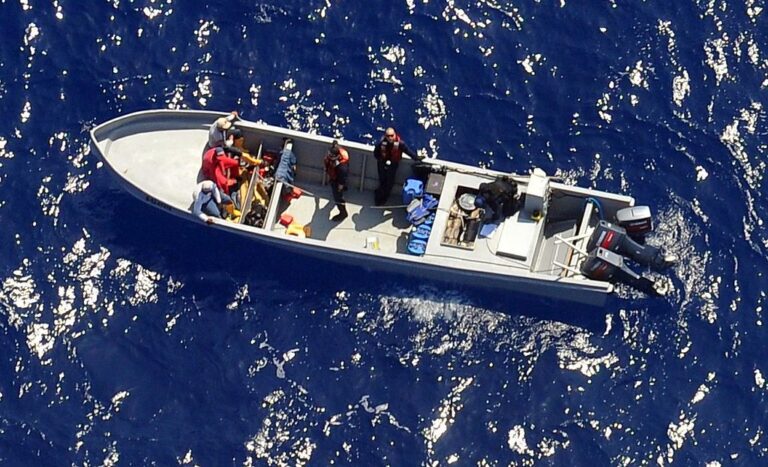
Over the last three months, U.S. forces have targeted suspected drug-smuggling boats near Central America. Officials say the boat strike campaign has seized tons of illegal drugs. They argue these operations disrupt cartels and save lives. However, critics say the strategy risks civilian casualties and legal overreach.

Ethical and Legal Red Flags

Experts warn that killing survivors crosses an unbreakable line. Under U.S. law, wounded or captured enemy fighters must be protected. International law also forbids attacking shipwrecked persons. If the boat strike claims hold up, the U.S. could face serious legal and diplomatic fallout.

Calls for Congressional Oversight

Sen. Tillis and others urge Congress to hold hearings on the boat strike rules. They want clear guidelines on when U.S. forces can open fire. Some advocates push for an independent inquiry. They argue that secret memos and verbal orders leave too much room for error.

Impact on U.S. Military Credibility

Allegations of unlawful boat strikes could erode global confidence in U.S. forces. Allies may question American respect for the rule of law. Adversaries could use the reports to fuel anti-U.S. propaganda. Maintaining a strict ethical code is vital for long-term alliances and U.S. leadership.

Defense Department Response

The Pentagon insists all strikes followed legal and moral standards. They point to training, oversight, and chain-of-command procedures. Secretary Hegseth claims that every mission received legal review. Nevertheless, the department has offered to brief key lawmakers behind closed doors.

What Happened Next?

The Pentagon has launched an internal review of the boat strike allegations. Meanwhile, Sen. Tillis plans to introduce legislation for tighter controls on maritime operations. Other senators have scheduled a classified briefing with top military leaders. The outcome could reshape rules for future deployments.

Voices from the Fleet

Some service members worry the controversy will hurt morale. They fear political fallout might hamper critical missions. Others insist they followed orders and did nothing wrong. Veterans groups demand transparency but also defend the troops on the front lines.

Public Reaction and Media Coverage

News of the boat strike has ignited heated debate online. Some commentators label Hegseth a war criminal. Others claim the critics are twisting facts to score political points. Most agree on one thing: the public deserves a full, fair explanation.

Looking Ahead

The fallout from this boat strike scandal is far from over. If evidence proves the second attack, top officials could face serious consequences. On the other hand, a clean bill of health from the Pentagon might calm fears. In any case, calls for oversight and accountability will only grow louder.

Maintaining Trust

Restoring American trust in military operations requires openness. Congress, the White House, and the Pentagon must work together. They need clear rules, honest reporting, and swift action on any wrongdoing. Only then can U.S. forces carry out future missions with integrity and confidence.

Boat Strike Oversight: Next Steps

Senator Tillis’s push for a boat strike probe marks a turning point. As lawmakers press for answers, public attention will intensify. The coming weeks will reveal whether allegations hold water or fade away. Either way, the debate over battlefield ethics will stay front and center.

Frequently Asked Questions

What is a boat strike?

A boat strike refers to a military attack on vessels at sea. In this case, U.S. forces targeted boats used for suspected drug smuggling.

Why is a second boat strike controversial?

The second strike allegedly hit survivors from the first attack. This violates laws protecting shipwrecked or wounded people.

How has the Pentagon responded?

The Pentagon and the White House say the follow-up strike was legal. They deny any orders to kill survivors and defend their forces.

What could happen next?

Congress may hold hearings and pass new rules on maritime operations. The Pentagon’s internal review will also shape future military policy.

Hegseth Warning Chills Pentagon Generals

0

Key Takeaways

  • Secretary of Defense Pete Hegseth defended an officer in a growing war crimes scandal.
  • He said the officer has his full support but hinted the order wasn’t his.
  • Senator Chris Murphy called this a chilling warning to all generals.
  • Experts worry this move could damage trust and weaken military security.

Hegseth warning shakes military trust

The Pentagon is reeling after the exposure of a deadly mission. Unarmed shipwreck survivors were reportedly killed during a recent operation. Many experts call this act a war crime. In response, Secretary of Defense Pete Hegseth issued a statement backing Admiral Mitch Bradley. Yet he also claimed the order wasn’t his. This Hegseth warning has fueled debate in Washington.

Background of the scandal

Last week, news broke that unarmed sailors were shot after their ship went down. International law says such killings are illegal. Military experts and human rights groups denounced the act. They called for an independent investigation. Meanwhile, the Department of Defense has struggled to explain who gave the order.

Hegseth warning causes chain of command fears

Secretary Hegseth released a message praising Admiral Bradley as a hero. He said, “I stand by him and the combat decisions he has made.” Then he added that Bradley’s orders were not his own. Many saw this as passing the buck. Senator Chris Murphy described it as a chilling warning to generals. Murphy warned that officers will now fear they lack full support if they follow orders.

What Hegseth actually said

Pete Hegseth’s public message had two key points. First, he fully endorsed Admiral Bradley’s actions. Second, he distanced himself from the decision to kill every person on that boat. Hegseth wrote that America is fortunate to have “such men protecting us.” Yet, he capped the note by implying he wasn’t responsible for that mission.

Republican and Democratic reactions

Both parties in Congress reacted strongly.
• Some Republicans pressed for more facts about the mission. They want to know who signed off on the order.
• Democrats demanded an investigation into possible war crimes. They argue accountability is vital.
• A bipartisan group called for hearings to clarify the chain of command.

Why this Hegseth warning matters

First, trust in leadership is vital for any military. When orders are unclear or blame is shifted, morale drops. Second, if service members worry they won’t have support, they may hesitate in future conflicts. Third, this incident could harm relationships with allies who demand lawful conduct. Finally, public confidence in the military might weaken if top leaders appear to dodge responsibility.

Impact on military morale

Soldiers and officers depend on clear orders and firm backing. In live combat, hesitation can cost lives. Now, with the Hegseth warning echoing through the ranks, troops may fear being abandoned. This doubt can undermine teamwork. It also risks slowing critical decisions in moments of crisis.

Legal and ethical implications

Killing unarmed survivors violates the Geneva Conventions. If proven, those involved could face international tribunals. Most military codes make commanders responsible for subordinates’ actions. By distancing himself, Hegseth might face questions about his own liability. Ethics experts say leaders must own their decisions. This ensures justice and deters future abuses.

The role of Admiral Bradley

Admiral Mitch Bradley has led many missions over his career. Hegseth called him a true professional. Yet Bradley now stands at the center of the controversy. Investigators must determine whether he followed lawful orders or exceeded his authority. His future career and reputation hang in the balance.

Next steps in the investigation

Congress plans to hold hearings soon. Lawmakers will invite Hegseth, Bradley, and other top officers to testify. An independent military tribunal may also launch an inquiry. Observers expect leaked documents, emails, and radio logs to surface. These records could reveal who really gave the order.

Long-term effects on national security

Leadership uncertainty can harm national security. Countries watching this scandal may see weakness in U.S. resolve. Adversaries might exploit doubts in the chain of command. Allies could question our commitment to international law. To restore confidence, clear accountability and transparent action are essential.

What comes after the Hegseth warning?

For now, the Pentagon faces pressure from all sides. If Hegseth shifts blame successfully, he might avoid political fallout. However, if the probe nails him as the ultimate decision-maker, his career could be in jeopardy. Meanwhile, service members await clear guidance and assurance of support. Only time will tell if this warning echoes through future military actions.

Frequently Asked Questions

What is the Hegseth warning about?

The Hegseth warning refers to Defense Secretary Pete Hegseth’s message defending a commander accused of ordering killings while distancing himself from that order.

Why did Senator Chris Murphy call it chilling?

Senator Murphy said the warning signals to all generals that the Secretary of Defense might not back them if problems arise.

Could anyone face charges over the shipwreck killings?

Yes. If investigations confirm war crimes, those involved could face military or international legal action.

How will this affect the military chain of command?

Unclear support from the top can lower morale, slow decisions in combat, and raise doubts among troops about following orders.

Virginia GOP in Turmoil: Calls for Key Resignations

Key Takeaways

  • Democrats scored historic wins in the recent Virginia elections.
  • Virginia GOP chair Mark Peake will resign at year’s end.
  • Loudoun County GOP head Scott Pio demands faster resignals.
  • Calls grow for other GOP leaders to step down.
  • The party faces a fight to rebuild after its losses.

The shock of Democratic wins

Last month, Virginia voters backed Democrats by wide margins. They won governor, lieutenant governor and attorney general races. They also flipped several seats in the state legislature. These results stunned the Virginia GOP and set off a wave of criticism.

Why Peake is stepping down

On Monday, Virginia state senator Mark Peake announced he will quit as chair of the Republican Party of Virginia on December 31. He wrote that though it feels like a cold winter now, Republicans can still work toward a victorious spring. Peake became state GOP chair in April. His decision comes after the party suffered its worst losses in decades.

What the Virginia GOP Loss Means

The Virginia GOP faced big defeats, and party members are angry. They see the guidance from state leaders as one reason for the poor performance. With Peake’s exit, many ask if new leadership can turn things around. Meanwhile, internal fights threaten to slow any recovery.

Reaction from Loudoun County

Scott Pio, chair of the Loudoun County GOP, praised Peake’s choice. He said Peake took “the humble way out.” However, Pio wants Peake gone immediately, not at month’s end. He claims waiting a full month will harm efforts to rebuild and raise funds.

In a strong social media statement, Pio also called for more resignations. He urged the state vice chair, Kristi Way, to step down or face the exposure of her “anti-Trump laundry.” Pio said any committee member paid in the last five years should resign within nine days or risk public scrutiny.

Internal turmoil grows as more members voice frustration. They worry that fights within the party will scare off voters and donors.

What led to this split

Several factors fueled the rift inside the Virginia GOP. First, election losses hit morale. Second, some blamed Peake for weak campaign strategies. Third, hardline members demand stronger loyalty tests, while moderates warn against alienating swing voters. As a result, the party seems split between different visions.

A fight over strategy

On one side, a group wants to lean into strong messaging on culture issues. They believe this will rally the base. On the other side, some members push for a more moderate approach. They argue that broadening the party’s appeal is vital to win back lost seats.

This strategy clash may shape who takes over once Peake leaves. Candidates with clear plans and unity promises could gain support. Yet as long as the infighting continues, the Virginia GOP may struggle to pick a leader.

Building toward the next election

Despite the chaos, many in the Virginia GOP still plan for the next big contests. They must choose new leadership, set clear goals, and rebuild trust among voters. This will involve:

• Holding open meetings to collect ideas from all camps
• Creating a simple, unified message that appeals to moderates and conservatives
• Reinvesting in local campaigns to rebuild ground support
• Training a new generation of volunteers and candidates

If these steps move forward quickly, the party might recover. However, time is short. The longer leaders argue, the harder it will be to prepare for upcoming elections.

Can the party heal in time?

Some experts say the Virginia GOP can bounce back if it finds common ground. They note that the party has resources and a loyal base. Yet others worry that deep division and bitter public fights will drive voters away.

The path ahead involves compromise. Once new leaders emerge, they must unite the various factions. That means battling less in public and focusing more on clear goals. If they can do that, they stand a chance. If not, Democrats could keep their hold on Virginia politics.

A test for national Republicans

Virginia often shows trends that appear in national politics. The GOP’s internal struggle may foreshadow fights in other states. Party members across the country will watch closely to see how Virginia handles its split. Success in Virginia could inspire unity elsewhere. Failure could deepen national divides.

What happens next

In the coming days, attention will focus on:

• How quickly Peake steps down
• Who will run to replace him
• Whether Kristi Way and other leaders comply with Pio’s call
• How the party manages public disputes

These events will shape the party’s image before key primary races next year. A stable, united front could boost the party. Continued turmoil will only weaken it further.

FAQs

What prompted the Virginia GOP chair’s resignation?

Heavy losses in the recent statewide races led Mark Peake to step down. He cited the need for fresh leadership to rebuild the party.

Who is Scott Pio and what did he say?

Scott Pio is the Loudoun County GOP chair. He praised Peake for resigning but demanded an immediate exit. He also called for other leaders to resign.

Will the Virginia GOP recover from these defeats?

Recovery is possible but depends on swift unity and strong strategy. The party must resolve its internal disputes and rally around new leaders.

How might these events affect national politics?

Virginia is often seen as a political trendsetter. If the GOP heals here, it could set a model for other states. If it fails, other state parties might face similar turmoil.

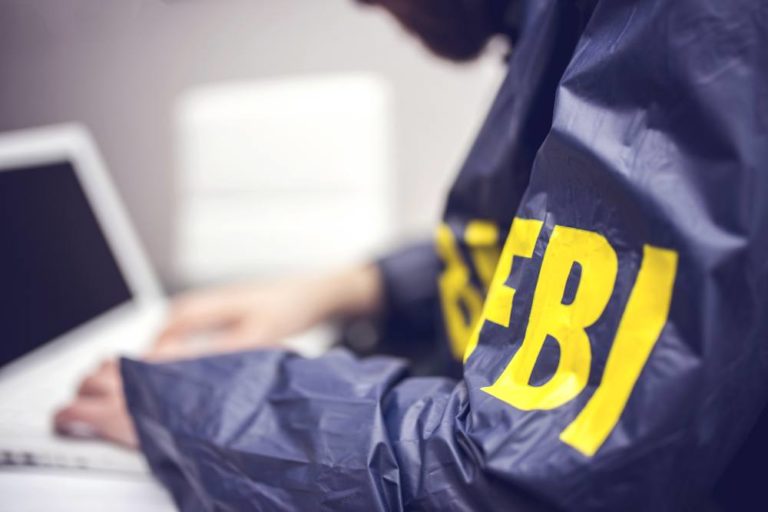
FBI Director in Turmoil: Analyst Rips Report

0

Key Takeaways

  • Progressive analyst Brian Tyler Cohen blasted FBI director Kash Patel over a 115-page report.
  • The report lists “red flags,” including a raid jacket mix-up, harsh agent remarks, and polygraph demands.
  • Cohen argues the FBI now feels more like a content studio than a top law agency.
  • Even Trump-friendly sources leaked the report, signaling deep alarm inside the administration.

Why the FBI Director Faces Harsh Criticism

In a new video, progressive YouTuber Brian Tyler Cohen tore into the FBI director. He said the agency seems run like a social media hub. The 115-page report at the center of the storm first showed up in a Trump-friendly outlet. Cohen called out the FBI director for caring more about his image than real law work. He warned that this shift could hurt the nation’s security.

What the Report Says About the FBI Director

According to the report, the FBI director showed a series of missteps. First, he left a plane without a proper raid jacket after a high-profile assassination attempt. Then, he sent “expletive-laden” messages to agents who did not meet his standards. Finally, he ordered polygraphs to track whistleblowers. These examples, the report claims, point to weak leadership and misplaced priorities.

A Report Full of Red Flags

The document describes a “rudderless ship” at the FBI. It lists several “red flags” that worried insiders. For instance, agents said the FBI director often checked his phone for the next photo op. He even paused operations to tweet updates and pose for staged pictures. In turn, agents felt pressured to perform for social media rather than focus on cases. Moreover, morale slipped when staff thought their work served a brand, not public safety.

Raid Jacket Mishap and Image Control

One red flag in the report involves a missing raid jacket. After departing a plane, the FBI director did not have the right jacket for agents to identify him on the tarmac. Instead of fixing the oversight quietly, he blamed staff and demanded instant fixes for his next image check. As a result, some agents grew frustrated. They argued that real law enforcement needs calm focus, not last-minute photo shoots.

Expletive Criticisms and Polygraph Orders

The report also shows the FBI director used harsh language when he felt agents underperformed. He sent messages filled with curses and threats. Next, he asked his team to take polygraphs to find out who leaked reports. This move alarmed some staff, who feared retaliation. They argued that an agency meant to protect civil rights should not spy on its own people so aggressively.

Leaks and Political Undercurrents

Suspicion rose when the 115-page report landed in a Trump-friendly outlet. Why did someone inside choose that platform? Brian Tyler Cohen argued it meant even conservative circles worried about the FBI director. They hoped President Trump and the public would see the dangers of this leadership style. In addition, the leak sent a message: The agency’s problems run deep, and insiders need a fix fast.

Why It Matters for All Americans

The FBI holds crucial power to fight terrorism, espionage, and violent crime. When the FBI director treats the agency like a personal brand, public trust falls. Moreover, agents risk missing vital clues when they focus on image over impact. Therefore, critics warn that the director’s social media mindset could leave the country less safe. In addition, turnover and low morale may weaken investigations.

What’s Next for the FBI Director

For now, the FBI director faces questions from Congress and pressure from inside his own ranks. Lawmakers will probe whether the agency’s mission suffers under his watch. Meanwhile, staff hope for new leadership practices that value detective work over photo ops. In the coming weeks, the public will watch closely. If real change does not arrive, critics say the agency’s reputation could fall even further.

FAQs

Why did Brian Tyler Cohen criticize the FBI director?

Brian Tyler Cohen pointed to a 115-page report that lists missteps by the FBI director. He argued the director cares more about social media images than serious investigations.

What are the main “red flags” in the report?

The report highlights four issues: a raid jacket error, harsh messages to agents, ordered polygraphs to find leaks, and frequent focus on staged photos.

Who leaked the report and why does it matter?

Someone inside the administration leaked the report to a Trump-friendly outlet. This leak suggests even conservative allies worry about the FBI director’s leadership style.

How could this affect future FBI actions?

If agents feel pressured to perform for an image, they may miss key evidence. Lower morale and distrust could slow down important investigations.

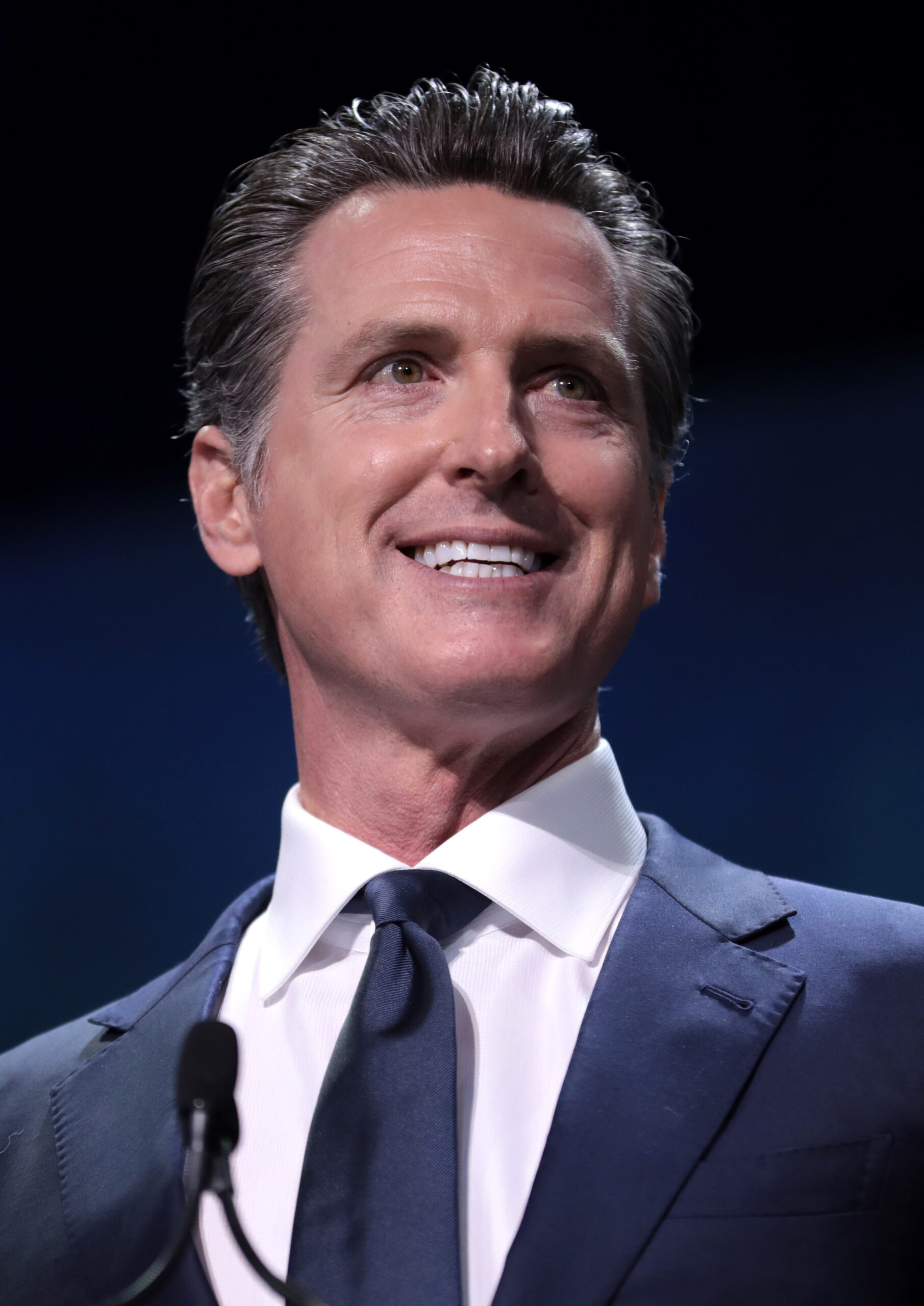
Newsom Mocks Trump as ‘Healthiest Person Alive’

Key Takeaways

  • California Governor Gavin Newsom humorously bills himself the healthiest person alive.
  • He pokes fun at President Trump’s shorter workdays and naps during meetings.
  • The memo uses Trump’s own style to claim Newsom tops medical history.
  • This exchange highlights ongoing jabs over each leader’s health claims.

Newsom Declares Himself the Healthiest Person Alive

California Governor Gavin Newsom fired a playful shot at President Donald Trump. In an official statement, Newsom billed himself the healthiest person alive. He mixed real data with humor to mock Trump’s health brag. Yet this move goes beyond a simple political jab. It reflects how both leaders fight over public perception of their vigor and stamina.

How the Healthiest Person Alive Memo Unfolded

On the Governor Newsom Press Office feed, Newsom’s team shared a mock “annual physical” report. It detailed advanced scans of heart, muscle, and brain health. Then the statement exploded with wit. It read, “Nothing about the Governor’s health is merely normal. Governor Newsom remains the healthiest human currently alive or recorded in medical history.” Immediately, social media lit up with laughter and applause.

Political Roast in an Official Memo

Newsom’s statement did not stop at self-praise. He directly targeted Trump for standing “like the leaning Tower of Pisa.” He also ridiculed the President’s “executive time” naps and shortened workdays. Furthermore, Newsom quipped that he never falls asleep in meetings. He even joked that Trump’s side-by-side health chart should be redacted to spare the President’s feelings.

Trump’s Health Claims Under Fire

Earlier, Trump’s White House team claimed he had “excellent health.” They promised to share his MRI results soon. In response, President Trump said, “It was just an MRI. It wasn’t the brain because I took a cognitive test and I aced it.” When pressed for details, he could not recall which body part the scan covered. This vagueness gave Newsom more fuel for his witty memo.

The Significance of the Healthiest Person Alive Joke

Beyond the laughs, Newsom’s jab carries weight. Health disclosures have long shaped voter views. Voters often wonder if older politicians can handle the stress of office. By calling himself the healthiest person alive, Newsom hints he can outlast any rival. Simultaneously, he questions whether Trump’s health boasts hold up to scrutiny.

Stand-Up Humor Meets Official Business

Typically, press offices share dry updates. However, Newsom’s team mixed data with stand-up style. They even signed off by directing follow-up questions to Dr. Dolittle. This fictional reference added a playful touch. Yet it also underscored their point: Trump’s health claims belong in a storybook.

Transitioning From Jokes to Public Perception

Meanwhile, opinion polls show mixed views on both leaders. Some see Newsom’s humor as clever politics. Others worry it distracts from serious policy debates. However, this memo proves political satire still thrives in official channels. It also reminds us that health remains a hot topic in electoral politics.

What This Means for Both Leaders

Governor Newsom gains attention for his comedic memo. It may boost his profile among younger voters. They often enjoy humor over formal statements. Meanwhile, President Trump faces renewed questions about transparency. His vague MRI promise looks weaker as rivals lampoon him. In short, the battle over health claims is now a public spectacle.

Broader Context of Health in Politics

Historically, leaders have revealed medical reports to prove fitness for office. President Franklin Roosevelt hid his polio effects. President John F. Kennedy downplayed chronic back pain. Today, social media and 24-hour news make health a constant focus. Thus, Newsom’s playful approach may set a new trend in political messaging.

Key Moments in the Exchange

• Trump confirms he will release MRI results but can’t recall details.
• Newsom’s office posts an official memo filled with satire.
• The memo brags that Newsom has the steadiest resting heart rate.
• He quips he never needs “executive time” to nap during work hours.

Looking Ahead: Will Humor Win?

As both camps prepare for future battles, humor could prove a sharp tool. Newsom showed that a well-crafted joke in an official memo grabs headlines more than dry policy talk. If Trump or his team answers back with equal wit, the media cycle could spin faster than ever before.

Concluding Thoughts

Governor Newsom’s declaration as the healthiest person alive does more than mock a rival. It highlights how modern politics blends data, image, and entertainment. While voters debate who truly has the best health, they also see how leaders manage their public persona. In the end, a clever memo might deliver more impact than a lengthy press conference.

Frequently Asked Questions

What did Newsom claim in his health memo?

He humorously announced advanced scans proving he is the healthiest person alive and ever to live.

Why did Newsom mock President Trump’s health?

He challenged Trump’s brief workdays, naps in meetings, and vague MRI promise to question his stamina.

How did President Trump describe his MRI results?

He said the scan was not of the brain, because he “aced” a cognitive test, but couldn’t recall which body part.

Is it common for politicians to release health details?

Many leaders share medical reports to prove fitness, yet the level of detail and timing vary greatly.

Giants Win Without Breaking a Sweat

Key Takeaways

  • The Giants held their lead from start to finish.
  • A strong defense sealed the Giants win.
  • Balanced offense made scoring look easy.
  • This victory boosts the Giants’ season hopes.
  • Fans left excited about what comes next.

The Giants win was never in doubt. From the first drive onward, they showed control. Early on, their defense forced turnovers. Next, the offense capitalized on each chance. Overall, the team made winning look simple. By the final whistle, the crowd cheered loud. This game proved how good they can be.

Keys to a Giants Win

First, the Giants win came from smart planning. Their coach drew up clear plays. Moreover, players executed them without error. Also, special teams kept momentum. Even their kicker made every extra point. As a result, the lead kept growing. Finally, the entire team stayed focused.

How Defense Fueled the Giants Win

Early in the game, the defense set the tone. They blocked passes and hit hard. Then they forced a fumble in the red zone. After that, the offense ran in a quick touchdown. Without that turnover, the score might have stayed close. However, the defense stayed aggressive all day. They allowed very few yards. That strong effort made the Giants win feel easy.

Balanced Offense Secures Giants Win

Meanwhile, the offense thrived on balance. Running backs gained yards on the ground. Likewise, wide receivers caught key passes. In the second quarter, a long pass went for six points. Soon after, a powerful run added more to the lead. In total, they scored four touchdowns. Because they mixed run and pass, the defense struggled. Consequently, the Giants win became a real statement.

What This Giants Win Means Moving Forward

With this win, the Giants boost their confidence. They move up in the standings. Also, they prove they can close out games. Previously, they worried about losing big leads. Yet now, they seem more composed. Furthermore, young players gained valuable experience. Veterans led by example on every snap. Going ahead, they hope to build on this momentum.

Looking Ahead for the Giants

Next up, the Giants face a tougher opponent. However, they carry the same energy. They will watch film to find small mistakes. Then they will correct them at practice. Moreover, the coaches will refine strategies. Fans expect the team to keep winning. If the Giants win again, their playoff hopes grow.

Impact on Fans and Community

Fans left the stadium smiling and cheering. They waved signs and wore team colors. Local restaurants filled up after the game. People discussed the big plays all evening. Kids wore jerseys and mimicked their heroes. This kind of excitement lifts the whole city. A clear Giants win can unite a community.

Key Player Performances

Quarterback led the way with smart throws. He finished with over 250 passing yards. Running back added 100 yards on the ground. He found holes and ran past defenders. Linebacker topped the defense with ten tackles. Cornerback grabbed an interception in the third quarter. Each star player stepped up for this Giants win.

Breaking Down the Stats

Total yards: Giants 400, Opponent 250
Third down: Giants converted 60 percent
Turnovers: Opponent lost three, Giants zero
Time of possession: Giants held the ball 35 minutes
Red zone scoring: Giants 3 of 3 trips

These numbers show why the Giants win was convincing.

Final Thoughts

In short, the Giants win felt effortless. The team played smart, stayed focused, and executed well. Defense set the tone while offense sealed the deal. Now, they look ahead with higher hopes. If they keep this up, they could go far. Fans will surely watch eagerly at the next game.

FAQs

What made the defense so dominant in this game?

Strong coaching, disciplined players, and constant pressure on the quarterback.

How did the Giants balance run and pass so well?

They mixed play calls and adjusted on the fly to keep the opponent guessing.

Why is this win important for the Giants’ season?

It boosts morale, improves standings, and shows they can protect leads.

Which player stood out the most?

The linebacker led the defense, while the running back fueled key drives. Source: https://www.nydailynews.com/2025/12/01/how-can-giants-let-joe-schoen-lead-coach-search-after-boston-massacre/