51.9 F
San Francisco
Thursday, March 26, 2026
Home Blog Page 171

Knueppel’s Big Night Powers Charlotte

Key takeaways

• Knueppel scored 18 points, grabbed six rebounds, and handed out four assists in 35 minutes.
• He shot 58 percent from the field, including timely baskets in crunch time.
• His defense sparked momentum with two key steals late.
• Charlotte rallied to beat Atlanta 105-98 on the road.
• Knueppel’s energy and leadership lifted the Hornets.

Knueppel Leads Charlotte with 18 Points

The Hornets earned a hard-fought 105-98 victory over Atlanta. Knueppel paced Charlotte with 18 points, six rebounds, and four assists in 35 minutes. He shot 7 of 12 from the field while staying aggressive on both ends. The win improved Charlotte’s record and showed the team’s fighting spirit. Fans cheered as Knueppel sank a late jumper to break an eight-point tie.

Game Highlights

From the opening tip, Charlotte played with urgency. Meanwhile, Knueppel attacked the basket and set up teammates in transition. He drove past defenders for a pair of layups in the first quarter. Additionally, his midrange jumper found nothing but net to keep the Hornets close. By halftime, he had already logged ten points and four rebounds.

Knueppel’s Impact on the Court

Knueppel’s presence proved vital in crunch time. With under five minutes to play, he snagged a loose ball and raced downcourt for a fastbreak layup. Furthermore, his steal on the next possession led to a three-point play. This four-point swing gave Charlotte a 100-93 cushion. Therefore, his hustle set the tone for the closing minutes.

Team Effort Behind the Win

Although Knueppel starred, other Hornets chipped in. The frontcourt duo combined for 28 points and 14 rebounds. Meanwhile, the bench added 20 points, keeping Atlanta on its heels. Moreover, the Hornets shot 47 percent from the field as a team. Their ball movement led to 25 assists. Overall, Charlotte’s balanced attack overwhelmed the Hawks.

Defensive Stands Make a Difference

Charlotte’s defense shone in the second half. Knueppel contributed by contesting shots and rotating on switches. Additionally, he blocked a potential game-tying jumper with under a minute left. His active hands frustrated Atlanta’s guards all night. As a result, the Hawks shot just 42 percent after halftime.

Knueppel’s Season Growth

This outing marks Knueppel’s fifth game scoring 15 points or more this season. He entered the night averaging 12 points and five rebounds per contest. Furthermore, his assist numbers have climbed steadily. Last year, he averaged two assists; now he’s at 3.1 per game. Clearly, he’s expanding his all-around game.

Coach’s Take on Knueppel

Afterward, the head coach praised Knueppel’s maturity. He noted that Knueppel has embraced film study and extra practice. “He’s more confident taking big shots,” the coach said. “Moreover, he’s leading by example on defense.” Such praise underscores the trust the staff now places in him.

Fan Reaction and Energy

Fans in Atlanta roared each time Knueppel drove baseline for a bucket. Social media lit up with highlights of his hustle plays. Even opposing supporters applauded his timely block. Clearly, his performance left a lasting impression on everyone in attendance.

What’s Next for Charlotte

The Hornets now prepare for a home game against the Miami Heat. They aim to build on this road win and extend their current streak. Knueppel said he plans to study Miami’s defense to find more scoring lanes. Meanwhile, teammates expect him to keep that same intensity.

Knueppel’s Road Ahead

Looking ahead, Knueppel hopes to keep improving. He wants to average double-digit assists by season’s end. Furthermore, he aims to reduce turnovers while maintaining his scoring touch. If he stays locked in, he could become one of the league’s most versatile guards.

Key Takeaways from Knueppel’s Night

The big story remains Knueppel’s all-around impact. He put up strong numbers in points, rebounds, and assists. His hustle plays drove the team in critical moments. Beyond stats, his leadership uplifted the squad. Finally, he showed he can deliver when the game is on the line.

Why This Win Matters

This victory cements Charlotte’s status as a playoff contender. After a slow start, the Hornets have racked up three wins in their last four games. Moreover, they’ve beaten two division rivals on the road. Such results build team confidence and momentum. With Knueppel leading the charge, they look ready for a long run.

Looking Back and Moving Forward

Reflecting on this game, Knueppel said the key was staying composed. He added that the team’s trust helped him play freely. Moving forward, he plans to keep that same mindset. As long as he balances scoring and playmaking, the Hornets will benefit.

Knueppel’s strong outing proved he can carry a team on both ends. Charlotte’s fans have plenty to cheer about. Now the focus shifts to sustaining this high level of play. If Knueppel keeps this up, the Hornets could surprise many this season.

FAQs

How many points did Knueppel score in the win over Atlanta?

Knueppel posted 18 points in that game.

What other stats did Knueppel record?

He grabbed six rebounds and dished four assists.

How efficient was Knueppel from the field?

He shot 7 of 12, which is 58 percent.

What’s next on the Hornets’ schedule?

Charlotte hosts Miami in their upcoming home game. Source: https://www.nydailynews.com/2025/12/01/michael-porter-jr-nets-hornets/

George Santos Jokes on Booker’s New Marriage

0

Key Takeaways

  • George Santos jokes about Cory Booker’s sexuality after the senator’s wedding
  • Senator Booker married Alexis Lewis in a private weekend ceremony
  • Santos’s remark drew swift backlash online and from fellow lawmakers
  • Critics call the comment disrespectful and divisive
  • The incident highlights deepening political rifts

Over the extended weekend, Senator Cory Booker married his longtime partner, Alexis Lewis. The private ceremony drew warm wishes from friends and colleagues. However, one comment quickly shifted the focus back to politics. Representative George Santos made a snide remark about Booker’s sexuality. His quip sparked outrage and heated debate across social media and news outlets.

George Santos jokes often stir strong reactions. This time, his target was a newlywed senator. Even though Booker had long been open about his relationship, Santos’s comment seemed aimed at casting doubt and stirring controversy. As a result, many observers saw the joke as more than a poor taste. They viewed it as a direct attack on Booker’s personal life.

What George Santos Jokes Tell Us

George Santos jokes reveal his willingness to use personal matters for political gain. By mocking Booker’s sexuality, Santos crossed a line many find unacceptable. Moreover, this incident shows how personal attacks have become a tool in modern politics. Political figures now face not just policy debates but increasingly harsh personal digs.

Furthermore, the timing of the joke made it more hurtful. Booker had just celebrated a milestone in his life. Instead of offering congratulations, Santos chose to divert attention to sexual orientation. Consequently, people questioned the representative’s motives and respect for personal boundaries.

In fact, political humor can be sharp, but it often stays within policy and record. When a joke targets an individual’s identity, it risks alienating voters and colleagues alike. As a result, many called on Santos to apologize and refocus on substantive issues.

Cory Booker’s Big Day

Senator Booker, a New Jersey lawmaker and former presidential candidate, has long shared his life with Alexis Lewis. The couple met years ago and became partners in both love and public service. Over the years, they appeared together at charity events and community gatherings. Their bond has always been clear.

This weekend, Booker and Lewis sealed their commitment in a small ceremony. The event included family members and close friends. It took place at an intimate venue, reflecting the pair’s preference for private moments. Despite Booker’s public life, he and Lewis have guarded their personal time from the glare of cameras.

After the ceremony, Booker described the day as joyous and heartfelt. He thanked everyone for their support and shared his excitement for this new chapter. Many praised him for his openness about love and marriage. The senator’s message focused on unity, acceptance, and hope.

Reactions and Backlash

Immediately after the wedding news, well-wishers flooded social media with congratulations. Celebrities, senators, and activists all sent messages of support. However, Santos’s comment briefly overshadowed these kind words. People quickly criticized the remark.

Social media users called Santos’s joke “mean-spirited” and “incredibly tone-deaf.” Some lawmakers, both allies and opponents, condemned the comment. They argued that personal attacks have no place in respectful debate.

At the same time, supporters of Santos defended him. They said he was just making political jest. Yet, many observers felt the response fell flat. Instead of diffusing the issue, it intensified calls for accountability.

Why This Moment Matters

This episode matters because it highlights the growing role of personal attacks in politics. As public figures become more open about their private lives, they also risk harsher scrutiny. When a lawmaker uses someone’s identity for a punchline, it raises questions about respect and decorum.

Moreover, the incident shows how quickly social media amplifies comments. A single joke can reach millions in minutes. Therefore, political figures must think twice before making offhand remarks.

In addition, the backlash signals changing norms. Voters increasingly demand empathy and authenticity. They expect leaders to focus on policies, not personal insults. As a result, moments like this can sway public opinion and influence elections.

Moving Forward

For Senator Booker, the focus will likely return to his work in the Senate. He has a packed agenda, including education reform and climate action. Meanwhile, Alexis Lewis will continue supporting his efforts while pursuing her own career.

As for George Santos, this isn’t his first controversial comment. He faces questions about his conduct and ethics in other areas. Now, he must decide whether to apologize or double down. His choice could affect his standing in Congress and among voters.

Ultimately, this episode serves as a reminder. Political humor can backfire when it targets personal identity. Respectful debate remains crucial in a divided climate. If leaders want to foster unity, they must choose their words with care.

Frequently Asked Questions

How did people react to George Santos’s comment?

Social media users and fellow lawmakers quickly condemned the remark as disrespectful. Many urged Santos to apologize and focus on policy debates instead of personal attacks.

What was Cory Booker’s response to the joke?

Senator Booker did not directly address the comment in public statements. Instead, he emphasized the joy of his wedding and thanked supporters for their kind messages.

Why is mocking someone’s sexuality seen as problematic?

Such comments target a core part of a person’s identity. They can feel like an attack rather than fair political critique. This often alienates audiences and sparks backlash.

Could this incident impact George Santos’s career?

Potentially. Repeated controversial remarks can damage a lawmaker’s reputation. Voters and colleagues may question his judgment and suitability for office. Source: https://www.nydailynews.com/2025/12/01/george-santos-gay-joke-cory-booker-out-of-the-closet-married/

Viral Trump Aging Photo Ignites Online Frenzy

0

Key Takeaways

• A weekend photo shows President Trump looking tired and aged.
• Critics say the image highlights Trump aging too quickly.
• Supporters claim the media ignores Biden’s health issues.
• Observers note swollen ankles and bruises in recent images.
• Debate grows over Trump’s fitness for a 2028 run.

Viral Trump Aging Photo Sparks Debate

A new photo of President Trump over Thanksgiving weekend has set off a storm online. In the image, the 79-year-old sits with his mouth open and eyes closed. Many viewers say the picture shows clear signs of Trump aging.

Why the Trump Aging Image Stunned Everyone

The photo popped up on social media and quickly went viral. Viewers pointed to his slumped posture, tired expression, and drooping skin. Meanwhile, critics called out news outlets for praising Trump’s vigor only months ago. They argue that the media hyped Trump as energetic while downplaying Biden’s health.

Mixed Reactions Across Social Media

Online, reactions split along party lines.

• Some users mocked the tired look. One called it proof that Trump aging seems to speed up by the week.
• Others defended him, saying a single photo proves nothing about his overall health.
• Some accused the media of double standards for ignoring similar moments from other leaders.

However, most agreed the image felt different. It showed a less polished side of a public figure who relies on a strong stage presence. Consequently, the debate grew intense within hours of the post.

Hidden Health Clues in the Photo

Health experts have long studied public photos of politicians for signs of fatigue or illness. In this case, observers pointed to dark bruises on Trump’s hands and swollen ankles. These details fueled speculation about underlying health issues. In addition, reports of a recent MRI scan raised more questions.

As a result, some doctors called for more transparency. They argued that Americans deserve a clear view of any serious health concerns in an aging president. Moreover, they noted that visible signs of aging can affect a leader’s stamina during a long campaign.

Trump Aging and the 2028 Question

With talk of a 2028 run already circulating, the image took on fresh meaning. Critics asked how a leader in evident decline could mount another bid. They argued that voters deserve to see a full and honest health report. Supporters, however, claimed the focus on Trump aging distracts from policy debates. They said opponents target his appearance to win points.

In addition, some allies noted that aging is a natural process. They compared the moment to candid shots of other presidents who showed fatigue. Yet, few past leaders faced the same scrutiny over every wrinkle and bruise. That reality underscores how rare and intense this debate has become.

Long-Term Impact on Trump’s Public Image

This single image may shape the coming months of the campaign. First, it could force Trump’s team to respond with new photos and health updates. Second, it might give critics ammo to question his stamina. Third, it highlights the power of social media to influence public opinion instantly.

For many Americans, the viral photo confirms a growing sense that Trump aging is more than a joking matter. It raises real questions about his ability to handle the physical demands of office. Meanwhile, Trump’s base remains fiercely loyal and eager to dismiss such concerns.

Lessons from Past Photo Moments

History shows that one snapshot can shift the narrative about a leader’s fitness. From JFK’s back brace to Reagan’s strategic photos, public figures have long managed their image. In this case, however, efforts to hide swollen ankles suggest awareness of negative perceptions. Yet the candid shot still slipped through.

Therefore, media managers must balance staged photos with honest glimpses. Audiences crave authenticity, especially when leaders are well into their later years. As politicians age, any moment of vulnerability can become a focal point.

What This Means for Voters

Voters now face a choice. They can focus on policy and future plans. Or they can dwell on every visible sign of physical decline. Either way, the debate over Trump aging is unlikely to fade soon.

In the coming weeks, expect:

• More photo scrutiny of Trump at rallies and events.
• Calls for an updated health report from the Trump team.
• Counter-narratives from supporters defending his energy.
• Continued comparisons with President Biden’s age and health.

Ultimately, this debate shows how images can drive political stories. It also reveals deep divides in how people view aging leaders. As the 2024 election cycle heats up, every detail will matter.

Frequently Asked Questions

Why did the Trump aging photo go viral so fast?

Social media users quickly spotted visible signs of fatigue. Combined with ongoing age debates, the image resonated and spread.

Did critics only focus on Trump aging?

No. Many critics pointed to similar concerns about President Biden’s health. Yet they say media treated each case differently.

How might Trump’s team respond?

They could release clearer health updates, share new photos, or shift attention to policy successes and campaign events.

What should voters take away from this debate?

Voters should consider both a leader’s policy plans and their ability to handle the job’s demands. Physical fitness is one factor in a broader evaluation.

Airlines Avoid Venezuela Airspace After Trump’s Warning

0


Key takeaways:

• U.S. carriers now avoid Venezuela airspace after a presidential alert
• Trump’s message called the region closed to flights, drugs, and traffickers
• Airlines use flight tracking tools to plot new routes over safer waters
• Changes could raise ticket costs and extend travel times for passengers

Venezuela airspace tensions grow

Since his return to the White House, President Trump has ramped up pressure on Venezuela. He ordered airlines, pilots, and drug traffickers to treat the Venezuela airspace as closed. As a result, many U.S.-based carriers now reroute flights far from its borders. This move marks a sharp break from Trump’s earlier “America First” isolationism.

Airlines steer clear of Venezuela airspace

Flight tracking data shows dozens of flights diverting around Venezuela. Carriers worry that any incursion could spark clashes at sea or in the air. Therefore, they choose routes over international waters or neighboring nations. Consequently, some flights now take longer paths, adding fuel costs and flight time.

Why airlines changed their routes

First, safety tops every airline’s list. Pilots avoid dangerous zones to protect passengers and crew. When a president calls airspace closed, airlines heed the warning. Moreover, they face steep fines if they violate U.S. rules. Furthermore, insurers might hike premiums if planes fly through risky airspace. Hence, carriers adjust flight plans to stay clear of any issues.

Flight tracking shows clear patterns

Flight Radar data reveals that routes over the Caribbean Sea now swing toward Colombia and the Windward Islands. Previously, many flights took a direct line over northern Venezuela. Now, those lines bend well to the west. Airlines update their flight plans daily to reflect the latest guidance. Meanwhile, some low-cost carriers simply cancel flights near the region.

Impact on travelers and trade

Travelers may see longer travel times on flights to South America or the Caribbean. Extra hours in the air can mean higher ticket prices. Airlines often pass on fuel and crew costs to passengers. In addition, cargo shipments could slow down. Delayed goods might raise prices of daily items in some countries. Therefore, local economies that trade with Venezuela could feel the strain.

Political fallout from the airspace warning

This change deepens the standoff between the U.S. and Venezuela. President Trump accuses the Maduro government of aiding drug smuggling. He even ordered strikes on suspected drug boats near Venezuelan waters. Maduro calls these actions “acts of war.” As a result, diplomatic ties have frayed further. Some U.S. allies now wonder if the U.S. could expand its naval or air operations nearby.

What might happen next

If tensions ease, airlines could resume their old routes. A diplomatic deal might restore normal flight paths. However, if the White House issues further warnings, rerouting may become permanent. Airlines could invest in new navigation systems to handle shifting risk zones. Pilots will keep watching tropical storms too, but political risk now tops their charts.

Operational challenges for airlines

Flight planners juggle fuel loads, crew limits, and landing slots. Adding hundreds of miles can trigger crew rest breaks or extra refueling stops. Airports in Colombia and Panama may see more traffic as airlines reroute. These hubs must expand gates, fuel services, and customs staff. In turn, local airport fees could rise to pay for upgrades. Thus, the ripple effects reach far beyond Venezuela’s borders.

Economic cost estimates

Experts say each extra flight hour costs airlines thousands of dollars. Multiply that by dozens of flights daily, and the total climbs fast. Over a month, carriers could lose millions in added expenses. Some low-fare airlines may absorb the cost to stay competitive. Others could charge travelers a “security surcharge.” Passengers might not like these extra fees on their bills.

How regional neighbors react

Colombia and the Caribbean islands stand to gain hub traffic. They see a chance to boost tourism and expand air cargo. Governments may lower landing charges to attract more flights. However, they must also prepare emergency response plans for more flights. Local air traffic control teams might hire extra staff. In the end, regional cooperation will shape the new flight map.

Long-term prospects for Venezuela airspace

Should political relations improve, normal flight corridors could return. In that case, Venezuela might welcome airline fees as a source of income. Yet, if tensions deepen, more airlines could avoid its skies. Eventually, Venezuela’s airlines could suffer too, as international partners shy away. Therefore, the fate of the Venezuela airspace remains uncertain.

Passengers’ tips for booking flights

Travelers should check flight paths before buying tickets. Online tools can show if planes cross near Venezuela. In addition, they should monitor airline alerts for route changes. Buying flexible tickets helps if cancellations or reroutes occur. Finally, travelers can pack extra patience when flying near tense regions.

Final thoughts

The rerouting of flights around Venezuela highlights how politics can shape the sky. Airlines must balance safety, cost, and customer service. For now, the skies over Venezuela remain off-limits to U.S. carriers. Travelers and airlines alike wait to see if that closure turns temporary or permanent.

Frequently asked questions

How do airlines decide to reroute flights?

Airlines study safety advisories from governments and aviation agencies. They then adjust flight plans to avoid high-risk areas. This ensures the safety of passengers and crew.

Will these reroutes increase ticket prices?

Yes, longer flight paths add fuel and crew costs. Some airlines pass these costs to passengers through higher fares or fees.

Can Venezuelan airlines use their own airspace?

In theory, yes. However, international partners and insurers may still avoid the region due to safety concerns and diplomatic risks.

What could reopen Venezuela airspace to commercial flights?

A diplomatic agreement or easing of tensions could lift the closure. Clear guidance from aviation authorities would also reassure airlines of safe operations.

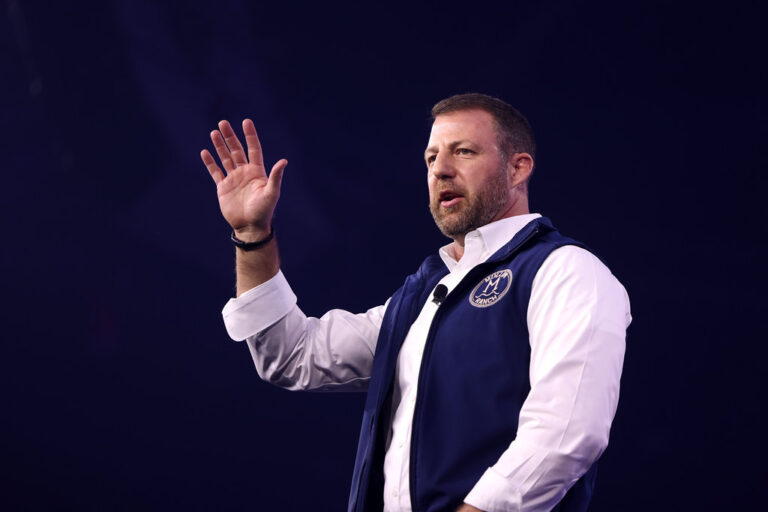
Mullin: Trump Can’t Be Racist, Cherokee Senator Says

Key Takeaways:

  • Senator Markwayne Mullin argues President Trump cannot be racist because of their friendship and Mullin’s Cherokee heritage.
  • Mullin made these remarks on CNN in response to Senator Mark Kelly’s accusation that Trump dislikes “brown people.”
  • Mullin is an enrolled member of the Cherokee Nation, the largest federally recognized Cherokee tribe.
  • He also criticized Kelly for urging service members to question orders from superior officers.
  • The exchange highlights ongoing debate over Trump, race, and military obedience.

Mullin Insists Trump Isn’t Racist

Senator Markwayne Mullin strongly denied claims that President Donald Trump holds racist views. He spoke on CNN with host Dana Bash. Mullin said his own friendship and his status as a Cherokee citizen prove Trump cannot be racist. He called rival Senator Mark Kelly’s accusation “ridiculous.”

Cherokee Senator Challenges Racist Claims

Mullin pointed out that he is a registered member of the Cherokee Nation. This tribe has over 300,000 members. It is the largest of the three federally recognized Cherokee tribes. Members must show direct lineal descent from a Cherokee ancestor. Mullin’s heritage, he said, contradicts Kelly’s charge that Trump dislikes “brown people.”

Background of the Debate

This debate began when Senator Mark Kelly said Trump does not want “brown people coming” into the country. Kelly is a Democrat from Arizona. He accused Trump of using racist rhetoric at campaign rallies. Then Mullin, who represents Oklahoma, fired back.

Mullin’s CNN Appearance

On Sunday, Bash asked Mullin about Kelly’s remarks. Mullin responded by highlighting his own Cherokee identity. He said, “Mark Kelly just got done saying that the president was racist because he doesn’t like brown people, yet I sit in front of you as a Cherokee Indian and I’m very close friends with the president.” He called Kelly’s statement “losing credibility every single day.”

Why Mullin Believes Trump Isn’t Racist

Mullin argues that personal friendship matters more than public words. He views his close relationship with Trump as proof. Moreover, he feels that shared trust and respect show the president is not prejudiced. In his eyes, Trump’s actions speak louder than critics’ claims.

Understanding the Cherokee Nation’s Enrollment

The Cherokee Nation does not set a strict blood quantum. Instead, it requires proof of direct descent from a tribal ancestor. Mullin meets this requirement. His enrollment gives him a voice in tribal matters and a seat at the Senate. He is the first tribal citizen to serve in the Senate in nearly twenty years.

Impact of Heritage on the Debate

Supporters of Mullin say his heritage makes the racist claim implausible. They argue that a president who befriended a Cherokee senator cannot be biased. However, opponents note that friendship does not erase harmful policies or rhetoric. They say one friendship does not prove freedom from prejudice.

Kelly’s Response and the Broader Conversation

Kelly has not publicly withdrawn his accusation. Instead, he continues to focus on policy. He points to Trump’s immigration measures and border wall as evidence of bias. He believes these actions disproportionately affect people of color. This fuels the larger debate over whether the president’s policies are racist.

Military Orders Controversy

Mullin also attacked Kelly’s call for service members to defy illegal orders. Kelly urged troops to refuse orders that break the law. Mullin called this idea “ridiculous.” He warned it could undermine military discipline. In his view, soldiers must obey lawful commands and work through proper channels.

How Service Members View Orders

Military experts say soldiers follow the Uniform Code of Military Justice. It allows refusal of illegal commands. However, distinguishing illegal from lawful orders can be complex in the field. Critics of Kelly worry that encouraging defiance could lead to chaos. Supporters argue it upholds moral responsibility in extreme cases.

Transitioning Between Race Debate and Military Issue

Although the topics differ, both debates touch on loyalty and trust. Mullin uses his Cherokee status to build trust in Trump. He uses his patriotism to defend military order. Both arguments rest on notions of credibility. Yet critics say neither point fully addresses policy impacts.

Why the Word Racist Matters Here

The claim of racism carries heavy weight in politics. Calling someone racist implies deep bias against a whole group. It can damage a politician’s reputation. For Trump, such claims echo past controversies over his words. For Mullin, denying the label is crucial to his defense.

Analyzing Personal Friendship as Proof

Friendship can build trust between individuals. However, it does not guarantee shared beliefs. A person may hold biases contrary to a friend’s identity. Experts say single relationships cannot erase systemic concerns. They stress looking at actions, not just personal ties.

Public Reaction and Polling

Some polls show a split on whether Trump’s policies are racist. Supporters often see them as tough but fair. Critics view them as unfair and discriminatory. Mullin’s statement may sway some tribal members. Yet others say policy outcomes matter most.

The Role of Media in Shaping the Debate

CNN’s platform gave Mullin a wide audience. The clip quickly spread on social media. Viewers debated not just his words, but the larger issues. Media coverage can frame the conversation. It may focus on sensational lines rather than substance.

What Comes Next?

The exchange between Mullin and Kelly is unlikely to end soon. As the 2026 election cycle heats up, accusations will intensify. Other tribal leaders may speak out on the racist claim. Military experts may weigh in on Kelly’s orders debate. Meanwhile, both senators will press their points.

Final Thoughts on Racist Accusations

Accusing a leader of racism requires strong evidence. It goes beyond insults at rallies. It rests on patterns of words, actions, and policies. Both sides in this debate use personal stories to support their views. Yet the public must look at the bigger picture. That picture includes laws, court rulings, and real-world impacts.

Frequently Asked Questions

Why does Mullin believe friendship proves Trump isn’t racist?

Mullin feels his close friendship with Trump shows the president respects him. He argues that respect for a Cherokee friend means Trump cannot hold racist beliefs.

What are the Cherokee Nation enrollment rules?

The Cherokee Nation requires proof of direct lineal descent from a Cherokee ancestor. It does not mandate a specific blood quantum.

Did Kelly respond to Mullin’s defense?

Kelly has not directly retracted his remarks. He continues to focus on Trump’s immigration policies as evidence of bias.

How common is it for service members to refuse orders?

Refusal of illegal orders is allowed under the Uniform Code of Military Justice. However, it is rare and often debated in military and legal circles.

Can Supreme Court Limit Trump’s Presidential Power?

0

Key Takeaways:

  • The Supreme Court will soon rule on several cases testing presidential power.
  • A major tariff case could limit the president’s trade authority.
  • Other cases cover troop deployment, refugee status, and agency control.
  • Redistricting challenges may shape the next midterm elections.
  • These decisions could define the limits of executive authority for years.

In the coming months, the Supreme Court will face critical questions about presidential power. The justices must decide if the president can act beyond traditional boundaries. Their rulings may reshape the rest of his term. They could also affect how future presidents exercise authority.

Tariff Case Tests Presidential Power

First among these cases is the tariff challenge. Earlier this year, the president imposed broad “reciprocal tariffs” on imports. Business groups immediately sued, claiming he overstepped his power. When justices heard arguments, many seemed skeptical of his defense.

If the court strikes down the tariffs, it will limit the president’s power over trade policy. Future presidents would need stronger support from Congress before raising tariffs. Conversely, a ruling in the president’s favor could let him use trade barriers more freely.

The president has warned that ruling against him could hurt the economy. He even said it might reduce the country to “almost Third World status.” Yet the court must balance his claims against the need for checks and balances.

Testing Military Deployment Authority

Another case examines if the president can send troops into U.S. cities without clear approval. During protests, he used emergency powers to deploy the military. Critics argue these actions bypassed both Congress and the courts.

A decision against the administration could curb executive overreach. It might require future presidents to get legislative or judicial sign-off before deploying troops at home. If the court sides with the president, it could grant broader military authority in emergencies.

Refugee Status and Executive Limits

The court will also review the president’s power to end refugee status for certain groups. He canceled protections for migrants after natural disasters and conflicts abroad. Immigration advocates challenged these moves in court.

A ruling against the administration would reinforce that presidents cannot change immigration policy unilaterally. On the other hand, a win for the president could expand his control over who qualifies for protected status.

Control Over Executive Agencies

In a separate case, justices will decide whether the president can fire leaders of independent agencies at will. Currently, some agency heads can only be removed for cause. Critics say this ensures agencies stay free from political pressure.

If the court allows unrestricted removal, it would boost the president’s control over federal agencies. But if it upholds current protections, agencies will remain more insulated from political shifts.

Redistricting Push and Election Influence

Beyond direct executive actions, the Supreme Court may weigh in on aggressive redistricting efforts. The administration has backed new voting maps that could favor its party. Opponents call this an attempt to rig upcoming elections.

A ruling blocking these maps would protect fair district boundaries. However, a decision allowing them could reshape the next midterms and future control of Congress.

Potential Impact on Midterm Elections

The timing of these rulings is crucial. If released before the midterm campaigns heat up, they could sway voter sentiment. Narrowing presidential power might motivate opposition voters. Broadening executive authority could energize the administration’s base.

Therefore, the Supreme Court’s decisions could determine whether the president runs his final months at full steam or hits significant roadblocks.

What’s at Stake

All these cases hinge on one big question: How far can a president go without checks from Congress or the courts? A broad reading of presidential power might let future leaders act quickly on trade, security, and more. But a narrow reading would reinforce the system of checks and balances the Founders built into the Constitution.

These rulings will test the strength of American democracy. They will show whether any branch can truly hold a president accountable. In the end, the Supreme Court will leave a lasting mark on presidential power and the presidency itself.

Looking Forward

As we await these decisions, lawmakers and citizens watch closely. They know the stakes for this administration and all presidents to follow. While the court moves at its own pace, each hearing offers clues about how justices view executive authority.

Regardless of the outcomes, debates over presidential power will carry on. Future presidents and Congress will face similar fights. But for now, the nation’s attention stays fixed on the Supreme Court. Its upcoming rulings could either crown a president with near unchecked authority…or rein him in just in time.

Frequently Asked Questions about Presidential Power Supreme Court Rulings

What is presidential power?

Presidential power refers to the legal and constitutional authority the president has to set policy, enforce laws, and direct national affairs.

Why is the tariff case so important?

This case tests whether the president can impose large trade tariffs alone. It will determine how much control he has over trade policy without Congress.

When might the court announce its decisions?

The Supreme Court typically releases major rulings between late spring and early summer. Exact dates depend on the court’s schedule.

How could these rulings affect midterm elections?

Decisions that limit presidential power might boost opposition campaigns. Rulings that expand power could strengthen the sitting president’s influence over voters.

Trump Approval Rating Dips in GOP Circle

Key Takeaways

  • Donald Trump’s support among Republicans fell by seven points in one month.
  • This drop in Trump approval rating is larger than typical shifts.
  • Analysts warn the downward trend could continue.
  • Changes in voter concerns and fatigue drive this decline.
  • A slipping base could reshape the Republican 2024 contest.

On a weekend broadcast, Jonathan Capehart highlighted a sharp shift. He noted that Donald Trump’s overall poll numbers remain strong. However, his core focus lies in the GOP rank and file. In the latest Gallup poll, his Trump approval rating among Republicans dropped by seven points in just a month. Such a fall is rare for a leading candidate’s base. As a result, it caught many by surprise.

Capehart stressed that the overall approval rate matters less to Trump. Instead, he zeroes in on his Republican support. Over the years, that backing has remained rock solid. Yet this latest slide hints at an unusual crack in his armor. Although Trump still enjoys strong support, even small dips signal possible worries. Consequently, political watchers now question whether this trend could accelerate.

Reasons Behind the Trump Approval Rating Drop

First, voter fatigue may play a major role. After years of high drama, some Republicans may seek fresh faces. Moreover, ongoing legal battles might also dampen enthusiasm. When voters face repeated headlines, they can grow weary. Therefore, Trump’s nonstop presence might fuel a subtle shift.

Second, shifting priorities on key issues affect perceptions. For example, inflation, immigration, and foreign affairs shape voter views. If the party base feels frustrated on these fronts, its loyalty can waver. In addition, rival GOP figures have stepped forward with new ideas. As a result, some Republicans may test the waters with other contenders. Thus, even core supporters seem open to alternatives.

What Analysts Say About the Trump Approval Rating Path

Several experts predict further erosion in the Trump approval rating among Republicans. One analyst noted that base voters often react to fresh information more swiftly. For instance, new controversies or policy moves can change opinions overnight. Consequently, a seven-point drop could be the start of a deeper slide.

Another commentator argued that the decline might reflect changing voter demographics. Younger Republicans and independents tend to weigh in differently than older members. If the party base grows more diverse, its overall mood may shift. Moreover, emerging leaders could attract those eager for a new direction. As a result, Trump’s once-unshakable support might face more testy moments.

Potential Effects on the 2024 Republican Race

If the Trump approval rating continues to fall, others may sense an opening. Several GOP hopefuls could gain ground in early primary states. For example, rising governors and senators might appeal to a base eager for change. As candidates flock to debates, Trump could face tougher questioning from rivals.

Fundraising dynamics may also shift. Donors often follow the perceived front-runner’s strength. Therefore, a sustained slide could encourage contributions to other campaigns. In turn, those rivals might boost their own systems and staff. Thus, Trump’s historically dominant position might not feel so secure.

Looking Ahead for the Trump Approval Rating

In the weeks ahead, more polls will test the resilience of Trump’s base support. If the trend reverses, Republicans may breathe easier about his hold on the party. Conversely, another drop could fuel growing calls for new leadership. As the primary calendar heats up, every percentage point matters.

Furthermore, Trump’s own actions will influence the base mood. A bold policy move or high-profile rally could reinvigorate support. However, new controversies might deepen doubts. Given the volatility of modern politics, surprises remain likely. Ultimately, watching the next Gallup update will give the clearest sign of his standing.

Frequently Asked Questions

What does the seven-point drop mean for Trump’s campaign?

A seven-point decline shows a shift in Republican sentiment. It suggests his base may be more open to other candidates. If the trend continues, rivals could gain momentum.

Can this dip reverse quickly?

Yes. Strong rallies, clear policy proposals, or legal victories could boost support. Yet further controversies might deepen the fall. The next polls will reveal if the drop is temporary or lasting.

How do other polls compare to Gallup’s findings?

Different polls use varying methods and samples. While Gallup shows a notable drop, other surveys may report smaller shifts. Watching multiple polls gives a fuller picture of trends.

Why does Trump focus on his party approval rating?

For a candidate, base support ensures strength in primaries. High GOP approval signals loyalty and donor confidence. Therefore, Trump closely tracks that number over general approval.

Mullin Stumbles Over Trump Pardon in CNN Interview

0

Key Takeaways

  • Senator Markwayne Mullin praised Trump’s airspace shut-down over alleged Venezuela drug flights.
  • CNN host Dana Bash pressed Mullin on the president’s plan to pardon a convicted drug trafficker.
  • Mullin sidestepped questions about the Trump pardon by shifting focus to China’s influence.
  • The debate raises questions about consistency in U.S. drug-war policy and political priorities.

Senator Markwayne Mullin went on CNN to cheer President Trump’s tough talk on Venezuela drug trafficking. However, he froze when asked about the Trump pardon for Juan Orlando Hernandez. The former Honduran president faces a U.S. jury’s drug trafficking conviction. This split moment left viewers asking what really drives U.S. drug-war priorities.

Mullin’s Hardline on Venezuela

Mullin began by praising Trump for closing Venezuela’s airspace. He claimed Venezuelan President Nicolás Maduro turned his country into a “terrorist country.” According to Mullin, that made Venezuela a hub for planes loaded with drugs.
He said, “We won’t let them ship tons of drugs into the U.S. to kill our friends and family.” Moreover, he insisted these flights now disguise themselves as commercial or private jets. He added that by shutting airspace, Trump sent a clear message.

Bash’s Tough Question on the Pardon

Then Dana Bash shifted to the Trump pardon issue. She reminded Mullin that Trump says he fights Central and South American drug traffickers. Yet, he plans to pardon a convicted Honduran leader. That leader’s own words reportedly promised to “flood the U.S. with cocaine.” Bash asked why Trump would pardon him.
Mullin went silent for a beat. He did not defend or explain the pardon. Instead, he said he did not know the “particular circumstances” of that decision.

Mullin Shifts Focus to China

After that pause, Mullin moved on to China. He said building ties in Central and South America is key to countering Beijing. He argued that China’s influence there undermines U.S. interests. Therefore, he believes the pardon shows good faith. He claimed it can help new partners start fresh.
Mullin said he was not in the room when Trump spoke with Honduras’s president. Still, he trusts there was “good faith” in that pardon decision.

Background on the Trump Pardon for Hernandez

The Trump pardon for Juan Orlando Hernandez sparked fierce debate. Hernandez led Honduras from 2014 to 2022. After stepping down, he faced U.S. charges for helping move tons of cocaine to the United States. Witnesses said he agreed to pay traffickers with “pounds of cocaine.” A jury found him guilty.
Despite the conviction, Trump plans to erase Hernandez’s sentence. Supporters say it helps U.S. relations in the region. Critics say it rewards a leader tied to massive drug crimes. In addition, they call it unfair to American citizens who face strict drug sentences.

Political Fallout and Reactions

The contrasting stances on Venezuela and Honduras expose tensions. On one hand, Trump is praised for targeting Maduro. On the other, he is criticized for sparing Hernandez. Opponents see this as a double standard. They point to the pain drug crime causes in U.S. communities.
In Congress, some Republicans back the pardon as smart strategy. They argue it builds alliances against China. Conversely, many Democrats denounce it as political favoritism. They warn it could weaken U.S. credibility in the drug war. Independents worry about sending the wrong message to other leaders.

Why This Matters

This debate matters because it shapes U.S. policy on drug trafficking and diplomacy. It also affects how other countries view American justice. Moreover, it could influence future decisions on who gets pardoned. Finally, it shows how political strategy can clash with law enforcement goals.

Conclusion

Senator Mullin’s CNN appearance highlighted a key split in Trump’s drug-war approach. He cheered action against Venezuela but dodged defending the Trump pardon for a convicted trafficker. As the story unfolds, voters will watch how the administration balances justice with strategy. In addition, they will judge whether such pardons advance or harm U.S. interests in Latin America.

Frequently Asked Questions

What is the Trump pardon for Juan Orlando Hernandez about?

It is a presidential decision to erase the sentence of the former Honduran president. He was convicted in a U.S. court for drug trafficking. The pardon clears his criminal record.

Why did Senator Mullin praise action against Venezuela?

He said President Trump rightly shut down Venezuela’s airspace. According to Mullin, this step stops planes from bringing drugs into the U.S.

How did Mullin respond to questions on the Trump pardon?

He admitted he did not know the details. Then he shifted focus to China’s influence in Central America.

What could this debate mean for U.S. policy?

It may show a divide between hardline drug enforcement and diplomatic deals. The outcome could shape future pardons and U.S. ties in Latin America.

Idaho Bar’s Free Beer for One Month Offer Sparks Backlash

0

Key takeaways

• An Idaho bar promised free beer for one month to anyone helping ICE deport an undocumented migrant.
• Old State Saloon’s online pages were flooded with one-star reviews within hours.
• Bar staff responded by insulting reviewers as “angry progressive liberals” and “liars.”
• The Department of Homeland Security flagged the post, drawing even more attention.

Why the Free Beer for One Month Offer Drew Backlash

A small bar in Eagle, Idaho, ignited a firestorm when it announced free beer for one month to anyone who helped Immigration and Customs Enforcement remove an undocumented migrant. The Old State Saloon shared the offer in an online post. Almost instantly, its Google page filled with negative feedback. Critics slammed the bar’s political stunt and swore never to return. In turn, the bar’s staff fired back with insults. The clash has since gone viral, drawing both supporters and fierce opponents.

The Controversial Free Beer for One Month Offer

Old State Saloon’s offer promised free beer for one month if patrons provided proof they helped ICE identify and deport someone. The bar framed the deal as a reward for “protecting Idaho.” However, many saw it as a cruel gamble. First, customers voiced disgust at turning deportations into a contest. Then, online reviewers began piling on one-star ratings, condemning the bar’s harsh politics and what they called an ugly approach to immigration issues.

Flood of One-Star Reviews

Within hours of the post, the bar’s Google and social media pages were swamped with one-star reviews. Comments ranged from simple “never coming back” notes to harsh labels like “trashy” or “overly political.” One review read, “Don’t bother. Place is trashy and overly political.” Another critic pointed out that the food was “super greasy,” even though their complaint had no link to politics. Soon, hundreds of upset voices joined in, aiming to drown out the bar’s message.

Bar Staff Responses Fuel the Fire

Instead of de-escalating, Old State Saloon’s staff responded to almost every one-star review with insults. They called reviewers “angry progressive liberals” and “liars.” One staff reply read, “Another liar. Politics is not our entire personality. We host home school meetups, line dancing lessons, karaoke nights, and more.” To a review claiming greasy food, they shot back, “Liar. You never came here. Let me guess, another lib? All you people do is lie, lie, lie.”

A Back-and-Forth for the Ages

This online shouting match escalated quickly. Reviewers posted screenshots of the bar’s responses. Then, Old State Saloon shared those screenshots on its own account, gloating over each fresh insult. They even boasted about the negative reviews as proof that only “the loser left” cared about politics. Meanwhile, critics saw each reply as further proof that the bar cared more about politics than hospitality.

Government and Public Reaction

The post caught the attention of more than just internet users. The official account for the Department of Homeland Security reported Old State Saloon’s initial post. That move injected new fuel into the fire. Now people wondered why a federal agency would weigh in on a bar’s promotion. Supporters cheered the bar’s tough stance on immigration. Yet, many others decried it as an extremist call for cruelty.

Voices from Outside Idaho

The story spread beyond local news. A popular political commentator with over 280,000 followers asked, “Oh so this is where the Nazis hang out in Idaho?” That tweet lit up social media. Users as far away as New York and California weighed in, sharing their own one-star reviews and condemning the bar’s hard line. Yet, a handful of right-wing activists praised the idea as an example of patriotic action.

What This Means for Local Businesses

This saga shows how fast a local business can become a national story today. A single social post turned a quiet bar into a battleground over immigration and free speech. It also shows the risk of mixing politics with promotions. Many experts warn that aligning a brand too closely with any political stance can alienate half of its potential customers.

Could Free Beer for One Month Be Legal?

Some legal experts wonder if the offer violated any laws. Offering a reward for reporting immigration cases may conflict with privacy rules or anti-tracking laws. However, proving a violation could prove tough. Still, the threat of legal action may loom if the bar’s message spurs harassment or false claims.

Lessons for Other Businesses

First, think twice before using polarizing politics to drive sales. Second, prepare a plan for handling backlash online. Third, train staff not to engage in name-calling. A calm response often diffuses anger. Finally, remember that in the internet age, local actions can spark global debates in minutes.

What’s Next for Old State Saloon?

As the post continues to go viral, Old State Saloon faces a turning point. Will it double down on its stance or step back and apologize? Its next move could decide whether it loses more customers or wins over a niche audience that supports aggressive immigration policies. Either way, this tale will likely serve as a cautionary example for bars and restaurants everywhere.

Frequently Asked Questions

Why did the bar offer free beer for one month?

The bar wanted to reward people who helped ICE deport an undocumented migrant. It framed the offer as support for law enforcement and state security.

How did people react to the offer?

Many online users left one-star reviews, calling the bar “trashy” and “overly political.” Critics said the promotion turned a serious issue into a crude stunt.

Did bar staff respond to the criticism?

Yes. The staff replied to nearly every negative review with insults, labeling reviewers “angry progressive liberals” and “liars.”

What can other businesses learn from this?

Mixing politics with promotions can backfire. It’s wiser to keep marketing neutral or be ready for strong reactions. Calm, respectful responses help protect a brand’s reputation.

Newsmax Reacts to ICE Ads

0

Key Takeaways

• A new video urges Immigration and Customs Enforcement agents to quit their jobs.
• The ad ran in three major cities, including Palm Beach over Thanksgiving weekend.
• Newsmax hosts and guests called the ad “dangerous,” “disgusting,” and “communist.”
• Conservatives warn the message could fuel attacks on law enforcement.
• Critics link the ad to a broader push to shift family loyalty to the state.

A recent video ad campaign has sparked fierce debate on a Sunday panel at Newsmax. The ad urges ICE officers to leave their posts before shame follows them home. Critics on the show slammed it as an attack on families and law enforcement. They even compared it to tactics used in Soviet Russia. The panel’s strong language shows how charged the debate over immigration has become.

What the Ad Shows

The ad begins with an ICE agent walking in the door. We see a young child ask, “How was your day?” A narrator speaks directly to the agent. He says a mask will not hide you from your neighbors, your child, or God. He then invites the agent to quit before shame comes home. The ad closes with a plea: walk away now.

Moreover, the video uses quiet music and soft colors. This contrast makes its message feel personal and urgent. The ad aired first in Palm Beach, Florida. The political action committee behind it chose that city because a former president spent Thanksgiving there. Over the weekend, it also played in Chicago and Charlotte. Both cities saw recent immigration raids.

Conservative Criticism

Conservative voices on Newsmax wasted no time calling out the ICE ads. Deneen Borelli, a well-known commentator, called the ad “beyond propaganda.” She warned it could lead to violence against ICE officers. In her view, the video put targets on law enforcement backs. Deneen demanded networks stop showing these commercials.

In addition, Tom Borelli compared the campaign to classic communism. He argued the ad tries to break family bonds and shift loyalty to the state. He said Soviet Russia used similar methods to control people. He also tied the ICE ads message to other cultural battles. He claimed it aimed to replace parents with state authority on issues like transgender youth.

A Newsmax host joined the chorus, calling the ad “shocking” and “disgusting.” The host even linked the video’s message to a recent shooting of two National Guard members. She argued that words like those in the ICE ads can inspire real violence.

Why ICE Ads Sparked Outrage

First, the ad attacks a specific group of officers. This direct call to quit has rarely appeared in mainstream political ads. Consequently, many saw it as an assault on a vital federal force. Second, the timing tied it to high-profile immigration moves. Many believe it crossed a line from criticism into personal attack. Finally, the use of family imagery heightened emotions. Viewers felt the video aimed to shame parents who work in law enforcement.

Furthermore, networks that aired the spots have come under fire. Critics blame them for spreading dangerous messages. They claim airing the ICE ads is irresponsible. Meanwhile, defenders argue free speech must allow political ads, even if they feel harsh.

Political Impact and Strategy

The ad campaign comes from the Women’s March WIN political action committee. Their strategy targets cities with recent ICE activity. They want to stoke a broader debate on deportation and immigration policy. By placing the ads in Palm Beach over Thanksgiving, they tapped into high traffic during the holiday. They also reached people visiting Mar-a-Lago resort.

Chicago and Charlotte share histories of major immigration raids. Thus, the ads aimed to influence local views on enforcement tactics. They also sought to energize activists and voters ahead of upcoming elections. For example, city leaders in both areas have faced criticism over cooperation with federal immigration agents. The campaign aimed to widen that debate.

Meanwhile, opponents warn the ads could backfire. They say the harsh messaging might unite supporters of ICE. That reaction could lead to more public support and funding for enforcement. Opponents also fear the ads might embolden extremists to target officers. Such concerns highlight the risks of polarizing political ads.

Broader Lessons on Political Messaging

This clash over ICE ads underlines a larger trend in modern politics. Campaigns now use emotional appeals and personal stories to sway opinions. They no longer rely solely on facts or policies. Instead, they frame messages to hit viewers on a gut level. However, this tactic brings ethical questions. When does emotional persuasion become harmful? How far can campaigns go without risking violence?

Moreover, the use of family imagery raises complex debates. Families face tough choices when loved ones work in controversial fields. Ads like these force personal issues into public arguments. That blend of private life and politics creates fierce reactions. It also shows how political rhetoric can shape, or even divide, families.

What Comes Next?

Given the backlash, networks may rethink airing similar ads. Some media outlets already said they will review their policies. On the other hand, activists view the controversy as a win. They see the debate as proof the ads struck a nerve. As a result, more groups might launch bold campaigns on other topics.

Legally, political ads enjoy broad protections. Courts have long upheld the right to speak freely in elections. Still, airing ads that target specific groups can spark calls for new rules. Lawmakers may debate transparency measures. For instance, they could push for clearer disclaimers on who pays for the ads. They might also propose limits on ads that incite or threaten.

Public opinion polls in the coming weeks will show if the ICE ads moved the needle. If more people side with the critics, networks might pull the spots. Conversely, if viewers see the ads as valid protest, more campaigns might follow this model. In any case, the ICE ads debate has set a new standard for heated political messaging.

Frequently Asked Questions

Why did the ad campaign target ICE officers?

The group behind the ads wanted to challenge strict immigration enforcement. They aimed to persuade officers to resign by appealing to family and moral values.

Is it legal to urge federal workers to quit their jobs in political ads?

Yes. Political speech has strong protection under free speech laws. As long as the ads follow disclosure rules, they can call for resignations.

Could these ads lead to violence?

Critics believe harsh messages can inspire extremism. They worry the ads paint officers as villains, which could provoke attacks. Supporters say the ads remain peaceful persuasion.

What might happen to political ad rules after this controversy?

Lawmakers could propose new transparency or content limits for political ads. They might require clearer disclaimers on who funds them or ban ads targeting specific groups.